Review Article
From the Marsico Lung Institute, University of North Carolina at Chapel Hill, Chapel Hill. Address reprint requests to Dr. Boucher at the Marsico Lung Institute, University of North Carolina at Chapel Hill, 7008 Marsico Hall, Chapel Hill, NC 27599, or at richard_boucher@ med . unc . edu.
N Engl J Med 2019;380:1941-53. DOI: 10.1056/NEJMra1813799
Copyright © 2019 Massachusetts Medical Society.
A
spectrum of lung diseases that affect the airways, includingchronic obstructive pulmonary disease (COPD), cystic fibrosis, primary ciliary dyskinesia, and non–cystic fibrosis bronchiectasis, can be character-ized as muco-obstructive diseases.1-4 These diseases have the clinical features of cough, sputum production, and episodic exacerbations that are often associated with a diagnosis of chronic bronchitis.5 However, neither “chronic bronchitis” nor “hypersecretory diseases”6 adequately describes the diffuse mucus obstruction, airway-wall ectasia, chronic inflammation, and bacterial infection that are typical of these conditions; therefore, “muco-obstructive” may be a preferred descriptive term. Although asthma can also be associated with diffuse airway mucus obstruc-tion,7 its distinct pathophysiological mechanisms preclude discussion in this grouping.8
The pathogenesis of muco-obstruction of the airways is depicted in Figure 1A. In healthy persons, a well-hydrated mucus layer is transported rapidly (at a rate of approximately 50 μm per second) from the distal airways toward the trachea. In muco-obstructive diseases, epithelial defects in ion–fluid transport, mucin secre-tion, or a combination of these lead to hyperconcentrated (dehydrated) mucus, failed mucus transport, and mucus adhesion to airway surfaces. Mucus that is accumulated in the trachea can be expectorated by cough as phlegm or sputum.11 Mucus in the small airways cannot be cleared by cough and accumulates, forming the nidus for airflow obstruction, infection, and inflammation.11
Biochemical and Biophysical Properties of Mucus R el ative to Airway Function
Human airway mucus is a hydrogel composed of approximately 98% water, 0.9% salt, 0.8% globular proteins, and 0.3% high-molecular-weight mucin polymers.12 The hydration (concentration) status of mucus is measured as the wet-to-dry con-tent of mucus (i.e., the percentage of a given volume that consists of nonvolatile solids) or as the mucin concentration determined by light-scattering tech-niques.9,11,13 The correlation between the two measurements (in healthy persons or those with muco-obstructive disease) is high, which allows both measures to be used to describe this mucus property.9
The two major synthesized and secreted respiratory mucins, MUC5B and MUC5AC, are physically very large, spanning 0.2 to 10 μm in length for single polymers. The secreted mucin polymers interweave to form mesh-like gels with mesh sizes that are concentration dependent (i.e., higher concentrations are associ-ated with smaller mesh sizes). MUC5B and MUC5AC share many features, includ-ing their multimeric organization and high carbohydrate content (approximate-ly 75% of total weight) (Fig. 1B).14 There are, however, major differences in the
Jeffrey M. Drazen, M.D., Editor
Mucin Concentration (
µg/ml)
4000 6000 8000
2000
0
Patients with PCD (N=42) Healthy Persons
(N=69) COPD Patients with(N=359) NCFB Patients with(N=99) Patients with CF (N=20) Normal
Molecular Mass
400 kDa
400 kDa
66 kDa
200 kDa
900 kDa
3500 kDa
MUC5AC
MUC5B
ALB
MUC1
MUC4
MUC16
Protein Length and Structure
>4 µm
4 µm 1 µm
250 nm Glycosylated region
Mucus stasis Muco-obstructive lung disease
Accumulation Cl–
Na+
H2O
H2O
Cl–
Na+ H
2O
MUCUS LAYER
MCC=50 µm/sec MCC=0 µm/sec
ENaC
Mucin Mucin
CACC and CFTR PCL
Obstruction and infection
Cl–
Na+ H 2O
Mucin
Na+ H 2O
Mucin
Airflow
Cough
Cl–
Mucin
Mucin
C Total Sputum Mucin Concentrations
A Disease Progression
regulation of transcription and probably the function of MUC5B and MUC5AC. Data from studies in mice indicate that Muc5b is required for basal mucociliary transport, whereas Muc5ac reacts to external stresses, features that are likely to be mimicked in humans. Recent data indicate that MUC5B is by concentration the
dominant mucin (10:1 over MUC5AC) in normal human lower airways.10
The physical properties of mucus can be pre-dicted from polymer physics15 that describe not only well-studied mucus viscoelastic properties but also other key biophysical properties, includ-ing mucus osmotic pressure, adhesion, cohesion, and friction.11,13,15 The viscoelastic and osmotic properties of mucus, as with other polymer gels, scale to the third power, or higher, of concentra-tion. This feature of mucus accounts for the observation that relatively small changes in con-centration have profound effects on the bio-physical and transport properties of mucus — for example, higher concentrations dramatically decrease transportability.13,16 In addition, the properties of mucus gels can be modified by conditions that create inter-mucin polymer in-teractions with relatively long bond half-lives, producing “sticky” polymer gels whose viscous properties can scale to the eighth power of con-centration.13,15
Mucin Concentr ations in Muco -Obs tructive Lung Dise ases
Mucin concentrations are abnormally raised in each of the four muco-obstructive diseases — COPD, cystic fibrosis, primary ciliary dyskinesia, and non–cystic fibrosis bronchiectasis — and these findings are consistent with a role for ele-vated mucin concentrations in the pathogenesis of muco-obstructive disease (Fig. 1C). Although MUC5AC levels are elevated and may uniquely modify mucus properties, MUC5B is the domi-nant mucin by concentration in these diseases.10
Integr ated Cilia and Cough-Dependent Mucus Cle ar ance
The classic views of the mucus transport system have undergone substantial revision at both macroscopic and microscopic length scales dur-ing the past decade.13,17
Macroscopic — Intrapulmonary Mucin Sources
Mucus lines all airway surfaces as it moves to-ward the throat through ciliary activity. Tradi-Figure 1 (facing page). Muco-Obstructive Disease
Pathogenesis, Mucin Species, and Total Mucin Concentrations in Health and Disease.
Panel A shows the progression from normal to muco-obstructed airways. In healthy persons (left), well- balanced epithelial sodium (Na+) absorption and
secre-tion of chloride anions (Cl−) hydrates airway surfaces
Gel on liquid Two gels
Normal steady state Diseased hyperabsorption
A Models of Mucus Transport B Normal Epithelial Ion and Water Transport
C Water-Drawing Power of the Mucus Layer (πML) vs. the PCL (πPCL) D Mucus Concentration and Osmotic Pressure
% Solids
% Water
Relative Mucus Clearance (%)
100 80 60
20 40
0 0
100
πPCL πPCL
πPCL
πML ≈
πML > πML <
πPCL
πML
2 4 6 8 10 12
98 96 94 92 90 88
Na+ H
2O H2O
Mucin ENaC
πML<πPCL πML=πPCL
SOL PCL
EPITHELIAL CELL
EPITHELIAL CELL
WATER WATER
AIRFLOW
MUCUS LAYER
Mucus Concentration (% solids)
Osmotic Pressure (Pa)
1000
Normal CF Sputum CF Lung
100 10,000
0 10
0.8
πPCL
1 2 3 4 6 8 10 14
MUCUS LAYER
PCL
MCC = 50 µm/sec
πPCL = 500 Pa
πML = 100 Pa 2% solids
Adhesion Cohesion
MUC5AC
MUC5B
MUCUS LAYER
MUC5AC
MUC5B
MUC1
MUC4 MUC16
E Mucus-Layer Concentration vs. Predicted Clearance F Airflow, Mucus, and Cough Efficiency Cl–
Cl–
CaCC CFTR
ADO
P2Y2A2b ATP
tionally, the superficial epithelia that line large (bronchial) and small (bronchiolar) airways were believed to secrete MUC5AC, whereas large-air-way submucosal glands were thought to secrete MUC5B. Data from mouse models and human studies have led to a reformulation of this view.18,19 Under baseline conditions, the superfi-cial epithelia of both human large and small airways secrete MUC5B. Airway MUC5B secre-tion is supplemented by MUC5B secresecre-tion from the glands that may be in part tonic but probably can be greatly increased with cough.20 A variety of pulmonary stresses trigger superficial epithe-lial MUC5AC expression.12 Recent research sug-gests that MUC5AC secretion is superimposed on superficial airway secretory (club) cells that are competent for basal MUC5B secretion.18
Microscopic — Mucus Layer–Cilia Topography The classic description of mucociliary clearance envisioned the movement of a mucus (gel) layer over a periciliary watery (liquid) layer, also called the “sol” layer.17 This description has been re-placed by one depicting the mucociliary appara-tus as comprising two gels: a mucus layer and a periciliary layer (Fig. 2A).13 The periciliary layer was identified as a dense gel composed of gly-copolymers, including the MUC1, MUC4, and MUC16 mucins, tethered to epithelial-cell sur-faces and cilia. An important concept that emerged from this formulation is not only that the mucociliary-clearance apparatus is composed of two polymer hydrogels but also that they compete for hydration. The force that mediates polymer-gel hydration — that is, the water-drawing power — is described as the osmotic pressure of a hydrogel. Experimental measure-ments revealed that the osmotic pressure of the normal mucus layer consisting of 2% solids is approximately 100 Pa,9,13 whereas the periciliary layer is more concentrated, with an osmotic pressure of approximately 500 Pa (Fig. 2B).13 The higher osmotic pressure of the periciliary layer in healthy persons ensures that it is well hydrated, providing appropriate lubrication for ciliary activ-ity and transport of the overlying mucus layer.13
Integration of Epithelial Ion Transport and Mucus Hydration
The two-gel model allows for quantitative pre-dictions with respect to interactions between Figure 2 (facing page). Two-Gel Model of Mucus Transport.
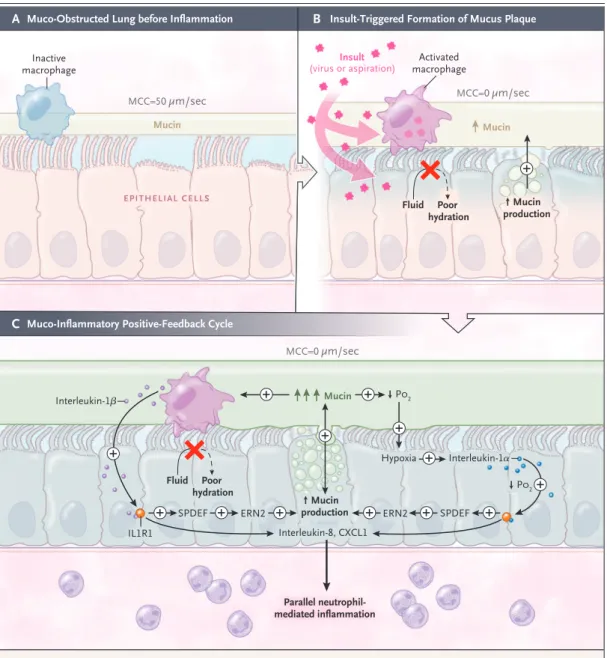
Figure 3. Muco-Inflammatory Positive-Feedback (“Vicious”) Cycles in Muco-Obstructive Disease.
Panel A shows the basal muco-obstructive disease state in which surface hydration and mucus concentration may be relatively normal but vulnerable to muco-obstruction with insults (e.g., aspiration or viral infection). Panel B shows insult-triggered formation of abnormal mucus plaque. Insults increase mucin secretion not accompanied by adequate hydration owing to abnormal fluid-secretory responses. Hyperconcentrated mucus activates resident macrophages (pink) and produces hypoxia in subjacent airway epithelia (blue). Panel C shows the generation of persistent, muco-inflammatory positive-feedback cycles. Activated resident macrophages release interleukin-1β (left), and hypoxic necrotic epithelia (blue) release interleukin-1α (right). Interleukin-1α and -1β activate epithelial interleukin-1 receptors (IL1R1) to induce mucin biosynthesis mediated by SPDEF and ERN2 and expression of proinflammatory cytokines and chemokines (e.g., IL8 and CXCL1). Accelerated mucin secretion without proper hydration worsens mucus hyper-concentration on airway surfaces and stimulates hypoxic macrophages and epithelia to release additional interleukin-1α and -1β in positive-feedback loops (denoted by a plus sign). Secretion of proinflammatory mediators induces parallel neutrophil-mediated inflammation; parallel neutrophil-mediated, protease-induced mucin secretion; and other positive-feedback cycles (not shown). PO2 denotes partial pressure of oxygen.
Insult-Triggered Formation of Mucus Plaque
Muco-Inflammatory Positive-Feedback Cycle
Insult
Fluid Mucin
production Poor
hydration
(virus or aspiration)
A B
C
Fluid Poor hydration
Activated macrophage
+
Inactive macrophage
EPITHELIAL CELLS
Mucin production
Parallel neutrophil-mediated inflammation Interleukin-1β
Interleukin-8, CXCL1 IL1R1
SPDEF ERN2 ERN2 SPDEF
Interleukin-1α Hypoxia
PO2
PO2
+ +
+ +
+ + +
+ +
+
+ +
+
Mucin Mucin
Mucin
MCC=50 µm/sec MCC=0 µm/sec
MCC=0 µm/sec
mucus-layer concentration (hydration) and the efficiency of mucociliary transport. These pre-dictions are best understood from analyses of how the mucus and periciliary layers respond to fluid transport by the underlying airway epi-thelium.
In healthy persons, airway epithelia can se-crete or absorb ions and water and probably do both simultaneously.21 Maintenance of normal airway-surface hydration is provided by cilial mechanosensing of mucus-layer concentration, regulated release of ATP by ciliated cells onto the airway surface, and fine-tuning of ion-trans-port and fluid-transion-trans-port rates through purino-ceptor activation (Fig. 2B).8,24 In the well-hydrated normal state (2% solids and 98% water), the mucus layer acts as a fluid buffer to ensure ef-ficient mucus transport (Fig. 2C; and Fig. S1 in the Supplementary Appendix, available with the text of this article at NEJM.org). However, in muco-obstructive disease, abnormal epithelial fluid absorption depletes the airway surface of fluid, increases mucus concentrations, and raises osmotic pressures in the mucus layer to levels exceeding those in the periciliary layer (Fig. 2C). Moderately hyperconcentrated mucus that is as-sociated with disease compresses cilia and slows mucus transport, whereas severe hyperconcen-tration flattens cilia and produces mucus stasis and adhesion. Thus, the two-gel formulation predicts mucociliary transport rates from mucus concentrations (Fig. 2D and 2E) and explains why relatively small changes in hydration status (2% vs. 8% solids [i.e., 98% vs. 92% water]) pro-duce disease.
Cough — Backup Mechanism Recruited to Clear Adherent Mucus
When cilial-dependent mucus clearance fails, cough becomes the backup clearance mecha-nism.23 It is the combined failure of cilial- dependent and cough-dependent clearance that produces muco-obstructive disease. Like cilial-dependent mucus transport, mucus concentra-tion is a key determinant for all mucus proper-ties associated with cough-dependent transport, including friction, viscosity, cohesion, and adhe-sion (Fig. 2F, and Fig. S2 in the Supplementary Appendix).11
Pathogenesis of Muco - Obs truction
An important feature of muco-obstructive lung diseases is disease heterogeneity — that is, there are regions of the lung that are normal and other regions within the same lung that are se-verely diseased. Bronchiectasis is often a promi-nent finding in computed tomography (CT) of the lung. However, a common feature that uni-fies muco-obstructive diseases is the early mani-festation of disease in small airways (bronchioles), as evidenced by pathological examination, micro-computed tomography, and pulmonary-function studies.
The airways are defended against infection both by mechanical (mucus) clearance and by antimicrobial proteins and peptides that are se-creted into mucus by airway epithelial cells.25,26 The ability of antimicrobial molecules and anti-bodies to suppress bacterial-infection replication is short lived, probably on the order of hours.26 Consequently, a kinetic “horse race” is manifest in the lung, pitting the rate of acquisition of bacterial resistance to endogenous antimicrobial suppression against the rate of mechanical (mu-cus) bacterial clearance. However, slowing of clearance alone is probably not sufficient to produce disease. It appears that the mucus layer needs to come to a stop, with the formation of mucus plaques and plugs within airway lumens, to produce muco-obstructive disease. Studies in animal models have shown that the full spec-trum of muco-obstructive diseases, including air-flow obstruction, inflammation, and intermittent infection, are observed with mucus concentra-tion–dependent formation of plaques and plugs but not isolated defects in mucociliary clearance.27
progres-sion from bronchitic to bronchiectatic or bron-chiolectatic lesions typical of these diseases.30,31
Bacterial infection is a common feature of muco-obstructive lung diseases.2-4,32 Data from patients with cystic fibrosis or other muco- obstructive diseases indicate that the major sites of infection in muco-obstructive lung diseases are intralumenal mucus plaques and plugs, not airway epithelial-cell surfaces.32 The limitation of oxygen diffusion through mucus plaques to underlying actively metabolizing epithelial cells produces regions of hypoxia within mucus plaques (Fig. 3).32,33 Analyses of microbiome data from patients with cystic fibrosis or COPD have identified oral anaerobes as the first bacterial pathogens in the muco-obstructed lung.34,35 These data suggest that a mouth–lung aspiration axis, in which oral anaerobes infect hypoxic mucus plaques, may be a unifying concept for early bacterial infection in most muco-obstructive dis-eases.35,36 Anaerobic bacteria can modify the hypoxic mucus environment to promote invasion by classic pathogens (e.g., Pseudomonas aeruginosa), which respond to mucus concentration–depen-dent tightening of mucus meshes to grow as aggregates or biofilms.4,32,33,37,38 Future studies are required to establish whether oral pharyn-geal flora in sputum samples obtained from patients with muco-obstructive disease may, like classic pathogens, require treatment.
E x acer bations
Exacerbations are typical of muco-obstructive diseases. An exacerbation is broadly defined as a change in the patient’s perception of well-being, the seeking of health care, or a health care–implemented change in the patient’s medi-cal regimen.39 In all muco-obstructive lung dis-eases, the overall rate of progression of disease severity (e.g., loss of lung function) is probably heavily influenced by the incidence and severity of acute exacerbations. Common to all muco-obstructive diseases, previous rates of exacer-bation and gastric aspiration are predictors of future rates of exacerbation — that is, a patient with many past exacerbations is more likely to have future exacerbations than a patient without such a history.1
It is important to note that an exacerbation is superimposed on preexisting, heterogeneous
muco-obstructive lung disease. Previous studies suggest that some exacerbations are caused by an intensification of disease in areas with pre-existing disease, perhaps reflecting a change in bacteria through genetic drift or phenotypic re-sponses to a local environment.40,41 However, the new physical findings that are associated with exacerbations suggest that many exacerbations are associated with the spread of disease to pre-viously unaffected regions (Fig. S3 in the Supple-mentary Appendix).42 A common mechanism for spread may be gastric aspiration; this concept is consistent with data from patients with COPD, non–cystic fibrosis bronchiectasis, or cystic fi-brosis.43,44 Perhaps the major trigger for spread is viruses aspirated from upper airways into the lung. A spread mechanism is consistent with data from patients with cystic fibrosis or non– cystic fibrosis bronchiectasis showing that the microbiome changes little during exacerba-tions.34,45 Clinically, exacerbations must be treat-ed vigorously to limit permanent loss of lung function.
Dise ase-Specific Pathways to Hyperconcentr ation
of Airway Mucus
Cystic Fibrosis
Cystic fibrosis is the most extensively studied disease with respect to the two-gel hypothesis describing mucus concentration–dependent dis-ease. The abnormal concentration of mucus in the lungs of patients with cystic fibrosis reflects a primary abnormality of airway epithelial ion transport.4 In this disease, the airway epithelium is vulnerable to fluid hyperabsorption because of a defect in the secretion of chloride and bicar-bonate anions mediated by the cystic fibrosis transmembrane conductance regulator (CFTR) and by an intact sodium absorptive path. Laboratory evidence suggests that cystic fibrosis can be trig-gered by viral infections that lead to unre-strained liquid absorption, mucus hyperconcen-tration, and the formation of mucus plaques and plugs (Fig. S4 in the Supplementary Appendix).22
Supplemen-tary Appendix) in patients with cystic fibrosis than in healthy persons.9 Sputum osmotic pres-sures in healthy persons (approximately 100 Pa) were below the osmotic pressure of the peri-ciliary layer (500 Pa), as predicted,13 whereas expectorated sputum samples from patients with cystic fibrosis had osmotic pressures slightly above basal periciliary-layer values (≥500 Pa) (Fig. 2D). The mucus extracted from the lungs of patients with cystic fibrosis at transplantation had even higher concentrations (10 to 15% solids) and osmotic pressures (>1000 Pa), findings con-sistent with a failure to clear (cough out) highly concentrated, adherent mucus.9,11 Optical coher-ence tomography of the upper airways in vivo of adults with cystic fibrosis revealed evidence of mucus hyperconcentration, slowed mucociliary clearance, and, as predicted by the two-gel hy-pothesis, a reduction in the height of the peri-ciliary layer.46
Recent data regarding bronchoalveolar lavage from children with cystic fibrosis in the Austra-lian Respiratory Early Surveillance Team for Cystic Fibrosis (AREST CF) cohort showed that a persistent increase in mucin concentration and inflammatory cells preceded bacterial infection in the lung.47 “Rough” (hyperconcentrated) MUC5B and MUC5AC mucus flakes, probably of small-airway origin, were also a feature of bronchoal-veolar fluid from children with cystic fibrosis.48 Although failure of CFTR-dependent bicarbonate secretion might suggest a role for pH in early cystic fibrosis, transbronchoscopic measurements in the AREST CF cohort did not detect a signifi-cant difference in lower-airway pH between pa-tients with cystic fibrosis and disease controls without cystic fibrosis. In addition, pH has less effect than concentration on the biophysical properties of mucus related to clearance or plaque formation.11 Aspirated oral anaerobes ap-pear to be the first bacterial pathogens in the lungs of patients with cystic fibrosis, followed by the classic gram-negative pathogens that probably accelerate the vicious cycle depicted in Figure 3 and loss of lung function.4,49,50
COPD
COPD manifests as persistent airflow obstruc-tion, most often in response to inhaled environ-mental agents.1,51 Hyperconcentrated mucus has been reported in lower-airway samples obtained
from patients with COPD, and higher mucus concentrations are correlated with reduced in vivo rates of mucociliary clearance.16 Data from a large cohort study involving patients with COPD suggest that a major trigger of COPD, cigarette smoke, is associated with an increase in mucin concentration.10 Furthermore, hyper-concentration of mucins in sputum was associ-ated in this cohort with disease severity, as in-dexed by associations between increased mucin concentrations and greater airflow obstruction and higher exacerbation rates.10 Increased mucin concentrations were also associated with a sub-group of patients with early COPD (i.e., those with nearly normal lung function), who were shown to be at risk for rapid progression of their disease.10
The airway epithelial defects that produce mucus hyperconcentration in COPD are com-plex.51 Exposure to cigarette smoke may produce abnormalities in CFTR-mediated secretion of chloride anions through oxidant-induced reduc-tion of CFTR transcripreduc-tion rates and direct dam-age to CFTR protein in the apical membrane.52,53 Furthermore, increased extracellular nucleotide and nucleoside metabolism decreases extracellu-lar ATP and adenosine levels, which suggests de-fective purinoceptor regulation of airway-surface hydration.16 These defects in epithelial ion and fluid transport (hydration) are amplified by ciga-rette smoke–induced hypersecretion of MUC5AC and MUC5B.6 Mucin hypersecretion may be par-ticularly important in COPD because accelerated metabolism of co-released adenosine diphosphate, adenosine monophosphate, and adenosine, cou-pled with defective CFTR function, may limit paracrine adenosine–CFTR hydration responses that accompany mucin secretion.54
The mucin hyperconcentration that charac-terizes patients with COPD is perhaps the mild-est example in the muco-obstructive disease grouping (Fig. 1C). Patients with COPD also tend to have the least severe muco-obstructive airway disease, particularly with respect to the lower incidence of bronchiectasis and pseudomonas infection (Fig. 2B).55,56
Primary Ciliary Dyskinesia
cilial shaft proteins, cilial beat frequency, and defective mucociliary clearance.3,57 However, sputum obtained from patients with primary ciliary dyskinesia also is abnormally hypercon-centrated, which suggests that a “second hit” contributes to the pathogenesis of the disease (Fig. 1C).58 Studies that identified the mechano-transduction pathways linking mucus concen-tration with cilial strain–induced ATP release also showed that this signaling pathway was defective in patients with primary ciliary dyski-nesia.24 This defect in ciliary sensing probably reduces the release of ATP onto airway surfaces, thereby decreasing fluid secretion and generat-ing a hyperconcentrated mucus plaque or plug component to airflow obstruction.
The pulmonary phenotype of patients with primary ciliary dyskinesia, aside from the more basilar distribution of bronchiolectasis and bron-chiectasis, is similar to that of cystic fibrosis but is shifted toward older ages with respect to dis-ease severity–age relationships.3,59 Notable simi-larities to cystic fibrosis include the presence of anaerobes in early primary ciliary dyskinesia, the subsequent acquisition of classic muco-obstruc-tive or bronchiectatic pathogens (e.g., staphylo-coccus, Haemophilus influenzae, and P. aeruginosa), and severe neutrophilic inflammation in the air-ways with raised DNA concentrations.3 It is not clear whether the milder disease phenotype of patients with primary ciliary dyskinesia reflects the retention of partial ciliary activity in many genotypes of the disease, the persistence of CFTR functions other than hydration in primary ciliary dyskinesia, or other factors.
Non–Cystic Fibrosis Bronchiectasis
Non–cystic fibrosis bronchiectasis is a phenotype defined by bronchiectasis in the absence of a monogenetic cause.60 Although non–cystic fibrosis bronchiectasis is now typically defined by dilated bronchi on CT, classic pathological studies have highlighted severe small-airway disease, includ-ing bronchiolectasis, mucus plugginclud-ing, and in-flammation, in this syndrome.61 Consistent with these pathological findings, non–cystic fibrosis bronchiectasis has the typical small-airway air-flow impairment of muco-obstructive diseases.62 Non–cystic fibrosis bronchiectasis probably reflects an interaction between environmental stresses and genetic host-defense risk alleles,
with bronchiectasis as a final common path-way.60 Genetic studies suggest that non–cystic fibrosis bronchiectasis is associated with a spec-trum of genetic risks, including abnormal muco-sal host defense, immune function, or connec-tive tissue.60 The recent reports that sputum obtained from patients with non–cystic fibrosis bronchiectasis is hyperconcentrated suggest that an epithelial defect in the regulation of mucin hydration may contribute to disease pathogene-sis (Fig. 1C). Currently, genetic studies have not linked ion-transport genes to non–cystic fibrosis bronchiectasis, and direct measurements have suggested that CFTR functions normally in pa-tients with non–cystic fibrosis bronchiectasis without CFTR mutations.63
The microbiome of patients with non–cystic fibrosis bronchiectasis is typical of muco-obstruc-tive diseases, characterized by polymicrobial oral anaerobic bacteria, staphylococcus, and H. influ-enzae, with approximately 15 to 20% of patients positive for P. aeruginosa.45,64 In this context, non– cystic fibrosis bronchiectasis resembles early cys-tic fibrosis.50 Patients with non–cystic fibrosis bronchiectasis have an incidence of nontubercu-lous mycobacteria infection that may be as much as 60% higher than the incidence among pa-tients with other muco-obstructive diseases; this finding indicates a potential role of immune-deficiency alleles in non–cystic fibrosis bronchi-ectasis.60,65
Diagnosis
Measures of mucus concentration (percent solids) and total mucin concentrations have also been explored as diagnostic tools.10 For example, mucin concentrations in sputum are signifi-cantly associated with chronic bronchitis symp-toms defined by patient-related outcome data, and receiver-operating-characteristic curve analy-ses suggest that mucin concentration is a good biomarker for COPD.10
Ther apies for Muco - Obs tructive Dise ases
Disease-specific therapies for one muco-obstruc-tive disease, cystic fibrosis, are now available. Ivacaftor (VX-770) is a potentiator of residual CFTR function that has been approved for pa-tients with cystic fibrosis with gating and some splicing CFTR mutations.67 Ivacaftor provided a model for the development of therapies for muco-obstruction, as evidenced by impressive associa-tions between improved airway-surface hydration in vitro, peripheral and central mucociliary clear-ance in vivo, and clinically relevant outcomes (e.g., forced expiratory volume in 1 second [FEV1]). For patients with cystic fibrosis who are homo-zygous for a deletion of phenylalanine 508 (F508del) in CFTR, ivacaftor–lumacaftor and tezacaftor–ivacaftor are available but offer more modest clinical benefit. Three-drug combinations of correctors and potentiators await approval but appear to be highly effective in patients with at least one F508del mutation (approximately 90% of patients).
Hydrators
Perhaps the most direct approach in the treat-ment of muco-obstructive lung diseases is to reduce the concentration of pathologic mucus — that is, rehydrate it. The currently available approach to achieve this goal is inhalation of osmotically active aerosols (e.g., hypertonic saline or mannitol).68,69 In clinical development are modulators of ion transport that may redirect airway epithelial ion transport from net absorp-tive to secretory directions, providing a mecha-nism for epithelial restoration of airway-surface hydration.70
Hypertonic saline is the most widely tested inhaled osmotic agent in muco-obstructive lung diseases. The use of hypertonic saline is best
described in cystic fibrosis, producing sustained increases in mucociliary clearance, increased FEV1, and reduced frequencies of exacerbation.69,71 Inhalation of hypertonic saline is often used in patients with non–cystic fibrosis bronchiectasis or primary ciliary dyskinesia, with some early evidence of efficacy,72 whereas inhalation of hy-pertonic saline appears to be safe in sputum induction in patients with COPD but is untested as yet therapeutically.73
Mucolytics
Two recent observations suggest that attacking abnormal mesh and gel properties of mucus in addition to reducing concentration may be thera-peutic. First, mucus viscosity is a key variable governing the mucus cohesive and adhesive prop-erties relevant to cough efficiency, and reduc-tions in viscosity with mucin S–S bond–reducing or surfactant agents decrease mucus adhesion and cohesion independent of concentration.11 Second, the mucus plaques or flakes that are recovered from young patients with cystic fibro-sis during bronchoalveolar lavage are unable to swell and dissolve in excess solvent47 (i.e., they are “permanent” gels). Permanency can be con-ferred by the generation of bonds with a long half-life between mucin polymers that can reflect oxidant-induced inter-mucin S–S bonds, inflam-matory protein-mediated “sticker” interactions between adjacent mucins, or both.74 Thus, ther-apies that are designed to reduce inter-mucin S–S bonds or block mucin–sticker interactions (e.g., with surfactants or glycopolymers) are be-ing developed to improve both mucus swellbe-ing and cough clearance.8,75 Inhaled acetylcysteine has not proved to have the mucin-reductive activity required for a therapeutic effect.8 (Additional references for this article are listed in the Sup-plementary Appendix.)
Conclusions
muco-inflammatory cycle that renders mucus plaques permanent and damaging to airway walls. Thera-pies that are designed to rehydrate and restore mucous viscous or elastic properties are rational. The challenge is to deliver these therapies to the small airways, where mucus obstruction may be complete and the physics of aerosol-deposition
efficiency may be poor. However, the concept that these diseases may be highly treatable emanates from studies involving patients with cystic fibro-sis in whom potentiators have reversed mucus obstruction in both large and small airways.67
Disclosure forms provided by the author are available with the full text of this article at NEJM.org.
References
1. Han MK, Agusti A, Calverley PM, et al. Chronic obstructive pulmonary disease phenotypes: the future of COPD. Am J Respir Crit Care Med 2010; 182: 598-604. 2. King PT, Holdsworth SR, Freezer NJ, Villanueva E, Holmes PW. Characterisa-tion of the onset and presenting clinical features of adult bronchiectasis. Respir Med 2006; 100: 2183-9.
3. Knowles MR, Zariwala M, Leigh M. Primary ciliary dyskinesia. Clin Chest Med 2016; 37: 449-61.
4. Rowe SM, Miller S, Sorscher EJ. Cystic fibrosis. N Engl J Med 2005; 352: 1992-2001.
5. Jones PW, Forde Y. St George’s respi-ratory questionnaire manual. London: St George’s, University of London, 2009 (http://www .healthstatus .sgul .ac .uk/ SGRQ _download/ SGRQ%20Manual%20June% 202009 .pdf).
6. Rogers DF. Physiology of airway mu-cus secretion and pathophysiology of hy-persecretion. Respir Care 2007; 52: 1134-46.
7. Dunican EM, Elicker BM, Gierada DS, et al. Mucus plugs in patients with asth-ma linked to eosinophilia and airflow ob-struction. J Clin Invest 2018; 128: 997-1009. 8. Fahy JV, Dickey BF. Airway mucus function and dysfunction. N Engl J Med 2010; 363: 2233-47.
9. Henderson AG, Ehre C, Button B, et al. Cystic fibrosis airway secretions exhibit mucin hyperconcentration and increased osmotic pressure. J Clin Invest 2014; 124: 3047-60.
10. Kesimer M, Ford AA, Ceppe A, et al. Airway mucin concentration as a marker of chronic bronchitis. N Engl J Med 2017; 377: 911-22.
11. Button B, Goodell HP, Atieh E, et al. Roles of mucus adhesion and cohesion in cough clearance. Proc Natl Acad Sci U S A 2018; 115: 12501-6.
12. Rose MC, Voynow JA. Respiratory tract mucin genes and mucin glycoproteins in health and disease. Physiol Rev 2006; 86: 245-78.
13. Button B, Cai LH, Ehre C, et al. A peri-ciliary brush promotes the lung health by separating the mucus layer from airway epithelia. Science 2012; 337: 937-41. 14. Thornton DJ, Rousseau K, McGuckin MA. Structure and function of the
poly-meric mucins in airways mucus. Annu Rev Physiol 2008; 70: 459-86.
15. Rubinstein M, Colby RH. Polymer physics. Oxford, United Kingdom: Oxford University Press, 2003.
16. Anderson WH, Coakley RD, Button B, et al. The relationship of mucus concen-tration (hydration) to mucus osmotic pres-sure and transport in chronic bronchitis. Am J Respir Crit Care Med 2015; 192: 182-90.
17. Lucas A, Douglas LC. Principles under-lying ciliary activity in the respiratory tract. Arch Otolaryngol 1934; 20: 518-41. 18. Okuda K, Chen G, Subramani DB, et al. Localization of secretory mucins MUC5AC and MUC5B in normal/healthy human airways. Am J Respir Crit Care Med 2019; 199: 715-27.
19. Zhu Y, Ehre C, Abdullah LH, et al. Munc13-2-/- baseline secretion defect re-veals source of oligomeric mucins in mouse airways. J Physiol 2008; 586: 1977-92. 20. Widdicombe JH, Wine JJ. Airway gland structure and function. Physiol Rev 2015; 95: 1241-319.
21. Boucher RC. Human airway ion trans-port: part one. Am J Respir Crit Care Med 1994; 150: 271-81.
22. Tarran R, Button B, Picher M, et al. Normal and cystic fibrosis airway surface liquid homeostasis: the effects of phasic shear stress and viral infections. J Biol Chem 2005; 280: 35751-9.
23. Leith DE. Cough. Phys Ther 1968; 48: 439-47.
24. Button B, Okada SF, Frederick CB, Thelin WR, Boucher RC. Mechanosensi-tive ATP release maintains proper mucus hydration of airways. Sci Signal 2013; 6: ra46.
25. Cole AM, Liao HI, Stuchlik O, Tilan J, Pohl J, Ganz T. Cationic polypeptides are required for antibacterial activity of hu-man airway fluid. J Immunol 2002; 169: 6985-91.
26. Cole AM, Dewan P, Ganz T. Innate antimicrobial activity of nasal secretions. Infect Immun 1999; 67: 3267-75.
27. Livraghi-Butrico A, Grubb BR, Wilkin-son KJ, et al. Contribution of mucus con-centration and secreted mucins Muc5ac and Muc5b to the pathogenesis of muco-obstructive lung disease. Mucosal Immu-nol 2017; 10: 395-407.
28. Cole PJ. Inflammation: a two-edged sword — the model of bronchiectasis. Eur J Respir Dis Suppl 1986; 147: 6-15. 29. Tyson JJ, Chen KC, Novak B. Sniffers, buzzers, toggles and blinkers: dynamics of regulatory and signaling pathways in the cell. Curr Opin Cell Biol 2003; 15: 221-31. 30. Chalmers JD, Moffitt KL, Suarez-Cuartin G, et al. Neutrophil elastase ac-tivity is associated with exacerbations and lung function decline in bronchiectasis. Am J Respir Crit Care Med 2017; 195: 1384-93.
31. Sly PD, Gangell CL, Chen L, et al. Risk factors for bronchiectasis in children with cystic fibrosis. N Engl J Med 2013; 368: 1963-70.
32. Worlitzsch D, Tarran R, Ulrich M, et al. Effects of reduced mucus oxygen concentration in airway Pseudomonas in-fections of cystic fibrosis patients. J Clin Invest 2002; 109: 317-25.
33. Cowley ES, Kopf SH, LaRiviere A, Ziebis W, Newman DK. Pediatric cystic fibrosis sputum can be chemically dy-namic, anoxic, and extremely reduced due to hydrogen sulfide formation. MBio 2015; 6(4): e00767.
34. Tunney MM, Field TR, Moriarty TF, et al. Detection of anaerobic bacteria in high numbers in sputum from patients with cystic fibrosis. Am J Respir Crit Care Med 2008; 177: 995-1001.
35. Sze MA, Hogg JC, Sin DD. Bacterial microbiome of lungs in COPD. Int J Chron Obstruct Pulmon Dis 2014; 9: 229-38. 36. Segal LN, Clemente JC, Tsay JC, et al. Enrichment of the lung microbiome with oral taxa is associated with lung inflam-mation of a Th17 phenotype. Nat Micro-biol 2016; 1: 16031.
37. Flynn JM, Niccum D, Dunitz JM, Hunter RC. Evidence and role for bacterial mucin degradation in cystic fibrosis air-way disease. PLoS Pathog 2016; 12(8): e1005846.
40. Sethi S, Maloney J, Grove L, Wrona C, Berenson CS. Airway inflammation and bronchial bacterial colonization in chron-ic obstructive pulmonary disease. Am J Respir Crit Care Med 2006; 173: 991-8. 41. Goss CH, Burns JL. Exacerbations in cystic fibrosis. 1: Epidemiology and patho-genesis. Thorax 2007; 62: 360-7.
42. Boucher RC. On the pathogenesis of acute exacerbations of mucoobstructive lung diseases. Ann Am Thorac Soc 2015; 12: Suppl 2: S160-S163.
43. Lee AL, Button BM, Denehy L, et al. Proximal and distal gastro-oesophageal reflux in chronic obstructive pulmonary disease and bronchiectasis. Respirology 2014; 19: 211-7.
44. Brodlie M, Aseeri A, Lordan JL, et al. Bile acid aspiration in people with cystic fibrosis before and after lung transplan-tation. Eur Respir J 2015; 46: 1820-3. 45. Cox MJ, Turek EM, Hennessy C, et al. Longitudinal assessment of sputum micro-biome by sequencing of the 16S rRNA gene in non-cystic fibrosis bronchiectasis patients. PLoS One 2017; 12(2): e0170622. 46. Leung HM, Birket S, Hyun C, et al. The study of functional microanatomy of CF airways using clinical intranasal micro-OCT imaging. Pediatr Pulmonol 2018; 53: Suppl 2: 174. abstract.
47. Esther CR, Muhlebach MS, Ehre C, et al. Mucus accumulation in the lungs precedes structural changes and infection in chil-dren with cystic fibrosis. Sci Transl Med 2019; 11(486): eaav3488.
48. Simel DL, Mastin JP, Pratt PC, et al. Scanning electron microscopic study of the airways in normal children and in patients with cystic fibrosis and other lung diseases. Pediatr Pathol 1984; 2: 47-64.
49. Abdullah LH, Coakley R, Webster MJ, et al. Mucin production and hydration re-sponses to mucopurulent materials in nor-mal versus cystic fibrosis airway epithe-lia. Am J Respir Crit Care Med 2018; 197: 481-91.
50. Muhlebach MS, Zorn BT, Esther CR, et al. Initial acquisition and succession of the cystic fibrosis lung microbiome is as-sociated with disease progression in infants and preschool children. PLoS Pathog 2018; 14(1): e1006798.
51. Hogg JC, Paré PD, Hackett TL. The contribution of small airway obstruction to the pathogenesis of chronic obstructive
pulmonary disease. Physiol Rev 2017; 97: 529-52.
52. Clunes LA, Davies CM, Coakley RD, et al. Cigarette smoke exposure induces CFTR internalization and insolubility, leading to airway surface liquid dehydra-tion. FASEB J 2012; 26: 533-45.
53. Cantin AM, Bilodeau G, Ouellet C, Liao J, Hanrahan JW. Oxidant stress sup-presses CFTR expression. Am J Physiol Cell Physiol 2006; 290: C262-C270. 54. Kreda SM, Seminario-Vidal L, van Heusden CA, et al. Receptor-promoted exocytosis of airway epithelial mucin gran-ules containing a spectrum of adenine nucleotides. J Physiol 2010; 588: 2255-67. 55. Martinez-Garcia MA, Miravitlles M. Bronchiectasis in COPD patients: more than a comorbidity? Int J Chron Obstruct Pulmon Dis 2017; 12: 1401-11.
56. Murphy TF, Brauer AL, Eschberger K, et al. Pseudomonas aeruginosa in chronic obstructive pulmonary disease. Am J Respir Crit Care Med 2008; 177: 853-60. 57. Horani A, Ferkol TW, Dutcher SK, Brody SL. Genetics and biology of pri-mary ciliary dyskinesia. Paediatr Respir Rev 2016; 18: 18-24.
58. Bush A, Payne D, Pike S, Jenkins G, Henke MO, Rubin BK. Mucus properties in children with primary ciliary dyskine-sia: comparison with cystic fibrosis. Chest 2006; 129: 118-23.
59. Maglione M, Bush A, Nielsen KG, et al. Multicenter analysis of body mass index, lung function, and sputum microbiology in primary ciliary dyskinesia. Pediatr Pul-monol 2014; 49: 1243-50.
60. Flume PA, Chalmers JD, Olivier KN. Advances in bronchiectasis: endotyping, genetics, microbiome, and disease hetero-geneity. Lancet 2018; 392: 880-90. 61. Whitwell F. A study of the pathology and pathogenesis of bronchiectasis. Tho-rax 1952; 7: 213-39.
62. Roberts HR, Wells AU, Milne DG, et al. Airflow obstruction in bronchiectasis: cor-relation between computed tomography features and pulmonary function tests. Thorax 2000; 55: 198-204.
63. Bienvenu T, Sermet-Gaudelus I, Burgel PR, et al. Cystic fibrosis transmembrane conductance regulator channel dysfunc-tion in non-cystic fibrosis bronchiectasis. Am J Respir Crit Care Med 2010; 181: 1078-84.
64. Serisier DJ, Martin ML, McGuckin MA,
et al. Effect of long-term, low-dose eryth-romycin on pulmonary exacerbations among patients with non-cystic fibrosis bronchiectasis: the BLESS randomized controlled trial. JAMA 2013; 309: 1260-7. 65. Aksamit TR, O’Donnell AE, Barker A, et al. Adult patients with bronchiectasis: a first look at the US Bronchiectasis Re-search Registry. Chest 2017; 151: 982-92. 66. Farrell PM, White TB, Ren CL, et al. Diagnosis of cystic fibrosis: consensus guidelines from the Cystic Fibrosis Foun-dation. J Pediatr 2017; 181: Suppl: S4-S15.e1. 67. Ramsey BW, Davies J, McElvaney NG, et al. A CFTR potentiator in patients with cystic fibrosis and the G551D mutation. N Engl J Med 2011; 365: 1663-72.
68. Anderson SD, Daviskas E, Brannan JD, Chan HK. Repurposing excipients as active inhalation agents: the mannitol story. Adv Drug Deliv Rev 2018; 133: 45-56.
69. Donaldson SH, Bennett WD, Zeman KL, Knowles MR, Tarran R, Boucher RC. Mucus clearance and lung function in cys-tic fibrosis with hypertonic saline. N Engl J Med 2006; 354: 241-50.
70. Shei RJ, Peabody JE, Kaza N, Rowe SM. The epithelial sodium channel (ENaC) as a therapeutic target for cystic fibrosis. Curr Opin Pharmacol 2018; 43: 152-65. 71. Elkins MR, Robinson M, Rose BR, et al. A controlled trial of long-term inhaled hypertonic saline in patients with cystic fibrosis. N Engl J Med 2006; 354: 229-40. 72. Paff T, Daniels JM, Weersink EJ, Lutter R, Vonk Noordegraaf A, Haarman EG. A randomised controlled trial on the effect of inhaled hypertonic saline on quality of life in primary ciliary dyskinesia. Eur Respir J 2017; 49: 49.
73. Fujimoto K, Yasuo M, Urushibata K, Hanaoka M, Koizumi T, Kubo K. Airway inflammation during stable and acutely exacerbated chronic obstructive pulmo-nary disease. Eur Respir J 2005; 25: 640-6. 74. Yuan S, Hollinger M, Lachowicz-Scroggins ME, et al. Oxidation increases mucin polymer cross-links to stiffen air-way mucus gels. Sci Transl Med 2015; 7: 276ra27.
75. Tarrant BJ, Le Maitre C, Romero L, et al. Mucoactive agents for chronic, non-cystic fibrosis lung disease: a systematic review and meta-analysis. Respirology 2017; 22: 1084-92.