EXPLORING THE ROLE AND READINESS OF STATE HEALTH DEPARTMENT EPIDEMIOLOGISTS IN THE UNITED STATES TO WORK IN EMERGING AREAS OF
PUBLIC HEALTH PRACTICE
Elizabeth R. Daly
A dissertation submitted to the faculty at the University of North Carolina at Chapel Hill in partial fulfillment of the requirements for the degree of Doctor of Public Health in the Department of Health Policy and Management in the Gillings School of Global Public Health.
Chapel Hill 2020
ABSTRACT
Elizabeth R Daly: Exploring the Role and Readiness of State Health Department Epidemiologists in the United States to Work in Emerging Areas of Public Health Practice
(Under the direction of Leah Devlin)
Epidemiology is a discipline within the field of public health that focuses on studying the distribution and determinants of disease in the population. Epidemiologists are key professionals within the public health workforce, fulfilling core public health science functions as part of the ten essential public health services. As the role of public health agencies changes over time, epidemiologists will need to adapt and develop new skill sets to work in emerging areas of public health practice, which are areas of practice that are new or are growing in interest and use. This mixed methods research sought to explore the role and readiness of state health department epidemiologists in the United States to work in emerging areas of public health practice. The emerging areas of public health practice assessed in this research included quality improvement, public health and healthcare integration, evidence-based public health practice, Health in All Policies, multisectoral collaboration, informatics, social determinants of health and health disparities, and program evaluation. Three phases of data collection and analysis were conducted including secondary analysis of the Public Health Workforce Interests and Needs Survey, a survey of the
designated state epidemiologist in all 50 states and the District of Columbia, and focus groups with early-, mid-, and senior-career epidemiologists working in state health
departments. Participant state health department epidemiologists indicated that the studied emerging areas of public health practice were important to their work and that
To my family, who graciously accepted my laptop computer as a permanent fixture in our lives for the better part of three years, and who responded to the void created by classes,
travel, work, papers, and research with nothing but love and support.
ACKNOWLEDGEMENTS
I would first like to acknowledge my dissertation committee, especially Committee Chair Dr. Leah Devlin, thank you for your support and guidance in the execution of this research. To Dr. Jessica Arrazola, Dr. Dorothy Cilenti, Dr. Sandra Greene, and Dr. Karl Umble, I have sincerely appreciated the contributions each one of you have made to improving the quality of the work and the potential impact it will bring. I consider myself fortunate to have benefited from such a well-rounded committee and supportive chair.
To the leadership and staff of the Council of State and Territorial Epidemiologists, the professional home of applied public health epidemiologists working in the United States, thank you for your collaboration in carrying out this research. In particular, I appreciate the efforts of Dr. Jeff Engel, Jennifer Lemmings, and Amanda Masters for their support and engagement. I would especially like to thank Dr. Jessica Arrazola, who also served as dissertation committee member, for your support, mentorship and guidance, not only for this research, but also as a working public health professional pursuing a doctoral degree. I am beyond grateful for your significant investment and participation in this research.
To the de Beaumont Foundation and the Association of State and Territorial Health Officials (ASTHO), thank you for your assistance with use of the Public Health Workforce Interests and Needs Survey (PH WINS) data. Thank you to Brian Castrucci, Elizabeth
Harper, and Kyle Bogaert for helping to initially facilitate access to the PH WINS data. Thank you especially to Katie Sellers, Moriah Gendelman, and JP Leider for your specific assistance and advice regarding data analysis and interpretation of the survey data.
protect and improve population health. I am proud to work among such incredible members of a subset of the public health workforce and am grateful I was able to propose and
execute this research with the goal of contributing to our field. To the epidemiologists working in state health departments who participated in my research, thank you especially, for sharing your experiences and invaluable insights on the role and readiness of
epidemiologists relative to working in emerging areas of public health practice.
To my colleagues at the New Hampshire Department of Health and Human Services, especially my entire infectious disease team, Lisa Morris, Lindsay Pierce, Katrina Hansen, Colleen Haggerty, and Dr. Elizabeth Talbot, thank you for supporting me while I pursued my doctoral degree by making sure the work got done in the office while I traveled, by being interested in my learning and research, and for your overall encouragement. Thank you also to Dr. Benjamin Chan, New Hampshire State Epidemiologist, for your encouragement and interest in this research, for providing feedback on instruments, and for being a sounding board for many aspects of this work. I also appreciate the support provided by my agency overall, which has given me a rich environment and opportunity to grow as a health leader over my years in public service to the citizens of my state, doing work I care deeply about. To the faculty and staff in the Department of Health Policy and Management at the Gillings School of Global Public Health, thank you for all of your support and encouragement throughout the entire doctoral program. I cannot speak highly enough of this program, in part because of the incredible faculty I have had the honor to learn from. In particular, thank you especially to Dr. Pam Silberman and Dr. Sandra Greene, for guiding us down a path of success in our research and in the program overall.
PREFACE
I conducted this study as a graduate student at the University of North Carolina at Chapel Hill while pursuing a Doctor of Public Health degree in Health Leadership. At the time of this research, I was employed as a senior administrator overseeing infectious disease epidemiology and prevention programs at the State of New Hampshire Department of Health and Human Services, Division of Public Health Services. I am an epidemiologist by training, having received my Master of Public Health degree in Epidemiology with a concentration in infectious diseases from the Rollins School of Public Health at Emory University in Atlanta, Georgia. My undergraduate degrees are in Zoology and English from the University of New Hampshire in Durham, New Hampshire. My engagement in the profession of epidemiology is broad, spanning across practice, teaching, workforce development, and now research. I have practiced as an applied epidemiologist in a state health department for more than 16 years, primarily in the area of infectious diseases. Additionally, I teach epidemiology to graduate students in the Master of Public Health program at Rivier University in Nashua, New Hampshire. Finally, at the time of this
research, I was an active member of the Council of State and Territorial Epidemiologists and
served as the organization’s Workforce Sub-committee Co-Chair, helping to enhance
TABLE OF CONTENTS
LIST OF TABLES ... xii
LIST OF FIGURES ... xv
LIST OF ABBREVIATIONS ... xvii
CHAPTER 1: THE TOPIC ...1
Assessment of the Applied Epidemiology Workforce ...2
Emerging Areas of Public Health Practice ...6
Definitions of Key Terms ... 14
Research Questions and Aims ... 15
The Research in the Context of Population Health Improvement ... 16
CHAPTER 2: LITERATURE REVIEW ... 17
Methods ... 17
Results ... 20
Discussion ... 39
CHAPTER 3: METHODOLOGY ... 43
Study Design ... 43
Conceptual Model ... 44
Methods ... 46
Phase 1: Public Health Workforce Interest and Needs Survey... 46
Phase 2: State Epidemiologist Survey ... 48
Phase 3: Focus Groups with State Health Department Epidemiologists ... 51
CHAPTER 4: RESULTS ... 59
Phase 1: Public Health Workforce Interest and Needs Survey... 59
Phase 2: State Epidemiologist Survey ... 68
Phase 3: Focus Groups with State Health Department Epidemiologists ... 83
CHAPTER 5: DISCUSSION ... 135
Key Findings in Relation to the Research Question and Aims ... 135
CHAPTER 6: PLAN FOR CHANGE ... 154
Framework ... 155
Recommendations ... 157
Implementation ... 171
Evaluation ... 175
Dissemination ... 177
CHAPTER 7: CONCLUSION ... 179
APPENDIX 1: CHARACTERISTICS OF STUDIES INCLUDED IN THE LITERATURE REVIEW ... 181
APPENDIX 2: PUBLIC HEALTH WORKFORCE INTEREST AND NEEDS SURVEY ... 186
APPENDIX 3: PUBLIC HEALTH WORKFORCE INTEREST AND NEEDS SURVEY VARIABLE LIST ... 218
APPENDIX 4: STATE EPIDEMIOLOGIST SURVEY RECRUITMENT AND REMINDER EMAILS ... 245
APPENDIX 5: STATE EPIDEMIOLOGIST SURVEY CONSENT FORM ... 251
APPENDIX 6: STATE EPIDEMIOLOGIST SURVEY ... 254
APPENDIX 7: EMERGING AREAS OF PUBLIC HEALTH PRACTICE DEFINITIONS FOR JOB CLASSIFICATION CONTENT ANALYSIS ... 268
APPENDIX 8: FOCUS GROUP RECRUITMENT EMAIL ... 269
APPENDIX 9: FOCUS GROUP RECRUITMENT FORM ... 271
APPENDIX 10: FOCUS GROUP CONSENT FORM ... 276
APPENDIX 11: FOCUS GROUP SELECTION NOTIFICATIONS ... 279
APPENDIX 12: FOCUS GROUP PRE-SESSION QUESTIONNAIRE ... 282
APPENDIX 14: EMERGING AREAS OF PUBLIC HEALTH PRACTICE DEFINITIONS FOR FOCUS GROUPS ... 288 APPENDIX 15: FOCUS GROUP GUIDE ... 290 APPENDIX 16: CODEBOOK FOR FOCUS GROUP INDEXING ... 297 APPENDIX 17: SUPPLEMENTAL DATA TABLES AND FIGURES FOR PHASE 1 PUBLIC
HEALTH WORKFORCE INTEREST AND NEEDS SURVEY ANALYSIS ... 305 APPENDIX 18: SUPPLEMENTAL DATA TABLES AND FIGURES FOR PHASE 2 STATE
LIST OF TABLES
Table 1. Key Terms ... 14
Table 2. Research Question and Aims ... 15
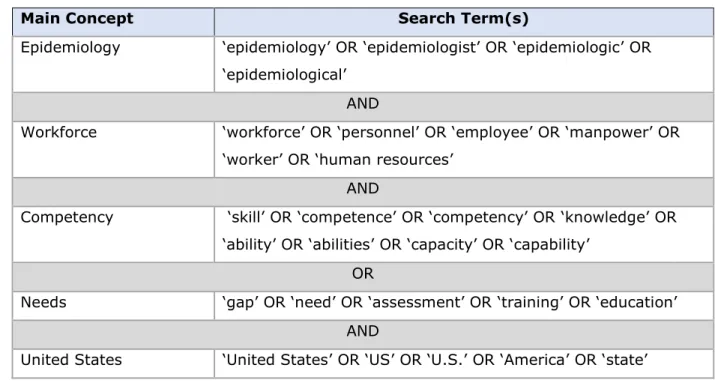
Table 3. Literature Review Search Terms ... 18
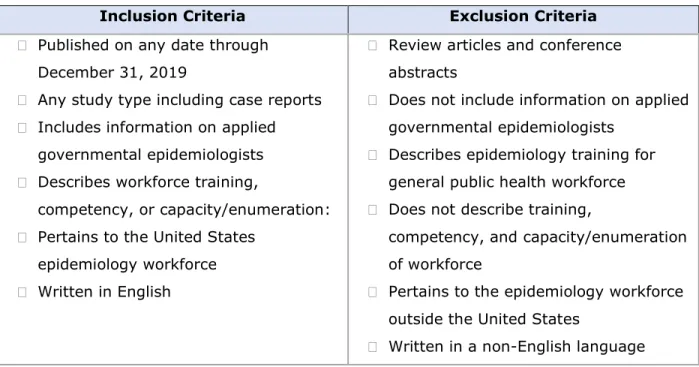
Table 4. Summary of Inclusion and Exclusion Criteria ... 19
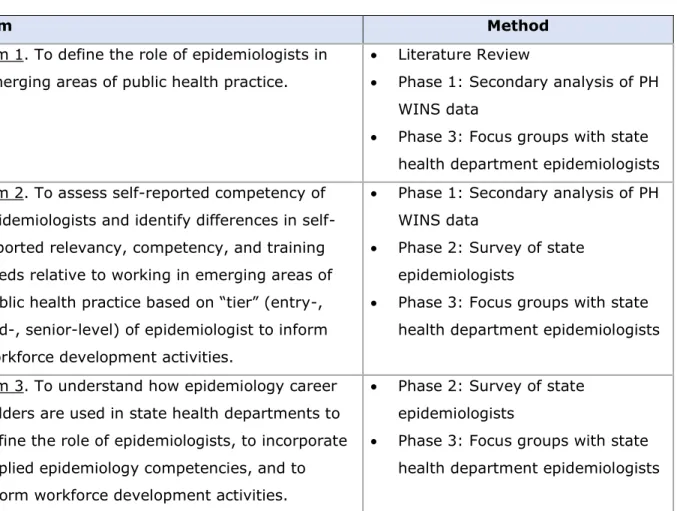
Table 5. Summary of Aims and Corresponding Methods ... 46
Table 6. Applied Epidemiology Competencies Tier Level Descriptions ... 52
Table 7. Modified Applied Epidemiology Competencies Tier Level Descriptions ... 55
Table 8. Dissertation Timeline ... 58
Table 9. Estimated Percentage of Self-Reported Demographic Characteristics, Education, and Experience Among State Health Department Epidemiologists, Public Health Workforce Interest and Needs Survey, 2017 ... 60
Table 10. Estimated Percentage of Self-Reported Skill Gaps (High Importance / Low Skill) Among State Health Department Epidemiologists by Skill Domain, Public Health Workforce Interest and Needs Survey, 2017 ... 63
Table 11. Characteristics of the Jurisdiction and Designated State Epidemiologist Position, State Health Departments and the District of Columbia (n=51) ... 71
Table 12. Reference to Emerging Areas of Public Health Practice in Epidemiology- Specific Job Classifications in State Health Departments (n=164) ... 77
Table 13. Top Barriers for Epidemiologist Participation in Training in State Health Departments and the District of Columbia as Identified by State Epidemiologists (n=49) ... 81
Table 14. Epidemiology Workforce Challenges Identified by State Epidemiologists in State Health Departments and the District of Columbia (n=51) ... 82
Table 15. Comparison of Focus Group Registrant Self-Reported AEC Career Stage to Assigned AEC Career Stage (n=57) ... 85
Table 16. Importance and Self-Reported Readiness of Emerging Areas of Public Health Practice, Focus Group Participants (n=21) ... 86
Table 17. Additional Emerging Areas of Public Health Practice Offered by Participants ... 88
Table 19. Role of State Health Department Epidemiologists in Emerging Areas of
Public Health Practice Identified by Focus Group Participants ... 128 Table 20. Barriers for State Health Department Epidemiologists to Work in
Emerging Areas of Public Health Practice Identified by Focus Group
Participants ... 130 Table 21. Facilitators for State Health Department Epidemiologists to Work in
Emerging Areas of Public Health Practice Identified by Focus Group
Participants ... 133 Table 22. Summary of Findings by Stated Aim ... 150 Table 23. Summary of Recommendations to Improve State Health Department
Epidemiologists’ Ability to Work in Emerging Areas of Public Health
Practice ... 169 Appendix 17 Table 17-1. Estimated Percentage of Self-Reported Primary Program
Area Among State Health Department Epidemiologists ... 305 Appendix 17 Table 17-2. Estimated Percentage of Self-Reported Job Satisfaction
and Intention to Leave Among State Health Department Epidemiologists ... 306 Appendix 17 Table 17-3. Estimated Percentage of Self-Reported Level of
Agreement with Statements Related to Training and Development Among
State Health Department Epidemiologists ... 307 Appendix 17 Table 17-4. Estimated Percentage of Self-Reported Training
Motivators Among State Health Department Epidemiologists ... 308 Appendix 17 Table 17-5. Estimated Percentage of Self-Reported Skill Gaps
(High Importance / Low Skill) Among State Health Department
Epidemiologists by Workforce Tier ... 309 Appendix 17 Table 17-6. Estimated Percentage of Self-Reported Skill Importance
Among State Health Department Epidemiologists by Workforce Tier ... 313 Appendix 17 Table 17-7. Estimated Percentage of Self-Reported Emerging Areas
of Public Health Practice Awareness Among State Health Department
Epidemiologists ... 314 Appendix 17 Table 17-8. Estimated Percentage of Self-Reported Emerging Areas
of Public Health Practice Impact Among State Health Department
Epidemiologists ... 315 Appendix 18 Table 18-1. Importance of Emerging Areas of Public Health Practice in
Day-to-Day Work of Epidemiologists Working in State Health Departments
as Reported by State Epidemiologists (n=51) ... 317 Appendix 18 Table 18-2. Readiness of Epidemiologists Working in State Health
Departments to Work in Emerging Areas of Public Health Practice as
Appendix 18 Table 18-3. Use of Job Classification Systems and Epidemiology-Specific Job Classifications in State Health Departments and the District of
Columbia (n=51) ... 319 Appendix 18 Table 18-4. Minimum Education and Experience Requirements
Specified in Epidemiology-Specific Job Classifications in State Health
Departments (n=157) ... 320 Appendix 18 Table 18-5. Use of Epidemiology Career Ladders in State Health
Departments and the District of Columbia (n=49) ... 321 Appendix 18 Table 18-6. Perceptions and Use of the Applied Epidemiology
Competencies for Workforce Development Activities in State Health
Departments and the District of Columbia (n=50) ... 322 Appendix 18 Table 18-7. Ranked Order of Barriers for Epidemiologist
Participation in Training in State Health Departments and the District of
LIST OF FIGURES
Figure 1. Population Health Driver Diagram ... 16 Figure 2. PRISMA Diagram ... 21 Figure 3. Number of Epidemiologists Working in State Health Departments,
United States, 2001 – 2017 ... 26 Figure 4. Theoretical Framework ... 45 Figure 5. Estimated Percentage of Self-reported Skill Gaps (High Importance / Low
Skill) Among State Health Department Epidemiologists by Skill Domain and Tenure in Public Health, Public Health Workforce Interest and Needs Survey,
2017 ... 64 Figure 6. Estimated Percentage of Self-Reported Emerging Areas of Public Health
Practice Awareness Among State Health Department Epidemiologists, Public
Health Workforce Interest and Needs Survey, 2017 ... 66 Figure 7. Estimated Percentage of Self-Reported Emerging Areas of Public Health
Practice Impact Among State Health Department Epidemiologists, Public
Health Workforce Interest and Needs Survey, 2017 ... 66 Figure 8. Importance of Emerging Areas of Public Health Practice in Day-to-Day Work
of Epidemiologists Working in State Health Departments as Reported by
State Epidemiologists (n=51) ... 72 Figure 9. Readiness of Epidemiologists Working in State Health Departments to
Work in Emerging Areas of Public Health Practice as Reported by State
Epidemiologists (n=51) ... 74 Figure 10. Minimum Education Requirements Specified in Epidemiology-Specific Job
Classifications in State Health Departments by Career Stage (n=157) ... 76 Figure 11. Perceptions of Epidemiology-Specific Classifications’ and Career Ladders’
Positive Contribution to Recruitment and Retention in State Health
Departments and the District of Columbia ... 79 Figure 12. Focus Group Participant Selection ... 84 Figure 13. Geographic Representation of Focus Group Participants ... 89 Figure 14. Percent of Respondents Reporting the Emerging Area of Public Health
Practice is Important to or Impacts the Day-to-Day Work of Epidemiologists ... 136 Figure 15. Updated Population Health Driver Diagram ... 138 Figure 16. Percent of Respondents Reporting that Epidemiologists Are Ready or
Figure 17. Process to Improve Population Health Through a Competent Public Health
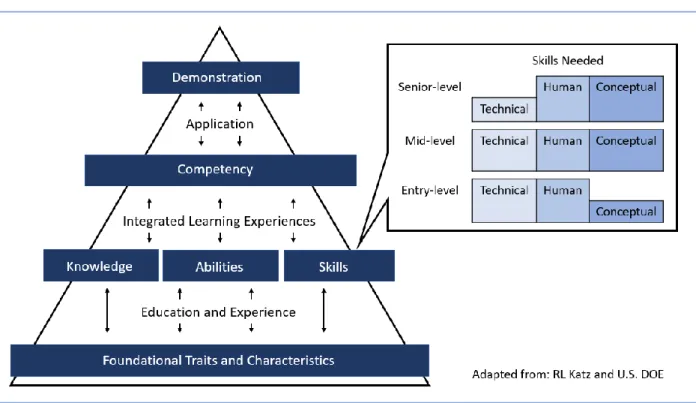
Epidemiology Workforce ... 155 Figure 18. Modified Workforce Development Framework ... 156 Appendix 17 Figure 17-1. Estimated Percentage of Self-Reported Age Group Among
State Health Department Epidemiologists ... 316 Appendix 17 Figure 17-2. Estimated Percentage of Self-Reported Tenure in Public
LIST OF ABBREVIATIONS
ACA
Affordable Care Act
AEC
Applied Epidemiology Competencies
ASTHO
Association of State and Territorial Health Officials
CDC
Centers for Disease Control and Prevention
CoP
Community of Practice
CSTE
Council of State and Territorial Epidemiologists
ECA
Epidemiology Capacity Assessment
IHI
Institute for Healthcare Improvement
IOM
Institute of Medicine* (now known as National Academy of Medicine)
IT
Information Technology
PHAB
Public Health Accreditation Board
PH WINS
Public Health Workforce Interest and Needs Survey
PRISMA
Preferred Reporting Items for Systematic Reviews and Meta-Analysis
U.S.
United States
WHO
Word Health Organization
CHAPTER 1: THE TOPIC
Epidemiology is a discipline within the field of public health that focuses on studying the distribution and determinants of disease in the population. Epidemiology includes explaining the causal mechanisms of disease and other health-related events, as well as describing their occurrence in terms of person, place, and time (Friis & Sellers, 2014, p.7-8). In addition to describing what health events have already occurred, epidemiology can be used to identify the determinants of health and to “model” or predict the occurrence of
disease in the future. The word “epidemiology” derives from the word “epidemic”, which
reflects the important role of epidemiologists in outbreak investigation. The field of epidemiology, however, has expanded significantly from John Snow’s investigation of a cholera outbreak in London in the 1850’s. Today, epidemiologists are key professionals within the public health workforce, fulfilling core public health science functions as part of the ten essential public health services (CDC, 2017).
The field of epidemiology is interdisciplinary and draws upon biological sciences, clinical medicine, social and behavioral sciences, toxicology, law, informatics, and statistics (Friis & Sellers, 2014, p.15). The interdisciplinary nature of epidemiology continues to expand as public health practitioners learn more about the determinants of health, which are now considered to include environmental, behavioral, psychological, biological,
sociological, genetic, and lifestyle factors (Whitehead and Dahlgren, 1991). Consistent with its multidisciplinary nature, epidemiologists (those who practice epidemiology) may
assessments, pharmacoepidemiology, genetic epidemiology, health services research, modeling, etc.) (Friis & Sellers, 2014, p.703-705).
Epidemiologists can be found practicing in a variety of settings that can be generally differentiated as either “applied” or “research and academic”. In research and academic settings, epidemiologists may teach epidemiology and conduct epidemiologic research in schools of public health and related medical schools for the purpose of generating
generalizable knowledge. Research may also be conducted in pharmaceutical companies, in the non-profit sector, and in medical centers. Many research organizations employ
epidemiologists as part of study teams to aid in methodology/study design and data
collection and analysis. In contrast to research, the term “applied” epidemiology is generally used to describe the application of epidemiologic methods to address public health issues. The most common settings in which to find applied epidemiologists are governmental public health agencies at the federal, state, local, tribal and territorial levels. These distinctions are fluid, however, and you may find epidemiologists conducting research in governmental settings or working in applied practice at a university. Rogawski and colleagues (2016) described the concept of this distinction as “public health” vs. “medical” epidemiology. In general, and for the purposes of this dissertation, applied epidemiology refers to the work of epidemiologists practicing in governmental public health agencies.
Assessment of the Applied Epidemiology Workforce
scientific knowledge due to fiscal constraints and under-funding of public health. Of particular relevance to this dissertation, knowledge, skills, and expertise varied greatly across states and was exacerbated by a lack of epidemiologists and others trained in technical skills (IOM, 1988). The report noted that recruitment and retention of skilled public health employees was stymied by low salaries and challenging bureaucratic work environments. Many of these problems remain today, thirty years later. In regards to workforce, the report recommended improving surveillance and epidemiology practice, emphasizing leadership skills in academic training, and monitoring the public health
workforce in order to take actions to assure appropriate public health workforce staffing and competency (IOM, 1988).
In 2003, the IOM issued an updated report called The Future of the Public's Health in the 21st Century (IOM, 2003). This report recognized many of the same issues identified in the 1988 report and recommended assuring workforce competence, developing defined competencies for public health practice, providing leadership development, and regularly assessing the adequacy and capacity of the governmental public health workforce (IOM, 2003). The importance of assessing and assuring a competent public health workforce were highlighted in both the 1988 and 2003 IOM reports on the future of the public’s health and both called for ongoing assessment and monitoring of the public health workforce. There are two dimensions that can be considered when evaluating applied epidemiology workforce capacity: enumeration (how many) and competency (how skilled).
Assessment of Epidemiology Workforce Enumeration
workforce in the United States, including the number of epidemiologists, their characteristics and training needs, and factors that affect epidemiology staffing and functioning (Boulton et al., 2013). From 2001 to 2017, epidemiology capacity in state health departments has increased overall, both in quantity and in the number of epidemiologists with formal epidemiology training. However, the number of epidemiologists is still not enough to meet the needs of state public health agencies and significant training gaps remain, especially in certain program areas such as substance use (Arrazola et al., 2018). These enumeration assessments are reviewed in detail in the literature review chapter.
Assessment of Epidemiology Workforce Competency and Training Needs
In order to assess competency of the epidemiology workforce, an agreed upon set of competencies for the profession is needed. There has been increasing emphasis on
competency in healthcare and public health professions in the last two decades primarily due to changes in the delivery of health care that favor evidence-based medicine that is both clinically- and cost-effective (Hoge et al., 2005). Hoge et al., defined a competency as a “measurable human capability that is required for effective performance” (2005). The four elements of competency, as defined by Hoge et al., are knowledge, skills, abilities, and personal characteristics (2005). Knowledge is the awareness or understanding of information or concepts needed to successfully perform a task. A skill is a capacity to perform a task to achieve a specific effect, and ability is a cognitive or physical capability to perform the task with a wide range of possible outcomes (Marrelli, 1998). Finally, personal characteristics are individual values, attitudes, traits, and behaviors (Hoge et al., 2005). All of these elements interact together in a specific way to form a competency. In turn, multiple competencies are typically needed to perform a job task. These integrative experiences can then lead to successful demonstrations of competency (U.S. DOE, 2002).
Health Professionals”, first published in 2001 and most recently updated in 2014 (PHF, 2014). These competencies were framed in the ten Essential Public Health Services and were very broadly crafted such that they applied not only to practice, but also to education and research. The competencies represented skill areas stratified by “tiers” representing the career stages of public health professionals and included: 1) Analytic/Assessment, 2) Policy Development/Program Planning, 3) Communications, 4) Cultural Competency, 5)
Community Dimensions of Practice, 6) Basic Public Health Sciences, 7) Financial Planning and Management, and 8) Leadership and Systems Thinking. The Core Competencies are
regularly reviewed and revised by a “Core Competencies Workgroup”, comprised of a large
group of representatives from academic and public health organizations, to ensure the competencies remain relevant and reflect changes in public health workforce competency needs over time (PHF, 2014).
In regards to specific competencies for epidemiologists, a multi-stakeholder group
led by CSTE came together in 2004 – 2006 to develop the Applied Epidemiology
Competencies (AECs), which have now been in place unchanged for over a decade (CSTE, 2008). In contrast to the competencies for general public health practice, the applied epidemiology competencies focus on the knowledge, skills, and abilities needed to practice epidemiology in governmental public health agencies. While they are intended to apply to governmental applied epidemiologists, the competencies may still be relevant to research and academic epidemiologists or those working in non-governmental settings (CSTE, 2008).
How well epidemiologists perform these competencies and their associated training needs have been less frequently assessed. In the 2006 ECA, CSTE asked state
epidemiologists completed the survey. The results were stratified by “tier”, or career stage, and generally showed that self-reported competency increased as tier level increased. Entry-level staff noted higher training needs in technical skills, such as implementing surveillance systems and reporting findings, whereas mid- and senior-level epidemiologists noted higher training needs in less technical skills, such as developing program logic
models, leading community public health planning processes, and financial and administrative processes (CSTE, 2009).
The 2013 ECA is the most robust assessment of individual epidemiology capacity in state health departments to date (CSTE, 2013). A total of 1,590 epidemiologists completed the survey, a response rate of nearly 60%. Similar to 2006 and 2009, some of the areas noted to have greatest training needs were those pertaining to leadership, systems
thinking, fiscal and administrative approaches, and planning and evaluation (CSTE, 2013). Outside of the 2009 and 2013 ECAs, epidemiology competency assessments have been conducted infrequently mostly relative to a specific focus area of epidemiology (e.g. maternal and child health) or geography (e.g. within a single health department or single state). For example, the states of Nebraska and Virginia used the AECs to assess their local epidemiology workforce (Buss 2011; Patel 2008). Other authors have more generally assessed “training needs” and not specifically competency explicitly. These competency assessments and training needs are reviewed in detail in the literature review chapter.
Emerging Areas of Public Health Practice
The role of public health agencies is rapidly changing due to several factors including (1) the growing contribution of chronic diseases to disability and death, (2) transformation of the U.S. healthcare system and integration of public health in healthcare, and (3)
their community (DeSalvo et al., 2016). Additional drivers of change in the profession of applied epidemiology include evolving technology, increasing availability of electronic health data, and new and emerging threats that require new epidemiologic methods.
The 2003 IOM report addressed emerging areas of public health practice and proposed six “areas of action and change”, which included (IOM, 2003):
• Consideration of the Social Determinants of Health;
• Strengthening the governmental public health infrastructure;
• Building intersectoral partnerships and engage communities in public health action;
• Developing systems to assure the quality and availability of public health services;
• Evidence-based decision-making and evaluation of programs; and
• Enhancing communication across the public health system.
One such way to assure a quality public health infrastructure is accreditation. As interest in assuring quality public health services grew during the 2000’s, the Public Health Accreditation Board (PHAB) was formed to offer voluntary accreditation to governmental public health agencies (Kronstadt J, 2016). The PHAB accreditation standards include 12 domains with 10 being based on the ten essential public health services and the remaining two addressing management and governance (PHAB, 2013). Several of the domains address specific areas of emerging public health practice, including multisector
collaboration, Health in All Policies, quality improvement, and evidence-based decision making (PHAB, 2013). Additionally, the standards include ensuring a competent public health workforce through assessment, development, and fostering a supportive work
environment (PHAB, 2013). Inclusion of these standards in an accreditation program clearly defines competency in these areas as an expectation of public health practice.
Public health is a rapidly changing field. Both the IOM reports and the PHAB
accreditation standards highlight key areas of public health practice that have emerged over the last decade or so. As the role of public health agencies changes over time,
population health improvement activities. Assessment of the applied epidemiology workforce regarding emerging areas of practice is needed to understand the role of
epidemiologists and what training is needed to improve practice. In recognition of this gap in knowledge, the Association of State and Territorial Health Officials (ASTHO) added questions to the Public Health Workforce Interest and Needs Survey (PH WINS) to assess the public health workforce in terms of their interest in and training needs for working in the following five areas of emerging public health practice (Bogaert et al., 2019), which were the areas pre-selected for inclusion in this research.
Public Health and Healthcare Integration
Integration of public health and healthcare services has increasingly been touted as an approach to improving population health. The IOM in its report Primary Care and Public Health: Exploring Integration to Improve Population Health, defined integration as “the linkage of programs and activities to promote overall efficiency and effectiveness and achieve gains in population health” (IOM, 2012). There are a range of activities that could constitute integration, such as basic mutual awareness, to sharing of data, or partnering on health promotion activities.
The United States healthcare system is in a period of great transition. Historically, the focus of healthcare has been on treating the individual, whereas the focus of public health has been on the population as a whole. Healthcare system reform and changes in payment models have driven the focus of healthcare delivery away from treating sick individuals to preventing illness and improving the health of populations (Miller Center, 2014). Integration aligns nicely with a vision of a transformed healthcare system that includes public health and engages partners across sectors; it can help drive the healthcare
system’s focus away from clinical care and more towards improving population health by
While interest in integration has grown in recent years, the concept of integrating public health and healthcare activities is not new. In the mid-1990s, the American Medical Association and the American Public Health Association worked together to create the Medicine and Public Health Initiative, an attempt to bring together the two disciplines more closely (Beitsch et al., 2005). Despite these two influential professional associations
attempting to make progress 15 years earlier, integration only began receiving significant attention with the passage of the Affordable Care Act (ACA) in 2010 (PPACA, 2010). The ACA expanded healthcare coverage, implemented new requirements for healthcare quality improvement, and tied financial incentives to prevention and public health activities and outcomes. The National Prevention Strategy, first issued by the U.S. Surgeon General in 2011, built on the ACA by emphasizing clinical and community preventive services as one of four strategic directions to improve health (NPC, 2011). This strategy calls for healthcare to become more prevention-focused, rather than treatment-focused, and to integrate
healthcare and community prevention efforts.
In 2012, an IOM committee sought to identify various examples of integration activities involving public health and primary care, specifically (IOM, 2012). Once identified, the committee reviewed the integration examples and developed a set of core principles that led to successful initiatives. The core set of principles included:
• Developing a common goal of improving population health;
• Involving the community in defining and addressing its needs;
• Strong leadership that works to bridge disciplines, programs, and jurisdictions; • Sustainability; and
• Collaborative use of data.
State and Territorial Health Officials (ASTHO, 2011), and the Institute for Healthcare Improvement’s “Triple Aim” to improve the patient experience of care, the health of populations, and reduce per capita cost of healthcare (IHI, n.d.). Several of these organizations have developed strategic plans or frameworks to guide their work in the integration arena.
Multisectoral Collaboration
Closely related to integration of public health in healthcare is multisectoral collaboration, which involves the collaboration of entities across sectors (health, environment, housing, education, employment, etc.) to improve health. Multisectoral collaboration has become increasingly important as public health moves towards improving health by addressing “upstream” determinants of health, often referred to as, the social determinants of health. Social determinants of health are “the conditions in the
environments in which people are born, live, learn, work, play, worship, and age that affect a wide range of health, functioning, and quality-of-life outcomes and risks” (US DHHS, 2019). Due to the wide range of factors that can ultimately impact population health, public health agencies must work across sectors, both public and private, to address these
determinants.
There are many cross-sector collaboration approaches that can be used as a framework for integration initiatives. Many of these models have similar components and are based on similar theory. “Collective Impact” is one such model that has gained
popularity in recent years. The collective impact model includes five components: a common agenda, shared measurement systems, mutually reinforcing activities, continuous
collective impact models for desired population changes, which were defined as changes in the target population of the initiative (e.g. a social issue, education, health, etc.). In this study, 20 of the 25 study sites demonstrated changes in the targeted population. This report was the first methodologically rigorous study that attempted to quantitatively
measure the impact of the collective impact model, which, until this report, was surrounded by many claims of effectiveness with little evaluation of these claims. Regardless of the model used, cross-sector collaboration has been identified as a crucial component of the strategy to improve population health in the U.S. (Towe et al., 2016).
Health in All Policies
Health in All Policies is an approach to improving population health by addressing the social determinants of health through policy (Rudolph et al., 2013). This concept is closely related to, and often requires, multisector collaboration during which partners across sectors come together with a common goal to promote healthier policies, including those outside of health, such as education, housing, employment, etc. Health in All Policies is a concept that has only recently been formalized as a concept in public health, following mounting
recognition of the role of social determinants in health and the need for multisectoral collaboration. In the 2010 “Adelaide Statement on Health in All Policies”, the WHO declared a new role for the public health sector to not only learn to work in partnership with other sectors, but to do so in an innovative way that is “outward oriented” and open (WHO, 2010). The statement recognized that in order to this, the public health workforce must be equipped with the necessary knowledge, skills, and abilities, which include:
• Understanding the political agendas and administrative imperatives of other sectors;
• Building the knowledge and evidence base of policy options and strategies;
• Assessing comparative health consequences within the policy development process;
• Building capacity through better mechanisms, resources, agency support and skilled and dedicated staff; and
• Working with other government agencies to achieve goals and improve health.
Evidence-Based Public Health Practice
Evidence-based public health practice is the concept that public health practitioners should always use the best scientific evidence available when designing and selecting public health interventions and developing public health policies (Brownson et al., 2009). This concept is related to evidence-based medicine, which is a similar concept practiced in clinical medicine. Evidence-based decision making in public health involves using the best available evidence but considers the realities of public health practice, including the political and environmental context, the population being served, and resource constraints
(Brownson et al., 2009). The “evidence” for this decision-making means that specific public health interventions and policies have been researched and tested for efficacy before they are recommended and deployed for widespread use (Health Affairs, 2005).
The concept of evidence-based public health practice first appeared in the scientific literature two decades ago around the time Jenicek defined it as the “conscientious, explicit, and judicious use of current best evidence in making decisions about the care of
communities and populations in the domain of health protection, disease prevention, health maintenance and improvement (health promotion)” (1997). With the concept being
Quality Improvement
The concept of quality improvement has received increasing attention in public health practice, as well as other industries, in recent years. Riley et al. (2010) define quality improvement in public health as the “use of a deliberate and defined improvement process that is focused on activities that are responsive to community needs and improving
population health. It refers to a continuous and ongoing effort to achieve measurable improvements in the efficiency, effectiveness, performance, accountability, outcomes, and other indicators of quality in services or processes which achieve equity and improve the health of the community.”
While all are different, quality improvement, program evaluation, and performance management are closely related concepts in regards to assuring delivery of high-quality and effective public health services. Together, they are key components of the program planning cycle and should be incorporated throughout the development, implementation and
Definitions of Key Terms
In summary, the following key terms are relevant to this dissertation. Table 1. Key Terms
Key Term Definition
Epidemiologist “An investigator who studies the occurrence of disease or other health
related condition or events in defined populations. The control of disease in populations is often also considered to be a task for the epidemiologist.” (Last J, A Dictionary of Epidemiology, 4th Ed., 2001) Quality
Improvement
“An integrative process that links knowledge, structures, processes, and outcomes to enhance quality throughout an organization. The intent is to improve the level of performance of key processes and
outcomes within an organization.” (ASTHO PH WINS Survey)
Public Health and Healthcare Integration
“The linking of public health and health care programs and activities to promote overall efficiency and effectiveness and achieve gains in population health.” (IOM, 2012)
Evidence-Based Public Health Practice
“Making decisions on the basis of the best available scientific evidence, using data and information systems systematically, applying program-planning frameworks, engaging the community in decision making, conducting sound evaluation, and disseminating what is learned.” (Brownson et al., 2009)
Multisectoral Collaboration
“Deliberate collaboration among various stakeholder groups (e.g., government, civil society, and private sector) and sectors (e.g., health, environment, economy) to jointly achieve a shared goal or
outcome of interest.” (ASTHO PH WINS Survey)
Career Stage Based on Applied Epidemiology Competency Tiers
Entry-level: Newly graduated from a master’s degree program with a
focus on epidemiology and/or analysis and assessment with less than 2 years’ epidemiology experience, OR a bachelor’s or other non -epidemiology professional degree or certification without formal
academic epidemiology training and 2 or more years’ epidemiology
experience.
Research Question and Aims
This study sought to answer the following specific research question in support of the stated aims listed below:
Table 2. Research Question and Aims
epidemiologist, OR other non-epidemiology professional degree or certification with specific epidemiology training or at least 4 years’ epidemiology experience.
Senior-level: A master’s degree with a focus in epidemiology and ≥ 4 years’ epidemiology experience, OR a doctoral-level degree in
epidemiology with ≥ 2 years’ epidemiology experience at mid-level, OR other non-epidemiology professional degree or certification with specific epidemiology training and ≥ 4 years’ epidemiology experience at mid-level.
(CSTE, n.d.a)
Research Question
What is the role and readiness of state health department epidemiologists to work in emerging areas of public health practice?
Aims
Aim 1. To define the role of state health department epidemiologists in emerging areas of public health practice.
Aim 2. To assess self-reported competency of state health department epidemiologists and identify differences in self-reported relevancy, competency, and training needs relative to working in emerging areas of public health practice based on “tier” (entry-, mid-, senior-level) of epidemiologist to inform workforce development activities. Aim 3. To understand how epidemiology career ladders are used in state health
The Research in the Context of Population Health
The 1988 IOM report The Future of Public Health and the subsequent 2003 IOM
CHAPTER 2: LITERATURE REVIEW
A review of the literature was conducted to identify articles published in the peer-reviewed literature relative to the applied epidemiology workforce in the United States. This systematized review was conducted in line with the Preferred Reporting Items for
Systematic Reviews and Meta-Analysis (PRISMA) statement (Moher et al., 2009).
Search Methods for Identification of Studies
Database selection. PubMed, Embase, Scopus, and the Cochrane Library were searched
using the strategy described below. PubMed was selected for its wide coverage of health science literature, which includes over 28 million citations in the fields of biomedicine and health, including life sciences, behavioral sciences, chemical sciences, and bioengineering (NCBI, n.d.). Embase is a biomedical literature database selected because it offers an additional 2,900 indexed journals unique to Embase (Elsevier, n.d.). Scopus was selected because it provides broader coverage than health and medicine journals alone and may include other journals where the interdisciplinary topic of workforce could be published. Scopus is the largest abstract and citation database of peer-reviewed literature and includes the fields of science, technology, medicine, social sciences, and the arts and humanities (Elsevier B.V., n.d.). The Cochrane Library was selected due to its focus on evidence-based practice. It is a collection of seven databases that contain high-quality and independent evidence to inform healthcare practice (WOL, n.d.). Any reviews identified from the
strategy. Additional articles were identified by manually reviewing the references in relevant review articles identified through the database searches.
Search terms. Article titles, abstracts, and key words were searched within each database
for the terms in Table 3.
Table 3. Literature Review Search Terms
Criteria for Considering Studies for this Review
Time period. Results were not limited by publication year and included all publications
through December 31, 2019.
Types of studies. All study designs were eligible for inclusion including randomized
controlled trials, quasi-experimental, ecologic, cross-sectional, and observational cohort and case-control studies. Case reports and commentaries were also eligible for inclusion. Review articles were excluded.
Types of participants. Studies involving epidemiologists in governmental public health
agencies at the federal, state, or local levels in the United States were eligible for inclusion.
Main Concept Search Term(s)
Epidemiology ‘epidemiology’ OR ‘epidemiologist’ OR ‘epidemiologic’ OR
‘epidemiological’ AND
Workforce ‘workforce’ OR ‘personnel’ OR ‘employee’ OR ‘manpower’ OR
‘worker’ OR ‘human resources’ AND
Competency ‘skill’ OR ‘competence’ OR ‘competency’ OR ‘knowledge’ OR
‘ability’ OR ‘abilities’ OR ‘capacity’ OR ‘capability’ OR
Needs ‘gap’ OR ‘need’ OR ‘assessment’ OR ‘training’ OR ‘education’
AND
Exclusion criteria. Articles written in a language other than English, were a review article, or did not pertain to applied governmental epidemiologists were excluded from this review. Table 4 provides a comprehensive list of inclusion and exclusion criteria used for screening articles.
Table 4. Summary of Inclusion and Exclusion Criteria for Literature Review
Search Strategy and Data Collection
Study selection process. Studies meeting inclusion criteria were exported from search
databases and imported into the systematic reviews production tool Covidence (Melbourne, Australia). All collected articles were deduplicated by Covidence, which was then used for title and abstract screening. Articles included after title and abstract screening were
imported into the F1000 reference software (London, UK) for full-text screening, which was performed manually by a single reviewer to validate inclusion criteria were met and that no exclusion criteria were present. This process resulted in a final list of articles meeting inclusion criteria to be included in the review.
Assessment of quality in included studies. Each included article was evaluated for
sources of bias and potential threats to validity. The risk of bias was assessed including Inclusion Criteria Exclusion Criteria
Published on any date through
December 31, 2019
Any study type including case reports Includes information on applied
governmental epidemiologists Describes workforce training,
competency, or capacity/enumeration: Pertains to the United States
epidemiology workforce Written in English
Review articles and conference abstracts
Does not include information on applied governmental epidemiologists
Describes epidemiology training for general public health workforce Does not describe training,
competency, and capacity/enumeration of workforce
Pertains to the epidemiology workforce outside the United States
biases related to selection, performance, attrition, detection and reporting, and other potential sources. Additionally, generalizability of the study and appropriateness of the conclusions were evaluated. Each article was then rated as “low risk”, “medium risk”, or “high risk” of biases that would alter the results of the study.
Data extraction and management. All articles meeting inclusion criteria were
systematically read in their entirety and a specialized data abstraction form was developed and used to abstract key information from each article. Abstracted data were entered into a table and summarized. Abstracted data included:
Results
The literature search identified 3,896 articles from the databases Embase (n=1,063), PubMed (n=1,927), and Scopus (n=872), as well as 34 from review of reference lists or related-article suggestions. No review articles were identified in the Cochrane Library search. After removing 197 duplicates across the three databases, 3,699 references remained for title and abstract screening. Among these, 3,627 were determined to be non-relevant and 72 under-went full-text review. Of these, 24 were excluded and 48 were included, all of which were applicable to governmental public health agency epidemiologists in the United States at the federal, state, and local levels. See Appendix 1 for characteristics of the 48 included articles. Reasons for exclusion included articles that described workforce topics related to the general public health workforce and not epidemiologists specifically
• Author (Year)
• Setting
• Setting type
• Participants
• Study type
• Study emphasis (capacity, capability)
• Assessment method (survey, interviews)
• Key findings
(n=10), articles about epidemiology not related to workforce (n=5), articles about academic epidemiologists (n=4), articles about providing epidemiology training to non-epidemiology public health staff (n=2), references that were not full-text articles (n=2), and one article that was not written in English. Figure 2 provides the PRISMA diagram summarizing the results of the search.
Figure 2. PRISMA Diagram
Thematic Analysis
Information abstracted from the 48 included articles was compiled and assessed to identify themes related to applied epidemiology workforce capacity in the United States.
Empiric Assessment of Epidemiology Workforce Enumeration
Prior to the first national Epidemiology Capacity Assessment conducted by CSTE in 2001, enumeration of epidemiologists working in state health departments had been infrequently assessed. The earliest survey of state health departments related to epidemiology capacity identified in this literature review was conducted in 1983 (Gunn, 1989). One earlier assessment was published in 1979, but it involved surveying
epidemiologic capacity in federal agencies, schools of public health and medicine, and some large private research and international agencies (Detels, 1979). The 1983 state health department survey sought one response per state from the “state epidemiologist”, which is generally the most senior epidemiology position found in state health departments. This survey identified 224 epidemiologists working in state health departments (1.1 per million population), most of whom were physicians (57%) and worked in infectious disease programs (Gunn, 1989).
After this first survey in 1983, two additional assessments of epidemiology capacity in the United States were conducted in the 1980s. Williams et al. (1988) estimated the number of epidemiologists in the United States based on professional association mailing list recipients, trainees in graduate programs, key informant interviews with experts, and
the survey in 1983, most epidemiologists were working in infectious disease programs and approximately one third were physicians. Just over half (53%) the epidemiologists had a graduate degree in epidemiology or biostatics and the rest had no graduate degree training (Woernle, 1991).
In 1991, Boss et al. (1994) conducted a nationwide survey to specifically assess non-infectious disease epidemiology capacity in state health departments. Unlike earlier surveys which sought one response per state, state epidemiologists were asked to distribute surveys to every epidemiologist working in non-infectious disease program areas (Boss et al., 1994). A total of 260 epidemiologists responded to the survey. In comparison to the 1983 survey, which found that 80% of epidemiologists were male, nearly a decade later this assessment observed that 56% were male. The authors attributed this change to the growing number of epidemiologists with master’s degrees, who were more likely to be female than those with doctoral degrees, and possibly differences in who might practice in non-infectious disease topic areas, such as maternal and child health (Boss et al., 1994).
CSTE began conducting routine and standardized assessment of epidemiologists working in state health departments beginning in 2001 using a survey instrument referred to as the Epidemiology Capacity Assessment (ECA) (Boulton et al., 2003). Articles stemming from ECA surveys made up 11 (41%) of the 27 empiric assessments of epidemiology
capacity in the United States in this literature review. ECAs have been conducted in 2001, 2004, 2006, 2009, 2010, 2013 and 2017 (Arrazola et al., 2018). For the purposes of the ECAs, CSTE defined epidemiology as the “study of the distribution and determinants of health-related states or events in specified populations, and the application of this study to control of health problems” and epidemiologist as “an investigator who studies the
occurrence of disease or other health related conditions or events in defined populations. The control of disease in populations is often also considered to be a task for the
epidemiologist to collect information on individual characteristics of epidemiologists, such as highest educational level.
The 2001 ECA collected responses from 41 states and three U.S. territories (Boulton et al., 2003). This was a key period of time to deploy this first nationwide assessment because it was just prior to a large influx of public health emergency preparedness funds
following September 11th, 2001. As such, the 2001 ECA provided a baseline of epidemiology
capacity in state health departments at the turn of the century. Responding health departments reported employing 1,366 epidemiologists, nearly half (48%) of whom who worked in infectious disease programs (Boulton et al., 2003). This survey did not achieve a 100% response rate from state health departments in its first deployment; however, the six subsequent ECAs were able to collect responses from all jurisdictions.
The 2004 ECA collected responses from all 50 states, three U.S. territories and the District of Columbia. Responding health departments reported employing 2,580
epidemiologists, a 27% increase from the 2001 ECA when considering only those jurisdictions that responded to both surveys (Boulton et al., 2005). The number of epidemiologists remained relatively stable from 2004 to 2006. Health departments
responding to the 2006 ECA, which collected responses from all 50 states and the District of Columbia, reported employing 2,436 epidemiologists (Boulton et al., 2009).
individuals working as epidemiologists had formal epidemiology training (degree, training, or coursework) and by 2009, this proportion had grown to 87% (Boulton et al., 2011).
Due to various state and federal funding changes at the time, CSTE conducted a special ECA in 2010 that collected information on epidemiologists in state health
departments and also attempted to enumerate the number of local health department epidemiologists for the first time (Boulton et al., 2012). The assessment identified 2,476 epidemiologists in state health departments and 1,278 in local health departments in all 50 state health departments and the District of Columbia, for a total of 3,754 epidemiologists in the United States (Boulton et al., 2012). State health departments reported decreases in state funding but increases in federal funding that resulted in an overall 12% increase in the total number of epidemiologists in state health departments compared to 2009; however, this number masks the fact that 24% of state health departments reported a >10% decrease in epidemiologists (Boulton et al., 2012).
The 2013 ECA collected responses from all 50 states and the District of Columbia. Responding health departments reported employing 2,752 epidemiologists, a 25% increase from 2009 (Hadler et al., 2013). Increases were reported in all subject areas except
substance abuse. A non-significant increase in the proportion of epidemiologists with formal epidemiology training was observed (87% in 2009 vs. 88% in 2013) (Hadler et al., 2013). The 2017 ECA again collected responses from all 50 states and DC, and 3,370
Figure 3. Number of Epidemiologists Working in State Health Departments, United States, 2001 – 2017
Source: CSTE Epidemiology Capacity Assessments, 50 U.S. States and District of Columbia (Boulton et al., 2009; Bouton et al., 2011; Hadler et al., 2015; Arrazola et al., 2018).
survey identified 787 foodborne disease epidemiologists in state, regional, and local health departments in the United States. Most (78%) of these individuals had an epidemiology degree. The authors concluded that there was an insufficient number of foodborne disease epidemiologists and a need for additional formal training (Boulton et al., 2011).
In 2014, ASTHO conducted the Public Health Workforce Interests and Needs Survey (PH WINS), which was the first-ever survey of state health department employees in the United States (Sellers et al., 2015). While this web-based survey collected responses from over 10,000 state health department employees across all occupation types, it also included information on epidemiologists as a subset of the larger total. Chapple-McGruder et al. (2017) summarized the data collected from state health department epidemiologists via PH WINS in 2014. A total of 681 epidemiologists responded to the survey and study authors estimated there was a total of 2,850 epidemiologists working in state health departments.
Approximately 88% of epidemiologists had a master’s degree, 74% were female, and 31%
worked in communicable disease program areas (Chapple-McGruder et al., 2017).
This review identified two state-level epidemiology capacity assessments in the peer-reviewed literature. In 2006, the Virginia Department of Health conducted an assessment of epidemiology capacity within the state health department based on the newly developed AECs (Patel, 2008). A total of 88 epidemiologists responded to the survey, of whom 69% had a master’s degree or higher, and 71% had worked at the agency for less than 10 years. In 2008, the Nebraska Department of Health and Human Services surveyed the state and local health departments to assess the number and competency of governmental
Finally, the American College of Epidemiologists (ACE) conducted an assessment of 1,348 attendees of the 2006 North American Congress of Epidemiology (Carter-Pokras et al., 2009). A total of 397 (30%) attendees completed the survey, of whom just over half had a doctoral degree (54%) and 21% worked in governmental public health settings. Due to this group being comprised mostly of epidemiologists working in academic settings, there were a number of differences from assessments of focused on governmental
epidemiologists. Notable differences in the ACE respondents were higher pay, increased interest in basic science and methodologic training, and more responding epidemiologists working in non-infectious disease areas, such as cancer (Carter-Pokras et al., 2009). Empiric Assessment of Epidemiology Workforce Competency and Training Needs
The peer-reviewed literature included three articles describing assessment of epidemiology workforce competency using the Applied Epidemiology Competencies (AECs) as well as 15 assessing capacity and competency outside of the framework of the AECs, some of which also enumerated the workforce and are described, in part, above.
While not assessments, two articles identified in this literature review described the process of developing the AECs and the AECs themselves. The AECs are summarized here first prior to describing the assessments of competency based on them. The AECs were
developed by a multi-stakeholder group led by CSTE that came together in 2004 – 2006
(Birkhead, 2006). The AECs were developed within the framework of the Core Competencies for Public Health Professionals that had been developed in 2001 by the Council on Linkages Between Academia and Public Health Practice (PHF, 2014). In total, the AECs contain 149 “competency statements”grouped across eight domains and by four “tiers”, or career stage, of epidemiologic practice (Birkhead, 2008). The authors of the AECs clearly defined
statements are more specific to epidemiology practice. These domains are (1)
Analytic/Assessment, (2) Basic Public Health Sciences, (3) Communication, (4) Community Dimension of Practice, (5) Cultural Competency, (6) Financial Planning and Management, (7) Leadership and Systems Thinking, and (8) Policy Development/Program Planning. The four tiers of applied epidemiology practice were defined as Tier 1 (entry-level with <2 years of experience), Tier 2 (mid-level with graduate degree and ≥2 years of experience), Tier 3a (senior-level functioning as a supervisor or manager), and Tier 3b (senior-level serving as a scientist/subject area expert in a epidemiology focus area) (Birkhead, 2008). The 149 competency statements are comprised of 34 to 39 primary competencies depending on tier, and then numerous subcompetencies and sub-subcompetencies (Birkhead, 2008).
In regards to assessment of epidemiology workforce competency using the AECs, competency assessment at the individual level using the AECs has occurred at the national level infrequently. As part of the 2006 ECA, CSTE asked state epidemiologists to rate all of their epidemiology staff as a group using the AECs (Lightveld et al., 2008). In general, this assessment found that competency was rated high for traditional epidemiology-specific technical skills, but lower for non-traditional, more general skills, such as leadership
(Lightveld et al., 2008). For example, 82% of responding state health departments reported that epidemiology staff were competent in developing databases but that proportion
The states of Nebraska and Virginia used the AECs to assess their local epidemiology workforce (Buss, 2011; Patel, 2008). The Virginia Department of Health assessment in 2006 collected self-reported competency ratings based on the AECs (Patel, 2008). Senior
epidemiologists were noted to more commonly perform supervisory or managerial job functions, and require leadership, systems thinking, and policy development skills. The authors noted that training needs varied by career stage, years of experience, and level of formal epidemiology training but that overall, training needs were highest for epidemiology-specific skills (Patel, 2008). The Nebraska assessment in 2008 similarly identified
differences in competency based on career stage, years of experience, and level of formal epidemiology training (Buss, 2011). Like in Virginia, more senior epidemiologists were noted to have greater management-related competency. The authors of all three assessments based on the AECs concluded that the AECs were a helpful framework from which to assess competency and also to develop training plans, in the case of the two state assessments.
As already described, the 2006 ECA assessed epidemiology competency in state health departments using selected AECs as reported by the state epidemiologist. The 2009 and 2013 ECAs assessed epidemiology competency using selected AECs as self-reported by individual epidemiologists. The remaining ECAs conducted to date (2001, 2004, 2010, and 2017) collected information on self-reported overall state capacity to perform core
overall number of epidemiologists as well as the proportion with formal training increased. However, in its 2017 assessment, CSTE noted that despite increases in the number of
epidemiologists between 2013 and 2017, there were not concomitant significant increases in state capacity to carry out the essential public health services related to epidemiology
between the two assessments, suggesting that capacity is not determined by numbers alone and that different skillsets may be needed as public health practice changes over time (Arrazola et al., 2018).
The 2017 ECA was also fielded to 27 large urban health departments in partnership with the Big Cities Health Coalition, representing 90% of their members (McGinty et al., 2019). These health departments were found to provide similar services as state health departments (e.g. infectious diseases, chronic disease, emergency preparedness, etc.). They reported needing an increase of 40% more epidemiologists in order to achieve ideal epidemiology capacity. Overall, most reported substantial-to-full capacity to monitor and diagnose health problems but they reported lower capacity to conduct evaluations and perform applied research. The highest training priority noted was around data analytics and informatics.
The 2014 PH WINS collected information on self-rated competency in various training and competency areas. In regards to the emerging areas of public health practice described earlier, 62% of state health department epidemiologists reported that applying evidence-based approaches was very important to their work and 23% reported being an expert, 46% reported that engaging external partners to collaborate on projects was important to their work and 15% reported being an expert, 44% reported applying quality improvement concepts was important to their work and 16% reported being an expert, and 34% reported understanding the relationship between policy and health was important to their work and 7% reported being experts (Chapple-McGruder et al., 2017). The authors noted that epidemiologists, in general, reported being more competent in epidemiology-specific
This review of the literature identified three articles that were empiric studies
assessing public health workforce capacity more broadly but included specific information on epidemiologists. Hopfer and colleagues (2009) assessed training needs in state cancer control programs relative to geographic information system (GIS) mapping. While not explicit to epidemiologists, the assessment is relevant because epidemiologists are typically the staff within many public health programs that perform GIS mapping, as it is one way to analyze and visualize health data. The authors concluded that the majority of cancer control programs reported a need for GIS training and identified epidemiologists as a key training audience (Hopfer et al., 2009).
In 2016, the University of Michigan Center of Excellence in Public Health Workforce Studies implemented the Public Health Workforce Gaps Study (Beck et al., 2017). This study sought responses from both state and local health departments and focused on which public health occupations had the greatest training needs and what their greatest workforce needs were in general (e.g. more positions, more qualified candidates, ability to offer better compensation, new or different skills, etc.) (Beck et al., 2017). The 46 responding state health agencies identified epidemiologists as having the highest-priority workforce needs (88% of respondents) (Beck et al., 2017). The greatest occupation affected by low salaries for recruitment and retention were epidemiologists (89% of respondents). Of note in this survey, state health agency leadership ranked epidemiologists the lowest in needing to learn new or different skills (14% of respondents) (Beck et al., 2017).