High Early Parental Expectations Predict Improved Independent Living and Quality of Life for
Adults with Autism Spectrum Disorder
Elizabeth Schroeder
University of North Carolina at Chapel Hill
2016
A thesis presented to the faculty of The University of North Carolina at Chapel Hill in partial fulfillment of the requirements for the Bachelor of Science degree with
Honors in Psychology
Committee chair: Mark Klinger, Ph.D.
Committee member: Laura Klinger, Ph.D.
Acknowledgements
I would like to thank my adviser, Dr. Mark Klinger, for giving me the opportunity to
conduct research at one of the most prominent autism labs in the country, and for his support
through this process. I would also like to express enormous gratitude for the guidance and
never-ending patience of Elena Lamarche and Patrick Powell, without whom this project would not
have been possible. To the entire team at TEACCH: thank you for believing in this project and
for your support along the way. You have all been incredible mentors to me. Thank you to Dr.
Mark Klinger, Dr. Laura Klinger, and Dr. Martha Cox for serving on my Honors Committee.
And to all my friends with autism who inspired me to enter this field—thank you. You are the
Abstract
The present study examined how early parental expectations of children with ASD related to
long-term adult outcomes in these same children 20-40 years later. As part of a longitudinal
follow-up study (LOST) of families seen by the University of North Carolina TEACCH Autism
Program between 1965 and 1999, 80 archival records of parental estimates of childhood adaptive
functioning and future adult outcome were obtained. Future estimates of adult outcome included
expectations regarding living situation, education level, and relationship status. These predictions
were combined to produce an overall estimate of parental expectations, which was compared to
parental ratings of adaptive behavior (Waisman Activities of Daily Living), quality of life, and
ASD symptomatology (Social Responsiveness Scale) in these same children, now middle-aged
adults. Results showed that parental outcome expectations during childhood significantly
predicted later adult adaptive behavior, adult quality of life and current autism symptomatology.
Taken together, these findings suggest that higher parental expectations during childhood lead to
higher levels of adaptive behavior and quality of life in adulthood, as well as less severe ASD
High Early Parental Expectations Predict Improved Independent Living and Quality of Life for
Adults with Autism Spectrum Disorder
Little is known about the relationship between parental expectations for children
diagnosed with autism spectrum disorder (ASD) and later adult outcomes, although it is clear
from previous studies that parental expectations affect outcomes for children with typical
development. For instance, a recent study on the effect of parent predictions of future deviant
behavior on subsequent rates of actual deviant behavior found that higher parental ratings of
future deviant behavior resulted in higher deviant behavior in their child one year later.
(Buchanan & Hughes, 2009).
Buchanan and Hughes (2009) have suggested that the relation between parental
expectations and subsequent real outcomes is in part due to the existence of self-fulfilling
prophecies, as well as the active role parents play in making decisions about raising their child.
Thus, parents ought to have a significant impact on the developmental trajectory of their
children. However, it is still unclear how these expectations are managed when parents are faced
with the challenge of raising a child with a developmental disability. Thus, it is important to
begin this investigation by first considering how parental expectations are influenced and formed
by understanding ASD.
The Formation of Expectations
In order to understand the development of parents’ expectations, researchers first focused
on what parents understand about an ASD diagnosis and how this understanding impacted their
expectations for their child. For example, Gray (1994) examined parents’ understanding of
interviewed 33 parents of children with diagnosed ASD, and used Kleinman’s explanatory model
perspective in analysis (Kleinman, 1988). This explanatory model perspective uses models to
examine what comprises parents’ conceptions of their child’s illness—in this case, ASD. As
Gray explains, these models are how the patient makes sense of his or her illness, or how parents
make sense of their child’s diagnosis. Central to these models is the “meaning of an illness for
the individual’s life trajectory.” Gray’s interviews revealed that parents of children with ASD
used the cultural representation of autism as a disorder to develop their understanding of ASD;
because little evidence existed for positive prognoses in 1994, the use of natural history seems to
have led the parents in Gray’s sample to have low expectations for their children. In his sample,
most parents were of the belief that due to their child’s “autistic condition,” he or she would
never lead an independent life, although parents of higher functioning children tended to have
higher expectations for their child’s future relative to parents of lower-functioning children.
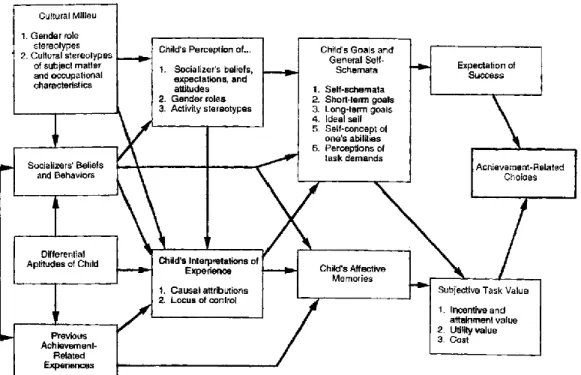
These beliefs about outcome are important, as explained by expectancy theory: the idea that
people make behavioral decisions based on their expectations for desired and likely outcomes
(Vroom, 1964). Wigfield & Eccles (2000) proposed a similar reason behind the importance of
these expectations in their Expectancy-Value Theory of Achievement Motivation, which posits
that task motivation is dependent on expectations for success in that task. In other words, higher
expectations for success result in higher motivation to complete the task at hand.
Varying Parental Expectations in Children with ASD
Later studies showed support for expectancy theory by turning from parental
understanding to parental expectations of ASD. Field and Hoffman (1999) proposed the idea that
short-term outcomes. This influential paper put forth the idea that parental expectations have the
potential to matter a great deal in raising a child with autism. Mutua (2001) also demonstrated
that expectations were positively related to future outcomes in education for children with
intellectual and developmental disabilities (IDD) in Kenya. The study measured factors of
parental expectations, categorized into future expectations of adult responsibilities, civil rights,
and social acceptance. Mutua examined the predictive value of these expectations on educational
participation, and found that together, they explained 44% of the variance in participation
(defined as current enrollment in school) of children with IDD.
Later studies surveyed parents of a child diagnosed with ASD to determine if parental
expectations in ASD resembled the expectations observed in parents of children with other
developmental disabilities. For instance, Ivey (2004) examined what parents expected of their
children with ASD. Similar to previous studies (Gray, 1994), Ivey found that parents were
generally not hopeful for their child’s future, despite the belief that outcomes were important. In
contrast, Dale, Jahoda, and Knott (2006) found that parents maintained somewhat high
expectations for their child’s future despite high levels of parental stress. The contrast between
the high parental expectations documented in Dale et al. (2006) and the lower expectations
reported in both Gray (1994) and Ivey (2004) highlights an important point in parental
expectation research. That is, over time, awareness and access to treatment for children with
ASD has increased, and as more services for people with ASD and their families have emerged,
it is likely that parental expectations for their children have become more positive.
However, not all recent studies of parental expectations for children with ASD have been
Vicarious futurity refers to “the hope and despair that a person has for another’s future.” This
study measured parents’ expectations of their child with ASD using the Vicarious Futurity Scale
(VFS) and found that 80% of parents had low levels of hope and high levels of despair for the
future of their child with ASD (Wong & Heriot, 2007). The study also compared the VFS scores
from parents of children with ASD to parents of children with typical development. These data
showed that parents of typically developing children had higher hopes for their children’s futures
than for their own futures, while parents of children with ASD had far higher hopes for their own
futures than for their children’s. These findings, as Wong and Heriot suggest, have potentially
important clinical implications: enhancing vicarious hope for children with ASD may ultimately
improve outcomes for these children.
Vicarious futurity can also be thought of in terms of the stress that often accompanies
raising a child with a disability. Scher (2009) examined the relationship between ASD onset type
and parental expectations and stress levels in children ages 3 to 18 years old. To assess
expectation level, she administered the Survey of Parental Expectations Scale (see Mutua, 1999)
to 58 parents of children with ASD. Parents rated their expectations using a Likert scale ranging
from (1) highly unlikely to (5) very likely, with higher scores being indicative of higher future
expectations. Results from this study showed that parents tended to have low expectations for
their child, a tendency that was exaggerated when the parents had two children with autism.
More specifically, parents of two children diagnosed with ASD had lower expectations for their
children attending school, managing their own home, retaining a job, or being in a relationship
and having children of their own. Interestingly, there was a significant gender difference in
job and participate in chores compared to fathers. This gender difference was flipped in the child:
Scher’s findings indicate that parents of males had higher expectations than parents of females,
though there was no difference in stress levels. ASD severity was also examined, and showed a
significant negative relationship between parental expectations and symptom severity.
Unsurprisingly, ASD symptom severity was positively related to total stress.
Scher hypothesized that those who did manage to have higher expectations for their
children would have higher stress levels, but she found no significant correlation between those
two variables. Rather, parents who reported higher outcome expectations had significantly less
conflictual relationships with their children than did parents with lower outcome expectations.
While Scher’s study provides new insight regarding current levels of parental expectations and
the relation to parental stress, it did not examine the effect of these expectations in the short or
long-term.
Expectations and Short-Term Outcomes
Several studies after Scher began to look at the relationship between expectation and
actual outcome. Taylor (2011) examined the relationship between parental expectations and
short-term outcomes after high school for 390 parents of adolescents with ASD using data from
the National Longitudinal Transition Study 2 (NLTS-2). Results demonstrated that expectations
were not correlated with outcomes for living situation or education. That is, high parental
expectations for post-high school residential arrangement and educational attainment were not
associated with higher outcomes in these areas. In contrast, high expectations for post-high
school employment did increase the likelihood of paid post-secondary employment, suggesting
expectations compared to parents with lower expectations. As Buchanan and Hughes (2009)
suggested, this could be because of active role parents play in making decisions about raising
their child (i.e. enrolling a child in a job training program). However, ASD symptom severity
was not taken into account, providing some uncertainty as to whether parental expectations or
the degree of ASD symptom severity contributed to employment outcomes in this sample.
Though Taylor found that parent expectations were not significant predictors of
educational outcome, Chiang et al. (2012) provides evidence to the contrary in a sample of 830
students with ASD from the ages of 13 to 16 obtained from the same NLTS-2 database. Chiang
et al. examined participation rates in any kind of postsecondary institution (2-year/community
college, vocational/technical school, 4-year college) since leaving high school and tested the
strength of several predictors, including parent expectation. The study found that parental
expectation was a significant predictor of both high school graduation and postsecondary
participation, after controlling for high school type, whether the primary goal of the high school
was postsecondary preparation, annual household income, and high school academic
performance. Moreover, higher parental expectations increased the likelihood of participating in
postsecondary education by 277%, indicating that parental expectations have significant
predictive power on short-term outcomes (Chiang et al., 2012).
In a similar study, Kirby (2015) examined factors that predict adult outcomes in ASD
including: employment, independent living, and relationships, using NLTS-2 data. She notes that
despite gains in the last decade, outcomes generally remain poor for people with ASD—
however, there are several factors that predict when outcomes will be poor and when people with
possible models to determine which variables significantly predicted adult outcome, and found
that parental expectations of teenagers (age 13-16) were unique predictors of later outcomes in
young adults (age 21-25) with ASD. According to these findings, what parents expect of their
teenagers with ASD can be used to predict what their child will achieve in young adulthood.
Taken together, these studies clearly demonstrate that parental expectations have a strong
influence on the child’s outcomes and highlight the importance for understanding that long-term
impact these expectations have as individuals with ASD continue to age. Multiple studies
demonstrate that expectations are related to outcomes—that is, what a parent expects of a child
has a substantial, tangible impact on what that child experiences in actuality, at least in the
short-term (Field & Hoffman, 1999; Mutua, 1999; Chiang et al., 2012; Kirby, 2015). Unfortunately,
little is known about the impact of early parental expectations on outcomes past young
adulthood. If early parental expectations retain an effect throughout adulthood, it is vital that they
are taken seriously at that early stage. No studies to date have determined if early parental
expectations alone—controlling for IQ and ASD symptom severity—affect adulthood outcome.
Therefore, the current study sought to examine the relationship between early parental
expectations and later outcomes in middle-aged adults with ASD. Furthermore, the current study
will build upon the previous literature by examining the relationship between expectations and
outcome over a 20 to 40 year period.
Based on the findings of Kirby (2015) and Chiang et al. (2012) regarding the relationship
between expectations and educational achievement, it was predicted that higher expectations
would lead to higher adaptive behavior and quality of life in adulthood. Higher parental
the previously established relationship between high expectations and positive outcomes
generally (Field & Hoffman, 1999; Mutua, 1999; Chiang et al., 2012; Kirby, 2015). Overall, it
was predicted that high parental expectations in childhood would be correlated with higher
outcomes in adulthood than low parental expectations in childhood, regardless of childhood level
of functioning or perceived level of functioning.
Method Participants
79 archival records of childhood parental estimates of current adaptive functioning and
future adult outcome, as well as longitudinal follow-up data were used in this study. All 79
participants were first seen at the University of North Carolina at Chapel Hill TEACCH Autism
Program between 1965 and 1999 and participated in a long-term follow-up study conducted by
TEACCH from 2012-2016. Eligible participants were at least 30 years of age and were
diagnosed with ASD at TEACCH during childhood. A clinical diagnosis of ASD was confirmed
via TEACCH archival psychological reports (eligible participants had a CARS score of 27 or
higher) and parental endorsement prior to enrollment. Eligible participants were contacted about
participation via mail and compensated $20 for completing the survey. 364 surveys were sent out
and 284 were completed (78%). Archival data was found for 79 of the 284 that were completed
(28%).
The follow-up survey was comprised of caregiver survey data including measures of
adaptive behavior (Waisman Activities of Daily Living Scale), autism symptomatology (Social
Responsiveness Scale-2), quality of life (Schalock Quality of Life Questionnaire), and daily life
the NLTS-2). Demographic information was also collected. Approximately 71% of caregiver
surveys were completed by mothers (n = 57), 25% by fathers (n = 20), and approximately 4% by
a relative or legal guardian (n = 3). The majority of adults with ASD were male (n = 63, 78%),
mirroring the 4:1 ratio of males: females in ASD prevalence. The average number of years
passed between initial evaluation and follow-up was 30.3 (range: 22 - 44 years). The mean age of
individuals with ASD assessed during childhood was M = 5.2 (SD = 2.6), and the mean age at
time of follow-up was M = 36.6 (SD = 5.7).
Measures
Thechildhood measures were taken from archival TEACCH records included the
following:
Full-Scale IQ. Childhood IQ was measured by TEACCH staff upon initial intake.
Measures of childhood IQ varied across children, therefore only standardized full-scale
IQ (FSIQ) were included in the analyses. Childhood evaluations that included only a
verbal or performance IQ were excluded.
Childhood Autism Rating Scale. The CARS measures various symptoms of ASD in
children on scales from 1 to 4, with higher scores indicating more severe autism
symptoms (from 15 – least severe to 60 – most severe). A score of 27 was used as the
cutoff criteria for an ASD diagnosis in this study.
Vineland Adaptive Behavior Scale. The Vineland-ABS measures adaptive behavior skills
in children in three domains through a semi-structured interview: Communication, Daily
Living Skills, and Socialization. The Vineland-ABS is normed to a mean of 100 and a
Perceived Delay. During the initial childhood evaluation, parents were asked to estimate
in months the current level at which they believed their child was functioning overall and
in the following domains: Gross motor development, fine motor development, social
development, self-sufficiency, receptive language development, expressive language
development, and mental development (see Appendix).
Overall Estimate of Parental Expectations Score. Future estimates of adult outcome
included expectations regarding living situation (e.g., group home, home, or
independent), education level (e.g., special education, high school, college), and
relationships (e.g., never date, date but not marry, married, married with children). These
predictions were combined to produce an overall estimate of parental expectations (see
Table 2 and Appendix).
The expectation score used in analyses was calculated on a point system (see Table 2).
The scores from the three areas of expectation (Living, Education, and Relationships)
were summed to produce an overall expectation score, with higher scores indicating
higher levels of expected independence (from 3 - least independent to 16 - most
independent). If both the mother’s and father’s expectations were present, only the
mother’s expectations were used in analysis (92% of the sample). If there no maternal
expectations were reported, fathers’ expectations were used (8% of the sample).
We compared these expectations to the following adult outcomes:
Waisman Activities of Daily Living (Maenner et al. 2013). The W-ADL measures
The scores on the W-ADL range from 0 (least independent) to 34 (most independent).
Sample items include: Doing errands, including shopping in stores; toileting; and
preparing complete meal.
Schalock Quality of Life Questionnaire (Schalock, 1993). The QOL.Q is organized into
four subsections (Satisfaction, Competence/Productivity, Empowerment/Independence,
and Social Belonging/Community Integration) and measures general and adaptive
well-being in adults. Each section is comprised of 10 items scored on a 3-point Likert scale,
with higher scores indicating better quality of life. The total possible score ranges from
40 (lowest quality of life) to 120 (highest quality of life). Sample items include: Overall,
would you say that your life is 1) Cannot usually do what you want, 2) Somewhat planned
for you, 3) Free; Do you have friends over to visit your home? 1) Rarely or never, 2)
Sometimes, 3) Fairly often.
Social Responsiveness Scale (Constantino, 2005).The SRS is a 65-item questionnaire
that measures autism symptomatology in adults. Total possible scores range from 0 to
195, with higher scores indicating more severe ASD symptoms. Sample items include:
Knows when he/she is too close to someone or invading someone’s space, and has
repetitive, odd behaviors, such as hand flapping or rocking.
Results
The Statistical Package for Social Sciences (SPSS v.23) was used for data analysis.
Descriptive statistics for the sample were first calculated: the mean age of child with ASD at
follow-up was 36.6 years (SD = 5.7). The average number of years in between expectation and
follow-up was 30.3 years (SD = 5.7). (Table 1). The total sample size used in analysis was n =
79. In order to control for parental perception of childhood functioning level in regression
analysis, a Perceived Delay variable was calculated: parental estimate of age was divided by
chronological age. 1.0 indicates children operating at the same level as their chronological age,
and 0.50 indicates children operating at half of their chronological age. The mean perceived
delay was .59 (SD = .23). Mean scores and standard deviations for other childhood measures and
adult outcome measures can be found in Table 3.
Regression Analyses
To examine whether parental expectations predicted later adult adaptive behavior, we
conducted a hierarchical linear regression using a stepwise method. The dependent variable was
the Waisman-ADL. The independent variables were: childhood full-scale IQ and Vineland-ABS,
parent education level, perceived delay, and parental expectation. Full-scale IQ and
Vineland-ABS were entered simultaneously in the first step, followed by parent education level in the
second step, perceived delay in the third step, and finally the parental expectations score in the
fourth. This stepwise method determined whether parental expectations predicted later adult
adaptive behavior above and beyond childhood IQ, childhood adaptive behavior, and parent
education level.
Table 5 shows the change in R2 with each predictor in the model. That is, full-scale IQ (FSIQ) and Vineland-ABS accounted for 33.1% of the variance in Waisman-ADL. Parent
education level did not explain a significant amount of variance (4.7%). Notably, even when
increase in R2 (5.7%), confirming our hypothesis that higher parental expectations in childhood
lead to higher adaptive behavior in adulthood.
The same analysis was used to determine whether parental expectations predicted adult
quality of life. The dependent variable in this case was the Schalock Quality of Life
Questionnaire. Table 6 shows the change in R2 with each predictor in the model. That is, full-scale IQ (FSIQ) and Vineland-ABS accounted for 12.2% of the variance in Quality of Life
Questionnaire. Parent education level did explain a significant amount of variance (12.6%). Still,
even when controlling for childhood level of functioning and parent education level, parental
expectations contributed to a significant increase in R2 (8.6%), indicating that higher parental expectations in childhood lead to higher quality of life in adulthood.
A slight variation on the above method was used to determine whether parental
expectations predicted adult autism symptomatology. The dependent variable was the Social
Responsiveness Scale (SRS). The independent variables were: childhood full-scale IQ and
Vineland-ABS, childhood autism symptom severity rating (e.g., CARS), parent education level,
perceived delay, and parental expectation. Full-scale IQ and Vineland-ABS were entered
simultaneously in the first step, followed by CARS score in the second step, parent education in
the third step, perceived delay in the fourth step, and finally the parental expectations score in the
fifth. This stepwise method determined whether parental expectations predicted later adult
autism symptom severity above and beyond childhood IQ and childhood autism symptom
severity.
not explain a significant amount of variance (2.5%). Parent education level did explain a
significant amount of variance (9.7%). However, even when controlling for childhood level of
functioning, ASD symptomatology, and parent education level, parental expectations contributed
to a significant increase in R2 (6.9%), indicating that higher parental expectations in childhood lead to less severe ASD symptomatology in adulthood.
Discussion
Taken together, these findings suggest that higher parental expectations during childhood
lead to higher levels of adaptive behavior, higher quality of life, and less severe ASD
symptomatology in adulthood. This was evident after controlling for childhood IQ, parental
perception of childhood adaptive behavior as a proxy for current developmental level, childhood
ASD symptomatology. Given generally poorer outcomes for individuals with ASD, one might
expect higher parental expectations to result in lower ratings of quality of life given the disparity
between the expected and the actual outcomes. However, the current findings suggest that
parental expectations are not only relatedto quality of life, but may be important for improving
the level of independence in adulthood. These results suggest that parents should be encouraged
to hold high expectations for their young children with ASD.
Outcomes for adults with ASD are disproportionately poor when compared to their TD
peers. Many adults with ASD face high unemployment rates, low postsecondary education
participation, and loneliness. 1 in 4 adults with ASD are socially isolated (never seeing or talking
to friends, or being invited to social activities) and 37% of adults with ASD do not get a job or
continue education after high school (Roux et al. 2015). These outcomes are exacerbated by loss
There is a large group of adults with ASD, however, that fares better. Many adults with
ASD are employed, living independently, and engaged socially in their communities.
Determining the factors that lead to these better futures for children with ASD is vital for
improving long-term quality of life for these individuals. Previous studies have determined some
of these variables, such as family income, parental academic achievement, and overall
functioning level (i.e., IQ) (Chiang et al., 2012). The benefit of higher family income is generally
attributed to greater access to services throughout the lifespan (Patten, Baranek, Watson, &
Schultz, 2012). This trend is mirrored in the TD population (Aber, J. L., Bennett, N. G., Conley,
D. C., & Li, J. L., 1997; Betson & Michael, 1997; Brooks-Gunn & Duncan 1997). IQ has also
been shown to have an effect on outcome, with higher childhood IQs predicting better outcomes
in adulthood (Eaves & Ho, 2008; Gillberg & Steffenburg, 1987; Howlin et al., 2004). The results
from this study suggest that early parental expectations join family income and childhood IQ and
being powerful predictors of outcomes for adults with ASD.
The current study is not only consistent with previous evidence demonstrating a
relationship between parental expectations and later outcomes, but demonstrates the long-lasting
impact of early parental expectations on outcomes in later adulthood. Adults whose parents had
high expectations for them as young children tended to meet those expectations, regardless of
childhood level of functioning or perceived level of functioning. In contrast, adults whose
parents had lower expectations for them as children rarely exceeded them, even if their IQs and
childhood levels of functioning suggested they were capable of more. Adults whose parents had
overall higher expectations for them in childhood fared better in adulthood in both adaptive
childhood. Higher expectations also predicted lower scores on the Social Responsiveness Scale
(SRS) in adulthood, indicating that higher expectations led to less severe ASD symptoms in
adulthood. In other words, our initial hypothesis was substantially supported over a range of
outcome measures.
Though this study is the first to explore the long-term effects of expectations, previous
studies on the short-term effects of expectation—with both ASD and TD populations—support
this pattern of results. Chiang et al. (2012) found that children with ASD whose parents expected
postsecondary education participation were subsequently more likely to pursue postsecondary
education than their peers whose parents did not expect postsecondary education participation. In
other words, children of parents who expected more of them achieved more than children of
parents who expected less. This pattern was also seen in the current study, but this study also
improved significantly upon Chiang et al.’s methodology to provide even more convincing
results. The parents of older children—in the case of Chiang et al., high school students—were
likely aware of their child’s capabilities. It is difficult, in other words, to determine whether
expectations were the only variable for determining postsecondary education achievement, or
whether parental understanding of their child’s abilities played a large role. The current study
remedies this issue: due to the average age of children at time of expectations (M = 5.2), it is
likely that parents were less aware of potential capability than parents of teenagers in Chiang et
al. Additionally, regression analysis controlled not only for childhood functioning ability, but
also parental perception of ability, and significance of the predictive power of parental
predictions held strong. The results of the current study are also consistent with those of Field &
on the findings of Kirby in particular, which suggested that parental expectations significantly
predicted young adult outcome with regards to employment, residential independence, and social
participation.
Possible explanations for these patterns were explored. The Expectancy-Value Theory of
Achievement Motivation (Wigfield & Eccles, 2000) provides possible insight into why children
of parents with higher expectations fared better in adulthood than those of parents with lower
expectations. The Expectancy-Value Theory (see Figure 1) posits that task motivation depends
significantly on one’s expectations of success and the value one places on the task at hand. The
higher the expectations of success, the higher the motivation, the more “achievement-related
choices” are made, and ultimately, the better the likelihood for successful outcome. Wigfield and
Eccles (2000) explain a variety of components that contribute to the achievement-related
choices. Of particular relevance in this population is cultural stereotypes (in this case, regarding
what people with ASD are capable of) and parental and child internalization of these stereotypes.
According to Expectancy-Value Theory, a lack of internalization increases the number of
achievement-related choices (via the various paths shown in Figure 4). This pattern is supported
by various studies regarding understanding and internalization of racial barriers and how they
relate to educational outcomes in African American students (Taylor & Graham, 2007; Wood,
Kurtz-Costes & Copping, 2011). It is likely that parents with high expectations do not internalize
stereotypes of what people with ASD can accomplish, at least as they relate to their own
Ability attribution and self-concept theories further elucidate the relationship between
expectations and outcome. Though it might be expected that early-childhood ability or level of
functioning affect parental expectations, controlling for parental perception of childhood level of
functioning in this study demonstrated this was not the case. Parents who perceived their child to
be significantly delayed but set expectations that appeared to exceed the child’s current ability
level (e.g., a child with significant delay, but parents expected him/her to live independently or
go to college) resulted in better outcomes, as least in terms of independent living skills and
quality of life.
Thus, it is possible that early parental expectations shape both the parents’ beliefs about
the child with ASD’s ability and the child’s beliefs in his or her own ability. These beliefs, in
turn, increase task motivation, which has repeatedly been shown to affect task performance,
persistence, and outcome (Eccles et al., 1983; Deci et al., 1991). Thus, it is likely that parents
with high expectations of their children with ASD have more positive beliefs about their
children’s future abilities for the future than parents with low expectations. These positive
beliefs, then, increase motivation for tasks important to development in children with ASD (e.g.
early-intervention, occupational therapy, social skills groups), which better the outcomes for
these children in adulthood.
In addition, it is possible that children of parents with higher expectations experienced
fewer feelings of learned-helplessness about themselves and their futures than their peers whose
parents had lower expectations. That is, children who depend upon their parents to do most of
their daily living skills may become over-reliant. As a result, these children may not achieve
the child to develop new skills and achieve greater independence. Feelings of helplessness have
repeatedly been shown to lower self-esteem, self-expectations, and motivation (Heyman, Dweck,
& Cain, 1992; Burhans & Dweck, 1995). These findings work well in conjunction with
Expectancy-Value Theory and the ability-attributional theories discussed above as a possible
explanation for the effect of parental expectations on outcomes in adulthood.
This study faces few limitations. The regression models used were conservative,
controlling for childhood IQ, childhood adaptive functioning, parental perception of adaptive
functioning, and parent education level when predicting outcomes based on parental
expectations. The sample size was large and representative of the larger LOST sample, with
comparable mean scores across all scores (Table 8). These comparable scores demonstrate that
the current sample is not skewed toward a higher-functioning population. In fact, when
compared to the general population, the LOST sample had much higher rates of intellectual
disability (60%) than the general population of people with ASD (31.6%), according to 2016
rates from the Centers for Disease Control and Prevention. This discrepancy is expected due to
the broadening definition of ASD over the past 40 years. Though the definition of ASD has
changed, results seen in this study are likely generalizable to current children with ASD as well,
given the comparably strict diagnostic criteria used in the 1960s-90s (i.e. more severe ASD was
required to receive a diagnosis). The overall higher-functioning population today is perhaps even
more likely to be positively impacted by high parental expectations given that they more closely
mirror the typically developing population, which has been shown to follow this trend closely
Education level of parents in the current sample also mirror the education level of parents
in the LOST sample overall, indicating a representative sample (Table 9). We were unable to
control for family income at the time these expectations were made due to lack of data, but the
fact that the results remained significant using a very conservative regression model (controlling
for childhood IQ, childhood adaptive functioning, and childhood ASD symptomatology, and
especially parent education level, which is so often correlated with income) demonstrates the
strength of the findings. In addition, the predictive power of expectations in Chiang et al. (2012)
remained significant even after controlling for annual family income. Still, future studies should
attempt to control for family income in predicting outcomes based on parental expectations so as
to further confirm the findings of the current study.
It is no secret that parents play an important role in raising their children, but the findings
of this study are notable: the choices parents make about what they expect for their children,
even if those children demonstrate early developmental delay, impact the independent living
skills their children will develop across the lifespan. There is no doubt that ASD impacts
outcomes, but the current study suggests that parents can have a direct impact—and possibly
change—the developmental trajectory of their young children with ASD, simply by changing
Data and Tables
Table 1
Demographics (N = 80)
_________________________________________________________________
Mean (SD) Range
_________________________________________________________________
Age of child 5.2 (2.6) 2 - 13
Years in between 30.3 (5.7) 22 - 44
Expectation and follow-up
Age of adult child 36.6 (5.7) 27 - 51
_________________________________________________________________
Table 2
Parents’ Expectations of Adult Outcomes
________________________________________________________________________________________________________ _
Point System Living Situation Education Relationships
________________________________________________________________________________________________________ _
1 Living in an institution Unable to attend school Probably remain single
2 Living in supervised housing Special education Probably remain single but (e.g. group home, residential date if he/she wishes facility)
3 Living with parents or relatives Some grade school Probably marry but not raise children
4 Managing his own home Junior high Marry and raise children
5 Some high school
6 Graduate from high school
7 Some college
8 Graduate from college
Highest possible score 4 8 4
______________________________________________________________________________________________________ Note. Higher scores are indicative of higher levels of independence; possible range from
Table 3
Childhood and Adulthood Measures
________________________________________________________________________________________ Childhood
________________________________________________________________________________________
Mean (SD) Range
Expectation 10.2 (4.0) 5 - 16
Full-scale IQ 58.8 (19.8) 40 - 121
Vineland Adaptive 54.7 (18.5) 16 - 100
Behavior Scale*
Childhood Autism 34.6 (4.1) 22 - 45
Rating Scale (CARS)**
Perceived delay .59 (.23) .16 - 1.25
________________________________________________________________________________________ Adulthood
________________________________________________________________________________________
Mean (SD) Range
Waisman Activities of 21.1 (8.5) 3 - 34
Daily Living Scale*
Social Responsiveness** 95.1 (31.1) 18 - 159
Scale (SRS)
Schalock Quality of Life 76.2 (13.1) 51 - 112
Questionnaire
Table 4
Correlations Between Predictors included in Regression Model
___________________________________________________________________________________
1 2 3 4 5 6 7 8 9
___________________________________________________________________________________ 1 Full-scale IQ
---2 Perceived delay .233*
---3 SRS -.275* -.287*
---4 CARS -.282* -.251* -.237*
---5 Vineland .446** .422* -.192 -.320**
---6 Quality of Life .328* .245* -.656** -.187 .254*
---7 Waisman .519** .356** -.661** -.441** .455** .712**
---8 Expectation .321** .395** -.365** -.253* .391** .364** .461**
---9 Years in between -.252* -0.001 0.091 -0.066 .272* -0.147 -0.08 -0.112 ---_____________________________________________________________________________________ * Correlation is significant at the 0.05 level (2-tailed).
** Correlation is significant at the 0.01 level (2-tailed).
Table 5
Predicting Adult Adaptive Behavior (Waisman-Activities of Daily Living)
______________________________________________________________________________ Change Statistics
Model R2 Change F Change df 1 df2 Sig. F Change
______________________________________________________________________________
FSIQ & Vineland-ABS 0.331 18.828 2 76 .000
Parent education level 0.047 2.791 2 74 .068
Perceived delay 0.021 2.590 1 73 0.112
Expectation 0.057* 7.558 1 72 0.008
Figure 1. Predicting Adult Adaptive Behavior (Waisman-Activities of Daily Living)
Controlling for childhood IQ, adaptive behavior, perceived delay, and parent education level; R2 = 0.457.
Table 6
Predicting Adult Quality of Life (Schalock Quality of Life Questionnaire)
______________________________________________________________________________ Change Statistics
Model R2 Change F Change df 1 df2 Sig. F Change
______________________________________________________________________________
FSIQ & Vineland-ABS 0.122 5.203 2 75 0.008
Parent education level 0.126 6.088 2 73 .004
Perceived delay 0.013 1.292 1 72 0.259
Expectation 0.086* 9.336 1 71 0.003
Figure 2. Predicting Adult Quality of Life
Controlling for childhood IQ, adaptive behavior, perceived delay, and parent education level; R2 = 0.347.
Table 7
Predicting Adult Autism Symptomatology (Social Responsiveness Scale)
______________________________________________________________________________ Change Statistics
Model R2 Change F Change df 1 df2 Sig. F Change
______________________________________________________________________________
FSIQ & Vineland-ABS 0.081 3.273 2 74 0.043
CARS 0.025 2.015 1 73 0.160
Parent education level 0.097 4.336 2 71 0.017
Perceived delay 0.033 3.011 1 70 0.087
Expectation 0.069* 6.816 1 69 0.011
______________________________________________________________________________
Figure 3. Predicting Adult Autism Symptomatology
Controlling for childhood IQ, adaptive behavior, ASD symptomatology,perceived delay, and parent education level; R2 = 0.305.
Table 8
Means and Standard Deviations of Childhood Scores (Sample vs. LOST Overall) ____________________________________________________________
Current sample LOST overall ____________________________________________________________
Full-scale IQ 58.8 (19.8) 61.9 (27.4)
Vineland Adaptive 54.7 (18.5) 52.9 (19.5) Behavior Scale*
Childhood Autism 34.6 (4.1) 33.9 (5.7) Rating Scale (CARS)**
____________________________________________________________
Table 9
Frequencies of Parents’ Highest Education Level (Sample vs. LOST Overall) ___________________________________________________________________
Current sample LOST overall __________________________________________________________________________
Father’s Highest Level of Education
Some high school 0% 1.1%
High school degree 11.0% 10.9%
Vocation training 2.8% 4.6%
Some college, no degree 28.4% 20.8%
4-year college 25.7% 27.1%
Graduate degree 31.2% 32.7%
Don’t know 0.9% 2.8%
___________________________________________________________________ Current sample LOST overall ___________________________________________________________________
Mother’s Highest Level of Education
Some high school 1.8% 1.8%
High school degree 10.1% 8.8%
Vocation training 6.4% 6.3%
Some college, no degree 25.7% 27.1%
4-year college 34.9% 32.7%
Graduate degree 20.2% 21.8%
Don’t know 0.9% 1.4%
Appendix
References
Aber, J. L., Bennett, N. G., Conley, D. C., & Li, J. (1997). The Effects of Poverty on Child
Health and Development. Annu. Rev. Public. Health. Annual Review of Public Health,
18(1), 463-483.
Betson, D. M., & Michael, R. T. (1997). Why So Many Children Are Poor. The Future of
Children,7(2), 25.
Brooks-Gunn, J., & Duncan, G. J. (1997). The effects of poverty on children. Future of Children,
7, 55–71.
Buchanan, C., & Hughes, J. (2009). Construction Of Social Reality During Early Adolescence:
Can Expecting Storm And Stress Increase Real Or Perceived Storm And Stress? Journal
of Research on Adolescence,19(2), 261-285.
Burhans, K. K., & Dweck, C. S. (1995). Helplessness in early childhood: The role of contingent
worth. Child Development, 66, 1719-1738.
Chiang, H., Cheung, Y., Hickson, L., Xiang, R., & Tsai, L. (2012). Predictive Factors of
Participation in Postsecondary Education for High School Leavers with Autism. Journal
of Autism and Developmental Disorders,42(5), 685-696.
Christensen DL, Baio J, Braun KV, et al. Prevalence and Characteristics of Autism Spectrum
Disorder Among Children Aged 8 Years — Autism and Developmental Disabilities
Monitoring Network, 11 Sites, United States, 2012. MMWR Surveill Summ 2016;65(No.
SS-3):1–23
Constantino J. N. The Social Responsiveness Scale (SRS). Western Psychological Services,
Dale, E., Jahoda, A., & Knott, F. (2006). Mothers’ attributions following their child’s diagnosis
of autistic spectrum disorder Exploring links with maternal levels of stress, depression
and expectations about their child’s future. Autism,10(5), 463-479.
Deci, E., Vallerand, R., Pelletier, L., & Ryan, R. (1991). Motivation and Education: The
Self-Determination Perspective. HEDP Educational Psychologist Educ. Psychologist,26(3),
325-346.
Eaves, L. C., & Ho, H. H. (2007). Young Adult Outcome of Autism Spectrum Disorders. J
Autism Dev Disord Journal of Autism and Developmental Disorders,38(4), 739-747.
Field, S., & Hoffman, A. (1999). The Importance of Family Involvement for Promoting
Self-Determination in Adolescents with Autism and Other Developmental Disabilities. Focus
on Autism and Other Developmental Disabilities,14(1), 36-41.
Gillberg, C., & Steffenburg, S. (1987). Outcome and prognostic factors in infantile autism and
similar conditions: A population-based study of 46 cases followed through puberty. J
Autism Dev Disord Journal of Autism and Developmental Disorders,17(2), 273-287.
Gray, D. (1995). Lay conceptions of autism: Parents’ explanatory models. Medical
Anthropology,16(2), 99-118.
Heyman, G. D., Dweck, C. S., & Cain, K. M. (1992). Young children's vulnerability to
self-blame and helplessness: Relationship to beliefs about goodness. Child Development,
63, 401-415.
Howlin, P., Goode, S., Hutton, J., & Rutter, M. (2004). Adult outcome for children with autism.
Ivey, J. (2004). What Do Parents Expect?: A Study of Likelihood and Importance Issues for
Children With Autism Spectrum Disorders. Focus on Autism and Other Developmental
Disabilities, 27-33.
Maenner MJ, Smith LE, Hong J, Makuch R, Greenberg J, Mailick MR. (2013) An Evaluation of
an Activities of Daily Living Scale for Adolescents and Adults with Developmental
Disabilities. Disability and Health Journal, 6(1), 8-17.
Mutua, N. (1999). Macro- and micro-level factors that predict educational access among
children with disabilities in Kenya. Unpublished doctoral dissertation, Kent State University,
Ohio.
Mutua, N. (2001). Importance of Parents’ Expectations and Beliefs in the Educational
Participation of Children with Mental Retardation in Kenya. Education and Training in
Mental Retardation and Developmental Disabilities,36(2), 148-159.
Patten, E., Baranek, G. T., Watson, L. R., & Schultz, B. (2012). Child and Family Characteristics
Influencing Intervention Choices in Autism Spectrum Disorders. Focus on Autism and
Other Developmental Disabilities,28(3), 138-146.
Roux, Anne M., Shattuck, Paul T., Rast, Jessica E., Rava, Julianna A., and Anderson, Kristy,
A. National Autism Indicators Report: Transition into Young Adulthood. Philadelphia,
PA: Life Course Outcomes Research Program, A.J. Drexel Autism Institute, Drexel
University, 2015.
Schalock R. Reconsidering the conceptualization and measurement of quality of life. In:
Schalock RL, editor. Quality of life: Vol. 1. Conceptualization and measurement.
Scher, J. (2009). Parenting children with autism: Expectations for future outcomes. Dissertation
at the University of Hartford, 1-85.
Taylor, A. Z., & Graham, S. (2007). An examination of the relationship between achievement
values and perceptions of barriers among low-SES African American and Latino
students. Journal of Educational Psychology,99(1), 52-64.
Taylor, J. (2011, May 12). The Role of Parental Expectations In Predicting Post-High School
Outcomes for Youth with ASD. International Meeting for Autism Research 2011.
Lecture conducted from San Diego.
Vroom, V. H. (1964). Work and motivation. San Francisco, CA: Jossey-Bass.
Wigfield, A., & Eccles, J. S. (2000). Expectancy–Value Theory of Achievement Motivation.
Contemporary Educational Psychology,25(1), 68-81.
Wong, M., & Heriot, S. (2007). Vicarious Futurity In Autism And Childhood Dementia. Journal
of Autism and Developmental Disorders,37(10), 1833-1841.
Wood, D., Kurtz-Costes, B., & Copping, K. E. (2011). Gender differences in motivational
pathways to college for middle class African American youths. Developmental