IDENTIFYING HOST AND BACTERIAL FACTORS REQUIRED FOR FRANCISELLA TULARENSIS INTRACELLULAR GROWTH
Jason Brunton
A dissertation submitted to the faculty of the University of North Carolina at Chapel Hill in partial fulfillment of the requirements for the degree of Doctor of Philosophy in the
Department of Microbiology and Immunology.
Chapel Hill 2015
iii ABSTRACT
Jason Brunton: Identifying host and bacterial factors required for Francisella tularensis
intracellular growth
(Under the direction of Thomas Kawula)
Francisella tularensis is a small Gram negative coccobacillus that is the
causative agent of the disease tularemia. A hallmark of F. tularensis pathogenesis is its extraordinary capacity to rapidly grow to high densities within the cytosol of host cells. To extensively replicate in the hostile environment of the host, the bacterium must expertly adapt to the cytosolic environment, evade destruction by immune defenses and acquire significant nutrients. However, few bacterial virulence factors have been
identified and the mechanisms by which F. tularensis obtains nutrients and adapts to the cytosolic environment are poorly understood.
Here we performed a large scale transposon mutagenesis screen to identify novel bacterial factors required for intracellular growth. From the screen we identified a gene of unknown function, FTT_0924, which we demonstrate is required for intracellular growth and virulence. We show FTT_0924 is required for resisting osmotic stress during bacterial replication indicating FTT_0924 is required for maintaining cell wall integrity. Together these data suggest F. tularensis requires FTT_0924 for strict control of cell wall dynamics to adapt to the cytosolic environment.
iv
well as the strategies employed by the bacterium to acquire host carbon are unknown. Here we took a genetic approach to identify bacterial carbon metabolic pathways and define the major sources of host derived carbon that fuel bacterial replication. We show gluconeogenesis is essential for intracellular and in vivo growth and suggest glycerol 3-phosphate and amino acids are the primary carbon sources acquired by F. tularensis
from host cells. We then investigated from where essential host derived nutrients are derived and identify host cell autophagy is required to provide F. tularensis with
nutrients for bacterial replication. Specifically, we found F. tularensis infection induces flux through an ATG5-independent autophagy pathway to provide amino acids and bulk carbon to the bacterium. Overall, these studies provide significant steps in
v
ACKNOWLEDGEMENTS
First, I would like to thank my advisor, Tom Kawula, for all of the guidance and support throughout my graduate career. His mentorship has provided me with
independence to develop as a scientist and solve problems, but also enough guidance to successfully complete the research studies described within this dissertation. His door was always open if I had questions and he always provided useful advice to fix whatever problem I had. Lastly, I appreciate the freedom he granted me to pursue projects outside the knowledge and expertise of the lab.
I would also like to thank everyone that helped me both design and perform these studies. My committee has provided me with significant direction, especially Tony Richardson and Nat Moorman, with whom I’ve had countless conversations about metabolism and metabolic signaling. Current and former members of the Kawula lab including Shaun, Sharon, Cheryl, Brittany, Eric and Todd have been instrumental in helping me design experiments and share work load of experiments in the BSL3. In particular, I would like to thank Shaun for working with me throughout the entire autophagy project which lead to a shared primary authorship on the publication and Sharon for help in experimental design, animal experiments, making sure the lab runs smoothly and all things BSL3 related.
vi
vii
TABLE OF CONTENTS
List of Figures ... xii
List of Tables ... xiv
List of Abbreviations ...xv
CHAPTER 1: Introduction ... 1
Francisella tularensis History ... 1
F. tularensis Phylogeny, Ecology and Disease ... 2
Francisella Species and Model Strains ... 3
F. tularensis Host Range, Reservoirs and Transmission ... 5
Clinical Manifestations of Tularemia ... 5
Bacterial Life Cycle and Virulence Factors ... 7
Intracellular Life Cycle ... 7
F. tularensis Virulence Factors ... 8
Host-Francisella Interactions ... 13
Francisella Interactions with the Host Immune System ... 13
Francisella Interactions with Host Autophagy ... 17
F. tularensis Nutrient Acquisition from Host Cells ... 21
Methods of Investigating Carbon Metabolism of Intracellular Pathogens ... 23
References ... 29
viii
Overview ... 48
Introduction ... 49
Materials and Methods ... 51
Results ... 58
F. tularensis luminescence reporter functions as a surrogate measurement for intracellular growth ... 58
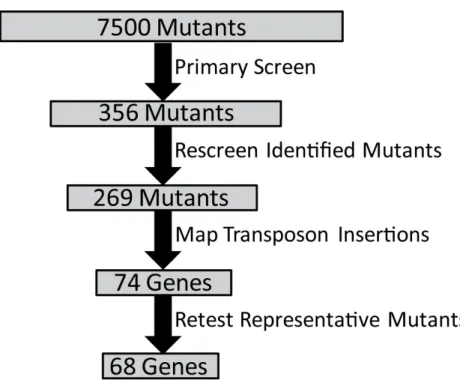
Transposon mutagenesis screen identifies growth-deficient mutants in J774A.1 macrophage or TC-1 epithelial cells using a luminescence reporter system ... 59
The FTL_1286 and FTT_0924 loci are required for intracellular growth ... 60
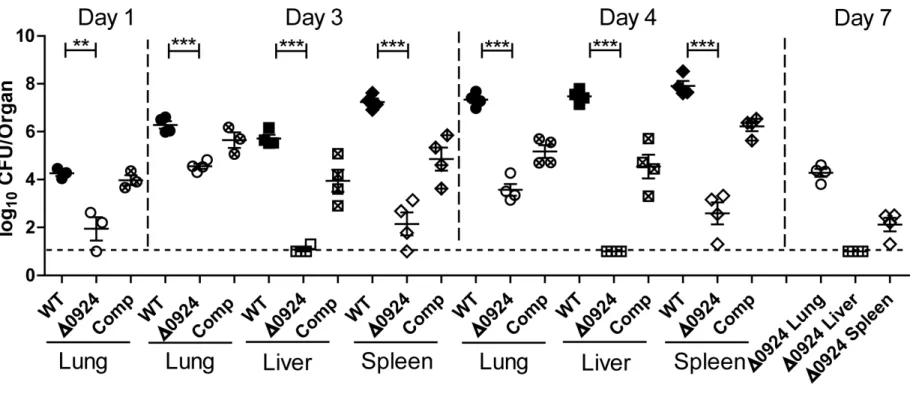
FTT_0924 is required for virulence in mice ... 62
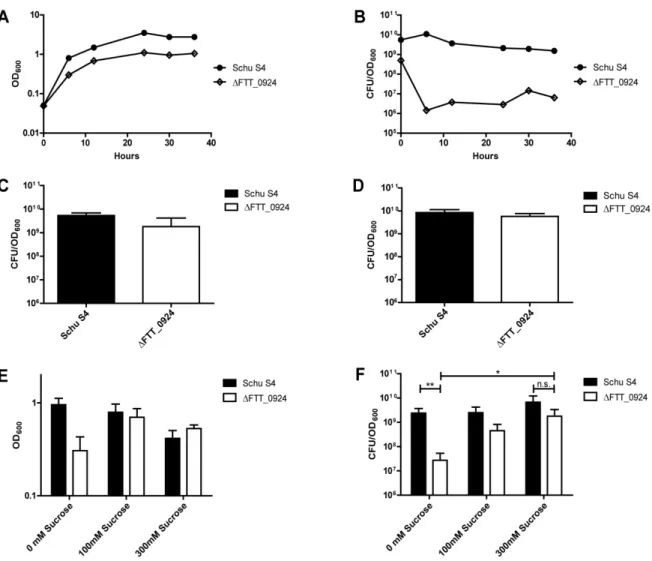
FTT_0924 is required for resisting osmotic stress during growth in liquid culture ... 63
ΔFTT_0924 membrane is permeable under hypotonic conditions ... 64
FTT_0924 localizes to the inner membrane facing the periplasm ... 65
ΔFTT_0924 is sensitive to β-lactam antibiotics ... 67
Discussion... 67
Figures ... 72
References ... 84
CHAPTER 3: Francisella tularensis Harvests Nutrients Derived via ATG5-Independent Autophagy to Support Intracellular Growth ... 88
Overview ... 88
Author Summary ... 90
Introduction ... 91
Results ... 94
ix
Autophagy supplies energy and anabolic substrates that support F.
tularensis growth in fibroblasts... 95
Autophagy supports F. tularensis replication in primary human monocyte derived macrophages ... 97
F. tularensis infection increases autophagic flux ... 98
Autophagy derived amino acids are transferred from host proteins to F. tularensis ... 99
F. tularensis uses autophagy by-products primarily for energy ... 100
ATG5 is not required for autophagy in Francisella infected cells ... 101
Neither canonical autophagy nor xenophagy are induced during F. tularensis intracellular replication ... 104
F. tularensis is adjacent to autophagic vacuoles ... 106
Discussion... 107
Materials and Methods ... 111
Figures ... 122
References ... 141
CHAPTER 4: Defining the Host-Derived Carbon Sources and Metabolic Pathways Required for Francisella tularensis in vivo Growth ... 145
Overview ... 145
Introduction ... 146
Materials and Methods ... 149
Results ... 152
A Targeted Mutagenesis of F. tularensis Carbon Metabolic Pathways Identified Gluconeogenesis is Essential for Intracellular Growth ... 152
F. tularensis requires glpX (2) to Acquire Host Derived Carbon in Macrophages ... 154
x
glpA (3), ppdK (4) and pckA (5) Are Not Individually Required for Assimilation
of the Major Carbon Sources Required for F. tularensis in vivo Growth ... 156
F. tularensis pckA (5), but not ppdK (4) is Required for in vivo Growth ... 158
Essential Host Derived Carbon Sources Enter the TCA Cycle through gdhA (6) ... 159
Discussion... 161
Figures ... 165
References ... 175
Chapter 5: Summary and Discussion ... 178
Characterization of Genes of Unknown Function will Identify New F. tularensis Biology Required for Pathogenesis ... 179
Further Elucidating the Function of FTT_0924 will Help Define how F. tularensis Regulates Peptidoglycan Dynamics ... 180
F. tularensis effectively adapts to the intracellular environment to efficiently replicate and evade cellular defenses ... 181
F. tularensis co-opts Host cell Processes for Intracellular Replication ... 184
The Signals Resulting in Autophagy Induction during F. tularensis Replication are Unknown ... 184
Multiple Autophagic Pathways may Function in F. tularensis Nutrient Production ... 186
Acquisition of Host Carbon by Intracellular Pathogens Requires Active Processes ... 187
Carbon Sources Acquired by Intracellular Pathogens are Diverse, yet Specific ... 189
Defining the Carbon Metabolism of F. tularensis ... 190
F. tularensis may Require Different Carbon Metabolic Pathways in Different Cellular Environments ... 192
Future Directions: ... 194
xi
Appendix 1: Feeding Uninvited Guests: mTOR and AMPK Set the Table
for Intracellular Pathogens ... 200
Introduction ... 200
AMPK and mTOR Regulate Energy Homeostasis ... 201
Manipulation of Both AMPK and mTOR by Intracellular Pathogens ... 202
Inhibiting AMPK or Inducing mTOR Can Provide Essential Substrates for Pathogen Replication ... 203
AMPK Activation May Benefit Replication of Diverse Pathogens ... 204
Autophagy Provides Intracellular Pathogens with Nutrients ... 206
Conclusion ... 207
Figures ... 209
References ... 211
Appendix 2: Future Directions For Defining the Intracellular and in vivo Carbon Metabolism of Francisella tularensis ... 214
Elucidating the Essential F. tularensis Carbon Metabolic Pathways in vivo Will Comprehensively Identify the Major Host Derived Carbon Sources ... 214
Direct Measurement of 13C Labeled Metabolic Substrate by Intracellular F. tularensis ... 216
xii
LIST OF FIGURES
Figure 2.1: Luminescence as a Reporter for Intracellular Growth ... 72 Figure 2.2: Screening Procedure to Identify Genes Required for Intracellular Growth ... 73 Figure 2.3: Impact of FTL_1286 and FTT_0924 on Intracellular Growth. ... 74 Figure 2.4: Effect of FTT_0924 on Schu S4 Growth and Dissemination in a Mouse Model of Infection ... 75 Figure 2.5: Bacterial Viability of ΔFTT_0924 During in vitro Growth ... 76 Figure 2.6: Membrane Permeability of Schu S4 and ΔFTT_0924 in Liquid Culture: .... 77 Figure 2.7: Localization of FTT_0924: ... 78 Figure 2.8: (S1) Morphology of Schu S4 and ΔFTT_0924 by TEM. ... 79 Figure 3.1: Autophagy Derived Nutrients Enhance F. tularensis
Intracellular Growth ... 122 Figure 3.2: Autophagic Flux and Transfer of Amino Acids in
F. tularensis Infected Cells ... 124 Figure 3.3: F. tularensis Uses Autophagy Derived Nutrients for Energy and Anabolic Substrates ... 125 Figure 3.4: S6-P is Reduced in F. tularensis Infected Cells ... 127 Figure 3.5: ATG5 is Not Required for Efficient F. tularensis Intracellular Replication .. 128 Figure 3.6: F. tularensis Induces ATG5-Independent Autophagy in Infected Cells ... 130 Figure 3.7: F. tularensis Does Not Induce Canonical Autophagy During Late Logarithmic Phase of Intracellular Growth ... 131 Figure 3.8: p62/SQSTM1 and Polyubiquitin Puncta in F. tularensis Infected Cells ... 132 Figure 3.9: (S1) F. tularensis Replicates to High Densities in the Host Cell Cytoplasm ... 134 Figure 3.10: (S2) Autophagy Derived Nutrients Enhance F. tularensis
xiii
Figure 3.11: (S3) Autophagy Inhibitor Cytotoxicity ... 136
Figure 3.12: (S4) Beclin-1 shRNA depletes Beclin-1 mRNA in MEFs ... 137
Figure 3.13: (S5) F. tularensis Infection Decreases Polyubiquitin Puncta but Increases the Number of p62+ Acidic Vacuoles ... 138
Figure 3.14: (S6) F. tularensis Localizes Adjacent to Autolysosomes ... 139
Figure 4.1: Francisella tularensis Central Carbon Metabolism ... 165
Figure 4.2: Growth of ∆pfkA (1) and ∆glpX (2) in Defined Media and Host Cells ... 167
Figure 4.3: glpX (2), and not pfkA (1), is Essential for in vivo Replication ... 168
Figure 4.4: Growth of ΔglpA (3), ΔppdK (4) and ΔpckA (5) mutants in defined media ... 169
Figure 4.5: Growth of ∆glpA (3), ∆ppdK (4) and ∆pckA (5) in Macrophages ... 171
Figure 4.6: pckA (5), and not ppdK (4), is Required for in vivo Growth ... 172
Figure 4.7: Growth of ∆gdhA (6) in defined media and macrohpages ... 173
Figure A1.1: Infection by Diverse Pathogens Impacts AMPK and mTOR Signaling ... 209
Figure A2.1: Metabolic Labeling of Intracellular Francisella tularensis ... 218
xiv
LIST OF TABLES
Table 2.1: List of Strains and Plasmids ... 80
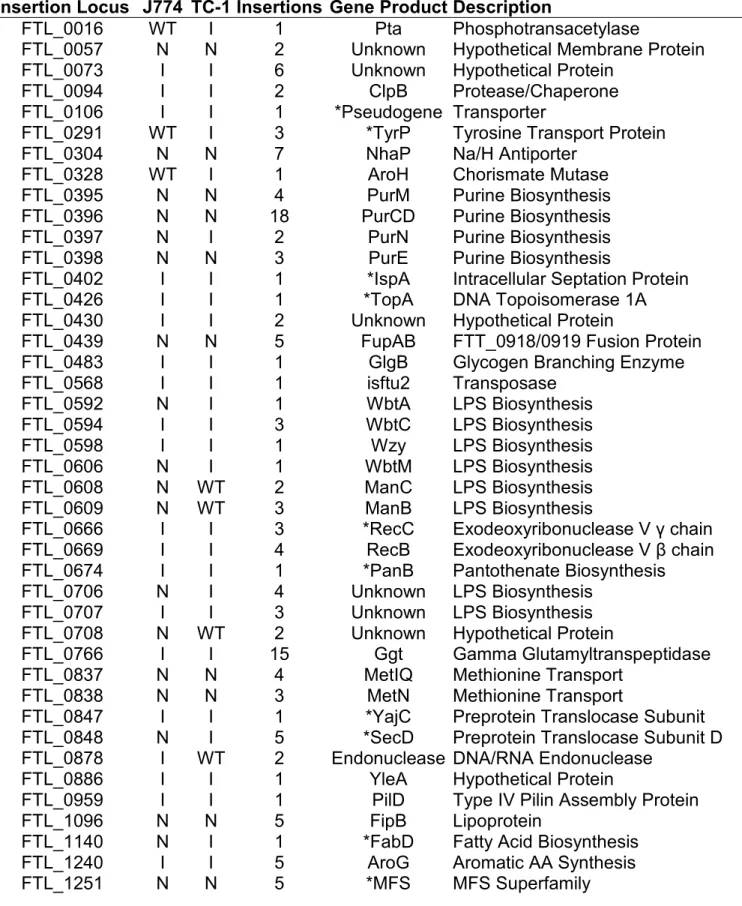
Table 2.2: List of Transposon Insertions and Phenotypes... 81
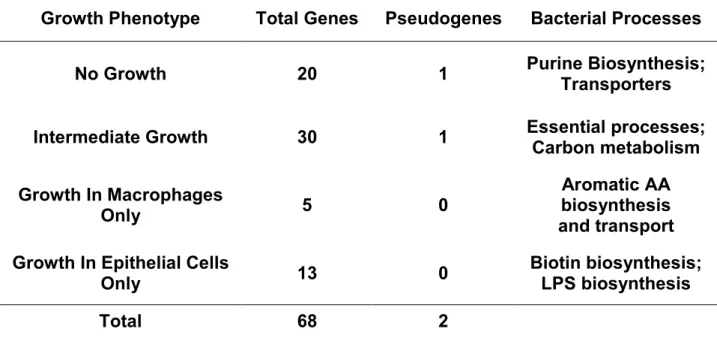
Table 2.3: Numbers of Genes Identified by Mutant Phenotype ... 83
Table 2.4: Sensitivity of ΔFTT_0924 to specific compounds ... 84
xv
LIST OF ABBREVIATIONS
3MA 3 methyladenine
AF Alexa Fluor
AIM2 Absent in melanoma 2
AMP Adenosine monophosphate
AMPK AMP-activated protein kinase
ATG Autophagy-related gene
ATP Adenosine triphosophate
Baf Bafilomycin
BCA Bicinchoninic acid
BHI Brain-heart infusion
BMDM Bone marrow derived macrophage
Bref A Brefeldin A
BSL Biosafety level
C02 Carbon dioxide
CD Cell Determinant
CDM Chamberlain’s defined media
CFU Colony forming unit
CPM Counts per minute
CQ Chloroquine
DAPI 4',6-diamidino-2-phenylindole
DC Dendritic cell
xvi
DNA Deoxyribonucleic acid
EEA-1 Early Endosomal antigen 1
EIEC Enteroinvasive Escherichia coli
ELISA Enzyme-linked immunosorbent assay
FBS Fetal Bovine Serum
FCV Francisella containing vacuole
FPI Francisella pathogenicity island
G6P Glucose 6-phosphate
GAPDH Glyceraldehyde 3-phosphate dehydrogenase
GFP Green fluorescent protein
HCMV Human cytamegalovirus
HCV Hepatitis C virus
HIV Human immunodeficiency virus
hMDM Human monocyte derived macrophages
IFN Interferon
IL Interlukin
IRES Internal ribosomal entry site
KD Knock down
LAMP Lysosomal associate membrane protein
LB Luria-Bertani
LC3 Microtubule associate protein light chain 3B
LD100 Lethal Dose 100%
xvii
LUX Harboring a luminescence reporter plasmid
LVS Live vaccine strain
MAPK Mitogen activated protein kinase
MEF Mouse embryonic fibroblast
MHC Major histocompatibility complex
MOI Multiplicity of infection
PRR Pattern recognition receptor
RNA Ribonucleic acid
mTOR mammalian target of rapamycin
NAD Nicotinamide adenine dinucleotide
NADPH Nicotinamide adenine dinucleotide phosphate NF-κB Nuclear factor kappa-light-chain-enhancer of
activated B cells
NLR Nod-like receptor
NMR Nuclear magnetic resonance
OD Optical density
PBMC Peripheral blood mononuclear cell
PBP Penicillin binding protein
PBS Phosphate buffered saline
PCR Polymerase chain reaction
PEP Phosphoenolpyruvate
PhoA Alkaline phosphatase
PI Propidium Iodide
xviii
ROS Reactive oxygen species
RPMI Roswell Park Memorial Institute
RVFV Rift Valley fever virus
SDS PAGE Sodium dodecyl sulphate polyacrylamide gel electrophoresis
SV40 Simian virus 40
T3SS Type 3 secretion system
TCA Tricholoroacetic acid
TCA cycle Tricarboxylic acid cycle
TEM Transmission electron microscopy
TGF Transforming growth factor
TLR Toll-like receptor
TNF Tumor necrosis factor
TSC Tuberous sclerosis complex
1
CHAPTER 1: INTRODUCTION
Francisella tularensis History
Francisella tularensis is a small (roughly 0.5μm in diameter) Gram negative coccobacillus that is the causative agent of the disease tularemia. F. tularensis was discovered in 1911 in Tulare County California as a disease outbreak in ground squirrels that was first thought to be plague (119). Shortly after its initial isolation, interest in the bacterium’s potential as a bioweapon quickly grew due to the organism’s highly pathogenic and infectious nature. Leading up to World War II the United States, Japan and the former Soviet Union had developed and stockpiled weaponized F. tularensis (52). The United States finally destroyed the stocks of weaponized bacteria in 1973, whereas the former Soviet Union maintained its biological weapons
development into the 1990’s (3, 52,144,163). Today, F. tularensis is still recognized as a high risk biological weapon and is defined as a Tier 1 Select Agent for bioterrorism due to its high infectivity and pathogenicity, as well as its ease of aerosolization and accessibility.
The organism’s highly infectious nature not only attracted research and
2
tularensis avoided contracting tularemia (143). This high potential for researchers to contract tularemia has no doubt impeded our understanding of F. tularensis biology and pathogenesis. Since then there has been major advancements in biocontainment and laboratory infections have dramatically decreased. Currently, virulent F. tularensis
strains are handled under Biosafety Level 3 laboratory conditions to prevent laboratory acquired infections.
F. tularensis Phylogeny, Ecology and Disease
F. tularensis was first named Bacteriumtularense upon its discovery (85,119). Since then the bacterium has been categorized under the genuses Yersinia, Pasteurella
and finally to its own new genus Francisella, named after Edward Francis who performed much of the initial bacterial characterization after its discovery (142).
Besides the parasitic tularensis species, other species have been categorized under the
Francisella genus including species identified as fish pathogens, tick endosymbionts and soil dwelling organisms demonstrating that Francisella species inhabit several different niches (93). Although there is a significant diversity of Francisella species, the majority of Francisella research is focused on the mammalian pathogenic tularensis
species and its virulence mechanisms.
Francisella’s closest relations are the fish pathogen Piscirickettsia and many deep ocean dwelling, nonpathogenic bacteria such as Beggiatoa, suggesting
3
function including studies described in this thesis. These studies have identified
uncharacterized Francisella genes encode several novel classes of proteins involved in a variety of bacterial processes as well as the extreme virulence of F. tularensis
species.
Francisella Species and Model Strains
Due to the recent advancement of high throughput sequencing methods there has been a marked increase in the number of sequenced species and strains within the
Francisella genus. The major species include tularensis, novicida, philomiragia, noatunensis and piscida. The tularensis species is the most widely studied and contains three subspecies: tularensis, holarctica and mediasiatica which are all highly virulent in humans and other mammals. The tularensis subspecies is generally
considered the most virulent and mediasiatica the least virulent. The novicida species (previously annotated as a subspecies of F. tularensis) is not a primary human
pathogen and only causes disease in immunocompromised individuals (13, 39, 58, 79, 86). The philomiragia, noatunensis and piscida species are generally avirulent in
humans but are highly infectious fish pathogens that have a severe economic impact on fish farms in areas such as Scandenavia, Japan and Chile (14, 90,141).
4
The second is F. tularensis subsps. holarctica Live Vaccine Strain (LVS), an attenuated holarctica strain that can be handled at BSL2 or BSL2+ conditions. LVS was artificially attenuated by researchers in the former Soviet Union in the 1950’s by
successively passaging the strain in media and through mice to reduce, yet maintain virulence (52). One caveat of researching the LVS strain is that the specific mutations acquired from successive passaging and the specific effects of these mutations on the biology and virulence of the strain have not yet been fully characterized. Regardless of its artificial attenuation, LVS has long been a useful tool to study both Francisella
biology and pathogenesis.
Lastly is F. novicida Utah 112 (U112), which was isolated from a water sample in Utah in 1955 (104). F. novicida is commonly used as a model system for F. tularensis
5
F. tularensis Host Range, Reservoirs and Transmission
F. tularensis has one of the largest host ranges of any known pathogen. The current and growing tally exceeds 500 susceptible organisms and includes amoebae, fruit flies, mollusks, crayfish, fish, frogs, reptiles, birds, mice, rabbits, sheep and humans (1, 5, 6, 44, 128, 129, 138, 181). How Francisella can be transmitted to these
organisms is not well understood but could occur through a variety of arthropod vectors including several species of biting flies, ticks and mosquitoes or from another unknown reservoir (57, 97). Direct transmission between susceptible hosts does not easily occur and arthropod vectors are not thought to be the sole mechanism for F. tularensis
transmission suggesting there is likely an environmental reservoir from which
susceptible species can also become infected. It is also likely that the reservoirs for
Francisella species vary depending on the species, subspecies or geographic location (93).
Clinical Manifestations of Tularemia
Humans can acquire tularemia through a variety of routes resulting in varying disease progressions. Symptoms of tularemia generally include flu-like symptoms of fever, chills, cough, diarrhea and joint pain and also often include painful swelling of the draining lymph nodes (161, 162). F. tularensis can disseminate to distal organs
including the liver, spleen and lungs from any site of infection resulting in further complications (143).
The most common form of tularemia is the ulceroglandular form which usually presents with a characteristic ulcer at the site of infection on the skin (179).
6
water or through arthropod vectors and it is unclear whether broken skin is required for infection. Contact of contaminated material with mucus membranes often results in infection. Contact of F. tularensis with the eye can lead to ocular tularemia resulting in conjunctivitis, while ingestion of contaminated material leads to oropharyngeal tularemia resulting in ulcers and inflammation of the mouth and lips (stomatitis), throat
(pharyngitis) and gastrointestinal infections (92, 186). Although cutaneous and mucosal infections can be debilitating, they are not often fatal. However, pneumonic tularemia is the most severe form of the disease and has high mortality rates if untreated.
Pneumonic tularemia results from dissemination to the lungs or via direct inhalation of bacteria causing pneumonia (78). Direct inhalation can occur by inhaling particles from disturbed hay, soil or infected animal carcasses and is best exemplified by a set of well documented cases where groundskeepers in Martha’s Vineyard acquired pneumonic tularemia (61). Finally, if the site of infection is unknown it is often designated as typhoidal tularemia.
The infectious dose of tularemia is extremely low for humans. Ethically
questionable human studies conducted in the 1960’s where healthy “volunteers” from the Ohio State penitentiary system were inoculated with F. tularensis via inhalation or intradermal injection (161, 162). Patients were then monitored and treated upon onset of symptoms. It was found that as few as 25 bacteria via inhalation or 10 bacteria
7
lagomorphs are even more severe as the LD100 of F. tularensis Schu S4 for these
species is a single bacterium.
Bacterial Life Cycle and Virulence Factors
F. tularensis is a facultative intracellular pathogen capable of infecting a variety of cell types including macrophages, dendritic cells, alveolar epithelial cells, hepatocytes, fibroblasts, neutrophils and even erythrocytes (74, 75, 81, 117, 151, 168). In eukaryotic cells F. tularensis grows to such high densities that more than 60% of the host cytosolic volume is bacterial mass (unpublished data). Further, F. tularensis rapidly grows over 1000-fold in eukaryotic cells within 24 hours and grows faster inside host cells than in defined media. This striking capacity for intracellular replication in host cells is essential to cause disease and is a major focus of F. tularensis research including studies in this thesis. Although F. tularensis infects and extensively replicates in a variety of
eukaryotic cells the majority of researchers use macrophages as an infection model. Studies described in this document focus on infection of macrophages but also use epithelial cells or fibroblasts in specific experiments. Interestingly, we have identified very few differences among infection of different cell types in the described experiments suggesting F. tularensis may co-opt many ubiquitous host cell processes for intracellular proliferation.
Intracellular Life Cycle
8
is then internalized and the bacterial-containing phagosome acquires the early endosomal marker EEA-1 then subsequently the late endosomal markers LAMP1, LAMP2 and CD63 (42, 45). Next, upon vacuolar acidification, F. tularensis breaks open the phagosome and escapes to the host cytosol in as early as 30 minutes post infection (37). The bacterium then replicates to high levels in the cytosol and ultimately leads to eukaryotic cell death via apoptosis presumably releasing the F. tularensis to infect new host cells (101, 146, 166, 184).
F. tularensis Virulence Factors
During an animal infection the majority of the F. tularensis life cycle is
intracellular; however, there are some reports suggesting F. tularensis may have an extracellular phase (62). Regardless, intracellular growth is required for virulence in an animal. Transposon mutagenesis screens were developed and used to identify
9
Francisella Pathogenicity Island: One major virulence locus is the Francisella Pathogenecity Island (FPI) and there are two copies of the FPI in F. tularensis, while only one copy exists in F. novicida and the fish pathogenic species (105, 133, 167). The FPI encodes a novel secretion system that some argue is a Type VI-like system; however, homology of the FPI to Type VI is poor and essential components are missing (20). Loci within the FPI are required for phagosomal escape and virulence in mice including iglABCDEFGHIJ, pdpABCD, dotU, vgrG and anmK while only pdpE is
dispensable (8, 18, 19, 22, 49, 50, 110, 111, 133, 159, 160). Localization studies have shown that specific FPI components localize to the cytoplasm, inner membrane,
periplasm or outer membrane but it is unknown how these components fit together to create the putative secretion apparatus (19, 50, 77). Our knowledge on the function of FPI gene products is sparse and many more studies will need to be performed before we understand how this system is assembled and what it may be secreting.
Regulation of the FPI and Virulence Factors: Regulation of FPI genes has been shown to be affected by several F. tularensis transcription factors. One of the first described virulence factors for F. tularensis was mglA, which encodes a transcription factor that regulates expression of over 100 genes including the FPI genes (22, 83, 106, 160). MglA forms a heterodimer with another transcriptional regulator that affects FPI gene expression, SspA, to bind RNA polymerase and affect transcription (32). Besides
10
several overlapping regulatory networks control FPI gene expression, strict control FPI gene expression may be essential for FPI function and F. tularensis pathogenesis.
Many other factors including expression of bacterial chaperones and small molecules have also been shown to affect FPI gene transcription. Mutations in several genes affect FPI gene expression and virulence including disruptions of hfq, encoding the heat shock protein (121), pmrA, a response regulator (127) and genes involved in biotin biosynthesis (134). Further, the small molecules spermine and iron have also been shown to affect FPI expression (28, 51). How the effects of these genes and small molecules impact FPI gene regulation either through the previously described transcription factors or via independent mechanisms remains unknown. The observation that several seemingly unrelated signals affect FPI gene expression indicates that a complex, multisignal network controls FPI expression and many other factors to fine tune F. tularensis gene expression and virulence.
Iron Acquisition: As with all pathogens, iron acquisition is essential for F. tularensis virulence. Because F. tularensis does not encode a tonB homolog, an essential component that provides the energy for importing iron into the cell, it is likely that the bacterium encodes novel genes and mechanisms for iron acquisitions that have yet to be identified. F. tularensis encodes both canonical iron acquisition mechanisms including siderophore synthesis and novel mechanisms including FTT_0918 that have been shown to be required for virulence. Interestingly, siderophore production is required for full virulence of the F. novicida U112 strain and LVS but not Schu S4,
11
between strains (149, 154, 172, 183). F. tularensis also contains the canonical ferrous iron transporter feoB, which has been implicated in LVS virulence (177). A gene of unknown function, FTT_0918, has been shown to be required for both siderophore mediated and free ferrous iron uptake (107, 154). FTT_0918 encodes an outer
membrane β-barrel protein, and an FTT_0918 deletion mutant is strongly attenuated in a mouse, demonstrating the necessity of this novel iron acquisition protein product in F. tularensis virulence (180).
Metabolic and Biosynthetic Pathways: A strikingly large percentage of genes required for intracellular growth and virulence are involved in metabolic and biosynthetic pathways. Mutants incapable of de novo purine synthesis are some of the most
attenuated of any F. tularensis mutants and are nearly aviurluent in animals indicating that specific metabolic and biosynthetic machinery are particularly important for F. tularensis virulence (147). Other biosynthetic pathways required for virulence identified by mutant analysis are pyrimidine, biotin and multiple amino acid biosynthetic pathways as well as genes involved in glycerol and acetate metabolism (23, 80, 89, 120, 134, 148, 151, 155). Unlike mutants of purine biosynthesis, mutants of these metabolic and biosynthetic pathways are only moderately attenuated suggesting F. tularensis may partially circumvent de novo synthesis of specific molecules by direct import from the host.
12
aligns with the data demonstrating that F. tularensis is auxotrophic for 13 amino acids indicating amino acid import from host cells is essential (30). Elucidating the metabolic requirements for F. tularensis virulence is critical as both the nutrient availability of the host cytosol and the major nutrient sources available intracellular pathogens are poorly understood.
Genes of Unknown Function: A large portion of the F. tularensis genome encodes proteins of unknown function and several of these genes have been identified to be required for virulence including fipB, ripA, dipA, FTT_1676, FTT_0918, among others (35, 63, 152,180, 182). Investigation of these gene products has helped elucidate the function of these Francisella virulence associated genes. FipB is
suggested to have oxidoreductase activity to help fold periplasmic proteins, FTT_0918 is involved in iron acquisition and RipA is suggested to regulate Lipid A biosynthesis (123, 152, 154). Further identification of genes of unknown function that are required for virulence will potentially reveal elusive F. tularensis virulence factors and aid in our understanding of the required physiological adaptations F. tularensis undergoes to efficiently invade and replicate in the host cytosol.
13
identified as required for intracellular growth. The chapter also describes FTT_0924, a gene identified in the screen not previously identified as required for virulence.
FTT_0924 is a Francisella specific gene with no known predicted function and we suggest the role of this gene in modulating peptidoglycan dynamics, a process not previously implicated in F. tularensis virulence.
Host-Francisella Interactions
Bacterial and host factors required for uptake by host cells, phagosomal escape and cytosolic replication have been identified, but the mechanisms of how these and other unknown factors allow F. tularensis to co-opt host processes resulting in a
successful infection are poorly understood. Many F. tularensis studies involve bacterial effects on the host immune system and F. tularensis immune evasion strategies are briefly described here. Host-F. tularensis interactions, other than those with the immune system, are essential for pathogenesis and the host-bacterial interactions described in this thesis involve Francisella-autophagy interactions and nutrient acquisition of
intracellular F. tularensis, specifically focusing on bacterial assimilation of host derived carbon sources. Knowledge of bacterial interactions with host autophagy and the nutrient sources acquired by intracellular pathogens is lacking for nearly all intracellular pathogens and information learned from these studies will have a broad impact in aiding the general understanding of bacterial pathogenesis.
Francisella Interactions with the Host Immune System
14
employs several mechanisms to evade immune recognition and killing. Bacterial interactions with the host immune system include preventing immune detection, active suppression of the inflammatory response and resisting killing by host antimicrobials. Collectively, these immune evasion strategies allow F. tularensis to successfully establish infection and are a major topic of investigation in F. tularensis pathogenesis.
Evasion of Immune Recognition: F. tularensis evades detection by many pattern recognition receptors (PRRs) thereby avoiding activation of the host
inflammatory response. Upon uptake by a host cell the first set of PRRs F. tularensis
encounters are Toll-like receptors (TLRs), which are localized to the host cell surface or endosomal compartments. Most Gram negative bacteria stimulate a host response through binding of TLR4, as TLR4 detects lipopolysaccharide (LPS). F. tularensis does not stimulate TLR4 and evades detection by producing an abnormal lipid A structure (73). F. tularensis produces lipid A that lacks a 4’ phosphate on the glucosamine sugar and is tetra-acylated, compared to the hexa-acylated lipid A of many Gram negative organisms, preventing TLR4 recognition (140). Further, the acyl chains of F. tularensis
lipid A are 16-18 carbons, whereas most Gram negative bacteria have shorter acyl chains of 12-14 carbons, which may further alter the properties of F. tularensis lipid A (123). Although F. tularensis avoids TLR4 activation during cellular entry, F. tularensis
does not enter host cells completely unrecognized as F. tularensis infection activates TLR2, a sensor of bacterial lipoproteins (153).
15
Secretion System (T3SS) components, flagellin and damage from pore forming toxins (98, 122). F. tularensis does not encode T3SS, toxins or flagellin, thus preventing recognition by these NLRs. F. tularensis is also not recognized by the peptidoglycan sensing NLRs Nod1 and Nod2 nor the cytosolic double stranded DNA sensor AIM2 (184). F. tularensis may be well adapted to the cytosolic environment to prevent bacterial lysis that would release bacterial components, including DNA and
peptidoglycan, into the host cell to be recognized by immunologic sensors. F. novicida
however, is likely less well adapted to the cytosolic environment as DNA released by F. novicida lysis is recognized by AIM2 resulting in inflammasome activation and IL-1β secretion (115).
Suppression of the Inflammatory Response: F. tularensis infection
suppresses the ability of macrophages, dendritic cells (DCs) and neutrophils to respond to immunologic stimuli (117, 174). Macrophages and DCs infected with F. tularensis do not induce a strong cytokine response to the TLR4 agonist Escherichia coli LPS and infected neutrophils do not produce a respiratory burst (118, 174) when stimulated with the Protein Kinase C activator phorbol methyl ester (118). Interestingly, crude lipid extracts from Schu S4 suppress the macrophage response to TLR4 agonists and the authors suggest a direct role of F. tularensis LPS in immunosuppression. Further, F. tularensis infection downregulates expression of several TLRs suggesting F. tularensis
16
antiinflammatory molecules TGF-β, IL-10 and Prostaglandin E2 (9, 16, 17, 46, 87, 174,
187). This phenomenon along with reduced MHC-II expression may result in reduced T cell stimulation and IFNγ production that would inhibit bacterial growth (158, 187). Possible causative mechanisms for the reduced proinflammatory response may be that signaling through NF-κB, mitogen-activated protein kinase (MAPK) and Stat-1 are inhibited during infection (130, 158, 175). The mechanisms of inhibition of host
signaling pathways remain unknown; however, bacterial mutants defective for inhibiting proinflammatory signaling have begun to elucidate these host-pathogen interactions. A
ripA mutant that escapes the phagosome but fails to replicate in the cytosol had increased MAPK signaling resulting in proinflammatory cytokine secretion (82). Although the function of ripA in blocking MAPK signaling is likely indirect, this
observation suggests the inhibition of this proinflamatory signaling may be an active F. tularensis process.
Resistance to Host Antimicrobials: Reactive oxygen species (ROS) are produced by host cells that can damage or kill pathogens by causing significant
oxidative stressand F. tularensis employs several overlapping mechanisms to prevent damage from ROS. Acid phosphatases secreted by the bacterium dephosphorylate the p47phox component of the NADPH oxidase complex to prevent its formation and
therefore ROS production (126). A second unknown bacterial mechanism prevents assembled NADPH oxidase complexes from producing ROS (118). A third F. tularensis
mechanism to further prevent ROS damage, is to express the ROS detoxifying enzymes
17
phosphatases are required for F. novicida virulence but acid phosphatase deficient mutants of the Schu S4 strain remain fully virulent indicating the reliance on bacterial mechanisms to prevent ROS damage may vary depending on the species of Francisella
(34, 127). It is possible that the overlapping mechanisms in Schu S4 compensate for lacking any one process to prevent ROS damage. It is also likely that there are overlapping or redundant bacterial factors for many host-Francisella interactions and this redundancy may contribute to the difficulty in identification of responsible bacterial factors required for immunosuppression and virulence.
Although F. tularensis is an intracellular pathogen, the bacterium has developed strategies to evade killing by antimicrobials that it would often encounter in the
extracellular space suggesting F. tularensis may have a more expansive extracellular phase than previously predicted. F. tularensis resists killing from complement by cleaving C3b, possibly by binding to Factor H, which recruits the C3b cleaving enzyme Factor I (37, 40). Francisella species have also been shown to be resistant to
defensins, which are cationic antimicrobial peptides that can kill Gram negative bacteria by disrupting the negatively charged bacterial membrane. F. novicida is resistant to defensins at concentrations higher than what is observed in vivo, yet the mechanism of resistance is still poorly understood (76).
Francisella Interactions with Host Autophagy
18
vesicles, where the autophagic membrane is often derived from the endoplasmic reticulum, but can also be derived from the golgi, plasma membrane or mitochondria (124). These vesicles engulf the material to be degraded and fuse with lysosomes to break down their cargo (103). Cellular components to be degraded are tagged by ubiquitin and adapter molecules including p62, NBR1 and NDP52 traffic the cargo to autophagosomes (96, 178, 185, 190). Autophagic processes have been identified that can degrade specific cellular components such as ribosomes (ribophagy), mitochondria (mitophagy), lipid droplets (lipophagy), peroxisomes (pexophagy) and protein
aggregates (aggrephagy). Further, the autophagic pathway can function as an immune mechanism to destroy invading pathogens. Intracellular pathogens are tagged with ubiquitin, engulfed and degraded in autophagosomes in a process termed xenophagy (156).
The autophagy pathway: Flux through the autophagic pathway is constantly occurring, yet autophagic flux can be increased or suppressed via multiple signals. Two major regulators of the autophagic pathway are AMP-activated protein kinase (AMPK), which positively regulates autophagy, and mammalian target of rapamycin (mTOR), which negatively regulates autophagy (94). Both AMPK and mTOR directly modulate autophagic flux via phosphorylation of Ulk1, an important component in the first protein complex involved in initiating autophagosome formation (94).
A series of protein complexes facilitate formation of an autophagsome from membrane budding to autophagosome formation and fusion with lysosomes.
19
kinases. The first complex includes Ulk1, Fip200, ATG101 and ATG13 which recruits the second complex that includes the Class III phosphatidylinositol-3-kinase VPS34, Beclin-1, and ATG14. The VPS34/Beclin1/ATG14 complex then recruits the final two protein complexes which are ubiiquitin ligase-like systems that promote elongation and closure of the autophagosome. The first conjugates ATG12 to ATG5, while the second cleaves and lipidates LC3-I to LC3-II (124). Many of the individual autophagy
components are not essential, but ATG5 is essential for canonical autophagy and LC3 is a commonly used marker for autophagy. ATG5 and LC3 independent autophagy pathways have been described but the exact functions of each of these pathways are unknown (135).
General Bacterial-Autophagy Interactions: Since cytosolic bacteria are tagged with ubiquitin, trafficked to autophagosomes and degraded, pathogens must evade killing by xenophagy to successfully replicate in the host cytosol. The interactions between host autophagy and intracellular pathogens have been observed for some time but are still poorly understood (157). Thus, further defining autophagy-pathogen
interactions for any intracellular pathogen will significantly aid the understanding of the role of autophagy in bacterial pathogenesis.
Xenophagy can limit the replication of intracellular pathogens including
Mycobacterium tuberculosis (71), Streptococcus pyogenes and Salmonellaenterica
Typhimurium (71, 132, 185). For S. pyogenes and S. Typhimurium, autophagy is required to degrade bacteria that escape from vacuoles from growing in the host
20
specific mechanisms to actively avoid autophagic destruction. Cytosolic pathogens including Shigella flexneri and Listeria monocytogenes use genes involved in actin motility to prevent xenophagic destruction (139, 189). Besides genes involved in actin based motility, other xenophagy evasion effectors are beginning to be identified. The
Legionella pneumophila effector RavZ cleaves LC3 inhibiting host autophagy, while some L. monocytogenes bacteria transiently enter autophagosomes and require
Listeriolysin O and lipases to re-escape into the cytosol (15, 38, 173). More xenophagy evasion mechanisms likely exist, but the exact bacterial factors have yet to be identified.
While many pathogens avoid entering the autophagic pathway, some pathogens potentially benefit from entering autophagic vacuoles. L. pneumophila vacuoles acquire autophagic markers and may benefit from entering the autophagic pathway by providing an environment conducive for bacterial proliferation (55, 88, 170). Anaplasma
phagocytophilum resides in an early autophagosome and the data suggests the
bacterium consume autophagy derived nutrients to aid bacterial proliferation (136, 137). Although L. pneumophila, A. phagocytophilum and potentially other pathogens benefit from the autophagic pathway, the mechanisms by which the pathogens benefit have yet to be defined. Nonetheless, these studies indicate that complex host-pathogen
interactions occur between host autophagy and intracellular pathogens which may be detrimental or beneficial to the pathogen depending on the organism or specific interaction.
21
and effects of these interactions are unknown. Mutants deficient for intracellular replication and mutants lacking O-antigen are engulfed and degraded by
autophagosomes but wild type Schu S4 evades autophagic destruction (29, 36). F. tularensis does not use actin based motility nor encodes any described xenophagy evasion mechanism suggesting F. tularensis encodes a novel mechanism of xenophagy evasion. Although F. tularensis replicates within the cytosol, there are reports that some F. tularensis are found in autophagolysosomes late during infection (53). These reports demonstrate multiple different interactions with the host autophagic pathway but whether autophagy is beneficial or detrimental to the pathogen is unclear. Experiments in Chapter 3 elucidate F. tularensis-autophagy interactions and determine the effects of these interactions on intracellular replication.
F. tularensis Nutrient Acquisition from Host Cells
Since F. tularensis replicates extensively in the cytosol of host cells, the
bacterium must be capable of importing all essential nutrients for bacterial proliferation from this compartment. However, the low levels of simple available nutrients in the cytosol of a eukaryotic cell cannot support the high degree of bacterial replication that occurs in infected cells. There are large pools of nutrients in macromolecular
complexes including proteins, lipid droplets, glycogen, ribosomes as well as
22
inaccessible nutrients available, yet the specific nutrients acquired from the host and the strategies of bacterial manipulation of host metabolic processes are not known.
Pathogen manipulation of host metabolism: To acquire large pools of inaccessible host nutrients intracellular pathogens can directly degrade host
macromolecules, co-opt host processes to degrade host constituents or induce host import of extracellular nutrients. Many intracellular pathogens likely manipulate the host to acquire nutrients although few specific examples of these processes have been described. Therefore, defining nutrient acquisition strategies for intracellular pathogens will have a significant impact in narrowing this large knowledge gap.
One common problem intracellular pathogens face, especially those residing in a vacuole, is trafficking nutrients to the specific bacterial-containing compartment and pathogens have developed diverse mechanisms to shuttle nutrients to their respective compartments. Chlamydia species create bacterial structures to traffic nutrients into the
23
are known suggesting there may be several novel mechanisms of pathogen nutrient acquisition that have yet to be identified. Chapter 3 elucidates mechanisms of how the cytosolic pathogen F. tularensis induces ATG5-independent autophagy to acquire nutrients derived from host macromolecules.
Another mechanism employed by intracellular pathogens is to modulate host metabolic signaling to provide nutrients to intracellular pathogens. Several viral, bacterial and eukaryotic parasites employ mechanisms to modulate activity of the metabolic regulators AMPK and mTOR. Besides generating nutrients, mTOR and AMPK modulation can suppress the host inflammatory response, as well as promote viral protein translation and lipid biogenesis for viral envelopes. Specific examples of pathogen manipulation of host AMPK and mTOR and the effects of these
host-pathogen interactions are reviewed in Appendix 1. The impact of host metabolic signaling, including AMPK and mTOR, on F. tularensis infection is currently unknown and warrants investigation.
Methods of Investigating Carbon Metabolism of Intracellular Pathogens: The nutritional capacities of intracellular pathogens have been extensively studied when growing in media, yet the knowledge of the required nutrients sources, including major carbon sources, for any intracellular bacterium growing in host cells or
24
benefits and limitations and no single analysis can completely define which carbon sources are essential for pathogens to import in vivo.
To begin to describe intracellular carbon utilization by pathogens, microarray and RNAseq analyses are commonly used (24, 66). By comparing transcription from
bacteria growing in defined media to bacteria growing in cultured eukaryotic cells, metabolic pathways specifically used by pathogens in host cells can be identified. The drawback of this analysis is that changes in transcription do not always directly correlate to changes in metabolic flux. A metabolic pathway used for growth in both defined media and host cells is difficult to identify from transcriptional analysis as bacterial pathogens may not significantly alter transcription of the metabolic genes between these two conditions. Chlamydia species, for example, do not alter transcription of carbon metabolic genes when exposed to different carbon sources making
transcriptional studies nearly useless in defining the carbon metabolism of these bacteria (83). Nonetheless, transcriptional analyses are excellent places to start for generating testable hypotheses to identify the potential carbon sources of intracellular bacteria.
Recently, studies providing 13C labeled glucose, glycerol and amino acids to
cultured cell lines infected with various intracellular pathogens and measuring 13C
incorporation into bacteria have begun to elucidate carbon sources used by intracellular pathogens. The 13C labeled substrate can be taken up by the bacteria in the host cell,
25
acids of bacterially synthesized protein will determine if the specific carbon source provided at the beginning of the assay is used as an anabolic carbon source by the bacteria inside host cells. These studies have limitations in that they describe which carbon sources can be used by the bacterium, but cannot define which carbon sources are essential for bacterial growth or virulence. Also, many of these studies are
performed in transformed cells, which are known to have altered carbon metabolism (56). Regardless, these assays are direct measures of nutrient uptake inside host cells and they have provided valuable information defining possible carbon sources for intracellular pathogens.
There are likely multiple sources of carbon available to pathogens and many bacteria often have redundant transporters and alternative pathways for importing and metabolizing the same nutrient. This redundancy makes mutant analysis difficult, especially for intracellular pathogens with relatively large genomes such as S.
Typhimurium (10). However, successful mutant analyses are powerful as they define the specific carbon metabolic pathways essential for growth in host cells and virulence in animals.
26
labeled substrate analysis, to directly demonstrate the uptake of the essential carbon sources, strong conclusions can be drawn for defining the in vivo carbon metabolism of intracellular pathogens.
Identified Carbon Sources for Intracellular Pathogens: The carbon metabolism of M. tuberculosis may be the best characterized of any intracellular pathogen. M. tuberculous has been shown to import host cholesterol and fatty acids generated from host lipid droplets (48, 145). This observation coupled with reports that
M. tuberculosis mutants of isocitrate lyase, required for the glyoxylate shunt of the tricarboxcylic acid (TCA) cycle and therefore anabolism of acetyl-CoA, indicate that acetate generated from fatty acids and cholesterol is an essential source of anabolic carbon for M. tuberculosis (131). However, 13C metabolic flux analysis suggests M. tuberculosis may also acquire carbon from CO2 and unidentified C3 carbon substrates
indicating M. tuberculosis consumes several carbon sources from host cells (12). Numerous studies have identified essential nutrients required for Chlamydia
intracellular growth, yet very little is known about which carbon sources are consumed by the bacterium. Chlamydia species have been shown to import several essential nutrients including amino acids, several lipids, NAD+ and even ATP from host cells (43,
27
have directly investigated and identified major sources of carbon for Chlymadia species (43).
13C studies have identified several potential carbon sources for L.
monocytogenes, enteroinvasive E. coli (EIEC), M. tuberculosis, S. Typhimurium and L. pneumophila, and reveal that the carbon utilization by these pathogens varies greatly (59, 68, 69) . Carbon uptake by intracellular pathogens can even vary by strain as some EIEC strains primarily use C3 substrates while others use glucose in cultured
epithelial cells (69). 13C labeling studies have also identified that pathogens acquire
specific sources of host carbon as L. monocytogenes utilizes glycerol and glucose 6-phosphate extensively as anabolic carbon substrates in macrophages but not glucose, pyruvate or amino acids (60, 70). Although different pathogens use different carbon sources, one commonality is that no pathogen thus far has been shown to use amino acids as a major source of anabolic carbon.
28
29
REFERENCES
1. Abd, H., T. Johansson, I. Golovliov, G. Sandstrom, and M. Forsman. 2003. Survival and growth of Francisella tularensis in Acanthamoeba castellanii. Appl Environ Microbiol 69:600-6.
2. Ahlund, M. K., P. Ryden, A. Sjostedt, and S. Stoven. 2010. Directed screen of Francisella novicida virulence determinants using Drosophila melanogaster. Infect Immun 78:3118-28.
3. Alibek, K. 1999. The Soviet Union's anti-agricultural biological weapons. Ann N Y Acad Sci 894:18-9.
4. Alkhuder, K., K. L. Meibom, I. Dubail, M. Dupuis, and A. Charbit. 2009. Glutathione provides a source of cysteine essential for intracellular multiplication of Francisella tularensis. PLoS Pathog 5:e1000284.
5. Anda, P., J. Segura del Pozo, J. M. Diaz Garcia, R. Escudero, F. J. Garcia Pena, M. C. Lopez Velasco, R. E. Sellek, M. R. Jimenez Chillaron, L. P. Sanchez Serrano, and J. F. Martinez Navarro. 2001. Waterborne outbreak of tularemia associated with crayfish fishing. Emerg Infect Dis 7:575-82.
6. Arata, A., H. Chamsa, A. Farhang-Azad, O. Mescerjakova, V. Neronov, and S. Saidi. 1973. First detection of tularaemia in domestic and wild mammals in Iran. Bull World Health Organ 49:597-603.
7. Bakshi, C. S., M. Malik, K. Regan, J. A. Melendez, D. W. Metzger, V. M. Pavlov, and T. J. Sellati. 2006. Superoxide dismutase B gene (sodB)-deficient mutants of Francisella tularensis demonstrate hypersensitivity to oxidative stress and attenuated virulence. J Bacteriol 188:6443-8.
30
9. Bauler, T. J., J. C. Chase, and C. M. Bosio. 2011. IFN-beta mediates suppression of IL-12p40 in human dendritic cells following infection with virulent Francisella
tularensis. J Immunol 187:1845-55.
10. Becker, D., M. Selbach, C. Rollenhagen, M. Ballmaier, T. F. Meyer, M. Mann, and D. Bumann. 2006. Robust Salmonella metabolism limits possibilities for new antimicrobials. Nature 440:303-7.
11. Ben Nasr, A., and G. R. Klimpel. 2008. Subversion of complement activation at the bacterial surface promotes serum resistance and opsonophagocytosis of Francisella tularensis. J Leukoc Biol 84:77-85.
12. Beste, D. J., K. Noh, S. Niedenfuhr, T. A. Mendum, N. D. Hawkins, J. L. Ward, M. H. Beale, W. Wiechert, and J. McFadden. 2013. 13C-flux spectral analysis of host-pathogen metabolism reveals a mixed diet for intracellular Mycobacterium tuberculosis. Chem Biol 20:1012-21.
13. Birdsell, D. N., T. Stewart, A. J. Vogler, E. Lawaczeck, A. Diggs, T. L. Sylvester, J. L. Buchhagen, R. K. Auerbach, P. Keim, and D. M. Wagner. 2009. Francisella tularensis subsp. novicida isolated from a human in Arizona. BMC Res Notes 2:223. 14. Birkbeck, T. H., M. Bordevik, M. K. Froystad, and A. Baklien. 2007. Identification of Francisella sp. from Atlantic salmon, Salmo salar L., in Chile. J Fish Dis 30:505-7. 15. Birmingham, C. L., V. Canadien, N. A. Kaniuk, B. E. Steinberg, D. E. Higgins, and J. H. Brumell. 2008. Listeriolysin O allows Listeria monocytogenes replication in macrophage vacuoles. Nature 451:350-4.
16. Bosio, C. M., H. Bielefeldt-Ohmann, and J. T. Belisle. 2007. Active suppression of the pulmonary immune response by Francisella tularensis Schu4. J Immunol
178:4538-47.
17. Bosio, C. M., and S. W. Dow. 2005. Francisella tularensis induces aberrant activation of pulmonary dendritic cells. J Immunol 175:6792-801.
18. Broms, J. E., M. Lavander, L. Meyer, and A. Sjostedt. 2011. IglG and IglI of the Francisella pathogenicity island are important virulence determinants of Francisella tularensis LVS. Infect Immun 79:3683-96.
31
20. Broms, J. E., A. Sjostedt, and M. Lavander. 2010. The Role of the Francisella Tularensis Pathogenicity Island in Type VI Secretion, Intracellular Survival, and Modulation of Host Cell Signaling. Front Microbiol 1:136.
21. Brotcke, A., and D. M. Monack. 2008. Identification of fevR, a novel regulator of virulence gene expression in Francisella novicida. Infect Immun 76:3473-80.
22. Brotcke, A., D. S. Weiss, C. C. Kim, P. Chain, S. Malfatti, E. Garcia, and D. M. Monack. 2006. Identification of MglA-regulated genes reveals novel virulence factors in Francisella tularensis. Infect Immun 74:6642-55.
23. Brown, M. J., B. C. Russo, D. M. O'Dee, D. M. Schmitt, and G. J. Nau. 2014. The contribution of the glycine cleavage system to the pathogenesis of Francisella
tularensis. Microbes Infect 16:300-9.
24. Bruggemann, H., A. Hagman, M. Jules, O. Sismeiro, M. A. Dillies, C. Gouyette, F. Kunst, M. Steinert, K. Heuner, J. Y. Coppee, and C. Buchrieser. 2006. Virulence strategies for infecting phagocytes deduced from the in vivo transcriptional program of Legionella pneumophila. Cell Microbiol 8:1228-40.
25. Buchan, B. W., R. L. McCaffrey, S. R. Lindemann, L. A. Allen, and B. D. Jones. 2009. Identification of migR, a regulatory element of the Francisella tularensis live
vaccine strain iglABCD virulence operon required for normal replication and trafficking in macrophages. Infect Immun 77:2517-29.
26. Buchan, B. W., M. K. McLendon, and B. D. Jones. 2008. Identification of differentially regulated francisella tularensis genes by use of a newly developed Tn5-based transposon delivery system. Appl Environ Microbiol 74:2637-45.
27. Butchar, J. P., T. J. Cremer, C. D. Clay, M. A. Gavrilin, M. D. Wewers, C. B. Marsh, L. S. Schlesinger, and S. Tridandapani. 2008. Microarray analysis of human monocytes infected with Francisella tularensis identifies new targets of host response subversion. PLoS One 3:e2924.
28. Carlson, P. E., Jr., J. Horzempa, D. M. O'Dee, C. M. Robinson, P. Neophytou, A. Labrinidis, and G. J. Nau. 2009. Global transcriptional response to spermine, a
component of the intramacrophage environment, reveals regulation of Francisella gene expression through insertion sequence elements. J Bacteriol 191:6855-64.
32
30. Chamberlain, R. E. 1965. Evaluation of Live Tularemia Vaccine Prepared in a Chemically Defined Medium. Appl Microbiol 13:232-5.
31. Charity, J. C., L. T. Blalock, M. M. Costante-Hamm, D. L. Kasper, and S. L. Dove. 2009. Small molecule control of virulence gene expression in Francisella tularensis. PLoS Pathog 5:e1000641.
32. Charity, J. C., M. M. Costante-Hamm, E. L. Balon, D. H. Boyd, E. J. Rubin, and S. L. Dove. 2007. Twin RNA polymerase-associated proteins control virulence gene expression in Francisella tularensis. PLoS Pathog 3:e84.
33. Checroun, C., T. D. Wehrly, E. R. Fischer, S. F. Hayes, and J. Celli. 2006. Autophagy-mediated reentry of Francisella tularensis into the endocytic compartment after cytoplasmic replication. Proc Natl Acad Sci U S A 103:14578-83.
34. Child, R., T. D. Wehrly, D. Rockx-Brouwer, D. W. Dorward, and J. Celli. 2010. Acid phosphatases do not contribute to the pathogenesis of type A Francisella
tularensis. Infect Immun 78:59-67.
35. Chong, A., R. Child, T. D. Wehrly, D. Rockx-Brouwer, A. Qin, B. J. Mann, and J. Celli. 2013. Structure-Function Analysis of DipA, a Virulence Factor Required for
Intracellular Replication. PLoS One 8:e67965.
36. Chong, A., T. D. Wehrly, R. Child, B. Hansen, S. Hwang, H. W. Virgin, and J. Celli. 2012. Cytosolic clearance of replication-deficient mutants reveals Francisella tularensis interactions with the autophagic pathway. Autophagy 8:1342-56.
37. Chong, A., T. D. Wehrly, V. Nair, E. R. Fischer, J. R. Barker, K. E. Klose, and J. Celli. 2008. The early phagosomal stage of Francisella tularensis determines optimal phagosomal escape and Francisella pathogenicity island protein expression. Infect Immun 76:5488-99.
38. Choy, A., J. Dancourt, B. Mugo, T. J. O'Connor, R. R. Isberg, T. J. Melia, and C. R. Roy. 2012. The Legionella effector RavZ inhibits host autophagy through irreversible Atg8 deconjugation. Science 338:1072-6.
39. Clarridge, J. E., 3rd, T. J. Raich, A. Sjosted, G. Sandstrom, R. O. Darouiche, R. M. Shawar, P. R. Georghiou, C. Osting, and L. Vo. 1996. Characterization of two unusual clinically significant Francisella strains. J Clin Microbiol 34:1995-2000. 40. Clay, C. D., S. Soni, J. S. Gunn, and L. S. Schlesinger. 2008. Evasion of
33
41. Clemens, D. L., and M. A. Horwitz. 2007. Uptake and intracellular fate of Francisella tularensis in human macrophages. Ann N Y Acad Sci 1105:160-86. 42. Clemens, D. L., B. Y. Lee, and M. A. Horwitz. 2012. O-antigen-deficient
Francisella tularensis Live Vaccine Strain mutants are ingested via an aberrant form of looping phagocytosis and show altered kinetics of intracellular trafficking in human macrophages. Infect Immun 80:952-67.
43. Cocchiaro, J. L., Y. Kumar, E. R. Fischer, T. Hackstadt, and R. H. Valdivia. 2008. Cytoplasmic lipid droplets are translocated into the lumen of the Chlamydia trachomatis parasitophorous vacuole. Proc Natl Acad Sci U S A 105:9379-84.
44. Colquhoun, D. J., and S. Duodu. 2011. Francisella infections in farmed and wild aquatic organisms. Vet Res 42:47.
45. Craven, R. R., J. D. Hall, J. R. Fuller, S. Taft-Benz, and T. H. Kawula. 2008. Francisella tularensis invasion of lung epithelial cells. Infect Immun 76:2833-42. 46. Cremer, T. J., A. Amer, S. Tridandapani, and J. P. Butchar. 2009. Francisella tularensis regulates autophagy-related host cell signaling pathways. Autophagy 5:125-8.
47. Dandekar, T., A. Fieselmann, E. Fischer, J. Popp, M. Hensel, and J. Noster. 2014. Salmonella-how a metabolic generalist adopts an intracellular lifestyle during infection. Front Cell Infect Microbiol 4:191.
48. Daniel, J., H. Maamar, C. Deb, T. D. Sirakova, and P. E. Kolattukudy. 2011. Mycobacterium tuberculosis uses host triacylglycerol to accumulate lipid droplets and acquires a dormancy-like phenotype in lipid-loaded macrophages. PLoS Pathog 7:e1002093.
49. de Bruin, O. M., B. N. Duplantis, J. S. Ludu, R. F. Hare, E. B. Nix, C. L. Schmerk, C. S. Robb, A. B. Boraston, K. Hueffer, and F. E. Nano. 2011. The biochemical properties of the Francisella pathogenicity island (FPI)-encoded proteins IglA, IglB, IglC, PdpB and DotU suggest roles in type VI secretion. Microbiology 157:3483-91.
50. de Bruin, O. M., J. S. Ludu, and F. E. Nano. 2007. The Francisella pathogenicity island protein IglA localizes to the bacterial cytoplasm and is needed for intracellular growth. BMC Microbiol 7:1.
34
52. Dennis, D. T., T. V. Inglesby, D. A. Henderson, J. G. Bartlett, M. S. Ascher, E. Eitzen, A. D. Fine, A. M. Friedlander, J. Hauer, M. Layton, S. R. Lillibridge, J. E. McDade, M. T. Osterholm, T. O'Toole, G. Parker, T. M. Perl, P. K. Russell, and K. Tonat. 2001. Tularemia as a biological weapon: medical and public health
management. JAMA 285:2763-73.
53. Deter, R. L., and C. De Duve. 1967. Influence of glucagon, an inducer of cellular autophagy, on some physical properties of rat liver lysosomes. J Cell Biol 33:437-49. 54. Drecktrah, D., L. A. Knodler, D. Howe, and O. Steele-Mortimer. 2007. Salmonella trafficking is defined by continuous dynamic interactions with the endolysosomal
system. Traffic 8:212-25.
55. Dubuisson, J. F., and M. S. Swanson. 2006. Mouse infection by Legionella, a model to analyze autophagy. Autophagy 2:179-82.
56. Duckwall, C. S., T. A. Murphy, and J. D. Young. 2013. Mapping cancer cell metabolism with(13)C flux analysis: Recent progress and future challenges. J Carcinog 12:13.
57. Eliasson, H., J. Lindback, J. P. Nuorti, M. Arneborn, J. Giesecke, and A. Tegnell. 2002. The 2000 tularemia outbreak: a case-control study of risk factors in disease-endemic and emergent areas, Sweden. Emerg Infect Dis 8:956-60.
58. Escudero, R., M. Elia, J. A. Saez-Nieto, V. Menendez, A. Toledo, G. Royo, M. Rodriguez-Vargas, M. J. Whipp, H. Gil, I. Jado, and P. Anda. 2010. A possible novel Francisella genomic species isolated from blood and urine of a patient with severe illness. Clin Microbiol Infect 16:1026-30.
59. Eylert, E., V. Herrmann, M. Jules, N. Gillmaier, M. Lautner, C. Buchrieser, W. Eisenreich, and K. Heuner. 2010. Isotopologue profiling of Legionella pneumophila: role of serine and glucose as carbon substrates. J Biol Chem 285:22232-43.
60. Eylert, E., J. Schar, S. Mertins, R. Stoll, A. Bacher, W. Goebel, and W. Eisenreich. 2008. Carbon metabolism of Listeria monocytogenes growing inside macrophages. Mol Microbiol 69:1008-17.
61. Feldman, K. A., R. E. Enscore, S. L. Lathrop, B. T. Matyas, M. McGuill, M. E. Schriefer, D. Stiles-Enos, D. T. Dennis, L. R. Petersen, and E. B. Hayes. 2001. An outbreak of primary pneumonic tularemia on Martha's Vineyard. N Engl J Med