University of New Orleans University of New Orleans
ScholarWorks@UNO
ScholarWorks@UNO
University of New Orleans Theses and
Dissertations Dissertations and Theses
12-17-2010
Multivariate Cluster Analysis of the MMPI-2 and MMPI-2-RF
Multivariate Cluster Analysis of the MMPI-2 and MMPI-2-RF
Scales in Spine Pain Patients with Financial Compensation:
Scales in Spine Pain Patients with Financial Compensation:
Characterization and Validation of Chronic Pain Subgroups
Characterization and Validation of Chronic Pain Subgroups
Luis Aguerrevere
University of New Orleans
Follow this and additional works at: https://scholarworks.uno.edu/td
Recommended Citation Recommended Citation
Aguerrevere, Luis, "Multivariate Cluster Analysis of the MMPI-2 and MMPI-2-RF Scales in Spine Pain Patients with Financial Compensation: Characterization and Validation of Chronic Pain Subgroups" (2010). University of New Orleans Theses and Dissertations. 1267.
https://scholarworks.uno.edu/td/1267
This Dissertation is protected by copyright and/or related rights. It has been brought to you by ScholarWorks@UNO with permission from the rights-holder(s). You are free to use this Dissertation in any way that is permitted by the copyright and related rights legislation that applies to your use. For other uses you need to obtain permission from the rights-holder(s) directly, unless additional rights are indicated by a Creative Commons license in the record and/ or on the work itself.
Multivariate Cluster Analysis of the MMPI-2 and MMPI-2-RF Scales in Spine Pain Patients with Financial Compensation: Characterization and
Validation of Chronic Pain Subgroups
A Dissertation
Submitted to the Graduate Faculty of the University of New Orleans in partial fulfillment of the requirements for the degree of
Doctor of Philosophy in
Applied Biopsychology
by
Luis E. Aguerrevere
B.S., Tennessee Technological University, 2004 M.S., University of New Orleans, 2007
ii
ACKNOWLEDGMENTS
I would like to express my deepest gratitude to everyone who provided assistance throughout this
process. To Dr. Greve, for many hours of reading, discussing and advising that he has provided
throughout my education as well as on this project. To Dr. Bianchini, for his guidance in these
preliminary stages of my neuropsychological career. You both have been incredible mentors and
role models. To Dr. Martel, Dr. Weems and Dr. Soignier for their help serving in all my
committees. To all my family and friends who have offered love and support in the pursuit of all
my goals. My deepest appreciation to my mother,father, sisters, nephews and niece for their
never ending support. Your love and patience is always appreciated beyond words. Gracias a
iii Table of Contents
LIST OF TABLES ... V LIST OF FIGURES ... VII ABSTRACT ... VIII
INTRODUCTION... 1
CHAPTER I ... 3
Pain and Disability ... 3
Individual Differences in Pain and Disability ... 4
Physical Pathology and Spine Pain ... 4
Psychosocial Factors in Spine Pain ... 5
SUMMARY ... 12
CHAPTER II ... 13
The Minnesota Multiphasic Personality Inventory ... 13
The Minnesota Multiphasic Personality Inventory-2 ... 15
The Minnesota Multiphasic Personality Invetory-2-Restructured Form ... 20
SUMMARY ... 24
CHAPTER III ... 25
The MMPI and Pain ... 25
MMPI Pain Subgroups ... 25
MMPI-2 Pain Subgroups ... 28
SUMMARY ... 32
PURPOSE ... 33
CHAPTER IV... 35
METHODS ... 35
PARTICIPANTS ... 35
MEASURES,VARIABLES AND CHARACTERIZATION ... 36
ANALYSIS STRATEGY ... 40
CHAPTER V ... 42
RESULTS ... 42
Method 1: Traditional Clustering Method ... 44
Method 2: MMPI-2 Clustering Method ... 60
Method 3: MMPI-2-RF Clustering Method ... 80
CHAPTER VI... 101
DISCUSSION ... 101
Method 1 ... 101
Method 2 ... 102
Method 3 ... 102
MMPI-2 VS.MMPI-2-RF ... 103
INTERPRETATION OF PROFILES ... 104
Triad/Somatic Profile ... 104
Moderate/Depressed Profiles ... 105
Pathological Profiles ... 105
SUMMARY ... 106
CHAPTER VII ... 108
iv
Injury Severity ... 108
Malingering Status ... 108
Education and Ethnicity ... 109
Non Work- Related Claims ... 110
OUTCOME ... 111
SUMMARY ... 112
CHAPTER VIII ... 114
IMPLICATIONS ... 114
LIMITATIONS AND FUTURE STUDIES ... 115
CONCLUSION ... 116
REFERENCES ... 117
APPENDIXES ... 129
APPENDIX A:COMMON PHYSICAL IMPAIRMENTS THAT CAUSE SPINE PAIN ... 129
APPENDIX B:THE PAIN DISABILITY INDEX ... 131
APPENDIX C:PAIN CHATASTROPHIZING SCALE ... 132
APPENDIX D:MALINGERING CLASSIFICATION METHOD ... 133
v LIST OF TABLES
Table 1. Minnesota Multiphasic Personality Inventory-2nd edition Scales .…….………...17 Table 2. Minnesota Multiphasic Personality Inventory-2nd edition Restructured Form………..21 Table 3. T scores at or above (≥) the interpretative cutoff based on the Lees-Haley et al. (2003) MMPI-2 manual...37 Table 4. T scores at or above (≥) the interpretative cutoff based on the Ben-Porath and Tallegen ( 2008) MMPI-2-RF Manualy statistics for the MMPI-2 and MMPI-2-RF variables ...….43 Table 6. Method 1 MMPI-2 mean, standard deviations, and statistical differences by subgroup……….47 Table 7. Method 1 percentage of cases that fall above the interpretative cutoff per MMPI-2 variable………..……….49 Table 8. Method 1 MMPI-2-RF mean, standard deviations, and statistical differences by subgroup……….51 Table 9. Method 1 percentage of Cases that fall above the selected cutoff per MMPI-RF variable…...………53
Table 10.Method 1 demographic characteristics by subgroup………...54
vi
Table 28. Method 3 percentage of Cases that fall above the selected cutoff per M1-Pathologicaly MMPI-2 variable………93 Table 29. Method 3 Demographic characteristics by MMPI-2-RF based subgroups………94 Table 30. Percentage of patients with specific Injury/Symptom characteristics by pain group…95 Table 31. Method 3 medico-legal characteristics of the chronic pain sample as a function of Cluster membership………...…………96 Table 32. Method 3 malingering status by pain group……….97
vii LIST OF FIGURES
Figure 1. Costello et al., (1987) illustration of cluster solution………..…...27
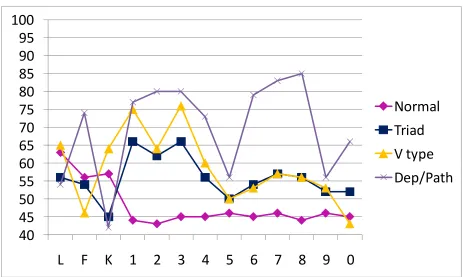
Figure 2. Riley et al., (1993) illustration of cluster solution………..28
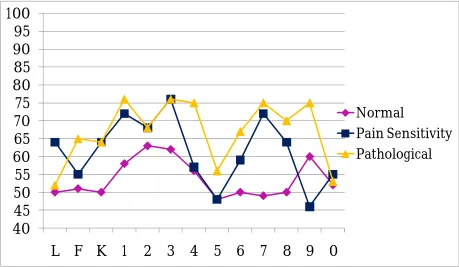
Figure 3. Block and Ohnmeiss (2000) illustration of cluster solution………..….31
Figure 4. Martens et al., (2002) illustration of cluster solution………...……..…32
Figure 5. Method 1 illustration of the profiles of the two subgroups described by all the MMPI-2 scales……….48
Figure 6. Method 1 illustration of the profiles of the two subgroups described by all the MMPI-2-RF scales………..……….….52
Figure 7. Method 2 MMPI-2 profiles for the subgroups that resulted from the two-cluster and the three-cluster solutions………....62
Figure 8 illustrates the subgroup profiles for the Method 2 most comprehensive solution by MMPI-2 scales………...………65
Figure 9. Method 2 illustration of the profiles of the three-cluster solution described by theMMPI-2-RF scales………70
Figure 10. Method 3 MMPI-2 profiles for the subgroups that resulted from the two-cluster and the three-cluster solutions………..83
Figure 11. Illustration of the profiles of the three subgroups described by the MMPI-2-RF scales………..86
viii ABSTRACT
Different psychosocial factors influence the experience and adaptation to pain. Previous
cluster analytic studies using the Minnesota Multiphasic Personality Inventory-2nd edition
described psychologically different subgroups of pain patients that had been shown valuable in
determining outcome. However, these studies had limited applicability to medico-legal pain
populations because they did not use newly developed scales or describe important medico-legal
factors that have large effects on symptom endorsement. Using three methods of clustering, the
current investigation explored the subgroups that resulted when using all the MMPI-2 and the
newly developed MMPI-2-RF (Restructured Form) scales on a large and well-described
population of medico-legal spine pain patients. Result demonstrated that the best solution for the
current sample was the two-cluster solution when a traditional method was used. However, the
best solution was the three-cluster solution when all MMPI-2 scales and a method that used all
MMPI-2-RF scales were used. Thus, the three-cluster solution was considered the most adequate
solution to differentiate patients in medico-legal settings. Moreover, results demonstrated that
subgroup membership was not conditioned to spine related organic factors. Instead, malingering,
education, ethnic background and legal status differentiated pain subgroups. Lastly, results
demonstrated a dose-response relationship between perceived outcome and subgroup profile
elevation. The current results are relevant for understanding the circumstances that can influence
spine pain recovery and for informing decisions regarding possible interventions.
Keywords: MMPI-2; MMPI-2-RF; spine pain, disability, psychological overlay, cluster analysis,
1
INTRODUCTION
Patients with primary complaints of spine pain often present with a number of symptoms
and disabilities that result in a great deal of patient’s suffering and economic loss. Although
spine pain has been typically considered a “medical illness”, the presence of physical pathology
does not reliably predict levels of pain and disability in the individual patient. As a result, there is
a growing interest in the role of different psychosocial factors in the experience and adaptation to
pain. Among these, somatization, emotional distress, and financial compensation are described
as some of the most important predictors of pain related disability and further examination on
their role in pain outcome would likely guide interventions.
The Minnesota Multiphasic Personality Inventory (MMPI) and its second version, the
MMPI-2, are widely-recognized and reliable measures of psychological problems, including
somatization and emotional distress. These instruments also contain a number of validity scales
that are shown to be reliable in identifying manipulation of the patient’s clinical presentation,
including the identification of those patients that intentionally exaggerate their report to obtain
significant financial reward (i.e. malingering). Thus, these instruments are often used to both,
describe the psychological differences among those patients with good and poor pain outcome,
and distinguish between pain patients with valid profiles and those that exaggerate their report.
Previous cluster analytic studies using the MMPI and MMPI-2 traditional validity and
standard clinical scales describe psychologically different subgroups of pain patients. These
subgroups have been shown valuable in determining patient response to treatment and in
decision-making regarding whether to perform surgery. However, there is limited application of
these results to pain populations where patients are involved in legally compensable events. This
2
effects in symptom endorsement (e.g., injury characteristics, legal representation or malingering
status) and do not use all the available validity scales. Using three methods of clustering, the
current investigation explored the stability of MMPI-2 subgroup solutions in a large and
well-described population of spine pain patients that are involved in legally-compensable processes.
This investigation also expands previous investigations by adding to the clusters analyses the
recently developed MMPI-2 validity scales and the MMPI-2 restructured form (MMPI-2-RF)
clinical (RC) and validity scales. The results from the current investigation are expected to
increase the clinical application of the MMPI-2 and the MMPI-2-RF in medico-legal pain
3
CHAPTER I
Pain and Disability
Spine pain, which is pain originating in the back and/or neck, is an extremely prevalent
condition. The lifetime occurrence of back pain is 11 to 84 percent (Walker, 2000), while neck
pain occurs in 10 to 15 percent of the population (Hardin & Halla, 1995). It is estimated that 70
million Americans experience some form of acute, recurrent, or chronic spine pain each year and
that 10 percent of the population report the presence of spine pain at least 100 days a year
(Cassidy, Cote, Carroll, & Kristman, 2005; Covington, 2007). Spine pain complaints result in
millions of physician office visits per year (Hing, Cherry & Woodwell, 2006), and as many as
150 million lost work days (Guo, Tanaka, Halperin, & Cameron, 1999). Given its impact it has
become increasingly important to study the factors that influence pain perception and pain
related disability.
In 1979, the International Association for the Study of Pain (IASP) published its first
working definition of pain : “An unpleasant sensory and emotional experience associated with
actual or potential tissue damage, or described in terms of such damage” (p. 249, Fields, 1987).
Based on this definition, pain has two functions: It serves as a signal to warn of danger or tissue
damage; and it compels individuals to avoid worsening the damage, allowing the process of
restoration of damaged tissues to begin (DeLeo, 2006). However, in some individuals, pain can
be an extremely debilitating problem as it has been reported to create “suffering” in patients and
families as its result (Aronoff, 1991).
Chronic spine pain, especially, has a high impact on the sufferer’s everyday functioning,
as a range of their activities are often severely limited, leading to difficulties with daily chores,
4
Nurmikko, Nash, & Wiles, 1998).Chronic pain disability is defined as “diminished capacity for
everyday activities and gainful employment” or the “limitation of a patient’s performance
compared to a fit person’s of the same demographic characteristics” (e.g. age, gender; p. 24;
Gatchel, 2006). The total economic load of chronic pain-related disability in the U.S. is reported
to exceed $150 billion a year (Gatchel & Okifuji, 2006; Mayer, Gatchel, & Polatin, 2000). Thus,
determination of the factors that influence chronic spine pain and related outcome is practically
important for both a patient care and an economical standpoint.
Individual Differences in Pain and Disability
There are remarkable individual differences when it comes to perceiving and recovery
from spine pain. These individual differences are quite understandable when one acknowledges
that pain and disability are interdependent and complex experiences influenced by multiple
interactive biopsychosocial processes (Gatchel, Peng, Peters, Fuchs, & Turk, 2007). Especially
when one considers the multitude of biological and psychosocial factors that increase/decrease
individual recovery time including vulnerability to nociception, tissue healing, pain
sensation/report, as well as factors that affect the ability of the individual to cope effectively with
the challenges faced during recovery (Gatchel et al., 2007). Specifically, pain recovery is
influenced by a range of pre-and post- injury medical, biological, psychological and social
factors, which interact with injury, pain perception, and demographic characteristics to modulate
individual report of symptoms and subsequent disabilities (Gatchel et al., 2008).
Physical Pathology and Spine Pain
Physical pathology has important contributions to spine pain and disability (Ochoa,
2002). For example, herniated nucleus pulposus, foraminal stenosis, and nerve root impingement
5
result in pain include facet joint disorders, vertebral fracture, and musculo-ligamentous injuries
(see Appendix A for brief descriptions of selected conditions).
However, in chronic pain only a small proportion of pain perception and disability can be
attributed to physical pathology (Gatchel, Peng, Peters, Fuchs & Turk, 2007; Gatchel & Okifuji,
2006; Waddell, Pilowsky, & Bond, 1989; Tait, 1990). Also, nearly 40% of chronic pain patients
seen in primary care clinics do not benefit from traditional pain/surgical procedures suggesting
that modification of the physical pathology does not always alleviate pain/disability (Block et al.,
2003). Thus, in an important number of chronic pain patients, pathophysiology does not have a
direct causal relationship with pain perception/disability, nor does it reliably predict who will
have pain in the future.
Psychosocial Factors in Spine Pain
Recent research has implicated that a number of psychosocial factors are related to poor
pain outcome, especially in the transition between acute and chronic pain. The following sections
discuss the impact of somatization, emotional distress, and financial incentive on individual
differences of spine pain symptomatology and recovery. These psychosocial factors were
selected for review because they are often assessed in comprehensive psychological pain
evaluations.
Somatization
Somatization, and related terms (e.g. somatoform disorder), is a central factor in
understanding pain and disability attributed to pain (Allen, Gara, Escobar, Waitzkin, & Silver,
2001; Lamberty, 2008). Somatization refers to the way “certain patients use their physical
symptoms as a way of dealing with, and communicating about, their emotional lives . . . in this
6
unhappiness and discontent than admitting that some psychological reason is contributing to it”
(Gatchel, 2004; p. 204). In other words, somatization is the expression of psychological
problems or stress manifested in physical symptoms and complaints.
Several empirical and review studies demonstrate that patients with high levels of
measured somatization report higher levels of pain perception and significant disabilities in
daily chores, social life, and work (e.g., Bacon et al., 1994; Birket-Smith, 2001; Shorter, 1997).
Furthermore, high levels of somatization are found to predict greater perceived disability one
year after the injury above and beyond injury characteristics (Gatchel, Polantin, Mayer & Garcy,
1994), and are likely to have poor response to surgery and conservative care (Block,
Vanharanta, Ohnmeiss, & Guyer, 1996).This demonstrates that somatization is not a pure
physiological phenomenon, but is a result of the psychological mechanisms of pain. In short,
somatization may be viewed as a potentially maladaptive trait or coping style that contributes to
excess pain symptoms and pain-related disability.
Emotional distress
People who experience chronic pain also experience a wide variety of associated
emotions (Gaskin, Greene, Robinson, & Geisser, 1992). The most common emotional problems
are depression and anxiety disorders, which occur in 30% to 84% and 14 to 40% of chronic pain
patients, respectively (Arnow et al., 2006; Aguera, Failde, Cervilla, Diaz-Fernandez & Mico,
2010; Gaskin, Greene, Robinson & Geisser, 1992; Manchikanti et al., 2002).
A number of studies reveal a significant relationship between self-reported pain intensity
and depressive symptoms (Carleton, Abrams, Kachur & Asmundson; Hoff, Palermo, Schluchter,
Zebracki & Drotar, 2006; Weijenborg, Ter Kuile, Gopie & Spinhoven, 2009). Levels of
7
recovery (Gur et al., 2002). Moreover, patients with high numbers of helplessness behaviors and
catastrophizing thoughts - key elements of depression - also report significantly more pain than
other patients with similar injury characteristics but fewer depression symptoms (Arnow et al.,
2006; Bair et al., 2008; Borsbo et al., 2008; Geisser et al., 1994; Roth, Lowery & Hamill, 2004).
In an important study, Holzberg, Robinson, Geisser, and Gremillion (1996) demonstrated that
self- reported disability was directly influenced by levels of depression, whereas pain levels did
not have a direct effect on self-report of function.
It is also common for patients with pain to be anxious and worried. People with chronic
pain may be anxious about the meaning of their symptoms and for their futures (Gatchel, 2004).
People with pain also experience anxiety about partaking in activities that may exacerbate their
symptoms (Bair et al., 2008). Clinical levels of anxiety may significantly increase the perceived
intensity of painful stimuli by directly impacting the physiological aspects that contribute to pain
perception (Colloca & Benedetti, 2007). Excessive anxiety may also negatively impact outcome
during treatment or following surgery by increasing avoidance behaviors, as higher level of
anxiety is associated with lack of cooperation during rehabilitation sessions and hypervigilance
to the occurrence of pain (Robb, Williams, Duvivier & Newham, 2006; Vadalouca et al., 2009;
Velanovich, 2006).
Levels of catastrophization
Patients’ overestimation of the association between physical symptoms and negative
outcomes (i.e. catastrophization ) is central to most models of poor outcome after pain injury
(Severeijns, Vlaeyen, van den Hout, & Weber, 2001). Catastrophizing is a cognitive process that
refers to a tendency to emphasize and exaggerate the negative appraisal of current or future
situations (Sullivan & D'Eon, 1990). Pain catastrophizing has been shown to be a mediator of the
8
catastrophizing is the core determinant of entering into a negative pain-disability cycle (Lackner
& Quigley, 2005). Factor analytic studies have revealed three primary components of pain
catastrophizing: magnification, rumination, and helplessness (Van Damme, Crombez, Bijttebier,
Goubert, & Van Houdenhove, 2002).
The evidence for the role of catastrophization and its components in outcome after
painful injuries is overwhelming and has been summarized in several reviews (Block & Brock,
2008; Jensen, Turner, & Romano, 2001; Leeuw et al., 2007). Cross-sectional studies across
clinical and non-clinical populations have demonstrated that subjects with high levels of
catastrophization show increased pain, lower treatment benefits, and physical and psychological
dysfunctions ( Epker & Block, 2001; Edwards, Smith, Stonerock, & Haythornthwaite, 2006;
Martorella, Cote, & Choiniere, 2008; Turner, Jensen, Warms, & Cardenas, 2002). Prospective
studies indicated that levels of catastrophization may predict the development of chronic
musculoskeletal pain in the general population ( Myers et al., 2008) and of more intense pain and
slower recovery after a spine injury and surgical interventions (Granot & Lavee, 2005; Block et
al., 2008). Catastrophization has also been shown to be a significant predictor of illness
behaviors, a core component of disability, despite some overlap with emotional distress (Sullivan
et al., 1990).There is evidence that pain catastrophization is a precursor to the development of
pain-related fear (Leeuw et al., 2007).Moreover, several studies have shown that cognitive
restructuring therapy for catastrophization can reduce pain intensity and improve pain outcome (
Hanley, Raichle, Jensen & Cardenas, 2008). Thus, levels and treatment of catastrophization have
shown to be key elements in individual recovery from painful injuries.
Pre or Post Morbid Debate
Although the existence of diagnosable psychological overlay among those patients with
9
researchers have argued that psychological disturbances are primarily a reaction to the injury and
pain (Gamsa, 1994). This is supported by early studies that reported an increase in emotional
distress after an injury (Gamsa & Vikis-Freibergs, 1991) and studies that reported that
treatment-related pain relief is accompanied by a reduction in emotional difficulty (Snow, Gusmorino,
Pinter, Jimenez, & Rosenblum, 1988; Stein, Peri, Edelstein, Elizur & Floman, 1996).
Psychological problems are also theorized to predispose patients to have poor outcome
after a painful injury. This is supported by longitudinal studies reporting that individuals with
documented pre- injury depressive emotions and anxiety tend to interpret a given sensation as
painful and are prone to develop pain problems (for review see, Gatchel, Polantin & Mayer,
1995). For example, Bigos, Battie and Fisher (1991) found that individuals with high levels of
depression were at a significantly higher risk of developing occupational back complaints over a
four year period compared to those without such elevations. Holzberg, Robinson, Geisser and
Gremillion (1994) also found that pre-injury anxiety and depression were included among the
factors that have the most important influence, above and beyond physical abnormalities, of
future pain and pain-outcome.
Further, several studies have demonstrated that patients that report a number of
psychological problems preceding spine injury have poorer reaction to spine surgery (for review
see Block, 1996 and Block, 2002). Block, Ohnmeiss, Guyer, Rashbaum and Hochschuler (2001)
also found that psychological treatment prior to the spine injury contributed significantly to
reduce surgical outcome. In summary, whether pre or post-injury, emotional stability is an
essential part of recovery from spine pain. Therefore, measuring distress very likely helps the
determination of patients that are “at risk” for poor pain recovery by pointing out the origin of
10
Compensation
Patients who are in pain have many reasons to seek legal recourse (Hing, Cherry &
Woodwell, 2006). Often pain make patients unable to work or significantly decreases their
ability to function in their jobs (Guo et al., 1995; Guo, Tanaka, Halperin, & Cameron,
1999).Social security disability benefits, workers’ compensation and/or litigation may be the
only way to regain some of their lost income. In fact, spine pain is the most common reason for
filing a workers’ compensation claim (Guo et al., 1999).
Compensation settings are often complex and stressful psychosocial environments which
may aggravate pain problems. In general, patients seen in financially-compensatory contexts
report significantly more pain, depression, disability, as well as a decreased treatment efficacy
and productivity (Harris et al., 2005; Rainville, Sobel, Hartigan, Monlux & Bean, 1997; Rohling,
Binder, & Langhinrichsen-Rohling, 1995; Vaccaro, Ring, Scuderi, Cohen, & Garfin, 1997) even
when compared to patients with similar spine pathologies who are not in financially
compensatory contexts (Atlas et al., 2000 & Atlas et al., 2006).
There are several factors from which compensation (or the process of getting
compensated) can negatively impact outcome (Teasell, 2001). Workplace-relate factors, such a
blaming the employer for the injury, job dissatisfaction, and occupational stress have been
reported to negatively influence recovery (Guo, 2002; Hagen et al., 2002; Menzel, 2007; Shaw et
al., 2005). Delays of treatment caused by workers’ compensation regulations can also increase
the extent of the injury or the time required for recovery (Rich, 2008). Moreover, financial stress
caused by the injury can divert the patient’s focus away from rehabilitation efforts and instead
11 Malingering
However, there is evidence that at least some of the negative relationship between
compensation and outcome is due to patients’ intentional exaggeration of symptoms and
disabilities. Important base rate studies report a sizeable minority of compensable pain patients
(20% to 50%) intentionally exaggerate their clinical presentation in order to obtain significant
monetary reward (i.e. malingering; Greve, Ord, Bianchini & Curtis, 2009; Mittenberg et al
2002). These rates are consistent among different compensated populations such as social
security disability evaluations (Chafetz, 2008), toxic exposure (Greve, Bianchini, Black et al.,
2006), and traumatic brain injury (Larrabee, 2003). Thus suggesting that malingering in
medico-legal settings is not a rare phenomenon and should be taken into consideration.
Malingering becomes a problem when determining proper intervention as it can
potentially lead to inaccurate conclusions regarding the patient’s status. As such, researchers
have developed ways to better identify those that are malingering. One such classification
method that has been recently developed is the Malingering Pain Related Disability criteria
(MPRD; Bianchini, Greve & Glynn, 2005). MPRD is defined as “the intentional exaggeration or
fabrication of cognitive, emotional, behavioral, or physical dysfunction attributed to pain for the
purposes of obtaining financial gain, to avoid work, or to obtain drugs (Bianchini, et al., 2005).
There are three key points of the criteria; first, is that malingerers intentionally over report
symptoms and disabilities due to external incentives; second, is that malingerers may present
symptoms and/or impairments in multiple ways and; third, malingering relates not only to
symptoms but also to the disability that is attributed to the pain (Bianchini et al., 2005). Thus,
Bianchini et al. (2005) suggest that when determining that a specific subject is malingering one
requires to evaluate “intent” in a comprehensive manner by considering multiple, highly
12
(2005) MPRD criteria to identify or rule out malingering in both clinical or research settings
would likely maximize confidence that results of psychological measures, diagnoses, and
recommendations are based on the legitimate problems/concerns of the pain patient.
Summary
Spine pain and disability affect, and are affected by, multiple interactive biomedical and
psychosocial factors. In the psychosocial area, somatization, chatasthrophization, emotional
distress, and financial compensation have proven to negatively impact recovery. Malingering
must also be taken into consideration, as an important number of compensated pain patients
exaggerate their symptom and disability reports to obtain financial awards. Thus, it is important
to have reliable measures that can help identify the individual problems or concerns of the pain
patient while considering altered patient symptom presentation. Reliable assessment of
psychosocial factors of pain could potentially help determine the best possible intervention for
the individual patient as well as to help cut enormous costs involved in medico-legal pain
13
CHAPTER II
The Minnesota Multiphasic Personality Inventory
The Minnesota Multiphasic Personality Inventory (MMPI; Hathaway & McKinley, 1943)
and its revision: The Minnesota Multiphasic Personality Inventory-second edition (MMPI-2;
Butcher, Dahlstrom, Graham, Tallegen & Kraemmer, 1989), are the most widely-used measures
to study psychological disturbances including somatization, depression, and anxiety in pain
settings and other health areas (Keller & Butcher, 1991; Rabin, Barr & Burton, 2005). The
widespread use of the original MMPI and MMPI-2 in these settings is attributable to several
factors, including their simplicity of scoring and administration, an objective response format
important for research designs, manuals with useful applications, and thousands of
empirically-established investigations (for review see; Butcher & William, 2000; Friedman, Lewak, Nichols
& Webb, 2001; Graham, 2006).
Original MMPI
The original MMPI consists in 566- true- false items which result in three traditional
validity scales and ten standard clinical scales (Hathaway & McKinley, 1943). The validity
scales were included in the original MMPI to assist in recognizing test records produced by
uncooperative or deceptive participants with different test-taking attitudes (e.g. under-reporting
or over-reporting of symptoms) or participants who have difficulty comprehending the test items.
The clinical scales were developed primarily to assist in determining the type and severity of
psychiatric conditions. A secondary goal of the standard clinical scales was to provide an
objective means of estimating therapeutic effects and other changes in the status of patient’s
14 Traditional Validity Scales
The traditional validity scales created by Hathaway and McKinley (1943) in the original
MMPI are: the Cannot Say score, the L (Lie) scale, the F (Infrequency) scale, and the K
(Correction) scale. The Cannot Say score is the number of items that either are omitted or are
answered as both true and false. It is important to assess the Cannot Say score because omission
of many items will invalidate the test. The L scale was designed to spot individuals who present
in overly favorable way (Meehl & Hathaway, 1946). Patients who have a high L score may have
difficulty admitting even minor flaws. The F scale was designed to recognize unusual, deviant,
and atypical ways of approaching the MMPI test items (Meehl & Hathaway, 1946). Graham
(1993) described three important functions of the F scale: 1) recognizing abnormal test-taking
sets; 2) gauging the severity of psychopathology; and 3) suggesting other clinically-relevant
information about an individual. The K scale was developed to detect individuals who attempt to
portray themselves in either an overly favorable or unfavorable manner (Meehl & Hathaway,
1946). Elevated scores can suggest defensiveness; lower scores can suggest a perceive inability
to manage difficult circumstances (Graham, 1993).
Some MMPI users consider a protocol invalid or non-interpretable if it has more than 30
omitted items or has a T score greater than 70 on Scales L and K (Graham, 1993). For Scale F,
score at or above 90 increases the possibility of an invalidating response set due to symptom
over-reporting. However, scores at or above this level in Scale F could also suggest serious
psychopathology (Graham, 1993).
Standard Clinical Scales
Since the MMPI’s publication, hundreds of studies have examined the relationship
15
traits, diagnosis, and response to treatment. These studies were conducted in a variety of
nonclinical, mental health, and correctional settings (for a comprehensive review see, Butcher,
1989).The gathered results suggest that the MMPI clinical scales are meaningfully related to
conceptually relevant extra-test characteristics. For example, individuals with elevated scores in
Scale 1 (Hypochondriasis) often demonstrate somatic concerns, somatic symptoms, and
undefined complains, such as gastric upset, fatigue, pain, and physical weakness. High scorers on
Scale 2 (Depression) are seen as depressed, unhappy, dysphonic, pessimistic, and sluggish.
Individual who score high on Scale 3 (Hysteria) tend to react to stress by developing physical
symptoms such as headaches, chest pains, weakness and tachycardia. These individuals
sometimes develop physical problems in reaction to stress (Graham, 1993).Classically,
elevations on Scales 1 and 3 have been ascribed to somatization (Block et al, 2003; Blumetti &
Modesti, 1976; Friedman, Gleser, Smeltzer, Wakefield, & Schwartz, 1983; Marks & Seeman,
1963), while Scales 2 and 7 have been linked to depression and anxiety, respectively (Graham,
2006).
In general, clinical scales with T scores equal or greater than 70 are considered
clinically-elevated in the original MMPI. However, higher scores are associated with more severe
symptoms and problems (e.g. depression for Scale 2). A study by Graham, Ben-Porath, Forbey,
and Sellbom (2003) using the MMPI-2 supported this notion. Patients with very high scores on
the clinical scales had more severe symptoms and problems than those with moderately high
scores.
The Minnesota Multiphasic Personality Inventory-2
In 1989, the original MMPI was revised into the MMPI-2. One goal of the MMPI-2 was
16
cover additional areas (Butcher, et al., 1989; Keller & Butcher, 1991). Items that had
objectionable content were removed or rewritten. New items were added to cover content areas
that were underrepresented in the original MMPI. In its final form, the MMPI-2 has 567 items
and item membership of the traditional validity (L, F and K) and standard scales (1-0) are largely
equivalent to the original MMPI (Butcher et al., 1989). As discussed by Keller and Butcher
(1991), the largest difference between the MMPI and the MMPI-2 are likely result from
differences in norming procedures. The other major difference is that the scores for standard
clinical scales were considered elevated at or above T score 65, instead of 70 (Keller & Butcher,
1991).Validity scales are generally considered elevated at or above T score 75 (Graham, 2006).
Although the MMPI-2 has not been revised since its publication in 1989, several
developments should be noted. New scales were created to determine inconsistent responding,
and under- or over- reporting of symptoms (discussed below; Graham, 2006). Another recent
development after the publication of the MMPI-2 is the development of the Restructured Clinical
(RC) scales (Tallegen et al., 2003) and the RF validity scales, which now comprise the compose
Minnesota Multiphasic Personality Inventory-2-Restructured Form (MMPI-2-RF; Tallegen &
Ben-Porath, 2008). For a description of all validity and clinical scales refer to Table
17 Table 1
Minnesota Multiphasic Personality Inventory-2nd edition Scales
Validity Scales
F Infrequency
Infrequent responses in the general population first half of the test
Fb Infrequency back
Infrequent responses in the general population second half of the test
Fp
Infrequency
psychopathology Infrequent responses in psychiatric population
FBS
Symptom Validity
Scale Non-credible somatic and cognitive complains
L Lie Uncommon virtues
K Correction
Uncommonly high levels of psychological adjustment
S Self-Presentation Defensiveness presentation
Clinical Scales
1 Hypochondriasis
Somatic concerns, somatic symptoms, and undefined complains
2 Depression
Depressed, unhappy, dysphonic, pessimistic, and sluggish.
3 Hysteria
Reaction to stress by developing physical symptoms
4 Psychopathic Deviate Antisocial behavior, rebellious attitudes.
5 Masculinity-Femininity Gender interests
6 Paranoia
Reactions of others, suspicious and guarded, and are hostile, resentful, and argumentative
7 Psychasthenia Tend to be anxious, tense and agitated
8 Schizophrenia
Psychotic behaviors, confusion, disorganization, and disorientation.
9
Hypomania
Hyperactive and/or have accelerated speech and may have hallucinations or delusions of grandeur
0
18 MMPI-2 New Validity Scales
Inconsistent reporting Scales. Validity Response Inconsistency (VRIN; Butcher, 1989,
2001) was developed for the MMPI-2 as an additional validity indicator. It provides an
indication of a tendency to respond inconsistently to MMPI-2 items. The MMPI-2 manual
(Butcher, 1989, 2001) suggests that a T ≥ 80 indicates inconsistent responding that invalidates
the resulting protocol.True Response Inconsistency (TRIN; Butcher, 1989, 2001) was developed
for the MMPI-2 to identify persons who respond inconsistently to items giving true responses to
items indiscriminately (acquiescence) or by giving false responses to items indiscriminately
(non-acquiescence). The MMPI-2 manual also suggests that TRIN scale of T ≥ 80 indicates
inconsistent responding that invalidates the resulting protocol. Subsequent to the publication of
the MMPI-2, several empirical studies have confirmed that VRIN and TRIN scale are sensitive
to random responding (Archer, Fontaine, & McCrae, 1998; Greiffenstein, Baker, Tsushima,
Bonne, & Fox, 2010; Lees-Haley, 1997; Pinsoneault, 2007).
Under Reporting or Defensiveness. Butcher and Han (1995) developed the Superlative
Self Presentation (Scale S) to assess the tendency of some persons to present themselves on the
MMPI-2 as high virtuous, responsible individuals, who are free of psychological problems, have
few or no moral flaws, and get along extremely well with others. Butcher and Han (1995)
reported that there are five major content dimensions in the S scale items: 1) belief in human
goodness; 2) serenity, 3) contentment with life; 4) patient and denial of irritability and anger; and
5) denial of moral flaws. Higher Scale S scorers in the MMPI-2 are reported to be unrealistically
reporting positive attributes and good adjustment (Archer, Handel & Couvadelli, 2004; Butcher
& Han, 1995; Baer & Wetter, 1997; Baer & Miller, 2002).
Over-reporting. With the introduction of the MMPI-2 it was recognized that the
19
validity of items that appeared later in the booklet. Scale Infrequency Back (Fb; Butcher et al.,
1989, 2002) was developed to determine the validity of items appearing after item 350. Elevated
Scale Fb score could indicate that the test taker responded to items in the second half of the test
booklet in an invalid manner. It was also recognized in some clinical settings that high scores on
Scale F are often due, or at least in part, to severe psychopathology of those who take the
MMPI-2.Thus, Arbisi & Ben-Porath (1995) developed the Infrequency Psychopathology (Fp) scale as
supplement to the Scale F in identifying infrequent psychiatric responding. The 27 items in Scale
Fp are ones that were answered infrequently by both psychiatric inpatients and persons in the
MMPI-2 normative sample. The resulting Scale Fp is less likely to reflect psychopathology than
the Scale F items (Archer, Handel, Greene, Baer & Elkins, 2001).
Specifically for personal injury claimants, Lees-Haley, English, and Glenn (1991)
developed the Symptom Validity Scale (FBS) to detect invalid responding of emotional distress.
FBS is probably the best studied and validated scale across a range of medical and psychological
conditions (For reviews see, Greiffenstein, Fox, & Lees-Haley, 2006; Nelson, Sweet, &
Demakis, 2006 ). FBS is sensitive to a response set that is goal directed and designed to:1)
appear psychologically normal except for the influence of the alleged injury; 2) minimize
pre-injury psychopathology; and 3) appear honest and present a plausible degree of pre-injury or
disability (Larrabee, 1998).
The over-reporting validity scales (including Scale F) of the MMPI-2 are effective in
identifying persons who intentionally exaggerate their symptoms (for reviews see in particular
Rogers, Sewell, Martin, & Vitacco, 2003, and Lees-Haley, Iverson, Lange, Fox, & Allen, 2003).
The MMPI-2 validity scales have been shown effective in differentiating non-clinical
20
instructed to malinger (simulators; e.g., Berry et al., 1996). Later studies have also demonstrated
that the over-reporting validity scales can differentiate known-malingerers from other types of
responding. Larrabee (2003), Greve et al. (2006), and Bianchini et al. (2008), for instance, used a
criterion validation (or known groups) design to determine the classification accuracy of a
number of MMPI-2 validity scales and indicators in the detection of cognitive malingering in
traumatic brain injury (TBI) and pain-related disability (PRD), and demonstrated the ability of
these scales to accurately differentiate non-malingerers from malingerers. Note that the above
studies involved patients with similar levels of physical pathology suggesting that differences in
malingering classification explained the differences in MMPI-2 scores.
The Minnesota Multiphasic Personality Invetory-2-Restructured Form
The Minnesota Multiphasic Personality Inventory-2-Restructured Form (MMPI-2-RF;
Tellegen & Ben-Porath, 2008) is now offered as alternative to the MMPI-2. The MMPI-2-RF
was developed to be a less time-consuming update of the MMPI-2 (Tellegen & Ben-Porath,
2008). The restructured form consists of 338 items. The MMPI-2-RF has no new or changed
items, nor has it been re-standardized. Instead, the original standardization sample from the
MMPI-2 was used to construct or restructure 50 new and revised scales, with the Restructured
Clinical (RC) and the restructured validity scales at the core. See Table 2 for a detailed
21 Table 2
Minnesota Multiphasic Personality Inventory-2nd edition Restructured Form
Restructured Form Validity Scales
F-r Infrequency restructured Infrequent responses in the general population
Fp-r
Infrequency psychopathology
restructured Infrequent responses in psychiatric population
Fs Infrequency somatic symptoms infrequent somatic complains in medical patient population
FBS-r Symptom Validity Scale Non-credible somatic and cognitive complains
L-r Lie Uncommon virtues
K-r Correction
Uncommonly high levels of psychological adjustment
Restructured Clinical Scales
RCd Demoralization
General dissatisfaction, unhappiness, hopelessness, self doubt, inefficacy
RC1 Somatic Complains Self-reported neurological, gastrointestinal, and pain related complains
RC2 Low Positive Emotions
Lack of, or incapacity to experience positive emotions. Core vulnerability factor for depression
RC3 Cynism Non-self-referential belief in human badness
RC4 Antisocial Behavior
Including, juvenile misconduct, family problems, substance misuse
RC6 Ideas of Persecution Self-referential persecutory ideation
RC7 Dysfunctional Negative
Emotions
Including, anxiety, irritability, anger, over-sensitivity, vulnerability
RC8 Aberrant Experiences Unusual perceptual and thought processes
RC9 Hypomanic Activation
impulsivity, grandiosity, aggression, and generalize activation
Restructured Scales
22
items included in the standard clinical scales. Tallegen et al., (2003) report that the RC scales for
the MMPI-2 were constructed to “preserve the important descriptive properties of the existing
MMPI-2 clinical scales while enhancing their distinctiveness” (p. 10).Initially, the authors
identified and separated items from the clinical scales that detected a “general complaint or
malaise factor (i.e. demoralization)” (p.11), and created a single scale, RCd, to separate this
nonspecific factor that seems to pervade throughout the original clinical scales. The remaining
RC scales correspond roughly with the numerical order of the MMPI-2 traditional clinical scales
(e.g. RC1 is the updated version of scale 1, Hysteria). The profile includes the Demoralization
scale (RCd), the Somatic Complains scale (RC1), the Low Positive Emotions scale (RC2), the
Cynism scale (RC3), the Antisocial Behavior scale (RC4), the Ideas of Persecution scale (RC6),
the Dysfunctional Negative Emotions scale (RC7), the Aberrant Experiences scale (RC8), and
the Hypomanic Activation scale (RC9). Standard clinical Scale 5 (Masculinity-Feminity) and
Scale 0 (Social Inhibition) are not represented in the RC scales profile (Tallegen et al., 2003).
When comparing reliability and validity of the RC scales with the clinical scales, RC
scales have demonstrated lower intercorrelations, increased reliability, and less saturation with
demoralization (Tallegen et al., 2003). The RC scales also show markedly-refined discriminant
validity and proportional, and in some cases significantly improved, convergent validity than the
standard clinical scales (Arbisi, Sellbom, & Ben-Porath, 2008; Ben-Porath & Tallegen, 2008;
Forbey & Ben-Porath, 2008; Osberg, Haseley, & Kamas, 2008; Tallegen et al., 2003). In a
comparison study, Sellbom, Ben-Portah, McNulty, Arbisi, and Graham (2006) examined the
frequency, origins, and interpretative implications of elevation differences between the RC scales
and the standard clinical scales. Analyzing data from mental health inpatients and outpatients,
23
dichotomous variables (i.e. elevated v. not elevated score). When differences did occur, they
were attributable in the vast majority to some combination of demoralization, the K-correction,
and subtle items to scores on the standard clinical scales. With respect to interpretative
implications of these differences, Sellbom et al., (2006) described that in cases where the
standard clinical scale is elevated but its RC counterpart was not, the patient was less likely to
present a the specific psychological problem in collateral information . Conversely, when an RC
scale was elevated and its original counterpart was not, the patient was most likely to present the
psychopathology in collateral data.
Reformed Validity
The MMPI-2-RF includes eight validity indicators, revised versions of the MMPI-2
Response Inconsitency (VRIN-r) and True Response Inconsistency (TRIN-r) scales, Uncommon
Virtues (L-r) and the Correction scale, now labeled Adjustment Validity (K-r). The MMPI-2-RF
also has four over-reporting indicators: the Infrequent Responses (F-r) scale serves as a general
over-reporting indicator and is comprised of 32 items rarely endorsed by the MMPI-2-RF
normative sample. Unlike the MMPI-2 F scale, which was developed with the original MMPI,
F-r is moF-re similaF-r to the Fb scale of the MMPI-2, which is composed of items infF-requently
endorsed in 1989 normative sample.
The Infrequent Psychopathology Responses (Fp-r) scale is the MMPI-2-RF indicator of
over-reported symptoms of severe psychopathology. Fp-r is shorter than its counterpart the
MMPI Fp, consisting of 21 items. A revised version of the Symptom Validity (FBS-r) scale is
the same as its counterpart MMPI-2 FBS, and assesses non-credible somatic and neurocognitive
complains. Finally, Somatic Response (Fs) was added to the MMPI-2-RF to measure
24
and Arbisi (2004) developed Fs by identifying 16 items with somatic content that were endorsed
by less than 25% of patients in two large archival medical samples and an archival chronic pain
sample.
To this end, only one study (Wygant, Ben-Porath, Arbisi et al., 2009) has specifically
used the MMPI-2-RF validity scales to differentiate intentional symptom over reporting from
other types of symptom report in financially-compensated settings. Wygant, et al., (2009)
examined the MMPI-2-RF scores of 151 personal injury and disability claimants. Out of these,
16% experienced painful injuries. Wygant and colleagues found that all four MMPI-2-RF
over-reporting validity scales were useful in detecting simulated and known intentional symptom
exaggeration. Specifically, these authors demonstrated all validity scales reliably differentiate
criterion-determined malingerers from not-malingering.
Summary
The MMPI and the MMPI-2 are widely recognized and reliable measures of
psychological problems and alterations in patient’s clinical presentation. These measures
traditionally contained three validity scales (L, F, and K) and ten clinical scales (1-0). With (and
after) the introduction of the MMPI-2 new scales have been developed, including scales that
measure misinterpretation of test (VRIN and TRIN), under-reporting (S) and over-reporting (Fb,
Fp and FBS) of symptoms. Moreover, shorter and divergent clinical (RC) and validity (RF
validity) were recently developed to minimize completion time as well as to reduce scale
overlap. The use of the MMPI variables have helped clarify how psychological overlay
influences pain perception and pain related outcome. Research on the MMPI in pain is presented
25
CHAPTER III
The MMPI and Pain
The MMPI and MMPI-2 have been frequently and extensively used in the assessment of
patients with pain (Keller & Butcher, 1991; Snyder, 1990; Vendrig, 2000). These instruments
have been used to describe the characteristics of the typical pain patient (Costello, Hulsey,
Schoenfeld & Rammamurty, 1987; Keller and Butcher, 1991; Block, Gatchel, Deardoff &
Guyer, 2004) and to determine differences among those patients that recover from those that do
not recover to pre-injury levels (for review see Robinson, 2000 and Deardorff, 2000). Such
descriptions and determinations have been demonstrated to have relevance for a) disclosing
etiologic factors in chronic pain stages, b) guiding clinicians in development general treatment
programs, and c) predicting the development of pain problems (Butcher & Rouse, 1996; Gatchel,
2008; Block, et al., 2004).
MMPI Pain Subgroups
One important contribution of the MMPI research in pain is the description of subgroups
that differ significantly in psychological characteristics and pain-related outcome. Sternbach
(1978) originally proposed the existence of four homogeneous and distinctive pain subgroups
based on clinical appreciation profiles on the original MMPI. The patients in the first group
reported elevations on scales 1, 2, and 3, with scale 2 being the highest. This subgroup was
described as “depressive” because patients tended to be dissatisfied with their condition or
situation. The next group reported equal elevations on scales 1, 2 and 3. These patients were
26
demonstrated a profile with medium elevations only on scales 1, 3 but not on Scale 2.These
patients were characterized as “Conversion V” and they did not present any particular
psychopathology. The “manipulative reactions” group was the last profile and was characterized
by multiple scale elevations, especially on Scale 4. These patients tended to be “game-player
manipulators” (p.330) and were thought to use the services of health care professionals for
secondary gain.
Subsequently, Sternbach’s ideas were tested using cluster analysis1, a more objective or
empirical method of group classification. For example, Bradley and colleagues (Bradley et al.,
1981) used hierarchical agglomerative cluster analysis on all the original MMPI scales and found
a four-cluster solution for females and three-cluster solution for males. In both sexes, a subgroup
with elevations on scales 1, 2, and 3 was common. A second common subgroup in both sexes
was one that had all scales within normal limits, although borderline elevations or less than two
standard deviations above the mean were obtained on scales K, 1 and 3. A third but less
frequently seen pattern in both sexes was multiple scale (four or more) elevations. Finally, in
women only, a group was found having elevations on scales 1 and 3 but not on scale 2.
McGill, Lawlis, Selby, Mooney, and McCoy (1983) confirmed these results examining
92 patients in an inpatient program for treatment of low back pain. The investigators reported
that they replicated the clusters solution that Bradley et al., (1983) found for men and women
alike. Moreover, the profile subgroups appeared to differ with regard to the duration of pain, the
presence of clear precipitant, the number of days in hospitalization, the number of back surgeries
and pretreatment pain estimate. Those with elevations on multiple scales consistently had worse
27
Costello, Hulsey, Schoenfeld and Rumamurthy (1987) summarized the type profile
categorizations or cluster solutions from 10 studies on the original MMPI scales using a
meta-analytic technique. Authors used the acronym PAIN to describe the different typologies of
previously found clusters (See Figure 1). Type P involved elevations on most of the clinical
scales and appeared to be the most disturbed profile. The profile was associated with difficulty in
the realms of psychological, educational, and vocational functioning. Type A was the conversion
V profile which reported no significant pain problems. Type I appeared to be a hypochondriac
profile associated with physical impairment, multiple surgical procedures, and multiple
hospitalizations. Type N patients were described as relatively normal.
Figure 1. Costello et al., (1987) illustration of cluster solution
40
45
50
55
60
65
70
75
80
85
90
95
100
L
F
K
1
2
3
4
5
6
7
8
9
0
Type
P
Type
A
Type
I
Type
N
28
MMPI-2 Pain Subgroups
When the MMPI-2 was introduced, several researchers found important to investigate if
subgroups solutions replicate when using the newer instrument. Riley, Robinson, Geisser and
Wittmer (1993) investigated whether the MMPI-2 cluster solutions would replicate those from
the original MMPI. Riley et al. use hierarchical agglomerative clustering procedure to examine
the profiles of 201 low back pain patients using the ten clinical scales and traditional validity
Scales L, F, and K. Four homogeneous clusters were identified: the largest group with all
MMPI-2 scales within normal limits (“Normal”); the second largest group with elevations on Scales 1,
2, and 3 (“Triad” group); the third group with elevations on Scales 1 and 3 only (“Conversion V”
group); and a small fourth group with elevations on four or more scales
(Depressed-Pathological”). See Figure 2 for an illustrative scale description of Riley et al. subgroups. In
general, Riley et al. confirmed the existence of four pain subgroups when using the MMPI-2.
Figure 2. Riley et al., (1993) illustration of cluster solution
40
45
50
55
60
65
70
75
80
85
90
95
100
L
F
K
1
2
3
4
5
6
7
8
9
0
Normal
Triad
V
type
Dep/Path
29
Subsequently, Riley, Robinson, Geisser, Wittmer, and Smith, (1995) tested the predictive
validity of their previously found subgroups by evaluating the outcome of 71 patients (out of the
201 group) 6 months after surgery. Results demonstrated significant differences in recovery
time. Those patients classified as “Normal” obtained significant improvements. A similar
outcome was obtained by those leveled as “Triad”. The patients leveled as “Conversion V”
achieved poorer surgical results than did the normal and triad groups. Finally, the
“Depressed-Pathological” patients demonstrated the least improvements and diminished surgical results
among all the patients.
Gatchel, Mayer, and Eddington (2006) also support the utility of Riley’s MMPI-2 pain
sub-groups (constructed based on clinical appreciation) for predicting nonsurgical treatment
outcomes in musculoskeletal disorders. Gatchel et al. (2006) clinically classified 1,489 pain
patients into one of four Riley et al.’s subgroups based on their elevations ( T ≥ 65) on the
MMPI-2 clinical scales; and these groups were compared on socioeconomic, psychopathological,
and pain measures. Patients in the “Normal” group were twice more likely to return to work and
less likely to have psychopathological complications than the other three groups. The
“Pathological” group was 14 times more likely to report more pain and psychopathology than the
normal group. The “Triad” group was 6.6 times more likely to report pain and psychopathology
than the normal group. The “Conversion V” group did not show any significant differences from
30
Other cluster analytic studies have demonstrated somewhat similar results. Block and
Ohnmeiss (2000) also used hierarchical agglomerative clustering procedure on the MMPI-2 to
group spine surgery candidates and determine associated outcome. All patients had spinal
damage or findings. Similarly to Riley et al. study, Block and Ohnmeiss used the ten standard
clinical scales and the traditional validity Scales L, F, and K. A three-cluster solution was found
to be the best solution in examining the profiles of 222 pain patients. The described clusters
were: a within the “Normal” limits profile (n = 114) with no scale elevations, a “Pain
Sensitivity” profile (n = 86) that showed elevations in Scales 1,2 and 3 which resembles the
“Triad” group, and a “Pathological” profile (n = 22) which had elevations in four or more
MMPI-2 clinical scales resembling the Depressed-Pathological group. Interestingly, Block et al.,
did not find the typical “Conversion V” group. In terms of surgical outcome, the “Pathological”
subgroup obtained the least improvements in functional ability and pain reduction. The within
“Normal” profile achieved the best surgery results. The “Pain Sensitivity” profile reported more
pain but similar improvement in functional ability when compared to the within “Normal” limits
31
Figure 3. Block and Ohnmeiss (2000) illustration of cluster solution
40
45
50
55
60
65
70
75
80
85
90
95
100
L F K 1 2 3 4 5 6 7 8 9 0
Normal
Pain Sensitivity
Pathological
Marters, Shearer, Ogles, and Schleudener (2003) examined whether empirically-derived
cluster profiles based on scores on the MMPI-2 predicted outcome of surgery one year for low
back pain. Similar to Riley et al. and Block and Ohnmeiss, this study used hierarchical
agglomerative clustering procedure on the ten standard clinical scales and the traditional validity
scales. The authors found that the best solution was the three subgroups solution. These consisted
of a “Pathological-Neurotic” type with high elevations on Scales 1,2, and 3 and medium
elevations on Scales 7 and 8, a “double V” which resembles the “Conversion V” type with
medium elevations in Scales 1 and 3, and the “Normal” type which demonstrated no elevations.
See Figure 4 for an illustrative description of Masters et al. cluster solutions. Patients in the
32
results than the other clusters. The “double V” group did not differ from the
“Pathological-Neurotic” group in any of the outcome variables.
Figure 4. Martens et al., (2002) illustration of cluster solution
Summary
A number of hierarchical agglomerative cluster analytic studies have helped determine
the existence pain patient subgroups that arise from common patterns of responding on the
original MMPI and the MMPI-2. These subgroups were a valuable addition in determining
differences in pain perception, and patient response to treatment, as well as in decision making
regarding whether to perform surgery. Specifically, these studies revealed a three or four
subgroup solutions describing a “Normal” group which is characterized by no clinical scales
45
50
55
60
65
70
75
80
85
90
95
100
L F
K 1 2
3 4
5
6
7
8
9
0
Normal
V type
Dep/Path
33
elevations and good outcome; a “Pathological” group characterized by multiple clinical scales
elevation and poor outcome; and “Pain Sensitivity”, “Conversion V” and/or “Triad” groups
which are distinguished by elevations in Scales 1, 3 and/or 2 and, in general, show better
outcome than the “Pathological” group but worse than the “Normal” group.
Despite the significance of previous results, the clusters were identified not taking into
consideration differences in severity and type of the physical injuries and other factors that can
influence symptom report such as financial compensation and malingering. Moreover, the above
studies only included scales L, F, and K to determine the best cluster solution not considering the
newly developed MMPI-2 validity scales. Including the new validity scales in the determination
of subgroups could further enhance the reliability of the subgroups by increasing assurance
regarding valid patient presentation of symptoms/disabilities. Thus, it is important to expand
previous studies by conducting an exploratory cluster analysis on all relevant MMPI-2 scales
over a well characterized sample in terms of the medical and legal factors that could influence
recovery to further enhance the generalization of the results.
In the same way, it is also important to investigate whether the subgroup solutions
replicate when using the newly developed MMPI-2-RF scales. Investigating whether cluster
solutions using the MMPI-2-RF scales resemble the MMPI-2 subgroups could provide a clearer
understanding of the strength of this instrument to determine psychological differences between
pain subgroups and thus, increment its utility as a diagnostic tool.
Purpose
The main goal of this investigation was to expand previous cluster analytic studies by
determining the best cluster solution using MMPI-2 and MMPI-2-RF variables on a large and
34
study examined, thoroughly described and compared: 1) the subgroups that arise when using the
MMPI-2 standard clinical and traditional validity scales (the traditional clustering method); 2)
the subgroups that arise when the cluster analysis is conducted also including the new validity
scales Fb, Fp and FBS (the MMPI-2 clustering method); and 3) the subgroups that arise when
conducting a cluster analysis on the recently developed MMPI-2-RF scales (the MMPI-2-RF
clustering method).
End Notes
1Cluster analysis is a generic name for a variety of mathematical methods, numbering in
35 CHAPTER IV
METHODS
Participants
Patients were culled from the archival records of a pull of approximately 847 sequential
cases seen for psychological pain evaluations at a large clinical psychology practice in the
Southeastern United States from 1998 through 2008. All patients were referred by physicians,
workers compensation companies, and attorneys. Extensive medical records were reviewed in
the context of these evaluations to provide objective medical diagnostic test results, as well as
physicians’ clinical diagnoses and injury descriptions. The inclusion criteria were: 1) referral for
persisting spine pain-related complaints, 2) presence of significant external incentive primarily in
the form of workers’ compensation claims or a personal injury law suit, and 3) completion of the
MMPI-2. Because all items of the MMPI-2-RF are included in the MMPI-2, it was possible to
score MMPI-2-RF scales for all those patients that have all MMPI-2 items available. Exclusion
criteria were: 1) age lower than 18 and greater than 59; 2) time since injury of less than 6 months
or more than 15 years; 3) a head injury accident more severe than a concussion (as defined by the
Mild Traumatic Brain Injury Committee of the Head Injury Interdisciplinary Special Interest
Group of the American Congress of Rehabilitation Medicine, 1993). Finally, patients were
screened according to their MMPI-2 VRIN scale, TRIN scale and Cannot Say score. Cases were
excluded if VRIN or TRIN are greater or equal 80 or Cannot Say is equal or greater than 30
(Butcher et al., 1989).
The final sample was comprised of 608 cases. The mean age for the full sample was 42.4
years (sd = 8.8). The sample had completed an average of 11.7 years of education (sd = 2.5) and