INVESTIGATING SCAFFOLDING DURING
COLLABORATIVE READING ON THE TABLETOP
COMPUTER
Jaber Maslamani
A thesis submitted in partial fulfilment of the requirements of the degree of Doctor of Philosophy (Integrated)
Faculty of Humanities and Social Sciences Integrated PhD in Educational and Applied Linguistics
ii
Abstract
This study investigates the scaffolding process and student interaction, from a sociocultural perspective, in a tabletop assisted language learning environment for collaborative reading. The study furthers understanding of features of traditional conceptualizations of scaffolding as a learning construct in the context of technology-mediated social interaction. This scaffolding manifests when learners interact with one another in different user (verbal and non-verbal) modes, and with elements or attributes of tabletop technology during collaborative reading tasks. Tabletop technology is seen to add an extra dimension to the scaffolding metaphor, and this study is an attempt to explore features of this metaphor and how scaffolding is applied in this new learning platform. To achieve this, a design-based approach as adopted, resulting in a multi-touch tabletop application for digital collaborative strategic reading (DCSR). The DCSR application is designed to lead students through several digital reading stages: previewing, brainstorming, prediction, click and clunk, get the gist, and wrap-up.
DCSR was trialled with four students of English as a second language (ESL) over five instruction sessions. The sessions were video-recorded, and at the end of the five sessions students were interviewed to provide self-reports of their experiences of the learning environment, the nature of assistance they received, and how they viewed their performance in this environment.
Analysis of verbal, non-verbal, and system/technical modes of interaction provided an overview of the learning context for examining scaffolding processes and student interaction. Findings reveal a range of interactions (student–student, student–tabletop, and student–tabletop–student interactions). These were brought together under a taxonomy of functions employed to assist the students’ reading comprehension and demonstrate that the tabletop computer can provide scaffolding for reading comprehension via user (verbal and non-verbal) scaffolding strategies and system/technical scaffolding tools.
iii
Declaration
I declare that this thesis is my own work and that I have correctly acknowledged the works of others. This thesis contains materials which has already appeared in the following paper: Maslamani, Jaber Ali; Windeatt, Scott; Olivier, Patrick; Heslop, Phil; Kharrufa, Ahmed; Shearer, John; Balaam, Madeline. (2012). Collaborative strategic reading on multi-touch and multi-user digital tabletop displays. In: CALL: Using, Learning, Knowing: EUROCALL Conference, 22-25 August 2012, Gothenburg, Sweden.
iv
Dedication
To my mother, there are not enough words to describe how important you are to me. Your prayers were the light that led not only my thesis journey but also my whole life.
To the memory of my father who passed away while doing my PhD. Your prayers and wise words were always ringing in my mind and beating in my heart.
To my wife, Hind, for your great support, encouragement, and sacrifices throughout this journey. Thank you, Hind, for your love, care and understanding.
To the joy of my life, my lovely kids: Abdulrahman, Abdulelah, Rayyan, Meral and Eyad. To my beloved brothers and sisters for their unfailing support and encouragement. I dedicate this endeavour to you all.
v
Acknowledgements
The completion of this thesis would not have been possible without the help of Allah the Almighty. Praise be to Him, the Lord of the entire Universe, Who is in need of none and of Whom all are in need.
I am very much indebted to many people for their great help and support. First and foremost, I would like to express my profound gratitude to my supervisor, Mr Scott Windeatt, for continuously providing me with insightful comments on my research, for constantly encouraging me, and for believing in me. His classes in computer assisted language learning and e-learning and unfailing supervision have always academically inspired me. I would like also to thank my supervisors from Computing Science, Professor Patrick Olivier and Dr Ahmed Kharrufa, for their insightful comments and guidance during the design and development of the digital collaborative strategic reading system (DCSR). Many thanks as well to Philip Heslop for bringing the DCSR to life, and to Dr John Shearer (now a senior lecturer at the University of Lincoln) for his insightful comments on its early prototypes.
Next, I wish to express my deepest appreciation to my thesis examiners: Professor Steve Higgins (Durham University) and Professor Paul Seedhouse (Newcastle University) for agreeing to examine this thesis. Special thanks go to Dr Anne Preston and all the members of staff at iLab:Learn for providing me and my PhD colleagues with the technology and data collection instruments. I am very grateful to my colleagues in PhD Suite 2.41 and in iLab:Learn for their support and encouragement. I also wish to thank the participants in this study: without their participation and kind assistance, this work would never have been achievable.
Without the financial support of my employer, Jazan University, I would not have been able to complete my PhD studies in the United Kingdom. I appreciate their support. I am also deeply grateful to my friends in Saudi Arabia and the United Kingdom for their ceaseless support throughout the course of my studies.
Finally, I should not forget to thank Dr Margaret Johnson of the Book Doctor for the professional editing of the thesis.
vi
Contents
Abstract ii
Abbreviations ... xv
Transcription Conventions ... xvi
Chapter 1: Introduction ... 2
1.1 Background to the Study ... 2
1.2 Significance of the Study ... 5
1.3 Research Aims and Questions ... 8
1.4 Organization of the thesis ... 9
1.5 Chapter summary ... 10
Chapter 2: Review of Relevant Literature ... 12
2.1 Introduction ... 12
2.2 Scaffolding ... 12
2.2.1 Defining the concept of scaffolding ... 12
2.2.2 Extending the concept of scaffolding ... 13
2.2.3 Embedded/static scaffolding vs. contingent/dynamic scaffolding ... 16
2.2.4 Scaffolding within the sociocultural theory of Learning ... 18
2.2.5 Reading model 1: bottom-up, top-down, and interactive models ... 20
2.2.6 Reading model 2: CSR approach ... 22
2.3 CALL and the Tabletop Computer ... 27
2.4 Chapter summary ... 31
Chapter 3: Research Methodology and Procedures ... 33
3.1 Introduction ... 33
3.2 Research Methods ... 33
3.3 Case Study Design ... 34
vii
3.5 Research Instruments ... 35
3.5.1 The DCSR software ... 36
3.5.2 Video and audio recording of students’ interactions ... 36
3.5.3 Group interview with students ... 37
3.6 Research Context and Participants ... 38
3.7 Research Procedures ... 38
3.7.1 The pilot study ... 38
3.7.2 The main study ... 40
3.7.2.1 Data collection procedures ... 40
3.7.2.2 Recording procedures ... 41
3.7.2.3 Transcribing the data ... 41
3.8 Data Analysis ... 41
3.8.1 Analysis of reading sessions ... 42
3.8.2 Interpretation of the transcribed data ... 44
3.8.3 Focus group interviews ... 44
3.9 Validity and Reliability ... 45
3.9.1 Validity ... 45
3.9.2 Reliability ... 46
3.10 Ethical considerations ... 47
3.11 Chapter Summary ... 47
Chapter 4: Digital Collaborative Strategic Reading (DCSR): Adapting a Paper-Based Reading Activity to a Multi-Touch Digital Surface ... 49
4.1 Introduction ... 49
4.2 The DCSR Design ... 49
4.2.1 Design goals ... 50
4.2.2 Design stages ... 51
viii
4.2.2.2 Designing paper prototype 1 ... 52
4.2.2.3 Observing Paper CSR (2) ... 53
4.2.2.4 Designing paper prototype 2 ... 55
4.2.2.5 Designing paper prototype 3 ... 56
4.2.3 Migrating paper prototype 3 into a digital prototype (DCSR) ... 57
4.2.4 DCSR tools ... 57
4.2.4.1 Material tools ... 58
4.2.4.2 Managerial tools ... 58
4.2.5 Stage one: preview ... 60
4.2.6 Stage two: brainstorming ... 62
4.2.7 Stage three: prediction ... 64
4.2.8 Stage four: click and clunk ... 65
4.2.9 Stage five: fix-up strategies ... 66
4.2.10 Stage six: get the gist ... 69
4.2.11 Stage seven: wrap-up ... 70
4.3 Chapter summary ... 72
Chapter 5: Data Analysis and Findings ... 75
5.1 Introduction ... 75
5.2 Analysis of collaborative reading sessions ... 75
5.2.1 Analysis criteria ... 75
5.2.2 Verbal scaffolding strategies ... 79
5.2.3 Joint verbal and non-verbal strategies ... 99
5.2.4 Non-verbal strategies ... 102
5.2.5 System/technical tools ... 105
5.3 Analysis of Student Interviews ... 109
ix
5.3.1.1 Positive views about DCSR ... 110
5.3.1.2 Negative views about DCSR ... 113
5.3.1.3 Order of fix-up strategies according to usefulness ... 117
5.3.2 Emerging themes related to individual and group discussion ... 118
5.3.2.1 Individual text comprehension strategies ... 118
5.3.2.2 Group text comprehension strategies ... 118
5.3.2.3 Advantages of the tabletop computer ... 120
5.3.2.4 Disadvantages of the tabletop computer ... 121
5.3.2.5 Improvements suggested by students ... 121
5.4 Chapter summary ... 123
Chapter 6: Discussion ... 126
6.1 Introduction ... 126
6.2 Overview of the study ... 126
6.3 Discussion of main research concepts and findings ... 127
6.3.1 Designing for scaffolding ... 127
6.3.2 Instructions ... 129
6.3.3 Activating background knowledge and making predictions ... 130
6.3.4 Construction of meaning from multiple resources ... 132
6.3.4.1 Evolution of the notion of scaffolding ... 137
6.3.5 General discussion ... 140
6.4 Chapter summary ... 141
Chapter 7: Conclusion ... 143
7.1 Introduction ... 143
7.2 Summary of the study ... 143
7.3 Limitations of the study ... 145
7.4 Contribution and implications of the study ... 146
x
Bibliography ... 150
Appendix 1: Paper Prototype 1 ... 168
Appendix 2: Paper Prototype 2 ... 169
Appendix 3: Paper Prototype 3 ... 174
Appendix 4: Wood et al’s. (1976) six scaffolding functions ... 177
Appendix 5: Lidz’s (1991) Twelve Components Behaviours of Adult Mediating Instruction 178 Appendix 6: Stages of Analysis of Collaborative Reading Sessions ... 179
Appendix 7: Taxonomy of Scaffolding Strategies, Tools, and their Functions 180 Appendix 8: Participants’ consent form ... 181
Appendix 9: Transcription of session 1/5 audio (sample) ... 182
Appendix 10: Transcription of group interview questions and answers ... 202
Appendix 11: Video sample of students’ activities on the tabletop surface ... 221
Appendix 12: Snapshots of technical problems reported to the programmer .. 222
xi
Figures
Figure 2.1. Theoretical framework ... 19
Figure 2.2 Rumelhart’s interactive model of reading ... 21
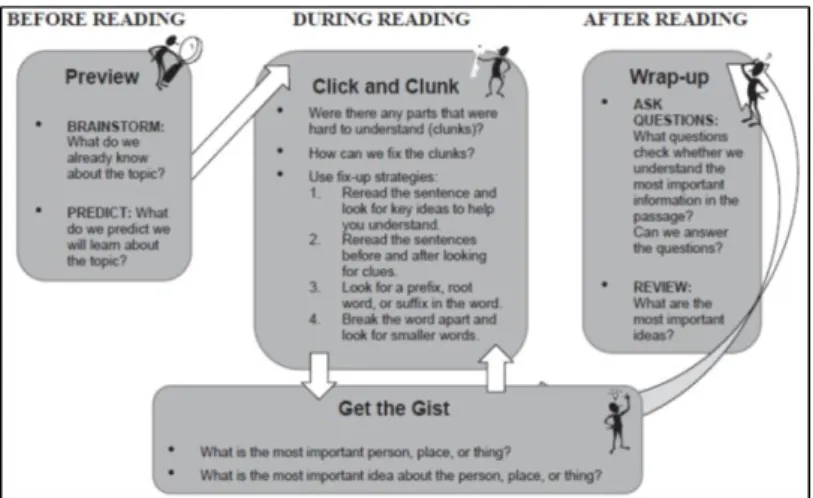
Figure 2.3 Plan for collaborative strategic reading (CSR) ... 24
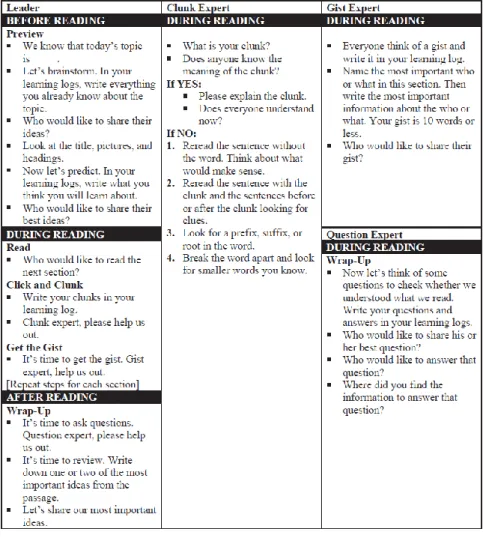
Figure 2.4. Sample of a paper CSR learning log form ... 25
Figure 2.5. Sample cue card and hints ... 27
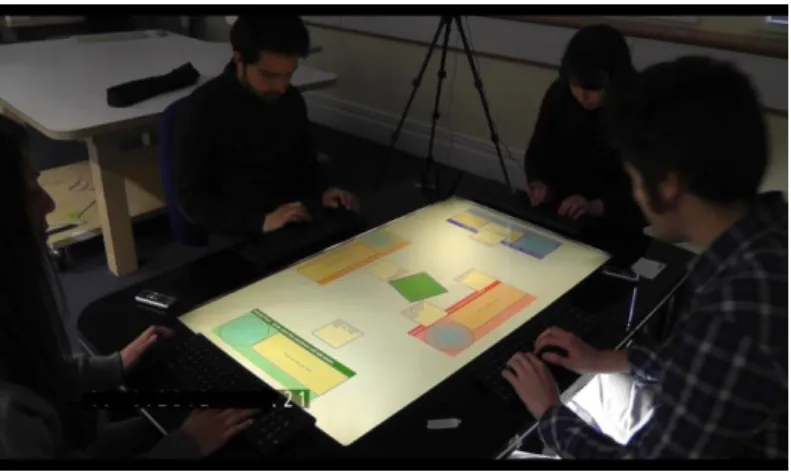
Figure 3.1. Research context and participants: the Touchscape tabletop computer in use ... 38
Figure 3.2. Thematic analysis of group interviews ... 45
Figure 4.1. Paper CSR group ... 51
Figure 4.2. Sample of cue cards of hints ... 52
Figure 4.3. Sample page from paper prototype 1 ... 53
Figure 4.4. Second sample page from paper prototype 1 ... 53
Figure 4.5. Sample page from paper CSR 2. Sticky notes for grouping ... 54
Figure 4.6. Sample page from paper CSR 2 sticky notes, click and clunk stage ... 54
Figure 4.7. Students group notes in paper CSR 2 ... 55
Figure 4.8. Grouped notes in paper CSR 2 ... 55
Figure 4.9. Sample page from paper prototype 2 ... 56
Figure 4.10. A second sample page from paper prototype 2 ... 56
Figure 4.11. Sample page from paper prototype 3 (See Appendix 3) ... 56
Figure 4.12. A second sample page from paper prototype 3 ... 57
Figure 4.13. Green user is typing name ... 59
Figure 4.14. Orange user is typing name ... 59
Figure 4.15. The “done” tool allows transition to the next stage ... 60
Figure 4.16. Preview stage ... 61
Figure 4.17. Scrolling buttons to move the text up and down ... 61
xii
Figure 4.19. One idea per note ... 62
Figure 4.20. How to make a new note ... 63
Figure 4.21. Digital notes and “trash” ... 63
Figure 4.22. Grouping notes that share one idea using the grouping tool “add group” .. 64
Figure 4.23. The “group” tool allows group of notes written by different students to make a group ... 64
Figure 4.24. Instructions ... 65
Figure 4.25. Click and clunk stage ... 65
Figure 4.26. Click and clunk—instructions ... 65
Figure 4.27. Students have their own lists of unknown words ... 66
Figure 4.28. “Truly”: an unknown word to be processed ... 66
Figure 4.29. “List of unknown words” (personal spaces) ... 67
Figure 4.30. Unknown words (left), solved words (right), and “next strategy” tool (middle). ... 67
Figure 4.31. The system lists unknown words in students’ personal spaces ... 67
Figure 4.32. Strategy 1: showing the sentence with the unknown word ... 68
Figure 4.33. Strategy 2: the surrounding sentences ... 68
Figure 4.34. Strategy 3: breaking down a word ... 68
Figure 4.35. Strategy 4: showing word families ... 69
Figure 4.36. Strategy 5: dictionary definition... 69
Figure 4.37. Grouping ... 69
Figure 4.38. Get the gist: instructions ... 70
Figure 4.39. Grouping: the wrap-up stage ... 70
Figure 4.40. Grouping: the wrap-up stage ... 71
Figure 4.41. Wrap-up: instructions ... 71
Figure 4.42. The system saves groups created in previous stages and recall them in the wrap-up stage ... 72
xiii
Figure 5.2. Verbal strategies ... 97
Figure 5.3. Scaffolding functions of verbal strategies ... 98
Figure 5.4. Joint verbal and nonverbal scaffolding strategies ... 101
Figure 5.5. Scaffolding functions of joint verbal and non-verbal strategies ... 101
Figure 5.6. Non-verbal strategies ... 104
Figure 5.7. Scaffolding functions of non-verbal (user) strategies ... 105
Figure 5.8. System/technical tools involved in scaffolding ... 108
Figure 5.9. Scaffolding functions of system/technical tools ... 109
Figure 5.10. Summary of positive views about the DCSR ... 113
Figure 5.11. Negative views about DCSR ... 117
Figure 5.12. Order of fix-up strategies according to usefulness ... 118
Figure 5.13. Individual and group text comprehension strategies ... 119
Figure 5.14. Advantages of the tabletop computer as viewed by students ... 120
Figure 5.15. Disadvantages of tabletop computer as viewed by students ... 121
Figure 5.16. Improvements suggested by students ... 123
xiv
Tables
Table 2.1: Warschauer’s three phases of CALL ... 28
Table 2.2: Restricted, open and integrated CALL (Bax, 2003, p. 21). Five rows are replicated out of eight. ... 29
Table 3.1: Research questions and research instruments ... 36
Table 4.1. Managerial tools ... 60
Table 4.2. Materials tools ... 60
xv
Abbreviations
CALL Computer Assisted Language Learning CCW Co-located collaborative writing CFH Cognitive flexibility hypertextCSCL Computer-supported collaborative learning CSR Collaborative strategic reading
DCSR Digital collaborative strategic reading ELLs English language learners
ESL English as a second language HCI Human–computer interaction IH Interaction Hypothesis PC Pointing and commenting PnC Pointing without commenting P1–P4 Participant 1–Participant 4
R Reading
S Speaking
SCT Sociocultural theory VIS Visual Information Store ZPD Zone of proximal development
xvi
Transcription Conventions
[ A left square bracket to indicate the point of overlap onset. ] A right square bracket indicates the end of overlap(0.4) This convention indicates elapsed time within or between utterances in tenths of seconds.
(.) A dot in parenthesis represents a micro pause in tenths of seconds.
= Equal signs indicate latching or that there is no gap or break between lines. (( )) Double parentheses indicate the transcriber’s description.
↑↓ Arrows indicate high or low pitch.
{ } Curly brackets contain the portion of text being read.
Video stills indicate movements of the body (non-verbal conduct). The following video still or snapshot shows an example of hand movements.
xvii
Contributions Arising from This Thesis
The following contributions are based wholly or in part on work contained in this thesis: 1. Maslamani, Jaber Ali; Windeatt, Scott; Olivier, Patrick; Heslop, Phil; Kharrufa, Ahmed; Shearer, John; Balaam, Madeline. (2012). Collaborative strategic reading on multi-touch and multi-user digital tabletop displays. In: CALL: Using, Learning, Knowing: EUROCALL Conference, 22-25 August 2012, Gothenburg, Sweden.
2. A Tabletop Computer Application for Reading Comprehension: Digital Collaborative Strategic Reading (DCSR). See Appendix 9
Publications During My PhD Study
Maslamani, J. A. (2013). Potential Integration of a Computer-Mediated Communication Platform into the Saudi EFL Classroom: A Synthetic Review. International Journal of Humanities and Social Sciences, 3(15), 73-78. Available at:
http://www.ijhssnet.com/journals/Vol_3_No_15_August_2013/9.pdf
Maslamani, J. (2011). The use of silences/pauses in synchronous voice-based computer mediated conversation: a conversation analysis perspective. Newcastle Working Papers in Linguistics, 17, 94-102. Available at:
1
INVESTIGATING SCAFFOLDING DURING
COLLABORATIVE READING ON THE TABLETOP
COMPUTER
2
Chapter 1: Introduction
1.1 Background to the StudySecond language learners are usually faced with multiple linguistic, social, and cultural challenges as they acquire a target language. Language programmes have considered the use of computers and technology to support second language learners’ construction of knowledge, and this has led to an increase in the volume of research on computer assisted language learning (CALL) (Garrett, 2009). The tabletop computer is one of the emerging technology platforms that could have potential for second language learning.
Literature has indicated that the tabletop computer provides a unique combination of face-to-face and technology-enhanced communication (Almutairi, 2014; Kharrufa, 2010). Recently research has witnessed an increase in the incorporation of tabletop computers, as an emerging technology, into instruction, in different ways and at different levels (Hornecker et al., 2008; Kharruffa, 2010; Rogers et al., 2008). However, there is a dearth of research exploring how this technology can contribute to English as a second language (ESL) contexts. As a platform that allows users to interact with one another, face-to-face, and at/with the tabletop, much of this research has focused on the potential of the tabletop computer as a tool for facilitating collaborative learning, or “the instructional use of small groups so that students work together to maximize their own and each other’s learning” (Johnson and Johnson, 1996, p. 786). Using tabletop computers, small groups of ESL students can carry out a variety of language tasks and communicate with one another or receive assistance from peers in a co-located synchronous computer-based and learner-centred environment.
My idea of conducting tabletop-related research arose out of collaboration between two schools in Newcastle University, the School of Education, Communication and Language Sciences, and the School of Computing Science. A research lab, ‘iLab:Learn’, was established to facilitate research in Education and Computing Science by combining the expertise of staff and students in pedagogic theory, methods and practice, in web-based technologies, and in pervasive computing and situated interaction. This lab is equipped with emerging technologies including tabletop computers.
With my background in language teaching and my interest in computer-assisted language learning (CALL), I started thinking of ways to introduce this technology into second language
3
learning, and specifically to collaborative ESL reading. To my knowledge, little, if any, research is currently available on the use of tabletop computers for language learning, and none on reading in particular. Therefore, given that finding ways of helping learners read effectively is a problem I have encountered in my own teaching, an initial decision was made to investigate how the tabletop computer might be utilized to teach reading to English language learners. In many ESL contexts, and especially English for academic purposes (EAP) contexts, developing effective reading strategies is essential for coping with the amount of reading they are expected to do, mastering reading comprehension is required to deal effectively with large amounts of texts. ESL or second-language (L2) students start by decoding texts (learning to read), then progress to a level where they can benefit from the content of the texts they are reading (reading to learn). ESL tertiary level education is an example of just such a context where students have to be able to read effectively, and ESL students in particular have to learn how to read effectively, in order to benefit from the texts that form a core part of their field of study. The importance of ESL reading instruction for tertiary education has been emphasized by Anderson (1999) and Huckin and Bloch (1993); they and other researchers such as Saville-Troike (1984), Carrell (1989), Hafiz and Tudor (1989) and Fasheh (1995) have argued that “reading is probably the most important skill for L2 students in academic or learning contexts” (Pretorius, 2000, p. 35). The importance of reading for success in language learning is heavily emphasized in the literature (Alderson, 1984; Grabe, 1991; Grabe & Stoller, 2002) and the importance of reading for academic study in English, in particular, is underlined by the fact that students are expected to demonstrate proficiency in this skill in order to gain admission to graduate programmes (Alderson, 1984). However, there is no single reading instruction method which can provide “effective support for comprehension” (Grabe, 2009, p. 218). However, research reviewed in Grabe (2009) strongly supports teaching reading comprehension through the teaching of reading strategies. He suggests introducing effective strategies and having students practise them consistently before, during and after reading activities (Grabe, 2009, p. 218). Block and Pressley (2002, cited in Grabe, 2009, p. 218) emphasise the provision of scaffolding among other strategies such as modelling, guided practice, and independent use of strategies, in strategy instruction.
Wood, Bruner, and Ross (1976) describes scaffolding as a “process that enables a child or novice to solve a problem, carry out a task, or achieve a goal which would be beyond his unassisted efforts” (p. 90). They give as an example of scaffolding the interaction between a
4
tutor and a child to help the child complete a wooden pyramidal puzzle. Scaffolding is described by Wertsch (1979) as a “dialogically produced interpsychological process through which learners internalize knowledge they co-construct with more capable peers” (cited in Lantolf & Thorne, 2006, p. 282). Scaffolding can involve the use of support devices that do not involve guidance from humans (Salomon et al., 1989). There is also what are called procedural prompts or “procedural facilitation” which act as scaffolding because they guide students to carry out different stages of tasks (Bereiter, 1985; King, 1991; Scardamalia & Bereiter, 1985) as a result of collaborating and working together “to maximize their own and each other’s learning” (Johnson & Johnson, 1996, p. 786).
Building on scaffolding as a reading comprehension-strategy instructional tool (Block & Pressley, 2002, cited in Grabe, 2009, p. 218), collaborative strategic reading (CSR) is an instructional approach with the potential to offer an additional perspective to this study, designed to offer instruction in explicit multi-strategies and clearly specified procedures for L1 and L2 reading comprehension (Grabe, 2009). CSR was originally developed to promote language learning in general and to develop reading comprehension in particular. It is adapted from reciprocal teaching (Palincsar & Brown, 1984) which emphasizes features of effective instruction, such as collaborative group work, interactive dialogue, and clearly specified procedures (Kim et al., 2006, p. 236). Such instruction has been empirically demonstrated to enhance reading comprehension and help avoid or overcome text comprehension failure (Bremer et al., 2002; Klingner & Vaughn, 1998, 1999; Klingner et al., 1998; Vaughn & Klingner, 1999; Vaughn et al., 2001). These strategies support collaboration at the before, during and after stages of the reading activity.
The tabletop computer is an example of a tool which has the potential to facilitate such collaboration in the language learning classroom. The main features of the tabletop computer platform are the opportunities they can provide for face-to-face communication and technology-mediated communication, and this could contribute to the creation of enhanced communicative spaces for language learning; however, little research exists to support this claim (see, for instance, Almutairi, 2014; Seedhouse & Almutairi, 2010).
DCSR was then designed and developed to make investigation of such potentials possible. DCSR is an integrated application that combines the strengths of collaboration around a table (where pen-and-paper-based CSR is usually conducted) and those of collaboration around a digital tabletop. A traditional table is a surface learning tool well known for its axiomatic and
5
intuitive support for small group collaboration, and very familiar in educational settings. These features, as well as the rich experience that learners carry as a result of daily contact with tables in classrooms (Kharrufa & Olivier, 2010; Scott et al., 2003), have motivated technologists to introduce interfaces for digital tabletops (Kharrufa & Olivier, 2010) that share features of interaction and communication, with activities conducted around traditional tables.
DCSR builds on conventional CSR and involves a number of stages: in the first stage, students are given a preview of the text. In the second stage, they are encouraged to brainstorm about the subject generally, and predict what the document will contain in the third stage. In the third stage, they identify unknown words within the text, one paragraph at a time. The unknown words are then collaboratively examined by the group (in the case of this thesis, consisting of four students) using various digital strategies such as (1) showing a sentence containing unknown words, (2) showing the sentences before and after that contain unknown words, (3) breaking words down into prefixes, roots, and suffixes (4) breaking words into smaller meaningful parts (derivatives), and (5) obtaining an on-screen dictionary definition. The students then write the gist of the paragraph. Once all the paragraphs are viewed, the final (wrap-up) stage requires students to generate questions to summarize what they have learned. 1.2 Significance of the Study
The current study aims to draw the attention of the CALL research community to an emerging language-learning resource (the tabletop computer) and to the language-learning opportunities offered by such a platform. The study will inform language researchers and teachers about the nature of mediation-oriented talk and behaviour that this platform can facilitate. It also aims to overcome limitations in “understanding how learners use the multi-touch environment” (Higgins et al., 2011, p. 1) such as the tabletop computer which may lead to new trends and forms in language pedagogy, language use, and language discourse. “Rapid evolution of communication technologies has changed language pedagogy and language use, enabling new forms of discourse, new forms of authorship, and new ways to create and participate in communities” (Kern, 2006, p. 183). Investigating different verbal and non-verbal scaffolding behaviours, while reading collaboratively on tabletop computers, may yield information about the nature of scaffolding and how it can facilitate language learning generally and reading comprehension specifically. It can also provide information about those scaffolding strategies and tools that lead to more productive (or less productive) collaboration, and other strategies that may help or hinder communication.
6
An examination of scaffolding on and from the tabletop computer can contribute to our understanding of the potential benefits of scaffolding collaborative ESL reading. This may help improve the design of collaborative reading applications for tabletop computers as well as contribute to more general understanding of how scaffolding contributes to language development and reading comprehension, thus offering insights into designing software tools that will more effectively lead to positive learning opportunities.
The investigation of user (verbal and non-verbal) scaffolding and system/technical scaffolding as human sociocultural activities, held at and through tabletop technology, can show how such strategies and tools in the environment—including tabletop technology—can mediate learning. The tabletop computer is a type of technology, “just a tool, but, like all tools, it mediates and transforms human activity” (Warschauer, 2005, p. 48). Warschauer (2005) refers to Gregory Bateson’s (1972) “thought-provoking” question, ‘where does a blind man’s sensory mechanism end? Does it stop at the end of his hand, at the end of his walking stick, or somewhere in between?’” (Warschauer, 2005, p. 41). This question makes one think about what strategies and tools can do when humans use them in specific sociocultural circumstances. For researchers, what a blind man can do with a stick is receiving more attention than the blind man and the stick (Warschauer, 2005, p. 41). Therefore, “tangible technologies and shared interfaces [such as tabletops] create new paradigms for mediating collaboration through dynamic, synchronous environments, where action is as important as speech for participating and contributing to the activity” (Falcão & Price, 2011, p. 539).
Tabletop computers add an extra dimension to such ESL interaction, but a detailed analysis of scaffolded interaction at the tabletop computer is currently lacking, and this study provides such an analysis in the context of a collaborative reading activity. The study bridges a real research gap relating to this type of interaction at the tabletop computer.
This work serves to understand detailed multi-user, multi-touch, and digital tabletop interaction (Tse et al., 2007) and adds to the growing literature about CALL, technology-enhanced interaction, and reading. According to Stockwell (2012), “by analyzing what students do as they use CALL software … we can begin to understand the kinds of strategies students use (or lack thereof) as they work their way through CALL programmes” (p. 14).
The Digital Collaborative Strategic Reading (DCSR), as a product of this thesis, is designed as a language learning platform where ESL students use for reading comprehension.
7
The lack of suitable collaborative reading applications, which can run on the tabletop computers, and my aim to investigate the potential benefits of the tabletop computer for English language learners’, were the main motives for the creation of an appropriate reading application, Digital Collaborative Strategic Reading (DCSR). It was designed and developed specifically to provide a tool to investigate scaffolded reading instruction and acquisition on the tabletop computer. The DCSR allows users to read collaboratively on multi-touch and multi-user digital tabletop computers that support both face-to-face and computer-based interaction. It is a computer programme, designed to provide systematic instruction on tabletop computers using four main comprehension strategies, which together form the CSR instructional approach.
Importance and originality of the application (DCSR) lie in the design of embedded tools that forms the structure of the collaborative reading activity and allows simultaneous face-to-face and technology-mediated communication. The application provides opportunities for collaboration around the tabletop computer due to its systematic instruction which take students through stages of reading without the constant presence of the teacher.
The application considered three main points of strength: the nature of tables which allows students to sit around and face one another, the multi-touch capability of the tabletop computer which allows manipulating various artefacts on the surface of tabletop computer while being able to type using tangible keyboards, and the effective reading instruction of the CSR Approach, which have been empirically tested and had positive results with regard to the support of students’ reading comprehension.
Although the CSR principles were retained in the design of DCSR, in order to keep smooth flow of students’ interaction, managerial tools and material tools were introduced and embedded in the design. Such tools introduced comprehension strategies explicitly for students and enforced strategic learning behaviour, gave them opportunities to practice different reading strategies and write summaries about main ideas, helped them identify difficult words when reading the text and verbalize or externalize their thoughts and problems they face while reading. Future research can be facilitated in several ways using the DCSR application. Further research could be done to investigate the use of system tools in peer feedback, the effect of vocabulary learning tools on students’ reading comprehension, and collaborative writing strategies and how it can impact reading comprehension. This application can also draw researchers’ attention to
8
ESL speaking skills and how the tabletop computer could enhance them. Various related issues in this regard could be investigated as well.
1.3 Research Aims and Questions
The significance of the study and the role of tabletop technology in language learning were outlined in the previous section. It is argued that a newly emerging technology, the tabletop computer, may scaffold English language students’ reading comprehension development. This section presents the purpose of this study and the research questions as they define the scope of the study. This research aims to contribute to the body of research into English reading development by examining and investigating how the affordances of the tabletop computer environment might help in scaffolding learners’ reading comprehension.
The purpose of the study is to explore the potential of the tabletop computers to support language learning in general and reading comprehension in particular. A primary research goal is to further our understanding of how ELLs deploy the resources available in the tabletop-assisted language learning environment to construct meaning from a text and to overcome comprehension breakdowns. According to van Lier (2000), “the environment provides a ‘semiotic budget’ … within which the active learner engages in meaning-making activities together with others who may be more, equally, or less competent in linguistic terms” (p. 252). Not only technology itself but also “particular uses of technology” can have effects on learning of language and culture (Kern, 2006, p. 200). Therefore, the aims of this research are as follows: 1. To explore the practicalities of designing an application which can run on the tabletop
computer and scaffold students’ reading comprehension development.
2. To understand how such an application can scaffold students’ reading comprehension on the tabletop computer.
This study revolves around the following research argument:
This thesis argues that the tabletop assisted language learning environment, as a whole learning environment, can offer scaffolding for students’ reading comprehension.
Thesis Question:
How can tabletop computers scaffold ESL reading comprehension? Based on this question, the following research questions are formulated:
9 Research Questions:
1. How can a computer application be designed to scaffold students’ reading comprehension on the tabletop computer? (addressed in Chapter 4)
2. What are the user strategies and the system tools that could scaffold students’ reading comprehension on the tabletop computer, and what are the functions of these strategies and tools? (addressed in Chapter 5)
3. What are the students’ experiences when reading on the tabletop computer? (addressed in Chapter 5)
No suitable computer applications currently exist which focus on scaffolded reading comprehension development. In fact, it was not possible to carry out this research or to fulfil its aims without designing an application which was compatible with the tabletop computer. A cross-disciplinary collaboration was necessary in order to develop a suitable computer programme that would adequately achieve the goals outlined in these research questions. To that end, a computer application designer with similar research interests was brought into the project to collaborate in creating the software1, and through an iterative process of designing and amending paper versions, and then digital copies, a version of the application was produced for use in this study.
1.4 Organization of the thesis
Following this introductory chapter, which offers the background to this study, its significance, and the research aims and questions controlling it, an overview of the organization of the thesis is given. The study has six chapters: Chapter Two set the scene for the research topic reviewing the literature related to aspects of scaffolding. It consists of three main sections; the first one focuses on the concept of scaffolding with regard to its definitions, how the concept has changed over time, the main types of scaffolding, and the place of scaffolding within the sociocultural theory. The second briefly reviews reading comprehension models (bottom-up, top-down, and interactive models) including the CSR approach due to its role in the design of the DCSR. The
1 Philip Heslop, a senior computing officer in the School of Computing Science, Newcastle University. Philip is involved in doing research on digital tabletops, user interaction, computer games, educational technology, and computer graphics. Working closely together, I designed and he developed a computer application that would directly meet the needs of this research.
10
third section briefly describes CALL and its relationship with Vygotskian concepts, and discusses the potential of the tabletop computer as a CALL technology.
Chapter Three begins with an overview of the methodology and continues with a description of the research design, participants, data collection instruments, the reading application design and the research location, followed by a discussion of data analysis procedures and explanations of issues of validity, reliability, and ethical considerations.
Chapter Four explains in detail the affordances of the tabletop computer that could scaffold reading comprehension. It attempts to answer the first research question (How can an application be designed to scaffold students’ reading comprehension on the tabletop computer?). In other words, it investigates what the tabletop computer can offer English language learners with regard to supporting collaborative reading comprehension, or what tools can be embedded into a DCSR system in order to support reading comprehension on the tabletop computer.
In Chapter Five two types of analysis are presented: an analysis of students’ collaborative reading interaction on the tabletop computer, and an analysis of students’ interviews. Analysis of a video recording of students’ face-to-face collaboration and of the activities on the tabletop computer surface document how students practise scaffolding one another while collaborating face-to-face or via the tabletop computer. Analysis reveals several types of scaffolding strategies and tools: user strategies (verbal strategies, non-verbal strategies, joint verbal and non-verbal strategies), and system/technical tools.
Chapter Six provides an overview of the study and a discussion of the main concepts and findings. Chapter Seven presents a discussion of what the study contributes to knowledge, limitations of the study, implications of the study, and recommendations for future research. 1.5 Chapter summary
This chapter is an introduction to the current study. It presents a background to the study, the significance of the study, and research aims and questions. An overview of the organization of the thesis concludes the chapter. The next chapter reviews the literature related to the topic of the research study.
11
INVESTIGATING SCAFFOLDING DURING
COLLABORATIVE READING ON THE TABLETOP
COMPUTER
CHAPTER 2: REVIEW OF RELEVANT
LITERATURE
12
Chapter 2: Review of Relevant Literature
2.1 IntroductionThe previous chapter set the scene for the research topic by placing it into its context. This chapter aims to provide a review of the literature related to aspects of scaffolding reading comprehension on the tabletop computer. The chapter consists of three main sections. The first focuses on the concept of scaffolding with regard to its definitions, how the concept has changed over time, the main types of scaffolding, and the place of scaffolding within sociocultural theory. The second section briefly reviews reading comprehension models; the CSR reading approach is given focus because of its importance to the design of the DCSR. The third section commences with a brief description of CALL and its relationship with the Vygotskian concepts. This section concludes with potentials of the tabletop computer, as a CALL technology. 2.2 Scaffolding
2.2.1 Defining the concept of scaffolding
According to Clark and Graves (2004, p. 571) and Thomson (2009), Wood, Bruner, and Ross (1976) were the first to use the term scaffolding as a metaphor in its Vygotskian sense. However, according to Anderson et al. (1977), scaffolding had already been introduced in the work of Ausubel (1963, 1968) within the notion of “ideational scaffolding”: “Ausubel (1963, 1968) proposed that a reader’s abstract cognitive structures provide the ‘ideational scaffolding’ for the detailed information contained in text” (Anderson et al., 1977, p. 2). Cook (2008) summarized scaffolding in the following manner:
For some, anything the learner consults or uses constitutes scaffolding, such as the use of grammar books or dictionaries; virtually anything that happens in the classroom, then, can count as scaffolding, say the traditional teaching style ... known as IRF ... or any kind of correction by the teacher. Others [consider] scaffolding [as] social mediation involving two people, and is performed by a person who is an expert. Some have extended scaffolding to include help from people at the same level as the student ... In teaching terms, this includes everything from teacher-directed learning to carrying out tasks in pairs and groups. (p. 229)
Although the idea of scaffolding can be traced to 1963, almost any work on scaffolding refers back to Wood et al. (1976) (Renshaw, 2013); this is due to the latter’s thorough investigation
13
and detailed discussion of scaffolding. Wood et al.’s research was conducted to investigate how unassisted children could perform a block construction task, and how they would interact with the tutor to receive assistance in order to complete a task that they would not have been able to complete without the tutor’s help. They explained these processes using the idea of scaffolding. Wood et al. (1976) defined scaffolding as a “process that enables a child or novice to solve a problem, carry out a task, or achieve a goal which would be beyond his unassisted efforts” (p. 90). Students are assisted to achieve beyond their current capabilities by tutors, teachers or peers, which leads to their cognitive development (Aljaafreh & Lantolf, 1994; Lantolf & Thorne, 2006) and co-construction of meaning according to the sociocultural view of learning (Vygotsky, 1978). Wood et al. (1976) described scaffolding as consisting of two main essential elements: controlling task elements, which are beyond the learner’s capabilities, and permitting the learner to concentrate only on elements within their abilities, thus leading to successful completion of the task and the development of task competence. Features of such assistance during child– tutor interaction (tutoring) were termed by Wood et al. (1976) as scaffolding functions. Other features of scaffolding were included in Lidz’s (1991) twelve component behaviours of adult mediating instruction. Scaffolding is also described by Wertsch (1979, cited in Lantolf and Thorne, 2006, p. 282) as a process through which learners internalize knowledge they have already co-constructed with other more knowledgeable peers.
There are certain key elements considered critical to the success of scaffolding (Puntambekar & Hübscher, 2005). The first is intersubjectivity, or shared understanding of the goal of the task, where both the more knowledgeable and the less knowledgeable share understanding of the goal of the task and what it is supposed to achieve. The second element is the ongoing diagnosis of the learners’ level of understanding to tailor the amount of support they need from more capable adults or peers. The third element is fading the support given to the learner. What happens during fading is a transfer of the responsibility for controlling the task from the more capable adult or peer to the (less capable) learner.
2.2.2 Extending the concept of scaffolding
Since 1976 the scaffolding concept has been extended from its original meaning of assistance from a single expert like a parent (Wood et al., 1976) or teacher, to include more than one, such as peers (Donato, 1994; Fernández et al., 2001). For a task goal to be accomplished, the expert provides assistance in six different forms: recruitment, reduction in degrees of freedom,
14
direction maintenance, marking critical features, frustration control, and demonstration (Wood et al., 1976, p. 98) (see Appendix 4 for explanation of these terms).
The concept of scaffolding has been extended from one-to-one tutoring to include self-scaffolding or metacognitive self-scaffolding (Holton & Clarke, 2006), collaborative learning (Rojas-Drummond & Mercer, 2003) and computer-assisted collaborative language learning (Beatty, 2003). According to Beatty,
Collaboration is among the most useful ways in which learners acquire language at the computer. When two or more learners sit at a computer and discuss process and content in the target language, they often engage in scaffolded learning, helping each other improve their language. (p. 99)
Another form of scaffolding is the work on reciprocal teaching by Brown and Palincsar (1985), who stated that “reciprocal teaching is a form of expert scaffolding” (p. 13). Another study by Palincsar and Brown (1984) was based on expert scaffolding. Both studies focused on fostering small-group students’ reading comprehension by infusing four comprehension strategies: summarizing, questioning, clarifying and predicting. Reciprocal teaching, is an instructional method in which the teacher and students create a dialogue about a part of the reading text which the students are jointly trying to understand. During this dialogue, the content of the test is summarised, questions about the gist are asked, and any misunderstandings are clarified (Brown and Palincsar, 1985).
The scaffolding frameworks of Wood et al. (1976) and Lidz (1991) were adopted in several studies (De Guerrrero & Villamil, 2000; Donato, 1994, 2000; Ohta, 1995) to analyse learner-learner interaction. According to Donato (1994), student of equal status can provide assistance to their peers just like that in adult–child tutoring. A similar study by Donato (1994) observed French students’ mutual scaffolding and how they interacted and supported their peers. He used microgenetic analysis to analyse the observation data in order to explore how students provide mutual assistance. He also adopted Wood et al.’s (1976) framework for analysing “features of scaffolding” during students’ peer interaction. Donato’s findings confirmed that peer scaffolding occurs among French students performing language tasks. He also found that more capable learners are a source of assistance to their less capable peers during peer interaction. Pea (2004) featured the above dimensions (computer-assisted collaborative learning, reciprocal teaching, peer scaffolding) as social dimensions of the concept of scaffolding. Pea believed that
15
social interactive responses are contingent on and tailored to the learner’s needs in the scaffolding process. The other dimension Pea observed was a technological dimension, which involved designed artefacts as tools to mediate the process of learning through adopting the notion of scaffolding. Designers of technological tools such as Bell and Davis (2000), Toth et al. (2002), and Jackson et al. (1994) argued that such tools have the capability to help learners overcome difficult tasks by providing a supportive structure. Other studies, for instance those of Quintana et al. (2002) and Sherin et al. (2004), confirmed that the scaffolding metaphor has been clearly extended to include technology. A study by Soloway et al. (1994) introduced a learner-centred scaffolding design to fit learners’ needs. A similar study built scaffolding into adaptable learner-centred software “in which the learner controls the fading of scaffolding, with guidance and support provided by the system” (Jackson et al., 1998, p. 187). Soloway et al. (1994) argued that building scaffolding into software offers learners individualized support no matter what skills or learning styles they have, or what backgrounds they come from.
There have been some studies on tabletop computers, and on building scaffolding into software designed as a tabletop interface by infusing scaffolding into the design of the software. The work of Heslop et al. (2015) is one such example, which allowed the CCW (co-located collaborative writing) application to provide scaffolding for students via what they called “proposals” or decision points. These elements were designed to elicit collaborative behaviour and, in particular, decision-making; however, these scaffolding elements were not based on any well-known framework for scaffolding functions or features found in the literature in scaffolding, such as Wood et al.’s (1976) “scaffolding functions” or Lidz’s (1991) twelve components of adult mediating instruction. Neither was designing scaffolding tools for language learning a focus of Heslop et al.’s (2015) study, other than being an evaluation of CCW from a HCI (Human Computer Interaction) perspective. One general aim of their study and of a number of other studies (Falcão & Price, 2011; Higgins, et al. 2011; Kharrufa, 2010; Mercier, 2014; Mercier & Higgins, 2013, 2014; Mercier et al., 2015) was to investigate the role of the tabletop computer in education. One of the principal goals of designing the “digital mysteries” application, for example, is to “provide more integrated scaffolding for low achieving groups” (Kharrufa, 2010, p. 124). However, the scaffolding processes have not been investigated from a linguistic point of view or with regard to scaffolding strategies or tools and functions. Although digital mysteries consist mainly of reading texts, these texts form scrambled narrative threads which need to be organised by students in order to solve the mysteries; neither the texts themselves nor the problem-solving activity can be considered
16
equivalent to kind of texts and reading activities which are typical of language courses such as, for example, those which prepare students for IELTS and TOEFL tests. In other words, these reading texts were not meant to be used for practising or enhancing reading comprehension. Research on tabletop computers has not investigated scaffolding of second language learning or, more specifically, the development of particular linguistic features or skills such as reading comprehension. In addition, no study has yet involved the use of microgenesis, a “Vygotskian methodological construct” (Gutiérrez, 2008, p. 120), as a tool for investigating and observing instances of language learning on the tabletop computer as they occur in “short periods of time ” (Gutiérrez 2008, p. 120). The feature which makes this methodological tool particularly appropriate for analysing language learning social episodes is the sociocultural approach it is drawn from. This is why Donato (1994) used microgenetic analysis both to investigate how learners assisted each other and to understand their interlanguage development using the scaffolding framework of Wood et al. (1976).
2.2.3 Embedded/static scaffolding vs. contingent/dynamic scaffolding
Since the term “scaffolding” was initially introduced by Wood et al. (1976) in its widespread and more cited meaning of adult–child tutoring, “scaffolding has been broadened to include a multitude of different tools and resources that can be used by students to assist them with instructional activities” (Brush & Saye, 2002, p. 2). These different tools, or scaffolds may be used by learners to support their learning and developing understanding through the use of technology. Greenfield (1984, cited in Holton & Thomas, 2006, p. 79), for example, identified five characteristics of the scaffold as used in building construction: (1) a support, (2) a tool, (3) allows for accomplishing the task, (4) extends the range of worker, and (5) aids the worker if needed. These different tools, or scaffolds may be used by learners to support their learning and developing understanding through the use of technology and the design of scaffolding tools to support learning has been explored by a number of researchers (Kharrufa, 2010; Kolodner et al., 2003; Reiser et al., 2001; Stahl, 2006) who consider the provision of scaffolding a key feature of computer support.
Brush and Saye (2002) differentiated between two levels of scaffolding with respect to source: hard scaffolds are any scaffolding tool planned in advance and integrated into the design of the task (Brush & Saye, 2002), while soft or contingent scaffolds are strategies that are adaptable during students’ interactions with the teacher or peers. According to Jackson et al. (1998),
17
Building scaffolding into software offers the opportunity to provide for diversity through individualized support that accommodates learners of different skills, backgrounds, and learning styles, and to support growth by making more powerful functionality available as the learner develops expertise. (p. 187)
Jackson et al. (1998) noted the strong potential of providing technological scaffolding due to the powerful functionality of technology. An example of building scaffolding into software is the tabletop computer’s potential to provide scaffolding via integration of tools (Kharrufa, 2010; Piper & Hollan, 2009). Kharrufa (2010) added that the tabletop computer has the potential for “coaching”, a term which means scaffolding and fading. Integrating scaffolding and fading into the design of applications for the tabletop computer is believed to reduce the level of scaffolding teachers need to provide during a task, giving them more time to facilitate the flow of the task by checking more students as needed.
Despite the potential benefits of embedding scaffolding, Puntambekar and Hubscher (2005) criticized the static nature of these tools, arguing that they cannot provide adequate scaffolding because they are not adaptable to students’ skills and knowledge. However, several other studies found static or embedded scaffolding useful in teaching and learning (Hicks & Doolittle, 2008; Laura et al., 2012). Petsangsri (2002), for instance, conducted a comparison between two groups of students with regard to their learning outcomes in two environments (cognitive flexibility hypertext (CFH) with and without embedded scaffolding) in order to investigate the effect of embedded scaffolding on CFH. She concluded that despite insignificant differences between the groups in achievement scores and amount of time spent using the software, “embedded scaffolding may help students to improve their learning in the CFH program to some extent” (p. 4) because significant differences were found among participants from different schools. Likewise, Zangori et al. (2015) investigated the effects of scaffolds embedded in a curricular modelling task on students’ formulation of explanations (p. 957). Their quantitative analysis showed positive results in the group using embedded scaffolding, however,
the qualitative analysis showed less positive results for the same group.
Another type of scaffolding is contingent scaffolding, which is used to denote scaffolding tailored to fit students’ needs. Studies such as those of Wood and Middleton (1975) and Wood et al., (1978), which were carried out during the same time period as Wood et al. (1976), focused on contingency and investigated how tutors adjust the assistance offered to learners according to how successful they are in achieving task goals. The more successfully they appear to be proceeding towards a goal the less help they are offered.
18
2.2.4 Scaffolding within the sociocultural theory of Learning
This study draws on the sociocultural theory of learning in order to investigate the nature of scaffolding on the tabletop computer and to explore how it is employed by learners during collaborative reading using this technology. This section introduces the main sociocultural concepts of mediation and the Zone of Proximal Development (ZPD), which underpin the study. The sociocultural approach allows for “the coherent integration of affective, cognitive, and interactionist perspectives” (Levy & Stocwell, 2011, p. 110). Vygotsky (1978) believed that “learning resulted from social interaction rather than through isolated individual effort, and that engagement with others was a critical factor in the process” (cited in Levy & Stockwell, 2006, p. 116).
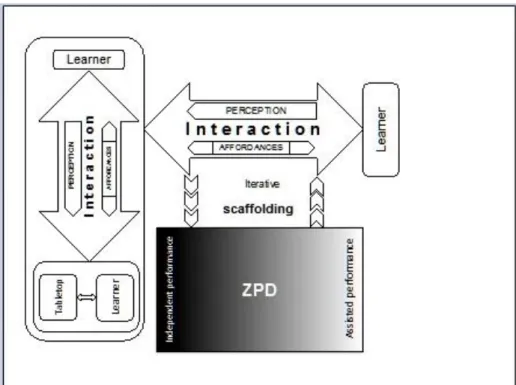
Figure 2.1 below illustrates key concepts in the study: sociocultural theory (SCT), scaffolding, ZPD and learners’ interaction with peers and technology. The role of interaction has also been emphasized by the SCT, which is rooted in Lev Vygotsky’s work (Cook, 2008). The SCT places special emphasis on the role of social and cultural contexts and environments (Poehner, 2008) and on interaction with other language users, who help the learners use language in a way they would not be able to without assistance (Heins et al., 2007). The aim is to achieve Vygotsky’s goal “in the sense that what one can do in cooperation with others today one can do alone tomorrow” (cited in Lantolf, 2005, p. 336). Lightbown and Spada (1999) pointed out that, according to SCT, “learners advance to higher levels of linguistic knowledge when they collaborate and interact with speakers of the second language who are more knowledgeable than they are” (p. 44). Norris and Ortega (2003) argued that language learning, as well as any other kind of learning, should involve social interaction rather than individual action. For these reasons, peer-to-peer interaction is an important aspect of the individual learning process.
19
Figure 2.1. Theoretical framework
The difference between what learners can do alone and what they may perform with mediation is termed the zone of proximal development (ZPD) (Poehner, 2008). Vygotsky (1978) defined this as “the distance between the actual developmental level as determined by independent problem solving and the level of potential development as determined through problem solving under adult guidance or in collaboration with more capable peers” (p. 86). However, as Stone (1998) pointed out, the 1976 conceptualization of scaffolding, and the theoretical notion of the ZPD had not been linked at that time: this was proposed a few years later (Bruner, 1985; Cazden, 1979) when the concept of scaffolding was interpreted as the support and mediation which learners experience within the ZPD in the performance of a new task.
The concept of scaffolding and the Zone of Proximal development (ZPD) has received much attention from sociocultural theory. The concept of ZPD is used to understand the process of language development through students’ interactions with the teacher or during collaboration with peers while the level of scaffolding provided is linked to the students’ ability (Clark & Graves, 2004) as “varying levels of support are possible, and the more complex a task is, the more support students will need to accomplish it” (pp. 571–572).
In a somehow similar way to sociocultural theory with regard to mediation, other researchers have claimed that interaction with others leads to the successful acquisition of L2. The early
20
version of Long’s (1983, cited in Ellis, 2000, p. 199) Interaction Hypothesis (IH) claimed that acquisition is facilitated by the negotiation of meaning that occurs during communication breakdown; such negotiation provides opportunity for comprehensible input. The “negotiation of meaning” has been defined by Pica (1994) as the “modification and restructuring of interaction that occurs when learners and interlocutors anticipate, perceive, or experience difficulties in message comprehensibility” (p. 494). Krashen’s 1985 input hypothesis argues that learners, during interaction, make progress as they comprehend input that is slightly beyond their current stage of linguistic competence (Heins et al., 2007). In the later form of IH, as described by Ellis (2000), the feedback that the learner receives during interpersonal interaction with others contributes to L2 acquisition because interaction “connects input [and] internal learner capacities” (Long, 1996, pp. 451-452).
An important element for acquisition is the negotiation of meaning involved in conversational interaction. According to Cook (2008, p. 225), in order to make interaction useful, communication breakdowns, while working collaboratively, should be resolved continuously. This can be achieved through “repetitions, confirmations, reformulations, comprehension checks, clarification requests, etc.” (Long, 1996, p. 418). Lightbown and Spada (1999) argued that “when learners are given the opportunity to engage in meaningful activities they are compelled to ‘negotiate for meaning,’ that is, to express and clarify their intentions, thoughts, opinions, etc., in a way which permits them to arrive at a mutual understanding. This is especially true when the learners are working together to accomplish a particular goal” (p. 122). 2.2.5 Reading model 1: bottom-up, top-down, and interactive models
There are three main reading comprehension models in the literature of reading: bottom-up, the top-down, and interactive. These models mainly explain the interaction between the reader and the text, and contribute to our understanding of how a reading context informs the reading process.
In bottom-up models, learners decode meaning from the text (Grabe, 2009) by recognising grapheme–phoneme (letter–sound level) correspondence, lexical (word level) and syntactic (sentence level) structures in an automatic and rapid (unconscious) way. LaBerge and Samuels (1974) stressed the importance of the unconscious, automatic, rapid recognition of words. Grabe and Stroller (2002) described the reading process as a pattern of creating “piece-by-piece mental translation of the information in the text” (p. 32). Decoding meaning from the reading
21
text starts with recognition of the correspondence between graphemes and their sound symbols, then gradually moves up to word level, then sentence level. As background topical knowledge is not considered while constructing meaning from the text, this description raises a question: is reading comprehension process that simple? Grabe (2009) and Samuels and Kamil (1988) criticized the bottom-up model for not considering reader’s background knowledge. Grabe (2009) went so far as to describe it as an extreme and inaccurate view of reading.
Top-down models of reading focus on prediction in text comprehension and on highlighting the reader’s background knowledge of the topic (Grabe, 2009). These models postulate that readers construct meaning from the text by activating their previous knowledge, so that they predict what the topic will be about and look for clues in the text to confirm or reject their predictions (Alderson, 2000; Grabe, 2009; Grabe & Stroller, 2002). However, L2 students with limited background knowledge of a topic may find it difficult to make predictions (Samuels & Kamil, 1988). If their linguistic or cultural knowledge is limited as well, their performance will be poorer than that of L1 students (Grabe, 1988).
Interactive models are considered hybrids of the bottom-up and top-down models. An interactive reading model proposed by Rumelhart (1977) (Figure 2.2) emphasizes the application of “bottom-up” (lower-level) and “top-down” (higher level) reading processes simultaneously in order to interactively construct meaning via different linguistic sources, such as letter–sound level, word level, and sentence level while bringing into play world knowledge (background information) about the topic (Bernhardt, 1991; Grabe, 1991, 2009; Grabe & Stoller, 2002). Unlike the bottom-up model, the interactive model considers the reading process as parallel rather than serial (Rumelhart, 1977).
Figure 2.2 Rumelhart’s interactive model of reading Source: Samuels and Kamil, 1984, p. 211
22
According to Rumelhart’s model, the syntactic, semantic, orthographic, lexical, and feature extraction inputs work simultaneously as sources of information for readers:
These knowledge sources are providing input simultaneously and a mechanism must be provided which can accept these sources of information, hold the information, and redirect the information as needed. (Samuels & Kamil, 1984, p. 211)
The Visual Information Store (VIS) is where the graphemic information enters. Relevant information is then extracted and filtered from the graphemic input into the pattern synthesizer where information from multiple resources is processed to provide the most probable interpretation for the text.
Stanovich (1980) introduced his interactive-compensatory model of reading with the assumption that “a deficit in any particular process will result in a greater reliance on other knowledge sources, regardless of [students’] level in the processing hierarchy” (p. 32). For example, if a reader has difficulty when encountering a new word (low-level processing), background knowledge (higher-level processing) can compensate for this difficulty and enable the text to be understood.
2.2.6 Reading model 2: CSR approach
Collaborative strategic reading is a multi-component model for reading comprehension instruction (Boardman et al., 2010) which draws on both reciprocal teaching and cooperative learning (Grabe, 2009, p. 233). It is “an instructional approach for English language learners” (Klingner & Vaughn 2000, p. 70) that supports language acquisition and collaborative reading among peers or small groups. It was developed by Janette K. Klingner and Sharon Vaughn (1996, 1998, cited in Bremer et al., 2002). Vaughn et al. (2001) stated that CSR was designed to address three educational issues:
(a) meeting the learning needs of an increasingly diverse student population, particularly English-language learners and students with learning disabilities; (b) providing an instructional practice that enhances comprehension of text and skills to learn from text; and (c) providing procedures that facilitate peer-mediated instruction. (p. 67)
CSR is based on reciprocal teaching (RT), designed by Palincsar and Brown (1984) for students who have basic decoding skills but find difficulty in constructing meaning from a text. Students