Acceptability of Anal Cancer Screening Tests Among Gay and Bisexual Men
By
Joshua Thompson
A Master’s Paper submitted to the faculty of the University of North Carolina at Chapel Hill
in partial fulfillment of the requirements for the degree of Master of Public Health in
the Public Health Leadership Program
Chapel Hill 2014
________________________________ Advisor ________________________________ Date
Abstract
Objectives. I investigated gay and bisexual men’s willingness to self-administer an anal cancer
screening test at home.
Methods. I reviewed the current literature on acceptability of cytological anal cancer screening
tests among gay and bisexual men by searching three databases (MEDLINE, Web of Science, and PsychINFO) and present a qualitative synthesis of the literature. I then performed a
secondary data analysis of two national, online surveys of gay and bisexual men: Study I in 2009 with men ages 20-59 (n=306) and Study II in 2013 with men ages 18-26 (n=428). I used logistic regression to identify bivariate correlates of willingness to self-administer an anal cancer
screening test for both studies and scompared the results.
Results. Most men were willing to self-administer an anal cancer screening test (78% Study I;
67% Study II), similar to the findings of the most recent studies of physician-collected tests. In Study I, willingness was higher among men who trusted anal Paps to find treatable cancer (adjusted odds ratio [aOR]=1.47; 95% CI 1.04, 2.09) and who believed that men who have sex with men should be screened for anal cancer between one and three years vs. other intervals (aOR=2.19; 95% CI 1.17, 4.10). In Study II, willingness was higher among men who perceived greater likelihood of anal cancer (aOR=1.57; 95% CI 1.12, 2.20). Their most common concerns were not performing the test correctly and inaccuracy of results.
Conclusions. Many gay and bisexual men were willing to self-administer anal cancer screening
Acceptability of Cytological Anal Cancer Screening Among Gay and Bisexual Men – A Review of the Literature
Introduction
For the average man in the United States anal cancer is a rare threat—affecting fewer than two men per 100,000 per year.1 This despite the fact that there has been an almost constant increase in incidence over the past three decades (annual percent change 3 - 4%).2,3 Certain subpopulations, such as gay and bisexual men, suffer from a much greater burden of disease, which may account for some of the increase in incidence.4 The incidence of anal cancer among HIV-negative men who have sex with men (MSM) is approximately 5 cases/100,000 men-years. For MSM living with HIV/AIDs, the incidence of anal cancer is estimated to be between 50 and 130 cases /100,000 men-years depending on whether one uses data from cancer registries or cohort studies.5-7
Similar to cervical cancer, the majority of anal cancer cases are associated with infection by human papillomavirus (HPV), specifically high-risk types 16 or 18.8,9 Infection with these high-risk subtypes leads to dysplastic changes that can ultimately result in invasive cancer.10,11 The prevalence of HPV infection and dysplastic lesions does not decrease with age in gay and bisexual men, in contrast to what is observed in women.12,13 In fact, a recent study confirmed that the risk of anal cancer among gay and bisexual men increases with age.7 Prevalence of high-risk HPV types is even higher for MSM living with HIV/AIDS compared to HIV-negative MSM, despite use of antiretroviral therapy.6,14 Other risk factors (aside from HIV) for persistent HPV infection, subsequent dysplasia, and cancer include the following: having multiple sexual
Anal cytological screening and treatment of dysplastic lesions have been proposed as a way of reducing the burden of anal cancer.19,20 A recent meta-analysis showed anal cytology has sensitivity and specificity similar to cervical Pap testing (90% and 33%, respectively).21 No studies have been done to show that routine screening improves mortality rates or other patient-centered outcomes.22,23 A clinical trial to determine the efficacy of screening is just now beginning recruitment, and it will be several years before the results are published (NCT02135419).
Despite the lack of health outcomes data, some health professionals and organizations have begun recommending screening.23 The Infectious Diseases Society of America (IDSA) recently updated their primary care guidelines to recommend anal Pap testing for HIV-infected MSM due to the high risk of anal cancer in that population.24 The new recommendation will likely increase the rate of anal cancer screening in HIV-positive MSM. For this reason, it is important to understand the acceptability of screening among these men. Such knowledge may be invaluable for public health efforts to maximize prevention efforts’ reach if future trials demonstrate the efficacy of screening.
To my knowledge, only one previous review has examined the literature in this area, but the study used a narrative rather than systematic approach, had a broader focus on the general psychological aspects of anal cancer screening, and did not include some more recent articles.25 The goal of this review, therefore, is to systematically assess what is currently known about gay and bisexual men’s acceptance of anal cancer screening.
Methods
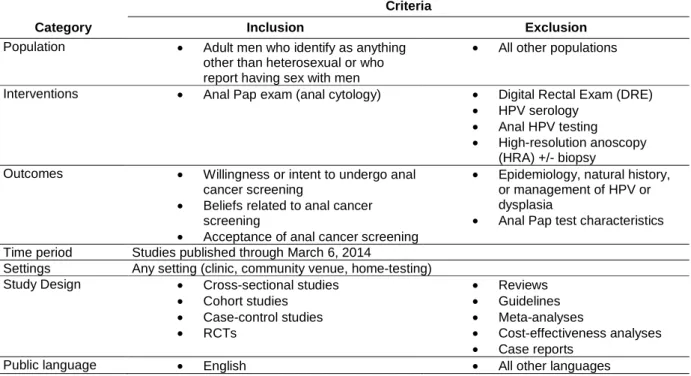
I searched MEDLINE, Web of Science, and PsychINFO for English-language, human-only studies published from database inception through March 6, 2014. I identified additional studies by manually searching the references lists of included studies. Searches combined multiple terms for sexual minority men, anal cancer and dysplasia, and screening or prevention. The search was limited to studies reporting outcomes of the acceptance of anal cancer
cytological screening (i.e., anal Pap) or willingness or intent to undergo screening among gay and/or bisexual men or MSM. Inclusion and exclusion criteria are summarized in Table 1
Table 1. Inclusion/exclusion criteria for studies assessing acceptance of anal cancer screening among men.
Category
Criteria
Inclusion Exclusion
Population • Adult men who identify as anything other than heterosexual or who report having sex with men
• All other populations
Interventions • Anal Pap exam (anal cytology) • Digital Rectal Exam (DRE)
• HPV serology
• Anal HPV testing
• High-resolution anoscopy (HRA) +/- biopsy
Outcomes • Willingness or intent to undergo anal cancer screening
• Beliefs related to anal cancer screening
• Acceptance of anal cancer screening
• Epidemiology, natural history, or management of HPV or dysplasia
• Anal Pap test characteristics Time period Studies published through March 6, 2014
Settings Any setting (clinic, community venue, home-testing) Study Design • Cross-sectional studies
• Cohort studies
• Case-control studies
• RCTs
• Reviews
• Guidelines
• Meta-analyses
• Cost-effectiveness analyses
• Case reports
Public language • English • All other languages
the sample population, how the study measured acceptance of screening or intent to screen, the overall level of acceptance or intent, and statistically significant multivariate correlates of acceptance or intent.
Quality Assessment of Included Studies
I evaluated the quality of studies using predefined criteria, based on the Methods for the development of NICE public health guidance, 3rd edition.26 I assessed whether the studies adequately described their source and sample population, selection of the sample population, measurement of the primary outcome (e.g. acceptability of screening) and covariates, statistical analyses, overall internal validity of the findings, and the generalizability of those findings to other gay and bisexual men. I assessed risk of measurement bias based only on how the study measured screening acceptability and its covariates, not on other outcomes reported in the trial. I rated each study as being of good, fair, or poor quality. Poor quality studies are those that I judge to have one or more critical flaws, such as a failure to adequately or properly measure screening acceptability (e.g,, measurement bias) or failure to measure important covariates that may affect screening acceptability.
Results
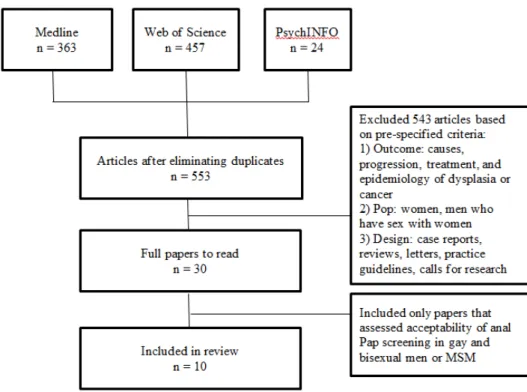
Figure 1. Flowchart of study selection process
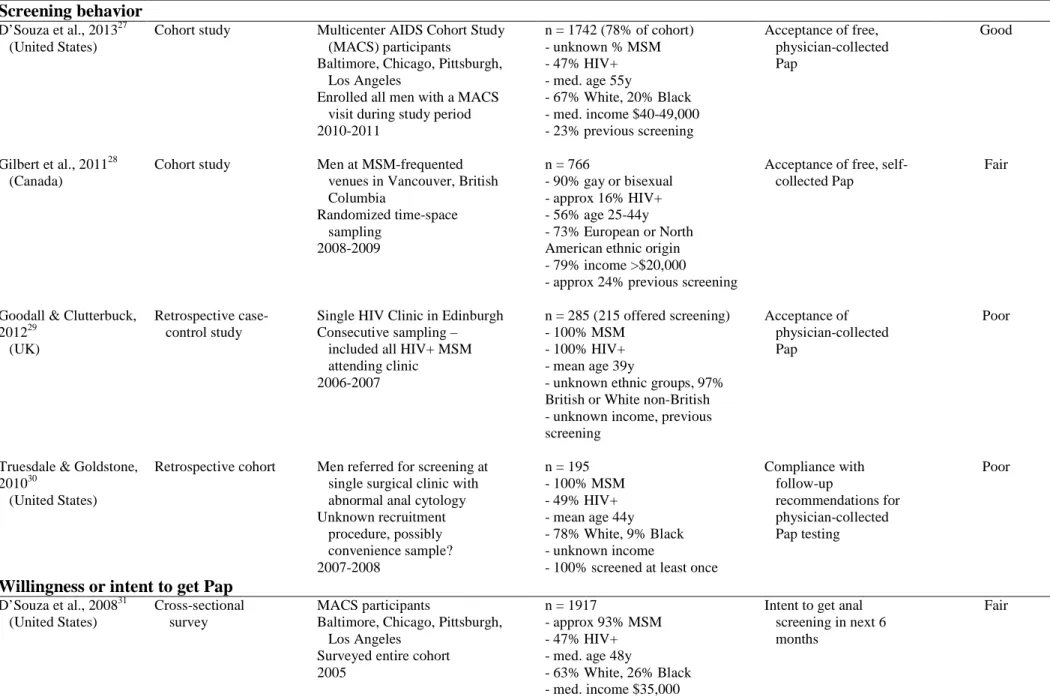
Table 2. Overview of study design and quality
Design Study Population Sample Description Acceptability
Measure Quality
Screening behavior D’Souza et al., 201327 (United States)
Cohort study Multicenter AIDS Cohort Study (MACS) participants
Baltimore, Chicago, Pittsburgh, Los Angeles
Enrolled all men with a MACS visit during study period 2010-2011
n = 1742 (78% of cohort) - unknown % MSM - 47% HIV+ - med. age 55y
- 67% White, 20% Black - med. income $40-49,000 - 23% previous screening
Acceptance of free, physician-collected Pap
Good
Gilbert et al., 201128 (Canada)
Cohort study Men at MSM-frequented venues in Vancouver, British Columbia
Randomized time-space sampling
2008-2009
n = 766
- 90% gay or bisexual - approx 16% HIV+ - 56% age 25-44y - 73% European or North American ethnic origin - 79% income >$20,000 - approx 24% previous screening
Acceptance of free, self- collected Pap
Fair
Goodall & Clutterbuck, 201229
(UK)
Retrospective case- control study
Single HIV Clinic in Edinburgh Consecutive sampling – included all HIV+ MSM attending clinic
2006-2007
n = 285 (215 offered screening) - 100% MSM
- 100% HIV+ - mean age 39y
- unknown ethnic groups, 97% British or White non-British - unknown income, previous screening
Acceptance of physician-collected Pap
Poor
Truesdale & Goldstone, 201030
(United States)
Retrospective cohort Men referred for screening at single surgical clinic with abnormal anal cytology Unknown recruitment procedure, possibly convenience sample? 2007-2008
n = 195 - 100% MSM - 49% HIV+ - mean age 44y - 78% White, 9% Black - unknown income
- 100% screened at least once
Compliance with follow-up recommendations for physician-collected Pap testing Poor
Willingness or intent to get Pap D’Souza et al., 200831
(United States)
Cross-sectional survey
MACS participants
Baltimore, Chicago, Pittsburgh, Los Angeles
Surveyed entire cohort 2005
n = 1917
- approx 93% MSM - 47% HIV+ - med. age 48y
- 63% White, 26% Black - med. income $35,000 - 11% previous screening
Intent to get anal screening in next 6 months
Reed et al., 201032 (United States)
Cross-sectional survey
National probability sample of self-identified gay and bisexual men
2009
n = 306
- 100% self-identified as gay or bisexual
-17% HIV+ - mean age 46y
- 81% non-Hispanic White, 5% non-Hispanic Black
- 60% income ≥$60,000 -14% previous screening
Willingness to get physician-collected anal Pap
Good
Willingness to repeat Pap after collection Davis, Goldstone, &
Chen, 201333 (United States)
Cohort study Men and women referred for screening at single clinic specializing in HPV-related, anorectal disease
Unknown recruitment procedure
2010
-292 people
-97% male, “mostly MSM” -45% HIV+
- mean age 43
- unknown ethnic groups -63% previous screening
Willingness to repeat Pap after physician-collected test
Poor
Vajdic et al., 200534 (Australia)
Cohort study Men presenting or referred to gay health clinic or
community-based HIV clinic Consecutive sampling
Unknown time period
n = 151 - 100% MSM - 64% HIV+ - mean age 45y
- unknown ethnic groups, income - 43% “previous medical treatment of anus”
Willingness to repeat Pap after physician- collected test
Poor
Other
Newman et al., 200835 (United States)
Qualitative study
Four semi-structured, open-ended focus groups
Health care advocates for gay men and MSM in Los Angeles
Purposive sampling Unknown year
n = 19
- 16 men, 3 women
- several were gay men of color
Barriers and facilitators of anal cancer screening
Fair
Botes et al., 201136 (Australia)
Cohort study Unknown source population Consecutive recruitment 2008-2009
n = 263 - 100% MSM - 100% HIV+ - med. age 50
- unknown ethnic groups, income, previous screening
Acceptability of Pap after self-collected test
Poor
Characteristics of Included Studies
Sample Populations. Among the 9 quantitative studies, sample sizes ranged from 151 to
1917 men; one study (n = 19) assessed acceptability of screening via focus groups.35 The most common source populations were individual clinics; four studies reported data from two surgical clinics, two HIV clinics, and one primary care clinic specializing in gay men’s health (Table 2). Two studies surveyed men living in large metropolitan areas who were participants in the Multicenter AIDS Cohort Study (MACS).27,31 Only one study used a national probability sample.32 Almost all studies recruited samples that were mostly or entirely MSM; though, only one defined criteria for inclusion as MSM,28 and one study used self-identified sexual orientation rather than MSM status.32 The proportion of participants who were HIV-positive varied from 16% to 100% of the sample, but most studies (5/9 quantitative studies) had approximately even numbers of HIV-positive and –negative men. All quantitative studies included at least some HIV-positive men. The mean or median age of all study samples ranged from 39-55. Most studies provided little additional detail on the study populations or recruitment procedure aside from the characteristics summarized above.
Study Quality. Five of the included studies were of good or fair quality, and the
remaining were rated poor quality (Appendix 1). Among the trials rated as poor quality, the most common methodological bias was inadequate description of the study population, and therefore insufficient data to judge the applicability of the results (6/10 studies). Other common
associated with acceptability (3/9); and 3) inadequate statistical analysis, specifically not using multivariate modeling to control for confounding among the covariates (5/9).
Measurement of Anal Pap Screening Acceptability. There was considerable heterogeneity
in study design and how authors measured and defined acceptance of anal Pap screening. Four studies, including two prospective cohorts, one retrospective cohort, and one retrospective case-control study, examined actual screening behaviors of men offered or referred for Pap
screening.27-30 Two cross-sectional national surveys measured willingness or intent to get a Pap in the future.31,32 Two cohort studies assessed participants’ willingness to repeat screening after undergoing Pap testing.33,34 I also included one cohort study that assessed acceptability of the Pap after a self-collected test and a qualitative study identifying barriers and facilitators to anal cancer screening.35,36 For the remainder of the review, I will refer to the outcome measures as “acceptability” except where it is necessary to differentiate between the studies.
Acceptability of Anal Pap Screening. Reported rates anal Pap acceptability varied
depending on several factors: 1) the context in which the test was delivered 2) the cost of testing, and if the test was physician- or self-collected. When the Pap was offered for free, acceptability was high (83%-85%).27,32 Acceptability was lower when the Pap was not explicitly free (12-62%)29,31,32 or when it was self-collected in a public facility (35%).28 When measured after men received an anal Pap, acceptability of the test was high and most men were willing to repeat the test in the future.33,34,36
Factors Associated with Acceptability. Six of the nine quantitative studies measured
psychosocial and/or demographic variables associated with acceptance of screening or
were more likely to be accepting of the test. D’Souza et al. (2008) found that having more sexual partners and being HIV-positive were associated with greater acceptability,31 but other studies showed no statistically significant association. Similarly, Reed et al. found that people with higher levels of education were less accepting of anal Paps,32 but D’Souza et al. (2013) found no significant association.27 Studies found opposite associations for both race and income on measures of acceptability. In D’Souza et al. (2008), Black participants in the Multicenter AIDS Cohort Study had a greater odds of “intent to be screened” in the next 6 months compared to White men. In another study of MACS participants 5 years later, Black participants had more than twice the odds of declining an offered Pap compared to White men.27 Men with low income (<$20,000/year) in Gilbert et al. were more likely to accept a free self-collected Pap,28 but in
Reed et al., men with a higher income (≥$60,000/year) were more likely to say they were willing to get a Pap test that cost $150.32
The one qualitative study exploring MSM’s beliefs associated with anal cancer screening identified six categories of barriers to screening: lack of awareness of screening, the potential for stigma to be associated with screening, psychological and physical discomfort, the idea of the anus as a private area, overriding concern for HIV, and a general reluctance of men to seek health care.35 Focus group participants also suggested three possible facilitating factors:
increasing the number and diversity of screening sites (including home testing), making changes to the health care system (such as physicians routinely recommending screening), and education campaigns to increase awareness.
I found ten studies that explored the acceptability of anal cancer cytological screening among gay and bisexual men. To my knowledge, this is the first systematic review specifically assessing acceptability of screening in this high-risk population, and the factors that predict acceptance. An earlier review focused on the broader psychosocial aspects of anal cancer screening without regard to a specific population and included three of the studies reviewed here.25
At first glance, it appears that the fair or good quality studies included in this review found very different degrees of acceptability among gay and bisexual men. Three studies
reported that only 29-35% of men were willing to or intended to be screened,28,31,32 whereas 85% of men in the most recent study accepted a Pap test.27 Of note, the two studies with the most widely divergent results, D’Souza et al. 2008 and 2013, used essentially the same samples: participants in the Multicenter AIDS Cohort Study.27,31
Differences in the design and characteristics of the sample populations of these studies may be responsible for the heterogeneous results. Awareness and prior utilization of anal Pap testing were found to be as different between studies as acceptability. In the two earlier studies, D’Souza et al. (2008) and Reed et al., only 11 and 14% of men, respectively, had undergone a Pap prior to the study.31,32 Approximately 25% of men in both of the later published studies had previously been screened.27,28 Furthermore, Reed et al. reported that only 23% of the men in their sample had heard of Pap testing,32 but 65% of men surveyed by D’Souza et al. (2013) reported being familiar with the test.27 Since it appears likely that having had a Pap test predicts
Two of the studies, D’Souza et al. (2008) and Reed et al., measured willingness or intent to be screened,31,32 and the other two studies, Gilbert et al. and D’Souza et al. (2013), measured men’s behavior when offered a free screening test and found higher acceptability.27,28 This runs counter to previous studies that have shown measuring intention generally overestimates actual behavior regarding cancer screening and other preventive health choices.37-39 Some of this difference may be due to participants’ explicit or implicit consideration of cost. The behavioral studies offered the tests for no cost to participants. D’Souza et al. (2008) asked about men’s likelihood to be screened in the near future, without explicitly telling them to consider cost.31 Reed et al. measured acceptability of a Pap test that cost $150 out of pocket (the primary
outcome) and one that was free.32 When the test was free, 83% of men said they were willing to be screened—almost the exact number of men who accepted the free test in D’Souza et al. (2013).27 This suggests that cost considerations are an important part of gay and bisexual men’s decision-making process regarding anal cancer screening.
Only one study in this review, Gilbert et al., assessed the acceptability of self-collected anal Pap tests.28 Based on other literature on self-collected tests for sexually transmitted diseases among MSM, I would expect to see high rates of acceptance.40-42 The anomalously low
I found numerous differences in the magnitude, direction, and statistical significance of the effects of multivariate correlates on men’s acceptability of anal Pap testing. Two potentially modifiable factors studies agreed were associated with acceptability are worry about anal cancer and a history of previous Pap testing. Worry, considered a component of risk perception or affective response to risk, is well established as a predictor of preventive health behavior.43,44 Studies have also shown that previous use of cancer screening tests is associated with greater use in the future .37,45,46
Different studies in this review reported increased acceptability associated with less education, more sexual partners, and being HIV-positive; however, at least one other included study failed to find a statistically significant association for each one. It is possible that they were simply underpowered to detect the association, but more research is needed to confirm these variables as correlates of anal cancer screening acceptability.
The conflicting results regarding income found by Gilbert et al. and Reed et al. may be due to the incentives men received to participate in the studies.28,32 All men received equal compensation in the Reed study. Although the men in the Gilbert study who answered the survey portion all received the same amount of money, those that agreed to use a self-collected anal screening test received an additional CDN$10. The authors hypothesize that this could be why men with incomes <$20,000 were more likely to accept the Pap.
each study asked men about screening acceptability. The earlier study asked men about the chance they would be screened in the future, and the latter offered men an actual anal Pap. Predictive factors for intent and behavior are not always the same,37 and it is possible that Black men overestimate the actual chances they will use anal cancer screening more than White men.
Limitations of the Literature
The current body of literature on gay and bisexual’s men acceptability of anal cancer cytological screening has significant limitations. Only three good quality, multicenter or nationally representative studies have explored this topic, and they had mixed results. Two of those studies measured men’s intent to be screened with a cross-sectional survey, rather than assessing actual behavior. They may not represent what could be expected if routine screening was recommended for MSM. The majority of studies included in this review had samples limited to single clinics and many failed to adequately describe their clinic populations. This makes it difficult to determine the applicability of their findings to other men.
Limitations of This Review
The scope of this review was limited to only three databases and only articles published in English. A more thorough search that included additional databases and the grey literature may find other relevant studies. Furthermore, only a single reviewer read the abstracts and full text articles to determine inclusion. This may introduce some error.
Future Directions
research should focus on MSM living with HIV due to their uniquely high risk and the uncertainty regarding screening efficacy, especially in the HIV-negative population. Future research should also attempt to confirm the relationship of potential covariates to screening behavior that previous studies have disagreed upon, such as number of partners and HIV status. Lastly, more work should be done to sample MSM populations in a way that allows bisexual men to be assessed as a distinct group. Bisexual men suffer from a number of health concerns and health access disparities independent of gay men, but most of studies in this review (and in LGBT research generally) combined the two populations due to small samples.47
Conclusion
In conclusion, the literature suggests that anal cancer cytological screening is acceptable
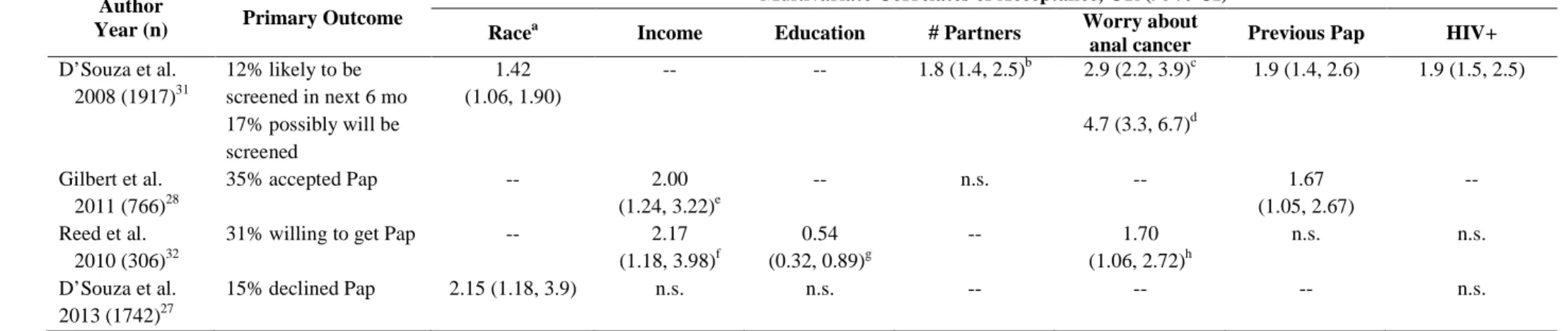
Table 3. Summary of results for studies that reported multivariate correlates
Author
Year (n) Primary Outcome
Multivariate Correlates of Acceptance, OR (95% CI)
Racea Income Education # Partners Worry about
anal cancer Previous Pap HIV+
D’Souza et al. 2008 (1917)31
12% likely to be screened in next 6 mo 17% possibly will be screened
1.42 (1.06, 1.90)
-- -- 1.8 (1.4, 2.5)b 2.9 (2.2, 3.9)c 4.7 (3.3, 6.7)d
1.9 (1.4, 2.6) 1.9 (1.5, 2.5)
Gilbert et al. 2011 (766)28
35% accepted Pap -- 2.00
(1.24, 3.22)e
-- n.s. -- 1.67
(1.05, 2.67)
--
Reed et al. 2010 (306)32
31% willing to get Pap -- 2.17 (1.18, 3.98)f
0.54 (0.32, 0.89)g
-- 1.70
(1.06, 2.72)h
n.s. n.s.
D’Souza et al. 2013 (1742)27
15% declined Pap 2.15 (1.18, 3.9) n.s. n.s. -- -- -- n.s.
n.s. = not statistically significant a
Black vs White
b ≥3 receptive anal male sex partners in past 6 months vs none c Moderately concerned vs not concerned
d Very concerned vs not concerned
e <$20,000 vs >$20,000 per year f
≥$60,000 vs <$60,000 per year
g
Greater than vs less than high school education
Appendix 1. Quality Assessment of Studies of Anal Cancer Screening Acceptability Among Men Who Have Sex With Men First author, year Eligibility criteria clearly described? Subjects representative
of the overall source population? Generalizability to other gay/bisexual/ MSM pop.? (high/moderate/ low) Measured covariates based on a theoretical model or prior
research? Outcome measures valid and reliable? Created multivariate model
of covariate to adjust for confounding? Quality rating (good/fair/ poor) Comments D’Souza et al, 201327
Yes Somewhat Moderate Yes Yes Yes Good Men offered Pap more likely to be White, have a college degree, have income >$40,000, have 0 receptive sex partners in past 6 mo.
than those not offered Pap.
MACS cohort only from 4 large urban centers. Pap was offered free – likely would not be in
real world setting.
Outcome was acceptance of Pap offer
Reed et al.,
201032 Yes Yes Moderate to High Yes Yes Yes Good were mostly high-income and White and self-National probability sample, but participants
identified as gay or bisexual
Collapsed 5-point Likert response for willingness into dichotomous outcome Performed 2 rounds of pretesting prior to
study start
D’Souza et al, 200831
Yes Yes Moderate Yes Unclear Yes Fair Included all men enrolled in Multicenter AIDS Cohort Study, which has been described in
detail in previous articles. Men only came from 4 large urban centers
Question used to measure intent to seek screening for anal cancer also asked about
screening for anal warts and other “anal health problem[s].”
First author, year Eligibility criteria clearly described? Subjects representative
of the overall source population? Generalizability to other gay/bisexual/ MSM pop.? (high/moderate/ low) Measured covariates based on a theoretical model or prior
research? Outcome measures valid and reliable? Created multivariate model
of covariate to adjust for confounding? Quality rating (good/fair/ poor) Comments Gilbert et
al., 201128 Yes Yes Moderate No Yes Yes Fair Source population were men attending MSM-frequented venues – likely not representative
of men who do not attend such venues.
Did not include several important covariates in multivariate model: orientation, smoking status, HIV status – potentially due to concern
of colinearity with venue-type
Outcome was acceptance of Pap offer
Newman et
al., 200835 No Unclear Low N/A N/A N/A Fair Qualitative study.
Focus group participants were primarily health care advocates rather than gay or bisexual or
MSM patients
Botes et al., 201136
No Unclear Unclear No No No Poor Did not describe source or sample population. Survey response options not mutually
exclusive. Did not define “acceptance.” No bivariate or multivariate analysis of
covariates.
Covariates did not include any demographic or psychological variables Reported correlation coefficients rather than
ORs. Davis et al.,
201333
No Unclear Unclear N/A Unclear No Poor Did not describe recruitment procedure. Did not describe source or sample population.
Did not measure any covariates. Exposure to multiple screening modalities at same visit (digital rectal exam, anoscopy) may
confound outcome.
First author, year Eligibility criteria clearly described? Subjects representative
of the overall source population? Generalizability to other gay/bisexual/ MSM pop.? (high/moderate/ low) Measured covariates based on a theoretical model or prior
research? Outcome measures valid and reliable? Created multivariate model
of covariate to adjust for confounding? Quality rating (good/fair/ poor) Comments Goodall & Clutterbuck, 201229
Yes Unclear Low No Yes No Poor Sample included all HIV+ MSM at single clinic over one year
Did not say why some patients (75%) were offered screening and others were not
Outcome was acceptance of Pap offer. Reported percentages and p-values, not ORs
– no multivariate analysis
Truesdale & Goldstone,
201030
Yes Unclear Low Yes Yes No Poor Unknown recruitment procedure.
12% response rate for contacted lost to follow-up patients
Results represent a single clinic, mostly White and well-educated.
No multivariate analysis.
Vajdic et al., 200534
Yes Unclear Low N/A Unclear No Poor Consecutive sampling of men from gay health clinic and HIV clinic – unlikely to be
generalizable
Did not measure any covariates of preparedness to repeat Pap test.
Reported acceptance rating (5-point Likert scale) as mean and range – limited ability to
interpret results
No comparisons made of acceptance based on different covariates other than blind vs.
Gay and Bisexual Men’s Willingness to Use a Self-Collected Anal Cancer Screening Test
Introduction
Incidence of common cancers affecting men in the United States (prostate, lung, and colorectal cancer) have declined over the past decade.48 Anal cancer incidence, however, has increased over the past three decades, and currently 1.5 men per 100,000 are affected per year.48,49 This increase is attributable, at least in part, to high incidence rates among men who have sex with men (MSM; ~5 men per 100,000 per year).49 Rates are even higher among MSM living with HIV/AIDS, with recent estimates ranging from 65 to 131 men per 100,000 per year.7,50
The majority (>70%) of cases of anal cancer are associated with human papillomavirus (HPV) infection, specifically with high-risk type 16 or 18.51 Risk factors for new or persistent anal HPV infections, as well as for anal cancer, include receptive anal intercourse, having
multiple sexual partners, and smoking.8,12,52-55 These risk factors may explain why high-risk HPV types are common in HIV-negative and HIV-positive MSM (12.5% and 35.4%, respectively, for type 16).50,56,57
uncertainty, some clinicians are now recommending high-risk men be screened for anal cancer because of the high incidence of anal cancer.60 The Infectious Disease Society of America recently recommended screening all HIV-positive MSM for anal cancer with anal Pap tests.24
Studies of anal cancer screening behavior among MSM have focused almost exclusively on men’s acceptance of physician-collected Pap tests.25,27,32 Self-collected anal Paps have been shown to have accuracy similar to clinician-collected tests.61,62 Studies of self-tests for HIV and other sexually transmitted diseases have found high rates of acceptability among MSM, and it is possible that allowing men to use a self-test for anal cancer would increase screening uptake.40-42 The purpose of the present study was to examine gay and bisexual men’s willingness to use a self-collected anal cancer screening test at home and to identify correlates of willingness to use a self-test. Findings could help inform future programs for promoting anal cancer screening among this higher-risk population
Methods
I used data from two separate research studies of gay and bisexual men. The studies are described in detail elsewhere and briefly here.63-65
Study I
Sample and procedures. The sample for Study I came from an existing, national panel of
874 eligible panel members invited to participate, 609 (70%) completed the survey in January 2009. Of those who completed the survey, 306 men self-identified as gay (n = 236) or bisexual (n = 70) and were included in the current analysis. The Institutional Review Board at the University of North Carolina approved this study.
Measures. The Study I survey is available online at www.unc.edu/~ntbrewer/hpv.htm.
Brewer et al. developed the survey items based on their previous work on HPV-related
diseases.66-68 They cognitively tested the survey to refine item design with 28 gay and bisexual men and performed a second round of testing with 8 additional men prior to beginning the study.
My primary outcome was willingness to self-administer an anal cancer screening test at home. Introductory text to the section on anal cancer screening read, “Doctors can use an anal Pap test to identify anal cancer. An anal Pap test is when a doctor collects cells from the anus using a swab (like an extra long Q-tip) and examines them for changes. An anal Pap test is not the same as a test for anal gonorrhea, a colonoscopy, or a digital rectal exam.” The survey
assessed willingness to get a physician-collected anal Pap test under two conditions: (1) if it were free and (2) if it cost $150 out of pocket. Then the survey assessed willingness to self-administer an anal cancer screening test: “How willing would you be to use an anal swab on yourself to screen for anal cancer? You would do this test at home by yourself instead of going to a doctor’s office.” Response options for willingness items were definitely wouldn’t, probably wouldn’t, not
sure, probably would, and definitely would. I collapsed responses into two categories: willing
(probably or definitely would) and not willing (all other responses).
entire sample. The survey also measured respondents’ perceived knowledge of several HPV-related diseases (genital warts, oral cancer, and anal cancer), as well their worry about the disease, perceived likelihood of developing it, and belief that having the disease would change their lives. Because pilot testing showed men had low familiarity with HPV-related disease, I included brief informative statements about each disease prior to asking questions about them.
Brewer et al. measured several demographic and health-related characteristics as potential covariates. For urbanicity, they defined “urban” as living in a metropolitan statistical area based on zip code.69 The survey also asked about history of sexually transmitted infections, genital warts, lifetime number of sexual partners, number of partners in the past year, and whether participants had disclosed sexual behavior with men to their physician.
Study II
Sample and procedures. The Study II sample was drawn from the Harris Interactive
were included in the current analysis. The Institutional Review Board at The Ohio State University approved the current study.
Measures. Reiter et al. based the Study II survey on the survey used for Study I, as well
as subsequent surveys on HPV vaccination.71-74 My primary outcome was willingness to self-administer an anal cancer screening test at home. The survey item read, “There is also a home test that may help screen for anal cancer. This test would involve using a swab (like a Q-tip) to get an anal specimen. You would do this test at home by yourself instead of going to a doctor’s office. How willing would you be to use an anal swab on yourself to screen for anal cancer?” As with Study I, the five response options were collapsed into willing to self-test (probably or
definitely willing) and not willing (note sure, probably or definitely not willing). An additional
item asked participants to select potential concerns they had about using a home test for anal cancer from a list of predefined response options.
The survey assessed participants’ awareness of HPV prior to the study and knowledge of HPV using five factual items. I coded four or five correct responses as high HPV knowledge and less than four correct responses as low HPV knowledge, based on the median number correct for the entire sample. The survey also measured respondents’ worry about and perceived seriousness of HPV-related disease, as well as their perceived likelihood of developing specific diseases (genital warts, oral cancer, and anal cancer).
Analyses
I analyzed data from the two studies separately given their different samples. I used logistic regression to identify bivariate correlates of willingness to self-administer an anal cancer screening test. I entered statistically significant (p < .05) bivariate correlates into multivariate logistic regression models for each study.
I used McNemar’s test to compare Study I participants’ willingness to self-administer an anal cancer screening test to their willingness to get a physician collected anal cancer screening test that cost $150 or was free. I used Pearson’s chi-squared test to compare the two study samples’ willingness to self-administer the test.
I analyzed data with Stata release 13 (StataCorp LP, College Station, TX). All statistical tests were 2-tailed, using a critical α = 0.05.
Results
Participant Characteristics
Most men in Study I identified as gay (77%) and were HIV-negative (83%) (Table 1). Their median age was 47 years (range 20-59), and 96% were older than 26. Most were non-Hispanic White (81%), had a college degree (56%), were insured (86%), and lived in an urban area (93%). Only 23% had ever heard of an anal Pap before the survey, and 14% reported having had an anal Pap in the past.
health insurance (80%), and lived in an urban area (84%). Fewer than half had a college degree (47%).
Willingness to Self-Administer an Anal Cancer Screening Test
Most men in Study I (78%; 95% confidence interval [CI] 73%, 82%) were willing to administer an anal cancer screening test at home. Men were somewhat less willing to
self-administer the test than to get a free physician-collected test (78% vs. 83%; χ2 = 4.41; p = .04). They were much more willing to self-administer the test than to get a physician-collected test that cost $150 (78% vs. 31%; χ2 = 129.60, p < .001).
Two-thirds of Study II men (67%; 95% CI 62%, 71%) were willing to self-administer an anal cancer screening test at home, a lower percentage than among Study I participants (p < .001). The most common concerns about self-administrating the test that participants cited were “I might not do the test right” (61%) and “the test might not be accurate” (59%) (Figure 1). About 29% of the men said they would rather go to a doctor to get screened for anal cancer, 22% were concerned the test would hurt, and 17% thought it would be embarrassing.
Correlates of Willingness
worry about anal cancer, higher knowledge about HPV, belief that HIV affects a man’s chances of getting anal cancer, being HIV-positive, and being non-Hispanic white when compared to “other” race/ethnicity (all p < .05).
In Study II, willingness to self-administer an anal cancer screening test was higher among men who had higher perceived likelihood of developing anal cancer (aOR = 1.57; 95% CI 1.12, 2.20) in multivariate analysis (Table 3). In bivariate analyses, correlates of willingness to use a self-test were higher worry about diseases caused by HPV, higher knowledge of HPV, having five or more lifetime sexual partners, having a college degree, and being older (all p < .05).
Discussion
relationship has been suggested previously by focus groups and studies of the acceptability of HIV self-testing.35,75
I identified three potentially modifiable correlates of willingness to use self-collected testing in my multivariate analyses. Men in Study II who perceived they had a higher likelihood of anal cancer were more willing to self-administer an anal cancer screening test. Reed et al. previously identified this association in their analysis of willingness to get a physician-collected Pap test.63 Multiple health behavior studies have established that risk perceptions, including perceived likelihood, are important predictors of cancer screening participation and other health protective actions.44,76,77 This study extends that link to the use of self-administered cancer screening tests.
The association between believing that MSM should get an anal Pap test to screen for anal cancer and men’s willingness to use a self-collected test may simply show that men who thought MSM need to be screened were themselves more willing to be screened. Perceived norms about engaging in health-promoting behavior have been linked to medication adherence, weight loss efforts, and adherence to cancer screening recommendations.81-83 My study shows that this relationship could also be true for anal cancer screening, and it should be explored further in future research.
The strengths of this study were its use of two large, national samples with high
participation rates. To my knowledge, this was the first study to explore gay and bisexual men’s willingness to self-administer an anal cancer screening test using a national sample.
Limitations include the cross-sectional designs and reliance on self-report for the measures, including HIV status and screening history. Study sampling was based on sexual identity rather than behavior, and thus may not be representative of all MSM. Furthermore, as most men lived in urban areas, had health insurance, and were non-Hispanic White, the generalizability of my findings to other MSM remains to be established. Currently, no self-administered anal cancer screening test is licensed for home use outside of research settings. My findings for willingness may overestimate men’s actual use should such a test become available. Future studies should therefore examine use if a self-administered home test becomes available.
Tables 1. Participant Characteristics
Study I (n=306) No. (%)
Study II (n=428) No. (%) Sexual orientation
Gay 236 (77) 309 (72)
Bisexual 70 (23) 119 (28)
Race/ethnicity
Non-Hispanic White 247 (81) 273 (64)
Non-Hispanic Black 14 (5) 28 (7)
Hispanic 29 (9) 79 (18)
Other 16 (5) 48 (11)
Age, mean (range, median) 46 (20-59,47) 23 (18-26, 23) Annual household income
≥$50,000 204 (67) 151 (35)
<$50,000 102 (33) 231 (54)
Prefer not to answer -- 46 (11)
Education
Less than college degree 136 (44) 228 (53)
College degree or higher 170 (56) 200 (47)
Health insurance
No 44 (14) 86 (20)
Yes 262 (86) 342 (80)
Reside in urban area
No 20 (7) 67 (16)
Yes 286 (93) 361 (84)
Relationship status
Unmarried or not living with partner 160 (52) 357 (83) Married or living with partner 146 (48) 71 (17) HIV status
Negative 255 (83) 410 (96)
Positive 51 (17) 18 (4)
Number of lifetime sexual partners
0 - 4 35 (11) 202 (47)
Table 2. Study I Correlates of Willingness to Self-Administer an Anal Cancer Screening Test
No. Willing/Total No. (%) Bivariate OR (95% CI)
Adjusted OR (95% CI)
HPV, Anal Cancer, and Screening
Perceived knowledge of anal cancer1 1.24 (0.84, 1.83) --
Worry about anal cancer2 1.68 (1.07, 2.66)* 1.54 (0.94, 2.52)
Perceived severity of anal cancer2 1.25 (0.89, 1.75) --
Perceived likelihood of anal cancer3 1.32 (0.86, 2.02) --
Belief that HIV status affects chances of getting anal cancer4
2.50 (1.23, 5.07)* 1.95 (0.87, 4.40)
Trust in anal Pap to find treatable cancer5 1.74 (1.27, 2.40)** 1.47 (1.04, 2.09)*
Belief that only people who have anal sex need anal Pap tests5
1.18 (0.93, 1.50) --
Awareness of HPV6
Unaware 44/63 (70) 1.00 1.00
Aware, low knowledge 98/127 (77) 1.46 (0.74, 2.88) 1.25 (0.59, 2.67)
Aware, high knowledge 97/116 (84) 2.20 (1.06, 4.57)* 1.46 (0.65, 3.26)
Aware of anal pap test
No 178/235 (76) 1.00 --
Yes 61/71 (86) 1.95 (0.94, 4.06)
Ever had an anal Pap test No
Yes
203/262 (77) 36/44 (82)
1.00 1.31 (0.58, 2.97)
--
Belief that doctors recommend anal Pap tests for MSM
No 48/60 (80) 1.00 --
Yes 95/112 (85) 1.40 (0.62, 3.16)
Don’t know 96/134 (72) 0.63 (0.30, 1.32)
Believed anal cancer screening should happen every 1-3 y among MSM
Yes 124/143 (87) 2.72 (1.51, 4.91)** 2.19 (1.17, 4.10)* History of digital rectal exam
No or don’t know 57/79 (72) 1.00 --
Yes 182/227 (80) 1.56 (0.87, 2.82)
Sexual History
Disclosed sex with men to PCP
Yes 151/186 (81) 1.00 1.00
n/a or missing 26/39 (67) 0.46 (0.22, 0.99)* 0.73 (0.31, 1.69)
No 62/81 (77) 0.76 (0.40, 1.42) 1.05 (0.52, 2.10)
Age at first sexual intercourse (oral, anal, or vaginal)
<16 88/108 (81) 1.00 --
≥16 151/198 (76) 0.73 (0.41, 1.31)
Number of lifetime sexual partners
≤4 24/35 (69) 1.00 --
≥5 215/271 (79) 1.76 (0.81, 3.81)
History of cancer (oral, anal, penile) or lesions (anal, penile)
No 234/301 (78) 1.00 --
Yes 5/5 (100) --
History of genital warts
No 204/263 (78) 1.00 --
Yes 35/43 (81) 1.27 (0.56, 2.88)
HIV status
Negative 193/255 (76) 1.00 1.00
Positive 46/51 (90) 2.96 (1.12, 7.77)* 2.25 (0.80, 6.34)
History of sexually transmitted disease other
than HIV No
169/221 (76) 1.00 --
Yes 70/85 (82) 1.44 (0.76, 2.72)
Demographic Characteristics
Gay 190/236 (81) 1.00 --
Bisexual 49/70 (70) 0.56 (0.31, 1.03)
Health insurance
No 32/44 (73) 1.00 --
Yes 207/262 (79) 1.41 (0.68, 2.92)
Current smoker
No 169/219 (77) 1.00 --
Yes 70/87 (80) 1.22 (0.66, 2.26)
Race/ethnicity
Non-Hispanic White 197/247 (80) 1.00 1.00
Non-Hispanic Black 11/14 (79) 0.93 (0.25, 3.46) 0.59 (0.13, 2.61)
Hispanic 22/29 (76) 0.80 (0.32, 1.97) 0.94 (0.35, 2.48)
Other 9/16 (56) 0.33 (0.12, 0.92)* 0.42 (0.14, 1.31)
Age, mean y (s.d.) 46.60 (8.44) 1.01 (0.98, 1.04) --
Annual income
<$50,000 73/102 (72) 1.00 --
≥$50,000 166/204 (81) 1.74 (1.00, 3.03)
Education
No college degree 102/136 (75) 1.00 --
College degree 137/170 (81) 1.38 (0.80, 2.38)
Reside in urban area
No 17/20 (85) 1.00 --
Yes 222/286 (78) 0.61 (0.17, 2.15)
Relationship status
Unmarried or not living with partner 122/160 (76) 1.00 --
Married or living with partner 117/146 (80) 1.26 (0.73, 2.17) *p < .05 **p ≤ .001
HPV = human papillomavirus MSM = men who have sex with men PCP = primary care provider 1
4-point response scale, from nothing at all (coded as 1) to quite a lot (coded as 4) 2
4-point scale, from not at all (coded as 1) to quite a lot (coded as 4) 3
5-point scale, from no chance (coded as 1) to certain (coded as 5) 4
3-point scale, decreases chances (coded as 1), has no effect (coded as 2), or increases chances (coded as 3) 5
6
Table 3. Study II Correlates of Willingness to Self-Administer an Anal Cancer Screening Test
No. Willing/Total No. (%) Bivariate OR (95% CI)
Adjusted OR (95% CI)
HPV, Anal Cancer, and Screening
Worry about diseases caused by HPV1
1.36 (1.06, 1.74)* 1.03 (0.78, 1.35)
Perceived severity of disease caused by HPV2
1.09 (0.82, 1.45) --
Perceived likelihood of anal cancer3
1.69 (1.22, 2.33)** 1.57 (1.12, 2.20)*
Awareness of HPV4
Unaware 33/59 (56) 1.00 1.00
Aware, low knowledge 138/221 (62) 1.31 (0.73, 2.34) 1.09 (0.59, 1.99)
Aware, high knowledge 114/148 (77) 2.64 (1.39, 5.01)* 1.94 (0.98, 3.85)
Vaccinated for HPV
No 245/372 (66) 1.00 --
Yes 40/56 (71) 1.30 (0.70, 2.40)
Sexual History
Disclosed sexual orientation to PCP
Yes 98/136 (72) 1.00 --
Somewhat 17/27 (63) 0.66 (0.28, 1.57)
No 170/265 (64) 0.69 (0.44, 1.09)
Age at first sexual intercourse (oral, anal, or vaginal)
<16 68/102 (67) 1.00 --
≥16 217/326 (67) 0.99 (0.62, 1.60)
Number of lifetime sexual partners
0 – 4 120/202 (59) 1.00 1.00
5 or more 165/226 (73) 1.85 (1.23, 2.77)* 1.42 (0.90, 2.23)
History of genital warts
Yes 17/20 (85) 2.96 (0.85, 10.27) HIV status
Negative 272/410 (66) 1.00 --
Positive 13/18 (72) 1.32 (0.46, 3.78)
History of sexually transmitted disease other than HIV
No 256/386 (66) 1.00 --
Yes 29/42 (69) 1.13 (0.57, 2.25)
History of HPV infection
No 267/406 (66) 1.00 --
Yes 18/22 (82) 2.34 (0.78, 7.06)
Demographic Characteristics
Sexual orientation
Gay 217/309 (70) 1.00 1.00
Bisexual 68/119 (57) 0.57 (0.37, 0.88)* 0.69 (0.43, 1.10)
Health insurance
No 53/86 (62) 1.00 --
Yes 232/342 (68) 1.31 (0.80, 2.14)
Race/ethnicity
Non-Hispanic White 182/273 (67) 1.00 --
Non-Hispanic Black 20/28 (71) 1.25 (0.53, 2.95)
Hispanic 47/79 (59) 0.73 (0.44, 1.23)
Other 36/48 (75) 1.50 (0.74, 3.02)
Age, mean y (s.d.) 23.07 (2.40) 1.11 (1.02, 1.20)* 1.04 (0.94, 1.15)
Annual income
<$50,000 151/231 (65) 1.00 --
≥$50,000 107/151 (71) 1.29 (0.83, 2.01)
Not reported 27/46 (59) 0.75 (0.39, 1.44)
Education
No college degree 139/228 (61) 1.00 1.00
College degree 146/200 (73) 1.73 (1.15, 2.61)* 1.36 (0.83, 2.24)
Reside in urban area
Yes 240/361 (66) 0.97 (0.56, 1.69) Relationship status
Unmarried or not living with partner 231/357 (65) 1.00 --
Married or living with partner 54/71 (76) 1.73 (0.96, 3.12)
*p < .05 ** p ≤ .001
HPV = human papillomavirus PCP = primary care provider 1
4-point scale, from not at all (coded as 1) to quite a lot (coded as 4) 2
4-point scale, from not at all (coded as 1) to very (coded as 4) 3
4-point scale, from no chance (coded as 1) to high chance (coded as 4) 4
Figure 1. Study II Concerns About Self-Administering an Anal Cancer Screening Test at Home
Error bars show 95% confidence intervals.
0 10 20 30 40 50 60 70
Other The test might show I have anal cancer I wouldn’t have any concerns It would be embarrassing It might hurt I would rather go to a doctor The test might not be accurate I might not do the test right
References
1. National Cancer Institute. SEER Cancer Statistics Factsheets: Anal Cancer. Surveillance,
Epidemiology, and End Results Program (SEER) 2014;
http://seer.cancer.gov/statfacts/html/anus.html. Accessed February 21, 2014.
2. Joseph DA, Miller JW, Wu X, et al. Understanding the burden of human papillomavirus-associated anal cancers in the US. Cancer. Nov 15 2008;113(10 Suppl):2892-2900. 3. Nelson RA, Levine AM, Bernstein L, Smith DD, Lai LL. Changing patterns of anal canal
carcinoma in the United States. Journal of clinical oncology : official journal of the
American Society of Clinical Oncology. Apr 20 2013;31(12):1569-1575.
4. van der Zee RP, Richel O, de Vries HJ, Prins JM. The increasing incidence of anal cancer: can it be explained by trends in risk groups? The Netherlands journal of
medicine. Oct 2013;71(8):401-411.
5. Chaturvedi AK, Madeleine MM, Biggar RJ, Engels EA. Risk of human papillomavirus-associated cancers among persons with AIDS. J Natl Cancer Inst. Aug 19
2009;101(16):1120-1130.
6. D'Souza G, Wiley DJ, Li X, et al. Incidence and epidemiology of anal cancer in the multicenter AIDS cohort study. Journal of acquired immune deficiency syndromes
(1999). Aug 1 2008;48(4):491-499.
7. Silverberg MJ, Lau B, Justice AC, et al. Risk of anal cancer in infected and HIV-uninfected individuals in North America. Clinical infectious diseases : an official
publication of the Infectious Diseases Society of America. Apr 2012;54(7):1026-1034.
8. Daling JR, Madeleine MM, Johnson LG, et al. Human papillomavirus, smoking, and sexual practices in the etiology of anal cancer. Cancer. Jul 15 2004;101(2):270-280. 9. Hoots BE, Palefsky JM, Pimenta JM, Smith JS. Human papillomavirus type distribution
in anal cancer and anal intraepithelial lesions. International journal of cancer. Journal
international du cancer. 2009;124(10):2375-2383.
10. Berry JM, Jay N, Cranston RD, et al. Progression of anal high-grade squamous intraepithelial lesions to invasive anal cancer among HIV-infected men who have sex with men. International Journal of Cancer. Mar 1 2014;134(5):1147-1155.
11. Watson AJ, Smith BB, Whitehead MR, Sykes PH, Frizelle FA. Malignant progression of anal intra-epithelial neoplasia. ANZ journal of surgery. Aug 2006;76(8):715-717.
12. Chin-Hong PV, Cranston RD, Buchbinder S, et al. Age-specific prevalence of anal human papillomavirus infection in HIV-negative sexually active men who have sex with men: The EXPLORE Study. Journal of Infectious Diseases. 2004;190(12):2070-2076. 13. Chin-Hong PV, Vittinghoff E, Cranston RD, et al. Age-related prevalence of anal cancer
precursors in homosexual men: The EXPLORE study. Journal of the National Cancer
Institute. Jun 15 2005;97(12):896-905.
14. Machalek DA, Grulich AE, Jin F, Templeton DJ, Poynten IM. The epidemiology and natural history of anal human papillomavirus infection in men who have sex with men.
Sexual Health. 2012 2012;9(6):527-537.
15. Goldstone S, Palefsky JM, Giuliano AR, et al. Prevalence of and risk factors for human papillomavirus (HPV) infection among HIV-seronegative men who have sex with men.
16. Bertisch B, Franceschi S, Lise M, et al. Risk factors for anal cancer in persons infected with HIV: a nested case-control study in the Swiss HIV Cohort Study. Am J Epidemiol. Sep 15 2013;178(6):877-884.
17. Schwartz LM, Castle PE, Follansbee S, et al. Risk factors for anal HPV infection and anal precancer in HIV-infected men who have sex with men. The Journal of infectious
diseases. Dec 1 2013;208(11):1768-1775.
18. Palefsky JM, Holly EA, Ralston ML, et al. Anal squamous intraepithelial lesions in HIV-positive and HIV-negative homosexual and bisexual men: prevalence and risk factors.
Journal of acquired immune deficiency syndromes and human retrovirology : official publication of the International Retrovirology Association. Apr 1 1998;17(4):320-326.
19. Mathews WC. Screening for anal dysplasia associated with human papillomavirus.
Topics in HIV medicine : a publication of the International AIDS Society, USA. Mar-Apr
2003;11(2):45-49.
20. Palefsky JM, Rubin M. The epidemiology of anal human papillomavirus and related neoplasia. Obstetrics and Gynecology Clinics of North America. 2009;36(1):187-200. 21. Cachay ER, Agmas W, Mathews WC. Relative accuracy of cervical and anal cytology for
detection of high grade lesions by colposcope guided biopsy: a cut-point meta-analytic comparison. PLoS One. 2012;7(7):e38956.
22. Mathews C, Caperna J, Cachay ER, Cosman B. Early impact and performance
characteristics of an established anal dysplasia screening program: program evaluation considerations. The open AIDS journal. 2007;1:11-20.
23. Smyczek P, Singh AE, Romanowski B. Anal intraepithelial neoplasia: review and
recommendations for screening and management. Int J STD AIDS. Nov 2013;24(11):843-851.
24. Aberg JA, Gallant JE, Ghanem KG, Emmanuel P, Zingman BS, Horberg MA. Primary care guidelines for the management of persons infected with HIV: 2013 update by the HIV medicine association of the Infectious Diseases Society of America. Clinical
infectious diseases : an official publication of the Infectious Diseases Society of America.
Jan 2014;58(1):e1-34.
25. Landstra JM, Ciarrochi J, Deane FP. Psychosocial aspects of anal cancer screening: a review and recommendations. Sex Health. Dec 2012;9(6):620-627.
26. National Institute for Health and Care Excellence (NICE). Methods for the development of NICE public health guidance (third edition). 2012.
27. D'Souza G, Rajan SD, Bhatia R, et al. Uptake and predictors of anal cancer screening in men who have sex with men. Am J Public Health. Sep 2013;103(9):e88-95.
28. Gilbert M, Kwag M, Mei W, et al. Feasibility of incorporating self-collected rectal swabs into a community venue-based survey to measure the prevalence of HPV infection in men who have sex with men. Sex Transm Dis. Oct 2011;38(10):964-969.
29. Goodall L, Clutterbuck D. Anal cytology screening in HIV-positive men who have sex with men: experience in a city centre HIV clinic. International Journal of Std & Aids. Sep 2012;23(9):623-625.
30. Truesdale MD, Goldstone SE. The fear factor: drivers and barriers to follow-up screening for human papillomavirus-related anal cancer in men who have sex with men. Int J STD
31. D'Souza G, Cook RL, Ostrow D, Johnson-Hill LM, Wiley D, Silvestre T. Anal cancer screening behaviors and intentions in men who have sex with men. J Gen Intern Med. Sep 2008;23(9):1452-1457.
32. Reed AC, Reiter PL, Smith JS, Palefsky JM, Brewer NT. Gay and bisexual men's willingness to receive anal Papanicolaou testing. American Journal of Public Health. 2010;100(6):1123-1129.
33. Davis TW, Goldstone SE, Chen G. Tolerability of anal dysplasia screening. J Low Genit
Tract Dis. Oct 2013;17(4):404-408.
34. Vajdic CM, Anderson JS, Hillman RJ, Medley G, Grulich AE. Blind sampling is superior to anoscope guided sampling for screening for anal intraepithelial neoplasia. Sexually
Transmitted Infections. Oct 1 2005;81(5):415-418.
35. Newman PA, Roberts KJ, Masongsong E, Wiley DJ. Anal Cancer Screening: Barriers and Facilitators Among Ethnically Diverse Gay, Bisexual, Transgender, and Other Men Who Have Sex With Men. Journal of gay & lesbian social services. Oct 1
2008;20(4):328-353.
36. Botes LP, Jin F, Bourne C, et al. Participants' perspectives of self-collected anal cytological swabs. Sex Health. Jun 2011;8(2):257-258.
37. Herbert C, Launoy G, Gignoux M. Factors affecting compliance with colorectal cancer screening in France: differences between intention to participate and actual participation.
European journal of cancer prevention : the official journal of the European Cancer Prevention Organisation (ECP). Feb 1997;6(1):44-52.
38. Ropka ME, Keim J, Philbrick JT. Patient decisions about breast cancer chemoprevention: a systematic review and meta-analysis. Journal of clinical oncology : official journal of
the American Society of Clinical Oncology. Jun 20 2010;28(18):3090-3095.
39. Ropka ME, Wenzel J, Phillips EK, Siadaty M, Philbrick JT. Uptake rates for breast cancer genetic testing: a systematic review. Cancer epidemiology, biomarkers &
prevention : a publication of the American Association for Cancer Research,
cosponsored by the American Society of Preventive Oncology. May 2006;15(5):840-855.
40. Freeman AH, Bernstein KT, Kohn RP, Philip S, Rauch LM, Klausner JD. Evaluation of self-collected versus clinician-collected swabs for the detection of Chlamydia trachomatis and Neisseria gonorrhoeae pharyngeal infection among men who have sex with men. Sex
Transm Dis. Nov 2011;38(11):1036-1039.
41. Pant Pai N, Sharma J, Shivkumar S, et al. Supervised and unsupervised self-testing for HIV in high- and low-risk populations: a systematic review. PLoS medicine.
2013;10(4):e1001414.
42. Sharma A, Stephenson RB, White D, Sullivan PS. Acceptability and intended usage preferences for six HIV testing options among internet-using men who have sex with men. SpringerPlus. 2014;3:109.
43. Hay JL, McCaul KD, Magnan RE. Does worry about breast cancer predict screening behaviors? A meta-analysis of the prospective evidence. Prev Med. Jun 2006;42(6):401-408.
44. Sheeran P, Harris PR, Epton T. Does heightening risk appraisals change people's
45. Lechner L, de Vries H, Offermans N. Participation in a breast cancer screening program: influence of past behavior and determinants on future screening participation. Prev Med. Jul-Aug 1997;26(4):473-482.
46. Weinrich SP, Reynolds WA, Jr., Tingen MS, Starr CR. Barriers to prostate cancer screening. Cancer Nurs. Apr 2000;23(2):117-121.
47. Institute of Medicine (IOM). The Health of Lesbian, Gay, Bisexual, and Transgender
People: Building a Foundation for Better Understanding. Washington, DC: The National
Academies Press; 2011.
48. Howlader N, Noone A, Krapcho M, et al. SEER Cancer Statistics Review, 1975–2010. Bethesda, MA: National Cancer Institute; 2014.
49. van der Zee RP, Richel O, de Vries HJC, Prins JM. The increasing incidence of anal cancer: can it be explained by trends in risk groups? Netherlands Journal of Medicine. Oct 2013;71(8):401-411.
50. Machalek DA, Poynten M, Jin F, et al. Anal human papillomavirus infection and associated neoplastic lesions in men who have sex with men: a systematic review and meta-analysis. Lancet Oncology. May 2012;13(5):487-500.
51. Hoots BE, Palefsky JM, Pimenta JM, Smith JS. Human papillomavirus type distribution in anal cancer and anal intraepithelial lesions. International journal of cancer. Journal
international du cancer. May 15 2009;124(10):2375-2383.
52. Bertisch B, Franceschi S, Lise M, et al. Risk factors for anal cancer in persons infected with HIV: A nested case-control study in the Swiss HIV Cohort Study. American Journal
of Epidemiology. 2013;178(6):877-884.
53. Daling JR, Weiss NS, Hislop TG, et al. Sexual practies, sexually transmitted diseases, and the incidence of anal cancer. New England Journal of Medicine. 1987;317(16):973-977.
54. Nielson CM, Harris RB, Dunne EF, et al. Risk factors for anogenital human
papillomavirus infection in men. Journal of Infectious Diseases. 2007;196(8):1137-1145. 55. Goldstone S, Palefsky JM, Giuliano AR, et al. Prevalence of and risk factors for human
papillomavirus (HPV) infection among HIV-seronegative men who have sex with men.
Journal of Infectious Diseases. Jan 1 2011;203(1):66-74.
56. Heywood W, Smith AM. Anal sex practices in heterosexual and male homosexual populations: a review of population-based data. Sexual Health. 2012;9(6):517-526. 57. Lee JGL, Griffin GK, Melvin CL. Tobacco use among sexual minorities in the USA,
1987 to May 2007: a systematic review. Tobacco Control. 2009;18(4):275-282. 58. Committee on Practice Bulletins-Gynecology. ACOG Practice Bulletin Number 131:
Screening for cervical cancer. Obstetrics and Gynecology. 2012;120(5):1222-1238. 59. Smyczek P, Singh AE, Romanowski B. Anal intraepithelial neoplasia: review and
recommendations for screening and management. International Journal of Std & Aids. Nov 2013;24(11):843-851.
60. Park IU, Palefsky JM. Evaluation and management of anal intraepithelial neoplasia in HIV-negative and HIV-positive men who have sex with men. Current infectious disease
reports. 2010;12(2):126-133.
61. Cranston RD, Darragh TM, Holly EA, et al. Self-collected versus clinician-collected anal cytology specimens to diagnose anal intraepithelial neoplasia in HIV-positive men.
62. Lampinen TM, Miller ML, Chan K, et al. Randomized clinical evaluation of self-screening for anal cancer precursors in men who have sex with men. CytoJournal. 2006 Mar 2006;3:4-4.
63. Reed AC, Reiter PL, Smith JS, Palefsky JM, Brewer NT. Gay and bisexual men's willingness to receive anal Papanicolaou testing. Am J Public Health. Jun
2010;100(6):1123-1129.
64. Reiter PL, McRee AL, Katz ML, Paskett ED. HPV vaccination among young adult gay and bisexual men in the United States. American Journal of Public Health. (In Press). 65. Reiter PL, Brewer NT, McRee AL, Gilbert P, Smith JS. Acceptability of HPV vaccine
among a national sample of gay and bisexual men. Sex Transm Dis. Mar 2010;37(3):197-203.
66. Fazekas KI, Brewer NT, Smith JS. HPV vaccine acceptability in a rural Southern area.
Journal of women's health (2002). May 2008;17(4):539-548.
67. Reiter PL, Brewer NT, Gottlieb SL, McRee AL, Smith JS. Parents' health beliefs and HPV vaccination of their adolescent daughters. Social science & medicine (1982). Aug 2009;69(3):475-480.
68. Keating KM, Brewer NT, Gottlieb SL, Liddon N, Ludema C, Smith JS. Potential barriers to HPV vaccine provision among medical practices in an area with high rates of cervical cancer. The Journal of adolescent health : official publication of the Society for
Adolescent Medicine. Oct 2008;43(4 Suppl):S61-67.
69. Office of Management and Budget. Standards for defining metropolitan and micropolitan statistical areas; notice. Federal Register. 2000;65(249):82227-82238.
70. Krane D, Witeck B, Combs W. Surveying among gays & lesbians. Harris Interactive. 2011.
71. Brewer NT, Gottlieb SL, Reiter PL, et al. Longitudinal predictors of human
papillomavirus vaccine initiation among adolescent girls in a high-risk geographic area.
Sex Transm Dis. Mar 2011;38(3):197-204.
72. Gilbert P, Brewer NT, Reiter PL, Ng TW, Smith JS. HPV vaccine acceptability in heterosexual, gay, and bisexual men. American journal of men's health. Jul 2011;5(4):297-305.
73. Reiter PL, McRee AL, Gottlieb SL, Brewer NT. HPV vaccine for adolescent males: acceptability to parents post-vaccine licensure. Vaccine. Aug 31 2010;28(38):6292-6297. 74. Reiter PL, McRee AL, Pepper JK, Gilkey MB, Galbraith KV, Brewer NT. Longitudinal
predictors of human papillomavirus vaccination among a national sample of adolescent males. Am J Public Health. Aug 2013;103(8):1419-1427.
75. Krause J, Subklew-Sehume F, Kenyon C, Colebunders R. Acceptability of HIV self-testing: a systematic literature review. BMC Public Health. 2013;13:735.
76. Gimeno Garcia AZ, Quintero E, Nicolas Perez D, Hernandez M, JimenezSosa A. Colorectal cancer screening in first-degree relatives of colorectal cancer: participation, knowledge, and barriers against screening. European journal of gastroenterology &
hepatology. Nov 2011;23(12):1165-1171.
77. Moser RP, McCaul K, Peters E, Nelson W, Marcus SE. Associations of perceived risk and worry with cancer health-protective actions: data from the Health Information National Trends Survey (HINTS). Journal of health psychology. Jan 2007;12(1):53-65. 78. Wardle J, Sutton S, Williamson S, et al. Psychosocial influences on older adults' interest