CYCLOADDITION OF OLEFINS AND ALLYLIC NUCLEOPHILES
Jean-Marc Michel Grandjean
A dissertation submitted to the faculty at the University of North Carolina at Chapel Hill in partial fulfillment of the degree of Doctor of Philosophy in the Department of Chemistry
Chapel Hill 2014
©2014
Jean-Marc Michel Grandjean: Anti-Markovnikov Hydrofluorination, Hydrooxysulfonylation and Hydration of Styrenes - Photoredox catalytic Polar-Radical Crossover Cycloaddition of Olefins and Allylic
Nucleophiles
(Under the direction of David Nicewicz)
Described herein are two general methodologies for the direct functionalization of olefins.
The direct addition of hydrogen fluoride across a carbon-carbon double bond was enabled by the use of a photoredox catalyst in conjunction with a redox active hydrogen-atom donor. The transformation proceeded via the formation of an alkene radical-cation. This intermediate was shown to interact with fluoride at the least stabilized position and yielded the desired hydrofluorinated product upon hydrogen-atom transfer. The reaction proceeded with complete anti-Markovnikov selectivity. This methodology was expanded to incorporate weak nucleophiles such as strong Brønsted acids and water. In particular, the hydration of olefins was facilitated by the use of a surfactant, which allowed the reaction to be conducted in water.
I would like to thank my advisor David Nicewicz for the help, guidance and patience he has exercised in the past five years. Graduate school was a truly remarkable experience made possible by Dave’s contagious love for and intimate understanding of chemistry. In retrospect, being among the first five students to join the Nicewicz laboratory has allowed me participate in not only in the scientific process as a whole, from intellectual inception to full practical development, but also in the maturation of a young research group. I thank Dave for allowing me to share this experience with him as well as with all the other members of the Nicewicz group.
I would like to thank Professors Erik Alexanian, Marcey Waters, Maurice Brookhart and Wei You for serving as members of both my defense and oral’s committees, as well as for useful discussions.
Four other students embarked on this long journey together with me. I would like to thank Andrew Perkowski, David Hamilton, Michelle Riener and Tien Nguyen. Four exceptional individuals whose camaraderie was instrumental in making graduate school an enjoyable experience. I would like to thank Andrew Perkowski for long conversations and coffee runs, and for always being willing to listen. I also wish to acknowledge all the other members of the Nicewicz laboratory for fomenting a smart yet friendly environment within the walls of Venable Hall’s rooms 2314, 2316 and 2318. In particular, I thank Dr. Dale Wilger for his commitment to our scientific training and for being willing to share his vast chemical knowledge with us.
LIST OF TABLES……….……x
LIST OF FIGURES………...………...…xi
LIST OF ABBREVIATIONS AND SYMBOLS……..……….……...xiv
CHAPTER 1: INTRODUCTION TO VISIBLE-LIGHT PHOTOREDOX CATALYSIS……..………...1
1.1 One electron oxidation of olefins………...………...1
1.2 Principles of photoredox catalysis....………...………...4
1.3 Representative examples of photoredox catalysis.………...,….………..8
1.4 Organic dyes as powerful oxidants……..……….11
REFERENCES………..………..………16
CHAPTER 2: ANTI-MARKOVNIKOV ADDITION OF HETEROATOM NUCLEOPHILES TO OLEFINS………19
2.1 Understanding the Markovnikov regioselelectivity……….……….19
2.2 Recent advances in anti-Markovnikov functionalization of olefins……….…21
2.3 Utilizing alkene radical-cations for anti-Markovnikov functionalization……….…...27
2.4 The direct catalytic anti-Markovnikov cyclization of alkenols ………...30
2.5 The direct catalytic anti-Markovnikov hydrofunctionalization of olefins.………….………..33
2.6 The anti-Markovnikov hydrohalogenation of olefin………...……35
2.7 The importance of fluorine in medicinal chemistry and other applications………...………..37
2.8 An introduction to the direct hydrofluorination of alkenes……..………38
2.9 The photocatalytic hydrofluorination of styrenes……….41
2.9.1 Arylfluorination of alkenes under photoNOCAS conditions………...41
2.9.4 A discussion of the reaction mechanism………...…55
2.10 The direct catalytic anti-Markovnikov hydrochlorination of styrenes………...56
2.11 The direct catalytic anti-Markovnikov addition of sulfonates and phosphonates to styrenes………..58
2.12 Conclusions on the anti-Markovnikov hydrofunctionalization of styrenes………....60
2.13 The direct catalytic anti-Markovnikov hydration of olefins………...…60
2.13.1 The addition of para-toluenesulfonate to β-methylstyrene………....61
2.13.2 The direct catalytic anti-Markovnikov hydration of styrenes……….63
2.14 Concluding remarks………66
REFERENCES……….………67
CHAPTER 3: POLAR-RADICAL CROSSOVER CYCLOADDITION OF ALKENES AND ALLYLIC NUCLEOPHILES……….………...69
3.1 The polar-radical crossover cycloaddition of alkenes and allylic nucleophiles..……… 69
3.2 Key precedents in the field of polar-radical crossover cycloaddition.……….………….70
3.3 Radical-cations readily participate in polar-radical cycloadditions: early examples………....74
3.4 The synthesis of highly functionalized tetrahydrofurans via the polar-radical crossover cycloaddition of olefins and alkenols……….…..….…77
3.4.1 The guiding principle for the PRCC of alkenes and alkenols………...…77
3.4.2 Precedents in intermolecular tetrahydrofuran synthesis: two important disconnections………...79
3.4.3 Initial results and reaction optimization………....83
3.4.4 Reaction scope………..90
3.4.5 Diastereoselectivity: assignment, origins and rationalization……….…..90
3.4.6 Addressing the low diastereoselectivity via a two step procedure………...92
3.4.7 Reaction mechanism……….93
3.6 Concluding remarks………....102
REFERENCES……….…..103
APPENDIX 1: SUPPORTING INFORMATION FOR CHAPTER 2…...………...……...105
Figure 1.1: Chemical one-electron oxidation of olefins...3
Figure!1.2:!Oxidizing!capabilities!of!one;electron!oxidants………..……..5!
Figure 1.3: A representation of excited-state electron transfer mechanisms...7
Figure 1.4: α-Functionalization of amines via photoredox catalysis...9
Figure 1.5: Functionalization of amines via photoredox catalysis...10
Figure 1.6: Oxidative [2+2] cycloaddition using Ru(bpy)3Cl2...11
Figure 1.7: Organic photoredox catalysts…...13
Figure 2.1: Energy diagram for the addition of HX to an olefin...20
Figure 2.2: Anti-Markovnikov functionalization via hydroboration and hydrozirconation...21
Figure 2.3: Rhodium-catalyzed anti-Markovnikov hydroamination of styrenes...23
Figure 2.4: Ru-catalyzed hydroamination of styrenes...24
Figure 2.5: Pd/Ru-catalyzed hydration of styrenes...26
Figure 2.6: Intramolecular photoinduced lactonization...28
Figure 2.7: Photo-NOCAS reaction...29
Figure 2.8: Photocatalytic anti-Markovnikov hydroetherification of alkenols...31
Figure 2.9: Anti-Markovnikov hydroamination of alkenes...34
Figure 2.10: Anti-Markovnikov addition of carboxylic acids to alkenes...35
Figure 2.11: Fe(III)/NaBH4-Mediated hydrofluorination of unactivated alkenes...39
Figure 2.12: Cobalt-catalyzed hydrofluorination of unactivated alkenes……….……...40
Figure 2.13: Arylfluorination via photoNOCAS...42
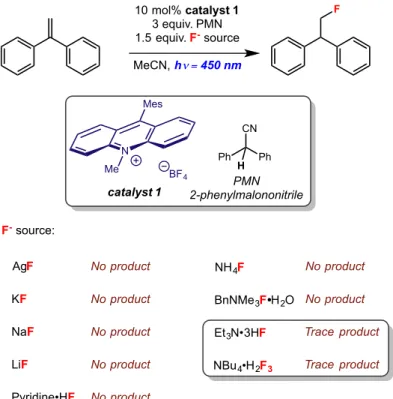
Figure 2.14: Effects of the fluoride source on the anti-Markovnikov hydrofluorination of 1,1-diphenylethylene...43
Figure 2.15: Screen of solvent systems against the acridinium and pyrylium catalysts……….….45
Figure 2.16: Initial optimizations with β-Methylstyrene as a model substrate...46
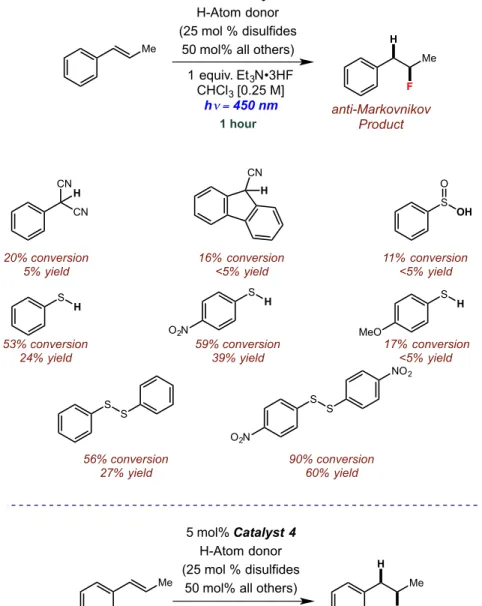
Figure 2.19: Effects of hydrogen-atom donor identity on anti-Markovnikov hydrofluorination...51
Figure 2.20: Acridinium catalyst screen versus three electronically distinct substrates...52
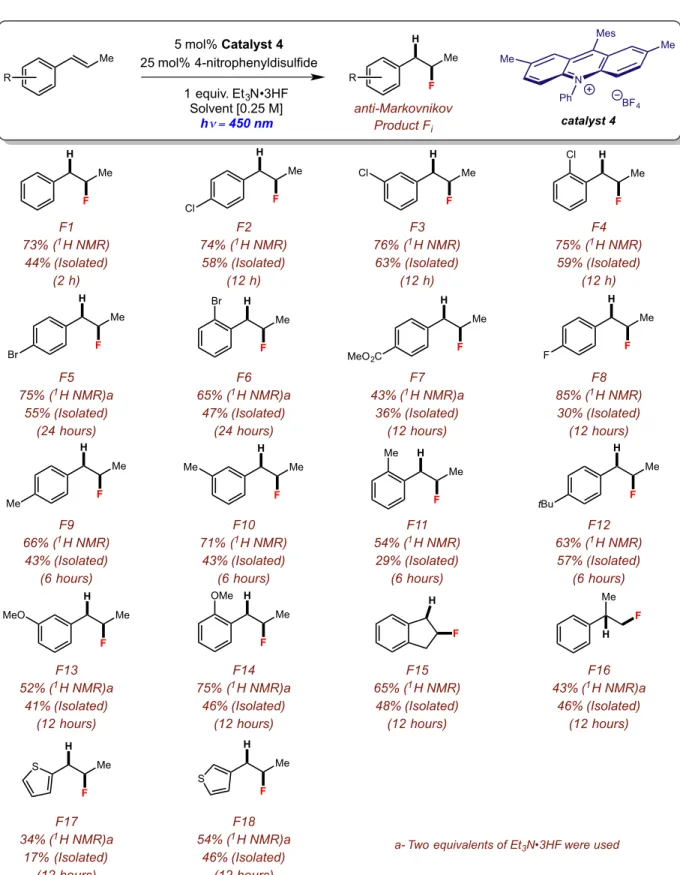
Figure 2.21: Reaction scope for the anti-Markovnikov hydrofluorination of styrenes...53
Figure 2.22: Hydrofluorination of methylcyclopentene...55
Figure 2.23: Proposed mechanism for the photoredox catalytic hydrofluorination of styrenes...55
Figure 2.24: Amine-HCl salts as chloride sources for the hydrochlorination reaction...57
Figure 2.25: Select examples of direct photoredox catalytic hydrochlorination of styrenes………….…..57
Figure 2.25: Select examples of direct photoredox catalytic hydrochlorination of styrenes………..59
Figure 2.27: Direct catalytic hydrooxysulfonylation of β-methylstyrene...60
Figure 2.28: Observing the hydration adduct...61
Figure 2.29: Probing the tosylate decomposition hypothesis...62
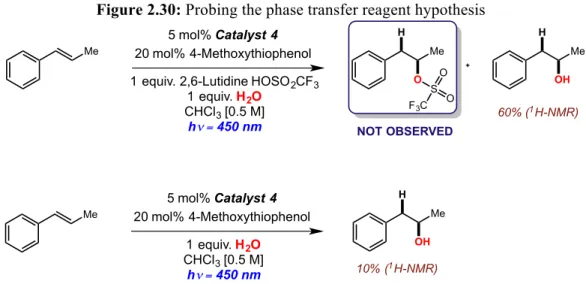
Figure 2.30: Probing the phase transfer reagent hypothesis...62
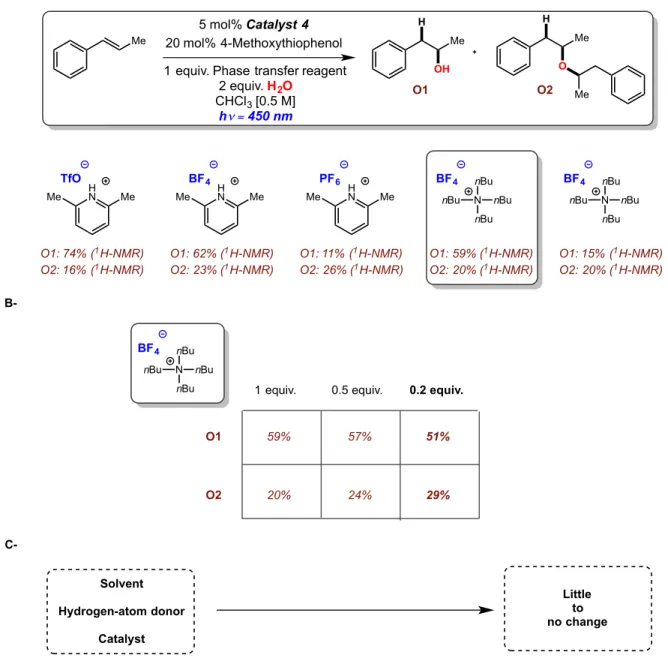
Figure 2.31: anti-Markovnikov hydration of β-methylstyrene using a phase transfer reagent...64
Figure 2.32: The direct catalytic anti-Markovnikov hydration of β-methylstyrene in water...65
Figure 3.1: The radical-cation mediated polar radical crossover cycloaddition...70
Figure 3.2: Synthesis of pyrrolidines via the polar-radical cycloaddition of lithium amides and α,β-unsaturated esters...71
Figure 3.3: Pyrrolidine synthesis via a Michael addition/5-exo radical cyclization sequence...72
Figure 3.4: Pyrrolidine synthesis via the olefin-aldehyde SOMO cycloaddition...73
Figure 3.5: Select examples of pyrrolidines synthesized via the SOMO cycloaddition...74
Figure 3.6: β-(Phosphatoxy)alkyl radical generated radical-cation PRCC reaction with allyl alcohol……….…….75
Figure 3.7: Tetrahydrofuran synthesis via the PRCC between allyl alcohol and β-phosphatoxy Barton esters………..76
Figure 3.10: Pd-catalyzed Oshima-Utimoto : select examples and proposed mechanism...81
Figure 3.11: Comparing our reaction design to previous methodologies. Photoredox catalysis would allow for fully substituted tetrahydrofurans from simple substrates……….82
Figure 3.12: Anethole and 4-methoxystyrene are unreactive towards prenol...83
Figure 3.13: Nitromethane is the preferred solvent and 2-phenylmalononitrile the preferred hydrogen-atom donor...85
Figure 3.14: Scope of the PRCC with allyl alcohol in regards to the alkene component...87
Figure 3.15: Scope of the PRCC with β-methylstyrene in regards to the alkenol component...88
Figure 3.16: PRCC of cis-butenediol and non-styrenyl alkenes and dienes...89
Figure 3.17: Assignment of the major diastereomer and Beckwith model for 5-exo radical cyclizations...91
Figure 3.18: Circumventing the low diastereoselectivity via a two-step PRCC followed by hydrogenation………..………...93
Figure 3.19: Proposed mechanism for the PRCC reaction of alkenes and alkenols...94
Figure 3.20: Testing the effect of H-Atom donors on the PRCC reaction between β-methylstyrene and N-allyl-trifluoromethanesulfonamide...,,,,,,,,,,,,,,,,,,,,,………,,,,...95
Figure 3.21: Testing the effect of nitrogen protecting groups on the PRCC reaction with β-methylstyrene...97
Figure 3.22: PRCC reaction between β-methylstyrene and N-Boc-methallyl amine...98
9-CNF 9-cyanofluorene
Å Angstrom
Ac Acetyl
Acr Acridine
Anethole 1-(4-methoxyphenyl)propene
Ar Aromatic substituent
β-Methylstyrene 1-Phenylpropene
b.p. Boiling point
BDE Bond dissociation energy
BET Back electron transfer
Bn Benzyl substituent
Boc Di-tert-Butyl dicarbonate
Bpy 2,2'-Bipyridine
Bpz 2,2'-Bipyrazine
Bz Benzoyl substituent
χ Pauling electronegativity value
Cinnamyl 3-Phenylpro-2-ene substituent
CMC Critical micelle concentration
COD 1,5-cyclooctadiene
COSY Correlation spectroscopy
CT Charge transfer
δ- Partial negative charge
d.r. Diastereomeric ratio
DCA 9,10-Dicyanoanthracene
DMSO Dimethyl sulfoxide
DPEphos Bis(2-diphenylphosphinophenyl)ether
DPPB 1,4-Bis(diphenylphosphino)butane
DPPP 1,3-Bis(diphenylphosphino)propane
Dtbbpy 4,4′-Di-tert-butyl-2,2′-dipyridyl
E1CB Elimination Unimolecular conjugate Base
EA Electronic affinity
ee Enantiomeric excess
Eox Oxidation potential
Equiv. Equivalents
Ered Reduction potential
GC Gas phase chromatography
HAT Hydrogen-atom transfer
IE Ionization energy
iPr iso-propyl substituent
Kcal Kilocalorie
LE Locally excited
Me Methyl substituent
MeCN Acetonitrile
MeNO2 Nitromethane
Mes Mesityl substituent
Mol Mole
NMR Nuclear magnetic resonance
NOESY Nuclear Overhauser effect spectroscopy
nPr propyl substituent
Ns 4-nitrobenzenesulfonyl substituent
Nu Nucleophile
ºC Degrees Celsius
Ox Oxidant
PET Photo-electron transfer
PG Protecting group
Ph Phenyl
pH Decimal logarithm of hydronium ion concentration
Phen Phenanthrene
Phth Phthalyl substituent
pKa Decimal logarithm of dissociation constant
PMB 4-methoxybenzene
PMN 2-Phenylmalononitrile
Ppy 2-(2'-Pyridyl)phenyl substituent
Pr Propyl substituent
PRCC Polar radical crossover cycloaddition
Prenol 3-Methyl-2-buten-1-ol
PTOC Pyridine-2-thione-N-oxycarbonyl
Pyr Pyridine
SCE Saturated calomel electrode
SN2 Substitution nucleophilic bi-molecular
SOMO Singly occupied orbital
TBA Tetrabutyl ammonium
TBS Tri-tert-butyl silyl substituent
tBu tert-Butyl substituent
TEDA 1,4-diazabicyclo[2.2.2]octane
TEMPO (2,2,6,6-tetramethylpiperidin-1-yl)oxidanyl
Tf Trifluoromethylsulfonyl substituent
TFA Trifluoromethyl acetate
TFE Trifluoroethanol
THF Tetrahydrofuran
TPT 2,4,6-Triphenylpyrylium tetrafluoroborate Triflate Trifluoromethylsulfonate
Ts 4-methylbenzenesulfonate
In recent years photoredox catalysis has emerged as a promising and increasingly popular mode
of catalysis in organic synthesis1,2. Interest in developing novel photocatalytic transformations was spurred by the rediscovery of transition metal complexes that are excited by visible light, and promote
single-electron transfer (SET) processes with a variety of functional groups. Ruthenium polypyridyl
complexes are perhaps the most notable among these, and while for decades their use has been
widespread in inorganic chemistry, it was not until 2008 with reports by the Yoon3 and Macmillan4 groups that these catalysts found a more lasting home in the synthetic chemist’s toolbox.
If SET processes are among the simplest elemental steps in chemistry, the effect of adding or
removing an electron from a substrate molecule is substantial. The power of photoinduced
electron-transfer (PET) reagents lies in their unusually high reducing or oxidizing potentials when compared to
their ground state counterparts, and in their capacity to reverse a substrate’s polarity. The promotion of
Umpolung behavior allows for the interaction between molecules of initially mismatched polarities,
giving rise to new transformations that would otherwise be inaccessible.
Although successful PET-promoted transformations have relied on either redox pathways to
activate a variety of functional groups, reactions proceeding through the oxidation of olefins would be of
particular interest. Alkenes are a common, readily available feedstock, and their use as synthetic
intermediates is well established. As a result, novel methodologies allowing for their direct
functionalization under generally mild and catalytic conditions would find a wide audience in the
synthetic community.
1.1 One-Electron Oxidation of Olefins
Me Me F Br Me Me Me Me Br OMe OMe Me Me Me Cl Cl Cl Me
MeO2C
Me MeO Me Me Me Me Me Me Me Me Me tBu S O O MeO MeO 1.62 1.79 1.76 1.71 1.20 1.55 1.21 1.79 1.95 2.00 1.28 1.66 1.54 2.03 1.68 1.69 1.70 1.77 1.81 1.98 2.00 Me Ph 1.80 1.60 Me 1.81 2.39 2.41
Substrate Ep/2 (V vs SCE) Substrate Ep/2 (V vs SCE) Substrate Ep/2 (V vs SCE) Substrate Ep/2 (V vs SCE)
Me Me Me 2.08 Me Me 2.16 OH
Me Me 2.56
O
1.58
Measurements performed on a platinum disk electrode with a 3M NaCl Ag/AgCl reference electrode
synthetic and analytical purposes. Common synthetic strategies include direct photochemical electron
ejection6, chemical one-electron oxidation7 (Figure 1.1), anodic oxidation8,9, heterolysis of
β-substituted
radicals10 and photo-induced electron transfer11.
Figure 1.1: Chemical one-electron oxidation of olefins
Cyclic voltammetry is usually invoked in order to assess the likelihood of generating a
radical-cation from a given olefin substrate12. Even though electron transfers occurring at the surface of an electrode are only but a rough approximation for bimolecular events occurring in solution13, half-peak
potentials extracted from electrochemical experiments allow for the comparison of substrates in regards to
their susceptibility towards oxidation. In addition to common factors influencing the thermodynamics of a
system, the half-wave oxidation potentials measured for irreversible processes are dependent on the
experimental sweep-rate14 used to generate the voltammogram. Consequently, since the electrochemical oxidation of olefins is an irreversible process, a direct and rigorous comparison of potentials collected
from different sources in which data was extracted under different conditions is difficult.
In order to create a consistent reference within the Nicewicz laboratory, the half-peak oxidation
potential for a variety of alkenes was measured and used for comparisons. Potentials were reported versus
a Saturated Calomel Electrode (SCE; converted from measurements against Ag/AgCl) for mono-, di-, tri-
and tetra-substituted styrenyl and aliphatic olefins and listed in Table 1. As can be observed, different
substitution patterns have a strong effect on the oxidizability of a given C-C πbond. More substituted
olefins are more easily oxidized as can be witnessed by the drop in oxidation potential when going from
cyclopentene, whose half-peak oxidation potential is Ep/2 = 2.39 V vs. SCE, to 1-methylcyclopentene, Me
O Me
Me
O Me Ox.
amenable to oxidation, as typified by 4-chloro-β-methylstyrene with Ep/2 = 1.79 V vs. SCE, compared to
4-methyl-β-methylstyrene with Ep/2 = 1.62 V vs. SCE, i.e. a difference of 170 mV or ~ 4 kcal•mol-1.
Finally, conjugation is a strong contributing factor. This feature is better highlighted when comparing the
potentials of the alkyl 1,2-disubstituted cyclohexene (Ep/2 = 2.41 V vs. SCE) and the styrenyl
1,2-disubstituted β-methylstyrene (Ep/2 = 1.68 V vs. SCE). Interestingly, the oxidation potential measured for
2-methyl-β-methylstyrene (Ep/2 = 1.79 V vs. SCE) is higher than that of β-methylstyrene. This is likely
caused by a significant loss of planarity and conjugation due to steric A1,5 interactions between the
2-methyl substituent (A value ~ 1.70 kcal•mol-115) and the C-C πbond.
The reactivity of alkene radical-cations is influenced by substitution patterns as well as electron
density around the πorbital. Using laser flash photolysis to measure the rate constants of radical-cation
mediated cycloadditions16, the Johnston group was able to probe the effects of alkene structure on the reactivity of their oxidized congeners. Even though the results thus compiled correspond to a specific
mode of reactivity (interaction with πbasic reagents), they serve as a good guide for the general reactivity
of radical-cations towards nucleophiles. In particular, it was shown that more electron-rich olefins yield
less reactive radical-cations. Additionally, β-substitution was also established to negatively influence the
reactivity of the studied intermediates. Consequently, there exists inverse correspondence between the
oxidation potential of a given olefin and the reactivity of its corresponding radical-cations towards
nucleophiles. Very electron rich olefins are more susceptible to oxidation but also afford less reactive
radical-cations.
1.2 Principles of photoredox catalysis
The thermodynamic feasibility of a redox process can be estimated via equation (1), where ∆! is
the difference in free energy, ! is the number of electrons exchanged, ! is the Faraday constant, !!"# is
the reduction potential of the oxidant and !!" is the oxidation potential of the reductant.
Therefore, exergonic redox processes are those for which the difference (!!"#−!!") is positive. In other
terms, powerful oxidants possess highly positive reduction potentials whereas strong reductants possess
negative oxidation potentials.
As previously described, the oxidation of most olefins occurs at elevated positive potentials. In
order to widen the scope of alkenes used to generate radical-cation intermediates a powerful one-electron
oxidant is required. Ground-state one-electron oxidants commonly encountered in organic chemistry
include ferrocene (Ep/2 = 0.47 V vs. SCE17), iron tris-phenanthroline (Ep/2 = 1.17 V vs. SCE18) and
tris-(4-bromophenyl)-aminium hexachloroantimonate (Ep/2 = 1.47 V vs. SCE19).
Figure'1.2:!Oxidizing!capabilities!of!one8electron!oxidants! ! ! ! ! ! ! ! ! ! ! ! ! !
! On Figure 1.2 a pictorial representation of equation (1) is given. An oxidant on the upper scale is
capable of generating radical-cations from substrates to its left on the corresponding bottom scale. The
previously listed ground-state oxidants are thermodynamically incapable of performing single electron
0 1 2 V vs. SCE
Ground-state Oxidants Photooxidants Stronger Oxidant Oxidizable Substrate 0.47 V Ferrocene 1.17 V Fe(Phen)3 1.47 V N Br Br Br
•+ SbCl6 -2.06 V N Me Me Me Me + BF 4
-1.20 V 1.68 V 2.03 V 2.39 V
Me O O Me * 1.45 V
Ru(bpz)32+ *
their scope. In order to achieve the oxidation of more synthetically useful substrates such as most
di-substituted styrenyl olefins, styrenes and tri-di-substituted aliphatic alkenes, photooxidants must be
employed.!
! The! ground8state! oxidants! most! commonly! encountered! in! organic! chemistry! possess!
reduction!potentials!below!~!1.20!V!vs.!SCE.!Near!1.20!V!vs.!SCE!most!reagents!are!organometallic!
or!inorganic!molecules,!aminium!salts!being!a!notable!exception.!Most!photooxidants!on!the!other!
hand,! usually! possess! negative! reduction! potentials! at! the! ground8state.! When! irradiated! with!
either! UV8! or! visible8light,! however,! they! become! powerful! oxidants! for! which! potentials! can! be!
above! 2.00! V!vs.! SCE.! The! reason! for! this! phenomenon! is! the! formation! of! an! excited8state! upon!
irradiation.!The!promotion!of!an!outer8electron!to!a!higher!energy!orbital!generates!a!vacancy!on!a!
lower!lying!SOMO,!which!is!capable!of!accommodating!an!electron!from!a!donor!molecule!(Figure'
1.3'–'A).!Although!solvent!and!the!formation!of!contact!ion!pairs!influence!the!energetics!of!charge!
transfer,!a!simple!model!for!this!transformation!can!be!derived!from!studies!in!the!gas!phase.!The!
free!energy!of!bimolecular!charge!transfer!in!the!gas!phase!is!dictated!by!the!difference!between!
the!ionization!energy!of!the!donor!molecule!and!the!electron!affinity!of!the!oxidant!(Equation!(2))20:!
∆! =!!!−!!!"!(2)!
where !!!!is the ionization energy of the donor and !!!" is the electron affinity of the oxidant. For an
excited-state acceptor, however, equation (2) becomes:
∆! =!!!−!!!" −!!"∗! 3
where !!"∗ is the electronic excitation energy of the oxidant and represents the energy to do work on the
electrons of Ox*, which assists in moving an electron from D to Ox*. To accommodate for processes
occurring in solution, the electrochemical potentials for the oxidation of D (!!•!/!) and reduction of Ox
(!!•!/!) are used instead of !!! and !!!", and are multiplied by nF to correct for units. Finally, a
∆! =!+!!!•!/!−!!!"•!/!−!!"∗!!!(4)!!
It follows from (4) that the larger !!"∗!is the more negative the free energy for electron transfer
becomes. In other terms, photosensitizers with elevated excited state energies are stronger oxidants.
Figure 1.3: A representation of excited-state electron transfer mechanisms
In solution, ground-state donors and excited-state oxidants may form an encounter complex prior
to electron transfer. The encounter complex, which has a lifetime of approximately 10-9s to 10-10s, consists of several layers of solvent (the inner most being the solvent cage) where reacting molecules are no more
than 7 Å apart (Figure 1.3 – B). Even though excitation of the oxidant is thought to occur before the
formation of the encounter complex, it is in its interior that reactants undergo both structural (nuclear) and
orbital changes. After restructuring, molecules collide and charge transfer occurs21. Following electron transfer, the contact pair is quickly stabilized by solvent molecules and separated. Depending on the
nature of the photooxidant and the solvent used, the products of charge transfer can become fully
solvated. In this case, the newly formed radical-cation can then interact freely with other reagents in the
Ox. Ox. hν Ox. Electron Transfer A B
Ox. = Oxidant D = Donor
Ox. s s s s s s s s s s D Ox. s s s s s s s s s s D Ox. s s s s s s s s D
Free molecules Encounter complex
Collision complex D D * Ox. D * Ox. D
ΔG≠
ΔG
C G
The kinetics of electron transfer can be rationalized by the Marcus theory of bimolecular charge
transfer22. This theory translates the assumption that, since the transfer of electrons occurs between orbitals on the donor and acceptor molecule, the electronic flow must be highly dependent on nuclear
reorganization as well as orbital overlap. It stipulates that the kinetics of quenching by electron transfer is
dictated by two potential energy surfaces, that of the initial state, where a ground-state molecule interacts
with an excited-state sensitizer, and that of the final state, consisting of the radical-ion pair (Figure 1.3 –
C). At the intersection of the two surfaces lies the transition state, a distorted molecular state, which
precedes the electron transfer event. The reacting pair advances towards this intersection by exploring
possible configurations before reaching the ideal arrangement for electron transfer. As an electron
transitions from one surface to another it “hops” from reactant to product.
Although organic chemists are seldom familiar with photochemistry, the synthetic advantages of
using a photosensitizer versus a ground-state oxidant are multiple. In the next section two synthetic
examples that showcase these advantages will be discussed.
1.3 Representative examples of photoredox catalysis
As was discussed previously, photoredox catalysis relies on the ability of photo-activated
inorganic or organic sensitizers to interact with a substrate molecule via electron transfer. It is
advantageous to use photooxidants because of their elevated excited-state reduction potentials, which
cannot be attained prior to irradiation, thus making them bench-top stable and chemoselective.
Recent developments have focused on the use of inorganic photoredox catalysts to generate novel
transformations. For this reason, olefins have remained beyond the scope of most catalytic systems. Much
attention however, has been given to the oxidation of amines (Ep/2 = 0.7 V vs. SCE, for
N,N-dimethylanilne23) (Figure 1.4). The observation that the bond dissociation energy of a C-H bond in the
position α to nitrogen is greatly decreased upon one-electron oxidation of an amine, has allowed for the
development of reactions in which a quencher, responsible for regenerating the catalyst, can abstract a
Figure 1.4: α-Functionalization of amines via photoredox catalysis
The Stephenson group has conducted pioneering work on the α-Functionalization of amines. On
their seminal publication an aza-Henry reaction between nitromethane and a catalytically generated
iminium ion was disclosed24. The transformation proceeded with Ir(ppy)
2(dtbbpy)PF6 as the photoredox catalyst (E*
p/2 = 0.66 V vs. SCE25), while dioxygen was used as a quencher, turning over the catalyst via
oxidation. Superoxide, which is the product of the previous oxidation, may then abstract a hydrogen atom
at the α position of the amine radical-cation, thus generating the iminium ion intermediate. Finally,
addition of nitromethane anion furnished the aza-Henry adducts (1.1) (Figure 1.5).
This reaction manifold was used in conjunction with other catalysts such as Ru(bpy)3Cl2 (Ep/2 =
0.77 V vs. SCE26) to generate a variety of α-functionalized amines. Notable examples include the
products of a Mannich-type transformation, when enol silanes are employed as nucleophiles27 (1.2), as well as cyanation reactions28 (1.3), Friedel-Crafts with indole29 (1.4) and phosphonylation reactions30 (1.5). If in these reports the scope in regards to the amine electrophile was rather restricted, a variety of
Ox.
Nu
Q Photoredox catalyst Quencher
Nucleophile
light
N N
Nu
N
Ox. Ox.
Ox.
*
Q
Q
N
H H
H H
Q
Q H
N
Nu
N
showcasing the potential for versatility and complexity-building of photocatalytic systems.
Figure 1.5: Functionalization of amines via photoredox catalysis
The Yoon group has also utilized the oxidation of amines in synthetic processes. Their
contribution to the intramolecular3 and intermolecular31 [2+2] cycloaddition of enones was made possible by the use of Hunig’s base as a reductive quencher for the excited state of Ru(bpy)3Cl2. In order to
develop a [2+2] reaction under oxidative conditions, however, an electron relay co-catalyst had to be
employed. As previously discussed, (Ru*(bpy)32+) possesses an excited state reduction potential of 0.77 V vs. SCE. When methyl viologen was used as an oxidative quencher, the stronger ground-state oxidant
Ru(bpy)33+ (Ep/2 = 1.29 V vs. SCE) was accessed and used to generate alkene radical-cations. Upon
one-electron oxidation, the one-electron-rich olefin was capable in participating in an intramolecular [2+2]
cycloaddition with a tethered alkene. This mode of reactivity was employed by the Yoon group in the
development of the first [2+2] cycloaddition reaction that utilized the oxidative cycle of Ru(bpy)3Cl232 (Figure 1.6).
With a reduction potential of 1.29 V vs. SCE, Ru(bpy)33+ has just enough oxidizing power to
Nu N
Ph
1.0 mol% Ir(ppy)2(dtbbpy)PF6
MeNO2, visible light N Me O
O Nu =
5.0 mol% Ru(bpy)3Cl2
MeOH, visible light Nu =
Ph OTMS
1.0 mol% Ir(ppy)2(dtbbpy)PF6 1.2 equiv. KCN, 5 equiv. AcOH
MeCN, visible light Nu = KCN
3 equiv.
1.0 mol% Ir(ppy)2(dtbbpy)PF6
PhMe, H2O, visible light Nu = O P EtO OEt H 3 equiv.
1.0 mol% Ru(bpy)3Cl2 1 equiv. KOtBu, 3 equiv. BrCCl
3
DMF, visible light Nu = 5 equiv. N H N Ph N Ph O2N
methoxyphenyl and phenyl-substituted olefins were unable to yield the desired cycloadduct under Yoon’s
conditions. Therefore, although the previously described examples indeed testify to the synthetic
versatility of photoredox catalysis, they also demonstrate the need for the use and design of more
powerful photooxidants.
Figure 1.6: Oxidative [2+2] cycloaddition using Ru(bpy)3Cl2
1.4 Organic dyes as powerful photooxidants
The previous examples established the need for more powerful photooxidants. However, when
comparing different sensitizers for their potential use as practical SET oxidants, a few properties other
than excited-state reduction potential should also be compared. Common properties include excitation
wavelength, quantum yield, excited-state lifetime and chemical stability. For many years, cyanoaromatic
compounds have constituted the most important group of organic PET sensitizers. These molecules
possess excited-state reduction potentials usually far above 2.00 V vs. SCE21,33. However, with the notable exception of 9,10-dicyanoanthracene (DCA) all synthetically useful cyanoaromatic derivatives absorb in
the UV region of the light spectrum. This information alone would limit their widespread usage, since the
use of UV light necessitates the employment of specialized glassware and instrumentation. In addition to
Ru(bpy)32+*
Ru(bpy)32+ Ru(bpy)33+
hν MeN NMe MeN NMe O Ph MeO O Ph MeO
(MV2+) (MV•+)
(MV•+)
(MV2+) O H H Ph MeO 89% yield > 10:1 d.r.
O H H Ph O H H Ph O H H Ph OMe MeO
73% yield
participate in back-electron transfer (BET). BET is the reverse reaction of the productive SET. BET is
more likely to occur with neutral sensitizers because they become negatively charged upon oxidation of
substrate molecules. The ion pairs formed between these reduced photooxidants and the newly formed
radical-cations are strongly bound by ionic interactions, especially in less polar solvents, which facilitate
back electron transfer rather than dissociation of the pair. For these reasons, organic dyes that are
positively charged and absorb visible light have recently emerged as good substitutes for cyanoaromatic
sensitizers.
Two classes of organic photooxidants will be discussed in the following section,
2,4,6-triarylpyrylium tetrafluoroborates and 9-mesityl-10-methylacridinium. 2,4,6-Triphenylpyrylium
tetrafluoroborate (TPT) has been the focus of several reviews34–36, which thoroughly described the physical as well as chemical properties of this photooxidant. TPT is an efficient PET sensitizer that can
operate in both the singlet and triplet excited-state regimes (Figure 1.7-A). The singlet state possesses a
lifetime of 2.9 ns with an excited-state reduction potential of 2.5 V vs. SCE, while the triplet-state
operates at 2.0 V vs. SCE with a lifetime of up to 10 µs. It possesses a strong absorption band at 417 nm
(visible region), which allows for the selective excitation of the photosensitizer in the presence of
common organic chromophores that absorb in the UV region of the light spectrum. TPT has a modular
synthesis from acetophenone and benzaldehyde using boron trifluoride, which allows for the facile
construction of many aromatic substituted derivatives. Depending on the electronic properties of the
aromatic substituents (electron-donating or electron-withdrawing) the photochemical properties of the
TPT derivatives can be easily tuned. Owing to these properties, TPT derivatives have been employed as
catalysts in a variety of transformations, ranging from cycloadditions37 and cycloreversions38 to oxygenation reactions39.
The pyrylium salts have been tested as potential catalysts for the transformations described in the
following chapters. For this reason a brief discussion of their properties was included herein. However,
9-mesityl-10-Lewis acids in their excited-state and showcase diminished electron-transfer reactivity when nucleophilic
deactivation is possible. In the case of mesityl-10-methylacridinium, on the other hand, sterics at the
9-position protect the acridinium chromophore from attack by nucleophiles. This is due to the conformation
adopted in solution, which positions the sterically encumbered 9-mesityl-substituent perpendicular to the
acridine polycycle (Figure 1.7-A).
Figure 1.7: Organic photoredox catalysts
In 2003 Fukuzumi and co-workers disclosed the synthesis and characterization of the
electron-transfer reagent 9-mesityl-10-methylacridinium40, which absorbs light at 470 nm. In their initial report, an argument was made for the existence of a charge-transfer state (CT) with a lifetime of up to two hours at
ClO4 N Me Me Me Me O BF4 R R R
R = OMe E*red = 1.74 V vs. SCE R = Me E*red = 2.02 V vs. SCE R = H E*red = 2.27 V vs. SCE
2,4,6-Triarylpyrylium Tetrafluoroborate 9-Mesityl-10-methylacridinium perchlorate MesAcr-ClO4
E*red = 2.18 V vs. SCE
E*red = 2.06 V vs. SCE
LES
CTS Nu
5 mol% MesAcr-ClO4 50% HBr
O2, MeCN, hν = 450 nm OMe OMe OMe OMe Br hν MesAcr-ClO4 MesAcr-ClO4 MesAcr-ClO4 * • OMe OMe OMe OMe O2 O2 HBr H+
HO2•
HO2• H2O2 OMe OMe
Br
B-could occur via the formation of a radical-cation on the 9-mesityl-substituent (Mes•+) and a radical on the
acridine backbone (Acr•). According to the crystal structure of the dye, the 9-mesityl-substituent was
shown to form an angle of nearly 90º with the acridine, so that little π overlap was possible in the
charge-separated species. For this reason, decay to the ground state was believed to be slow. There is, however,
much debate surrounding the photophysical properties of 9-mesityl-10-methylacridinium. In particular,
the nature of the possible excited-states as well as their corresponding lifetimes have been the subject of
reinvestigation41. Verhoeven and co-workers have put forth strong evidence for the existence of a singlet excited-state localized on the acridinium chromophore (LES) with a reduction potential of 2.18 V vs. SCE and a lifetime of 31 ns, a singlet CT state with a revised reduction potential of 2.06 V vs. SCE and a
lifetime of 6 ns as well as a triplet excited-state localized on the chromophore (LET) with a reduction
potential of 1.45 V vs. SCE and a lifetime of 30 µs at room temperature42. It would seem that all three
states could be responsible for electron-transfer with a suitable partner, thus making the identification of
the precise excited-state reduction potential rather difficult. For this reason, the nature of the excited-state
responsible for electron transfer with olefins is the object of ongoing investigation in the Nicewicz
laboratory. However, since olefins with high oxidation potentials have been shown to undergo electron
transfer with 9-mesityl-10-methylacridinium43,44, the excited-state reduction potential will be considered to be at least 2.06 V vs. SCE throughout the following chapters. In particular, Perkowski44 has shown through the successful anti-Markovnikov hydroacetoxylation of 2-methylbut-2-ene that
trialkyl-substituted olefins, which possess elevated oxidation potentials (~ 2.0 V vs. SCE, cf. Table 1), undergo
oxidation using this catalyst.
In 2011 a report by Fukuzumi and co-workers demonstrated that acridinium derivatives could be
used as efficient catalyst for photosynthetic applications45. In this example, the photocatalytic bromination of aromatic hydrocarbons was conducted under aerobic conditions (Figure 1.7-B). The transformation
Methoxy-substituted aromatic hydrocarbons as well as heteroaromatic compounds yielded brominated
products regio-selectively and quasi-quantitatively. Transient absorbance experiments were evoked to
elucidate the reaction mechanism, which was shown to proceed via the formation of aromatic
radical-cations. The subsequently formed acridine radical could be oxidized by dissolved dioxygen, thus
regenerating the catalyst.
This key precedent, which unequivocally demonstrated that acridinium derivatives could be
employed as photocatalysts to generate radical-cations, served as an indication that
9-mesityl-10-methylacridinium could be a catalyst of choice for the transformations that will be described in the
following chapters. These transformations involve the regioselective functionalization of olefins via the
addition of nucleophiles to alkene radical-cations.
Furthermore, we believe that the 9-mesityl-10-methylacridinium catalyst provides a template for
further catalyst development via substitution at the acridine polycycle or at the acridine nitrogen. We are
confident that these modifications could allow for the direct modulation of the catalyst’s photophysical
and chemical properties, which in the future could enable the functionalization of more challenging
(1) Prier, C. K.; Rankic, D. A; MacMillan, D. W. C. Chem. Rev. 2013, 113, 5322.
(2) Narayanam, J. M. R.; Stephenson, C. R. J. Chem. Soc. Rev. 2011, 40, 102.
(3) Ischay, M. A; Anzovino, M. E.; Du, J.; Yoon, T. P. J. Am. Chem. Soc. 2008, 130, 12886.
(4) Nicewicz, D. A; MacMillan, D. W. C. Science 2008, 322, 77.
(5) Tanko, J. M.; Phillips, J. P. J. Am. Chem. Soc. 1999, 121, 6078.
(6) Schmittel, M.; Burghart, A. Angew. Chemie Int. Ed. 1997, 36, 2550.
(7) Bauld, N. L.; Bellville, D. J.; Harirchian, B.; Lorenz, K. T.; Pabon, R. A.; Reynolds, D. W.; Wirth, D. D.; Chiou, H. S.; Marsh, B. K. Acc. Chem. Res. 1987, 20, 371.
(8) Moeller, K. Synlett 2009, 08, 1208.
(9) Moeller, K. Tetrahedron 2000, 56, 9527.
(10) Crich, D.; Suk, B. D. Top. Curr. Chem. 2006, 1.
(11) Mangion, D.; Arnold, D. R. Acc. Chem. Res. 2002, 35, 297.
(12) Weinberg, N. L.; Weinberg, H. R. Chem. Rev. 1968, 68, 449.
(13) Evans, D. H. Chem. Rev. 2008, 108, 2113.
(14) Bard, A. J.; Faulkner, L. R. Electrochemical Methods: Fundamentals and Applications; Wiley, 2000; p. 864.
(15) Carey, F. A.; Sundberg, R. J. Advanced Organic Chemistry, Part A: Structure and Mechanisms; Springer, 2008; p. 1200.
(16) Schepp, N. P.; Johnston, L. J. J. Am. Chem. Soc. 1996, 118, 2872.
(17) Batterjee, S. M.; Marzouk, M. I.; Aazab, M. E.; El-Hashash, M. a. Appl. Organomet. Chem. 2003, 17, 291.
(18) Schmittel, M.; Ammon, H.; Wöhrle, C. Chem. Ber. 1995, 128, 845.
(19) Bauld, N. L.; Stufflebeme, G. W.; Lorenz, K. T. J. Phys. Org. Chem.1989, 2, 585.
(20) Turro, N. J.; Scaiano, J. C.; Ramamurthy, V. Modern Molecular Photochemistry of Organic Molecules; University Science Books, 2010; p. 1120.
(23) Seo, E. T.; Nelson, R. F.; Fritsch, J. M.; Marcoux, L. S.; Leedy, D. W.; Adams, R. N. J. Am. Chem. Soc. 1966, 178, 3498.
(24) Condie, A. G.; González-Gómez, J. C.; Stephenson, C. R. J. J. Am. Chem. Soc. 2010, 132, 1464.
(25) Slinker, J. D.; Gorodetsky, A. a; Lowry, M. S.; Wang, J.; Parker, S.; Rohl, R.; Bernhard, S.; Malliaras, G. G. J. Am. Chem. Soc. 2004, 126, 2763.
(26) Juris, A.; Balzani, V. Helv. Chim. Acta 1981, 64, 2175.
(27) Zhao, G.; Yang, C.; Guo, L.; Sun, H.; Chen, C.; Xia, W. Chem. Commun. 2012, 48, 2337.
(28) Rueping, M.; Zhu, S.; Koenigs, R. M. Chem. Commun. 2011, 47, 12709.
(29) Freeman, D. B.; Furst, L.; Condie, A. G.; Stephenson, C. R. J. Org. Lett. 2012, 14, 94.
(30) Rueping, M.; Zhu, S.; Koenigs, R. M. Chem. Commun. 2011, 47, 8679.
(31) Du, J.; Yoon, T. P. J. Am. Chem. Soc. 2009, 131, 14604.
(32) Ischay, M.; Lu, Z.; Yoon, T. J. Am. Chem. Soc. 2010, 132, 8572.
(33) Bloom, S.; Knippel, J. L.; Lectka, T. Chem. Sci. 2014, 5, 1175.
(34) Miranda, M. A.; Gar, H. Chem. Rev. 1994, 1063.
(35) Martiny, M.; Steckhan, E.; Esch, T. Chem. Ber. 1993, 126, 1671.
(36) Balaban, A. T. Pyrylium Salts: Syntheses, Reactions, and Physical Properties!: Advances in Heterocyclic Chemistry; Supplement Two; Academic Pr, 1983; p. 434.
(37) Riener, M.; Nicewicz, D. A. Chem. Sci. 2013, 4, 2625.
(38) Rearrang-, C. X. X.; Yoiseenkoti, A.; Czeskis, B. A.; Rudashevskaya, T. Y.; Nesmeyanova, O. A.; Semenovskyf, A. V. 1981, 22, 151.
(39) Akaba, R. Tet. Lett. 1991, 32, 109.
(40) Fukuzumi, S.; Kotani, H.; Ohkubo, K.; Ogo, S.; Tkachenko, N. V; Lemmetyinen, H. J. Am. Chem. Soc. 2004, 126, 1600.
(41) Verhoeven, J. W.; Ramesdonk, H. J. Van; Zhang, H.; Groeneveld, M. M.; Benniston, A. C.; Harriman, A. Int. J. Photoenergy 2005, 07, 103
(44) Perkowski, A. J.; Nicewicz, D. a. J. Am. Chem. Soc. 2013, 135, 10334.
CHAPTER 2: ANTI-MARKOVNIKOV ADDITION OF HETEROATOM NUCLEOPHILES TO OLEFINS
The direct addition of nucleophiles across a C-C πbond is arguably one the most extensively
researched class of transformations in organic chemistry. These reactions usually occur upon treatment of
an electron rich olefin with reagents of the general form E-Nu, where E is an electrophilic partner such as
H+, Sn, BR2, Si, Hg and Nu is a nucleophile such as F-, Cl-, Br-, CN-, HO-, etc… Although the use of the
functionalizing reagent by itself is not uncommon, transition-metal catalysis can be employed to promote
or enhance the desired outcome. In most cases, however, when unsymmetrical olefins are employed, the
outcome of these transformations is the addition of the nucleophile at the Markovnikov position.
Reversing the regioselectivity of addition reactions is a particularly difficult task, and in the following
chapter, our efforts towards this goal will be discussed in detail. In particular, we wish to show how the
in-situ generation of alkene radical-cations allows for the reversal of the common Markovnikov
selectivity. The development of a direct catalytic anti-Markovnikov hydrofluorination of styrenes will be
the focal point of this chapter.
2.1 Understanding the Markovnikov regioselectivity
Markovnikov’s rule was developed to describe the addition of HX (X = Cl, Br, I) to
unsymmetrical olefins. The hydrohalogenations proceed via protonation and transient carbocation
formation, followed by rapid addition by the nucleophile. Under conditions that allow for this
transformation to occur, the rule states that: “When a hydro- carbon of unsymmetrical structure combines
with a halogen hydroacid, the halogen adds itself to the less hydrogenated carbon atom, that is, to the
carbon atom which is more under the influence of other carbon atoms.” In modern terms, the selection
rule indicates that nucleophiles will add to the position that best stabilizes the carbocation intermediate1,2.
first step, namely protonation of the olefin, is rate determining, with more unstable carbocation
intermediates giving rise to higher activation barriers. Due to stabilization via hyperconjugation, more
branched carbocations are lower in energy, although in the cases of benzylic and vinylic carbocations
electron delocalization also plays a major stabilizing role. The rates of formation of tertiary and
delocalized carbocations are therefore far greater than those usually observed for secondary and primary
carbocations. Since the energy barrier for the addition of a nucleophile to the high-energy carbocation
intermediates is low, the new carbon-heteroatom or carbon-carbon bond is formed preferentially at the
most stable position. Throughout the rest of this dissertation, this position will be referred to as the
Markovnikov position.
Olefins are a common, widely available chemical feedstocks, and the direct hydration,
hydroamination, and hydrohalogenation of olefins yield hydrocarbons that are of great interest to various
industries and areas of research. Over the years, the importance of both the Markovnikov and
anti-Markovnikov products of direct hydrofunctionalization reactions has been recognized, but for different
applications. Branched molecules are sought after as fine chemicals and starting materials for the
ones, are of growing interest to the chemical industry, where the demand for terminal aldehydes, alcohols
and amines runs in the millions of tons per year. Therefore, the development of more cost-effective
hydrofunctionalization reactions, which proceed with high regiocontrol, is a major challenge for modern
organic chemistry. In particular, catalytic transformations capable of yielding the “unnatural”
anti-Markovnikov regioisomer would be of great interest to the synthetic community.
2.2 Recent advances in anti-Markovnikov functionalization of olefins
The direct bromination of alkenes can yield the anti-Markovnikov product under radical
conditions, where peroxides are used as initiators. This transformation has been known for almost a
century, and yet no reliable catalytic alternatives have been devised since. In fact, this transformation,
which is taught at introductory-level organic chemistry courses, operates under very harsh conditions and
is limited in scope to the addition of hydrogen bromide; the other halogens are not prone to this mode of
reactivity. Usual alternatives to the addition of common nucleophiles to the anti-Markovnikov position
usually require two-step procedures such as stoichiometric hydroborations, hydrostannylations and
hydrozirconations3 followed by the desired hydration, halogenation or transition metal catalyzed
coupling.
The most widely used example of such a transformation involves the addition of boranes to
olefins, followed by oxidation and subsequent formation of the anti-Markovnikov alcohol. Due to steric
following steps occur with retention of configuration. Although the previously described transformations
are still of great use to synthetic chemists, they do suffer from several drawbacks (Figure 2.2).
The reagents used such as boranes, stannanes and Schwartz’s reagent are usually toxic and/or air
sensitive. Moreover, stoichiometric amounts are necessary to yield to desired products, thus generating
significant amounts of waste, which are difficult to recycle. On the other hand, the use of stoichiometric
amounts of oxidants such as peroxides pose their own safety issues. As such, these transformations are
not amenable to large-scale applications, and for this reason, the direct catalytic anti-Markovnikov
addition of nucleophiles to olefins remains one of the top ten unmet challenges in modern organic
chemistry. In recent years much attention has been given to solving this important problem, but so far few
research groups have achieved significant results in this direction. Hartwig and co-workers as well as
Grubbs and co-workers have found metal-catalyzed solutions to the regioselective hydroamination and
hydration of terminal styrenes respectively. Finally, the Nicewicz group has devoted an entire research
program to the development of transformations that utilize alkene radical-cations to achieve the addition
of various nucleophiles to a wide scope of olefins using organic catalysts.
In 2003 Hartwig and co-workers disclosed a transformation that yields hydroamination and
oxidative amination products with complete anti-Markovnikov selectivity from terminal styrenes4. The
transformation, which was catalyzed by 5 mol% [Rh(COD)(DPEphos)]BF4, yielded a mixture of
hydroaminated enamine products in two to three days depending on the substrate. Both electron-donating
and withdrawing groups can be tolerated on the phenyl substituent with yields generally ranging from
50% to 79%. Depending on the nature of the amine nucleophile used, the ratios of amine to enamine
(which was considered an undesirable side-product) could be somewhat modulated, although at least 20%
of the enamine product was obtained for most styrene and amine nucleophile combinations. In particular,
styrenes bearing electron-poor substituents gave overall low ratios of amine to enamine (Figure 2.3-A).
In order to explain these findings a tentative mechanism was proposed (Figure 2.3-B). Upon the
initial formation of either an N-H inserted or π-coordinated styrene complex, the azametallacyclobutane
elimination due to the lack of cis-hydrogens, undergoes reductive elimination to afford the desired amine
product. However, coordination of a second styrene molecule, an event known to be likely for
electron-poor olefins, opens the metallacycle to an intermediate that allows for both direct β-hydride elimination
and reductive elimination to products, as well as hydride insertion on the newly complexed vinyl arene.
The insertion equilibrium yields an intermediate that only has β-hydride elimination to the enamine as a
possible outcome. For this reason, electron-poor styrenes produced increased amounts of the undesired
product.
Figure 2.3: Rhodium-catalyzed anti-Markovnikov hydroamination of styrenes
LnRh H N R R
LnRh Ar
LnRh N R R Ar N H R R Ar Ar H
LnRh H Ar N R R Ar RhLn N R R Ar Ar Me Favored for electron deficient Ar
N Ar R R N Ar R R N Ar R R N Ar R R
Reductive Elimination = R. E. β-Hydride Elimination = β-H. E.
R. E. β-H. E.
R. E. β-H. E.
HNRR' Ar N
Ar R R N Ar R R 5 mol% [Rh(cod)(DPEphos)]BF4 Toluene, 70 ºC
DPEphos = O PPh2 PPh2 A B N O N O N O N NBoc Cl MeO
71% yield A:B =75:25
71% yield A:B =85:15
53% yield A:B =96:4 48% yield A:B =60:40 A- B- C-Ph NHMe 5 mol% [Rh(cod)(DPPB)]BF4
THF, 80 ºC
N
Ph
76% yield A:B =60:40 Me
N
Ph Me
Later on, the previous methodology was further expanded to allow for the anti-Markovnikov
hydroamination to occur intramolecularly5, with 1,1-disubstituted vinyl arenes as substrates (Figure
2.3-C). In this case, the nature of the catalytic system had to be revisited to counter possible
rhodium-catalyzed olefin isomerization. It was found that by switching the ligand on the cationic rhodium center
from DPEphos to DPPB (1,4-Bis(diphenylphosphino)butane) the intramolecular reaction proceeded in
high yields and increased amine to enamine ratios.
Figure 2.4: Ru-catalyzed hydroamination of styrenes
In a later report the Hartwig group further demonstrated that ruthenium could also promote the
intermolecular anti-Markovnikov hydroamination of styrenes, with the marked advantage of completely HNRR' Ar
5 mol% Ru(cod)(2-methylallyl)2
7 mol% DPPPent 10 mol% CF3SO3H
Dioxane, 100 ºC
N Ar R R' N O N nHexyl Me N Bn Me N O N N O O MeO
F3C
Me
96% yield 63% yield 50% yield
91% yield 51% yield 40% yield
(COD)Ru Me
Me
DPPPent TfOH
Ru PPh2 Ph2P
TfOH
Ru PPh2 Ph2HP
B-suppressing enamine formation. Ru(COD)(2-methylallyl)2 was used as a catalytic precursor, DPPPent
(1,1’-Bis(diphenylphosphino)pentane as the ligand and triflic acid as a co-catalyst6. A variety of cyclic
and acyclic amines were shown to undergo the transformation efficiently with both electron-rich and
electron-deficient vinylarenes (Figure 2.4-A). Mechanistic investigations later showed that the ruthenium
catalyzed reaction proceeds via a different mechanism than that disclosed for the rhodium-catalyzed
transformation7. A η6-styrene complex was shown to be an important catalytic intermediate, key in
activating the alkene towards the anti-Markovnikov nucleophilic addition of the amine. C-N bond
formation is followed by regeneration of the η6-styrene intermediate and release of the product via
π-arene exchange (Figure 2.4-B). Although this impressive transformation yielded the desired
hydroaminated adducts in high yield and regioselectivity, the pre-requisite formation of the η6-styrene
ruthenium complex prevented the use of aliphatic alkenes as successful substrates under these conditions.
A complementary transformation, reported by Buchwald and co-workers, further advanced the
field of metal-catalyzed hydroaminations by promoting the anti-Markovnikov addition of dialkyl-N-OBz
amines to aliphatic alkenes. The catalytic system utilizes a copper complex in conjunction with
dimethoxymethylsilane as a hydride source8. Although the transformation produced the Markovnikov
isomer from styrenyl olefins, terminal aliphatic olefins were functionalized at the anti-Markovnikov
position.
Previous work in the field of anti-Markovnikov hydrofunctionalization has not been, however,
restricted to hydroaminations. In 2011 Grubbs and co-workers reported the first reliable catalytic system
for the hydration of terminal styrenes. Their strategy involved the use of a dual catalytic system capable
of combining an oxidative and a reductive cycle in the same pot. It was based on known precedent for
Wacker-type, PdCl2-promoted oxidations being conducted in the presence of water, and for certain metal
hydrides (MH) to reduce carbonyl compounds in the presence of metal alkoxides. The guiding principle
for the transformation relied on the combination of these two cycles, with the first being responsible for
aldehyde to the alcohol (Figure 2.5-A).
Figure 2.5: Pd/Ru-catalyzed hydration of styrenes
The mechanism of the transformation was shown to perfectly articulate the dual catalytic system,
and the term triple relay catalysis was coined to explain its most important features. In the presence of
tBuOH the substrate undergoes a Pd-catalyzed oxidation to yield tButyl vinyl ether. Due to the increased
OtBu O H OH O O OH OH tBuOH Me Me OH Me Me O
H2O + H+
tBuOH Pd Ru Pd Ru = =
PdCl2(CH3CN)2
R OH
R R
10 mol% Shvo's catalyst 10 mol% PdCl2(CH3CN)2
20 mol% CuCl2 0.8 equiv. Benzoquinone
iPrOH/tBuOH 1:2 A B H2O
Me
OH
OH OH OH
OH
OH OH
Me F
O2N
84% yield A:B = >20:1
71% yield A:B = >20:1
71% yield A:B = >20:1
71% yield A:B = >20:1
71% yield A:B = 1:2.1
71% yield A:B = 1:1.4
B-size of tBuOH, the linear vinyl ether is formed preferentially, which explains the anti-Markovnikov
selectivity. The oxidation step also generates one catalytic equivalent of acid (HCl and hydroquinone) per
turnover, which in the presence of water converts the vinyl ether to the corresponding aldehyde. The
aldehyde is reduced by the second catalytic cycle via ruthenium-catalyzed transfer hydrogenation (Figure
2.5-B) using Shvo’s catalyst. Finally, CuCl2 was employed to assist in the re-oxidation of the palladium
catalyst and to prevent direct reduction of the alkene to the corresponding alkane by the transfer
hydrogenation catalyst.
The optimized system was shown to catalyze the anti-Markovnikov hydration of a wide scope of
terminal styrenes. Both electron-deficient and electron-rich vinylarenes underwent the desired
transformation in good yields and excellent regioselectivity, favoring the anti-Markovnikov product.
Unconjugated olefins also underwent hydration, but with diminished regioselectivity. For all aliphatic
substrates reported, the Markovnikov alcohol was formed preferentially over the anti-Markovnikov
product (Figure 2.5-A).
The previously described transformations show that there is precedent for the direct catalytic
anti-Markovnikov functionalization of olefins using amine and alcohol nucleophiles. There is, however, a
great need for complementary reactivity; in particular for transformations that allow for the
anti-Markovnikov addition of a wider variety of nucleophiles under metal-free conditions.
2.3 Utilizing alkene radical-cations for anti-Markovnikov functionalization
Pioneering work done by the Gassman group showed that alkene radical-cations were capable of
interacting with nucleophiles at the anti-Markovnikov position9.
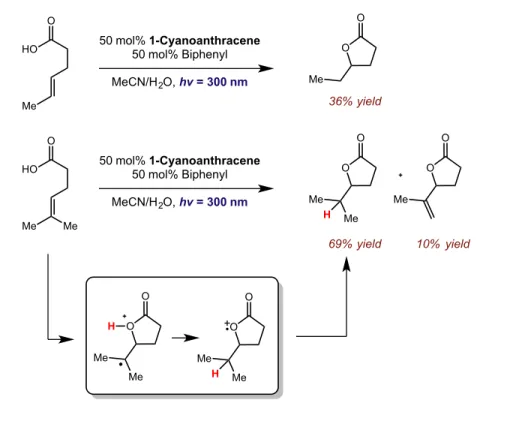
The study of a photoinduced lactonization helped shed light on the mechanism by which alkene
radical-cations are intercepted. A tri-substituted aliphatic olefin with a pendant propanoic acid substituent
underwent 5-exo-trig cyclization upon single electron transfer with a photosensitizer. Interestingly, the
new carbon-oxygen bond was formed exclusively at the anti-Markovnikov position (Figure 2.6).
Although stoichiometric amounts of the 1-cyanoanthracene sensitizer were employed for this
examples presented by Gassman served as a clear precedent for the possibility of utilizing radical-cations
for anti-Markovnikov functionalizations.
Figure 2.6: Intramolecular photoinduced lactonization
The photochemical nucleophile-olefin combination, aromatic substitution reaction
(photoNOCAS) developed by Arnold and co-workers helped further define the mode of reactivity of
alkene radical-cations10 (Figure 2.7). The photoNOCAS reaction occured upon irradiation of
1,4-dicyanobenzene followed by single electron transfer from the olefin to the singlet excited state of the
sensitizer. The resulting alkene radical-cation could then be intercepted by an alcohol nucleophile,
yielding a β−alkoxy alkyl radical, which readily recombined with the previously formed
1,4-dicyanobenzene radical-anion. The addition yielded, upon rearomatization, the product of aromatic
substitution. In this case, as in Gassman’s example, the nucleophile was added with high
anti-Markovnikov selectivity for most olefins.
The mechanism of this transformation was studied by density functional theory calculations in
order to determine the origin of the observed regioselectivity11. In particular, efforts were concentrated on
identifying the structural nature of the adduct formed upon encounter of the nucleophile with the alkene HO
O
Me Me
50 mol% 1-Cyanoanthracene 50 mol% Biphenyl
MeCN/H2O, hv = 300 nm
O O Me Me H O O Me HO O Me
50 mol% 1-Cyanoanthracene 50 mol% Biphenyl
MeCN/H2O, hv = 300 nm
O O
Me
36% yield
69% yield 10% yield
radical-cation. Calculations were conducted for the interaction between 2-methyl propene radical-cation
and methanol. It was proposed that the addition proceeds via the formation of a symmetrical
three-membered intermediate in which both the charge and spin densities were equally shared. It was
speculated that the weaker of the two C-O bonds breaks to yield a distonic radical-cation. The radical was
thus formed at the most stable position, while most of the charge density resided on the oxygen. This
valuable study showed that contrary to polar reactions, which lead to carbocation formation,
transformations proceeding via alkene radical-cations promote the formation of anti-Markovnikov
adducts instead.
Figure 2.7: Photo-NOCAS reaction
The pioneering chemistry discussed in this section, although impressive, lacked breadth and
variety in terms of the alkenes and nucleophiles that could be employed. Arguably, the photoNOCAS
reaction is the most practical of the two, but one is limited to the products of an aromatic substitution.
Perhaps more importantly, a photocatalytic solution to the problems investigated by Arnold and Gassman
was still lacking. The previously described examples did, however, set an important precedent for the
mode of reactivity we wished to investigate and expand on.
Me Me
HO Me
4.3 equiv. 1,4-Dicyanobenzene 4.3 equiv. biphenyl
MeCN, hv = 300 nm O
Me
Ar = CN
Ar Me Me CN CN * CN CN Me Me O Me H O Me Me Me •
- H+ O Me
Me Me NC CN 54% yield 1.1:1 d.r. Me Me
- e
-MeOH O H Me
•
Me
Me - H+ Me
Me • OMe
favored