THE RELATIONSHIP BETWEEN AGGRESSION AND DEPRESSION: TESTING THE MODERATING EFFECTS OF AGE AND GENDER
by
Benjamin P. Comer
A thesis
submitted in partial fulfillment of the requirements for the degree of
Master of Arts in Criminal Justice Boise State University
BOISE STATE UNIVERSITY GRADUATE COLLEGE
DEFENSE COMMITTEE AND FINAL READING APPROVALS
of the thesis submitted by
Benjamin P. Comer
Thesis Title: The Relationship Between Aggression and Depression: Testing the Moderating Effects of Age and Gender
Date of Final Oral Examination: 11 March 2019
The following individuals read and discussed the thesis submitted by student Benjamin P. Comer, and they evaluated his presentation and response to questions during the final oral examination. They found that the student passed the final oral examination.
Cody J. Jorgensen, Ph.D. Chair, Supervisory Committee Jessica Wells, Ph.D. Member, Supervisory Committee Lisa G. Bostaph, Ph.D. Member, Supervisory Committee
iv DEDICATION
v
ACKNOWLEDGEMENTS
I would like to extend my gratitude to Dr. Jorgensen. This thesis, especially the analytical components and statistical directions would not have appeared to me without your guidance and suggestion. It is because of you that I was able to empirically test what started out as a simple idea. I thank you for that. Thank you to Dr. Wells whose focus, clarity, and support brought this paper’s size down from a small encyclopedia to a
respectable academic thesis. We all would still be reading this thesis if it was not for your efficiency. I would like to thank Dr. Bostaph. Where do I begin? Everything in my journey here at Boise State has been made possible and fully supported by you. I am forever indebted to you. It is also possible that JoJo had a lot to do with my journey here, so I extend my gratitude to him as well. Thank you to all the Criminal Justice faculty at Boise State for answering my questions, for providing resources when I needed them (Dr. King and Dr. Walsh), and generally being supportive of my ideas and academic
vi ABSTRACT
The purpose of this thesis is to a) explore the research related to aggression and depression and b) test hypotheses that focus on the relationship between aggression and depression in relation to age and gender over time. Aggression and depression are discussed extensively by examining a broad range of literature that points to
environmental, social, individual, psychological, and biophysiological influences. First, aggression and depression are discussed separately in terms of their underlying theory, biosocial perspectives, typologies, behavioral and personality abnormalities, brain structures related to each, and neurochemical/neurological influences. The final sections of the literature review discuss how aggression and depression intersect as well as the research regarding age of onset for both behaviors. These subsections are meant to
provide the reader with different lenses through which to frame a deeper understanding of aggression and depression and to expose the reality that aggression and depression are highly complex behavioral outputs for which there are a multiplicity of causes. A methodological outline including hypotheses, research design, sample characteristics, measurements of aggression and depression and covariates, and an analytical strategy frame this study. Lastly, results from the analyses are reported and discussed,
vii
TABLE OF CONTENTS
DEDICATION ... iv
ACKNOWLEDGEMENTS ... v
ABSTRACT ... vi
LIST OF TABLES ... ix
LIST OF FIGURES ... x
LIST OF ABBREVIATIONS ... xi
CHAPTER ONE: INTRODUCTION ... 1
CHAPTER TWO: LITERATURE REVIEW ... 4
Theories Explaining Aggression ... 4
Biosocial Perspectives of Aggression ... 10
Aggression Typologies and Definitions ... 12
Behavioral/Personality Abnormalities ... 16
Brain Structures and Aggression ... 18
Neurochemicals and Aggression ... 22
Theories Explaining Depression ... 27
Biosocial Perspectives of Depression ... 33
Depression typologies and Definitions ... 36
Behavioral/Personality Abnormalities ... 40
viii
Neurochemicals and Depression ... 50
Intersectionality of Aggression and Depression ... 55
Aggression, Depression, and Age ... 61
CHAPTER THREE: METHODOLOGY ... 70
Research Design ... 70
Sample ... 71
Demographic Measures ... 72
Measures of Aggression ... 73
Measures of Depression ... 74
Analytical Strategy ... 75
Reliability and Validity ... 77
CHAPTER FOUR: RESULTS ... 83
CHAPTER FIVE: DISCUSSION ... 101
Limitations ... 104
Future Research ... 106
Conclusion ... 106
REFERENCES ... 110
ix
LIST OF TABLES
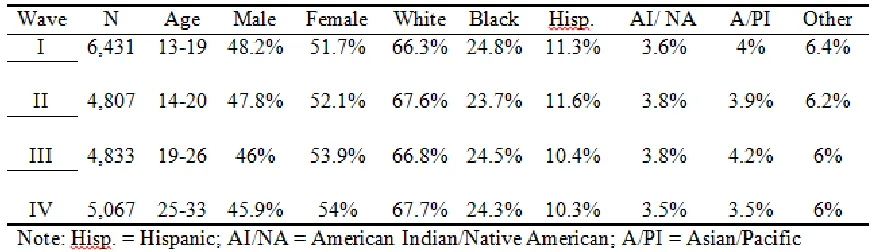
Table 3.1 Descriptive Statistics of Respondents’ Race/Ethnicity and Gender per
Wave ... 73
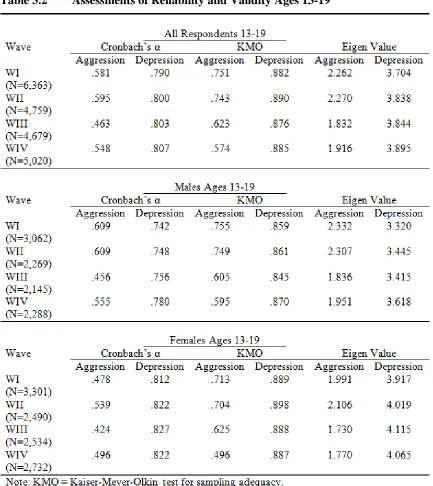
Table 3.2 Assessments of Reliability and Validity Ages 13-19 ... 79
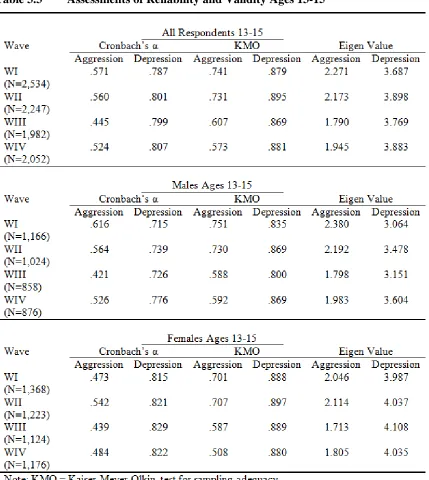
Table 3.3 Assessments of Reliability and Validity Ages 13-15 ... 80
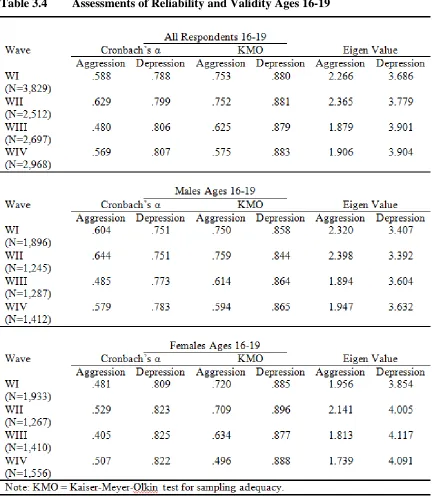
Table 3.4 Assessments of Reliability and Validity Ages 16-19 ... 81
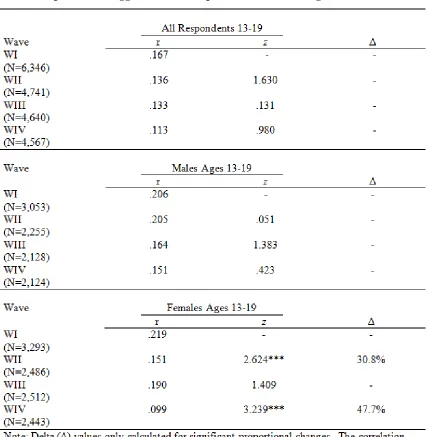
Table 4.1 Correlations, Z statistics, and Proportional Change in the Relationship Between Aggression and Depression over Time Ages 13-19 ... 84
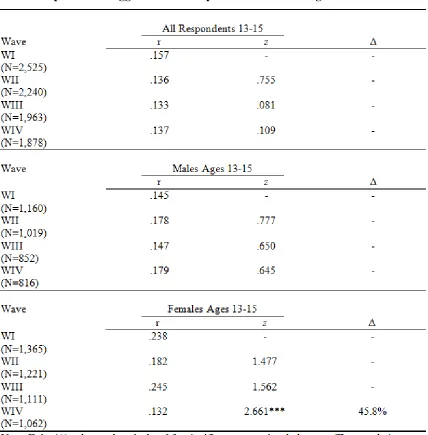
Table 4.2 Correlations, Z-Statistics, and Proportional Change in the Relationship Between Aggression and Depression over Time Ages 13-15 ... 87
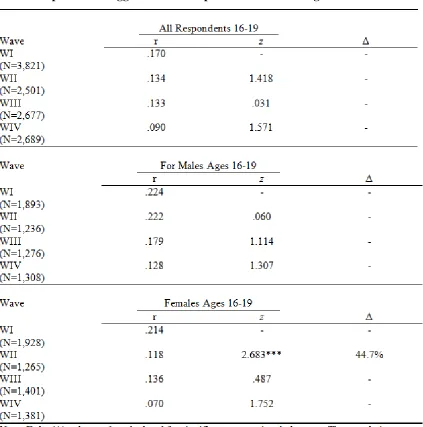
Table 4.3 Correlations, Z-Statistics, and Proportional Change in the Relationship Between Aggression and Depression over Time Ages 16-19 ... 91
Table 4.4 Regression Models Estimating the Multiplicative Effect of Biological Sex on the Relationship Between Aggression and Depression ... 94
Table 4.5 Regression Models Estimating the Multiplicative Effect of Age on the Relationship Between Aggression and Depression ... 96
Table 4.6 Regression Models Estimating the Multiplicative Effect of Biological Sex on the Relationship Between Depression and Aggression ... 98
x
LIST OF FIGURES
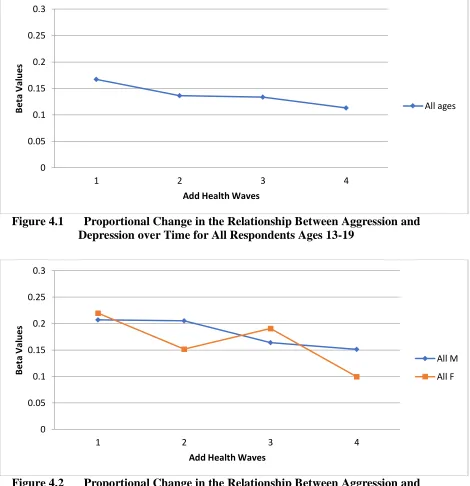
Figure 4.1 Proportional Change in the Relationship Between Aggression and
Depression over Time for All Respondents Ages 13-19 ... 85 Figure 4.2 Proportional Change in the Relationship Between Aggression and
Depression over Time for Males and Females Separated Ages 13-19 ... 85 Figure 4.3 Proportional Change in the Relationship Between Aggression and
Depression over Time for All Respondents Ages 13-15 ... 88 Figure 4.4 Proportional Change in the Relationship Between Aggression and
Depression over Time for Males and Females Separated Ages 13-15 ... 88 Figure 4.5 Proportional Change in the Relationship Between Aggression and
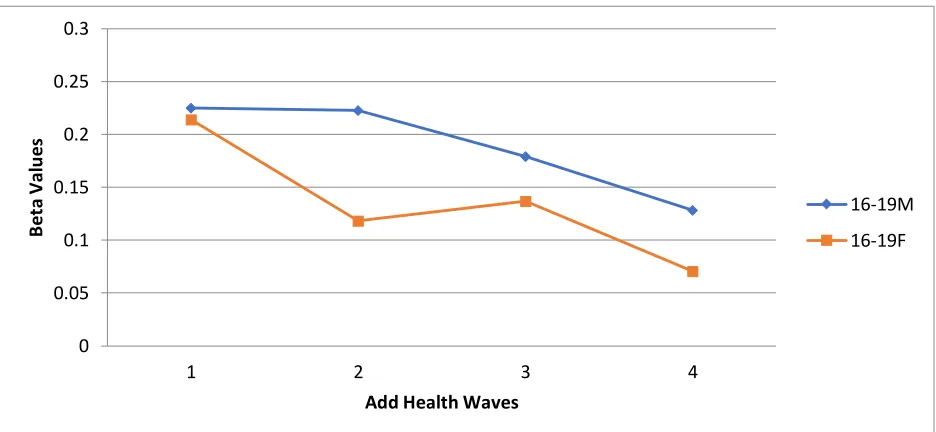
Depression over Time for All Respondents Ages 16-19 ... 92 Figure 4.6 Proportional Change in the Relationship Between Aggression and
xi
LIST OF ABBREVIATIONS
Ach Acetylcholine
ADD Attention Deficit Disorder
ADHD Attention Deficit Hyperactivity Disorder A-H-PAG Amygdala-Hypothalamus-Periaqueductal Grey ANS Autonomic Nervous System
ASB Antisocial Behavior
ASPD Antisocial Personality Disorder BIS Behavior Inhibition System
CD Conduct Disorder
GABA Gamma-Aminobutyric Acid
HPA Hypothalamic-Pituitary-Adrenal
LD Learning Disorder
MDD Major Depressive Disorder
MAO Monoamine Oxidase
NIMH National Institute of Mental Health ODD Oppositional Defiance Disorder
PFC Prefrontal Cortex
PIP Planned, Instrumental, Predatory
CHAPTER ONE: INTRODUCTION
Aggression is inherently intertwined in the nature of human beings and is, in some cases, a celebrated pastime. It is not uncommon to see a myriad of television shows, news, movies, documentaries, sporting events, and many others depicting human beings fighting and shedding blood for the sake of victory, honor, and reputation. UFC fighters battle against each other in the octagon for a shot at a title belt. Television shows like
Dexter glorify a psychopathic killer who only kills the bad people. Overzealous fans attend sporting events and erupt with cheers and screams when fights break out between the players. Movies like those recently released by the Marvel Universe depict stories of the tragic hero (or group of tragic heroes) who engage in explosive violence and
bloodshed for the sake of humanity. These conduits of aggression are of course nothing new to humanity and are eerily reminiscent of the gladiatorial games in the Roman coliseum, put on by emperors to appease the plebian masses. As Erich Fromm (1973) wisely noted, “scenes of bloodshed and cruelty . . . are the staple diet fed to the public by
Depression, in contrast, is certainly not a celebrated past time as it actually represents the bane and tragedy of many people’s existence. Depression poses a series of
physiological, mental, and emotional health problems that afflict people of every age, race, status, and walk of life. The National Institute of Mental Health (NIMH) (2018) estimated that in the year 2016, approximately 16.2 million (6.7% of the population) adults in the United States experienced a major depressive episode. Prevalence and risk for depression was highest among females, and the age bracket with the highest reported number of depressive episodes was 18 to 25 years of age. Of the 16.2 million individuals who experienced depression, approximately 10.3 million adults (4.3% of the population) experienced a major depressive episode with severe impairment (NIMH, 2018). These figures are quite staggering and suggest that depression is a serious issue affecting people in the U.S. Similar to perceptions and understandings of aggression, people in general may have some idea of what depression is and what it feels like to experience it. However, the deeper underpinnings of depression and its symptoms are likely less understood.
As such, the purpose of this thesis is to a) explore the research related to
influences. The final sections of the literature review discuss how aggression and depression intersect as well as the research regarding age of onset for both behaviors. These subsections are meant to provide the reader with different lenses through which to frame a deeper understanding of aggression and depression and to expose the reality that aggression and depression are highly complex behavioral outputs for which there are a multiplicity of causes. A methodological outline including proposed hypotheses, research design, sample characteristics, measurements of aggression and depression and
CHAPTER TWO: LITERATURE REVIEW
Criminology has historically been akin to a pendulum, such that theoretical propositions emerge as valid explanations, but then subside as other theories take precedence as better, more useful explanations. Many researchers have developed theories that attempt to explain why crime occurs and perhaps indirectly why criminals are aggressive before, during, and after their criminal actions. Criminology has
predominantly explained crime and criminality from social and environmental
perspectives. The purpose of this section is to give a broad overview of criminological theories that can be used to explain aggressive propensities in humans.
Theories Explaining Aggression
In their theory of differential association, Sutherland and Cressey (1960) contend that individuals learn to be criminals through interactions with other criminals.
Individuals differentially associate with other individuals and groups, and the values, beliefs, motivations, norms, and culture of these groups are learned by and transmitted to the individual, thereby reinforcing either favorable or unfavorable definitions that
facilitate or impede criminal behavior. Favorable definitions of criminality become living definitions in that the individual imbued with them begins to actualize them during social interaction. If an individual learns that aggressive responsivity is at the core of the
(Sutherland & Cressey, 1960).1 This theoretical viewpoint was further refined by Akers (1994) who expanded on differential association, definitions favorable to crime,
differential reinforcement, and imitation with the aim of describing the deeper mechanisms of the learning process. Akers (1994) defined differential association in more detail, identifying an interactional dimension where individuals have both direct and indirect interactions and associations with other individuals and a normative dimension in which patterns of normative behavior are learned through the process of association. Further, Akers (1994) added the concept of differential reinforcement, where individuals’ behavior generates perceived and real rewards and punishments resulting from the behavior through operant conditioning. If an individual not only perceives but actually experiences some form of external or internal reward for engaging in aggressive behavior, then aggression would likely become a common behavior within the individual.
Another branch of criminological theory which provides possible insight into aggressive behavior involves labeling, stigmatization, and how individuals respond to threats against the labels that have become intertwined with personal identity. Lemert’s (1952) labeling theory focused broadly on two categories of deviance: primary and secondary. Primary deviance is generally a result of sociopsychological factors. Individuals engaging in primary deviance are not necessarily committed to a criminal identity, and are influenced by cultural, social, and psychological factors. Secondary deviance refers to the attachment of criminal labels that reinforce a “master status” (Lemert, 1952). A master status refers to the assimilation of a strong, entrenched criminal
1 See Eron (1987), who argued aggression is learned through a four-staged process: 1) frustration
identity as a result of being perpetually caught, labeled, and stigmatized. Consequences of this labeling process may involve individuals deliberately behaving in alignment with the negative label because there are assumed rewards and penalties of doing so (Lemert, 1952). A good example of this process can be seen in individuals who consistently enter and exit prison, or who have been in prison so long that the culture, values, and lifestyle behind bars permeates the identity of the individual. This process is well known in criminological literature as prisonization. In these circumstances, aggression is a kind of currency in the prison atmosphere, and individuals often face circumstances where there is no choice but to be violent. In other cases, a prisoner or criminal has earned a
reputation for being overtly violent and violent reputations are equated with respect. Prisonization closely aligns with two other theoretical positions in criminology, including Anderson’s (1994) Code of the Streets and Messerschmidt’s (1993)
Masculinities and Crime. Anderson (1994) observed the culture among what he called street families and decent families in the urban ghetto which promoted the use of violence and aggression as a means to achieve street credibility or respect. The code by which both types of families lived by was based on respect, and when disrespect occurred,
individuals were encouraged to use violence in defense of their personal image and self-worth, as well as to regain respect which was perceived to have been lost. Respect, according to Anderson (1994), was not only attributed to the ideological components and characteristics of the individual but was also attributed to physical objects owned by the individual, such as cars, clothing, and generally symbols of personal wealth. The individuals most likely to adopt this code of respect or “juice” were most likely poor,
some form of discrimination. Messerschmidt (1993) had similar views, arguing that crime is a means used to achieve masculine status. Young men engage in a variety of criminal activities because they perceive authority and disrespect as a source of emasculation. Crime, in this sense, is the process of doing gender where any means deemed necessary are taken by the individual to distance themselves and their identities from anything feminine (Messerschmidt, 1993). Much of the violence that occurs in response to disrespect or feeling emasculated is a response to deep feelings of shame and humiliation. Gilligan (1996) stated “the purpose of violence is to diminish the intensity of shame and replace it as far as possible with its opposite, pride, thus preventing the
individual from being overwhelmed by the feeling of shame” (p. 111).2 Aggression from a sociological perspective, then, can be conceptualized as a response to an encroachment or diminution of personal appraisals of self-identity, impact, and self-worth.
Control theorists offer a different perspective, often highlighting the nature and impact of social bonds between people, familial dynamics, and parenting practices on bad behavior (Gottfredson & Hirschi, 1990). For example, Gottfredson and Hirschi (1990) stipulated that bad behavior can be attributed to poor parenting practices within the family. When children are young, impulsive, and are otherwise showing low self-control, behaviors and actions deemed to be bad will most certainly happen, and the failure of parents to correct these behaviors when they do happen will lead to the flourishing of detrimental, impulsive, insensitive, aggressive, risky, shortsighted, and nonverbal
2 “The emotion of shame is the primary or ultimate cause of all violence, whether toward others or
behavior. Thus, these theorists argue that greater control and monitoring of behavior during childhood is key for the development of self-control (Gottfredson & Hirschi, 1990).
Other theoretical positions that closely align with these perspectives fall within the branches of developmental/life-course theory and integrative theories. One idea in life-course theory centers on social institutions which provide both formal and informal social controls which generate prosocial bonds and stakes in conformity, ultimately leading to the desistance of criminal behavior (Laub & Sampson, 2003). In the most basic sense, changes in situational and structural life circumstances from childhood to
adolescence to adulthood (i.e., good marriage, stable job, positive individual behavior)3 serve as turning points in an individual’s life, resulting in criminal desistance. Of course,
the absence of stability, prosocial bonds, and stakes in conformity are thought to increase criminal activity, leading to a much longer persistence of criminal behavior across the individual’s life course (Laub & Sampson, 2003). In Why Criminals Offend: A General
Theory of Crime and Delinquency, Agnew (2005) sought to explain the dynamic relationships between five clustered variables (i.e., the self, family, schools, peers, and work). It is argued that each of these variables occupies a separate domain. As constraints are reduced in each domain, motivation for crime is increased. Each domain is
intertwined and interactive with the others, in varying degrees, and the relationships between them are nonlinear and contemporaneous (Agnew, 2005; see also Thornberry, 1987). Using developmental/life-course and integrative theoretical positions, aggressive
3 Marriage as a stake in conformity does not always produce prosocial outcomes. For example, a
behavior is a result of the absence of prosocial bonds or conflicting relational dynamics between the different domains of individual life. Without pillars of conformity optimally functioning in the dynamics of life, aggressive behavior is not tempered.
A pivotal development in developmental/life-course theory emerged when Moffitt (1993) unpacked the age-crime curve which depicts different trajectories of criminal behavior over the life-course among two distinct groups: adolescent-limited offenders and life-course persistent offenders. Among the adolescent-limited offenders, Moffitt (1993) argued that a maturity gap exists between biological maturity and social maturity. The maturity gap between individuals’ social and biological development, then,
deficits outlined by Moffitt (1993). Combined with other social and environmental factors, it is possible that some individuals who are extremely aggressive exhibit continuity in aggressive behavior as they age over the life-course.
Biosocial Perspectives of Aggression
In the early 1950s, Glueck and Glueck (1950), contrary to dominant sociological views of criminality, argued that no one theory can adequately explain criminal behavior, and an integrative approach that combines social, environmental, psychological, and biological elements would have higher explanatory power in identifying criminal traits. As such, this argument was one of the first to promote a biosocial perspective that recognized the power of integrating theory in the pursuit of explaining criminal and violent behavior. In their analysis of delinquent youth, these early theorists noted that many delinquents tended to have a mesomorphic body type (i.e., muscular and fit), and their temperaments were often marked by extroversion, impulsivity, aggression, and low self-control. Further, Glueck and Glueck (1950) alluded to the impact of heredity on delinquents, stating that, among the parents of delinquents, “There was a greater
incidence of emotional disturbances, mental retardation, alcoholism, and criminalism” (p. 55). Criminality, according to this view, is the result of convergence between physical characteristics, temperamental traits, intelligence, and social influences (Glueck & Glueck 1950; see also Englander, 2006, p. 98).
Moffitt, Silva, Stouthamer-Loeber, Krueger & Schmutte, 1994; Ellis & Walsh, 1997; Peskin, Gao, Glenn, Rudo-Hutt, Yang & Raine, 2013). For example, Ellis and Walsh (1997) suggest that to some extent, criminality is inherited. Genes likely contribute to the development of individual traits such as “pushiness” or “deception” because reproductive
success may, in part, depend on their use. Further, genes influencing aggression may also explain why some males reproduce offspring but invest minimal to no support in raising their offspring (Cads). Because females may be disinclined to mate with a male who they sense will not invest time and energy, Ellis and Walsh (1997) theorize that “cad males will use just about any tactic that works to coax, trick, and/or force numerous females to copulate . . .” (p. 69). From this perspective, aggression can be viewed as an
evolutionarily and genetically adaptive behavior designed to ensure that males
successfully spread their genes by prolifically mating with as many females as possible, by whatever means are necessary, up to and including violence.
Biosocial perspectives in criminology have further advanced theoretical understanding by probing a variety of physiological mechanisms thought to be
responsible for aggression, such as impulsivity, stress, self-control, intelligence, brain abnormalities, neurological deficits, and many more (Peskin et al., 2013). Peskin, Gao, Glenn, Rudo-Hutt, Yang, and Raine (2013) revealed that numerous studies involving health risks, genetics, neuroimaging, neuropsychology, psychophysiology, and endocrinology have identified multiple biological and physiological correlates in aggression and violent behavior. Furthermore, with the advancement in neuro-imaging techniques,4 structural deficits in the lobes of the brain, including the frontal and temporal
4 Neuro-imaging techniques use advanced medical technology that scan and measure different
lobes, have been found among individuals who exhibit antisocial symptomology and aggression.
Biosocial research on aggression (and similarly related behaviors) has also been advanced via neuropsychological studies which have shown that delinquent and criminal individuals, as well as those with serious aggressive behaviors, have executive cognitive function deficits, spatial and verbal deficits, and decreased intellectual function (Cohen, Brumm, Zawacki, Paul, Sweet, & Rosenbaum, 2003; Séguin & Zelazo, 2005). It has also been discovered that some aggressive individuals and criminals exhibit discrepancies in their autonomic nervous system (ANS) with evidence pointing to low arousal issues and hyporesponsivity or a diminished responsivity to stimuli (Peskin et al., 2013). Many different hormones, neurochemicals, and physiological abnormalities are considered culprits in aggressive behavior, including cortisol and glucocorticoids (which are particularly important in anxiogenesis), afferent dysregulation of the hypothalamic-pituitary-adrenal (HPA) axis, and abnormal levels of serotonin and testosterone (Montoya, Terburg, Bos, & Van Honk, 2012; Peskin et al., 2013). With a base
understanding of the biosocial perspective, along with the general findings above, a more detailed discussion can be had regarding the nuanced and intricate aspects of aggression.
Aggression Typologies and Definitions
Generally, aggression falls into two main categories: aggression that is
instrumental in purpose, and aggression that is hostile or reactive in purpose (Englander, 2006; Hochstetler, Copes, & Williams, 2010). Instrumental aggression is goal oriented
and is common among both human beings and all other living species. It typically
emerges in several different forms, including predatory aggression, territorial aggression, intraspecies aggression, and parental aggression (Moyer, 1968; Fromm, 1973; see also Levi, Nussbaum, & Rich, 2010). In contrast, hostile aggression has at its core a desire to harm another, either physically, verbally, or otherwise in reaction to some stimuli (Englander, 2006). Hostile aggression is also sometimes considered to be hedonistic and as a means in and of itself; in this sense, it is violence for the sake of violence.5
Recent research in biosocial criminology and neurology has explored aggression as either reactive or proactive, often with the objective of identifying the many different biological aspects of each type of aggression. Studies have shown that reactive
aggression is often marked by emotional instability or poor emotional control, whereas proactive aggression appears as calloused, typically akin to the types of behavior emitted by psychopaths (Lickley & Sebastian, 2018; see also Bezdjian, Tuvblad, Raine, & Baker, 2011). Researchers have further explored reactive and proactive aggression according to each’s subtypes. Subtypes include “reactive, affective, defensive, impulsive (RADI) or ‘emotionally hot’ [aggression] and planned, instrumental, predatory (PIP) or ‘emotionally
cold’” (Steiner, Silverman, Karnik, Huemer, Plattner, Clark, & Haapanen, 2011, p. 21). Further, through rigorous scientific study, it was discovered that these two categories of aggression occur via separate circuit/structural systems in the brain (Steiner et al., 2011). For example, RADI or emotionally hot forms of aggression are linked to discrepancies within the circuitry connecting the medial nucleus of the amygdala to the medial
5 “The wish to destroy for the sake of destruction is different. Only man seems to take pleasure in
hypothalamus and subsequently to the dorsal periaquaeductal gray (Steiner et al., 2011; see also Blair, 2010). This particular circuit is intertwined with the threat response systems in the brain, and research has shown that depending on the intensity of the stimuli experienced in the circuit, responsivity to the threat can involve simply freezing, engaging in flight or evasion, and lastly fighting to neutralize the stimulus (Steiner et al., 2011).6 PIP or emotionally cold aggression types appear to incorporate a wider variety of brain structures in their etiology, such as the amygdala, ventro and medial prefrontal cortex (Steiner et al., 2011). A simple example provided by the authors is deceitful behavior, which may involve more complex processing schemes to accomplish the goal aside from simply using aggression. This would suggest that the behavior of deceit forces a complex interplay between multiple brain structures dealing with planning, reason, and emotional stability at the same time (Steiner et al., 2011).
Research has indicated hyper-responsivity in the amygdalae, insular cortices, and limbic systems in test subjects are indicative of higher reactive aggression levels (Lickley & Sebastian, 2018). It has been argued that, because the limbic system in adolescents develops much quicker than other parts of the brain (such as the neocortex and prefrontal cortex), emotional dysregulation, hypersensitivity to threats, and reactive aggression in adolescents is a result of brain development being non-concurrent (Lickley & Sebastian, 2018). This suggests that brain maturation is key in the development of higher regulatory systems and discordance between the growth rates of primitive and complex brain
6 Activation of threat circuitry, including freezing, flight from the situation, or reactive aggression
structures may have disparate impacts on behavior, including aggression (Lickley & Sebastian, 2018).
In a study assessing aggressive and emotional responsivity, as well as fear potentiation in response to threats and provocative opponents, Beyer, Münte, Erdmann, and Krämer (2013) found that participant responses were neurologically modulated in particular areas of the brain, including the temporal-parietal junction, the medial prefrontal cortex, the precuneus, and the temporal poles. Interestingly, these structures have previously been found to directly mediate mentalizing processes, including empathy, predicting the actions of another person, and identifying emotional instability coming from external stimuli. The results of this study showed that individuals with low levels of fear potentiation simultaneously activated mentalizing networks, whereas mentalizing networks in high fear potentiation individuals were shut down or diminished. The inference here is that those individuals whose mentalizing networks were working avoided aggressive responses, and instead focused on empathizing or understanding the provocateur (Beyer, Münte, Erdmann, & Krämer, 2013).
There is an extensive body of biosocial research that has explored psychopaths and reactive versus proactive aggression. Some studies have focused on genetic and environmental characteristics influencing reactive and proactive aggressive propensities in psychopaths (Bezdjian et al., 2011), whereas others have analyzed reactive and proactive aggression through the lens of emotional or psychological frustration and its relation to brain structures in the psychopathic brain (Blair, 2010; Harenski & Kiehl, 2010). For example, it has been suggested that dysregulation in the
behavior in psychopaths, including distorted aggressive reactions, unplanned aggressive acts, and enraged aggressive acts (Blair, 2010). There are several components of the brain that are responsible for regulating the A-H-PAG, including the orbital, medial, and ventrolateral frontal cortex. Blair (2010) posited that high susceptibility to frustration correspondingly activates these areas of the brain, which are also commonly
malfunctioning structures in psychopathic brains (see also Harenski & Kiehl, 2010). The research linking biology with the different forms of human aggression is quite extensive and has empirically implicated the influence of multiple biological systems in the development of particularized typologies of aggressive behavior.
Behavioral/Personality Abnormalities
Behavioral and personality disorders and the overall temperament of individuals have strong correlations with biology. For example, according to one study, some 71% to 80% of the variance in externalizing behaviors like aggression, defiance, hyperactivity, and inattention in toddlers was genetically influenced (Van Hulle, Lemery-Chalfant, & Goldsmith, 2007 as cited in Wright, Tibbets, & Daigle, 2015). Furthermore, based on a meta-analysis of 103 studies of aggression, one researcher found that approximately 65% of the variance in aggressive behavior was genetically heritable (Burt, 2009 as cited in Wright, Tibbets, & Daigle, 2015). Other researchers have pointed out that genetically inherited aggressive temperaments in children may be environmentally exacerbated, especially in cases where parents engage in parenting practices that are aggressive as well, ultimately amplifying the temperamental abnormalities (Englander, 2006).7
7 “Because the temperament of a child is influenced by the genes of the parents, it is likely that a
Compounding the issue of aggressive responsivity are findings suggesting that
individuals who exhibit overly aggressive temperaments may find threats in emotional stimuli where the actual validity of threats are minimal or non-existent (Wilkowski & Robinson, 2010). This would seem to suggest that genetic traits, along with other factors, are sensitizing individuals in their perceptions of feeling threatened. This poses unique challenges in that correcting temperamental aggressive responses must include
uncovering the intricacies of personal, albeit inaccurate appraisals of what constitutes threatening stimuli.
The biological roots of aggression also appear to have strong links with severe behavioral, personality, and cognitive disorders, including attention deficit hyperactivity disorder (ADHD), attention deficit disorder (ADD), oppositional defiance disorder (ODD), antisocial personality disorder (ASPD), antisocial behavior (ASB), conduct disorders (CD), learning disorders (LD), negative emotionality, lack of constraint, impulsive behavior coupled with low self-control, and other cognitive developmental impairments (Caspi et al., 1994; Englander, 2006; Levi, Nussbaum, & Rich, 2010; Wright et al., 2015; Carlotta, Borroni, Maffei, & Fossati, 2011). There is also evidence to suggest that ADHD, ODD, and other CDs can co-occur within a single individual and share a causal relationship with one another (Pringsheim, Hirsch, Gardner, & Gorman, 2015). There are likely a number of mediating factors that influence both the strength and predictability of these relationships. One particular study assessed the mediating role of impulsivity, sensation seeking, and reactive and proactive aggression on ADHD and
ASPD (Carlotta et al., 2011). In the sample of 729 high school students, the researchers discovered that males reported significantly higher proactive aggression scores than females. Furthermore, regression analysis found that all measures employed in the study were statistically significant. The findings suggested that early childhood ADHD
symptomology has persistent impacts on other behavioral discrepancies across the life course, including impulsivity, aggression, sensation seeking, and ASB (see also Nevels, Dehon, Alexander, & Gontkovsky, 2010). While there are numerous biological,
physiological, and environmental influences on behavior, personality, and individual temperament abnormalities, research does indicate that aggression seems to appear as a reoccurring behavior in different personality disorders.
Brain Structures and Aggression
volume was associated with a lifetime history of aggressive behavior. However, some research indicates that, instead of the whole amygdala volume having an effect on aggression and impulsivity, it may actually be particular parts of the amygdala that are responsible (Gopal, Clark, Allgair, D'Amato, Furman, Gansler, & Fulwiler, 2013). Instead of looking at the entire volume of the amygdala, recent research has parcellated the structure by observing smaller aspects of it, including the ventral and dorsal areas of the amygdala. When looking at the dorsal and ventral areas of the amygdala, research shows that these subsections are highly correlated with aggression and impulsivity. Moreover, there appears to be a vast array of studies focusing on amygdala volume and parcellation, some of which have indicated medial orbital frontal cortex-amygdala connectivity discrepancies, as well as more nuanced influences of neurochemicals on amygdala functionality (Gopal et al., 2013; see also Blair, 2016).
Because physical structures like the amygdala and hippocampus have previously been found to be associated with fearlessness and disinhibition, researchers have explored and targeted the compositional aspects of these structures as possibly indicative of
aggressive behavior. Walters and Kiehl (2015) assessed grey matter volume in both the amygdala and hippocampus to see if reduced grey matter volume shared any relationship to increased fearlessness and disinhibition. Their findings revealed that reduced grey matter volume in the amygdala was associated with increased fearlessness and reduced grey matter volume in the hippocampus was associated with increased disinhibition. Furthermore, both brain structures negatively correlated with fearlessness, which
that a poorly functioning amygdala may generate a kind of afferent dysregulation where social cues that would normally instigate fear, emotionality, or empathy are replaced by callous, unemotional, and aggressive responses (Lozier, Cardinale, VanMeter, & Marsh, 2014). However, research also supports the notion that increased activity in the right amygdala, especially in youth with severe conduct disorders, over-sensitizes individuals to threatening stimuli, resulting in higher levels of external aggression (Lozier et al., 2014).
Another brain structure found to be important in the understanding of aggression is the corpus callosum. The corpus callosum is the largest tract of white matter within the human brain. It is situated medially in the brain, connecting the left and right
hemispheres, allowing them to properly communicate with each other (Schutter & Harmon-Jones, 2013; see also Jorgensen et al., 2016; Wright et al., 2015). Typically, research has found that females have a much larger corpus callosum than males have (Wright et al., 2015). This brain structure is necessary for message transmission and communication in the brain and has been shown to be pivotal in the cognitive well-being and functioning of human beings. While the corpus callosum and its connection to anger and aggressiveness is apparently up for interpretation, some research has shown that various forms of interhemispheric interference are linked with violent individuals and those with ASB (Schutter & Harmon-Jones, 2013). There are three kinds of
interhemispheric issues thought to be associated with aggression, all of which are integral in the “callosal dysfunction theory of aggression” (Schutter & Harmon-Jones, 2013).
Interhemispheric isolation occurs when both hemispheres are actively processing
information but are not transmitting or communicating with each other.8 Interhemispheric interference occurs where one hemisphere sends conflictual information to the other which inhibits processing capability. These kinds of discrepancies, as well as abnormal structural aspects of the corpus callosum, have appeared in highly aggressive individuals (Schutter & Harmon-Jones, 2013; see also Wright et al., 2015).
Several studies of brain structures and aggression have pointed to elements such as the anterior cingulate cortex and different areas of the frontal cortex. For example, Visser, Ohan, Whittle, Yücel, Simmons, and Allen (2013) found asymmetric variations in these structures (as well as asymmetric variations in the amygdala and hippocampus) were inextricably linked with aggression and clinical disorders in psychiatric patients. In addition, their research revealed these asymmetries varied according to biological sex, such that increased hippocampal volume was found to increase aggression among females in the sample. Among males, asymmetric abnormalities were found in the anterior cingulate cortex which the researchers suggested may predispose males to engage in overt aggression more often than in socially accepted behavior. Findings also indicated that the anterior cingulate cortex is generally activated in the face of painful life events and has been directly linked with the creation of depression and anxiety when individuals face feelings of rejection (Wright et al., 2015). Analysis of the prefrontal cortex and the lateral prefrontal cortex has revealed 13% of the variance in impulsive behaviors and 10% of the variance in aggressive behaviors are explained by these structures alone (Gansler, Lee, Emerton, D'Amato, Bhadelia, Jerram, & Fulwiler, 2011).
8 For example, split brain experiments have assessed how the two hemispheres of the brain process
Another study of same sex twins focused on grey matter volume in the medial prefrontal cortex and lateral prefrontal cortex which were found to be associated with aggressive propensities (Coccaro, Cremers, Fanning, Nosal, Lee, Keedy, & Jacobson, 2018). Beyond these brain structures, there is a large amount of evidence pointing to other external influences impacting the optimal functioning of these brain structures. For example, brain lesions, head injuries, drug abuse, physical abuse, exposure to environmental toxins (e.g., lead), nutritional deficits and the like have all been shown to negatively impact both the anatomy and physiology of the brain (Bannon, Salis, & O'Leary, 2015; Englander, 2006; Jorgensen et al., 2016; Wright et al., 2015; Lane, Kjome, & Moeller, 2011).
Neurochemicals and Aggression
One possibility may be that MAO is not doing its job of cleaning up excess serotonin, dopamine, and norepinephrine, and thus these neurochemicals flood the brain, thereby clogging up the synaptic cleft which slows neurotransmission. Research has also indicated that high levels of norepinephrine and dopamine are linked with aggressive behavior (Fishbein, 2001 as cited in Wright et al., 2015). Another possibility occurs when MOA is doing too good of a job by cleaning up too much, thereby leaving the body quenching for appropriate levels of necessary neurochemicals. Both low and high levels of MAO are directly linked with aggression and criminal behavior, and it is not surprising that males typically have lower amounts of MAO than do females (Wright et al., 2015).
Serotonin is widely distributed throughout the human body, interacting with multiple systems, including blood circulation, muscle movement, mood, and behavior (Wright et al., 2015). In particular, the s allele of the 5-HTTLPR (a serotonin transporter gene) has been linked with depression, anxiety, hostile behavior, and aggression
(Takahashi et al., 2011). Specifically, Takahashi, Quadros, de Almeida, and Miczek, (2011) identified “agonists at 5-HT1A and 5-HT1B receptors in the medial prefrontal
serotonin being metabolized in the body (Moore, Scarpa, & Raine, 2002), and thus it is useful to track serotonin and its physiological transformation as it relates to aggression. Discrepancies in the underlying mechanisms responsible for creating, transmitting, and up-taking serotonin ultimately impact how the body and brain process serotonin
neurochemicals. The consequences of these kinds of imbalances tend to appear as maladaptive behavior, such is impulsivity, selfishness, risk-taking behaviors, and aggression.
between testosterone and adult deviance in a sample of men in the military. Some research on testosterone and aggression has produced mixed results, suggesting that the influence of testosterone on aggressive behavior is questionable (Giammanco et al., 2005). Rowe, Maughan, Worthman, Costello, and Angold (2004) noted that in their sample of younger boys, testosterone was related to nonaggressive behaviors among boys with deviant peers versus boys without deviant peers. This study also found that
testosterone levels did not predict aggressive symptoms in conduct disorders (CD) (Rowe et al., 2004). In contrast, recent research suggests testosterone and aggression share a strong link with the orbital frontal cortex, with findings from one study reporting that reduced activity in the medial orbital frontal cortex mediated testosterone levels and aggression in test subjects (Mehta & Beer, 2010). Other hormones, such as the female estrogen and progesterone hormones, have also been linked with aggressive tendencies. One study found that women tended to commit more crimes during their premenstrual cycle, during which time estrogen and progesterone decrease while testosterone increases (Brown et al, 2006 as cited in Wright et al., 2015).
threatening, fighting, using weapons, cruelty towards people and animals, and forceful sexual behavior) and were three times as likely to be considered aggressive by their peer groups (McBurnett et al., 2000). In a longitudinal study of young males aging from prepubescence through adolescence, researchers discovered that individuals who had the most aggressive symptoms of conduct disorders had the highest levels of cortisol as compared to controls (Van Bokhoven et al., 2005). It was also discovered that individuals with a history of antisocial behavior had correspondingly higher levels of cortisol, and that higher levels of cortisol shared a relationship with the group of individuals who had the highest rates of reactive aggression (Van Bokhoven et al., 2005). A recent study by Vogel and Schwabe (2019) also found links between cortisol levels and aggression, specifically among respondents in their sample who had high trait aggression scores. Although the study indicated that high cortisol levels were associated with more avoidant behaviors in response to threats, individuals who were predisposed to aggressive
behaviors, coupled with high cortisol levels, engaged in more approaching, rather than avoiding behaviors (Vogel & Schwabe, 2019).
There are several studies that focus on testosterone and cortisol as a duo, typically finding less than positive results in terms of prosocial behavior. Van Honk, Harmon‐ Jones, Morgan, and Schutter (2010) state the Triple Imbalance Hypothesis of reactive aggression holds that “reactive aggression is essentially subcortically motivated by an imbalance in the levels of the steroid hormones cortisol and testosterone” (p. 67). The
aggressive behaviors (Van Honk, Harmon‐Jones, Morgan, & Schutter, 2010; see also Bronsard & Bartolomei, 2013). Unfortunately, high levels of testosterone and low levels of cortisol appear to negatively influence regulatory conduct among humans. More recent inquiries suggest that testosterone and cortisol are highly correlated with aggressive propensities, such that individuals who show high aggression with high levels of
testosterone also show low levels of cortisol at the same time (Montoya, Terburg, Bos, & Van Honk, 2012). Further, aggression resulting from sleep deprivation has been directly linked with both testosterone and cortisol, with one study showing that testosterone and cortisol have some impact on sleep cycles and circadian rhythm (Bronsard & Bartolomei, 2013). The research in this area of human biology is quite extensive, and it is likely that the more researchers focus in on the nature and influence of hormones, the more findings are surely to arise.
Theories Explaining Depression
There are several different theoretical explanations of depression. Some consider cognitive mechanisms of depression while others point to purely biological causes of depression. The behaviorism approach was founded by J. B. Watson (1914), holding at its core that the behaviors and activities of individuals were the most important items to be measured since they could be directly observed, versus studying subjective and internal qualities that could not be directly observed (as cited in Fromm, 1973). Years later, B. F. Skinner (1953) took the foundations of Watson’s literature and argued for an operant conditioning model. This model suggests individuals’ behavior is positively reinforced (behavior is repetitiously rewarded), ultimately creating conditioned responses (the individual learns to expect a reward in return for engaging in the behavior). The main assumption of operant conditioning is that previous goal or value attainment and
depression and its common symptoms are considered as a secondary consequence of the causal influence of low positive reinforcing stimuli emanating from both social and environmental conditions.
Another major theoretical approach in the exploration of depression concerns the Cognitive Theory of Depression. Originally developed by Aaron Beck (1967), the Cognitive Theory of Depression holds that self-appraisals of self-worth and value, negative personal beliefs, and persistent negative interpretations of one’s self form the
basis of what is called cognitive depression (as cited in McLeod, 2015). Generally, three cognitive mechanisms are considered as the root causes in the development of
depression. These three mechanisms are the cognitive triad, negative self-schemas, and errors in logic. The cognitive triad refers to negative views about one’s self, negative views about the world, and negative views about the future. A central feeling operating and creating substance within these three views is the feeling of absolute helplessness about who one is, the state of the world as it relates to the individual, and one’s ability to alter future trajectories (McLeod, 2015). Beck and Alford (2009) would later note that certain kinds of thought content are foundational in depression as precipitated by
experiences likely contribute to these types of schemas, including loss of a parent, bullying, being abused, receiving criticism, and rejection among other things. The third component of the triad, logical errors, tend to be the result of an entrenched negative schema. Logical errors are self-defeating thought patterns predicated on a series of flawed, illogical, or otherwise misguided justifications. Beck’s (1967) original cognitive theory identified five particular logical errors which include the following: (a) making arbitrary or negative inferences in the absence of evidence; (b) selectively or only abstracting the most negative elements of a circumstance; (c) magnifying the scope and size of particular problems, and minimizing the solutions to those problems; (d)
personalizing or continually perceiving one’s self as responsible; and (e) dichotomous thinking where it is always either A or B, but never both (Beck, 1967; see also McLeod, 2015).
A theory that overlaps with the Cognitive Theory of Depression is Martin
Seligman’s (1974) Theory of Learned Helplessness. According to Peterson and Seligman
(1984), learned helplessness results when individuals personally experience events that are entirely out of their control, and this lack of control facilitates cognitive maladaptive responses, including emotional and motivational impediments. The original foundation of this theoretical construct was based on animal studies, particularly involving canines. In the original study, dogs were set in a cage divided by a small partition. One side of the cage floor administered a light shock, and the other side did not. As a result of being shocked, the dogs would move to the other side to avoid discomfort. However, when the dog’s mobility was restricted, forcing them to receive the shock with no escape, they
restriction had been removed (Peterson & Seligman, 1984; see also Alloy, Abramson, Metalsky & Hartlage, 1988; McLeod, 2015; Seligman, 1974). By simulating a state of absolute powerlessness to effect any change in position or circumstance, the research showed that, even when options to escape some unpleasant experience existed, the prior knowledge and experience of absolute helplessness overpowered the ability to potentially escape. This insight would later be applied as a theoretical justification for human
depression, such that individual circumstances can be so overwhelming that, even if options are available to reconcile the situation, individuals have learned that the
circumstances are simply hopeless, and thus the depression cycle perpetuates itself. After a series of criticisms of Seligman’s learned helplessness theory, Abramson, Seligman,
circumstances undermine individual self-esteem and further degrade personal well-being, resulting in persistent feelings of helplessness and depression (Peterson & Seligman, 1984).
Another theoretical perspective of depression focuses on the power of ruminative cogitation on negative thoughts, experiences, or circumstances. According to this view, individuals engage in repetitious thought patterns that focus a large amount of mental energy on negative emotions, feelings, and states of distress which then influence
depression (Nolan-Hoeksema, 2000). Included in this etiology is the intersectionality and compounding of depressive symptomology with anxiety symptomology. For example, Nolan-Hoeksema (2000) noted that many ruminative thought patterns are marked by thoughts of uncertainty about situations and this uncertainty generates some level of anxiety within individuals. Further, the combination of depression and anxiety may share a relationship with states of learned helplessness, negative views of one’s self and
ranging in age from 25 to 75, and found that chronic strain levels, low mastery of one’s life, and ruminative thought patterns significantly contributed to depression in women more than in men. Theory on this subject matter suggests that women have less power and control over their environments than do men, and this loss of power and control directly impacts self-esteem levels, ruminative thought, stress, and life strain. As a
consequence, feedback loops are established which enhance the persistence of ruminative thought patterns, especially in women (Nolen-Hoeksema, Larson, and Grayson, 1999).
The theories and perspectives of depression and its etiology have served and continue to serve as a foundation for researchers in the study of depression. While most of these perspectives have focused on environmental, social, and psychological aspects of depression, there is research suggesting that biology (and biology in tandem with social factors) plays a role in the development and sustainability of depressive symptomology.
Biosocial Perspectives of Depression
Biosocial perspectives of depression generally recognize that depression can develop as a consequence of the dynamic interplay between psychological, social,
strong kinship bonds that provide support and reinforcement in a myriad of ways,
including food, shelter, resources, and emotional support. When the ecological and social dynamics of families are broken or lack cohesion, the probability of experiencing and promoting the persistence of individual adversity and depressive mood increases (Iloh et al., 2018). Other studies on family disruption indicate that familial conflict, divorced parents, parental conflict, and low socioeconomic status increase the probability of
experiencing depression (Gilman, Kawachi, Fitzmaurice, & Buka, 2003). When degraded familial conditions intersect with biological factors (such as heritability of traits), the outcomes can be negative.
Family studies of depression have also explored the heritability of depressive symptomology. An early study by Kallmann (1952) generated expected heritability percentages of manic depressive disorders among blood relatives of patients with manic depression. For parents, half siblings, full siblings, non-identical twins, and identical twins, the expected heritability percentages were 23.5, 16.7, 23, 26.3, and 100 percent, respectively (as cited in Beck & Alford, 2009), although these heritability estimates are debatable. Lesch (2004) noted that considerable evidence exists for the complex interplay between genetic and environmental influences of depression, especially when considering the findings from twin and family-based research. For example, the heritability of
depressive, often showing the same kinds of depressive symptoms (as cited in Beck & Alford, 2009). A much more recent study by McGuffin, Rijsdijk, Andrew, Sham, Katz, and Cardno (2003) found very high heritability of bipolar affective disorder. The study tested 67 twin pairs (30 monozygotic and 37 dizygotic) and found that the heritability estimates of bipolar affective disorder among the sample was approximately 85% (McGuffin, Rijsdijk, Andrew, Sham, Katz, & Cardno, 2003). Twin studies have also assessed depression in monozygotic twins who have been reared and raised in separate environments. Shields (1962) analyzed 44 pairs of monozygotic twins raised in separate environments and compared them with a sample of 44 monozygotic twin pairs who were raised together. Findings from this study indicated that both separated and non-separated twin pairs shared numerous behavioral similarities, including overall mannerisms and temperament (as cited in Beck & Alford, 2009). These findings would suggest that biological and physiological underpinnings related to depression among twins are heritable to a certain degree.
degree or another (Beck & Alford, 2009). Other studies have exposed potential influences on depression stemming from endocrine system functions, with some evidence indicating that rate of steroid metabolism shares a relationship with different levels of depression. Still other research has focused on other pertinent physiological systems and functions in the development of depression, such as the autonomic nervous system, blood pressure and salivation, neurochemical influences, structural neurophysiological components, and in some cases, anatomical pathologies within specific brain structures. All of these components appear to share some relationship with depressive symptoms (Beck & Alford, 2009).
Evidence suggests that individual biological factors coupled with social adversity and other environmental drawbacks collectively precipitate depression, and this view is becoming an accepted approach that acknowledges bioenvironmental influences on depression (Lesch, 2004). However, among the numerous studies focusing on depression, very few solidified results have persisted due to methodological errors or subsequent studies finding alternative results. Beck and Alford (2009) note that some findings in the biological literature of depression are reliable, including the relationship between
depression and excessive steroid levels in the body, sodium retention issues, and sleep disturbances. While these findings are not exhaustive, it is important to keep in mind that much of the biosocial literature has produced tentative, rather than concrete, results.
Depression typologies and Definitions
depression as a unitary concept that simply manifests itself in a number of ways.
Gradualist proponents do not subscribe to multiple definitions of depression. Separatists, on the other hand, view the etiology of depression as either endogenous or exogenous. Endogenous depression refers to depression that is caused by biological abnormalities or underpinnings within individuals. Examples of endogenous depression causality include such things as neurochemical imbalances, hormonal imbalances, and other types of physiologic dysregulation. Exogenous depression (also called reactive depression) is thought to be caused by external factors which individuals react to and that cause some form of depressive behavior. Examples of external influences can include financial strain, external loss, and a host of other social and environmental influences (Beck & Alford, 2009).
The list of depression types and their symptoms are extensive and well
documented. According to the National Institute of Mental Health (NIMH) (2018) some well-known examples of depression types include persistent depressive disorder,
Aside from the litany of symptoms, each depression type is marked by different characteristics. For example, the NIMH (2018) states that persistent depressive disorder, previously dysthymia, is marked by fluctuations in depressive behavior from less to more severe depressive symptoms and persists for no less than two years. Post partem
gratification, high energy or activity levels, insomnia, feeling “wired” or upbeat, as well
as an increase in risk-taking behaviors. Beck and Alford (2009) specify notable differences between Bipolar-I and Bipolar-II disorder types. Bipolar-I differs from Bipolar-II in that it involves at least one prior manic episode or mixed depressive episode, whereas Bipolar II has no prior manic episodes but is marked by prior
hypomanic episodes. Hypomanic episodes are a less severe manic episode, but generally involve the same symptoms as regular manic episodes and have the potential of evolving into a full blown manic state. Beck and Alford (2009) outline several common behaviors and symptoms that are likely to occur during a manic phase which can include some or all of the following: (a) emotional manifestations in the form of elation, increased gratification, self-love, increased attachment to people/activities, and increased mirth responses (aka happiness); (b) cognitive manifestations involving increases in positive self-image, positive expectations, assignment of blame, denial, arbitrariness, and delusions; (c) motivational manifestations including impulsivity, orientation toward action, drive for independence, and focus on self-enhancement; and (d)
physical/vegetative manifestations including hyperactivity, aversiveness to fatigue, increases and decreases in appetite, increased libido, and insomnia (Beck & Alford, 2009, pp. 95-100). Many of these behaviors and symptoms, at face value, may appear quite positive. However, it is the pendulum changes between the above listed behaviors and symptoms and their complete opposites which serve as the hallmark of bipolar disorder or manic depression (Beck & Alford, 2009).
Behavioral/Personality Abnormalities
There is reason to believe that depression commonly shares a relationship with other personality disorders and behavioral abnormalities within individuals. A personality disorder is generally defined as a routinized, enduring pattern of behavior that deviates substantially from an individual’s expected normative behavior (NIMH, 2018). Other researchers have stated personality disorders are a manifestation of maladaptive personality traits which are rigid and persistent, and typically emerge in adolescent or early adult years (Shea, Widiger, & Klein, 1992). Based on the National Comorbidity Study Replication (NCS-R) conducted between 2001 and 2003, the prevalence of personality disorders in U.S. adults 18 years of age and older was approximately 9.1%. Shockingly, 84.5% of those with a personality disorder were also found to have co-occurring mental disorders (NIMH, 2018). Research has indicated that in clinical samples of both inpatient and outpatient depressed individuals, “high rates of personality disorders
is the typical finding. Reported estimates range from 23% to as high as 87%, with most reporting at least 30% to 40%” (Shea et al., 1992, p. 4). Several researchers have explored the comorbidity of depression and personality disorders and have found
co-exist simultaneously, and this has subsequently been referred to as depressive personality disorder (Hirschfeld, 1999). In one study of 294 individuals with major chronic depression, approximately 48% showed the existence of any personality disorder, and more than half of the sample was found to have a co-occurring personality disorder, including avoidant (21%), dependent (9%), obsessive compulsive (13%), self-defeating (15%), paranoid (6%), and borderline personality (8%) disorders (Keller et al., 1998, as cited in Hirschfeld, 1999). Research has suggested that the nature of some personality disorders (both in terms of affiliated behavioral discrepancies and specific personality traits) come with predispositions that may enhance the probability of developing and sustaining depression. Personality traits or behaviors that predispose toward depressive outcomes can include increased sensitivity to perceived slights, quickness toward
frustration or angst, high levels of interpersonal dependency, the need for assurance, and excessive need for support (Hirschfeld, 1999).
relationships with depression (Angold & Costello, 1993). Further, CD and ODD rates were approximately 3.6 to 9.5 times more prevalent in individuals with depression than those with no depression (Angold & Costello, 1993). Similarly, every study focusing on anxiety disorders and depression indicated individuals with depression were between 2 and 26 times more likely to have an anxiety disorder versus individuals with no
depression (Angold & Costello, 1993). With respect to studies on the comorbid relationship between depression and ADHD, five of the seven studies in the meta-analysis found significant relationships between ADHD and depression in the samples observed (Angold & Costello, 1993). The authors ultimately concluded that “conduct or oppositional disorder and anxiety disorders are definitely, and attention deficit disorder probably, more common in depressed than non-depressed children and adolescents” (Angold & Costello, 1993, p. 1783; see also Wozniak, Spencer, Biederman, Kwon, Monuteaux, Rettew, & Lail, 2004).
Recognizing that the literature extensively documents the comorbid relationships between depression and behavioral disorders is important. Another important
consideration involves recognizing that many of the symptoms that comprise depression are also evident in other behavioral disorders, irrespective of whether depression is apparent or not. This represents a potential problem since many of the variables used to measure depression exist within other disorders, potentially causing false collinearity or arbitrary significance in shared relationships. As one researcher noted, while the DSM manuals have consistently kept depression as its own construct despite its strong relationship with other disorders, such as conduct disorder, other manuals such as the International Classification of Diseases (ICD-10) has combined depression with other disorders into a single pathological indicator (Burke, Hipwell, & Loeber, 2010). In response to the research on comorbidity, Wolff and Ollendick (2006) sought out to address why research typically finds such a strong link between the depression and other disorders and why the rates appear to surpass simple random chance. They propose four possible reasons. First, methodological errors may arise due to pitfalls in informational or referral biases. Second, many of the definitional components of depression and
behavioral disorders overlap, thus causing an over-inflation of comorbidity rates, and perhaps other methodological/statistical issues like multicollinearity. Third, as was mentioned earlier, one outcome may be predicated on the other, such that certain
are well aware of the interconnectedness between depression and behavioral disorders, and thus are likely to control for these influences in their research to avoid potential biases in the results. Moreover, based on the above-mentioned research, it is likely that depression shares a unique causal relationship with a myriad of behavioral disorders and pathologies.
Brain Structures and Depression
Several studies have identified particular brain structures and areas of the brain associated with depression and its common symptoms. Key structures that regulate emotion and stress, like the thalamus, hypothalamus, pituitary gland, and the
hypothalamic-pituitary-adrenal (HPA) axis are pivotal in studies of depression. Other areas of interest associated with depression include the cingulate gyrus, caudate nucleus, and cerebellum, each of which has been associated with depression, especially when coupled with brain atrophy (i.e., decreases in brain tissue and/or loss of neurons) (Videbech & Ravnkilde, 2004). Common brain structures and areas associated with depression typically studied by researchers include the hippocampus (Lee, Ogle, & Sapolsky, 2002; Posener, Wang, Price, Gado, Province, & Miller, 2003; Sheline, Mittlera, & Mintun, 2002; Videbech & Ravnkilde, 2004), amygdala (Hastings, Parsey, Oquendo, Arango, & Mann, 2004; Siegle, Thompson, Carter, Steinhauer, & Thase, 2007; Whalen, Shin, Somerville, McLean, & Kim, 2002; Zavorotnyy, Zöllner,
The hippocampus resides in the lower limbic system and is integral in the
formation of long term memory, information integration, differentiation and associational tasks, and forming cognitive maps (Wright et al., 2015). Functional deficits of the
hippocampal functioning by inducing neuron death, dendritic regression, and inhibiting neurogenesis which may play a part in the etiology of depression (Lee, Ogle, & Sapolsky, 2002).
The amygdala is also an important structure in the brain that has previously been implicated in depression. The amygdala is integral in emotional processing, memory, threat and fear detection, and integrating sensory inputs (such as integrating visual and auditory stimuli) (Wright et al., 2015). Generally, neural plasticity in the amygdala (and other brain structures) is thought to be influenced by major depressive disorder and other types of depression in the form of atrophy and apoptosis. Similar to research on the hippocampus, volumetric changes in the amygdala have also been associated with depression in individuals (Zavorotnyy et al., 2018; see also Hastings et al., 2004). Specifically, grey matter volume in the amygdala was found to be reduced in individuals with prolonged unipolar depression as compared to individuals with late onset
depression. Results of this study suggest that grey matter volume (i.e., neuronal density) shares a negative relationship with prolonged depression, indicating retraction of neuron density, and perhaps neuronal death (Zavorotnyy et al., 2018).