44
International Journal of Pharmaceutical Sciences and Drug Research
2017; 9(2): 44-54
Review Article
CODEN (USA): IJPSPP
ISSN: 0975-248X
Nephroprotective Ethno-medicinal Action of Selected Indian Medicinal
Plants
AK Srivastava
1*, D Kaushik
1, AK Shrivastava
2, VK Lal
31Agra Public Pharmacy College, Agra-282007, Uttar Pradesh, India
2Nandini Nagar Mahavidyalay, College of Pharmacy, Nawabganj- 224001, Uttar Pradesh, India 3Sagar Herbal & Research Centre, Barabanki-255001, Uttar Pradesh, India
ABSTRACT
Medicinal plants may serve as a vital source of potentially advantageous new compounds for the development of effective therapy to action an array of kidney problems. Abounding herbs accept been accurate to be accomplishing as nephroprotective agents while abounding added are claimed to be nephroprotective but there is abridgement of any such accurate affirmation to abutment such claims. Developing a satisfactory herbal therapy to treat serve renal disorders requires systematic investigation of backdrop like acute renal failure, nephritic syndrome and chronic interstitial nephritis. Herbal medicines acquire alleviative backdrop due to the presence of their chemical components. An amount of extracts of accustomed articles and comestible antioxidants accept been appear to appearance careful furnishings adjoin nephrotoxicity. Following herbal drugs accept apparent their almighty nephroprotective aftereffect due their antioxidant, diuretic, anti-inflammatory, antispasmodic properties. The present review is aimed to elucidate the list of nephroprotective medicinal plants, which are scientifically proved in treating renal disorders.
Keywords: Nephroprotective, therapy, antioxidant and anti-spasmodic.
DOI: 10.25004/IJPSDR.2017.090202 Int. J. Pharm. Sci. Drug Res. 2017; 9(2): 44-54
INTRODUCTION
Demand for medicinal plants is accretion in both developing and developed countries. Research on medicinal plants is one of the arch areas of analysis globally. However, there is a need to pay closer attention to the affair of bioactivity-safety appraisal and attention of medicinal plants. Kidney failure is one of the most common diseases from a lot of accepted diseases in India. Many plants accept been acclimated for analysis of kidney failure in acceptable arrangement
*Corresponding author: Mr. Anuj Kumar Srivastava,
Agra Public Pharmacy College, Agra-282007, Uttar
Pradesh, India; Tel.: +91-7465057756;
E-mail: [email protected]
Received: 05 February, 2017; Accepted: 09 March, 2017
of anesthetic throughout the world. Indeed along with dietary measures, plant preparation formed the base of the treatment of the ache until the accession of allopathic medicine. Ethno-medicinal plants can be acclimated to advice apprehend the charge for dialysis by treating the causes and aftereffect of renal failure, as
well as reducing the many adverse effect of dialysis. [1]
Int. J. Pharm. Sci. Drug Res. March-April, 2017, Vol 9, Issue 2 (44-54) tubular cell and medullary interstitial concentration.
The toxins may abuse the tubules directly, at the website of adulteration carriage or concentration, or by
inducing renal ischemia, hemoglobinuria or
myoglobinuria. Continued acknowledgment and acknowledgment to top doses can access the severity of
renal failure. [2] The nephrotoxic effect of cyclosporine,
aminoglycoside antibiotics, cisplatin, amphotericin-B, beta-lactam antibiotics and Indomethacin are reviewed. These drugs were produce produced nephrotoxicity because they are most frequently causes of renal injury in children. In addition, their nephrotoxicity is acquired by altered mechanisms. Several generalizations can be made, however. First, agents who could cause tubular
accident tend to be accessory in their baneful effects. [3]
This review attempts to portray the discovery and development of medicine from galenical to genomical, with a focus on the potential and role of medicinal plants. Ayurveda is an acceptable Indian system of medicine getting accomplished for thousands of years. Ethnomedicinal studies are generally cogent in absolute locally important bulb breed abnormally for the
analysis of awkward drug. [4-6]
IDENTIFICATION OF RESEARCH PROBLEM
It is, therefore, not surprising that kidney and urinary
tract diseases are ranked 12th in the list of major causes
of death in the world by the World Health Organization (WHO). The incidence kidney failure (or chronic Kidney disease) has doubled the last 15 years. It is estimated that currently there are over 1 million people worldwide who are alive on dialysis or with a functioning graft. Diabetes, hypertensions are an important cause of kidney failure.
There are approximately 7.85 million people suffering from chronic kidney failure in India. It is estimated that over 600000 patients will require treatment but 90% patients who suffer from kidney disease are not able to afford the cost of treatment. The crisis of kidney shortage is a global phenomenon and it is worst in Asian countries. In Ayurveda (Indian system of medicine), various kidney disorder have been identified and their treatment have been prescribed. In the present study it is proposed to identify some of the plants used in ayurveda for their evaluation as
renoprotective agents. [7]
MAIN METABOLIC ABNORMALITIES IN PATIENTS WITH RENAL FAILURE [8]
Anorexia – reduced oral nutrient intake
Gastrointestinal consequences of uraemia
Restrictive diets
Uremic toxicity - inadequate dialysis prescription
Metabolic acidosis
Endocrine factors (PTH, insulin resistance etc.)
Peripheral insulin resistance
Impairment of lipolysis
Low grade inflammatory state activation of
protein catabolism
Augmented catabolic response to inter current
disease
Metabolic acidosis
Hyperparathyroidisms, uremic bone disease
Impairment of vitamin D3 activation
DIFFERENT TYPES OF NEPHROTOXICITY Aminoglycoside Nephrotoxicity
Aminoglycosides preferentially affect the proximal tubular cells. These agents are freely filtered by the glomeruli and quickly taken up by the proximal tubular epithelial cells, where they are incorporated
into lysosomes after first interacting with
phospholipids on the brush border membranes. They exert their main toxic effect within the tubular cell by altering phospholipids metabolism. In addition to their direct effect on cells, Aminoglycosides cause renal vasoconstriction. The critical factors in the development of acute kidney injury (AKI) secondary to aminoglycoside nephrotoxicity are dosing and duration of therapy. Aminoglycoside take-up by the tubules is a saturable marvel, so take-up is restricted after a solitary measurement. Consequently, a solitary every day huge measurement is desirable over 3 dosages for each day. One measurement for each day probably causes less amassing in the tubular cells once the immersion point
is reached. [9-10]
Amphotericin B Nephrotoxicity
Amphotericin B ties to sterols in cell films, in this way making pores that bargain layer uprightness and increment layer penetrability. It ties to ergosterol in contagious cell dividers as well as to cholesterol in human cell films; this is the thing that records for its nephrotoxicity. Trademark electrolyte variations from the norm incorporate squandering of potassium and magnesium auxiliary to expanded penetrability of the phone layers. The back-break of hydrogen particles in the gathering conduit prompts to distal renal tubular
acidosis (dRTA). [11-12] Lipid-based preparations of
amphotericin B decrease but do not eliminate the nephrotoxicity compared with traditional amphotericin B. This may be due to a direct nephrotoxic effect of the
conventional preparation. [13]
Contrast-Induced Nephropathy
In spite of the fact that the pathogenesis of contrast-induced nephropathy (CIN) remains not entirely comprehended, it is doubtlessly the consequence of renal vasoconstriction and direct renal tubular epithelial cell poisonous quality. Current hypotheses in regards to CIN danger incorporate a mix of direct cytotoxicity with postischemic reperfusion harm bringing about oxygen free radical creation prompting
to endothelial damage. [14-15]
Calcineurin Inhibitor Nephrotoxicity
Int. J. Pharm. Sci. Drug Res. March-April, 2017, Vol 9, Issue 2 (44-54) thrombotic microangiopathy therefore of endothelial
injury. [16-17]
Cisplatin Nephrotoxicity
Cisplatin more often than not influences the proximal tubules principally with some optional impact on the glomeruli and distal tubules. Cisplatin is discharged basically in the pee, bringing about extractd medication levels, which energize take-up into the phones by uninvolved dispersion or dynamic take-up. Cisplatin is steady in the circulatory system yet gets to be hydrolyzed in the chloride-poor cell condition. It is the hydrolyzed metabolite that ties DNA, RNA, proteins,
and phospholipids, bringing on cytotoxicity. [18]
Ifosfamide Nephrotoxicity
Ifosfamide is a known simple of cyclophosphamide. Despite the fact that cyclophosphamide is not nephrotoxic, ifosfamide, by ethicalness of its metabolite chloroacetaldehyde, is harmful to the tubular cells, with special association of the proximal tubule prompting to
Fanconi syndrome. [19-20]
Foscarnet Nephrotoxicity
Foscarnet, which is utilized to treat safe
cytomegalovirus (CMV) diseases, causes intense interstitial nephritis and intratubular precious stone
arrangement. Notwithstanding precious stone
arrangement, this can be comprised of calcium salts or sodium salts, chelation of calcium by foscarnet prompts
to hypocalcemia. [21-22]
Crystal-Forming Drug Nephrotoxicity
Sulfa drugs, acyclovir, methotrexate, ethylene glycol, and protease inhibitors like indinavir cause acute kidney injury (AKI) by tubular impediment because of precious stone development in the tubular cells. Acyclovir may prompt to the development of intratubular precious stones, which show up as birefringent needle-molded gems and can evoke an
intense interstitial nephritis. [23-24]
Rhabdomyolysis
Rhabdomyolysis alludes to the breakdown of skeletal muscle strands, which prompts to the arrival of conceivably nephrotoxic intracellular substance into the course. Acute kidney injury (AKI) creates in this setting by means of the accompanying 3 instruments:
a. Renal vasoconstriction
b. Heme-interceded proximal tubular cell toxicity
c. Intratubular cast arrangement.
ADMINISTRATION OF MEDICATIONS/ CHEMICALS FOR ANIMAL SCREENING[25]
Acute renal failure (ARF) can be incited in exploratory creature by organization of different medication and chemicals, taking after are the widely utilized techniques by which ARF can be prompted in trial creatures shown in Table 1.
MEDICINAL HERBS AGAINST NEPHROTOXICITY
During different method of extraction most frequently are maceration, percolations and soxhletion of crude drugs with different solvents like aqueous, ethanolic,
hydroalcoholic, methanolic have been used for extraction of phyto-constituents responsible for nephroprotective action. The extracts are often used as nephroprotective activity such as aqueous, ethanolic, hydroalcoholic and methanolic extract are mainly used against commonly drug induced nephrotoxicity and
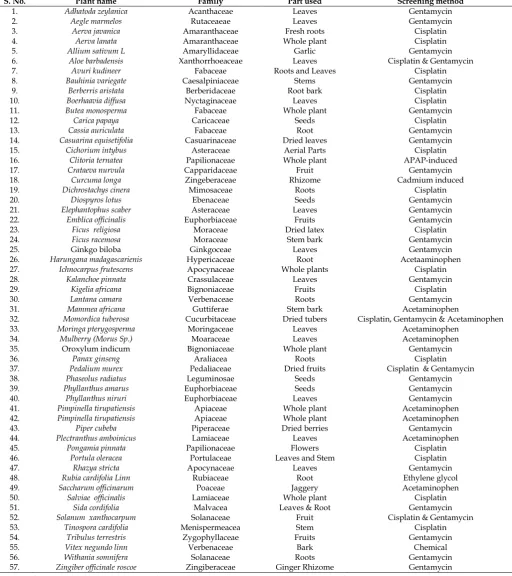
some of the medicinal plants are cited in Table 2. [26-38]
Table 1: Administration of Medications/Chemicals S.
No.
Drugs/
Chemicals Dose
Effect on kidney
1. Glycerol 8-10 ml/kg, i.m. Induction of ARF
2. Gentamycin 40–200 mg/kg for 4–10 days, Dose 100 mg/kg, i.p. for 5 days
Induction of ARF.
3. Cisplatin 5–40 mg/kg, i.p. Induction of ARF.
4. Acetaminophen NSAIDs 375–3000 mg/kg, i.p. Induction of ARF
5. Ifosfamide 50–1100 mg/kg, i.p. induction of ARF
6. dichromate Potassium 15 mg/kg, s.c. Induction of ARF
7. Radio contrast media
(Diatrizoate) 2–10 ml/kg, i.v.
Induction of ARF
BERGENIA LIGULATA (PASHADBHED)
Bergenia ligulata (Haw.) Sternb. plants belonging to family Saxifragaceae. It is otherwise called Elephant's Ears. It is an evergreen lasting herb developing to 0.3
m by 0.5 m. Bergenia ligulata is utilized as a part of
customary ayurvedic pharmaceutical for the treatment of a few sicknesses in Nepal, India, Pakistan, Bhutan and some different nations shown in figure 1.
Fig. 1: Morphology of Bergenia ligulata (an) Entire Plant (b) Root
Reported Ethno-medicinal Uses
It has astringent, tonic, hostile to sorbutic and purgative properties. Likewise, it is given in aspiratory friendship, looseness of the bowels, ulcers, dysuria, spleen broadening, hack, and fever. The wounded rhizomes are connected in the eye ailments, bubbles, cuts and antibacterial, mitigating, anticancer, hostile to
diabetic and against uroliathaitic. The Bergenia ligulata
root, rhizome, and entire plant are utilized for kidney and bladder stones and urinary issues. A juice or powder of the entire plant is utilized to treat urinary
Int. J. Pharm. Sci. Drug Res. March-April, 2017, Vol 9, Issue 2 (44-54)
Table 2 : List of Nephroprotective Medicinal Plants
S. No. Plant name Family Part used Screening method
1. Adhatoda zeylanica Acanthaceae Leaves Gentamycin
2. Aegle marmelos Rutaceaeae Leaves Gentamycin
3. Aerva javanica Amaranthaceae Fresh roots Cisplatin
4. Aerva lanata Amaranthaceae Whole plant Cisplatin
5. Allium sativum L Amaryllidaceae Garlic Gentamycin
6. Aloe barbadensis Xanthorrhoeaceae Leaves Cisplatin & Gentamycin
7. Avuri kudineer Fabaceae Roots and Leaves Cisplatin
8. Bauhinia variegate Caesalpiniaceae Stems Gentamycin
9. Berberris aristata Berberidaceae Root bark Cisplatin
10. Boerhaavia diffusa Nyctaginaceae Leaves Cisplatin
11. Butea monosperma Fabaceae Whole plant Gentamycin
12. Carica papaya Caricaceae Seeds Cisplatin
13. Cassia auriculata Fabaceae Root Gentamycin
14. Casuarina equisetifolia Casuarinaceae Dried leaves Gentamycin
15. Cichorium intybus Asteraceae Aerial Parts Cisplatin
16. Clitoria ternatea Papilionaceae Whole plant APAP-induced
17. Crataeva nurvula Capparidaceae Fruit Gentamycin
18. Curcuma longa Zingeberaceae Rhizome Cadmium induced
19. Dichrostachys cinera Mimosaceae Roots Cisplatin
20. Diospyros lotus Ebenaceae Seeds Gentamycin
21. Elephantophus scaber Asteraceae Leaves Gentamycin
22. Emblica officinalis Euphorbiaceae Fruits Gentamycin
23. Ficus religiosa Moraceae Dried latex Cisplatin
24. Ficus racemosa Moraceae Stem bark Gentamycin
25. Ginkgo biloba Ginkgoceae Leaves Gentamycin
26. Harungana madagascarienis Hypericaceae Root Acetaaminophen
27. Ichnocarpus frutescens Apocynaceae Whole plants Cisplatin
28. Kalanchoe pinnata Crassulaceae Leaves Gentamycin
29. Kigelia africana Bignoniaceae Fruits Cisplatin
30. Lantana camara Verbenaceae Roots Gentamycin
31. Mammea africana Guttiferae Stem bark Acetaminophen
32. Momordica tuberosa Cucurbitaceae Dried tubers Cisplatin, Gentamycin & Acetaminophen
33. Moringa pterygosperma Moringaceae Leaves Acetaminophen
34. Mulberry (Morus Sp.) Moaraceae Leaves Acetaminophen
35. Oroxylum indicum Bignoniaceae Whole plant Gentamycin
36. Panax ginseng Araliacea Roots Cisplatin
37. Pedalium murex Pedaliaceae Dried fruits Cisplatin & Gentamycin
38. Phaseolus radiatus Leguminosae Seeds Gentamycin
39. Phyllanthus amarus Euphorbiaceae Seeds Gentamycin
40. Phyllanthus niruri Euphorbiaceae Leaves Gentamycin
41. Pimpinella tirupatiensis Apiaceae Whole plant Acetaminophen
42. Pimpinella tirupatiensis Apiaceae Whole plant Acetaminophen
43. Piper cubeba Piperaceae Dried berries Gentamycin
44. Plectranthus amboinicus Lamiaceae Leaves Acetaminophen
45. Pongamia pinnata Papilionaceae Flowers Cisplatin
46. Portula oleracea Portulaceae Leaves and Stem Cisplatin
47. Rhazya stricta Apocynaceae Leaves Gentamycin
48. Rubia cardifolia Linn Rubiaceae Root Ethylene glycol
49. Saccharum officinarum Poaceae Jaggery Acetaminophen
50. Salviae officinalis Lamiaceae Whole plant Cisplatin
51. Sida cordifolia Malvacea Leaves & Root Gentamycin
52. Solanum xanthocarpum Solanaceae Fruit Cisplatin & Gentamycin
53. Tinospora cardifolia Menispermeacea Stem Cisplatin
54. Tribulus terrestris Zygophyllaceae Fruits Gentamycin
55. Vitex negundo linn Verbenaceae Bark Chemical
56. Withania somnifera Solanaceae Roots Gentamycin
57. Zingiber officinale roscoe Zingiberaceae Ginger Rhizome Gentamycin
Reported Phytoconstituents
The study on rhizomes of Bergenia ligulata depicted the
confinement of various concoction constituents as coumarins: bergenin; 11-O-galloyl; bergenin, 11-O-P
hydrozybenzoyl; bergenin, 11-O-brotocatechuoyl;
bergenin, 4-O-galloys. Flavonoids: catechin (+) afzelchin; avicularin, catechin; eriodictyol–7-O-β–D-glucopyranoside; reynoutrin. Benzenoids: arbutin; arbutin, 6-O-p-hydroxy-benzoyl; arbutin, baenzoic corrosive, 4-hydroxy. catechin, quercetin–3-0-catechin,
bergenim, 4-Ogalloylbergenin, and protocatechic.
Paashaanolactone
Int. J. Pharm. Sci. Drug Res. March-April, 2017, Vol 9, Issue 2 (44-54) derivation: formic corrosive (4:6:1, v/v) dissolvable
framework which was affirmed through HPLC
technique. [50-55]
Reported Pharmacological Activity
The poisonous quality strategy was embraced from
Ghosh et al., (1998) and the intense harmfulness
considers have depicted by Byatti VB et al.[56-57]
Protective effects of Neeri: NS-RF (a home grown definition produced for enhancing renal capacities) on substantial metal (lead acetic acid derivation) instigated nephrotoxicity in Wistar pale skinned person rats. Lead acetic acid derivation is considered as a noteworthy nephrotoxicity actuating specialist bringing on direct harm through various pathways including oxidative
anxiety. Lead acetic acid derivation (8 mg/kg i.p. for a
month and a half) initiated huge oxidative anxiety and nephrotoxicity in rats; demonstrated by expanded levels of serum creatinine, serum urea, urinary protein, urinary glucose; and decreased levels of serum egg whites, serum add up to proteins, urinary creatinine; and furthermore the auxiliary harm in kidney.
Co-treatment with NS-RF (1640 and 3280mg/kg, p.o. for a
month and a half) fundamentally keep the modified serum and urinary biochemical parameters and histological renal tubular harms by lead acetic acid derivation. Convincingly, NS-RF is a powerful nephro-defensive plan shielding kidneys from nephrotoxins
including oxidative harm prompted by lead acetate. [58]
ELKP-1 is a polyherbal formulation containing
standardized extracts of Tribulus terrestris (120 mg),
Crateva nurvala (25 mg), Bergenia ligulata (10 mg), Andrographis paniculata (50 mg), Tinospora cordifolia (75
mg), Boerhavia diffusa (75 mg), Solanum nigrum (25 mg),
Eclipta alba (50 mg) and Terminalia chebula (20 mg). [59]
AERVA LANATA
Aerva lanata (Linn) Juss. ex Schult plant belonging to Amaranthaceae family is usually distinguished and known as Gorakshaganja in Ayurveda arrangement of prescription. It is considered as one among the couple of natural wellsprings of Pashanabheda. The plant is broadly utilized as a part of urinary issue like Ashmari
(Urinary calculi), Mootrakrichra (Dysuria),
Mootravikara and so on by a large portion of the Ayurveda and Siddha specialists in southern India, for
the sake of Pashanabheda. [60]
Fig. 2: Morphology of Aerva lanata Plant
Reported Ethno-medicinal Uses
Aerva lanata Linn. (Amaranthaceae) is an herbaceous enduring weed developing wild in the tropical districts
and Western Ghats of India. Aerva lanata has been
asserted to be helpful as diuretic, anthelmintic, hostile
to diabetic, expectorant, hepatoprotective,
Antimicrobial, cytotoxicity movement, urolithiasis and calming. The plant is astringent, severe, cooling, emollient, vermifuge, supparative, diuretic and lithontriptic. It is helpful to treat bubbles, cephalalgia, hack, strangury and lithiasis. The plant has helpful restorative esteem, the extract is demonstrated for
nephroprotective movement, diuretic impact,
cytotoxicity, cell reinforcement, immunomodulatory impact, diuretic impact, calming impact, antimicrobial action, hepatoprotective action, and hostile to
hyperglycemic effect. [61-64]
Reported Phytochemicals
Chemical constituents from this plant are bryophyllol, bryophollone, bryophollenone, bryophynol and two homologous phenanthrene subsidiaries 2(9-decenyl) - phenanthrene (I) and 2-(undecenyl) - phenanthrene (II) from leaves; 18α-oleanane, ψ-taraxasterol, α-and β-amyrins and their acetic acid derivations were separated. Powerful cytotoxic mixes bersaldegenin-1, 3, 5-orthoacetate and bufadienolidebryophyllin B were likewise disengaged. Botulin, β-sitosterol, amyrin, plant hentriacontane, campesterol, stigmasterol, kaempferol, propionic corrosive, β-carboline-I, aervoside and aervolanine. Four new alkaloids-aervine (10-hydroxy canthin-6-one), methylaervine (10-methoxycanthin-6-one), aervoside (10-β-D-glucopyranosyloxycanthin-6-one), and aervolanine (3-(6-methyoxy-β-carbolin-1-yl) propionic corrosive), and furthermore the known
alkaloids canthin-6-one and 3-(β-carbolin-1-yl)
propionic corrosive have been disengaged from the
herb Aerva lanata Juss. Their structures have been set up
on the premise of concoction and phantom
characteristics. [65]
Reported Pharmacological Activity
PPABTF (100 mg/kg) did not demonstrate any lethality as prove of perceptions that included changes in skin and hide, eyes and mucous films, respiratory, circulatory, autonomic and focal sensory systems, somatomotor movement and conduct design. Perceptions of tremors, writhings Antidiabetic
movement of alkaloids of Aerva lanata salivation, the
runs, dormancy, rest and extreme lethargies were under-taken. No indications of any strange conduct or any mortality were seen amid the review time frame. At that point 1/fifth and 1/tenth dosages were chosen for further reviews according to OECD (2000)
guidelines. [66-67]
Int. J. Pharm. Sci. Drug Res. March-April, 2017, Vol 9, Issue 2 (44-54) Sodium and potassium level in pee test was
additionally evaluated. Nephroprotective movement of JZS against gentamycin-prompted nephrotoxicity was
explored by regulating JZS alongside high
measurements of gentamycin (40 mg/kg) and rise of serum urea and serum creatinine was taken as the list of nephrotoxicity. JZS indicated huge diuretic and
nephroprotective effect. [68] The impact of ethanolic
extract of Aerva lanata was contemplated on Mercuric
chloride incited renal harm in rats. Oral organization of
ethanolic extract of A. lanata (200 mg/kg and 400
mg/kg) successfully repressed the levels of marker catalysts, cell reinforcement chemicals, lipid profile, protein and lipid peroxidation when contrasted with the ordinary gatherings. Greasy invasion, greasy degeneration and corruption saw in mercuric chloride treated gatherings were totally missing in histology of the liver and kidney areas of the creatures treated with the extract. It is stipulated that the extract treated gatherings were mostly shielded from hepatocellular harm created by mercuric chloride. The outcomes
recommend that the ethanolic extract of A. lanata have
critical potential as nephroprotecitve agent. [69]
The ethanol extract of the whole plant of Aerva lanata
was considered for its nephroprotective movement in cisplatin and gentamycin-induced renal damage in albino rats of either sex. In the healing regimen, the extract at measurements levels of 75, 150 and 300 mg/kg demonstrated dosage subordinate lessening in the raised blood urea and serum creatinine and standardized the histopathological changes in the remedial regimen. In the gentamycin display the rats in the preventive regimen likewise demonstrated great reaction to the ethanol separate at 300 mg/kg. The discoveries recommend that the ethanol extract of Aerva lanata has stamped nephroprotective action with insignificant lethality and could offer a promising part in the treatment of acute renal damage brought about
by nephrotoxins like cisplatin and gentamycin. [70]
The natural medication Sirupeelai Kudineer i.e. the
decoction of entire plant of Aerva lanata. Linn. the plant
which is by and large generally utilized as a part of Siddha System of Medicine, is assessed for Nephroprotective action in creature show. The Nephroprotective action of the medication in Gentamycin models was assessed in Wistar rats. The rats in prophylactic gathering were treated with the
decoction of Aerva lanata at the dosage of 270 mg (5.4
ml) and 500 mg (10.0 ml)/kg. The Gentamycin models of rats treated with the medication at the measurement of 500.0 mg/kg orally for 10 days demonstrated huge
decrease in the level of Blood urea (P < 0.02) and Serum
Creatinine with the criticalness of (P < 0.05).
Histopathology additionally uncovers the decrease in
the level of renal damage. [71]
COLEUS AROMATICUS
Coleus aromaticus (Syn: Coleus amboinicus Lour. & Plectranthus amboinicus) is a tender fleshy perennial
plant belonging to the family Lamiaceae with an oregano-like flavor and odour. Native to Southern and Eastern Africa, from South Africa and Swaziland to Angola and Mozambique and north to Kenya and Tanzania. It is used as a decorative plant in many houses in south India.
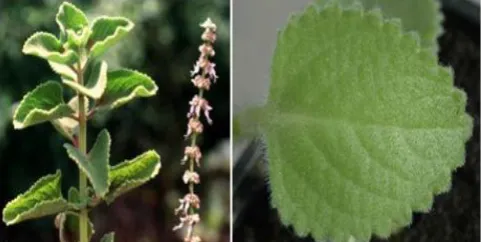
Fig. 3: Morphology of Coleus aromaticus (a) Arial Part (b) Leaf
Reported Ethno-medicinal Uses
C. aromaticus is a common medicinal herb in India for example; the leaves are used in treatment of common cold, cough and headache. They have also been shown to have antilithiotic, antiepileptic, chemo-preventive and antioxidant properties. Disorders of the digestive
system are treated by using C. aromaticus for stomach
pain, nausea, vomiting, and mouth infections; also it is used as purgatives and as anthelmintics.
It is popular in the treatment of dyspepsia, indigestion, diarrhea and as carminative Moreover; it is the most frequently cited species for the treatment of burns, wounds, sores, insect bites and skin allergies, for the treatment of chronic coughs, asthma, bronchitis and Mycobacterium tuberculosis. It has also been reported to have been used for fevers microbial infections viruses like Herpes simplex virus-I and HIV Besides, the plant is reported to relieve kidney troubles, decrease vaginal discharges, treat urinary diseases and is drunk after child birth. It is also useful in the treatment of congestive heart failure nervous disorders, epilepsy like convulsions, meningitis and to alleviate
conjunctivitis. [72-78]
Reported Phytochemicals
Several compounds of different chemical groups have been isolated from this plant including carvacrol, caryophyllene, thymol, eugenol, patchoulane, chacicol and flavonoids. Quercetin, apigenin, luteolin, salvigenin, genkwanin and essential oil in the leaves have been reported. Monoterpenes and sesquiterpenes have been reported from Coleus aromaticus limonene, linalool, myrcene and thymol, alpha-amorphene, beta
cubebene and phenolics. [79]
Reported Pharmacological Activities
Int. J. Pharm. Sci. Drug Res. March-April, 2017, Vol 9, Issue 2 (44-54) body wt of PAS for up to 28 days did not result in
death or significant changes in body weight,
hematological and biochemical parameters. [80]
The methanolic extract of Plectranthus amboinicus (Lour)
Spreng at dose of 200, 400 mg/kg orally for every 24 h for 28 days did not produce any mortality in tested animals. No sign of observable toxicity was detected
during the experimental period. [81]
An in-vivo study of nephroprotective effect of aqueous
extract of Plectranthus amboinicus on Glycerol induced
Acute Renal Failure (ARF) was carried out on albino rats. The blood biochemical parameters like urea, uric acid and creatinine were estimated along with histopathological studies of the kidney. The result shows significant nephroprotective activity of aqueous
extract of P. amboinicus at 500 mg/kg. The presence of
quercetin plays a significant nephroprotective effect. [82]
The Juice from Plectranthus amboinicus (PA) leaves is
commonly used for illnesses including liver and renal conditions in the Asian sub-continent. Acetaminophen (APAP), used as an analgesic, produces liver and kidney necrosis in mammals at high doses. The ethanol extract of PA at two doses of 250 and 500 mg/kg b w on APAP-induced toxicity in rats. The Ethanolic extract of PA rescued these phenotypes by increasing anti-oxidative responses as assessed by biochemistry and histopathology. Statistical data suggested that the ethanol extract of PA possess nephroprotective and
antioxidant effects against APAP-induced
nephrotoxicity and strong diuretics effect in rats. [83]
PEDALIUM MUREX
Pedalium murex (P. murex) Linn is the medicinal plant belonging to family Pedaliaceae and it is annual herb, which grows abundantly on the sea costs in South India, Srilanka, Ceylon, Mexico and tropical Africa. In and around Visakhapatnam the plant is very prolific after summer rains.
Fig. 4: Morphology of Pedalium murex (a) Arial Part (b) Friuts (c) Powder
Reported Ethno-medicinal Uses
Fruits are considered as demulcent, diuretic, antispasmodic, antiseptic and aphrodisiac. Juice of fruit is believed to dissolve the kidney stone. It is a cooling tonic, purifies blood, act as and removes stone from the bladder. An infusion or extract prepared from the
leaves, stems and fruits in cold water of Pedalium murex
are found to be useful in the treatment of disorders of urinary systems such as gonorrhea, dysuria, and
incontinence of urine etc. [84-87]
Reported Phytochemicals
Pedalium murex contains flavonoids, tri-terpenoids, lipids, steroids, phenolic acids, carbohydrates and amino acids. Especially fruits contain alkaloids, flavonoids (pedalitin and dinatin). The chemical
composition of P. murex fruits consist of alkaloids
(3.5%-5.0%), resins, carbohydrates, saponins, stable oil, aromatic oil, triterpenoids, and glycosides, and also two more significant flavonoids i.e., trioctanyl dotrioctanoate and 2, 4, 5-trihydroxy-5, 7-dimethoxy
flavones. P. murex includes some essential flavonoids
like dinatin and glucoronide, diosmetin and its
7-glucoronide, pedalin and pedalitin
(3’4,5,6-tetrahydroxy-7-methoxyflavone) in its leaves.
Moreover, steroids, alkaloids, saponins, proteins and resins are extracted as well. The root is enclosed with unique Phenolic compounds like phenol
2-(5,6-dimethyl pyrazinyl) methyl. [88-89]
Reported Pharmacological Activities
Nephroprotective efficacy in rats with induced renal damage by cisplatin dosage (Cisplatin 5 mg/kg) was
tested against ethanol extract of P. murex fruit. Losses in
body weight, blood urea and serum creatinine were observed as kidney damage indicators by dosing 250
mg/kg orally concurrent ethanolic extract of P. murex.
Ethanolic extract was found very effective to prevent the kidney damage. Therefore, it can be concluded that
cystone ethanolic extract of P. murex is significantly
nephroprotective.
The nephroprotector activity of the ethanolic and
aqueous extracts of fruits of Pedalium murex (600 mg/kg
body weight, p.o.) against gentamycin-induced (100
mg/kg/d s.c.) renal toxicity in rats. The effect of plant
extracts were examined by estimating blood urea nitrogen, serum creatinine, urinary protein, urine to serum creatinine ratio, lipid peroxidation, gluthione, catalase in kidney. Co-administration of either ethanolic or aqueous extract with gentamycin was significantly prevented the renal injury protection both functionally and histological in dose dependent manner. The present study provides the corroborative
scientific evidence for the folklore use of Pedalium
murex in urinary troubles.
The ethanolic extract of dried fruits of Pedalium murex
was evaluated for nephroprotective activity in Cisplatin (5 mg/kg) induced renal damage in wistar rats. Effect
of concurrent administration of Pedalium murex
ethanolic extract at a dose of 250 mg/kg given by oral route was determined using serum creatinine and blood urea and change in body weight as indicators of kidney damage. Cystone was used as standard drug. The extract significantly decreased the cisplatin induced nephrotoxicity. The study results show that
the ethanolic extract of dried fruits of Pedalium murex is
Int. J. Pharm. Sci. Drug Res. March-April, 2017, Vol 9, Issue 2 (44-54) The hepatoprotective and nephroprotective activity of
the AEVM were assessed in rifampicin-induced hepatotoxic and nephrotoxic rats. Pretreatment with
AEVM significantly prevented the physical,
biochemical, and histological changes induced by rifampicin in the liver and kidney, respectively. The
AEVM possessed statistically significant
hepatoprotective and nephroprotective activity.
The nephroprotective activity of ethanolic extract of
dried fruits of Pedalium murex Linn. Nephrotoxicity was
induced in Wistar rats by intraperitoneal
administration of Cisplatin 5mg/kg. Effect of
concurrent administration of Pedalium murex ethanolic
extract at a dose of 250 mg/kg given by oral route was determined using serum creatinine and blood urea and change in body weight as indicators of kidney damage. The study shows that the ethanolic extract of dried
fruits of Pedalium murex is an excellent
nephroprotective as compared to cystone.
The nephroprotector activity of the ethanolic and
aqueous extracts of fruits of Pedalium murex (300 and
600 mg/kg body weight, p.o.) against cadmium
chloride-induced (3 mg/kg/d s.c.) renal toxicity in rats
were studied. The effect of plant extracts were examined in terms of blood urea nitrogen, serum creatinine, urinary protein, urine to serum creatinine ratio, lipid peroxidation, gluthione, catalase in kidney. In present study, Cadmium induced nephrotoxicity characterized by significant elevation of serum markers levels, increased urinary protein excretion, raised LPO levels, reduced GSH and CAT levels, reduced creatinine clearance. Co-administration of either ethanolic or aqueous extract with CdCl2 was significantly prevented the renal injury in dose dependent manner.
The ethanolic fruit extract of p. murex to ethylene glycol
intoxicated rats were reverted the levels of the liver and kidney markers to near normal levels protecting liver and renal tissue from damage and also prevents the crystal retention in tissues. The levels of ACP and ALT AST, ALT in renal and hepatic tissues of ethylene glycol induced rats might be due to leakage of the enzymes in to the general circulation from the collateral circulation. LDH levels in serum, urine tissue were increased on ethylene glycol intoxications is due to the
oxalate induced renal and hepatic cellular damage. [90-94]
CYNODON DACTYLON
Cynodon dactylon is commonly known as “Doob” (Hindi) and is termed as a creeper in India and also calles Bermuda grass, belongs to family Poaceae. It is native to East Africa, Asia, Australia and southern
Europe. Cynodon is a weed and has been found to
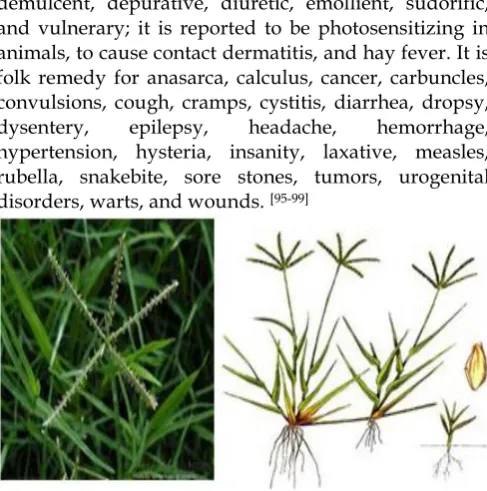
possess various potential medicinal properties. Morphological appearances are shown in figure 5.
Reported Ethno-medicinal Uses
In traditional medicine it is used for indigestion and the treatment of wounds. It is reported to be alterative,
antiseptic, aperients, astringent, cyanogenetic,
demulcent, depurative, diuretic, emollient, sudorific, and vulnerary; it is reported to be photosensitizing in animals, to cause contact dermatitis, and hay fever. It is folk remedy for anasarca, calculus, cancer, carbuncles, convulsions, cough, cramps, cystitis, diarrhea, dropsy,
dysentery, epilepsy, headache, hemorrhage,
hypertension, hysteria, insanity, laxative, measles, rubella, snakebite, sore stones, tumors, urogenital
disorders, warts, and wounds. [95-99]
Fig. 5: Morphology of Cynodon dactylon (a) Arial Part (b) entire plant
Reported Phytochemical
The phytochemical analysis showed that the plant
contained flavanoids, alkaloids, glycosides,
terpenoides, triterpenoids steroids, saponins, tannins, resins, phytosterols, reducing sugars, carbohydrates,
proteins, volatile oils and fixed oils. [100-104] Quantitative
estimation of phytoconstituents showed glycosides reached 12.2%, tannins 6.3%, alkaloids 0.1%, resins 1.0%, free reducing sugar 10% and total reducing sugar
12%. [105] Nutritional analysis showed that each 100 g
contained (on a zero-moisture basis) 11.6 g protein, 2.1 g fat, 75.9 g total carbohydrate, 25.9 g fiber, 10.4 g ash, 530 mg Ca, 220 mg P, 112.0 mg Fe, 1630 mg K, 28 mg
beta-carotene equivalent. [106] A total of 20 compounds
were identified from the hydroalcoholic extract of the
whole parts of Cynodon dactylon Hexadecanoic acid,
ethyl ester linolenic acid, ethy ester d-mannose were the major components of the hydroalcoholic extract, and hexadecanoic acid ethyl ester was the most abundant one (17.49%). However, the isolated compounds were included: 3H-pyrazo-3-one, 2,4-dihydro-2,4,5-trimethyl 12%, 4H-pyran-4-one, dihydro-3,5-dihydroxy-6-methyl 57%, benzofuran, 2,3-dihydro 39%, 2-furancarboxaldehyde, 48%,decanoic acid, ethyl ester 63%, d-mannose 20%, Ar-tumerone 31%, tumerone 23%, tricyclo[6.3.0.0(1,5)]undec-2-en-
4one,2,3,5,9-tetramethyl,3,7,11,15-Tetramethyl-2-hexadecen-1-ol 10.35, hexadecanoic acid ethyl ester, phytol, 9,12-octadecadienoic acid ethyl ester, linolenic
acid ethyl ester and octadecanoic acid ethyl ester. [107]
Reported Pharmacological Activity
The effect of aqueous extract of Cynodon dactylon on
Int. J. Pharm. Sci. Drug Res. March-April, 2017, Vol 9, Issue 2 (44-54) weight, and significant elevation in the levels of blood
urea and serum creatinine were observed, when compared to normal rats. These levels were reverted in
the STZ induced diabetic rats, treated with Cynodon
dactylon extract and in those treated with glibenclamide, which was also demonstrated and correlated with the histopathological findings of the kidney tissue. The results of the study reveals that Cynodon dactylon aqueous extract effectively prevented the nephropathic changes induced by diabetes and this is the first study to report on nephroprotective effect of Cynodon dactylon with histological correlations. [108]
Cynodon dactylon and Gmelina asiatica plants have shown potent protective activity against free radical which is evident through data obtained in various antioxidant assays. All the extracts tested revealed a protective effect on red blood cells against heat induced membrane damage and proteinase inhibition, which depicted its vital role in maintaining the integrity of the cell membrane. The promising results obtained through in vitro anti-oxidant and anti-inflammatory assay prompted us to evaluate nephroprotective potential of these plants using DNA fragmentation assay, epifluorescence assay and cytoprotective assay. Normal kidney cells (vero cells) were used for epiflourescence dual staining and DNA fragmentation assay using
vitamin E as a positive control. [109]
As we gone through various studies on the treatment of kidney disorders, we can conclude that herbal plants play a unique and significant role as a nephroprotective in different animal models. The nephroprotective activity is probably due to the presence phyto-constituents like polyphenol and flavonoids in medicinal plants. The present review study give evidential explore of medicinal plants against experimentally induced nephrotoxicity. Hence the review study is concluded that the herbal drug possesses nephroprotective activity and it has been proved by different animal models give many links to develop economical polyherbal formulations in the future trials.
REFERENCE
1. Talele BD, Mahajan R, Chopda MK, Nemade N. Nephroprotective Plants: A Review. Int J Pharmacy Pharm Sci.2012; 4:8-16.
2. Singh NP, Prakash A. Nephrotoxic Potential of Herbal Drugs. JIMSA.2011; 24: 79-81.
3. Mendoza SA. Nephrotoxic Drugs. Pediatr Nephrol. 1988; 2:466-76.
4. Chopra RN, Nayar SL, Chopra IC. Glossary of Indian Medicinal Plants, National Institute of Science Communication (CSIR), New Delhi 1999.
5. Gupta AK. Sharma N. Tendon. Reviews on Indian Medicinal Plants I-IV, ICMR, New Delhi. 2004.
6. Jain SK. Dictionary of Indian Folkmedicine and Ethnobotany, 1991, pp. 311.
7. Nigeria: Tackling Challenges Facing Kidney Failure Patients: Alarming Facts about Kidney Disease | Medindia
8. Normal J, William E, Jhon J et al. Management of acute renal failure in the pediatric patient. Hemofiltration versus hemodialysis. Am J Kidney Dis. 1997; 30:84-88.
9. Novoa JM, Quiros Y, Vicente L, Morales AI, Lopez-Hernandez FJ. New insights into the mechanism of aminoglycoside nephrotoxicity: an integrative point of view. Kidney Int. 2011; 79:33-45.
10. Rougier F, Claude D, Maurin M, Maire P. Aminoglycoside nephrotoxicity. Curr Drug Targets Infect Disord. 2004; 4: 153-162.
11. Safdar A, Ma J, Saliba F, Dupont B, Wingard JR, Hachem RY, et al. Drug-induced nephrotoxicity caused by amphotericin B lipid complex and liposomal amphotericin B: a review and meta-analysis. Medicine (Baltimore). 2010; 89:236-44. 12. Goldman RD, Koren G. Amphotericin B nephrotoxicity in
children. J Pediatr Hematol Oncol. 2004; 26:421-426.
13. Mistro S, Maciel Ide M, de Menezes RG, Maia ZP, Schooley RT, Badaró R. Does lipid emulsion reduce amphotericin B nephrotoxicity? A systematic review and meta-analysis. Clin Infect Dis. 2012; 54:1774-1777.
14. Lencioni R, Fattori R, Morana G, Stacul F. Contrast-induced nephropathy in patients undergoing computed tomography (CONNECT) - a clinical problem in daily practice? A multicenter observational study. Acta Radiol. 2010; 51:741-750.
15. Arana E, Catala-Lopez F. Contrast-induced nephropathy in patients at risk of renal failure undergoing computed tomography: systematic review and meta-analysis of randomized controlled trials. Med Clin (Barc). 2010; 135:343-350.].
16. Lee JP, Heo NJ, Joo KW, Yi NJ, Suh KS, Moon KC, et al. Risk factors for consequent kidney impairment and differential impact of liver transplantation on renal function. Nephrol Dial Transplant. 2010; 25:2772-2785.
17. Hamour IM, Omar F, Lyster HS, Palmer A, Banner NR. Chronic kidney disease after heart transplantation. Nephrol Dial Transplant. 2009; 24:1655-1662.
18. Detrenis S, Meschi M, Musini S, Savazzi G. Lights and shadows on the pathogenesis of contrast-induced nephropathy: state of the art. Nephrol Dial Transplant. 2005; 20:1542-1550.
19. Chen N, Aleksa K, Woodland C, Rieder M, Koren G. The effect of N-acetylcysteine on ifosfamide-induced nephrotoxicity: in vitro studies in renal tubular cells. Transl Res. 2007; 150: 51-57.
20. Nissim I, Horyn O, Daikhin Y, Nissim I, Luhovyy B, Phillips
PC, et al. Ifosfamide-induced nephrotoxicity: mechanism and
prevention. Cancer Res. 2006; 66:7824-7831.
21. Deray G, Martinez F, Katlama C, Levaltier B, Beaufils H, Danis M, et al. Foscarnet nephrotoxicity: mechanism, incidence and prevention. Am J Nephrol. 1989; 9:316-321. 22. Maurice-Estepa L, Daudon M, Katlama C, Jouanneau C,
Sazdovitch V, Lacour B, et al. Identification of crystals in kidneys of AIDS patients treated with foscarnet. Am J Kidney Dis. 1998; 32:392-400.
23. Rho M, Perazella MA. Nephrotoxicity associated with antiretroviral therapy in HIV-infected patients. Curr Drug Saf. 2007; 2:147-54.
24. Izzedine H, Launay-Vacher V, Deray G. Antiviral drug-induced nephrotoxicity. Am J Kidney Dis. 2005;45:804-17
25. Singh AP, Muthuraman A, Jaggi AS, Singh N, Grover K,
Dhawan R. Animal models of acute renal failure. Pharmacol Reports 2012; 64: 31-44.
26. El-Tantawy WH, Mohamed SAH, Al-Haleem ENA. Evaluation of biochemical effects of Casuarina equisetifolia
extract on gentamycin-induced nephrotoxicity and oxidative stress in rats. Phytochemical analysis. J Clinic Biochem Nutr.
2013; 53: 158–165.
27. Prusty KB, Harish B, Mamatha CH. Evaluation of nephroprotective activity of the methanolic extract of leaves
of Bauhinia variegate Linn, (Family-Caesalpiniaceae). J Pharma
Sci Tech. 2012; 2:16-19.
Int. J. Pharm. Sci. Drug Res. March-April, 2017, Vol 9, Issue 2 (44-54)
29. Dubey T, Srivastava A, Nagar H, Mishra BK, Mishra SS.
Nephroprotective activity of Nelumbo nucifera gaertn. roots, leaves and flowers on gentamycin induced nephrotoxicity. Asian J Pharma Edu Res. 2014, 3: 134-151.
30. Saleh IA. Evaluation of the hepatroprotective and
nephroprotective activities of Scrophularia hypericifolia
growing in Saudi Arabia. Saudi Pharma J.2014; 22:258–263.
31. Yadav YC, Srivastav DN, Seth AK, Saini V, Yadav KS.
Nephropharmacological activity of ethanolic extract Lepidium
sativum L. seeds in albino rats using cisplatin induced acute
renal failure. Int J Pharma Sci RevRes. 2010: 64-68.
32. Chatterjee P, Mukherjee A, Nandy S. Protective effects of the aqueous leaf extract of Aloe barbadensis on gentamycin and cisplatin-induced nephrotoxic rat. Asian Pac J trop Biomed. 2012:S1754-S1763.
33. Gajjar KK, Aiwale AS, Anovadiya AP, Mevada AV, Baxi SN, Tripathi CB. Evaluation of nephroprotective effect of hydroalcoholic extract of Cyperus scariosus Linn. in gentamycin-induced acute kidney injury in wistar albino rats. Jundishapur J Nat Pharm Prod. 2016; 11: e34452.
34. Dhibi S, Bouzenna H, Samout N, Tlili Z, Elfeki A, Hfaiedh N. Nephroprotective and antioxidant properties of Artemisia
arborescens hydroalcoholic extract against
oestroprogestative-induced kidney damages in rats. Biomed Pharmacother. 2016; 82:520-527.
35. Gandhi S, Srinivasan BP, Akarte AS. Potential nephrotoxic effects produced by steroidal saponins from hydro alcoholic extract of Tribulus terrestris in STZ-induced diabetic rats. Toxicol. Mech. Methods. 2013; 23:548-557.
36. Kaksaheb JK, Shete RKV, Kale BN, Borade AS. Protective Role of Hydroalcoholic Extract of Ficus carica In Gentamycin Induced Nephrotoxicity In Rats. Int. J. of Pharm. Life Sci. 2011; 2: 791-796, 979.
37. Patel S Rajashekhar I. Role of Plants as Nephroprotective agents – A Review. Int J Therap Applications. 2015; 26: 6-14 38. Srivastava AK, Kaushik D, Shrivastava AK, Lal VK.Curative
Effect of Natural Healars for the Treatment of Kidney Disorders: A Review. J Ayur Integ Med. (Paper Submitted with refrence no. JAIM_2017_115)
39. Encyclopaedia of World Medicinal Plants, Vol I, T. Pullaiah, 2006, pp. 311.
40. Chauhan R, Ruby KM, Dwivedi J. Bergenia ciliata Mine of Medicinal Properties: A Review. Int J Pharma Sci Rev Res. 2012; 15:20.
41. Chowdhary S, Verma DL, Kumar H. Biodiversity and traditional knowledge of Bergenia spp. in Kumaun Himalaya. New York Science Journal. 2009; 2(6):105-8. 42. Bahu CP, Seshadri RT. Advances in Research In “Indian
Medicine, “Pashanbedi” Drugs Forurinary Calculus, Udupa K.N. (eds). 1970:77-98.
43. Harsoliya MS, Pathan JK, Khan N, Bhatt D, Patel UM. Effect of Ethanolic Extracts of Bergenia ligulata, Nigella sativa and Combination on Calcium oxalate Urolithiasis in Rats. Int Drug Formulation Res. 2011; 2: 268-280.
44. Pant S, Samant SS, Arya SC. Diversity and Indigenous Household Remedies of The Inhabitants Surrounding Mornaula Reserve Forest In West Himalaya. Ind J Trad Knowledge. 2009; 8: 606-610.
45. Samal PK, Dhyani PP, Dollo M. Indigenous Medicinal Practices of Bhotia Tribal Community in Indian Central Himalaya. Ind J Trad Knowledge. 2010; 1: 140-144.
46. Sharma HK, Chhangte L, Dolui AK. Traditional Medicinal Plants in Mizoram, India. Fitoterapia. 2001; 72: 146-161. 47. Ballabh B, Chaurasia OP, Ahmeda Z, Singha SB. Traditional
Medicinal Plants of Cold Desert Ladakh Used Against Kidney And Urinary Disorders. J Ethnopharmacol. 2008; 118:331-339.
48. Kumar V, Tyagi D. Review on phytochemical, ethnomedical and biological studies of medically useful genus Bergenia. Int J Curr Microbiol App Sci.(2013) 2(5): 328-334.
49. http://prr.hec.gov.pk/chapters/1012-6.pdf.
50. Chandrareddy UD, Chawla AS, Mundkinajeddu D, Maurya R Handa SS. Paashaanolactone From Bergenia Ligulata. Phytochem. 1998; 47: 907-909.
51. Chandrareddy UD, Chawla AS, Mundkinajeddu D, Singh D, Handa SS, High Pressure Liquid Chromatographic Determination of Bergenin And (+) -Afzelechin From Different Parts of Paashaanbhed (Bergenia ligulata Yeo). Phytochem analysis. 1999; 10:44 – 47.
52. Dhalwala K, Shindev M, Biradara YS, Mahadika KR. Simultaneous Quantification of Bergenin, Catechin, and Gallic Acid from Bergenia ciliata and Bergenia ligulata By Using Thin-Layer Chromatography. J Food Comp Analysis. 2008; 21: 496-500.
53. Srivastava S, Rawat AKS, Simultaneous Determination of Bergenin and Gallic acid In Different Bergenia Species. J Plan Chromatograph-Modern TLC. 2007; 20: 275-277.
54. Chauhan SK, Singh B, Agrawal S. Simultaneous Determination of Bergenin and Gallic Acid In Bergenia
Ligulata Wall By High-Performance Thin-Layer
Chromatography. J Aoac Int. 2000; 83:1480-3.
55. Singh DP, Srivastava SK, Govindarajan R, Rawat AKS. High-Performance Liquid Chromatographic Determination of Bergenin in Different Bergenia Species. Acta Chromatographica. 2007; 19:246-252.
56. Ghosh MN. Fundamental of Experimental Pharmacology, 2nd Edition, Scientific Book Agency; pp. 174-198
57. Mazharul I, Iqbal A, Khan U, Muhammad A, Ahmad A, Shahbuddin. Bioactivity evaluation of bergenia ciliate. Pak J Pharma Sci. 2002; 15:15-33.
58. Barwal A, Kumari S, Verma SK, Goyal PK, Sharma I, Sharma S, Sharma AK. Evaluation of Herbal Formulation Neeri (NS-RF) For Protective Effect against Heavy Metal Induced Nephrotoxicity in Rats.Indo Am J Pharma Res. 2015; 5: 2790-2798.
59. Singh Y, Murgunanandam AV, Das SN, Rao AT, Agarwala SK. Reno-protective action of a herbal formulation (ELKP-1) in cisplatin-induced nephrotoxicity. Phytomedica. 1999; 20: 37-41.
60. Nagaratna A, Prakash L Hegde, Harini A. A Pharmacological Review on Gorakha Ganja (Aerva lanata (Linn) Juss. Ex. Schult). J Pharmacog Phytochem. 2014; 3: 253-257.
61. Pareta SK, Patra KC, Papiya M. Establishing the Principle of Herbal Therapy for Antiurolithiatic Activity: A Review. J Pharmacol Toxicol. 2011; 6: 321-332.
62. Akram A, Abdell AN, Mohamed FN. Urolithiasis In Tunisian Children: A Study of 100 Cases. Soudi J of Kidney Dis.
Transplant. 2009; 2: 1096-1100.
63. Bapalal V. Some Controversial Drugs in Indian Medicines. 1st Edn; Chaukhambha Orientalia, 1982.
64. Yadav NP, Dixit VK. Hepatoprotective Activity of Leaves of
Kalanchoe Pinnata Pers. J Ethnopharmacol. 2003; 86:197-202.
65. Shirwaikar A, Issac D, Malini S. Effect of Aerva Lanata on Cisplatin and Gentamycin Models of Acute Renal Failure. J Ethanopharmacol. 2004; 9:81–86.
66. Zapesochnaya GG, Pervykh LN, Kurkin, VA. A Study of the Herb Aerva Lanata. III. Alkaloids. Chemistry of Natural Compounds 1991; 27: 336-340.
67. Agrawal R, Sethiya NK, Mishra SH. Antidiabetic Activity of Alkaloids of Aerva lanata Roots on Streptozotocin-Nicotinamide Induced Type-II Diabetes in Rats. Pharm Biol. 2013: 1–8.
68. Afzal M, Khan NA, Ghufran A, Iqbal AM. Diuretic and nephroprotective effect of Jawarish Zarooni Sada—a polyherbal unani formulation. Innamuddin J Ethnopharmacol. 2004: 91 219–223.
69. Soumya PS, Poornima K, Kumar R, Kalaiselvi G, Gomathi M, Uma DC. Nephroprotective effect of Aerva lanata against Mercuric chloride induced renal injury in rats. J Pharmacy Res. 2011; 4: 2474
Int. J. Pharm. Sci. Drug Res. March-April, 2017, Vol 9, Issue 2 (44-54)
71. Lekha GS. Evaluation of Nephroprotective Activity of Sirupeelai Kudineer (Aerva lanata Decoction) In Rats. J Chem Pharma Res. 2015; 7:522-530.
72. Kirtikar KR, Basu BD. Indian Medicinal Plants: International Book Distributors 1999, Vol. 3 pp. 1970-1971.
73. Prasad S, Naik P, Vijayalaxmi KK. Efficiency of Coleus
aromaticus extract in modifying cyclophosphamide and
mitomycin-C induced clastogenicity in mouse bone marrow cells. Indian journal of experimental biology. 2002 Sep; 40(9):1020-5.
74. Rasineni GK, Siddavattam D, Reddy AR. Free radical quenching activity and polyphenols in three species of Coleus. J Med Plants Res. 2008; 2: 285-291.
75. Morton JF. Country borage (Coleus amboinicus Lour.): a potent flavoring and medicinal plant. Journal of Herbs, Spices & Medicinal Plants. 1992 Jul 13; 1(1-2):77-90.
76. Ruiz AR, De RA, Torre L, Alonso N, Villaescusa A, Betancourt J, Vizoso A. Screening of medicinal plants for induction of somatic segregation activity in Aspergillus
nidulans. J Ethnopharmacol. 1996; 52: 123-127.
77. Warrior PK, Nambiar VP, Ramankutty. Indian Medicinal Plants, 1st Edn. Orient Logman Limited: Madras. 1995; 18: 315.
78. Rastogi RP, Mehrotra BN. Compendium of Indian Medicinal Plants. Lucknow CDRI; New Delhi, Publication and Information Directorate, 1979: 201.
79. Prudent D, Perineau F, Bessiere JM, Michel GM, Baccou JC. Analysis of the Essential Oil of Wild Oregano from Martinique (Coleus aromaticus Benth.)—Evaluation of Its Bacteriostatic and Fungistatic Properties. J Essential oil Res. 1995; 7:165–173.
80. Preeja, Pillai G, Suresh P, Aggarwal G, Doshi D Bhatia V. Evaluation of the Acute and Sub Acute Toxicity of The Methanolic Leaf Extract of Plectranthus amboinicus (Lour) Spreng In Balb C Mice. Europ J Experiment Biol. 2011; 1:236-245.
81. Preeja, Pillai G, Suresh P, Aggarwal G, Doshi D Bhatia V. Pharmacognostical standardization and toxicity profile of the methanolic leaf extract of Plectranthus amboinicus (Lour)
Spreng. J Appl Pharml Sci. 2011; 01:75-81.
82. Devi NK. Periyanayagam K. Nephro Protective Effect of
Plectranthus Amboinicus (Lour) Spreng on Glycerol Induced
Acute Renal Failure (ARF). Ancient Science of Life Vol: XXII (4): 2003.
83. Palani S, Raja S, Naresh R, Kumar BS. Evaluation of Nephroprotective, Diuretic, and Antioxidant Activities of
Plectranthus Amboinicus on Acetaminophen-Induced
Nephrotoxic Rats. Toxicol Mech Methods. 2010; 20:213-21. 84. Kirtikar KR, Basu BD. Medicinal Plants; Herbs; Plant,
Analysis, Indian Medicinal Plants Lalit Mohan Basu; Allahabad. 933, 3: 1856-1857.
85. Elumalai A, Eshwaraiah MC, Naresh M, Sudheer V, Naresh M. A Review on Therapeutic uses of Pedalium murex Linn.
Int J Res Ayur Pharma. 2011; 2: 1743-1745.
86. Satyavati GV, Gupta AK. Medicinal Plants of India. ICMR, New Delhi, 1987, 2, 392-394.
87. Ebadi M. Pharmacodynemics Basis of Herbal Medicine; CRC Press New York, First Edition, 400, 2004.
88. Subramanian SS, Nair A. Flavonoids of the Leaves of P.
Murex. Phytochem.1972; 11: 464-465.
89. Sharma P, Sarin R. In Vivo and In Vitro Biochemical Investigation of Primary Metabolic from Pedalium Murex. Int J Res Rev Pharm Appl Sci. 2012; 2: 550-555.
90. Rajashekar V, Rao EU, Srinivas P. Biological Activities and Medicinal Properties of Gokhru (Pedalium Murex L.). Asian Pac J Trop Biomed. 2012; 2: 581-585.
91. Shelke TT, Kothai R, Adkar PP, Bhaskar VH, Juvale KC, Kamble BB. Nephroprotective Activity of Ethanolic Extract of Dried Fruits of P. Murex L. J Cell Tissue Res.2009; 9: 1687-1690.
92. Sreedevi A, Jyothi Y, Latha P, Bharathi K. Protective Effect of Fruits of Pedalium Murex against Gentamycin -Induced Nephrotoxicity In Rats. Int J Phytopharmacol.2011; 2: 27-36.
93. Nitin M, Ifthekar SQ, Mumtaz M. Evaluation of hepatoprotective and nephroprotective activity of aqueous extract of Vigna mungo (Linn.) Hepper on rifampicin-induced toxicity in albino rats. International Journal of Health & Allied Sciences. 2012 Apr 1; 1(2):85.
94. Sreedevi A, Latha JP, Koganti B. Effect of Fruits of Pedilum
Murex against Cadmium Chloride-Induced Nephrotoxicity in
Rats. Int J Drug Develop Res. 2010; 2: 40-46.
95. Anonymous, Indian Pharmacopoeia, Vol. II A, 2006, pp. 54-55.
96. Anonymous, Quality Control Method for Medicinal Plant Materials, WHO, pp. 46, 2002.
97. Anonymous, the Ayurvedic Formulary of India, Ministry Of Health and Family Planning, Govt. Of India, New Delhi, Part-I, 1978, pp. 249.
98. Trease and Evans, Textbook of Pharmacognosy, Elsevier; 15th edn. pp. 204-205, 479.
99. The Wealth of India 2nd Supplement Series, Raw Materials, CSIR, 1: 331-332.
100. Paranjpe P. Indian medicinal plants: Forgotten healers. 1st edn. Chaukhamba Sanskrit Pratishthan, Delhi, 2011:75-76. 101. Kumar AS, Gnananath K, Kiran D, Reddy AM Raju CH.
Antidiabetic activity of ethanolic extract of Cynodon dactylon root stalks in streptozotocin induced diabetic rats. Int J Adv
Pharma Res. 2011; 2: 418-422.
102. Annapurna HV Apoorva B, Ravichandran N, Purushothaman K, Brindha P, Swaminathan S, Vijayalakshmi M, Nagarajan A. Isolation and in silico evaluation of antidiabetic molecules of Cynodon dactylon (L). J Mole Graphics Modelling 2013; 39: 87-97.
103. Abhishek B, Thakur A. Anthelmintic activity of Cynodon
dactylon. J Pharmacognosy Phytochem. 2012; 1: 1-3.
104. Dande P, Khan A. Evaluation of wound healing potential of
Cynodon dactylon. Asian J Pharm Clin Res. 2012; 5: 161-164.
105. Jolly CI, Narayanan P. Pharmacognosy of aerial parts of
Cynodon dactylon Pers. (Graminae). Ancient Science of Life.
2000; XIX: 1-6.
106. Watt JM, Breyer Brandwijk MG. The medicinal and poisonous plants of southern and eastern Africa. 2nd edn. E. & S. Livingstone, Ltd., Edinburgh and London 1962.
107. Shabi MM, Gayathri K, Venkatalakshmi R, Sasikal C. Chemical constituents of hydro alcoholic extract and phenolic fraction of Cynodon dactylon. Int Chemtech Res. 2010; 2: 149– 154.
108. Madhan kumar SJ, Malarvani T, Sathiyanarayamurthy S, Nephroprotective Effects of Cynodon dactylon Aqueous Extract in STZ Induced Diabetic Male Rats – Histological Study. Int J Pharmacognosy Phytochem Res. 2016; 8: 1812-1817.
109. Kiruba KP, Brindha P. In vitro Studies on Nephroprotective Efficacy of Cynodon dactylon and Gmelina asiatica. Asian J Pharm Clin Res.2014, 7: 111-120.