Georgia State University Georgia State University
ScholarWorks @ Georgia State University
ScholarWorks @ Georgia State University
Public Health Theses School of Public Health
Spring 5-13-2011
Building an Information Management System for Emergency
Building an Information Management System for Emergency
Preparedness and Response to Promote Assurance: A Case Study
Preparedness and Response to Promote Assurance: A Case Study
of the Fulton County Department of Health and Wellness
of the Fulton County Department of Health and Wellness
Judith A. RobinsonGeorgia State University
Follow this and additional works at: https://scholarworks.gsu.edu/iph_theses
Part of the Public Health Commons
Recommended Citation Recommended Citation
Robinson, Judith A., "Building an Information Management System for Emergency Preparedness and Response to Promote Assurance: A Case Study of the Fulton County Department of Health and Wellness." Thesis, Georgia State University, 2011.
https://scholarworks.gsu.edu/iph_theses/154
Page 0 of 32
BUILDING AN INFORMATION MANAGEMENT SYSTEM FOR EMERGENCY PREPAREDNESS AND RESPONSE TO PROMOTE ASSURANCE: A CASE STUDY OF THE FULTON COUNTY DEPARTMENT OF HEALTH AND WELLNESS
by
JUDITH A. ROBINSON, JD, MIS, MPH Candidate
A capstone submitted in partial fulfillment of the requirements for the degree of
Masters in Public Health
Approved by Dr. Sheryl Strasser
Chairperson of Supervisory Committee
Mr. Charles Reneau
Committee Member
Program Authorized
to Offer Degree: The Institute of Public Health at Georgia State University
Page 1 of 32
GEORGIA STATE UNIVERSITY
Building an Information Management System for Emergency Preparedness
and Response to Promote Assurance: A Case Study of the Fulton County
Department of Health and Wellness
ABSTRACT
By Judith A. Robinson
The Strategic National Stockpile (SNS) is a program that provides medical
countermeasures during a public health emergency. A public health emergency can be a natural or
man-made disaster, an act of terrorism, or a pandemic. The Cities Readiness Initiative (CRI) was
created to help the nation’s largest metropolitan regions develop the ability to provide SNS
life-saving medications in the event of a large-scale bioterrorist attack or naturally occurring disease
outbreak. To address the risks associated with a public health emergency the Center for Disease
Control and Prevention (CDC) requires a comprehensive emergency response plan for distributing
SNS/CRI materials quickly and efficiently. The Fulton County Department of Health and Wellness
(FCDHW) is tasked with responsibility for distributing and dispensing of SNS/CRI medical assets
delivered during a public health emergency. FCDHW is also tasked with the development of a
comprehensive response plan. Past TAR scores revealed that passing SNS/CRI audits has been a
challenge for FCDHW. A case study was conducted to note if the development of an information
management system could facilitate successful future SNS/CRI audits.
A needs assessment revealed that an information management system for emergency
Page 2 of 32
develop the information management system. SharePoint contains a secure document repository
that linked the work products of all relevant internal and external stakeholders and revealed
compliance deficiencies early enough to allow for corrective actions. The result was a passing
TAR score that was a 59 point increase from the last published score.
Keywords: Strategic National Stockpile, Cities Readiness Initiative Program, Emergency
Preparedness and Response, Disaster Management, Information Management System, SharePoint
2007, Countermeasures, Assurance, Technical Assistance Review (TAR), Public Health
Page 3 of 32
Table of Contents
Abstract 1
Key Words 2
Acknowledgments 5
Author's Statement 6
User's Agreement 7
Introducution 8
Background 9
Strategic National Stockpile 10
Cities Readiness Initiative 11
An All Hazards Approach 13
Implementation of theSNS/CRI Program in Fulton County 16
Problem Indentification 16
Microsoft Sharepoint 2007 as an IMS for SNS/CRI Compliance 17
Capstone Goals 17
Methodology 188
Project Responsibilities 20
Three Core Functions 20
Page 4 of 32
Results 22
Future Directions 23
Recommendations 23
Appendix A: Acronyms 25
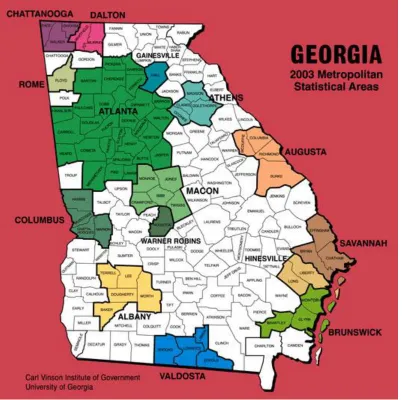
Figure 1: SNS/CRI Metropolitan Statistical Areas 26
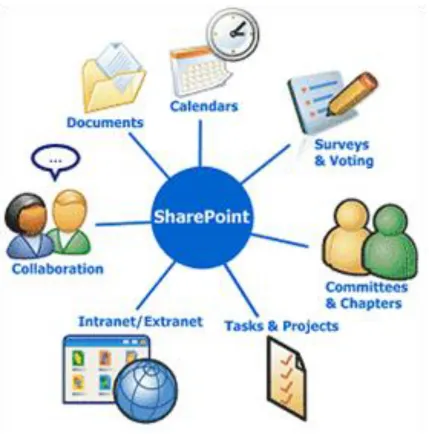
Figure 2: SHAREPOINT Tools 27
Page 5 of 32
ACKNOWLEDGMENTS
The author wishes to express sincere appreciation to Dr. Sheryl Strasser, capstone
chairperson, and Mr. Charles Reneau, industry committee member, for their support during this
process. I also would like to thank my family and friends for their tireless support of my
educational endeavors. My life is much richer due to the contributions of those listed above, I
Page 6 of 32
AUTHOR’S STATEMENT
In presenting this capstone in partial fulfillment for requirements for an advanced degree from
Georgia State University, I agree that the library of the University shall make it available for
inspection and circulation in accordance with its regulations governing materials of this type.
Permission or to publish this thesis must be obtained from the author. Quoting, copying, or
publishing must be solely for scholarly purposes and not involve potential financial gain. Any
copying from or publication of this capstone which involves potential financial gain is prohibited
Page 7 of 32
USER’S AGREEMENT
All capstone/theses deposited in the Georgia State University Library must be used in
accordance with the stipulations prescribed by the autho r in the preceding statement.
The author of this capstone is:
Judith A. Robinson
Users of this capstone who are not enrolled at Georgia State University are required to
attest acceptance of the preceding stipulation by signing below. Libraries borrowing
this capstone for the use of their patrons are required to see that each user records
below the information requested.
Page 8 of 32 INTRODUCUTION
Since September 11, 2001, there has been an increased emphasis on improving the ability
of communities to prepare for and respond to large-scale public health emergencies (Stergachis et
al, 2007) “Whether caused by natural, accidental, or intentional means public health threats are
always present (CDC, 2010c). Incidents such as the 2009 H1N1 Influenza pandemic and 2005
Hurricane Katrina are just two examples of public health emergencies that required deployment of
SNS/CRI medical assets as a countermeasure to a particular public health emergency (Bueheler &
Berkelman, 2006; CDC, 2010f). Regardless of the type of public health emergency, response
begins at the local level (Prior, 2004). The Fulton County Department of Health and Wellness
(FCDHW) is the local agency tasked with responding to public health emergencies in Fulton
County, Georgia. Fulton County, Georgia is a Strategic National Stockpile/Cities Readiness
Initiative (SNS/CRI) Program location. FCDHW is responsible for the development and
implementation of the SNS/CRI emergency response plan for Fulton County, Georgia (FCDHW,
2010).
The Centers for Disease Control and Prevention (CDC) conducts an annual audit of
SNS/CRI emergency response plans to denote the acceptability of an agency’s SNS/CRI plan by
issuing an assessment score. The Technical Assistance Review (TAR) is the CDC’s assessment
tool for the SNS/CRI program. The TAR’s scores range from 0 to 100. The minimum passing
score of 69/100 was increased to 79/100 for the 2010 assessment (CDC, 2010). FCDHW has
historically been challenged to receive a passing score (CDC 2008c; CDC 2010c). The project
Page 9 of 32
management system developed to mirror the elements of the SNS/CRI emergency preparedness
and response plan was one means to accomplish this goal.
BACKGROUND
In 1999, the United States Congress tasked the Department of Health and Human
Services (HHS) and the Centers for Disease Control and Prevention (CDC) with establishing a
National Pharmaceutical Stockpile (NPS) that could resupply large quantities of essential
medical materiel to states and communities within 12 hours of a Federal decision to deploy
during a public health emergency (CDC 2010d;Malatino, 2008; Pesik, 2002). Note the term
“materiels” refers to the pharmaceutical and medical supplies and equipment necessary to serve
as a medical countermeasure to a particular public health emergency (Merriam-Webster, 2010).
The specific mission described under the congressional mandate required that the CDC utilize
the NPS to address: “An act of terrorism [or a large scale natural disaster] targeting the U.S.
civilian population [that] will require rapid access to large quantities of pharmaceuticals and
medical supplies.” Congress believed that effective medical countermeasures, provided by the
NPS, were required to significantly decrease the impact of a bioterrorist attack (Prior, 2004). The
CDC responded to Congress by developing both a stockpile of medical materiels and a means of
rapid deployment that could meet the stated requirements (Malatino, 2008).
In 2003, the National Pharmaceutical Stockpile became the Strategic National Stockpile
(SNS) and was jointly managed by the Departments of Homeland Security (DHS) and Health and
Page 10 of 32
of the SNS back HHS (BioShield, 2004; Malatino, 2008; Pesik, 2002). HHS tasked the CDC’s
Coordinating Office for Terrorism Preparedness and Response with oversight of the SNS.
The two events that tested the newly reconfigured SNS program were hurricane Katrina
in 2005 and the threat of an H1N1 influenza pandemic in 2009. Hurricane Katrina was one of
the strongest hurricanes to impact the Atlantic Coast of the United States in over 100 years and
caused immense devastation to both human life and city operation and infrastructure (NOAA,
2010). In response to the vast medical needs that arose from this devastation the first SNS
materiels were deployed. The 2009 threat of an H1N1 influenza pandemic also resulted in the
deployment of the SNS program assets (CDC 2010f). While H1N1 did not result in an influenza
pandemic, development of a comprehensive all hazards plan including a medical countermeasure
plan, necessary to facilitate the receiving, distributing, and dispensing of H1N1 vaccine was
essential .
STRATEGIC NATIONAL STOCKPILE
Public health emergencies require medical countermeasures, such as vaccines, antibiotics,
or antidotes to be delivered rapidly to the general public. The federal government, through the
CDC, maintains a cache of pharmaceutical drugs and other medical materiels known as the SNS
(CDC, 2010e; Esbitt, 2003; Malatino, 2008; Priester, 2008). The SNS is not designed as a
first-response asset, but as a back-up or resupply resource for state and local medical materiel in limited
supply or depleted by a large-scale emergency (CDC, 2010e; Malatino, 2008; Priester, 2008). .
The SNS is managed by the Health and Human Services (HHS) and is coordinated through the
Page 11 of 32
The SNS is comprised of 12 separate “push packages,” each capable of reaching its
designated destination within 12 hours of DHS’s authorization. Each push package includes
caches of pharmaceuticals, antidotes, and medical supplies designed to provide a broad spectrum
of assets in the early hours of an event (CDC 2010e; Esbitt, 2003). The push packages are
positioned in strategically located, secure warehouses and delivered by commercial, express
carriers. Additional specially tailored supplies known as vendor managed inventory (VMI)
follow within 24 to 36 hours of an event. (CDC,2010e; Esbitt, 2003; Malatino, 2008; Priester,
2008). HHS transfers authority for the SNS materiel to the state and local authorities once it
arrives at the designated receiving and storage site. State and local authorities then begin the
breakdown of the 12-hour Push Package for distribution. SNS Stockpile Service Advance Group
(SSAG) remain on site to assist state and local officials so that SNS assts can be efficiently
received and distributed upon arrival at the site (CDC 2010e; Esbitt, 2003; Malatino,2008; Priester
2008).
CITIES READINESS INITIATIVE
While the objective of the SNS program is to provide medical assets during a public health
emergency; the objective of the CRI program is to improve the ability of the nation’s largest
metropolitan regions to provide life-saving medications, received from the SNS, in the event of a
large-scale bioterrorist attack or naturally occurring disease outbreak within 48 hours to 100
percent of the population within the MSA’s jurisdiction (CDC 2008a; CDC 2010d, Fong, 2004;
Willis et al. 2009). The 48 hours deadline is a goal based on an outdoor aerosolized anthrax
Page 12 of 32
address lesser emergencies (CDC 2008a; Lee, 2009; Prior, 2004).. There are seventy-two cities
in the Cities Readiness Initiative Program (CRI), sometimes referred to as the SNS plus program
which represents more than 50% of the U.S. population (CDC, 2008a; CDC 2010c; Fong, 2004;
Prior 2004). CRI locations are known as Metropolitan Statistical Areas (MSAs) (CDC 2008a;
Willis et al, 2009). A MSA may consist of one or more counties or cross state lines but each
state contains at least one MSA (CDC,2008a). CRI recipients receive enhanced funding,
technical assistance and are subject to assessment and accountability requirements that go
beyond those outlined in other portions of the CDC’s Cooperative Agreement on Public Health
Emergency Preparedness (PHEP) (Prior 2004). Because response efforts can be logistically
demanding in a public health emergency, SNS/CRI cities are required to develop comprehensive
emergency response plans (CDC, 2010 a; CDC 2010b; CDC, 2010g). The emergency response
plans must include drills and training developed from an all hazards approach and are compliant
with Presidential Directive 5 which promotes a centralized approach to disaster management via
use of a National Incident Management System (NIMS) (FEMA n.d.).
The twelve critical capacities and essential functions required of SNS/CRI awardees and
assessed on the CDC’s TAR (2010g) are listed below:
1. Develop a SNS plan with the rationale being the better the plan, the better the
MSA is prepared for receiving, distributing, and dispensing of the SNS assets
2. Manage SNS operations as part of the emergency response efforts
Page 13 of 32
4. Assure tactical communication in an effort to remain informed and to
coordinate response efforts
5. Disseminate public information and communications to keep the public
informed and reduce impact of misinformation and rumors
6. Assure security support since emergencies can be chaotic in nature and
security can aid the promotion of order and crowd control
7. Regional/Local receiving, staging, and storing SNS assets as required by the
SNS program
8. Control SNS inventory before, during and after the emergency
9. Distribution of SNS Assets
10.Dispense oral medications as per compliance plan
11.Coordinate treatment centers to facilitate successful dispensing of medications
12.Train, exercise, and evaluate responders in order to improve response efforts
AN ALL HAZARDS APPROACH
Pursuant to Presidential Directive 5, all SNS/CRI compliance documents are required to be
developed from an all hazards approach (DHS, 2009). An “all hazards” approach does not imply
that one plan adequately addresses all of the requisite response efforts necessary to prevent,
mitigate, respond, or recover from any public health emergency. An all hazards approach notes
there are functions common to all public health emergencies and addresses the implementation of
these common functions in a base plan while addressing the specific differences associated with a
Page 14 of 32
necessary, improvisational to specific circumstances. (Waugh, 2004) The theory is that
“all-hazards” plans can provide a basic framework for responding to a wide variety of disasters making
it cost effective in terms of time and money. An all-hazards approach to planning encourages a
broader perspective on dealing with risk and a broader foundation on which to build effective
programs to manage hazards and disasters (DHS, 2009; FEMA, 2008)
Effective [disaster] management should not be event driven. Instead a new paradigm must
be approached through increased awareness, preventive measures, and robust preparedness
(Waugh, 2004). Preventing a disaster from ever occurring reaps far more benefits than simply
reducing the costs of post-incident response and recovery (Waugh, 2004; FEMA 2008). To
make the response and recovery aspects of our nation’s readiness system as efficient and effective
as possible, a cooperative national effort is essential, one with a unified approach to incident
management and with the ultimate goal of a significant reduction in our nation’s vulnerability over
time (DHS, 2009; FEMA, 2008.). All SNS/CRI documents developed for FCDHW were
National Response Framework (NRF) and National Incident Management System compliant.
The National Response Framework (NRF) presents the guiding principles that enable all
response partners to prepare for and provide a unified national response to disasters and
emergencies – from the smallest incident to the largest catastrophe (FEMA,2008). The NRF
defines the key principles, roles, and structures that organize the way we respond as a Nation. It
describes how communities, tribes, States, the Federal Government, private-sector and
nongovernmental partners apply these principles for a coordinated and effective national
Page 15 of 32
FEMA (2008) notes that the NRF is always in effect, and its elements can be implemented at any
level and at any time. The Framework addresses the following:
1. Key Players: Organizations and entities that may either need assistance or
provide assistance
2. Federal Assistance: Descriptions of the processes for requesting and obtaining
Federal assistance in support of States, tribes, local jurisdictions, and other federal
partners
3. Emergency Support Function Annexes: Summaries of the 15 ESF Annexes,
which group federal resources and capabilities into functional areas to serve as the
primary mechanisms for providing assistance at the operational level
4. Support Annexes: Summaries of the 8 support annexes, which describe
essential supporting aspects that are common to all incidents
The Framework also includes incident annexes that address specific categories of
contingencies or hazard situations requiring specialized application of framework
mechanisms.
Development of the 2010 SNS/CRI compliance documents were developed using an all
hazard approach which was also National Incident Management System (NIMS) compliant which
establishes procedures for efficient collaboration among both internal and external stakeholders
during a domestic disaster (FEMA, n.d). Following the guidance of the National Response
Framework assures a higher TAR audit score as the aforementioned approach also addressed the
Page 16 of 32
IMPLEMENTATION OF THE SNS/CRI PROGRAM IN FULTON COUNTY
The Fulton County Department of Health and Wellness (FCDHW) is responsible for the
development and implementation of the SNS/CRI program on behalf of the residents of
incorporated and unincorporated Fulton County, the largest metropolitan statistical area in
Georgia. (Appendix B)(Georgia Info, 2003). The CDC’s Division of Strategic National
Stockpile (DSNS) is responsible for the annual SNS/CRI audit utilizing the Technical Assistance
Review (TAR) measurement tool (2010g). The TAR is a CDC-administered assessment that
focuses on jurisdictions’ capabilities in 12 core functional areas associated with countermeasure
distribution and dispensing (CDC, 2010g). A review of past published TAR scores revealed that
consistent procurement of a passing score on the TAR has historically been a challenge for
FCDHW (CDC, 2008c; CDC 2010c). This problem was further complicated by the CDC raising
the minimum passing score from 69/100 to 79/100, a ten point increase, for the 2010 annual
audit (CDC, 2010c).
PROBLEM INDENTIFICATION
Research has shown that the audit scores of SNS/CRI MSAs improve the longer they are
in the program (Prior 2004: Willis, 2009). However, for some MSAs including the FCDHW the
challenge continues (CDC, 2008c). FCDHW has been a SNS/CRI MSA since 2004, but had yet
to receive a passing TAR score (CDC 2008c, CDC 2010c). In order to determine what was
needed to facilitate a passing score on the TAR, a crosswalk of the CDC’s TAR and past
FCDHW compliance plans was conducted. A review of previous audits revealed that missing or
Page 17 of 32
problem noted was that past compliance documents that were stored on a Fulton County shared
drive could not be located when needed. Based on the aforementioned, it was also determined
that a secure document repository was needed.
MICROSOFT SHAREPOINT 2007 AS AN IMS FOR SNS/CRI COMPLIANCE
Microsoft Office SharePoint 2007 was used to design and develop an information
management portal that mirrored the 12 critical capabilities and essential functions of the SNS/CRI
program requirements as assessed by the TAR assessment tool. Microsoft SharePoint was selected
because of the plethora of tools it contains (Maxima, n.d.; Microsoft, 2010). Those tools include,
but are not limited to a calendar/announcement time management tools with video capabilities; a
tool that surveys and permits voting; a tool to allow for committee organization ; a tool which
allows the administrator to customize the level of clearance given to internal or external project
stakeholders; a collaboration tool with also provides for blogs, discussions, and wikis; a project
management tool that allow for detailed and current task and project progress ;and a tool to build
websites for intranet or extranet capabilities (See Figure 2) Maxima, n.d.; Microsoft, 2010).
CAPSTONE GOALS
The goal of the2010 SNS/CRI capstone project was to facilitate a successful audit score of
at least a 79/100. An IMS was developed based on the required components of the TAR
assessment tool and to serve as a secure repository for all compliance materials not only for this
Page 18 of 32 METHODOLOGY
A needs assessment was conducted to identify the deficiencies of past FCDHW SNS/CRI
plans. Georgia is divided into 159 state districts. Fulton County is Georgia District 3-2
(FCDHW,2010). A cross reference of the District 3-2 ( Fulton County Department of Health and
Wellness) SNS/CRI POD Manual and District Emergency Operations Plan (DEOP) and the
CDC’s TAR identified which compliance documents were satisfactory, required modification, or
were missing. All SNS/CRI documents were then either created or modified using an all hazards
approach.
A recommendation was then made to align all SNS/CRI compliance materials to the TAR
format and design and develop IMS that also mirrored the TAR. One advantage of developing a
secure IMS was it would no longer be necessary to recreate all SNS/CRI compliance materials for
future audits. Preparation for future audits would merely require the modification of the previous
year’s plan to address any program changes or requirements. To ensure compliance with the
federal standardization of emergency preparedness and response efforts to domestic incidents, all
SNS/CRI compliance documents adhered to the requirements of the National Response
Framework.
Use of a secure IMS to facilitate a successful SNS/CRI audit required the design and
development of a secure virtual IMS that also served as a secure document repository. The virtual
IMS would allow for intranet and extranet access; collaboration among both internal and external
project stakeholders; tasks and project tracking; use of surveys; the ability to control the amount of
Page 19 of 32
event, and announcement sharing and notification capabilities. The security component of the IMS
assures against documents being lost, deleted, or corrupted, all possibilities for users of the Fulton
County government shared drive. The use of SharePoint allowed all audit stakeholders to upload
their audit documentation once and then checkout the document to make necessary modifications
for subsequent audits. SharePoint has a feature which can track various versions of a modified
document. This feature is invaluable with regards to preparation for future audits in that it will no
longer be necessary to recreate the SNS/CRI audit documents, but merely to modify them to reflect
program changes. The use of the secure document repository restricted access to compliance
documents to designated project members. Documents identified as incomplete or missing were
modified or created pursuant to the requirements noted in the TAR. This is significant in that the
removal of the geographical and time access barriers previously caused by use of the Fulton
County Government shared drive resulted in increased collaboration.
In order to promote efficient use of SharePoint, training was provided for the FCDHW staff
and interns, the staff of the Georgia Tech Research Institute (an external partner), and Fulton
County emergency response.
A work plan was established to ensure time to create and upload all necessary compliance
documents. Once all of the requisite SNS/CRI documents were either created or edited, the
documents were uploaded to the IMS for pre-assessment at the state level. Once the state
auditor’s recommendations and comments were received, a 45 day work plan was established to
incorporate the state’s recommendations in time to update the SNS/ CRI documents for the CDC’s
Page 20 of 32 PROJECT RESPONSIBILITIES
Once a decision was reached to develop an IMS, my responsibilities were to design and develop an
IMS to function as a virtual compliance tool organized to satisfy the requirements of the TAR. I
conducted periodic audits of the SharePoint portal were conducted to ensure that the IMS was user
friendly, and functioned properly. Periodic audits of compliance documents were also conducted
for completeness, accuracy, and program compliance. As the lead intern and project manager,
production support of audit materials was required in addition to my SharePoint duties.
THE THREE CORE FUNCTIONS OF PUBLIC HEALTH
There are three core functions of public health. The first core function of public health is
Assessment. The second core function of public health is Policy Development. The third core
function of public health is Assurance. Listed below is an explanation of how three core functions
aligned with the ten essential services of public health and the impact on FCDHW’s SNS/CRI
program.
The Assessment function refers to the obligation of every public health agency to monitor
the health status and needs of its community regularly. This function incorporates the essential
services of monitoring health status and diagnosis and investigation of health problems and
hazards. FCDHW via the SNS/CRI program monitors for hazardous agents and their threats to the
community as well as their impact on individual and community health.
The Policy Development function refers to the responsibility of every health agency to
develop comprehensive policies that are based on available knowledge and responsive to
Page 21 of 32
people; mobilizing community partnerships and action; and developing policies and plans that
support individual and community health efforts. FCDHW via SNS/CRI inform, educate, and
empower emergency responders to address public health emergencies, mobilize community
response partners, and develops comprehensive SNS/CRI plans to support individual and
community health efforts.
Assurance is the guarantee of governments that agreed upon, high priority personal and
community health services will be provided to every member of the community by qualified
personnel and organizations as well as enforcement of laws and regulations that protect health and
ensure safety. This function guarantees the use of a competent healthcare workforce, evaluation of
personnel and program effectiveness, accessibility of services, and quality personal and population
based services; and research based insights and innovative solutions to health problems. FCDHW
via SNS/CRI links the population of the Fulton County MSA to the necessary medical assets
during a public health emergency, and assures competent public and personal health care
workforce via training, exercises and drills, and evaluates SNS/CRI plans using the TAR to
determine the readiness of a MSA to address a public health emergency as well as adhering to all
laws that protect and ensure the safety of the residents of Fulton County, Georgia.
CHALLENGES
A means of tracking necessary SNS/CRI program improvements was not in existence prior
to the beginning of this project; therefore, it was difficult for the FCDHW to track the requisite
plan improvements. Continued auditing of the compliance process was needed, but was extremely
Page 22 of 32
relevant when one considers that FCDHW did not have any authority to compel the production of
necessary compliance document from external partners. The use of SharePoint reduces the amount
of work FCDHW will need to do for future audits because rather than recreate every document in
the IMS, it will now be necessary to only make the requisite modifications not recreate the all
SNS/CRI compliance documents in the secure repository. It is unlikely that all of the materials
uploaded to SharePoint will require modifications to meet the requirement of the 2011 TAR.
However, it is also advisable to conduct a needs assessment prior to beginning the SNS/CRI audit
process.
RESULTS
The use of SharePoint as an IMS, to enhance emergency preparedness and response
assurance along with systematic monitoring and evaluation during the compliance process, was
vital to the success of the TAR review. Geographical and time related constraints were no longer
an issue due to the fact that SharePoint could be accessed over a secure internet connection from
any place at anytime. The use of SharePoint as a secure document repository rather than the
FCDHW shared drive that could only be accessed from a Fulton County government location
during business hours resulted in increased collaboration and contribution of internal and external
audit stakeholders. The project’s goal was to facilitate a TAR audit score of at least 79/100. The
project goal was met as FCDHW received a 2010 TAR audit score of 86/ 100. FCDHW also
received a certificate of achievement from the state of Georgia for the “most improved” score for
Page 23 of 32 FUTURE DIRECTIONS
The SNS/CRI program offers a continued opportunity for Georgia State University’s
(GSU) public health students with an interest in emergency preparedness and response to
contribute to emergency preparedness and response efforts. The opportunity exists for realistic
on-the-job training and insights into local health department operations, structures, and challenges and
all within walking distance of campus.
RECOMMENDATIONS
While the success of the 2010 audit was the result of the efforts of more than 20 SNS/CRI
team members, this is not an option future audits. One advantage of designing and developing an
IMS to promote the assurance of a successful audit is that maintenance requires only a fraction of
the staff that was needed during the development of the IMS. This is due to the fact that all
compliance documents needed are available for requisite modifications instantaneously.
It is advisable to continue to incorporate comments and recommendations from the states’
pre-assessment review into the SNS/CRI documents in preparation for the CDC’s annual TAR
review. The CDC’s TAR comments and recommendations should then be incorporated into the
upcoming years plan to improve the compliance product for the next year’s state pre-assessment.
Continued use of the each auditor’s comments in the preparation for the next pre-assessment or
CDC review will allow for a continual improvement in the development and implementation of
Page 24 of 32
audit, periodic program evaluations must occur. These suggestions should result in a better
compliance product.
It is also advisable to expand the needs assessment prior to beginning each audit period
note any program changes needed not only to improve the compliance product, but the compliance
process.. For example, if it historically takes a certain amount of time to procure all memorandums
of understanding and the past timeline allotted less, modify the timeline to reflect the actual time
needed not the theoretical time allotted.
While the SNS/CRI compliance efforts can present challenges with regards to supporting
repeated success on annual pre-assessments and TAR reviews, adherence to the aforementioned
Page 25 of 32
APPENDIX A: ACRONYMS
CDC Centers for Disease Control and Prevention
CRI Cities Readiness Initiative
DSLR Division of State and Local Readiness
DSNS Division of Strategic National Stockpile
FCDHW Fulton County Department of Health and Wellness
GIS Geographic Information System
HHS U.S. Department of Health and Human Services
HSEEP Homeland Security Exercise and Evaluation Program
ICS Incident Command System
MOU Memorandum of Understanding
MSA Metropolitan Statistical Area
NIMS National Incident Management System
NRF National Response Framework
POD Point of Dispensing
SNS Strategic National Stockpile
Page 26 of 32
Page 27 of 32
Page 28 of 32 REFERNCES
Buehler, J., Whitney, E., & Berkelman, R. (2006). Business and public health collaboration for emergency preparedness in Georgia: a case study. BMC Public Health, 6(285) 1-13. doi:10.1186/1471-2458-6-285.
Centers for Disease Control and Prevention. (2010a) 2010 Report: Public Health Preparedness: Section 1: A National Snapshot of Public Health Preparedness Activities. Retrieved from http://emergency.cdc.gov/publications/2010phprep/section1/section1_pg3.asp
Centers for Disease Control and Prevention. (2010b) 2010 Report: Public Health Preparedness:
Appendix 6: Cities Readiness Initiative Technical Assistance Review Scores for 2007-2008. Retrieved from
http://emergency.cdc.gov/publications/2010phprep/appendix/appendix6.asp
Centers for Disease Control and Prevention. (2010c) 2010 Report: Public Health Preparedness: Strengthening the Nation’s Emergency Response State by State. Retrieved September 21, 2010 from http://emergency.cdc.gov/publications/2010phprep/
Centers for Disease Control and Prevention. (2010d) Cities Readiness Initiative. Retrieved from http://www.bt.cdc.gov/cri/index.asp
Centers for Disease Control and Prevention. (2008a). Key Facts about the Cities Readiness Initiative. Retrieved from http://emergency.cdc.gov/cri/facts.asp
Centers for Disease Control and Prevention. (2008b) National Public Health Performance Standards Program: Orientation to the Essential Services. [PowerPoint slides] Retrieved from
http://www.cdc.gov/od/ocphp/nphpsp/Documents/Essential%20Services%20Presentation. ppt
Centers for Disease Control and Prevention (2008c). Public Health Preparedness: Mobilizing State by State. Retrieved from
http://emergency.cdc.gov/publications/feb08phprep/pdf/feb08phprep.pdf
Centers for Disease Control and Prevention. (2010e) Strategic National Stockpile. Retrieved from http://emergency.cdc.gov/stockpile/index.asp
Centers for Disease Control and Prevention. (2010f). The 2009 H1N1Pandemic: Summary Highlights; April 2009-April 2010. Retrieved May 5, 2010 from
Page 29 of 32
Centers for Disease Control and Prevention Office of Public Health Preparedness and Response Division of Strategic National Stockpile. (2010g). Division of Strategic National Stockpile Local Technical Assistance Review Users Guide. Retrieved January 2010 from
http://www.dhss.mo.gov/StrategicNationalStockpile/Local-TAR-Guide-January2010.pdf
Durante, A., Melchret, R., Sullivan, K., & Degutis, L. (2007). Partnering for Success:
Recruitment, Training, and Deployment of Public Health Exercise Evaluators. Public Health Reports, 122(6), 824-827. Retrieved from Academic Search Complete database.
Esbitt, D. (2003). The Strategic National Stockpile: roles and responsibilities of health care professionals for receiving the stockpile assets. Disaster Management & Response, 1(3), 68-70. Retrieved from CINAHL database.
Federal Emergency Management Agency. (2008). National Response Framework. Retrieved January 25, 2010 from http://www.fema.gov/pdf/emergency/nrf/nrf-core.pdf.
Federal Emergency Management Agency. (n. d.) About the National Incident Management Systems (NIMS). Retrieved February 2, 2010 from
http://www.fema.gov/emergency/nims/AboutNIMS.shtm
Fong, T. (2004). Shifting funds to cities. Plan to redirect bioterror funds upsets states. Modern Healthcare, 34(22), 14. Retrieved from MEDLINE with Full Text database.
Fulton County Government. (2010).About Fulton County. Retrieved January 12, 2010 from http://www.fultoncountyga.gov/visitors-about-fulton-county
Fulton County Department of Health and Wellness (FCDHW). (2010). Fulton County Department of Health and Wellness Homepage. Retrieved March 16, 2010 from http://www.fultoncountyga.gov/county/health/index.php?option=com_frontpage &Itemid =1
Georgia Info. (2010). Georgia 2003 Metropolitan Statistical Areas. Retrieved October 23, 2010 from http://georgiainfo.galileo.usg.edu/2003msamap.htm
Harris, J., & Clements, B. (2007). Using Social Network Analysis to Understand Missouri's System of Public Health Emergency Planners. Public Health Reports, 122(4), 488-498. Retrieved from Academic Search Complete database.
Page 30 of 32
Malatino, E.M. (2008). Strategic National Stockpile: An Overview and Ventilator Assets. Respiratory Care. 53(1), 91-95.
Maxima. (n.d.) What is SharePoint[image]. Retrieved March 2, 2010 from http://www.maximaireland.com/sharepoint
Merriam-Webster: An Encyclopedia Britannica Company. (2010). Materiel. Retrieved February 16, 2010 from http://www.merriam-webster.com/dictionary/materiels
Microsoft Corporation. (2010) A roadmap to SharePoint Server training. Retrieved August 16, 2010 fromhttp://office.microsoft.com/en-us/training/sharepoint-server-2007-training-
courses-HA010235858.aspx
National Oceanic and Atmospheric Administration (NOAA) (2010, May 7). Hurricane Katrina. Retrieved August 3, 2010 from http://www.ncdc.noaa.gov/special-reports/katrina.html.
Office of Public Health Preparedness and Response Division of Strategic National Stockpile | (DSNS). (2010). Division of Strategic National Stockpile: Local Technical Assistance
Review Tool Users Guide. Retrieved from
http://www.dhss.mo.gov/StrategicNationalStockpile/Local- TAR- Guide-January2010.pdf
Pesik, N., Gorman, S., Williams, W.D. (2002). The national pharmaceutical stockpile: An overview and perspective for Pacific States. Pac Health Dialog. March 9(1), 109-114. Retrieved from February 27, 2010 http://www.ncbi.nlm.nih.gov/pubmed/12737427
Prior, S.D. (2004). Who You Gonna Call? Responding to a Medical Emergency with the Strategic National Stockpile. Retrieved February 16, 2010 from
http://www.ndu.edu/CTNSP/docUploaded/DTP3%20SNS.pdf
Project Bio Shield Act of 2004. (2004). Public Law 108-27, (2004).
Stergachis, A., Wetmore, C., Pennylegion, M., Beaton, R., Karras, B., Webb, D., et al. (2007). Evaluation of a mass dispensing exercise in a Cities Readiness Initiative setting.
American Journal of Health-System Pharmacy, 64(3), 285-293. Retrieved from CINAHL Plus with Full Text database.
U.S. Department of Homeland Security. (2009, September 19) Homeland Security Presidential Directive 5: Management of Domestic Incidents. Retrieved January 9, 2010 from
http://www.dhs.gov/xabout/laws/gc_1214592333605.shtm
Page 31 of 32
March 28, 2010) from https://www.training.fema.gov/emiweb/downloads/Waugh%20- %20Terrorism%20and%20Planning.doc
Willis, H.W., Nelson, C., Shelton, S.R., Parker, A. M., Zambrano, J.A., Chan, E.W., Wasserman, J., Jackson, B. A. (2009). Initial Evaluation of the Cities Readiness Initiative. Santa Monica, CA: RAND Corporation. Retrieved June 21, 20210