St. John Fisher College
Fisher Digital Publications
Education Doctoral Ralph C. Wilson, Jr. School of Education
8-2011
The Children Left Behind: An Evaluation of a
Reading Intervention Program for Upper
Elementary Students
Tahira DuPree Chase
St. John Fisher College
How has open access to Fisher Digital Publications benefited you?
Follow this and additional works at:http://fisherpub.sjfc.edu/education_etdPart of theEducation Commons
Recommended Citation
Chase, Tahira DuPree, "The Children Left Behind: An Evaluation of a Reading Intervention Program for Upper Elementary Students" (2011).Education Doctoral.Paper 28.
Please note that the Recommended Citation provides general citation information and may not be appropriate for your discipline. To receive help in creating a citation based on your discipline, please visithttp://libguides.sjfc.edu/citations.
The Children Left Behind: An Evaluation of a Reading Intervention
Program for Upper Elementary Students
Abstract
The landmark NCLB (2001) has directed great attention and increased awareness of early literacy instruction. Still, less attention has been paid to older students who struggle to read. School districts must identify best practices and strategies to remediate students who struggle to read. The purpose of this 30-week mixed methods research was to examine the effectiveness of a reading intervention program, My Sidewalks, to improve pre-adolescent students’ reading skills and impro ve their positive attitudes toward academic and recreational reading. Reading skills were measured using the Group Reading Assessment and Diagnostic Evaluation. Students’ positive attitudes were measured using the Elementary Reading Assessment Survey. Each measurement instrument was administered in the Fall of 2010 and Spring of 2011. This action research took place in a small-sized urban school district in the Lower Hudson Region of New York State. Using stratified random sampling, the 49 purposive participants were Grade 5 struggling readers who received reading intervention services during the 2010-2011 school year. Consequential of the 30-week
implementation of My Sidewalks , participants demonstrated statistically significant gains at p < .001 in sentence comprehension, passage comprehension, and vocabulary. Participants showed practical significant gains at p = .10 in listening comprehension. Moreover, students demonstrated statistically significant improvement in their positive attitudes toward recreational reading, while a slight improvement was noted in academic reading. The practical significance of this study will lead to broader investigation and evaluation of reading intervention programs and best practices that address the struggling readers dilemma among older students.
Degree Type
Dissertation
Degree Name
Doctor of Education (EdD)
Department Executive Leadership First Supervisor Ronald D. Valenti Second Supervisor Welton L. Sawyer Subject Categories Education
The Children Left Behind: An Evaluation of a Reading Intervention Program for Upper Elementary Students
By
Tahira DuPree Chase
Submitted in partial fulfillment of the requirements for the degree
Ed.D. in Executive Leadership
Supervised by Ronald D. Valenti, Ph.D.
Committee Member Welton L. Sawyer, Ed.D.
Ralph C. Wilson, Jr. School of Education St. John Fisher College
Dedication
There are many people who made the completion of my doctoral work possible. First, I wish to thank my son, Chandler (6) and daughter, Schylar (9) for their patience, understanding and unconditional love during the 28-month dissertation journey. Whether it was to help me staple an article together or simply ask,” Mommy, are you finished with your homework yet?”… there was not a moment that passed where I did not feel like the luckiest mom on Earth to have two very patient and understanding children. Chandler and Schylar, you now have your mommy back!
Next, I wish to thank my parents, Mr. Bobby DuPree and Mrs. Dorothy DuPree for their unconditional love, support and admiration. They did not hesitate to help care for my children while I spent time in class or at the library. This doctoral work would not have been possible had it not been for their support and belief in me.
I also wish to thank my husband, Craig for his selflessness, love and support at home. His encouraging words will not be forgotten.
This research is also dedicated to the children of this nation who have been silenced by illiteracy. This work is not complete until we win the war on illiteracy— especially in underserved communities.
Biographical Sketch
Tahira DuPree Chase is currently the Director for Curriculum and Instruction in the Mount Vernon City School District. Mrs. DuPree Chase attended Norfolk State University, Norfolk, Virginia, from 1990 to 1994 and graduated with a Bachelor of Science degree in the area of Mass Communications in 1994, with cum laude distinction. She attended the City University of New York from 1995 to 1997 and graduated with a Master of Arts degree in the area of Secondary English Education in 1997, with magna cum laude distinction. Ms. DuPree Chase furthered her studies at Mercy College, Dobbs Ferry, New York, from 2000 to 2002 and graduated with distinction with a Master of Science degree in the area of School Administration and Supervision in 2002.
Mrs. DuPree Chase came to St. John Fisher College in the summer of 2009 and began doctoral studies in the Ed.D. Program in Executive Leadership. Mrs. DuPree Chase pursued her research in the effectiveness of a reading intervention program for pre-adolescent students under the direction of Dr. Ronald D. Valenti and Dr. Welton L. Sawyer and received the Ed.D. degree in August 2011.
Acknowledgments
First and foremost, I thank God for allowing me the opportunity to accomplish this task. Only He knows what I have endured during this journey; yet, He provided me with the strength (and energy) to forge ahead.
I extend my deepest appreciation to the members who served on my dissertation committee for sharing their time, insight and expertise. Dr. Ronald D. Valenti, my dissertation chair, shared his invaluable expertise in leadership, statistics and was a constant source of encouragement and support during every step of this journey. My committee member, Dr. Welton L. Sawyer, has given generously of his time,
encouragement and honest feedback to make this important work possible. Both
members of the committee brought a perspective that encouraged me to think in complex ways, to push the envelope a bit and dig below the surface to capture the very essence of this work. For this, I am grateful.
I wish to acknowledge the seven (7) reading teachers and forty-nine (49) wonderful students who willingly participated in this study. Through them, I learned several invaluable lessons about resiliency, patience and the power of flexibility. The reading teachers never hesitated to take on additional paperwork and conduct extra duties just so I may complete this research in a timely manner. Their contribution to this study will not be forgotten.
A team of expert researchers at Pearson Education served as a source of guidance, and I would be remiss if I did not acknowledge the fantastic Marcy Baughmann and
Mary Ehmann for their resourcefulness, advisement and support with statistics. I also wish to thank Mr. Scott Boozan for capturing the expert teaching to support this work. Additionally, I wish to thank Dr. Jeanne Paratore and Dr. Edward Kammeneui for their willingness to provide guidance and advisement—what an honor to have leading experts in the field of literacy research to call upon for all the right answers.
Last, but certainly not least, I am forever indebted to my dynamic executive mentor, Mrs. Elizabeth Bassford. Mrs. Bassford was indeed “the wind beneath my wings” from the very beginning of this journey. Mrs. Bassford’s deep passion for literacy development within the underserved populations actually steered this work. It was indeed an honor to have experienced her guidance, expertise and well-wishes throughout this journey. We have so much more work to do together—now that I have gained an enriched understanding of our nation’s literacy crisis. I look forward to my continued work with Mrs. Bassford.
I wish to acknowledge the fantastic friends who offered encouraging text messages, much-need humorous emails and accepted my late night phone calls. Your uplifting words helped tremendously.
Abstract
The landmark NCLB (2001) has directed great attention and increased awareness of early literacy instruction. Still, less attention has been paid to older students who struggle to read. School districts must identify best practices and strategies to remediate students who struggle to read.
The purpose of this 30-week mixed methods research was to examine the
effectiveness of a reading intervention program, My Sidewalks, to improve pre-adolescent students’ reading skills and improve their positive attitudes toward academic and
recreational reading. Reading skills were measured using the Group Reading Assessment and Diagnostic Evaluation. Students’ positive attitudes were measured using the
Elementary Reading Assessment Survey. Each measurement instrument was
administered in the Fall of 2010 and Spring of 2011. This action research took place in a small-sized urban school district in the Lower Hudson Region of New York State. Using stratified random sampling, the 49 purposive participants were Grade 5 struggling readers who received reading intervention services during the 2010-2011 school year.
Consequential of the 30-week implementation of My Sidewalks, participants demonstrated statistically significant gains at p < .001 in sentence comprehension, passage comprehension, and vocabulary. Participants showed practical significant gains at p = .10 in listening comprehension. Moreover, students demonstrated statistically significant improvement in their positive attitudes toward recreational reading, while a slight improvement was noted in academic reading.
The practical significance of this study will lead to broader investigation and evaluation of reading intervention programs and best practices that address the struggling readers dilemma among older students.
Table of Contents
Dedication ... ii
Biographical Sketch ... iii
Acknowledgments... iv
Abstract ... vi
Table of Contents ... viii
List of Tables ... xi
List of Figures ... xiii
Chapter 1: Introduction ... 1
Problem Statement ... 4
Theoretical Framework ... 5
Significance of Study ... 7
Background for the Study ... 9
Purpose ... 10
Research Questions ... 10
Definitions of Terms ... 11
Summary of Remaining Chapters ... 14
Chapter 2: Review of Literature ... 16
The Term Struggling Reader ... 16
Characteristics of Upper Elementary or Pre-Adolescent Struggling Reader ... 17
Matthew Effect... 22
The Fourth-Grade Slump ... 23
Readers’ Self-Efficacy ... 25
Motivation ... 26
Literacy Intervention for Pre-Adolescent Students... 26
Curriculum and Instruction for Struggling Readers... 27
Social Aspect of Reading ... 32
Social Interactions in the Process of Learning to Read ... 33
My Sidewalks Foundational Research ... 35
Conclusion ... 39
Chapter 3: Research Design and Methodology ... 40
Research Context ... 40
Purpose of Study ... 43
Research Participants (Purposive) ... 44
Anonymity vs. Confidentiality ... 54
Instruments Used in Data Collection ... 54
Procedures for Data Collection and Analysis ... 60
Data Collection and Analysis... 60
Monitoring and Documenting Project Activities ... 65
Summary ... 65
Chapter 4: Results ... 66
Research Questions ... 66
Summary of Results ... 81 Chapter 5: Discussion ... 85 Implications of Findings ... 86 Limitations ... 91 Delimitations ... 93 Conclusion ... 97 References ... 100 Appendix A ... 110 Appendix B ... 115 Appendix C ... 116 Appendix D ... 117 Appendix E ... 119 Appendix F... 120 Appendix G ... 126 Appendix H ... 127 Appendix I ... 133 Appendix J ... 135 Appendix K ... 138
List of Tables
Item Title Page
Table 3.1 District Student Demographics by Ethnicity (n = 8,726) 42
Table 3.2 Demographic Profile by Participating School Building School A (n = 550)
45
Table 3.3 Demographic Profile by Participating School Building School B (n = 497)
46
Table 3.4 Demographic Profile by Participating School Building School C (n = 366)
47
Table 3.5 Demographic Profile by Participating School Building School D (n = 365)
48
Table 3.6 Demographic Profile by Participating School Building School E (n = 357)
49
Table 3.7 Demographic Profile by Participating School Building School F (n = 319)
50
Table 3.8 Demographic Profile by Participating School Building School G (n = 315)
51
List of Tables (Continued)
Item Title Page
Table 3.10 Data Collection Method 64
Table 4.1 Comprehension Growth (n = 49) 70
Table 4.2 Vocabulary Growth (n = 49) 71
Table 4.3 Total Test Score (n = 49) 72
Table 4.4 Listening Comprehension Growth 73
Table 4.5 ERAS Data Fall 2010 to Spring 2011: Academic Reading (n = 49)
78
Table 4.6 ERAS Data Fall to Spring: Recreational Reading (n = 49) 79
List of Figures
Item Title Page
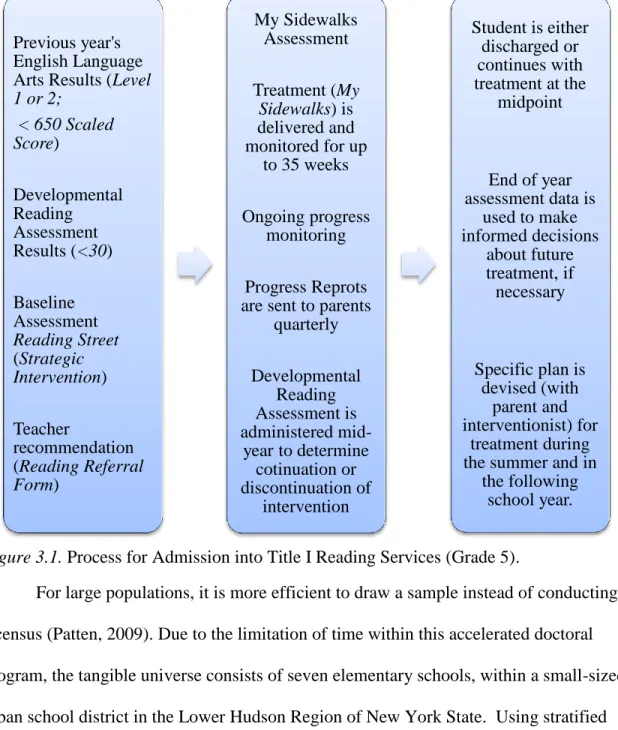
Figure 3.1 Process for Admission into Title I Reading Services 53
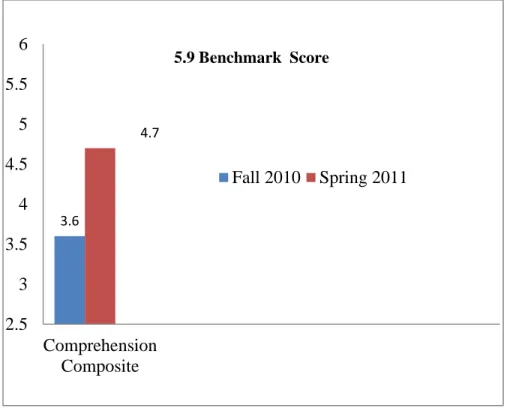
Figure 4.1 Grade Equivalent Comprehension 75
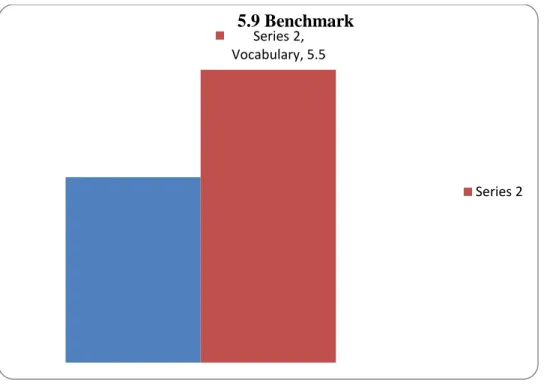
Figure 4.2 Grade Equivalent Vocabulary 76
Chapter 1: Introduction
Elementary school classroom teachers are increasingly expected to play a crucial role in contributing to the improvement of student reading skills. It is believed that using one core, scientifically based reading program for 90–120 minutes daily would meet the diverse needs of all elementary children (Torgesen and Hudson, 2006). Furthermore, many educators think of reading as a skill that is taught once and for all in the first few years of school (Ruddell and Unrau, 2004). Then students are expected to apply what is learned in the first few years to obtain information and make meaning with text. This would be the case if all students enter school as a kindergartner with the prerequisite skills for pre-literacy. Such prerequisites include concepts of print and knowledge of alphabetic sound and expression. Most educators would agree that many students, more specifically those in urban school districts, enter kindergarten ill-prepared to learn the basics of reading. This puts this unique population of students at an early disadvantage (Tatum, 2004). Far too often, this population of students is not remediated properly and early enough to correct their deficiencies. Many of these students continue to transition from grade to grade without the basic foundations for reading, and their reading skills— or lack thereof—are unnoticed or undetected until they enter the third or fourth grade.
Upper elementary teachers, more specifically Grades 4–6, often notice a puzzling phenomenon: Students who were categorized as proficient readers in the early elementary grades often seem overwhelmed by upper elementary reading tasks (Lubliner, 2004). According to the National Assessment of Educational Progress (Stullich et al., 2007),
39% of fourth graders read below the basic level. Such literacy problems get worse as students advance through school and are exposed to progressively more complex concepts and courses.
Reading is the vehicle for acquiring knowledge in the upper-grade elementary classroom. It is a complex system of deriving meaning from print that requires all of the following: the development and maintenance of a motivation to read, the development of appropriate active strategies to construct meaning from print, sufficient background information and vocabulary to foster reading comprehension, the ability to read fluently, the ability to decode unfamiliar words and the skills and knowledge to understand how phonemes and speech sounds are connected to print (International Reading Association, 2004). When children enter upper elementary grades unable to read proficiently, their academic performance rapidly spirals downward. In most cases, a member of this unique population is typically deemed a struggling reader. Struggling readers are students who read significantly below their current grade level (U.S. Department of Education 2007). Without intensive intervention, struggling readers in the upper elementary grades are likely to experience frustration and failure as they move into middle and high school (Allington, 2007).
There is no single cause of reading problems. The ability that correlates most highly with literacy achievements is language development (Chapman, 2003). What a child knows about written language when he or she enters school is the best predictor of success in learning to read (Tatum, 2004). Nagy and Anderson (2002) found a large discrepancy between the amounts of words skilled readers, average readers, and poor readers were exposed to in text. The volume of vocabulary exposure contributed to the
“rich get richer” and the “poor get poorer” philosophy (Stanovich, 1986). The children who read often had larger vocabularies and the richness of their vocabulary contributed to greater reading success. On the other hand, children with inadequate vocabulary read slowly and had less exposure to text, thus inhibiting future growth in reading ability. Reading is hindered by a combination of lack of practice, deficient decoding skills, exposure to materials outside of the instructional level, less involvement in reading activities and less skill (Tatum, 2004).
Struggling readers often are placed in low-achievement classes. Allington and Walmsley (2007) stated that children placed in low-achievement groups are “far more likely to: (a) leave school before graduating; (b) fail a grade; (c) be placed in special education; (d) become a teenage parent; (e) commit a juvenile criminal offense; and (f) remain less than fully literate (p. 2). This is especially the case for children in urban school districts (Tatum, 2004).
Struggling readers, regardless of the grade level, need intensive intervention instruction. Research shows that students will make significant progress if a reading intervention program is systematic, enhances motivation, and provides explicit intensive instruction that is tailored to the students’ instructional level (Chard, Vaughn, & Tyler, 2006). Intensive intervention involves reading instruction outside of the daily 90–120 minutes core reading block. Intervention instruction focuses on the five tenets of reading: phonemic awareness, phonics, fluency, vocabulary, and text comprehension, thus
providing a balanced reading diet. Additionally, research suggests that an intensive intervention program must use progress monitoring and assessments to ensure that students acquire critical skills for successful reading (Chard et al., 2006).
Problem Statement
Reading is the key that unlocks success in school. Students who have experienced failure in the foundational years often become angry and frustrated, disengaged and disillusioned about themselves and their ability to succeed (Tatum, 2004). Success with reading can turn around negative attitudes and self-esteem, and help students attain success in all other academic areas including math, science and social studies (Tatum, 2007).
In a 2008 cohort analysis of the reading proficiency data in a small-sized urban school district in the Lower Hudson Region of New York State, it was clear that there was a precipitous decrease in reading comprehension, vocabulary, and reading fluency beyond Grade 3. The Developmental Reading Assessment (DRA) created by Joetta Beaver (1988) as well as the New York State English Language Arts Examination (New York State Education Department, 2007) indicated that upper elementary students in this small-sized urban school district continue to experience this decrease throughout their tenure in elementary school. There was a greater decrease in reading ability noted as students enter secondary school.
In order for this small-sized urban school district to remain competitive with neighboring school districts and prepare students for the 21st-century college coursework and workforce, the district must make bold changes in how instruction is delivered to the most reading-deficient students. This district must identify the best practices and
Theoretical Framework
The theoretical perspective is a way of looking at the world; the assumption people have about what is important and what makes the world work (Yin, 2003). In terms of research, the theoretical perspective thus helps the researcher determine what to include and what to exclude in a given study (Yin, 2003). In other words, a theoretical perspective enables the researcher to have a focus when collecting and analyzing data.
Definition and history of the works of Vygotsky. Lev Semyonovich Vygotsky
was born in Russia in 1896. Vygotsky was not trained in science but received a law degree from Moscow University. While at the university, he studied literature and
linguistics. In order to grasp Vygotsky’s theory, it is necessary to understand the political environment of that time. Vygotsky began to work in psychology shortly following the Russian Revolution, where Marxism replaced the rule of the czar. The new philosophy of the Marxist emphasized socialism. During this time, individuals were expected to sacrifice their personal goals and achievements for the improvement of the larger society. Sharing and cooperation were encouraged, and the success of any individual was seen as a reflecting the success of the culture. Marxists also placed a strong emphasis on history and the belief that any culture could be understood only through examination of the ideas and events that had shaped it.
Studying a range of human development theories constructed by various Russian and Western psychologists, Vygotsky found that such theories did not account for the effect of social interaction and the influence of culture transmission (Wink & Putney, 2002). This was developed into the major theme of Vygotsky’s theoretical framework: social interaction plays a fundamental role in the development of cognition. Vygotsky
incorporates these elements in his model of human development, in what has been called a sociocultural approach (Berk & Winsler, 2005). For Vygotsky, the individual’s
development is a result of his or culture. According to Vygotsky (1978), “development” applies mainly to mental development, such as thought, language, and reasoning process. Such abilities develop through social interactions with others.
The second aspect of Vygotsky’s theory is the idea that the potential for cognitive development is limited to a certain time span that he calls the zone of proximal
development (Vygotsky, 1978). Zone of proximal development refers to the gap between what a given child can achieve alone, their potential development as determined by independent problem solving, and what they can achieve through problem solving under adult guidance or in collaboration with more capable peers (Justice & Pullen, 2004). The full development during the zone of proximal development depends upon full social interaction, and the more the child takes advantages of an adult’s assistance, the broader its zone of proximal development.
Vygotsky and the struggling reader. The works of Lev Vygotsky (1978)
provide a framework from which to view struggling readers. Vygotsky’s constructivist perspective provides insight to the manner in which struggling readers can be supported in their literacy development. Rather than concepts and learning being handed to the students, the learner constructs his or her own understanding by drawing on prior
experiences through “active construction rather than passive acquisition” (Lenters, 2006). The teacher acts as a mediator in a flexible role to share and construct understanding through social interaction (Vygotsky, 1978). The teacher provides support through scaffolding in a process called semiotic flexibility, referring to the “adult’s shifts in
speech that provide responses or directives to the child” (Berk &Winsler, 2005). Reading instruction is conducted as a series of building blocks, each subsequent block adding to the previous block of background knowledge. The teacher continually assesses the reader while adjusting instruction to meet the developmental needs of the reader.
Vygotsky (1978) stated that learning must be matched to the child’s
developmental level. The developmental age was once defined as a child’s mental age as determined by standardized tests. Vygotsky’s theory of zone of proximal development identified learning as the distance between the actual development level as determined by independent problem solving and the level of potential development through problem solving under the guidance of a capable adult.
In order to be in the child’s zone of proximal development, the activity must be too difficult for the child to perform independently but possible to perform with the support of an adult. In terms of the struggling reader, this theory advocates exposing children to concepts that require the assistance of others in an effort to steer them toward independence and mastery of a skill (Justice & Pullen, 2004). Moreover, the struggling reader must have the opportunity to read text within their instructional level (Allington, 2007). The Vygotskian approach “advocates responsiveness to children’s current capacities yet aims to move development forward” (Berk & Winsler, 2005, p. 150). Significance of Study
Every school day in America, 3,000 students drop out of school—the majority of them poor readers and enrolled in urban schools (Fleishman, 2007). According to the Michael Kamil (2005), one key factor for dropping out of school is reading achievement level. Students with below grade level reading skills are twice as likely to drop out of
school as those who can read on or above grade level. Moreover, pre-adolescent illiteracy has profound economic and social consequences. According to a 2007 report of the Coalition of Juvenile Justice (2007), the nation spends over $250 billion in lost earnings and taxes because of America’s dropout rate. Competition for skill jobs from low-wage countries is swiftly reducing the number of employment opportunities for the nation’s high school dropouts. More astounding, the Coalition for Juvenile Justice reports that 82% of prison inmates are high school dropouts, and a very high proportion of this population cannot read.
The landmark No Child Left Behind (NCLB) Act has directed attention and increased funding at both the federal and state level toward improving early literacy (Kamil, 2005). Still, little attention has been paid to the upper elementary, middle, and high school students who cannot read. Moreover, very few researchers have studied the cause and offered practical solutions to this growing problem of literacy among pre-adolescent students in urban school districts. This unique population of students is often faced with social challenges that impede their ability to succeed in school (Tatum, 2007).
The practical significance of this study will lead to broader investigation and evaluation of reading intervention programs and best practices that address the struggling readers dilemma among pre-adolescent students. The study, indeed, has local and
national implications for curriculum and program restructuring, leadership development and training with specificity, and development for pre-adolescent students who are at risk for academic failure. Ultimately, this will lead to reading improvement and development. Leaders at all levels, including federal and local government, business and community must make literacy a priority for pre-adolescent students as it is for younger ones. With
this, the research study intends to bring increased awareness of this national crisis, more specifically an awareness within the participating urban school district—located in the Lower Hudson Region of New York State. Such an awareness will assist in the
appropriate designation of funding for varied programs with proven results to close the achievement gap. With an increased awareness and proven results at the local level, teachers who teach literacy to pre-adolescent students should be provided more support and funding for their own professional growth.
Background for the Study
In 2008, the small-sized urban school district’s 11 elementary schools adopted a scientifically based thematic reading program for Grades K through 6. The reading program, Reading Street (Pearson Education), is a new program designed to help teachers build readers through motivating and engaging literature, research-based instruction, and a wealth of teaching tools. Moreover, within the reading program are offerings for strategic intervention lessons specifically designed for classroom teachers. In many classrooms throughout the district, this strategic intervention component of the core reading program does not address the most prominent needs of the struggling reader. Fletcher and Portalupi (2001) claim, that “when curriculum comes straight out of a textbook, we have the assurance that we’ve covered the necessary material. But this assurance is misleading, if not false” (p. 90). Often the reading standard curriculum and instruction are not designed to meet the individual needs of students (Ivey & Broaddus, 2001). This unique group of students requires a different setting for delivery of
instruction and a unique focus on specific foundational literacy skills. The Reading Street program is accompanied by an intensive intervention extension, My Sidewalks (Pearson).
This program, My Sidewalks, is intended to meet the needs of children who require intensive intervention in phonological awareness, letter names, letter sounds, word reading, spelling, and simple-sentence reading. My Sidewalks is distinctly designed for small-group instruction. Small-group instruction consists of 5–6 students at one sitting. This delivery of instruction must be executed by an interventionist, namely a New York State certified reading specialist, for 35–40 minutes daily.
Purpose
Based on the urgency to address the immediate needs and deficiencies of
struggling readers in urban communities throughout the United States, the purpose of this mixed-methods research was to examine the effectiveness of a district-adopted reading intervention program (My Sidewalks) to improve pre-adolescent students’ reading skills and improve their positive attitudes toward academic and recreational reading. Reading skills were measured by the New York State Department of Education English Language Arts Examination (NYSED ELA), Group Reading Assessment and Diagnostic Evaluation (GRADE). Students’ positive attitudes toward reading academic and recreational texts were measured by the Elementary Reading Assessment (ERAS).
Research Questions
The mixed-methods study answered the following four research questions: 1. To what degree does My Sidewalks Reading Intervention program prove successful in improving the reading skills Grade 5 struggling readers as measured by GRADE Assessment Forms A and B using the Normal Curve Equivalent (NCE, Grade Equivalent (GE), and Growth Scale Value (GSV)?
2. To what degree does My Sidewalks Reading Intervention program accelerate Grade 5 struggling readers to read on grade level as measured by GRADE GE score?
3. To what degree does My Sidewalks Reading Intervention program improve students’ positive attitudes toward reading academic texts?
4. To what degree does My Sidewalks Reading Intervention Program improve students’ positive attitudes toward reading recreational texts?
According to Cottrell and McKenzie (2005), a hypotheses is not needed when the research study focuses on one group. In the case of this research, the study focused on Grade 5 students who demonstrated reading difficulties. In a descriptive study, the four research questions replace hypotheses.
Definitions of Terms
To ensure clarity throughout this study, the following terms will appear in this research document:
Academic Reading—reading relating to that which is done in the academic environment or relating to tasks accomplished in the academic environment (McKenna & Kear, 1990). Foundational skills—which refer to skillsthat form the prepared ground or base on which the structure of reading rests (International Reading Association, 2004). Fidelity in literacy—strict following of protocols of the program’s design without modifications made by school district or program administer (Paratore, 2007).
Instructional level—the ability to read text with 85–90% accuracy (Chard et al., 2006). Interventionist—one who provides or implements interventions as prescribed by the participant’s needs (Chard et al., 2006)
Motivation—the individual’s personal goals, values and beliefs with regard to the topics, processes and outcomes of reading (Guthrie & Wigfield, 2000; Society for Adolescent Medicine, 2005).
Phonemes—the meaning of a letter or digraph, the “mouth move” signaled by the letter. It is the vocal gestures from which words are constructed, when they are found in their natural context—spoken words (Duke & Pressley, 2005).
Phonological awareness—refers to an individual’s awareness of the sounds structure, or phonological structure, of a spoken word (Chard et al., 2006).
Reading comprehension—the process of constructing meaning from text (Neufeld, 2005). Readingfluency—encompasses the speed or rate of reading, as well as the ability to read materials with expression (International Reading Association, 2004).
Reading intervention—series of practices, strategies and methodologies used to address significant reading deficiencies (Chard et al., 2006).
Recreational Reading—reading that is selected by student; often referred to as leisurely reading (McKenna & Kear, 1990).
Self-Efficacy—“Self-efficacy is the personal belief that students have about their ability to succeed at a particular task” (McCabe & Margolis, 2001, p.45).
Small-sized urban school district—that which has less than 10,000 students, located in an urban area; high poverty as measured by NYSED Free or Reduced Lunch rates; cultural diversity as measured by NYSED; Limited English Proficiency as measured by NYSED; defined as “High Need” as prescribed by NYSED (New York State Education
Struggling reader—student who reads two or more years below their current grade level (Stullich, Eisner, & McCrary, 2007).
Urban School District—that which is located in an urban area/community (Russo, 2011) Vocabulary—the number of different words recognized and understood in silent Reading (Chapman, 2003).
An additional definition: scripted reading intervention program. Though in
the field of literacy the term scripted reading is commonly used, one of the challenges for this study was that there is not a unified definition of scripted reading intervention
program. Therefore, for the purposes of this research, P. D. Pearson’s (personal communication, May 21, 2007) definition for a scripted program will be used:
It has become commonplace over the past decade to use the term scripted curriculum to describe a program that has these components: (a) a very specific set of directions for teachers to follow in enacting the lessons, (b) a pacing guide that prescribes precisely when teachers will teach what lessons, and (c) monitors who visit classrooms to ensure compliance with pacing guides and lesson plans. In my view, teacher editions have not really changed in the past 20 years; they have always told teachers, “Do X, do Y, do Z”! In earlier times, teachers simply chose not to follow the manuals very closely. So I believe that it is really the pacing and monitoring that is responsible what we call scripted programs. It is important to note, as Pearson did, that it is precisely the monitoring and pacing of these programs that delineates them from basal text curricula. Because scripted programs do not allow the teachers the flexibility to pace their own instruction, and modification must be done through approval from an outside source, often the program publisher or
school administration, the dynamics of a scripted classroom are necessarily different from that of a more traditional one where the teacher is in charge of instructional decision-making. In a scripted environment, this is exactly what the developers do not want to happen. According to the website for one well-known scripted intervention program, Direct Instruction, “The popular valuing of teacher creativity and autonomy as high priorities must give way to a willingness to follow certain carefully prescribed
instructional practices” (as cited in Radosh, 2004). Furthermore, during a 2004 interview, Siegfried Engelmann, author of both Direct Instruction and Corrective Reading
(programs typically used for middle school reading intervention) went on to be more explicit about the role of teacher decision-making in the classroom: “We don’t give a damn what the teacher thinks, what the teacher feels. . . . On the teachers’ own time they can hate it. We don’t care as long as they do it.” (Radosh, 2004).
Summary of Remaining Chapters
The remainder of this document is organized into four chapters. Chapter 2
reviews the literature relevant to RTI and the elementary school. It defines the struggling reader, both generally and in terms of the upper elementary or pre-adolescent reader. Research on types of struggling readers is identified and theories and practices relevant to reading and RTI are examined. Chapter 3 defines the methodology employed for the study, including the context of the research, purpose of the study, research participants, delimitations, instruments used in data collection, and procedures for data collection and analysis. The findings of the study are presented in Chapter 4. Major findings relevant to research questions and data analyses are presented. Implications, limitations, and
recommendations for practice and future studies are discussed in Chapter 5, which ends with the author’s conclusions.
Chapter 2: Review of Literature
The review of literature will examine the current research about pre-adolescent students who struggle with reading. This chapter is organized around five major sections. The literature review will include: (a) the characteristics of upper elementary struggling readers; (b) the cycle and stages of reading development for those who struggle; (c) the factors that can contribute to the motivation, engagement and attitudes of struggling readers; (d) the reading intervention program design; (e) and recommendations for curriculum and instruction for struggling pre-adolescent readers.
The Term Struggling Reader
Students who struggle with reading have been associated with different labels: learning disabled, reading disabled, minimally literate, illiterate, at risk, poor readers, low-achieving readers, slow readers, reluctant readers, delayed readers, backward readers and struggling readers (Braunger & Lewis, 1998, Fang, 2005; O’Brien, 1998, Stringer, 2003). Slavin and Madden (1989) described at-risk students as those who are in danger of failing to complete their education with an adequate level of skills. After the term struggling was used recently in work sponsored by the Center for Improvement of Early Reading Achievement (CIERA), the term “struggling reader appears to be the preferred term among reading professionals for pre-adolescent and adolescents who are unable to keep up with the reading demands of the school curriculum” (Alvermann, 2001, p. 679).
Characteristics of Upper Elementary or Pre-Adolescent Struggling Reader Traditionally, struggling readers have been viewed as low achievers, inept,
unresponsive, lazy, obstinate, and lacking in intellect (O’Brien, 2001). Additionally, they are seen as lacking such cognitive competencies as reading comprehension, study skills, word recognition, and reading fluency, which have been the defining attributes of
struggling readers (Vacca & Vacca, 2005). Recently, the notion of struggling readers has expanded to include those individuals who are disengaged from literacy (Moje, Young, Readence, & Moore, 2000). Guthrie and Davis (2003) stated that struggling readers tend to be notably unmotivated. Usually, these students lack confidence in their reading capability, their ability to read or to improve their reading skills. Guthrie and Davis further suggest that struggling pre-adolescent readers are usually extrinsically motivated rather than intrinsically motivated. These students read for grades and meeting teachers’ requirements, instead of enjoying reading, seeking satisfaction of their curiosity or enjoying the challenge of a complex plot.
The academic demands on students at the upper elementary level assume they are able to read to access learning (Allington, 2007). The work load requires students to read and comprehend efficiently and effectively both in and outside the classroom in order to meet academic course requirements (Fisher, 2001). Students who struggle with reading have difficulties in all subject areas since accessing curricula depends heavily on being able to read volumes of information with understanding in a timely manner (Whitehurst, 2007).
Reading is the gateway skill to academic success. There are approximately 9 million 4th through 12th graders in America whose chances for academic success are
dismal because they are unable to read and comprehend classroom materials (Kamil, 2009). When reading is associated with frustration and failure, it is avoided and does not improve (Cunningham & Stanovich, 2003). Struggling readers do not experience success, but rather frustration and do almost anything to circumvent being repeatedly confronted with experiences involving reading—which are equated with defeat (Leone, 2007). They are excluded from the naturally occurring cycle of reading rehearsal and progress in learning. If a student does not experience success through reading, they tend to dodge it and thereby are not exposed to the inherent benefits reading yields (Stanovich, 2003).
Pre-adolescent students who are confident about their reading abilities immerse themselves in literature, thus strengthening their reading skills. On the other hand,
students who lack confidence tend to avoid literacy activities. Due to avoidance behavior, these students engage in reading less frequently, which lends to skill deterioration
(Lenters, 2006). Reeves (2004) found students in her case study decreased reading in upper elementary and middle school. This lack of exposure with text added to students’ reading complications and failures.
Even institutions of higher learning are seeing the effects of accumulated education deficits in reading and writing skills of students (Pitts, White & Harrison, 2007). Some students who successfully earned their high school diploma with
aspirations of continuing their education are ill-equipped in reading and writing for the academic challenges at the post-secondary level and are required to take remedial or developmental courses
Reading is the portal to personal, social, professional, and academic
high school and the level of jobs for which they will be qualified (Grosso de León, 2002). According to Dr. George Farkas (2003), reading performance in elementary grades is a strong predictor of academic success in high school. Many adolescent students are below basic in reading or not proficient, thus putting their future at risk.
Reading failure is an epidemic. It affects entire communities. Academic failure affects people at the emotional and societal levels as well as impacts public health costs. Low reading levels reveal lost human potential and lack of self-esteem, both are essential elements for success (Wendorf, 2007). Every major public concern has a higher
incidence of reading failure attached to it—from juvenile delinquency to teen pregnancy to failure to graduate (Tallal, 2007).
Pre-adolescent students who struggle to read represent all social and ethnic groups. However, certain populations have significantly higher percentages of students reading below grade level. Such populations include: African-American and Hispanics, English as a Second Language, students living in families with incomes below the poverty level and students who are identified as Special Education learners (Kamil, 2005). These students’ reading deficiencies are becoming increasingly more apparent with the new accountability mandates of NCLB, which require detailed reporting of school achievement levels broken out by gender, race, ethnicity, income and special needs (The President’s Commission on Excellence in Special Education, 2002).
Mastery of basic reading skills brings a sense of personal victory. Confidence in the ability to read promotes a desire to engage in reading. Increased reading activities provide exposure to ideas and vocabulary, and continue to raise interest while learning
simultaneously occurs. When the experience of learning to read is a positive one and is associated with accomplishment, reading is enjoyable and practiced voluntarily.
Types of Struggling Pre-Adolescent Readers
Moore, Alvermann and Hinchman (2000) conclude that the term struggling can refer to students with clinically diagnosed reading disabilities as well as those who are unmotivated, in remediation, disenchanted or generally unsuccessful in school literacy tasks. Far too often, many who struggle with reading are not identified and addressed until after Grade 3 or even later. Gillet, Temple and Crawford (2004) differentiated among three types of struggling readers: nonreaders, disenchanted readers, and remedial readers. Nonreaders lack even the most basic reading skills and strategies as a result of limited vocabulary and a lack of word attack skills. Teachers or peers’ reading aloud might enable this population of readers to comprehend.
Disenchanted readers are unmotivated or unwilling to read, often as a result of negative experiences associated with the social or behavioral elements of schooling or extreme emotional distress due to family or personal problems. These students are the most difficult to understand, assess and affect positively because they often resist assessment procedures (Gillet et al., 2004).
Remedial readers, who may possess limited word attack skills and recognize sight words, have great difficulty reading and understanding grade-level texts. These readers might perform at a minimal level on multiple-choice tests but probably experiences great difficulty in tasks that call for higher level though processes such ad comparisons, finding the main ideas and forming inferences. Gillet et al. (2004) found that pre-adolescents who read below grade level suffer not only academically, but socially as well. Such
problems can lead to disruptive behavior and an increased likelihood of dropping out of school.
Many students living in poverty fail in school due to lack of critical resources in their lives (Braunger & Lewis, 2008). Though many of them have the literacy in their families that reflects their community and culture, these students have rare access to books and other print materials; to various childhood experiences that would build their literacy skills; to school-based literacy activities that pertain to their lives outside of school and/or to a variety of rich oral language interactions. These limitations impact their school performance negatively when learning to read. However, these students can succeed when appropriate instruction is provided (Allington, 2006).
Students with special needs are most commonly labeled “Learning Disabled” or “Reading Disabled.” Many struggling readers have been given these labels in school, and are often referred to special education programs. In these programs, they receive significantly less reading instruction than their peers who are better readers (Allington & Walmsley, 1995). Historically, these students have been thought to have an intrinsic deficit (Braunger & Lewis, 2003). Spear-Swerling and Sternbery (2004) state, however, that “there is currently little educational basis for differentiating school-labeled children with Reading Disability from other kinds of peer readers” (p. 4).
Currently, students who speak English as a non-native language are at schools in all areas of the United States. Moss and Puma (2005) found that English language learners (ELLs) receive lower grades and score significantly below their peers on
As a result, these students are 1.5 times more likely to drop out of school than native speakers (Cardena, Robledo & Waggoner, 2006).
Miller and Endo (2004) stated that ELLs face a variety of struggles in the classroom. They identified these struggles as language shock when exposed to new language, self-identification (between their home language and culture and those if their new home), cultural load in understanding the new culture, cognitive load in
understanding the content of their courses usually due to lack of the English language ability, and the struggle with pedagogy and curriculum, especially when the ELL is not familiar with the pedagogical style of the new culture. Other researchers have added that ELLs also struggle emotionally when they do not fit in with their peers (Watts-Taffe & Truscott, 2000).
The combination of these struggles has made many ELLs struggling readers. Reading is a language ability and a sociocultural practice (Bloom & Katz, 2004; Gillet et al., 2004). Peregoy and Boyle (2001) pointed out that compared to native English
speakers, ELLs bring different resources to the reading process. The most critical differences are second language proficiency and background knowledge pertinent to the text being read. These limitations affect reading comprehension and cause the reading process to be lower and more arduous. Researchers have found that English vocabulary is a primary determinant of reading comprehension for ELLs (Garcia & Keresztes-Nagy, 2003).
Matthew Effect
A monumental study regarding struggling readers emerged from the research of Keith Stanovich (1986). Stanovich claimed that poor readers continue to decline in their
reading abilities while proficient readers continue to develop. He named this phenomenon the Matthew effect. In the Matthew effect, the poor become poorer and the rich become richer. This concept is based on a scripture verse found in the New Testament Bible. The verse, Matthew 25:29 stated “for everyone who has will be given more, and he will have abundance. Whoever does not have, even what has will be taken from him” (New International Version).
Pre-adolescents who are confident about their reading abilities continue to immerse themselves in literature, thus strengthening their reading skills. Pre-adolescents who lack confidence, avoid literacy activities. Due to avoidance behavior, these students engage in reading less frequently, which leads to little practice and skill deterioration. Stanovich (1986) discovered the perception children have about themselves as a reader influenced whether they pursued or avoided literacy experiences.
The Fourth-Grade Slump
For more than 50 years, school administrators and teachers have been keenly aware of the significant achievement gap between students of low-income and middle-income families. Regardless of the assessment used to indicate reading performance, this achievement gap becomes more evident by fourth grade and increases as children get older. Chall (1996) locates this shift at Stage 2 to Stage 3 of Stages of Reading Development or, also known as, learning to read to reading to learn. Although some children transition smoothly to fourth grade, many others struggle with content area material.
Throughout the United States, the fourth-grade slump is a major issue and requires much discussion and fact-finding sessions among educators. If the issue is not
addressed properly, this phenomenon can negatively impact students’ learning as they progress through the grades (Sanacore & Palumbo, 2009).
As children enter upper elementary school grades, they are expected to
comprehend large amounts of expository/informational text and related vocabulary across the curriculum. For the most part, in the primary grades, these children were immersed mostly in narrative/storybook text (Sanacore, 2006). This type of text is far different from the structure and content of expository/informational text. Within the
expository/informational text, students are expected to engage in discourse that is presented as sequence of events; comparison and contrast; problem and solution; and cause and effect (Meyer and Freedle, 1999; Moss, 2004; Sanacore, 2002).
Allington (2006) believes another potential cause of the fourth-grade slump is the difficulty children encounter when they attempt to select reading materials that interest them. When children read materials that interest them, they are more apt to read often; to increase their awareness of content-specific concepts, text structure and general word knowledge; to improve their fluency, vocabulary, phonics, writing, grammar and
spelling; to become competent and confident reading more challenging materials; and to continue reading as a lifetime activity (Carlsen & Sherrill, 1998; Dahl & Scharer, 2000; Worthy, Moorman, & Turner, 1999). Unfortunately, what students are interested in reading is often unavailable in the classroom and school library (Sanacore, 2006). Exacerbating the problem of having poor access to books is the issue of having less school time for actual reading. Reading for pleasure at school is looked upon as a frill because high-stakes test preparation has become priority. This is especially the case in urban schools (Lazar, 2004).
Readers’ Self-Efficacy
McCabe and Margolis (2001) defined self-efficacy as “the personal belief that students have about their ability to succeed at a particular task” (p.45). Self-efficacy beliefs are “people’s judgments of their capabilities to organize and execute courses of action required to attain designated types of performances” (Bandura, 1986, p. 391). Bandura (1997) distinguished confidence and self-efficacy by stating that “confidence is a nondescript term that refers to strength of belief but does not necessarily specify what the certainty is about. Perceived self-efficacy refers to belief in one’s agentive
capabilities, that one produce given levels of attainment” (p. 382). Johnson, Freedman and Thomas (2007) suggested there are four main elements to the reader’s self-efficacy “(a) confidence, (b) reading independence, (c) metacognitive awareness and (d) reading stamina” (p. 4).
Johnson et al. (2007) further asserted that a student with positive self-efficacy will demonstrate stamina in the literacy process. Moreover, the student will demonstrate perseverance and pacing when a task becomes difficult or last longer than expected. Walker (2003) claimed “teachers can lead students to experience positive self-efficacy” during tasks and that self-efficacy enhancement can increase motivation and achievement (p. 173). Ruddell and Unrau (2004) claimed a student with higher self-efficacy will demonstrate higher motivation, work longer, and essentially work harder than a student with low self-efficacy. Therefore, higher self-efficacy is reciprocal to reading success (Henk & Melnick, 2002).
Some researchers focused on the lack of validation of students in schools due to the “devaluation of students’ literacy discourses” in school (Cavazos-Kottke, 2005;
Jackson & Cooper, 2007; Williams, 2004). Jackson and Cooper (2007) emphasized that too often pre-adolescents have lost their self-efficacy because their experiences and literacies were not valued in the school. Other researchers attributed a decrease in self-efficacy to students’ experiences with failure. McKenna and Stahl (2003) stated “our attitudes towards reading are shaped by each and every reading experience” (p. 204). When students encounter a task of extreme difficulty, they often sense frustration and futility (Jinks & Lorsbach, 2003). The consequences of a poor reader struggling with text are low achievement and learned helplessness (Vacca & Vacca, 2005).
Motivation
Guthrie and Wigfield (2000) defined reading motivation as “the individual’s personal goals, values and beliefs with regard to the topics, processes and outcomes of reading “(p. 405). Guthrie and Wigfield (2000) stated that low self-efficacy may be related to motivational problems. Guthrie and Davis (2003) discovered motivation is a factor that declines as children progress through school. They compared reading motivation of students in Grades 3, 5, and 8 in social studies classes in the state of Maryland. The majority of the 3rd graders responded positively. By Grade 5 the responses grew negative. By Grade 8, the majority of responses were negative. The questionnaire assessed attitude towards engagement in reading, autonomy support, reading instruction, and interesting texts. The numbers collected in this study indicated a declining trend of motivation as students progressed through school.
Literacy Intervention for Pre-Adolescent Students
When school districts are faced with exorbitant numbers of students failing in reading as shown by district and state assessments and graduation rates, a decision must
be made to address the literacy needs of these students. A search for the “magic bullet” ensues, facilitated by federal guidelines (NCLB, 2001) stating that reading programs selected by school districts must be based on research. There are several strong reading programs available to choose from that fit this criterion. Such programs address needs specific to common deficits of adolescent poor readers. What follows is a look at some of the components research tells us are vital when remediating weal reading skills at the pre-adolescent stage. Such necessary skills include, but limited to: solid understanding of sound-letter association, increasing fluency and word recognition, building vocabulary knowledge and improving integration of text information through reading and writing (Chall, 1996).
Historically, emphasis on early literacy development has been the focus of reading initiatives and funding, but emergent readers represent only the initial stage of growth toward full literacy. Students need a continuum of support throughout their school career to fully develop the breadth and depth of reading skills to engage richly in academia, seeking and preparing for careers and recreation and leisure (Alexander, 2005; Grosso de León, 2002). People today have to read and write more than any other time in history in order to perform their jobs, live independently, participate in society, and manage the vast amounts of information that inundates society each day (Alexander, 2005). The ability to read well is crucial.
Curriculum and Instruction for Struggling Readers
The National Reading Panel (2002), in its report to Congress, identified five areas found to be critical to reading instruction. These five components are essential to the
development of strong reading skills and key to a rigorous literacy instruction curriculum. They are: phonemic awareness, phonics, fluency, comprehension, and vocabulary.
Phonemic awareness is the ability to focus on and manipulate phonemes (sounds) in spoken language. Phonics is the relationship between graphemes (letters) and
phonemes. A firm foundation in phonemic awareness is necessary to build and increase reading skills in order to move towards reading competence. Explicit instruction is imperative when teaching students basic level skills (Swanson, 2009). Even older students must first be adept at recognizing individual sounds within words and master understanding and utility of the alphabetic principle.
Reading fluency refers to reading with speed, accuracy and proper expression (Kuhn & Stahl, 2003). It is a prerequisite to reading comprehension. Students who develop automaticity are allowed the capacity to focus on reading comprehension (Moats, 2006). For the purpose of this research, automaticity is defined as fluent processing of information that requires little effort or attention with regard to word recognition (Harris & Hodge, 1995). Effective fluency instruction is systematic and explicit. Two effective instructional approaches to address fluency development are guided oral reading and independent silent reading (National Reading Panel, 2002). Guided oral reading is also called repeated reading. It is often done in pairs with students reading sight words, phrases, sentences and passages for timed periods to one another. Feedback is provided regarding words read per minute and errors. Independent silent reading includes all formal efforts to increase the amount of time students engage in recreational reading at an independent level.
Comprehension is the combination of knowledge of words and reasoning in reading. This is also referred as intentional thinking during which meaning is constructed through interactions between text and reader (Durkin, 2003). Vocabulary refers to the meaning of individual words. Each is essential to becoming an effective reader. Decoding skills must be addressed in reading instruction in order for students to successfully confront new vocabulary in different content areas. With practice, both guided and independent, students can develop proficiency in rapid, accurate and fluent word decoding that will empower them when encountering words that do not preexist in their vocabulary.
In the upper grades, students are expected to read fluently and accurately so that they can comprehend text. Despite any reading difficulties a student may have, the expectation is that students will be able to decode fluently and comprehend material with challenging content (McCray et al., 2001). Older students who struggle to read tend to dislike reading and to read infrequently (Moats, 2001). As a result of reading less, this type of student experiences further regression in reading as well as vocabulary and background knowledge (Stanovich, 1986). Students who should read 10,000,000 words during the school year may only read as few as 100,000 words (Moats, 2001).
Intervention teachers can assume that most upper elementary struggling readers have needs in the area of reading comprehension. McCray (2001) tells us that students may lack one or more of the following: (a) effective strategies to help them understand, organize, and remember information; (b) adequate knowledge of word meaning; (c) the ability to read fluently enough to understand and remember what they are reading; (d) the ability to accurately decode the words; and (f) interest or motivation to read.
In order to understand individual pre-adolescent needs, the source of the struggle needs to be identified.
Several researchers have recommended instructional practices for struggling readers (Allington 2002; Allington & Walmsley, 2007; Chard et al., 2006; Duke & Pressley, 2005; Guthrie & Davis, 2003; Ivey & Broaddus, 2001; Johnson et al., 2007; Vacca & Vacca 2005). Many supplemental and intervention programs have been developed and implemented to help struggling readers. Unfortunately, too often, the instructor relies on skills worksheets and rote memorization for learning and remediation (Allington, 2007).
Appropriate instruction for this unique population of students must be intensive and prescriptive, based on student’s needs and stage of literacy development. Planned intervention instruction is responsive and diagnostic-driven (Klenk & Kirby, 2002). Guthrie and Davis (2003) stated that instructional practices for pre-adolescent struggling readers should include learning and realistic goals; real-world interactions; interesting text; strategy instruction; praise; evaluation; and teacher involvement. Similar to Vygotskian theory, an effective interventionist knows what skills their students need, their developmental reading level and what skills their students need next (Ruetzel & Cooter, 2007). Chard et al. (2006) claimed explicit strategy instruction is necessary for struggling readers. Struggling readers often lack strategies necessary to learn effectively with and from the text. Teachers must teach the struggling reader by scaffolding
instruction so the readers become confident and competent in the application of strategies within the text. As students learn and apply reading strategies effectively they gain
confidence in their abilities and therefore increase their view of themselves as competent in reading (Vacca & Vacca, 2005).
Neufeld (2005) suggested comprehension strategies be taught explicitly. Pflaum and Bishop (2004) claimed instructional reading strategies for comprehension are crucial. Strategies such as questioning, self-monitoring, application of prior knowledge,
summarizing, interpreting, predicting, and visualizing provide crucial skills for pre-adolescent readers for comprehending text with increasing complexity and a variety of text structures (Lewis, 2007). Along with strategy instruction, researchers commented strategy practice time is necessary for application (Harvey & Goudvis, 2000). Students must have the opportunity to practice strategy use through engaging reading activities (Pflaum & Bishop, 2004). But Tovani (2004) cautions “teaching strategies for the sake of teaching strategies isn’t the goal. The only reason to teach kids how to be strategic
readers is to help them become more thoughtful about reading” (p. 9). Classrooms embodying connection to the real-world learning, self directed activities, direct strategy teaching, and allowance for varied forms of self-expression increase long-term
motivations and strategies for reading (Small & Memmo, 2004).
While many intervention programs have been designed to help struggling readers, varying in nature, duration and focus, there is no one program or method that can always meet the needs of all struggling readers. Context is critical in consideration of selecting or designing a reading intervention program. Protheroe (2005) provides some criteria when considering a program for struggling readers: (a) matching the student’s reading level since different stages of growth require different focuses; (b) intensive enough to help poor readers catch up with their grade-level peers as quickly as possible; (c) Grounded in
research; (d) for very poor reader, focusing on developing their phonological skills; and (e) for less impaired readers who can decipher words through sounds, emphasizing fluency and vocabulary development.
Braunger and Lewis (1998) also list the factors that are critical to providing supportive environments for struggling readers:
Access and opportunity to a wide variety of reading materials, meaningful authentic and at the individual reader’s reading level;
Motivating readers’ willingness to read and to engage in reading by helping them to see reasons and purposes for reading;
Providing struggling readers with more time to read in real texts, supported with high-quality instruction;
Supportive instruction in the “how-to’s” of reading through demonstration, guidance and feedback in how to read;
Nurturing students’ self-esteem and confidence in their attempts and progress; and
Setting high expectations for success in a supported environment. Social Aspect of Reading
Social aspect of reading is gaining more attention—especially since Vygotsky’s social and cultural theories (1978, 1981) are becoming increasingly popular in education. Small group discussions have been found to provide a safe and more intimate
environment for all students (Raphael, Kehus & Damphouse, 2001). Students who are shy to speak before the entire class can participate and speak freely. Raphael et al. warn that individual students’ personalities need to be considered in order to make sure their
presence affect the other group members in a positive way. Also, they continue to assert that young pre-adolescents’ emerging interest in the opposite sex sometimes develop increased levels of self-consciousness around one another.
Gillet et al. (2004) state that different social groups value and use reading, writing and language differently. In some social groups, students receive a great deal of
encouragement to learn to read; seeing people around them reading and writing, they will naturally want to do these things themselves. Students from these groups find school-based literacy and literacy activities familiar, whereas students from other social groups experience a lack of congruence between their own definitions and uses of language and literacy and those they encounter at school (RAND Reading Study Group, 2002). During social interactions, there exist differences in amount, initiation patterns, volume of talk and the use of questions among students from differing cultural backgrounds (Raphael et al., 2001).
Social Interactions in the Process of Learning to Read
It has been agreed by several researchers and educators that social interactions play an essential role in learning to read (Christian & Bloome, 2004; Braunger & Lewis, 1998; Vygotsky, 1986). When students read a book or text, which is a cultural artifact written by others, they bring their own unique background knowledge or prior
experiences, using their cultural or historical tool of language. This is also a social, cultural and historic artifact (Wink & Putney, 2002). For many students, learning to read is a cross-cultural and cross-linguistic activity (Christian & Bloome, 2004). With different background knowledge and prior experiences, no two readers glean the same meaning from a text (Rosenblatt, 2004). Students need the opportunity to interact with