Understanding Site Offices Challenges to Communicate and
Exchange Information Using Technology in UK: Main Contractor
Perspective
Rasha Sayed Suleiman
School of Built EnvironmentThe University of Salford
In Partial Fulfilment of Requirements for
Degree Doctor of PhilosophyStudent ID @00276600
Contents
Contents ... 3
List of Figures ... 8
List of Tables ... 10
Acknowledgement ... 11
Abstract: ... 12
1 Introduction ... 14
1.1 Background to the study: ... 14
1.1.1 Research rationale: ... 17
1.2 Aim: ... 19
1.3 Objectives: ... 20
1.4 Research Questions: ... 20
1.5 Research Scope: ... 21
1.6 Methodology overview: ... 22
1.6.1 Research design: ... 23
1.7 Thesis structure: ... 24
2 Literature Review ... 26
2.1 Introduction: ... 26
2.2 Concept and definition of communication: ... 27
2.2.1 The importance of communication in construction management: ... 28
2.3 The process of information communication: ... 31
2.3.1 Approach 1: The process method: ... 31
2.3.2 Approach 2: Semiotics ... 36
2.4 Channels for the transmission of messages: ... 36
2.4.1 Formal communication: ... 37
2.4.2 Informal communication:... 38
2.5 Communication media: ... 38
2.5.1 Verbal communication: ... 39
2.5.2 Non-verbal communication: ... 39
2.6 Level of communication: ... 40
2.7 Effective communication: ... 41
2.7.1 Effective communication barriers and challenges: ... 43
3 Aspects of On-Site Management: ... 47
3.1 The Nature of the Industry ... 47
3.1.1 A Complex Industry ... 47
3.1.2 Highly Fragmented and Non-Collaborative ... 48
3.2 The Importance of People Skills ... 48
3.2.1 Leadership and Managers’ Skills ... 51
3.3 Information and Communication Technology (ICT) ... 57
3.3.1 ICT in Construction ... 58
3.3.2 Information Sharing ... 59
3.3.3 IT Applications ... 60
3.4 Mobility in Construction ... 64
3.4.1 Radio Frequency Identification (RFID) ... 65
3.4.2 BIM ... 66
3.5 Literature Summary ... 68
4 Research Methodology ... 70
4.1 Introduction: ... 70
4.2 Research Philosophy: ... 70
4.2.1 Ontology ... 72
4.2.2 Epistemology ... 74
4.3 Research Approaches: ... 78
4.3.1 Deductive Approach ... 78
4.3.2 Inductive Approach: ... 79
4.3.3 Abductive Approach: ... 79
4.4 Research Strategy:... 82
4.4.1 Quantitative Research: ... 82
4.4.2 Qualitative Research: ... 82
4.5 Research Design: ... 84
4.5.1 Research Purposes: ... 84
4.5.2 Experiment: ... 85
4.5.3 Ethnography ... 85
4.5.4 Action Research: ... 86
4.5.6 Survey:... 87
4.5.7 Case Study: ... 88
4.6 The Research Purpose: ... 90
4.6.1 Exploratory: ... 91
4.6.2 Descriptive: ... 91
4.6.3 Explanatory: ... 92
4.7 Data Collection Methods ... 93
4.7.1 Literature Review: ... 93
4.7.2 Survey questionnaire: ... 94
4.7.3 Interviews:... 98
4.7.4 Observation: ... 103
4.7.5 Data Analysis Methods: ... 104
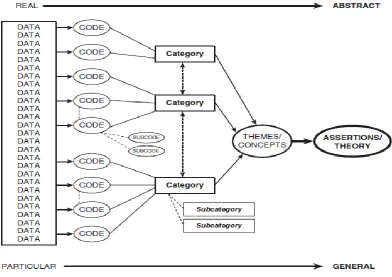
4.7.6 An example of research coding: ... 108
4.7.7 Data Interpretation: ... 111
4.8 The intersection between data: ... 112
4.9 Credibility of the Research: ... 114
4.10 Ethical Considerations: ... 115
4.11 Limitations of the research related to methodology: ... 116
4.12 Summary: ... 116
5 Chapter Five: Phase One - Questionnaire ... 118
5.1 DATA COLLECTION AND ANALYSIS ... 118
5.1.1 Introduction ... 118
5.1.2 Research Planning and Designing ... 118
5.1.3 Demographics of the Survey Sample ... 119
5.1.4 Information Management Issues Of Survey Sample ... 122
5.1.5 The relation between site information and communication method ... 131
5.1.6 Site office ... 134
5.1.7 Communication barriers ... 138
5.1.8 Mobile technology ... 139
5.1.9 Summary of the questionnaire findings ... 142
6 Chapter Six: Phase Two – Case Studies ... 147
6.1.1 Coding System ... 147
6.1.2 Description of the projects observed... 147
6.2 Case Study: Site A ... 148
6.2.1 Analysis, Presentation, and Discussion of the Data ... 148
6.2.2 Current View of the Construction Site Team and Parties: Site A - Organisational Issues ... 149
6.2.3 Information Management: ... 161
6.2.4 Communication media ... 167
6.2.5 Summary of Site A... 175
6.3 Site B Case Study ... 177
6.3.1 Analysis, Presentation, and Discussion of the Data ... 177
6.3.2 Current View on the Construction Site Team and Parties: Site B ... 178
6.3.3 Organisational issues ... 178
6.3.4 Information Management... 191
6.3.5 Communication Media... 194
6.3.6 Summary of Site B ... 198
Chapter Seven: Findings, Conclusions and Recommendations ... 201
7 Communication in the Case Studies ... 201
7.1 Background of the Pre-Contract Stage; ... 201
7.2 The Project Natural ... 202
7.3 Managing Stakeholders ... 204
7.3.1 Manager and MC Team Skills ... 204
7.3.2 Managing the Relationships with SCs ... 206
7.4 Information Management; ... 206
7.4.1 Distributed Information ... 207
7.4.2 Requested Information ... 207
7.4.3 Approved Information; ... 207
7.5 Communication Media ... 208
7.5.1 Boards/Signs ... 208
7.5.2 Radios ... 208
7.5.3 Meetings ... 208
7.5.4 Letter ... 209
7.5.6 Phones ... 209
7.5.7 Emails ... 210
7.5.8 Lync ... 210
7.5.9 SnagR ... 210
7.5.10 Site Information Management System (SIMS); ... 210
7.5.11 Web-Based Documents Control: 4 projects/Asite ... 211
7.6 A Critical Review of the Effectiveness of Communication Using Technology ... 211
8 Conclusion ... 213
8.1 Introduction ... 213
8.2 Synthesising Key Findings of the Research ... 213
8.2.1 Revisiting the Basic Understanding (Framework) ... 213
8.2.2 Adopting a New System ... 217
8.3 Summary ... 218
8.4 Revisiting the Aim and Objectives ... 218
8.5 Revisiting the Research Questions ... 220
8.6 Contribution to Knowledge ... 221
8.7 Validation ... 222
8.8 Research Limitations ... 222
8.9 Future Research ... 223
References ... 225
List of Figures
Figure 1-1 Comparison of the automotive and aircraft industry with the construction industry
(Source: Grassi & Zorgno, 1999)... 16
Figure 1-2 Research Design (Source: researcher’s illustration) ... 23
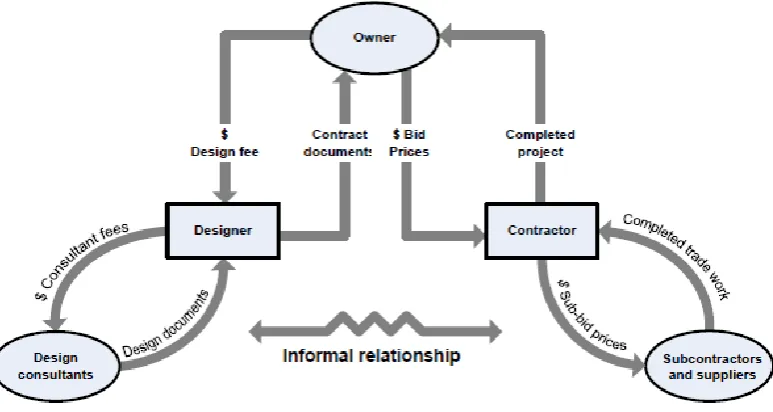
Figure 2-1 Formal and informal communication: hierarchy is formal (Source: Dainty et al., 2006) ... 37
Figure 2-2 Project communication management overview (Source: PMBOK, 2013) ... 42
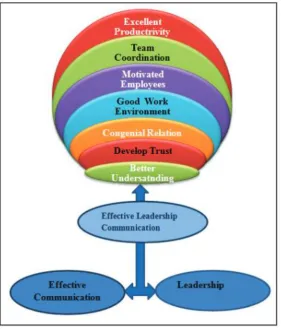
Figure 3-1 A Conceptual Model for Effective Leadership Communication (Source: Luthra & Dahiya, 2015) ... 50
Figure 3-2 Traditional Methods (Source: Gould & Joyce, 2013) ... 53
Figure 3-3 Design and Build Method (Source: Gould & Joyce, 2013) ... 54
Figure 3-4 Construction Management Approach (Source: Gould & Joyce, 2013) ... 55
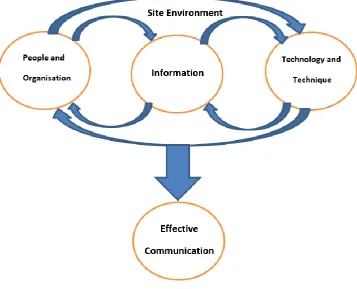
Figure 3-5 Effective Communication Aspects (Source: researcher’s illustration) ... 69
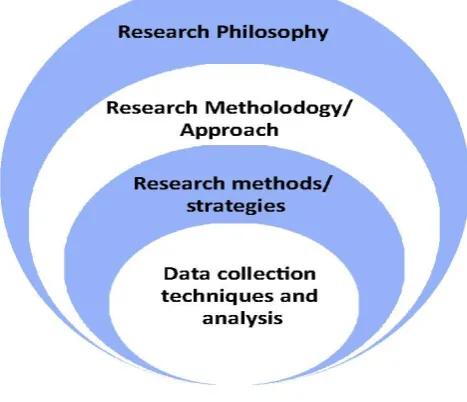
Figure 4-1 The relationship between the research philosophy and methods (Source: Adapted from Saunders et al., 2012) ... 72
Figure 4-2 The relationships between ontology, epistemology, methodology, methods (Source: Grix, 2004). ... 77
Figure 4-3 Sampling Strategies (Source: Saunders et al., 2012) ... 101
Figure 4-4 Coding Levels. (Source: Saldana, 2012) ... 107
Figure 4-5 Overlapping Analysis Stages (Source: adapted from Miles and Huberman, 1994) ... 112
Figure 5-1 The background of participants’ organisations. ... 120
Figure 5-2: The size of the organisation ... 121
Figure 5-3: Adequacy of information communication on on-site ... 122
Figure 5-4: Reasons to request further information ... 124
Figure 5-5: Information distributed to operatives on-site ... 126
Figure 5-6: Information about other activities ... 127
Figure 5-7: The nature of sent information ... 128
Figure 5-8: Tools used to communicate... 130
Figure 5-9 Sources of received information on site and the way to deliver it ... 132
Figure 5-10 Sources of received information on site and the method of delivery ... 133
Figure 5-11: Reasons to visit the site office... 135
Figure 5-12 Reasons to visit the site office ... 137
Figure 5-13: Timeframe to provide required information ... 138
Figure 5-14: The use of mobiles on site... 140
Figure 5-15 Factors to improve mobile communication... 142
Figure 5-16 Framework ... 146
Figure 6-1 An Example of Site Boards. ... 158
Figure 6-2 Key Categories for the IRS ... 164
Figure 6-3 Workflow Used on Site A ... 165
Figure 6-4 Information Cycle on Site ... 166
Figure 6-5 Project Management Process (Source: Site A website) ... 167
Figure 6-7 4Project ... 172
Figure 6-8 Site Information Management System ... 173
Figure 6-9 Team Site Structure: Site B ... 182
Figure 6-10 Site Office Design: Site B (source: Site B documents) ... 187
Figure 6-11 Workflow Used on Site B (source: Site B framework)... 193
Figure 6-12 Information Cycle on Site B ... 193
Figure 6-13 Boards On-Site Office B ... 195
Figure 7-1 main and sub-contractor relationship ... 205
Figure 7-2 Aspects reflecting the main contractor and subcontractors relationship ... 206
List of Tables
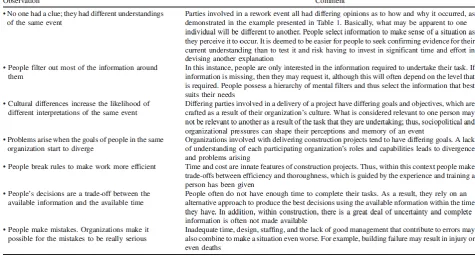
Table 3-1 Observations of the Conditions Contributing to Human Error (Love, et al., 2016) 49
Table 4-1 Ontological Views (Source: Easterby-Smith et al., 2015) ... 73
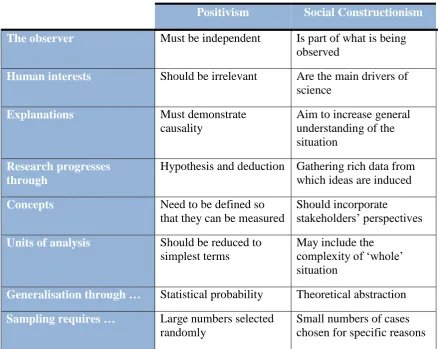
Table 4-2 The implications of positivism and social constructionism (Source: Easterby-Smith et al., 2015) ... 75
Table 4-3 Methodological implications of different epistemological views (Source: Easterby-Smith et al., 2015) ... 77
Table 4-4 Deduction, induction, and abduction: From reason to research (Source: Saunders et al., 2012) ... 81
Table 4-5 Comparison of Quantitative and Qualitative Research (Source: Yin, 2010) ... 84
Table 4-6 Strengths and Weaknesses of Sources of Evidence in Case Study (Source: Yin, 2014) ... 90
Table 4-7 Uses of different types of interviews (Source: Saunders et al., 2009) ... 98
Table 4-8 Non-probabilistic sampling strategies ... 102
Table 4-9 Types of codes and examples from the data collected ... 108
Table 4-10 Coding structure for the people element ... 110
Table 4-11 Examples of codes, categories, and themes for the element: People ... 111
Table 4-12 Methodology... 117
Table 5-1 Information communication and exchange on construction site ... 132
Table 5-2 Sources of received information on site and the method of delivery ... 133
Table 5-3 The communication and exchange of information on the construction site ... 136
Table 5-4 Factors to improve mobile communication ... 141
Table 6-1 The Descriptions and Distribution of Interviewees at Site A ... 149
Table 6-2 Descriptions and Distribution of Interviewees at Site B ... 178
Acknowledgement
This thesis achieves far more than just the content presented. It has been the most challenging
part of my life to date, but has given me an opportunity to meet great people who have been a
significant influence and support. I would like to thank my supervisor, Paul Coates, who gave
me a great push and provided the guidance and support needed throughout the journey. I am
grateful to all my previous supervisors during the research process and the supportive staff at
the University of Salford who gave me the chance to be part of their team and work with them.
I would like to thank my family and friends for the patience and support they showered me
with in my down days throughout the process.
I deeply appreciate everyone’s belief in me.
Abstract:
The construction industry is a complex, dynamic, fragmented environment that involves many stakeholders and, by being based on team collaboration, integrates various groups through the use of a range of systems. One of the major difficulties in the construction industry is to ensure that the correct information is available on site at the point of application. The global shift from paper-based documents and drawings to electronic-based files has tended to overload project teams with information. Currently, the work of site operatives still depends on the timely ability to access documents, paperwork, drawings and personal data together with the retrieval of relevant information. This creates a divergence between proven construction information and information on the building site itself, which can result in contradictions and misinformation.
The volume of information increases in parallel with the development of technology and this complexity puts the construction industry under pressure to keep pace with other industries. This is particularly evident at the construction stage, when actual construction activities are carried out and a huge amount of information needs to be exchanged. However, most research into, and development of, IT usage to support construction industry collaboration is largely technology driven (Wikforss & Löfgren, 2007). This has resulted in the failure of information communication technology (ICT) systems to adequately support construction operations (UKCES, 2015). Inadequately configured construction processes have, very often, resulted in the misalignment of technological deployment and construction processes (Martínez-Rojas, 2015). Moreover, the inappropriate use of technology could result in the creation of extra work for other on-site stakeholders. Therefore, an improved alignment between information, communicators and technologies through enhanced communication techniques for the profession should be considered in order to overcome the challenges of complex projects.
Studies have focused on effective and successful communication, and found that inefficient communication throughout the lifecycle of a project is one of the major causes of project failure in the construction industry. Many previous studies have addressed poor communication in construction; however, this study aims to:
Identify the impact information and communications technology (ICT) on on-site construction operations
Assess how the effective use of ICT can enhance site management efficiency.
1
Introduction
Construction projects are complex as they involve a broad range of participants, stakeholders, technologies and materials (Briesemeister, 2018). To manage the amount of information created over the life of a project, communication and information management systems have become increasingly important. (Pryke & Smyth, 2012). However, studies on communication and information management in construction focuses on the use of IT applications in a formal way to deliver information on site (Ejohwomu et al.,2017; Brandon et al, 2017). Even though many fields of research have examined the area of communication, there is still the need to reach a new understanding that considers the rapid and uncontrolled changes generated by construction management. This research investigates the understanding of gaps in, and challenges to, effective site office communication through the appropriate use of technology. It will develop a set of recommendations that consider the existing complexity of current communication methods.
1.1
Background to the study:
et al., 2007). Moreover, the failure to recognise that essential information is missing, conflicting or incorrect will result in delay, additional cost, and the adjustment of resources or plans (Heesom & Mahdjoubi, 2002).
During the last few decades, there has been increased demand for a wider set of useful functions in the construction industry. Multiple inputs from different specialised stakeholders are now required to manage complex and sophisticated activities (Shohet & Frydman, 2003). Thus, the project process coordinates activities among the task-oriented project team members (Dawood et al., 2002). One of the stakeholders in the project team controls and manages the functional tasks of the project process. The construction stage is a critical phase of a project when there is an increased need for all individual participants to process and understand information correctly and accurately in a timely manner, and from this basis, appropriate decisions can be made. Furthermore, for task implementation, stakeholders need to communicate a large amount of information that can be chaotic in nature (Dainty et al., 2007; Thomas et al., 1998). Thus, effective communication is essential between project participants in order to deliver successful projects, reduce conflict, undertake reworks, and enable reduction through the identification of lean waste (Koskela, 2004). However, effective communication among the project team members is complex and difficult to achieve. Many problems within the construction industry relate to poor communication, such as not receiving enough information, receiving information late, or difficulty in accessing information due to the complex combination of people, processes and organisational cultures.
Figure 1-1 Comparison of the automotive and aircraft industry with the construction industry
(Source: Grassi & Zorgno, 1999)
The complexity of stakeholder management influences the imposition of collaboration; this is partly due to the involvement of heterogeneous information and multidisciplinary teams (Chassiakos & Sakellaropoulos, 2008). The complexity of a construction project is directly reflected in a team’s communication performance, and different sub-teams’ understandings of the project goals and expectations (Wood, 2009). This complex project information and knowledge can lead to communication conflict between the project stakeholders (Dawood et al., 2002). As such, a method is needed to manage communication on a construction project site where a large number of parties need to work closely.
of people’s reactions to new methods and technologies in order to understand the level at which technologies have been used and whether it is possible to use more developed technology. Although technical issues are important for improving the quality of projects, as these tend to be less effective if not considered in relation to other aspects. Thus, there is a need to identify and improve different aspects of project and information flow management.
Site management needs to consider that the involvement of many stakeholders in the construction process means that different parties require information at different times. Rezgui (2001) identified that the AEC (Architectural, Engineering, Construction) industry is information and knowledge intensive. The multidisciplinary, complex nature of the industry requires that all parties have a chance to communicate their experience and knowledge efficiently to other project stakeholders (Burger et al., 2015; Phelps, 2012; Shen, 1992). Various operatives will have conflicting knowledge about the building, whilst any unfamiliarity with the site conditions could result in different information requirements from the project. Thus, the way in which all stakeholders communicate with each other is key to the delivery of accurate information. The combination of the physical environment with the experience, knowledge and information of each party enables a greater understanding of effective communication (The National Archives, 2013). Furthermore, the key to successful communication requires communicators to have an informative intention that the receiver understands and recognises (Sperber & Wilson, 1986).
1.1.1
Research rationale:
Research has been conducted on construction projects to study the management and cooperation of construction information models (Walker, 2015). Most of these studies focus on the technical aspects associated with information management problems (Vick, 2015). Nevertheless, information management also concerns nontechnical elements, such as the methods of information exchange, how all parties are involved and communicate, and how the client and contractor coordinate with other stakeholders (Wood, 2009). Information quality has a critical role in determining the outcome in the construction business; thus, poor drawings and reports, either in the bidding or construction phases, can result in poor information and poor quality products (Cicimil, 2005). It is possible to reduce any rework and failure in the construction process through improving information quality by using appropriate methods and
technology. This is particularly important in the pre-construction stage and during the construction
UK construction industry, defects cost at least £20 billion to repair or rebuild, and poor communication is cited one of the causes of these defects; For example, “operatives being given incorrect instructions or technical information not being available”. (BRE, 2015). Poor communication accounts for an average of 15% of the losses in a construction project’s value, which is usually worth more than £99 billion (ONS Construction Statistics, 2017). Furthermore, Client Confident (2018) calculated an estimated loss of up to £13 billion from poor communication between parties.
Therefore, the effects of construction activity on waste production are enormous; in 2012, the UK generated 200.0 million tonnes of waste, and half of this was generated by the construction sector (Government Statistical Service, 2016). Construction projects are site-based and require a higher level of information (Oesterreich & Teuteberg, 2016). Thus, the construction stage is the most critical phase when a large percentage of construction waste occurs; according to the Wrap Survey (2009), 60% of waste occurs during mobilisation and construction. In the construction stage, construction drawings, reports, specifications and other documentation need to communicate and document the contractor’s work in terms of what and how to build. It is the contractor’s responsibility to update and establish all construction related activities and documentation. Therefore, it is important to improve site management (Aziz et al., 2013). In addition, large volumes of information are generated during the building design process, and often time is wasted searching for, sharing and sometimes recreating information (Persson et al., 2009). It has been identified that ineffective communication is one of the fundamental components that contribute to the construction industry’s poor performance. (Ajayi, 2016; Dainty et al., 2006). This research focuses on site offices as this is where construction activities and information exchange takes place.
researchers seek to develop technology to change the future of construction; examples of this include photogrammetry, Google glass, mobile applications, tablets and a range of hard and software.
When faced with volumes of information, it is imperative that an appropriate method is adopted to implement technology to ensure maximum benefit within the industry. Millions have been spent on technology to plan and build safer and smarter projects; however, the full potential of the data remains unrealised, whilst accessing project information on site remains expensive, clumsy and slow (Garcia, 2012). It is important to identify how construction industry sites within the UK could integrate the use of technology to reduce the use of paper and increase productivity; this is one of the biggest challenges facing the industry (Hardin & McCool, 2015). The implementation of new techniques and practice needs to acknowledge sets of guidelines, frameworks, roadmaps, approaches, or success factors (Geraldi et al., 2011). This problem could be better addressed by effective communication that manages and delivers a large quantity of information by using the right techniques.
This research sought to identify how construction participants interact in construction site projects in order to understand the mechanisms of communication, technology and the environment of the construction site from the contractor’s perspective. The obstacles to effective communication and the complete adoption of technology need to be identified, particularly from the perspective of the main contractor. This requires the analysis and categorisation of the result in a way that considers people and organisation management roles, and thus improves communication. A set of recommendations is needed for better communication in order to improve site management.
1.2
Aim:
using technology. The thesis describes the application of a ‘communication protocol’ as a basis for evaluating and understanding the communication process of exchanging information.
1.3
Objectives:
To understand the current communication practices and theories applied on construction sites.
To investigate and identify aspects that help to improve communication and information management, including its access and delivery, according to the main contractor on construction sites.
To explore the type of information and technology needed for on-site construction to ease effective communication.
To explain the challenges to the establishment of effective communication that consider its complexity based on technology tools applied the UK.
To synthesise the findings into a set of recommendations.
1.4
Research Questions:
What are the current communication processes of on-site offices in the UK, including their limitations, challenges and benefits?
What is the nature of any communication gap?
o How is it linked to issues concerning information and communication technology?
o What proportion of the problems relate to technology?
How do the stakeholders involved collaborate to enable communication and information exchange?
How could a complex construction environment reflect in the communication on site?
1.5
Research Scope:
The scope of the research is to improve communication within on-site construction projects. Specifically, the study investigates how the main contractor exchanges information and identifies the technology and techniques used for communication. By understanding both information and site management, this considers the complexity of the environment and helps to define existing communication challenges. Based on the literature review, the research found that effective communication on site is problematic and complex for many reasons, such as:
1. Participants who work on site (as individuals and organisations) are the main influences on any communication improvement. This considers: relationships, trust between the main contractor and subcontractor, people skills, behaviours, knowledge, organisation culture and management. All these facets can increase the gap between team members and impact on communication.
2. The information needed to complete the job involves; information technology, information management, an information system, availability, accessibility, currency, accuracy and a strategy to control the exchange and communication of information on site. The need for information could cause a delay or rework.
3. Although existing studies noted that multiple-technological options were identified on site, many are not used correctly. Thus, the use of technology for on site communication is still limited and potentially inappropriate.
1.6
Methodology overview:
It has been observed that the success of every study depends strongly on the appropriateness of the research methodology and the methods used in the investigation. A research methodology explains how data are collected and analysed in order to achieve the aim of the research. It also identifies the influence of the philosophical stance of the research. The ontological position of this study is a combination of social constructivism and objectivism; it applies interpretivism to answer the research question. The choice of methodology lies at the centre of the research, and is linked to an inductive approach; thus, the strategy was built on previous information, which led to the selection of a qualitative approach, which was deemed most suitable for the study’s aims and objectives. A qualitative approach informs the data collection; the researcher chose to collect case study data by observing two site offices managed by the main contractor in order to construct a particular project’s building type. Interviews were used to support the observation results.
For this research, a case study strategy will explore representative examples of communication on site in order to extrapolate findings relevant to the wider situation within UK construction. This will seek to develop a new understanding of effective communication challenges in order to understand how the use of mobile technology is linked to communication on site. It will examine the collected data using a thematic approach and then compare the findings by triangulating the data.
1.6.1 Research design:
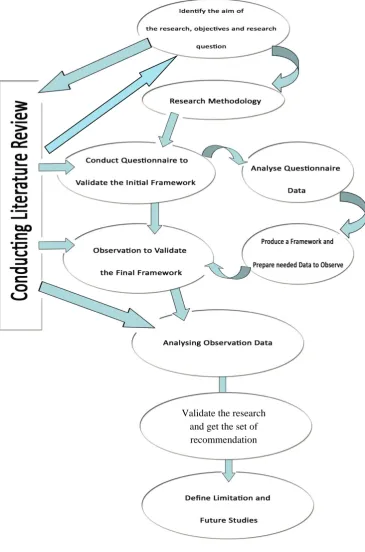
[image:23.595.93.459.142.695.2]The research design is illustrated in Figure 1-2 showing the different phases of the study.
Figure 1-2 Research Design (Source: researcher’s illustration)
1.7
Thesis structure:
Chapter one provided an introduction to the study. It set the scene for the thesis by providing a background to construction innovation. Furthermore, it presented the research aim, questions and objectives and explained how the researcher intends to address these facets. Chapter two reviews the communication and information flow in construction, and examines the process of communication in detail, including how it reflects on the delivery of the message. The chapter then explores the concepts of communication, which includes the communication media (both verbal or nonverbal), and the communication channel (both formal and informal). It considers the complexity of construction as a multiorganisation culture and the impact of this on the level of communication. The chapter reviews literature on effective communication in construction projects by examining the definition, need and use of effective communication to control the project information flow. Furthermore, the chapter outlines the barriers and challenges and the impact of: information type, the people who communicate, and their organisations. From this, chapter two builds an understanding of communication as a tool, and the need for effectiveness in complex environments, such as construction sites. Finally, the chapter outlines the challenges for the sector that need to be understood in more detail.
Chapter three provides a review of literature in relation to technology and construction. It describes the nature of the industry, and the importance of people in developing and maintaining effective communication. This chapter reviews the extent to which information is important and examines information communication technology, and the sharing and management of information. The chapter concludes by exploring the potential impact of technology and mobile communication technology as methods to improve site communication. Meanwhile, chapter four describes the research methodology applied and justifies the decisions made concerning its design. The underpinning philosophy is explained including its influence on the approach, design and specific methods adopted to collect the data. The researcher outlines the data collection and analysis methods, the credibility of the research, and the ethical considerations of the research.
studies, namely two main contractor site offices in the UK. The researcher examines each case separately and discusses issues related to communication and site management. This explores the exchange of information and the use of communication methods with the aim of understanding the key characteristics and challenges to effective communication on site among team members.
2
Literature Review
2.1
Introduction
:“Communication is one of those everyday activities that are intertwined with all of human life so completely that we sometimes overlook its pervasiveness, importance and complexity.”
(Littlejohn & Foss, 2010).
The construction industry has been criticised for a lack of collaboration and poor communication, which many reports and studies have attributed to the need for effective communication (BRE, 2015; BSI, 2013; BSI, 2010; BSI, 2003; Egan, 1998; Latham, 1994). A 1990 government report by Latham and Egan provided a pivotal point to improve the UK construction industry. Furthermore, Egan (1998) stated that the inefficient means of communication of project information caused two-thirds of construction problems. Construction projects are fragmented and complex as they involve various participants, organisations, technologies and materials for a temporary period of time (Kagioglou et al., 2000). Moreover, Anumba et al. (1997) stated that the growth of project teams and roles have increased the complexity of communication networks; this has resulted in an increase in time and cost in addition to the inefficient exchange of information (BSI, 2010). Although all parties involved in the construction industry can address their respective responsibilities, the lack of integration between each stakeholder often results in communication problems. Murray et al. (2000) proposed the baseline of communication through contractual agreements that defined the relationships among parties; this include information sharing and a level of coordination in construction. Thus, to manage the increasing amounts of information created during the life of a project, communication and information management systems have become increasingly important (Chan et al., 2004).
2.2
Concept and definition of communication:
“… the essence of being human is this communicating to and being communicated with.”
(Thayer, 1968)
A project’s success and objectives could be achieved through effective communication (Clarke, 1999; Xie, 2010); however, this requires an appropriate understanding of communication. Communication is defined in various ways by different researchers. For example, Shannon and Weaver (1949) state that communication comprises all the procedures by which one mind may affect another, whilst Cheng et al. (2001) argue that communication is the act of transferring information from one place to another. Therefore, it is considered a ‘complex process’ (Sigband & Bell, 1989). It is also a process of sharing and understanding meaning and ideas (Arif et al., 2011), and a dynamic activity that keeps changing so it is hard to describe (Clark & Brennan, 1991). While some researchers emphasise the channels and media ued in the process of communication, others focus on communication as the skills of interaction. Understanding how to relate the knowledge that receivers have with the interpretation and perception of received information is at the core of communication, for sharing means and doing things together (Fiske, 2010; McLean, 2003; Ruben et al., 2016). McQuail (1984) described communication as a guide to control, power, change, interaction, relationships, exchange, community, and much more. It considers the exchange of facts or ideas between two sides (people or machines) as one of the most elusive organisational variables (Fiske, 2010; Xie et al., 2010). Moreover, communication is an exercise that enables people to influence others in order to bring about some changes in attitudes, relationships and motivation (Pugh, 2016).
2.2.1
The importance of communication in construction
management:
According to Singh (2014), direct or indirect communication is involved in every construction based activity and function, such as leading, planning, organising or monitoring. The construction industry, over the years, has fallen way behind other industries in terms of communication. However, the main criticisms levelled at the industry are poor cross-disciplinary communication and its particularly fragmented nature (Aouad & Wafai, 2002; Gann, 2000). Despite this, there has been an emerging awareness of the importance of effective communication (Akintoye & Main, 2007; BSi, 2010; Constructing Excellence, 2004; Egan, 2002; Latham, 1994; ROADCON, 2003). Critical links among people, ideas and information have been developed as a communication process. The process required to ensure the timely and appropriate collection, generation, distribution, storage, retrieval and disposal of project information are the main concepts underpinning project communication management. The majority of a project manager’s time is spent on communicating with their team members and other parties who are included in the project, either internally or externally (PMBOK, 2013).
According to Aalst and Hee (2004), today’s society has become increasingly complex such that it is no longer possible to study its entirety, and the construction industry is no exception. Due to the growth of project sizes and the fragmentation of project teams and project roles, construction communication projects have become increasingly complex and ineffective (Anumba et al., 1997; Dainty et al., 2006; Emmitt & Gorse, 2006). Construction projects are generally considered a multi-organisation process that mostly depends on the exchange of complex project data and information (Wikforss & Lofgren, 2007); thus, the construction industry faces problems when communicating information. The nature of projects inhibits the development of good communication links, and this includes temporary project teams, the diversity of project members, and its one-off nature.
project communication has to change the relationship between the collaborators, including how they behave and perform, and what tasks they undertake (BRE, 2015). On-site project communication needs to exchange an immense amount of project-specific information in order to ensure a clear understanding between the sender and receiver and thus enable effective collaboration (Makore, 2016). This is more comprehensive than general communication (Dainty et al., 2007). Accurate and timely information should be provided to all stakeholders who need to prepare and share this information and their feedback in a variety of ways. This is key to successful project management; if project staff have a clear understanding of their tasks and how to achieve them, this can reduce the overall waste associated with repair and rebuild (Emmitt & Gorse, 2006).
According to BRE (2015) guidance, poor communication is one of the reasons why the UK construction industry loses at least £20 billion every year. Furthermore, improving communication to and around a construction site could reduce the occurrence of defects and increase the quality of a building. In the same context, efficiency in a building is proportional to the quality of relationships between stakeholders (Emmerson, 1962). Effective communication amongst stakeholders in construction projects can therefore lead to increased productivity, increased efficiency and improved quality (Arayici et al., 2012; Egan, 1998; Emmitt & Gorse, 2007; Latham, 1994).
Stakeholders’ relationships could be based on co-operation and the sharing of information amongst all project parties to enable benefit for all (Egan, 2002). As such, the link between the quality of communication and the efficiency and effectiveness of the construction process suggests that improvements in communication are needed (Thomas et al., 1998). Effective communication within the building project team and between contractors, subcontractors and managers at all levels can lead to better outcomes for project problems (Walker, 2015). Ensuring better communication in very early stages of projects could also influence the quality of projects by enabling participants to become involved in decision-making (Emmitt & Gorse, 2006). According to Baiden et al. (2006), communication in construction can be summarised as follows:
and ideas, and to enable collaboration between operatives in order to increase productivity.
There is a need to understand the needs of the workforce (Dainty et al., 2007) as most construction project participants have different backgrounds.
Social skills (Emmitt & Gorse, 2006) are required to encourage effective interaction between people on construction projects, particularly as it is a labour-intensive industry despite the introduction of IT technology. Thus, a construction project is a system of human interactions that respect, collaborate, trust, learn and solve problems.
The motivation of employees (Hargie, 2010) is required on construction sites. Emmitt and Grose (2009) emphasise that communication during the construction process helps individuals to gain a degree of trust that enables more effective work and the achievement of project goals.
Achieving coordinated results means that communication needs to occur between individuals, groups and/or organisations (Baguley, 1994). Moreover, working on construction sites mean working as a team and cooperating with all specialists and parties to successfully deliver project objectives. This entails the use of two-way of communication (internal or external)
A transactional process exchanges something between the participants involved (Eisenberg & Goodall, 1993). Having many parties involved on construction projects means that it is important to communicate in order to conduct a construction business.
ensure a successful performance and to deliver the changes that can arise throughout building projects.
2.3
The process of information communication
:The first step to effective communication is to understand the way in which communication occurs. People use communication to gain control over their environment; as such, in a construction environment, effective communication can help to achieve a positive influence through ensuring greater control. Fiske (2010) summarised the two main approaches to understanding communication, namely the process method and the semiotic method.
2.3.1 Approach 1: The process method:
Communication is the process of obtaining, interpreting and distributing all relevant information to the persons who need it. Kerzner (2013) states that communication is the lifeblood of a project and essential to more than one practitioner. Project teams, therefore, need to share, collaborate, collect and integrate information to achieve a project’s objectives. As such, the understanding of the communication process is essential. Dainty et al. (2007) and Emmitt and Gorse (2006) argued that the process considers communication as the message transmission (through a channel) between two sides (transmitter/sender and receiver, which could be a person or organisation) when each seeks to influence the behaviour of the other (Steyn, 2012). The message flow starts from the sender, who encodes the message through the communication channel/medium as a verbal or non-verbal method, and ends with the receiver, who decodes that message. The outcome of a communication process is to check if the measurement points of successful communication prevent misunderstanding (Van der Walt et al., 1996). During the message process, noise and barriers will increase the difficulties in sending and/or receiving the message. Successful communication is thus dependent on delivering an understandable message to the receiver. (Burke, 2007); if it is less than expected, it is viewed as a failure. As such, the key concern of the process is how to:
Encode and decode the messages from both sender and receiver;
Transmit messages via communication channels;
Determine the accuracy and efficiency of the communication act.
conveying information via a communication channel, and traversing all possible noise and barriers that could interrupt the message.
Figure 1-2 The Communication Process (Source: Van Staden et al., 2002, p.13)
Emmitt and Gorse (2006) defined the main elements of the communication process related to the construction environment as follows:
The sender
1986). Although the sender should try to anticipate the receiver’s needs, this does not always occur, as the sender could prepare contract documentation for subcontractors before knowing who will use it (Emmitt & Gorse, 2006).
In construction, communication roles between building project participants could involve many stakeholder professionals, such as the client, the engineering consultant, the architect, the main contractor, the subcontractors, and others (Eisenberg et al., 1993). The communicator could be an individual, organisational representative or an entire organisation. In construction projects, the communicator could adopt one of several roles, such as manager, site foreman, discipline engineer or professional firms (Thomas, 1996). The main roles for communication on site could entail: requesting information, sending information, asking questions, giving instructions, building teams or networking (Burke, 2007).
The message
The message is a transmitted, encoded idea that travels through a suitable communication channel using a suitable communication medium (Dainty et al., 2007). This message could range from a simple drawing to confirm dimensions through to complex construction details that require drawings, letters and specification notes. Harrington (1991) stated that the information or message could be viewed in two different ways - as a resource or perception. The classic view of a message is as a ‘resource’, which means that information has been created, transmitted, stored and received by an organisation in the same way as the production of an assembly line. In such cases, the information is stable, static and unchanging. In contrast, ‘perception’ means that the information is more likely to be dynamic and constantly evolving; furthermore, it could be interpreted differently according to the receiver.
issues. This classification of information influences the communication functions, namely transmitting information, coordinating work, and maintaining relationships.
According to the classification of information and the range of communication purposes, the information processes are divided into two types; formal and informal. These are used as channels for communicating information between project participants (Pietroforte, 1999). To transmit product information among the project parties, the message may be coded into different formats, such as formal letters, memos or drawings. The structure and importance of the message and the delivery channel control the form considered most appropriate for use (Bowen & Edwards, 1996).
In a construction project, information is often complex; thus, Pietroforte (1999) suggests that information could be communicated in two different ways among the collaborative project participants. Information used to represent the building needs to be realised, and information coordinating the activities leads to the realisation of information. BT (1995) outlined the most commonly used information classifications within the construction industry. As such, construction information is considered within three broad categories:
1. Firstly, technical information includes the designs and technical evaluations required to describe a building, such as specifications, details, drawings and design clarifications. 2. Secondly, commercial information includes the contract details that control and
establish the responsibilities for delivering the project such as the delivery schedule, payment schedule and costs, conditions and administration information.
3. Finally, management information describes the information needed to control the project, such as the status of the contract, health and safety information, daily controls and schedules, and requests for information.
Therefore, the main aim in understanding the different project information types is to help to select an appropriate communication channel and media. Thus, the receiver is able to understand the meaning of the message.
The receiver
knowledge. Sometimes the meaning that the sender includes in the message may be distorted when the receiver attempts to make sense of it. In a worst-case scenario, shared messages between the sender and receiver may never be understood; at best, the receiver may need more detail in order to ensure a full understanding of the meaning (Dainty et al., 2006). The receiver could focus on the information that helps to achieve the specific task; this selective attention could mean missing important information if the message is not presented in a clear and careful way that captures the receiver’s attention. Aspects that will affect the receiver’s efforts to process the information and understand the message will depend on the receiver. This includes the expected information, whether this information will affect the receiver, the knowledge of the receiver concerning the information, the ability to recognise when information is missing, the ability to request further information, the relationship and trust between the sender and receiver, and the ability to identify the importance of the message (McKay et al., 2009). The receiver’s background includes their abilities, interests, attitudes, experience, knowledge and culture. These could influence the way receivers understand the message. Thus, communication media and the environment impact on the ability of receivers to understand the meaning of the message (Thomas, 1996).
The feedback
In the majority of cases, there is an opportunity for the message receiver to ask the sender for more information or clarification. This is referred to as feedback in the communication models. In face-to-face interaction, communication and feedback signals are simultaneously exchanged (Grose, 2009). Feedback is essential to reflect the receiver’s understanding of the message, and this can be verbal or non-verbal; however, it is important to complete the communication process.
In construction projects, professional organisations are mainly involved in the communication roles as senders and receivers. This includes the client, architect, engineering consultant, main contractor, subcontractor, and others. In a building project, the communicators could be the construction job site foreman, entire professional firms, or the lead discipline engineers and managers (Thomas, 1996). According to Eisenberg et al. (1993) communicators could be positioned at one of the three inter-organisation linkage levels: institutional linkages, representative linkages and personal linkages.
multi-organisational communication. In real projects, the communication process is more complex than those in models (Pietroforte, 1999). Thus, it is argued that the components of the process models may be multiplied to reflect communication in the building process. During the project lifecycle, changes could affect the team members as some could join and leave the team, whilst others could be trained or gain further experience. Thus, new communication channels could be created and fade away (Thomas, 1996).
Barriers and noise
During the communication process, the effectiveness of communication between the project manager and other parties is influenced and affected by noise and barriers. Thus, inadequately cleared tasks and processes, and uncertain responsibilities or objectives might lead to failure in the project. However, the uniqueness in attitude, appearance, personality and behaviour of the person influences the way a person communicates (Knapp, 2013).
2.3.2 Approach 2: Semiotics
Emmitt and Gorse (2006) stated that semiotics consider communication as the production and exchange of meaning. Semiotics are mostly concerned with the way that messages are used to manifest meaning. The main difference between the process and semiotic schools of thought is the different attributions to the misunderstanding of messages. The semiotic school attributes this to a difference in culture rather than a failure in communication. The language of this approach highlights the importance of signs and meaning. Semiotic concerns are:
The information, meaning and feeling that people could share;
The nonverbal and verbal messages that are produced and exchanged;
That receivers are affected by the message.
In construction, the information communicated needs to be timely and accurate; this could ensure the communication process is more useful to the project (Engeström & Middleton, 1998). To understand the information communication process, a suitable model would be required.
2.4
Channels for the transmission of messages:informal communication is conducted outside of such requirements (Figure 2-1). Emmitt and Gorse (2007) stated that uncertainty and the interdependence of different pieces of information form the communication and information flow. Communication channels are used to achieve and maintain relationships between the sender and receiver in order to exchange information and link between human behaviour and management.
Figure 2-1 Formal and informal communication: hierarchy is formal (Source: Dainty et al., 2006)
2.4.1 Formal communication:
is therefore normally explained according to the direction of movement, which depends on the organisational systems (Grose et al., 2003).
Anzalone (2000) stated that coping with changes that occur during a project lifecycle could make construction difficult; this is particularly true in a complex project, such as construction projects. In such situations, when formal communication lacks the ability to cope with need, informal communication could help to build bridges that cover communication gaps (Wikforss, 2007).
2.4.2 Informal communication:
Informal communication channels are methods of communication that are not directly controlled by organisational systems. Informal communication includes unstructured systems and does not follow authoritarian lines (Dainty et al., 2006). They occur naturally through friendships or contacts between people who are open to working together in a collaborative environment. Informal communication provides shortcuts or an unofficial way of requesting and receiving information, which helps to encourage communication between a project team and strengthens the information relationship (Chinowsky, 2012). Engeström and Middleton (1998) found that arguments and discussions that take place through informal communication enable better understanding which improves the coordination of activities and allows the team to maintain up-to-date knowledge in order to resolve unexpected problems. Similarly, Dainty et al. (2006) state that informal communication is important to complete tasks and enable project success without major delay.
In construction projects, contracts define the formal communication channel among participants. The contracts usually focus on the hierarchical relations between the project team members by establishing formal linages and a linear chain of command for information flow during the project. Communication through formal channels is generally slow, through a contract-driven process (Welch & Jackson, 2007). In comparison, informal channels are mostly used to request information and discussion is employed to solve problems, for example, face-to-face discussion, call conversations and workshops are not necessarily documented.
2.5
Communication media:
depending on the way that communication takes place. There are two main types of communication that could be used;
2.5.1 Verbal communication:
Verbal communication depends on the exchange of ideas, thoughts or information through oral or written words, which could be face-to-face, through any device, by letter, drawing, and email. Oral communication is considered the most effective communication media (Emmitt & Gorse, 2009). The absence of any permanent record of communication is one of the important disadvantages that oral communication suffers from. This makes oral communication time-consuming unless there is a written summary or report, such as meeting notes and conference reports (McKay et al., 2009).
Written communication, using words, graphs, diagrams, pictures or drawings, may take the form of letters, emails, and drawing notes. Written communication is a formal version of communication. It possesses the capacity to store communication for future reference and can take place between distantly placed participants. Written communication is considered time-consuming because of the time needed to prepare and understand the message, whilst ensuring a minimal chance misunderstanding (Emmitt & Gorse, 2009).
2.5.2 Non-verbal communication:
Non-verbal communication has the significant capability to convey the message and provide judgments about communicators. The same messages could have totally different meanings using verbal or non-verbal skills, as vocal, facial and bodily behaviour have the power to change the meaning of the verbal statement (Burgoon et al., 2016). Non-verbal messages can be ambiguous compared to verbal messages; most of the time, they are not straightforward to understand. To improve one’s ability to communicate, it is important to develop an awareness of non-verbal behaviour. According to Burgoon et al. (2016), some forms of non-verbal communication are:
Facial expressions and eye gaze: these provide the main source of emotional information. However, culture can influence any understanding and reading of this method of communication.
Voice or para-linguistics: could refer to many features, such as articulation, volume, and speech rate, which could deliver a great deal of information and change the meaning of a message.
Personal space and distance: can be instrumental in reflecting attitudes, indicating the balance of power and the creation of a feeling.
Personal appearance: plays an important role in how the message that a person sends or receives could be interpreted and understood.
It is therefore essential to pick communication methods that could add value and deliver the right message or information, including whether a mix of verbal and non-verbal communication could be involved.
2.6
Level of communication:
Individuals and organisations use communication to achieve their objectives by forming a link between human behaviour and management, or management through communication (Yates, 1994). Communication plays the main role in achieving effectiveness in an organisation; therefore, it is important to understand the levels of communication involved. These could be divided into four levels (Gorse et al., 2006):
Intrapersonal communication or intra-communication refers to the thinking process that takes place within and to the self. It is a root element of the decision-making process. Intra-communication is the level where the data has been processed for encoding when a message is sent, decoded and processed. (Burgoon et al., 2016).
Interpersonal communication is a direct and basic interaction that takes place between individuals. Mostly, it refers to face-to-face communication, including verbal and visual interactions, which could occur through physical face-to-face communication or extended through virtual face-to-face interaction by telephone, letter, email, drawing and social media (Singh, 2014). Interpersonal communication is influenced by individuals’ behaviours, thoughts and knowledge.
structure of communication. Group communication is an extension of interpersonal communication (Emmitt & Gorse, 2009).
Multi-group communication takes place between different work groups in order to coordinate the efforts to achieve a successful project, such as communication with suppliers and subcontractors. It is essential to have the ability to work within a team to share knowledge and experience (Emmitt & Gorse, 2009).
2.7
Effective communication:
Sharing information and interaction during the project process includes problem-solving and decision-making. This needs to be supported by tools and technologies that influence the process of communication and knowledge creation. Encouraging individuals to learn and improve leads to an increase in their knowledge; this, in turn, can reflect on the organisation and result in effective communication, which positively influences decision-making (Singh, 2014). Business, people and technology are strategic elements in achieving effective communication (Chinowsky, 2012). Bouchlaghem (2012) determined that one of the main objectives of communication is the efficient use of the information resources of all stakeholders. Adopting changing relationships between collaborators, changes in the tasks they perform, and changes in contexts would be more effective (Anzalone, 2000). To achieve effective communication, trusting relationships should be built between all stakeholders, which enable them to work in new ways to achieve the project goals and objectives (Bouchlaghem, 2012). The effectiveness of communication depends on the degree to which the aims of communication are met; the aim in construction site communication is to facilitate the exchange of information among the team in order to complete the job effectively.
PMBOK (2013) identify that most project time is spent on communicating between project stakeholders, project managers and team members. Effective communication could create bridges that link stakeholders from different cultures and backgrounds who possess diverse experiences and interests. Factors like uncertainty, risk, deadlines, budgets, uniqueness, schedules and health and safety regulations increase the complexity of project management. The requirements of different project participants increase the need for effective communication management. To plan for effective communication management, there is a need to understand what a project requires from its communication system and the most appropriate communication methods and styles (Steyn, 2012). PMBOK (2013) illustrates the processes to manage project communication, which are provided in Figure 2-2 and detailed as follows;
Plan communications management, Manage communications,
Control communications.
Figure 2-2 Project communication management overview (Source: PMBOK, 2013)
The main points outlined in the communication plan are:
When they will need the information. Where the information should be stored.
What format the information should be stored in. How the information can be retrieved; and
Whether time zone, language barriers, and cross-cultural consideration need to be taken into account.
An inadequate communication plan could lead to delays, the delivery of the wrong message to the wrong people or misinterpretations of the message. Therefore, it is important to ensure the plan is produced on time and on budget to provide information in right format, to the right audience, at right time and with the right impact. It should focus on keeping stakeholders informed of the project’s progress by making it visible at all times (Burke et al., 2010).
2.7.1 Effective communication barriers and challenges:
Many researchers have studied communication problems in the field of construction. For example, Guevara and Boyer (1981) highlighted four variables of the causes of poor communication in construction projects, which are overload, underload, gatekeeping and distortion. They attributed communication problems to prevalent issues with the information flow. In comparison, other researchers linked communication problems with project team communication. For example, Thomas et al. (1998) identified six critical variables of communication in a USA project, which were: accuracy, timelines, procedures, understanding, barriers and completeness. In comparison, Garton et al., (1997) focused on the effect of social networking, where, in a complex organisational communication network, role and centrality are considered the key variables. Furthermore, Murray et al. (2000) indicated that these variables were also critical for the UK construction industry. Research has also been conducted in the UK to understand communication in construction (Xie et al, 2003); such studies found that the procurement route significantly affected the communication process, especially for external communication. Those studies highlighted the need for effective communication in the construction industry.
project participants. This depends on the exchange of information across the organisation's parties, which could result in potential difficulties and challenges. These are usually experienced as (Dainty, 2007; McKay et al., 2009; Yang et al., 2011);
A lack of efficient and effective tools for the exchange and organisation of the project information.
Different organisations participating on the same project, which could make communication complex due to the different information input requirements amongst the parties.
A lack of awareness of all participants’ ethical, social and technological contexts. A lack of consistency in collaborative support.
Time and data loss through information exchange.
The lack of negotiation skills and knowledge needed to make decisions. Misunderstandings due to ill-defined information
Non-cohesively structured project teams.
Communication boundaries are vital for recognising barriers and in identifying strategies to overcome them. Emmitt and Gorse (2009) highlighted organisations, contracts, projects, construction phases, team structure, professional groups and internal/user groups as the main boundaries for communication.
Communication is a complex process; sometimes the receiving message will not be same as the sending message. Sometimes, the message could be lost, not received at all and/or received incompletely, inaccurately or at the wrong time (Singh, 2014). Distortion is one of the four main problems that Guevara and Boyer (1981) defined, whilst the other three are gatekeeping, and the overload or underload of information. The UK construction has witnessed many reports that have berated the industry for ineffective internal and external communication (Baguley, 1994; Dainty et al., 2006; Latham, 1994; McKay et al., 2009; Wolstenholme, 2009). Gillard and Johansen (2004) clarified that barriers and noise could impact the communication process. Process communication barriers might be classified as:
- Physical barriers: a lack of privacy in an office, call interruptions. - Physiological barriers: physical disability and discomfort, poor health.
- Psychological barriers: anger, fear, depression, boredom, nervousness and distrust. - Perceptual barriers: education and training, intelligence, occupation, experience,
personalities (including personal values, reputation/history, extroversion/introversion and the knowledge base) (Burke, 2007; Van Staden et al., 2002).
- The influence of the social and physical environment on relationships - Organisational pressure, work pressure (Emmitt & Gorse, 2007)
- Semantic barriers: the meanings of the words used are misunderstood, or different meanings are attached to specific words or expressions (Tubbs & Moss, 2008). - Environmental barriers that affect the sender and receiver, such as personality, physical
appearance, leadership, timing and decision-making. (Gillard & Johansen, 2004)
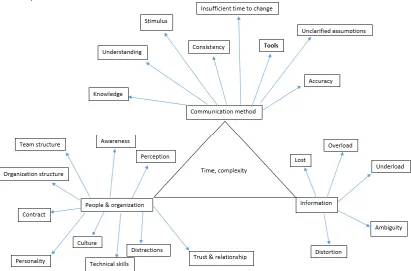
[image:45.595.78.490.473.744.2]To ensure successful collaboration, all partners need to interact with each other and use the resources and information as and when needed (Chinowsky, 2012). Thus, to achieve effective communication on site, potential problems need to be understood, and solutions identified. The main aspects of communication are: having a communicator, identifying the information to communicate, and determining the most effective methods to deliver information within the project environment. The obstacles also relate to aspects of communication, which include the complexity of the project environment as a multi organisational culture; this reflects the noise of the communication process, information issues related to the message itself, the technology and tools available to deliver the message, and the knowledge, skills and culture of the communicator/s. Figure 2-4 illustrates the range of communication problems