S T U D Y P R O T O C O L
Open Access
Preventing the recurrence of depression
with a Mediterranean diet supplemented
with extra-virgin olive oil. The PREDI-DEP
trial: study protocol
A. Sánchez-Villegas
1,2*, B. Cabrera-Suárez
3, P. Molero
4,5, A. González-Pinto
6,7, C. Chiclana-Actis
8, C. Cabrera
3,
F. Lahortiga-Ramos
4,5, M. Florido-Rodríguez
3, P. Vega-Pérez
6, R. Vega-Pérez
3, J. Pla
4,5, M. J. Calviño-Cabada
3,
F. Ortuño
4,5, S. Navarro
3, Y. Almeida
3and J. L. Hernández-Fleta
3Abstract
Background:The role of dietary patterns in the prevention of unipolar depression has been analyzed in several epidemiological studies. The primary aims of this study are to determine the effectiveness of an extra-olive oil-enriched Mediterranean diet in reducing the recurrence of depression and improving the symptoms of this condition.
Methods:Multicenter, two-arm, parallel-group clinical trial. Arm 1, extra-virgin olive oil Mediterranean diet; Arm 2, control group without nutritional intervention. Dieticians are in charge of the nutritional intervention and regular contact with the participants. Contacts are made through our web platform (https://predidep.es/participantes/) or by phone. Recurrence of depression is assessed by psychiatrists and clinical psychologists through clinical evaluations (semi-structured clinical interviews: Spanish SCID-I). Depressive symptoms are assessed with the Beck Depression Inventory. Information on quality of life, level of physical activity, dietary habits, and blood, urine and stool samples are collected after the subject has agreed to participate in the study and once a year.
Discussion:To the best of our knowledge, the PREDI-DEP trial is the first ongoing randomized clinical trial designed to assess the role of the Mediterranean diet in the prevention of recurrent depression. It could be a cost-effective
approach to avoid recurrence and improve the quality of life of these patients.
Trial registration:The study has been prospectively registered in the U.S. National Library of Medicine (https:// clinicaltrials.gov) with NCT number: NCT03081065.
Keywords:Mediterranean diet, Extra-virgin olive oil, Recurrence of depression, Clinical trial
* Correspondence:[email protected]
1Nutrition Research Group, Research Institute of Biomedical and Health Sciences, University of Las Palmas de Gran Canaria, Paseo Blas Cabrera Felipe Físico s/n, 35016 Las Palmas de Gran Canaria, Spain
2Biomedical Research Center Network on Obesity and Nutrition (CIBERobn) Physiopathology of Obesity and Nutrition, Institute of Health Carlos III, Madrid, Spain
Full list of author information is available at the end of the article
Background
Unipolar depression is one of the leading global causes of disability-adjusted life years (DALYs) [1] and, in 2016, one of the leading causes of Years Lived with Disability (YLD) [2].
Prevention of depression recurrence is an essential goal in the management of depressive patients. Pharma-cological treatment strategies are common to help prevent the risk of recurrence, as well as other alterna-tives, e.g., psychological interventions, which have shown promising outcomes [3].
Besides pharmacological and psychotherapeutic ap-proaches, other interventions based on lifestyle changes, e.g., diet, physical activity, or alcohol and drug limita-tions, can be helpful can be helpful as part of the treat-ment of these patients. A body of research suggests the beneficial role of these factors in the etiopathogenesis of the condition and their potential utility for its manage-ment [4,5].
Over the last years, several epidemiological studies have analyzed the role of dietary patterns, foods, food groups and nutrients, as factors that can help prevent unipolar depression. A recent systematic review and dose-response meta-analysis of prospective studies shows that higher quality diets associate with lower risks of developing depressive symptoms, although the authors believe that this hypothesis has to be further tested with prospective studies and randomized controlled trials [6]. Being an emerging promising field of research within nutritional epidemiology, to date there is still scarce evidence [7–9]. One of the dietary factors that has been inversely associ-ated with depression is the adherence to the Mediterra-nean Dietary Pattern (MDP). Several cohort studies report an inverse relationship between following this healthy diet-ary pattern and the risk of developing depression [10–12]. Furthermore, two clinical trials carried out with depressive patients found significant improvement regarding depres-sive symptoms in patients assigned to the MDP [13,14].
To our knowledge there are not clinical trials specific-ally designed to assess the role of a nutritional interven-tion based on the Mediterranean diet in the preveninterven-tion of depression recurrence.
Objectives
The primary objective of this study, the PREDI-DEP trial, is to investigate the effectiveness of following an extra-virgin olive oil-enriched Mediterranean diet with the risk of depression recurrence and improvement of residual depressive symptoms in participants with previ-ous episodes of mayor depression. The secondary objec-tives are to analyze the effect of the Mediterranean nutritional intervention in the quality of life, various biochemical parameters and changes on the microbiota of the participants. We also aim to test the relationship
between the nutritional intervention with an extra-virgin olive oil Mediterranean diet with the reduction in the risk of medical and psychiatric comorbidities in patients with a previous diagnosis of unipolar depressive disorder.
Materials and methods
Design
Multicenter, two-arm, parallel-group clinical trial. One group of patients (arm 1) is assigned to a Mediterranean diet supplemented with extra-virgin olive oil and the second group (control) (arm 2) has no nutritional inter-vention. The participants are recruited from four centers across Spain: Hospital Dr. Negrín (Las Palmas de Gran Canaria), Clínica Universidad de Navarra (Pamplona), Hospital Universitario (Vitoria), and Clínica Dr. Chiclana (Madrid). The intervention period lasted two years.
Participant eligibility Inclusion criteria
The inclusion criteria were established after an exhaust-ive review of the scientific literature and consensus among all participating psychiatric and clinical psycholo-gists. Study subjects are aged≥18 years, has had a previ-ous major depressive episode within the last five years and are in a stage of total or partial remission within the last six months, based on DSM-5 criteria. One partici-pant who has undergone a single depression episode is included for every three participants who had undergone two or more episodes.
Exclusion criteria
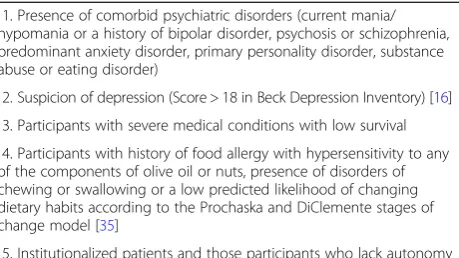
Table 1 shows the exclusion criteria in the PREDI-DEP
trial:
Patient recruitment
given extra-virgin olive oil for the duration of the trial at no cost, and a signed informed consent is obtained. All study participants are asked to provide blood samples (previous appointment with the hospital) and a subgroup of participants is instructed to also provide urine sam-ples (recruitment centers: Vitoria, Pamplona) and stool samples (recruitment center: Vitoria).
Randomization
Study participants are randomly assigned to one of two groups (Mediterranean diet or control) once their data are included in a centralized computer system by the specialists. Various stratification factors are considered for the randomization, sex, age group (< 65 years or≥65 years) and recruitment center. At baseline, psychiatrists and clinical psychologists are blinded to the allocation of the participants, following the CONSORT guidelines for randomized trials to prevent selection biases.
Intervention with the Mediterranean diet and control group
Full-time registered dietitians with experience in the PREDIMED trial are responsible for the dietary inter-vention in the PREDI-DEP study. The PREDIMED trial is a landmark trial of intervention with a Mediterranean diet in participants at high risk of cardiovascular dis-ease [17, 18]. The methodology in PREDI-DEP is simi-lar to that in PREDIMED.
Participants allocated to the Mediterranean diet re-ceive intensive training on Mediterranean diet and sup-plemental foods (Table 2), as well as extra-virgin olive oil (one liter of extra-virgin olive oil rich in polyphenols every two weeks), at no cost. The authors have no con-flict of interest with any food company.
At the beginning of the trial, the dieticians thoroughly explain the reasons to follow a Mediterranean diet to each participant and negotiate changes in his/her diet, working with the subject to determine what he or she considers an attainable goal. The dietician does this every three months by calling the participant over the phone. To assess adherence to the Mediterranean diet and enhance future adherence (Additional file 1), the
dietitians use a validated 14-point Mediterranean Diet
Assessment Screener (MEDAS) [19], which was
employed in the PREDIMED trial.
Every three months the participants receive written material with information on key Mediterranean foods and seasonal shopping lists, menus and specific recipes for a typical week. This material is discussed in detail with the dietitians.
The website developed for this study ( https://predi-dep.es/participantes/) is updated monthly with news re-lated to the Mediterranean diet and its health effects. The dieticians take into account any doubt or suggestion made by the participants at any time of the intervention period.
No nutritional intervention is employed with the con-trol group. These participants have an email and access to the website of the project, but with limitations on the contents related with the intervention. To prevent these subjects from withdrawing from a study an incentive at trial termination is offered.
Data collection and measurements
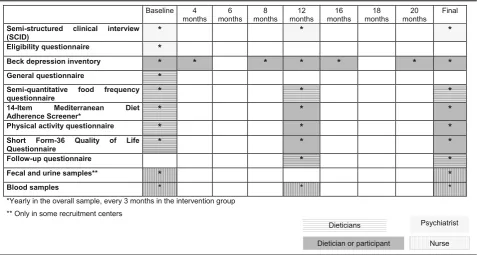
Table 3 shows the variables, their corresponding time
points and the researchers implicated in the collection of the data.
The dieticians are in charge of the nutritional interven-tions (Mediterranean diet), as well as for the regular contact and follow-up of the participants. Contacts are made using current technologies such as our web platform ( https://pre-didep.es/participantes/), phone calls, or email. When a par-ticipant is not familiarized with these technologies, the dieticians use postal mail to send all the information.
Assessment of exposure Baseline information
The dieticians have the first contact with the participants over the phone to inform them in which arm they have been allocated and give instructions to the subjects who have been assigned to the Mediterranean diet as where and when to collect the food supply. Moreover, the dieticians complete the information for each participant through: 1) a general questionnaire; 2) a physical activity questionnaire; 3) a semi-quantitative food frequency ques-tionnaire (FFQ); 3) the 14-Item Mediterranean Diet Ad-herence Screener (MEDAS), and 4) the Short Form-36 Quality of Life Questionnaire (SF-36).
Dietary assessment
[image:3.595.58.288.98.227.2]Diet is assessed with a semi-quantitative FFQ validated in Spain [20]. The questionnaire covers 137 foods and is completed at baseline and yearly by the dietitians over the phone. The estimation of nutrient intake will be cal-culated as frequency multiplied by nutrient composition of the specified portion for each food item, using an ad hoc computer program developed specifically for this Table 1Exclusion criteria in the PREDI-DEP trial
1. Presence of comorbid psychiatric disorders (current mania/ hypomania or a history of bipolar disorder, psychosis or schizophrenia, predominant anxiety disorder, primary personality disorder, substance abuse or eating disorder)
2. Suspicion of depression (Score > 18 in Beck Depression Inventory) [16]
3. Participants with severe medical conditions with low survival
4. Participants with history of food allergy with hypersensitivity to any of the components of olive oil or nuts, presence of disorders of chewing or swallowing or a low predicted likelihood of changing dietary habits according to the Prochaska and DiClemente stages of change model [35]
purpose. The repeated collection of dietary data allows us to use the PREDI-DEP trial as a unique setting for subse-quent cohort studies, analyzed as a prospective observa-tional follow-up study with repeated measurements of diet, thus improving the quality of our dietary assessment.
Changes in adherence to the Mediterranean diet is assessed through the MEDAS questionnaire at baseline and yearly in the control group and every three months in the Mediterranean diet group.
Assessment of the physical activity
Physical activity is assessed using a validated physical ac-tivity questionnaire with seventeen activities [21]. Leisure activities will be computed by assigning an equivalent metabolic score to each activity, multiplied by the time spent in each one and adding up all activities. The baseline questionnaire is completed over the phone. Yearly, partici-pants complete the same questionnaire using the website of the project or by phone with the help of the dietician if they request it.
Assessment of other variables
Information regarding socioeconomic (educational level, employment and marital status), anthropometric (weight, height, and waist and hip circumferences), life-style (to-bacco or history of illegal drug use), and medical charac-teristics of the participants, including medication, family history of mental disorders or the use of psychotherapy or relaxation techniques are obtained from the general ques-tionnaire at baseline. This information is updated on a yearly basis using follow-up questionnaires.
Outcome assessment of the nutritional intervention Recurrence of depression
[image:4.595.58.538.98.197.2]The clinical evaluations by specialists are limited to yearly follow-up visits that consist of the same examinations per-formed at baseline. If any suspicion of depression is de-tected through the Beck depression inventory or the subject him/herself communicates it, the specialist arranges an appointment with the participant. Specialists review the clinical records of participants lost to follow-up in order to
[image:4.595.61.539.476.731.2]Table 3Exposures and outcomes measures, timepoints and researchers implicated in the collection of data Table 2Intervention with Mediterranean diet
Intervention Periodicity Instrument
Free food supply Quarterly Collected by participants in medical centers
Book and information regarding Mediterranean Diet Initial Collected by participants in medical centers
Buying foods list, plan of meals, cooking recipes, menus Quarterly Collected by participants in medical centers
Compliance degree, personalized goal achivement Quarterly Telephone
Mediterranean Diet news Monthly Web/e-mail
assess possible cases of recurrence of depression not re-ported by the participants or detected by their specialists at follow-up.
Assessment of depressive symptoms
Depressive symptoms are assessed using the Beck De-pression Inventory validated in Spain, which includes 21 questions with four possible answers sorted according to symptom severity [16].
Every four months, the participants complete this ques-tionnaire over the phone with the aid of the dietitians or by themselves through the website. Exceptionally, at the beginning of the study or once a year the inventory is completed in the psychiatrist’s consulting room.
Quality of life assessment
Quality of life is assessed at baseline and yearly (over the phone or through the website) with the Spanish version of the SF-36 [22], a general, widely used, and thoroughly validated health scale. It contains 36 items that measure eight multi-item domains of health status: 1) physical functioning, 2) role limitations due to physical health problems (role-physical), 3) bodily pain, 4) general health perceptions, 5) vitality, 6) social functioning, 7) role limita-tions due to emotional problems (role-emotional), and 8) mental health. Domains 1 to 4 of the questionnaire deal with physical aspects, while domains 5 to 8 measure psy-chological features. For each parameter, scores will be coded, added up and transformed into a scale from 0 (the worst possible condition) to 100 (the best possible condi-tion). For bodily pain domain a score of 100 implied complete tolerance or absence of pain.
Biological samples
Blood, urine and stool samples are collected at baseline and yearly during medical visits. EDTA plasma tubes, buffy coat, and serum are collected and aliquots are kept at−80 °C. All the samples are correctly identified and la-beled with an alphanumeric code.
Biological compliance markers (plasma proportions of oleic and α-linolenic acid and urinary levels of tyrosol, hydroxytyrosol, resveratrol and ethanol) will be mea-sured randomly in participants from the two arms of the trial at baseline and at the end of the study.
Sample size and data analyses
The original sample size calculation indicated that 250 people per group were required (assuming an attrition of 5%) to provide a statistical power of 80% for detect-ing a relative risk reduction of 30% in the Mediterra-nean diet group versus the control group for a two-year follow-up period. The assumed recurrence rate was 50% for the control group and 35% for the group assigned to the Mediterranean diet. The relative risk reduction of 30%
was slightly lower than the observed in the SUN cohort study. In this latter study, we found a 40% risk reduction of depression comparing extreme quintiles of adherence to the Mediterranean Diet Score [23] and the observed among diabetic participants of the PREDIMED trial after three years of intervention with the Mediterranean diet supplemented with nuts [24].
A researcher blinded to the conditions of the
interven-tion will carry out the analysis of the data.
Intention-to-treat analysis will be done. For each partici-pant we will compute person-years of follow-up from the study inclusion date to the date of recurrence of the depression or study termination, whichever comes first.
Log Rank analysis will be used to assess the effect of the intervention on the risk of depression recurrence. If distribution differences of baseline characteristics are de-tected, the Cox proportional-hazards regression models will be used to check by recruitment center, age group and sex, and adjusting for possible confounding factors (educational level, marital status, prevalence of dis-eases, body mass index, tobacco use, leisure-time physical activity, alcohol intake, total energy intake, type, dose and use of antidepressants, psychotherapy, presence, number, and time since last of depressive symptoms/episodes, and family history of mental dis-orders). Hazard ratios (HR) and 95% confidence inter-vals (CI) will be calculated considering the control group as reference.
We will also carry out a protocol analysis [25]. Cat-egories of adherence to the Mediterranean diet will be defined using information from the FFQ and MEDAS, and Cox regression models will be fitted. Marginal struc-tural models (inverse probability of exposure-weighted estimators) will be fitted to exposure measures that vary over time [26]. Finally, to examine quantitative variables such adherence to the Mediterranean diet scorings [27], other analysis will be explored, e.g., smoothing splines and regression analysis based on fractional polynomials [28,29].
Changes in residual depressive symptoms, quality of life or biochemical parameters were evaluated through Generalized Estimating Equation (GEE) models and will be adjusted for possible confounding factors and base-line values of depressive symptoms, quality of life or each biochemical parameter, respectively.
Subgroup and sensitivity analyses will be done under different assumptions. To assess a possible interaction be-tween the intervention and some variables (e.g., age, sex or the presence of non-communicable diseases), product terms will be introduced in the multivariable models. P values for the interaction will be calculated using the log-likelihood ratio test.
Monitoring of Data
Three independent clinical trial experts in Nutrition, Psychiatry and Statistics made up the data monitoring committee (DMC). They will hold an annual meeting to review the implementation of the protocol, monitor trial progress, and recommend the continuation or termin-ation of the study based on safety, outstanding benefit, or futility criteria.
A web-based system of data access was created (https:// predidep.es/participantes/), from where authorized investi-gators and the coordinator of the trial can download forms and datasets. For privacy and security, an ID and password are required to access the data and the forms.
Quality control reports are generated for key aspects of the trial, e.g., digit preference and variability. We per-form checks on missing and/or inconsistencies of the data. Following data entry, cross-form edit checks are done. Audits are carried out periodically to detect unre-solved problems. Standardized edit reports summarizing database problems reassures the quality of the data.
Discussion
Recent studies have assessed the role of the Mediterra-nean diet in patients with depressive disorders. Jacka et al. reported improvements in depressive symptoms in a sample of 56 depressive patients after 12 weeks of a dietary intervention with a Mediterranean diet in comparison to a social intervention [13]. Similarly, Parletta et al. observed reduced depression and higher quality of life among par-ticipants with higher MedDiet scorings in a clinical trial of 95 depressive patients based on the intervention with a Mediterranean diet supplemented with fish [14]. However, these small trials did not evaluate the long-term effect on depression of the Mediterranean diet. Moreover, the aim of the trials was to assess the role of the Mediterranean diet in the treatment of depression and not on its prevention.
The MooDFOOD prevention trial examines the feasi-bility and effectiveness of two different nutritional strat-egies (multi-nutrient supplementation and food-related behavioral change therapy). However, it does not exam-ine the effect of a Mediterranean diet intervention in preventing depression in subjects with overweight and have elevated depressive symptoms, but with no current -or in the last six months- criteria for an episode of major depressive disorder [32].
Therefore, to the best of our knowledge, the
PREDI-DEP clinical trial is the first randomized clinical trial designed to assess the role of a MDP in the preven-tion of recurrent depression. Preventing recurrence of de-pression is one of the priorities in the management of patients with depression, particularly when the number of relapses is high. Whereas the risk of recurrence is
approxi-mately 40–60% in patients with a unique depression
episode, this risk raises to 90% in patients with three or more previous episodes [33, 34]. Our study provides
es-sential evidence regarding the effectiveness and
cost-effectiveness of improving the diet based on a Medi-terranean eating pattern for preventing the recurrence of depression and improving the quality of life of patients with previous episodes of depression.
Additional file
Additional file 1:14-Item Mediterranean Diet Adherence Screener (MEDAS). Description of the MEDAS questionnaire. (DOCX 14 kb)
Abbreviations
CIs:Confidence Intervals; DALYs: Disability-Adjusted Life Years; DMC: Data Monitoring Committee; DSM-5: Diagnostic and Statistical Manual of Mental Disorders, Fifth Edition; FFQ: Food Frequency Questionnaire; GEE: Generalized Estimating Equation; HRs: Hazard Ratios; MEDAS: Mediterranean Diet Assessment Screener; PREDIMED:Prevención con Dieta Mediterránea (Prevention with the Mediterranean Diet); SCID-I: Structured Clinical Interview for DSM-IV Axis I Disorders; SF-36: Short Form (36) Health Survey;
SUN:Seguimiento Universidad de Navarra(University of Navarra Follow-up Project); YLDs: Years Lived with Disability
Acknowledgements
The authors are grateful to all the PREDI-DEP study participants.
Funding
This study is externally funded by the Spanish Ministry of Economy and Competitiveness (ISCIII), PI16/01274. TheInterprofesional del Aceite de Oliva-Aceites de Oliva de España(Madrid, Spain) donated the olive oil used in the study.
None of the funding sources played a role in the design, collection, analysis or interpretation of the data or in the decision to submit the manuscript for publication.
Availability of data and materials
Data sharing is not applicable to this article as no datasets were generated or analyzed during this study.
Authors’contributions
ASV: Acquisition of funding, study coordination, and manuscript drafting. ASV, PM, AGP, CCA, FL, JP, FO and JLHF: substantial contributions to conception and design of the trial. BCS, PM, CCA, CC, FL, MFR, PVP, SN, RVP, YA, MJCC, and JLHF: substantial contributions to acquisition of data. All authors revised the draft critically for important intellectual content, and gave final approval of the last version.
Ethics approval and consent to participate
The Human Research Ethics Committees of Hospital Dr. Negrín of Las Palmas de Gran Canaria, Clinica Universidad de Navarra of Pamplona, and Hospital Universitario of Vitoria approved this study.
The psychiatrists and clinical psychologists of the project obtain a general informed consent for the collection and use of the data and biological specimens of the participants at the beginning of the trial. The informed consent includes permission to publish the data of the patients.
Future publications of clinical data of the participants does not compromise anonymity or confidentiality or breach local data protection laws.
This study was carried out following the CONSORT guidelines and the SPIRIT 2013 Checklist.
Consent for publication Not applicable.
Competing interests
Publisher’s Note
Springer Nature remains neutral with regard to jurisdictional claims in published maps and institutional affiliations.
Author details
1Nutrition Research Group, Research Institute of Biomedical and Health Sciences, University of Las Palmas de Gran Canaria, Paseo Blas Cabrera Felipe Físico s/n, 35016 Las Palmas de Gran Canaria, Spain.2Biomedical Research Center Network on Obesity and Nutrition (CIBERobn) Physiopathology of Obesity and Nutrition, Institute of Health Carlos III, Madrid, Spain.3Psychiatry and Clinical Psychology Service, Hospital General de Gran Canaria Dr. Negrin, Las Palmas de Gran Canaria, Spain.4Department of Psychiatry and Medical Psychology, University Clinic of Navarra, Pamplona, Spain.5IDISNA (Instituto de Investigación Sanitaria de Navarra), Pamplona, Spain.6Psychiatry and Clinical Psychology Service, Hospital Universitario de Alava, Vitoria, Spain. 7
Biomedical Research Center Network on Mental Health (CIBERsam), Institute of Health Carlos III, Madrid, Spain.8Consulta Dr. Chiclana, Madrid, Spain.
Received: 7 June 2018 Accepted: 25 January 2019
References
1. Murray CJ, Vos T, Lozano R, Naghavi M, Flaxman AD, Michaud C, et al. Disability-adjusted life years (DALYs) for 291 diseases and injuries in 21 regions, 1990–2010: a systematic analysis for the global burden of disease study 2010. Lancet. 2013;380(9859):2197–23.
2. GBD 2016 Disease and Injury Incidence and Prevalence Collaborators. Global, regional, and national incidence, prevalence, and years lived with disability for 328 diseases and injuries for 195 countries, 1990-2016: a systematic analysis for the Global Burden of Disease Study 2016. Lancet. 2017;390(10100):1211–59.
3. de Jonge M, Bockting CL, Kikkert MJ, Bosmans JE, Dekker JJ. Preventive cognitive therapy versus treatment as usual in preventing recurrence of depression: protocol of a multi-centered randomized controlled trial. BMC Psychiatry. 2015;15:139.
4. Berk M, Sarris J, Coulson CE, Jacka FN. Lifestyle management of unipolar depression. Acta Psychiatr Scand Suppl. 2013;443:38–54.
5. Lopresti AL, Hood SD, Drummond PD. A review of lifestyle factors that contribute to important pathways associated with major depression: diet, sleep and exercise. J Affect Disord. 2013;148(1):12–279.
6. Molendijk M, Molero P, Ortuño Sánchez-Pedreño F, Van der Does W, Angel Martínez-González M. Diet quality and depression risk: a systematic review and dose-response meta-analysis of prospective studies. J Affect Disord. 2018;226:346–54.
7. Martínez-González MA, Sánchez-Villegas A. Food patterns and the prevention of depression. Proc Nutr Soc. 2016;75(2):139–46. 8. Opie RS, Itsiopoulos C, Parletta N, Sánchez-Villegas A, Akbaraly TN,
Ruusunen A, et al. Dietary recommendations for the prevention of depression. Nutr Neurosci. 2017;20(3):161–71.
9. Sarris J, Alan C, Logan BA, Akbaraly TN, Amminger GP, Balanzá-Martínez V, et al. Nutritional medicine as mainstream in psychiatry. Lancet Psychiatry. 2015;2(3):271–4.
10. Sánchez-Villegas A, Henríquez-Sánchez P, Ruiz-Canela M, Lahortiga F, Molero P, Toledo E, et al. A longitudinal analysis of diet quality scores and the risk of incident depression in the SUN Project. BMC Med. 2015;13:197. 11. Vermeulen E, Stronks K, Visser M, Brouwer IA, Schene AH, Mocking RJ, et al.
The association between dietary patterns derived by reduced rank regression and depressive symptoms over time: the Invecchiare in chianti (InCHIANTI) study. Br J Nutr. 2016;115(12):2145–53.
12. Adjibade M, Assmann KE, Andreeva VA, Lemogne C, Hercberg S, Galan P, et al. Prospective association between adherence to the Mediterranean diet and risk of depressive symptoms in the French SU.VI.MAX cohort. Eur J Nutr. 2008;57(3):1225–35.
13. Parletta N, Zarnowiecki D, Cho J, Wilson A, Bogomolova S, Villani A, et al. A Mediterranean-style dietary intervention supplemented with fish oil improves diet quality and mental health in people with depression: A randomized controlled trial (HELFIMED). Nutr Neurosci. 2017:1–14.https:// doi.org/10.1080/1028415X.2017.1411320. [Epub ahead of print]. In press 14. Opie RS, O'Neil A, Jacka FN, Pizzinga J, Itsiopoulos C. A modified Mediterranean
dietary intervention for adults with major depression: Dietary protocol and feasibility data from the SMILES trial. Nutr Neurosci. 2018;21(7):487–501.
15. First MB, Spitzer RL, Williams JBW, Gibbon M. Entrevista Clínica Estructurada para los Trastornos del Eje I del DSM-IV, Versión Clínica (SCID-I-VC). Barcelona: Masson; 1999.
16. Sanz J, Perdigón AL, Vázquez C. Adaptación española del Inventario para la Depresión de Beck-II (BDI-II): 2. Propiedades psicométricas en población general. Clínica y Salud. 2003;1(3):249–80.
17. Martínez-González MA, Salas-Salvadó J, Estruch R, Corella D, Fitó M, Ros E, et al. Benefits of the Mediterranean diet: insights from the PREDIMED study. Prog Cardiovasc Dis. 2015;58(1):50–60.
18. Estruch R, Ros E, Salas-Salvadó J, Covas MI, Corella D, Arós F, et al. Primary prevention of cardiovascular disease with a Mediterranean diet. N Engl J Med. 2013;368(14):1279–90.
19. Schröder H, Fitó M, Estruch R, Martínez-González MA, Corella D, Salas-Salvadó J, et al. Validation of a short screener for assessing Mediterranean diet adherence among older Spanish men and women. J Nutr. 2011;141:1140–5.
20. Fernández-Ballart JD, Pinol JL, Zazpe I, Corella D, Carrasco P, Toledo E, et al. Relative validity of a semi-quantitative food-frequency questionnaire in an elderly Mediterranean population of Spain. Br J Nutr. 2009;103(12):1808–16. 21. Martínez-González MA, López-Fontana C, Varo JJ, Sánchez-Villegas A,
Martínez JA. Validation of the Spanish version of the physical activity questionnaire used in the Nurses’health study and the health Professionals’ follow-up study. Public Health Nutr. 2005;8(7):920–7.
22. Vilagut G, Ferrer M, Rajmil L, Rebollo P, Permanyer-Miralda G, Quintana JM, et al. El Cuestionario de Salud SF-36 español: una década de experiencia y nuevos desarrollos. Gac Sanit. 2005;19:135–50.
23. Sánchez-Villegas A, Delgado-Rodríguez M, Alonso A, Schlatter J, Lahortiga F, Serra Majem L, et al. Association of the Mediterranean dietary pattern with the incidence of depression: the Seguimiento Universidad de Navarra/ University of Navarra follow-up (SUN) cohort. Arch Gen Psychiatry. 2009; 66(10):1090–8.
24. Sánchez-Villegas A, Martínez-González MA, Estruch R, Salas-Salvadó J, Corella D, Covas MI, et al. Mediterranean dietary pattern and depression: the PREDIMED randomized trial. BMC Med. 2013;11:208.
25. Porta M, Bonet C, Cobo E. Discordance between reported intention-to-treat and per protocol analyses. J Clin Epidemiol. 2007;60:663–9.
26. Robins JM, Hernán M, Brumback B. Marginal structural models and causal inference in epidemiology. Epidemiology. 2000;11:550–60.
27. Trichopoulou A, Costacou T, Bamia C, Trichopoulos D. Adherence to a Mediterranean diet and survival in a Greek population. N Engl J Med. 2003; 348(26):2599–608.
28. Desquilbet L, Mariotti F. Dose-response analyses using restricted cubic spline functions in public health research. Stat Med. 2010;29(9):1037–57. 29. Royston P, Sauerbrei W. MFP: multivariable model-building with fractional
polynomials. En: Royston P, editor. Multivariable model-building: a pragmatic approach to regression analysis based on fractional polynomials for modelling continuous variables. Chichester: John Wiley & Sons, 2008. pp. 79–96. 30. Groenwold RH, Donders AR, Roes KC, Harrell FE Jr, Moons KG. Dealing with
missing outcome data in randomized trials and observational studies. Am J Epidemiol. 2012;175:210–7.
31. Little RJA, Rubin DB. Statistical Analysis with Missing Data, 2ª ed. Hoboken: J. W. Wiley & Sons; 2002.
32. Roca M, Kohls E, Gili M, Watkins E, Owens M, Hegerl U, et al. Prevention of depression through nutritional strategies in high-risk persons: rationale and design of the MooDFOOD prevention trial. BMC Psychiatry. 2016;16:192. 33. Eaton WW, Shao H, Nestadt G, Lee HB, Bienvenu OJ, Zandi P.
Population-based study of first onset and chronicity in major depressive disorder. Arch Gen Psychiatry. 2008;65:513–20.
34. Solomon DA, Keller MB, Leon AC, Mueller TI, Lavori PW, Shea MT, et al. Multiple recurrences of major depressive disorder. Am J Psychiatry. 2000; 157:229–33.