
Raphe nuclei echogenicity changes in major depression
5
0
0
Full text
(2) Downloaded from shafaorthoj.com at 9:42 IRDT on Friday September 11th 2020. Raphe nuclei echogenicity changes in major depression. tients with Parkinson disease or Wilson disease (9, 10). In contrast to the unipolar depressed patients, echogenicity of the brainstem raphe nuclei was normal in depressed multiple sclerosis patients (11). In spite of the brain imaging studies investigating the morphologic changes of the raphe nuclei in depression presented previously, herein for the first time we designed this study to compare the echogenicity of the raphe nuclei in Iranian patients with major depressive disorder and the control group.. Transcranial sonography Transcranial sonograhy was done by a trained neurologist through the temporal bone window using a phased-array ultrasound system with a 2.5 MHz transducer (My Lab 30) and penetration depth of 1416 cm. The examiner was blinded to the participants (depressed or normal). The echogenicity of the raphe nuclei was assessed using a semi-quantitative visual scale (normal echogenicity with continuous echogenic midline structures and hypoechogenicity with absent or dotted midline structures).. Methods Ethical approval This project has been approved by the ethics committee of Tehran University of Medical Sciences. The study was performed in Rasoul-e-Akram hospital from June to October 2012. Both the case and control groups were given information regarding the study prior to the clinical test and the written consent was also signed by all participants. The authors respected to the declaration of Helsinki.. Statistical analysis To analyze the data, SPSS version 18 (PASW) was used. Mean ± standard deviation (SD) and frequency percentages were representative of quantitative and qualitative variables respectively. To show the strength of association between the disease and the brainstem raphe nuclei echogenicity, odds ratio was calculated. Chi square test was performed to compare the frequency of decreased echogenicity among groups. A p-value of less than 0.05 was considered to show the statistical significant difference.. Subjects The sample size was calculated using comparison of means collected from two different populations (using expected means for equal groups) from previous similar studies. Thirty patients suffering from depression, diagnosed by a psychiatrist, and also 30 persons with similar age and sex were allocated to the case and control groups respectively. The psychiatrist member of the group accomplished semi structural clinical interview according to the DSM IV-TR to confirm depression. The exclusion criteria included presence of any organic, mental or neurologic problems. Moreover, based on another study we found that TCS in psychotic patients is different from non-psychotic depressed patients (8); therefore, depressed patients with psychotic features were not entered into the study. Patients with poor temporal bone window were also excluded. http://mjiri.iums.ac.ir. Results In this study, a total of 60 cases in two equal groups were entered for analysis. Thirteen patients were male and seventeen patients were female in each group (male to female ratio was 13/17 in both groups). The mean age in depressed patients was 40± 1.03 years (the youngest patient was 22 years old the oldest one was 59 years old). The mean age in the control group was similar to the case group, with a similar standard deviation (ranged from 22 years to 61 years). In the depression group, 11 patients had decreased echogenicity of the brainstem raphe nuclei (36.7%) and 19 patients had normal raphe nuclei echogenicity (63.3%). In the control group three persons had decreased raphe nuclei echogenicity (10%) and 27 had normal echogenicity of the raphe nuclei (90%) (OR = 5.21, 95% 2. MJIRI, Vol. 28.9. 19 Feb 2014.
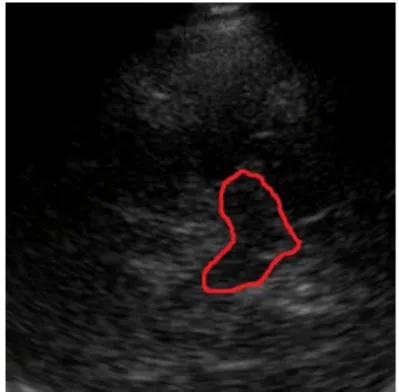
(3) Downloaded from shafaorthoj.com at 9:42 IRDT on Friday September 11th 2020. Sh. Ghourchian, et al. seen in 50-70% of monopolar depressed patients (7). In another study by Walter's, echogenicity of the raphe nuclei was found decreased in unipolar depressed patients (53% in comparison with 9% in healthy individuals) (9). Walter showed that patients with decrease echogenicity of the raphe nuclei had better response to selective serotonin reuptake inhibitors (SSRIs) (12). In a recent study, the brainstem raphe nuclei echogenicity was lower in depressed patients with suicidal attempts in comparison with depressed patients without suicidal attempts (13). Decreased echogenicity of the raphe nuclei was also seen in other neurologic diseases accompanied by depression. Decreased brainstem raphe nuclei echogenicity was seen in 35-85% of depressed patients with Parkinson’s disease (PD) versus 6-27% in non-depressed PD patients (9, 13, 14). In the Walter study on 21 patients with Wilson disease (with and without neurologic signs), the brainstem raphe nuclei echogenicity was low in 3 patients (10). In contrast to the movement disorders (including Parkinson disease, Wilson disease and Huntington disease) with depression which showed hypoechogenicity of the brainstem raphe nuclei, in multiple sclerosis (MS) this finding has not been reported. In the Berg study on two groups of MS patients (with and without depression), there was no difference in the raphe nuclei echogenicity between the two groups (9). By these findings, it seems that basal limbic system disorders cause depression and decreased echogenicity of the brainstem raphe nuclei, but disorders of basal limbic projections (subcortical regions in multiple sclerosis and stroke) with depression have normal echogenicity of the brainstem raphe nuclei (8). The present findings based on morphological impairment of the nuclei reflect the molecular parenchymal involvement of brainstem in depression. The brainstem raphe nuclei are in close association with the dorsocaudal limbic system (15, 16). The exact etiology of altered brainstem. Fig. 1. TCS of a patient with normal raphe nuclei echogenicity (outline of the midbrain is delineated with red and the raphe echogenicity with yellow color). Fig. 2. TCS of a patient with depression showed severely decreased raphe nuclei echogenicity (the red line demonstrates outlines of midbrain, without hyperechogenicity of the raphe nuclei at the midline).. CI: 1.27 to 21.23) (Figs. 1 and 2). Comparing the frequency of decreased echogenicity between the patients and the control group, the brainstem raphe nuclei echogenicity was significantly lower in patients with major depression. (Chi square test p value= 0.015) Discussion In our study, the echogenicity of the the brainstem raphe nuclei in patients with depression was significantly lower than the normal control population (36.7% of depressed patients versus 10% of the control group). In the Becker's study, hypoechogenicity of the brainstem raphe nuclei was MJIRI, Vol. 28.9. 19 Feb 2014. 3. http://mjiri.iums.ac.ir.
(4) Downloaded from shafaorthoj.com at 9:42 IRDT on Friday September 11th 2020. Raphe nuclei echogenicity changes in major depression. raphe nuclei echogenicity is not clear. Its changes could be due to tissue impedance alteration secondary to shift in tissue cell density, alteration of interstitial matrix components, or change of fibre tracts. Brainstem raphe nuclei are the main source of serotoninergic transmitters which innervate prefrontal cortex. Decreased echogenicity of the brainstem raphe nuclei in major depression is compatible with alteration of these nuclei in brain MRI and patho-anatomic studies. In other words, decreased echogenicity of the brainstem raphe nuclei in TCS reflects decreased level of serotonin in major depressed patients. The better response of depressed patients with hypoechogenicity of the brainstem raphe nuclei to SSRIs supports this hypothesis too (17). In previous studies, sampling has not been based on epidemiological methods (18), but in this study, sampling method was statistically defined. To increase the accuracy of this study, TCS of all patients was done by one experienced neurologist. The examiner was blinded to the patients’ diagnoses and he did not have any conversation about mood status of patients. In previous studies it has been shown that there is no relationship between the severity of depression and the brainstem raphe nuclei echogenicity (7). We also didn’t compare the patients according to the disease duration and its severeity. We recommend this to be considered in future studies with larger samples. To confirm the results, we also recommend meta analysis considering previous articles' results.. References. 1. Kessler RC, Berglund P, Demler O. The epidemiology of major depressive disorder: Results from the National Comorbidity Survey Replication (NCSR). JAMA. 2003; 289(203):3095–105. 2. Andrade L, Caraveo A. Epidemiology of major depressive episodes: Results from the International Consortium of Psychiatric Epidemiology (ICPE) Surveys. Int J Methods Psychiatr Res. 2003; 12(1): 3–21. 3. Rickards H. Depression in neurological disorders: Parkinson's disease, multiple sclerosis, and stroke. Journal of Neurology Neurosurgery and Psychiatry. 2005; 76:i48–i52. 4. Furuhata H. New evolution of transcranial tomography (TCT) and transcranial color Doppler tomography (TCDT). Neurosonology1989; 2:8–15. 5. Geyer MA, Puerto A, Dawsey WJ, Knapp S, Bullard WP, MandellAJ.Histological and enzymatic studies of the mesolimbic and mesostriatal serotonergic pathways. Brain Res 1976; 106:241–56. 6. Carpenter MB, Sutin J. Human neuroanatomy. Baltimore: Williams and Wilkins, 1983:403–53; 560–7; 639–42. 7. Becker G, Struck M, Bogdahn U, Becker T. Echogenicity of the brainstem raphe in patients with major depression. Psychiatry Res 1994; 55, 75–84. 8. Becker G, Becker T, Struck M, Lindner A, Burzer K, Retz W, et al. Reduced echogenicity of brainstem raphe specific to unipolar depression: A transcranial color-coded real-time sonography study. Biol. Psychiatry 1995; 38, 180–184. 9. Becker T, Becker G, Seufert J, Hofmann E, Lange KW, Naumann M, et al. Parkinson’s disease and depression: Evidence for an alteration of the basal limbic system detected by transcranial sonography. J. Neurol. Neurosurg. Psychiatry 1997; 63, 590–596. 10. Walter U, Krolikowski K, Tarnacka B, Benecke R, Czlonkowska A, Dressler D. Sonographic detection of basal ganglia lesions in asymptomatic and symptomatic Wilson disease. Neurology 2005; 64, 1726–1732. 11. Berg D, Supprian T, Thomae J, WarmuthMetz M, Horowski A, Zeiler B, et al. Lesion pattern in patients with multiple sclerosis and depression. Mult. Scler 2000; 6, 156–162. 12. Becker G, Berg D, Lesch KP, Becker T. Basal limbic system alteration in major depression: A hypothesis supported by transcranial sonography and MRI findings. Int. J. Neuropsychopharmacol 2001; 4, 21–31. 13. Berg D, Supprian T, Hofmann E, Zeiler B, Jager A, Lange KW, et al. Depression in Parkinson’s disease: Brainstem midline alteration on transcranial sonography and magnetic resonance imaging. J. Neurol 1999; 246, 1186–1193. 14. Walter U, Hoeppner J, Prudente-Morrissey L, Horowski S, Herpertz SC, Benecke R. Parkinson’s. Conclusion TCS is a noninvasive, low cost, easy accessible and without side effect diagnostic procedure for evaluation of the brain parenchyma in many neurologic diseases. It is also very helpful for assessment of the brainstem raphe nuclei echogenicity and can be a useful supplementary tool in patients with major depressive disorders. Decreased brainstem raphe nuclei echogenicity in major depression points to involvement of basal limbic system. http://mjiri.iums.ac.ir. 4. MJIRI, Vol. 28.9. 19 Feb 2014.
(5) Downloaded from shafaorthoj.com at 9:42 IRDT on Friday September 11th 2020. Sh. Ghourchian, et al. disease-like midbrain sonography abnormalities are frequent in depressive disorders. Brain 2007; 130, 1799–1807. 15. Glowinski J, Tassin JP, Thierry AM. The meso-cortico prefrontal dopaminergic neurons. Trends Neurosci1984; 7: 415–8. 16. Azmitia EC, Gannon PJ. Primate serotonergic system: a review of human and animal studies and a report on Macacafascicularis. In: Fahn S, ed. Myoclonus. Adv Neurol 1986; 43: 407–68. 17.Walter U, Prudente-Morrissey L, Herpertz SC,. MJIRI, Vol. 28.9. 19 Feb 2014. Benecke R, Hoeppner J. Relationship of brainstem raphe echogenicity and clinical findings in depressive states. Psychiatry Res. 2007 May 15; 155(1):67-73. 18. Becker T, Becker G, Seufert J, Hofmann E, Lange KW, Naumann M, et al. Parkinson’s disease and depression: evidence for an alteration of the basal limbic system detected by transcranialsonography. Journal of Neurology, Neurosurgery, and Psychiatry 1997; 63: 590–596.. 5. http://mjiri.iums.ac.ir.
(6)
Figure
Related documents
Nano particles of silica turn into nano particles of cement (nano cement) in the chemical reactions that take place in the concoction of the concrete.When concrete is reduced to
Assessing the Impact of Biodiversity Conservation in the Management of Maize Stalk Borer (Busseola f
Field experiments were conducted at Ebonyi State University Research Farm during 2009 and 2010 farming seasons to evaluate the effect of intercropping maize with
Because as the soluti- on’s pH increased, the concentration of the anionic form of solute and negative charge of the carbon increased, and higher anion concentration would result in
What relationship does educational technology use have with teaching methods, progress on learning objectives, and using other instructional elements in courses and by instructors
The calcu- lation is based on numbers of petit jurors from a preceding period: num- ber sent to voir dire, number called to appear in court, number who received good service credit,
The results suggest that both effective malaria risk (reflected in the lack of acquired immunities) and the long term exposure in the past (reflected by the prevalence of
The first study utilizes a a referenced study (Hardwick, Lake Sammamish Watershed Water Quality Survey; Water & Land Reources Div., King County,1997) that estimates the
The results of the present study indi- cate that the 6-week dynamic neuromuscular training programme reduced the angle of ankle joint plantar flexion upon initial contact during
