Western University Western University
Scholarship@Western
Scholarship@Western
Electronic Thesis and Dissertation Repository
9-25-2019 1:15 PM
Sleep Quality, Shift Work and its Effects on Stroop Task Errors in
Sleep Quality, Shift Work and its Effects on Stroop Task Errors in
University Student Nurses: A Feasibility Study
University Student Nurses: A Feasibility Study
Michael Gaspar
The University of Western Ontario Supervisor
Dr. Alan Salmoni
The University of Western Ontario Graduate Program in Kinesiology
A thesis submitted in partial fulfillment of the requirements for the degree in Master of Arts © Michael Gaspar 2019
Follow this and additional works at: https://ir.lib.uwo.ca/etd Part of the Other Public Health Commons
Recommended Citation Recommended Citation
Gaspar, Michael, "Sleep Quality, Shift Work and its Effects on Stroop Task Errors in University Student Nurses: A Feasibility Study" (2019). Electronic Thesis and Dissertation Repository. 6733.
https://ir.lib.uwo.ca/etd/6733
This Dissertation/Thesis is brought to you for free and open access by Scholarship@Western. It has been accepted for inclusion in Electronic Thesis and Dissertation Repository by an authorized administrator of
ii
Abstract
It is estimated that as many as 98,000 people die due to medical errors that occur in hospitals
worldwide any given year. Studies suggest there is a deterioration in nurses’ sleep quality as
a result of rotational shift work and this impairs nursing work performance. The present
study determined the feasibility of using nursing students to study the impact of shift work on
their sleep quality, fatigue and executive function. Results suggested a future study would be
feasible after changing certain aspects of the methodology. Most importantly is a need to
employ a large enough sample to include a representative array of shift types typically found
in the workplace. Second, an improved test of executive function is needed. Also, a daily
measure of sleep outcomes, in addition to the monthly retrospective measures used, is
warranted.
Keywords
iii
Lay Summary
Industries in society require around-the-clock production. Health care providers such as
doctors and nurses are expected to provide medical assistance at all hours of the day. To
accommodate for a 24-hour, 7-day week schedule, hospitals employ shift work schedules.
Shift work schedules include day shifts and night shifts. Shift work can disrupt the body's
natural sleep patterns resulting in daytime sleepiness and fatigue. This fatigue has direct
influence on neurocognitive abilities that can effect a nurse's performance, putting others and
them self at risk. Fatigue is a main component in the decrease of neurocognitive function,
specifically executive function and decision making. This research study used a sample of
university nursing students and administered sleep quality and fatigue surveys as well as
executive function test to determine the extent that shift work has on sleep quality and its
iv
Co-Authorship Statement
This study was designed in collaboration with Dr. Alan Salmoni. I was responsible for
writing the ethics application. Dr Alan Salmoni guided me through the research process and
developing methods and procedures. I was responsible for participant recruitment, data
collection and data analysis. I wrote the original version of the thesis with suggestions and
v
Acknowledgments
I’d like to acknowledge my supervisor, Dr. Alan Salmoni, for his time and dedication to my
research and progress as a person. I would like to thank to Dr. Jim Dickey for being a part of
my advisory committee. I’d like to thank Brad Matushewski for transcribing paper surveys to
viable electronic copies using Qualtrics. I’d like to thank my fellow students, professors and
lecturers for guiding me through my academic career.
I’d like to thank my parents, Jaime and Delia Gaspar for their love and support. I’d
lastly like to thank my brother, Alex Gaspar for the inspiration and initiative to continue
vi
Table of Contents
Abstract ... ii
Lay Summary ... iii
Co-Authorship Statement... iv
Acknowledgments... v
Table of Contents ... vi
List of Tables ... viii
List of Appendices ... ix
Chapter 1 ... 1
1 Introduction ... 1
Chapter 2 ... 7
2 Literature Review ... 7
2.1 Shift Work ... 7
2.2 Sleep and Sleep Outcomes ... 9
2.3 Measures of Sleep and Sleep Outcomes ... 12
2.3.1 Pittsburgh Sleep Quality Index (PSQI) ... 12
2.3.2 Epworth Sleepiness Scale (ESS) ... 13
2.4 Fatigue, Executive Function and Work Performance ... 14
2.5 Measuring Executive Function: The Stroop Test (ST) ... 19
2.6 Feasibility Studies ... 20
Chapter 3 ... 22
3 Methods ... 22
3.1 Institutional Approval ... 22
3.2 Participants ... 22
vii
3.4 Procedures ... 25
3.5 Design ... 25
Chapter 4 ... 27
4 Results ... 27
4.1 Evaluation of Recruitment Capability and Sample Characteristics ... 27
4.2 Evaluation and Refinement of Data Collection Procedures ... 27
4.3 Evaluation of the Resources and Ability to Implement the Study ... 30
4.4 Preliminary Evaluation of the Data ... 30
Chapter 5 ... 37
5 Discussion ... 37
5.1 Evaluation of Recruitment Capability and Sample Characteristics ... 37
5.2 Evaluation and Refinement of Data Collection Procedures ... 39
5.3 Evaluation of the Resources and Ability to Implement the Study ... 41
5.4 Preliminary Evaluation of the Results ... 41
5.5 Future Research ... 43
Chapter 6 ... 45
6 Conclusion ... 45
References ... 46
Appendices ... 62
viii
List of Tables
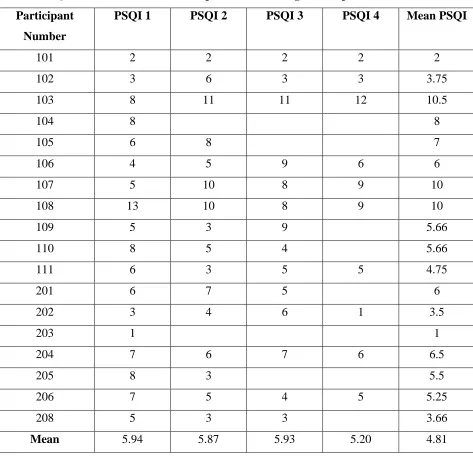
Table 1: Experiment (Nursing) Participant Shift Work Schedule. 33
Table 2: PSQI Scores for Control and Experiment (Nursing) Participants ... 34
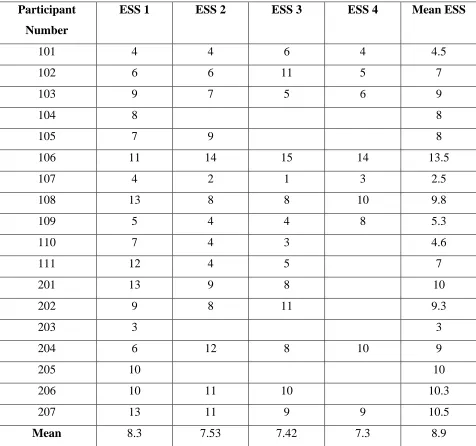
Table 3: ESS Scores for Control and Experiment (Nursing) Participants ... 35
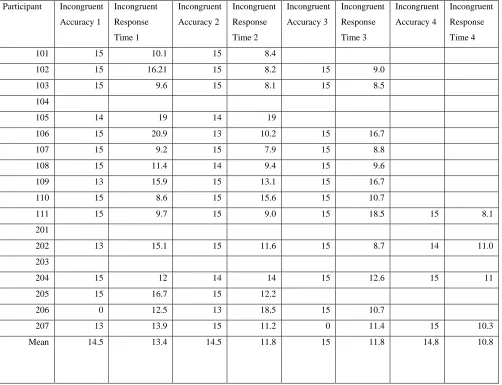
Table 4: Control and Experiment (Nursing) Participants Accuracy and Response Times of
Incongruent ST trials... 36
ix
List of Appendices
Appendix A: Research Ethics Approval. ... 62
Appendix B. Letter of Information and Consent Form ... 63
Appendix C: Demographic Survey ... 67
Appendix D. Pittsburgh Sleep Quality Index ... 71
Appendix E. Epworth Sleepiness Scale (ESS) ... 72
Appendix F. Stroop Test (ST) ... 73
Appendix G. Work Information Forms ... 75
Appendix H: Mean, Variance, Standard Deviation and Range of PSQI and ESS ... 76
1
Chapter 1
1
Introduction
Due to increasing economic competition, globalization and the need for an increased
work force, the necessity of a 24-hour work day has emerged and resulted in the
implementation of the shift system (Gök, Peköz, & Aslan, 2017).Many industries in
developed countries use shift work to accommodate a continuous work force for 24 hours
a day, 7 days a week. Shift work is used in many industries including health care. Nurses
are a group of individuals who are often required to participate in shift work. The
continuous demand for productivity, patient safety and alertness during a shift lasting 8
hours or longer can become mentally and physically strenuous and lead to work place
errors (Clendon, & Gibbons, 2015; Wagstaff & Lie, 2011). It is evident that shifts beyond
the traditional eight hours increases staff fatigue, health care errors, adverse events and
outcomes, decreased alertness and productivity (Keller, Berryman, & Lukes, 2009).
A solution for an around-the-clock work schedule is the implementation of shift work.
Shift work is an efficient means of maintaining continuous work; however, worker
productivity may be reduced due to fatigue, weariness, lack of sleep and many other
factors (Tanabe & Nishihara, 2004; Roth, 2012). Although there is no agreed upon
definition for shift work, it has been characterized as work existing outside the hours of 7
a.m. to 7 p.m. Shift work can be further broken down into sub-categories of fixed and
rotating shift work. Fixed schedules use crews that always work the same shift. An
8-hour shift schedule uses one crew to work a day shift, another crew works an afternoon
shift, and a third crew works the night shift. A rotating schedule has multiple crews that
change shifts, often on a weekly basis. A crew might work days the first week, afternoons
the next week, nights the third week and return to the day shift the following week (Shift
Schedule Design, 2019).
While shift work has become a norm in society, it comes with a wide range of drawbacks.
There is growing evidence that links shift work to numerous adverse health outcomes
including risk factors for cardiovascular disease, metabolic syndrome, diabetes,
2
2016). Thus, shift work, particularly night shifts or rotating shift work, has long been
considered a significant occupational hazard. In the case of nurses, they may be exposed
to HIV or another infectious agent through a needlestick injury (AIDSinfo, 2019). First
responders work has been associated with insomnia, shorter sleep duration, daytime
sleepiness, and overall poor sleep quality as a result of rotating shifts (Fekedulegn et al.,
2016). In addition to health hazards to the employees, shift work may compromise
workplace safety through its effect on mental capabilities (e.g., human errors).
Various rotating shift schedules exist. Durations of rotating shift schedules are 8- and
12-hour shifts. Registered nurses and nursing students typically work on a 12-12-hour rotating
shift schedule that varies between day and night shifts. Nursing students during the
preceptorship of their education work various types of 12-hour shift work schedules
including: Continental, a shift pattern that uses 4 teams, and three 8-hour shifts with each
team rotating through a sequence of varying day shifts, swing shifts, night shifts, or days
off that last 2 to 3 days (Continental Rotating Shift Schedule | 24/7 Shift Coverage, n.d.),
Waterfall schedule, 4 days on (day, day, night night) and 5 days off), and the DuPont
schedule (features 12-hour rotating shifts, using four teams, to ensure coverage around
the clock (The Pros and Cons of 3 Common Shift Work Schedules, n.d.). It is advised to
avoid shift start times between 5 a.m. and 6 a.m. because early morning shifts are
associated with shorter sleeps (Canadian Centre for Occupational Health, 2019).
Employees should be kept in consideration when creating shift schedules as
inter-individual difference influence how a person reacts to shift work (Van Dongen & Hans,
2006; Canadian Centre for Occupational Health, 2019). To ensure nurse safety outside
and inside of work, a rest period of at least 24 hours is recommended to occur after each
set of night shifts. As the number of night shifts increase, the amount of rest time should
increase for employees before their next rotation.
A common shift schedule has a rotation period of one week, with five to seven
consecutive night shifts. However, since it generally takes at least seven days to adapt to
a new sleep pattern, as nurses are beginning to adjust, they are required to begin shift
work again, interrupting their bodies’ natural mental and physical recovery processes that
3
follow a daily rhythm or a 24-hour cycle that regulates eating habits and sleep patterns.
These cycles are called circadian rhythms. Circadian rhythms regulate normal body
functions such as sleep/wake schedules by regulating melatonin and cortisol levels.
Under normal sleeping schedules, the body uses natural cues such as clock time, social
activities, the light/dark cycle, and meal times to keep the various rhythms on track.
However, when working night shifts, body temperature does not have as much variation
during a 24-hour period as it would normally (CCOHS, 2019). The temperature rhythm
and other body rhythms desynchronize; these rhythms also get out of phase with the
person’s activity pattern. This desynchronization can lead to feelings of fatigue and
disorientation. Acute experience of fatigue and disorientation as a result of rhythm
desynchronization is known as “jet lag”. A continuous accumulation of poor sleep quality
may lead to a prolonged state of “jet lag.” The prolonged state of “jet lag” type symptoms
is known as shift work sleep disorder (SWSD). Symptoms of SWSD include excessive
sleepiness when you need to be awake, alert, and productive, the inability to get
necessary sleep, and insomnia. SWSD can cause trouble falling asleep, waking up before
one has slept sufficiently, sleep that feels unrefreshing or insufficient,
difficulty concentrating, lack of energy, irritability or depression, and difficulty with
personal relationships (National Sleep Foundation, 2019). SWSD is a result of chronic
disruption of the circadian rhythm by not allowing the human body to adjust to nature’s
light-dark cycles (Roth, 2012).
Some work schedule designers feel that a longer shift rotation should be arranged so that
the worker spends from two weeks to one month on the same shift allowing circadian
rhythms to adjust more effectively. Issues arise when the worker reverts to a “normal”
day/night schedule on days off, thus, possibly cancelling any adaptation. Longer periods
of rotational shift work may lead to longer periods of social isolation due to conflicts with
family and friends’ schedules (CCOHS, 2019). A longer shift system, ranging 2 weeks or
longer, may reduce disruption to body rhythms because the readjustment of circadian
rhythms is minimized. In the end; however, individual differences and preferences play
4
Ergonomics examines the relationship between human beings and the system in which
they interact. Ergonomics focuses on improving efficiency, productivity and job
satisfaction with the goal of minimizing errors. Failing to apply ergonomic principles is a
key aspect that leads to workplace errors and accidents (Health and Safety Executive,
n.d.). Ergonomics draws from many established scientific disciplines such as anatomy
and physiology to understand how the body performs. Two factors that impact patient
safety most are stress and fatigue (Kohn, Corrigan, & Donaldson, 1999). There is strong
evidence linking fatigue and performance detriments in nurses making fatigue a known
risk factor for patient safety (Flin, O’Connor & Crichton, 2008).
Nurse duties include the need to be focused and perceptive of their surroundings.
Reductions in hand-eye coordination as well as impaired mental performance can result
in adverse medical scenarios resulting from the detrimental effects of shift work on sleep
quality (Williamson & Feyer, 2000). Additional fatigue sets in as the number of hours
worked exceeds 8 hours, affecting physical and mental capabilities (CCOHS, 2019).
Studies observing sleep quality resulting from shift work reported a large percentage of
participants suffering from sleep disruption or fatigue. An accumulation of poor sleep
quality may lead to subsequent sleep debt and ultimately lead to sleep deprivation
(Ontario Association of Fire Chiefs, 2011). Sleep deprived nurses had a higher number of
medical errors than normal (Ramadan & Al-Saleh, 2014). Medication errors often occur,
and the most frequent type of medication error was giving the wrong dose of medication
to the patient. Other types of medication errors included wrong medication, wrong
patient, missed dose, intravenous pump errors, and near misses (Grayson et al., 2005).
In a study completed by Williamson and Feyer (2000), they discovered that after 19
hours without sleep, performance is equivalent to that with a 0.05% blood alcohol
concentration (BAC) and after 24 hours the effect is the same as a 0.1% BAC
(Williamson & Feyer, 2000; Dawson & Reid, 1997; Ontario Association of Fire Chiefs,
2011). Fatigue resulting from poor sleep quality affects the nurses and also the patient to
whom care is being provided. Research in the field of sleep quality and shift work is
crucial to fostering safe environments for patients and workers inside and outside of work
5
shift work also results in errors outside of work. Nurses commuting using a motor vehicle
tend to experience more motor vehicle crashes (MVC) as well as near misses (Caruso,
2014). MVC and near misses can be attributed to drowsy driving (Gold et al., 1992). It is
estimated that as many as 98,000 people die due to medical errors that occur in hospitals
during any given year. This total exceeds death resulting from motor vehicle accidents,
breast cancer or AIDS (Kohn, Corrigan, & Donaldson, 2000). In addition to the negative
impacts of errors, accidental death or injury may result in a high-profile law suit costing
the health care system millions of dollars per year. The total national costs in America for
lost income, lost household production, disability and health care costs are estimated to
be around $37.6 billion, $50 billion for adverse events, and between $17 billion and $29
billion for preventable adverse events (Kohn, Corrigan, & Donaldson, 2000). The
potential health care costs due to poor sleep quality from shift work makes a strong case
to continue research on sleep quality and workplace errors.
Conducting research in the field of shift work and nurse safety involves many factors
necessary to consider prior to finalizing methods and data collection strategies.
Feasibility studies are often completed prior to a full research study to gather information
about different aspects of the research process. (Thabane et al., 2010; Blatch-Jones, Pek,
Kirkpatrcik & Ashton-Key, 2018). Feasibility studies often focus on methodological
issues such as willingness of participants to be randomized, number of eligible
participants, characteristics of outcome measures, and response rates, etc. (Arain,
Campbell, Cooper, & Lancaster, 2010). The primary purpose of a feasibility study is to
ensure that the implementation of a study is practical and does not impose a threat to
validity of the study’s outcomes (Tickle-Degnen, 2013). That is, a feasibility study
focuses on conducting research to examine whether a research study can actually be done
(Osmond & Cohn, 2015). Feasibility studies are normally conducted to assess the
research and intervention process.
The assessment of feasibility in the present study was done using the Osmond and Cohn
(2015) model. Various surveys and questionnaires were employed to measure sleep
quality, fatigue and executive function in nursing students undergoing field work.. The
6
nursing program. The outcome measures included the Pittsburgh Sleep Quality Index
(PSQI) and the Epworth Sleepiness Scale (ESS), as well as the Stroop test (ST), a
7
Chapter 2
2
Literature Review
The rationale for the research project evolved from the research literature on shift work
and its effects on sleep and sleep outcomes. An ergonomic focus in health care was the
desired field to be examined. With this focus, there was an interest on whether the
measures used would effectively measure sleep outcomes resulting from shift work. For
the present study executive function, specifically decision making, was measured using
the Stroop test as a surrogate for workplace safety, since decisional errors by health care
workers has a known effect on patient safety (Reason, 2000)
2.1
Shift Work
Existing studies do not provide consensus on a definition for shift work. A simple
definition for shift work extrapolated from current studies is a shift existing outside the
hours of 7 a.m. to 6 p.m. (Caruso, 2014). Shift work offers a means of employing workers
to cover a 24-hour period. Automotive shift work scheduling typically uses two or three,
8-hour shifts per day with different employees working each shift. Work positions often
require employees to work rotational shifts, meaning that workers cycle through the
different shifts over some time period, like a week or two weeks, with rest periods
interspersed. Start and end times of shifts may vary based on the industry. For example,
core hours of work for automotive industry workers are Monday to Friday with a
day shift starting as early as 6:15 a.m. and ending at 3:45 p.m. and an
afternoon shift starting at 5:45 p.m. and ending as late as 4:15 a.m., with mandatory
weekends and overtime depending on production demands. (Toyota Motor
Manufacturing Canada Ltd., 2019).
Nurses are typically employed using a “rotational shift work” schedule. Rotational shift
work covers a variety of schedules that rotate or change according to a set schedule.
These shift schedules are continuous (e.g., hospitals), running 24 hours per day, 7 days
8
normally take turns on all shifts that are part of that employers shift system. Each shift
type may produce potential social, health and family issues due to the constant lifestyle
disruption it produces (CCOH, 2019). Nurses may be scheduled to work day and/or night
shifts. A common nurse schedule is two, day shifts followed by two, night shifts,
followed by two days off. This is known as the Dupont shift schedule.
The various shift types studied vary regionally and globally. Different provinces and
hospitals employ different versions of shift types. The large differences create difficulties
analyzing the exact effects that shift work has. A study by Gold et al. (1992) explored
five variations of shift work. Shifts examined included: day/evening (in a month more
than four day or evening, no nights), night (in a month more than eight night shifts, no
day evening), rotator (in a month more than four day or evening shifts and more than four
nights), day/evening/occasional nights (in a month more than four day or evening and one
to three nights) nights, occasional day/evening (within a month, more than eight night
and one to three day or evening) and part-time rotator (in a month four to seven nights
and zero to three days or evenings). The research discovered that nurses on a rotational
schedule were more likely to nod off at the wheel while driving home, implicating
dangers of shift work to nurse safety away from a hospital setting. The study also
discovered that rotational shift workers were 2.5 times more likely to report a near-miss
accident and twice as likely to report any accident or error. (Gold et el, 1992). The study
demonstrates the adverse effects of rotating shifts, as opposed to standard day or night
shifts.
Rotational shifts have benefits that ensure employers increase production efficiency.
Rotational shifts consisting of two 12-hour shifts, one day and one night shift allow the
employer to minimize personnel and scheduling requirements. From an employer’s point
of view, there are eight major benefits of 12-hour shifts: a) increased productivity,
reduced errors due to minimal turnover throughout the day minimizing
miscommunications which can translate to lower error and accident rates; b) increased
continuity and accountability minimizing social loafing and increasing motivation to pass
on a well done job to the following shift; c) reduced adaptation time minimizing workers
9
etc.); d) higher project completion rate because employees are enabled to complete longer
tasks and projects on a given shift; e) reduced absenteeism due to financial significance
of a 12-hour pay period as well as accountability to co-workers; f) lower attrition and
turnover; g) improved morale resulting from decreased disruption in social and family
lives compared to 8-hour shift schedules, improving quality of work and homelife; and h)
more dedicated employees (Circadian, n.d.). During their three to four consecutive days
on duty under a 12-hour shift system, shift-workers tend to concentrate more on their
jobs. On 12-hour workdays, employees are more likely to avoid major social events,
excessive alcohol consumption or physically taxing activities in their fewer hours of free
time (Circadian. n.d.).
An ergonomic-based view of shift work may be different from that of an employer.
Cognitive ergonomics is a division of ergonomics (human factors) whose discipline and
practices aims to ensure appropriate interaction between work, product and environment,
and human needs, capabilities and limitations (International Ergonomics Association,
2019). Relevant topics to cognitive ergonomics are work stress, training, mental
work-load, and decision-making (CCOH, 2019), all of which may ultimately be related to
workplace safety and productivity. Sleep disturbances due to shift work are a result of
disruptions to the circadian rhythm (Potter, et al., 2016). The reason for sleep
disturbances is due to the desynchronization of circadian rhythms and homeostasis
resulting from night-shift work. As a result of desynchronization, a shortening of the
sleep period occurs and a permanent increase in sleep debt and excessive sleepiness (Zee,
Attarian & Videnovic, 2013). Sleep disturbances due to shift work are mostly related to
working hours outside the day shift and can cause serious medical, social and economic
problems (Cheng, et al. 2018, Kuhn, 2001).
2.2
Sleep and Sleep Outcomes
Adults 18-65 years are recommended to get seven to nine hours of sleep in order to feel
alert and to maintain a healthy body (National Sleep Foundation, 2019). Good sleep
quality is defined as sleeping at least 85 percent of the time while in bed, falling asleep in
10
minutes or less after initially falling asleep (National Sleep Foundation, 2019). When
adults regularly sleep less than seven hours, they accumulate sleep debt. Sleep debt is
defined as the summation of the number of hours recommended of sleep, subtracted from
the total hours slept (recommended hours – hours slept = sleep debt). Sleep debt
symptoms are similar to those of many sleep disorders because sleep debt may progress
into a larger sleep disorder, such as SWSD (Ontario Association of Fire Chiefs, 2011).
Specific symptoms of fatigue resulting from SWSD are: lack of concentration, poor
judgment, reduced vigilance, reduced reaction times, reduced capacity for effective
interpersonal communication, reduced hand-eye coordination, difficulty concentrating,
and impaired performance (Wickwire, Geirger-Brown, Scharf, & Drake, 2016; Ontario
Association of Fire Chiefs, 2011).
There is a relationship between the desynchronization in circadian rhythm and
night shift work. Between 40% and 80% of industrial night workers have disturbed sleep
compared to 10 to 15% of day shift workers (Kuhn, 2001). Good sleep quality is
characterized as constant rest for seven to nine hours. The average length of sleep for
night shift workers is 4.5 hours (Kuhn, 2001). Regularly getting less than seven hours of
sleep accumulates as sleep debt, increasing a person’s chances of experiencing sleep
deprivation or SWSD (Rheaume & Mullen, 2018). There are widespread long-term
negative effects to shift work; 32% of night shift workers and 26% of rotating-shift
workers reported long-term insomnia and excessive sleepiness (Drake, Roehrs,
Richardson, Walsh & Roth, 2004)
The human body’s physiological functions are regulated by the sleep-wakefulness cycle.
Humans are inherently programmed to sleep through the night and wake during the day.
This standard sleep pattern is governed by two basic physiological processes: a)
homeostatic sleep pressure is the pressure of needing sleep after consecutive hours of
wakefulness and b) the circadian body clock promotes wakefulness during the day at
usual times for activities and sleepiness at usual nocturnal periods (Stanojevic, Simic &
Milutinovic, 2016). The homeostatic system tends to make us sleepier as the time awake
11
These natural patterns are accommodated for nurses working day shifts as opposed to
night shifts where the natural patterns are misaligned (Kuhn, 2001; Drake et al., 2004).
Consequently, circadian rhythm misalignment in relation to a rotational schedule,
particularly the night shift, requires nurses to work on the “wrong circadian phase”. Night
shift workers experience higher than normal levels of melatonin during their shift
(Stanojevic et al., 2016; Lin et al., 2012). Physiological processes do not work
synergistically to maintain adequate sleep-wakefulness balance when a person is exposed
to night shifts. Night shift nurses combat the urge to fall asleep and fight to stay awake
faced with homeostatic sleep pressure and absence of wake promotion (cortisol) from the
SCN (Stanojevic et al., 2016; Lin et al., 2012). An inability to adapt one’s circadian
rhythm further increases levels of fatigue promoting a decline in performance and
increased risk of accidents and errors (Stanojevic et al., 2016).
Sleep-wake cycles are a biological rhythm determined by the circadian timing system that
is predisposed by factors such as work schedule (Menon, Karishma & Mamatha, 2015).
Extensive sleep deprivation results in psychosocial stress, psychiatric disorders,
decreased work effectiveness, and learning disability (Menon, Karishma & Mamatha,
2015).
A study completed by Hasson and Gustavsson (2010) monitored the development of
sleep quality in nurses, starting from the last semester in higher education with
subsequent follow-ups in working life. The results imply a continuous decline in sleep
quality among nurses during the three years of follow-up. The most pronounced
short-term decline in sleep quality seems to occur in the transition between student life and
working life. Thereafter, a less sharp decline in sleep quality occurs over the subsequent
follow-ups.
Shift workers may use waking aids such as coffee and sleep aids, such as melatonin to
assist in preparing the body for a daily routine or for sleep. Exposure to caffeine or sleep
aids may increase the risk for developing acute and chronic illnesses (Lin et al., 2012).
Nursing students with poor sleep quality have been found to be more depressed when
12
Fatigue and sleepiness caused nurses to be less alert (Rheaume & Mullen, 2018). Nurses
required to work night shifts are shown to perceive their sleep quality as poorer, reporting
having poorer sleep quality on the PSQI than any other shift work group (Lin et al. 2012).
Nurses on rotational shift schedules also report poor sleep quality compared to nurses on
day shifts exclusively (Lin et al., 2012).
2.3
Measures of Sleep and Sleep Outcomes
2.3.1
Pittsburgh Sleep Quality Index (PSQI)
The PSQI has been a tool used to determine subjective sleep quality across many studies
in various eastern and western countries with adaptations in multiple languages. The
PSQI assesses several components (e.g., sleep quality, insomnia complaints, sleep
schedules, duration, medication, or daytime dysfunction), measured through individual
items (Buysse, Reynolds, Monk, Berman, & Kupfer, 1989).The survey is simple, quick
and a good tool to measure general sleep quality. The PSQI has been used as an insomnia
diagnostic tool in many demographics including the university student population (Aloba,
Adewuya, Ola, & Mapayi, 2007). As originally recommended by guidelines developed
by Buysse, the PSQI is typically used in intervention studies to determine a change in
sleep quality over seven days and up to a recommended 30-day test period (Buysse et al.,
1989; Dietch, Taylor, Sethi, Kelly, Bramoweth. & Roane, 2016). The original test was
developed by Buysse et al. (1989) using "good" sleepers (healthy subjects, n = 52) and
"poor" sleepers (depressed patients, n = 54; sleep-disorder patients, n = 62). The study
obtained acceptable measures of internal homogeneity, consistency (test-retest
reliability), and validity. A global PSQI score greater than 5 yielded a diagnostic
sensitivity of 89.6% and specificity of 86.5% (kappa = 0.75, p< 0.001) in distinguishing
good and poor sleepers. The properties of the PSQI suggest its utility both in psychiatric
clinical practice and research activities (Buysse et al., 1989).
Consistent with current literature, a study completed by Lin et al. (2012) using the PSQI
scale determined that night shift nurses had the worst sleep quality (PSQI score: 9.04)
13
score: 7.20). Other studies have shown similar findings with shift workers experiencing
poorer sleep quality (Ruggiero 2005; van Mark et al. 2010; Wangsan, Chaier,
Sawanyawisuth & Krisorn, 2019; McDowall, Murphy & Anderson, 2017). Ruggiero
(2005) reported that nurses who worked a night shift or rotational shift had higher PSQI
scores or poorer sleep quality (7.86 and 7.31 respectively) compared to those who
worked a day shift (PSQI score, 6.37). A study of the general population by van Mark et
al. (2010) also reported that shift workers had a significantly higher mean PSQI score
compared to day workers (6.73 vs. 4.66), regardless of occupation.
2.3.2
Epworth Sleepiness Scale (ESS)
The ESS is a widely used measure, both clinically and in sleep research. The
attractiveness of the ESS is its clarity of administration and the simplicity in its concept
of measuring daytime sleepiness (Omachi, 2011). The ESS (Johns, 1993) is a self-report
measure designed to assess recent levels of daytime sleepiness, with higher scores
indicating higher sleepiness. The ESS is a simple, self-administered questionnaire that
provides a measurement of a person's general level of daytime sleepiness. In an original
study by Johns (1993), 180 adults completed the ESS, including 30 healthy men and
women as controls and 150 patients with a range of sleep disorders. They rated the
chances that they would doze off or fall asleep when in eight different situations
commonly encountered in daily life. Total ESS scores significantly distinguished healthy
participants from patients in various diagnostic groups, including obstructive sleep apnea
syndrome, narcolepsy and idiopathic hypersomnia (Johns, 1993). ESS scores were also
significantly correlated with sleep latency measured during multiple sleep latency tests
and polysomnography. ESS scores of patients who simply snored did not differ from
control participants (Johns,1993).
The ESS has been shown to be useful in many sleep related studies, including nursing
populations. Chaiard, Deeluea, Suksatit, Songkham, and Inta (2018) conducted a study
over a 60-day period, using the Thai-ESS and a convenience sample of 233 full-time
nurses with one-year of work experience. The participants were instructed to record
14
self-administered questionnaires which included the ESS. The study determined the mean
total sleep time was 6.2 hours. Of the total participants, 75.9% (n=167) experienced short
sleep duration, 38.2% (n=84) experienced fatigue, and 49.5% (n=109) experienced
excessive daytime sleepiness. Occupational errors were reported by 11.7% (n=25) of the
nurses. Medication errors, incorrectly performed procedures and needle stick injuries
were reported by 6.5% (n=13), 5.6% (n=12), and 4.7% (n=10) participants, respectively.
The group that had a shorter sleep duration experienced more fatigue (p=.044) and
excessive daytime sleepiness (p=.001) compared with the group that got an adequate
duration of sleep Although occupational errors were more common in the group with
shorter sleep duration, the difference between the two groups did not reach statistical
significance. Using a multivariate logistic regression, the study found that short sleep
duration was a statistically significant predictor of excessive daytime sleepiness
(OR=2.47, 95% CI=1.18-5.19). This study looked at the prevalence of daytime sleepiness
in nurses and also shed light on the prevalence of errors and potential errors that can
result from the effects of daytime sleepiness (Chaiard et al., 2018). In another study that
used the Epworth Sleepiness Scale (ESS) in a questionnaire survey, Drake et al. (2004)
reported that the prevalence of insomnia or excessive sleepiness was 32% and 26% in
night and rotational shift workers, respectively, but only 18% in day workers.
The PSQI and ESS offer a valid and reliable measure of sleep outcomes. Shorter sleep
durations have been linked to increased levels of fatigue in a nursing population (Chaiard
et al., 2018). Increases of fatigue influence a decline in neurocognitive performance that
may lead to fatigue related injury and errors (Caruso, 2014). The PSQI and ESS provide
measures of sleep quality and daytime sleepiness that can influence cognitive errors and
executive function
2.4
Fatigue, Executive Function and Work
Performance
15
necessary for completing difficult tasks. Studies show slower reaction times and more errors occur during the night-shift (National Sleep Foundation, 2019). Poor functioning mental capacity can become a safety risk. Nursing is a shift-work industry involving the protection and care of patients while using potentially harmful tools requiring accurate and sometimes quick decision making. Shift work resulting in sleepiness may harm others because: a) sleepiness leads to slower reactions and interferes with decision
making; b) working at night goes against the natural pattern of the body’s clock, even if a shift worker sleeps enough; c) a dip in alertness can come at night; d) people often misjudge their own sleepiness, believing that they are alert and capable of making good decisions, when in fact their judgment is impaired; e) on some occasions, shift workers are new to the job or have less experience than their day shift colleagues; and f)
supervision is sometimes reduced on night shifts (National Sleep Foundation, 2019).
As reviewed by the National Sleep Foundation, there are many studies showing indirect safety risks for rotating nurses. A study on nurses showed that nurses who worked consistent night-shifts or rotating shifts were more likely to report poor sleep quality, nodding off at work at least once a week, drowsy driving to and from work, and reporting occasional accidents, errors, or “near misses” (Gold et al.1992),. One large scale study of accidents showed a significantly higher rate occurring when workers started their jobs in the evenings, as well as higher accident rates for shifts longer than nine hours. Overall, accidents are more common at night and increase after successive night shifts (National Sleep Foundation, 2019).
Nurses who are less experienced in the field have been shown to commit more errors.
There are negative correlations between the number of years in the field and the number
of medical errors made by nurses (Landrigan et al., 2004). Nursing students have the least
amount of practical field experience in the hospital setting. Work stress combined with
academic stress may affect the student’s life and work experiences. The literature has
shown a relationship between academic performance and sleep quality (Sun, Ling, Zhu,
Lee & Li, 2017). Sleep difficulties and poor sleep quality have been found to be
associated with poorer academic performance of nursing students. Nursing students with
16
lower final grades than their non-nursing, student counterparts (Menon et al., 2015). A
large portion of nursing students, approximately 74%, acknowledge deficits in their total
sleep time and believe more sleep would result in obtaining better grades and a better
academic performance (Thomas et al., 2017). These findings are not exclusive to only
nursing students as students in general with better sleep habits earn higher grades (Tsai &
Li, 2004). The association between academic performance and sleep quality presents a
huge concern for nursing students, as this is a time when these students are expected to
learn large amounts of new information and apply recently acquired knowledge
practically during their time in preceptorship placements. Poor sleep quality interferes
with memory formation and consolidation (Ellenbogen, Hulbert, Stickgold, Dinges &
Thompson-Schll, 2006) which in turn may increase errors during a nursing practicum. It
is necessary for student nurses to acquire the necessary skills early in their career as it has
productivity and safety performance benefits. Relevant findings support the view that
performance on simple or well-learned tasks, which can be executed in a more or less
automatic way, can be upheld over long periods of time, while fatigued, after sleep
deprivation, or after mentally demanding activities. On the other hand, complex tasks that
require the deliberate control of behaviour are generally difficult to perform under such
circumstances (Linden, Frese, & Meijman, 2003). It is reasonable to assume that nurses
with less experience can be expected to make more errors while fatigued based on the
findings by Linden et al. (2003). Lack of experience predisposes nursing students to
creating more errors that are exacerbated by fatigue. Tasks performed by nurses involve
elements of executive functioning that are affected by fatigue.
Fatigue is a usual reaction to prolonged performance and disruptions to regular circadian
rhythm and sleep patterns (Stanojevic et al., 2016). Fatigue consists of different facets;
however, it is not known which of these facets are most important for mechanisms of
cognitive control. Pilcher, Morris, Donnelly and Feigl (2015) speculated that sleep is
necessary to replenish depleted cognitive resources. Brain imaging studies of
sleep-deprived participants have found that the greatest fall in cerebral metabolic rate is in the
pre-frontal cortex (Harrison & Horne, 2000). Therefore, it appears that glucose levels in
the pre-frontal cortex may be limited when people lack sleep. Jones and Harrison (2001)
17
subjected to sleep reductions. Tests included measures of verbal fluency, response
inhibition, creativity and planning skills (Jones & Harrison, 2001).The pre-frontal cortex
plays a key role in executive functioning or conscious decision making. Lack of sleep
may produce a diminished ability to make good decisions (Barnes, Schaunroeck, Huth,
Ghumman, 2011; Stanojevic et al., 2016). Executive function, as defined by Nigg (2017)
is the partially independent, top-down cognitive functions involved in top-down control.
Top-down processing is a process by which the brain uses context and general knowledge
to understand and interpret sensory perceptions Executive function controls behavior,
emotion and cognition. Executive functioning is also responsible for goal-directed
behavior and cognition (Nigg 2017).
A nurse’s ability to execute tasks precisely can be largely dependent on one’s ability to
sleep in order to replenish glycogen stores in the prefrontal cortex. A study done by
Linden et al. (2005) examined whether mental fatigue coincides with compromised
executive function. They determined that executive functioning depends on one’s ability
to actively hold goals and goal-related information The overall results supported that
fatigued participants showed more performance deficits than non-fatigued participants on
tasks that required participants to flexibly generate and test hypotheses and to make plans
(Linden et al., 2005).
A decrease in sleep quality as a result of shift work results in an inability to get
consistently rested nights leading to levels of poorer sleep quality, as well as fatigue.
Excessive sleepiness and abnormal fatigue in nurses, across various wards, may place
nurses at greater risk of making medical errors and harming patients (Surani,
Hesselbacher, Guntupallim, Surani, & Subramanian, 2015). Experience and tenure are
predictors of medical errors. Student nurses who have been practicing for a fraction of
time are more liable to make an error while at work, but even longstanding nurses are
liable to make errors when fully rested (Kim, Kim & Kang,2016; Ozturk et al., 2017).
Student nurses are subject to medical errors like failure to comply with sterility and
asepsis rules, mistaken patient identity, and administering wrong dosage of medications
18
The physical and mental state resulting from insufficient amounts of sleep can result in a
reduced ability to learn, remember, consolidate memory, use sound judgement, focus and
perform tasks safely (Stanojevic et al., 2016). The inability to perform tasks safely is
especially true for tasks that require intensive or prolonged attention, much like tasks that
are required of nursing students (Stanojevic et al., 2016). The prefrontal cortex is
involved in higher-order cognitive processing. Sleep loss has altering effects on the
activity of the prefrontal cortex influencing one’s decision-making. Consequently,
fatigued nurses often are prone to use inadequate mental algorithms for problem solving
that may lead to a misdiagnosis, risky decision making and adverse outcomes (Stanojevic
et al., 2016). Along with decision making deficits resulting from a decline in prefrontal
activity, nurses also experience a decrease in communicative skills as they become more
sleep deprived. Communication skills are considerable since the nurse may have a
difficult time finding the proper term or improperly interpret what others have said or
written in a chart (Stanojevic et al., 2016). Overworked and tired nurses make mistakes in
judgement causing medication errors, negligent patient care and accidents (Stanojevic et
al., 2016; Kuhn 2001) Studies have shown that as work time increases above an 8-hour
shift, the number of errors also increases (Stanojevic et al., 2016; Clendon, & Gibbons,
2015). Those who work a 12-hour shift versus an 8-hour shift nearly triple the chance of
making an error (Stanojevic et al., 2016; Clendon & Gibbons, 2015) Elements of
alertness, concentration and caution are aspects that are crucially important to a nurse’s
job that suffer in quality as fatigue and shift duration increase (Stanojevic et al., 2016).
The function of sleep still remains largely unclear. Theories believe there is a restorative
quality to sleep that allows our brain to restore brain function. This theory has been
supported by the fact that sleep loss leads to cognitive deficits in humans (Krause et al.,
2017). Cognitive deficits increase as the time spent awake increases (Koslowsky, &
Babkoff, 1992). These deficits can be reversed by a night of sleep. Shift work impedes a
person’s ability to acquire a restorative amount of sleep to properly alleviate cognitive
dysfunction. Skills required for effective completion of nursing tasks are supported by the
frontal lobe which is the center of decision making and impulse control in the brain
19
new memories or skills due to excessive fatigue are directly related to a decrease in
frontal lobe function.
In summary, it is evident that shift work has a negative effect on sleep outcomes. In
addition, it seems evident that poor sleep outcomes negatively affect work productivity
and safety. It may also be that many of these work place safety issues are related to (poor)
executive function, and in particular decision-making speed and accuracy.
2.5
Measuring Executive Function: The Stroop Test
(ST)
The Stroop Colour and Word Test or just Stroop Test (ST) is a neuropsychological test
used extensively in experimental and clinical settings to assess executive function. The
purpose of the ST test is to measure a person’s ability to inhibit cognitive interference
(Macleod, 2015; Scarpina & Tagini, 2017). The ST test originally used three conditions.
Two of the conditions representing “congruous conditions”, meaning participants were
required to read names of colours printed in black ink and name different colour patches.
Conversely, the third table, known originally as the colour-word condition and later the
incongruent condition, where colour and words were printed in an inconsistent ink colour
(for example, the word “red” is printed in blue ink). Thus, in the incongruent condition,
participants are required to name the color of the ink instead of reading the word. The
participants are required to perform a less automated task (e.g., naming ink color) while
inhibiting the interference that arises from a more automated task (i.e., reading the word)
resulting in what is known as the Stroop effect (Scarpina & Tagini, 2017). The Stroop
effect is the difficulty experienced by participants when inhibiting the more automated
process (Macleod, 2015; Scarpina & Tagini, 2017). While the ST test is widely used to
measure the ability to inhibit cognitive interference, literature reports the ST’s application
to measure other cognitive (executive) functions such as attention, processing speed,
cognitive flexibility (Scarpina & Tagini, 2017), and working memory.
Existing literature suggests that multiple ST test scoring methods are available.
20
of the Stroop Effect. The reported scoring methods used in many current studies impede
an exhaustive description of the performance on the ST. For instance, if only the reaction
time is scored and accuracy is not computed, the consequences of possible inhibition
difficulties on the processing speed cannot be assessed (Scarpina & Tagini, 2017). It must
be noted that error rate and not response speed is an indication of inhibitory control
(Scarpina & Tagini, 2017). However, calculating the error rate exclusively (e.g., response
accuracy), without measuring reaction time, would be insufficient for an extensive
evaluation of performance in the ST.
Gevers, Deliens, Hoffman, Notebaert & Peigneux (2015) disclosed that sleep deprivation
selectively impairs top–down adaptation mechanisms, a mechanism involved in executive
functioning. A change in attentiveness resulting from sleep deprivation is expected to
impact cognitive control, as indexed by the Stroop test, by affecting top–down
mechanisms. Importantly it is these top-down mechanisms that guide cognitive
behaviours used in a nursing setting (Gevers et al., 2015).
2.6
Feasibility Studies
Conducting research involves many variables even prior to creating the methods and data
collection. For this reason, feasibility studies exist and are done before a main study. The
purpose of a feasibility study is to estimate parameters such as standard deviations, which
may be necessary to estimate sample size (Arain et al., 2010). They may also examine
willingness of participants to be randomized, number of eligible participants,
characteristics of outcome measures, and response rates, etc. (Arain et al., 2010).
Feasibility studies are done to ensure that the implementation of a full study is practical
and does not impose a threat to the validity of the study’s outcomes (Tickle-Degnen,
2013). According to the model proposed by Orsmond and Cohn, the objectives of a
feasibility study include: (a) evaluation of recruitment capability and resulting sample
characteristics; (b) evaluation and refinement of data sample collection; (c) evaluation of
the acceptability and suitability of the intervention and study procedures; (d) evaluation
of the resources and ability to manage and implement the study and intervention; and (e)
21
Health Research Trials and Studies Coordinating Centre, n.d.). The present research was
conducted using most of the Orsmond and Cohn evaluation criteria. It is acknowledged
that the Ormsond and Cohn (2017) framework includes assessment of a research
intervention and as such is not entirely applicable to the current study. Criteria (c) from
the framework was omitted from the feasibility analysis of this research project.
Feasibility studies are completed prior to a major study to ensure rigor and ensure the
effectiveness of proposed methods and procedures (Orsmond and Cohn. 2015; National
Institute for Health Research Trials and Studies Coordinating Centre, n.d.) If the study is
found to be feasible, a framework to guide future studies in the area can be developed. As
such, the purpose of the present research was to determine the feasibility of using student
nurses as participants. It also assessed the validity of using the chosen surveys and
questionnaires as measures of sleep quality, fatigue and executive function resulting from
shift work exposure.
22
Chapter 3
3
Methods
3.1
Institutional Approval
Ethics approval for this study (see Appendix A) was obtained from the Western
University Non-Medical Research Ethics Board (NMREB protocol number 112413).
3.2
Participants
Participants in both the control and experimental group were recruited using a
convenience sample. The primary investigator contacted professors in the School of
Kinesiology to acquire approval to recruit participants for the control group. Multiple (5)
classes with a minimum of 50 students were attended for recruitment. The recruitment
process involved a 10-minute class presentation and students completing a consent form
(see Appendix B) if interested in the study. Inclusion criteria for control participants
included being a full-time undergraduate kinesiology student in third to fifth year in their
program, able to read and write in English, and above the age of 18. The student
investigator contacted the academic coordinator in the School of Nursing regarding
delivering a presentation to the student nurses’ preceptor orientation meeting in order to
recruit participants into the experimental group. Upon receiving permission from the
academic coordinator, the student investigator attended a program wide orientation.
Interested participants were advised to contact the primary investigator via e-mail to
obtain more information about the study and to join the study if interested. Interested
students returned a signed consent form. Inclusion criteria for the experimental group
included students in the preceptor section of their program, able to read and write in
English, and over the age of 18. Exclusion criteria for both groups included those who
were unwilling to provide written informed consent or unable to complete questionnaires
23
Ultimately 11 control participants (8 females/3 males) and seven experimental group
participants (6 females/1 male) were recruited. Each participant was given a unique
participant identification number after providing consent and were required to input this
number as an identifier on all tests and surveys completed.
3.3
Measures
A demographic survey was constructed to collect general information on all participants
(see Appendix C). The demographic survey was used to collect information on stimulant
or depressant consumption as it related to sleep and sleep patterns. It also asked
participants about current feelings of their own physical and mental well-being as these
may also relate to sleep and sleep quality. Other information gathered included year in
program, gender, work participation, wake/sleep aid use, and self-evaluations of mental
health and stress as they relate to school and work
For the experimental participants the nurses also answered questions regarding the shift
work to which they were assigned (see Appendix C). Participants were asked to write
down their assigned shift schedules to be experienced during their preceptor work. The
actual shifts can be seen in Table 1.
Sleep quality was measured using the Pittsburgh Sleep Quality Index (PSQI). The 9-item
PSQI (see Appendix D) is an instrument used to retrospectively measure the quality and
patterns of sleep in adults. The instrument distinguished from poor to good sleep over the
last month by assessing 7 domains/components measured using individual questions for
each: subjective sleep quality (question 9), sleep latency (question 2 and 5a), sleep
duration (question 4), habitual sleep efficiency (question 1,3 and 4), sleep disturbances
(question 5b to 5j) , use of sleep medication (question 6), and daytime dysfunction
(question 7 and 8). Each question used a Likert scale from 0 to 3, where 3 reflects the
negative extreme (poor sleep) (Buysse et al., 1989; Smyth, 2003). A higher total score
(maximum score of 21) indicates poorer sleep quality. In addition, a total score greater
24
The Epworth Sleepiness Survey (ESS) was used to retrospectively assess daytime
sleepiness. The ESS (see Appendix E) is an 8-item scale to retroactively determine the
participants likelihood of dozing off in specific situations during the past 30 days. Each
situation is rated on a Likert Scale from 0 to 3 to determine the likelihood of dozing off
(Kendzerska, Smith, Brignardello-Petersen, Leung & Tomlinson, 2014; Johns, 1993). A
total score (maximum of 24) indicates degrees of daytime sleepiness in participants. ESS
levels of sleepiness are grouped into 5 categories. Categories range from 0 to 5 (Lower
Normal Daytime Sleepines), 6 to 10 (Higher Normal Daytime Sleepiness), 11 to 12 (Mild
Excessive Daytime Sleepiness), 13 to 15 (Moderatee Excessive Daytime Sleepiness), and
16 to 24 (Severe Excessive Daytime Sleepiness).
Executive functioning was measured using the Stroop test (ST). The ST test is an
attentional assessment test (Dixit & Mittal, 2015) designed to measure speed and
accuracy of decision making. The task (http://www.onlinestrooptest.com/ ; see Appendix
F) consisted of colour words displayed with different ink colours. (e.g., the word RED
displayed in blue ink) being displayed on a computer screen. There were two types of
possible trials: congruent (word and ink colour matched) trials and incongruent (word and
ink colour different). Participants were instructed to identify the ink colour of each
stimulus as quickly and as accurately as possible. Stimulus words would appear on screen
and participants would react by using their mouse cursor on their computer (touch-pad or
conventional mouse) to click on a box with the corresponding correct colour. The ST test
used five colours: black, blue, yellow, green and red displayed on the screen. The ST test
consisted of 20 trials. The trials were split into 5-congruent trials and 15-incongruent
trials and was administered online. Mean response times for the congruent and
incongruent trials were recorded. Response inhibition is a key factor affecting response
time as participants must inhibit the tendency to respond to the semantic meaning of the
written word rather than the colour of the ink. Since the computer mouse was used to
initiate responses (versus key presses which require relatively little movement to initiate
the chosen key), the response time reported was composed of the reaction time and the
movement time to execute the chosen response (Houlihan, Campbell, & Stelmach, 1994).
Poor executive function as a result of fatigue may lead to increased work place errors and
25
3.4
Procedures
After providing consent, participants were given the initial battery of instruments to be
completed. At baseline the instruments required to be completed were a 22-item
demographic survey, the PSQI, the ESS, the ST test, and for the nurses a work
information form. All surveys were distributed online using Qualtrics and were done by
each participant at their own personal computer and a setting and time of their
choice. Participants were given separate links to access each survey. It was not
mandatory but recommended that all surveys be completed at the same time.
Subsequent to the baseline data collection, participants were sent a prompt every four
weeks to complete the PSQI, ESS and ST. Each monthly round of tests was expected to
take no longer than 30 minutes to complete.
Participants were sent individual URL links to each individual survey/test. Upon
receiving the e-mail participants were expected to open each individual URL link
immediately; however, note that there was no deadline by which surveys/test needed to
be completed. Completion was done consensually and when convenient. The Qualtrics
website informed the researcher of who completed each survey/test. The website also
indicated the time it was completed as a cross-reference to determine the time the
participant completed their bout of surveys in relation to previous survey bouts.
3.5
Design
Volunteer participants were recruited into one of the two study groups: the experimental
group (student nurses) and the control group (third to fifth year kinesiology students).
The timeframe for the testing during the study included a baseline assessment, followed
by the administration of the tests every four weeks. This meant that over the 12 weeks of
the study participants were required to complete the testing a total of four times. The
primary dependent variables were the total PSQI score, the total ESS score, and the mean
ST test response times and accuracy for congruent and incongruent trials. A timeframe of
three months was judged an effective time line based on the literature review. Studies
26
of sleep quality (e.g., Aloba et al., 2006) and daytime sleepiness (e.g., Drake et al., 2004).
The 12-week longitudinal timeframe was expected to be sensitive to changes in the sleep
27
Chapter 4
4
Results
4.1
Evaluation of Recruitment Capability and Sample
Characteristics
Nursing students undergoing shift work were chosen as an experimental group due to the
large group available on campus. Following REB approval, academic advisors were
contacted to ensure departmental consent to participate in the study. Following
departmental consent, only one orientation session, consisting of approximately 100
students, was available in order to recruit participants for the experimental group. Since
only seven (experimental) participants were ultimately recruited from this meeting,
experiencing a variety of shift types (see Table 1), a much larger sample of nursing
students would have been advantageous. This would ensure a more representative sample
of different shift types.
Control students were more widely accessible than nursing students. Following REB
approval, professors lecturing upper year kinesiology courses were contacted to provide a
presentation. Lecture times typically occur 2-3 times a week for a full semester allowing
plenty of opportunity to gain first hand exposure to students for recruitment, However,
even with more student access only 11 control participants were successfully enrolled in
the study. A more effective marketing strategy to recruit control (and experimental)
participants would be necessary to increase sample size. In addition, in retrospect, there
was no need to recruit control participants from a single academic program such as was
done here.
4.2
Evaluation and Refinement of Data Collection
Procedures
The ability to complete the sleep surveys and ST test online was intended to improve
28
However, it came with drawbacks. Participants expressed difficulties accessing the
Qualtrics surveys in the follow-up data collection. Qualtrics requires internet access on
phones or a computer device. Control participants were administered surveys over the
Christmas holidays where they may have been without internet service or access to a
device. Nursing students in a hospital environment may not have had access to a
computer or internet service, impeding completion rates.
Standardized tests (PSQI and ESS) as sleep outcome measures were chosen to increase
validity and reliability. Participants were encouraged to email if they had questions about
completing the PSQI and ESS surveys. Whereas the surveys themselves posed no
difficulties, some e-mails were received from participants complaining of compatibility
issues with their personal computers. Compatibility issues typically were the need to
update Flash or closing the website because of pop-ups. Of the total data collected, only
22% of participants completed all the PSQI and ESS surveys over the 12 weeks.
To obtain an online version of the ST, the Cambridge Brain Science Institute (at Western
University) which offers a catalogue of cognitive and executive functioning tests was
contacted. Permission was granted to use the online 2-colour ST test on the CBSI
website. However, due to software errors making the test non-functional, the student
researcher was forced to find another source. One option would have been to create a
tailored online ST; however, because of financial restrictions, it was not feasible to pay
for the construction of a tailored ST test. This meant that other online sources of the ST
test needed to be explored. For the purposes of the present research, the ST had to
provide both reaction (decision) time and accuracy measurements. Many ST test websites
offered one measure but not the other. Eventually, a marginally acceptable version of an
ST test was found. Participants were encouraged to reply to the e-mail regarding
questions or difficulties navigating the ST test provided. Four e-mails were received. The
ST test was not compatible with the web browser some participants were using and they
were instructed to use Google Chrome or Safari. The ST test also required participants to
29
The ST test used came from a third-party website that required downloaded software.
This may have been flagged as unsafe internet territory on some computers. As a result of
the issues mentioned above, the ST test had the lowest rate of completion. The ST data
collected was also difficult to interpret. The error response data was acceptable as the test
provided a number denoting the number of correct responses to congruent (number out of
five) and incongruent trials (number out of 15). Response time, however, was less clear.
Contact with the website company was attempted via the e-mail address provided;
however, no response was received. Since participants were required to use the touch pad
on their computers to respond to the stimuli, it appeared that the scores provided included
both movement time (different movements across the touch pad for different ink colors)
and reaction time. It was not possible to parse out the movement times leaving reaction
times (the desired metric). Thus, the data provided was the total response time for a given
set of stimuli.
Of the 11 enlisted control participants and seven enlisted nurses, a total of one control
and three nurses provided complete data. Complete data was defined as completion of a
demographic survey, the PSQI, ESS, ST test and work information forms at baseline and
every four weeks, for 12 weeks (complete data is baseline plus three rounds of the PSQI,
ESS, and ST). The PSQI had the highest completion rate being completed for the full 12
weeks by 12 participants (Control n=7/12 and Nurses n=5/7). The ESS was completed by
nine participants (Control n=7/11 and Nurses n=2/7) for the full 12 weeks. The ST test
was completed by three controls (n=3/11) and three nurses (n=3/7).
Surveys that did not require background knowledge or practice to complete were chosen.
The PSQI, ESS and work information forms were created for a general population (Reis,
Pilz, Keller, Roenneberg & Paiva, 2017; Buysse et al., 2008; Johns, 1993). Each survey
included a brief explanation of how to answer and complete the survey and did not
include scientific jargon in their descriptions. Questions from participants involving