LESSONS FROM THE IMPLEMENTATION OF THE JAMAICAN 2007 HYPERTENSION PROGRAMME GUIDE
Stacy-Ann Christian
A dissertation submitted to the faculty at the University of North Carolina at Chapel Hill in partial fulfillment of the requirements for the degree of Doctor of Public Health in the
Department of Health Policy and Management in the Gillings School of Global Public Health.
Chapel Hill 2016
Approved by:
John E. Paul
Denise Eldemire-Shearer
Bruce Fried
Dean Harris
©2016
ABSTRACT
Stacy-Ann Christian: Lessons from the Implementation of the Jamaican 2007 Hypertension Programme Guide
(Under the direction of John E. Paul)
Background: Chronic non-communicable diseases pose the greatest challenge for the Caribbean and Jamaica in particular.
Of importance is that hypertension and related illnesses are
among the leading causes of death. As a result, the successful
implementation of the 2014 Hypertension Programme Guide, slated
for later in 2016, is critical to positive health outcomes of
the hypertensive population. However, due to limited knowledge
regarding the implementation of the 2007 Hypertension Programme
Guide, this research is focused on the lessons from evaluating
its implementation.
Methods: This study uses a non-experimental, concurrent
triangulation mixed methods implementation evaluation design.
The study began with the collection of audit data from a
sampling of 197 patient dockets1 at six health centres across all
regions of the country. Fifteen key informants were also
interviewed, including leaders from the Ministry of Health and
Regional Health Authorities along with physicians, nurses and a
community health aide.
Results: Quantitative results indicated that while measuring the blood pressure for hypertensive patients was
routinely done, overall the documentation in patient dockets was
not consistent between doctors and health centres. This
suggests that there may be a lack of fidelity to the 2007
Hypertension Programme. Further, data from key informant
interviews revealed that there are varying levels of familiarity
with the 2007 Hypertension Programme Guide. However, all
interviewees are familiar with general best practices in the
management of hypertension. Notwithstanding familiarity with the
Guide, the primary weakness cited by interviewees related to a
shortage of medication, limited access to pharmacies and the
fact that the Guide has not been updated recently.
Conclusion: Despite challenges identified in the
quantitative and qualitative data, there are also successes,
which could be helpful as a starting point for creating,
disseminating and implementing the next Hypertension Programme.
In addressing the identified barriers there are a few frameworks
and strategies that could be helpful in ensuring the long-term
success of the Hypertension Programme, namely Kotter’s Eight
Steps to Leading Change; the Practical Robust Implementation and
Sustainability Model(PRISM); and lastly in the long-term health
ACKNOWLEDGEMENTS
I would like to thank my chair Dr. John E. Paul who
provided feedback and support on a weekly basis. His rigorous
reading of each draft ensured a quality dissertation. I am
grateful for both Dr. Bruce Fried’s and Dean Harris’ insightful
feedback and their support of me since my enrollment in the
residential masters programme. Thanks to Dr. Kathryn
Mitchell-Fearon for the guidance she provided early in my research, which
helped to strengthen the research methodology. It was a pleasure
and an honor to work with Dr. Denise Eldemire-Shearer. I could
not have completed this project without her guidance and support
every step of the way. I am grateful for the time she has
invested in me. I am blessed to have my family and close friends
who supported me throughout the process. In particular, my mom’s
unwavering belief in me made the journey easier and more
TABLE OF CONTENTS
LIST OF TABLES... x
LIST OF FIGURES... xi
LIST OF ABBREVIATIONS... xii
CHAPTER ONE: INTRODUCTION... 1
1.1 Demographic Profile... 1
1.2 Overview of Health Care in Jamaica... 2
1.3 Statement of the Issue... 7
CHAPTER TWO: LITERATURE REVIEW... 11
2.1 Article Inclusion/Exclusion Criteria... 13
2.2 Themes and Variables... 14
2.3 Limitations and Future Research... 19
2.4 The CARICOM Perspective: Chronic Disease... 20
2.5 Hypertension in Jamaica: Hypertension Programme Guide 2007(hereafter the “2007 Guide”)... 21
2.6 Problem Statement & Research Aim... 24
2.7 Research Question... 26
CHAPTER THREE: RESEARCH DESIGN AND METHODOLOGY... 28
3.1 Study Design and Setting... 28
Evaluation... 28
Mixed Methods... 30
Philosophical Approach... 31
3.2 Quantitative Data Collection... 32
Ministry of Health Audits... 32
Current Research... 34
3.3 Qualitative Data Collection... 35
Key Informant Interviews... 35
3.4 Data Analysis Methodology... 37
Quantitative... 37
Qualitative... 37
Triangulation... 39
3.5 Consents & Confidentiality... 40
CHAPTER FOUR: QUANTITATIVE RESULTS... 43
4.1 Evaluating the Patient... 44
4.2 Treatment of Hypertension... 45
4.3 Management of Hypertension in Special Situations... 47
4.4 Indications for Referral... 48
4.5 Reduction of Risk Factors for Hypertension... 48
CHAPTER FIVE: QUALITATIVE RESULTS... 50
5.1 Knowledge... 50
5.2 Practice... 52
5.3 Attitudes... 55
5.4 Key Findings Regarding Leadership... 62
CHAPTER SIX: PLAN FOR CHANGE... 64
6.1 Part I: Kotter’s Eight-Step Process for Leading Change as a Framework for Engaging Leadership... 64
Step 1: Establishing a Sense of Urgency... 65
Step 3: Develop A Change Vision... 67
Step 4: Communicate the Vision for Buy-In... 67
Step 5: Empower Broad-Based Action... 68
Step 6: Generate Short-Term Wins... 69
Step 7: Never Let Up/Consolidating Improvements... 70
Step 8: Incorporate Change into the Culture... 71
6.2 Plan for Change Part II: Long-term Legislative & Regulatory Strategy to Address Leadership Challenge for Programme Implementation... 75
The Jamaican Legislative Process... 75
Historical Perspective: A Brief Look at Conditions Prior to the Establishment of the Current Rhas... 79
Short-term Goals... 80
Long-term Goal... 81
Regulatory/Legislative Stakeholder Analysis... 85
Regulatory & Legislative Strategies... 87
6.3 Plan for Change Part III: Recommendations for Implementation of The 2014 Hypertension Guidelines Utillizing Prism (Practical, Robust Implementation & Sustainability Model)... 88
Organizational/Intervention Perspective... 91
Patient Characteristics/Perspective... 95
Implementation & Sustainability... 97
CHAPTER SEVEN: CONCLUSION... 101
APPENDIX A: MINISTRY OF HEALTH AUDIT TOOL... 104
APPENDIX C: KEY INFORMANT INTERVIEW GUIDE... 128
APPENDIX D: LITERATURE REVIEW SUMMARY... 131
LIST OF TABLES
Table 1. Economic Burden of Hypertension in Jamaica... 9
Table 2. Evaluation of Hypertension... 44
Table 3. Treatment of Hypertension... 46
Table 4. Indications for Referral... 48
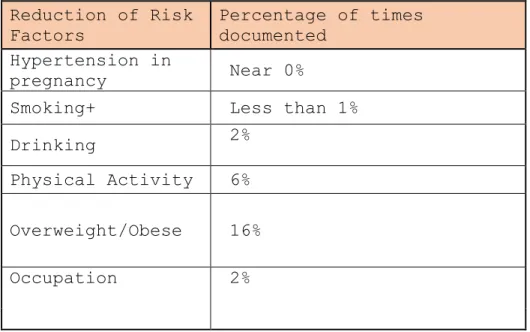
Table 5. Reduction of Risk Factors... 49
Table 6. Key Informants Interviewed by Primary Role... 50
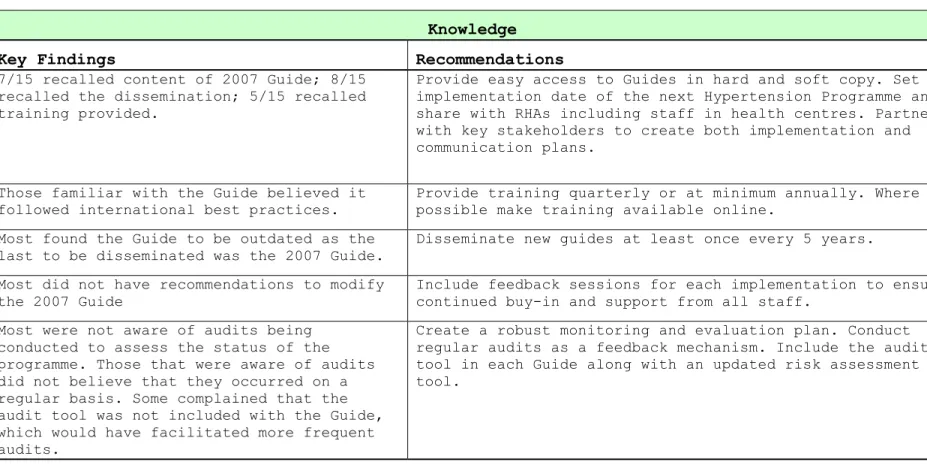
Table 7. Key Findings and Recommendations Provided by Key Informants... 59
Table 8. Kotter’s Steps for Leading Change, Study Findings and Recommendations... 72
Table 9. Summary of Policy Options... 84
Table 10. Regulatory/Legislative Stakeholder Analysis... 85
LIST OF FIGURES
Figure 1. Regional Health Authorities... 3
Figure 2. Coordination of Health Care... 5
Figure 3. Abbreviated Organization of Primary Health Care... 63
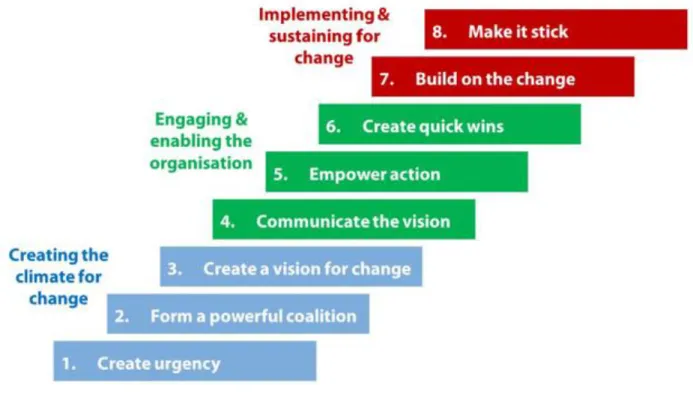
Figure 4. Kotter’s Eight-Step Process For Leading Change... 65
Figure 5. The Practical, Robust, Implementation and
LIST OF ABBREVIATIONS
BMI Body Mass Index
CHA Community Health Aide
CMO Chief Medical Officer
CNDC Chronic Non-Communicable Disease
NCD Non-Communicable Disease
CARICOM The Caribbean Community
RHA Regional Health Authority
SRHA Southern Regional Health Authority
SERHA South Eastern Regional Health Authority
NERHA North Eastern Regional Health Authority
WRHA Western Regional Health Authority
MOH Ministry of Health
RTD Regional Technical Director
WHO World Health Organization
PAHO Pan American Health Organization
SWOT Acronym for strengths, weaknesses, opportunities
and threats, which is often used to evaluate projects/organizations
PRISM Practical, Robust Implementation and
CHAPTER ONE: INTRODUCTION 1.1 Demographic Profile
Jamaica gained its independence from Great Britain on
August 6, 1962 and has adopted the Westminster Whitehall Model
of parliamentary democracy with general elections called by the
Prime Minister every five years. There is a bicameral
legislature with cabinet governance and ministerial assignments.
Laws, national policies and ministerial policies are promulgated
at different levels of government (Subaran & Hardee, 2001).
Jamaica is the largest English-speaking Commonwealth Caribbean
country and is approximately 11,000 square/km in size.The island
is divided into fourteen parishes, with three major urban areas:
Kingston, Montego Bay and Portmore.
Jamaica is experiencing decreased birthrates and relatively
low death rates. The Jamaican population at the end of 2013 was
estimated at 2,718,000. The 0-14 age group (who represent 29.8%
of the population) is declining. In contrast, the 15-64 age
group (61% of the population) is growing. There is also an
increase of the elderly, 65 years old and over, which at 9.2%,
(Statistical Institute of Jamaica, 2015).2 There are many
implications for the rising age of the population, including the
management of chronic non-communicable diseases.
1.2 Overview of Health Care in Jamaica
Jamaica has a two-tiered health care system whereby the
public sector is primarily involved in primary care, public
health and hospital care while the private sector mainly
provides outpatient ambulatory services and pharmaceuticals
(Chao, 2013). The research for purposes of this dissertation
focuses on the public sector.
The public sector of the health care system is comprised of
the Ministry of Health and the Environment(MOH), its agencies
and departments, a network of twenty-three public hospitals
including specialty care hospitals, 350 primary health care
institutions and the University Hospital of the West Indies and
Medical School. There are three levels for delivery of care in
the public sector. Primary care is the first line of contact
with patients and the health care system. Primary care
facilities include all health centres nation-wide. Patients are
assessed and appropriately referred to the next tier of the
health care system depending on the nature of care that they
require. This consists of secondary level facilities that
requiring admissions and/or surgical procedures as well as
overall advanced level of care are handled at this stage. The
final step is the tertiary level, which also includes hospitals
providing specialized services. The current organizational
arrangement of health care delivery within the public sector is
mainly via hospitals and health centres distributed across the
health regions.
Health care reform in 1997, through the enactment of the
National Health Services Act, resulted in the decentralization
of health care and the creation of four semi-autonomous Regional
Health Authorities (RHAs) which ensures the delivery of public
health services through a network of primary, secondary and
tertiary health care facilities. The RHAs as seen in Figure 1
are defined by geographical boundaries of varying sizes and
include the North East Regional Health Authority (NERHA),
Southern Regional Health Authority (SRHA), Western Regional
Health Authority (WRHA) and South East Regional Health Authority
(SERHA). The North East Regional Health Authority (NERHA) is
mainly rural and comprised of three parishes, namely, Portland,
St. Mary, and St. Ann -- and serves approximately 13.7% of the
total population (NERHA, 2009). The SRHA encompasses three
parishes -- Clarendon, Manchester, and St. Elizabeth --and
serves approximately 21.9% of the total population (SRHA, 2011).
The South Eastern Regional Health Authority (SERHA)is mostly
urban and has three parishes -- St. Andrew, St. Catherine, and
St. Thomas -- and provides services to approximately 46.7% of
the total population (SERHA, 2016). The Western Regional Health
Authority (WRHA) is largely rural and contains four parishes
including Trelawny, St. James, Hanover, and Westmoreland. The
WHRA serves 17.6% of the total population (WRHA Annual Report,
Figure 2. Coordination of Health Care
Source: A Case Study of Jamaica’s Health Financing System and its Impact on
the Performance of the General Health System, Anya Cushnie, 2010
Health services provided by the public sector are funded by
an annual budgetary allocation derived from collection of
general and earmarked taxes, including property, asset taxes and
general consumption taxes. Prior to 2008, user fees were also a
source of funding for health care in the public sector. For
fiscal year 2015-2016 the Ministry of Health was allocated
$49.09 billion for recurrent expenses and $1.5 billion dollars
for capital projects funded by the Ministry of Finance (Jamaica
Information Service, 2015). Approximately, 86% of this budget
was then further allocated by the MOH to the RHAs. The RHAs have
the leading responsibility for managing the public health care
networks and the delivery of health care services. The health
health care closer to the point of service delivery (Jamaica
Information Service, 2015).
With the decentralization of health care and the
responsibility for the implementation of policies residing at
the regional and local levels, there have been improvements in
the administration of care being closer to the point of service.
Further, while the allocation of resources by the regions at the
primary and secondary levels allows for greater flexibility in
administration and responsiveness to the communities served,
some challenges do remain. For instance, the Non-Communicable
Disease (NCD) Unit within the MOH does not have a direct
reporting relationship with the RHAs and the responsibility for
implementing guidelines such as the 2007 Hypertension Programme.
It is only through goodwill on the part of the RHAs and
collaboration with the MOH that the MOH is able to disseminate,
train and coordinate the implementation of NCD programmes.
In 2008, user fees were removed from all public health
facilities including hospitals (except University Hospital of
the West Indies), health centers/clinics, laboratories,
diagnostic facilities and pharmacies (Ministry of Health, 2008).
The abolition of user fees was intended to improve access to
health services for the poor. Moreover, the policy aimed to
eliminate barriers to access, and relieve health staff of
pay and identification of alternative modes of service delivery
(Ministry of Health, 2008). The health care system was projected
to lose approximately twelve percent of its funding by
abolishing fees. In response to the shortfall in funding, the
RHAs were advised to implement short term strategies to address
staff shortages by recruiting and hiring nurses, doctors,
pharmacists and community health aides on a temporary basis
(Ministry of Health, 2008). Despite these makeshift strategies,
it is not clear how the RHAs and the MOH planned to address
these obstacles in the long term.
1.3 Statement of the Issue
Chronic non-communicable diseases and ageing are major
public health challenges of the new millennium (Eldemire-Shearer
et al., 2011). Non-communicable diseases are now the leading
cause of death in developing countries with the rate rising
fastest in lower income countries and Chronic Non-Communicable
Diseases (CNCDs) are projected to increase by 17% over the next
10 years (Abegunde, Mather, Adam, Ortegon, & Strong, 2007). The
top five causes of death between 2004 and 2008 in Caribbean
countries were cardiovascular diseases, malignant neoplasms,
respiratory diseases, digestive diseases and diabetes
(Ferguson, Tulloch-Reid, Cunningham-Myrie, Davidson-Sadler, &
Copeland, Lewis-Fuller, 2011). As a result, The Caribbean
of government to address chronic non-communicable diseases,
which generated the Port-of-Spain NCD Summit Declaration in
2007, “Uniting to Stop the Epidemic of Chronic Non-Communicable
Diseases.” This united declaration has had mixed levels of
success in member states such as Jamaica, and is still a work in
progress (Samuels & Hospedales, 2011). Of the most prevalent
chronic diseases, hypertension has been identified as the number
one risk factor for mortality and the third leading risk factor
for the global disease burden (Ezzati, Hoorn, Rodgers, Lopez,
Mathers, & Murray, 2003). Another study on the changing faces of
hypertension, diabetes, and arthritis revealed that between 2002
and 2007, the prevalence of these chronic diseases in Jamaica
increased on average annually 17.2%, and hypertension in
particular grew 12.7% per year (Bourne, McDaniel, Williams,
Francis, Kerr-Campbell & Beckford, 2010). In addition, a study
of self-reported chronic diseases in Jamaica found that 28.9% of
a nationally represented sample self-identified as being
hypertensive (Bourne & McGrowder, 2009). Another important fact
highlighted in Table 1 is that hypertension is one of the
greatest risk factors for cardiovascular disease for which the
cost of care in Jamaica is significant (Abdulkadri,
Table 1. Economic Burden of Hypertension in Jamaica
Therefore, the Jamaican government has prioritized the
importance of tackling NCDs in general due to the increased
prevalence of diseases such as hypertension, diabetes and other
chronic non-communicable diseases. Prioritization of NCDs is
clear in not only the Ministry of Health Strategic Plan
2015-2018, but also in the redesigning of the primary care system and
services currently underway (Ministry of Health, 2014). Both of
these address the changing disease patterns and increased
prevalence of NCDs as evidenced by the high number of
individuals admitted to the hospital for avoidable complications
from hypertension and diabetes. With the imminent rollout of the
2014 Hypertension Programme Guide and revisions to the Diabetes
research. It is hoped that the lessons from the implementation
of the 2007 Guide will not only facilitate the implementation of
the 2014 Hypertension Programme Guide but also other NCD
CHAPTER TWO: LITERATURE REVIEW
The initial literature search for this study included a
review of data related to the demographics of the Jamaican
population, such as socio-economic characteristics of citizens,
average and source of income, along with the size and breakdown
distribution of health professionals. The preliminary search
utilized the websites of the Statistical Institute of Jamaica
and the Jamaican Ministry of Health (Statistical Institute of
Jamaica, 2011). These websites presented summary data on the
overall population as well as a breakdown by Parish. These data
were helpful in providing some understanding of the demographics
of the country and supported the need for further research on
ageing and chronic disease management. The focus of the research
was the management of chronic diseases, including hypertension,
in the Jamaican population.
Once this preliminary search was completed, a formal
literature review was conducted. Databases that proved most
helpful were PubMed, CINAHL, and Google Scholar. A search for
articles referencing Jamaica or any other CARICOM member was
conducted because these nations have similar demographics.
greater understanding about chronic disease management in
Jamaica and potentially identify gaps in research:
Chronic diseases in Jamaica
Chronic disease + treatment
Chronic disease management
Chronic disease management + African Americans
Chronic disease management + minorities
Chronic disease management + Jamaica
Chronic disease management in the Caribbean
Chronic disease management + CARICOM
Ageing/Aging*3
Ageing in the Caribbean
Ageing + CARICOM nation states
Ageing + chronic disease in Jamaica
Ageing in place + CARICOM nation states
Ageing in place + CARICOM nation states + chronic disease
management
Hypertension + CARICOM
Hypertension + Jamaica
Diabetes + Hypertension + developing countries
2.1 Article Inclusion/Exclusion Criteria
Articles were included if they mentioned any of the above
search criteria. This search resulted in approximately 3200
articles. Of these, the first 1600 were reviewed of which 37
articles met the search criteria including: written in English,
search term(s), and published in peer-reviewed journals between
2000 and 2014. Grey literature from sources such as the Jamaican
Statistical Institute, the Planning Institute of Jamaica and the
Ministry of Health website were also included. These sources
were included if the publication directly related to the search
terms and criteria. For Caribbean-specific articles, the West
Indian Journal of Medicine was most helpful. Articles from the
United States and the United Kingdom were reviewed if they
pertained to chronic disease management. This expanded search
included articles that described lessons learned not only in the
United States and the United Kingdom but also Canada and
Australia. Within these countries, the search was limited to
articles addressing chronic disease management in minority and
low-income populations, which may bear some similarity to the
West Indian populations. In reviewing the articles, common
themes were identified and analyzed. Implications for chronic
disease management and ageing, as well as any articles that
would shed light on mechanisms to better manage chronic diseases
2.2 Themes and Variables
The studies identified were primarily descriptive and
qualitative in nature. The 37 articles found related to both
ageing in the Caribbean and general chronic disease management.
Of note, there were some common themes that appeared throughout
the articles. The most prominent themes were related to 1)
population demographics and the ageing population, 2) the rise
of chronic diseases in the Caribbean, 3) chronic disease
management, 4) workforce development and the use of nurses in
managing chronic diseases and 5) primary care management of
chronic diseases.
These publications illustrated that the demographics of the
Caribbean are changing. The region does not have the numbers of
larger developing countries, but is challenged nonetheless due
to the size of the economies (Kinsella & Phillips, 2005). For
instance, in Jamaica the population over 60 years of age will
double during the period 2025 – 2030 while total population
growth continues to fall (Eldemire-Shearer, 2008). Seniors are
also at greater risk of increased difficulty managing chronic
illnesses (James, Holder-Nevins, Morris, Eldemire-Shearer,
Powell & Laws, 2012). Loss of function further decreases the
likelihood of maintaining independence and ultimately the
ability to age in place (James, Holder-Nevins, Morris,
older adults in the Parish of Clarendon revealed that the most
prevalent morbid conditions were cardiovascular related disease
including hypertension and diabetes. The fact that these two
diseases accounted for more than 50% of the conditions seen in
the health services reflects the importance of these diseases in
the ageing Jamaican population (James, Holder-Nevins, Morris,
Eldemire-Shearer, Powell & Laws, 2012). Another study relating
to utilization of primary health clinics and care provided to
the elderly in the Parish of St. Catherine showed that while
clinical practices were good, there were relatively inadequate
levels of prevention practices were in use. There were also
impediments to prevention-related activities for the elderly in
the primary health care system (Eldemire-Shearer, Holder-Nevins,
Morris, & James, 2009). Barriers included inadequate staffing,
overcrowded clinics, and high cost of medications
(Eldemire-Shearer, Holder-Nevins, Morris & James, 2009). Inadequate
staffing in the management of chronic diseases for the elderly
is particularly troubling and makes it apparent that more
healthcare workers are needed and that current healthcare
workers need to be trained to ensure quality care. As a result,
it is necessary to investigate whether increased management of
chronic diseases (such as hypertension) outside of the clinical
setting could improve overall quality of care and life for
independence and likelihood of maintaining good health for as
long and comfortably as possible.
In the review of literature, the Jamaica 2030 Report
(Statistical Institute of Jamaica, 2009) first issued in draft
form in 2007, was helpful in framing the issues and prompting
discussion on best practices for the management of chronic
diseases such as hypertension. This report outlined an analysis
including the strengths, weaknesses, opportunities and threats
(SWOT) for the development of Jamaica and the support and
improvement of population health by the year 2030. With regards
to improving the health of those suffering from chronic
diseases, the report identified systemic weaknesses including
the lack of standard systems/indicators, research agenda,
inadequate data/analysis and resources to implement and monitor
programmes. It was also very clear that most CARICOM nations
were greatly in need of programmes to better manage chronic
disease (Healthy Caribbean Coalition, 2008). In evaluating best
practices in the management of chronic diseases, the remaining
articles covered a variety of topics: best methods to manage
chronic diseases such as self-management, primary care
management, and use of nurses and other health workers to assist
in management of these illnesses and the growing burden of
In the article ”Economic Burden of Diabetes and
Hypertension in CARICOM States”, Abdulkadri et al. illustrated
the growing cost burden of managing chronic diseases in the
ageing population (Abdulkadri, Cunningham-Myrie, & Forrester,
2009). The complexity and time spent by primary care physicians
was also assessed to evaluate the burden of managing chronic
diseases in the elderly population in primary care practices
(Beasley et al. 2004; Ostbye, Yarnall, Krause, Pollak, Gradison,
& Michener, 2005). The cost of care was taken into consideration
and it was noted that the use of nurse case managers working in
primary care could ultimately decrease emergency room visits and
hospitalizations as compared to patients strictly utilizing the
hospitals for primary care (Sylvia, 2008). While these analyses
are based on data collected in the United States, many of the
principles may be applied to other regions, including the
Caribbean.
There were several articles relating to the increased use
of nurses as a means to better manage chronic diseases such as
hypertension (Shigaki et al, 2010) found that care by nurses was
not only acceptable but also feasible and sustainable. However,
the collaborative involvement of doctors was intrinsic to
patient acceptability of nurse-led care. Other articles
investigated the difference in perception of care and the
Stokes, Jackson, Hastings, & Baker, 2007); Harris & Zwar, 2007).
Due to the challenges faced by physicians, such as not having
sufficient time to adequately assist patients in managing their
chronic illnesses, it is even more crucial for nurses working
with patients to have an adequate amount of quality time to
support and advise patients regarding self-management. Further
emphasis was given to the inadequacy or reduced attention to
care of primary care physicians in their practice (Lukewich,
Edge, VanDenKerkhof & Tranmer, 2014); Halcomb, Davidson,
Salamonson, Ollerton & Griffiths, 2008). Owing to decreased time
spent with patients regarding their chronic illnesses, care was
generally not provided in accordance with clinical best practice
guidelines, which lent strength to the argument that nurses
could be better utilized in the management of chronic diseases.
To gain a better understanding of nursing support of minority
populations, specifically those of Afro-Caribbean descent, a
review of literature that illustrated the challenges of managing
chronic diseases with these patients was conducted(Higgenbottom,
2008). Similar to the United States, in the United Kingdom there
has been increased attention to the impact of race on health.
This has been a more recent trend due to the increased migration
from the Caribbean to United Kingdom. This focus is especially
important for the creation of health policies in the Caribbean
including cultural identity, diet, attitude and behavior remain
the same (Cruickshank et al., 2001; Brown, 2006).
2.3 Limitations and Future Research
The strength of the research found on the Caribbean is
useful was helpful to understand the current landscape for
chronic diseases and ageing-related issues. Further, the two
most central themes that arose out of the literature review were
the need for disease management of chronic diseases, including
diabetes, hypertension and cancer, and the high prevalence of
chronic diseases in ageing populations. The articles reviewed
were a combination of qualitative interviews, cross-sectional,
and descriptive studies based on data collected by a variety of
health organizations including the WHO, PAHO, the University of
the West Indies (Mona Campus), Health Agency Canada, and the
United Nations. Through the literature review process, best
practices in the management of chronic diseases and especially
hypertension were identified including best methods for
self-management, primary care self-management, use of nurses and other
health workers to assist in management of these illnesses, as
well as the adequacy of the workforce to handle the growing
burden of ageing with chronic diseases.
The literature was excellent in identifying the rising
concern related to the increasing prevalence of chronic
stymie the escalation of these illnesses and a very well
supported call to action by CARICOM nations. However, the
primary limitation and threat to validity and applicability of
the reviewed publications is that the overwhelming majority of
the selected articles did not emphasize the implementation of
management programmes for chronic diseases, and hypertension in
particular, in the Caribbean. Instead, most of them focused on
establishing best practices in countries such as the United
States, Australia, Canada and the United Kingdom, all of which
have substantially more resources to devote to health care than
the CARICOM countries. While not completely on point, these
publications were very helpful in identifying best practices and
gaining insight into challenges to implementation, which may be
faced in Jamaica.
2.4 The CARICOM Perspective: Chronic Disease
The CARICOM Summit on Chronic Non-Communicable Diseases
(CARICOM CNCD), held in Port-of-Spain, Trinidad in 2007, set
regional priorities. The resulting strategic plan of action for
the prevention and control of CNCDs set five priority actions,
in the following order: 1) Reducing risk factors such as use of
tobacco, alcohol and salt intake and integrating programmes in
schools, workplace and faith-based settings; 2) Integrating
disease management and patient self-management education; 3)
Increasing advocacy and healthy public policy along with
maintaining media and social communication on the prevention and
care of CNCDs, and 5) Ensuring adequate programme management,
mobilizing resources and health financing (Samuels &
Hospedales,2011). This dissertation focuses on the second and
third priority actions: integrating disease management and
patient self-management education along with CNCD surveillance,
monitoring and evaluation. These actions provide an umbrella for
the implementation of chronic disease management programmes
manifested in guides such as the 2007 Hypertension Programme.
2.5 Hypertension in Jamaica: Hypertension Programme Guide 2007(hereafter the “2007 Guide”)
The 2007 Hypertension Programme Guide was drafted by the
MOH and disseminated to all health centres. This guide is
intended to be the primary resource for the treatment of
hypertension within the public health setting (Ministry of
Health, 2007). The 2007 Guide included five core sections: 1)
Evaluating the Patient; 2) Treatment of Hypertension; 3)
Management of Hypertension in Special Situations; 4) Indications
for referral, and 5) Reduction of Risk Factors for Hypertension.
The 2007 Guide details how a clinical exam should be conducted,
including the measurement of body mass index (BMI), blood
pressure (various positions) as well as the administration of
since acute and chronic hypertensive changes may manifest in the
eyes from acute changes due to malignant hypertension, and
chronic changes from long-term, systemic hypertension, this last
exam is incorporated. The 2007 Guide further recommends initial
and some continued laboratory investigations depending on
diagnoses. The recommended laboratory investigations include
urine analysis, blood creatine, electrolytes, triglycerides, and
cholesterol, along with at least one chest x-ray and
electrocardiogram. An understanding of the medical history and
documentation of the demographics along with hypertensive risk
factors and history of cardiac, cerebrovascular and renal
disease are required. Further, an ongoing care regimen is
outlined, which includes a recommendation for patients to
follow-up at least monthly until ideal blood pressure is
achieved, or more frequently if there are co-morbid conditions.
The 2007 Guide also recommend treatment in special situations
including the management of hypertension in the elderly,
diabetics, patients with cardiac/renal failure and those women
experiencing symptoms during pregnancy. The 2007 Guide clearly
outline how the treatment of hypertension should be considered
by stage of disease and advocates for the use of non-drug
therapy for pre-hypertension or stage one hypertension defined
as Systolic Blood Pressure 140-159/Diastolic Blood Pressure
The 2007 Guide prescribes a team based approach to the
management of hypertension with the cornerstone of care being
lifestyle change. Proposed lifestyle changes include diet,
exercise (i.e., frequency and intensity), and guidance regarding
the overall management (including self-management) of
comorbidities. Following the 2007 Guide, two things that must be
carefully monitored are lifestyle changes and drug adherence.
Both of these require clinical oversight and patient access to
suggested drug therapies, which may be easier for populations
such as the elderly due to drug subsidies (National Health Fund
Annual Report, 2011). However, it may be more of a challenge for
hypertensive patients to readily access clinical care in health
centres due to overcrowding and long wait times
(Eldemire-Shearer, 2012).
The challenge for the next version of the Guide lies in how
we can best learn from the implementation of the 2007 Guide to
ensure successful roll-out of the 2014 version, which is to be
disseminated in 2016. In this regard, a multidisciplinary
approach provides the greatest opportunity to tackle roadblocks
to implementation. Further, data regarding knowledge, attitudes
and practices related to the primary care of hypertensive
patients will be advantageous in to enhancing the understanding
of policymakers and key stakeholders on best practices for
the Hypertension Management Programme but also other chronic NCD
management programmes.
As indicated in “From Ageing Research to Policy and
Practice”, a locally appropriate age-friendly guideline and
clinical toolkit for primary health care has been established to
identify and prevent chronic diseases through screening
(Eldemire-Shearer, 2012). There are, nonetheless, significant
implementation barriers to overcome and large numbers in clinics
where work needs to be done (Eldemire-Shearer, 2012). The focus
of prior research has been on identifying hurdles to adequate
clinical care of chronic diseases provided by clinicians. This
research builds on this knowledge by evaluating the
implementation process of chronic disease management programmes
via guidelines such as the 2007 National Hypertension Management
Programme; reviewing the accountability of the current system to
ensure targets are met and improved health outcomes, and
analyzing opportunities to maximize stakeholder engagement in
the management of hypertension at the national and regional
levels.
2.6 Problem Statement & Research Aim
One of the greatest concerns is that many hypertensive
patients go untreated and undiagnosed. This situation could
exist for multiple reasons, such as potential unaffordability or
2007 for clinic visits, there are significant wait times due to
a shortage of clinicians and unattainability of drugs (Campbell,
2013). With the removal of user fees, the Ministry of Health has
fewer resources to provide care to more patients and most
importantly screening. There has been increased use of
facilities without a corresponding increase in resources or
clinician manpower -- both physicians as well as nurses-- to
manage care. The literature review did not identify any
standardized instruments to capture quality of service data,
including reports by practitioners documenting time available to
assess and treat patients. However, other research indicated
that due to overcrowding of facilities post-abolition of user
fees, patients are often forced to leave after waiting entire
workdays without being seen, which can increase the number of
undiagnosed and poorly controlled hypertensive patients
(Campbell, 2013). The 2007 Guide could be used to facilitate and
expedite treatment. However, it is unclear whether clinicians
are knowledgeable of the Guidelines and are able to provide care
according to expected standards. Further, through dialogue with
senior MOH personnel, most regions do not routinely conduct
recommended audits despite the provision of audit tools, which
are aligned with the Guidelines to ensure that appropriate care
is given to hypertensive patients (Ministry of Health, 2015).
2007 Guide it is difficult to ascertain whether hypertensive
patients in general and special populations such as the elderly,
are treated in accordance with the specified standards. Further,
proof of successful implementation of the 2007 Guide would have
to take place prior to evaluating the health outcomes of the
target population. Ultimately, without knowledge of how the 2007
Guide was implemented, including review of data regarding
implementation fidelity, there is little way to assess the
adequacy of the public health system in addressing hypertension
and improving population health outcomes. Moreover, this
information is key to understanding challenges and successes
prior to implementing the following (2014) iteration of the
hypertension programme guide. This research, therefore, proposes
to answer the following question and sub-questions:
2.7 Research Question
This research, therefore, proposes to answer the following
question and sub-questions:
1. How can health leaders use information about the knowledge,
practices and attitudes on the treatment of hypertension and the
implementation of the 2007 Hypertension Guidelines to support
and ensure the successful implementation of the 2014 Guidelines
1(a) How are guidelines such as the 2007 Guide for the
Management of Hypertension implemented and utilized in
health centres?
1(b) Are clinicians knowledgeable of the 2007 Guide,
including best practices in treating hypertension in the
general population as well as specific populations such as
the elderly and pre-hypertensive patients?
1(c) Are there anticipated clinical and/or capacity
limitations to implementing the 2014 Guidelines for the
Management of Hypertension?
1(d) Are there mechanisms in place to ensure self-audits
and external audits by the RHAs to ensure improved health
outcomes for hypertensive Jamaicans?
1(e) Learning from the 2007 Guide, what models may be
supportive of and appropriate for the implementation of the
2014 Hypertension Programme Guidelines to ensure
CHAPTER THREE: RESEARCH DESIGN AND METHODOLOGY
This chapter discusses the study aims and also includes a
description of the study design, study setting, data collection
methods, data analysis methods and ethical considerations.
3.1 Study Design and Setting
The aim of this study is to develop a plan for change for
the Jamaican Ministry of Health, which is responsible for the
creation and dissemination of policies and guidelines such as
the 2007 Guide.
This study uses a non-experimental, concurrent
triangulation mixed methods implementation evaluation design
from the multiple perspectives of MOH and RHA leadership,
clinicians and community health aides. To date no formal
evaluation of the implementation of the 2007 Hypertension
Programme Guide and associated processes had been done in
Jamaica prior to this project.
Evaluation
Evaluation is a systematic investigation of the
effectiveness of programmes in a way that is adapted to their
political and organizational environments (Rossi, Lipsey, &
making decisions about policies or programmes at different
levels of creation and implementation. There are different types
of evaluations: (1) developmental evaluation which addresses
testing innovations for addressing problems; (2) formative,
process, or implementation evaluations, which assist in
improving the design and implementation of an ongoing
intervention; and (3) summative, outcome, or impact evaluations,
which assess the overall merit or significance of a programme
(Bamberger, Rugh, and Mabry, 2011). While there is variation in
the nomenclature and the fact that implementation evaluation may
also be referred to as process or formative evaluation, for
purposes of consistency this research will use the term
“implementation evaluation.” Knowledge from implementation
evaluation may assist decision-making about a programme, improve
planning and implementation of policies, and allow for
modifications at different levels of programme development.
Ultimately, implementation evaluation documents the extent to
which an intervention has been carried out as planned and what
departures from the plan, if any, have occurred and why (Patton,
2014). Patton further states that unless a programme is
operating as designed there is little reason to expect it to
produce the desired outcomes. In the context of the current
research it is important to understand the implementation
implementation design prior to conducting an impact or outcomes
evaluation on the effectiveness of the Programme.
Mixed Methods
There are multiple definitions for mixed methods, including
“research in which the investigator collects and analyzes data,
integrates the findings, and draws inferences using both
qualitative and quantitative approaches or methods in a single
study or a programme of inquiry” (Tashokkori & Creswell, 2007).
Mixed methods have also been characterized as the utilization of
quantitative and qualitative research approaches, including data
collection and analyses, for the distinct purpose of adding
breadth, depth and corroboration (Johnson, Onwuegbuzie & Turner,
2007).
Further, mixed methods may enrich the study and enhance the
findings through triangulation, which is the practice of using
multiple sources to corroborate, explain or more fully
understand an issue. There are three major strategies or forms
of inquiry that may be employed in mixed methods. These
include, sequential inquiry allowing one method, quantitative or
qualitative, to elucidate information regarding the other;
concurrent, where data sources are combined in the analysis of a
research problem, or transformative, where a new theoretical
Philosophical Approach
Philosophical approaches in research include post
positivism, constructivism, and pragmatism. These approaches can
be used to further guide strategies of inquiry and methodology.
The chosen approach assists researchers in determining what and
how knowledge will be gained throughout the research process
(Creswell, 2003). This research utilizes a pragmatic qualitative
inquiry. Unlike post positivism, which is often associated with
quantitative approaches, or constructivism, which is focused on
the subjective worldview of participants, pragmatism seeks
useful answers for solving or addressing concrete problems. In
addition, pragmatism involves understanding demands,
opportunities, and constraints surrounding a situation. This
philosophical view is often associated with mixed methods
research and especially in focusing on the use of multiple
methods of data collection to inform problems that are being
studied (Creswell & Clark, 2011).
Design
For this study, a concurrent triangulation mixed methods
approach is used whereby quantitative and qualitative data were
collected at the same time. Each method is weighted equally and
neither the quantitative nor qualitative approaches are given
any greater importance or relevance. In fact, the qualitative
2007 Guide. In contrast, the quantitative data further
supplement information regarding implementation. The presence or
absence of key quantitative data was reviewed to evaluate
whether or not clinicians adhered to the 2007 Guide. For
instance, one of the cornerstones of the 2007 Guide is an
emphasis on lifestyle change as a means of managing
hypertension. Quantitative data from patient dockets were
reviewed to ascertain whether clinicians collected information
regarding diet, exercise and other risk factors, including
compliance with prescribed medication regimens.
3.2 Quantitative Data Collection
Ministry of Health Audits
The Ministry of Health has an established audit system. In
keeping with the research approach of looking at process and
evaluating the implementation of The Guidelines the Ministry
audits were used. The MOH planned random audits across all
Regional Health Authorities in an effort to collect baseline
data for both the Hypertension and Diabetes Management
Programmes. The selection of health centres was purposive in
that it included a wide range of health centres across all
regions, which included centres in urban and rural areas. In an
effort to understand the implementation process the MOH NCD
Director was accompanied for most of the audits conducted. One
southeastern and the western regions where the Ministry of
Health audited two health centres. Documentation collected by
the Ministry of Health was done through two means: (1) direct
observation of care; and/or (2) by consulting patient dockets.
When the Ministry of Health does audits of this nature, the
care of ten hypertensive and ten diabetic patients are observed
or followed. Patients are registered according to the order in
which they present at the Medical Records window within the
health centre. A diagnosis sheet is used to document the names
and diagnosis of each of the 20 patients observed. This sheet
will be used to ensure that the numbers D1 – D10 or H1-H10
corresponds to a patient’s medical record number and the
resulting audit sheets with results are de-identified. The first
ten hypertensive and ten diabetic clients (20 patients in total)
are observed to conduct an assessment of the correct measurement
techniques for weight and blood pressure. Patients who have both
diabetes and hypertension may also be used to fill the required
quota. The auditor observes the measurement of blood pressure
and weight. Patients are then interviewed on exit from the
doctor’s consultation room to ascertain their opinion on their
experience at the health centre on the date of the audit.
Ultimately, quantitative data collected will supplement those
collected by the MOH as a part of the audits and contribute to
Current Research
The Ministry of Health audit tool was used for quantitative
data collection for multiple reasons. First, the Ministry of
Health planned on conducting audits on both hypertension and
diabetes within all regions and agreed to share the resulting
data from the hypertensive portion of the audit. However, the
number of patients observed or reviewed was only a total of 10,
which would not have had significant power to be meaningful. The
number of patient dockets from which data were extracted had to
be greater than ten to ensure that the resulting data was
generalizable to the entire population of health centres and the
populations they serve. Consequently, it was decided that the
same methodology would be used to collect data from at minimum
30 additional dockets in each region. A total of 197 dockets
were included across all regions. However, due to a non-sampling
error in data collection some data were not recorded.
Consequently, the non-response rate for certain data points not
recorded is approximately 13%. The sample size is therefore
reduced accordingly to 171.
For validity and reliability purposes the same audit tool
and methodology created and used by the MOH was utilized for
this research. The audit tool has been widely disseminated for
use by the Regional Health Authorities for external audits as
and methodology have been tested for appropriateness by the
Ministry of Health and used prior to the dissemination and
implementation of the 2007 Guide. Consequently, the audit tool
used in this research has history and face validity. The only
limitation to using the audit tool is that the data collected
from the additional dockets were limited to those of patients
receiving care related to hypertension within the last year.
3.3 Qualitative Data Collection
Key Informant Interviews
Qualitative data collection included semi-structured
interviews with 15 key informants to identify barriers to
guideline implementation. Themes were identified in the
qualitative data, which aided the creation of recommendations
for a plan for change. The population from which key informants
were recruited included community health aides, clinicians at
the implementation and non-implementation clinics and key
leaders within the Ministry of Health(MOH) and Regional Health
Authorities(RHAs). A roster of recruited individuals included
staff, clinicians, and key leaders from each RHA. The RHAs
invited selected individuals to participate as key informants.
If they agreed, these individuals were consented upon arrival of
onsite to ensure agreement. Further, staff from the MOH was also
selected. These individuals were recruited via email, telephone,
also sent a brief description of the study using a standardized
script in English. When participants agreed to be interviewed,
an appointment was scheduled at a convenient time. Participants
were reminded via email and telephone at least 24 hours in
advance of the interview. The attached key informant interview
guide (see Appendix C) was administered at a location of the key
informants choosing. Interviews took between 25-45 minutes
each, and were in most cases audio recorded.
Key informant interviews were recorded and transcribed
verbatim. Codes were developed based on themes of responses. The
process for developing codes was iterative. The analysis was
guided to address implications for policy, programme
development, implementation and further evaluation.
The sampling of key informants was purposive and included a
variety of stakeholders including community health aides,
clinicians at implementation and non-implementation sites, key
leaders such as Regional Technical Directors, the outgoing Chief
Medical Officer and the national Director of Non-Communicable
Diseases within the MOH.
There is still much debate about acceptable methods for
establishing validity within qualitative mixed methods research
(Creswell & Clark, 2011). However, procedures were undertaken to
support and ensure the validity of the findings. Among these
the interview tool, including consultation with the field
supervisor and dissertation committee. In addition, in instances
where permission was granted, audio recordings of participant
interviews were conducted to ensure that their perspectives were
accurately captured.
3.4 Data Analysis Methodology
Quantitative
In the pre-analysis phase, identification numbers were
assigned to each facility and questions were grouped based on
the major thrusts of the 2007 Guide: (1) Evaluating the Patient;
(2) Treatment of Hypertension; (3) Management of Hypertension in
Special Cases; (4) Indications for Referral, and (5) Primary
Prevention: Reduction of Risk Factors for Hypertension. Data
were then quantified based on the information entered in the
dockets correlating to each question asked through the MOH Audit
Tool. Particular attention was paid to data documenting risk
factors and references to dialogue with the patient on lifestyle
factors such as diet and exercise.
Qualitative
A descriptive analysis to search for recurring themes and
wording used by participants was used. Various coding techniques
were then used to systematically extract data from key informant
interview data including: (1) Structural, (2) Evaluative, (3)
important to note that employing these coding techniques
required a review of transcripts and notes several times. A
structural approach provides answers regarding implementation of
the 2007 Guide and reveals some recommendations for future
guidelines. Further, evaluation coding which was the most
critical for this research includes a review of the transcripts
and notes for three major themes. These themes include a
description of participatory responses of patterned observation;
a comparison of how the 2007 Hypertension Programme measures up
to an ideal in light of best clinical practices, and the
provision of recommendations for modifications and how these
changes might be implemented. This coding methodology further
examined shifts in participants’ skills, attitudes, feelings,
behavior, programme ideology, policy and procedure. Special
focus was given to what key informants know and what they think
and feel about the 2007 Guide. Magnitude coding was also
utilized to make it easier to identify where key informants had
positive and negative comments or feedback. Lastly, In Vivo
coding was utilized to ensure that the direct language of key
informants was captured (Saldana, 2016). In Vivo coding further
adds weight to the opinions of key informants about the 2007
Guide implementation as well as that of future guidelines.
In reviewing the qualitative data, a naturalistic and
naturalistic analysis was useful in determining the extent to
which a programme is operating in accordance with
legislative/policy intent. This approach further included a
detailed description on how programmes operate and what they are
accomplishing, which are all goals for this research. To
complement this analysis, a pragmatic approach was most useful
in that it facilitated finding practical and useful answers that
could provide direction in conducting an implementation
evaluation. Generally, a pragmatic approach allows the
researcher to search via practical questions to attain useful
insights to inform action and may include in depth interviews
and fieldwork observations to answer straightforward questions
without framing the inquiry within an explicit theoretical
framework (Bamberger, Ruch & Mabry, 2011). In this research, a
pragmatic approach allowed understanding of key research
questions including informants’ knowledge of the 2007 Guide, current and possible staffing roles, current audit practices,
hypertension and current challenges; satisfaction with available
resources to treat hypertensive patients and recommendations for
implementation of future Hypertension Programme Guidelines.
Triangulation
In addition to the methods used to conduct the study,
triangulation was used to analyze key informant perspectives
differences regarding their knowledge, attitudes and practice
about hypertension and the implementation of the 2007 Guide
assisted in explaining why some data were not documented in
dockets and captured in the quantitative review. As a result,
the data collected in the qualitative portion of the study, as a
result, was helpful in explaining why the documented management
of hypertensive patients may not reflect the stated requirements
and ideals outlined in the 2007 Guide. Further, the review of
both the quantitative and qualitative data provide multiple
viewpoints which contribute to a greater understanding of the
implementation process of the 2007 Guide as well as how
hypertension is managed in health centres. Ultimately, the
mixed-methods and triangulation approach was helpful in
increasing the credibility and usefulness of the study.
3.5 Consents & Confidentiality
An application was filed with the University of North
Carolina Chapel Hill(UNC-CH) Institutional Review Board (IRB)
prior to beginning the proposed research. No recruitment took
place until all approvals from the UNC-CH IRB and the local
ethics committee were in place. Written consent was obtained
from key informants at the time of the face-to-face interview.
For those interviewed via telephone the consent was reviewed
orally and the participant was invited to ask detailed questions
interviewed in English. All study procedures were described in
detail such that the participant was fully informed of the
requirements while in the study. During this consent process,
the key informant was reminded that participation in the
research study was voluntary and there are no negative
consequences if they declined to participate. At that point, the
potential participant agreed or declined to participate in the
study. Those who consented to participate in the study were
enrolled. The interviews were held in private rooms and
conducted face to face. However, it is noteworthy that not all
health centres had floor to ceiling walls separating each room.
As a result, noises could be heard outside of the interview
room. It was nonetheless possible to conduct private interviews.
In all interviews and especially those without complete
structural separation, privacy risks and confidentiality were
addressed. Further, most sessions were recorded with participant
permission. Interviewees were told that they were free to take
breaks and/or terminate the interview at anytime. In addition,
the following steps were applied:
1. Unless otherwise authorized by participants,
identification numbers, rather than names, were used on
research materials to identify participants.
2. Hard copies of data and collateral materials such as
Further, all interview data were stored in
password-protected files.
3. Once the data were analyzed and the study completed, all
recordings were destroyed to ensure that no responses are
linked to an individual. The results are presented in the
aggregate and the names of the individuals kept
confidential. Descriptors of key informants were included,
but in order to maintain confidentiality of the respondent,
CHAPTER FOUR: QUANTITATIVE RESULTS
It is important to emphasize that the review of dockets and
the data within was conducted to determine whether clinicians
evaluated, treated and/or managed hypertensive patients
according to the 2007 Hypertension Guidelines. The presence of
documentation indicating that certain steps were taken which may
indicate the degree to which procedures recommended in the 2007
Hypertension Guide were carried out. However, the absence of
such documentation does not necessarily mean that the prescribed
methodologies were not followed. This information is helpful to
understand clinical practices and may inform and guide the
implementation of future programmes.
The results can be broken down into five categories:
Evaluation; Treatment; Management of Hypertension in Special
Cases; Indications for Referral; and Reduction of Risk Factors.
Percentages reflect the number of times the data item was
documented in patient charts. A total of 197 patient dockets
4.1 Evaluating the Patient
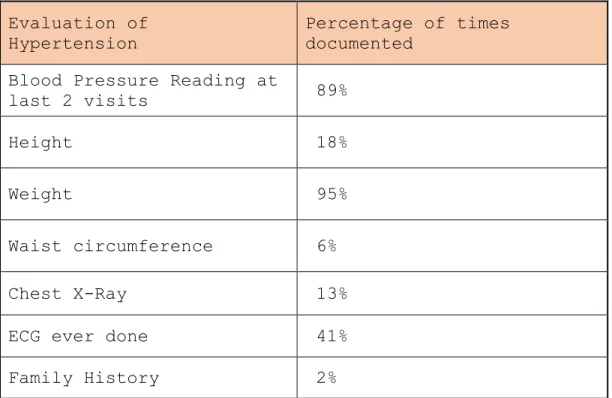
In evaluating hypertensive patients, the majority were
weighed and blood pressure taken prior to being assessed and
meeting with the physician (Table 2). However, across all health
centres it was rare that the height and waist circumference were
measured, which would be necessary to calculate the Body Mass
Index (BMI). The measurement of the BMI(especially) along with
other risk factors such as family history, is critical in
determining obesity, which may contribute to negative health
outcomes of the patient. However, it is important to note that
family history was only recorded two percent of the time in the
patient dockets reviewed.
Table 2. Evaluation of Hypertension
Evaluation of
Hypertension Percentage of times documented
Blood Pressure Reading at
last 2 visits 89%
Height 18%
Weight 95%
Waist circumference 6%
Chest X-Ray 13%
ECG ever done 41%
Evidence of at least one Echocardiogram (ECG) was
documented in 41% percent of the dockets reviewed and chest
x-rays 13% of the time. Without these exams being performed it
would be challenging to not only fully diagnose per the 2007
Hypertension Programme Guide but to also treat hypertensive
patients on an ongoing basis.
4.2 Treatment of Hypertension
Eighty-two percent of dockets listed all medications
prescribed to patients and of these the degree to which patients
were compliant was documented 69% of the time. However, a
challenge was that physicians’ handwriting were not always
legible and it was difficult for the auditor and/or records
clerk assisting to accurately note the medications listed. In
addition, many physicians often wrote ‘continue with medication’
which might not have been documented within the last two visits
of the patient. One can assume that this partial documentation
could make it difficult to ensure continuity of care if another
physician, who might be short on time, examines and treats the
Table 3. Treatment of Hypertension
Treatment of
Hypertension Percentage of times documented
Current medication 82%
Compliance with
medication 69%
Annual investigations in last 12 months
Electrolytes, Cholesterol,
Triglycerides 39%
CBC 39%
Blood Glucose- 38%
Fundoscopy 3%
Kidney Function 38%
Laboratory tests (investigations) including those for
kidney function, electrolytes, triglycerides, complete blood
count (CBC) and cholesterol were prescribed annually and
documented in thirty-nine percent (39%) of the patient dockets.
In contrast, despite the fact that the 2007 Guide recommended
that hypertensive patients should be referred for a funduscopic
or ophthalmologic exam annually, only 3% of all dockets had any
documentation that this was done. Of all recommended
investigations only those for blood glucose were done a majority
of the time and documented (45% of the time at each visit and