Clinical Epidemiology of Gram-Negative Bacilli Bacteremia in a U.S. Teaching Hospital
The Impact of Multi-drug Resistance on Outcome
By
Christopher Hostler
A Master’s Paper submitted to the faculty of the University of North Carolina at Chapel Hill
in partial fulfillment of the requirements for the degree of Master of Public Health in
the Public Health Leadership Program
Chapel Hill 16 July 2010
________________________________________ Advisor
Abstract
Background
Gram-negative bacilli bacteremia is a significant and rapidly developing problem in the United States. Over 250,000 cases of gram-negative bacilli bacteremia occur each year in the United States, and recent data suggests that this number is rising. A similarly significant and rapidly developing issue is the emergence of multi-drug resistant organisms. First reported in the United States in 1989, multi-drug resistant gram-negative bacilli now comprise 22-54% of the causative agents of gram-negative bacilli bacteremia, depending on the hospital setting. In this study, we determined the effect of multi-drug resistance on all-cause mortality, ICU admission, and duration of hospitalization.
Methods
A secondary data analysis was conducted using an existing data set that was compiled in a prospective cohort study from 2002-2009. 600 adult patients from Duke University Hospital with gram-negative bacilli bacteremia were stratified into three cohorts based on their drug susceptibility patterns. Univariate and bivariate analyses were then conducted comparing the cohorts and the outcomes of all-cause mortality (primary), ICU admission (secondary), and duration of hospitalization (secondary).
Results
mortality for the entire sample was 15.3%. Compared with the pan-sensitive cohort, risk ratios for all-cause mortality for the ESBL and multi-drug resistant cohorts were 1.12 (95% CI [0.66, 1.89]) and 1.57 (95% CI [0.89, 2.77]), respectively (p=0.185). ICU admission was required for 21.8% of the sample. Compared with the pan-sensitive cohort, risk ratios for ICU admission for the ESBL and multi-drug resistant cohorts were 1.23 (95% CI [0.79, 1.92]) and 1.81 (95% CI [1.13, 2.88]), respectively (p=0.020). Adjusted mean duration of hospitalization for the pan-sensitive, ESBL, and multi-drug resistant cohorts were 15.6 days (95% CI [11.1, 20.1]), 17.7 days (95% CI [14.9, 20.4]), and 26.9 days (95% CI [22.7, 31.2]), respectively (p<0.001).
Conclusions
Introduction
Gram-negative bacteremia is a significant and rapidly developing problem in the United States. The most recent nationwide data (from 2000) indicates that over 660,000 cases of sepsis occur each year, with gram-negative organisms comprising approximately 250,000 cases (37.6%).1 Bacteremia is a significant issue within the hospital setting, in particular, as primary
blood-stream infections account for 15-20% of all nosocomial infections.2 While gram-negative organisms were the primary causative agents in bacteremia prior to 1980, the emergence of methicillin-resistant Staphylococcus aureus (MRSA) and coagulase-negative Staphylococcus
(due to increasing rates of implanted devices in patients) in the 1980s and 1990s led gram-positive organisms to become the primary causative agent of all blood-stream infections.3
However, a prospective cohort study from the Hospital of the University of Pennsylvania published in 2006 notes that the proportion of blood-stream infections due to gram-negative organisms increased by 8.2% from 1999-2003.3 The study also notes that the overall incidence of blood-stream infections did not change significantly throughout the course of the study. This indicates that gram-negative bacteremia is becoming an increasingly significant threat.
A similarly significant and rapidly developing issue is the emergence of multi-drug resistant organisms. Despite initiatives across the nation to improve infection control and appropriate utilization of antibiotics, multi-drug resistance of gram-negative organisms has increased from 0% of nosocomial infections in 1990 to 26% in 2009.4-7 Resistance to extended-spectrum beta-lactams (ESBLs) has seen a similar increase. According to the National Nosocomial Surveillance System (NNIS) report in 2003, ESBL-producing K. pneumoniae
to 9.0% in 2003.8, 9 On non-intensive care wards, the rate of increase was similar (38% - from 5.7% of K. pneumoniae isolates in 2002 to 7.9% in 2003).9 This increase appears small, but given the fact that in 2003 over 7,500 cases of K. pneumonia were reported to the NNIS, the increase in ESBL-producing isolates involves an additional 165-230 patients per year.9 This is both a clinically and statistically significant increase in resistance. More recent nationwide data is unavailable, but prospective and retrospective cohort studies conducted through the late 2000s indicated that ESBL-producing organisms may be responsible for 20-30% of K. pneumoniae
bacteremia cases.10 Given that ESBL-producing organisms were first reported in the United States in 1989, they have quickly emerged as a significant problem.
Despite advances in clinical care, in-hospital mortality from gram-negative bacteremia has persisted at around 17-22% for the past three decades.1, 4, 11-13 Due to the many exotoxins and lipopolysaccharide endotoxins produced by Enterobacteriacea species, Enterobacteriacea bacteremia can cause rapid decompensation and is associated with a relatively high mortality rate.14 In a 2008 study of the impact of empiric therapy on outcomes in patients with Enterobacteriacea bacteremia from the University of Maryland Medical Center, an overall in-house mortality of 17% was attributed to gram-negative sepsis.15 A 1994 study of gram-negative sepsis at the University of Iowa Hospitals and Clinics demonstrated even greater mortality among SICU patients (as one might expect), with an attributable in-hospital mortality of 35%.16
gram-negative bacilli has yet to spur any action from pharmaceutical companies. Given the fact that new drugs take at least ten years to get to the market, morbidity and mortality from multi-drug resistant gram-negative bacilli bacteremia will likely increase significantly before the issue is adequately addressed. Although introducing new antibiotics to the market is not a cure-all for the problem of increasing resistance - in fact, if infection control practices are not changed and antibiotic overuse minimized, new antibiotics will not affect resistance patterns – it is nevertheless a necessary component of treating patients with resistant organisms and reducing the recurrence of resistant bacteremia.
Mechanisms of Resistance
The outer lipopolysaccharide membrane of Enterobacteriacea species leads to a significant amount of resistance to conventional antibiotics.17 A combination of antibiotic overuse, inadequate treatment time, and the genetic transferability of bacterial resistance plasmids has resulted in increasing rates of multidrug-resistant Enterobacteriaceae species, particularly in hospital settings.18 The most significant increase in virulence factors in the past 20
years has been seen among extended-spectrum beta-lactamases (ESBL), which first appeared in the United States in 1988 and are now found in 75% of medical centers in the United States.9 According to a study of 77-117 ICUs (not all ICUs participated each year) representing 43 states in the US, Klebsiella pneumonia isolates’ susceptibility to third-generation cephalosporins (which were designed to treat bacteria that had beta-lactamase virulence factors) fell by 6% from 1994-2000.19
associated with inadequate empiric therapy.13, 17 In turn, inadequate empiric therapy is associated with a 7-18% increase in mortality, depending on the Enterobacteriaceae species with which the patient is infected.13, 17 Even when adjusting results for differences in patient comorbidities and demographic characteristics at baseline, inadequate empiric therapy is associated with increased mortality.20 This is because timely administration of adequate antibiotic therapy is an important
Systematic Review of the Literature
I conducted a brief systematic review of the literature to determine what effect multi-drug resistance has had on morbidity and mortality in other studies.
Selection of Articles
In order to identify the relevant literature for this paper, I searched the MEDLINE database in April 2010. I used the following MeSH terms in the search: “Enterobacteriaceae,” “Bacteremia,” “Drug Resistance, Multiple.” 96 articles resulted from this search. At the direction of the UNC Health Sciences librarian Mellanye Lackey, I conducted a Google Scholar search with the following terms: “Multidrug Resistant,” “Bacteremia,” and “Gram-Negative Bacilli OR Enterobacteriaceae.” 588 additional articles were found using this search technique. Dr. Vance Fowler provided an additional 8 articles from his files.
Although there is a decent amount of literature on multi-drug resistance, few studies analyze the relationship between multi-drug resistance and mortality and instead measure the risk factors for drug resistance. Alternatively, studies analyze the relationship between multi-drug resistance and inadequate initial antibiotic therapy independent of mortality. As a result, only 5 articles met the criteria for inclusion in the literature review.
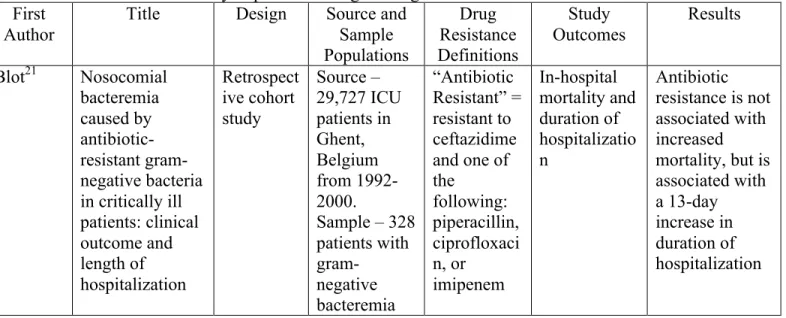
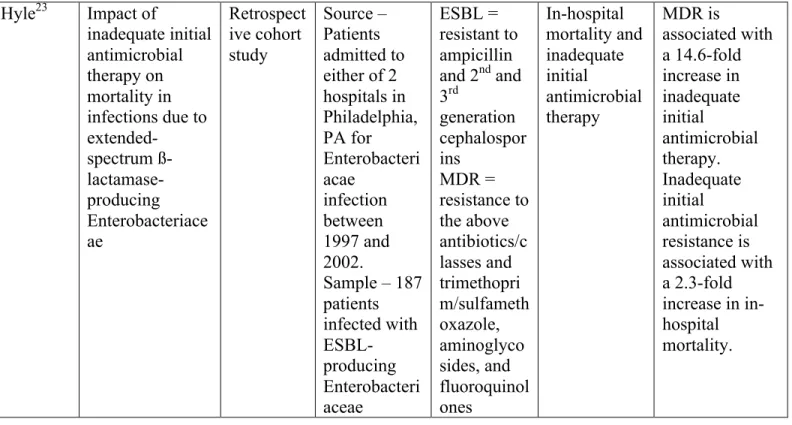
Table 1. Summary of the reviewed articles: studies of the association between multi-drug resistance and mortality in patients with gram-negative bacteremia.
First Author
Title Design Source and Sample Populations Drug Resistance Definitions Study Outcomes Results
Blot21 Nosocomial bacteremia caused by antibiotic-resistant gram-negative bacteria in critically ill patients: clinical outcome and length of hospitalization Retrospect ive cohort study Source – 29,727 ICU patients in Ghent, Belgium from 1992-2000.
Kang20 Bloodstream infections caused by antibiotic-resistant gram-negative bacilli: risk factors for mortality and impact Retrospect ive cohort study Source – 1917 patients in Seoul, ROK with gram-negative bacilli bacteremia from 1998-2002.
Sample – 286 patients with antibiotic-resistant bacteremia “Antibiotic Resistant” = resistant to ceftazidime or cefotaxime and one of the following: piperacillin, ciprofloxaci n, or imipenem Identify risk factors for mortality and the effect of inappropriate initial antimicrobial therapy on mortality Inappropriate initial antibiotic therapy is associated with 3.6-fold increase in mortality. APACHE II score associated with 1.3-fold increase in mortality per 1-point
increment. Peralta17 Impact of
antibiotic
resistance and of adequate
empirical antibiotic treatment in the prognosis of patients with Escherischia coli bacteraemia Retrospect ive cohort study Source – 15,045 inpatients who had blood cultures in a Torrelavega, Spain
hospital from 1997-2005. Sample – 663 patients with E. coli bacteremia MDR E. coli = resistant to 3+ of the following: amoxicillin/ clavulanate, cefotaxime or ceftazidime, ciprofloxaci n, gentamicin, piperacillin/ tazobactam, and trimethopri m/sulfameth oxazole All-cause mortality, duration of hospitalizatio n, and adequacy of empiric antibiotic therapy
MDR E. coli
associated with 3.3-fold increase in mortality, 5-day increase in duration of hospitalization, and 1.9-fold decrease in adequacy of empiric antibiotic therapy
Cheong22 Bacteremia due to quinolone-resistant
Escherischia coli
Hyle23 Impact of
inadequate initial antimicrobial therapy on mortality in infections due to extended-spectrum ß- lactamase-producing Enterobacteriace ae Retrospect ive cohort study Source – Patients admitted to either of 2 hospitals in Philadelphia, PA for Enterobacteri acae infection between 1997 and 2002.
Sample – 187 patients infected with ESBL-producing Enterobacteri aceae ESBL = resistant to ampicillin and 2nd and
3rd generation cephalospor ins MDR = resistance to the above antibiotics/c lasses and trimethopri m/sulfameth oxazole, aminoglyco sides, and fluoroquinol ones In-hospital mortality and inadequate initial antimicrobial therapy MDR is associated with a 14.6-fold increase in inadequate initial antimicrobial therapy. Inadequate initial antimicrobial resistance is associated with a 2.3-fold increase in in-hospital mortality.
Appraisal of the Literature
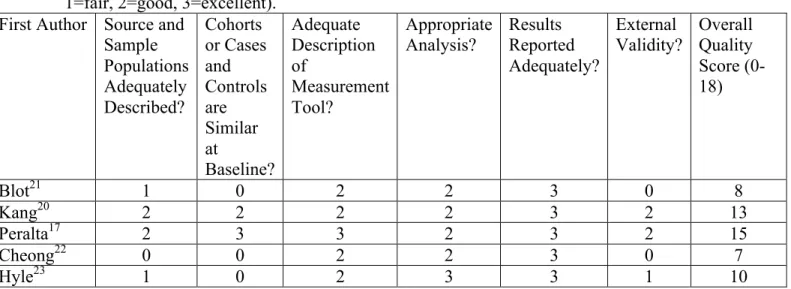
Table 2 contains a quantitative quality rating of each of the above studies.
Table 2. Final Quality Ratings Table. Each study was rated 0-3 for each category (0=poor, 1=fair, 2=good, 3=excellent).
First Author Source and Sample Populations Adequately Described? Cohorts or Cases and Controls are Similar at Baseline? Adequate Description of Measurement Tool? Appropriate
Analysis? Results Reported Adequately?
External
Validity? Overall Quality Score (0-18)
Blot21 1 0 2 2 3 0 8
Kang20 2 2 2 2 3 2 13
Peralta17 2 3 3 2 3 2 15
Cheong22 0 0 2 2 3 0 7
Hyle23 1 0 2 3 3 1 10
The following is a detailed account of how each category was graded (poor to excellent).
Articles’ Source and Sample Populations
The source and sample populations for each of the studies varied significantly in accordance with the goals of each study. Although I sought articles with a source population of admissions at a teaching hospital over a several-year time span and a sample population of patients admitted with gram-negative bacilli bacteremia in accordance with the populations of our own study, this was not feasible.
and Hyle et. al. were given “fair” ratings because although they clearly defined their populations, they did not provide adequate demographic characteristics. I gave Cheong et. al. a “poor” rating because the source population was not well defined and the author does not describe how the controls for the sample population were determined.
I also assigned the articles a grade based on how similar the cohorts or cases and controls were at baseline. This was done to ensure that selection bias was minimized and to identify any potential confounders. Peralta et. al. received an “excellent” rating because the two cohorts were demographically similar and the only statistically significant difference between the cohorts was whether or not the patients were “post-surgical,” and the low number of patients in each cohort leads me to believe that this difference was not necessarily clinically significant. Kang et. al. received a “good rating” because most of the demographic and comorbidity characteristics were similar between the two cohorts and the only clinically significant differences were in the causative organisms of infection. These differences were profound and have the potential to greatly confound the results.
Cheong et. al. received a “poor” rating for the similarity of cases and controls because there were several statistically and clinically significant differences between the two groups in demographic and comorbidity characteristics, as well as in the source of bacteremia. I gave Blot et. al. and Hyle et. al. “poor” ratings because they failed to disclose demographic and comorbidity characteristics at baseline, so no cohort comparisons could be made.
Articles’ Measurements
measurement techniques and description of the same because their definitions for comorbid conditions and susceptibilities were extremely detailed and referenced the basis for their definitions and their measurement techniques and practices were standardized so as to minimize bias. Blot et. al., Kang et. al., and Cheong et. al. all appeared to have standardized measurement techniques and clearly defined descriptions of the measurement techniques and definitions they used in their study, but some of their definitions appeared arbitrary, so I assigned each a rating of “good.” Hyle et. al. received a rating of “good” despite the study’s standardized measurement techniques and evidence-based definitions because the hospitals changed their methods for susceptibility testing halfway through the study, which could introduce some bias.
Articles’ Analysis and Results
Articles were appraised based on the quality of their analysis and manner in which the results were reported. Hyle et. al. was the only article to which I assigned a rating of “excellent” in both categories. The primary difference between the Hyle et. al. analysis and the analysis of the other four articles was the adjustment that Hyle et. al. made for potential confounders. Not only did Hyle et. al. adjust for confounders that had a statistically significant impact on the results, they factored in the Bonferonni correction and included all confounders whose association with the outcome was p<0.2 rather than p<0.5. Although Blot et. al. alluded to adjusting for confounding variables, it was not explicitly stated. All other studies received a rating of “good” for the analysis because the statistical tests used were appropriate and clearly stated.
findings of the study in an easily readable format and explicitly state the certainty of their results through the statistical significance. Furthermore, studies had to discuss the clinical significance of their findings. All of the articles met the criteria for an “excellent” rating in this category.
Articles’ External Validity
The final quality rating assessed in this systematic review was the overall external validity of the results. Each article was given a quality rating based on whether the results of the study could be generalized to a broader population than the source population, particularly to a population similar to the population in our own study. Given that each of these studies was retrospective in nature, the post-test effect limits the generalizability of all five studies and so no “excellent” ratings were awarded.
I assigned Kang et. al. and Peralta et. al. a quality rating of “good” for their external validity. Despite the fact that their studies took place in South Korea and Spain, respectively, the hospitals were tertiary teaching centers and so I believe that these results could be pertinent to our study. Hyle et. al. received a “fair” rating because one of the study sites was a US teaching hospital, similar to the site of our own study. However, the lack of data on cohort comparisons and the fact that the methods for determining susceptibilities changed halfway through the study reduces the generalizability of these results.
while the results are helpful in understanding how multi-drug resistance effects patients once they require intensive care, the results cannot be generalized to our study.
Summary of the Critical Appraisal
Methods
Study Setting and Population
I conducted a secondary data analysis using an existing data set that was compiled in a prospective cohort study conducted during 2002-2009. All clinical data for this cohort of subjects were previously collected under IRB-approved protocol #Pro00008031. Subjects were selected from patients treated at Duke University Hospital in Durham, North Carolina, from 2002-2009 in compliance with Health Insurance Portability and Accountability Act (HIPAA). Existing Institutional Review Board (IRB)-approved (#1602-02-8R3ER now changed to #1048-05-6R7), HIPAA compliant procedures were used to categorize bloodstream gram-negative isolates for the bacterial studies. Each workday, the Medial Technician working on the Blood culture bench of the Duke Clinical Microbiology Laboratory (DCML) notified the study
coordinator or research assistant of all patients at DUMC with at least one blood culture positive for gram-negative bacilli. This system allowed immediate notification of potential subjects with gram-negative bacilli bacteremia. This system has been in place since 1994, is highly reliable, retains the strong support of the Clinical Microbiology Laboratory, and has been granted Waiver of Consent and HIPAA Authorization by the Duke IRB. Research personnel evaluated all persons identified with gram-negative bacilli bacteremia on weekends and holidays on the morning of the next workday to determine whether the patient met study criteria. Research personnel determined the patients’ eligibility using criteria (below), then contacted the patients’ physician (preferably the attending) for permission to approach the patient about study
Table 3. Inclusion and Exclusion Criteria for Patients in this Study.
Inclusion Criteria Adults (18+ years) with culture-confirmed bloodstream infection. Patients with bloodstream infection transferred to DUMC are eligible if pathogen speciation and antibiotic susceptibilities are confirmed by the DCML.
Patient or patient’s legally authorized representative provides signed informed consent allowing participation, unless patient expires prior to notification of blood culture results. In this instance, human DNA and RNA samples, clinical data, and the bacterial isolate from the subject are cataloged using an IRB-approved Notification of Decedent Research.
Exclusion Criteria Prior enrollment of patient in this investigation (to ensure statistical independence of observations).
Bloodstream infection that is not confirmed by culture and speciation at the DCML.
Outpatient status Polymicrobic Neutropenic
Pediatric (Age must be greater than 18 years.)
Table 3 presents the inclusion and exclusion criteria for enrollment in this study. In total, 649 patients were enrolled in the study and added to the database at the time of analysis (April 2010). 49 patients were excluded from the analysis because sensitivities were not included in their data set and so they could not be assigned to a cohort.
Cohort Stratification
anti-pseudomonal penicillin (piperacillin), carbapenem (imipenem), aminoglycoside (gentamicin), fluoroquinolone (ciprofloxacin), and sulfonamides (trimethoprim-sulfamethoxazole). I assigned all patients susceptible to all eight drugs/drug classes into the first “pan-sensitive” cohort, all patients susceptible to beta-lactams and cephalosporins into the second “ESBL” group, and patients susceptible to greater than 2 drugs/drug classes into the “multi-drug resistant” group. The delineation of 3 drugs/drug classes as the starting point of “multi-drug resistance” is in accordance with the preponderance of the literature.6, 7, 17, 24-29 Duke University Hospital’s susceptibility reporting guidelines and preferred therapy dictated which drugs represented each drug class. In assessing antibiotic resistance profiles, I counted resistance to any number of cephalosporins as one resistance character to avoid double-counting resistance to both 1st and 3rd
generation cephalosporins.
Statistical Analysis
Prior to receipt of the database for statistical analysis, the Infectious Disease Database Coordinator removed all identifiers such as names and medical record numbers from the data set in order to protect the patients’ privacy. I conducted an analysis of the data using STATA (version 11). I defined mortality to include all causes of mortality, as the duration of data collection in this study precludes any analysis of attributable mortality. I defined the secondary outcome of “ICU admission required” as any patient who was admitted to the ICU after being enrolled in the study. I measured the secondary outcome of “duration of hospitalization” as days from admission to discharge, not from enrollment in the study to discharge.
sensitivity cohorts descried above. For a more tangible assessment of the outcome variables, I calculated risk ratios for all-cause mortality and ICU admission based on sensitivity cohort. For this analysis, I compared the ESBL and multi-drug resistant cohorts with the pan-sensitive cohort, and the risk ratio represents that comparison. Finally, I calculated the probabilities of each outcome, stratified by sensitivity cohort. I adjusted this calculation by the APACHE II score on admission so as to account for any potential confounding from the severity of illness on admission.
Results
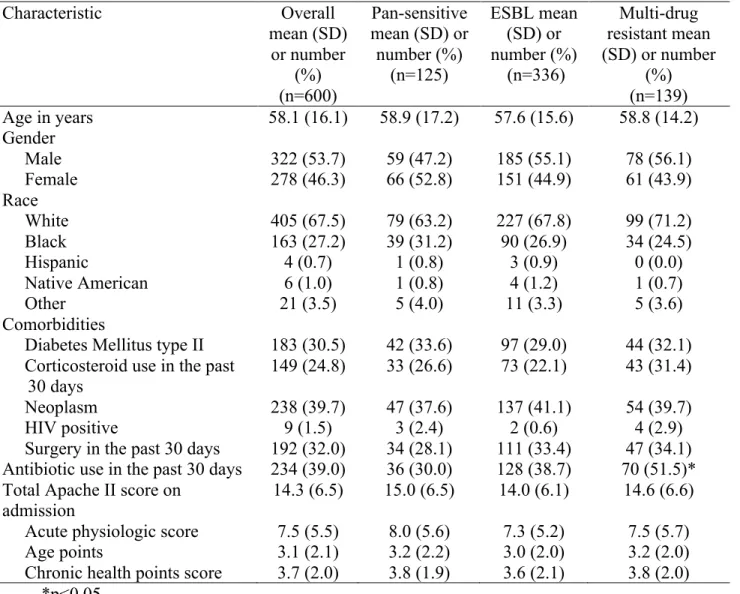
Table 4. Selected Characteristics for a Cohort of Adults with Gram-Negative Bacteremia at Baseline
Characteristic Overall
mean (SD) or number
(%) (n=600)
Pan-sensitive mean (SD) or number (%) (n=125) ESBL mean (SD) or number (%) (n=336) Multi-drug resistant mean (SD) or number
(%) (n=139) Age in years 58.1 (16.1) 58.9 (17.2) 57.6 (15.6) 58.8 (14.2) Gender
Male 322 (53.7) 59 (47.2) 185 (55.1) 78 (56.1)
Female 278 (46.3) 66 (52.8) 151 (44.9) 61 (43.9)
Race
White 405 (67.5) 79 (63.2) 227 (67.8) 99 (71.2)
Black 163 (27.2) 39 (31.2) 90 (26.9) 34 (24.5)
Hispanic 4 (0.7) 1 (0.8) 3 (0.9) 0 (0.0)
Native American 6 (1.0) 1 (0.8) 4 (1.2) 1 (0.7)
Other 21 (3.5) 5 (4.0) 11 (3.3) 5 (3.6)
Comorbidities
Diabetes Mellitus type II 183 (30.5) 42 (33.6) 97 (29.0) 44 (32.1) Corticosteroid use in the past
30 days
149 (24.8) 33 (26.6) 73 (22.1) 43 (31.4)
Neoplasm 238 (39.7) 47 (37.6) 137 (41.1) 54 (39.7)
HIV positive 9 (1.5) 3 (2.4) 2 (0.6) 4 (2.9)
Surgery in the past 30 days 192 (32.0) 34 (28.1) 111 (33.4) 47 (34.1) Antibiotic use in the past 30 days 234 (39.0) 36 (30.0) 128 (38.7) 70 (51.5)* Total Apache II score on
admission
14.3 (6.5) 15.0 (6.5) 14.0 (6.1) 14.6 (6.6) Acute physiologic score 7.5 (5.5) 8.0 (5.6) 7.3 (5.2) 7.5 (5.7)
Age points 3.1 (2.1) 3.2 (2.2) 3.0 (2.0) 3.2 (2.0)
Chronic health points score 3.7 (2.0) 3.8 (1.9) 3.6 (2.1) 3.8 (2.0) *p<0.05
neoplasm, and recent surgery were prevalent within the sample, as between 25% and 40% of patients had one or more of these comorbidities. Of note, the demographic data and comorbidities did not differ in a statistically significant or clinically significant manner among the three sensitivity cohorts. Recent antibiotic use is more common among patients with multi-drug resistant GNR bacteremia than among patients with ESBL or pan-sensitive gram-negative bacteremia (51.5% v. 38.7% v. 30.0%, respectively). The difference here is statistically significant (p=0.002). Finally, the APACHE II score does not differ among any of the three sensitivity cohorts.
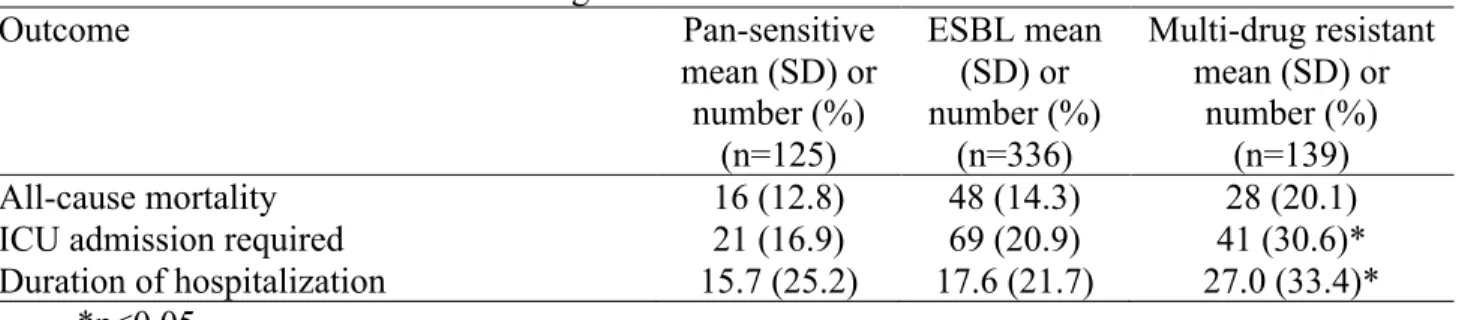
Table 5. Outcome Variables among Cohorts
Outcome Pan-sensitive
mean (SD) or number (%)
(n=125)
ESBL mean (SD) or number (%)
(n=336)
Multi-drug resistant mean (SD) or
number (%) (n=139)
All-cause mortality 16 (12.8) 48 (14.3) 28 (20.1)
ICU admission required 21 (16.9) 69 (20.9) 41 (30.6)*
Duration of hospitalization 15.7 (25.2) 17.6 (21.7) 27.0 (33.4)* *p<0.05
resistant gram-negative bacteremia were more likely to require a longer hospitalization than patients with ESBL or pan-sensitive gram-negative bacteremia (mean 27.0 days v. 17.6 days v. 15.7 days, respectively). This difference was statistically significant (p<0.001).
Table 6. Risk Ratios for All-Cause Mortality Based on Sensitivity (Baseline – Pan-sensitive)
Sensitivity Cohort Risk Ratio 95% CI
ESBL 1.12 [0.66, 1.89]
Multi-drug Resistant 1.57 [0.89, 2.77]
In order to develop a better understanding of the effects of multi-drug resistance on the two nominal outcomes, risk ratios were developed comparing the relative risk of all-cause mortality and ICU admission for the ESBL and multi-drug resistant cohorts against the pan-sensitive cohort as the baseline. As evidenced in Table 6, although the relative risk of all-cause mortality is higher for the ESBL and multi-drug resistant cohorts than it is for the pan-sensitive cohort (1.12 and 1.57, respectively), the 95% confidence interval shows that the results are not statistically significant.
Table 7. Risk Ratios for ICU Admission Based on Sensitivity (Baseline – Pan-sensitive)
Sensitivity Cohort Risk Ratio 95% CI
ESBL 1.23 [0.79, 1.92]
Multi-drug Resistant 1.81 [1.13, 2.88]
confidence interval for the multi-drug resistant cohort shows that this relative risk is statistically significant.
Table 8. Adjusted Probabilities and 95% Confidence Intervals for Outcomes Based on Sensitivity Cohort (Adjusted by APACHE II Score on Admission)
Outcome Pan-sensitive
probability [95% CI]
ESBL probability [95% CI]
Multi-drug resistant probability [95% CI] All-cause mortality 0.08 [0.04, 0.14] 0.11 [0.08, 0.15] 0.15 [0.10, 0.22] ICU admission required 0.15 [0.10, 0.22] 0.20 [0.16, 0.25] 0.29 [0.22, 0.37]* Duration of hospitalization
– mean # days [95% CI]
15.60 [11.11, 20.09] 17.67 [14.93, 20.41] 26.91 [22.66, 31.16]* *p<0.05
Discussion
Cohort Comparisons
At baseline, the three sensitivity cohorts appear to be comparable in all demographic and comorbidity criteria (Table 4). The mean or percentage of each of these criteria does not reflect any statistically significant or clinically significant difference between these cohorts, and each cohort is similar to the overall sample mean or percentage for each criteria. There is a statistically and clinically significant increase in the percentage of patients in the multi-drug resistant cohort who had taken antibiotics in the last 30 days as compared to those in the ESBL or pan-sensitive cohort. This is expected, as recent antibiotic use is a well-known risk factor for infection with resistant species.6, 9, 26, 28-33
The severity of illness, as measured by the APACHE II score on admission, was not statistically or clinically significant among the three cohorts. This indicates that the mere presence of genes for antibiotic resistance in an organism does not confer any additional pathogenicity. As a result, any increased morbidity or mortality experienced by a patient with multi-drug resistant gram-negative bacteremia over someone with pan-sensitive gram-negative bacteremia is due to the delay in effective antibiotic therapy and not simply the presence of additional genetic material that confers resistance to antibiotics.34
Overall, the three sensitivity cohorts are comparable and there is no indication that confounding will bias the analysis.
Primary Outcome: All-cause mortality
consists of retrospective cohort studies and chart reviews, where higher mortality rates are expected. The cause mortality of 15.3% found in this study is consistent with the 16% all-cause mortality rate for patients with culture-positive bacteremia found in M. Sigfridio Rangel-Fausto’s 1995 prospective study on the natural history of SIRS.35
Although mortality increased as the degree of resistance increased among the cohorts, the difference was not statistically significant (Table 5). Despite the 7.3% increase in mortality for the multi-drug resistant cohort over the pan-sensitive cohort (20.1% v. 12.8%, respectively) and risk ratio of 1.57 (95% CI 0.89, 2.77) for the same cohort comparison, it is difficult to attribute any clinical significance to this result either. In order to do so, the sample size would have to be larger to increase the power of the study. After adjusting for the initial severity of illness, the difference was still not statistically significant, so we cannot determine based on our sample population that infection with multi-drug resistant organisms confers any addition mortality on patients with gram-negative bacteremia.
Secondary Outcome: ICU Admission Required
bacteremia.36 This delay in effective therapy leads to an overall increase in the severity of illness, and so an increase in ICU admission for the multi-drug resistant cohort is both reasonable and expected.
The fact that multi-drug resistant gram-negative bacteremia bears a relative risk of 1.81 (95% CI 1.13, 2.88) of ICU admission as compared to pan-sensitive gram-negative bacteremia is concerning. Not only does ICU care signify an increased severity of illness, it is also a risk factor for additional infections independent of the primary infection.3, 19 If a patient’s condition deteriorates to the point that they require care in the ICU, they are more likely to be exposed to the hardier, multi-drug resistant pathogens indigenous to ICU settings. These pathogens confer additional morbidity, increase the duration (and cost) of hospitalization, and can lead to a higher mortality rate than those found outside of the ICU.3, 19, 37, 38 Therefore, it is in the best interest of the patient that the initial bloodstream infection be treated as quickly and effectively as possible in order to prevent ICU admission. Unfortunately, the results of this study indicate that multi-drug resistant pathogens are associated with higher rates of ICU admission.
Secondary Outcome: Duration of hospitalization
hospital stay signify a slower recovery or worsening of the initial condition, it also exposes patients to healthcare-associated pathogens for a greater period of time, increasing the likelihood that the patient will develop a second infection independent of the primary infection.
Moreover, hospitalization is expensive. As the duration of hospitalization – and consequently the likelihood of prolonging the hospitalization due to a secondary infection – increases, the costs rise exponentially. Given the state of our economy and the necessary limits of insurance coverage, many of these costs are borne by the patient, the hospital, and the entirety of the insurance pool. Therefore, it is in the best interest of society that the duration of hospitalization be kept as short as reasonably possible. Unfortunately, the results of this study suggest that multi-drug resistance provides a barrier to earlier discharge.
Public Health Impact
Secondly, with the increasingly ambulatory nature of our health care system, pathogens (or resistance patterns) once endemic only to health care settings are becoming more prevalent in the community.39 As multi-drug resistance rates increase within the health care setting, so too do they increase in the community. The results of this study indicating that multi-drug resistance is associated with prolonged hospitalization and increased likelihood of ICU admission do not mean that the more resistant pathogens will be confined to health care settings, but rather that the community is likely to experience an increase in multi-drug resistant pathogens.
Although cost is a secondary concern to the effect of multi-drug resistance on morbidity and mortality, it is nevertheless a significant issue. In 2003, The United States Office of Technology Assessment estimated that the national cost of antibiotic resistance was $4 billion per year in 1995 dollars ($5.7 billion in 2010 dollars).36 This estimate takes into account the more expensive antibiotic therapy required to treat multi-drug resistant pathogens, the increased duration of hospitalization, and the increased levels of care required by patients with multi-drug resistant pathogens. However, this study only takes into account directly affected patients and does not attempt to estimate the economic burden of the ramifications of multi-drug resistance on the community36. Nevertheless, the OTA’s estimated economic impact is considerable, and this cost is borne not only by the affected individual, but also by the hospital, the insurance pool, and the American taxpayer.
organisms is troubling, and until new antibiotic development becomes a priority, multi-drug resistance will continue to grow and the associated increased morbidity and cost with it.
Limitations
One limitation of this study was that it does not address whether patients with certain immunocompromising diseases such as diabetes mellitus or HIV suffer additional morbidity or mortality from multi-drug resistant pathogens. This was not feasible in this study due to the low number of patients with HIV (9/600) and the fact that HgbA1C or another quantitative metric of diabetes status was not collected for study participants (patients were asked about their status on admission), so any measurement of the relationship between diabetes status and outcome would be difficult to measure or confirm.
An additional limitation of this study is the definition used for multi-drug resistance. Although the definition used was in accordance with the preponderance of the literature, several alternative definitions exist, including some who define multi-drug resistance as resistance to 2 or more classes, 4 more or classes, and 5 or more classes. Furthermore, the drugs used to represent each of the classes - which were chosen based on the Duke University Hospital’s drug susceptibility reporting guidelines and preferred therapy guidelines - may not accurately reflect the drug susceptibilities of the entire class.
Conclusions
The data from this study shows that multi-drug resistance does not confer any additional mortality on patients with gram-negative bacteremia over those with pan-sensitive or ESBL-producing pathogens. However, multi-drug resistance is associated with a 1.8-fold increased rate of ICU admission and an 11.3-day increased duration of hospitalization over patients infected with a pan-sensitive pathogen. In light of these findings, care should be taken to reduce the spread of multi-drug resistance and reduce the amount of time patients with multi-drug resistant gram-negative bacteremia have to wait before they are treated with effective antibiotic therapy. Further emphasis should be placed on the research and development of new antibiotics effective against gram-negative organisms in order to combat this re-emerging threat. Additionally, future studies should be conducted to understand the effect of immunocompromising diseases such as HIV and diabetes mellitus on morbidity and mortality for each of the three sensitivity cohorts.
References
1. Martin G, Mannino D, Eaton S, Moss M. The epidemiology of sepsis in the United States from 1979 through 2000. The New England journal of medicine. 2003;348(16):1546.
2. National Nosocomial Infections Surveillance (NNIS) System Report, data summary from January 1992 through June issued October 2004. Am J Infect Control. 2004;32(8):470-485.
3. Albrecht SJ, Fishman NO, Kitchen J, et al. Reemergence of Gram-negative Health Care-Associated Bloodstream Infections. Arch Intern Med. 2006;166(12):1289-1294.
4. National Nosocomial Infections Surveillance (NNIS) System Report, data summary from January 1992 through June 2004, issued October 2004. American journal of infection control. 2004;32(8):470-485.
5. Drieux L, Brossier F, Duquesnoy O, et al. Increase in hospital-acquired bloodstream infections caused by extended spectrum beta-lactamase-producing Escherichia coli in a large French teaching hospital. Eur J Clin Microbiol Infect Dis. May 2009;28(5):491-498.
6. Vigil KJ, Adachi JA, Aboufaycal H, et al. Multidrug-resistant Escherichia coli bacteremia in cancer patients. Am J Infect Control. Nov 2009;37(9):741-745.
7. Weintrob AC, Roediger MP, Barber M, et al. Natural History of Colonization with Gram-Negative Multidrug-Resistant Organisms among Hospitalized Patients. Infection Control and Hospital Epidemiology. 2010;31(4):330-337.
9. Paterson D, Bonomo R. Extended-spectrum {beta}-lactamases: a Clinical Update.
Clinical microbiology reviews. 2005;18(4):657.
10. Schwaber M, Carmeli Y. Mortality and delay in effective therapy associated with extended-spectrum {beta}-lactamase production in Enterobacteriaceae bacteraemia: a systematic review and meta-analysis. Journal of Antimicrobial Chemotherapy. 2007.
11. Anderson D, Engemann J, Harrell L, Carmeli Y, Reller L, Kaye K. Predictors of mortality in patients with bloodstream infection due to ceftazidime-resistant Klebsiella pneumoniae. Antimicrobial agents and chemotherapy. 2006;50(5):1715.
12. Deal EN, Micek ST, Ritchie DJ, Reichley RM, Dunne WM, Jr., Kollef MH. Predictors of in-hospital mortality for bloodstream infections caused by Enterobacter species or Citrobacter freundii. Pharmacotherapy. Feb 2007;27(2):191-199.
13. McCue JD. Improved Mortality in Gram-negative Bacillary Bacteremia. Archives of Internal Medicine. July 1 1985;145(7):1212-1216.
14. Laupland KB, Gregson DB, Flemons WW, Hawkins D, Ross T, Church DL. Burden of community-onset bloodstream infection: a population-based assessment. Epidemiol Infect. 2007;135:1037-1042.
15. Thom K, Schweizer M, Osih R, et al. Impact of Empiric Antimicrobial Therapy on Outcomes in Patients with Escherichia coli and Klebsiella pneumoniae Bacteremia: A Cohort Study. BMC Infectious Diseases. 2008;8(1):116.
17. Peralta G, Sanchez MB, Garrido JC, et al. Impact of antibiotic resistance and of adequate empirical antibiotic treatment in the prognosis of patients with Escherichia coli bacteraemia. J Antimicrob Chemother. 2007;60(4):855-863.
18. Daikos GL, Kosmidis C, Tassios PT, et al. Enterobacteriaceae Bloodstream Infections: Presence of Integrons, Risk Factors, and Outcome. Antimicrobial Agents and Chemotherapy. July 1 2007;51(7):2366-2372.
19. Neuhauser MM, Weinstein RA, Rydman R, Danziger LH, Karam G, Quinn JP. Antibiotic Resistance Among Gram-Negative Bacilli in US Intensive Care Units: Implications for Fluoroquinolone Use. JAMA. February 19, 2003 2003;289(7):885-888.
20. Kang C, Kim S, Park W, et al. Bloodstream infections caused by antibiotic-resistant gram-negative bacilli: risk factors for mortality and impact of inappropriate initial antimicrobial therapy on outcome. Antimicrobial agents and chemotherapy.
2005;49(2):760.
21. Blot S, Vandewoude K, De Bacquer D, Colardyn F. Nosocomial Bacteremia Caused by Antibiotic-Resistant Gram-Negative Bacteria in Critically Ill Patients: Clinical Outcome and Length of Hospitalization. Clinical Infectious Diseases. 2002;34(12):1600-1606.
22. Cheong HJ, Yoo CW, Sohn JW, Kim WJ, Kim MJ, Park SC. Bacteremia due to quinolone-resistant Escherichia coli in a teaching hospital in South Korea. Clin Infect Dis. Jul 1 2001;33(1):48-53.
24. Fernandes R, Vieira M, Ferraz R, Prudencio C. Bloodstream infections caused by multidrug-resistant Enterobacteriaceae: report from two Portuguese hospitals. J Hosp Infect. Sep 2008;70(1):93-95.
25. Frank U, Kleissle EM, Daschner FD, et al. Multicentre study of antimicrobial resistance and antibiotic consumption among 6,780 patients with bloodstream infections. Eur J Clin Microbiol Infect Dis. Dec 2006;25(12):815-817.
26. Hyle E, Lipworth A, Zaoutis T, et al. Risk Factors for Increasing Multidrug Resistance among Extended Spectrum LactamaseñProducing Escherichia coli and Klebsiella Species. Clinical Infectious Diseases. 2005;40:1317-1324.
27. Kristensen B, Smedegaard HH, Pedersen HM, et al. Antibiotic resistance patterns among blood culture isolates in a Danish county 1981-1995. J Med Microbiol. Jan 1999;48(1):67-71.
28. Luzzaro F, Vigano EF, Fossati D, et al. Prevalence and drug susceptibility of pathogens causing bloodstream infections in northern Italy: a two-year study in 16 hospitals. Eur J Clin Microbiol Infect Dis. Dec 2002;21(12):849-855.
29. Maragakis LL, Perl TM. How Can We Stem the Rising Tide of Multidrug-Resistant Gram-Negative Bacilli? Infection Control and Hospital Epidemiology. 2010;31(4):338-340.
30. Ortega M, Marco F, Soriano A, et al. Analysis of 4758 Escherichia coli bacteraemia episodes: predictive factors for isolation of an antibiotic-resistant strain and their impact on the outcome. Journal of Antimicrobial Chemotherapy. 2009.
32. Tumbarello M, Spanu T, Sanguinetti M, et al. Bloodstream Infections Caused by Extended-Spectrum-{beta}-Lactamase-Producing Klebsiella pneumoniae: Risk Factors, Molecular Epidemiology, and Clinical Outcome. Antimicrobial agents and chemotherapy. 2006;50(2):498.
33. Marschall J, Agniel D, Fraser V, Doherty J, Warren D. Gram-negative bacteraemia in non-ICU patients: factors associated with inadequate antibiotic therapy and impact on outcomes. Journal of Antimicrobial Chemotherapy. 2008.
34. Daikos G, Kosmidis C, Tassios P, et al. Enterobacteriaceae bloodstream infections: presence of integrons, risk factors and outcome. Antimicrobial agents and chemotherapy.
2007.
35. Rangel-Frausto M, Pittet D, Costigan M, Hwang T, Davis C, Wenzel R. The natural history of the systemic inflammatory response syndrome (SIRS) a prospective study.
JAMA. 1995;273(2):117.
36. Cosgrove S, Carmeli Y. The impact of antimicrobial resistance on health and economic outcomes. Clinical Infectious Diseases. 2003;36:1433-1437.
37. Barsic B, Beus I, Marton E, et al. Antibiotic resistance among gram-negative nosocomial pathogens in the intensive care unit: results of 6-year body-site monitoring. Clin Ther.
Jul-Aug 1997;19(4):691-700.
38. Schwaber M, Carmeli Y. Carbapenem-resistant Enterobacteriaceae: a potential threat.
JAMA. 2008;300(24):2911.