University of Pennsylvania
ScholarlyCommons
Publicly Accessible Penn Dissertations
1-1-2015
Dynamics in Polymer Nanocomposites
Containing Fixed and Mobile Nanoparticles
Chia-Chun LinUniversity of Pennsylvania, [email protected]
Follow this and additional works at:http://repository.upenn.edu/edissertations Part of theMechanics of Materials Commons
This paper is posted at ScholarlyCommons.http://repository.upenn.edu/edissertations/1850
For more information, please [email protected].
Recommended Citation
Lin, Chia-Chun, "Dynamics in Polymer Nanocomposites Containing Fixed and Mobile Nanoparticles" (2015).Publicly Accessible Penn Dissertations. 1850.
Dynamics in Polymer Nanocomposites Containing Fixed and Mobile
Nanoparticles
Abstract
This dissertation describes experimental studies on the dynamics of polymer nanocomposites (PNC), namely, center-of-mass (COM) polymer diffusion in PNCs, and COM nanoparticle (NP) diffusion in polymer melts. Elastic recoil detection (ERD) is used for polymer diffusion studies and Rutherford
backscattering (RBS) is used for NP diffusion studies. Diffusion of the tracer polymer, deuterated poly(methyl methacrylate) (dPMMA) is slowed down in a PMMA matrix filled with hydroxyl-capped spherical silica nanoparticles. A confinement parameter, ID/2Rg, where ID is interparticle distance and 2Rg is probe size is defined to account for the NP crowding effect. For highly crowded region where ID < 2Rg, D decreases by up to 80% relative to the bulk value. Surprisingly, D is reduced by 15% relative to the bulk value even when ID is eight times larger than 2Rg in the weakly confined region. A comparison between the current PMMA and polystyrene nanocomposites indicates that attractive interactions in the PMMA system do not significantly alter the center of mass diffusion of macromolecules in polymer nanocomposites.
Diffusion of deuterated polystyrene (dPS) is probed in PS matrices containing string-like chained
nanoparticles (cNP) grafted with PS. This investigation connects prior diffusion studies in model spherical and cylindrical NP systems, and provides insight for technological applications, which typically involve irregularly-shaped NPs such as carbon black. We report that the presence of chained NPs in PS matrices induces a minimum in the diffusion coefficient (D) with increasing cNP concentration when the key length scale, 2Rg/L ≤ 1.5, where Rg is the gyration radius of dPS and L is the mean length of the impenetrable core of the chained NPs. The diffusion minimum is attributed to anisotropic diffusion in the vicinity of the chained NPs and requires that the long dimension of the cNP be comparable to or longer than the tracer molecule. Two normalizations are explored to account for the brush effect on polymer diffusion. These studies show that the NPs not only act as impenetrable obstacles for polymer diffusion, but that the polymer brush grafted to the cNP provides an alternative pathway to control polymer dynamics.
The relative mobility of nanorods in PNC is shown to impact chain diffusion. Nanorod (NR) mobility was tuned by varying the molecular weight of the matrix and NR concentration. When the tracer polymer diffuses faster than the NRs, the tracer diffusion coefficient in the PNC decreases similarly to the immobile (fixed) NR case as NR concentration increases. However, when the tracer diffuses slower than the NRs, enhanced tracer diffusion is observed with respect to the fixed NR case below the overlap concentration for NRs. This enhancement is attributed to NR mobility which allows for removal of topological constraints present in PNCs with fixed NRs. At NR concentrations above the overlap concentration, where NR mobility is reduced by interactions with neighboring “overlapping” NRs, tracer diffusion becomes independent of matrix molecular weight. These experimental results establish criteria by which the mobility of NRs relative to long chains assists polymer diffusion and will motivate a broader inspection of the role of mobile nanoparticles on the properties of polymer nanocomposites.
We also study the diffusion of PMMA-grafted iron oxide nanoparticles (core diameter = 5 nm) in PMMA melts. Dry and wet brush architectures are obtained by tuning brush molecular weight (16 and 21 kg/mol), brush grafting density (0.17, 0.33 and 0.55 chains/nm2) and PMMA matrix molecular weight (4 – 50 kg/ mol). The diffusion of nanoparticles is slowed down relative to the Stokes-Einstein relation prediction, suggesting that the interpenetration between the brush and matrix influences nanoparticle mobility. Self-consistent field theory is performed to predict the structure of brush and matrix in the vicinity of the particle
to quantify the effect of brush-matrix interpenetration on NP diffusion. These experiments demonstrate that the structure of the brush could affect nanoparticle center of mass diffusion and the brush-nanoparticle interpenetration should be considered.
Degree Type
Dissertation
Degree Name
Doctor of Philosophy (PhD)
Graduate Group
Materials Science & Engineering
First Advisor
Russell J. Composto
Keywords
Diffusion, Dynamics, Nanocomposite, Nanoparticle, Polymer
Subject Categories
Mechanics of Materials
DYNAMICS IN POLYMER NANOCOMPOSITES
CONTAINING FIXED AND MOBILE NANOPARTICLES
Chia-Chun Lin
A DISSERTATION
in
Materials Science and Engineering
Presented to the Faculties of the University of Pennsylvania
in Partial Fulfillment of the Requirements for the Degree of Doctor of Philosophy
2015
___________________________________
Russell J. Composto, Professor, Materials Science and Engineering
Supervisor of Dissertation
___________________________________
Shu Yang, Professor, Materials Science and Engineering
Graduate Group Chairperson
Dissertation Committee
Karen I. Winey, Professor, Materials Science and Engineering
ii
ACKNOWLEDGEMENT
It has been five years since I started this journey at Penn. I still remember how
excited I was when I just arrived the U.S. because I, as an international student from
Taiwan, was able to experience this entirely new environment and take new challenges
every day. It is hard to imagine how fast the time flies, and how excited I am when I
completed this thesis research. This work was performed at the Laboratory for Research
on the Structure of Matter (LRSM), at the University of Pennsylvania, and funded by the
National Science Foundation (NSF) and the Engineering and Physical Sciences Research
Council (EPSRC) - Materials World Network (DMR-0908449 and EP/5065373/1), the
NSF/MRSEC (DMR 11-20901), Polymer Programs (DMR 09-07493), and Dupont Central
Research and Development.
This thesis research would never be done solely by myself without the support of
my advisor, committee members, friends, and family. Particularly, I would like to first
iii
mentoring me while at Penn. He is always willing to teach me science when I have
questions, give me precious suggestions when I get stuck, motivate me while I face
challenge, and patiently help me on making progress especially regarding to elastic recoil
detection (ERD), a critical technique that I heavily rely on to complete my work. In
addition, he has improved my writing and presentation skills, which are critical in
effective communication that can be used for life. Besides the scientific knowledge that I
have gained from him, more importantly, I have learned the right attitude toward
conducting a research, leading a group, and even sharing life with family members. All
these are truly inspiring and this is one of the most precious experiences I ever had. I
appreciate all the positive enlightenment he has provided. Thank you.
I also acknowledge my committee members, Prof. Karen I. Winey, Prof. Nigel
Clarke, and Dr. Jeffrey Meth for their influential feedback on my work. In our biweekly
Materials Network Meeting, Prof. Winey is willing to point out the key insight from my
work and teaches me how to clearly present it, and it is impressive to see how her
suggestions work so effectively. These are very helpful in the project progress and
scientific communication. Prof. Clarke is willing to teach me science in all aspect,
including theories, modeling, and neutron techniques. A lot of time he provides great
ideas on how to further explain the mechanism of my research results, which is usually
very helpful in completing the project. In addition, he is very responsive in giving me
suggestions and feedback, which greatly facilitates the project progress even though we
are an Atlantic Ocean apart (U.S. and U.K.). I would also like to thank Dr. Meth for
iv
for my first project from which I have learned a lot of skills in polymer nanocomposite
fabrication. He also shares various interesting ideas with me from the industrial
viewpoint, which makes me think about how I could make impact to the current
technology through my research.
I am very glad to meet and work with my group members in the Composto group.
I thank Dr. Sangah Gam for her patience in helping me get started in the group. Thanks to
Dr. Mike Hore who always kindly offered help on self-consistent field theory calculation
even though he is already a professor in Case Western Reserve University. Thanks to Dr.
Carme Coll Ferrer who helped me on lab work and also brought joyfulness to the group
meeting. I acknowledge Dr. Jihoon Choi who is a professor in Chungnam National
University, South Korea, for his help on the diffusion experiments. I frankly learned a lot
from him in how to organize lab works and how to prepare clear and beautiful slides, and
his attitude in scientific research. I am truly inspired by his brilliant scientific ideas and
executive ability. Thanks to Dr. Hyun-Su Lee for his help in taking care of the lab and
discussions in Chemistry. Thanks to Dr. Martha Grady and Dr. Matthew Caporizzo who
bring interesting ideas regarding biomaterials to the group such that I can learn different
topics. Thanks to the current PhD students, Robert Ferrier, who always goes grab a coffee
with me without hesitance, and shares interesting non-scientific thought, Emmabeth
Parrish, who is always being so supportive and positive to the group, Boris Rasin, who is
the cheer leader in the group, and Nadia Krook, who finds that a 15-min nap in the
afternoon is very important which I cannot agree more. All of them are not only great
v
I also thank the members in the Winey group, Dr. Francisco Buitrago, Dr. Rose
Mutiso, Dr. Michael O’Reilly, Dr. Wei-Shao Tung, Dr. Philip Griffin, Dr. Sharon Sharick,
Robert Middleton, Edward Trigg, and Han-Chang Yang for their help in the lab,
assistance with experiment and providing ideas for my project.
Thanks to the staff members of LRSM and the department of Materials Science
and Engineering, Pat Overend, Irene Clements, Vicky Lee, Fred Helming, Raymond
Hsiao and Enrique Vargas for their help in maintaining the functionality of the
department and the building. Especially, I would like to thank Dr. Douglas Yates for
giving clear instruction and great maintenance on ERD and electron microscopy. Without
him, I would never be able to complete my research. I would also like to thank Dr. Jamie
Ford and Steve Szewczyk for their help on various instruments.
I am very fortunate during my time in Philadelphia where I met a lot of good
friends, and they are key components in my life especially for an international student
like me. I would like to thank Dr. Pavan Nukala for being a good coffee body and sharing
his positivity with me. Thanks to my roommate Dr. Sheng-Chun Sha for being helpful in
all aspects and sharing the happiness in our daily life. I would also like to sincerely thank
Dr. Wei-Shao Tung, Dr. Carlos Octavio Aspetti, Dr. Matteo Cargnello and Frank Streller,
for their kindness of always being with me. We shared a lot of precious memories while
we were all in Philadelphia. In addition, they were very supportive in my PhD career, and
they would offer help whenever I had hard time. Even though now we are all moving
vi
Last but not the least, I would like to thank the Lin family for their supports and
love. Although technology provides convenient communication channels, I believe it is
still difficult for parents to not having their child nearby. They show great patience and
support such that I can focus on my research without worries, although they never
understand my research topics. Without them, I would not be able to accomplish my
doctorate degree, and to have this great experience in the United States.
vii
ABSTRACT
Dynamics in Polymer Nanocomposites
Containing Fixed and Mobile Nanoparticles
Chia-Chun Lin
Advisor: Russell J. Composto
This dissertation describes experimental studies on the dynamics of polymer
nanocomposites (PNC), namely, center-of-mass (COM) polymer diffusion in PNCs, and
COM nanoparticle (NP) diffusion in polymer melts. Elastic recoil detection (ERD) is
used for polymer diffusion studies and Rutherford backscattering (RBS) is used for NP
diffusion studies. Diffusion of the tracer polymer, deuterated poly(methyl methacrylate)
(dPMMA) is slowed down in a PMMA matrix filled with hydroxyl-capped spherical
silica nanoparticles. A confinement parameter, ID/2Rg, where ID is interparticle distance
and 2Rg is probe size is defined to account for the NP crowding effect. For highly
crowded region where ID < 2Rg, D decreases by up to 80% relative to the bulk value.
Surprisingly, D is reduced by 15% relative to the bulk value even when ID is eight times
larger than 2Rg in the weakly confined region. A comparison between the current PMMA
and polystyrene nanocomposites indicates that attractive interactions in the PMMA
system do not significantly alter the center of mass diffusion of macromolecules in
viii
Diffusion of deuterated polystyrene (dPS) is probed in PS matrices containing string-like
chained nanoparticles (cNP) grafted with PS. This investigation connects prior diffusion
studies in model spherical and cylindrical NP systems, and provides insight for
technological applications, which typically involve irregularly-shaped NPs such as
carbon black. We report that the presence of chained NPs in PS matrices induces a
minimum in the diffusion coefficient (D) with increasing cNP concentration when the
key length scale, 2Rg/L ≤ 1.5, where Rg is the gyration radius of dPS and L is the mean
length of the impenetrable core of the chained NPs. The diffusion minimum is attributed
to anisotropic diffusion in the vicinity of the chained NPs and requires that the long
dimension of the cNP be comparable to or longer than the tracer molecule. Two
normalizations are explored to account for the brush effect on polymer diffusion. These
studies show that the NPs not only act as impenetrable obstacles for polymer diffusion,
but that the polymer brush grafted to the cNP provides an alternative pathway to control
polymer dynamics.
The relative mobility of nanorods in PNC is shown to impact chain diffusion. Nanorod
(NR) mobility was tuned by varying the molecular weight of the matrix and NR
concentration. When the tracer polymer diffuses faster than the NRs, the tracer diffusion
coefficient in the PNC decreases similarly to the immobile (fixed) NR case as NR
concentration increases. However, when the tracer diffuses slower than the NRs,
enhanced tracer diffusion is observed with respect to the fixed NR case below the overlap
concentration for NRs. This enhancement is attributed to NR mobility which allows for
ix
concentrations above the overlap concentration, where NR mobility is reduced by
interactions with neighboring “overlapping” NRs, tracer diffusion becomes independent
of matrix molecular weight. These experimental results establish criteria by which the
mobility of NRs relative to long chains assists polymer diffusion and will motivate a
broader inspection of the role of mobile nanoparticles on the properties of polymer
nanocomposites.
We also study the diffusion of PMMA-grafted iron oxide nanoparticles (core diameter =
5 nm) in PMMA melts. Dry and wet brush architectures are obtained by tuning brush
molecular weight (16 and 21 kg/mol), brush grafting density (0.17, 0.33 and 0.55
chains/nm2) and PMMA matrix molecular weight (4 – 52 kg/mol). The diffusion of nanoparticles is slowed down relative to the Stokes-Einstein relation prediction,
suggesting that the interpenetration between the brush and matrix influences nanoparticle
mobility. Self-consistent field theory is performed to predict the structure of brush and
matrix in the vicinity of the particle to quantify the effect of brush-matrix interpenetration
on NP diffusion. These experiments demonstrate that the structure of the brush could
affect nanoparticle center of mass diffusion and the brush-nanoparticle interpenetration
x
TABLE OF CONTENTS
ACKNOWLEDGEMENT ... II
ABSTRACT ... VII
LIST OF TABLES ... XIII
LIST OF FIGURES ... XIV
CHAPTER 1. INTRODUCTION ... 1
1.1 Polymer Nanocomposites ... 3
1.2 Dissertation Outline ... 4
CHAPTER 2. DYNAMICS IN POLYMER NANOCOMPOSITES ... 6
2.1 Effect of Spherical Nanofillers on Polymer Diffusion ... 7
2.1.1 Polymer Diffusion through PNCs with Hard NPs with Athermal Interactions ... 7
2.1.2 Polymer Diffusion through PNCs with Hard NPs with Attractive Interactions ... 10
2.1.3 Polymer Diffusion through PNCs with Soft Spherical Nanoparticles ... 11
2.2. Polymer Diffusion through PNCs with Anisotropic Nanofillers ... 13
2.2.1 Minimum in Diffusion Coefficient in Polymer/Carbon Nanotube Systems ... 13
2.2.2 Geometric Criteria for Polymer Diffusion in PNCs ... 14
2.2.3 Polymer Dynamics in the Presence of Chained Nanoparticles ... 16
2.3. Local Dynamics ... 17
2.3.1 The Polymer Chain Conformation in the PNCs ... 18
2.3.2 The Segmental Relaxation Time in PNCs ... 19
2.3.3 The Entanglement Density in PNCs... 21
xi
2.4.1 Local segmental dynamics in 2-D confinements ... 23
2.4.2 Effect of Local Dynamics on Bulk Diffusivity ... 25
2.5. Dynamics of Nanoparticles in Polymer Melts ... 27
CHAPTER 3. DO ATTRACTIVE POLYMER-NANOPARTICLE INTERACTIONS RETARD POLYMER DIFFUSION IN NANOCOMPOSITES? ... 31
3.1 Introduction ... 31
3.2 Experimental Section ... 35
3.2.1 Materials ... 35
3.2.2 Preparation and characterization of polymer nanocomposites ... 37
3.2.3 Diffusion couple preparation and annealing ... 39
3.2.4 Elastic Recoil Detection (ERD) ... 39
3.3 Result and Discussion ... 40
3.3.1 Distribution of Nanoparticles in Polymer Nanocomposites ... 40
3.3.2 Tracer Diffusion in Nanocomposites ... 43
3.3.3 Confinement Parameter ... 49
3.4 Conclusion ... 56
CHAPTER 4. MACROMOLECULAR DIFFUSION THROUGH A POLYMER MATRIX WITH POLYMER-GRAFTED CHAINED NANOPARTICLES ... 58
4.1 Introduction ... 59
4.2 Experimental Section ... 63
4.2.1 Materials ... 63
4.2.2 Synthesis of chained nanoparticles ... 64
4.2.3 Fixation of atom transfer radical polymerization (ATRP)-initiator on chained nanoparticles ... 64
4.2.4 Synthesis of polymer brush-afforded chained nanoparticles by surface-initiated ATRP ... 65
4.2.5 Preparation and characterization of polymer nanocomposites ... 66
4.2.6 Diffusion couple preparation and annealing ... 67
4.2.7 Elastic Recoil Detection (ERD) ... 68
4.3 Results and Discussion ... 69
4.3.1 Distribution of Nanoparticles in Polymer Nanocomposites ... 69
4.3.2 Tracer Diffusion in Nanocomposites ... 70
4.3.3 Effect of Polymer Brush on Tracer Diffusion ... 75
4.4 Conclusion ... 80
xii
5.1 Introduction ... 82
5.2 Experimental Section ... 86
5.3 Results and Discussion ... 88
5.3.1 Nanorod Dispersion ... 88
5.3.2 Tracer Diffusion in the Presence of Mobile Nanorods ... 89
5.3.3 Jammed Nanorods above Overlap Concentration ... 92
5.3.4 Discussion ... 95
5.4 Summary ... 96
CHAPTER 6. DYNAMICS OF BRUSH-GRAFTED NANOPARTICLES IN POLYMER MELTS ... 97
6.1 Introduction ... 97
6.2 Experimental Section ... 102
6.2.1 Materials ... 102
6.2.2 Diffusion Couple Preparation and Annealing ... 103
6.2.3 Rutherford Backscattering (RBS) ... 104
6.2.4 Self-consistent field theory (SCFT) ... 105
6.3 RESULTS AND DISCUSSION ... 106
6.3.1 Nanoparticle Dispersion ... 106
6.3.2 Polymer Brush Volume Fraction Profile ... 108
6.3.3 Effect of Brush Structure on NP Diffusion ... 110
6.4 Conclusion ... 115
CHAPTER 7. SUMMARY AND FUTURE WORK ... 117
7.1 Summary ... 118
7.2 Future Work ... 121
7.2.1 Long Range Effect on Polymer Diffusion ... 121
7.2.2 Effect of Aspect Ratio of Mobile NRs on Polymer Diffusion ... 122
7.3.3 Star Polymer Arm Structure Effect on Particle Diffusion ... 123
xiii
LIST OF TABLES
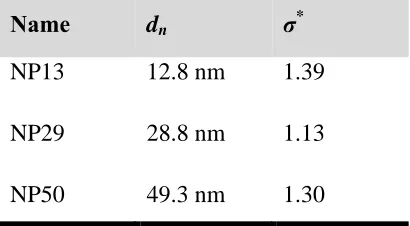
Table 3.1. Silica nanoparticle characteristics. Number average diameter and size
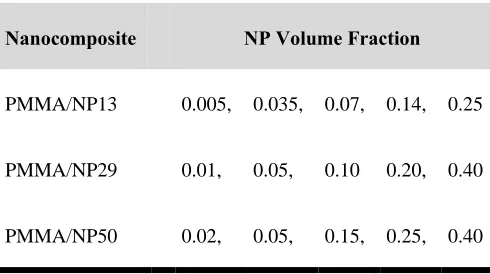
polydispersity. ... 36
Table 3.2. PMMA/silica nanocomposites. ... 38
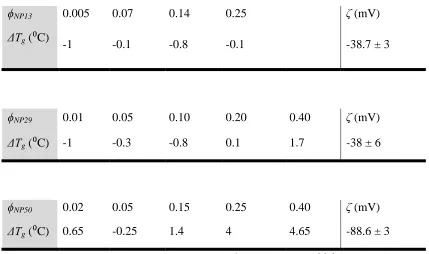
Table 3.3. Summary of the Tg changes for different nanoparticle volume fractions
in NP13, NP29 and NP50 nanocomposites. Values of the zeta potential (ζ) of
nanoparticles in DMAC are in the far right column. ... 47
Table 4.1. The radius of gyration of the tracer polymer relative to the nanoparticle
dimensions. ... 74
Table 6.1. PMMA Matrices for NP Diffusion ... 102
xiv
LIST OF FIGURES
Figure 3.1. The size distribution for NP13 (blue curve), NP29 (red curve) and
NP50 (green curve) as determined from DLS. Arrows denote the number average
diameters 12.8 nm, 28.8 nm and 49.3 nm, respectively. Using a log-normal distribution,
the polydispersities are 1.39, 1.13 and 1.30, respectively. ... 37
Figure 3.2. Cross-sectional TEM images of PMMA matrices containing NP13,
NP29 and NP50. Individual NPs are observed at the lowest volume fraction prepared (top
row). At the highest volume fraction (bottom row), NP distribution remains uniform. The
interparticle distance (ID) is much greater than the NP diameter in the top row whereas
ID << NP diameter in the bottom row for the crowded composite (cf. Figure 3.5). The
scale bars are 100 nm. ... 42
Figure 3.3. Volume fraction profiles of dPMMA in PMMA/NP13 (a, d),
PMMA/NP29 (b, e) and PMMA/NP50 (c, f) at 195 ⁰C. (a – c) and (d – f) corresponding
to the lowest and highest values of ϕNP, respectively. Solid curves represent fits using
xv
dashed curves represent the sum of the solid curves and surface peaks. Annealing times
of (a) 7.8 hr, (b) 7.95 hr, (c) 7.95 hr (d) 15 hr, (e) 33.37 hr and (f) 20 hr were chosen to
provide an optimum diffusion length ~ 350 nm. ... 45
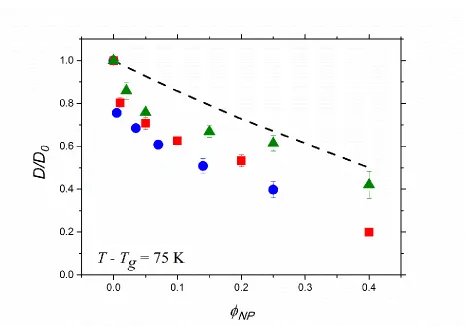
Figure 3.4. Normalized diffusion coefficients versus NP volume fraction for
dPMMA diffusion in PMMA/NP50 (green triangles), PMMA/NP29 (red squares) and
PMMA/NP13 (blue circles). The black dotted line is the calculation from the Maxwell
model... 49
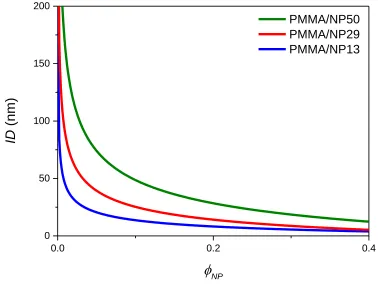
Figure 3.5. The average interparticle distance (ID) as a function of nanoparticle
volume fraction (ϕNP) using Eq. 4, which assumes randomly distributed NPs. ID
decreases rapidly at low nanoparticles loadings. At fixed ϕNP, ID also decrease as NP size
decreases when compared at same ϕNP. ... 51
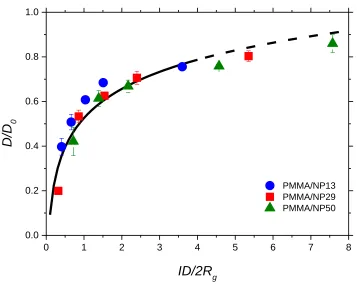
Figure 3.6. Normalized diffusion coefficients (D/D0) plotted against the
confinement parameter (ID/2Rg). Data points represent D/D0 in the attractive system
(PMMA/hydroxyl-capped silica): PMMA/NP13 (blue circle), PMMA/NP29 (red square),
and PMMA/NP50 (green triangle). The solid black line is the best fit from a weakly
interacting system (PS/phenyl-capped silica) from a previous study.40 The dashed line
shows that the extrapolation of the weakly interacting system is also in good agreement
with the measured values at higher ID/2Rg of the weakly interacting system. ... 53
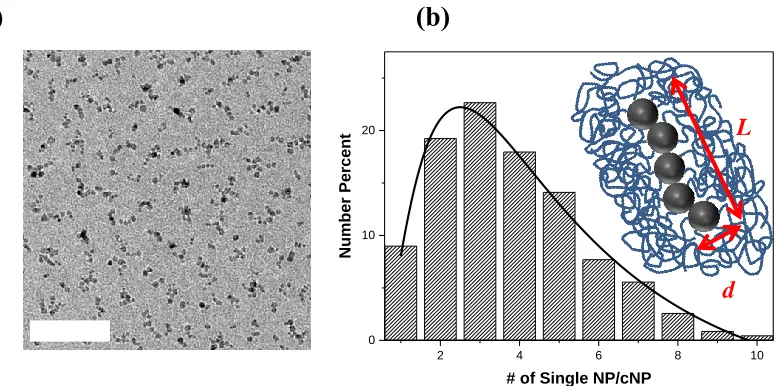
Figure 4.1. (a) Chained nanoparticles (cNP) drop-cast on a TEM grid. The scale
bar is 100 nm. (b) Distribution of spherical Fe3O4 nanoparticles per cNP. The solid line is
a fit using a log-normal distribution having an average of 5 nanoparticles per cNP. The
xvi
core dimensions are d = 5 nm and L = 25 nm. ... 66 Figure 4.2. Cross-sectional TEM images of PS/cNP nanocomposites with
increasing Fe3O4 core volume fraction, ϕcNP: (a) ϕcNP = 0.0005, (b) ϕcNP = 0.001, (c) ϕcNP =
0.0025, (d) ϕcNP = 0.005, (e) ϕcNP = 0.01, (f) ϕcNP = 0.024. The scale bar is 100nm. ... 70
Figure 4.3. Volume fraction profiles of dPS (a) 49 kg/mol, (b) 168 kg/mol, (c)
532 kg/mol, and (d) 1866 kg/mol, in PS/cNP nanocomposites at ϕcNP = 0.0025 and 170°C.
Solid curves represent fits using Equation 1 convoluted with a Gaussian instrumental
resolution function. Annealing times of (a) 0.1 hr, (b) 1 hr, (c) 7 hr and (d) 40 hr were
chosen to provide an optimum diffusion length ~ 400 nm. ... 72
Figure 4.4. dPS tracer diffusion coefficients in PS/cNP nanocomposites as a
function of Fe3O4 core volume fraction (ϕcNP) at 170°C. dPS molecular weights are 49
kg/mol (black), 168 kg/mol (red), 532 kg/mol (green), and 1866 kg/mol (blue). A
minimum in D is observed at ϕcNP = 0.0025. ... 75
Figure 4.5. Normalized diffusion coefficients D/D0 plotted as a function of ϕcNP.
dPS molecular weights are 49 kg/mol (black), 168 kg/mol (red), 532 kg/mol (green), and
1866 kg/mol (blue). A minimum in D/D0 is observed for the three smaller dPS tracers
near ϕcNP = 0.0025. ... 77
Figure 4.6. Normalized diffusion coefficients, D/De, plotted as a function of ϕcNP.
dPS molecular weights are 49 kg/mol (black), 168 kg/mol (red), 532 kg/mol (green), and
1866 kg/mol (blue). Solid lines are guide to the eye. A minimum in D/De is observed for
the two smaller dPS tracers near ϕcNP = 0.0025. ... 80
xvii
impinging on the dPS(red)/PNC diffusion couple. The energy of the recoiled deuterium
from dPS is measured by a solid state detector. (b) Representative volume fraction profile
of dPS (800 kg/mol) that diffused into the PNC, PS(650 kg/mol):NR(φNR = 0.065) , after
annealing at 190°C for 3h (closed symbol). For comparision, the profile for an
unannealed couple (open symbol) is shown and exhibits a Gaussian peak representing the
instrumental resolution. The solid line represents a best fit of Eq. 1 convoluted with the
instrumental resolution function resulting in D = 3.1 x 10⁻¹⁴cm2/s. The dashed line is the
sum of a “surface peak” that has the same FWHM as the unannealed profile and the solid
line. The surface peak has been described elsewhere.37, 40 ... 87 Figure 5.2. Cross-sectional TEM images depicting the morphology of PS(P)/NR
matrices. (a) P = 2000 kg/mol, φNR = 0.004; (b) P = 2000 kg/mol, φNR = 0.06; (c) P = 650
kg/mol, φNR = 0.065; (d) P = 650 kg/mol, φNR = 0.08. Scale bars are 100 nm. ... 89
Figure 5.3. Tracer diffusion coefficients of dPS at T = 190 °C for M = 800 kg/mol
(squares), 1800 kg/mol (triangles) and 3200 kg/mol (circle) in PS(P):NR where P = 650
kg/mol (closed symbol) and P = 2000 kg/mol (open symbol), as a function of NR
loadings. Stars represent NR diffusion coefficients when φNR > 0 in melts with P = 650
kg/mol (closed) and P = 2000 kg/mol (open). Representative error bars are shown. ... 91 Figure 5.4. Normalized tracer diffusion coefficients of dPS for M = (a) 800
kg/mol, (b) 1800 kg/mol, and (c) 3200 kg/mol, in PS(P)/NR where P = 650 kg/mol
(closed symbol) and P = 2000 kg/mol (open symbol), as a function of NR volume
fraction. The cartoon shows free diffusion of NRs (top left) at φNR < 0.022 (dotted line)
xviii
Figure 6.1. Top-view TEM images of the PNC layers (~ 50 nm) containing NPs
with graft densities of 0.55, 0.33 and 0.17 chains/nm2, and matrix to brush molecular
weight ratios from 0.2 to 2.5. The NP core diameter is 5 nm. Scale bar is 100 nm... 107
Figure 6.2. Representative Fe volume fraction profiles for IO21M in a PMMA
(52 kg/mol). Annealing times are 0 h (black circles), 30 h (dark grey circles) and 60 h
(light grey circles). The black solid curve represents a Gaussian profile with a FWHM of
35 nm which is the instrumental resolution. Dark and light grey curves represent best fits
using Eq. 1 for t = 30 h and 60 h, respectively. The best fit is D = 1.9 x 10⁻¹⁵ cm2/s for
both times. The inset illustrates 2MeV He+ ions impinging on the diffusion couple and the profiles of brush grafted iron oxide NPs (circle with halo) in the matrix. ... 108
Figure 6.3. Self-consistent field theory calculation of the polymer volume
fraction as a function of distance from the center of the NP. Solid lines represent brush
profiles of IO21L (black), IO21M (blue) and IO16H (green) in PMMA with (a) P = 4
kg/mol and (b) P = 34 kg/mol. Dotted lines represent corresponding matrix chain
profiles. ... 110
Figure 6.4. Diffusion coefficients of IO21L (black), IO21M (blue) and IO16H
(green) in PMMA matrices (P = 4 ~ 52 kg/mol) at T = Tg + 75 K. Solid symbols represent
the wet brush regime, i.e., P/N < 1, and open symbols represent the dry brush regime, i.e.,
P/N > 1. Error bars represent the standard deviation from multiple samples. ... 111 Figure 6.5. NP diffusion coefficient normalized by the SE prediction using
effective diameters for IO21L (black), IO21M (blue) and IO16H (green) as a function of
P, 4 ~ 52 kg/mol. The effective diameter used in Eq. 6.1 was determined from SCFT
xix
represent the standard deviation from multiple samples. The cartoon depicts the transition
from the wet brush case where matrix chains are “dragged” during NP diffusion and the
dry brush case when the brush/matrix interface is sharper and NPs diffuse more like hard
1
CHAPTER 1. INTRODUCTION
A polymer is a macromolecule that is composed of a large number of repeated
units, or monomers. Polymer science has made a significant impact on the way we live,
and until now in the 21st century, polymers continue to play an important role in technology developments, from commodity use such as films and packaging to high
technology applications such as photovoltaic solar cells and reconfigurable materials. The
unique viscoelastic properties that polymers possess allow for low cost processability into
various shapes and sizes. In addition, various functional groups and chemical structures
can be routinely synthesized at a large scale, thus providing the ability for mass
production in industries.
Understanding polymer dynamics is critical in optimizing the condition used to
process polymers. In this thesis, we first focus on polymer diffusion in polymer
nanocomposites, and a good place to start is to understand the theoretical background of
2
relaxation mechanisms, i.e., reptation1, 2 and/or constraint release mechanism.3, 4 Doi and Edwards developed a tube model of entangled polymer network describing that a
polymer chain is confined in a tube-like region imposed by surrounding chains, where the
lateral motion of the confined chain is restricted by the topological constraints. Reptation
theory was then introduced by de Gennes1 in 1971 where polymer chains move predominantly along the tube. The time for the restricted chain to diffuse out of the
original tube of the average length <L> is the reptation time, τrep. Theoretically, the
reptation time is proportional to the cube of the molar mass (M) of the diffusing polymer
while experimentally, the scaling exponent is greater than 3, i.e., τrep ~ M 3.4.
The stronger dependence of the reptation time on M is possibly due to tube length
fluctuation. The reptation model also predicts the diffusion coefficients (D) of the
confined chain that moves a distance of its own size in the reptaion time as:
D ~ M-2 (1.1)
given that the constraints defining the tube are relatively immobile on the time scale of
τrep. Using forward recoil spectrometry, Mills et al.5 measured tracer diffusion
coefficients of deuterated polystyrene in entangled polystyrene matrix, and reported M-2
dependence in agreement with reptation model.
For matrix molecular weight (P) less than a characteristic molecular weight (P*)
and greater than entanglement molecular weight (Me), constraint-release mechanism
3
independent mechanisms, and thus the diffusion coefficient of a given chain is the sum of
two contributions:
𝐷∗ = 𝐷
rep(𝑀) + 𝐷cr(𝑀, 𝑃) ≈ 𝑅
2
𝜏rep(𝑃)+
𝑅2
𝜏tube (1.2)
where 𝐷rep is the diffusion coefficient of M chain contributed by reptation mechanism,
𝐷cr is the contribution from constraint-release mechanism, R is chain size, 𝜏repis the
reptation time of P-mer and 𝜏tubeis the Rouse relaxation time of the confining tube. The
faster of the two types of mechanisms controls the diffusion of P-mer. Namely, reptation
dominates for shorter P-mers since 𝜏rep < 𝜏tube whereas constraint-release mechanism
dominates for longer P-mers where 𝜏rep > 𝜏tube.
1.1
Polymer Nanocomposites
Introduced in 1990s, nanoparticles are combined with polymers to build polymer
nanocomposites (PNC) that has made tremendous impact in science and technology. As
opposed to traditional composites, the fillers are nanosized with dimensions below 100
nm and therefore the surface area dramatically increases as the nanofiller size decreases
at a given volume fraction. Thus the addition of a small volume of nanofillers can
produce great amount of interfacial area between polymer matrix and nanofillers,
effectively impacting polymer properties without compromising the processability, light
weight and optical transparency inherent to polymers.6-8 For example, Ramanathan et al.9 reported a significant shift in glass transition temperature (Tg) of ~ 30°C upon adding
4
In addition to achieving desired properties more efficiently, the addition of nanofillers
to polymers also impart unique properties that traditional fillers are not able to achieve
such as mechanical strength,10 flame resistance,11 thermal,10 optical and electrical properties.12-14 Specifically, tunable optical property is observed upon adding gold nanorods into polymers,15, 16 and high-efficiency polymer-based photovoltaic can be prepared or created by adding TiO2 nanoparticles.17 Furthermore, the addition of
nanofiller also changes polymer viscosity,18-32 a key parameter that influences molecular transport and flow behavior. Therefore, polymer dynamics are typically impacted upon
incorporating functional nanoparticles into polymer, understanding the dynamics in PNCs
would provide insights into important issues such as optimizing processing conditions
and manipulating assembly kinetics,33 and various applications including coatings, self-healing materials and membranes.34-36
1.2
Dissertation Outline
The objective of this dissertation is to investigate the effect of confinement on
polymer dynamics. We first focus on the effect of “fixed” obstacles in polymer
nanocomposites. Namely, nanofillers are immobile on the time scale of polymer
diffusion. Next we focus on nanoparticle dynamics in polymer melts, and finally we take
the mobility of nanoparticles into account to investigate the effect of these “mobile”
nanoparticles that are also diffusing on the same time scale of polymer diffusion.
In Chapter 2, recent studies of dynamics regarding either polymers or
polymer-5
nanoparticle interactions, polymer brush, and shape on center-of-mass polymer diffusion.
In addition, polymer local dynamics and effects of nanoparticles on different length
scales and confinement, i.e., nanoparticle vs. cylindrical confinements, are discussed.
Finally, studies on dynamics of bare as well as hairy nanoparticles in polymer melts are
explored, and deviation from the Stokes-Einstein relation is discussed. Chapter 3 presents
studies of the effect of polymer-NP interactions on macromolecular diffusion using
deuterated poly(methyl methacrylate), or dPMMA, as the tracer, and OH-capped Si NPs
as the impenetrable and immobile nanofiller that has attractive interactions with PMMA.
The result is compared with previously studied athermal systems. Chapter 4 explores the
effect of polystyrene (PS)-grafted chained NPs (cNP) on the tracer diffusion of deuterated
PS (dPS) in a homopolymer/cNP matrix. cNPs are technologically important because
they mimic the fractal-like morphology of carbon black utilized in toughened polymers
such as styrene-butadiene rubber (SBR). Chapter 5 addresses the question of how to take
NP mobility into account when polymer diffusion is probed. Namely, dPS diffusion is
measured in PNCs having mobile nanorods, and the results are compared with the fixed
nanorod case. Chapter 6 looks into diffusion of PMMA-grafted iron oxide NPs in PMMA
melts. The effects of brush molecular weight, brush grafting density and matrix molecular
weight on NP diffusion are investigated. Finally, Chapter 7 summarizes the work in this
6
CHAPTER 2. DYNAMICS IN POLYMER
NANOCOMPOSITES
In this Chapter, recent theoretical and experimental studies of polymer dynamics and NP
dynamics in PNCs are reviewed. Polymer dynamics are first investigated by reviewing
studies of the slowest relaxation mode represented by center of mass diffusion, to fast
relaxation modes represented by segmental relaxations, in various confinements
including PNCs and nanopores. Polymer dynamics are influenced by the polymer-NP
interactions, NP shape, grafted polymer brushes and the pore size, and details will be
discussed. In the second section of this chapter, NP dynamics are investigated by
focusing on the NP diffusion in polymer melts compared with the classic Stokes-Einstein
(SE) relation in a continuum medium. Enhanced NP diffusion relative to the SE
prediction reported by experimental and simulation studies is reviewed. Furthermore,
dynamics of polymer-grafted NPs are discussed where the brush relaxations and
7
current studies on dynamics in PNCs, and a better understanding about the background of
this thesis.
2.1 Effect of Spherical Nanofillers on Polymer Diffusion
Center-of-mass polymer (COM) diffusion is investigated in PNCs containing hard
and soft spherical NPs are discussed. Namely, hard NPs functionalized with short ligands
that can have an athermal interaction with the polymer matrix and tracers as well as an
attractive interaction will be explored. By grafting a polymer brush to the hard NP, soft
NPs are formed and their diffusion into homopolymer is described.
2.1.1 Polymer Diffusion through PNCs with Hard NPs with Athermal
Interactions
To study the effect of geometric confinements on polymer center of mass
diffusion, enthalpic interactions between nanoparticles and host polymer should be
minimized. Semicrystalline polymers provide a non-interacting and complex
environment containing amorphous region where polymer can diffuse and crystalline
regions that confine the motion of the polymer. Using dynamic secondary ion mass
spectroscopy (DSIMS), Segalman et al.37 investigated the diffusion of deuterated polystyrene in precrystallized isotactic polystyrene matrices, and reported that the tracer
diffusion decreases with increasing molecular weight (M), i.e., D ~ M-1. This M-1
dependence of D is consistent with the scaling suggested by Entropic Barrier Model
8
bottlenecks. The diffusion coefficient of the probed chain is determined based on how
monomers of the probe chain are partitioned in the cavity and the connected bottleneck,
and the scaling of the diffusion coefficient of the probed chain finally comes down to D ~
M-1. EBM is used to explain the slowdown of tracer diffusion in Segalman’s study. The entropic barrier in the context of polymer dynamics is the entropic difference that a
polymer chain has to overcome when it diffuses from a region of large volume where the
chain has more accessible configuration, or higher entropy, to a region of smaller volume
where the chain has less entropy. Namely, these randomly distributed lamellae
(crystalline region) serve as obstacles that form bottlenecks (space between crystalline
regions) where dPS chains have to explore as they diffuse in the matrices (amorphous
region). However, because spherulite size and dispersity are hard to control and the space
available for diffusion is ill-defined in semicrystalline polymers, a well-defined model
system is needed to rigorously test the applicability of the entropic barrier model for
describing polymer diffusion through a matrix with obstacles.
Polymer nanocomposites are an ideal platform for testing diffusion in confined
systems because the size and distribution of NPs can be controlled and thus the space
available for the diffusion of the polymer chain can be well-defined. In addition, the
surface of nanoparticles can be functionalized using short ligands so that the
polymer interaction is nearly athermal while maintains a sharp
nanoparticle-polymer interface. Namely, “hard” nanoparticles whose surfaces are functionalized with
short ligands instead of polymer brushes are expected to be compatible with the host
9
in PS nanocomposites containing non-interacting nanoparticles using elastic recoil
detection (ERD). In these systems, silica nanoparticles with narrowly-distributed particle
diameters (d = 13 and 29nm with polydispersity, ρ = 1.39 and 1.12, respectively) were
prepared with a coupling agent, phenyltrimethoxysilane (PhTMS). The surface of these
phenyl-capped silica nanoparticles are chemically identical to the host polymer,
polystyrene, resulting in a non-interacting environment for polymer and nanoparticles. By
rapid removing the solvent, the NPs are well-dispersed in polystyrene up to volume
fraction, φNP = 0.5, suggesting that the polymer surface groups are able to minimize the
repulsive interactions between remaining hydroxyl groups on silica and polystyrene.
These studies show that the diffusion coefficient of dPS decreases significantly in the
presence of nanoparticles (e.g., by 80 % at φNP = 0.5). Furthermore, the normalized
diffusion coefficients of dPS, D/D0, collapse onto a curve when plotted against a
confinement parameter, ID/2Rg,where Rg is the radius of gyration of the tracer polymer
(dPS) and ID is interparticle distance defined by:
𝐼𝐷 = 𝑑n{(𝜋𝜑2
NP)
1/2
[𝑒𝑥𝑝(𝑙𝑛𝜌)2] − 1} (2.1)
where dn is the number average NP diameter, φNP is the volume fraction of the NPs in the
PNC, and 𝜌 is the NP diameter polydispersity, suggesting that the confinement parameter
is able to capture the effect of nanoparticle dimension, nanoparticle size distribution and
tracer molecular weights. Moreover, the scaling behavior of the tracer diffusion
coefficient is in good agreement with the entropic barrier model which accounts for the
10
suggests that the EBM is able to capture the slowdown in dPS diffusion due to
confinements imposed by nanoparticles.
2.1.2 Polymer Diffusion through PNCs with Hard NPs with Attractive
Interactions
The enthalpic interaction could be important in terms of improving nanoparticle
dispersion in the host polymer, especially when the interactions between nanoparticles
and polymer are attractive. This enthalpic contribution could further affect polymer
dynamics compared to the athermal case. For example, Zheng et al.42 reported a long range effect on polymer diffusion as a function of distance from an attractive planar
surface, and the diffusion of the probed chain is an order of magnitude slower than that in
the bulk. Hu et al.43 also reported a slowdown in the diffusion of deuterated poly (methyl methacrylate) (dPMMA) by a factor of 3 in PMMA/clay nanocomposites at clay loading
of ~ 5 vol%. Simulation studies44 using molecular dynamics showed slower polymer diffusion in the presence of attractive nanoparticle-polymer interactions. Furthermore,
using forward recoil elastic spectrometry, Lin et al.45 measured the center of mass diffusion of dPMMA, in PMMA matrices containing hydroxyl – terminated silica
nanoparticles where attractive nanoparticle-polymer interactions are present. The
diffusion of dPMMA is slowed down as a function of nanoparticle loadings and data
collapse onto a curve when normalized diffusion coefficients (D/D0) are plotted versus
confinement parameters (ID/2Rg). Interestingly, when compared with the studies40, 41 of
dPS diffusion into PS matrices containing phenyl-capped silica NP, i.e., athermal
11
system, suggesting that attractive nanoparticle-polymer interactions are insufficiently
alter COM polymer diffusion.
Theoretically, Meth et al.46 developed an analytical model to describe the slowdown of polymer diffusion in the presence of nanoparticles by modeling polymer
chains as spheres diffusing through cylindrical pores and found that the reduction in
diffusion can be attributed to excluded volume. The model is able to capture the
experimental results of Gam et al.40, 41 and Lin et al.45 at low loadings for ID/2Rg > 2
where polymers can still maintain their Gaussian conformations whereas at high loadings,
the model overestimates the experimental data, suggesting that other mechanisms are
responsible for the reduction of polymer diffusion in highly crowded environments, such
as altered chain conformations and entanglement densities. The local dynamics that these
fundamental terms influence will be discussed in later chapters (Chapter 2.3).
2.1.3 Polymer Diffusion through PNCs with Soft Spherical
Nanoparticles
To control NP/matrix interactions, nanoparticle surfaces can be modified by
polymer brushes. As a result, the dispersion of NPs can be enhanced in polymer
nanocomposites because the repulsive force between nanoparticle surfaces and the host
polymer are reduced. In addition, various NP dispersion states can be achieved by tuning
brush graft densities and the ratio of degree of polymerization between brush and the host
12
mass dynamics, the presence of the brush provides a distinct particle-polymer interface
because of the interpenetration between brush and host polymer, and the boundary
between “hard” and “soft” nanoparticles becomes complicated by the interpenetration of
the matrix chains and the polymer brush. To understand the effect of this tunable
brush/matrix interface on center of mass polymer diffusion, the ratio of the degree of
polymerization between grafted brush and polymer matrix can be varied to control the
transition from hard NP to soft NP. Choi et al.52 investigated the diffusion of dPS in the presence of soft nanoparticles and compared the result with the hard nanoparticle case.
Silica nanoparticles grafted with polystyrene brush (brush molecular weight, N = 87
kg/mol) were dispersed in PS matrix (P = 160 kg/mol) and the diffusion of dPS (23 to
532 kg/mol) was measured using ERD. The dPS penetration into brush varies depending
on ratio between the molecular weights of dPS and the brush. Namely, larger tracers
penetrate less deeply into brush than smaller tracers and the interface is sharper due to
steric exclusion, and an effective particle diameter can be defined. Using self-consistent
filed theory (SCFT) coupled with small-angle neutron scattering (SANS), effective
particle diameters were quantified and thus effective interparticle distance can be
determined using a diameter given by the hard NP plus dry brush.
The result showed that for larger dPS, interparticle distance is decreased because
the dPS chains are partially excluded from the brush, whereas smaller dPS chains have
more accessible interparticle spacing leading to smaller effective particle diameters.
When normalized diffusion coefficients, D/D0, are plotted against effective confinement
13
that universal scaling of polymer diffusion also extend to soft nanoparticles. In addition,
the bulk diffusion coefficients are recovered (D/D0 =1) only when nanoparticles are far
apart, i.e., ID/2Rg > 20, indicating a long-range effect on polymer diffusion. This
remarkable long-range effect was also observed in a planar surface system42 where the diffusion of dPS is slower than that in the bulk up to a distance of 10Rg from the surface,
and the result is explained by a change in local structure in the vicinity of the surface due
to attractive force, and the effect propagates to a greater distance. However, this
long-range effect is still not well-understood, and models are required to accurately explain
this observation.
2.2. Polymer Diffusion through PNCs with Anisotropic
Nanofillers
In this section we focus on the geometric factors that influence polymer diffusion in
nanocomposites, specifically, anisotropically-shaped nanotube, nanorods, and chained
nanoparticles.
2.2.1 Minimum in Diffusion Coefficient in Polymer/Carbon Nanotube
Systems
In contrast to polymer/spherical NPs systems where a monotonic decrease in
polymer diffusion is observed, polymer diffusion in the presence of carbon nanotubes,
initially slows down, reaches a minimum, and recovers with increasing carbon nanotube
14
aspect ratio ~ 35) reported that tracer diffusion decreases initially with increasing
SWCNT concentrations, and then recovers beyond a critical concentration, φcrit ~ 0.4
vol% in a PS (480 kg/mol) matrix. The critical concentration is consistent with a
dynamical percolation threshold measured using rheology, indicating that the diffusion
minimum correlated with the formation of a percolated carbon nanotube network. A
phenomenological trap model was proposed and simulated where polymer diffusion is
anisotropic in the vicinity of nanoparticles. Namely, polymer diffusion is faster parallel to
the CNT than perpendicular to the CNT, and thus beyond the critical concentration,
polymer chains are able to diffuse fast along the CNT network resulting in the diffusion
recovery. A further investigation54 by the same research group using multi-walled carbon nanotube (MWCNT) suggested that this diffusion minimum is a function of relative size
between the tracer polymer chain and the nanofiller, i.e., the diffusing chain has to be
larger than the carbon nanotube diameter to observe a minimum diffusion coefficient.
Further studies of this geometric effect, i.e. relative size between tracer dimension and
nanorod length, are introduced in the Chapter 3.
2.2.2 Geometric Criteria for Polymer Diffusion in PNCs
The studies of polymer/CNT systems indicate that a minimum in diffusion
requires that (1) the size of the tracer chain (2Rg) has to be larger than the nanorod
diameter, and (2) the CNTs form a percolative network. However, the effect of the length
(L) of the nanorod was not investigated because the CNTs’ are semi-infinite. Choi et al.55
investigated both geometric factors and systematically studied anisotropic polymer
15
3400 kg/mol), nanorod diameter (d = 4.6 nm) and nanorod length (NR-short: L = 43.1
nm, and NR-long: L = 371 nm). They observed non-monotonic diffusive behavior when
the tracer size was larger than the nanorod diameter (2Rg > d), but less than the nanorod
length. On the contrary, monotonic diffusive behavior was observed when the tracer size
was either larger or smaller than both the nanorod diameter and length.
In addition, at low NR loadings (φ < φmin = 0.04 where φmin is the NR
concentration where diffusion minimum is observed), the scaling behavior for both short
and long NRs follows D ~ M-v where v = 2, in agreement with Doi-Edwards model of
chain reptation,56 suggesting that chain conformation and local friction felt by the tracer chain are not perturbed by the NRs. At high NR-short loadings above φmin (φ = 0.1 >
φmin), with dPS of M (168 – 3400 kg/mol) where L < 2Rg, the exponent slightly increases
from 2 to 2.3, suggesting that tracer diffusion is not influenced significantly by NR
geometry. The diffusion mechanism is similar to the isotropic case where tracers see NRs
as isotropic obstacles. The slightly greater exponent may be explained by entropic
barriers imposed by stronger confinement (smaller NR network mesh size) compared to
the NR-long systems. In contrast, for the PS/NR-long system, D ~ M-1.1 scaling behavior is found. In this case, L > 2Rg, indicating that anisotropic obstacles are felt by tracer
chains. The much smaller v is attributed to monomer-NR friction as NRs are able to
thread through polymer chains, and an expanded chain conformation which was recently
16
2.2.3 Polymer Dynamics in the Presence of Chained Nanoparticles
We have introduced the center of mass dynamics of polymer chains in the
presence of isolated individual nanoparticles having well-defined dimensions, i.e.,
spherical and high aspect ratio cylindrical nanoparticles with a well-defined diameter and
length. In this chapter, we focus on the dynamics in the presence of chained-nanoparticles
(cNP) that mimic the widely used carbon black aggregates. Moreover, polymer diffusion
in the presence of these stringy nanoparticles provide insight connecting dynamical
behaviors previously reported in spherical NP40, 41, 45 as well as cylindrical NP systems.53,
54, 58
Lin et al.59 probed center of mass tracer (dPS) diffusion in PS nanocomposites containing PS-grafted (N = 132 kg/mol, σ = 0.19 chains/nm2) , string-like chained-nanoparticles (cNP) using ERD. When the molecular weight of dPS is very large (1866
kg/mol), D decreases monotonically with increasing loading, consistent with the results
for the spherical NP systems. In contrast, when the molecular weights of dPS are small
(49, 168 and 532 kg/mol), D decreases with increasing NP core volume fraction (φNP),
reaches a minimum at φNP = 0.0025, and recovers again as φNP > 0.0025, which is
consistent with the observation in the carbon nanotube systems and the nanorod systems.
The importance of relative size between the tracer (2Rg) and cNP (d and L) is evident in
how these stringy NPs impose anisotropic polymer diffusion. In addition, the brush could
also affect tracer diffusion because the dPS can penetrate into the brush region where the
17
heterogeneous two-phase medium, the effective tracer diffusion coefficient (De) that
captures both the diffusion in the brush and matrix regions are calculated using:
𝐷1−𝐷e
𝐷1+2𝐷e𝜙1+
𝐷0−𝐷e
𝐷0+2𝐷e𝜙0 = 0 (2.2)
where D0 is the diffusion coefficient of dPS in the pure PS matrix (270 kg/mol), D1 is the
diffusion coefficient of dPS in the pure brush (132 kg/mol), and ϕ0 and ϕ1 are the volume
fractions of the PS matrix and PS brush regions, respectively. Thus, D can be normalized
using D0 as done in prior systems, or De, which accounts for the heterogeneity of the
matrix. Namely, D/D0 does not account for the effect due to the brush, whereas D/De
distinguishes between diffusion in the brush and matrix regions and incorporates the
effect of polymer brush on tracer diffusion. When normalized diffusion coefficients are
plotted against cNP loading, a sharp transition from a diffusion minimum to a monotonic
decrease is observed for D/D0, whereas a gradual transition is observed for D/De. The
study demonstrates the importance of considering how the polymer brush influences
polymer diffusion in heterogeneous matrices.
2.3. Local Dynamics
In the reptation model,1 the motion of an entangled chain is confined by surrounding chains which form a tube-like topological constraint. The entangled chain
diffuses along the tube and its diffusion coefficient (Drep) is determined as follows:
𝐷rep ≈ 𝑅2𝑘B𝑇𝑁e
18
where R is the size of the chain, kB is the Boltzmann constant, T is temperature (K), Ne is
the number of monomers in an entanglement strand, ζ is monomeric friction coefficient, b
is monomer length, and N is the number of monomers in a chain. A dimensionless
prefactor is not shown in order to focus on the scaling behavior. R determines the chain
conformation, Ne represents the distance between entanglements and thus determines tube
diameter (dt), and ζ determines the viscosity (η) of the melt. Therefore, at a given thermal
energy, R, Ne, and ζ govern the diffusion of entangled chain in a melt.
2.3.1 The Polymer Chain Conformation in the PNCs
Upon adding nanoparticles into a polymer matrix, the chain conformation is
altered depending on filler size and concentration. For PNCs containisng spherical
nanofillers, the radius of gyration of the chain is increased when Rg (at φNP = 0) is greater
than the NP size, i.e., 2Rg, φNP = 0 > d, whereas Rg is not significantly affected when 2Rg, φNP = 0 < d. For example, using SANS, Nakatani et al.60 investigated polydimethylsiloxane
(PDMS) chain dimensions in the presence of trimethylsilyl-treated polysilicate and
compared the result with Monte Carlo calculations. They reported that Rg of larger chains
relative to the filler is increased by 50% upon adding 20 w% of the polysilicate filler
which has dimensions ~ 2 nm. However, for PDMS chains that have similar dimensions
as the filler, Rg is slightly decreased with increasing polysilicate loadings. In addition, a
similar increase in Rg is observed in polystyrene matrices containing cross-linked PS NPs
where Rg of dPS chains is increased by up to 20% when 10 vol% of NPs (d = 7 nm) are
19
Simulation studies also revealed an increased Rg in the presence of small NPs (i.e., d <
2Rg, φNP = 0) in various systems, and unaffected melt conformation when the NP sizes are
comparable to the chain Rg.65-67 Furthermore, in polystyrene/carbon nanotube systems,
Tung et al.57 reported a 30% increase of Rg upon adding 10 w% of single-walled carbon
nanotubes (dSWCNT/2Rg ~ 0.4), whereas a slight decrease in chain dimension occurs when
2 w% of multi-walled carbon nanotubes are added (dSWCNT/2Rg ~ 1).
On the contrary, in a Si/PS system, Crawford et al.68 reported that PS chain dimensions are not influenced by adding Si NP (d = 13nm) up to φNP = 32.7 vol%,
regardless of the chain size relative to the NP diameter. Using Monte Carlo calculations,
Vacatello69 also reported no change in chain dimensions when 2Rg is ~2.5x greater than
the filler diameter at φNP = 20 vol%. Critical length scales that influence chain
conformation still remains an open question, and other dimensions should be considered,
e.g., particle size relative to tube diameter.
2.3.2 The Segmental Relaxation Time in PNCs
The monomeric friction coefficient (ζ) is directly proportional to the shortest
Rouse relaxation time (τ0) that is experimentally measurable. The time scale of the
segmental relaxation is typically on the order of nanosecond, and thus neutron scattering
and NMR spectroscopy techniques70 are usually adopted to observe chain motion. For systems with weak or neutral interactions between polymer and nanoparticles,
20
(PEP) matrices containing silica NP (d = 17nm) coated with short hydrocarbons using
neutron spin echo spectroscopy (NSE), and reported that the basic Rouse relaxation rate
remains unaffected with increasing NP loadings. Conversely, simulation studies74, 75 suggest enhanced segmental dynamics when NPs are added into polymer matrix, and
Kalathi et al.76 pointed out the importance of NP size relative to entanglement mesh size using molecular dynamics simulations. Namely, in a PNC where NPs are smaller than the
mesh size, NPs reduce the monomer friction and thus enhance segmental relaxation
whereas for NPs larger than the mesh size, segmental relaxation times are not affected
significantly even at high NP loadings, indicating that NP size is an important parameter
in determining segmental dynamics in athermal systems, and possibly explains the
divergent results from experiments.
For systems with favorable polymer-NP interactions, bound layers are reported in
the vicinity of the nanoparticle, suggesting that attractive interactions can suppress the
translational diffusion at the NP surface. On a shorter length scale, however, divergent
segmental behaviors of adsorbed chains are observed, and there are primarily 3
observations: (i) glassy shell, (ii) slowed down segmental mobility and (iii) unaffected
segmental motion. The glassy shell is a layer of highly immobilized segments attached on
the surface of nanoparticles due to attractive interactions. 77-81 Berriot et al.77, 78 reported an immobilized polymer layer on colloidal silica (d = 60 nm) in a poly (ethyl acrylate)
nanocomposite, and the thickness of this immobilized layer decreases with increasing
temperature. In addition, studies suggest that the thickness of the immobilized layer
21
et al.79 reported a 1-nm thick bound layer near a 15-nm diameter silica nanoparticles compared to a 5-nm thick bound layer at flat silica surfaces.
Estimations of the thickness of the glassy shell are based on the assumption that
polymers in the shell are completely immobilized compared to bulk polymers whereas
simulation and experimental studies of local dynamics found that chain mobility in the
vicinity of the nanoparticles shows slowed dynamics relative to bulk polymer.76, 82-87 For example, using broadband dielectric spectroscopy (BDS) and SAXS, Holt et al.83 investigated segmental dynamics near the nanoparticle surface in
poly(2-vinylpyridine)/silica nanocomposites, and showed that the interfacial region (4-6 nm)
exhibits a gradient in segmental mobility, i.e., slower segmental relaxation near the NP
surface that recovers to its bulk value near the interfacial region. In contrast, unaffected
segmental relaxations are reported by Bogoslovov et al.88 and Glomann et al.72 by means of dielectric relaxation measurements and neutron spin echo spectroscopy, respectively.
These divergent results raise the question about how to interpret data from different
timescales and length scales probed by various techniques.89 Moreover, whether the relative size between the polymer entanglement and nanoparticle is an important
parameter affecting local dynamics in PNCs remains an open question. Future studies are
needed to address these issues.
2.3.3 The Entanglement Density in PNCs
The entanglement degree of polymerization, Ne, is a microscopic quantity that is