Electronic Thesis and Dissertation Repository
9-29-2014 12:00 AM
Move More Mommy: A Web-Based Physical Activity Intervention
Move More Mommy: A Web-Based Physical Activity Intervention
for Postnatal Women (Pilot Study)
for Postnatal Women (Pilot Study)
Sarah Gray
The University of Western Ontario Supervisor
Anita Cramp
The University of Western Ontario Joint Supervisor Shauna Burke
The University of Western Ontario
Graduate Program in Health and Rehabilitation Sciences
A thesis submitted in partial fulfillment of the requirements for the degree in Master of Science © Sarah Gray 2014
Follow this and additional works at: https://ir.lib.uwo.ca/etd Part of the Maternal and Child Health Commons
Recommended Citation Recommended Citation
Gray, Sarah, "Move More Mommy: A Web-Based Physical Activity Intervention for Postnatal Women (Pilot Study)" (2014). Electronic Thesis and Dissertation Repository. 2472.
https://ir.lib.uwo.ca/etd/2472
This Dissertation/Thesis is brought to you for free and open access by Scholarship@Western. It has been accepted for inclusion in Electronic Thesis and Dissertation Repository by an authorized administrator of
(Thesis format: Integrated Article)
by
Sarah Gray
Graduate Program in Health and Rehabilitation Sciences
A thesis submitted in partial fulfillment of the requirements for the degree of
Master of Science
The School of Graduate and Postdoctoral Studies The University of Western Ontario
London, Ontario, Canada
© Sarah Gray 2014
ii
Abstract
Despite the many benefits of physical activity, postnatal women are not currently meeting Health Canada Guidelines of 150 minutes per week of moderate-vigorous physical activity. This study, Move More Mommy, used a mixed methods design to test the feasibility and acceptability of a web-based intervention combined with a group mediated cognitive behavioural approach, and its effectiveness to increase physical activity, self-efficacy, and group cohesion among postnatal women. Participants received an 8-week intervention delivered through 8 group exercise classes and a purpose built website. From baseline to post-intervention, participants significantly increased self-reported physical activity levels and group cohesion. Objectively measured physical activity levels and self-efficacy showed no significant change. Quantitative and qualitative data on feasibility and acceptability showed that this method of delivery is feasible and acceptable among postnatal women and provides preliminary evidence on the effectiveness of a web-based physical activity
intervention for postnatal women.
Keywords
iii
Acknowledgments
iv
Abstract ... ii
Acknowledgments ... iii
List of Tables ... vi
List of Figures ... vii
List of Appendices ... viii
List of Abbreviations ... ix
Chapter 1 ... 1
1 Introduction ... 1
1.1 The Postnatal Period and Physical Activity ... 1
1.2 Physical Activity Participation During the Postnatal Period ... 2
1.3 Benefits of Physical Activity During the Postnatal Period ... 3
1.4 Literature Review: Postnatal Physical Activity Interventions ... 4
1.5 The Importance of Theory to Inform Physical Activity Behaviour Change ... 8
1.6 Exercising as a Group ... 9
1.7 Group Mediated Cognitive Behavioural Approach ... 10
1.8 Web-based Physical Activity Interventions ... 11
1.9 Present Study ... 12
1.10 Bibliography ... 13
Chapter 2 ... 23
2 Move More Mommy: Feasibility and Acceptability of a Web-Based Physical Activity Intervention for Postnatal Women ... 23
2.1 Introduction ... 23
2.2 Method ... 27
2.3 Results ... 36
2.4 Discussion ... 43
2.5 Bibliography ... 48
v
from a Web-Based Physical Activity Intervention for Postnatal Women ... 54
3.1 Introduction ... 54
3.2 Method ... 59
3.3 Results ... 65
3.4 Discussion ... 67
3.5 Bibliography ... 70
Chapter 4 ... 76
4 Discussion ... 76
4.1 Feasibility ... 76
4.2 Acceptability ... 78
4.3 Physical Activity ... 79
4.4 Self-Efficacy ... 80
4.5 Group Cohesion ... 81
4.6 Strengths and Limitations ... 82
4.7 Future Research ... 83
4.8 Conclusion ... 84
4.9 Bibliography ... 85
Appendices ... 100
vi
List of Tables
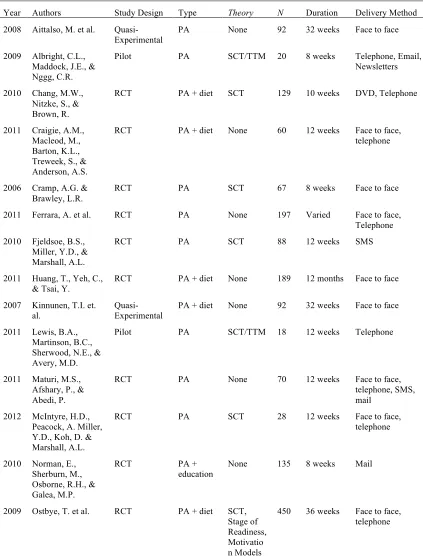
Table 1 Previous Postnatal Physical Activity Interventions, Study Characteristics ... 88
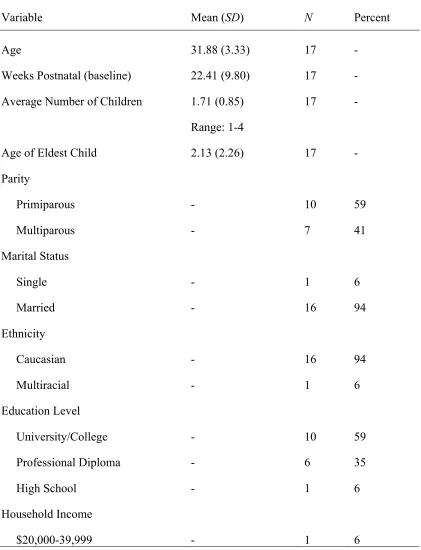
Table 2 Participant Demographic Information ... 90
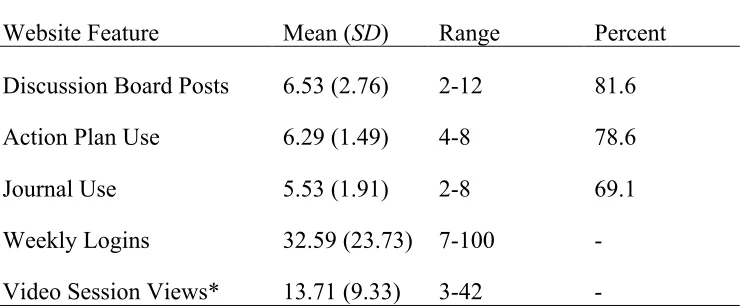
Table 3 Feasibility: Website Usage Statistics ... 92
Table 4 Iteam Means: Modified Treatment Evaluation Inventory (Short Form) ... 93
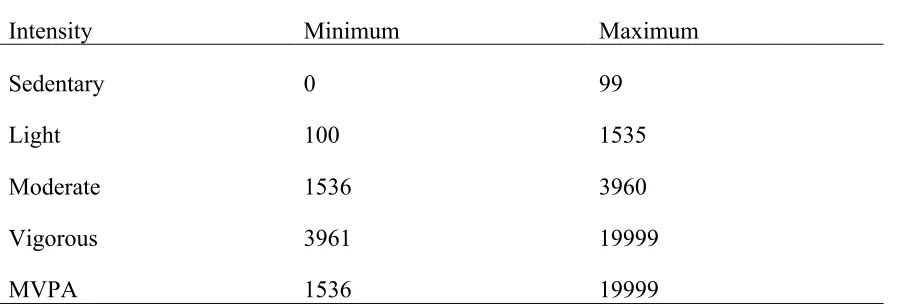
Table 5 Actical Cutpoints (counts per minute) ... 94
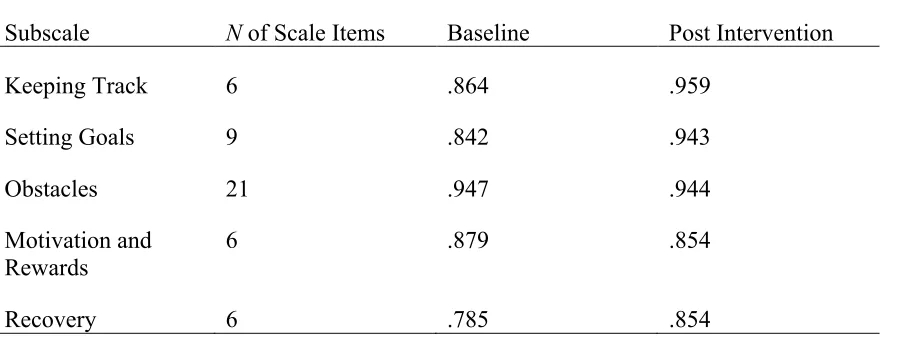
Table 6 Reliability Values (Cronbach Alpha) ... 95
Table 7 Results - Self-Report Physical Activity, Self-Efficacy, and Group Cohesion Measures ... 96
Table 8 Website Features ... 97
Table 9 Social Cognitive Theory (SCT) Constructs ... 98
vii
Figure 1: Identification of studies in literature review ... 5
Figure 2: Participant Flow ... 37
Figure 3: Participant Flow (2) ... 63
viii
List of Appendices
Appendix A: Recruitment Materials ... 100
Appendix B: Measures ... 102
Appendix C: Letter of Information and Informed Consent ... 114
Appendix D: Website ... 122
Appendix E: Weekly Video Session Summary ... 124
ix
List of Abbreviations
MVPA: Moderate-vigorous physical activity
CHMS: Canadian Health Measures Survey
RCT: Randomized controlled trial
SMS: Short Messaging Service
SCT: Social Cognitive Theory
GMCB: Group-mediated cognitive behavioural
TTM: Transtheoretical Model
TPB: Theory of Planned Behaviour
PA: Physical activity
SE: Self-efficacy
PAGEQ: Physical activity group environment questionnaire
IPAQ-SF: International Physical Activity Questionnaire – Short Form
Chapter 1
1
Introduction
Canadian physical activity guidelines recommend that healthy adults should accumulate at least 150 minutes of moderate to vigorous intensity aerobic activity (MVPA) each week, in bouts of 10 minutes or more (Haskell, Lee, Pate, Powell, & Blair, 2007; Tremblay et al., 2011). Regular physical activity is associated with a number of health benefits, including reduced risk of cardiovascular disease and other chronic diseases such as diabetes, increased mood and mental health, and increased cardiovascular endurance and muscle mass (Centers for Disease Control and Prevention, 2011). Despite the many well-known benefits, recent estimates suggest that only 30% of Canadian’s waking hours are spent engaging in four hours of light physical activity (Colley et al., 2011).
Furthermore it is estimated that only 15% of Canadian adults are currently accumulating 150 minutes per week of MVPA as recommended to gain health benefits (Colley et al., 2011).
1.1 The Postnatal Period and Physical Activity
Data from the Canadian Health Measures Survey (CHMS; Colley et al., 2011)
demonstrates that activity levels are low in the population as a whole, however postnatal women have been identified among the least likely to exercise and are commonly found to be less active than women of the same age without young children (Brown, Heesch, & Miller, 2009; Brown, Mishra, Lee, & Bauman, 2000; Brown & Trost, 2003; Drago, 2001; Nomaguchi & Bianchi, 2004; Verhoef, Love, & Rose, 1992). The postnatal period is defined as the period from childbirth through to one year following delivery (Mottola, 2002). While the term postnatal has traditionally been defined as the time period
MVPA. Many women can resume physical activity as soon as it is medically safe to do so; typically within a few weeks of giving birth (American College of Obstetricians and Gynecologist Committee Opinion 2002:2009, Davies, Wolfe, Mottola & Mackinnon, 2003).
1.2 Physical Activity Participation During the Postnatal
Period
Unfortunately, engaging in regular physical activity following the birth of a child has been identified as a challenge for many women (Cramp & Bray, 2011). For example, Brown and Trost (2003) conducted a follow-up study on a four-year longitudinal women’s health study (n = 7281) and found that women who had babies during this period were significantly more likely to be insufficiently active at follow-up in comparison to women who did not have children during this same period. Similarly, Brown, Heesch, and Miller (2009) surveyed 22535 women from the same longitudinal study. Among this sample, 15.9% identified starting a family over the study period. The birth of a first child was significantly associated with a decrease in physical activity levels (p < .001), as was the birth of a second child (p = .027; Brown et al., 2009).
Furthermore, postpartum women tend to shift from MVPA to light physical activity once their child is born (Mottola & Campbell, 2003; Pereira, et al., 2007). Consequently, women fail to meet physical activity recommendations. For example, in a longitudinal study from pre-pregnancy to 6 months postpartum (n = 1442), physical activity levels declined from 9.6 hours per week before becoming pregnant to 8.0 hours per week at 6 months postpartum (Pereira et al., 2007). Participants in this study decreased their moderate and vigorous physical activity; however walking remained consistent. At 6 months postpartum, 78.3% of participants were meeting physical activity
1.3 Benefits of Physical Activity During the Postnatal Period
Benefits of physical activity during the postnatal period include reduced risk of chronic disease, less weight retention from pregnancy (O’Toole, Sawicki & Artal, 2003; Rooney & Schauberger, 2002; Sampselle, Seng, Yeo, Killion, & Oakley, 1999), decreased risk of postpartum depression (Daley, MacArthur & Winter, 2007), and improved mood (Brown, Mishra, Lee, & Bauman, 2000; Cramp & Bray, 2010; Daley et al., 2007; Norman,
Sherburn, Osborne, & Galea, 2010; Whatley-Blum, Beaudoin, & Caton-Lemos, 2004). Specifically, excess weight gain (O’Toole et al., 2003) and postpartum depression (Armstrong & Edwards, 2004) are two major health concerns following childbirth that can both be mitigated with exercise. For example, O’Toole and colleagues (2003) conducted a randomized control trial in which intervention participants received a diet and physical activity intervention including a weekly educational component for 12 weeks (n = 21). Control group participants received a one-hour diet and physical activity session with a dietitian and exercise physiologist (n = 19). This intervention led to a significant change in body weight for the intervention group, and weight loss did not change in the control group. Furthermore, there was no significant difference in caloric intake between groups; however, exercise expenditure and vigorous activity had both increased for the intervention group at 12 weeks and 1 year postpartum (O’Toole et al., 2003). Thus, excess weight gain in the postpartum period can be mitigated with increased physical activity. Furthermore, a randomized control trial by Armstrong and Edwards (2004) demonstrates the impact of physical activity on postpartum depression. In this intervention, participants were randomized to either an exercise intervention group, or a control group who received only a social support intervention (n = 24). The exercise group saw a significant increase in aerobic fitness levels, and moreover, a significant decrease in depression scores over the 12-week intervention. The social support group did not show significant differences on aerobic fitness level or depression scores (Armstrong & Edwards, 2004).
creation and implementation of a number of studies and interventions specifically seeking to increase physical activity levels among postnatal women.
1.4 Literature Review: Postnatal Physical Activity
Interventions
A literature search revealed 18 previous published postnatal physical activity
interventions from the earliest date until 2013. Databases Scopus, PubMed, MEDLINE, and PsycINFO were searched using keywords such as “postnatal”, “postpartum”, “new mother”, AND “exercise” OR “physical activity” in combination with “intervention”. Nine hundred and fifty one studies were initially found through the search. In order to be included in the review, studies had to meet the following eligibility criteria: a) be a randomized controlled trial (RCT), pilot study including only an intervention condition, or quasi-experimental study; b) include a physical activity intervention; c) target
postnatal women; d) report physical activity levels prior to and after the intervention; and e) be published in an English peer-reviewed journal. Studies were excluded if the
Figure 1: Identification of studies in literature review ! ! ! ! ! ! ! ! ! ! ! ! ! ! ! ! ! ! ! ! ! ! ! ! ! ! ! ! ! ! ! ! ! ! ! ! ! ! ! ! ! ! !
2 References excluded
• 1 not postnatal specific
intervention • 1 Duplicate 1 Reference added
!
869 References excluded: No postnatal PA intervention
82 Records identified and screened for abstract
19 Full–text articles assessed for eligibility
63 References excluded
• 22 No PA postnatal intervention
• 2 Reported BL data only
• 2 Unable to access
• 7 Insufficient PA data
• 2 No PA data
• 10 Not postnatal specific
• 8 Reported protocol only
• 3 Qualitative studies
• 6 Duplicates (secondary
data analysis)
• 1 Not printed in English
18 Articles Includes 951 Records identified and screened for
Of the 18 intervention studies identified, 12 of these were RCTs; two were pilot studies with no control group and four were quasi-experimental. Ten studies targeted changes in physical activity only; six studies targeted both changes in physical activity and diet/nutrition and two studies targeted changes in physical activity levels and overall health education. Of the included studies, most (n = 15) were delivered face-to-face, whereas others were delivered over the phone, and even through short messaging service (SMS) text messaging. Despite many of these intervention studies having strong
methodology, including randomized control trials and many based in theory, results have been inconsistent. For example, Chang and colleagues (2010) found no difference in physical activity levels following a 10-week randomized control trial based in Social Cognitive Theory (SCT; Bandura, 1986) delivered primarily through a DVD. A nine-month RCT also based in SCT where intervention participants received healthy eating classes, physical activity classes, and telephone counseling also showed no difference in physical activity levels (Ostbye et al., 2009). Several promising interventions (mostly theory-based), however, guided the development of the current intervention. A brief overview of these interventions follows.
Maturi, Afshary, and Abedi (2011) conducted a RCT delivered using a
combination of face-to-face, telephone, and SMS text messaging to 66 participants over a 12-week period. This intervention implemented a walking program using a pedometer in order to increase physical activity and energy expenditure among participants.
Cramp and Brawley (2006) also employed self-regulatory skills based on SCT combined with group dynamic principles, and were effective at increasing physical activity as well as barrier efficacy and outcome expectations among new mothers. In this randomized intervention (n = 57), participants were randomized to receive standard exercise, or standard exercise combined with a group mediated cognitive behavioural (GMCB) intervention delivered through six face-to-face sessions. These sessions focused on the development of self-regulatory skills and the ability to overcome barriers specific to postnatal women (Cramp & Brawley, 2006). The GMCB intervention group showed increased confidence to overcome barriers to physical activity and there was a significant difference between groups on physical activity outcomes at post intervention. Unlike Maturi and colleagues (2011), a limitation of this study was the face-to-face delivery method commonly used for GMCB interventions, as it requires a large amount of time from both researchers and participants.
Fjeldsoe, Miller, and Marshall (2010) reduced this previous limitation of face-to-face intervention delivery when they delivered a RCT based in SCT using principally SMS text-messaging (n = 88). This 12-week intervention involved only one to two face-to-face goal setting consultations, which were followed by three to five personally tailored SMS text messages each week for the intervention group, based on SCT. Furthermore, each participant had a support person who would also receive SMS text messages each week. By utilizing goal setting techniques, self-monitoring of physical activity goals and rewards, social support, and providing behavioural and cognitive strategies for behaviour change; Fjeldsoe and colleagues significantly increased physical activity levels in the intervention group by post intervention.
Albright, Maddock, and Nigg (2009) conducted a pilot study similar to that of the present study. Albright and colleagues focused on enhancing self-efficacy through techniques such as self-monitoring, goal setting, and including barriers. Social support from family, friends, and peers were also important to the success of this study.
barriers to physical activity. Subsequently, participants received individualized
counseling over the phone and set goals / monitored physical activity behaviours using a pedometer and self-monitoring calendar. Over this 8-week intervention, participants significantly increased their MVPA by over 80 minutes per week.
Collectively, these studies (e.g., Albright et al., 2009; Cramp & Brawley, 2006; Fjeldsoe et al., 2010; Maturi et al., 2010) provide evidence that interventions that include social support or group-based exercise and delivery-methods other than face-to-face intervention approach are promising. Furthermore, theory-based interventions also appear to be promising.
1.5 The Importance of Theory to Inform Physical Activity
Behaviour Change
Within the physical activity domain, theory-based interventions have been found to be effective for increasing exercise among a variety of populations (e.g., Marcus et al., 2007; Napolitano et al., 2003; Phillips & McAuley, 2013; Rejeski et al., 2003), including
Many theory-based physical activity studies have consistently identified self-efficacy as the strongest psychosocial correlate of physical activity initiation and maintenance (Bauman et al., 2012; Dawson & Brawley, 2000, Dawson, Brawley, & Maddux, 2000, Dishman et al., 2004; Phillips & McAuley, 2013). According to SCT, self-efficacy is defined as a person`s “belief about their capabilities to exercise control over events that affect their lives” (Bandura, 1989, p1175) and represents an instrumental psychological construct linked to behaviour change (Bandura, 1989). Two key
dimensions of self-efficacy that have been linked to exercise initiation and maintenance include task self-efficacy and self-regulatory self-efficacy (Bandura, 1991; Rodgers & Sullivan, 2001). Task self-efficacy refers to an individual’s confidence in the ability to perform the elemental aspects of a task (Rodgers & Sullivan, 2001). For example, task self-efficacy relates to one’s level of confidence in their ability to complete exercise bouts that are defined in terms of frequency per week, duration and intensity (e.g., 3 times a week at a moderate intensity for 30 minutes).
Self-regulation is defined as the “exercise of influence over one’s own motivation, thought processes, emotional states and patterns of behaviour” (Bandura, 1994).
According to Bandura (1991), one’s ability to set goals and self-monitor are fundamental to self-regulation. By learning and practicing components related to self-regulation, individuals can regulate their behaviour, cognitions, and affect in the pursuit of behaviour change, as is demanded by increased adherence to physical activity (Barone, Maddux, & Snyder, 1997; Brawley et al., 2003). Positive behaviour change research can thus be achieved through strategies targeting changes in task and self-regulatory self-efficacy.
1.6 Exercising as a Group
willingness to push through in the face of any setbacks. Higher collective efficacy leads to greater performance accomplishments for the group (Bandura, 2006).
In addition to self-efficacy, another consistent predictor of exercise adherence is social support, or exercising in a group. Dishman and Buckworth (1996) synthesized results from 127 studies targeting physical activity interventions, looking at individual versus group approach, and found that interventions delivered to groups had much larger effects than those delivered to individuals. Standard group-based exercise classes
represent a different psychological environment than an exercise class where group dynamic principles are used to enhance cohesion among participants (“true group”; Burke, Carron, Eys, Ntoumanis, & Estabrooks, 2006). According to Burke and
colleagues (2006), exercising with others opposed to alone was better for adherence, and participation in classes was characterized by high task cohesiveness, the primary outcome of group dynamic strategies. Burke et al. (2006) similarly found that exercising in a “true group” was superior to exercising in all other contexts. Additionally, as groups become more integrated socially and increase perceptions of similar social values, return rates to subsequent physical activity programs increase (Beauchamp, Dunlop, Downey, & Estabrooks, 2011). Thus, group dynamics principles can be used to enhance the feeling of groupness among intervention participants to increase exercise adherence and
participation.
1.7 Group Mediated Cognitive Behavioural Approach
physical activity initiation and maintenance. For example, participants are commonly taught how to set goals by creating specific plans for physical activity; to self-monitor physical activity behaviour; and how to identify and overcome barriers to physical activity. The GMCB approach uses the group as an agent of change based on group dynamics literature where group-based exercise is known to be superior to exercising alone (Burke et al., 2006; Cartwright & Zander, 1953). However, this approach has only previously been delivered using face-to-face methodologies.
1.8 Web-based Physical Activity Interventions
Combining face-to-face, group-based physical activity interventions with new methods of intervention content delivery may be an area of opportunity. The Internet has previously been used to deliver behaviour change interventions to postnatal women who experience postpartum depression (Danaher et al., 2013; Jones et al., 2013; Maher, Ziviani, Miller, Olds, & Parkyn, 2012) and gestational diabetes (Kim, Draska, Hess, Wilson, &
Richardson, 2012). For example, Danaher and colleagues conducted a feasibility study of an interactive guided web-based intervention for postnatal women to evaluate the
efficacy on changes in postpartum depression levels. This intervention included three websites; a personal coach page where coaches can review the progress of participants; a support website for participants; and an administrative website for researchers.
Participants received six sequential sessions in a video format, with interactions and animations as well. At baseline, 55% of these participants met criteria for minor or major depression. Following this web-based intervention, 90% no longer met this criteria. However, no interventions have been delivered over the Internet for postnatal women to date that target physical activity. The increasing popularity of the Internet as a resource for health information (Pew Research, 2013) make this an interesting method of delivery to explore. The Internet has been successfully employed in the past to increase physical activity in various populations including older adults, people in the workplace
internet-based randomized controlled trials to describe the effectiveness of physical activity interventions. This review resulted in 10 studies, most of which were theory-based and used self-monitoring and feedback tools. Van den Berg and colleagues concluded that internet-based physical activity interventions were more effective than a waiting list group (similar to usual care control). A meta-analysis by Davies, Spence, Vandelanotte, Caperchione, and Mummery (2012) included 34 interventions seeking to increase physical activity in adult populations. From these 34 studies, Davies and colleagues found that the Internet was in fact effective in producing small, significant changes in physical activity behaviours. Using this method of intervention delivery was not only effective, but has also been shown to reduce cost and time required to reach large populations (Davies et al., 2012). More importantly, specifically for populations who state lack of time as a common barrier to exercise (i.e., postnatal women; Cramp & Bray, 2011), web-based delivery allows the participant to access the intervention when it is most convenient to them (Davies et al., 2012).
1.9 Present Study
The overarching purpose of the current study was to test the feasibility, acceptability, and effectiveness of an 8-week web-based physical activity intervention for postnatal women, combined with standard group-based exercise.
The purpose of study 1 was to examine the feasibility and acceptability of the web-based intervention. Using a mixed methods, non-randomized within-subjects design, feasibility and acceptability were examined through measuring and/or tracking data related to exercise class attendance, web usage, and overall intervention acceptability using a modified Treatment Evaluation Inventory (TEI-SF; Kelley, Heffer, Gresham, & Elliott, 1989). Focus groups were also conducted at post intervention to collect
et al., 1989) would be positive. There were no a priori hypotheses with regard to web usage.
The purpose of study 2 was to evaluate the effectiveness of this intervention at increasing physical activity, self-efficacy levels, and group cohesion. It was hypothesized that physical activity levels (including self-report and objectively measured volume of mild, moderate and vigorous physical activity per week), task and regulatory self-efficacy, and group cohesion would increase from pre to post intervention.
1.10 Bibliography
Aittasalo, M., Pasanen, M., Fogelholm, M., Kinnunen, T.I., Ojala, K., & Luoto, R. (2008). Physical activity counseling in maternity and child health care – A controlled trial. BMC Women’s Health, 8(14). doi:10.1186/1472-6874-8-14.
Albright, C.L., Maddock, J.E., & Nigg, C.R. (2009). Increasing physical activity in postpartum multiethnic women in Hawaii: Results from a pilot study. BMC Women’s
Health, 9(4). 1-7. doi:10.1186/1472-6874-9-4
American College of Obstetricians and Gynecologist Committee Opinion No. 267 (2002:2009). Exercise during pregnancy and the postpartum period. Obstetric
Gynecology, 99, 171-173.
Ammerman, A.S., Lindquist, C.H., Lohr, K.N., & Hersey, J (2002). The efficacy of behavioral interventions to modify dietary fat and fruit and vegetable intake: A review of the evidence. Preventive Medicine, 35, 25-41.
Armstrong, K. & Edwards, H. (2004). The effectiveness of a pram-walking exercise programme in reducing depressive symptomatology for postnatal women. International
Journal of Nursing Practice, 10(4), 177-194.
Bandura, A. (1986). Social foundations of thought and action: A social cognitive
Bandura, A. (1989). A social cognitive theory of action. In J.P. Forgas & M.J. Innes (Eds.), Recent advances in social psychology: An international perspective, pp.127-138. North Holland: Elsevier.
Bandura, A. (1991). Social cognitive theory of self-regulation. Organizational
Behavior and Human Decision Processes, 50, 248-287.
Bandura, A. (1994). Self-efficacy. In R.J. Corsini (Ed.), Encyclopedia of psychology
(2nd ed., Vol 3, pp.368-369).New York: Wiley.
Bandura, A. (1999). Social cognitive theory: An agentic perspective. Asian Journal of Social Psychology, 2, 21-41.
Bandura, A. (2006). Guide for constructing self-efficacy scales. Self-efficacy beliefs of adolescents, 307-337.
Barone, D.F., Maddux, J.E., & Snyder C.R. (1997). Social cognitive psychology:
History and current domains. New York: Plenum Press.
Bauman, A.E., Reis, R.S., Sallis, J.F., Wells, J.C., Loos, J.F., & Martin B.W. (2012). Correlates of physical activity: Why are some people physically active and others not?
The Lancet, 380(9838), 258-271. doi:10.1016/S0140-6736(12)60735-1
Beauchamp, M., Dunlop, W.L., Downey, S.M., & Estabrooks, P.A. (2011). First impressions count: Perceptions of surface-level and deep-level similarity within postnatal exercise classes and implications for program adherence. Journal of Health Psychology, 17(1), 68-76.
Brawley, L.R., Rejeski, J.W., & Lutes, L. (2000). A group-mediated cognitive-behavioral intervention for increasing adherence to physical activity in older adults.
Journal of Applied Biobehavioral Research, 5(1), 47-65.
Brown, W.J., Heesch, K.C., & Miller, Y.D. (2009). Life events and changing physical activity patterns in women at different life stages. Annals of Behavioral Medicine, 37(3),
294-305. doi: 10.1007/s12160-009-9099-2.
Brown, W.J., Mishra, G., Lee, C., & Bauman, A. (2000). Leisure-time physical activity in Australian women: Relationship with well-being and symptoms. Research
Quarterly for Exercise and Sport, 71(3), 206-216.
Brown, W. & Trost, S. (2003). Life transitions and changing physical activity patterns in young women. American Journal of Preventive Medicine, 25(2), 140-143.
Brug, J., Oenema, A., & Ferreira, I. (2005). Theory, evidence, and intervention mapping to improve behavior nutrition and physical activity interventions. International
Journal of Behavioral Nutrition and Physical Activity, 2(2). doi:10.1186/1479-5868-2-2
Burke, S.M., Carron, A.V., Eys, M.A., Ntoumanis, N., & Estabrooks P.A. (2006). Group versus individual approach? A meta-analysis of the effectiveness of interventions to promote physical activity. Sport and Exercise Psychology Review, 2, 13-29.
Cartwright, D., & Zander, A. (1953). Group dynamics research and theory. Oxford, England: Row, Peterson.
Centers for Disease Control and Prevention (2011). Physical Activity and Health. The benefits of physical activity. Retrieved from http://www.cdc.gov/physicalactivity/everyone/health/
Chang, M.W., Nitzke, S., & Brown, R. (2010). Design and outcomes of a Mothers in Motion behavioural intervention pilot study. Journal of Nutrition Education Behaviour,
Colley, R.C., Garriguet, D., Janssen, I., Craig, C.L., Clarke, J., & Tremblay, M.S. (2011). Physical activity of Canadian adults: Accelerometer results from the 2007 to 2009 Canadian Health Measures Survey. Statistics Canada Catalogue no. 82-003-XPE. Health Reports, 22(1), 7-14.
Cramp, A.G., & Brawley, L.R. (2006). Moms in motion: a group-mediated cognitive-behavioral physical activity intervention. International Journal of Behavioral Nutrition and Physical Activity, 3(1), 23-29.
Cramp, A.G., & Bray, S.R. (2010). Postnatal women’s feeling state responses to exercise with and without baby. Maternal and Child Health Journal, 14, 343-349. doi: 10.1007/s10995-009-0462-5.
Cramp, A.G., & Bray, S.R (2011). Understanding exercise self-efficacy and barriers to leisure-time physical activity among postnatal women. Maternal and Child Health
Journal, 15, 642-651.
Daley, A.J., MacArthur, C., & Winter, H. (2007). The role of exercise in treating postpartum depression: a review of the literature. Journal of Midwifery and Women’s Health, 52(1), 56-62.
Danaher, B.G., Milgrom, J., Seeley, J.R., Stuart, S., Schembri, C., Tyler, M.S…& Lewinsohn, P. (2013). MomMoodBooster Web-Based Intervention for Postpartum
Depression: Feasibility Trial Results. Journal of Medical Internet Research, 15, 11, e242.
Davies, C.A., Spence, J.C., Vandelanotte, C., Caperchione, C.M. & Mummery, K. (2012). Meta-analysis of internet-delivered interventions to increase physical activity levels. International Journal of Behavioral Nutrition and Physical Activity, 9(52).
doi:10.1186/1479-5868-9-52
Dawson, K.A., & Brawley, L.R. (2000). Examining the relationship between exercise goals, self-efficacy, and overt behavior. Journal of Applied Social Psychology, 30, 315-329.
Dawson, K.A., Brawley, L.R., & Maddux, J.E. (2000). Examining the relationship among concepts of control and exercise attendance. Journal of Sport & Exercise
Psychology, 22, 1-14.
Dishman, R.K., & Buckworth, J. (1996). Increasing physical activity: A quantitative synthesis. Medical Science of Sport and Exercise, 28(6), 706-719.
Dishman, R.K., Motl, R.W., Saunders, R., Felton, G., Ward, D.S., Dowda, M., et al. (2004). Self-efficacy partially mediates the effect of a school-based physical-activity intervention among adolescent girls. Preventive Medicine, 38, 628-636.
Drago, R. (2001). Time on the job and time with their kids: Cultures of teaching and parenthood in the US. Feminist Economics, 7(3), 1-31.
Ferrara, A., Hedderson, M.M., Albright, C.L., Ehrlich, S.F., Quesenberry, C.P., Peng, T., Feng, J., Ching, J., & Crites, Y (2011). A pregnancy and postpartum lifestyle
intervention in women with gestational diabetes mellitus reduces diabetes risk factors.
Diabetes Care, 34(7), 1519-1525.
Fjeldsoe, B., Miller, Y.D., & Marshall, A.L (2010). Mobile mums: A randomized controlled trial of an SMS-based physical activity intervention. Annual Behavioural
Medicine, 39, 101-111.
Gennaro, S., & Fehder, W. (2000). Health behaviors in postpartum women. Family
Community Health, 22, 16-26.
Glanz, K., Rimer, B.K., & Viswanath, K. (2008). Health Behaviour and Health
Haskell, W.L., Lee, I.M., Pate, R.R., Powell, K.E., & Blair, S.N. (2007). Physical Activity and Public Health: Updated Recommendation for Adults From the American College of Sports Medicine and the American Heart Association. Circulation, 116(9),
1081-1093.
Hochbaum, G.M., Sorenson, J.R., & Lorig, K. (1992). Theory in health education practice. Health Education Quarterly, 19, 295-313.
Jones, B.A., Griffiths, K.M., Christensen, H., Ellwood, D., Bennett, K., & Bennett, A. (2013). Online cognitive behaviour training for the prevention of postnatal depression in at-risk mothers: A randomized controlled trial protocol. BMC Psychiatry, 13, 265.
Kabaroff, J.L., Eys, M.A., Schinke, R.J., & Eger, T. (2013). The analysis of a group-mediated cognitive-behavioral corporate physical activity intervention. Work, 44(4), 423-433. doi: 10.3233/WOR-2012-1379.
Kelley, M.L., Heffer, R.W., Gresham, F.M., & Elliott, S.N. (1989). Development of a modified treatment evaluation inventory. Journal of Psychopathology and Behavioral
Assessment, 11(3), 235-247.
Kim, C., Draska, M., Hess, M.L., Wilson, E.J., & Richardson, C.R. (2012). A web-based pedometer programme in women with a recent history of gestational diabetes.
Diabetic Medicine, 29, 2, 278-283.
Kinnunen, T.I., Pasanen, M., Aittasalo, M., Fogelholm, M., Weiderpass, E., & Luoto, R. (2007). Reducing postpartum weight retention – A pilot trial in primary health care.
European Journal of Clinical Nutrition, 16(7), 884-891.
Legler, J., Meissner, H.I., Coyne, C., Breen, N., Chollette, V., & Rimer, B.K. (2002). The effectiveness of interventions to promote mammography among women with
Lewis, B.A., Martinson, B.C., Sherwood, N.E., & Avery, M.D. (2011). A pilot study evaluating a telephone-based exercise intervention for pregnant and postpartum women.
Journal of Midwifery and Women’s Health, 56(2), 127-131.
Maher, C., Ziviani, J., Miller, Y., Olds, T., & Parkyn, H. (2012). The internet and postpartum women: Roles, patterns of usage and opportunities for intervention delivery.
Journal of Science and Medicine in Sport, 15, 1, S284-S285.
Marcus, B.H., Napolitano, M.A., King, A.C., Lewis, B.A., Whiteley, J.A., Albrecht, A.,…Papandonatos, G.D. (2007). Telephone versus print delivery of an individualized motivationally tailored physical activity intervention: Project STRIDE. Health
Psychology, 26(4), 401-409.
Maturi, M.S., Afshary, P., & Abedi, P. (2011). Effect of physical activity intervention based on a pedometer on physical activity level and anthropometric measures after childbirth: a randomized control trial. Pregnancy and Childbirth, 11(103).
McKay, H.G., Feil, E.G., Glasgow, R.E., & Brown, J.E. (1998). Feasibility and use of an Internet support service for diabetes self-management. Diabetes Education, 24(2),
174-179.
Mottola, M.F. (2002). Exercise in the postpartum period: Practical Applications.
Current Sports Medicine Reports, 1(6), 362-368.
Mottola, M.F. & Campbell, M.L. (2003). Activity patterns during pregnancy.
Canadian Journal of Applied Physiology, 28(4), 642-653.
Napolitano, M.A., Fotheringham, M., Tate, D., Sciamanna, C., Leslie, E., Owen, N...Marcus, B. (2003). Evaluation of an internet-based physical activity intervention: A preliminary investigation. Annual Behavioural Medicine, 25, 92-99.
Noar, S.M., Benac, C.N., & Harris, M.S. (2007). Does tailoring matter? Meta-analytic review of tailored print health behavior change interventions. Psychology Bulletin, 133,
Nomaguchi, K. & Bianchi, S. (2004). Exercise time: gender differences in the effects of marriage, parenthood and employment. Journal of Marriage and Family, 66(2), 413-430.
Norman, E., Sherburn, M., Osborne, R.H., & Galea, M.P. (2010). An exercise and education program improves well-being of new mothers: A randomized controlled trial.
Journal of the American Physical Therapy Association, 90, 348-355.
O’Toole, M.L., Sawicki, M.A., & Artal, R. (2003). Structured diet and physical activity prevent postpartum weight retention. Journal of Women’s Health, 12(10), 991-998.
Ostbye, T., Krause, K.M., Lovelady, C.A., Morey, M.C., Bastian, L.A., Peterson, B.L.,…McBride, C.M. (2009). Active mothers postpartum: A randomized controlled weight-loss intervention trial. American Journal of Preventive Medicine, 37(3), 173-180.
Pereira, M.A., Rifas-Shiman, S.L., Kleinman, K.P., Rich-Edwards, J.W., Peterson, K.E., & Gillman, M.W. (2007). American Journal of Preventive Medicine, 32(4), 312-319. doi: 10.1016/j.amepre.2006.12.017
Pew Research (2013). Health Online. Retrieved from: http://www.pewinternet.org/files/old-media/Files/Reports/PIP_HealthOnline.pdf.
Phillips, S.M. & McAuley, E. (2013). Social cognitive influences on physical activity participation in long-term breast cancer survivors. Psycho Oncology, 22(4), 783-791.
Plotnikoff, R., McCargar, L., Wilson, P.M., & Loucaides, C.A. (2005). Efficacy of an e-mail intervention for the promotion of physical activity and nutrition behavior in the workplace context. American Journal of Health Promotion, 19, 422-429.
counseling in the promotion of physically active lifestyles. Health Psychology, 22, 414-423.
Rejeski, J.W., Tian, L., Liao, Y., & McDermott, M.M. (2008). Social cognitive constructs and the promotion of physical activity in patients with peripheral artery disease. Journal of Cardiopulmonary Rehabilitation & Prevention, 28(1), 65-72.
Rejeski, J.W., Spring, B., Domanchuk, K., Tao, H., Tian, L., Zhao, L., &
McDermott, M.M. (2014). A group-mediated, home-based physical activity intervention for patients with peripheral artery disease: effects on social and psychological function.
Journal of Translational Medicine, 12(29). doi:10.1186/1479-5876-12-29
Rodgers, W.M. & Sullivan, M.J. (2001). Task, coping, and scheduling self-efficacy in relation to frequency of physical activity. Journal of Applied Social Psychology, 31,
741-753.
Rooney, B.L., & Schauberger, C.W. (2002). Excess pregnancy weight gain and long-term obesity: one decade later. Obstetric Gynecology, 100(2), 245-252.
Sampselle, C., Seng, J., Yeo, S., Killion, C., & Oakley, D. (1999). Physical activity and postpartum well-being. Journal of Obstetric, Gynecologic, and Neonatal Nursing, 28(1), 41-49.
Taveras, E.M., Blackburn, K., Gillman, M.W., Haines, J., McDonald, J., Price, S., & Oken, E. (2011). First steps for mommy and me: A pilot intervention to improve nutrition and physical activity behaviors of postpartum mothers and their infants. Maternal and
Child Health Journal, 15, 1217-1227.
Tremblay, M.S., Warburton, D.E.R., Janssen, I., Paterson, D.H., Rhodes, R.E., Kho, M.E.,…Duggan, M. (2011). New Canadian physical activity guidelines. Applied
Van den berg, M.H., Ronday, H.K., Peeters, A.J., van der Giesen, F.J., Breedveld, F.C., & Vliet Vlieland, T.P. (2006). Using internet technology to deliver a home-based physical activity intervention for patients with rheumatoid arthritis: A randomized controlled trial. Arthritis & Rheumatism, 55, 935-945. doi: 10.1002/art.22339
Van den berg, M.H., Schoones, J.W., & Vliet Vlieland, T.P. (2007). Internet-based physical activity interventions: A systematic review of the literature. Journal of Medical Internet Research, 9(3), e26.
Verhoef, M.J., Love, E.J., & Rose, M.S. (1992). Women’s social roles and their exercise participation. Women Health, 19, 15-29.
Whatley Blum, J., Christina, M., & Caton-Lemos, L (2004). Physical activity patterns and maternal well-being in postpartum women. Maternal and Child Health Journal, 8(3),
Chapter 2
2
Move More Mommy: Feasibility and Acceptability of a
Web-Based Physical Activity Intervention for Postnatal
Women
2.1 Introduction
are shown to be consistent over time, suggesting that these barriers are persistent and therefore difficult for many to overcome (Cramp & Bray, 2010).
Currently, there are no population-specific physical activity guidelines for postnatal women, although they are (generally) encouraged to follow current physical activity guidelines for healthy adults (i.e., accumulate at least 150 minutes of moderate- to vigorous-intensity [MVPA] aerobic physical activity per week; Haskell et al., 2007; Tremblay et al., 2011). The type of birth determines the timing, in terms of safety, to start or resume physical activity following the birth of a child. In the case of uncomplicated births, the Society of Obstetricians and Gyneacologists of Canada and Canadian Society for Exercise Physiologists (2003) state that women can initiate or resume physical activity within the first few weeks of giving birth. In cases where complications have occurred or the baby was delivered by cesarean section, women are advised to consult with their health care provider prior to engaging in physical activity (Davies, Wolfe, Mottola, & Mackinnon, 2003).
In order to improve postnatal women’s physical activity levels, researchers have designed and implemented a wide array of interventions. For example, Albright,
Maddock, and Nigg (2009) conducted a telephone-based pilot study using constructs from Social Cognitive Theory (SCT; Bandura, 1986) and the Transtheoretical Model (TTM; Prochaska & Velicer, 1997). The intervention was designed to enhance physical activity self-efficacy through the promotion of positive experiences in meeting physical activity goals. Over this 2-month intervention period, participants (n = 20) self-identified barriers to physical activity and set physical activity goals weekly over the phone with a health educator. Results of the study revealed a significant increase in leisure-time MVPA levels (p < .001) from pre to post intervention.
first month and biweekly during the second and third months. Participants were asked to engage in behaviour change techniques known to improve physical activity such as goal setting and self-monitoring the duration and intensity of their physical activity (Michie et al., 2013). This intervention led to significant increases in physical activity from baseline to three months (p < .05).
Cramp and Brawley (2006) have also demonstrated significant improvements in physical activity among women in the postnatal period in a randomized control trial (n = 57). In this study, the effects of a theory-based group-mediated cognitive behavioural (GMCB) intervention, grounded in the tenets of SCT (Bandura, 1986) and group
dynamics (e.g., Burke, Carron, Eys, Ntoumanis, & Estabrooks, 2006), were examined. In this 8-week intervention study, physical activity levels of the women exposed to the SCT-based group-mediated intervention were compared to participants who were randomly assigned to an exercise-only group (i.e., standard care). All participants were asked to attend eight group exercise classes at a large fitness facility, as well as record their physical activity for self-monitoring purposes. The intervention group also received six GMCB educational sessions in which information about SCT-based skills (e.g., self-monitoring, setting goals, and overcoming barriers to physical activity) was delivered to enhance physical activity participation and adherence. Results showed a significant difference in the frequency and volume of physical activity at the post intervention assessment; women in the GMCB group reported significantly more physical activity than did participants in the standard care group (p < 0.01).
Published postnatal physical activity interventions have demonstrated promising findings for theory-based physical activity interventions. However, no study to date has used the Internet as the primary mode of delivery for a theory-based postnatal physical activity intervention. Given the extensive use of the Internet for access to health
A meta-analysis conducted by Davies, Spence, Vandelanotte, Caperchione, and Mummery (2012) on web-based physical activity interventions evaluated 34 studies targeting physical activity in adult populations. Inclusion criteria required that a comparison group was included containing participants who were not exposed to web-based intervention materials. Davies et al. found that the Internet as a mode of delivery was effective in producing small yet significant changes in physical activity, and concluded that this method of delivery may be most effective with physically inactive populations. As noted above, using the Internet to deliver a physical activity intervention has several key benefits. Not only are web-based interventions a cost-effective way to reach a large population (Davies et al., 2012), this mode of delivery requires less time than face-to-face interventions from both researchers and participants (Davies et al., 2012). Furthermore, online intervention delivery allows participants to access information at a time that is convenient for them.
The need for flexible modes of intervention delivery with minimal face-to-face contact was highlighted in a recent study in which SMS-messaging (i.e., mobile phone short messaging service) was used to deliver a 13-week community-based intervention to women in the postnatal period (Fjeldsoe, Miller, & Marshall, 2010, n = 88). Although this was not a web-based intervention, this randomized control mobile health intervention promoted cognitive and behavioural strategies based on SCT, with an emphasis on
mediators previously found to promote behaviour change in this population (e.g., self-efficacy and social support; Cramp & Brawley, 2006; Miller, Trost, & Brown, 2002). The results showed that there was a significant difference in physical activity frequency from baseline to 6 weeks, and baseline to 13 weeks (p = .038). Furthermore, physical activity goals were achieved by 84% of intervention study participants at weeks 6 and 13.
feasibility and acceptability of Move More Mommy; a theory-and web-based GMCB intervention combined with a group-based physical activity program. Feasibility and acceptability of this intervention were examined through measuring and/or tracking data related to exercise class attendance, web usage, and overall intervention acceptability using a modified Treatment Evaluation Inventory – Short Form (TEI-SF; Kelley, Heffer, Gresham, & Elliott, 1989). In addition, focus groups were conducted to collect qualitative data in the form of participant feedback on intervention design and delivery methods, and barriers to participating in the classes. Based on previous research, it was hypothesized that participants would attend approximately 75% of group exercise classes (cf Cramp & Brawley, 2006). Furthermore, it was hypothesized that TEI-SF (Kelley et al., 1989) scores would be positive, however we expected that participants would provide insights into areas for intervention improvement. There were no a priori hypotheses advanced with regard to website usage.
2.2 Method
A multi-site, mixed methods, non-randomized within-subjects design was used for this pilot intervention study. The 8-week intervention was delivered in two separate, subsequent, and identical waves at two different community-based locations.
Participants and Recruitment. Women were recruited through the use of posters
at community pregnancy and postnatal events and clinics, the YMCA, and local
(i.e., not engaging in moderate-to-vigorous intensity physical activity for more than 150 minutes per week for the previous six months; Godin & Shephard, 1985); c) have daily access to Internet; d) be English speaking; e) be medically able to exercise according to the Physical Activity Readiness Questionnaire (Canadian Society for Exercise
Physiology, 2002); and f) be over the age of 18.
Measures. All measures and a measurement timeline can be found in Appendix B.
All self-report measures were administered online via Survey Monkey
(www.surveymonkey.com), a secure website designed for questionnaire completion. Questionnaires could be accessed only through use of a specific link (e-mailed to participants at each data collection point) and required a study-specific identification code and password. Therefore, questionnaires were only accessible to study participants and the research team, and individual responses were privacy protected and accessed only by the Principal Investigators.
At baseline, participants were asked to complete a demographic questionnaire. At post intervention (week 8), a modified version of the TEI-SF (Kelley et al., 1989) was administered to study participants. Website usage data were collected throughout the 8-week intervention using analytics from the website developer. Following the 8-8-week intervention, focus groups were held at the YMCA to elicit rich feedback from participants on their collective experiences of the intervention.
Demographics. An investigator-developed form was used to collect demographic
information from participants including age, number of weeks postnatal, number of children, age of eldest child, marital status, ethnicity, level of education, and income.
Feasibility. Feasibility determines whether the intervention is appropriate for
practicality were measured via participant attendance at the group exercise classes, and how frequently participants’ used the website during the intervention.
Attendance. As noted above, adherence to the group-based physical activity
aspect of the intervention was measured as an indicator of feasibility. Exercise class attendance was recorded by the instructor at the end of each class. An attendance percentage score was calculated for each participant by dividing the number of classes they attended by the total number of classes offered (i.e., 8).
Barriers to Attendance. Specific questions from the focus groups held at post
intervention (discussed below) were used to examine the barriers to attendance that participants faced throughout the intervention. For example, participants were prompted with the question, “What things prevented you from attending the class?”
Website Data. Website analytic data were recorded and saved each time a
participant logged on to the intervention website (www.movemoremommy.com) and were accessed by the researchers only. Data collected included the frequency and timing of participant logins, number of video sessions viewed, the frequency of the goal setting and journal calendar entries, and the frequency of discussion board posts. Participants were asked to log in a minimum of one time each week. Website data were analyzed by dividing the number of times the participant logged in, posted on the discussion board, and used the goal setting and self-monitoring calendars, divided by the number of times they were expected to do so. Such outcomes are reported as percentages.
Acceptability. Acceptability is a dimension of feasibility that refers to how well an
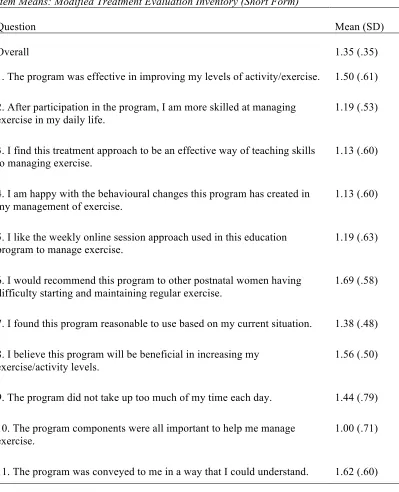
Treatment Evaluation Inventory – Short Form. As noted above, a modified version of the TEI-SF (Kelley et al., 1989) was used to measure the acceptability of the pilot study. The inventory included 11 items and response options ranged from -2
(strongly disagree) to +2 (strongly agree). Example items included, “The program was
effective in improving my levels of activity/exercise”; “I am happy with the behavioural
changes this program has created in my management of exercise”; and, “I like the weekly
online session approach used in this education program to manage exercise”. Each
participant’s mean inventory value was used to calculate an overall mean for the inventory.
Focus Groups. In order to gain insight into participants’ subjective experiences of
the intervention, focus group sessions were conducted post-intervention at both study sites. Specifically, the purpose of conducting the focus groups was to ascertain information about intervention acceptability (e.g., satisfaction with individual
intervention components) and barriers to exercise participation. Qualitative responses from the focus group sessions were intended to complement the quantitative acceptability data and allow for a deeper understanding of the acceptability of the intervention from the participants’ perspective. The semi-structured focus group interview guide was created by the research team and included questions designed to elicit discussion about the experience of the intervention and its components. First, general questions were posed about the participants’ experience of the intervention to promote a synergistic discussion among participants. Following the general discussion, participants were asked to provide feedback specific to the intervention components. Examples included: “What aspects of
the weekly fitness class did you enjoy or not like?” and “What were the most helpful
aspects of the weekly video sessions for you in understanding the actions that you could
take to increase your physical activity?” The focus group sessions concluded with an
Two focus groups were conducted, one at each intervention site; a setting that was familiar to participants. Participants sat in circle formation atop exercise equipment that had been used in the intervention sessions. One member of the research team acted as the moderator and another as the assistant moderator who was responsible for
audio-recording the session and audio-recording field notes. Focus groups were held at the same time as the weekly exercise classes one week following the last class. All participants attended the focus groups (i.e., n = 9, n = 8).
Procedure. Western University’s institutional health research ethics board
approved the study protocol. Upon hearing about the study, participants contacted the principal investigator by phone or e-mail, indicating their interest. Interested participants were then asked to complete the eligibility screening questionnaire online via a secure website. Individuals who did not meet study eligibility criteria were informed via e-mail and thanked for their interest. Eligible individuals were given the opportunity to select the preferred YMCA location (i.e., most convenient location) and were subsequently
assigned to that study site.
One week prior to the study start date, eligible women were invited to an orientation session at their study-specific YMCA location with the other participants from their site. At the orientation session, women engaged in the informed consent process with a member of the research team (see Appendix C for the Letter of
The group-based physical activity program consisted of one 45-minute group exercise class offered each week at both YMCA locations for eight weeks. Each exercise class was led by a certified instructor at the YMCA and was conducted in an interval-style format that included a cardiovascular warm-up, strength training components, and a cool down period. The instructors were trained in evidence-based group dynamics principles (Burke et al., 2006) by a member of the research team to foster cohesion during the exercise classes. Both instructors were also mothers themselves. The sessions were designed to be progressive in terms of difficulty (i.e., start easier and become increasingly difficult over the course of the intervention) as the exercise classes were designed for physically inactive postnatal women. Childcare was provided by the YMCA’s Child Minding program for all participants at no cost. In addition, participants were given a free membership to access the YMCA at any time within operating hours during the intervention. Participants had access to all areas of the YMCA including group exercise classes, cardiovascular and weight training machines, the track, swimming pool, and childcare. The group-based physical activity program was paired with a SCT-based behavioural skills training program delivered via an online platform.
The Move More Mommy website included: (1) a home page with a weekly
motivational quote: (2) a weekly motivational and behavioural skills training video; (3) a goal setting calendar; (4) a self-monitoring calendar; and (5) a discussion board.
Participants were asked to log on to the website each week a minimum of one time. Participants were asked to watch the weekly video, record a thought related to the video topic on the discussion board, and plan and track their physical activity for the week using the online calendar.
member of the research team created these videos as PowerPoint slideshows with a voiceover. The purpose of these sessions was to have participants learn and practice one cognitive-behavioural technique, such as “goal setting” or “overcoming barriers”, each week. The weekly video: a) described the technique in detail; and, b) instructed participants on how they could practice the technique in the upcoming week. As mentioned, participants watched the pre-intervention video at the orientation session where they were introduced to the intervention and asked to introduce themselves to other participants on the discussion board.
Video session 1 introduced the concept of goal setting and making action plans. The goal setting calendar was a feature of the website that the participants were asked to use on a weekly basis. The topic for video session 2 was self-monitoring (keeping track) and introduced participants to the physical activity journal feature of the website where they were asked to log their physical activity behaviours each week. The website also provided visual feedback to participants by displaying a figure that represented
discrepancies between planned and actual physical activity behaviour each week. This figure was updated each time the participant entered a new activity into the goal setting or self-monitoring calendars. Video session 3 introduced the concept of the group, in which it was emphasized that group efforts towards a common goal is an effective means of meeting and maintaining individual physical activity goals (Burke et al., 2006).
Participants were asked to set a group goal for total physical activity minutes for the week. This was done using the online discussion board. A group total was calculated by an algorithm on the website and displayed on the home page. The topic of video session 4
was reinforcement andrewards. This session demonstrated the importance of
acknowledging individual successes and rewarding oneself for goal attainment.
coping with barriers such as a sick or fussy baby were highlighted as a means of planning for and meeting physical activity intentions. In video session 6, social support was introduced as a facilitator for meeting physical activity goals. Participants were asked to identify individuals in their lives who exerted positive and negative influences over their physical activity behaviours. The focus of video session 7 was the development and implementation of strategies to prevent relapse back to a physically inactive lifestyle. The purpose of video session 8 was to introduce participants to strategies that would facilitate the maintenance of this new physically active lifestyle as the intervention came to an end. A detailed description of the objectives and content of each online video session can be found in Appendix E.
The goal setting component of the intervention was integrated into an online scheduling calendar. Participants could log onto the website and enter planned physical activity as often as they wanted to, but were asked to do so once each week. Participants selected the intensity of physical activity (i.e., light, moderate, vigorous), type of physical activity (i.e. walk, interval training, etc.), and the day and time (duration) that they would do this activity for. Participants were able to refer to the goal setting calendar throughout the various pages of the website for their reference.
The self-monitoring component of the intervention was designed such that participants could enter completed physical activity sessions into a calendar. Similar to the goal setting calendar, participants selected the intensity, type, and duration of physical activity. Participants could only plan exercise sessions in the future, and track exercise sessions on dates/times that had already passed. Participants were able to log this
information as often as they desired. Physical activity logs were saved on the website and a number was generated to indicate the attainment or discrepancy between planned and actual physical activity behaviour each week.
study site. Participants could log on and post on the discussion board in relation to the weekly video or for any other reason. For example, one participant posted that she planned to attend a yoga class with another participant, displaying the use of social support and goal setting techniques for physical activity behaviour change.
Participants received a summary of the weekly session via e-mail every Sunday night of the 8-week intervention. The summary included an overview of the weekly video session that served as a reminder to log onto the website and engage in the session.
Data Analysis. All quantitative data were imported into SPSS Statistics (version
21, SPSS Inc., Chicago) from the secure online survey website and the Move More
Mommy website. The data set was explored for any missing values. Descriptive statistics
including frequencies and/or means were calculated, as appropriate. To determine if there were any significant participant differences at baseline by intervention site, demographic data were compared using a one-way analysis of variance (AVOVA). Descriptive results were reported for attendance, website usage, and intervention acceptability.
Content analysis was conducted on all qualitative focus group data (Miles & Huberman, 1994; Patton, 2002) using both deductive and inductive approaches to inform intervention feasibility and acceptability. Firstly, two researchers independently reviewed focus group transcripts for ideas relating to overall intervention acceptability (e.g.,
deductive; satisfaction with each specific intervention component). Qualitative responses addressing acceptability were first coded using a deductive approach according to
2.3 Results
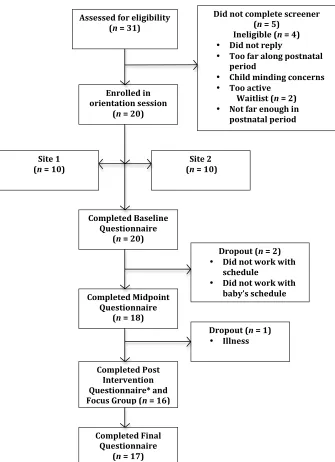
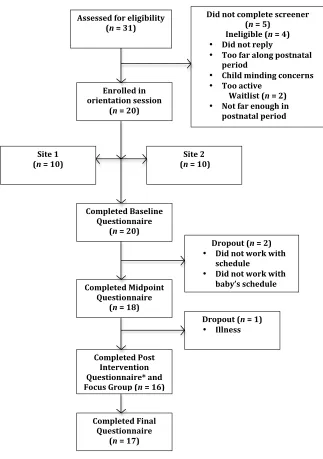
Participants. Thirty-one women expressed interest in participating in Move More
Mommy and were invited to complete the online eligibility-screening questionnaire. Five
participants did not complete the screening tool and four did not meet eligibility criteria. Reasons for ineligibility included being too far along in the postnatal period, child minding concerns, and being too physically active. Two participants were added to the waitlist for a subsequent randomized controlled trial (RCT), as they were not yet far enough into the postnatal period to safely engage in a physical activity program (i.e., less than 6 weeks). Thus, a total of twenty participants enrolled in the intervention and
Figure 2: Participant Flow
! ! ! !
*includes)Treatment)Evaluation)Inventory)(Short)Form)! Enrolled(in( orientation(session(
(n(=(20)(
Did(not(complete(screener(( (n(=(5)(
Ineligible((n(=(4)( • Did(not(reply(
• Too(far(along(postnatal( period(
• Child(minding(concerns( • Too(active(
Waitlist((n"=(2)( • Not(far(enough(in( postnatal(period(
(
Completed(Baseline( Questionnaire((
(n(=(20)(
Completed(Midpoint( Questionnaire((
(n"=(18)(
Completed(Post( Intervention( Questionnaire*(and( Focus(Group((n(=(16)(
( WHY(DROPOUT?( ( ( ( Site(1((
(n(=(10)( ((nSite(2((=(10)(
Dropout((n(=(2)( • Did(not(work(with(
schedule(
• Did(not(work(with( baby’s(schedule(
Dropout((n(=(1)( • Illness((
Completed(Final( Questionnaire((
(n"=(17)( ( *((
( (
Table 2 contains the demographic characteristics of the sample. Participants were 17 postnatal women between the ages of 26 and 39 years (M = 31.88, SD = 3.3). The participants were, on average, 22.41 weeks postnatal at baseline. For 59% of the sample, this postnatal period followed the birth of their first child (i.e., primiparous), whereas the remainder of the sample had at least one other child (i.e., multiparous). The majority of participants were married (94%), Caucasian (94%), and well educated (94% with more than a high school diploma). There were no significant differences between women in the two intervention site groups at baseline on all demographic variables.
Results. Missing data occurred when a participant did not complete questions
from a particular scale, and were dealt with based on recommendations from Tabachnik and Fidell (2013). Between-scale means were used to replace entire scales that were not completed by individual participants; a mean score from each question was calculated based on other participant responses and was used to replace the missing value. There was one missing scale in the data set (i.e., 6% of cases), as one participant did not complete the TEI-SF (Kelley et al., 1989) at post intervention. Aside from this, there were no missing values throughout.
Feasibility. Participants were asked to attend 8 weekly group exercise classes at
the YMCA. On average, participants (n = 17) attended 6.85 classes over the 8-week intervention (SD = 1.07), or 86% of the entire face-to-face intervention. A one-way ANOVA revealed a significant difference in attendance between sites [F(1, 15) = 11.57,
p = 0.04,]. Attendance was slightly higher at site 1, where participants attended a mean of 7.5 classes (SD = 0.43) over the 8-week period. At site 2, participants attended a mean of 6.12 classes (SD = 1.12) over the study period.
As noted above, participants were asked in the focus group sessions about their perceived barriers to participating in the group-based exercise classes. The most