OPEN A
CCE
SS
JZ
AR R
esearch article
OPEN A
CCE
SS
Body condition scores of European zoo elephants (
Elephas maximus
and Loxodonta africana
): Status quo and influencing factors
Christian Schiffmann1,2, Marcus Clauss1, Prithiviraj Fernando3, Jennifer Pastorini3,4, Paulin Wendler1, Nicolas Ertl1, Stefan Hoby5,6, Jean-Michel Hatt1
1Clinic for Zoo Animals, Exotic Pets and Wildlife, Vetsuisse Faculty, University of Zurich, Switzerland 2Elefantenhof Platschow, Germany
3Centre for Conservation and Research, Kodigahawewa, Julpallama, Tissamaharama, Sri Lanka 4Anthropologisches Institut, Universität Zürich, Switzerland
5Zoologischer Garten Basel, Switzerland
6Tierpark Bern, Tierparkweg 1, 3005 Bern, Switzerland
Correspondence: Christian Schiffmann, [email protected]
Keywords: body condition scoring, zoo elephants
Article history: Received: 05 Jan 2018 Accepted: 19 Jun 2018
Published online: 31 Jul 2018
Abstract
Obesity is a common problem in captive elephants. Therefore, physical state monitoring presents a critical aspect in preventive elephant healthcare. Some institutions lack the equipment to weigh elephants regularly, so body condition scoring (BCS) is a valuable alternative tool. As yet, the BCS of both elephant species has not been assessed comprehensively for the European captive population. Using a previously validated visual BCS protocol, we assessed 192 African (Loxodonta africana) and 326 Asian elephants (Elephas maximus) living in European zoos (97% of the living European elephant population). The majority of elephants scored in the upper categories with 56% of adults assessed in the range 7–10 out of 10. Adult Asian elephants had significantly lower BCS (males: mean 6.2 ± 1.0, median 6.0, range 4–8; females: mean 6.6 ± 1.3, median 6.0, range 3–9) than African elephants (males: mean 6.7 ± 0.7, median 6.0, range 6–8; females: mean 6.9 ± 1.2, median 6.0, range 1–9). Comparison with samples of free-ranging populations (163 Asian elephants and 121 African elephants) revealed significantly lower scores in free-ranging elephants independent of species, age and sex category. Compared to previous reports from captive populations, the European zoo elephant population is nevertheless less obese. In adult Asian elephant females, BCS was significantly correlated to their breeding status with lower scores in current breeders; however, breeding status was also correlated to group size, enclosure size, and a diet with less vegetables. Further attention to zoo elephant weight management is recommended with regular longitudinal monitoring by body condition scoring.
Introduction
Because of their body size, intelligence, importance to the public and conservation status, captive management of African (Loxodonta africana) and Asian elephants (Elephas maximus) is challenging. Optimising nutritional intake for elephants in captivity can be problematic, and several reports have highlighted the problems of feeding regimes and found obesity to be common (Harris et al. 2008; Hatt and Clauss 2006; Morfeld et al. 2016). Weight management is therefore an important focus for good elephant husbandry, and body weight monitoring an important part of preventative medicine. However, the sheer size and expense of the required technical
equipment means regular weight monitoring might not be feasible for many elephant-keeping zoos. Visual body condition scoring (BCS) is considered a useful method to reliably assess zoo animals including elephants (reviewed in Schiffmann et al. 2017), although none of these have defined an ideal score range with regards to health.
al. 2011), living conditions (Morfeld et al. 2014; Wijeyamohan et al. 2015), season (Albl 1971; De Klerk 2009; Foley et al. 2001; Pinter-Wollman et al. 2009; Pokharel et al. 2017; Ramesh et al. 2011; Ranjeewa et al. 2018), husbandry parameters (Harris et al. 2008; Morfeld et al. 2016), reproductive status such as lactation (De Klerk 2009), faecal glucocorticoid metabolites (Pokharel et al. 2017), history of translocation (Pinter-Wollman et al. 2009) and duration of musth (Poole 1989; Somgird et al. 2016b). More extended information on previous research on elephant body condition scoring is compiled in Supplement 1 (Table S1 and S2).
In general, values in the middle range of an index are considered ideal with reference to the protocols in pets and farm animals (Santarossa et al. 2017). Based on these assumptions, a high percentage of zoo elephants in the UK and North America have been evaluated as overweight or obese (Harris et al. 2008; Morfeld et al. 2016). Morfeld et al. (2016) conducted an extensive review of the North American zoo elephant population (240 elephants in 65 institutions). However, apart from Harris´ (2008) welfare evaluation of the entire UK zoo elephant population (n=70), no study has applied a BCS index to a substantial sample size in European captive elephants, which consists of about 500 individuals (Schwammer and Fruehwirth 2015; van Wees and Damen 2016). The aim of the present study was to establish a population-wide overview of elephant body condition in these 500 animals and to perform a comparison to two free-ranging populations.
Material and methods
In January 2016, 189 African and 294 Asian elephants were included in the European endangered species program (EEP) studbooks for the European zoo elephant population. The studbook for the Asian species provides a list of 51 elephants that do not participate in the EEP. A corresponding list does not exist for the African elephant, although several individuals not recorded in the EEP are known to live in European zoos, resulting in a total of 534 individual elephants considered in our study.
Life history and husbandry data collection
Basic life history data of the individual elephants were taken from the current compilations in the EEP-studbooks at the end of March 2017 with subsequent data analysis until November 2017. Additionally, information concerning management system, enclosure sizes, diet composition, feeding regime, weight documentation and reproductive status were collected by interviewing staff members (veterinarians, curators and keepers) during visits on site or by questionnaire via mail or phone.
Body condition scoring
We used one standardised photograph showing the elephant in side profile as basis for the scoring, as for other recent scoring protocols (Fernando et al. 2009; Morfeld et al. 2014; Morfeld et al. 2016; Wijeyamohan et al. 2015). Pictures of European zoo elephants were taken while visiting facilities on site, and facilities
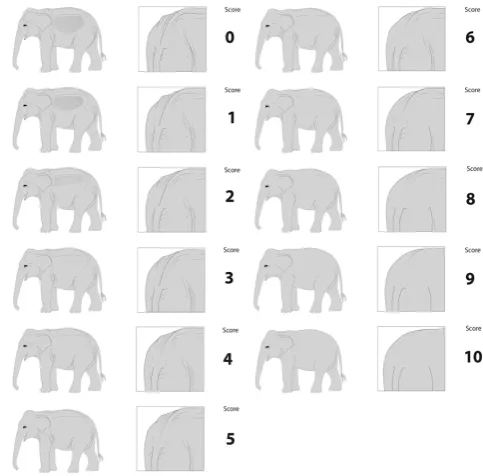
Figure 1. Example drawings used for body condition scoring of African
in which a personal visit was not feasible were contacted by mail or phone and asked to provide current photographs of their individual elephants. To be included in the study, a pictorial document had to fulfill the following criteria: i) datable to a month (where an accurate date was missing, the 1st day of the month was recorded); ii) clearly identifiable individual; iii) sufficient recognition of the relevant body regions (backbone, pelvic bone, ribs, skin fold on the base of the tail); iv) standing or moderate walking body position to allow reliable assessment; and v) adequate resolution of the photograph, based on recognition of the generic wrinkles on the skin surface of the elephant, absence of distinct patterns of shade or large amounts of hay, straw or other substrates on the back of the elephant.
To assign a consistent BCS to every photograph we combined species-specific indices in an overview following Schiffmann et al. (2017) (for African elephants from Morfeld et al. 2014; for Asian elephants from Fernando et al. 2009, Wijeyamohan et al. 2015 and Morfeld et al. 2016). Recent work has suggested scoring may reach a higher reproducibility and repeatability by using example drawings as opposed to pictures (Vieira et al. 2015). Therefore, we had exemplar drawings made for every score and each species that showed elephants in side profile and from behind (Figures 1 and 2). The focus was laid on the visibility of indicated bone structures of the lumbar region, which have been shown to correlate best with the amount of body fat in elephants (Albl 1971; Morfeld et al. 2014; Morfeld et al. 2016). In addition, the overall appearance of the elephant was taken into account and was considered more
important than single characteristics (e.g. visibility of ribs or edges of the scapula), following the findings of Schiffmann et al. (2017). Elephant pictures were scored independently of age and sex by the first author, using the technical size of the picture to generate a random order to reduce observer bias. To check the method for intra-examiner agreement, a random sample (n=500) of pictures was evaluated twice and scores compared.
Collection of pictorial samples from free-ranging populations
We collected a sample of photographs from both species from the wild. For the Asian elephant, 163 photographs of the Yala National Park (Sri Lanka; 6° 16´N, 81° 20´ E) population taken randomly between 2006 and 2014 were scored. The individually pictured elephants were grouped into the following age and sex categories: calves (<5 years), juveniles (5–15 years), adult females (>15 years) and adult males (>15 years). We defined the applied categories on various age class systems for both elephant species (Arivazhagan and Sukumar 2008; Moss 2001; Pokharel et al. 2017). This sample consisted of 51 calves, 32 juveniles, 50 adult females and 30 adult males. For the African species, 121 photographs of the Amboseli National Park (Kenya; 2° 38´S, 37° 14´ E) population taken randomly between 2001 and 2016 were scored. This sample consisted of 29 calves, 28 juveniles, 40 adult females and 27 adult males. Both samples were balanced regarding age and sex category. We were unable to assess season for either free-ranging population, although seasonal changes in body condition do occur (De Klerk 2009; Foley et al. 2001; Ramesh et al. 2011; Ranjeewa et al. 2018).
Age/sex
category N Score range Average ±SD Median First quartile Third quartile Calves (<5 years)**
Zoo 12 6–8 7.15±0.69 7.00 7.00 8.00
free-ranging 29 5–8 6.39±0.79 6.00 6.00 7.00 Juveniles (5–15 years)**
Zoo 48 5–8 6.45±0.71 6.00 6.00 7.00
free-ranging 28 5–8 5.89±0.74 6.00 5.00 6.00 Adult females (>15 years)***
Zoo 108 1–9 6.90±1.19 7.00 6.00 8.00
free-ranging 40 5–8 6.03±0.85 6.00 5.00 6.75 Adult males (>15 years)(*)
Zoo 21 6–8 6.67±0.75 7.00 6.00 7.00
free-ranging 27 5–8 6.33±0.83 6.00 6.00 7.00
Age/sex
category N Score range Average ±SD Median First quartile Third quartile Calves (<5 years)***
Zoo 49 4–9 6.59±0.98 7.00 6.00 7.00
free-ranging 51 3–7 5.39±0.92 5.00 5.00 6.00 Juveniles (5–15 years)***
Zoo 69 5–9 6.72±1.16 7.00 6.00 7.00
free-ranging 32 3–7 5.25±0.89 5.00 4.75 6.00 Adult females (>15 years)***
Zoo 179 3–9 6.58±1.29 7.00 6.00 7.00
free-ranging 50 3–7 5.30±1.02 5.00 5.00 6.00 Adult males (>15 years)*
Zoo 29 4–8 6.21±0.98 6.00 6.00 7.00
free-ranging 30 2–7 5.53±1.04 6.00 5.00 6.00
Table 1. Body condition scores of the African elephant (Loxodonta africana) population in European zoos and a sample of their free-ranging counterparts in Amboseli National Park, Kenya
Table 2. Body condition scores of the Asian elephant (Elephas maximus) population in European zoos and a sample of their free-ranging counterparts in Yala National Park, Sri Lanka
Significant difference (U-test): *** P<0.001, ** P<0.01, * P<0.05; (*):
Comparison with literature data
Due to the differences in the BCS systems used in the literature, absolute scores were not directly comparable: for example, in a system with a score range of 1–5, a BCS of 5 indicates obesity, whereas it would indicate an intermediate state in a system with a score range from 1–10. In order to put our results into a comparative perspective, we compared our data (BCS range 0–10) to the data of Morfeld et al. (2016) (BCS range 1–5), equating our scores of 9–10 to their score of 5, our scores of 7–8 to their score of 4, etc. Additionally, we calculated a standardised score by expressing the mean or median score reported in publications as a proportion of the total score range, adjusting the range so that higher values indicate obesity. Thus, for example, a standardised score of 0.8 would indicate that the mean/median score was in the last (upper) quartile of the score range.
Statistical analysis
Body condition scores are non-parametric data by definition, and therefore, data should be represented by medians and quartiles; however, following recent convention (Chusyd et al. 2018; De Klerk 2009; Foley et al. 2001; Godagama et al. 1998; Harris et al. 2008; Kumar et al. 2014; Morfeld and Brown 2016; Morfeld et al. 2014; Morfeld et al. 2016; Ranjeewa et al. 2018; Somgird et al. 2016b; Wemmer et al. 2006), we additionally report means and standard deviations. To compare BCS of different groups, the
Mann-Whitney U test was used. Correlations with quantitative measures were assessed by Spearman’s correlation coefficient. This was done for the following parameters: age [years], group size [number of elephants sharing area], amount [all diet amounts are in estimated dry matter] concentrate fed [kg/day], amount bread fed [kg/day], amount fruit fed [kg/day], amount vegetables fed [kg/day], total amount fed (excluding roughage) [kg/day], feeding frequency [feedings/day], feeding enrichment [amount of different devices], amount training [minutes/day], enclosure area indoors [m2], outdoors [m2] and total enclosure area [m2]. More comprehensive evaluation was only performed in Asian elephant females, in which a variety of individual factors were correlated with the BCS; in this case, non-parametric correlations between the significant factors were analysed, and a General Linear Model was performed using ranked data. Statistical procedures were performed in SPSS 23.0.0 (IBM Corp., Armonk, NY), with the significance level set to 0.05.
Results
Collection of pictorial documents
mail, 192 African and 326 Asian elephants of European zoos were included in this study. This sample consisted mainly of elephants participating in the EEP´s (470/518; 91%), but elephants of non-member facilities (48/518; 9%) were included as well.
Life history data collection
Documentation and availability of life history and husbandry data varied considerably between institutions. As expected, comprehensive husbandry data were received only during on-site visits. Forty of the 64 vion-sited facilities had a scale to weigh their elephants, and 35 of them conducted weight monitoring on a regular basis. Seven institutions had established body-condition scoring protocols, but only four of these zoos documented body scores with photos. While some facilities applied individual diet sheets for each elephant, others did not have any written document at all and it was up to the keepers how much of which ingredient was fed. Most institutions had some guidelines, which could be adapted by the keepers. Females were monitored much more closely for reproductive status than males, and most facilities used hormonal monitoring via urine or fecal testing. Only two institutions were found to accurately document musth behavior in their males. Investigation of potential correlation patterns between BCS and specific pathologies was not possible due to the diversity in the extent of available medical records.
Data analysis and check for repeatability
The intra-observer agreement generated identical scores in 366 cases (366/500; 73.2%) and a variance by 1 score in 132 cases (132/500; 26.4%). Thus, the repeatability in the range of maximally 1 scoring point was given in 99.6% of the pictures, which was considered acceptable for a protocol with a scoring range from 0 to 10.
Statistical analysis
Body condition scores, their distribution for the European zoo elephant population as well as both free-ranging samples are compiled in Tables 1 and 2 and Figures 3 and 4. Compared to their free-ranging counterparts, elephants kept in European zoos showed significantly higher scores (P<0.05). This was valid for all sex and age categories with the exception of adult African elephant males, in which the difference was marginally below the level of significance (P=0.054).
median: 7.00, range: 5–9 vs. African mean: 6.45±0.71, median: 6.00, range 5–8; P=0.061). Within species, there was no significant difference in BCS according to management system or the origin of elephants (wild caught vs. captive born) for any of the species/ age groups. There were no significant differences between male and female adults within either species (data not shown). In neither species did scores differ between females that were cycling, pregnant, lactating or non-cycling. Additionally, we found
no correlation between lactation status and BCS (data not shown). Breeding and non-breeding males of either species did not differ in BCS. However, in Asian adult females, currently breeding females (defined as having at least one offspring during the past 5 years or being currently pregnant) had significantly lower BCS (n=44, mean: 6.18±1.33, median: 6.00, range 3–9) than non-breeding females (n=108, mean: 6.71±1.25, median: 7.00, range 3–9; P=0.021). No such difference was observed in African females
Parameter
tested Calves (<5 years) Juveniles (5–15 years) Adult females (>15 years) Adult males (>15 years) Age [years] R=0.14 ;
P=0.660; n=13 R=-0.10; P=0.487; n=49 R=-0.00; P=0.968; n=108 R=0.19; P=0.410; n=22 Group size [n elephants sharing area] n.a. R=-0.09; P=0.715; n=20 R=-0.16; P=0.104; n=108 n.a. Amount concentrate [kg*day] n.a. R=-0.12; P=0.535; n=31 R=0.12; P=0.389; n=58 R=0.22; P=0.443 n=14 Amount bread [kg*/ day] n.a. R=-0.18; P=0.339; n=31 R=-0.27; P=0.042; n=58 R=-0.16; P=0.593; n=14 Amount fruit
[kg*/day] n.a. R=0.34; P=0.061; n=32 R=-0.02; P=0.899; n=58 R=0.33; P=0.250; n=14 Amount vegetables [kg*/day] n.a. R=0.21; P=0.255; n=32 R=0.13; P=0.334; n=58 R=0.10; P=0.733; n=14 Total amount diet (excluding roughage) [kg*/day] n.a. R=-0.01; P=0.956; n=32 R=0.12; P=0.382; n=58 R=0.17; P=0.574; n=14 Feeding frequency [feedings/ day] n.a. R=-0.23; P=0.258; n=27 R=-0.26; P=0.051; n=56 R=-0.35; P=0.266; n=12 Feeding enrichment [amount of different devices] n.a. R=0.03; P=0.874; n=32 R=-0.20; P=0.117; n=64 R=-0.57; P=0.034; n=14 Amount training [minutes/ day] n.a. R=-0.25; P=0.188; n=30 R=-0.06; P=0.632; n=61 R=0.34; P=0.250; n=13 Enclosure area indoors [m2] n.a. R=0.45; P=0.041; n=21 R=-0.10; P=0.453; n=61 R=-0.13; P=0.697; n=11 Enclosure area outdoors [m2] n.a. R=0.13; P=0.477; n=33 R=0.02; P=0.891; n=73 R=-0.19; P=0.502; n=15 Total enclosure area [m2] n.a. R=0.20; P=0.405; n=20 R=0.03; P=0.841; n=57 R=-0.16; P=0.635; n=11 n.a.=not analyzed (n too low); in bold: significant correlations (P<0.05); * estimated dry matter
Table 3. Nonparametric correlation of husbandry parameters with body condition in African elephants (Loxodonta africana) kept in European zoos
Parameter
tested Calves (<5 years) Juveniles (5–15 years) Adult females (>15 years) Adult males (>15 years)
Age [years] R=0.32; P=0.024; n=49 R=-0.22; P=0.073; n=69 R=0.09; P=0.258; n=179 R=-0.19; P=0.318; n=29 Group size [n elephants sharing area] n.a. R=-0.56; P=0.002; n=28 R=-0.22; P=0.003; n=179 n.a. Amount concentrate [kg*/day] R=-0.12; P=0.649; n=17 R=0.01; P=0.915; n=63 R=0.08; P=0.337; n=135 R=0.15; P=0.495; n=23 Amount bread
[kg*/day] R=0.11; P=0.674; n=17 R=0.06; P=0.629; n =63 R=-0.06; P=0.491; n=140 R=-0.07; P=0.754; n=24 Amount fruit
[kg*/day] R=0.29; P=0.259; n=17 R=0.386; P=0.002; n=63 R=0.10; P=0.239; n=139 R=0.44; P=0.032; n=24 Amount vegetables [kg*/day] R=-0.11; P=0.672; n=17 R=0.07; P=0.623; n=60 R=0.20; P=0.018; n=139 R=0.47; P=0.023; n=23 Total amount diet (excluding roughage) [kg*/day] R=0.04; P=0.871; n=17 R=0.09; P=0.489; n=63 R=0.07; P=0.428; n=141 R=0.32; P=0.122; n=24 Feeding frequency [feedings/ day] R=0.52; P=0.029; n=18 R=0.28; P=0.058; n=48 R=0.03; P=0.771; n=78 R=0.36; P=0.166; n=16 Feeding enrichment [amount of different devices] R=0.31; P=0.177; n=21 R=0.34; P=0.018; n=49 R=-0.05; P=0.587; n=102 R=-0.17; P=0.492; n=19 Amount training [minutes/day] R=-0.17; P=0.467; n=20 R=0.05; P=0.762; n=43 R=-0.12; P=0.255; n=93 R=0.37; P=0.136; n=18 Enclosure area indoors [m2] R=0.08; P=0.742; n=21 R=0.05; P=0.679; n=62 R=-0.24; P=0.002; n=161 R=-0.24; P=0.243; n=26 Enclosure area outdoors [m2] R=-0.11; P=0.620; n=23 R=-0.18; P=0.155; n=67 R=-0.23; P=0.003; n=165 R=0.01; P=0.955; n=28 Total enclosure area [m2] R=-0.12; P=0.603; n=22 R=-0.13; P=0.317; n=62 R=-0.27; P=0.001; n=161 R=-0.02; P=0.949; n=26 in bold: significant correlations (P < 0.05); *:estimated dry matter
(P=0.619). Similarly, adult Asian females living in a breeding group had significantly lower BCS (n=98, mean: 6.39±1.31, median: 6.00, range: 3–9; P=0.022) than those not living in a breeding group (n=81, mean: 6.82±1.25, median: 7.00, range 4–9). Again, no such difference was evident in African females (P=0.941), or juveniles of either species. There were neither significant differences between non-breeders and previous breeders, nor between current and
previous breeders, and there was no significant difference in any group depending on whether animals were weighed or BCS was applied regularly or not (data not shown). Results of non-parametric correlation tests between BCS and husbandry parameters are presented in Tables 3 and 4. For the African species, BCS in juveniles was positively correlated with indoor area, while for adult females and males, there was a significant
Morfeld et al. (2016) North American population Present study European population (mean age: 31.1 ± 13.7 years) (mean age: 34.9 ± 11.3 years)
African elephant (n=132) Asian elephant (n=108) Total African elephant (n=130) Asian elephant (n=218) Total Scoring
range: 1-5 Femalen=106 Malen=26 Femalen=85 n=23Male n=240 Scoring range: 0-10 Femalen=108 n=22Male n=179Female Malen=39 n=348
Score Percentage Score Percentage
1 0 0 2.3 0 0.8 0-2 0.9 0 0 0 0.3
2 0 3.8 5.9 8.7 3.3 3-4 0.9 0 6.1 2.6 3.7
3 21.7 38.5 16.5 26.1 22.1 5-6 32.4 45.5 39.1 46.2 38.2 4 45.3 50.0 27.1 47.8 39.6 7-8 64.8 54.5 49.1 25.6 51.7
5 33.0 7.7 48.2 17.4 34.2 9-10 0.9 0 5.6 25.6 6.0
Table 5. Comparison of body condition score distribution in recent population-wide assessments of North American and European zoo elephants
Living
conditions n Investigated sex/age categories [years] ± SD Standardized average score (average score/scoring range)
Correlating Parameters Reference
free-ranging 240 all ages of both sexes - season Albl (1971) free-ranging 22 adult males only - stage of musth Poole (1989) free-ranging not indicated reproductively active females
only 0.56-0.80 (mean) season Foley et al. (2001) free-ranging 4-107 (depending on
season and category) all age classes females only 0.40-0.70 (mean) season, nutritional resources, lactation De Klerk (2009) free-ranging 544 adults only - season, sex, history of
translocation Pinter-Wollman et al. (2009) free-ranging 57 females only (10-45 years) 0.60 (median) - Morfeld et
al. (2014) free-ranging 124 all age classes of both sexes 0.56 (mean); 0.55 (median) - this study semi-captivea 7 juveniles of both sexes ; 10.7
± 2.8 0.83 (mean and median) - Velthuizen (2008) captiveb not indicated all age classes of both sexes 0.60 (mean) handling method Harris et al.
(2008) captivec 50 females only (10-45 years) 0.80 (median) captivity Morfeld et
al. (2014) captivec 132 both sexes, age not separately
indicated for species 0.80 (mean and median) sex, walking exercise, feeding schedule & methods Morfeld et al. (2016) captivec 20 females; 34.75 ± 8.17 0.77 (mean); 0.80 (median) age, body mass, fat mass Chusyd et al.
(2018) captived 189 adults of both sexes; 30.7 ± 8.4 0.62 (mean); 0.64 (median) - this study
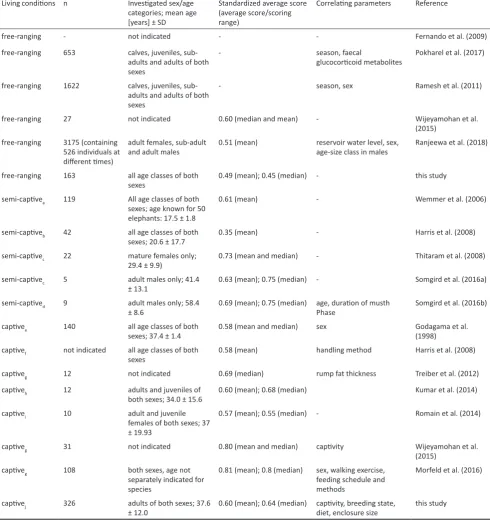
Table 6. Overview of research conducted on body condition scoring in African elephants (Loxodonta africana)
negative correlation of BCS with the amount of bread in the diet and the amount of feeding enrichment provided, respectively. In the Asian species, BCS in calves was positively correlated with age and feeding frequency. Juveniles and adult males showed both a positive correlation between BCS and amount of fruit in the diet, which also occurred for the amount of vegetables in the diet of adult females and males. Body condition scores in adult females were negatively correlated with the size of indoor, outdoor and total area.
Focusing on the various individual factors yielding a significant association with BCS in Asian females, group size was negatively correlated with the amount of vegetables fed (R=−0.50, P<0.001, n=139), and positively with living in a breeding group (R=0.79, P<0.001, n=179), being a breeder (R=0.38, P<0.001, n=179), and total enclosure area (R=0.23, P=0.002, n=179). Similarly, the total enclosure area was negatively correlated with the amount of vegetables fed (R=−0.29, P=0.001, n=136), positively with living in a breeding group (R=0.51, P<0.001, n=161) and positively with
Living conditions n Investigated sex/age categories; mean age [years] ± SD
Standardized average score (average score/scoring range)
Correlating parameters Reference
free-ranging - not indicated - - Fernando et al. (2009) free-ranging 653 calves, juveniles,
sub-adults and sub-adults of both sexes
- season, faecal
glucocorticoid metabolites Pokharel et al. (2017)
free-ranging 1622 calves, juveniles, sub-adults and sub-adults of both sexes
- season, sex Ramesh et al. (2011)
free-ranging 27 not indicated 0.60 (median and mean) - Wijeyamohan et al. (2015)
free-ranging 3175 (containing 526 individuals at different times)
adult females, sub-adult
and adult males 0.51 (mean) reservoir water level, sex, age-size class in males Ranjeewa et al. (2018)
free-ranging 163 all age classes of both
sexes 0.49 (mean); 0.45 (median) - this study semi-captivea 119 All age classes of both
sexes; age known for 50 elephants: 17.5 ± 1.8
0.61 (mean) - Wemmer et al. (2006)
semi-captiveb 42 all age classes of both
sexes; 20.6 ± 17.7 0.35 (mean) - Harris et al. (2008) semi-captivec 22 mature females only;
29.4 ± 9.9) 0.73 (mean and median) - Thitaram et al. (2008) semi-captivec 5 adult males only; 41.4
± 13.1 0.63 (mean); 0.75 (median) - Somgird et al. (2016a) semi-captived 9 adult males only; 58.4
± 8.6 0.69 (mean); 0.75 (median) age, duration of musth Phase Somgird et al. (2016b) captivee 140 all age classes of both
sexes; 37.4 ± 1.4 0.58 (mean and median) sex Godagama et al. (1998) captivef not indicated all age classes of both
sexes 0.58 (mean) handling method Harris et al. (2008) captiveg 12 not indicated 0.69 (median) rump fat thickness Treiber et al. (2012)
captiveh 12 adults and juveniles of
both sexes; 34.0 ± 15.6 0.60 (mean); 0.68 (median) Kumar et al. (2014) captivei 10 adult and juvenile
females of both sexes; 37 ± 19.93
0.57 (mean); 0.55 (median) - Romain et al. (2014)
captiveg 31 not indicated 0.80 (mean and median) captivity Wijeyamohan et al.
(2015) captiveg 108 both sexes, age not
separately indicated for species
0.81 (mean); 0.8 (median) sex, walking exercise, feeding schedule and methods
Morfeld et al. (2016)
captivej 326 adults of both sexes; 37.6
± 12.0 0.60 (mean); 0.64 (median) captivity, breeding state, diet, enclosure size this study
being a breeder (R=0.28, P<0.001, n=161). Using ranked data for BCS, the amount of vegetables fed and total enclosure area, a General Linear Model with BCS as dependent variable, group size, vegetables and area as covariates and living in a breeding group as a cofactor yielded a significant association with (ranked) total enclosure area only (F=11.320, P=0.001), whereas neither group size (F=0.187, P=0.666), the amount of vegetables fed (F=2.636, P=0.107) nor living in a breeding group (F=0.216, P=0.643) were significant.
Discussion
Reflection of our method
Data collection on site resulted in more comprehensive data especially concerning diet composition and management system than data collection via mail contact. Pictures of elephants taken by the author fulfilled the criteria to be included in 100% of the cases, whilst nearly 3.5% (5/150) of elephants for which pictures were received remotely did not pass this selection and were excluded from the study. Thus, elephants living in visited zoos might be overrepresented in our analysis. Ideally each elephant-keeping facility across Europe should have been visited, which was not feasible due to temporal and financial limitations. With
respect to the data on the diets, it needs to be noted that amounts were based on the facilities’ estimates of the amounts fed and not on actually measured intake data.
It can be questioned whether visual body condition scoring allows a reliable assessment of an elephant´s fat storage, because this method cannot consider intraabdominal adipose deposits. A recent study in horses detected a strong positive correlation between BCS and retroperitoneal fat score whilst no association between BCS and mesenteric or epicardial fat was found (Morrison et al. 2017). Whether this assumption is valid for elephants, too, will be hard to prove due to the lack of a method that allows assessment of intraabdominal fat deposits in a non-invasive way.
In order to reach the highest standardisation possible, the formulation of several criteria, which a photograph had to fulfill to be included in the study together with a strict selection process, were of paramount importance. During the scoring process two unexpected cases occurred, which led to the exclusion of further photographs. These were extraordinary hairiness and excessive hyperkeratosis in the lumbar region, prohibiting reliable scoring (Figures 5a and b).
Compared to the generally accepted protocol by Wemmer et al. (2006), our method focused on fewer body regions. However, these areas correlate strongest with subcutaneous measurements respectively serum triglyceride levels as indicators of fat storage in elephants (Albl (1971), Morfeld et al. (2014; 2016).
Individual animals have unique body proportions and fat distributions (Clements and Sanchez 2015), which may influence BCS and complicate comparisons between individuals. This aspect also seems valid in elephants, and consistent scoring was influenced by variance in an elephant´s individual appearance in many cases. This was especially true for elephants with a very voluminous belly or a prominent thoracic spine, where a vigilant effort was required to remain focused on the lumbar region (Figure 5c). Additionally, the visual scoring approach can hardly discriminate subcutaneous fat and well-developed musculature, which became obvious in elephant males (Figure 5d). Awareness of the musculoskeletal anatomy may reduce this limitation but cannot completely eliminate it. For pet species a muscle condition score (MCS) has been developed to be used complementary to body weight and BCS (Michel et al. 2011; Santarossa et al. 2017). Such systems are based on palpation, which would be impractical in elephants due to their size, thick skin and frequent inaccessibility. Nevertheless, we consider the scoring approach applied here to allow a reasonable ranking of animals.
The scoring of elephant calves represented another challenge. As mentioned before, the applied protocols have not been investigated concerning their applicability in sub-adult elephants. To our knowledge, no comparative research has been conducted in this field yet. Wijeyamohan et al. (2015) report their method to be applicable in elephants independent of sex and age, albeit they do not provide any evidence supporting this recommendation. Although our scoring method turned out to be independent of age, and the overall pattern of a difference between free-ranging and captive animals was also reflected in the calf data (Tables 1 and 2), we remain skeptical whether BCS can be meaningfully applied to growing animals. More insight in the validity of visual BCS in calves and juveniles might be gained by the comparison with growth curves. Hence, a long-term scoring approach combined with weight data would be more informative than our cross-sectional approach.
It remains unanswered how overweight, obesity and the ideal condition in elephants should be defined. For their 10-point scale, Wijeyamohan et al. (2015) do not define which score range is ideal. Morfeld et al. (2014; 2016) define score 3 in their 5-point scale as “ideal/normal”, while Treiber et al. (2012) consider a score from 4 to 7 in their 9-point scale preferable. Consequently for the scale applied here ranging from 0 to 10, a BCS between 4 and 6 could be considered ideal. These definitions are only based on the assumption that the middle range of an index represents a preferable condition. It should be noted that our data on free-ranging elephants indeed suggests that a BCS in the middle of the range, or slightly above it, appears to be the “normal” (Tables 6 and 7).
Scores of European zoo elephants
As intended, data collection and consequent scoring led to a comprehensive overview on BCS of the European zoo elephant population. Our goal to evaluate each zoo elephant in Europe
was nearly reached with the evaluation of 97% (518/534). Similar to current results from North America, the majority of European zoo elephants in both species had elevated BCS with 57.7% of the population in the scoring range of 7–10. This percentage is lower compared to the results from North America (73.8%, Table 5).
Relation to findings from previous research
Comparing the average proportions of scoring ranges of individual studies, six studies conducted on African elephants in (semi-) captivity revealed consistently standardised scores of at least 0.6, including three reports with a mean/median of at least 0.8 of the score range. In contrast, research on free-ranging African elephants demonstrated in four out of four cases values of maximally 0.6, with two reports showing higher scores exceptionally during seasons with high primary productivity (De Klerk 2009; Foley et al. 2001). Thus, our findings are in accordance with the literature in reporting higher scores in captive compared to free-ranging African elephants (Table 6).
In nine out of 13 studies investigating Asian elephants in (semi-) captivity, the mean/median BCS was >0.6 of the score range, whereas data on free-ranging Asian elephants reported by Wijeyamohan et al. (2015) and Ranjeewa et al. (2018) had a mean/ median of 0.6 respectively 0.51 and our results do not even reach 0.5 (mean: 0.49 and median: 0.45). Our study thus corroborates findings from the literature with higher scores in captive compared to free-ranging populations of the Asian elephant (Table 7).
For wild elephants, body condition scores are affected by seasonal changes in resource availability (Foley et al. 2001; Pokharel et al. 2017; Ranjeewa et al. 2018; De Klerk 2009). Using a sample originating from one of the most extensively studied and best protected elephant populations across Africa, namely in Amboseli National Park, we tried to prevent an overestimation of the difference between captive and free-ranging conditions. Amboseli elephants do fluctuate in body condition but this environment is much less extreme than other habitats, and score changes in a normal (non-drought) year are considered to be minimal (Amboseli Elephant Project, long term data). Similarly, we used a sample from the long-term studied population in Yala National Park for the Asian species.
to Harris et al. (2008) who reported significantly lower scores for UK zoo elephants managed in free contact. Authors of the latter study do not hypothesise whether this correlation might be caused by staff-directed exercise. In adult Asian elephant females we detected a significant negative correlation of BCS with enclosure size (Table 4). This correlation was not found by Morfeld et al. (2016), but may support the intentions of modern zoos to build larger facilities to further improve elephant welfare. To investigate the influence of such measures in a proper way, a long-term study regarding the development of BCS over time would be more appropriate than our cross-sectional approach applied here. Compilation of comprehensive health data would be important to allow the investigation of potential correlation patterns regarding zoo elephant welfare.
The significantly higher scores found in African elephants compared to their Asian counterparts in European zoos have not been reported yet. Harris et al. (2008) and Morfeld et al. (2016) did not find any difference in BCS between the two elephant species. In contrast to the recent study of the North American zoo population by Morfeld et al. (2016), we could not find any significant correlation between BCS and sex. Neither did differences correlate with reproductive or lactation status. According to findings from previous research in free-ranging populations (Albl 1971; De Klerk 2009; Ramesh et al. 2011), significant differences depending on reproductive and lactation status were expected. Their absence is in accordance with the report from Thitaram et al. (2008) and can be explained by additional nutritional supply of lactating females in captivity, which might cover their increased needs and maintain a stable condition, or the inappropriateness of our cross-sectional study design to detect BCS changes over the course of lactation. On the other hand, we found significantly lower scores in currently breeding adult Asian females compared to non-breeders, and the difference was also significant when all females living in a breeding group (regardless of whether or not the individual animal was breeding) were considered. Such a result would in theory match previous findings in African elephants (Freeman et al. 2009; Morfeld and Brown 2016), black rhinoceros (Diceros bicornis) (Edwards et al. 2015) and Asian greater one-horned rhinoceros (Rhinoceros unicornis) (Heidegger et al. 2016) that females with a higher body condition score have a lower reproductive viability. However, the finding of Freeman et al. (2009) of a positive correlation of a body mass index (kg/m2) used as indicator of physical condition with the risk to be acyclic in captive African elephant females was not corroborated in either species in the present investigation, which is in accordance to the findings of Chusyd et al. (2018). The interrelationships between breeder status, group size, diet and enclosure size in the present study did not allow identifying a simple causation. Leighty et al. (2009) suggested social complexity and breeding to increase walking rates in zoo elephants, which might explain lower BCS in larger groups that breed and have larger enclosures at their disposal. However, enclosure area might be a surrogate measure for the general investment (in terms of various resources) and other management measures that lead to positive effects for elephant BCS.
Although no indicators of health status have been shown to correlate with BCS in captive elephants yet (Miller et al. 2016), foot disorders and degenerative joint disease in (older) elephants should in theory be exacerbated by high BCS, as suggested by Fowler and Mikota (2006). In other species, reduced longevity and life quality of obese individuals is documented, such as orangutans (Pongo spp.) (Cocks 2007), pet dogs (Yam et al. 2016) as well as humans (Samaras and Elrick 2002). Additionally, Heidegger et al. (2016) suggest the occurrence of leiomyomas in captive female greater one-horned rhinos to be linked with obesity; these authors also review some of the pertinent literature for humans.
It would be interesting to assess whether this is also true in Asian elephants that often suffer from uterine leiomyoma (Aupperle et al. 2008; Lueders et al. 2010; Sanchez et al. 2004), and which role a potential gene mutation reported in humans may play (Heinonen et al. 2014).
These considerations lead to the recommendation that regular monitoring of weight and body condition, and the implementation of measures that maintain an intermediate rather than an obese body condition, are important in captive elephants. This is not only important with respect to their health in general, but as well to successful breeding. Although the latter may be heavily influenced by factors like availability of appropriate males and herd constellations (Töffels 2015; Wiese and Willis 2006), we consider monitoring of female elephant´s condition an important cue to increase breeding success, which is in accordance with Freeman et al. (2009). This is especially true for the captive population of African elephants which is not self-sustaining (Schwammer and Fruehwirth 2015; Schwammer and Fruehwirth 2016). In long-lived species such as elephants, long-term monitoring is required to reliably detect factors influencing husbandry success with emphasis on their health and welfare.
In conclusion, validated protocols served as practical tools for population-wide visual body condition scoring of European zoo elephants. In accordance with previous research, zoo elephants of both species had significantly higher BCS compared to samples from free-ranging populations. Compared to current population data from North America, zoo elephants in Europe show a trend towards a more ideal scoring range. A near ideal BCS is an aim to strive for as part of welfare in the husbandry of elephants and as such further improvement regarding the diet are warranted for the captive elephant population. To monitor the influence and effectiveness of such adaptations, visual body condition scoring in a long-term approach might present a reliable tool.
Acknowledgements
We acknowledge all elephant-facilities visited as well as the ones who provided data remotely for their precious support. EAZA, BIAZA and both EEP-coordinators are acknowledged for their endorsement of our project. We wish to thank all the persons providing current photographs from zoo elephants across Europe, especially Jonas Livet, Vincent Manero, Petra Prager and Klaus Rudloff, as well as Dr. Cynthia Moss and the Amboseli Trust for Elephants for providing photographs of free-ranging African elephants, Dr. Vicki Fishlock for very valuable comments on previous versions of the manuscript, Jeanne Peter for example drawings for our scoring protocol, and Zoo Zurich, Zoo Basel and the Karl und Louise Nicolai-Stiftung for funding this research.
References
Albl P. (1971) Studies on assessment of physical condition in African elephants. Biological Conservation 3: 134-140.
Arivazhagan C., Sukumar R. (2008) Constructing age structures of Asian elephant populations: A comparison of two field methods of age estimation. Gajah 29: 11-16.
Aupperle H., Reischauer A., Bach F., Hildebrandt T.B., Göritz F., Scheller R., Klaue H., Schoon H. (2008) Chronic endometritis in an Asian elephant (Elephas maximus). Journal of Zoo and Wildlife Medicine 39: 107-110. Bewley J.M., Peacock A.M., Lewis O., Boyce R.E., Roberts D.J., Coffey M.P.,
Kenyon S.J., Schutz M.M. (2008) Potential for estimation of body condition scores in dairy cattle from digital images. Journal of Dairy Science 91: 3439-3453.
Chusyd D.E., Brown J.L., Hambly C., Johnson M.S., Morfeld K.A., Patki A., Speakman J.R., Allison D.B., Nagy T.R. (2018) Adiposity and reproductive cycling status in zoo African elephants. Obesity 26: 103-110.
Cocks L. (2007) Factors influencing the well-being and longevity of captive female orangutans. International Journal of Primatology 28: 429-440. De Klerk C. (2009) Detecting changes in elephant body condition in relation
to resource quality. South Africa: Nelson Mandela Metropolitan University.
Edwards L.E., Shultz S., Pilgrim M., Walker S.L. (2015). Irregular ovarian activity, body condition and behavioural differences are associated with reproductive success in female eastern black rhinoceros (Diceros
bicornis michaeli). General and Comparative Endocrinology 214:
186-194.
EEG (2017). 35 Jahre Geschützter Kontakt. Elefanten in Zoo und Circus 31: 12-19.
Fernando P., Janaka H.K., Ekanayaka S.K.K., Nishantha H.G., Pastorini J. (2009) A simple method for assessing elephant body condition. Gajah
31: 29-31.
Foley C.A.H., Papageorge S., Wasser S.K. (2001). Noninvasive stress and reproductive measures of social and ecological pressures in free-ranging African elephants. Conservation Biology 15: 1134-1142. Fowler M.E., Mikota S.K. (2006) Biology, Medicine, and Surgery of
Elephants. Iowa, USA: Blackwell Publishing.
Freeman E.W., Guagnano G., Olson D., Keele M., Brown J.L. (2009) Social factors influence ovarian acyclicity in captive African elephants (Loxodonta africana). Zoo Biology 28: 1-15.
Godagama W.K., Wemmer C., Ratnasooriya W.D. (1998) The body condition of Sri Lankan domesticated elephants (Elephas maximus maximus).
Ceylon Journal of Science 26: 1-6.
Harris M., Sherwin C., Harris S. (2008) The welfare, housing and husbandry of elephants in UK zoos. Bristol, UK: University of Bristol.
Hatt J.M., Clauss M. (2006) Feeding Asian and African elephants Elephas
maximus and Loxodonta africana in captivity. International Zoo
Yearbook 40: 88-95.
Heidegger E., von Houwald F., Steck B., Clauss M. (2016) Body condition scoring system for greater one-horned rhino (Rhinoceros unicornis): development and application. Zoo Biology 35: 432-443.
Heinonen H., Sarvilinna N., Sjöberg J., Kämpjärvi K., Pitkänen E., Vahteristo P., Mäkinen N., Aaltonen L.A. (2014) MED 12 mutation frequency in unselected sporadic uterine leiomyomas. Fertility and Sterility 102:
1137-1142.
Holdgate M.R., Meehan C.L., Hogan J.N., Miller L.J., Soltis J., Andrews J., Shepherdson D.J. (2016) Walking behavior of zoo elephants: Associations between GPS-measured daily walking distances and environmental factors, social factors, and welfare indicators. PLoS ONE
11:e0150331.
Joblon M.J., Pokras M.A., Morse B., Harry C.T., Rose K.S., Sharp S.M., Niemeyer M.E., Patchett K.M., Sharp W.B., Moore M.J. (2014) Body condition scoring system for delphinids based on short-beaked common dolphins (Delphinus delphis). Journal of Marine Animals and Their Ecology 7: 5-13.
Kumar V., Reddy V.P., Kokkiligadda A., Shivaji S., Umapathy G. (2014) Non-invasive assessment of reproductive status and stress in captive Asian elephants in three south Indian zoos. General and Comparative Endocrinology 201: 37-44.
Leighty K.A., Soltis J., Wesolek C.M., Savage A., Mellen J., Lehnhardt J. (2009) GPS determination of walking rates in captive African elephants (Loxodonta africana). Zoo Biology 28: 16-28.
Lueders I., Drews B., Niemuller C., Gray C., Rich P., Fickel J., Wibbelt G., Göritz F., Hildebrandt T.B. (2010) Ultrasonographically documented early pregnancy loss in an Asian elephant (Elephas maximus). CSIRO Publishing 22: 1159-1165.
McWilliams M., Wilson J.A. (2015) Home range, body condition, and survival of rehabilitated raccoons (Procyon lotor) during their first winter. Journal of Applied Animal Welfare Science 18: 133-152. Michel K.E., Anderson W., Cupp C., Laflamme D.P. (2011) Correlation of a
feline msucle mass score with body composition determined by dual-energy X-ray absorptiometry. British Journal of Nutrition 106: 857-859. Miller M.A., Hogan J.N., Meehan C.L. (2016) Housing and demographic risk factors impacting foot and musculoskeletal health in African elephants (Loxodonta africana) and Asian elephants (Elephas maximus) in North American zoos. PLoS ONE 11: e0155223.
Morfeld K.A., Brown J.L. (2016) Ovarian acyclicity in zoo African elephants (Loxodonta africana) is associated with high body condition scores and elevated serum insulin and leptin. Reproduction, fertility and Development 28: 640-647.
Morfeld K.A., Lehnhardt J., Alligood C., Bolling J., Brown J.L. (2014) Development of a body condition scoring index for female African elephants validated by ultrasound measurements of subcutaneous fat. PLoS ONE 9: e93802.
Morfeld K.A., Meehan C.L., Hogan J.N., Brown J.L. (2016) Assessment of body condition in African (Loxodonta africana) and Asian (Elephas maximus) elephants in North American zoos and management practices associated with high body condition scores. PLoS ONE
11:0155146.
Morrison P.K., Harris P.A., Maltin C.A., Grove-White D., Argo C.M.G. (2017) EQUIFAT: A novel scoring system for the semi-quantitative evaluation of regional adipose tissues in Equidae. PLoS ONE 12:e0173753. Moss C.J. (2001) The demography of an African elephant (Loxodonta
africana) population in Amboseli, Kenya. Journal of Zoology 255:
145-156.
Pérez-Flores J., Calmé S., Reyna-Hurtado R. (2016) Scoring body condition in wild Baird´s tapir (Tapirus bairdii) using camera traps and opportunistic photographic material. Tropical Conservation 9: 1-12. Pettis H.M., Rolland R.M., Hamilton P.K., Brault S., Knowlton A.R., Kraus
S.D. (2004) Visual health assessment of North Atlantic right whales (Eubalaena glacialis) using photographs. Canadian Journal of Zoology
82: 8-19.
Pinter-Wollman N., Isbell L.A., Hart L.A. (2009) Assessing translocation outcome: Comparing behavioral and physiological aspects of translocated and resident African elephants (Loxodonta africana).
Biological Conservation 142: 1116-1124.
Pokharel S.S., Seshagiri P.B., Sukumar R. (2017) Assessment of season-dependent body condition scores in relation to feacal glucocorticoid metabolites in free-ranging Asian elephants. Conservation Physiology
5: 1-14.
Poole J. (1989) Announcing intent: the aggressive state of musth in African elephants. Animal Behaviour 37: 140-152.
Ramesh T., Sankar K., Qureshi Q., Kalle R. (2011) Assessment of wild Asiatic elephant (Elephas maximus) body condition by simple scoring method in a tropical deciduous forest of Western Ghats, Southern India.
Wildlife Biology Practice 7: 47-54.
Ranjeewa A.D.G., Pastorini J., Isler K., Weerakoon D.K., Kottage H.D., Fernando P. (2018) Decreasing reservoir water levels improve habitat quality for Asian elephants. Mammalian Biology 88: 130-137. Romain S., Angkawanish T., Bampenpol P., Pongsopawijit P.,
Sombatphuthorn P., Nomsiri R., Silva-Fletcher A. (2014) Diet composition, food intake, apparent digestibility, and body condition score of the captive Asian elephant (Elephas maximus): A pilot study in two collections in Thailand. Journal of Zoo and Wildlife Medicine
45: 1-14.
Rowell Z. (2014) Locomotion in captive Asian elephants (Elephas maximus).
Journal of Zoo and Aquarium Research 2: 130-135.
Samaras T.T., Elrick H. (2002) Less is better. Journal of the National Medical Association 94: 88-99.
Sanchez C.R., Murray S., Montali R.J., Spelman L.H. (2004) Diagnosis and treatment of presumptive pyelonephritis in an Asian elephant (Elephas maximus). Journal of Zoo and Wildlife Medicine 35: 397-399. Santarossa A., Parr J.M., Verbrugghe A. (2017) The importance of assessing
body composition of dogs and cats and methods available for use in clinical practice. Journal of the American Veterinary Medicine Association 251: 521-529.
Scheun J., Bennett N.C., Ganswindt A., Nowack J. (2015) The hustle and bustle of city life: monitoring the effects of urbanisation in the African lesser bushbaby. The Science of Nature 102: 57-67.
Schiffmann C., Clauss M., Hoby S., Hatt J.M. (2017) Visual body condition scoring in zoo animals - composite, algorithm and overview approaches in captive Asian and African elephants. Journal of Zoo and Aquarium Research 5: 1-10.
Schwammer H., Fruehwirth S. (2015) African elephant (Loxodonta africana)
EEP studbook 2015. Vienna, Austria.
Schwammer H., Fruehwirth S. (2016) African elephant (Loxodonta africana)
EEP studbook - Update 09/2016. Vienna, Austria.
Somgird C., Sripiboon S., Mahasawangkul S., Boonprasert K., Brown J.L., Stout T.A.E., Colenbrander B., Thitaram C. (2016b) Differential testosterone response to GnRH-induced LH release before and after musth in adult Asian elephant (Elephas maximus) bulls. Theriogenology
85: 1225-1232.
Thitaram C., Brown J.L., Pongsopawijit P., Chansitthiwet S., Wongkalasin W., Daram P., Roongsri R., Kalmapijit A., Mahasawangkul S., Rojansthien S., Colenbrander B., van der Weijden G.C., Eerdenburg F.J.C.M. (2008) Seasonal effets on the endocrine pattern of semi-captive female Asian elephants (Elephas maximus): Timing of the anovulatory luteinizing hormone surge determines the length of the estrous cycle.
Theriogenology 69: 237-244.
Töffels O. (2015) Afrikanische Elefanten in europäischen Zoos und Safariparks 2015 - Analyse von Bestand und Zuchtpotenzial. Elefanten in Zoo und Circus 27: 13-17.
Treiber K., Reppert A., Ward A. (2012) Transcutaneous rump ultrasound of Asian elephants (Elephas maximus): Body fat, body condition and body weight. Raleigh, NC. p 1-6.
van Wees M., Damen M. (2016) Asian elephant EEP studbook.
Velthuizen J. (2008) Relationship between diet, body condition, behavior, and faecal glucocorticoid concentrations in African elephants. South Africa: Mooketsi University
Vieira A., Brandao S., Monteiro A., Ajuda I., Stilwell G. (2015) Development and validation of a visual body condition scoring system for dairy goats with picture-based training. Journal of Dairy Science 98: 6597-6608. Ward A.M., Lintzenich B., Maslanka M. (1999) Too much or too little
of a good thing: Weight management from the zoo nutritionist´s perspective. In: Veterinarians PotAAoZ, editor; 1999. p 320-324. Wemmer C., Krishnamurthy V., Shrestha S., Hayek L.A., Thant M., Nanjappa
K.A. (2006) Assessment of body condition in Asian elephants (Elephas
maximus). Zoo Biology 25: 187-200.
Wiese R.J., Willis K. (2006) Population management of zoo elephants.
International Zoo Yearbook 40: 80-87.
Wijeyamohan S., Treiber K., Schmitt D., Santiapillai C. (2015) A visual system for scoring body condition of Asian elephants (Elephas maximus). Zoo
Biology 34: 53-59.
Wright D.J., Omed H.M., Bishop J.M., Fidgett A.L. (2011) Variations in Eastern bongo (Tragelaphus eurycerus isaaci) feeding practices in UK zoological collections. Zoo Biology 30: 149-164.