The University of San Francisco The University of San Francisco
USF Scholarship: a digital repository @ Gleeson Library | Geschke
USF Scholarship: a digital repository @ Gleeson Library | Geschke
Center
Center
Master's Theses Theses, Dissertations, Capstones and Projects
2000
A Comparative Evaluation of Cognitive-Behavioral Therapy and
A Comparative Evaluation of Cognitive-Behavioral Therapy and
Insight-Oriented Psychotherapy in the Treatment of Comorbid
Insight-Oriented Psychotherapy in the Treatment of Comorbid
Substance Abuse, Anxiety, and Depression in Substance Abusing
Substance Abuse, Anxiety, and Depression in Substance Abusing
Families
Families
Terry Michael McClanahan
Follow this and additional works at: https://repository.usfca.edu/thes
UNIVERSITY of SAN FRANCISCO
A COMPARATIVE EVALUATION OF COGNITIVE-BEHAVIORAL THERAPY AND INSIGHT-ORIENTED PSYCHOTHERAPY IN THE TREATMENT OF
COMORBID SUBSTANCE ABUSE, ANXIETY, AND DEPRESSION IN SUBSTANCE ABUSING FEMALES
A Dissertation
Presented to
The Faculty of the School of Education
Department of Counseling Psychology
In Partial Fulfillment
of the Requirement for the Degree
Doctor of Psychology
by
Terry Michael~cClanahan
M
l.-'2.. 'l- This dissertation, written under the directionof the candidate's dissertation committee and
approved by the members of the commit tee, has
been presented to and accepted by the Faculty
of the School of Education in partial
fulfillment of the requirements for the degree
of Doctor of Psychology. The content and
research methodologies presented in this work
represent the work of the candidate alone.
Terry Michael McClanahan Candidate
Dissertation Committee:
Elena Flores, Ph.D. Chairperson
Brian Gerrard, Ph.D.
Robert Burns, Ph.D.
Date
'( }'!
/lJo
ACKNOWLEDGEMENTS
The dissertation is for me a magnum opus - the project
that culminates from years of education and professional
clinical training. Certain people have contributed to this
journey, and to which I would like to convey my gratitude.
Three people were not able to walk with me in the
footsteps along this path, but they have been by my side
nonetheless. My father, Elgie, labored for forty-five years
as a coal-miner in West Virginia. He instilled in me the
fact that in order to succeed you must have a vision, and
to achieve that vision you must prepare yourself
thoroughly. My mother, Ruby, taught me at a very early age
what commitment and dedication truly meant, and I gained
sensitivity and respect from my brother Nathan who is
afflicted with cerebral palsy. These three people instilled
in me the values that enabled me to transcend many
barriers. I owe each of these very special people a
gratitude that I would like to express. This gratitude is
beyond the conveyance of mere words, and my feeble attempt
to express my gratitude is just that.
Several friends provided support along the path leading
to the doctorate and deserve many thanks: Dr. Craig
last, but certainly not least there is Laura Elliott. Each
of these individuals provided words and deeds that smoothed
over many of the bumps in the journey, which made the
journey more enjoyable. A supervisor, H. Westley Clark,
M.D., J.D., M.P.H., provided many professional
opportunities that enriched my training and professional
skills, and to which I am grateful.
Sincere gratitude is also extended to Dr. Elena Flores,
Dr. Brian Gerrard, and Dr. Robert Burns, my dissertation
committee, for their encouragement and support in the
completion of this project. Dr. Flores is deserving of a
special thank you for permitting me to conduct such an
arduous study and for providing the direction to help me
accomplish i t in an efficient and competent manner. I will
remember Dr. Gerrard's quite manner as well as his humor,
and looking at the data with Dr. Burns and discussing the
most appropriate statistical procedures to run.
These acknowledgements would be incomplete without
acknowledging the many clients with whom I have had the
pleasure to work with over the years. These clients opened
their lives to my scrutiny I hope that the information
that I imparted was deserving of their trust.
I have reserved the final thank you for my wife, Rhonda.
that the ship would remain upright. When the winds
threatened to veer me off course, she provided the compass
to redirect me. When opportunities were presented that
might have increased the distance to this day, she provided
the sextant that was essential to closing the distance to
this day. Without her support, this product may not have
Table of Contents
ACKNOWLEDGEMENTS . . . . . . . iii
TABLE OF CONTENTS . . . . . . . vi
LIST OF TABLES . . . viii
LIST OF FIGURES . . . ix
CHAPTER I. INTRODUCTION . . . 2
Statement of the Problem . . . 2
Background and Need for the Study . . . 6
Purpose of the Study . . . 16
Theoretical Framework for the Study . . . 17
Research Questions . . . 28
Definitions of Terms . . . 29
II. REVIEW OF THE LITERATURE Overview . . . . . . . . 31
Components of CBT & IOP in the Treatment of Addiction . . . 31
Psychosocial Functioning in Substance Abuse Treatment . . . 38
CBT and IOP Comparative Studies . . . 45
Summary . . . 50
III. METHODOLOGY Restatement of the Problem . . . 54
Research Design . . . 54
Characteristics of the Study Sample . . . 56
Procedures . . . 61
Protection of Human Subjects . . . 68
Instrumentation . . . 69
Structured Clinical Interview (SCID) . . . 70
Addiction Severity Index-Female (ASI-F) . . . . 74
Profile of Mood States (POMS) . . . 79
Data Analysis . . . 83
IV. RESULTS Overview . . . 92
Addiction Severity Index Composite Scores . . . 92
V. LIMITATIONS, DISCUSSION, RECOMMENDATIONS, &
IMPLICATIONS
Overview . . . 108
Limitations . . . 109
Discussion of the Findings . . . 114
Research Question One . . . 114
Research Question Two . . . 117
Research Question Three . . . 118
Research Question Four . . . 120
Research Question Five . . . 120
Conclusions 122 Recommendations . . . 126
Recommendations for Clinicians . . . 126
Recommendations for Further Research . . . 128
Implications for Practice . . . 129
References . . . 131
Appendix A: Research Design Schematic . . . 144
Appendix B: Research Participant Recruitment . . . 145
Appendix C: Telephone Pre-Screen Script . . . 146
Appendix D: Telephone Pre-Screening Inclusionary/Exclusionary . . . 147
Appendix E: Consent to Participate in a Research Study . . . 148
Appendix F: Research Study Participant Reimbursement Schedule . . . 150
Appendix G: Structured Clinical Interview using the Diagnostic and Statistical Manual (SCID) . . . 151
List of Tables
TABLES
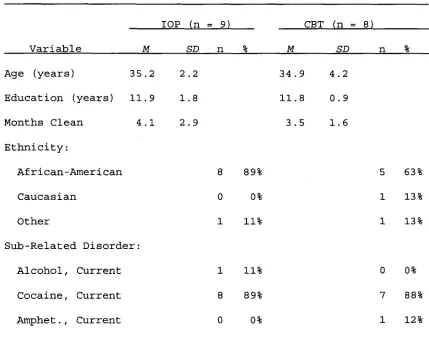
1. Demographic Characteristics at Intake
...
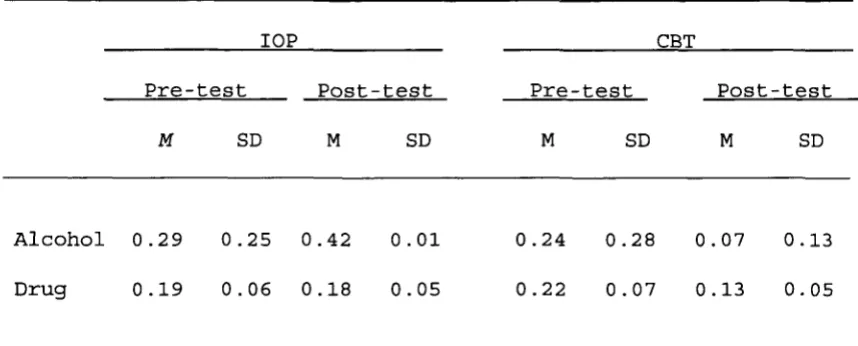
592. Alcohol- and Drug-Status ASI-F Composite Scores
...
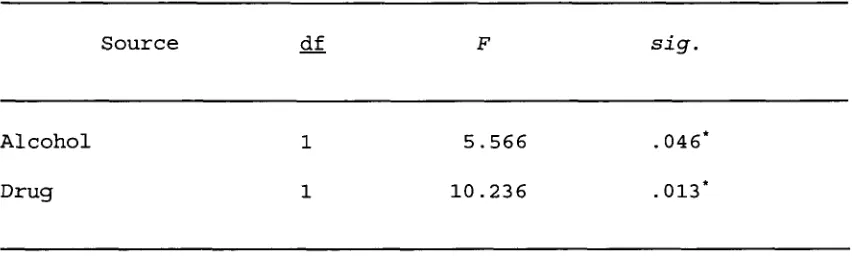
933. Multivariate Test for Alcohol and Drug Status
...
964. Multivariate Analysis of Variance for Alcohol & Drug Status . . . 97
5. Psychosocial Composite Scores of the ASI-F . . . 98
6. Multivariate Test for Psychsocial Variables . . . 100
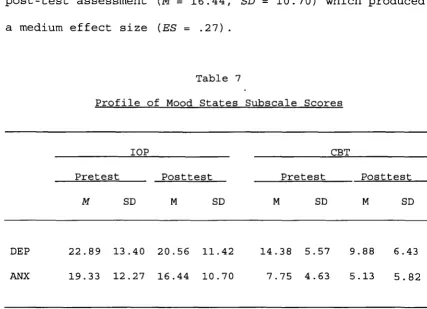
7. Profile of Mood States Subscale Scores . . . 103
List of Figures
FIGURES
1. Mean ASI-F Alcohol- and Drug-Status Composite Scores .. 95
Chapter I
Statement of the Problem
Over the past two decades substance abuse in females has
reached epidemic levels in America (Clark & McClanahan,
1998; Clark, McClanahan, & Sees, 1998; Substance Abuse and
Mental Health Services Administration [SAMHSA], 1997;
National Institute on Drug Abuse [NIDA], 1997). In fact,
recent morbidity data indicate that an estimated 200,000
females will die annually of substance-related illness
more than four times the number who will die of breast
cancer (Blumenthal, 1998)
Accumulating evidence indicates that there are
differences in both the etiology and the epidemiology of
male and female substance abuse. For instance,
neurochemical research indicates that females are more
sensitive than males to the rewarding effects of
substances. This corroborates data that indicates that
females proceed more rapidly to drug abuse and addiction
than males after initial drug use, and that substance abuse
has more severe medical implications for females than males
(Leshner, 1998). Medical data reveals that female emergency
room admissions for methamphetamine and other stimulants,
1998b) . Females also have significant numbers of admissions
for cocaine/crack, non-smoked cocaine, and heroin (SAMHSA,
1998b) . These differences indicate that treatment
approaches for each gender should also be different
(Leshner, 1998).
While epidemiological data indicates an obvious need,
treatment for substance abuse has predominately focused on
male clients (Hatsukami et al., 1997). This is compounded
by the fact that the traditional therapeutic community
approach to drug and alcohol treatment uses behavioral
techniques that tend to be confrontational and may not be
appropriate for female substance abusers (Hatsukami et al.,
1997). In fact, current research suggests that the optimal
treatment approach for females may be to focus on the
process of negative emotions and interpersonal relations
that are more typical relapse indicators for female
substance abusers (Stocker, 1998).
Another issue in the treatment of substance abuse in
females is the fact that females have been hesitant to seek
out treatment. Research indicates that females under
utilize mental health services because of fear of personal
safety and various other reasons (Coletti, 1998). Females
also report that they are hesitant to seek out traditional
about women and drug abuse on the part of treatment
providers, transportation, long waiting lists, lack of
youth specific services such as day care, distrust of the
system (e.g., fear of children being taken from them), and
being more reluctant than males to accept random assignment
in a research protocol (NIDA, 1998) .
The barriers previously mentioned have contributed to an
under representation of females in clinical trials. Other
studies (Carroll, Rounsaville, Nich, Gordon, & Gawain,
1995; Hall, Munoz, & Reus, 1994; Hollon & Beck, 1994;
Ojehagen, Berglund, & Hansson, 1997; Woody et al., 1983)
have included females in their clinical samples, but failed
to analyze treatment outcome by gender. Traditional
approaches such as Cognitive-Behavioral Therapy (Beck et
al., 1991) and psychodynamic derivatives (Lubarsky, 1984)
have been reported as being effective, but specific outcome
data by gender is lacking. Thus, there is a need to
evaluate these treatments specifically among women who
abuse substances.
The Cognitive-Behavioral Treatment (CBT) in this study
draws from the principles of Beck (1979), Ellis (1962,
1986), and Meichenbaum (1977). The CBT principles (Carroll,
1998) diverge from the traditional behavioral approach of
applied to substance abuse, and includes a functional
analysis of the substance abuse and individualized training
related to the substance abuse. It is also more
client-centered in its approach than previous CBT models. The
client-centered aspects are designed to develop rapport and
trust between the client and therapist.
The Insight-Oriented Psychotherapy (IOP) condition is
based on contemporary psychodynamic theory espoused by
Khantzian's (1985, 1986, 1988, 1990) self-medication
theory, which posits that when some people experience
intrapsychic pain they turn to mood altering substances to
alleviate that pain. This intrapsychic pain or distress is
manifested in females as depression, anxiety, low ego
integration, and obsessiveness (Brook, Whiteman, & Cohen,
1998).
The literature suggests that aspects of both CBT and IOP
may be effective in the treatment of female substance
abuse. For instance, learning theory suggests that
educating an adult regarding the topic facilitates clinical
work. Thus, psychoeducational techniques such as those in
the CBT treatment of this study have proven effective with
adults previously and should provide similar results with a
female population. Similarly, the literature suggests that
should also provide efficacious treatment for females who
abuse substances. This approach may be effective with
females who turn inward and abuse substances to relieve
intrapsychic pain. The efficacy of this approach may be a
function of providing a forum for the females to discuss
their pain rather than seeking a self-soothing action such
as abusing substances.
While both of these treatment conditions have been
successfully applied to substance abuse with predominantly
male subjects, females have been underrepresented and no
study has reported their individual effectiveness with
females who abuse substances. Thus, the purpose of this
study was to determine which treatment approach, Cognitive
Behavioral Therapy or Insight Oriented Psychotherapy, is
more effective in the treatment of female substance abuse.
Background and Need for the Study
Using substances to alter one's mind is nothing new to
humans. Alcohol and tobacco are the most prevalent
substances that modern age humans abuse, however, these two
substances are relative newcomers to the arena of substance
abuse - - anthropological digs have discovered that humans
have used substances to alter mood states for thousands of
years. Papaver somniferurn (opium poppy) and Cannabis sativa
1995). In fact, recent excavations have discovered that
opium poppy was domesticated in Mediterranean areas as
early as the sixth millenium BC; charred hemp (which
indicates that i t was burned and resulted in mood altered
states), opium poppy, and even Amanita muscaria (fly-agaric
mushroom hallucinogenic) are common references in
palaeoethnobotanical literature. The oldest recorded
prehistoric use of substances was found in Spain where
burial sites that date to 4200 BC revealed opium capsules.
Similar archeological digs have unearthed hashish,
marijuana, and hallucinogens in other European sites. Never
before, however, has substance use been so prolific in
societies around the world, and especially within the
American society.
Patterns of Substance Use and Abuse in Females
Substance use has reached pandemic proportions in
America during the twentieth century (Clark & McClanahan,
1998; NIDA, 1998; SAMHSA, 1998a). Substance abuse is
generally considered a male phenomenon and has been at
epidemic proportions since the 1960s. Medical evidence,
however, reveals that females have abused substances longer
than males. For instance, females accounted for 60-75
percent of opium-morphine addicts in the 1800s (Blumenthal,
Recent data from the National Household Survey on Drug
Abuse, conducted annually since 1979, reports that in 1997
there were 111 million Americans age 12 and older (51
percent of the general population) who were current users
of alcohol (SAMHSA, 1998a) . This number represents 58
percent of the male population and 45 percent of the female
population.
Of the thirty-two million Americans who engaged in binge
drinking (5 or more drinks on at least one occasion during
the past 30 days), females represent 8.1 percent (SAMHSA,
1998a) . Of the 11 million heavy drinkers (5 or more drinks
per occasion on 5 or more days during the past 30 days) ,
females represent 2.1 percent (SAMHSA, 1998a).
SAMSHA (1998a) also reports that there were an estimated
64 million Americans who were current smokers in 1997.
Females more than males (20.7 percent versus 19.1 percent)
are more dependent on tobacco and have a higher risk of
becoming addicted to psychotherapeutic medications being
used non-medically (Kandel, 1998).
Illicit drug use is equally at epidemic proportions. For
instance, in 1997 an estimated 13.9 million Americans were
current illicit drug users, which included 1.5 million
current cocaine users and 171,000 new heroin users (an
1998a) . New heroin use is typically used as a barometer of
the severity of new drug use and as a general indicator of
hard drug use. Although males (8.5 percent) report a higher
current illicit drug use than females (4.5 percent), the
current illicit drug use in females extrapolates to
approximately 4.5 million females (SAMHSA, 1998a).
The pattern of male substance use and abuse is more
prolific for most classes of illicit substances than for
females. However, female usage is equal to or exceeds that
of males in certain classes -- female admissions to the
emergency room for methamphetamine and other stimulants,
tranquilizers, and sedatives exceed those of males (SAMHSA,
1998b) .
Prevalence of Comorbid Psychiatric Illness
The use of illicit drugs often occurs with comorbid
psychiatric conditions. The landmark Epidemiologic
Catchment Area study (ECA; Reiger et al., 1990) reports
that over 53% of individuals who have a lifetime diagnosis
of a drug use disorder have a co-occurring psychiatric
diagnosis. Two-thirds of individuals with a cocaine or
opiate use disorder will have at some point in their lives
a comorbid psychiatric condition.
The National Comorbidity Survey (NCS; Kessler et al.,
abuse disorders. For instance, the NCS data indicates that
51% of those with a lifetime addictive disorder will have a
lifetime mental disorder (Kessler et al., 1996). While the
NCS study reported that drug dependence was more prevalent
in males than females in general, females are more likely
to have a comorbid anxiety and substance use disorder than
males. Comorbid depression and substance abuse is also more
prevalent in females than males (Kessler et al., 1996).
When substance use and abuse, both licit and illicit, is
combined with comorbid psychiatric conditions, the
magnitude of the problem is exponentially compounded, and
the resultant pressure on the individual, families, and
American society is also exponential. For instance, the
Center for Substance Abuse Treatment (CSAT; 1998) reports
that the economic cost of alcohol and other drug abuse in
1992, the most recent year studied, was $246 billion. Of
this $246 billion, $148 billion was attributed to alcohol
abuse and $98 billion was attributed to the abuse of other
drugs. Costs associated to alcohol abuse was illness (47%),
premature death (21%), health care costs (13%), crime (9%),
and unidentified other costs (11%) . This is compared to the
cost associated to other drug abuse, such as crime (59%),
(10%). These figures highlight the magnitude of the
negative effect that substance use has on American society.
Traditional Treatment
Traditionally treatment providers have maintained the
view that recovery from substance abuse or addiction is a
process. For some individuals, this process may be life
long with relapse being a part of that recovery process.
The recovery process is viewed as another symptom of
addiction, and can be broken down into a rule of thirds:
one-third of clients achieve permanent abstinence through
their first attempt at recovery; another one-third have a
period of brief relapse episodes that eventually result in
long-term abstinence; and, the last one-third have chronic
relapses that result in eventual death as a result of their
addiction (Gorski, Kelley, Havens, & Peters, 1995).
Relapse is often predicated by individual triggers
(cues), high-risk situations, or associations which set in
motion the road of relapsing to substances (Gorski et al.,
1995) . Treatment is predicated on the notion that once the
individual's particular events that lead to relapse are
identified, treatment should focus to help the individual
overcome these threats through strategies designed to
increase self-awareness, strengthen resistance, and create
Substance abuse treatment has predominately served male
clients (Hatsukami et al., 1997) with females being
underrepresented in clinical trials. This practice
continues even though there is growing evidence of
significant differences between males and females in
patterns of substance use and abuse and psychological
illness (Hatsukami et al., 1997). Furthermore, conclusions
from studies with only male clients lead to threats of the
generalizability of results to a female population
(Hatsukami et al., 1997).
Gender Specific Treatment
Research indicates that females under utilize mental
health services because of a variety of reasons (Coletti,
1998) . This may also account for some of the under
representation of females in empirical clinical trails.
Additionally, the traditional approach to drug and alcohol
treatment is a behavioral approach that tends to be
confrontational (Coletti, 1998). This contrasts to the view
that the optimal treatment approach for females may be to
focus on process and to utilize techniques that call upon
the therapeutic relationship in order to promote the
necessary motivation in the client to change their behavior
(Blumenthal, 1998; Geshshan, 1993; Hatsukami et al., 1997;
complication is the fact that treatment research that
examines comorbid psychiatric conditions is not prevalent
in the professional literature (Onken, Blaine, Genser, &
Horton, 1997) . There is a similar dearth of efficacy
research with female clients who have comorbid substance
abuse (Clark, McClanahan, & Sees, 1998) .
Given the fact that females use and abuse different
substances and that those substances (including alcohol and
tobacco) affect females differently, the fundamental
question is: "Do female substance abusers require
gender-specific therapies?" (Moras, 1998b). Because females are
socialized differently than males, females present with
different problems than male substance abusers. For
instance, female substance abusers present with lower
self-esteem and late entry into treatment (Coletti, 1998). These
issues may corroborate the view that treatment services for
substance-abusing females should be different than those
for males (Coletti, 1998). As an example, CBT focuses on
content and problem solving and has proven highly effective
for substance-abusing males (Becket al., 1991; Clark &
McClanahan, 1998; Liese & Najavits, 1997; O'Brien et al.,
1995; Onken et al., 1997; Woody et al., 1983). However,
negative emotions (depression and anxiety) and
typical relapse indicators for females and may be more
appropriate as the focus of treatment for females.
The most significant issue with regard to gender
specific treatment is the lack of empirical studies that
have examined female substance abuse. Several studies have
included females in their study sample (Carroll et al.,
1995; Hall, Munoz, and Reus, 1994; Kadden, Cooney, Getter,
and Litt, 1989; Lubarsky, 1984), however, outcome by gender
was not reported.
Principles of CBT and IOP Treatment
The Cognitive-Behavioral Treatment in this study
diverges from the traditional behavioral approach
(Hatsumakmi et al., 1997) that is typically applied to
substance abuse in a therapeutic community treatment
paradigm. Instead, the CBT approach espoused by Carroll
(1998) includes: focusing on a functional analysis of the
substance abuse, individualized training in recognizing and
coping with cravings, examining the client's cognitive
processes related to substance abuse, examining high-risk
situations, encouraging extra-session skills, and
practicing of skills within session.
The Insight-Oriented Psychotherapy (IOP) condition in
this study draws primarily from contemporary psychodynamic
1988, 1990) Self-Medication theory states that when some
people experience intrapsychic pain, they attempt to
alleviate that pain with mood altering substances. The goal
of the insight-oriented treatment condition is to develop
defenses that would remove the underlying basis for
continued substance abuse (Khantzian, 1990). The
fundamental dynamic that fosters this change in behaviors
is the therapeutic relationship (therapeutic alliance) that
the client develops toward the therapist. This alliance is
developed through the use of interpretation, clarification,
empathy, involvement, and support that the therapist
provides during treatment. The relationship allows the
client to trust the therapist and to gain the intrapsychic
insight necessary to discontinue the substance abuse.
While both of these treatment conditions have been
successfully applied to substance abuse, females have been
underrepresented and no study has examined the
effectiveness of either approach with only female subjects.
Thus, the objective of this study was to determine which
treatment approach, Cognitive Behavioral Therapy or Insight
Oriented Psychotherapy, was more effective in the treatment
Purpose of the Study
The purpose of this study was to determine whether
Cognitive Behavioral Therapy (CBT) that focused on
psychoeducational interventions was more effective than
Insight-Oriented Psychotherapy (IOP) which focused on
intrapersonal issues in increasing psychosocial functioning
and reducing substance abuse in females.
Psychosocial functioning is the ability of the
individual to interact with the environment in an adaptive
manner. Domains that are associated with psychosocial
functioning include: employment, family relations, and
social relations. Other areas may also indicate problematic
functioning. For instance, if a person has legal action
taken against them (i.e., on parole, probation) then their
functioning is likely to be impaired. Similarly, if a
person manifests certain medical conditions, these too may
be a result of impaired functioning.
Outcome variables (dependent variables) included: the
reduction in substance use and/or abuse, depression, and
anxiety; and, increased psychosocial functioning.
Instruments that measured the outcome variables were: (a)
the Addiction Severity Index, Female Version (ASI-F), and
Theoretical Framework for the Study
This study draws from two theoretical frameworks:
Cognitive Behavioral Therapy and Psychodynamic
Psychotherapy. While each of the treatment regimens is
based upon the traditional theories, each has incorporated
principles of contemporary practice.
Cognitive Behavioral Therapy
The three preeminent theorists that pioneered the
development of Cognitive-Behavioral Therapy are Meichenbaum
(1977), Beck (1979), and Ellis (1962, 1986). Meichenbaum
(1977) developed Cognitive Behavior Modification (CBM);
Beck (1979) developed Cognitive Therapy (CT); and, Ellis
(1962, 1986) developed Rational Emotive Therapy (RET).
Cognitive Behavior Modification. Cognitive restructuring
is the central theme of Meichenbaum's (1977) Cognitive
Behavior Modification. According to Meichenbaum (1977),
negative self-statements are as detrimental as derogatory
statements made by another person. In order for change to
occur the individual must be able to perceive how they
think, feel, behave, and be cognizant of the impact that
they have on others. Thus, CBM treatment is a
self-instruction model wherein behavioral change occurs through
interaction of inner speech (self-deprecating statements),
cognitive structures, and behaviors.
CBM treatment is a three-phase process of change that
integrates the interaction of thinking, feeling, and
perceiving. Phase 1, self-observation, is where the
individual learns to observe their own behavior. Phase 2,
starting a new internal dialogue, begins once the client
can observe their own behaviors, but where more adaptive
behavioral alternatives are developed that lead to
behavioral, cognitive, and affective changes. Phase 3,
learning new skills, consists of teaching the individual
more effective coping skills, which are practiced in vivo.
Cognitive Therapy. Beck's approach to Cognitive Therapy
is based on the rationale that what a person feels and how
he or she behave is determined by the manner in which they
structure their experience (Corey, 1991). Beck posits that
cognitive therapy attempts to reduce excessive emotional
reactions and self-defeating behavior by modifying the
faulty or erroneous thinking and maladaptive beliefs that
underlie these reactions (Becket al., 1991). Beck (1979)
states that in order to understand the nature of an
emotional disturbance, i t is essential to focus on the
cognitive content of an individual's reaction to the event
psychoanalysis and employed many of the client-centered techniques of that theoretical paradigm. For instance, Beck
(1979) states that cognitive techniques are most
appropriate for individuals who have the capacity for
introspection and for reflecting on their own thoughts and fantasies both of which are central to insight oriented therapy.
Beck (1979) posits that distortions in processing
information lead to faulty assumptions and misconceptions.
Arbitrary inferences are formed without sufficient and
relevant evidence (neurotic anxiety) . Selective
abstractions are conclusions that are based on an isolated
detail of an event and therefore misses the overall
context. Overgeneralization is a process of holding extreme
beliefs on the basis of a single incident. Magnification and exaggeration consists of overestimating the
significance of negative events. Personalization is a
tendency for people to relate external events to
themselves, even when there is justification for doing so,
and polarized thinking involves thinking in an
all-or-nothing paradigm.
Rational Emotive Therapy (RET) . Ellis' (1962) Rational Emotive Therapy (RET) is based on the assumption that
and have a reciprocal cause-and-effect relationship. RET is a school of psychotherapy that provides clients with the tools to restructure their philosophical and behavioral styles (Ellis & Yeager, 1989). The fundamental premise of RET is that emotions stem primarily from personal beliefs, evaluations, interpretations, and reactions to life
situations (Corey, 1991). Ellis states that ucoulds", ushoulds", and "musts" are the reasons that individuals react to their environment in maladaptive ways (personal communication, August, 1998). In other words, an activating event (A) leads to the interjection of a personal belief
(B) , which leads to an emotional and behavioral consequence (C) . Ellis (1986) expanded on this early theory by stating that often there is a disputing intervention that
challenges the personal belief (D) that results in the
creation of a new feeling (E). Thus, the expanded A-B-C-D-E theory of RET (Ellis, 1986) .
Techniques of RET include: disputing irrational beliefs, assigning cognitive homework (i.e., lists of problems,
beliefs surrounding those problems), changing one's language, using rational-emotive imagery, role playing, shame-attacking exercises, and using force and vigor in the session (a way of going from the intellectual to the
Cognitive Behavioral Therapy (CBT) . The Cognitive Behavioral Therapy model espoused by Carroll (1998) draws from each of these three pioneers of cognitive therapy. Carroll's model is similar to Beck's Cognitive Therapy in that i t emphasizes a functional analysis and identifies cognitions associated with the behavior. The Carroll (1998) model differs from Cognitive Therapy in terms of
identifying, understanding, and changing underlying beliefs of the self and the self in relation to substance abuse. The initial emphasis of the Carroll CBT model is on learning and practicing a variety of coping skills, of which only some are cognitive.
Initial CBT strategies involve behavioral aspects of coping (i.e., avoiding high-risk situations) rather than the cognitions associated with a high-risk situation. In Beck's Cognitive Therapy, a reduction in substance abuse is brought about by changing the cognitions associated with the substance abuse. In CBT, a reduction in substance abuse is brought about by first changing behavioral patterns
(i.e., avoiding high-risk situations) and then addressing the cognitions.
the client's cognitive processes related to substance abuse (i.e., managing thoughts associated with substance abuse, problem solving, planning for emergencies, and refusal skills), (3) identification and debriefing of past and future high-risk situations, (4) encouragement and review of extra-session implementation of skills, and (5) practice of skills within session.
Specific topics covered in the sessions included: (1) introduction to treatment and CBT, (2) coping with craving,
(3) shoring up motivation and commitment to stop, (4)
refusal skills and assertiveness, (5) seemingly irrelevant decisions, (6) coping plan, (7) problem solving, (8) case management, (9) HIV risk reduction, (10) significant other discussion, and (11) termination (Carroll, 1998).
Curative Factors of Cognitive Behavioral Therapy. There are many parallels between the three founding theorists of CBT. For instance, each of the theorists posits that there is an activating event (A) in the environment that causes a reaction of some sort in the individual (B) that results in a behavior (C) . Each of the theories includes
helps to ~cure" a person by restructuring cognitions associated with a particular behavior.
Cognitive Behavioral Therapy (CBT) is based on the
premise that cognitions are the primary pathway in which an individual distorts their environment (Becket al., 1991). These cognitive distortions encumber the individual's ability to cope with stress in the environment. Thus, the individual turns to alternative methods of coping, such as substance abuse.
Several features of CBT make i t a promising approach to treatment for substance abuse. For instance, CBT is short-term which makes i t well suited for the limited resources of most clinical programs. CBT has been extensively
evaluated in clinical trials and evidence indicates that it is an efficacious treatment for a variety of issues (Beck et al., 1991; Clark & McClanahan, 1998; Liese & Najavits, 1997; O'Brien et al., 1995; Onken et al., 1997; Woody et al., 1983). CBT is structured, goal-oriented, and focused on the immediate problems that substance abusers face in their recovery process (NIDA, 1998) .
Insight-Oriented Psychotherapy (IOP)
and contemporary theorists and researchers have revised his early formulations. For instance, contemporary insight-oriented psychotherapies focus on the ability of the individual to maintain interpersonal relations. One of
these contemporary theories that espouses a relational view is the Time-Limited Dynamic Psychotherapy (TLDP; Levenson, 1995) .
Another contemporary theorist and researcher is
Khantzian. Khantzian's extensive work with persons addicted to substances led to the development of the Self-Medication Model of addiction (Khantzian, 1985; 1986; 1988; 1990), which suggests that a person chooses a substance based on the psychotherapeutic effects of that particular substance.
Time-Limited Dynamic Psychotherapy (TLDP) . Levenson (1995) posits that there are seven basic conditions that apply to the situation of an individual who has
difficulties in interpersonal relationships. These seven fundamental conditions are: (1) the client's problems stem from disturbed interpersonal relationships, (2)
dysfunctional styles were learned in the past, (3)
client reenact difficulties, and (7) that there is one identifiable, problematic relationship problem.
According to Levenson (1995), the basic principles of TLDP reflects a larger paradigm shift that is occurring with psychoanalytic theory and practice. This relational view contrasts with the traditional psychodynamic view of drive theory, which emphasizes predetermined mental
constructs to deal with conflicts between gratification and social constraints (Levenson, 1995) .
The Self-Medication Model. Khantzian (1985; 1986; 1988; 1990) posits that addiction is an individual's attempt to reach homeostasis. In essence, the individual
self-medicates in an attempt to alleviate emotional suffering. This emotional crisis or problem is the result of
dysfunctional coping mechanisms. For instance, a functional approach to a crisis situation is to problem solve
alternatives or solutions to the situation. In an
individual that abuses substances, this problem-solving function either does not begin or is abandoned during the process and the individual copes with the crisis situation by escaping from i t through a self-soothing technique of using substances. Over time this soothing or self-medication becomes the preferred manner to avoid
According to the Self-Medication Model, substance abusers do not choose their drugs of choice by mere coincidence. They choose them because of the specific psychopharmacological action of the substance that helps the individual return to a state of homeostasis (Khantzian, 1986; 1988; 1990). For instance, the pain relieving
properties of opiates modulate feelings of rage that many victims or perpetrators experience. The hypnotics have sedating properties, which are attractive to the tense, emotionally restricted individual to help them overcome their fears surrounding intimacy and dependency. Cocaine appeals to both high- and low-energy individuals because of its activating properties it can help overcome the
feelings of boredom, fatigue, or low self-esteem.
According to Khantzian (1988), individuals self-medicate because of deficiencies in their ability to self-regulate. The regulatory deficiencies include: deficits in self-care, self-development and self-esteem, self-object
relationships, and affects. Khantzian (1988) believes that interventions which he labels as the four "C's": control,
containment, contact, and comfort are essential to treating
substance abuse.
Control is more correctly defined as loss of control
empathic interaction with the drug user/abuser, the therapist builds trust and fosters the therapeutic alliance. The client's insight into their inability to self-regulate their feelings and subsequent problems is essential to effective treatment.
Containment refers to the ability of the client to rely
on the belief that the therapist can contain and ultimately maintain appropriate stability of the client. Support and empathy are interventions that allow this to be manifestly true.
Contact and Comfort are human solutions that Insight
Oriented Psychotherapy provides to the alcoholic or drug-abusing client who has become isolated from family and society through their use and abuse of substances
(Khantzian, 1988) . The therapeutic relationship allows for both the substance-abusing client and the therapist to appreciate the extent of emotional suffering that has contributed to the substance abuse.
The Curative Factors of Insight-Oriented Therapy. The primary principles that foster a "cure" of the client in a psychodynamic or insight-oriented therapy is the
projected and manifested through acting out, which in the case of substance abusers would be the use of a substance.
The goal of the Insight-Oriented Psychotherapy treatment condition is to instill and build normal defenses that
remove the underlying basis for continued substance abuse (Khantzian, 1990). The fundamental dynamic that fosters this change in behaviors is the therapeutic relationship
(therapeutic alliance) that the client develops toward the therapist. This therapeutic alliance is fostered by the therapist through the use of empathy, support,
interpretation, clarification, and involvement. This
relationship enables the client to trust the therapist and to gain the intrapsychic insights into how behaviors are adversely affecting them, either inter- or
intra-personally.
Research Questions
This study addresses:
1. Is Cognitive Behavioral Therapy (CBT) or Insight-Oriented Psychotherapy (IOP) more efficacious in the
treatment of substance use/abuse in females as measured by the Drug Status and the Alcohol Status subscales of the Addiction Severity Index, Female Version?
measured by the Employment Status, Legal Status, Family/Social Relationship, and Psychological Status
subscales of the Addiction Severity Index, Female Version? 3. To what extent does CBT and IOP reduce the frequency and amount of substance use as measured by the Alcohol- and Drug-Status subscales of the Addiction Severity Index,
Female Version?
4. To what extent does CBT and IOP reduce feelings of depression in females who abuse substances as measured by the Depression-Dejection subscale of the Profile Of Mood States?
5. To what extent does CBT and IOP reduce feelings of anxiety in females who abuse substances as measured by the Tension-Anxiety subscale of the Profile Of Mood States?
Definitions of Ter.ms
Addiction is a disease caused by the continued use of drugs that produce biological, psychological, and social changes in an individual (APA, 1994) .
Adaptive behavior is an appropriate response to a given situation, that helps the individual interact more
effectively with his or her environment (Chaplin, 1985).
Route of ingestion is the means of consuming a substance (e.g., oral, intravenous injection, smoking, intranasal).
prescription medications) and illicit (sedatives, opiates, stimulants, tranquilizers, and hallucinogens) drugs.
Substance abuse is a maladaptive pattern of substance use that results in recurrent and significant adverse consequences related to the repeated use of substances
(APA, 1994) .
Substance dependence is a maladaptive pattern of
substance use leading to clinically significant impairment or distress as manifested by three of the following
criteria: tolerance; withdrawal; the substance is taken in larger amounts or over a longer period than was initially intended; a persistent desire or effort to cut down or
control the substance use; a great deal of time is spent in the pursuit of the substance; social, occupational, or
recreational activities are given up or reduced because of the substance use; or, the substance use is continued
despite knowledge of negative consequences (APA, 1994)
Substance use is the consumption of licit or illicit drugs in a manner that is not maladaptive (e.g., does not lead to social, legal, or medical complications or
Chapter I I
Literature Review
The review of the literature can be summarized into three general categories: (a) components of
Cognitive-Behavioral Therapy (CBT) and Insight Oriented Psychotherapy (IOP) in the treatment of addiction, (b) psychosocial
functioning and substance abuse treatment, and (c) Cognitive Behavioral Therapy and Insight Oriented Psychotherapy comparative studies.
A significant difficulty in reviewing the literature is the fact that there are hundreds of substances or their derivatives, with a plethora of techniques that have been applied to the treatment of them. The majority of the
studies, however, report equivocal or contradictory results and virtually no study has examined the efficacy of
treatment on substance abuse in females. Therefore, for the purposes of this study, components of the two treatment conditions were included in the review and results have been extrapolated for implications to this study.
Kiessling, & Rudolf, 1997; Horvath & Luborsky, 1993; Ojehagen, Berglund, & Hansson, 1997). Components of
cognitive behavioral therapy (thought restructuring) have also been investigated in the treatment of negative
symptoms that often result or are comorbid with substance abuse, such as depression (Hall, Munoz, & Reus, 1994).
Therapeutic Alliance. Horvath and Luborsky (1993) postulate that the therapeutic alliance should be viewed under four categories: the relation between a positive alliance and success in therapy, the path of the alliance over time, an examination of the variables that lead an
individual to develop an alliance, and the exploration of the in-therapy factors that foster the development of a positive alliance.
Luborsky's (1984) work on the Penn Psychotherapy Project indicated that there were two types of therapeutic
alliance: Type I, which is more evident in the early stages of therapy where the client views the therapist as
supportive, and Type II which is more typical of later stages of therapy where there is a sense of working
together in an effort to alleviate the impediment of the client.
alliance has been examined in the context of behavioral therapy, cognitive therapy, gestalt therapy, and
psychodynamic therapy. In each of these studies "a strong alliance appears to make a positive contribution in all of these therapies" (p. 565).
In an attempt to evaluate the effects of the helping alliance and treatment outcome, Ojehagen, Berglund, and Hansson (1997) conducted a study using outpatient treatment for the abuse of alcohol. The patients were randomly
assigned to two treatment conditions: multi-modal
behavioral therapy (MBT) and psychiatric treatment (PT) based on a psychodynamic approach. Seventy-two patients, 60 males and 12 females, were selected for inclusion in the two treatment conditions. Due to numerous factors, such as not completing treatment, moving out of the area, and
death, only 35 subjects were included in the final analysis (MBT, n=17; PT, n=18). Of these 35 participants, three
participants in the MBT and one in the PT treatment were females. The mean number of treatment sessions were 24.7
(SD=1.7) for MBT and 24.6 (SD=1.7) for PT.
The MBT treatment was based on Lazarus's (1981) Multimodal Therapy. The primary principles of MBT were based on Lazarus' BASIC ID - Behavior, Affect, Sensation,
or biology. The PT model was based on Lubarsky's (1984)
Supportive-Expressive therapy that espouses the Core
Conflictual Relationship Theme (CCRT) . Luborsky posits that supportive techniques such as supportive relationships can foster the therapeutic alliance, which will alleviate the intrapsychic pain that the client experiences. Luborsky also believes that expressive techniques, such as listening and understanding, can also foster this curative process.
Ojehagen, Berglund, and Hansson (1997) reported no significant outcome differences between the two treatment regimens during the course of treatment or in the third year of follow-up. The authors assessed the magnitude of the helping alliance and the outcome on treatment, and reported that multi-modal therapy had significantly better early therapist alliance in comparison with the psychiatric treatment according to the Mann-Whitney U-test (MBT, M
67.2; PT, M
=
61.3). An ANOVA showed no differences in early therapist or patient alliance with regard to length of therapy. With each of the treatment conditions, there were significant correlations (p < .001) between early patient and therapist alliance (MBT and PT, rs=0.81).were no significant positive correlations between early alliance and drinking outcome for either treatment.
The authors state that the small sample size places limitations on the conclusiveness of their findings, and several methodological issues also limit the
generalizability of their findings. For instance, the therapist factor was not standardized, neither treatment condition was manualized, and the number of therapists differed between the two treatment conditions. The
therapist effects included the fact that only one therapist provided the MBT treatment whereas several therapists
conducted the PT treatment - - therapist effects on the outcome data were not reported.
The implications of these results on the current study include the fact that the helping alliance can be measured and is a curative factor. As Ojehagen, Berglund, and
Thought Restructuring. Hall, Munoz, and Reus (1994) examined the effect of a cognitive behavioral mood
management intervention on smokers with a history of Major Depressive Disorder (MDD).
One-hundred and forty-nine subjects were randomly
assigned to either a Mood Management condition (n = 79) or a standard treatment condition (n = 70) . Of the 149
subjects, 71 were male and 46 were female. The mean age of the sample was 40.6 years (SD 9.2), 131 were Caucasian, 40 had advanced degrees, 49 had completed an undergraduate degree, and only 14 had less than a high school education. Subjects reported smoking an average of 24.9 cigarettes per day (SD
=
10.9), and reported a regular smoking pattern for a mean of 22.1 years (SD = 9.5), and a majority reported multiple previous attempts to quit (n = 128). Forty-six subjects (31%) were diagnosed as having a history of MDD at baseline.The standard treatment condition used group support and nicotine gum (2 mg) to aid in quitting smoking. The
standard treatment condition consisted of five sessions over a period of 8 weeks. The sessions provided information about smoking cessation and group support for planning
The Mood Management treatment condition met for ten two-hour sessions over an 8-week period (twice a week for the first two weeks, and once a week thereafter). Specific cognitive behavioral methods included monitoring of thoughts, daily activities, interpersonal contacts, and mood. The treatment emphasized the impact of thoughts, activities, and interpersonal contacts on mood. The
treatment also focused on thoughts and activities so that those thoughts related to healthy mood were increased and those that were related to negative mood and smoking were decreased. Specific techniques included social skills training to increase pleasant social contacts, relaxation training, and linking maladaptive thoughts to cigarette smoking.
Hall, Munoz, and Reus (1994) reported that the cognitive behavioral method enhanced treatment outcome for subjects
with a history of MDD (X2 (2, N=46)=12.795, p=.0017).
Subjects without a history of depression were more likely to be abstinent in the control condition (13 of 53, 24%) than in the cognitive-behavioral condition (8 of 51, 16%). The cognitive behavioral treatment condition (POMS
Depression score, M = 53.57) achieved the best abstinence
M = 36.00) at assessment in week 52. Outcome data was not provided by gender.
The authors postulate that several factors provided the cognitive behavioral treatment condition with the more
positive outcome. First, the cognitive behavioral treatment condition provided "tools to rethink risky situations and to endure bouts of poor mood ... " (p. 145) . The authors
further state that the cognitive behavioral techniques that target mood-related problems are effective with substance abusers that have a history of MDD.
While this study involved a licit substance, tobacco, it did investigate two variables that are germane to this
study. The first variable is the cognitive behavioral technique of cognitive restructuring which Carroll (1998) uses. The second variable is negative emotions such as depression and anxiety, both of which are common symptoms associated with substance use (i.e., cocaine and alcohol). Psychosocial Functioning in Substance Abuse Treatment
Woody et al. (1983) examined the effectiveness of drug counseling, cognitive-behavioral therapy, and supportive-expressive therapy with 100 male methadone clients. The subjects were randomly assigned to either drug counseling alone, or to counseling plus six months of either
psychotherapy. The cognitive-behavioral (CB) therapy relied on a directive, time-limited approach that focused on
making lists, homework, role-playing, and identifying underlying thoughts. The CB treatment also focused on
uncovering and understanding the relationship and influence of automatic thoughts and underlying assumptions on
problematic feelings and behaviors. Drug counseling (DC) focused on monitoring current problems, advice giving, and on providing external services (i.e., liaison with
physicians, courts, and social service agencies) rather than intrapsychic processes. The supportive-expressive (SE) therapy was analytically oriented, non-directive, and
focused on helping the client identify and work through problematic relationships.
Subjects assigned to the supportive-expressive treatment condition kept an average of 12 sessions with their
therapists and 12 sessions with their counselors: subjects assigned to the cognitive-behavioral treatment condition kept an average of 9.5 sessions with their therapists and 12 sessions with their counselors. The authors report that 85% of sessions lasted 30 minutes or longer.
outcome measures, including lessened drug use, crime days, and illegal income and improved psychological function" (p. 643) .
The authors report that both the cognitive-behavioral and the supportive-expressive groups were more effective than drug counseling in the reduction of heroin use and other illicit drugs. For instance, the mean methadone
hydrochloride dose for the drug counseling alone group went from a dose of 30mg at baseline to 40mg at week 25; the supportive-expressive group went from 37mg at baseline to 32mg at week 25; and the cognitive-behavioral group went from an initial dosage of 39mg at baseline to 30mg at week 25 (Woody et al., 1983). Urine samples indicated that
subjects assigned to all groups showed a significant
decrease in positive results over the course of the study (F = 8.41, p < .05), but there were no significant
subjects in the SE group had only an 8% rate of urine test results positive for opiates during the latter part of the six-month study.
Additional findings revealed that the cognitive-behavioral group showed more improvement with legal
problems, while the supportive-expressive group had more improvement in psychological functioning and employment
(Woody et al., 1983). Woody et al. report that subjects in the SE treatment condition had more stable work performance and lower levels of residual psychopathology.
The implications of these findings are that both the lOP and the CBT approaches of the current study may yield
similar results in enhancing psychosocial functioning.
However, the subjects in the Woody et al. (1983) study were all male, whereas the subjects in the current study were all female. Thus, extrapolating the Woody et al. results to the current study may have limited utility.
The subjects consisted of 132 male veterans who were diagnosed with cocaine dependence (lifetime) and who had used cocaine in the prior six months. The subjects were referred for inclusion in the McKay et al., (1999) study following a 4-week intensive outpatient program. Subjects were randomly assigned to either the standard treatment
(STND) or an individualized relapse prevention (RP) treatment condition, with each treatment lasting for a period of five months.
The STND group condition was designed as the control group and consisted of group sessions with an
interactional, 12-step focus. The authors state that this treatment regimen was the "treatment as usual" model in the Veterans Affairs (VA) clinic where the study was conducted. The STND treatment consisted of two group therapy sessions per week. The RP treatment condition consisted of one
individual structured cognitive-behavioral relapse prevention session and one group session per week. The individualized RP treatment was designed for the treatment of substance abusers in the maintenance phase of recovery. Assessments were conducted at 6, 12, 18, and 24 months and
took approximately 90 minutes to complete.
authors state that they chose the mixed-effect regression model because that approach allows for the modeling of both group and individual differences over time and the
interaction of effects of the individual's data. The analyses included independent variables (e.g., treatment condition, current psychiatric diagnoses, and abstinence commitment), all two- and three-way interactions between these variables, a time factor, and interaction between time and other variables.
The authors reported that significant time effects (p < .05) were observed on the drug, psychiatric, employment, and medical composites of the AS!. The RP produced a
significant group effect on the medical composite score of the AS!. Similar results were observed on t tests with the RP treatment condition producing significant differences over the STND treatment with regard to medical outcomes at months 6 and 18. The subjects who received the RP treatment condition had better cocaine use outcomes if they were
committed to absolute abstinence on entering the study, but subjects who received the STND treatment had better cocaine use outcomes if they had a less stringent abstinence goal. According to McKay et al. (1999), subjects who received the RP treatment program reported fewer heavy drinking days
treatment main effects favored RP over STND in the second year.
McKay et al., (1999) concluded that their results reveal that RP is the treatment of choice for continuing care for individuals who are committed to absolute abstinence.
However, STND is the treatment of choice for individuals who have less stringent abstinence goals. There are,
however, several limitations to their study. For instance, 87% of the subjects were African-American, the mean number of years of education was 12.81 (SD = 1.55), and all
subjects reported being of lower socioeconomic status. Thus, the findings of this study may not generalize to the general population, however, the demographics of this study match very closely with those of the McKay et al. sample.
There are several implications to the current study. For instance, with the exception of the gender of the subjects, the demographic variables parallel those of the current sample. In addition to the homogenous study sample, the RP treatment regimen was manualized and was based on tenets similar to those of the CBT group in the current study. The McKay et al. (1999) study also used the ASI to measure
psychosocial outcomes which this study also used. The
subjects are committed to total abstinence. This stringent goal, however, may be too high for most people who have a lengthy history of substance abuse but a short history of abstinence, both of which apply to the current sample. CBT and lOP Comparative Studies
There is a body of literature that has compared cognitive-behavioral therapy with derivatives of a
psychodynamic therapy model in the treatment of substance abuse. Many of these studies have been conducted in medical settings and compare various treatment conditions with a psychotropic medication.
According to Onken, Blaine, and Boren (1995), substance abuse is a behavioral problem and should be treated in behavioral therapy. Their definition of behavioral therapy includes behavior therapy, psychotherapy, and counseling. In some cases pharmacotherapy may be the treatment of choice, however, in other cases i t may not be possible, practical, or necessary (Onken et al., 1995).
Carroll et al., (1995) studied the effectiveness of psychopharmacology, cognitive behavioral therapy, and
was videotaped and evaluated for continuity with the
manual. A breakdown of subjects by gender was not reported. The pharmacological agent was desipramine, and was
administered in a 200mg per day dose. A placebo was used in order to evaluate the effects of the active medication. The cognitive behavioral treatment was an adaptation of Marlatt and Gordon's (1985) model that focused on implementing
effective coping strategies. The coping strategies included exploration of positive and negative effects of cocaine use, self-monitoring for the identification of high-risk situations for relapse, and problem-solving for avoiding craving and high-risk situations. The clinical management condition included medication management, a supportive doctor [physician]-patient relationship, and medication compliance.
The mean number of sessions completed was 7.2 (SD =
3.6), and only 49 subjects completed treatment (12 weeks or 12 sessions) . The desipramine group had the highest number of treatment completers with 49%. While each of the groups showed significant improvements in the reduction of cocaine use, outcomes failed to demonstrate significant main