CRITICAL FACTORS RELATED TO COMMUNICATION OF NUTRITION INFORMATION TARGETING LUMBEE WOMEN IN ROBESON COUNTY, NC
Lisa Huggins Oxendine
A dissertation submitted to the faculty at the University of North Carolina at Chapel Hill in partial fulfillment of the requirements for the degree of Doctor of Public Health in the Department of Health Policy and Management in the Gillings School of Global Public Health.
Chapel Hill 2014
Approved By:
Suzanne Havala Hobbs
Ronny A Bell
Dorothy Cilenti
Sandra B Greene
ii © 2014
iii ABSTRACT
Lisa Huggins Oxendine: Critical Factors Related to Communication of Nutrition Information Targeting Lumbee Women in Robeson County, NC
(Under the direction of Suzanne Havala Hobbs)
The current state of nutrition communication is not effective for Lumbee tribal women in Robeson County, North Carolina. Interviews with Lumbee women leaders representing tribal, health, and lay circles along with a review of the literature show changes to critically important factors are needed for Lumbee women to benefit from nutrition communications.
This nonexperimental, descriptive study shows that effective nutrition communication changes consider and reflect Lumbee tribal culture. Further, Lumbee women must become fully engaged in all aspects of nutrition communication including planning, intervention, and policy-making. Lumbee women are leaders who call for an urgent focus on nutrition communication to reduce the occurrence of diet-related diseases. They are interested in supporting Lumbee women to improve their dietary behaviors. Leadership and nutrition training opportunities along with mentor programs will encourage Lumbee women to fully engage in nutrition communication change efforts. The Lumbee tribal organization has experience as a collaborative partner on behalf of tribal members and has existing resources useful for nutrition communication. Thus, this organization is the key agency to lead efforts for nutrition communication changes.
iv
Collaborative partners should develop plans, influence policies, and determine measures that address cultural, socioeconomic, contextual, and other challenges to effective nutrition
communications for Lumbee women. This guiding coalition should consider ways to encourage support by Lumbee tribal members, local churches and religious leaders, healthcare
v
vi
ACKNOWLEDGEMENTS
Thank you to my committee members-Suzanne Havala Hobbs, Ronny A Bell, Dorothy Cilenti, Sandra B Greene, and Asheley Cockrell Skinner. I appreciate your guidance throughout this research.
Thank you to the Lumbee women who met with me to discuss the research topic. Your insights are the key to understanding how to effectively communicate nutrition information to Lumbee women.
Thank you to Children’s Health of Carolina, PA for your support at each stage of this experience.
vii
TABLE OF CONTENTS
List of Tables………...xi
List of Figures……….……...xiii
Chapter 1: Introduction...1
A. Statement of the Issue...1
B. Background...3
C. Significance of the Issue...5
Chapter 2: Literature Review...7
A. Dietary Behaviors of AIs in the US...8
B. Dietary Behaviors of Lumbee Tribal Members in Robeson County, NC...10
C. Dietary Studies with Rural Elderly in NC...12
D. Dietary Interventions with AIs...13
E. Factors That Influence Health Behavior Changes by AIs...15
F. The Effectiveness of Targeted and Tailored Health Communications……….…..16
G. Culture as a Basis for Successful Health Communications…...18
H. Summary of Literature...20
Chapter 3: Input/Output Diagram...22
viii
A. Selection of Key Informants...27
B. Selection of Documents for Review...32
C. Data Collections...32
1. Key Informant Interviews...32
2. Document Review...35
D. Inclusion/Exclusion Criteria...35
E. Costs...35
F. Analysis Plan...35
G. IRB, Informed Consent, Confidentiality, Ethics...36
Chapter 5: Findings...37
A. Key Informant Interview Descriptive Analysis...37
B. Emergent Themes...39
C. Key Findings for Informant Interviews...40
D. The Necessity for Realizable Change...56
E. Descriptive Analysis of Documents...57
F. Emergent Themes...60
G. Key Document Findings...60
H. Summary of Findings...64
Chapter 6: Discussion and Conclusion...65
Discussion...65
Sub-question 1...66
ix
B. Cultural Relevance Must be Evidenced in Nutrition
Communications………...………...69 C. The Lumbee Tribe Organization is the Lead Agency for
Effective Nutrition Communications……...69 D. Collaborations Among Key Agencies will Benefit
Nutrition Communication………...70 E. The Church Has a Vital Role in Effective Nutrition
Communication………..………….……….…..71 F. Socioeconomic Issues are Important to Nutrition
Communication ………..………...71 G. Context is Important for Effective Nutrition
Communication...71 Sub-question 2...72
A. Changes are Needed to Fully Engage Lumbee Women in
Effective Nutrition Communication………...………...72 B. Changes are Necessary for Nutrition Information to
Become Culturally Relevant...72 C. The Lumbee Tribe Organization Should Assume the
Lead Role in Nutrition Communication...73 D. Collaborative Partnership Will Address Nutrition
Communication Issues...74 E. The Church Should Engage in Measures That Support
Effective Nutrition Communication...75 F. Socioeconomic Issues Impacting Nutrition Communication
Should be Addressed ………...75 G. Contextual Issues Impacting Nutrition Communication
x
Chapter 7: Plan for Change...80
Plan...80
Appendices...101
A. Description and Telephone Contact Regarding Research with Lumbee Women about Critical Factors in Nutrition Communication…...101
B. UNC-CH Consent to Participate in a Research Study for Adult Participants………..….……….…...104
C. Guide for Key Informant Interviews...108
D. List of Source Documents per Lumbee Tribe Enrollment Office...114
E. Literature Review Summary...115
xi LIST OF TABLES
Table 1: Organization of Relevant Literature...8
Table 2: Definitions...27
Table 3: Profile of Potential Informants by Affiliation...30
Table 4: Profile of Potential Informants by Employment Status...30
Table 5: Profile of Potential Informants by Marital Status...31
Table 6: Profile of Potential Informants by Motherhood Status………...31
Table 7: Profile of Potential Informants by Interview Status……….…31
Table 8: Key Informant Profile by Affiliation...38
Table 9: Key Informant Profile by Employment Status...38
Table 10: Key Informant Status by Marital Status...38
Table 11: Key Informant Status by Motherhood...38
Table 12: Themes in Key Informant Interview ...39
Table 13: Key Informant Report of Factors for Effective Nutrition Communications……….………..….…….42
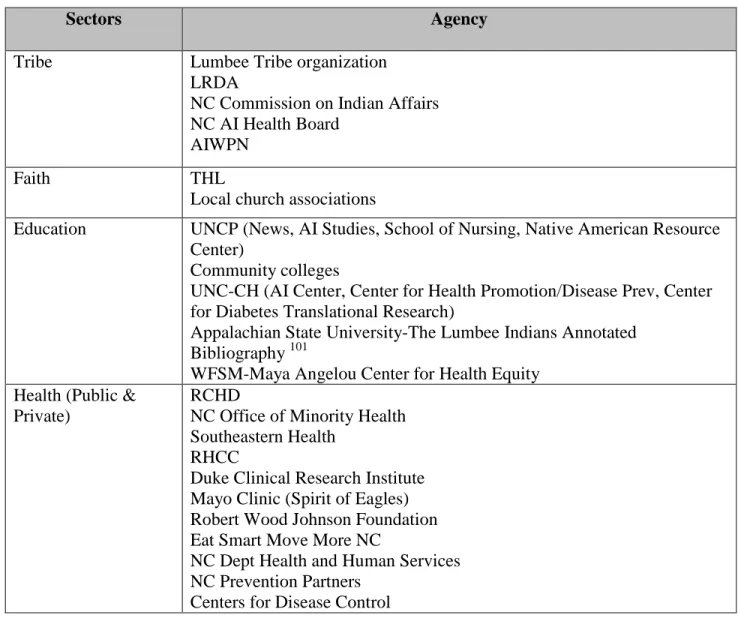
Table 14: Agencies Important for Effective Nutrition Communication to Lumbee Women…...49
Table 15: Sources Reviewed for Potential Documents...58
Table 16: Experts Contacted for Potential Documents...59
Table 17: Documents Useful for Study...59
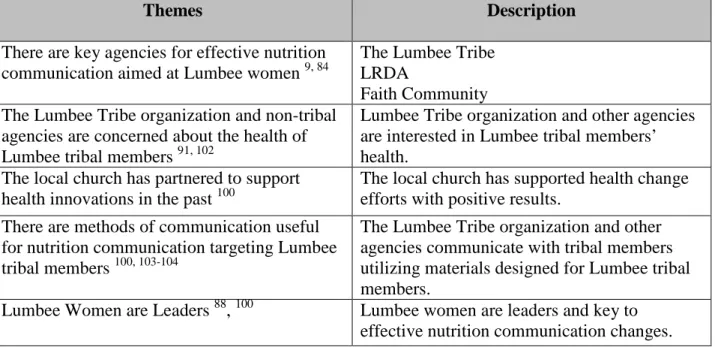
Table 18: Emergent Themes in Documents………..………...60
xii
Table 20: Summarized Research Findings………..….…...80 Table 21: Plan for Change with Leadership Action Matched to Summarized
xiii LIST OF FIGURES
Figure 1: Diagram for Determination of Plan With Critical Factors Targeting Nutrition Communication for Lumbee Women and Recommended
1
Chapter 1: Introduction
A. Statement of Issue
Despite guidelines that promote healthy behaviors, diet-related health conditions continue to pose problems for many people in North Carolina (NC) and the nation including American Indians (AIs) 1-3. The National Institutes of Health’s Health Disparities Strategic Plan and Budget Fiscal Years 2009-2013 reports a greater incidence of chronic health conditions for racial
and ethnic minority groups compared with other Americans 4-5. Lumbee tribal women in Robeson County, NC exemplify this report 6-7.
2
The Atlas of Heart Disease and Stroke Among American Indians and Alaska Natives reported that counties on the shared North Carolina (NC)/South Carolina (SC) border are among those with the highest incidence of heart disease-related death for AIs 8. Robeson County is a NC county that borders SC and is home to many members of the Lumbee Tribe 9-10. Together, the findings of this report with the geographic location of Robeson County support the DUMC findings 6-8, 10.
Dietary Guidelines for Americans, 2010 developed by the US Department of Health and
Human Services indicates that prevention of chronic disease includes limiting fat intake while consuming adequate amounts of dietary fiber 3. A study by Bell et al, believed to be the first research review of nutrient intake by Lumbee women, included findings that Lumbee women consume excess fats and insufficient amounts of fiber 11. The Bell et al study shows that Lumbee women model nutrition behaviors which pose elevated risks for development of cardiovascular disease and other chronic diseases 3, 11.
This leads to the challenge of how to educate Lumbee women to follow health promoting nutrition guidelines. One approach is to understand how best to communicate nutrition
information to Lumbee women. Greater understanding of nutrition communication factors, including recommended behavioral changes related to critical cultural, socioeconomic, and contextual factors has the potential to improve health measures for these women.
3
This study uses qualitative, descriptive methods to understand critical nutrition communication factors and needed alterations to develop a plan, directed toward the Lumbee Tribe organization, which encourages Lumbee women in Robeson County to consume nutritious foods. Determination of critical factors and necessary changes can result in important
recommendations such as policy development and collaborative partnerships. Prior to beginning this research, it was anticipated that necessary changes could impact the Lumbee Tribe
organization. Thus, an important facet of this research includes the application of leadership concepts to propose ways the Lumbee Tribe organization can implement changes deemed critical by study results. The terms “American Indian” and “Native American” will be used
interchangeably in the discussion of this research. B. Background
The Lumbee Tribe with approximately 55,000 members is primarily located in the counties of southeastern NC 9. To gain perspective for the tribe’s size consider the 2010 Census report that NC’s AI population, represented among eight state recognized tribes and one
federally recognized tribe, was 1.3% or approximately 122,11012-13. In 2013, AIs (AI alone) accounted for 1.6% of NC’s population 14. Robeson County where most tribal members live, has a population of 134,84114. In 2013, AIs comprised 39.5% of the county’s population 14.
4
The Lumbee Tribe government which consists of three branches was established in 2000 9, 16
. The Tribal Chairperson, elected by tribal members, holds executive powers and represents the Lumbee Tribe to other governments such as the United States 17. The Tribal Chairperson holds power to enact tribal laws and to veto ordinances enacted by the Tribal Council 9. The Tribal Council composed of twenty-one elected representatives of tribal districts is the legislative branch of the tribal government and is tasked with enacting ordinances 17. The Supreme Court (Judicial Branch of tribal government) consists of five tribal members (two are law school graduates and three are lay tribal members) who render decisions regarding the Lumbee Constitution and tribal ordinances 17. Supreme Court members are nominated by the Tribal Chair and appointed by the Tribal Council 17. The Lumbee Tribe organization has administrative offices in Pembroke, NC 9. In this discussion, the Lumbee Tribe government along with the administrative and support staff of the tribal government are referred to as the Lumbee Tribe organization.
The tribe is distinguished by unique speech patterns that have been studied and termed as “Lumbee-English” by linguists 18,19(p8). It is suspected that tribal members’ tendency to remain in the rural communities of their birth preserved speech patterns over generations 20. Tribal members include Old English words in their conversations and English surnames predominate, adding support to the theory that Lumbees are descendants of Indians friendly with a group of English colonists who disappeared from Roanoke Island in 1587 21. Some believe these colonists, also called The Lost Colony, were saved from starvation by nearby Indians who subsequently inter-married with them 21.
5 21
. These food traditions were taught across generations perpetuating reliance upon high fat diets as an accepted norm.
Lumbee tribal members have become known for health problems with dietary behaviors as possible causative factors 6. Prior to 2006 when a heart center was established at Southeastern Regional Medical Center (renamed Southeastern Health) in Robeson County, Lumbee tribal members and other county residents traveled to medical centers outside the area for
interventional cardiac care 22. In its 2012 petition for a second cardiac catheterization lab, Southeastern Health’s (SH) leadership reported fifty patients per month were transferred prior to adding the heart center and afterward transfers decreased to two per month 22. SH supported its request by noting Robeson County’s large AI population and AIs’ increased risk for heart disease-related deaths 22-23.
SH has decreased the need to travel for care but the request for another cardiac
catheterization lab shows the need for cardiac care has not decreased 22. In fact, it implies that the causes for cardiac disease in Robeson County have not been fully addressed.
C. Significance of Issue
6
needs for Lumbee women is the focus of this study that has potential implications for the improvement of their comprehensive health.
Lumbee women’s adherence to recommended dietary guidelines can serve as a model to others. Application of nutrition guidelines by Lumbee women may signal to their families, co-workers, and communities that adherence to recommended dietary guidelines is acceptable and valuable. Thus, the dietary actions of Lumbee women can positively influence the eating
behaviors of other individuals. Additionally, reduction in morbidity could reduce time lost from work and health care costs associated with lack of adherence to dietary guidelines 24. Most importantly, there is potential to reduce the increased risk of death.
7
Chapter 2: Literature Review
The literature review shows past studies with Lumbee women were focused on cancer, dietary intake, tobacco use, post-partum depression, and parenting 11, 25-29. There has been minimal research related to their nutritional behaviors. Further, there has been no research directed toward learning their thoughts about effective communication of nutrition information or needed alterations to critical nutrition communication factors. This research explores the overarching question-“How should critical factors related to communication of nutrition
information to Lumbee women be altered to enable Lumbee women in Robeson County, NC to consume nutritious foods?”
8
Appendix E for further detail concerning the search terms and articles in this review. The following table is a list of topics resulting from the review of relevant literature.
Table 1- Organization of Relevant Literature
Organization of Literature A. Dietary Behaviors of AIs in the US
B. Dietary Behaviors of Lumbee Tribal Members in Robeson County, NC C. Dietary Studies With Rural Elderly in NC
D. Dietary Interventions With AIs
E. Factors That Influence Health Behavior Changes by AIs
F. The Effectiveness of Targeted and Tailored Health Communications G. Culture as a Basis for Successful Health Communications
A. Dietary Behaviors of AIs in the US
The literature review revealed a disconcerting theme in the dietary behaviors of AIs. AI diets are not reflective of health promoting dietary guidelines for a number of measures. In a review by Bell et al of dietary studies among AIs (including Lumbee) from 1959-1996, AIs’ diets did not adhere to dietary guidelines for nutrients such as fat consumption (excess) and dietary fiber (insufficient intake) 30. Similar findings for fat and dietary fiber were shown with forty-seven men and fifty-seven women in two Ojibwe communities in Minnesota and
9
Additionally, fruits and vegetables are not consumed in adequate amounts. In a study of seventy-one women with ties to sixteen tribes in Oklahoma, few participants reported adequate fruit or vegetable intake 33. Frequently consumed foods included soft drinks, butter/margarine, ice cream, ground beef, hot dogs, and tea 33. Similarly, analyses of AI data collected in 1995-1996 and 2005-2006 across thirty-six states showed lack of health promoting dietary behavior including inadequate fruit and vegetable intake over the course of ten years 34.
When tribal affiliation and geographic location are reviewed, it is apparent that lack of dietary guideline adherence occurs in multiple tribes and in many areas across the US 31, 35-37. A comparison of diet recall from 1988-1991 among men and women aged 45-74 in ten tribes in Arizona, Oklahoma, North Dakota, and South Dakota participating in the Strong Heart Study (the largest study of cardiovascular disease among AIs) found most participants were at risk for development of chronic diseases including cardiovascular problems 35. A five year prospective study among tribes of the Pacific Northwest found diets deficient in Vitamin C, folate, and calcium 36. Phone and in-person interviews with Catawba Indians in NC and SC showed diets were low in vegetables and fruits 37. A study conducted in Columbus County, NC with two hundred ninety-one men and women representing Siouan Indians, whites, and blacks found that all races consumed excess amounts of recommended fat with less than recommended levels of dietary fiber 38. Siouan Indians are located in close geographic proximity to Lumbee Indians in Robeson County 39. These studies show that multiple AI tribes across the US are prone to eating behaviors that do not closely match dietary recommendations.
10
weight was also reported in the Ojibwe study 31. The study of AI participants across thirty-six states over ten years noted incidence of diabetes, obesity, hypertension, and other risk factors for cardiovascular disease in women and men 34.
This review of dietary studies among AIs shows alarming patterns. Tribal members across the US are not adhering to healthy dietary guidelines and are experiencing chronic diseases which can be associated with dietary behavior 3, 30-38.
B. Dietary Behaviors of Lumbee Tribal Members in Robeson County, NC
Similar to national findings in studies with AIs, members of the Lumbee Tribe are not closely following dietary recommendations. In 1995, Bell et al conducted a seminal study to collect “… baseline dietary information from Lumbee Indian women in NC” to establish “… a nutrition education program…to reduce the diet-associated risk of chronic diseases…” 11(p. 1426). Over half of the one hundred twenty Lumbee women interviewees were above ideal body weight and consumed excess fats 11. Further, study participants reported inadequate consumption of dietary fiber and minerals 11. However, antioxidant nutrients were adequately consumed which the authors attributed to Lumbee tribal members’ tradition of growing vegetables and fruits 11. According to communications with the first author (Bell), the nutrition education program was developed but not published.
Secondary analysis of the study data compared dietary intake among Lumbee women who were smokers and non-smokers 40. Smokers reported inadequate intake of fruits,
11
Also, similar to national studies, Lumbee tribal members experience health conditions clinically associated with unhealthy dietary behaviors. The DUMC retrospective review which showed that Lumbee women have significant cardiac disease and associated risk factors
including excess weight is a prime example of this theme 6-7. Further, as found by Levin et al in a comparative study of Lumbee, Catawba, Menominee, and Chippewa tribes in NC, SC,
Wisconsin, and Minnesota, respectively, Lumbee men and women self-report having chronic diseases such as hypertension and cardiovascular disease 41. Researchers noted differences in the occurrence of chronic disease and risk factors for cardiovascular disease among the tribes and regions they represented then concluded that intentions to influence AIs’ health should be targeted to specific tribes 41.
Health conditions related to calcium deficiency are another potential result of Lumbee women’s diets. A study with two hundred forty African American (AA), AI, and white elderly women in Robeson County showed most of the participants did not consume adequate amounts of dietary calcium 42. The study indicated that participants especially at risk for calcium
deficiency were women who did not consume calcium supplements 42.
12
conduct three additional follow-up meetings” 43(p. 4). This report implies that the tribal agency’s interest in health can improve the dietary behaviors of Lumbee women.
C. Dietary Studies With Rural Elderly in NC
Studies were conducted in NC that focused on the dietary behaviors of elderly people 44-46
. The study by Arcury et al used pseudonyms for the two study areas with one location described as “… more removed from metropolitan areas and has a small city in which county services historically have been based. Despite a substantial number of Native Americans in the study area, there are no Indian Health Service facilities available to county residents.” 44 (p. 490). This description is similar to many of Robeson County’s characteristics. For example, many Lumbee tribal members live in Robeson County but do not receive Indian Health Service benefits 9. The following discussion is a review of studies with rural elderly participants in two NC counties. All of the studies include AIs and as Robeson County was potentially one of the study counties then most of the AI participants would have been Lumbee tribal members.
Arcury et al interviewed county service providers involved with nutrition programs and learned they had skewed perceptions of nutrition barriers for the elderly in their counties due to incomplete knowledge of resources 44. One of the study counties chose to address this finding with monthly meetings of service providers to discuss elder nutrition issues 44.
13
elders with diabetes change food preparation methods but tend not to change the foods they consume 47.
A study of vitamin and mineral supplement use had similar results to the Robeson County calcium study previously discussed 42. The study with rural elderly showed that most of the participants had nutrient deficient diets and supplement users were more likely to be women and similarly European American or AI 48.
Two studies had differing results for fruit and vegetable consumption. One study reported “… more than half” of participants had adequate fruit and vegetable consumption 46(p. 53)
. The other study reported inadequate consumption 49. Still, both studies affirmed that elderly participants do not adhere to recommended intake levels for dairy, grains, fats, or sugars 46, 49.
These studies in two rural NC counties show a tendency for elderly AIs not to adhere to health promoting dietary guidelines. Additionally, widowhood and chronic illness are factors which increase the likelihood that elderly, rural individuals will change their dietary behaviors 45, 47
. Further, it is evident there is a need for communication across agencies to ensure nutrition-related issues for rural, elderly individuals are realized and appropriately addressed 44.
D. Dietary Interventions With AIs
14
group discussions, training sessions, and materials with images of AI women to teach healthy dining-out and snacking, food label interpretation, and healthy meal preparation 50.
An intervention with community participation and program delivery at school, work, and church sites was used with the Eastern Band of Cherokee Indians (EBCI) in western NC, the only federally recognized tribe in the state 51. Positive outcomes included an increase in healthy dietary behaviors, development of church messages promoting healthy behaviors, increased modeling of healthy behaviors, and request by other churches and work sites to join the program 51
.
A multi-phase project among NC AI tribes including the Lumbee in Robeson County began with development of partnerships between the tribes and study researchers 52. Data was collected using Talking Circles and interviews with tribal members and community leaders 52. Positive outcomes of the project include development of a toolkit that tribes use to facilitate tribal members’ access and consumption of healthy, affordable food 52. Researchers also
developed a list of recommendations useful for entities interested in developing partnerships with NC AI tribes 52. The recommendations emphasize the need for culturally appropriate
15
These interventions demonstrate the impact of target audience culture on results 50-51. Moreover, this points to the need to understand target audience culture in order to choose elements which can prove beneficial for interventions 50-51.
E. Factors That Influence Health Behavior Changes by AIs
There are factors that influence willingness of AIs to alter their health behaviors. Examples of these contributing factors include role modeling and information sharing by tribal leaders and individuals similar to the targeted AIs 53. A study in Robeson County used audience representatives in the form of lay health advisors who provided education, encouraged
attendance for mammograms, and addressed mammography barriers with a resulting increase in mammography rates for rural, low income AI and AA women 54.
Struthers et al conducted a qualitative study with Native peer educators who shared their experiences as facilitators of Talking Circles where “… the facilitator and participants sit in a circle, and oral tradition is used to carry out interactions” 55(p. 175). Peer educators felt Talking Circles provided “… meaningful education in the communities, because the valiant efforts with pamphlets [given to clients in the Indian Health Service clinic] don’t get Indian people to change behavior” 55(p. 177). Researchers felt that trained AI facilitators are greater determinants for success than Talking Circles 55. There are differences of opinion regarding the cause for successful interventions with AIs 55. However, it is apparent that use of target audience
representatives is a culturally influenced approach which promotes behavior change by AIs 55.
16
regarding cervical cancer knowledge and willingness to have a pap smear 26. A later qualitative, retrospective study showed factors such as program messages about remaining healthy to care for others and use of lay health advisors had benefited the intervention 26. However, community resources which were “not well utilized” and cultural beliefs about seeking care when not sick were two of the factors which hindered the intervention 26(p.560).
A comment by Byers in a review of studies concerning nutrition and cancer risks for AIs highlights the potential for cultural factors to beneficially influence AI health behaviors “… those with higher regard for historical cultural traditions, such as many American Indians and Alaska Natives, may be well prepared to integrate past principles of the value of good foods and physical activity to achieve future nutritional improvements…” 56(p. 1615). Thus, culture can be integrated into plans for effective health communication to AIs.
A review by Kreuter and McClure of health communication articles included the Messer study with Cherokee and Lumbee women in NC 26, 57. Like Byers, Kreuter and McClure’s comments support the value of culturally framed health information while proposing the potentially positive effect of doing so “… to help eliminate health disparities” 57(p. 450).
There are issues that can serve as limiting factors for healthy behavior change by AIs. Interestingly, a study in Oklahoma showed AI women are unwilling to choose healthy foods which conflict with family preferences 58. Additionally, socioeconomic factors such as food cost and income may limit AI women’s ability to choose healthy foods 53.
F. The Effectiveness of Targeted and Tailored Health Communications
17
communications are generally prepared and delivered to large, diverse audiences while targeted communications are designed and delivered for audiences segmented along some
characteristic(s) of interest 59-60. Tailored health communications are designed specifically for individuals 59-60.
General messages for large, diverse audiences are usually less expensive to prepare and deliver than tailored or targeted communications 60-61. However, when communicating to groups with key characteristics which could impact receptiveness or outcome, it can be beneficial to incur additional cost for customized messages 60. For example, a meta-analysis of health communication messaging tactics and characteristics of intention to change behavior found women are more likely to alter behavior(s) when presented messages which reflect health effects for individuals important to them 62. Time constraints for AA women, including those with advanced degrees and income, have been reported as a major barrier to healthy food selection and home-cooked family meals 63. Thus, messages directed toward women generally and women along certain characteristics of interests may require additional costs to effectively direct them toward factors that are important.
18
no evidence of effectiveness for cancer prevention and screening messages that were tailored on cultural constructs alone… Only when culturally relevant tailoring was combined with
behavioral construct tailoring did it emerge as effective” 68 (p. 60). Thus, audiences are clearly important, but these studies show the effectiveness of tailoring and targeting of information is unclear.
G. Culture as a Basis for Successful Health Communications
Concerns for ensuring that health communications reflect culture is based on the belief that when we know important characteristics about message recipient(s) we can develop and deliver information which impacts acceptance and/or behavior outcome 57, 59. The Institute of Medicine recommends an increase in efforts to learn about populations prior to developing population-specific interventions 59. Fishbein and Cappella said, “… one must understand the behavior from the perspective of the population for whom interventions are being developed. Once understood in this way, these beliefs can serve as the basis for messages and other
interventions that can have an impact on the target behavior through the mediating mechanisms” 64 (p. S4)
. All of which is supported by results of a study by Uskul and Oyserman which suggests that connecting messages to culture can increase message persuasiveness 69.
The Health Disparities Strategic Plan for 2009-2013 by the National Institutes of Health
(NIH) includes an objective for targeting programs for groups such as racial and ethnic
19
written above the proposed seventh grade reading level and did not meet criteria for easy use 71. Moreover, the site had no messages or visual cues targeting racial or ethnic groups 71. The website was replaced in 2011 by ChooseMyPlate.gov 72.
However, there is evidence that AI culture has been considered by the NIH. The booklet, Your Choice for Change! Honoring the Gift of Heart Health for American Indians, uses a
fictional AI family to inform readers about the importance of reducing heart disease and associated risk factors 73.
Researchers have attempted to culturally influence interventions. The results show that successful culturally sensitive communication considers important differences among group members 74. Talking Circles and stories were used to communicate the need for pap smears and follow-up on abnormal results to AI women recruited at rural and urban sites in California 75. The study participants indicated that Talking Circles were “…an acceptable way to overcome communication and cultural barriers…” 75 (p1596). Researchers reported stories in the study served “…as both an educational and cultural nurturing tool” 75 (p.1596). Likewise, Fleischhacker et al successfully used Talking Circles among NC AI tribes to develop partnerships and strategies that influence food access and affordability 76. In contrast, a discussion by Michielutte et al shows that a fictional story planned for Lumbee and EBCI women was not equally acceptable to participants 77.
20
assertion 63. For example, study participants reported avoiding consumption of fruit at night due to the belief that it will cause gastrointestinal discomfort 63. Thus, the need to effect behavior change for racial and ethnic minorities requires customized health communication directed toward factors which increase the likelihood of reaching the audience and achieving desired outcomes 69, 74.
H. Summary of Literature
The literature reviewed provides interesting points relative to Lumbee women, nutrition, and health communication. Members of cultural groups can have key characteristics which influence the effectiveness of health communications 26, 74. Variation among audiences and individuals within targeted audiences can require additional work to prepare and deliver health information and interventions however effectiveness of the customized materials is not clearly supported by all researchers or their findings 65, 68, 74.
The literature gives insight for messages that appeal to women and even which stage in life may bring greater likelihood for women to adopt dietary changes 45. Additionally, there is information regarding generally acceptable messages for minorities and factors that hinder or support AI women’s interest in dietary changes 53, 58, 74. Still, the most applicable summary of the literature is that the target audience is the best source for learning how information should be communicated to them 64.
21
22
Chapter 3: Input/Output Diagram
23
Figure 1- Diagram for Determination of Plan With Critical Factors and Recommended Changes Targeting Nutrition Communication for Lumbee Women
Document Review Key Informant
Interviews
Synthesis of Themes • Critical Factors
• Recommendations for Change Themes
• Critical Factors • Recommendations
for Change
Documents Discovered via Key Informant Interviews
Plan-Critical Factors and Recommended Changes to Nutrition Communication Targeting Lumbee Women in Robeson County, NC 1. Critical Factors in Effective Nutrition Communication For Lumbee
Women
A. Socioeconomic Factors B. Environmental Factors C. Cultural Factors D. Policies
E. Collaborative Partnerships F. Advocacy Efforts
2. Recommended Changes to Critical Factors
Themes • Critical Factors • Recommendations
for Change
Potential Outcomes of Targeting Nutrition Communication for Lumbee Women in Robeson County, NC
1. Improved quality and quantity of life for Lumbee women 2. Improved ability to lead others
3. Greater potential to contribute to communities and economies
24
The Institute of Medicine commented as follows concerning the application of behavioral science theories to health communication: “In health communication intervention programs, behavioral theories provide a framework for identifying the critical factors underlying the performance (or non-performance) of specific health-related behaviors. The more one knows about the determinants of a given behavior, the more likely it is that one can develop an effective communication intervention to reinforce or change that behavior” 59 (p. 28). Target audience characteristics can influence interventions and communication effectiveness 26. The IOM comments highlight the need for planners, researchers, and policy makers to incorporate audience specifics into communications to increase the likelihood that health behaviors will positively change 59.
The input/output diagram for this research provides a framework for input information collected from key informant interviews and review of documents specific to Lumbee women and their nutrition communication needs. Inputs are synthesized into outcomes in the form of critical factors with needed changes related to communication of nutrition information to Lumbee women. The value of these critical factors and proposed changes is that Lumbee women, experts on their own nutrition communication needs, are a key information source.
25
new or expanded advocacy needs for nutrition communications to effectively target Lumbee women could be required.
The importance of this research is the development of a plan useful for guiding the
26
Chapter 4: Study Design and Methods
This study is a qualitative, descriptive, non-experimental investigation. Using key informant interviews and document review, information was collected to answer two sub-questions that together address the over-arching research question.
Research Question: How should critical factors related to communication of nutrition information to Lumbee women be altered to enable Lumbee women in Robeson County, NC to consume nutritious foods?
Sub-Questions: Firstly, what are the critical factors related to communication of nutrition information to Lumbee women in Robeson County, NC? Secondly, which factors need to
27 Table 2- Definitions
Definition Term Definitions/Source
Lumbee woman A woman may have a membership card implying descent from persons listed on Lumbee source documents 78-79. Appendix D is the list of Source Documents. A Lumbee membership card is not required for this research.
Health
Communication
“… The crafting and delivery of messages and strategies, based on consumer research, to promote the health of individuals and communities” 80 (p. 181).
Mass Communication The same message is delivered to large groups 60. Targeted
Communication
Audiences are separated by key factors but receive the same message 60. Tailored
Communication
Message(s) are designed for an individual 60.
Segmentation Separating audiences into groups based on shared characteristics 60. Culture Culture has been defined in multiple ways with a summary as truths,
norms, and interactions shared by a particular group 59.
Culturally Sensitive “… Targeted health solutions to cultural communities based on the most relevant cultural characteristics of the communities” 81(p. 309)
. Health Disparity
Population
“… Disparity in the overall rate of disease incidence, prevalence, morbidity, mortality, or survival rates in the population as compared to
the health status of the general population” 82(p.10).
A. Selection of Key Informants
Purposeful selection guided the development of a list of key informants drawn from the population of Lumbee women eighteen years of age or older living in Robeson County 83. Creswell indicates purposeful selection should yield participants who can “… best help the researcher understand the problem and the research question” and “… does not necessarily suggest random sampling or selection of a large number of participants” 83(p. 178).
28
Lumbee Tribal Council members, or employees of the Lumbee Tribe. There were reviews of websites sponsored by organizations important to Lumbee women in Robeson County including educational institutions, county and local governments, and Robeson County Health Department (RCHD) (http://publichealth.southernregionalahec.org/robeson/). Likewise, there was review of the Lumbee Regional Development Association (LRDA) (http://www.lumbee.org/) which
represented the Lumbee Tribe prior to development of the current Lumbee Tribe organization 84. The webpage for the AI Women of Proud Nations (AIPWN) (http://www.aiwpn.org/)
organization that supports AI women’s interest and actions for healthy living, strong
relationships, and growth of AI women leaders was reviewed 85. Additionally, the website for Burnt Swamp Baptist Association (BSBA) (www.burntswamp.org) was reviewed 86. This site also includes information for The Healing Lodge (THL) 86. THL was established to assist Robeson County inhabitants with issues such as substance abuse 86. BSBA has seventy churches located mostly in southeastern NC with membership in the churches totaling more than ten thousand 86. BSBA’s members are largely AI and affiliated with NC tribes including the Lumbee 86. Further, names were added to the list of potential informants based on the researcher’s past knowledge of Lumbee women leaders in key positions and organizations in Robeson County including health organizations.
29
Approximately fifteen interviews were planned after at least three pilot test interviews. Thus, a list of potential informants beyond the target number to allow for those who would decline, prove unreachable, or otherwise be unable to participate was developed. The final list of potential informants held the names of forty-four Lumbee women leaders in Robeson County.
Using this list, the researcher contacted the women to discuss their willingness to
participate as key informants in the research. As the researcher progressed down the list of forty-four names, affiliations were repeatedly reviewed and participation commitments sought to ensure the target number of Lumbee women with similar distribution among tribal, lay, and health circles was reached. Also, a broad range of ages was sought using employment,
retirement, and student status as a general guide since ages were not known when developing the list nor were ages collected when interviewing participants.
A total of twenty-two women agreed to participate in the research. The first three interviews were used to pilot-test the interview guide. Fifteen other women interviewed and their responses are represented in the results. The remaining four who agreed to participate included one woman who was sick the day of the interview and did not return calls to reschedule. The other three proved to be unable to schedule an interview due to ongoing illness or
employment responsibilities.
30
prior to calling them. Since phone contact was essential to the recruiting process for this study, women without access to a working phone were not included. The tables below summarize this discussion of potential participants.
I am a Lumbee woman over eighteen years of age living in Robeson County where I am employed as a physician assistant. I realize my insights are valuable to this research, so I include narrative self-reflection when appropriate and clearly note these inclusions as my ideas 83.
Lumbee women live across NC and other areas of the US. In an effort to complete the proposed research in a timely manner and reduce travel requirements for participants, women living in Robeson County were the target audience.
The tables below summarize this discussion of potential participants.
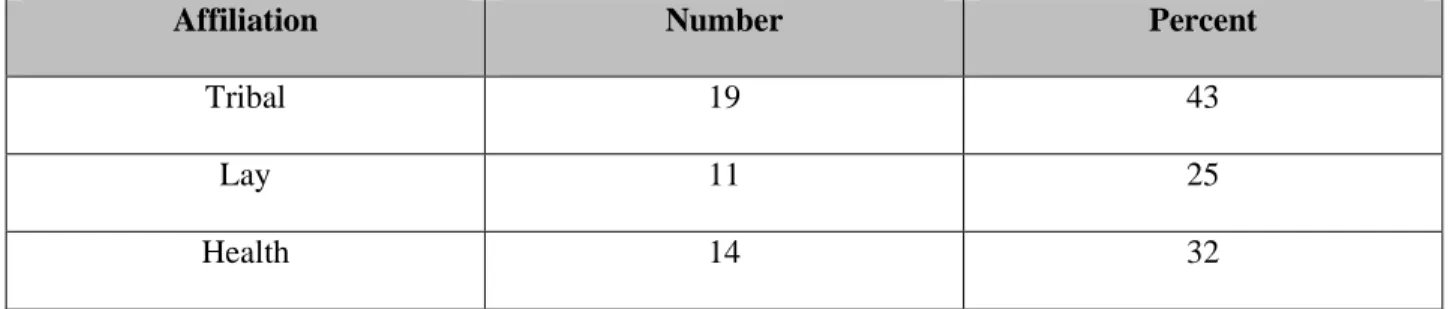
Table 3- Profile of Potential Informants by Affiliation
Affiliation Number Percent
Tribal 19 43
Lay 11 25
Health 14 32
Table 4- Profile of Potential Informants by Employment Status
Employment Status Number Percent
Employed 29 66
Retired 9 21
31
Unknown 5 11
Table 5- Profile of Potential Informants by Marital Status
Marital Status Number Percent
Married 22 50
Single 4 9
Widow 2 5
Unkown 16 36
Table 6- Profile of Potential Informants by Motherhood Status
Motherhood Status Number Percent
Children 32 73
No Children 2 5
Unknown 10 23
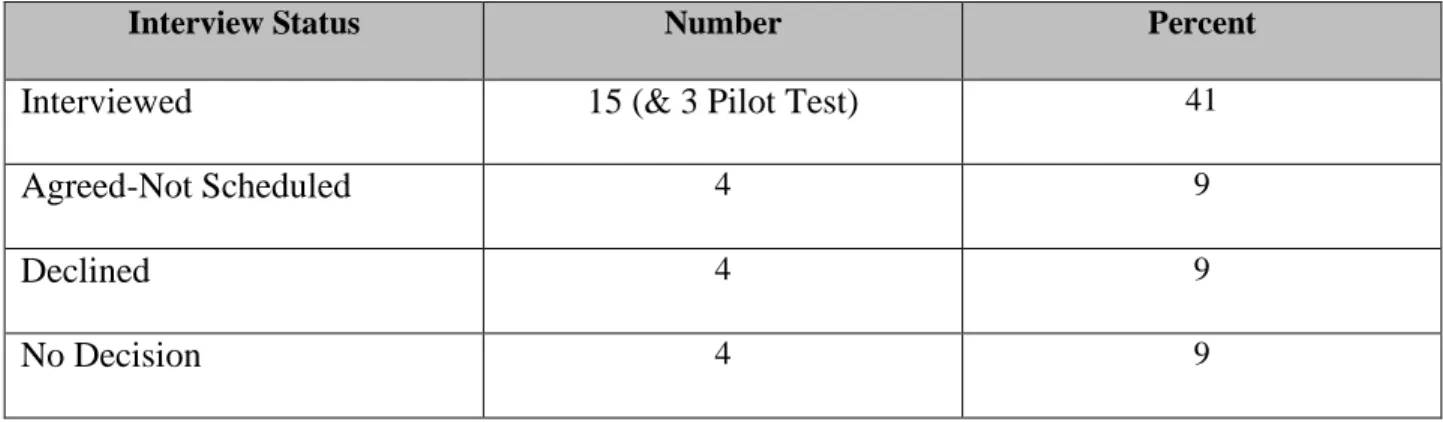
Table 7- Profile of Potential Informants by Interview Status
Interview Status Number Percent
Interviewed 15 (& 3 Pilot Test) 41
Agreed-Not Scheduled 4 9
Declined 4 9
32
No Phone Number 3 7
Not Contacted 11 25
B. Selection of Documents for Review
To add scope and depth to the systematic review conducted with peer-reviewed sources, a review of grey literature was added. Documents both published and unpublished with relevance to the research topic were reviewed. Potential documents included articles by researchers who have studied Lumbee tribal members. Additionally, there was a search for relevant documents associated with health conditions such as cardiovascular disease. Also, documents identified during interviews with key informants were considered. Examples of program documents reviewed are The American Indian Healty Eating Project at UNC Chapel Hill (UNC-CH), The Native Proverbs 31 Health Project by the Maya Angelou Center for Health Equity at Wake
Forest School of Medicine (WFSM), and Native Foodways events held at UNC-Pembroke (UNCP) 88-93.
C. Data Collections
1. Key Informant Interviews
33
Additionally, field notes were taken for back up 94. Transcripts were read, looking for patterns and the findings were organized by themes using MAXQDA 11 analysis software produced in Berlin, Germany 96.
Key informants were interviewed using an interview guide containing open-ended questions with probes 94. The guide was pilot tested after IRB approval with a plan to modify if indicated 94. It was noted after pilot testing with three informants purposefully selected from women similar to the target population that questions were understandable, yielded informative answers, and the interview guide could be completed in the allotted time. Thus, no changes were made to the interview guide 83.
There were few past studies with Lumbee women related to nutrition or communication. Yet, the existent literature reviewed at the onset of this research was helpful in developing questions for the interview guide. The paucity of nutrition communication research with
Lumbee women prompted development of questions to understand informants’ past experiences with nutrition communication. A previous study with Lumbee and EBCI tribes pointed to the potential for culture to influence research 26. Thus, interview questions were included to understand what is needed for Lumbee women to feel nutrition communications are culturally appropriate and targeted toward them. Due to the report that tribal leaders are important supportive factors for AI women interested in changing health behaviors, questions were included to understand which organizations are most important to effectiveness and how they should be involved in nutrition communications for Lumbee women 53. The literature also showed that socioeconomic issues are necessary considerations for effective health
34
to share published and unpublished documents they have written related to this research. A copy of the interview guide is included as Appendix C.
During an initial telephone call to potential informants, the researcher was introduced as a doctoral student at UNC-CH. With their permission, the information sheet outlining the
proposed research was read to them verbatim. The information sheet is included in the
appendices as Appendix A and titled, “Description and Telephone Contact Regarding Research with Lumbee Women about Critical Factors in Nutrition Communication”. Potential informants
were told they had been contacted because they have information considered valuable to this research; identities would be kept confidential by the researcher; and that interviews would last approximately 45 minutes 94. Potential informant questions were answered and they were asked their willingness to participate as key informants in the research.
If a woman chose to participate, a date and site conveniently located and also affording confidential interviewing was agreed upon. Participants were advised to expect a reminder call within three days of the planned interview. If a woman chose not to participate, she was thanked for her time and no further contact was made related to the proposed research.
Prior to beginning each interview, participants read or had the researcher read to them a description of the research which they signed to attest informed consent and agreement to participate 94. A copy of this form noted as Appendix B is included in the appendices.
35 2. Document Review
Data were collected from literature review of published and unpublished documents (grey literature) such as articles, reports, studies, and program materials with pertinence to the research question and sub-questions.
D. Inclusion/Exclusion Criteria
Only women who identified themselves as Lumbee tribal members 18 years of age or older living in Robeson County were included in the research. The researcher personally contacted potential participants by phone. Thus, women without phones were not included as participants in this research. Likewise, if a woman indicated in the initial phone contact that she was not interested in discussing the planned research or if she indicated that she was not willing to participate in the research after it was explained to her, then she was excluded from any future contact concerning the research.
E. Costs
Participants were asked to attend interviews in a setting where discussions could remain confidential. A site convenient for each interviewee was chosen. Still, there were potential participant costs such as those related to time and transportation. Informants were not compensated for potential costs related to study participation.
F. Analysis Plan
36
cautions that the insight provided by a comment or the value it holds is not reflected by the number of times it is mentioned by participants 94.
Once themes in interviews and documents were determined, they were compared for similarities and differences. If contradictions were found, there were attempts to reconcile them. If reconciliation of contradiction(s) was not possible, comments regarding the contradiction were included in the final write up of findings. Narratives and tables were prepared indicating themes. The final plan reflects a synthesis of themes from interviews and documents.
G. IRB, Informed Consent, Confidentiality, Ethics
An application was submitted to the UNC Institutional Review Board. A representative of the Lumbee Tribal government indicated a separate IRB application is not required for tribal approval. However, the Lumbee Tribal Council was informed of the plan to conduct research focusing on nutrition communication with key informants from the Lumbee Tribe. Research began after approval was received from the UNC Institutional Review Board. Prior to
37
Chapter 5: Findings
This chapter presents findings for the review of key informant interviews and documents found in sources (grey literature) other than peer reviewed journals. The findings are presented as they relate to the research question and sub-questions for this study.
A. Key Informant Interview Descriptive Analysis
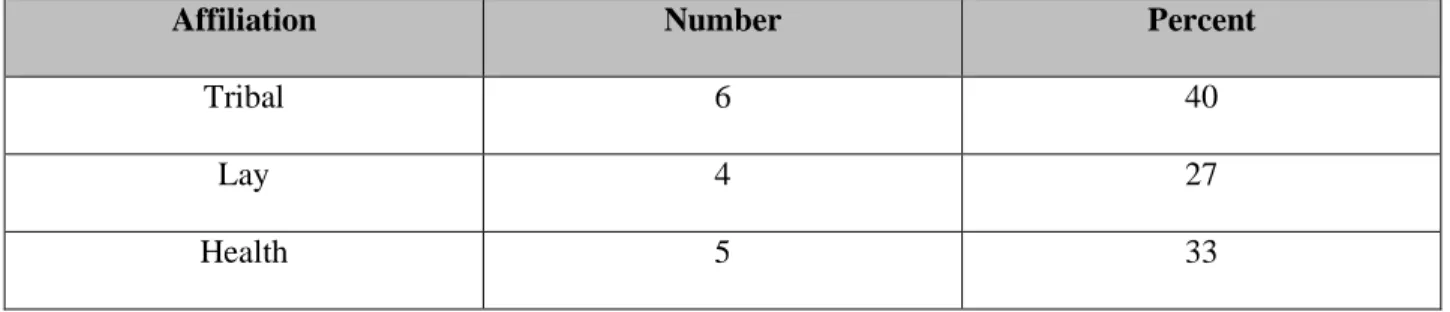
38 Table 8- Key Informant Profile by Affiliation
Affiliation Number Percent
Tribal 6 40
Lay 4 27
Health 5 33
Table 9- Key Informant Profile by Employment Status
Employment Status Number Percent
Employed 10 67
Retired 4 26
Student 1 7
Table 10- Key Informant Profile by Marital Status
Marital Status Number Percent
Married 12 80
Single 2 13
Widow 1 7
Table 11- Key Informant Profile by Motherhood Status
Motherhood Status Number Percent
Children 13 87
39 B. Emergent Themes
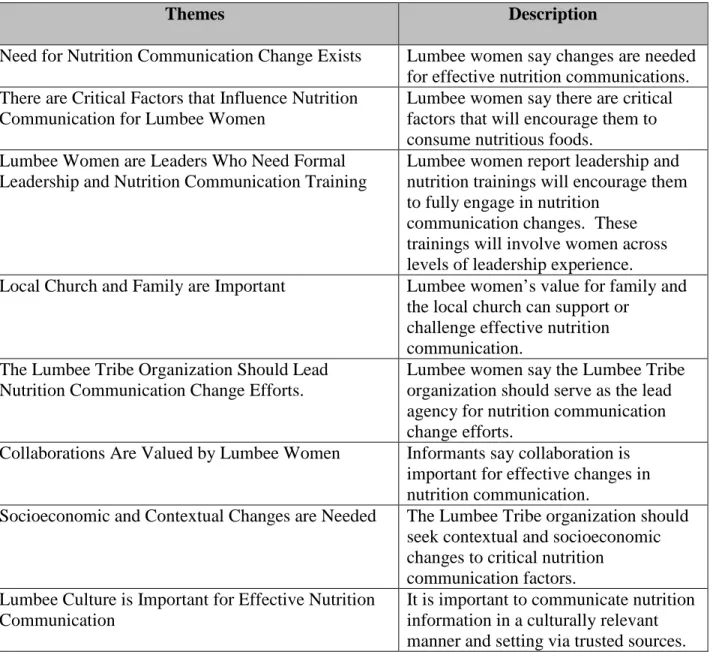
Analyses of key informant transcripts were organized into themes. These themes are important to understanding the critical factors and necessary changes regarding effective nutrition communication measures for Lumbee women. The themes and descriptions are listed in Table 12.
Table 12- Themes in Key Informant Interviews
Themes Description
Need for Nutrition Communication Change Exists Lumbee women say changes are needed for effective nutrition communications. There are Critical Factors that Influence Nutrition
Communication for Lumbee Women
Lumbee women say there are critical factors that will encourage them to consume nutritious foods.
Lumbee Women are Leaders Who Need Formal Leadership and Nutrition Communication Training
Lumbee women report leadership and nutrition trainings will encourage them to fully engage in nutrition
communication changes. These trainings will involve women across levels of leadership experience. Local Church and Family are Important Lumbee women’s value for family and
the local church can support or challenge effective nutrition communication.
The Lumbee Tribe Organization Should Lead Nutrition Communication Change Efforts.
Lumbee women say the Lumbee Tribe organization should serve as the lead agency for nutrition communication change efforts.
Collaborations Are Valued by Lumbee Women Informants say collaboration is important for effective changes in nutrition communication.
Socioeconomic and Contextual Changes are Needed The Lumbee Tribe organization should seek contextual and socioeconomic changes to critical nutrition
communication factors. Lumbee Culture is Important for Effective Nutrition
Communication
40
Policies in Work Environment are Important Employers can aid policy change for effective communication of nutrition information.
Themes are organized into a discussion that addresses the sub-questions and over-arching question in this study. Thus, results are directed toward understanding factors that are critical for effective communication of nutrition information to Lumbee women; whether factors need to change; and how recommended changes should occur. Comments by key informants are included to emphasize key points. Finally, since I am a Lumbee woman residing in Robeson County and a member of the targeted informant group, I will share my insights as a participant observer 97.
C. Key Findings for Informant Interviews
Key Findings 1: Lumbee women issue a powerful call for changes regarding critical factors that promote effective communication of nutrition information to Lumbee women in Robeson County.
Lumbee women are the experts when considering the effectiveness of the current state of nutrition communications intended to influence dietary behaviors of Lumbee women. They report few past experiences with agencies interested in communicating nutrition information to Lumbee women. In fact, one informant reports she has no past knowledge of agencies
41
Lumbee women also suggest corrective measures that will require their participation. These two points are insightful because these informants point to shortcomings while indicating their willingness to become involved in effective change efforts. Given this advice flows from the target audience, it can be viewed as culturally relevant and useful.
Well, nobody has ever specifically communicated, as far as I know, to Lumbee women about nutrition. (Key Informant-Lay Person)
We need to start working with families and working with elders and saying okay listen, our heart – we need to get that information out of the types of diseases and what type of affect it’s having on our community, especially the food that we prepare and ingest and serve to our families. I think that’s something that people need to really work on. I don’t know how we’re going to do it but I think it’s something that needs to be done. (Key Informant -Tribal Affiliation)
Key Finding 2: There are critical factors that influence the effectiveness of nutrition communications aimed at Lumbee women.
Analysis of interviews shows an agreement by Lumbee women that there are critical factors that impact the effectiveness of nutrition communications. These factors include the need for collaborators, agencies, and individuals to demonstrate value for Lumbee culture. This demonstration would include traditional foods and language in nutrition communication, while considering family dynamics and the role of the church.
Lumbee women are reportedly valued as information sources by other Lumbee women. Thus, informants advise Lumbee women should serve as communicators of nutrition information to Lumbee women. However, there is a reported need for Lumbee women to bolster their
42
The Lumbee Tribe organization is indicated as the most appropriate agency to lead nutrition change efforts. These efforts should reportedly include promotion of collaborative approaches to contextual and socioeconomic issues affecting nutrition communication effectiveness for Lumbee women. Further, informants say leaders in the Lumbee Tribe organization and local churches should model support of nutrition communication change measures.
Lumbee women connect with Lumbee women… (Key Informant-Tribal Affiliation)
Policy should be in our areas of heart disease, diabetes centers. When they hand out materials to Lumbee ladies, those materials should be relevant. It shouldn’t be the mass materials because they’re not helpful. Plus, there should be policies that when a
nutritionist gives information to patients in hospitals or diabetes centers that they explain this information in a one on one because it will not change until we reach the most uneducated person… (Key Informant-Medical Affiliation)
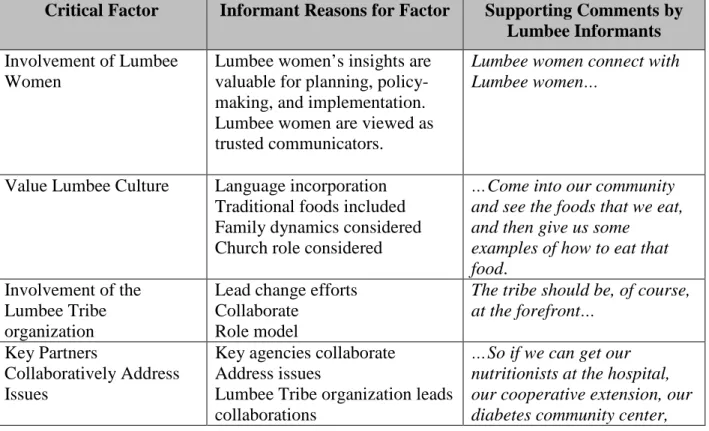
Table 13- Key Informant Report of Factors for Effective Nutrition Communications
Critical Factor Informant Reasons for Factor Supporting Comments by Lumbee Informants Involvement of Lumbee
Women
Lumbee women’s insights are valuable for planning, policy-making, and implementation. Lumbee women are viewed as trusted communicators.
Lumbee women connect with Lumbee women…
Value Lumbee Culture Language incorporation Traditional foods included Family dynamics considered Church role considered
…Come into our community and see the foods that we eat, and then give us some
examples of how to eat that food.
Involvement of the Lumbee Tribe organization
Lead change efforts Collaborate
Role model
The tribe should be, of course, at the forefront…
Key Partners
Collaboratively Address Issues
Key agencies collaborate Address issues
Lumbee Tribe organization leads collaborations
43
our Lumbee tribe, if we can all collaboratively come up with material or write some
material that are indigenous to Lumbee Indians, it would be so beneficial in 20 years down the road because it would change our eating habits.
Involvement of the Local Church
Collaborate
Supportive church policies Leaders model change
They may have a dinner and some of their foods may taste a little different than what it typically tasted like. People are going to ask questions – well what did you do
differently? I think that that’s a way to spread the
information out and then if you get your church leaders
involved, our people really respect those church leaders. Socioeconomic Issues Jobs creation
Improved wages
…Everybody needs an education but once they get that education, where are they going to go? They’re going to have to go somewhere else to live a better life or they could just stay here and take a lower paying job.
Contextual Issues Restaurant sign, menu changes Grocery store price, shelving changes
Farmers Markets Locally grown foods
44
Key Finding 3: Lumbee women are leaders who need leadership and nutrition
communication training that empowers them to lead nutrition communication change efforts directed toward Lumbee women.
Lumbee women hold positions of leadership in families and other organizations according to key informants in this study. However, Lumbee women report they need to strengthen their leadership skills and broaden their understanding of nutritious food choices and healthy food preparation methods. Informants collectively say these goals can be achieved through leadership training sessions and nutrition and healthy cooking programs. Likewise, an organized program that identifies Lumbee women who possess leadership experience and insight for successful navigation of nutrition communication obstacles is proposed. These women would serve as mentors for other Lumbee women.
Women say issues related to family dynamics must be addressed. Examples of family challenges include children’s preferences, extended family peer pressure for traditionally prepared foods, and anticipated objections to changes from male family members. A suggested measure to overcome challenging family dynamics is training sessions that specifically target this issue. These sessions would include opportunities for women to anticipate objections then discuss and plan their own potentially effective reactions. It was suggested that Lumbee women be equipped with strategies which guide them to draw family members into decision-making regarding changes to family food policies, recipe alteration, and reduction or discontinuance of fast food consumption.
…We need to prepare women when they get this information and want to go home and they want to do it and they want to cook healthy and they want to, you know, they need to be able to know how they’re going to respond. (Key Informant-Tribal Affiliation)
45
in with someone or partner them with an individual that they feel comfortable with, I think they could help actually write the materials with you. (Key Informant-Medical Affiliation)
Key Finding 4: Lumbee women’s high regard for family and the local church supports or challenges changes for effective nutrition communication measures.
Multiple interviewees indicate the family unit is very important to Lumbee women. Informants mentioned the word “family” frequently across all survey questions.
…For some reason we always put everybody else first. (Key Informant-Tribal Affiliation)
Informants report Lumbee women’s ability to apply nutrition-related changes in the home can be tempered by family resistance. Multiple informants report that nutrition communications
directed toward Lumbee women should connect to their tendency to focus on family’s needs and preferences. Thus, informants suggest message points regarding family health will attract Lumbee women’s attention and willingness to apply and communicate nutrition information.
They get involved if it’s impacting their family. (Key Informant-Tribal Affiliation)
…A child that I was responsible for, made the difference… I really did follow those guidelines…(Key Informant-Tribal Affiliation)
Multiple informants say there is a need for cookbooks that include healthy versions of traditional recipes with Lumbee-specific language and images. A few women propose these cookbooks as strategies for dealing with family objections to food changes.
46
matriarchal support of change can promote willingness by other women to partner in nutrition communication changes. Further, older women’s matriarchal authority may overcome
opposition from male family members. The cautionary point was made that without older Lumbee women’s support, nutrition communication change will be a challenging venture.
…Nutrition, it needs to be something I think that women will respond to and I think the way that they will respond to that is through our elders, through our women. (Key Informant-Tribal Affiliation)
Church was reported by a majority of informants as an important element in the lives of Lumbee women. When discussing which agencies should be involved and how to communicate nutrition information to Lumbee women, the local church was a resounding element in informant answers.
Informants report Lumbee women have busy lives organized more for the benefit of their family and church than for themselves. Informants say church attendance is highly regarded and a common activity for many Lumbee women. Church attendance draws them to an appointed place and time. Reportedly, this frequent gathering designates local churches as a critical factor for effective nutrition communication changes. Further, local churches have pre-existing media outlets and organized groups that can incorporate and lead nutrition communication changes.
The churches if they use some outside organizations to bring in nutritional classes, they could impact because you’ve got large congregations of Lumbee women that go to traditional Lumbee churches and you have a meeting place. You have people that are familiar with each other and then they could mentor each other if they were in a group. (Key Informant-Lay Person)
47
Informants advise that support by local church leaders is critically important to encouraging Lumbee women to lead changes regarding nutrition communication. Church leaders are viewed as spiritual authorities who relay information that is true and valued. Thus, church leaders’ support for effective changes in nutrition communication can promote
acceptance by those who may otherwise display opposition. Likewise, there is concern that Lumbee women may feel guilty due to unhealthy dietary behaviors. It is suggested that messages and actions of church leaders are key to allaying potentially negative feelings.
We do activities all the time that’s geared around healthy lifestyles at church because I think there’s something to be said about if we live healthy and we worship healthy…. (Key Informant-Tribal Affiliation)
They may have a dinner and some of their foods may taste a little different than what it typically tasted like. People are going to ask questions – well what did you do
differently? I think that that’s a way to spread the information out and then if you get your church leaders involved, our people really respect those church leaders. (Key Informant-Tribal Affiliation)
And I think we should learn to eat without guilt because I think when we eat stuff we shouldn’t be eating or we overeat, I think a lot of guilt comes with it and that stresses us into eating even more so we need to eat more comfort food…and I think a lot of that’s because of the churches and that whole idea of not being taught moderation. (Key Informant-Tribal Affiliation)
Key Finding 5: The Lumbee Tribe organization should lead efforts to develop, promote, and model effective changes in nutrition communication for Lumbee women.
When asked who should be involved in communicating nutrition information to Lumbee women, most interviewees named the Lumbee Tribe organization.