Hillary Van de Carr Harper
A dissertation submitted to the faculty of the University of North Carolina at Chapel Hill in partial fulfillment of the requirements for the degree of Doctor of Philosophy in the Department of Speech and Hearing Sciences.
Chapel Hill 2014
Approved by: Karen Erickson Elizabeth Crais
Patsy Pierce Penelope Hatch
ii ©2014
iii ABSTRACT
Hillary Van de Carr Haper: Connections Between Participation in Early Reading First Classrooms and School-Aged Language and Literacy Development
(Under the direction of Karen Erickson)
This investigation examined the effects of participation in The Time is Now in Pre-K Early Reading First (ERF) project on kindergarten, first, and second grade literacy outcomes.
End-of-year language and literacy data collected by the participating school district was analyzed for 170 students (Year 1 = 89; Year 2 = 81). This investigation allowed for a multi-year
examination of student performance following participation in an ERF project, and answered the call to conduct research on larger scale preschool programs that significantly improve student oral language and literacy skills.
Independent t-tests demonstrated that intervention students performed statistically significantly better than comparison students on first grade measures of phoneme segmentation
and oral retelling fluency. In kindergarten, there were no significant differences on tasks related to book and print awareness and writing. In first grade there were no significant differences on writing and phonological awareness tasks.
Additional analyses examined whether the effects of participation in the ERF project were associated with or mediated by student-level demographics and environmental factors (i.e.,
teacher and school assignment) and if the effects of participation in the ERF project changed after one year of literacy instruction. Multiple regression equations determined that a full, six-variable model (i.e., age, gender, race, language spoken, exceptionality, and condition)
iv
as having the largest negative impact upon student performance with smaller negative impacts associated with language spoken, race, gender and an identified disability. Using Hierarchical
Linear Modeling assuming fixed and random effects, the combined effect of teacher and school assignment had a statistically significant impact upon student receptive vocabulary, upper and
lower case letter knowledge and use of oral language. Paired samples t-tests revealed that both intervention and comparison Year 1 student oral retelling scores significantly decreased between the end of kindergarten and the end of first grade.
The results of this study provide positive support for the impact of ERF, and help identify for whom value-added impacts were achieved. This project offers valuable information regarding
v
ACKNOWLEDGEMENTS
As I finally allow myself to write this concluding piece to my dissertation, I am grateful for family. Family into which I was born, family into which I married, families into which I
entered professionally and personally, and the sweet family I am growing. With the support of family, I have persevered to finish this endeavor feeling all the richer with life’s blessings.
Professionally, I am thankful for my academic family at the University of North Carolina,
Chapel Hill. Through my involvement with the Department of Speech and Hearing Sciences and the Center for Literacy and Disability Studies, I interact with remarkable individuals who
enthusiastically and endlessly work to improve the lives of others. Of these individuals, I am
particularly grateful to my primary mentor, Karen Erickson. Beyond the knowledge, expertise and experiences offered, she tirelessly and patiently provided the flexibility to support my
interests while continually reminding me that completing this dissertation was a task worth doing. I am also grateful for the support and guidance offered by Betsy Crais, Patsy Pierce, Penny Hatch and Lori Geist as members of my dissertation committee. The actions and
contributions of these women inspire my professional aspirations and will forever be a part of my academic history.
Another professional family for which I am grateful is the Department of Communication Disorders at Southern Connecticut State University. Along with offering me the opportunity to further refine my teaching pedagogy and clinical practice, I was encouraged to continue work on
vi
faculty mentor, Jess willingly agreed to offer her statistical support as I worked to complete my analyses. I am thankful for her generosity, collaboration and gift of teaching.
On a personal note, I am thankful for my family and all the friends that have graced my studies at UNC and beyond. Beginning with my parents, I appreciate your openness and support
for all my academic endeavors. Even through the most stressful moments of my doctoral education, you found ways to offer encouragement and remind me of my goal. As for friends, I am particularly grateful for Angela Bonino, Jane Robertson, Jessica Dykstra, Eric Sanders, Kerry
Mandulak, and Kristin Nellenbach. You are all admirable individuals with inspiring passions and be it a laugh, hot chocolate, statistical commiseration or blue paper clips, you always shared
exactly what was needed. Beyond UNC, I am forever grateful to Rebecca Molina and Lisa Distenfield. I could never think of friendship without thinking of you two.
Finally, I offer my utmost gratitude to my husband James. Although you have always
amazed me, I never imagined having such a supportive partner in life. Across the years you have often known better than me what was needed to keep things moving forward and your focus and
vii
TABLE OF CONTENTS
LIST OF TABLES ... xi
LIST OF FIGURES ... xv
CHAPTER 1 ... 1
Introduction ... 1
Literacy: Distinct Yet Intertwined ... 1
The Importance of Preschool ... 2
Statement of the Problem ... 3
Purpose ... 4
Summary ... 5
CHAPTER 2 ... 6
Review of the Literature ... 6
The Importance of Literacy ... 6
Defining Literacy ... 7
Emergent Literacy ... 8
Conventional Literacy ... 9
The Relationship between Oral Language and Literacy ... 11
Morphology... 11
Syntax ... 12
viii
Pragmatics ... 14
Predictors of Conventional Literacy ... 15
National Early Literacy Panel ... 16
Predictors of Later Literacy Development ... 16
Code-Related vs. Oral Language: Differing Roles with Literacy ... 23
The Importance of the Preschool Period ... 25
Effective Programs, Interventions, and Instructional Approaches ... 25
Issues with Preschool Programs... 31
Moving Preschool Forward: The Early Reading First Initiative ... 33
The Time is Now in Pre-K ... 34
ERF Instructional Framework: The Hourglass Model ... 35
ERF Study Design... 37
ERF Participants ... 38
ERF Setting ... 40
ERF Professional Development/Intervention ... 42
ERF Measures ... 43
ERF Procedures ... 44
ERF Results ... 45
Conclusion ... 48
CHAPTER 3 ... 50
Methods... 50
Research Hypotheses ... 50
ix
Setting ... 52
Student Participants ... 53
Procedures ... 64
Data Collection Procedures ... 64
Preschool Assessment Measures... 67
Elementary Assessment Measures ... 68
North Carolina K-2 Literacy Assessment ... 68
Dynamic Indicators of Basic Early Literacy Skills ... 73
Demographic Measures ... 76
Inter-Rater Reliability ... 78
Data Analyses ... 78
Summary ... 81
CHAPTER 4 ... 82
Results ... 82
Descriptive Statistics ... 83
Independent Samples T-Tests ... 94
Summary of Independent Samples T-Tests ... 107
Multiple Regression Analyses ... 108
Summary of Multiple Regression Analyses ... 116
Hierarchical Linear Modeling ... 117
Summary of Hierarchical Linear Modeling Analyses ... 128
Paired Samples T-Tests... 129
x
Summary ... 143
CHAPTER 5 ... 146
Discussion ... 146
Participation in High-Quality Preschool Classrooms ... 146
Student Level Demographics ... 148
Teacher and School Assignment ... 151
Change in Literacy-Related Performance after One Year of Elementary Instruction .... 152
Limitations ... 156
Implications... 159
Future Research Directions ... 161
Conclusions ... 163
APPENDIX A ... 166
xi
LIST OF TABLES
Table 2.1 Emergent literacy variables that strongly predict later literacy development ... 17
Table 2.2 Emergent literacy variables that moderately predict later literacy development ... 18
Table 2.3 Student Demographics ... 40
Table 3.1 School-level Numbers of Elementary Students Served ... 52
Table 3.2 Ethnic Representation for Richmond County School Sites Compared to County and State ... 54
Table 3.3 Demographic Characteristics of Year 1 and Year 2 Students ... 56
Table 3.4 Frequencies for Year 1 and Year 2 Preschool Students by Teacher ... 57
Table 3.5 Frequencies for Year 1 and Year 2 Preschool Students by School ... 58
Table 3.6 Frequencies for Year 1 and Year 2 Kindergarten Students by Teacher ... 58
Table 3.7 Frequencies for Year 1 and Year 2 Kindergarten Students by School ... 60
Table 3.8 Frequencies for Year 1 and Year 2 First Grade Students by Teacher ... 60
Table 3.9 Frequencies for Year 1 and Year 2 First Grade Students by School ... 62
Table 3.10 Frequencies for Year 1 Second Grade Students by Teacher ... 62
Table 3.11 Frequencies for Year 1 Second Grade Students by School ... 63
Table 3.12 Preschool Assessment Measures ... 68
Table 3.13 Kindergarten, First and Second Grade Assessment Protocol for the North Carolina K-2 Literacy Assessment ... 72
Table 3.14 Kindergarten, First and Second Grade Assessment Protocol for the Dynamic Indicators of Basic Early Literacy Skills (DIBELS) ... 77
Table 4.1 Descriptive Statistics for Year 1 Students: Post-test Preschool Measures ... 84
Table 4.2 Descriptive Statistics for Year 1 Students: Post-test Kindergarten Measures ... 85
Table 4.3 Descriptive Statistics for Year 1 Students: Post-test First Grade ... 85
xii
Table 4.5 Descriptive Statistics for Year 2 Students: Post-test Preschool Measures ... 87
Table 4.6 Descriptive Statistics for Year 2 Students: Post-test Kindergarten Measures ... 88
Table 4.7 Descriptive Statistics for Year 2 Students: Post-test First Grade Measures ... 88
Table 4.8 Skewness and Kurtosis for Year 1: Post-test Preschool Measures ... 90
Table 4.9 Skewness and Kurtosis for Year 1: Post-test Kindergarten Measures ... 90
Table 4.10 Skewness and Kurtosis for Year 1: Post-test First Grade Measures ... 91
Table 4.11 Skewness and Kurtosis for Year 1: Post-test Second Grade Measures ... 92
Table 4.12 Skewness and Kurtosis for Year 2: Post-test Preschool Measures ... 93
Table 4.13 Skewness and Kurtosis for Year 2: Post-test Kindergarten Measures ... 93
Table 4.14 Skewness and Kurtosis for Year 2: Post-test First Grade Measures ... 94
Table 4.15 Skewness and Kurtosis for Year 1 and Year 2: Kindergarten Measures... 96
Table 4.16 Skewness and Kurtosis for Year 1 and Year 2: First Grade Measures ... 96
Table 4.17 Skewness and Kurtosis for Year 1 and Year 2: Second Grade Measures ... 98
Table 4.18 Sample Statistics for ERF Year 1 and Year 2 Students: Kindergarten Measures ... 100
Table 4.19 Sample Statistics for ERF Year 1 and Year 2 Students: First Grade Measures ... 101
Table 4.20 Sample Statistics for ERF Year 1 and Year 2 Students: Second Grade Measures ... 103
Table 4.21 Independent Samples T-Tests for Combined ERF Intervention and Comparison Students: Kindergarten Measures ... 105
Table 4.22 Independent Samples T-Tests for Combined ERF Intervention and Comparison Students: First Grade Measures ... 105
Table 4.23 Independent Samples T-Tests for Combined ERF Intervention and Comparison Students: Second Grade Measures... 107
xiii
Table 4.25 Predictor Characteristics for Multiple Linear Regression using the Full, Six-Variable Model for Letter Sound Identification:
Upper Case Subtest ... 110 Table 4.26 Multiple Regression for Full, Six-Variable Model for Letter
Sound Identification: Lower Case Subtest ... 111 Table 4.27 Predictor Characteristics for Multiple Linear Regression using
the Full, Six-Variable Model for Letter Sound Identification: Lower Case Subtest ... 111 Table 4.28 Multiple Regression for Full, Six-Variable Model for Letter
Sound Identification: Sounds Subtest... 112 Table 4.29 Predictor Characteristics for Multiple Linear Regression using
the Full, Six-Variable Model for Letter Sound Identification: Sounds Subtest ... 112 Table 4.30 Multiple Regression for Full, Six-Variable Model for Book and
Print Awareness Subtest ... 113 Table 4.31 Predictor Characteristics for Multiple Linear Regression using
the Full, Six-Variable Model for Book and Print Awareness Subtest... 114 Table 4.32 Multiple Regression for Full, Six-Variable Model for Oral Retell Subtest ... 115
Table 4.33 Predictor Characteristics for Multiple Linear Regression using
the Full, Six-Variable Model for Oral Retell Subtest ... 115 Table 4.34 Multiple Regression for Full, Six-Variable Model for Writing Subtest ... 116 Table 4.35 Predictor Characteristics for Multiple Linear Regression using
the Full, Six-Variable Model for the Writing Subtest ... 116 Table 4.36 HLM Analyses of the Effects of Teacher and School Assignment on PPVT ... 120
Table 4.37 HLM Analyses of the Fixed Effects of Teacher and School Assignment on PPVT .. 120 Table 4.38 HLM Analyses of the Effects of Teacher and School Assignment on PALS_UC ... 122
Table 4.39 HLM Analyses of the Fixed Effects of Teacher and School
Assignment on PALS_UC ... 123 Table 4.40 HLM Analyses of the Effects of Teacher and School Assignment on PALS_LC ... 124 Table 4.41 HLM Analyses of the Fixed Effects of Teacher and School
xiv
Table 4.42 HLM Analyses of the Effects of Teacher and School Assignment on PLS_EC... 127
Table 4.43 HLM Analyses of the Fixed Effects of Teacher and School Assignment on PLS_EC ... 127
Table 4.44 Skewness and Kurtosis for Year 1 Student Paired Samples ... 131
Table 4.45 Skewness and Kurtosis for Year 2 Student Paired Samples ... 132
Table 4.46 Paired Sample Statistics for ERF Year 1 Students ... 133
Table 4.47 Paired Sample Statistics for ERF Year 2 Students ... 134
Table 4.48 Paired Samples Tests for ERF Year 1 Students: Paired Differences ... 135
xv
LIST OF FIGURES
Figure 2.1 The Hourglass Model of Language and Literacy Development,
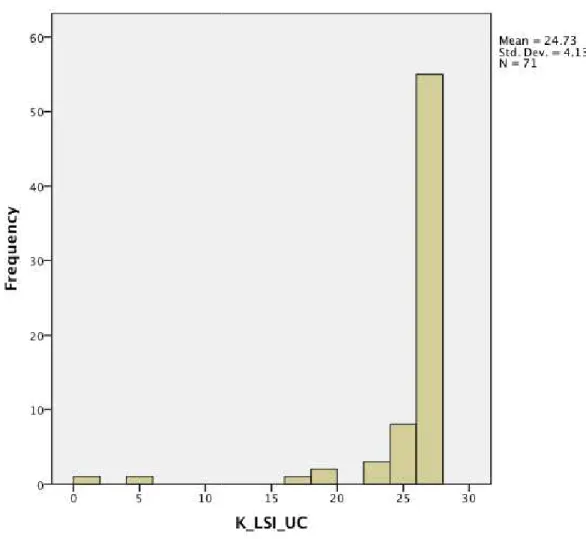
Assessment, and Intervention ... 36 Figure 4.1 Ceiling Effect for Year 1 Intervention and Comparison Students:
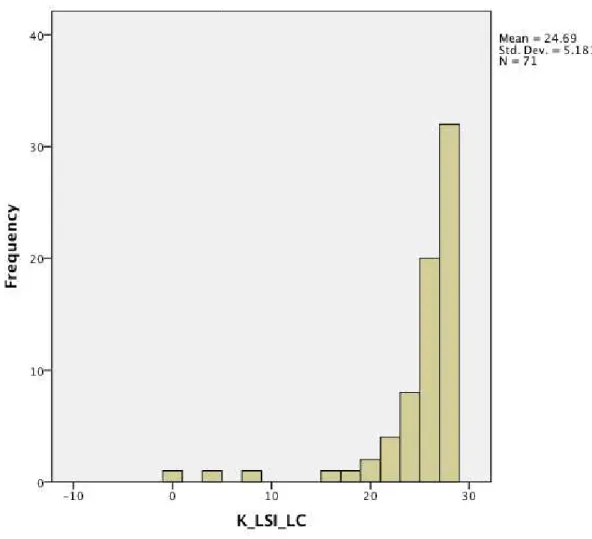
Letter Sound Identification: Upper Case ... 138 Figure 4.2 Ceiling Effect for Year 1 Intervention and Comparison Students:
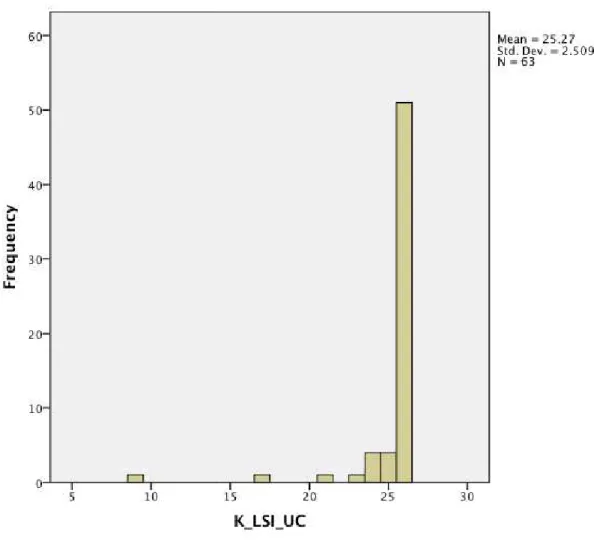
Letter Sound Identification: Lower Case ... 139 Figure 4.3 Ceiling Effect for Year 2 Intervention and Comparison Students:
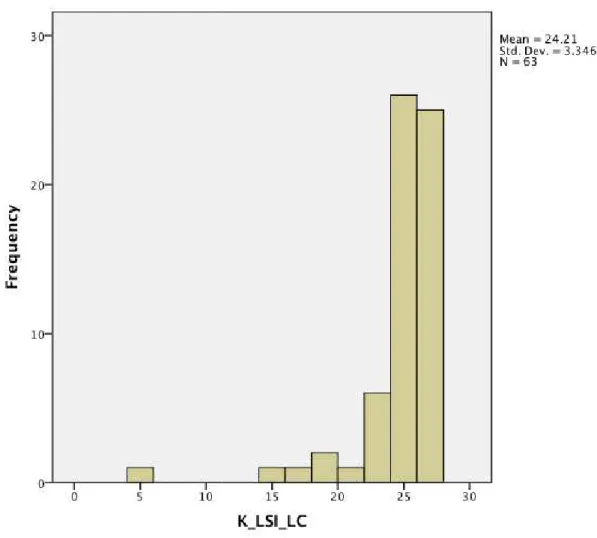
Letter Sound Identification: Upper Case ... 140 Figure 4.4 Ceiling Effect for Year 2 Intervention and Comparison Students:
1 CHAPTER 1
Introduction
Beginning at an early age, children in the United States are encouraged to develop and interweave a broad base of language- and literacy-related skills (Dickinson & McCabe, 1991).
With the eventual goal of becoming literate, children engage in an "interactive, constructive, strategic, and meaning-based" process that includes both the use and comprehension of written text (Steelman, Pierce & Koppenhaver, 1994, p. 201). The development of such skills is essential
as it supports children’s ability to achieve important literacy-related milestones and enter society as literate and successful adults (Lonigan, Allan & Lerner, 2011).
Literacy: Distinct Yet Intertwined
Recognizing literacy is comprised of multiple layers of language and reading-related skills that are acquired over time (National Institute for Literacy, 2009), literacy can be separated
into two distinct but intertwined categories: emergent literacy and conventional literacy. Emergent literacy, or the earliest stage of literacy, consists of the varied skills, knowledge, and
attitudes that are developmental precursors to conventional forms of reading and writing (Sulzby & Teale, 1991; Whitehurst & Lonigan, 1998). Examples of language and literacy-related skills associated with emergent literacy include phonological awareness, alphabet knowledge, oral
language, concepts about print, and writing (National Institute for Literacy, 2009). As precursors to conventional reading and writing, such skills are targeted as the foundation of literacy
2
Conventional literacy, a more sophisticated, mature, and later-developing manifestation of reading and writing than emergent literacy (National Institute for Literacy, 2009), is
comprised of skills such as decoding, oral reading fluency, reading comprehension, writing, and spelling. A child is considered to be reading conventionally when he or she is able to understand
a written text, attend to and use the print cues provided by the author, and move in a flexible and coordinated fashion across various aspects or strategies in order to obtain an understanding satisfactory to the reader (Sulzby, 1985). Mastery of conventional literacy skills is expected for
academic success in the educational system.
The Importance of Preschool
Given the roles that language and emergent literacy have in the development of full, conventional reading and writing abilities, high-quality preschool programs can have a critical impact on children’s reading achievement. High-quality preschool programs provide instruction
that is age-appropriate, explicit, systematic, and purposeful (Justice, Mashburn, Hamre, & Pianta, 2008), and they offer multiple opportunities for modeling, as well as guided and independent
practice (National Center for Family Literacy, 2009). Additionally, preschool programs that are most likely to promote later literacy success provide instruction across a number of print-related skills and concepts while also addressing children’s development of oral language (National
Institute for Literacy, 2006; 2009). Given that preschool children’s development of language- and literacy-related skills is predictive of how well they will learn to read once they are exposed
3
With knowledge of the importance of the preschool period, the Early Reading First (ERF) Initiative was implemented in 2001 to ensure all children entered kindergarten with the language,
cognitive and literacy skills necessary for success in reading. As a component of the No Child Left Behind Act (NCLB), the ERF initiative strove to enhance teacher practices, instructional
content, and preschool classroom environments (United States Department of Education, 2008a). The initiative was built on the evidence from Head Start studies which indicated that preschool-aged children from impoverished backgrounds demonstrated average levels of development at
entry into kindergarten when provided with explicit and systematic language and literacy instruction that was sensitive to their emerging developmental skills (Landry, Smith, Swank,
Assel, & Vellet, 2001).
Statement of the Problem
Despite the understanding that high-quality preschool programs can support the
development of language and emergent literacy skills that contribute to later literacy success, not all programs provide a high-quality experience. Particularly concerning is the finding that
classrooms rated as providing the poorest quality instruction are composed of higher proportions of children in poverty, higher rates of non-Caucasian children, and lower levels of maternal education; all established risk factors for academic difficulties (see LoCasale-Crouch et al., 2007;
Pianta et al., 2005). Additionally, approximately 57% of all 3- to 5-year-old children meet eligibility standards for developmental risk (U.S. Department of Education, National Center for
Education Statistics, 2012).
In 2007, an ERF project titled The Time is Now in Pre-K commenced to address the needs of a heterogeneous group of preschool students in south-central North Carolina. Living in
4
of children faced “at risk” conditions such as living in poverty, being English Language
Learners, and having identified disabilities. With the aim of providing preschool-aged children
with the language and literacy skills necessary for later success in reading, The Time is Now in Pre-K project examined the impact of combining child interest, interactive reading, and multi-turn conversations with a prescriptive literacy curriculum on children’s development of oral language and literacy skills. Data was collected on three successive cohorts of preschool-aged children and focused on the effects of participation immediately following the intervention.
Similar to other ERF projects and research efforts that examined the language and literacy development of young children, The Time is Now in Pre-K project did not explore the
effects of participation beyond preschool. The absence of a multi-year examination of student performance precluded an in-depth examination of student’s oral language skills which are a known predictor of early literacy skills in kindergarten and first grades as well as of reading
comprehension in second grade and beyond (see Dickinson et al., 2003; Roth, Cooper, & de la Paz, 1999; Storch & Whitehurst, 2001, 2002; Vellutino, Tunmer, Jaccard, & Chen, 2007;
Whitehurst & Lonigan, 1998). In essence, while meaningful information was acquired about the immediate impact of the intervention provided, data on the lasting/long-term effects of
participation in The Time is Now in Pre-K project was not obtained.
Purpose
The primary aim of the current study was to examine the effects of participation in The
Time is Now in Pre-K project on kindergarten, first, and second grade language and literacy outcomes. It was hypothesized that children who participated in intervention classrooms would perform better than children who participated in comparison classrooms on measures of language
5
effects of the ERF intervention were associated with or mediated by student-level demographic variables, teacher or school assignment, and if the effects of participation in intervention
classrooms changed after one or two years of literacy instruction in the primary grades. Summary
To become independent and literate adult members of society, young children need to begin to develop and interweave a varied base of language- and reading-related skills.
Attendance at a high-quality preschool program that provides age-appropriate, explicit,
systematic, and purposeful instruction supports children’s development of the language- and reading-related skills that are linked to later, conventional literacy. With this emphasis on the
preschool period, the current investigation extended the findings of The Time is Now in Pre-K Early Reading First project by examining the impact of participation in preschool intervention classrooms upon the language and literacy development of students in kindergarten, first and
second grade. The addition of this multi-year component to the original ERF project allowed for a long-term analysis of student performance and a more in-depth examination of student’s oral
language skills.
Findings from this investigation made valuable and necessary contributions on multiple levels. Nationally, study findings contributed toward the body of research on the impact of the
ERF Initiative and specific interventions provided in ERF classrooms. Locally, study results provided an increased understanding of the long-term impact of one school district’s financial-
and personnel-related investments on the learning outcomes of a heterogeneous group of students that faced multiple “at risk” conditions for later academic failure. Such efforts are necessary to move closer toward the goal of providing high-quality instruction to all preschool-aged children
6 CHAPTER 2
Review of the Literature
The Importance of Literacy
In the United States, literacy is a national priority. As an essential contributor to
successful adult employment and well-being, the emphasis on literacy begins when children are very young (Lonigan, Allan & Lerner, 2011). This is the time when children are expected to develop and interweave a broad base of language- and literacy-related skills (Dickinson &
McCabe, 1991) to achieve important literacy related milestones and ensure their capability of functioning as fully literate adults.
Despite the nation’s emphasis on literacy, results of the National Assessment of Educational Progress (NAEP), the Nation’s Report Card (National Center for Educational Statistics, 2011), indicate that a substantial proportion of children are not acquiring the levels of
literacy skills needed to meet the demands for literacy in school, the workplace, and elsewhere (Lonigan, Allan & Lerner, 2011). More specifically, among fourth-grade children in the United
States, only 34% performed at or above the proficient level in reading and 33% performed below the basic level in reading. The results for older children are not more encouraging. By eighth grade, the percentage of children performing below the basic level fell to 24%, but the
7
Defining Literacy
Literacy, once narrowly defined as the quality or state of being literate, or being able to
read and write (Merriam-Webster Collegiate Dictionary www.m-w.com/cgi-bin/dictionary), is now viewed as dynamic and evolving. Broadly defined, literacy includes notions of reading,
writing, speaking, and listening that change to reflect advances in society. Highlighting the fact that literacy is not situated in isolated bits of knowledge but in students' growing ability to use language and literacy in more and broader activities (Moll, 1994, p. 202), literacy is seen as an
"interactive, constructive, strategic, and meaning-based" process that includes both the use and comprehension of written text (Steelman, Pierce & Koppenhaver, 1994, p. 201). Comprised of
multiple layers and encompassing both reading and language-related skills, literacy begins with skills such as phonological awareness, alphabet knowledge, oral language, concepts about print and writing (National Institute for Literacy, 2009) and progresses to skills related to decoding
words, oral reading fluency, reading comprehension, spelling, and writing (National Center for Educational Statistics, 2005; National Institute for Literacy, 2009).
Broadly speaking, literacy can be separated into two distinct but intertwined
subcategories: emergent literacy and conventional literacy. While the goal is for all individuals to possess adult-like, conventional literacy abilities, such ability requires the development of
multiple layers of language and literacy-related skills over time. The earliest developing skills and understandings, referred to as emergent literacy, begin developing prior to formal schooling
and continue developing throughout childhood. The skills and understandings acquired during the emergent period are now well accepted for their direct connection to conventional literacy, and build the foundation of language and literacy development that lead to conventional reading
8 Emergent Literacy
Emergent literacy is the earliest stage of literacy and involves the language- and
literacy-based skills presumed to be the developmental precursors to later, conventional literacy
acquisition (Sulzby & Teale, 1991; Teale & Sulzby, 1986; Whitehurst & Lonigan, 1998). First
introduced by Clay (1966), the term emergent literacy describes the behaviors used by young children in their interactions with books and when reading and writing multiple forms of text. Noting that the behaviors she observed in young children were not truly reading and writing in
the conventional sense, Clay stressed the importance of such behaviors in the developmental progression of literacy. Teale and Sulzby (1986) built upon Clay’s use of the term emergent
literacy in referencing the period of time prior to formal schooling when children learn about language, reading, and writing. They defined emergent literacy as the reading and writing abilities that develop concurrently and interrelatedly when children are actively involved with
literacy materials (Teale & Sulzby, 1989).
Whitehurst and Lonigan (1998) offered yet another definition. They suggested that
emergent literacy consists of two interdependent sets of skills and processes: outside-in and inside-out. Outside-in processes encompass children’s understanding of the context in which the text they are trying to read (or write) occurs (Whitehurst & Lonigan, 1998). As such, outside-in
skills include children’s ability to apply and follow text-related conventions (i.e., concepts about print), read print found in the environment (i.e., recognizing and reading common symbols),
understand and use vocabulary, and produce narratives. In contrast, inside-out processes require children to focus on text and include children’s knowledge of the rules for translating the particular text they are trying to read into sounds. Skills classified as inside-out include
9
and demonstrate language-based abilities such as rhyming, as well as blending and segmenting sounds (i.e., phonological and phonemic awareness).
Despite the numerous definitions of emergent literacy, it is widely accepted that emergent literacy consists of varied skills, knowledge, and attitudes that are developmental precursors to
conventional forms of reading and writing (Sulzby & Teale, 1991; Whitehurst & Lonigan, 1998). Examples of language and literacy-related skills associated with emergent literacy include
phonological awareness, alphabet knowledge, oral language, concepts about print, and writing
(National Institute for Literacy, 2009). Now established as precursors to conventional reading and writing, such skills are targeted as the foundation of literacy instruction provided to young
children.
Conventional Literacy
Conventional literacy is perceived as a more sophisticated, mature, and later-developing
manifestation of reading and writing than emergent literacy (National Institute for Literacy, 2009). Comprised of skills such as decoding, oral reading fluency, reading comprehension,
writing, and spelling, a child is considered to be reading conventionally when he or she is able to understand a written text, attend to and use the print cues provided by the author, and move in a flexible and coordinated fashion across various aspects or strategies in order to obtain an
understanding satisfactory to the reader (Sulzby, 1985).
Of those skills pertaining to conventional literacy, word recognition is among the earliest
to emerge. While some readers learn to recognize words based solely on the print array, word recognition, also referred to as decoding, is the ability to apply knowledge of letter-sound relationships (i.e. phonemic awareness), including knowledge of letter patterns, to correctly
10
between letters and sounds gives children the ability to recognize familiar words quickly and to decode unfamiliar words. Skills specific to children’s ability to decode text include knowledge of
the alphabet, phonemic awareness (i.e., the ability to focus on and manipulate sound units in spoken words) and phonics (i.e., understanding of the relationship between written letters and
spoken sounds). The ability to quickly and accurately decode words contributes directly to a child’s developing ability to read fluently with expression and understanding (National Institute for Literacy, 2009).
In addition to recognizing and reading words fluently, children must comprehend the words read. As defined by the National Assessment of Educational Progress (NAEP), reading
comprehension is “an active and complex process that involves understanding written text, developing and interpreting meaning, and using meaning as appropriate to type of text, purpose and situation” (National Center for Educational Statistics, 2005, p. 2). To assist with the
comprehension process, children must draw upon their understanding of oral language including grammar (i.e., syntax) and vocabulary (i.e., semantics) (Bishop & Snowling, 2004; Catts, Adlof
& Weismer, 2006). Without understanding the meaning of words and the rules that govern how they are combined to create meaning, children lack the ability to efficiently understand what they are reading.
Emergent and conventional literacy each have important roles in the comprehensive definition of literacy. Emergent literacy focuses on foundations of basic syntax rules and context,
while conventional literacy relates to more sophisticated topics of decoding and reading comprehension. The two are interconnected, and high-quality preschool programs can play an important role in ensuring that children develop the emergent literacy skills and understandings
11
The Relationship between Oral Language and Literacy
Reading and writing have strong underpinnings in oral language and have been described
as having a symbiotic relationship with oral language (NICHD, 2005). The five domains of oral (i.e. spoken) language that are important to literacy development include phonology,
morphology, syntax, semantics, and pragmatics. Each oral language domain contributes uniquely and in combination with other domains of oral language to literacy.
Phonology
Phonology is the sound system of a language (American Speech-Language Hearing Association [ASHA], 1993) and comprises the rules that govern the distribution and sequencing
of speech sounds (Catts & Kamhi, 2005). Phonological awareness, a subcomponent of phonology, includes the knowledge and conscious understanding of the sound structure of language. Skills pertaining to phonological awareness progress from the simple awareness of
speech sounds and rhythms, to rhyme awareness and sound similarities to, at the highest level, the awareness of syllables and phonemes (Erickson, 2008), or the smallest units of speech
composing spoken language. Phonemic awareness is the ability to hear and manipulate the sounds in spoken words and to understand that spoken words and syllables are made up of sequences of speech sounds (Yopp, 1992). Phonological awareness is crucial to literacy as it is
related to both reading acquisition (decoding) and fluent reading in Grades 1-3 (see e.g., Roth, Speece, & Cooper, 2002; Schatschneider et al., 2004; Sénéchal, LeFevre, Smith-Chant, &
Colton, 2001; Storch & Whitehurst, 2002). Morphology
Morphology is the system that governs the structure of words and the construction of
12
manipulate both morphemes, the smallest linguistic units that carry meaning, and word formation rules in a language (Kuo & Anderson, 2006). The ability to identify the morpheme boundaries
such as base words and conjoining prefixes and suffixes enables students to decode and identify the meaning of words (Kirk & Gillion, 2009). The ability to recognize and manipulate
morphemes contributes directly to student’s reading comprehension as it supports both decoding and recognizing the meaning carried by each morphological unit of a word (e.g. Carlisle, 2000; Carlisle & Stone, 2005; Singson, Mahoney & Mann, 2000). Morphological awareness also
contributes indirectly to reading comprehension as it aids in student’s vocabulary skills, which is known to significantly contribute to reading comprehension (Nagy et al, 2006).
Facility with morphological awareness becomes increasingly important as readers encounter multisyllabic and complex words (Apel & Lawrence, 2011; Shankweiler, Lundquist, Dreyer, & Dickinson, 1998). Without strong morphological skills, students are unable to
efficiently chunk words into meaningful units and instead continue to decode words phoneme by phoneme. Such continued emphasis on decoding at the word level precludes students from
focusing their attention and effort on comprehending texts. Syntax
Syntax, another domain of oral language, is the system of rules that governs sentence
structure (ASHA, 1993). With syntactic awareness, readers can construct meaning from text by predicting or building an expectation of words based upon sentence organization and the use of
punctuation (Scott, 2009). Syntactic awareness also enables readers to reflect on and manipulate the order of words in a sentence (Nagy & Scott, 2000).
Syntactic awareness has an evolving relationship with reading ability. It is a skill that
13
emergence of increasingly complex abilities and understandings (Nippold, Mansfield, Billow, & Tomblin, 2008; 2009). Specifically, syntactic awareness contributes to isolated word reading and
spelling as it enables readers to use the syntactic constraints of a sentence to decode unfamiliar words (Chiappe, Siegel, & Wade- Woolley, 2002; Willows & Ryan, 1986). For reading
comprehension, syntactic awareness facilitates a reader’s sentence- and text-level integration and monitoring skills (Bentin, Deutsch, & Liberman, 1990; Demont & Gombert, 1996; Tunmer & Bowey, 1984). With the continuous and evolving relationship between syntactic awareness and
literacy, it is not surprising that young children with a limited array of syntax in their speech are vulnerable to developing later reading problems (Nation & Snowling, 2000, 2004).
Semantics
Semantics is the domain of language that governs the meanings of words and sentences (ASHA, 1993). Often referred to as vocabulary skills, semantic skills include knowledge of word
meanings as well as the efficiency of access to and retrieval of word meanings (Cain & Oakhill, 2007). Having a broad vocabulary base facilitates the recognition of word meanings and assists
the reader in understanding constraints on certain word combinations (Stanovich & West, 1989) found within the body of a text.
Research offers strong evidence of an association between vocabulary knowledge and
reading comprehension (Beck & McKeown, 1991; Daneman, 1991; Droop & Verhoeven, 2003;
Sénéchal, Ouellette & Rodney, 2006; Torgeson, Wagner, Rashotte, Burgess, & Hecht, 1997;
Verhoeven, 2000; Verhoeven & van Leeuwe, 2008). Such a relationship is logical given that the
ability to comprehend written and spoken language is dependent upon knowledge of individual
word meanings (McGregor, 2004). As stated by Stahl and Nagy (2006, p.9), “The size of a
14
what he or she reads.” Without strong vocabulary skills, individuals struggle to assign meaning to the words and text they decode.
While the relationship between semantics and reading comprehension is well established,
less is known about the relationship between semantics and word decoding. Although a few
studies have found a moderate association between vocabulary and decoding (see Scarborough,
2001; Senechal et al., 2006), semantics has largely been neglected in explanations of single word reading ability (Keenan & Betjemann, 2007). In instances where the relationship between
semantics and word identification was examined, semantics was viewed as assisting readers in pulling contextual cues from the text to determine the meaning and pronunciation of single
words. Whether or not a strong relationship between semantics and word recognition is ever confirmed, semantics makes an important contribution to comprehension in conventional reading ability.
Pragmatics
Pragmatics is the domain of language that encompasses effective, functional and socially
appropriate communication (ASHA, 1993). Pragmatics applies to both spoken and written language at the discourse level. Pragmatic knowledge developed naturally in children's use of oral language can be transferred and applied to enhance comprehension of the language’s
function in text (Myers, 1982). Pragmatics becomes increasingly important for students in primary grades as they encounter text and sentences with different contextual meanings, as
pragmatic knowledge allows readers to interpret and understand how context determines the meaning of the sentence. Additionally, by combining their knowledge of the world with their pragmatic skills, readers can decipher the author’s purpose, understand a character’s point of
15
In conclusion, from the earliest stages of understanding that print carries meaning to comprehending complex texts, oral language skills play an invaluable role in students’
progression toward conventional literacy. Skills and knowledge related to phonology,
morphology, syntax, semantics and pragmatics, the five domains of oral language, provide the
foundation upon which all students build, as they become conventional readers and writers. These language domains begin to develop at birth, continue to develop through early childhood, and contribute directly to conventional literacy learning success.
Predictors of Conventional Literacy
Since the early 1960s, researchers and government programs have sought to understand
the connection between literacy understandings developed in early childhood and later school success (National Institute for Literacy, 2009). This increasing attention to and understanding of the relationship between skills such as alphabet knowledge and kindergarten readiness prompted
the introduction of publically funded preschool for children living in poverty, Head Start (National Institute for Literacy, 2009). As in the 1960’s, a growing understanding of the
importance of high-quality preschool in preparing children for literacy learning success led to the Early Reading First grant programs. At the same time that Early Reading First was established to provide services to children while building our research-based understanding of the impact of
high-quality preschool on emergent literacy learning, an extensive, systematic review of the extant research was commenced. This review conducted by the National Early Literacy Panel
16 National Early Literacy Panel
In 2002 the National Institute for Literacy formed the NELP to study the relationship
between literacy knowledge and skills in preschool and school-aged literacy outcomes. They instructed the NELP to conduct a comprehensive review of the literature for two purposes: (a) to
inform educational policy and practice that affects early literacy development, and (b) to determine how teachers and families could support young children’s language and literacy development (National Institute for Literacy, 2009, pg. iii). The panel included expert
researchers in the areas of reading, early literacy, language, cognition, English as a second language, pediatrics, special education, research methodology, and early childhood education.
Predictors of Later Literacy Development
One goal of the NELP was to identify the skills and abilities of young children that best predicted later reading, writing, and spelling outcomes. To accomplish this, the panel conducted
a meta-analysis of approximately 300 studies that addressed the predictive relationship between skills measured in preschool or kindergarten and reading outcomes (e.g., word decoding, reading
comprehension, spelling) in later grades. The meta-analysis revealed six emergent literacy variables that were strong predictors (e.g. the predictor variables explain at least 25 percent of the variance in the outcome variable) of later literacy development and maintained their
predictive power even when the roles of other variables, such as IQ or socioeconomic status (SES), were accounted for. These six predictors were: (a) alphabet knowledge, (b) phonological
17 Table 2.1
Emergent literacy variables that strongly predict later literacy development
Variable Explanation
Alphabet knowledge The knowledge of the names and sounds associated with printed letters.
Phonological awareness The ability to detect, manipulate, or analyze the auditory aspects of spoken language (including the ability to distinguish or segment words, syllables, or phonemes), independent of meaning.
Rapid automatic naming of letters or digits
The ability to rapidly name a sequence of random letters or digits.
Rapid automatic naming of objects or colors
The ability to rapidly name a sequence of repeating random sets of pictures of objects (e.g., “car,” “tree,” “house,” “man”) or colors.
Writing or writing name The ability to write individual letters on request or to write one’s own name.
Phonological memory The ability to remember sound-based information for a short period of time.
Note. From The National Institute for Literacy (2009). Developing Early Literacy: Report of the National Early Literacy Panel. Retrieved on October 7, 2014 from:
https://www.nichd.nih.gov/publications/pubs/documents/NELPReport09.pdf.
Beyond the six variables found to be strongly predictive of later literacy development,
five other emergent literacy variables were found to have a moderate correlation (i.e. the predictor variable explains between 9 and 25 percent of the variance in the outcome variable) with at least one measure of later literacy development. These variables included: (a) concepts
about print, (b) print knowledge, (c) reading readiness, (d) oral language, and (e) visual processing (National Institute for Literacy, 2009). Unlike the six strongly predictive variables,
18
by researchers (National Institute for Literacy, 2009). Brief definitions of the variables can be found in Table 2.2.
Table 2.2
Emergent literacy variables that moderately predict later literacy development
Variable Explanation
Concepts about print Knowledge of print conventions (e.g., left–right, front–back) and concepts (book cover, author, text).
Print knowledge A combination of elements of alphabet knowledge, concepts about print, and early decoding.
Reading readiness Usually a combination of alphabet knowledge, concepts of print, vocabulary, memory, and phonological awareness.
Oral language The ability to produce or comprehend spoken language, including vocabulary and grammar.
Visual processing The ability to match or discriminate visually presented symbols.
Note. From The National Institute for Literacy (2009). Developing Early Literacy: Report of the National Early Literacy Panel. Retrieved on October 7, 2014 from:
https://www.nichd.nih.gov/publications/pubs/documents/NELPReport09.pdf.
Of the many variables found to predict children’s later literacy acquisition, five variables are relevant to the current investigation. As the investigation focused on participation in a
preschool program that included a rich oral language environment and its lasting, positive effect on students’ literacy achievement during the primary grades, the variables included were
alphabet knowledge, phonological awareness, writing, concepts about print, and oral language.
Each of the variables has a unique predictive relationship with conventional literacy acquisition and can be taught and assessed independently. A more thorough discussion of the five variables
19
Alphabet Knowledge. Alphabet knowledge, or letter knowledge, is the ability to
recognize and name the letters of the alphabet in print (Johnston, 2004). Alphabet knowledge and
the ability to recognize and produce sounds associated with letters of the alphabet are skills that are collectively referred to as the alphabetic principle (Adams, 1990). As an emergent literacy
skill, alphabet knowledge is one of the easier skills for children to learn and is a stable indicator of individual difference in emergent literacy knowledge. In the late preschool period, letter knowledge as indexed by knowledge of both letter names and letter sounds was found to predict
72% of the variance in kindergarten and first-grade children's letter knowledge (Lonigan, Burgess & Anthony, 2000).
There is a strong relationship between alphabet knowledge and conventional literacy achievement. As reported by the National Institute for Literacy (2009), alphabet knowledge has a strong (r = .50) relationship with word decoding and a moderate relationship (r = .48) with
reading comprehension. Furthermore, alphabet knowledge is a significant predictor of phonological awareness and reading acquisition at the end of Grade 1 (Sénéchal, LeFevre,
Smith-Chant, & Colton, 2001) and word decoding and fluency in Grades 1 and 2 (Schatschneider et al., 2004).
Phonological Awareness. Phonological awareness includes the knowledge that words are made up of smaller units of sound (McGuiness & McGuiness, 1998) and the ability to hear similarities and differences among phonemes (sounds) in spoken language. Rooted in listening
20
Phonological awareness is crucial to literacy as it is related to both decoding and reading fluency in Grades 1-3 (see e.g., Roth, Speece, & Cooper, 2002; Schatschneider et al., 2004;
Sénéchal, LeFevre, Smith-Chant, & Colton, 2001; Storch & Whitehurst, 2002). Specifically, phonological awareness has a moderate relationship (r = .40) with word decoding and a
moderate relationship (r = .44) with reading comprehension (National Institute for Literacy, 2009). Additional research supports phonological awareness as a predictor of reading
achievement in Grades 1 and 2 (Lonigan, Burgess & Anthony, 2000; Roth, Speece, & Cooper,
2002; Schatschneider et al., 2004; Sénéchal, LeFevre, Smith-Chant, & Colton, 2001; Storch & Whitehurst, 2002).
Writing. For young children, writing begins as an experimental task that includes picture drawing, scribbling that looks like writing, and a combination of intentional and unintentional marks. As children gain experience with printed materials and writing, their early marks evolve
to take on characteristics of print (Clay, 1975) and conventional letterforms. Later, as children recognize that letters represent words, they become particularly motivated to write their name
and move even closer to conventional print. A child’s own name is typically one of the first words to emerge in early writing development (Clay, 1975; Levin et al., 2005; Puranik, Lonigan, & Kim, 2011), as name writing indicates a sense of self and ownership (Drouin & Harmon,
2009).
Of all the stages of writing, name writing has received particular attention as it is viewed
as a window into a child’s emergent literacy development (Bloodgood, 1999; Levin, Both-de Vries, Aram & Bus, 2005) and one of the first bridges between oral and written language (Drouin & Harmon, 2009). Name writing has been identified as a strong indicator of children’s
21
Welsch et al., 2003) with children often first learning the letters found within their name (Justice, Pence, Bowles & Wiggins, 2006). Children’s ability to write their name has also been found to
support the development of print-related knowledge and phonological awareness skills (Blair & Savage, 2006; Ferreiro & Teberosky, 1982). Measures of children’s ability to write in general or
write their names specifically have been moderately correlated with word decoding (r = .49) and reading comprehension (r = .33) (National Institute for Literacy, 2009), thus proving name writing as a good indicator of conventional literacy skills (Strickland & Shanahan, 2004).
Concepts about Print. Concepts about print is a term used to describe children’s book handling skills and their understanding of how print and text are used to convey meaning. Some
of the earliest developing concepts about print learned include proper orientation of a book (holding it right side up and forward facing), knowing the front of the book from the back, turning pages left to right, and differentiating between print and pictures (Ornstein, 1998).
Additional and more complex concepts children learn about print include knowing that: (a) pages are read from top to bottom, (b) reading begins from the top left and continues right across the
page until you have to sweep down to the next line, (c) sentences begin with a capital letter and end with punctuation, and (d) sentences are comprised of individual words (Clay, 1966). While some of these skills must be explicitly taught (Justice & Ezell, 2002), children will develop many
print concepts skills as they continue to interact with adults and varied forms of texts.
By developing concepts about print at an early age, young children obtain the tools they
will need to independently read and write in conventional ways. Evidence for the connection between concepts about print and conventional literacy learning exists in the moderate relationship between concepts about print and word decoding (r = .34) as well as reading
22
of concepts about print in reading achievement in kindergarten, first, and second grades (Nichols, Rupley, & Rickleman, 2004; Storch & Whitehurst, 2002). With a well-developed sense of print
and book concepts, children are in a strong position to begin formal reading instruction and become independent readers.
Oral Language. Oral language, including all five domains addressed earlier, is a term that is comprised broadly of the modalities of both expression and comprehension in the areas of form (e.g., syntax) and content (e.g., vocabulary). Specific skills that comprise oral language
include vocabulary and semantic knowledge, grammatical skill, narrative discourse, auditory comprehension and memory (NICHD Early Child Care Research Network, 2005). While certain
skills are later developing, oral language begins to develop in infancy as children and parents interact and communicate with one another in the natural surroundings of the home environment (Teale, 1978; Yaden, 1988). The early development of oral language is critical as children’s
speaking and listening skills lead the way for the development of reading and writing skills (Roskos, Tabors, & Lenhart, 2005).
As a predictor, oral language plays both a direct (Dickinson, McCabe, Anastasopolous, Peisner-Feinberg, & Poe, 2003; Kendeou, van den Broek, & White, 2009; Roth, Speece, & Cooper, 2002; Senéchal et al., 2001; Storch & Whitehurst, 2002; Vernon-Feagans, Hammer,
Miccio, & Manlove, 2001; Westerveld, Gillon, & Moran, 2008) and an indirect role (Storch & Whitehurst, 2001, 2002; Whitehurst & Lonigan, 1998) in later literacy acquisition. Because “a
child’s oral language knowledge influences and sets limits for the operation of the reading
system” (Jackson & Coltheart, 2001, p. 110) and children’s oral language skills evolve with time, specific and differing relationships exist between oral language and both word decoding and
23
Research supports the role of oral language skills as a direct predictor of preschool, kindergarten, and first grade decoding (Kendeou, van den Broek, & White, 2009; NICHD,
2005). A caveat of these findings is that with time, the relationship between oral language skills and decoding weakens. Other researchers believe that oral language skills have only an indirect
influence on the accuracy of decoding in early grades citing that oral language skills feed into skills such as print knowledge, phonological awareness and writing, which in turn form the foundation for early reading success (Storch & Whitehurst, 2001, 2002; Whitehurst & Lonigan,
1998).
As children’s reading skills progress to comprehending units of text larger than individual
words, oral language skills become increasingly important (Mason, 1992; Nation & Snowling, 1998). Specifically, oral language in preschool has a direct relationship with third and fourth grade reading comprehension (Kendeou, van den Broek, & White, 2009; Roth, Speece, &
Cooper, 2002; Senéchal et al., 2001; Storch & Whitehurst, 2002; Vernon-Feagans, Hammer, Miccio, & Manlove, 2001; Westerveld, Gillon, & Moran, 2008). Such a relationship between
oral language and reading comprehension was predictable as measures of oral language moved beyond narrowly defined receptive vocabulary tasks that dominated the early literature to include broader measures of receptive and expressive vocabulary, syntax, and narrative discourse. By
examining the influence of a breadth of skills, the chance of capturing oral language as a direct predictor of reading comprehension increased.
Code-Related vs. Oral Language: Differing Roles with Literacy
The predictors of later literacy achievement identified by the NELP are generally viewed as belonging to one of two groups of processes and skills: code-related or oral language.
24
writing, and print awareness. Oral language processes encompass various skill sets including vocabulary (receptive and expressive), syntactic and semantic knowledge, and narrative
discourse processes (memory, comprehension, and storytelling) (Storch & Whitehurst, 2002). There is disagreement as to whether code-related or oral language processes are most
important for later literacy acquisition. As much of the research on the connections between emergent and conventional literacy has studied children up through second grade when
children’s literacy success is primarily dependent on their ability to decode words, code-related
processes and skills have been found to be most predictive of beginning reading acquisition (see Lonigan, Anthony & Burgess, 2000; Schatschneider et al., 2004; Senéchal et al., 2001; Storch &
Whitehurst, 2002). A limited number of studies have also noted oral language (e.g. vocabulary) as both a direct (Dickinson et al., 2003) and an indirect predictor (Storch & Whitehurst, 2001, 2002; Whitehurst & Lonigan, 1998) of decoding skills in the primary grades, but that research
base is much more limited. Depending on which measures are included in the study, either code-related processes and skills or oral language can be supported as most important for later literacy
acquisition.
While the role of code-related skills as a direct predictor of reading acquisition is consistently supported in the research, there are limitations to these findings. One limitation is
the dependence upon measures of decoding to represent conventional literacy. Without the inclusion of measures of reading comprehension, an incomplete model of literacy acquisition is
presented. A further limitation is the dependence on a single measure of receptive vocabulary skills to represent the entire domain of oral language. By restricting the contribution of oral language skills to receptive vocabulary, only a portion of oral language’s potential influence
25
Dickinson & Tabors, 1991). Additionally, as many studies track students from kindergarten through the second grade, a period during which children rely heavily upon decoding skills; little
attention is given to reading comprehension skills. By extending studies to include students in third grade and beyond, more opportunities would exist to highlight the connections between
more complex oral language skills (e.g., grammar, listening comprehension, and ability to define words) and reading comprehension.
Understanding the individual impact of code-related and oral language processes and
skills on conventional literacy is important; however, it is also important to highlight the
relationship between the two domains. Beginning in preschool, oral language skills predict 48%
of the variance in code-related skills (NICHD, 2005). Although this relationship diminishes in successive grades, oral language skills clearly provide the early foundation upon which children begin to acquire literacy skills during the preschool years. As more is understood about these two
groups of skills and processes and their relationship with later reading achievement, early childhood professionals will be able to more effectively design and implement preschool
programs that teach children the foundational skills needed for later literacy learning success. The Importance of the Preschool Period
Given their ability to impact early language and literacy learning, the preschool years can
play a defining role in a child’s school achievement. While the specific impact of varying preschool programs is still being understood, the value of the preschool period and preschool
programs is generally accepted (U.S. Department of Health and Human Services, 2010), and our understanding of the impact of emergent literacy development in the preschool years on later literacy achievement is growing (see e.g., National Institute for Literacy, 2009).
26
The opportunities young children are provided to learn during the preschool years are influenced for some children by their participation in preschool programs and the interventions
or instructional approaches that are employed in those programs. Many young children develop important language and literacy skills as part of their day-to-day interactions with family
members in the absence of participation in a formal preschool program; however, the quality and quantity of these interactions appear to be influenced by numerous factors including socio-economic status and maternal education (Nord, Lennon, Liu, & Chandler, 2000). The current
investigation focused on the impact of a formal preschool program on later literacy achievement. As such, the research regarding the effectiveness of particular programs, interventions, and
instructional approaches are reviewed here.
Programs. Given the roles that early language and emergent literacy development have in the eventual development of full, conventional reading and writing abilities, it is clear that the
preschool period can have a critical impact on reading achievement. Preschool children’s development of language and literacy-related skills is predictive of how well they will learn to
read once they are exposed to formal reading instruction in elementary school (Dickinson & McCabe, 2001; Lonigan, Allan & Lerner, 2011). There is a high degree of continuity between reading-related skills displayed by preschool children and the reading skills they display in
elementary school (e.g., Lonigan, Burgess, & Anthony, 2000; Storch & Whitehurst, 2002). As such, the role of quality learning opportunities during the preschool period is well accepted.
For all children, the development of reading and writing-related skills can be fostered through their participation in high-quality preschool programs (National Center for Family Literacy, 2009). Characteristics of high-quality programs include instruction that is
27
and offers multiple opportunities for modeling, as well as guided and independent practice (National Center for Family Literacy, 2009). Additionally, preschool programs that are most
likely to promote later success in literacy learning provide instruction across a number of print-related skills and concepts while also addressing children’s development of oral language
(National Institute for Literacy, 2006; 2009).
High-quality preschool programs can ameliorate the risk of later academic difficulties by supporting the development of critical language and literacy skills that provide the foundation for
later success (National Center for Family Literacy, 2009). For example, children who have an identified disability, live in poverty, or have limited English proficiency are all at risk for later
academic difficulties (see Storch & Whitehurst, 2002), but those risks can be ameliorated with the opportunity to learn in a high-quality preschool program.
Experiencing quality language and literacy interactions outside preschool is also
important. Specifically, the home literacy environment and parent-child interactions are known to significantly influence children’s oral language development, literacy-related skills and
general cognitive abilities (Clay, 1993; National Center for Family Literacy, 2009; Snow, 1993). By pairing high quality preschool programs with the development of positive home literacy environments, the quality of parent-child interactions during language and literacy-learning
activities are enhanced. Homes that are not supportive of children’s language and literacy skills provide limited access to shared reading activities, print materials, and other literacy interactions.
Children from these homes are likely to have poor oral language skills (Storch & Whitehurst, 2002) and lower academic skills at school entry (Whitehurst & Lonigan, 1998). This is especially the case for children living in poverty who also have limited exposure to language and
28
Without access to a high-quality language and literacy environment at preschool or home, young children living in poverty can quickly succumb to the effects of limited resources and may
demonstrate low levels of language skills on standardized measures (see Fish & Pinkerman, 2003; Spira, Bracken & Fischel, 2005).
Head Start: An Initial Effort. Perhaps the most well known effort to address the early learning needs of preschool-aged children is the Head Start program. Initiated in 1965, Head Start has always served the “whole child” with preschool education serving as one component of
the comprehensive services the program provides. With an emphasis on families, many of whom now speak languages other than English (Tarullo, West, Aikens, & Hulsey, 2008), Head Start
programs request the regular involvement of parents in programs that are designed to be
responsive to each child’s and family’s ethnic, cultural, and linguistic heritage (U.S. Department of Health and Human Services, 2010).
Although the first evaluation of Head Start documented that cognitive gains children experienced faded after a few years in elementary school (Cicirelli, 1969), this early finding was
based on a shortened summer program, did not have equivalent comparison groups, and overlooked the effects of the comprehensive goals of the program (Campbell & Erlebacher, 1970; U.S. Department of Health and Human Services, 2010). Desiring a more complete picture
of the Head Start program, Congress mandated that the US Department of Health and Human Services determine the national impact of Head Start upon the children it served (U.S.
Department of Health and Human Services, 2010) in conjunction with the reauthorization of the program in 1988 through the Head Start Impact Study.
Examining data collected between the years 2002-2006 for a 3-year-old cohort and a
29
the children enrolled in Head Start and those in the control group. For the 4-year-old group, positive effects were noted for children’s language and literacy development, with specific
benefits in receptive vocabulary, letter-word identification, spelling, pre-academic skills, color identification, letter naming, and parent-reported emergent literacy. For the 3-year-old group,
language and literacy related benefits were also found in vocabulary, letter-word identification, pre-academic skills, letter naming with the addition of elision (phonological processing), parent-reported emergent literacy, and a perceptual motor skills and pre-writing measure.
Interestingly, by the end of first grade, only a single cognitive impact remained for each cohort in the Head Start Impact Study. Specifically, the Head Start 4-year-old cohort performed
significantly better on receptive vocabulary, and the 3-year-olds performed better on oral language comprehension. At the end of third grade, early effects of the intervention dissipated for both cohorts with a single favorable impact remaining for the 4-year-old cohort (i.e., ECLS-K
Reading) and an unfavorable impact (i.e., grade promotion) noted for the 3-year-old cohort (Puma, et. al, 2012). While findings from the Head Start Impact Study provide support for the
short term impact of the comprehensive Head Start program, lower performance on a national reading assessment, lower promotion rates, and attendance at public schools with elevated rates of poverty and minority students may ultimately have a greater impact upon the long term
outcomes for the two participating cohorts.
Findings regarding the diminishing effects of Head Start are also consistent with more
recent studies examining preschool fadeout (Magnuson et al., 2007), which suggests that children lose skills acquired during preschool during the primary grades, and the relationship between academic content coverage in kindergarten and student achievement (Claessens, Engel