TRACKING S.M.A.R.T. TRANSITIONS: A PROGRAM EVALUATION
Kelly Cadogan
A dissertation submitted to the faculty at the University of North Carolina at Chapel Hill in partial fulfillment of the requirements for the degree of Doctor of Nursing Practice in the Family
Nurse Practitioner Program in the School of Nursing
Chapel Hill 2017
Approved by:
Julee Waldrop
Gary Maslow
ABSTRACT
Kelly Cadogan: Tracking S.M.A.R.T Transitions: A Program Evaluation (Under the direction of Julee Waldrop)
Background and Rationale: Compared to their peers, children with special healthcare
needs (CSHCN) are at increased risk of poor health outcomes secondary to their transition to the adult healthcare system. Various programs have been proposed to facilitate more successful
transitions for CSHCN. Due to the novelty of such programs, few have been evaluated for their effectiveness in improving the transition experiences of CSHCN.
Purpose: The purpose of this project was to evaluate compliance with the seven core
domains of the social-ecological model of adolescent and young adult readiness for transition (SMART) model and improve upon the Duke Complex Care Clinic by performing a program
evaluation, implementation of a pilot patient transition readiness tracking tool and a patient/parent survey.
Methodology: Cross-sectional data was acquired from patient and parent surveys and data
from retrospective chart reviews to determine clinic compliance with the SMART model. Following the initial program evaluation, a pilot transition readiness tracking tool was
implemented.
Results: Fifty patient records were included and 72% had all seven SMART domains documented and were considered 100% complete. Overall the charts were 94.58% complete.
patient charts. No correlation was found between gender, age, number of clinic visits or disease
type and completeness of documentation of all domains.
Twenty-three patients/parents were surveyed over 18 weeks. Seventeen questions were
asked using a five-point Likert scale; the average scaled response was 3.74/5. A total of 15 patients were included in the pilot testing of the transition tracking tool. Of the 15 patients, 11 patients had one goal entered; two patients had three goals while the remaining two patients had
two goals; no follow-up was completed on any of the patients’ goals.
Conclusions: Transition beliefs and expectations should be further assessed and
addressed in patient transition visits. Overall patients and parents were satisfied with their care at the clinic and the support given by providers and caregivers yet expressed low confidence in their ability to transition successfully. Further modification of the patient tracking tool and clinic
TABLE OF CONTENTS
LIST OF TABLES ... .vii
LIST OF FIGURES ... ix
LIST OF ABBREVIATIONS ...x
CHAPTER 1: INTRODUCTION ...1
Background and Significance ...1
Problem Statement ...2
Local Problem ...2
Purpose of Project ...3
CHAPTER 2: REVIEW OF LITERATURE ...4
Prevalence ...5
Barriers to Transition Success ...6
Patient education ...6
Cultural differences ...6
Insurance and cost ...7
Provider knowledge ...8
Non-modifiable factors ...8
Transitional Care Recommendations ...9
Clinical pathways ...9
Addressing non-medical issues ...10
Six Core Elements of Health Care Transition ... 11
Measuring Outcomes in Transitional Care ...12
Program evaluation ...12
SMART model of transition readiness ...13
Patient satisfaction ...15
Gaps in Current Literature ...16
CHAPTER 3: CONCEPTUAL AND THEORETICAL FRAMEWORK ...17
Four Standards of Evaluation ...18
Six Steps of Evaluation ...18
CHAPTER 4: METHODOLOGY ...20
Survey Participants ...20
Patient Record Review ...21
Setting ...21
Tools ...22
Procedures ...23
Data Analysis ...25
CHAPTER 5: RESULTS ...27
Chart Review Results ...27
Demographic data ...27
Presence of SMART domains ...28
Variable relationships ...30
Characteristics of the sample ...30
Likert Scale Results ...31
Free Response ...33
Transition Tracking Tool Use ...34
CHAPTER 7: DISCUSSION ...35
Chart Review ...35
Limitations ...37
Patient and Parent Surveys ...37
Transition attitudes ...37
Transition readiness ...38
Patient/parent satisfaction ...38
Free response ...39
Limitations ...39
Transition Tracking Tool ...39
Recommendations ...40
Summary/Conclusion ...42
APPENDIX A: PARENT CLINIC SURVEY FORM ...43
APPENDIX B: PATIENT SURVEY FORM ...44
APPENDIX C: DATA EXTRACTION TOOL ...45
APPENDIX D: TRANSITION READINESS TRACKING TOOL ...47
LIST OF TABLES
Table 1: Components of the social-ecological model of AYA readiness for transition ...14
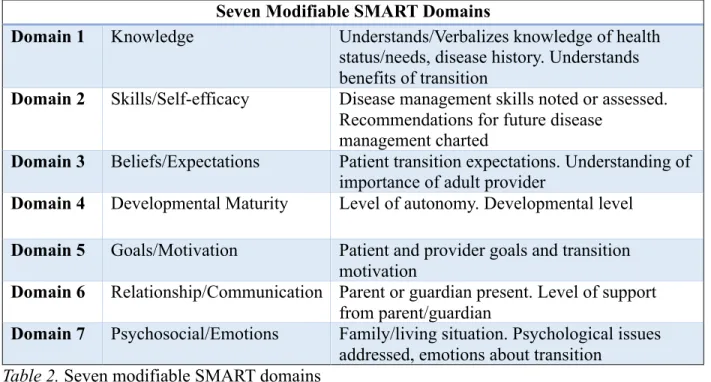
Table 2: Seven modifiable SMART Domains ...29
Table 3: Correlation between percentage complete, number of clinic visits, age, gender (…) ...30
Table 4: Survey questions, mean response and percent agreement ...32
LIST OF FIGURES
Figure 1: Social-ecological Model of Adolescent and Young Adult Readiness to Transition ...15
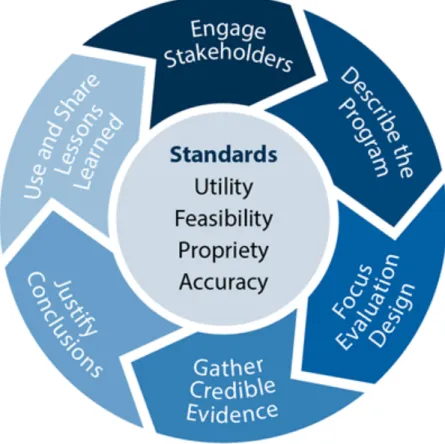
Figure 2: CDC’s Framework for Program Evaluation and Public Health ...17
Figure 3: Number of disease types per patient ...28
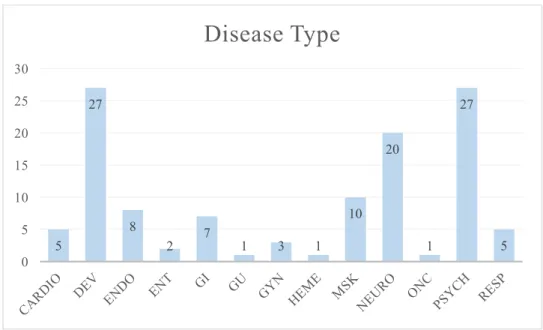
Figure 4: Number of patients per disease type ...28
LIST OF ABBREVIATIONS
AAFP American Academy of Family Physicians
AAP American Academy of Pediatrics
ACA Affordable Care Act
ACP American College of Physicians
AYA Adolescent and young adults
CARDIO Cardiology
CDC Center for Disease Control
CSHCN Children with special healthcare needs
DEVE Developmental
DNP Doctor of nursing practice
EMR Electronic medical record
ENDO Endocrinology
ENT Ear, Nose and Throat
HRSA Health Resources and Services Administration
GI Gastrointestinal
GU Genitourinary
GYN Gynecology
HEME Hematology
MCHB Maternal and Child Health Bureau
MSK Musculoskeletal
NEURO Neurology
PSYCH Psychology
RESP Respiratory
SES Socioeconomic status
SMART Social-ecological model of adolescent and young adult readiness for transition
CHAPTER 1: INTRODUCTION
Background and Significance
Children with special health care needs (CSHCN) are youth with chronic health
conditions who require more health and related services than average children (United States Department of Health and Human Services, Health Resources and Services Administration, &
Maternal and Child Health Bureau, 2013). It is estimated that 750,000 CSHCN transition from the pediatric to the adult health care setting in the United States every year (Scal & Ireland, 2005). Often, CSHCN develop worsening health outcomes when they move to adult care,
including poor disease-specific outcomes, decreased medication compliance, decreased follow-up care, and decreased quality of life (Campbell et al., 2010). The United States Department of
Health and Human Services (USDHHS), Health Resources and Services Administration (HRSA), and the Maternal and Child Health Bureau (MCHB) recommend that “youth with special health care needs receive the services necessary to make appropriate transitions to adult
health care” (2013, p. 46).
To facilitate the change to adult care, transitional care programs and interventions
provide support through provider, parent, and patient education and guidance. The American Academy of Pediatrics (AAP), the American Academy of Family Physicians (AAFP), the American College of Physicians (ACP), and Healthy People 2020 endorse the use of transitional
care programs (AAP, AAFP, & ACP, 2002; USDHHS, 2011). To further aid providers’
of Adolescent and young adult Readiness for Transition (SMART) was created to identify criteria
reflective of transition readiness with a focus on the social-ecological variables of transition in all CSHCN (Schwartz et al., 2013; Schwartz, Tuchman, Hobbie, & Ginsberg, 2011).
Problem Statement
Insufficient data is available to affirm the efficacy of transition care programs for CSHCN. Although various institutions have endorsed transitional care programs, little has been
done to study the programs’ effectiveness at improving patient outcomes (Pai & Ostendorf, 2011). This lack of information creates a large gap in clinical knowledge about the proper use,
implementation, and efficacy of transitional care interventions (Sharma, O’Hare, Antonelli, & Sawicki, 2014). Systematic evaluation of established transitional care programs, based on recommended standards, can determine their effect on quality of care and patient satisfaction and
suggest recommendations for future program improvement. Local Problem
Within the Duke Complex Care clinic (formally the Duke Transition clinic) there is great need for a program evaluation. The clinic’s current function is consultative with the aim of improving transition outcomes in CSHCN, and augmenting research in the field of transitional
care of adolescents moving to adult care, as well as educating physicians during their rotation in transitional care within residency training programs. While much has been done to educate
resident physicians regarding the challenges and techniques within transitional care, little information has been gathered to determine the quality of care that young adults receive in the clinic. Therefore, a program evaluation is needed to measure the effectiveness of the aim of the
Preliminary evaluation, based on key stakeholder conversations reveals a need for an
implementation of a patient and/or parent survey that measures transition attitudes, readiness and satisfaction. A concurrent chart review measuring core elements of the SMART model (the
model of care which the clinic uses) in provider transitional care plans will be followed by implementation of a pilot transition readiness tracking tool.
Purpose of Project
The purpose of this project was to evaluate compliance and improve the compliance of the Duke Complex Care clinic with the seven core domains of the SMART model by performing
CHAPTER 2: REVIEW OF LITERATURE
Individuals of all ages and social strata undergo transitions at some point in their lives. Anthropologically, transitions are an expected part of every adolescent’s life (Gennep, 1961).
These “rites of passage” refer to the change from one phase of life to another as well as signal a successful integration into a society’s culture (Gennep, 1961). Similarly, adolescents experience
a cultural shift when they transition from pediatric to adult health care. Such changes are referred to as “care transitions” within the medical field (Geary & Schumacher, 2014).
As they reach young adulthood, CSHCN transition from the pediatric to adult health care
setting. Unfortunately, as they transition, the children face a system that is unprepared for their unique health care needs, and the children frequently have difficulty navigating such a system
(Scal & Ireland, 2005). This lack of preparation often has an adverse impact on the lives of CSHCN. Unsuccessful transitions have the potential to affect health outcomes, as reflected by decreased clinic attendance, increased hospital admission rates, decreased medication adherence,
and lower compliance with illness-specific tasks (e.g. blood glucose monitoring) (Bloom et al., 2012; McManus et al., 2013; McPheeters et al., 2014; Pai & Ostendorf, 2011; Watson, Parr,
Joyce, May, & Le Couteur, 2011). Studies measuring post-transition social outcomes for CSHCN have postulated that poor transitions have an adverse impact on life satisfaction including decreased employment, increased use of public assistance, and increased depression
Prevalence
Adolescent patients and their families are cognizant of their lack of preparation for transition. A survey conducted in 2010 by the USDHHS, HRSA, and the MCHB measured
CSHCN transition readiness (USDHHS et al., 2013). In this survey, only 40% of the parents of CSHCN felt that providers had adequately prepared their child for transition to adult care, and only 31.6% had received all of the needed guidance to transition to adult care (USDHHS et al.,
2013). Due to this perceived lack of support, only 21.6% of CSHCN involved in the survey successfully transitioned to adult health care (USDHHS et al., 2013). A successful transition is
defined as a patient having routine preventive care in the adult setting and continuous health insurance coverage both of which can have an impact on the rest of the adult lives of CSHCN (McPheeters et al., 2014; Oswald et al., 2013).
Inadequate transitional care affects many of the youth in the United States. An estimated 9.4 million children in the United States have a special health care need, and of the youth
between the ages of 12 and 17, approximately 18.4% in the United States have a special health care need (McManus et al., 2013; USDHHS et al., 2013). Owing to advances in the medical field, an estimated 90% of CSHCN are expected to survive into adulthood, and that percentage
continues to rise with ongoing developments in pharmacology and knowledge of disease processes and treatments (Bloom et al., 2012). With the ever-increasing number of CSHCN
Barriers to Transition Success
Poor transitional outcomes often result from the accumulation of several different factors that inhibit adolescents’ ability to access the care needed to make a successful transition.
Understanding the complexity of barriers to successful transition further validates the need for comprehensive and inclusive transitional care interventions.
Patient education. The majority of research into transitional care outcomes identifies
inadequate patient education as the most common cause of poor patient outcomes (McDonagh, 2005; McManus et al., 2013; Scal & Ireland, 2005; Sharma et al., 2014). Because of the
fundamental lack of autonomy during childhood and adolescence, patients often do not receive proper instruction regarding how to manage their individual conditions, which consequently decreases their ability to perform the basic self-care tasks necessary to maintain their health
status (McDonagh, 2005; Okumura, Saunders, & Rehm, 2015). Upon transitioning to adult health care, an insufficient understanding of disease significance, process, and management
decreases patients’ probability of scheduling and attending necessary follow-up appointments, reduces medication compliance rates, and increases hospital admissions (Bloom et al., 2012; McDonagh, 2005; McPheeters et al., 2014; Pai & Ostendorf, 2011).
Culture differences. Studies have shown that, upon their transition to adult care,
CSHCN often are unable to perform tasks such as appointment scheduling, refilling medications,
and communicating with their adult health care providers (Kaufman & Pinzon, 2007; Okumura et al., 2015). This lack of experience is sometimes attributed to a cultural difference between pediatric and adult health care systems (Kaufman & Pinzon, 2007; Reiss, Gibson, & Walker,
appointments are often automatically generated, the in-office staff make referrals, and parents are
encouraged to attend the adolescents’ appointments (McPheeters et al., 2014). Conversely, clinics within the adult health care system typically have a culture that expects patient autonomy
and independence in disease management (McPheeters et al., 2014). CSHCN and their families, along with their pediatric providers, often are unaware of or unprepared for the cultural
differences between pediatric and adult providers and, consequently, have not been prepared to
function autonomously within the new health care system (Geary & Schumacher, 2014; McPheeters et al., 2014).
Insurance and cost. Insurance coverage and cost of transition interventions also
influence transition success (Bloom et al., 2012; Hergenroeder, Wiemann, & Cohen, 2015; Pai & Ostendorf, 2011; Reiss et al., 2005; Rosen et al., 2003; Scal & Ireland, 2005; Sharma et al.,
2014). Many CSHCN lose insurance coverage during their period of transition (Bloom et al., 2012; Hergenroeder et al., 2015; Reiss et al., 2005; Sharma et al., 2014). Lack of insurance
drastically decreases the use of the medical system as a whole by CSHCN, and they often are unable to afford programs that address transitional care (Lotstein, McPherson, Strickland, & Newacheck, 2005; McDonagh, 2005; Pai & Ostendorf, 2011; Scal & Ireland, 2005; Sharma et
al., 2014). With the 2010 Affordable Care Act (ACA), parental insurance coverage was extended to cover youth up to 26 years of age with the aim of improving adolescent insurance coverage
(Hergenroeder et al., 2015). Currently, there is no research to show the impact of the law on transition outcomes in CSHCN.
In addition, providers are also often reluctant to offer transitional care programs, because
adequately reimburse for the service (Jameson, 2011; Scal, Evans, Blozis, Okinow, & Blum,
1999; White, 2002).
Provider knowledge. Another common barrier to transition success is provider
experience. Providers in the adult health care setting are often untrained in the diseases of childhood and are intimidated by the complexity of conditions experienced by CSHCN. These two shortcomings consequently decrease the quality of care given to CSHCN and the likelihood
of providers admitting them into their practice (Bloom et al., 2012; Gold, Martin, Breckbill, Avitzur, & Kaufman, 2015; Lotstein et al., 2005; McDonagh, 2005; McPheeters et al., 2014;
Nehring, Betz, & Lobo, 2015; Reiss et al., 2005).
Non-modifiable factors. Non-modifiable risk factors, such as race, socioeconomic status (SES), and gender, also worsen transition outcomes. Poor transitions are associated with low
SES, more complex disease type, ethnic minorities, and emotional and developmental delays associated with disease processes and maturity (Lotstein, McPherson, Strickland, & Newacheck,
2005; McManus et al., 2013; Oswald et al., 2013; Pai & Ostendorf, 2011; Reiss, Gibson, & Walker, 2005; van Staa, Jedeloo, van Meeteren, & Latour, 2011; USDHHS et al., 2013). Ecological risk factors, such as gender, SES, and language are strong indicators of future
transition success (Javalkar, Johnson, Kshirsagar, Detwiler, & Ferris, 2016).
Patient developmental level also affects transition outcomes. Attitudes and behaviors
associated with adolescence can have an adverse impact on transition outcomes because of adolescents’ desire to be liked by peers and to participate in risky behaviors (Kaufman & Pinzon, 2007; McDonagh, 2005; Paone, Wigle, & Saewyc, 2006). These behaviors decrease compliance
prevalent attitudes and behaviors of adolescence studies have found that exploring patients’
views and preferences surrounding their transitions can improve outcomes (Aldiss et al., 2015; Hislop, Mason, Parr, Vale, & Colver, 2016).
Transitional Care Recommendations
Although it can take many forms, transitional care includes interventions that optimize the quality of life of CSHCN and ensure that CSHCN receive the services needed to maintain
their standard level of health. Transitional care also implies that CSHCN receive continued access to quality clinical care (McPheeters et al., 2014). To improve upon the transition process,
various interventions and frameworks of care have been created to guide providers and patients through the transition process (McNeil, 2011; McPheeters et al., 2014; Scal & Ireland, 2005). However, because of patients’ various disease states and developmental levels, along with
cultural expectations, providers and researchers have been unable to recommend one
standardized model for all adolescents experiencing health care transitions (Kaufman & Pinzon,
2007). A variety of transitional interventions, frameworks, and patient and family training programs have been developed to address these issues (McPheeters et al., 2014).
Clinical pathways. Frequently studied interventions for transitional care includes
individual or disease-specific transition timelines or clinical pathways (McPheeters et al., 2014). Ideally, transition timelines are created years before CSHCN are anticipated to transition to adult
care (Gold et al., 2015). These timelines are formal written plans that involve the patient, his or her parents, and the provider (Kaufman & Pinzon, 2007; Nagra, Mcginnity, Davis, & Salmon, 2015). The timelines are care plans that not only map out the expected date of transition, but
self-advocacy, education, and social goals (Betz, 2013; Kaufman & Pinzon, 2007; McDonagh, 2005;
Paone et al., 2006; van Staa et al., 2011; Watson, Parr, Joyce, May, & Le Couteur, 2011). The purpose of the timelines is to ensure that patients understand how to care for themselves and
function within the adult health care setting (Bloom et al., 2012; Rosen et al., 2003). Programs that focus on known barriers and bottlenecks in the transition process have been shown better prepare patients for transition to adult care (Nieboer et al., 2014).
Transition preparation programs. Another recommended intervention is a transition preparation program. Transition preparation programs differ from transition timelines as they
typically transpire over a few sessions, shortly before CSHCN transition to adult care
(McPheeters et al., 2014). These formal programs focus on educating patients and their families in either individual or group settings about the transition process, different disease states, and
self-advocacy in the adult health care setting (Bloom et al., 2012; F. Campbell et al., 2016; Gold et al., 2015; Okumura et al., 2015; Pai & Ostendorf, 2011; Rosen et al., 2003; Shaw, Southwood,
& McDonagh, 2007a). However, the myriad of transition preparation programs described in the literature precludes systematic evaluation.
Addressing non-medical issues. Although the majority of transitional care programs
focus exclusively on the medical aspects of care, some programs also include education about non-medical issues associated with transition (Kaufman & Pinzon, 2007). Topics commonly
addressed include future employment, post-secondary education, sexual health, and developmental and psychological issues (Bloom et al., 2012; Kaufman & Pinzon, 2007; McDonagh, 2005; McPheeters et al., 2014; Pai & Ostendorf, 2011). Other programs work to
education about non-medical issues and involvement of families will improve patient transition
outcomes, as transition complications often are partially related to non-medical issues that occur concurrently with transition (Kaufman & Pinzon, 2007).
Six Core Elements of Health Care Transition. The Six Core Elements for transition were created by the Maternal and Child Health Bureau and The National Alliance to Advance Adolescent Health to mirror best practice recommendations from the AAP, AAFP, and ACP
regarding adolescent transitions (Lemly, Weitzman, O’Hare, & O’Hare, 2013; McManus et al., 2014, 2015). The Six Core Elements include transition policy, transition tracking and
monitoring, transition readiness assessment, transition planning, transfer of care, and transition completion (McManus et al., 2015). The Core Elements can guide providers, parents, and patients through the appropriate steps to transition to adult care successfully, as well as provide a
framework for transitional care that can be completed by providers for any adolescent within the health care system.
Because of the newness of the Core Elements, studies incorporating them into transitional care program evaluation are few. However, portions of the model have been used successfully to shape program design and to restructure existing programs to reflect current guidelines and
improve patient outcomes (Lemly et al., 2013; McManus et al., 2014, 2015). Notably, transition tracking and monitoring were recommended as a means to monitor and track the progress of
CSHCN as they progress through the transition process to ensure that all transition needs are met before the finalization of the transition (National Alliance to Advance Adolescent Health, n.d.).
Patient tracking. Tracking patient transitions, a concept supported by the Six Core
throughout the transition process carries the aim of ensuring that CSHCN receive all the
appropriate and necessary care, meet transition goals and demonstrate readiness for adult healthcare (Lemly et al., 2013; McManus et al., 2014).
Measuring Outcomes in Transitional Care
Despite the numerous recommendations for transitional care programs, the programs have a continued need for evaluation, as their relative newness means their effect on patient
outcomes is not well established (Celona, 2015; Watson et al., 2011). Several transition-specific tools have been developed to evaluate the efficacy of transitional care programs (Celona, 2015;
Geary & Schumacher, 2014; Shaw et al., 2007a; Zhang, Ho, & Kennedy, 2014). Although disease-specific evaluation tools are available for transitional outcomes, several other tools have been created to measure transition outcomes, regardless of disease or developmental level. These
tools measure patients’ perceived readiness, comfort with disease-specific tasks, quality of life, and levels of independence (Campbell et al., 2010; Celona, 2015; Fair et al., 2016; Paone et al.,
2006; Shaw et al., 2007; Stinson et al., 2014). Other studies have attempted to measure transition outcomes through patient transfer status (Chu, Maslow, Isenburg, & Chung, 2015; Stinson et al., 2014). Currently, few of the recommended evaluation tools have been used to assess patient
outcomes after their transition, and those that have been used need further testing to prove their reliability (McPheeters et al., 2014; Sharma et al., 2014; Shaw et al., 2007a).
Program evaluation. The plethora of medical diseases and transitional program types impedes study of transitional care programs as a whole (McDonagh, Shaw, & Southwood, 2006; van Staa et al., 2011). Program evaluations are useful in the context of transitional care, as they
When performed well, program evaluations have the potential to guide future changes to
programs as well as influence policies and have an impact on outcomes (CDC, 2015).
SMART model of transition readiness. Developed in 2011, the Social-ecological Model
of Adolescent and young adult Readiness for Transition (SMART) helped expand the focus of transitional care from patient characteristics (e.g., disease knowledge and skills) to a social-ecological model (Schwartz et al., 2011). The SMART model blends socio-demographics, patient
characteristics and modifiable subject variables: knowledge, skills/self-efficacy,
beliefs/expectations, goals, relationships, and psychosocial functioning (see Table 1) blends
socio-demographics, patient characteristics and modifiable subject variables: knowledge, skills/self-efficacy, beliefs/expectations, goals, relationships, and psychosocial functioning (see Table 1) ( Schwartz et al., 2011). While the model encompasses both patient, parent, and
provider aspects of transition, it also identifies areas responsive to potential interventions in the medical setting related to the modifiable subject variables (see Figure 1). Creators of the
Components of SMART
Definition Facilitators of transition
Barriers to transition
Non-modifiable factors
Socio-demographics/culture
Age, race, socio-economic status (SES)
Older age, Caucasian, high SES
Younger age, minority status, low SES
Access/Insurance Degree of access to health care
Sufficient insurance, access to providers in both adult and pediatric specialties who can assist in transfer
Lack of insurance, does not have access to providers in both adult and pediatric specialties who can assist in transfer
Health status Disease type/history, associated health problems
Medical condition common in adulthood can be cared for by adult provider
Medical status necessitates pediatric expertise
Neurocognition Neurocognitive status
Average or above average IQ
Cognitively impaired
Modifiable factors affecting transition readiness Knowledge Knowledgeable of
disease history and health status
Patient, provider, and parents know details of health history.
Patient, provider, and/or parents unknowledgeable of patient health history Skills/efficacy Skills related to
handling health and transition
Patient is able to manage disease. Parent can support patient self-management
Is not able to autonomously manage disease
Beliefs/expectations Beliefs related to transition and/or adult care
Understands that an adult provider is needed. Believes experience in adult care will be positive
Believes that an adult provider will not be able to care for patient’s needs. Feels that the experience in adult care will be negative Development Developmental
maturity needed for successful transition Developmentally mature, functioning autonomously Developmentally immature, not functioning autonomously
Goals Goals related to
transition
Goals enable patient autonomy and effective transition to adult care
Staying with pediatric providers with no interest in transition
Relationships Relationship amongst patients, providers and parents
Collaborative relationships with the goal of supporting patient’s transition
Dependent upon parents or providers. Lack support for transition to adult care
Psychosocial functioning Psychological conditions, family functioning, emotions regarding transition Psychologically healthy, family functions will, handles stressors appropriately, feels prepared for transition
In current psychological crisis. Family is
unsupportive. Concerned or feel unprepared for
transition
Figure 1. Social-ecological Model of Adolescent and Young Adult Readiness to Transition. Adapted from (Schwartz et al., 2013)
Patient satisfaction. Patient satisfaction is commonly measured in transitional care
programs (McDonagh, 2005; McDonagh et al., 2006; Shaw et al., 2007a; van Staa & Sattoe, 2014; Watson et al., 2011). At the same time, the triple aim of the United States health care
satisfaction surveys are appropriate evaluation tools in the transitional care setting, as they help
improve upon the triple aim by measuring patient experience of care. Gaps in Current Literature
The need for interventions to improve transition outcomes in CSHCN is well established (Bloom et al., 2012; Lotstein et al., 2005; McDonagh, 2005; McPheeters et al., 2014). Although it is important to measure patient outcomes after the implementation of any intervention, some
outcomes are difficult to measure objectively. Studies have shown that commonly used
assessment scales are not relevant to all CSHCN, and their ability to accurately measure results is
not well established (Celona, 2015). Moreover, certain outcomes that are commonly measured in transitional care, such as quality of life, are often unreliable in terms of determining overall success of patient transition success (Shaw et al., 2007). Furthermore, the majority of research in
transitional care is cross-sectional with follow-up periods ranging between four and twelve months (Campbell et al., 2016). Increased follow-up periods after an intervention is performed
are warranted to ensure that the studied interventions are successful over time (F. Campbell et al., 2016). However, further research is needed to determine if transition programs improve patient outcomes, including quality of life, disease-specific outcomes, medication compliance, and
CHAPTER 3: CONCEPTUAL AND THEORETICAL FRAMEWORK
The conceptual framework for this project was the CDC’s Framework for Program Evaluation in Public Health. The CDC’s Framework provides a guide for performing a program
evaluation that assists evaluators both in gathering accurate data and making appropriate conclusions from the evidence (USDHHS & CDC, 2011). The Framework presents four
standards and six steps for performing quality program evaluations (see Figure 2) (USDHHS & CDC, 2011).
Four Standards of Evaluation
The first standard, utility, requires the evaluator to determine the need for the proposed evaluation, who will use the results, and if the proposed evaluation meets the user’s needs
(USDHHS & CDC, 2011). Feasibility, the second standard of evaluation, determines the practicality of the program evaluation, given the project’s allocated resources and expertise (USDHHS & CDC, 2011). To ensure the program is legal, ethical, and humane in nature, the
CDC instituted the third standard of propriety (Grembowski, 2016). Accuracy, the final standard, encourages the evaluator to gather valid and reliable data within the scope of the
proposed evaluation (Grembowski, 2016).
For the proposed project, all four standards were addressed before the final design of the program evaluation began. To determine the efficacy of the program, the Duke Complex Care
Clinic demonstrated great need for a program evaluation as the clinic was two years old and had never been evaluated (utility). The project was created to be performed within the skill and
scope of the examiner (feasibility), with a design that ensured validity of the results (accuracy). Propriety was protected with a project design that was both ethical and legal as determined by IRB approval.
Six Steps of Evaluation
To guide the process of program evaluation, the CDC Framework includes six steps that
facilitate the various stages in a successful program evaluation (see Figure 2) (USDHHS & CDC, 2011). The six steps include 1) engaging stakeholders, 2) describing the program, 3) focusing the evaluation, 4) gathering credible evidence, 5) justifying conclusions, and 6) sharing lessons
of the framework to ensure continuous program improvement, if appropriate (USDHHS & CDC,
CHAPTER 4: METHODOLOGY
The program evaluation was conducted in two phases. The first phase, the initial program evaluation, used a multiple methods approach in a cross-sectional descriptive design. The
evaluation focused on quality of care and patient/family experience and satisfaction. The program evaluation used both cross-sectional and retrospective data collection methods.
Cross-sectional data was acquired from patient and parent surveys to assess patient and parent satisfaction, readiness to transition, and perception of the clinic’s compliance with the social-ecological model of adolescents and young adults (AYA) readiness for transition (SMART).
Retrospective data from chart reviews was gathered to determine if documented transition assessment incorporated the SMART model. The second phase was the implementation of a
transition readiness tracking tool. All interventions were approved by the IRB at Duke and given exempt status through UNC’s IRB.
Survey Participants
Eligibility requirements for patients to participate in the survey portion of the evaluation were as follows:
• Must be a current patient of transition clinic
• Must be approved by presiding physician for inclusion in the study
• Must be able to speak and read English
parents of the patient were included, if they agreed to participate. Parents were excluded if they
were unable to speak and read English. Patient Record Review
Inclusion of patient record in chart review were current patients that had attended at least one clinic appointment OR past patients who had already completed the transition program within the time frame of July 30, 2014 to May 2016.
Setting
Duke University Health System’s approach to transitional care for CSHCN is a novel
one. Children with complex medical needs are referred to this separate clinic within the health system that focuses exclusively on transitions. Duke patients who are 14-25 years old can be referred to the transition clinic by their attending pediatric physicians if they are having difficulty
adhering to medical regimens, performing adequate self-care, or establishing an independent relationship apart from their parents. The Duke Children’s Complex Care Clinic is the foundation
of the Duke Children’s Transition Program, which is part of the Department of Adolescent Medicine (Duke Children’s, 2015). The clinic is primarily staffed by one full-time program coordinator/social worker and two physicians, one specializing in adolescent health and the other
in adolescent mental health (Duke Children’s, 2015). The remainder of the provider staffing needs is met by physicians in the Duke Hospital Pediatric Residency program.
The clinic serves patients once each week, on Fridays, in various locations throughout the Duke University Health System campus. Currently, the patients served are primarily children with complex health problems that affect a combination of the patient’s mental, medical, and
The clinic’s model of care centers around the SMART model, which is incorporated into
the initial transition assessment that is performed on all children and young adults referred to the clinic. The clinic aims to provide care that meets the individual needs of the participants, with a
view to assist them in developing a meaningful life and transitioning into both the adult world and health care setting.
Tools
The patient and parent survey was developed from a modified version of the “Mind the Gap” Scale, with additional questions to measure patient and parent perceptions of clinic
implementation of SMART and patient/parent satisfaction (Schwartz et al., 2011; Shaw et al., 2007a) (see Appendices A and B). The survey consisted of one question measuring the number of clinic visits and 17 questions on a five-point Likert scale measuring transition attitudes, general
satisfaction, and perceptions of clinic compliance to SMART principles. The final question was a free response to be answered by the subject assessing patient and parent suggestions for clinic
improvement. The Flesch-Kincaid formula verified readability, and wording was adjusted to a level of 7.1 (fairly easy), within the range of the average American reading ability (Calderon, Morales, & Liu, 2006). Separate surveys were administered to patients and their parents to
adjust to appropriate pronouns and the participant’s role in the transition. The survey was conducted in clinic on paper.
The chart review measured patient experience using the definitions of the seven
Procedures
The first three steps of the CDC’s Framework for Program Evaluation were addressed during the design process of the proposed project. The first step, engage stakeholders, was done
within the context of the transition clinic where clinic needs were assessed, and stakeholder support from providers was gained. The second step, describing the program, occurred after the stakeholder meeting and clinic goals and strategies were evaluated to ensure that the created
program would fit with the clinic’s needs. Finally, the third step, focus the evaluation design, was met through careful consideration of stakeholder input of a program design that would address
the needs of the clinic and support improvement in the care of the patients that it serves. The implemented program evaluation addressed the final three steps of the CDC’s Framework for Program Evaluation in Public Health by systematically gathering credible
evidence, justifying conclusions, and then sharing lessons learned (USDHHS & CDC, 2011). Phase 1
The fourth step of the program evaluation as outlined by the CDC’s Framework for program evaluation, gathering credible evidence, included a patient satisfaction survey and a patient chart review. The patient and parent survey was conducted with patients and parents who
were present for appointments on the survey collection dates. The survey was administered in paper format. A waiver of consent was completed by the participants before the start of the
survey; the waiver stated that participation was not mandatory and that anonymity would be safeguarded. No identifying information was included in the survey. Data was collected over 22 clinic days; sample size was determined by the number of patients present at the clinic and the
response, all responses were recorded as written by the participants and placed on a table to be
analyzed for major themes and topics (see Table 5).
The chart review was conducted on a list of past and present patients seen for the purpose
of transitioning to adult care. Documentation was evaluated for the presence of the seven modifiable SMART domains. The presence of each domain was determined by the published definitions of each domain by the creators of SMART (see Table 1). The number of completed
visits and disease type was also recorded to determine if there was an association between clinic attendance or disease and SMART compliance. The presence or absence of documentation of the
seven SMART domains was collected using a data extraction tool (see Appendix C). Data from individual patients was recorded in the order of randomization with no identifying information logged. A sample size of 50 patients was used.
The fifth step of the evaluation, justifying conclusions, is part of the data analysis process which was conducted with basic descriptive statistics on the results retrieved from the chart
review for the SMART domains. The results helped determine the recommendations for the final step of the program evaluation: sharing lessons learned. Areas that are in need of improvement, as well as areas in which the clinic excels, were identified, and recommendations for future
program improvement were created. Phase 2
After identifying baseline charting compliance, a tracking tool for patient transition goals was developed (see Appendix D). The tool was to be updated with each patient visit and serve as an overview of the patient’s journey toward a successful transition. Because many different
records when they are not familiar with the patient. This tool was piloted in a low-tech manner
using a paper form, during a three-month period, each transition patient seen in the transition clinic was to have transition readiness tracking form started.
Data Analysis
Survey
Data analysis was conducted with basic descriptive statistics including mean, median,
mode, standard deviation, and frequency distribution to describe the 17 structured-response items in the patient satisfaction survey. A frequency count table was constructed to analyze the subject
responses, with appropriate histograms generated. Surveys were scaled by assigning a numerical number to each of the five responses. Typed patient and parent responses were recorded as written and analyzed for major themes.
Results were also turned into a dichotomous variable with strongly disagree, disagree, and neither disagree nor agree counted as disagree and strongly agree and agree were assessed as
agree. This dichotomous analysis was completed due to the small sample size. Chart Review
Data analysis, with basic descriptive statistics, was further deployed to describe the
presence of the seven domains in the SMART model of transition readiness. Statistical analysis included standard deviation, mean, median, mode, and frequency distribution. Both a spreadsheet
of each chart reviewed and a frequency count table were used.
Data gathered from both the patient and parent survey and chart review for the seven modifiable SMART domains was analyzed and generated into histograms, when appropriate.
Post Transition Tracking Tool
The number of patients for which the transition tracking tool was used were counted along with the number of goals per patient and presence of goal follow up. Patient goals were
CHAPTER 5: RESULTS
Chart Review Results
Demographic data. Fifty patient charts were reviewed. Of these 50 patients, 26 (52%)
were female and 24 (48%) were male. Patients ranged in age from 15 to 30 years, with a mean age of 20.56 years. Total number of visits per patient ranged from one to seven with an average
of 2.08 visits completed per patient.
Patient medical conditions were sorted into 13 categories: cardiac (CARDIO), developmental (DEVE), endocrinology (ENDO), ear nose and throat (ENT), gastrointestinal
(GI), genitourinary (GU), gynecology (GYN), hematology (HEME), musculoskeletal (MSK), neurology (NEURO), oncology (ONC), psychology (PSYCH), and respiratory (RESP). Patients
could only be sorted into each disease type once. Patients ranged from having one to four disease types, with a mean of 2.34 disease types and a mode of two disease types (see Figure 3). Most common disease categories were psychological and developmental, with 27 patients in each, and
Figure 3. Number of disease type per patient
Figure 4. Number of patients per disease type
Presence of SMART domains. The presence of the seven domains under the SMART model was assessed in each patient chart using criteria listed under the modifiable factors in the SMART model (see Table 2). The first domain of knowledge, the fourth domain of
developmental maturity, and the sixth domain on relationship/communication were present in 1 Disease Type, 8
2 Disease Types, 21 3 Disease
Types, 17
4 Disease Types, 4
Number of Disease Types
5 27
8
2 7 1 3 1
10 20
1 27
5 0
5 10 15 20 25 30
reviewed. Transition beliefs and expectations, domain three, was the lowest represented domain
in patient charting, with a presence in 76% of patient charts. Domains five and seven goals and motivation and psychosocial/emotions, were addressed in 100% of charts (see Table 2 and Figure
5).
Seven Modifiable SMART Domains
Domain 1 Knowledge Understands/Verbalizes knowledge of health status/needs, disease history. Understands benefits of transition
Domain 2 Skills/Self-efficacy Disease management skills noted or assessed. Recommendations for future disease
management charted
Domain 3 Beliefs/Expectations Patient transition expectations. Understanding of importance of adult provider
Domain 4 Developmental Maturity Level of autonomy. Developmental level
Domain 5 Goals/Motivation Patient and provider goals and transition motivation
Domain 6 Relationship/Communication Parent or guardian present. Level of support from parent/guardian
Domain 7 Psychosocial/Emotions Family/living situation. Psychological issues addressed, emotions about transition
Table 2. Seven modifiable SMART domains
Figure 5. Overall percentage of presence of each SMART domain in patient charts.
96 98
76
96 100 96 100
0 10 20 30 40 50 60 70 80 90 100
Domain 1 Domain 2 Domain 3 Domain 4 Domain 5 Domain 6 Domain 7
Patient charts that exhibited all seven of the SMART domains were considered 100%
complete. Of the 50 patients, 36 charts (72%) had all seven SMART domains and were
considered 100% complete. Five patients (10%) had five of the seven SMART domains, while
nine patients’ charts (18%) had six of the seven SMART domains. Overall, the charts were 94.58% complete.
Variable relationships. Correlation coefficients between the number of visits, age,
gender, percent of chart completeness, and disease type were calculated using a correlation coefficient. No strong correlation was found among any of the variables (see Table 3).
% Complete # of Visits AGE Gender % Complete 1
# of Visits 0.04566169 1
AGE 0.137940343 0.120939328 1
Gender 0.235963553 -0.123452106 0.146938674 1
CARDIO -0.013351572 0.186163124 0.200639735 -0.213504205 DEV 0.141022969 -0.052618085 -0.013261122 0.077108658 ENDO 0.168832664 0.04503979 0.217628157 0.091724923 ENT -0.033995507 -0.133827455 -0.154185089 -0.008171506 GI 0.054315569 -0.089574378 -0.049660105 0.156903767 GU 0.081615248 -0.093659708 0.060697735 -0.148690429 GYN -0.113091491 -0.165638977 0.181890307 0.242734018 HEME 0.081615248 -0.093659708 0.060697735 -0.148690429 MSK 0.138083363 -0.05463483 -0.15638097 -0.020016019 NEURO -0.213440147 0.282524627 -0.086729113 -0.032686023 ONC 0.081615248 -0.093659708 0.060697735 0.137252703 PSYCH -0.167755578 0.385865955 -0.167184853 -0.003212861 RESP 0.092055575 0.024282147 -0.01573645 0.053376051
Table 3. Correlation between percentage complete, number of clinic visits, age, gender and
disease types Survey Results
Characteristics of the sample. Twenty-three participants were surveyed over the
nine patients (60%) had been to the clinic once, one patient (6%) had been twice, and five
patients (40%) had visited five or more times. Seven of the 26 respondents (26.9%) were parents, while the remaining 19 (73%) were patients in the clinic. Only four patients listed their disease
type. As a result of the lack of participation in this question, that data has been excluded.
Likert scale results. Seventeen questions were asked using a five-point Likert scale (see Appendices A & B). The average scaled response was 3.74/5, between “agree” and “neither
agree nor disagree” (see Table 4). The question with the lowest rating was question 8: “I have the skills needed to manage my health independently,” with a mean score of 2.92 out of 5. The
highest rated question was question 12 with a 4.2/5: “My parents support me in my move to the adult system”.
The analysis of the dichotomous variable showed an average agreement percentage of
58.74%. The lowest percentage of agreement was seen with the question “It is the right time for me to move to the adult health system” with 22.4% agreement. The highest percentage of
agreement was present for the statement “My parents support me in my move to the adult system” with 80% agreement.
Transition attitudes. The first six survey questions focused on transition attitudes. This
section had an overall average score of 3.85/5, which is above the overall survey average (see Table 4). The lowest ranking question was question 5, with a score of 3.15: “I feel ready to move
Number TRANSITION ATTITUDES Mean Score Agreement % 1 I feel that the transition clinic helps me prepare for my
move to adult services
4.04 69.23
2 I feel that the transition clinic provides me with info about other people/groups who can support me
4 73.08
3 The transition clinic helps me to plan for my future 4.04 69.23
4 I feel that the transition clinic helps me be independent 3.81 57.69
5 I feel ready to move to adult care 3.15 34.62
6 The transition clinic is important to my move to adult care 4.08 76
TRANSITION READINESS
7 It is the right time for me to move to the adult health system
3.19 22.4
8 I have the skills needed to manage my health
independently
2.92 40
9 Transitioning to the adult health system is important to me 3.92 64
10 Seeing an adult provider is important to me 3.92 64
11 My move to the adult care will be beneficial to me and my
health 3.75 62.5
12 My parents support me in my move to the adult system 4.2 80
13 My doctors support me in my move to the adult system 4.13 75
14 I am not worried about my move to adult care 3.04 28
15 I feel confident in my ability to successfully move to adult care
3.17 33
PATIENT/PARENT SATISFACTION
16 Overall I am satisfied with the care that I receive here 4.16 76
17 I feel that my transition needs are being met 4.04 73.91
Table 4. Survey questions, mean response, and percent agreement
When viewed as a dichotomous variable overall transition attitudes were rated as 63.3%
agree. The lowest ranking question still remained question 5 with 34.62% of respondents in agreement. The statement with the highest agreement level also remained the same; question 6
had an overall score of 76% agreement.
Transition readiness.The second section of the survey focused on transition readiness. The overall average score for this section was 3.58/5 (see Table 4). Question 8 had the lowest
independently,” while the highest-ranking response was for question 12 “my parents support me
in my move to the adult system,” with an overall average response of 4.2/5.
Overall, the transition readiness section had 52.1% of respondents in agreement. The
statement “It is the right time for me to move to the adult health system” (question 7) had the lowest agreement percentage with only 22.4% of patients in agreement. Question 12 had the highest agreement rate of the section, and the entire survey, with an overall agreement rate of
80%.
Patient/parent satisfaction. The final two questions for patient and parent satisfaction
had an overall ranked satisfaction of 4.1/5. However, the last question had the lowest
participation rate with 23 of the 26 (88%) participants choosing to answer. Overall, 74.96% of participants were in agreement with the statements for this section.
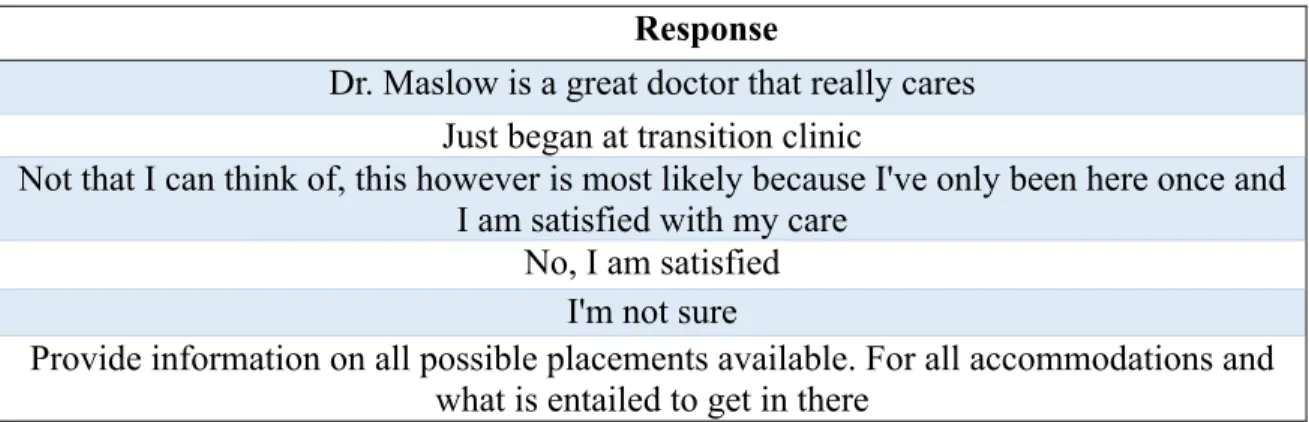
Free response. When asked if there was anything the clinic could do to improve upon the transition experience, six of the 26 participants responded (see Table 5). With only six
respondents a thematic analysis was difficult to extrapolate. Of the six patients who filled out the free response, two patients stated they were satisfied with their care, two were unsure, one praised the provider, and one participant suggested that more information be provided on
Response
Dr. Maslow is a great doctor that really cares Just began at transition clinic
Not that I can think of, this however is most likely because I've only been here once and I am satisfied with my care
No, I am satisfied I'm not sure
Provide information on all possible placements available. For all accommodations and what is entailed to get in there
Table 5. Free responses by survey participants
Transition Tracking Tool Use
For the use of the transition tracking tool, 15 patients were included in the pilot of the
tool. Of the 15 patients, 11 patients had one goal entered; two patients had three goals while the remaining two patients had two goals. Six of the patients were female, and nine were male. No follow up was recorded on the tracking tool for any of the patients after the initial use of the tool.
The most common theme of the goals entered for the tracking tool was the encouragement of meaningful social interactions and social independence (club participation, after school activities,
developing hobbies, etc.) with 10 of the goals centered around this theme. The second most common goal was in support of medical independence (getting insurance, finding adult providers, refilling medications) with seven of the recorded goals including this theme. Two
goals centered around occupational goals (vocational rehab, employment) while another three focused on emotional well-being (improving family relationships, controlling emotions). Finally,
CHAPTER 7: DISCUSSION
Chart Review
The chart review yielded overall positive results. The high rate at which providers
addressed the seven SMART domains demonstrated the clinic’s commitment to incorporating the SMART model into its practice. The consistent use of an Epic “SmartPhrase” on the patients’
electronic medical record (EMR) on new transition patients in the clinic by the resident
physicians has provided a space in which to address all of the seven SMART domains. The use of the SmartPhrase on new patient visits is also why there is no correlation between the number
of patient visits and the patients’ chart completeness since the initial SmartPhrase has almost all of the SMART domains are in as prompts for the patients’ initial documentation.
The third domain assessed, transition beliefs and expectations, was charted at the lowest rate of all the other seven SMART domains, with 38 of the 50 (76%) patients reviewed not having any mention of their transition beliefs and expectations in their charts. The third domain
recommends that providers assess patient transition expectations, their beliefs related to
transition importance, and understanding of the importance of an adult provider (Schwartz et al.,
2011). The providers may have possibly had difficulty charting on this domain since it is not well differentiated within the SmartPhrase used for new transition patients. They may also have experienced difficulty with the incorporation of this domain since it is not addressed in most
are mainly discussed in a more theoretical manner in regards to its importance to CSCHN
transition. The literature that does mention transition expectations does emphasize its importance as it allows providers and patients to concurrently review patients’ goals and expectations and
encourage a patient/provider partnership in achieving those goals (Aldiss et al., 2015; Nehring et al., 2015; Sonneveld, Strating, van Staa, & Nieboer, 2013).
Conversely, domains five and seven, the two areas in which there was 100% charting on
all patients, are well explored in transition literature and central to the clinic itself. Domain five focuses on patient goals and motivation; this pillar of transition care is seen through much of the
literature surrounding CSHCN transitions. Goal setting and patient motivation is a fundamental aspect of literature surrounding transitional care programs as they progress the patients towards independence (Betz, 2013; Jameson, 2011; McDonagh, 2005; McManus et al., 2015).
The large number of patients with psychiatric special needs probably influenced the clinic’s strong compliance with the seventh domain, psychosocial and emotional status.
Therefore, there was a significant portion of patients with psychiatric issues, resulting in bias towards evaluation of psychological well-being in all other patients. Assessment of patients’ psychological status and well-being is closely linked with transitions and has been shown to be
important in transition literature (Pai & Ostendorf, 2011; Sacker & Cable, 2010; Schwartz et al., 2014).
Overall, the majority of the charting for the transition patients demonstrated that the clinic has a commitment to the use of the SMART model in its practice. Through embedding the SMART model in the SmartPhrase on the patients’ EMR, providers have made the SMART
through the clinic may not be aware of the SMART model by name, they will be able to leave the
clinic knowing the essential principles taught by the model.
Limitations. The chart review did yield some significant limitations. Since some patients
who attended the Complex Care Clinic were not all considered transition patients yet it was impossible to randomize the patient list for the clinic to select the patients for the chart review. This more deliberate selection process could have created a bias toward patients who were more
likely to have charts that included more of the SMART domains. Patient and Parent Survey
Transition attitudes. The first portion of the patient and parent survey, transition attitudes, yielded an overall average of 3.85, placing responses closest to “agree.” Interestingly, the lowest rated statement, “I feel ready to move to adult care” was the most telling for the
patients’ feelings towards their transition, with an average rating of 3.15 out of 5 (placing it closest to “neither agree nor disagree”) and an overall agreement percentage of 34.62%. Survey
participants gave a high rating towards the statement “The transition clinic is important to my move to adult care” with an average response of 4.08/5 and 76% in agreement.
Patient and parent perceptions of transition readiness could be low due to the patients’
disease severity since they indicated that they felt well supported in their transition by providers and parents (questions 6, 13, 15). Patients within the Complex Care Clinic at Duke (formally the
Transitions Clinic) have more complex conditions than patients undergoing simple care transitions. Patient disease severity in relation to transition readiness and success is well supported by the literature in which has been found a negative correlation between transition
Transition readiness. Patient and parent perceived transition readiness was rated as a
3.65/5. The lowest rated statement, with a score of 2.92 out of 5, was in response to “I have the skills needed to manage my health independently,” while the highest-ranking response was for
question 12 “my parents support me in my move to the adult system,” with an overall average response of 4.2/5. The highest percentage of participants to agree within the transition readiness section was also for question 12 but the lowest percentage of participants to agree was in
response to “It is the right time for me to move to the adult health system”.
These responses indicate a strong support system yet indicate that patients still struggle
with health management and readiness, despite the focus of the clinic. These results are surprising when compared to current literature which has showen that transition success is positively affected by strong parental/social support; however, no literature could be found to
show the relationship between transition readiness and family support (Duke & Scal, 2011; Joly, 2015; Pai & Ostendorf, 2011).
Patient/parent satisfaction. Patient and parent satisfaction was given an overall ranking of 4.1/5 and 74.96% in agreement. Despite more neutral responses in the prior two sections of the survey (transition readiness and transition attitudes), this section yielded a much higher
overall average score. This rating is surprising since the lowest rated questions were questions 8 and 14, related to perceived transition readiness, which received scores between “disagree” and
“neither agree nor disagree.” This irregularity in responses is possibly due to the complexity of the patients’ diseases. While they may not have felt that they had all the skills necessary for the transition, due to their particular complicated conditions, they did feel that they received quality
Despite a low perceived transition readiness satisfaction may also have been high due to
the clinic structure and providers. According to the literature higher patient and parent
satisfaction is correlated with frequent clinic visits, structured clinic programs, strong provider
communication; principle which the Duke Complex Care Clinic utilizes in their program (Bloom et al., 2012; Davis, Brown, Taylor, Epstein, & McPheeters, 2014; Monaghan et al., 2013; Shaw, Southwood, & McDonagh, 2007b).
Free response. Due to the low response rate, it is very difficult to extrapolate a relationship between the answers. The most common themes in the free response section was
satisfaction with the clinic and uncertain feelings towards the clinic, due to the patients’ relative newness. One participant did suggest that more information be provided about patient
accommodations and the steps needed to access those accommodations.
Limitations. Due to limitations from the Institutional Review Board leading to the inability of having both patients and parents concurrently fill out the forms, parental responses
were few. Since few parents were unable to participate their responses were not analyzed apart from the patient responses. The mixing of both patient and parent responses could have skewed the results.
Another limitation of the survey portion was the small sample size. Since the patients had the opportunity to refuse participation, and because the clinic sees a low number of patients
each week, the potential number of willing participants was low. Transition Tracking Tool
The concept of the transition tracking tool was to promote continuity of patient
the clinic and had the approval of the attending physicians. While the concept was well received,
the actual implementation in the practice was problematic. Although the tool was created to ensure continuity of care of the patient from the resident physicians, it was difficult to ensure that
each new group of residents had an understanding of the purpose of the tool. The ever-changing nature of providers in the clinic made it very difficult to embed the tracking tool into the
workflow of the clinic, because this workflow differed from resident group to resident group.
The tool also faced implementation difficulties with the change of the clinic location. In the middle of the tracking tool implementation the clinic changed from taking place in two
different locations on a rotating bi-weekly basis to a fixed clinic location on a weekly basis. The change in location was understandably difficult for the providers and staff, and the minimal embedding of the tracking tool that had occurred at the other previous two locations was
temporarily lost with the clinic change. Nonetheless, the providers liked the concept of the tracking tool, even as its implementation neared an end. However, it was not continued into the
practice in its current form. Recommendations
Based on the initial chart review, the clinic is doing well incorporating the SMART model
into their charting and clinical practice. While six of the seven SMART domains are well integrated, there is room for improvement within the third domain, beliefs and expectations.
Consistently including the third domain in patient charting can be ensured with an edit to the current SmartPhrase in the EHR. Adding an area within the SmartPhrase on beliefs and expectations should improve the frequency at which the third domain is mentioned in patient
However,as evidenced by the second section of the patient and parent survey, the section
based on the seven domains of the SMART model, more parent and patient transition education needs to occur. Current recommendations for the Complex Care Clinic include educating
patients about the purpose and need for transitional care. While the overall response for the statement “transitioning to the adult health system is important to me” was relatively high, with a score of 3.9/5, perhaps patients and parents can better understand the purpose of the clinic.
Increased understanding of clinic purpose could possibly improve patient and parent
involvement in the transition process to ensure that all patient and parent perceived transition
needs are being met. Through increased patient involvement in transitional care and goals patients’ confidence and readiness for transition may improve from current levels.
While the need for some transition tracking tool remains, a workflow change is needed to
better incorporate such a tool. Ensuring that there is a consistent workflow in which residents evaluate patients, attending physicians, social workers, health coaches, and research assistants
could perhaps improve the consistency in which a transition tracking tool is completed. The tracking tool may need to be further modified to simplify the process of filling out the form to increase participation. Another possible alternative is to make a transition tracking tool that can
be used within the patients’ charts through the use of an Epic DotPhrase that allows users to makes patient transition goals within any provider note.
Continued follow-up is also needed to ensure that any changes made to the clinic are beneficial to patients, parents, and providers. While the evaluation techniques do not have to be identical to the current program evaluation, evaluation methods should match the goals of the
Summary/Conclusion
Due to the relative newness of the Duke Children’s Complex Care Clinic combined with the emerging field of transitional care, there is little evidence to help guide the development and
improvement of transitional care programs. The use of a program evaluation with a chart review, patient and parent survey, and a pilot transition tracking tool helped to further illuminate the evaluated program’s strengths, weaknesses, and areas for improvement.
In a novel field, such as transitional care, continued evaluation, improvement, and research are essential to broaden the current knowledge base of this emerging field. It is through