AFFINITY SEPARATION
K. Jones, Affinity Chromatography Ltd, Freeport, Ballsalla, Isle of Man, UK
Copyright^ 2000 Academic Press
Introduction
Of the collection of separation technologies known as ‘afRnity’, afRnity chromatography is by far the most widely used variant. AfRnity chromatography is becoming increasingly important as the speed of the revolution taking place in biotechnology processing increases. The concept of an ‘afRnity’ separation re-sults from a naturally occurring phenomenon existing within all biological macromolecules. Each biological macromolecule contains a unique set of intermolecu-lar binding forces, existing throughout its internal and external structure. When alignment occurs be-tween a speciRc site of these forces in one molecule with the site of a set of forces existing in another (different) molecule, an interaction can take place between them. This recognition is highly speciRc to the pair of molecules involved. The interactive mech-anism can be converted into a universal mutual bind-ing system, where one of the bindbind-ing pair is attached to an inert matrix, packed into a column and used exclusively to capture the other matching molecule. When used in this (afRnity) mode, the technique is probably the simplest of all chromatographic methods. It is, however, restricted almost exclusively to the separation and puriRcation of biological mac-romolecules, and is unsuitable for small molecules.
AfRnity chromatography or bioselective adsorp-tion chromatography wasRrst used in 1910, but it was only in the 1960s that afRnity chromatography as practised today was developed as a puriRcation tech-nique. By the late 1970s the emergence of recombinant DNA technology for the manufacture of protein phar-maceuticals provided a new impetus for this highly speciRc chromatographic method, implemented by the demand for ever-increasing product purity implicit in regulatory frameworks devised by (amongst others) the USA’s Food and Drug Administration (FDA). Fi-nally, the need to reduce the cost of drugs is under constant scrutiny by many Governments, particularly those with controlled health schemes funded by rev-enue raised by taxation. These mutually incompatible pressures indicate the need for more efRcient sep-aration systems; the afRnity technique provides the promise of meeting all necessary requirements.
Separation and puriRcation methods for biological macromolecules vary from the very simple to the esoteric. The type of technique adopted is basically a function of source, the fragility of the molecule and the purity required. Traditionally, high purity protein pharmaceuticals have used multistage processing, but this is very inefRcient as measured by the well-documented fact that 50}80% of total production costs are incurred at the separation/puriRcation stage. In contrast, the highly selective indigenous properties of the afRnity method offer the alternative of very elegant single-step puriRcation strategies. The inherent simplicity and universality of the method has already generated a wide range of separation tech-nologies, mostly based upon immobilized naturally occurring proteinaceous ligands. By comparing the ‘old’ technologies of ‘natural’ ligands or multistage processing with the ‘new’, exempliRed by synthetic designed ligands, the most recent advances in af-Rnity processing can be described.
Biological Recognition
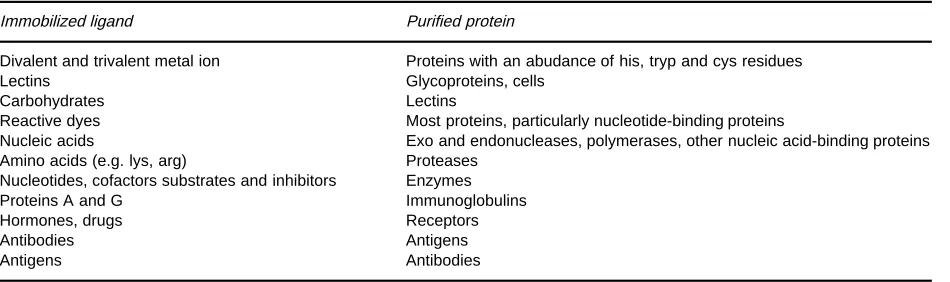
Table 1 Affinity ligands and purified proteins
Immobilized ligand Purified protein
Divalent and trivalent metal ion Proteins with an abudance of his, tryp and cys residues
Lectins Glycoproteins, cells
Carbohydrates Lectins
Reactive dyes Most proteins, particularly nucleotide-binding proteins
Nucleic acids Exo and endonucleases, polymerases, other nucleic acid-binding proteins Amino acids (e.g. lys, arg) Proteases
Nucleotides, cofactors substrates and inhibitors Enzymes
Proteins A and G Immunoglobulins
Hormones, drugs Receptors
Antibodies Antigens
Antigens Antibodies
The matching pair must be identiRed, and one of them isolated in a pure form. Covalent bond-ing onto an inert matrix in a stable manner must always allow the ‘docking’ surface of the protein to be positioned to make it available to the target pro-tein. The whole also has to be achieved at an accept-able cost.
This technique has resulted in many successful ap-plications, often using antibodies as the afRnity medium (immunoafRnity chromatography), but large scale separations using these ‘natural’ ligands are largely restricted by cost and regulatory reasons. Although immunoafRnity chromatography is still widely practised, in recent years the evolution of design technologies has provided powerful new ap-proaches to mimic protein structures, resulting in the development of synthetic ligands able to work in harsh operational environments and at low cost.
The Af
\
nity Process
The afRnity method is critically dependent upon the ‘biological recognition’ existing between species. By permanently bonding onto an inert matrix a mol-ecule (the ligand) that speciRcally recognizes the mol-ecule of interest, the target molmol-ecule (the ligate) can be separated. The technique can be applied to any biological entity capable of forming a dissociable complex with another species. The dissociation con-stant (Kd) for the interaction reSects the comp-lementarity between ligand and ligate. The optimal range of Kd for afRnity chromatography lies be-tween 10\4 and 10\8mol L\1. Most biological ligands can be used for afRnity purposes provid-ing they can be immobilized, and once immobilized continue to interact successfully with their respective ligates. The ligand can be naturally occurring, an engineered macromolecule or a synthetic molecule.
Table 1 provides some examples of
immobili-zed ligands used to purify classiRed proteins. The
afRnity method is not restricted to protein separ-ations; nucleic acids and whole cells can also be separated.
The simplicity of the chromatographic process is shown inFigure 1. The ligand of interest, covalently bonded onto the inert matrix, is contained in the column, and a solution containing the target (the ligate) is passed through the bed. The ligand recog-nizes the ligate to the exclusion of all other molecules, with the unwanted materials passing through the col-umn packing while the ligate is retained. Once the bed is saturated with the target molecule (as mea-sured by the breakthrough point), contaminating spe-cies are washed through, followed by collection of the target molecule as a very pure fraction using an eluting buffer solution. Finally, the column is cleansed from any strongly adsorbed trace materials, usually by regeneration with a strong alkali or acid, making it available for many more repeat runs. An outstanding advantage of the afRnity process is an ability to concentrate very dilute solutions while stabilizing the captured protein once adsorbed onto the column. Many of the in-demand proteins manu-factured by genetically engineered microorganisms are labile, allowing only minute quantities to be pres-ent in the fermpres-entation mix before they begin to deteriorate. An ability to capture these very small quantities while stabilizing them in the adsorbant phase results in maximization of yield, making mass-ive savings in total production costs.
Figure 1 Schematic diagram of affinity chromatography.
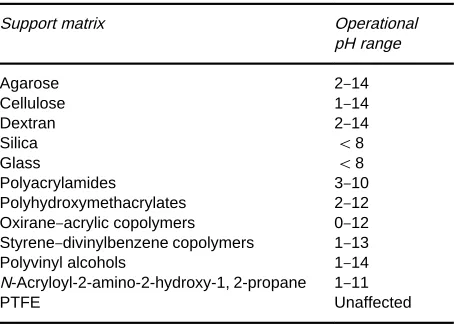
Table 2 Support matrices
Support matrix Operational
pH range
Agarose 2}14
Cellulose 1}14
Dextran 2}14
Silica (8
Glass (8
Polyacrylamides 3}10
Polyhydroxymethacrylates 2}12 Oxirane}acrylic copolymers 0}12 Styrene}divinylbenzene copolymers 1}13
Polyvinyl alcohols 1}14
N-Acryloyl-2-amino-2-hydroxy-1, 2-propane 1}11
PTFE Unaffected
PTFE, polytetrafluoroethylene.
Matrices
By deRnition matrices must be inert and play no part in the separation. In practice most play a (usually) negative role in the separation process. To minimize these disadvantages matrices have to be selected with great care. There is a theoretically perfect matrix, deRned as consisting of monodispersed perfectly shaped spheres ranging from 5 to 500m in dia-meter, of high mechanical strength, zero nonspeciRc adsorption and with a range of selectable pore sizes from 10}500 nm, a very narrow pore size distribution and low cost. This idealized matrix would then pro-vide the most efRcient separation under all ex-perimental conditions. As always, a compromise has to be reached, the usual approach being to accentuate the most attractive characteristics while minimizing the limitations, usually by manipulating the experi-mental conditions most likely to provide the optimum result.
The relative molecular masses of proteins vary from the low thousands to tens of millions, making pore size the most important single characteristic of the selected matrix. Very large molecules need very open and highly porous networks to allow rapid and easy penetration into the core of the particle. Struc-tures of this type must therefore have very large pores, but this in turn indicates low surface areas per unit volume, suggesting relatively low numbers of surface groups to which ligands can be covalently attached. The matrix must also be biologically and chemically inert. A special characteristic demanded from biolo-gical macromolecular separations media is an ability to be sanitized on a routine basis without damage. This requires resistance to attack by cleansing re-agents such as molar concentrations of strong alkali, acids and chaotropes. In contrast to analytical separ-ations, where silica-based supports are inevitably used, silica cannot meet these requirements and is generally not favoured for protein separations.
Table 2contains examples of support matrices used
in afRnity separations.
The beaded agaroses have captured over 85% of the total market for biological macromolecule separ-ations, and are regarded as the industry standard to which all other supports are compared. They have achieved this position by providing many of the desir-able characteristics needed, and are also relatively inexpensive. Beaded agaroses do have one severe lim-itation } poor mechanical stability. For analytical applications speed and sensitivity are essential, de-manding mechanically strong, very small particles. Beaded agaroses are thus of limited use analytically, a gapRlled by high performance liquid chromatogra-phy (HPLC) using silica matrices. For preparative and large scale operations other factors are more impor-tant than speed and sensitivity. For example, mass transfer between stationary phase and mobile phase is much less important when compared to the contri-bution from the chemical kinetics of the binding reaction between stationary phase and protein. Band spreading is also not a serious problem. When combined with the highly selective nature of the afRnity mechanism, these factors favour the com-mon use of large sized, low mechanical strength par-ticles.
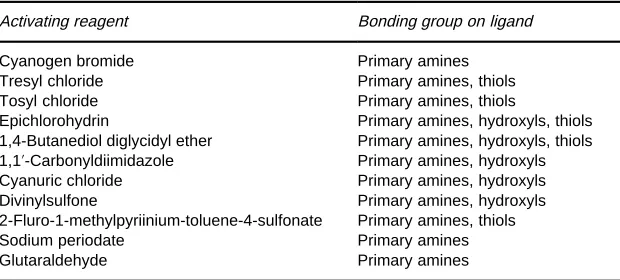
[image:3.568.290.517.536.698.2]Table 3 Activation materials
Activating reagent Bonding group on ligand
Cyanogen bromide Primary amines
Tresyl chloride Primary amines, thiols Tosyl chloride Primary amines, thiols
Epichlorohydrin Primary amines, hydroxyls, thiols 1,4-Butanediol diglycidyl ether Primary amines, hydroxyls, thiols 1,1-Carbonyldiimidazole Primary amines, hydroxyls Cyanuric chloride Primary amines, hydroxyls Divinylsulfone Primary amines, hydroxyls 2-Fluro-1-methylpyriinium-toluene-4-sulfonate Primary amines, thiols
Sodium periodate Primary amines
Glutaraldehyde Primary amines
indicated as improvements are made to current ma-terials and the prices of synthetics begin to approach those of agarose beads. Other factors resist any signif-icant movement towards synthetic matrices. Most installed processing units are designed for low perfor-mance applications. Higher perforperfor-mance matrices would need reinstallation of new, much higher cost high performance plant; plant operators would need retraining; operating manuals would need rewriting; and plant and factory would need reregistration with the FDA. In combination, the implication is that penetration of high performance systems for large scale applications will be slow, and agarose beads will continue to dominate the market for protein separ-ations.
Covalent Bonding
A basic requirement of all chromatographic media is the need for absolute stability under all operational conditions through many cycles of use. Consequently all ligands must be covalently bonded onto the matrix, and various chemistries are available to achieve this.
A number of factors are involved:
1. The performance of both ligand and matrix are not impaired as a result of the coupling process. 2. Most of the coupled ligand is easily accessible to
the ligate.
3. Charged or hydrophobic groups are not generated on the matrix, so reducing nonspeciRc adsorption. 4. The immobilized ligand concentration is optimal
for ligate bonding.
5. There is no leakage of immobilized ligand from the matrix.
Some ligands are intrinsically reactive (or can be designed to be so) and contain groups that can be
coupled directly to the matrix, but most require coup-ling via a previously activated matrix. The afR n-ity matrix selected must have an adequate number of appropriate surface groups onto which the ligand can be bonded. The most common surface group is hy-droxyl. The majority of coupling methods involve the activation of this group by reacting with entities con-taining halogens, epoxy or carbonyl functional groups. These surface residues are then coupled to ligands through primary amines, hydroxyls or thiol groups, listed inTable 3.
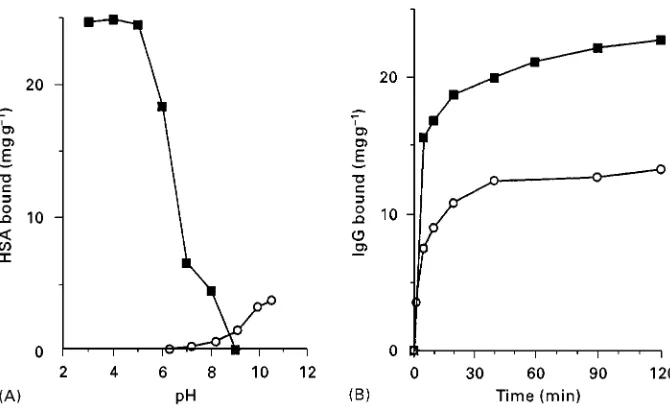
Polysaccharides, represented by agarose, have a high density of surface hydroxyl groups. Tradition still dictates that this surface is activated by cyanogen bromide, but it is well established that this reagent forms pH-unstable iso-urea linkages, resulting in a poorly performing product. Furthermore CNBr-activated agarose needs harsh coupling conditions if high yields of Rnal media are to be obtained, suggesting high wastage of often expensive ligands. This factor is particularly evident with fragile entities such as the very-expensive-to-produce antibodies, and yet many workers simply read previous literature and make no attempt to examine alternative far superior coupling methods. The advantages of mild coupling regimes are demonstrated inFigure 2, where the use of a triazine-activated agarose is compared to CNBr-activated agarose. Yield is signiRcantly in-creased, largely by coupling under acidic rather than alkaline conditions.
Intermolecular Binding Forces
Figure 2 Triazine coupling. (A) Coupling of human serum albumin (HSA) to ready-acitivated supports as a funciton of pH. (B) Time course of coupling of human IgG to ready-activated supports at 43C. , CNBr-activated agarose 4XL; , triazine-activated agarose 4XL.
complex biological macromolecules or assemblies, mostly or exclusively consisting of amino acids enti-ties linked together in a speciRc manner. This com-plexity of structure provides many opportunities to exploit the physicochemical differences between the target molecule and the ligand to be used. Each structure contains the four basic intermolecular bind-ing forces}electrostatic, hydrogen bonding, hydro-phobic and van der Waals interactions } spread throughout the structure in an exactly deRned spatial manner. The degree of accessibility and spatial pre-sentation within the pore of the medium, and the strength of each force relative to each other, dictate whether these forces are utilized to effect the separation. The biological recognition between spe-cies is a reSection of the sum of the various mo-lecular interactions existing between them, and this summation is Rxed for the ligate. However, various ligands may be found that emulate some or all of the available binding forces to various degrees.
AfRnity adsorbents are therefore assigned to one of three broad ligand categories: nonspeciRc, group speciRc or highly speciRc. NonspeciRc ligands have only a superRcial likeness to biological ligands and binding is usually effected by just one of the four binding processes described above. Although ion exchange materials can be used in a similar manner to afRnity adsorbents, they only exhibit the single force of electrostatic binding. They are thus limited to relatively indiscriminate binding. In this case the only criterion for binding is that of an overall charge.
Fortunately there are a vast number of biological ligands that can interact with more than one macro-molecule and consequently group-speciRc ligands are commonplace. Since group-speciRc adsorbents retain a range of ligates with similar binding requirements, a single adsorbent may be used to purify a number of ligates. Group-speciRc ligates can be used when the desired ligate is present in high concentration, but this implies that some preprocessing has taken place and a concentration step interposed. The use of non/ group-speciRc adsorbents can only offer partial separations. This results in having to apply several stages in series, each only capable of removing a pro-portion of the impurities. In contrast a highly selec-tive ligand can exclusively remove the target in one step, but often the resulting complexes are very tight-ly bound, have low binding capacities, are easitight-ly denatured and are expensive to produce. Until re-cently these adsorbents were restricted to technically difRcult isolations. Today the use of computer-assisted molecular modelling systems provides oppor-tunities to investigate relationships between designed ligands and relevant protein structures. For theRrst time logical design approaches can be applied and consequently stable inexpensive ligands have now become available.
Analytical Scale-Up
sensitivity are maximized. In contrast, for preparative and process applications, the objective is to maximize purity, yield and economy. These techniques have developed separately, simply because biological mac-romolecules pose unique difRculties, making them unsuitable for ‘standardized’ analysis. A major inSuence on this division has been that scale-up usu-ally occurs very much earlier in the development of a process, causing biochemists to turn to the tradi-tional low performance methods of ion exchange (IE), hydrophobic interaction (HI) and gel per-meation chromatography (GPC). The highly efR -cient afRnity chromatography method was gener-ally ignored, primarily because of the difRculty of having to develop a unique ligand for each separation rather than having ‘off-the shelf’ column pack-ings immediately available from external suppliers. For analytical purposes high performance afRnity liquid chromatography (HPALC) is a rarity, a func-tion of the limited availability of suitable matrices (Table 2) and the afRnity process itself.
Where quantiRable high speed chromatography is required, reversed-phase HPLC (RP-HPLC) has no equal. Unfortunately there is no general purpose method for biomolecules to parallel the inherent power of RP-HPLC. The success of RP-HPLC for analysis can be judged from the large number of published applications developed for the ‘Rrst wave’ of protein pharmaceuticals manufactured by geneti-cally engineered microorganisms. These extracellular (relatively) low molecular weight proteins include human insulin, human growth hormone and the in-terferons. However, as molecular size and fragility increase, so difRculties in using HPLC increase, a primary reason why much analysis is still conducted on low performance systems. Low performance sys-tems are easily scaled up; RP-HPLC is not.
Biological separation systems must be aseptically clean throughout the process. The mixtures are inevi-tably complex and usually contain many contamina-ting similarly structured species. Such species can adsorb very strongly onto the medium, demanding post-use washing with very powerful reagents to ster-ilize and simultaneously clean the column. Silica-based matrices cannot survive this type of treatment, hence scale-up of analytical procedures is generally precluded. The Rrst wave of commercial protein pharmaceuticals have generally proved to be relative-ly stable under high stress conditions. On the other hand intracellular proteins, often of high molecular weight, are unstable. Analysis by high performance RP-HPLC methods then becomes problematic. De-mand for fast, high resolution, analytical methods will continue to increase for on-line monitoring and process validation. Such techniques have already been
used to determine degradation of the target protein (for example deamidated and oxidized elements); to identify previously unidentiRed components; to estab-lish the chromatographic identity between recom-binant and natural materials; to develop orthogonal methods for the identiRcation of unresolved impu-rities; and for many other demanding analytical approaches.
Af
\
nity versus Traditional Media
When projects are transferred from research to devel-opment two sets of chromatographic techniques are carried forward: analysis, usually based on RP-HPLC; and larger scale serialized separation steps, often incorporating traditional methods of ion ex-change, hydrophobic interaction and gel permeation chromatography. Major decisions have to be taken at this juncture} to scale up the separation processes developed during the research phase or to investigate alternatives. Regulatory demand and shortened pat-ent lifetimes compel managempat-ents to ‘fast track’ new products. Commercial pressure is at a maximum. BeingRrst to market has the highest priority in terms of technical and commercial reward. Very little time is left to explore other separation strategies. It is known that serial application of IE, HI and GPC inevitably leads to very high manufacturing costs, but which comes Rrst? Most often the decision is taken to begin manufacture using unoptimized separ-ations as deRned in research reports. It is only in retrospect that very high production costs become apparent. By then it is too late}regulatory systems areRrmly in place.
applicabil-Figure 3 Comparison of multistep versus affinity separation. ity. If stable, highly selective and inexpensive af-Rnity ligands were available, then opportunities would exist for researchers to develop efRcient high yield separations even in the earliest phases of investigation. These systems could then be passed forward to pro-duction with the knowledge that optimally efR -cient separations are immediately achievable.
Production costs of any pure material reSect the absolute purity level required and the difRculty of achieving it. Therapeutic proteins have high purity requirements and the larger the administered dose, the purer it has to be. Since many protein pharma-ceuticals will be used at high dose levels, purities need to exceed 99%, occasionally up to 99.999%. That these purities can be met by traditional methods is possible, but it is widely documented that the applica-tion of such methods massively increases producapplica-tion costs. Between 50 and 80% of total production costs of therapeutic proteins are incurred at the puriRcation stage. The manufacturing cost of a product is directly related to its concentration in the mother liquor; the more dilute it is, the higher the cost of recov-ery. Since traditional puriRcation processes on their own cannot selectively concentrate a target protein to the exclusion of all others, they have to be used in series. The number of stages required can vary be-tween four and 15. Each step represents a yield loss, and incurs a processing cost. Yields of less than 20% are not uncommon.Figure 3shows an enzyme puriR -ed in multiple stages and by a one-step afRnity process.
It was these limitations that caused biochemists to examine highly selective ligands. Almost any com-pound can be used as an afRnity ligand provided it can be chemically bonded onto a support matrix and, once immobilized, it retains its ability to interact with the protein to be puriRed. The ligand can be
a simple synthesized entity or a high molecular weight protein. The afRnity technique is theoretically of universal application and any protein can be separ-ated whatever its structure and origin. As always, there are major limitations. The most effective afRnity ligands are other proteins. Unfortunately such proteins are difRcult to Rnd, identify, isolate and purify. This results in high costs. An even greater deterrent is that most proteins are chemically, cata-lytically and enzymically unstable, a particularly un-attractive feature if they are to be used for the manu-facture of therapeutic substances; and regulatory authorities generally reject applications using pro-teinaceous ligands.
In anticipating that one day stable inexpensive af-Rnity media would be in demand, a team led by C.R. Lowe began an investigation into which synthetic ligand structures offered the greatest possibility of developing inexpensive stable ligands. It was con-cluded that structures that could be manipulated into speciRc spatial geometries and to which intermolecu-lar binding forces could easily be added offered the highest chance of success. Model compounds were already available; the textile dyes.
Synthetic Ligands
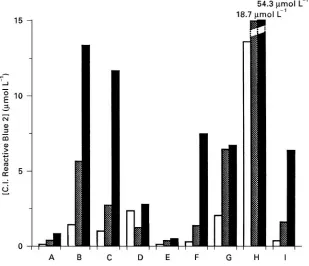
[image:7.568.56.519.528.693.2]Figure 4 Leakage of blue dye from various commercial products. , 0.1 mol L\1NaOH; , 0.25 mol L\1NaOH; , 1 mol L\1
[image:8.568.129.438.395.661.2]NaOH. Key: A, Mimetic Blue 1 A6XL (affinity chromatography); B, Affi-Gel Blue (Bio-Rad); C, Blue Trisacryl-M (IBF); D, Fractogel TSK AF-Blue (Merck); E, C.I. Reactive Blue 2 polyvinyl alcohol-coated perfluropolymer support; F, Blue Sepharose CL-6B (Pharmacia); G, immobilized Cibacron Blue F3G-A (Pierce); H, Cibacron Blue F3G-A"Si500 (Serva); I, Reactive Blue 2-Sepharose CL-6B (Sigma). Figure 5 Schematic representtion of ligand}protein interaction. W, electrostatic interaction; X, hydrogen bonding; Y, van der Waals interaction; Z, hydrophobic interaction. ***, original backbone; - - -, new structure added; 2, original backbone move; , fields of interaction.
manufacturing process. This fact alone makes repro-ducibility problematic. Furthermore, the bonding process between dye and matrix was poorly re-searched. This resulted in extensive leakage. All com-mercially available textile dye products leak exten-sively, especially under depyrogenating conditions
(Figure 4). Despite these limitations, it was
recog-nized that dye-like structures had a powerful underly-ing ability to separate a very diverse range of proteins. Their relatively complex chemical structures allow spatial manipulation of their basic skeletons into an inRnite variety of shapes and conRgurations. Pro-teins are complex three-dimensional (3-D) structures and folds are present throughout all protein struc-tures. An effective ligand needs to be shaped in such a manner that it allows deep insertion into a suitable surface Rssure existing within the 3-D structure (Figure 5). In contrast, if the ligand only interacts with groups existing on external surfaces, then nonspeciRc binding results and proteins other than the target are also adsorbed. A much more selective approach is to attempt to insert a ligand into an appropriate fold of the protein, and add binding groups to correspond with those present in a fold of the protein. If all four of the basic intermolecular forces (Figure 5: W, electrostatic; X, hydrogen
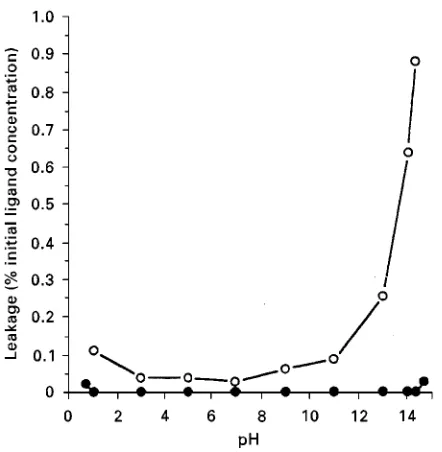
Figure 6 Comparison of ligand leakage from mimetic ligand affinity adsorbent A6XL ( ) and conventional textile dye agarose ( ).
The Rnal step is to design appropriate bonding technologies to minimize potential leakage. Until re-cently this type of modelling was a purely theoretical exercise. It was only the introduction of computer-assisted molecular modelling techniques that allowed the theory to be tested. Before the arrival of logical modellling the discovery of selective ligands was en-tirely based upon empirical observation, later fol-lowed by a combination of observation, experience and limited assistance from early computer generated models. Although several novel structures evolved during this period, a general approach to the design of new structures remained elusive. At this time only very few 3-D protein structures were available, again greatly restricting application of rational design ap-proaches. As more sophisticated programmes, simu-lation techniques, protein fragment data and many more protein structures were released, logical design methods were revolutionized. However, many mil-lions of proteins are involved in life processes, and it is clear that many years will elapse before the major-ity of these will be fully described by accurate models. Consequently intuition and experience will continue to play a major role in the design of suitable ligands. Of available rationally designed synthetic molecules, the Mimetic2+range can currently separate over 50% of a randomly selected range of proteins. Stability under depyrogenating conditions has been demon-strated for these products (Figure 6). This results in minimal contamination from ligand and matrix
im-purities, substantial increases in column lifetime, and improvements in batch-to-batch reproducibility.
Rational Design of Af
\
nity Ligands
Modi\cation of Existing Structures
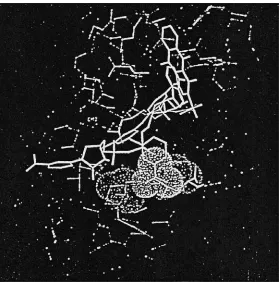
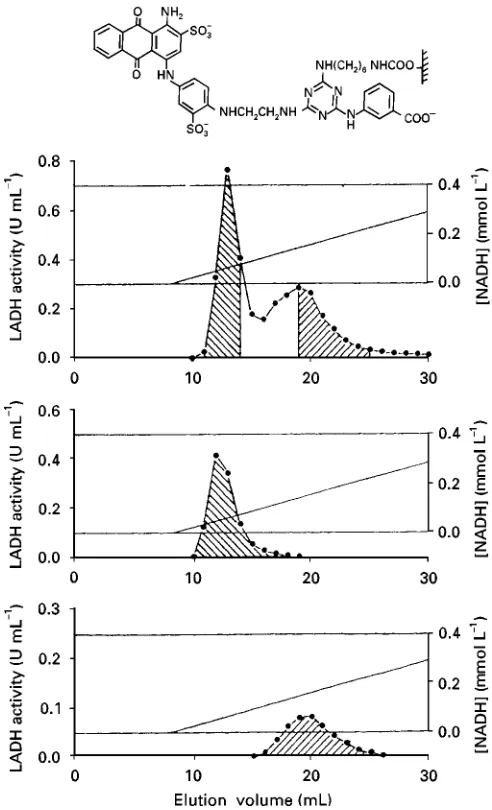
The Rrst example of a rational design of new bio-mimetic dyes used the interaction between horse liver alcohol dehydrogenase (ADH) and analogues of the textile dye Cibacron Blue F3G-A (Figure 7). It had been established that the parent dye binds in the NAD#-binding site of the enzyme, with the an-thraquinone, diaminobenzene sulfonate and triazine rings (rings A, B and C, respectively, in Figure 7) apparently adopting similar positions to those of the adenine adenosine ribose and pyrophosphate groups of NAD\. The anthraquinone ring (A) binds in a wide apolar fold that constitutes, at one end, the adenine bridging site, while the bridging ring (B) is positioned such that its sulfonate group interacts with the guanidinium side chain of Arg271 (Figure 8). Ring C binds close to where the pyrophosphate bridge of the coenzyme binds with the reactive triazinyl chlorine adjacent to the nicotinamide ribose-binding site. The terminal ring (D) appears to be bound in a fold between the catalytic and coenzyme binding domains, with a possible interaction of the sulfonate with the side chain of Arg369. The binding of dye to horse liver ADH resembles ADP binding but differs signiRcantly at the nicotinamide end of the molecule with the mid-point position of ring D dis-placed from the mid-point position of the nicotinamide ring of NAD#by about 1 nm. Consequently a number of terminal-ring analogues of the dye were synthesized and characterized in an attempt to improve the speciR -city of dye binding to the enzyme.Table 4lists some of the analogues made by substituting}R in the D ring (Figure 7), together with their dissociation constants. These data show that small substituents bind more tightly than bulkier groups, especially if substituted in theo- orm-positions with a neutral or anionic group. Further inspection of the computer model given as Figure 8 showed that the dye analogues were too short and rigid to bind to horse liver ADH in an identical manner to the natural coenzyme, NAD#. Conse-quently analogues of the parent dye were designed and synthesized with central spacer functionalities to increase the length and Sexibility of the molecule
(Figure 9). This product proved to be some 10 times
Figure 7 Principal structural elements of the anthraquinone dye, Cibacron Blue F3G-A.
Figure 8 Putative binding pocket for the terminal-ring analogue (m-COO\) of Cibacron Blue F3G-A in the coenzyme binding site of horse liver alcohol dehydrogenase (ADH). The site lies lateral to the main coenzyme binding site and comprises the side chains of two juxtaposed cationic residues Arg47 and His51.
De Novo Design
Most early efforts in proving the rational design technology was based upon dye structures. To date all dyes considered have been anionic, presumably because the charged chromophores of these ligands
[image:10.568.139.418.390.672.2]Table 4 Apparent affinities of terminal-ring analogues of an-thraquinone dyes for horse liver alcohol dehydrogenase (ADH)
R Apparent Kd(mol L\1)
m-COO\ 0.06
H 0.2
o-COO\ 0.2
o-SO\3 0.4
m-SO\3 1.6
m-CH2OH 4.5
m-CONH2 5.7
p-COO\ 5.9
p-SO\3 9.3
p-PO2\
3 10.5
p-N#(CH3)3 172.0
one of the largest groups of enzymes requiring cationic substrates and includes enzymes involved in digestion (trypsin); blood clotting (kallikrein, throm-bin, Factor Xa); Rbrinolysis (urokinase, tissue plas-minogen activator) and complement Rxation. These enzymes possess similar catalytic mechanisms and bind the side chains of lysine or arginine in a primary pocket proximal to the reactive serine (Ser195), with speciRcity being determined partly by the side chain of Asp189 lying at the bottom of the pocket, and partly by the ability of the individual enzymes to form secondary interactions with the side chains of other nearnearby substrate amino acids. For example, tis-sue kallikrein differs from pancreatic trypsin in that it displays a marked preference for phenylalanine in the secondary site, probably because the phenyl ring on the phenylalanine residue neatly slips into a hydrophobic wedge-shaped pocket between the aromatic side chains of residues Trp215 and Tyr99 (Figure 10). SpeciRcity for the secondary amino acid residue is less stringent in trypsin since Tyr99 is re-placed by Ala99 and the hydrophobic pocket cannot be formed. By designing a mimic for the Ph}Arg dipeptide should result in a speciRcity for kallikrein.
Figure 11 uses p-aminobenzamidine and
phene-thylamine functions substituted on a monochloro-triazine moiety. However, the active site of pancreatic kallikrein lies in a depression in the surface of the enzyme. The expected steric hindrance is eliminated
by insertion of a hexamethylene spacer arm between the designed ligand and the matrix. After synthesis of this medium it was demonstrated that puriRed pan-creatic kallikrein was strongly bound, with over 90% of activity being recovered on elution with 4-aminobenzamidine, whereas trypsin appeared largely in the void of the column. This medium was able to purify kallikrein 110-fold from a crude pancreatic acetone powder in a single step.
There is an alternative to the rational design ap-proach}the use of combinatorial libraries.
Combinatorial Libraries
The driving force behind the development of combi-natorial libraries has been the many failed attempts to design therapeutic substances using theoretical knowledge allied to rational design; very few such approaches succeeded. In contrast, combinatorial li-brary design is now thought by some to provide the best opportunity of discovering new novel peptides and small molecule structures for pharmaceutical ap-plication. A quite natural extension of the concept is to use combinatorial libraries to discover ligands capable of achieving highly efRcient protein sep-arations. When directed at drug discovery the earliest workers built libraries from peptides. For ligands libraries will generally utilize simple chemical mol-ecules and occasionally smaller peptides. To distin-guish this subsection from the earlier methods a convenient designation is the term Chemical Combi-natorial Library (CCL)2+.
Although procedures for rationally designed ligands are well established, the newness of CCL suggests that CCL design of afRnity ligands should be regarded as embryonic rather than immedi-ately available for commercial application. There are thus two diametrically opposed systems}the rational design process, based on logic, experience and know-ledge; and CCL which is illogical and completely random. One description of CCL is ‘a method of increasing the size of the haystack in which toRnd your needle’. A very recent approach is to combine both rational and CCL techniques, a process termed ‘intelligent’ combinational design. At the time of writing there are no published examples of ligands derived from CCL, although patents have beenRled in this area.
Regulations and Drug Master Files
Figure 9 Horse liver alcohol dehydrogenase separation. Using the modified Cibacron Blue F3G-A (Figure 7) structure given above, the selectivity is greatly enhanced making it possible to separate the isoenzymes.
reality. It is regrettable that many researchers slavish-ly follow previousslavish-ly published data on a given separ-ation problem without giving thought to the longer-term implications of their decisions. Sections above describe the adverse economic effects of multi-stage processing, but an equally important factor is regulatory issues. The most widely used regulations are those deRned by the USA’s Food and Drug Ad-ministration (FDA). Any company wishing to import products relevant to regulations existing in the USA must conform exactly to FDA requirements; drugs in particular are very strictly controlled. Detailed de-scriptions of any plant and process used in drug manufacture have to be lodged in documented form with the FDA, wherein every aspect of process de-scription is given. This must include raw material
deRnition and suppliers, stability data for every step of the process, formulation methods, packaging, labelling, toxicity data and so on. The documentation has to be revised annually and any changes notiRed. Furthermore plant and process is open to inspection at all times for full audit of procedure. There is one large anomaly within the regulations. The largest volume of material in contact with a drug during manufacture is water, solvents and salts, all of which are exactly deRned in terms of their physicochemical characteristics. The next largest is chromatographic media; ambiguously media do not have to be de-scribed in the same detail.
Figure 10 Model of the Phe}Arg dipeptidyl substrate bound in the acitve site of porcine pancreatic kallikrein. The illustration shows Asp189 at the bottom of the primary binding pocket as well as the side chains of Tyr99 and Try215, which form the secondary binding pocket, with the phenyl ring of the Phe residue sandwiched between the hydrophobic side chains of these residues.
Figure 11 Comparison of the structures of (A) the Phe}Arg dipeptide, and (B) the ‘biomimetic’ ligand designed to bind at the active site of the porcine pancreatic kallikrein.
(DMFs) with the FDA. DMFs allows companies to use synthesized ligands for very high purity protein pharmaceuticals with total conRdence. New Drug Applications (NDA) and Investigational New Drugs (IND) documents incorporating such stable afR n-ity media can now be submitted to the FDA, safe in the knowledge that all appropriate information is on Rle. The effective guarantee of minimum quality
standards and Good Manufacturing Practice (GMP) is an integral part of a DMF. Few researchers select-ing a speciRc medium consider the long-term implica-tions of stability under depyrogenating condiimplica-tions, the number of cycles that can be achieved (lifetime in use), its availability in bulk, whether it is manufac-tured under aseptic conditions and the price when supplied in bulk. If the researcher makes a good initial selection, the research data produced can be utilized in development phases with conRdence. ‘Fast tracking’ is facilitated, with minimum aggravation, maximum efRciency and minimum puriRcation costs.
Alternative Af
\
nity Approaches
[image:13.568.62.276.500.670.2]are high and the recovery of bound proteins is easier, created by the process operating with fewer theoretical plates than those generated by chromatog-raphy columns. This technique has also been com-bined with afTnity precipitation, where a homo-bifunctional ligand composed of two ligand entities connected by a spacer (for example a bis-dye) is used. However, even in combination this approach suf-fers from considerable nonspeciRc binding and rela-tively low puriRcation factors. A review of this com-bination suggests that it is more suited to large scale, low purity products. In contrast, perSuorocarbon emulsion chemistry utilizing mixer-settlers may of-fer more promise. By using a series of mixer-settlers connected in a loop a continuous process has been developed. A ligand (usually a reactive dye) is covalently bonded to a high density perSuorocarbon emulsion and contacted with the crude protein solu-tion. After settling in the Rrst tank the emulsion is pumped to a second settler and washed before passing to the third settler for elution. The emulsion is regen-erated in the fourth settler. The supernatants from each settler, still containing some unbound target protein, are normally discarded. Although reasonable recoveries and yields are obtained, signiRcant devel-opment is needed for this type of system to become competitive with conventional chromatography col-umn methods.
Another favoured research approach to improving efRciency is to use expanded beds. Various tech-niques have been tried, with the primary objective of eliminating the ‘solid bed’ effect, where the bed acts as aRlter, trapping insolubles and creating signif-icant back-pressure. By partially removing the normal constraints of upper and lower retaining frits, which pack the particles tightly in the bed, the particles can expand, thereby releasing trapped solid impurities. Consequently longer operational cycles and higher Sows result. One limitation of the expanded bed system is that adsorption can only be carried out in one stage, resulting in a less efRcient process.
Expanded beds are only an intermediate stage to-wards Uuidized beds. Several variations of Suidized bed technology have been adopted to evaluate them for afRnity processing. One example is the use of perSuorocarbon emulsions in a countercurrent con-tactor. The afRnity perSuorocarbon emulsion is loaded with crude source material into the base of a column in a similar manner to that of an expanded bed. The adsorbent is then removed from the base of the bed and carried forward through four identical contactors where washing, elution and regeneration are carried out successively. This process is claimed to improve signiRcantly removal of target proteins com-pared to an expanded bed system.
Af
\
nity Membranes
UltraRltration membranes are commonly employed as a ‘polishing’ stage of multistage separation pro-cesses for several commercially important proteins. Consequently attaching standard afRnity ligands to create afRnity membranes has become an ac-tively researched area. The most obvious advantage of a membrane structure is the high rate of transport of the medium through the porous structure byR ltra-tion, thus minimizing the normally encountered dif-fusion limitations of mass transfer. High adsorption rates are achieved, especially if long distance electro-static interactions are involved in the binding mech-anism. However, in contrast to ion exchange membranes, similar high transport effects are not observed when used in the afRnity mode, elimin-ating much of the initial attraction of this form of device. Other theoretically attractive features in-cluded: an inherent ability to control pore size across a very wide range, offering an opportunity to increase capacity of a given system; and ability to operate in either batch mode or Rltration mode. In both cases experimental data have not conRrmed these assumed advantages; a 10-fold change in the pore size resulted in only a two-fold capacity increase and when inRltration mode, although adsorption is fast, severe peak broadening on elution is experienced.
Conclusion
Protein separations can be achieved by a variety of afRnity techniques, but separations in the chromatography mode are by far the most widely used. Nature deRned an appropriate pathway to highly efRcient separation } utilization of the phenom-enon of the automatic recognition mechanism existing between a given protein and at least one other. By covalently bonding one of the pair onto an inert matrix a theoretically simple separation process can be de-vised. Although these immunoafRnity separations are widely practised today, severe limitations exist, not least of which are cost and instability of the afR n-ity medium when in use. As modern design aids have become commonplace, in conjunction with newer techniques such as the development of combinatorial library arrays, it has proved possible to mimic nature and replace immunoafRnity matrices by speciR -cally designed synthetic ligands. These new ligands not only accurately emulate the exquisite precision of the natural protein}protein interaction mechanisms, but also provide the opportunity to manipulate the ligand structures, thus offering far more efRcient separations than any previously achieved. For a given protein, from whatever source and at any dilution, it is now possible virtually to guarantee that a highly cost-effective and highly efRcient separation pro-cess can be developed for eventual commercial use.
Designed ligand processes have already been ad-opted for several very large biotechnology projects scheduled to manufacture bulk protein
pharmaceut-icals. A mandatory part of any new protein pharma-ceutical process is the acceptance by regulatory authorities of the separation process involved. That synthesized afRnity ligand separation processes have now been fully accepted by the foremost regula-tory authority, the USA’s Food and Drug Administra-tion, conRrms a worldwide acceptance of the power of ligand design technologies.
See Colour Plate 1.
Further Reading
Briefs K-G and Kula M-R (1900) Fast protein chromatogra-phy on analytical and preparative scale using modiRed micro-porous membranes. Chemical Engineering Science47: 141}149.
Burton SJ, Stead CV and Lowe CR (1988) Design and applications of biomimetic anthraquinone dyes.Journal of Chromatography455: 201}216.
Chase HA (1994) PuriRcation of proteins using expanded beds.Trends in Biotechnology12: 296}305.
Dean PDG, Johnson WS and Middle FA (1985)AfTnity Chromatography:A Practical Approach. Oxford: IRL Press.
Jones K (1990) A review of afRnity chromatography.
Chromatographia32: 469}480.
Kenny A and Fowell S (1990)Methods in Molecular Biol-ogy:Practical Protein Chemistry. New York: Humana Press.
Kopperschlager G (1994) AfRnity extraction with dye-ligands.Methods in Enzymology228: 121}129. Walker JM and Gaastra W (1987)Techniques in Molecular
Biology. London: Croom Helm.
CENTRIFUGATION
D. N.Taulbee and M.Mercedes Maroto-Valer,
University of Kentucky-Center for Applied Energy Research, Lexington, KY, USA
Copyright^ 2000 Academic Press
Introduction
Centrifugation is a mechanical process that utilizes an applied centrifugal forceReld to separate the compo-nents of a mixture according to density and/or particle size. The principles that govern particle be-haviour during centrifugation are intuitively compre-hensible. This may, in part, explain why centrifu-gation is seldom a part of post-secondary science curricula despite the broad range of scientiRc, medical and industrial applications in which this technique
has been employed for well over 100 years. Applica-tions that range from the mundane, industrial-scale dewatering of coalRnes to the provision of an invalu-able tool for biomedical research.