CYTOTOXICITY OF NOVEL
4,5,6,7-TETRAHYDRO-BENZO[b]THIOPHENE DERIVATIVES AND THEIR USES AS
ANTI-LEISHMANIAL AGENTS
Rafat M. Mohareb
[a]*,
Abdelgawad A. Fahmy
[a]Keywords: tetrahydrobenzo[b]thiophene, pyrazole, human tumor cell lines, normal cell lines, anti-leishmanial agents
This work has been carried out to investigate some reactions of 4,5,6,7-tetrahydrobenzo[b]thiophene derivatives 1a,b to give synthesis a series of novel heterocyclic products like N-ethoxymethino derivatives (2a, 2b), N-phenylaminomethino derivatives (3a, 3b), hydrazine derivatives (5a-d), pyrazole derivatives (7a-d, 10a-d, 11a, 11b) and N-methinonitrilo derivatives (9a-d). The antitumor evaluation of the newly synthesized compounds against the three human tumor cells lines namely breast adenocarcinoma (MCF-7), non-small cell lung cancer (NCI-H460) and CNS cancer (SF-268) showed that some of these compounds exhibit much higher inhibitory effects towards the three tumor cell lines than the positive control doxorubicin. Moreover, they were tested against normal cells namely diploid normal human fibroblast (WI-38), Normal prostate epithelial cells (PrEC) and normal human mucosal epithelial cells (NCM 460). The anti-leishmanial evaluations of the obtained compounds were also performed. Compounds 7d and 10b were the most active towards tumor cell lines while compounds 3a, 3b, 9b and 9d were the most active compounds as anti-leishmanial. Docking of these most active compounds was demonstrated.
Corresponding Authors
E-Mail: [email protected]
[a] Department of Chemistry, Faculty of Science, Cairo University, Giza, A. R. Egypt
Introduction
Aromatic thiophenes are the most promising small-molecule selective protein kinase inhibitors.1-4 Recently,5 a tricyclic compound tetrahydropyridothieno[2,3-d]pyrimidine was identified as an initial hit with an enzyme inhibition IC50 = 2.6 M.
In recent years, thiophenes and their fused derivatives showed promising results as anticancer agents.6-9 Moreover,
Mohareb et al.10 reported that
2-acylamino-4,5,6,7-tetrahydro-1-benzothiophene derivatives were tested against the three human tumor cells lines namely breast adenocarcinoma (MCF-7), non-small cell lung cancer (NCI-H460) and CNS cancer (SF-268). The results showed that most of the tested compounds exhibit high inhibitory effects towards the three tumor cell lines. To our knowledge, limited research has been done on the variation of substitution of the 2 and 3 positions of the tetrahydro-1-benzothiophene nucleus.8,11-13 In the light of these observations, our efforts towards drug discovery prompted us to design, synthesize, and evaluate the cytotoxicity of some new tetrahydro-1-benzothiophene derivatives. In the present work, a new series of thiophene derivatives were synthesized by incorporation of a variety of ring systems such as pyridine, thiazole and thiophene at the 2nd position
of the benzothiophene ring and either cyano or ethyl carboxylate group at the 3rd position. The newly synthesized products were evaluated as to their anti-tumor activity
against three cancer cell lines, namely breast
adenocarcinoma (MCF-7), non-small cell lung cancer (NCI-H460), and CNS cancer (SF-268) besides testing some of them towards three human normal cell lines. The comparison between the anti-tumor evaluation and normal cell lines for the newly synthesized thiophene products of different molecular structures will direct the future research towards the synthesis of good anti-cancer agents.
In an attempt to obtain an anti-tumor agent with high activity, the substitution pattern at the positions 2 and 3 of the thiophene pharmacophore was selected in order to alter the electronic environment and thus affect the lipophilicity of the target molecules. Our aim was the acylation of the 2-amino groups in the known tetrahydro-1-benzothiophene nucleus 1a,b and the introduction 1,3-dicarbonyl,14 ,
-unsaturated carbonyl groups,15 a nitrogen or sulfur
heterocyclic ring16 that are known to contribute to the enhancement of antitumor activity. The incorporation of a heterocyclic ring at the 2nd position of the thiophene pharmacophore was of great importance in order to increase the lipophilicity and thus radically modify the bioavailability and efficacy of the synthesized compounds. Therefore, in the present work we want to provide a comparison between some previously reported17-20 tetrahydro[b]benzothiophenes
1a,b and our newly synthesized compounds derived from the synthons 1a and 1b.
Materials and Methods
The melting points were determined using an
Electrothermal digital melting point apparatus in an open capillary tube and are uncorrected. Infrared studies were carried out on KBr pellets, using a Perkin-Elmer Paragon
N N S
1000 FT-IR, and expressed as cm-1. The 1H NMR spectra were measured using Varian EM-390-200 MHz in DMSO-d6 as solvent, using TMS as internal standard and chemical shifts are expressed as δ ppm. The Mass Spectra were
recorded by Shimadzu Qp-2010 Plus instrument.
Microanalyses were performed at the Microanalytical Data Unit at Cairo University, Giza, Egypt, and the Chemistry Department at the American University in Cairo, New Cairo, Egypt.
Ethyl
N-(3-cyano-4,5,6,7-tetrahydrobenzo[b]thiophen-2-yl)-formimide(2a) and ethyl 2-((ethoxymethylene)
ami-no-4,5,6,7-tetrahydrobenzo[b]thiophene-3-carboxylate (2b)
General procedure: To a solution of either 2-amino-3-cyano-4,5,6,7-tetrahydrobenzo[b]thiophene (1a) (3.50 g, 0.002 mol) or ethyl 2-amino-4,5,6,7-tetrahydrobenzo[b]thiophene-3-carboxylate (1b) (4.50 g, 0.02 mol) in 1,4-dioxane (40 mL), triethyl orthoformate (2.96 mL, 0.02 mol) was added. The reaction mixture, in each case was heated under reflux for 3 h then poured onto iced water and the formed solid product was collected by filtration.
Compound 2a: Crystallized from 1,4-dioxane, pale yellow crystals. Mp 94 °C in 73 % yield. Analysis for C12H14N2OS, Mol. Wt. (234.32): Calcd: C, 61.51; H, 6.02; N, 11.96; S, 13.68. Found: C, 61.34; H, 5.89; N, 12.04; S, 13.42. IR (ν cm-1): 2927 (CH
2), 2197 (C≡N), 1H NMR (DMSO) δ: 6.90 (s, 1H, CH), 3.31-3.56 (q, 2H, J= 7.66 Hz, CH2), 2.31-2.34 (m, 4H, 2CH2), 2.59-2.63 (m, 4H, 2CH2), 1.63 (t, 3H, J = 7.66 Hz, CH3). m/z (EI, 70 eV): 234 (M+).
Compound 2b: Crystallized from 1,4-dioxane, pale yellow
crystals, Mp 70 °C in 76 % yield. Analysis for C14H19NO3S, Mol. Wt. (281.37). Calcd: C, 59.76; H, 6.81; N, 4.98; S, 11.40. Found: C, 60.02; H, 6.93; N, 5.04; S, 11.28. IR (ν cm -1): 2981-2935 (CH
2), 1655 (C═O). 1H NMR (DMSO) δ: 7.20 (s, 1H, CH), 4.10, 4.15 (2q, 4H, 2CH2), 2.38-2.29 (m, 4H, 2CH2), 2.56-2.59 (m, 4H, 2CH2), 1.23, 1.68 (2t, 6H, 2CH3). m/z (EI, 70 eV): 281 (M+).
N'-(3-cyano-4,5,6,7-tetrahydrobenzo[b]thiophen-2-yl)-N-phenylformamidine (3a) and ethyl 2-(formamido)-4,5,6,7-tetrahydrobenzo[b]thiophene-3-carboxylate (3b)
General procedure: To a solution of either 2a (1.17 g, 0.005 mol) or 2b (2.81 g, 0.01 mol) in 1,4-dioxane (30 mL), aniline (0.93 mL, 0.01 mol) was added. Each reaction mixture was heated under reflux for 3 h then poured onto ice/water and the formed solid product, in each case, was then collected by filtration. The collected filtrate was boiled in ethanol (40 mL), left to cool down to room temperature, then re-filtered.
Compound 3a: Crystallized from 1,4-dioxane, buff
crystals, Mp: 98-100 °C in 71 % yield. Analysis for C16H15N3S, Mol. Wt. (281.38). Calcd: C, 68.30; H, 5.37; N, 14.93; S, 11.40.Found: C, 68.55; H, 5.47; N, 15.04; S, 11.29. IR (ν cm-1): 3430-3320 (NH), 3059 (CH aromatic), 2935 (CH2), 2220 (CN). 1H NMR (DMSO) δ: 8.26 (s, 1H, NH), 7.30-7.38 (m, 5H, C6H5), 6.95 (s, 1H, CH), 1.62-1.67 (m, 4H, 2CH2), 2.70-2.75 (m, 4H, 2CH2), m/z (EI, 70 eV): 282 (M+).
Compound 3b: Crystallized from ethanol, buff crystals. Mp 76-79 °C in 85 % yield. Analysis for C18H20N2O2S, Mol. Wt. (328.43). Calcd: C, 65.83; H, 6.14; N, 8.53; S, 9.76. Found: C, 65.93; H, 6.22; N, 8.82; S, 10.05. IR (ν cm-1): 3405-3298 (NH), 3066 (CH aromatic), 2936 (CH2), 1688
(C═O). 1H NMR (DMSO) δ: 8.49 (s, 1H, NH), 7.28-7.33 (s,
5H, C6H5), 7.18 (s, 1H, CH), 4.27 (q, 2H, J =7.08 Hz, CH2), 1.65-1.67 (m, 4H, 2CH2), 2.70-2.73 (m, 4H, 2CH2), 1.28 (t, 3H, J = 7.08 Hz, CH3). m/z (EI, 70 eV): 328 (M+).
N''-(3-Cyano-4,5,6,7-tetrahydrobenzo[b]thiophene-2-yl)-formimido-hydrazide (5a), N''-(3-cyano-4,5,6,7-tetra- hydrobenzo[b]thiophene-2-yl)phenylform-imidohydra-zide (5b), ethyl 2-((hydrazinylmethylene)-amino)-4,5,6,7-tetrahydro-benzo[b]thiophene-3-carboxylate (5c) and ethyl 2-(((phenyl-hydrazinyl)methylene)amino)-4,5,6,7-tetrahydro-benzo[b]thiophene-3-carboxylate (5d)
General procedure: To a solution of either 2a (2.34 g, 0.01 mol) or 2b (2.81 g, 0.01 mol) in 1,4-dioxane (40 mL) either hydrazine hydrate (0.50 mL, 0.01 mol) or phenylhydrazine (1.08 g, 0.01 mol) was added. The reaction mixture, in each case, was heated under reflux for 2.0 h then poured onto ice/water containing few drops of hydrochloric acid (till pH 6) and the formed solid product was collected by filtration.
Compound 5a: Crystallized from 1,4-dioxane, yellow crystals, Mp: 95 °C in 80 % yield. Analysis for C10H12N4S, Mol. Wt. (220.29). Calcd: C, 54.52; H, 5.49; N, 25.43; S, 14.56. Found: C, 54.77; H, 5.39; N, 25.29; S, 14.81. IR (ν
cm-1): 3443-3326 (NH, NH
2), 2926 (CH2), 2220 (CN), 1580
(C=N). 1H NMR (DMSO) δ: 6.90 (s, 1H, CH), 4.98 (s, 1H,
D2O exchangeable, NH), 3.29 (s, 2H, D2O exchangeable, NH2), 1.69- 1.72 (m, 4H, 2CH2), 2.51-2.54 (2m, 4H, 2CH2). m/z (EI, 70 eV): 220 (M+).
Compound 5b: Crystallized from 1,4-dioxane, yellow
crystals, Mp: 160-162 °C in 77 % yield. Analysis for C16H16N4S, Mol. Wt. (296.39). Calcd: C, 64.84; H, 5.44; N, 18.90; S, 10.82. Found: C, 64.84; H, 5.44; N, 19.27; S,
11.16. IR (ν cm-1): 3477-3319 (NH, NH
2), 2929 (CH2), 2222
(CN), 1583 (C=N). 1H NMR (DMSO) δ: 8.22, 3.29 (2s, 2H,
2NH), 7.28-7.39 (m, 5H, C6H5), 6.93 (s, 1H, CH), 5.11 (s, 1H, D2O exchangeable, NH), 1.63- 1.75 (m, 4H, 2CH2), 2.50-2.58 (2m, 4H, 2CH2). m/z (EI, 70 eV): 296 (M+).
Compound 5c: Crystallized from 1,4-dioxane, white
crystals. Mp: 101 °C in 64 % yield. Analysis for C12H17N3O2S, M. Wt. (267.35). Calcd: C, 53.91; H, 6.41; N, 15.72; S, 11.99. Found: C, 53.79; H, 6.26; N, 15.84; S,
12.04. IR (ν cm-1): 3455-3268 (NH, NH
2), 2935 (CH2), 1684
(C═O). 1H NMR (DMSO) δ: 7.17 (s, 1H, CH), 4.17 (s, 1H,
D2O exchangeable, NH), 3.30 (s, 2H, D2O exchangeable, NH2), 4.22 (q, 2H, J = 7.42 Hz, CH2), 1.65-1.68 (m, 4H, 2CH2), 2.60-2.67 (m, 4H, 2CH2) 1.30 (t, 3H, J = 7.42 Hz, CH3). m/z (EI, 70 eV): 269 (M+).
Compound 5d: Crystallized from 1,4-dioxane, white
crystals. Mp: 114-116 °C in 73 % yield. Analysis for C18H21N3O2S, M. Wt. (343.44). Calcd: C, 62.95; H, 6.16; N, 12.23; S, 9.34. Found: C, 63.27; H, 5.95; N, 12.42; S, 9.57.
IR (ν cm-1): 3455-3268 (NH, NH
2), 2935 (CH2), 1684
7.29-7.38 (s, 5H, C6H5), 7.19 (s, 1H, CH), 4.22 (s, 1H, D2O exchangeable, NH), 4.21 (q, 2H, J = 7.55 Hz, CH2), 1.62-1.66 (m, 4H, 2CH2), 2.63-2.69 (m, 4H, 2CH2) 1.33 (t, 3H, J = 7.55 Hz, CH3). m/z (EI, 70 eV): 343 (M+).
((3,5-diamino-1H-pyrazol-1-yl)methyleneamino)-4,5,-6,7-tetrahydro-benzo[b]thiophene-3-carbonitrile (7a), 2- ((3-amino-5-hydroxy-1H-pyrazol-1-yl)methyleneamino)-4,5,6,7-tetrahydrobenzo[b]thiophene-3-carbonitrile (7b),
ethyl
2-((3,5-diamino-1H-pyrazol-1-yl)methylene-ami-no)-4,5,6,7-tetrahydro-benzo[b]thiophene-3-carbo-xylate (7c) and ethyl 2-((3-amino-5-hydroxy-1H-pyrazol-1- yl)methyleneamino)-4,5,6,7-tetrahydrobenzo[b]thio-phene-3-carboxylate (7d)
General procedure: To a solution of either 5a (2.20 g, 0.01 mol) or 5b (2.96 g, 0.01 mol) in 1,4-dioxane (40 mL) either malononitrile (0.66 g, 0.01 mol) or ethyl cyanoacetate (1.13 g, 0.01 mol) was added. The reaction mixture was heated under reflux for 4h then evaporated under vacuum. The remaining product, in each case, was triturated with diethyl ether and the formed solid product was collected by filtration.
Compound 7a: Crystallized from ethanol, orange crystals, Mp: 230-233 °C in 80 % yield. Analysis for C13H14N6S, Mol. Wt. (286.36). Calcd: C, 54.53; H, 4.93; N, 29.35; S, 11.20. Found: C, 54.66; H, 5.02; N, 29.53; S, 11.08. IR (ν cm-1): 3443-3326 (2 NH2), 2926 (CH2), 2220 (CN), 1580 (C=N).
1H NMR (DMSO) δ: 6.90 (s, 1H, CH), 7.11 (s, 1H, pyrazole
H-4), 4.98, 3.29 (2s, 4H, D2O exchangeable, 2NH2), 1.69- 1.72 (m, 4H, 2CH2), 2.51-2.54 (2m, 4H, 2CH2). m/z (EI, 70 eV): 220 (M+).
Compound 7b: Crystallized from 1,4-dioxane, yellow crystals, Mp: 183-185 °C in 83 % yield. Analysis for C13H13N5OS, Mol. Wt. (287.34). Calcd: C, 54.34; H, 4.56; N, 24.37; S, 11.16. Found: C, 54.28; H, 4.71; N, 24.16; S,
10.85. IR (ν cm-1): 3595-3328 (OH, NH
2), 2963 (CH2), 2220
(CN), 1582 (C=N). 1H NMR (DMSO) δ: 10.22 (s, 1H, D
2O exchangeable, OH), 6.90 (s, 1H, CH), 7.12 (s, 1H, pyrazole H-4), 3.24 (s, 2H, D2O exchangeable, NH2), 1.61- 1.79 (m, 4H, 2CH2), 2.52-2.57 (2m, 4H, 2CH2). m/z (EI, 70 eV): 287 (M+).
Compound 7c: Crystallized from ethanol, yellow crystals. Mp: 211-213 °C in 79 % yield. Analysis for C15H19N5O2S, M. Wt. (333.41). Calcd: C, 54.04; H, 5.74; N, 21.01; S, 9.62. Found: C, 54.37; H, 5.84; N, 20.93; S, 9.83. IR (ν cm-1): 3520-3318 (2 NH2), 2935 (CH2), 1688 (C═O). 1H NMR (DMSO) δ: 6.88 (s, 1H, CH), 7.11 (s, 1H, pyrazole H-4), 3.30, 4.22 (2s, 4H, D2O exchangeable, 2NH2), 4.24 (q, 2H, J = 7.53 Hz, CH2), 1.62-1.68 (m, 4H, 2CH2), 2.63-2.68 (m, 4H, 2CH2) 1.32 (t, 3H, J = 7.53 Hz, CH3). m/z (EI, 70 eV): 333 (M+).
Compound 7d: Crystallized from 1,4-dioxane/EtOH,
yellow crystals. Mp: 222-225 °C in 78 % yield. Analysis for C15H18N4O3S, M. Wt. (343.39). Calcd: C, 53.88; H, 5.43; N, 16.75; S, 9.59. Found: C, 53.92; H, 5.68; N, 16.83; S, 9.34.
IR (ν cm-1): 3555-3248 (OH, NH
2), 2935 (CH2), 1686
(C═O). 1H NMR (DMSO) δ: 10.20 (s, 1H, D
2O exchangeable, OH), 6.81 (s, 1H, CH), 7.11 (s, 1H, pyrazole H-4), 3.39 (s, 2H, D2O exchangeable, NH2), 4.24 (q, 2H, J
= 7.55 Hz, CH2), 1.60-1.66 (m, 4H, 2CH2), 2.62-2.67 (m, 4H, 2CH2) 1.34 (t, 3H, J = 7.55 Hz, CH3). m/z (EI, 70 eV): 334 (M+).
Synthesis of
2-(2,2-dicyanoethylideneamino)-4,5,6,7-tetrahydrobenzo[b]thiophene-3-carbonitrile (9a), (E)-ethyl
3-(3-cyano-4,5,6,7-tetrahydrobenzo[b]thiophen-2-ylimino)-2-cyanopropanoate (9b), ethyl
2-(2,2- dicyanoethylideneamino)-4,5,6,7-tetrahydrobenzo[b]-thiophene-3-carboxylate (9c) and ethyl 2-(2-(etho- xycarbonyl)-2-cyanoethylideneamino)-4,5,6,7-tetra-hydrobenzo[b]thiophene-3-carboxylate (9d)
General procedure: To a solution of either 2a (1.17 g, 0.005 mol) and 2b (2.81 g, 0.01 mol) in 1,4-dioxane (20 and 40 mL respectively), either malononitrile (0.33 g, 0.005 mol or 0.66 g, 0.01 mol (for 9a and 9c) or ethyl cyanoacetate (0.57 mL, 0.005 mol or 1.13 mL, 0.01 mol) (for 9b and 9d) were added. The reaction mixture was heated in each case under reflux for 1 h then poured onto iced water and the formed solid product was collected by filtration.
Compound 9a: Crystallized from 1,4-dioxane, pale brown
crystals. Mp: 79 °C in 78 % yield. Analysis for C13H10N4S, Mol. Wt. (254.31). Calcd: C, 61.40; H, 3.96; N, 22.03; S, 12.61. Found: C, 61.22; H, 4.21; N, 21.79; S, 12.49. IR (ν cm-1): 2935 (CH
2), 2227-2200 (3 CN). 1H NMR (DMSO) δ:
5.90, 6.86 (2d, 2H, 2CH), 1.69-1.72 (m, 4H, 2CH2), 2.51-2.56 (m, 4H, 2CH2). m/z (EI, 70 eV): 254 (M+).
Compound 9b: Crystallized from 1,4-dioxane, yellow
crystals. Mp: 85 °C in 70 % yield. Analysis for C15H15N3O2S, Mol. Wt. (301.36). Calcd: C, 59.78; H, 5.02; N, 13.94; S, 10.64. Found: C, 59.73; H, 4.88; N, 14.29; S, 10.37 %. IR (ν cm-1): 2936 (CH
2), 2197 (C≡N), 2225, 2220
(2CN) 1689 (C═O). 1H NMR (DMSO) δ: 5.90, 6.86 (2d, 2H,
2CH), 4.21 (q, 2H, J = 7.67 Hz, CH2), 1.55- 1.58 (m, 4H, 2CH2), 2.56-2.59 (m, 4H, 2CH2), 1.21 (t, 3H, J = 7.67 Hz, CH3). m/z (EI, 70 eV): 301 (M+).
Compound 9c: Crystallized from 1,4-dioxane, yellow
crystals. Mp: 120 °C in 74 % yield. Analysis for C15H15N3O2S, Mol. Wt. (301.36). Calcd: C, 59.78; H, 5.02; N, 13.94; S, 10.64. Found: IR (ν cm-1): 2936 (CH
2), 2197
(C≡N), 2225, 2220 (2CN) 1689 (C═O). 1H NMR (DMSO)
δ: 5.92, 6.88 (2d, 2H, 2CH), 4.25 (q, 2H, J = 7.67 Hz, CH2), 1.56- 1.58 (m, 4H, 2CH2), 2.52-2.59 (m, 4H, 2CH2), 1.30 (t, 3H, J = 7.67 Hz, CH3). m/z (EI, 70 eV): 301 (M+).
Compound 9d: Crystallized from 1,4-dioxane, Pale yellow
crystals. Mp: 70-72 °C in 90 % yield. Analysis for C17H20N2O4S, Mol. Wt. (348.42). Calcd: C, 58.60; H, 5.79; N, 8.04; S, 9.20. Found: C, 58.79; H, 5.83; N, 7.84; S, 8.91 %. IR (ν cm-1): 2938 (CH
2), 2220 (CN), 1705, 1688 (2CO), 1638 (C=C). 1H NMR (DMSO) δ: 5.22, 6.49 (2d, 2H, 2CH), 4.17, 4.30 (2q, 4H, 2CH2), 1.66- 1.69 (m, 4H, 2CH2), 2.60-2.66 (m, 4H, 2CH2), 1.26, 1.32 (2t, 6H, 2CH3). m/z (EI, 70 eV): 348 (M+).
Synthesis of
2-(2,2-dicyano- ethylideneamino)-4,5,6,7-tetrahydrobenzo[b]-thiophene-3-carboxylate (10c) and ethyl 2-(2-(ethoxycarbonyl)-2- cyanoethylideneamino)-4,5,6,7-tetrahydrobenzo[b]thio-phene-3-carboxylate (10d)
General procedure: To a solution of either 9a (3.81 g, 0.01mol), 9b (3.01 g, 0.01 mol), 9c (3.01 g, 0.01 mol), and
9d (3.48 g, 0.01 mol) in 1,4-dioxane (30 mL), hydrazine hydrate (0.50 mL, 0.01 mol) was added. The reaction mixture was heated, in each case, under reflux for 1 h then poured onto iced water, containing few drops of hydrochloric acid (till pH 6), and the formed solid product was collected by filtration.
Compound 10a: Crystallized from 1,4-dioxane,whit
crystals. Mp: 120 °C, in 67 % yield. Analysis for C13H14N6S, Mol. Wt. (286.36). Calcd: C, 54.53; H, 4.93; N, 29.35; S, 11.20. Found: C. 54.32; H, 4.78; N, 29.06; S, 10.94 %. IR (ν cm-1): 3333-3428-3328 (2NH
2), 2941 (CH2), 2220 (CN),
1640 (C=N), 1633 (C=C). 1H NMR (DMSO) δ: 6.89 (s, 1H,
CH), 6.34 (s, 1H, CH in pyrazole), 2.49, 3.34 (2s, 4H, 2NH2), 1.71- 1.74 (m, 4H. 2CH2), 2.41-2.46 (m, 4H, 2CH2). m/z (EI, 70 eV): 286 (M+).
Compound 10b: Crystallized from 1,4-dioxane, Pale
brown crystals. Mp: 93-95 °C in 68 % yield. Analysis for C13H13N5OS, Mol. Wt. (287.34). Calcd: C, 54.34; H, 4.56; N, 24.37; S, 11.16. Found: C, 54.11; H, 4.75; N, 24.49; S, 11.07 %. IR (ν cm-1): 3488-3328 (OH, NH
2), 2938 (CH2),
2222 (CN), 1650 (C=N). 1H NMR (DMSO) δ: 9.93 (s, 1H,
OH), 6.88 (s, 1H, CH), 6.35 (s, 1H, CH in pyrazole), 3.34 (s, 2H, NH2), 1.61-1.64 (m, 4H, 2CH2), 1.70-1.74 (m, 4H. 2CH2), m/z (EI, 70 eV): 287 (M+).
Compound 10c: Crystallized from 1,4-dioxane, Pale
brown crystals. Mp: 113-115 °C in 73 % yield. Analysis for C15H19N5O2S, Mol. Wt. (333.41). Calcd: C, 54.04; H, 5.74; N, 20.01; S, 9.62. Found: C, 54.11; H, 4.75; N, 24.49; S, 11.07 %. IR (ν cm-1): 3488-3328 (OH, NH
2), 2938 (CH2),
2222 (CN), 1650 (C=N). 1H NMR (DMSO) δ: 7.17 (s, 1H,
CH), 6.33 (s, 1H, CH in pyrazole), 4.24 (q, 2H, J = 7.05 Hz, CH2), 3.36, 3.66 (2s, 4H, 2NH2), 1.60- 1.64 (m, 4H, 2CH2), 1.73-1.77 (m, 4H. 2CH2), 1.13 (t, 3H, J = 7.05 Hz, CH3), m/z (EI, 70 eV): 333 (M+).
Compound 10d: Crystallized from 1,4-dioxane, Pale
brown crystals. Mp: 144-146 °C in 81 % yield. Analysis for C15H18N4O3S, Mol. Wt. (334.39). Calcd: C, 53.88; H, 5.43; N, 16.75; S, 9.59. Found: C, 54.28; H, 5.61; N, 16.55; S, 9.43 %. IR (ν cm-1): 3468-3329 (OH, NH
2), 2938 (CH2),
1646 (C=N). 1H NMR (DMSO) δ: 9.02 (s, 1H, OH), 6.79 (s,
1H, CH), 6.33 (s, 1H, CH pyrazole), 4.23 (q, 2H, J = 6.79 Hz, CH2), 3.30 (s, 2H, NH2), 1.62- 1.64 (m, 4H, 2CH2), 1.72-1.75 (m, 4H. 2CH2), 1.16 (t, 3H, J = 6.79 Hz, CH3), m/z (EI, 70 eV): 334 (M+).
Synthesis of 2-((3,5-dimethyl-1H-pyrazol-1-yl)meth- yleneamino)-4,5,6,7-tetrahydrobenzo[b]thiophene-3-carbonitrile (11a) and ethyl 2-((3,5-dimethyl-1H-pyrazol-
1-yl)methyleneamino)-4,5,6,7-tetrahydro-benzo[b]thiophene-3-carboxylate (11b)
General procedure: To a solution of either 5a (2.20, 0.01 mol) or 5c (2.96 g, 0.01 mol) in 1,4-dioxane (50 mL), acetyl
acetone (1.0 g, 0.01 mol) was added. The reaction mixture was heated, in each case, under reflux for 3.5 h then poured onto ice/water and the formed solid product was collected by filtration.
Compound 11a: Crystallized from 1,4-dioxane, colorless crystals. Mp: 124 °C, in 88 % yield. Analysis for C15H16N4S, M. Wt. (284.38). Calcd: C, 63.35; H, 5.67; N, 19.70; S, 11.28. Found : C, 63.63; H, 5.82; N, 19.59; S, 11.36. IR (ν cm-1): 3055 (CH pyrazole), 2934 (CH
2), 2221 (CN). 1H NMR (DMSO) δ: 6.94 (s, 1H, CH), 3.56 (s, 1H, pyrazole H-5), 2.67, 3.34 (2s, 6H, 2CH3), 1.68-1.72 (m, 4H, 2CH2), 2.51-2.55 (m, 4H, 2CH2). m/z (EI, 70 eV): 284 (M+).
Compound 11b: Crystallized from 1,4-dioxane, pale
yellow crystals. Mp: 95 °C in 0.23% yield. Analysis for C17H21N3O2S, Mol. Wt. (331.43). Calcd: C, 61.61; H, 6.39; N, 12.68; S, 9.67.Found: C, 61.48; H, 6.83; N, 12.68; S, 9.64 %. IR (ν cm-1): 2938 (CH
2), 1689, 1684 (2 CO), 1644 (C=C) %. 1H NMR (DMSO) δ: 6.62 (s, 1H, CH), 6.17 (s, 1H, pyrazole H-4), 4.20 (q, 2H, J = 6.79 Hz, CH2), 2.65, 3.33 (2s, 6H, 2CH3), 2.33-2.36 (m, 4H, 2CH2), 1.72-1.77 (m, 4H, 2CH2), 1.21-1.26 (t, 3H, CH3). m/z (EI, 70 eV): 331 (M+).
Antitumor activity tests
Fetal bovine serum (FBS) and L-glutamine, were from Gibco Invitrogen Co. (Scotland, UK). RPMI-1640 medium was from Cambrex (New Jersey, USA). Dimethyl sulfoxide
(DMSO), doxorubicin, penicillin, streptomycin and
sulforhodamine B (SRB) were from Sigma Chemical Co. (Saint Louis, USA).
Tumor Cell cultures
Three human tumor cell lines, MCF-7 (breast adenocarcinoma), NCI-H460 (non-small cell lung cancer), and SF-268 (human glioblastoma cells) were used. MCF-7 was obtained from the European Collection of Cell Cultures (ECACC, Salisbury, UK) and NCI-H460 and SF-268 were kindly provided by the National Cancer Institute (NCI, Cairo, Egypt). They were grown as monolayer and routinely maintained in RPMI-1640 medium supplemented with 5% heat inactivated FBS, 2 μM glutamine and antibiotics (penicillin 100 U/mL, streptomycin 100 μg/mL), at 37oC in
a humidified atmosphere containing 5% CO2. Exponentially
growing cells were obtained by plating 1.5 x 10⁵ cells/mL for MCF-7 and SF-268 and 0.75 x 10⁴ cells/mL for NCI-H460, followed by 24 h of incubation. The effect of the vehicle solvent (DMSO) on the growth of these cell lines was evaluated in all the experiments by exposing untreated control cells to the maximum concentration (0.5%) of DMSO used in each assay.
Tumor cell growth assay
The effects of compounds 2a, 2b, 3a, 3b, 5a-d, 7a-d, 9a-d,
exponentially, cells growing in 96-well plates were then exposed for 48 h to five serial concentrations of each compound, starting from a maximum concentration of 150
μM. Following this exposure period adherent cells were fixed, washed, and stained. The bound stain was solubilized and the absorbance was measured at 492 nm in a plate reader (Bio-Tek Instruments Inc., Powerwave XS, Wincoski, USA). For each test compound and cell line, a dose–
response curve was obtained and the minimum
concentration inhibition of 50% (IC50), corresponding to the concentration of the compounds that inhibited 50% of the net cell growth, was calculated as described elsewhere14. For our newly synthesized products we selected the three cancer cell lines the breast adenocarcinoma (MCF-7), non-small cell lung cancer (NCI-H460) and CNS cancer (SF-268) as our compounds are electron rich systems substituted with electronegative groups and many reports from previous work21,22 used such cell lines together with the use of doxorubicin which was showed to be the best positive control against the three cell lines.
Normal Cell Cultures
A diploid normal human fibroblast (WI-38), Normal prostate epithelial cells (PrEC),were purchased from the American Type Culture Normal colon mucosal, NCM 460 cells were obtained from In Cell Corporation LLC. All cell lines were tested regularly for Mycoplasma contamination by the DNA hybridization method using a Gen-Probe kit. To further characterize the possible differential effects of the obtained compounds on tumor and normal cells, we compared cell viability (scored as membrane integrity by the trypan blue exclusion assay) after the compound treatment.
Normal PrEC cells showed minimal loss of viability up to at least 25 μM of the tested compound (i.e. about 75 x IC50) even after a 24-hr continuous treatment. Other normal cell lines showed similar marginal decreases in cell viability after the 4/20 hr scheme.
Anti-leishmanial activity tests
BALB/c mice (4-6 weeks) were injected intravenously with freshly transformed promastigotes of L. donovani (2 X
107/mouse). One-month post-infection, 4-week-infected
BALB/c mice were treated with the tested compound at a dose of 5.5 and 12.5 mg/kg body weight (doses were chosen as 1/22nd and 1/10th, respectively, of LD50 value of the compound) intraperitoneally two times weekly for one month. Each mouse received a total of 8 intraperitoneal administrations of each compound for one month. Mice in the untreated group were received vehicle control (0.2% Tween 80 in PBS) by the same route. Therapy was compared with the standard antileishmanial drug sodium antimony gluconate (or any reference drug as indicated through the submitted table), which was administered to another group of mice at a dose of 250 mg/kg body weight. Mice in all groups were sacrificed on one month post-treatment. The splenic and liver parasites were determined by impression smear of Giemsa staining. Levels of organ parasite load were determined and expressed as the total parasite burden per organ, using the formula:23 (organ weight in mg the number of amastigotes per cell nucleus X 2 X 10⁵).
Results and discussion
Chemical synthesis
The use of thiophenes and their derivatives as potential anticancer agents prompted us to synthesize a new series of
4,5,6,7-tetrahydrobenzo[b]thiophene derivatives by
incorporating through the reaction of either 2-amino-3-cyano-4,5,6,7-tetrahydrobenzo[b]thiophene (1a), or ethyl 2-amino-4,5,6,7-tetrahydrobenzo[b]thiophene-3-carboxylate (1b) with ethyl orthoformate to form the corresponding N-ethoxymethino derivatives 2a and 2b, respectively. The analytical and spectral data of 2a and 2b were the basis of their structure elucidation. In the present work the reactivity of compounds 2a and 2b were used through different chemical reactions to form new thiophene products together with their evaluation towards human tumor, normal cell lines. Moreover, the obtained products were evaluated as anti-leishmanial agents.
The reaction of either 2a or 2b with aniline gave the N-phenylaminomethino derivatives 3a and 3b, respectively. The structures of the latter products were established on the basis of analytical and spectral data. Thus, the mass spectrum of 3a showed m/z 282 corresponding to M+ peak and the 1H NMR spectrum showed two multiplets at 1.62-1.67, 2.70-2.75 ppm corresponding to the four cyclohexene
S
1a. X = CN
b, X = COOEt
CH(OEt)3
Ac2O
2a, X = CN b, X = COOEt
2a,b
3a, X = CN b, X = COOEt
2a,b + R-NHNH2
4a, R = H b, R = Ph
S X
N
S X
N
S X
N CH-NHNHR
5 X R
CN H
CN Ph COOEt H COOEt Ph
a b c d
5a,c + H2C CN
X
6a, X = CN
b, X = COOEt
S X
N HC N N
Y
NH2
Ph-NH2
7 X Y
CN NH2
CN COOEt NH2
COOEt
a b c d
OH
OH
Scheme (1)
X
NH2 CHOEt
CH2 groups, a singlet at 6.95 ppm indicating the CH group, a multiplet at 7.30-7.38 corresponding to the phenyl protons and a singlet at 8.26 (D2O exchangeable) according to the NH group. On the other hand, the reaction of either 3a or 3b with either hydrazine hydrate (4a) or phenylhydrazine (4b) to give the hydrazino derivatives 5a-d, respectively. The high yield of compounds 5a and 5b
encouraged us to study their further reactivity towards cyano methylene reagents. Thus, the reaction of either 5a or 5c
with either malononitrile (6a) or ethyl cyanoacetate (6b) gave the pyrazole derivatives 7a-d, respectively. The analytical and spectral data of the obtained products were in agreement with the assigned structures. Thus the 1H NMR
spectrum of 7a (as an example) showed beside the expected
signals of the cyclohexene moiety, two singlets at 4.98, 3.29 ppm (D2O exchangeable) corresponding to the two NH2 groups, a singlet at 6.90 ppm indicating the CH group and a singlet at 7.11 ppm confirming the pyrazole H-4.
Compounds 2a and 2b reacted with either malononitrile or ethyl cyanoacetate to give the N-methinonitrilo derivatives
9a-d, respectively. On the other hand, the reaction of either
9a, 9b, 9c or 9d with hydrazine hydrate gave the pyrazole derivatives 10a-d, respectively. The analytical and spectral data were consistent with the proposed structures. The reaction of compounds 5a and 5c with acetylacetone gave
the pyrazole derivatives 11a and 11b, respectively.
(Scheme 2).
Antitumor activity
Compared with the positive control doxorubicin and with the normal cell lines; compounds 3a, 5b, 7b, 7d and 10b
showed higher antitumor activity in all three tested malignant cell lines.
Table 1. Effect of the obtained compounds on the growth of three human tumor cell lines
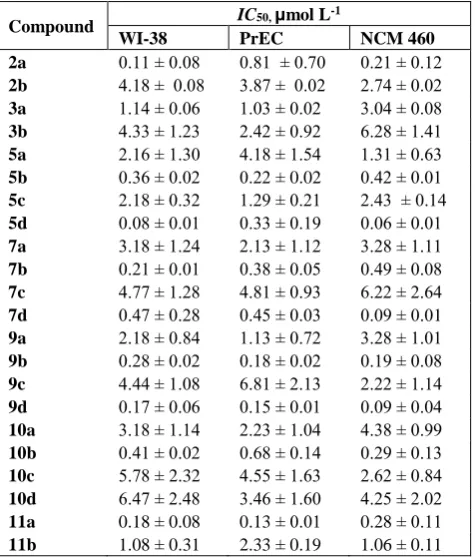
Table 2. Effect of the obtained compounds on the growth of three normal cell lines
Compound IC50, μmol L
-1
WI-38 PrEC NCM 460
2a 0.11 ± 0.08 0.81 ± 0.70 0.21 ± 0.12 2b 4.18 ± 0.08 3.87 ± 0.02 2.74 ± 0.02 3a 1.14 ± 0.06 1.03 ± 0.02 3.04 ± 0.08 3b 4.33 ± 1.23 2.42 ± 0.92 6.28 ± 1.41 5a 2.16 ± 1.30 4.18 ± 1.54 1.31 ± 0.63 5b 0.36 ± 0.02 0.22 ± 0.02 0.42 ± 0.01
5c 2.18 ± 0.32 1.29 ± 0.21 2.43 ± 0.14 5d 0.08 ± 0.01 0.33 ± 0.19 0.06 ± 0.01 7a 3.18 ± 1.24 2.13 ± 1.12 3.28 ± 1.11 7b 0.21 ± 0.01 0.38 ± 0.05 0.49 ± 0.08
7c 4.77 ± 1.28 4.81 ± 0.93 6.22 ± 2.64 7d 0.47 ± 0.28 0.45 ± 0.03 0.09 ± 0.01 9a 2.18 ± 0.84 1.13 ± 0.72 3.28 ± 1.01 9b 0.28 ± 0.02 0.18 ± 0.02 0.19 ± 0.08
9c 4.44 ± 1.08 6.81 ± 2.13 2.22 ± 1.14 9d 0.17 ± 0.06 0.15 ± 0.01 0.09 ± 0.04 10a 3.18 ± 1.14 2.23 ± 1.04 4.38 ± 0.99 10b 0.41 ± 0.02 0.68 ± 0.14 0.29 ± 0.13
10c 5.78 ± 2.32 4.55 ± 1.63 2.62 ± 0.84 10d 6.47 ± 2.48 3.46 ± 1.60 4.25 ± 2.02 11a 0.18 ± 0.08 0.13 ± 0.01 0.28 ± 0.11
11b 1.08 ± 0.31 2.33 ± 0.19 1.06 ± 0.11
Compound IC50 , μmol L
-1
MCF-7 NCI-H460 SF-268
2a 2.0 ± 1.0 4.4 ± 1.2 1.8 ± 0.8
2b 10.0 ± 2.2 6.3 ± 2.4 4 ± 1.6
3a 0.02 ± 0.009 0.01 ± 0.002 0.02 ± 0.006
3b 2.2 ± 0.6 4.7 ± 0.4 1.2 ± 0.1
5a 4.2 ± 2.5 2.8 ± 1.2 3.0 ± 1.4
5b 0.03 ± 0.006 0.03 ± 0.004 0.03 ± 0.008
5c 8.0 ± 4.2 6.3 ± 2.6 8.0 ± 1.8
5d 0.2 ± 0.09 0.8 ± 0.08 0.2 ± 0.06
7a 2.2 ± 0.9 1.7 ± 0.04 3.2 ± 1.2
7b 0.02 ± 0.01 0.08 ± 0.01 0.06 ± 0.02
7c 2.2 ± 0.8 4.6 ± 0.4 1.2 ± 0.8
7d 0.01 ± 0.005 0.02 ± 0.002 0.05 ± 0.008
9a 2.0 ± 0.4 1.3 ± 0.5 2.5 ± 1.0
9b 30.4 ± 2.8 20.1 ± 4.6 36.3 ± 4.5 9c 22.2 ± 4.8 10. 1 ± 2.6 2.8 ± 0.8
9d 10.8 ± 2.0 4.2 ± 2.4 6.2 ± 2.6
10a 0.4 ± 0.1 0.2 ± 0.01 0.1 ± 0.02
10b 0.02 ± 0.002 0.01 ± 0.006 0.02 ± 0.008
10c 4.2 ± 0.8 2.6 ± 0.4 4.2 ± 1.8
10d 0.08 ± 0.001 0.2 ± 0.06 0.5 ± 0.08
11a 6.0 ± 0.4 2.3 ± 0.5 4.5 ± 1.0
11b 20.2 ± 2.8 8.1 ± 1.6 1.8 ± 0.8
Doxorubicin 0.04±0.008 0.09±0.008 0.09±0.007
2a, X = CN b, X = COOEt
S X
N CHOEt +
H2C CN
Y
8a, Y = CN
b, Y = COOEt 1,4-dioxan
S X
N CH CH Y CN
9 X Y
CN CN
CN COOEt CN COOEt
a b c d
COOEt
COOEt
9a-d + R-NHNH2
S X
N C H
N N NH2
Y
4a, R = H b, R = Ph
10 X Y
CN NH2
CN COOEt NH2
COOEt
a b c d
OH
OH
Scheme (2) 5a,c +
X CN
COOEt
a b
O O
S N
N N
H3C
CH3
X
Results are given in concentrations that were able to cause 50 % of cell growth inhibition (IC50) after a continuous exposure of 48 h
and show means ± SEM of three-independent experiments performed in duplicate. IC50: the concentration that causes a 50%
reduction of the cell growth.
Compounds 10a and 10d also showed higher antitumor activity in all three tested cell lines compared with the normal cell lines, but not with doxorubicin. The highest antitumor activity in MCF-7 was achieved by compound 7d while the highest activities in NCI-H460 and SF-268, were
achieved by compound 3a. However, compound 10b
showed the second highest antitumor activity in all the three
malignant cell lines. On the other hand, compound 9b
showed the lowest antitumor activity in all the three malignant cell lines, which was even lower than its cytotoxicity in the normal cell lines.
Anti-leishmanial activity
All the tested compounds showed high to moderate antileishmanial inhibition activity with no consistent pattern with respect to the cyano or ester substitution.
Table 3. Anti-leishmanial activity of compounds 2a,b-11a,b at 50 µM againstL. donovani axenic amastigotes
No. Average in-hibition,%
GI50a
(µM)
No. Average in-hibition, %
GI50a
(µM)
2a 40 12 9a 44 10
2b 50 - 9b 98 10
3a 98 10 9c 60 10
3b 98 30 9d 98 28
5a 60 18 10a 55 16
5b 70 - 10b 66 10
5c 85 - 10c 78 -
5d 40 - 10d 80 -
7a 60 18 11a 97 10
7b 95 12 11b 90 18
7c 40 - d 98
7d 97 20 e 0
a-GI50 = concentration for 50% growth inhibition; b-Amphotericin
B (1 µM), c-Culture medium and DMSO; d-positive control; e -negative control
Structural activity relationship (SARS)
SAR of the antitumor activity
The cyano containing compounds 2a, 3a, 5a, 5b and 11a
showed higher antitumor activity than their COOEt-containing counterparts 2b, 3b, 5c, 5d and 11b respectively, in the three malignant cell lines due to the higher cytotoxicity of their CN groups relative to the COOEt group. However, only compounds 3a and 5b showed significantly higher cytotoxicity to the malignant cell lines Compared with the normal cell lines, except for NCM 460 in case of
compound 3b. Compounds 7a and 7c did not show
significant difference in their activities on both malignant and normal cell lines, except for higher antitumor activity in
case of NCI-H460, while both compounds 7b and 7d
showed significantly higher cytotoxicity to the malignant cell lines compared with the normal cell lines due to the presence of the OH group. Compounds 10a, 10b and 10d all
showed higher antitumor activity compared with the normal
cell lines. The CN-containing compounds 10a and 10b
showed higher cytotoxicity than the COOEt-containing compounds 10c and 10d.
SAR of the anti-leishmanial activity
The phenyl containing counterpart compounds 3a, and 3b,
as well as the OH-containing counterpart compounds 9b and
9d all showed the highest inhibition activity of 98%, comparable to the positive control Amphotericin, while the
cyano containing counterpart compounds 9a and 9c showed
moderate inhibition activities of 44% and 60% respectively.
The pyrazole containing compounds 7d and 11a showed the
same high inhibition activity of 97% in spite of their structural differences concerning the cyano versus the ester group, as well as the differences in their pyrazole substitution. On the other hand, their counterparts, compounds 7b and 11b showed different, but still high, inhibition activities of 95% and 90% respectively. However, the two other pyrazole containing counterparts 7a and 7c
showed moderate inhibitions of 60% and 40% respectively. In case of the pyrazole containing compounds 10a-d, the ester containing compounds 10c and 10d showed close inhibition activities of 80% and 78% respectively, while their cyano containing counterparts 10a and 10b showed moderate inhibition activities of 55% and 66% respectively. Both compounds 2a and 2b showed moderate inhibition activities of 40% and 50%, being higher in the presence of the cyano group in that particular case.
Preparation for docking
Docking was carried out on an Intel Pentium 1.6 GHz processor, 512 MB memory with windows XP operating system with Molecular Operating Environment (MOE 2008.10; Chemical Computing Group, Canada) as the computational software. All the minimizations were performed with MOE until a root mean square deviation (RMSD) gradient of 0.05 Kcal mol-1A0-1 with MMFF94x force-field and the partial charges were automatically calculated. The 3D structure of the Protein Cyclin Dependent Kinase2 (CDK2) complexed with Thiophene Carboxamide was obtained from the Protein Data Bank (PDB ID: 1EVE) at Research Collaboration for Structural Bioinformatics (RCSB) protein data bank base 60 with 2.5A0 resolution.
Scoring: Poses generated by the placement methodology were scored using the London dG scoring function implemented in MOE, which estimates the free energy of binding of the ligand from the given pose. The top 10 poses for each ligand were output in MOE database. Each resulting ligand pose was then subjected to MMFF94x
energy minimization. The minimized docking
Eur. Chem. Bull. 2013, 2(8), 545-553 DOI: 10.17628/ECB.2013.2.545
552
In the present work all new compounds were docked using the rigid receptor/ flexible ligand approach adopting five energy maps which are hydrophobicity, electrostatic, hydrogen bond formation and two Van der Waals parameters. The docking scores were expressed in energy terms. The lower the binding energy, the better binding affinity. The docking study displayed showed that most of the designed compounds have a promising affinity to inhibit CDK2. Docking of compounds 3a, 3b, 7b and 11b are demonstrated.Acknowledgment
R. M. Mohareb would like to express his deepest thanks to the Alexander von Humboldt Foundation for affording him a fellowship in Munich, Germany during summer 2012 for doing research and completing this work.
References
1Janetka, J. W., Almeida, L., Ashwell, S., Brassil, P. J., Daly, K.,
Deng, C., Gero, T., Glynn, R. E., Horn, C. L., Ioannidis, S., Lyne, P., Newcombe, N. J., Oza, V. B., Pass, M., Springer, S. K., Su, M., Toader, D., Vasbinder, M. M., Yu, D., Yu, Y., Zabludoff, S. D., Bioorg. Med. Chem. Lett., 2008, 18, 4242.
2Ye, D., Zhang, Y., Wang, F., Zheng, M., Zhang, X., Luo, X., Shen,
X., Jiang, H., Liu, H., Bioorg. & Med. Chem., 2010, 18, 1773.
3Malmström, J., Viklund, J., Slivo, C., Costa, A., Maudet, M.,
Sandelin, C., Hiller, G., Olsson, L. L., Aagaard, A., Geschwindner, S., Xue, Y., Vasänge, M., Bioorg. Med. Chem. Lett., 2012, 22, 5919.
4Emmitte, K. A., Adjebang, G. M., Andrews, C. W., Alberti, J. G.
B., Bambal, R., Chamberlain, S. D., Davis-Ward, R. G., Dickson, H. D., Hassler, D. F., Hornberger, K. R., Jackson, J. R., Kuntz, K. W., Lansing, T. J., Mook Jr., R. A., Nailor, K. E., Pobanz, M. A., Smith, S. C., Sung, C.-M., Cheung, M.,
Bioorg. Med. Chem. Lett., 2009, 19, 1694.
5Wu, C.-H., Coumar, M. S., Chu, C.-Y., Lin, W.-H., Chen,
Y.-R., Chen, C.-T., Shiao, H.-Y., Rafi, S., Wang, S.-Y., Hsu, H., Chen, C.-H., Chang, C.-Y., Chang, T.-Y., Lien, T.-W., Fang, M.-Y., Yeh, K.-C., Chen, C.-P., Yeh, T.-K., Hsieh, S.-H., Hsu, J. T.-A., Liao, C.-C., Chao, Y.-S., Hsieh, H.-P., J. Med. Chem., 2010, 53, 7316.
6Jennings, L. D., Kincaid, S. L., Wang, Y. D., Krishnamurthy, G.,
Beyer, C. F., McGinnis, J. P., Miranda, M., Discafani, C. M., Rabindran S. K., Bioorg. Med. Chem. Lett., 2005, 15,4731.
7Romagnoli, R., Baraldi, P. G., Jung, M. K., Iaconinoto, M. A.,
Carrion, M. D., Remusat, V., Preti, D., Tabrizi, M. A., Francesca, F., Clercq, E. D., Balzarini, J., Hamel, E., Bioorg. Med. Chem. Lett., 2005, 15, 4048.
8Nakhi, A., Adepu, R., Rambabu, D., Kishore, R., Vanaja, G. R.,
Kalle, A. M., Pal, M., Bioorg. Med. Chem. Lett., 2012, 22, 4418.
9Al-Said, M. S., Bashandy, M. S., Al-qasoumi, S. I., Ghorab, M.
M., Eur. J. Med. Chem., 2011, 46, 137.
10Shams, H. Z., Mohareb, R. M., Helal, M. H., Mahmoud, A. E.,
Molecules, 2011, 16, 52.
11Gupta, S. V., Baheti, K., Bora, R., Dekhane, D., Chhabría, M.,
Shingare, M., Pawar, S., Shishoo, C. J., Thore, S. N., Eur. J. Med. Chem., 2009, 44, 4721.
12Ashalatha, B. V., Narayana, B., Raj, K. V., Kumari, N. S., Eur. J.
Med. Chem., 2007, 42, 719.
13Campaigne, E., Compr.Heterocycl.. Chem., 1984, 4, 863.
Compound 3a, energy = -20.5 kJ mol-1
Compound 3b energy =- 25.5 kJ mol-1
Compound 7b energy= -28.5 kJ mol-1
Compound 9b energy = -19.5 kJ mol-1
14Bose, G., Bracht, K., Bednarski, P. J., Lalk, M., Langer, P.,
Bioorg Med. Chem., 2006, 14, 4694.
15Behbehani, H., Ibrahim, H.M., Makhseed, S., Elnagdi, M. H.,
Mahmoud, H., Eur. J. Med. Chem., 2012, 52, 51.
16Jennings, L. D., Kincaid, S. L., Wang, Y. D., Krishnamurthy, G.,
Beyer, C. F., McGinnis, J. P., Miranda, M., Discafani, C. M., Rabindran, S. K., Bioorg. Med. Chem. Lett., 2005, 15, 4731.
17Gewald, K., Schinke, E., Böttcher, H., Chem. Ber., 1966, 99, 94.
18Gewald, K. Z., Chem., 1962, 2, 305.
19Nikolakopoulos, G., Figler, H., Linden, J., Scammells, P. J.,
Bioorg. Med. Chem., 2006, 14, 2358.
20Amr, A. E. E., Sherif, M. H., Assy, M. G., Al-Omar, M. A.,
Ragab, I., Eur. J. Med. Chem., 2010, 45, 5935.
21Skehan, P., Storeng, R., Scudiero, D., Monks, A., McMahon, J.,
Vistica, D., Warren, J. T., Bokesch, H., Kenny, S., Boyd, M. R., J. Natl. Cancer Inst., 1990, 82,1107.
22Monks, A., Scudiero, D., Skehan, P., Shoemaker, R., Paul, K.,
Vistica, D., Hose, C., Langley, J., Cronise, P., Vaigro-Wolff, A., Gray-Goodrich, M., Campbell, H., Mayo, J., Boyd, J. M.,
J. Natl. Cancer Inst., 1991, 83, 757.
23Stauber, L. A., Franchino, E. N., Grun, J., J. Protozool., 1958, 5,
269.