Integrated Performance Management
Framework
2009/10 – 2012/13
1 Table of Contents
INTRODUCTION 3
SECTION 1: DELIVERY PLANNING 4
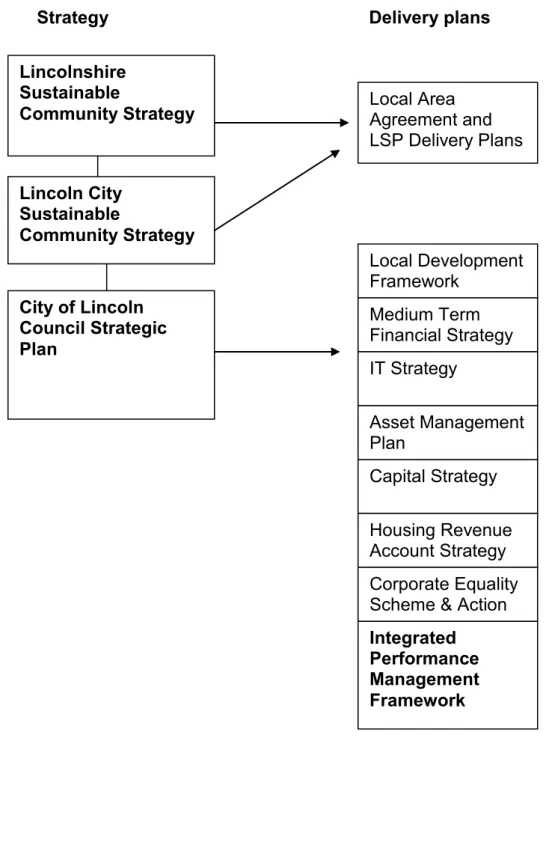
Diagram 1: Links between key strategies 4
Diagram 2: Planning cycle 4
Diagram 2: Planning cycle 5
Setting priorities: Strategic Planning 5
Setting priorities: Strategic Planning 6
Allocating the resources: Budget setting process 10
Turning objectives into personal tasks: Appraisals 12
SECTION 2: PERFORMANCE MONITORING 13
1. Service Plan monitoring 13
2. Service Reviews 14
3. Budget monitoring 15
4. Strategic Project monitoring 16
5. Performance Indicator monitoring 18
6. Efficiency monitoring 20
7. Risk management 22
8. Audit recommendations 23
9. Partnership improvement 24
10. Public Consultation 25
11. Equality and Diversity 26
12. Regular one to ones 27
13. Workforce Development 28
SECTION 3: ORGANISATIONAL PLANNING 30 1. A skilled and motivated workforce well prepared for the future 30 2. A sustainable use of resources that delivers affordable cost effective
services 32
3. A culture of continuous improvement and a desire to seek better ways of
working 34
4. Harnessing new technology, which exploits the benefits available 35 5. High quality accessible and user-friendly services that put the customer at
the heart of everything 36
SECTION 4: CORPORATE TRAINING PROGRAMME 37
Introduction 37
Development Request Form 38
Bid process for job specific training and dates 39
3
Introduction
The purpose of this document is to assist managers in understanding their responsibilities and the corporate support available to meet the business needs of the council and ensure good governance arrangements.
The council has established mechanisms to monitor progress to ensure we meet the priority outcomes.
This document outlines in Section 1 how we plan for delivery, and in Section 2 the processes for monitoring and managing performance. This section sign posts to key documents for further detail and is aimed to give a broad over view of responsibilities and accountability.
Section 3 links the organisational improvement objectives that have been central to the way in which the council operates since 2003 and the launch of our ―Excellence 2008 ― programme.
These objectives are still retained beyond 2008 and are mainstreamed into service responsibilities and the focus for corporate support. This section clearly outlines the corporate and service responsibilities for progressing those objectives.
Section 4 outlines one of the key areas of corporate support, namely the training programme, allowing you as a manager to see how training can assist you and your staff in meeting your delivery promises (Section 1), performance manage your work (Section 2), and meet the organisational improvement objectives (Section 3).
SECTION 1: Delivery Planning
This section briefly outlines how the council articulates its main ambitions and plans for their delivery.
Diagram 1: Links between key strategies
Lincolnshire Sustainable Community Strategy Local Development Framework Lincoln City Sustainable Community Strategy City of Lincoln Council Strategic Plan
Strategy Delivery plans
Local Area Agreement and LSP Delivery Plans Medium Term Financial Strategy Capital Strategy IT Strategy Asset Management Plan Integrated Performance Management Framework Housing Revenue Account Strategy Corporate Equality Scheme & Action Plan
5 Diagram 2: Planning cycle
October: Forward Projects and resources required for next financial year (Finance collect)
Controls for key risks
March: HoS work together to ascertain joint projects and shared resources required Performance on targets
February: Public consultation January: Members consider projects and resources Action from public feedback
Action from Service Review
Action from Audit recommendations
Responding to changes in workforce and external environment
Equality and Diversity actions Arising from Equailty Impact
Assessments March: Service Managers
Plans completed
April: HoS Plans completed
Setting priorities: Strategic Planning Key reference documents:
2008 – 2023 Sustainable Community Strategy for Lincoln 2008-2013 Strategic Plan
2008-2013 Medium Term Financial Plan 2007/8 Annual Report
Local Area Agreement 2008/9 – 2010/11 Corporate Equality Scheme 2008/11
The Strategic Plan outlines the council‘s own Main Aims, drawn from the county level and localised level Sustainable Community Strategy, for improvement of the area and its locality over a five-year period. Whilst the plan itself is a five-year document, the Main Aims are intended to remain in place over a 10 to 15 year period.
The council‘s role in the deliveryof the wider Lincolnshire Local Area
Agreement (LAA) is integrated into the Strategic Plan, and into service plans (aligning LAA Delivery Plans with service priorities). The council is a lead representative on the city wide Local Strategic Partnership ensuring that the overall LAA and Sustainable Community Strategy is achieved by collaboration with other key public agencies.
The council reviews its development each year, using progress on projects and performance indicators and shapes its delivery priorities for the forward year to inform the budget setting process and service plan formation. The Annual Report is produced to update staff, members and the public on our key progress against our delivery promises. The council‘s main aims and priorities are:
Main Aim Priority Sustainable
Growth
Help existing businesses thrive, diversify the economy, regenerate key sites, help people into work and reduce income deprivation.
Tackle infrastructure problems which threaten to constrain growth – with priority to resolving Lincoln‘s transport problems.
Deliver more decent and affordable houses to meet current and future needs.
Improved Quality of Life
Tackle health inequalities and improve average life expectancy. Deliver high quality leisure and culture services.
Address the challenge of climate change and protect the natural and built environment in the City (including Clean and Greener
neighbourhoods). Enhanced
Social Justice
Reduce crime and anti-social behaviour.
Meet the needs of the most disadvantaged communities through neighbourhood renewal, social, and financial inclusion measures. An Excellent,
Democratic Council
Build capacity of the Council to deliver excellent quality services through continuous improvement.
Increase Council engagement with local residents so they are better informed and have a greater influence over service delivery.
7 These aims and priorities are delivered by front line services, but also in our focus on improving ourselves as an organisation. Our organisational
improvement objectives are:
Organisational Improvement Objectives
A skilled and motivated workforce well prepared for the future
A sustainable use of resources that delivers affordable cost effective services
A culture of continuous improvement and a desire to seek better ways of working
Harnessing new technology, which exploits the benefits available
High quality accessible and user-friendly services that put the customer at the heart of everything
Corporate Responsibilities
- Ensure clear links between the regional and sub-regional improvement and delivery objectives and out own localised planning.
- Ensure that our own localised needs are appropriately represented at a Lincoln City, sub-regional and regional level.
Service Responsibilities
- Ensure that links are made between the Strategic priorities and the focus for service delivery
- Participate in ensuring that key community needs are appropriately represented to shape council delivery priorities
Key Contact
Simon Walters
Head of Corporate Review and Development Extension: 3866
Translating into actions: Annual Service Plan formation Key reference documents:
Service Plan Guidance on IMPS on ELSIE
The service plan is the key delivery plan for the Strategic Plan, and includes any new initiatives drawn from the strategic plan and LAA and other specific service delivery/ development activity.
Service Plans are created annually and should respond to current
performance deficiencies, cost expectations, and public feedback in reshaping the service to ensure efficiency and effectiveness.
In October, Heads of Service and managers start to consider the forward year actions required, and identify potential resource requirements which are collated by Finance and issued to elected members.
Between November and January the resource requirements are considered and if successful form part of the budget setting process and public
consultation for finalisation in February.
Therefore the service plan process commences once the budget and results from the annual consultation have been finalised in February each year. Service managers and Heads of Service work closely over the four-week period to formulate the forward financial year plan, and negotiate with others on combined joint projects to ensure adequate resources.
Service plans are therefore complete by the end of March each year, though they are expected to be ―live‖ documents that are constantly reviewed and amended as appropriate throughout the year. For example, in 2008/9 the service plans are to be updated with our service commitments for the countywide agreed Local Area Agreement delivery plans.
Service Managers Plans signpost to data sources, such as the performance management system ―IMPS‖ and analyse the data and document what action will be taken rather than replicate lots of information. The service manager plans consist of the following sections and all guidance is available on IMPS:
Service Planning Templates are to be found in IMPS on ELSIE> Corporate Information. Save completed documents in Authority Wide/ Service Plans under relevant year.
Part 1: Progress in previous financial year: This section would include; Projects completed, progress on budget, performance improvements, or improvements in customer satisfaction
9
Part 2: Forward plans: This section includes forward projects, financial plans, targets, and planned consultation activity
Head of Service Plans consist of the following sections to link with the delivery of the Strategic Plan and the wider commitments to the Local Area Agreement and Sustainable Community Strategy.
These sets of plans are designed to be more high level and cross cutting. These plans will signpost to corporate plans or service manager plans and not duplicate the information.
Corporate Responsibilities
- Provide clear templates and guidance on service planning preparation Service Responsibilities
- Complete quality service plans within the assigned schedule
Key Contact
Jasmine Curtis
Improvement Manager Extension: 3580
Allocating the resources: Budget setting process Key reference documents:
2008-2013 Medium Term Financial Plan Budget Holder Manual
Financial Procedure Rules
The Council prepares a budget every financial year. It is formulated using the principles of incremental budgeting. The produced budget sets expenditure and income levels for the next five years in order to aid long term financial planning and is published in the Council‘s Medium Term Financial Strategy (MTFS). The MTFS also includes the five-year capital programmes and aligns closely with the strategic plan.
An initial assessment of the budget requirement is made based on the current level of service provision. This is then compared to the total resources available and will identify whether there is the opportunity to release resources for investment/improvement in services. If additional resources are available then budget holders will be invited to submit bids for additional funding, as part of the Strategic Planning Process.
These bids may include bids to maintain existing services, bids to take advantage of new opportunities and invest to save bids. All bids will have project appraisals, business plans and affordability tests and will be scored and prioritised in line with Council‘s Main Aims and Strategic Priorities.
This process provides the framework to effect real change in services which are influenced and directed by the Council‘s Strategic Priorities.
The proposed budget will then be subject to public consultation involving the Citizen‘s Panel, the voluntary sector and the business community. The Executive will then recommend the final budget to Full Council for final approval and the setting of the Council Tax.
Corporate Responsibilities
- Lead the process to produce the overall Council budget, explain the impact of changes in government funding etc
- Costing on potential changes to services requirements - Issues a timetable to work within
11 Service Responsibilities
- Identify at an early stage any potential legislative, demographic or service issues that might impact upon the budget, and in the turn the MTFS
- Play a key role in producing a robust and realistic budget for service area
- Prepare bids for additional resources, in line with Strategic Priorities, which are based on and supported by robust business plans and project appraisals
Key Contact
Jaclyn Hills
Head of Business Development and Finance Extension: 3258
Turning objectives into personal tasks: Appraisals Key reference documents:
PanDA guidance and templates
Staff appraisals are conducted annually, between April and October following the formation of the forward service plan in March. Appraisals are referred to as ―Pandas‖, standing for Performance and Development Appraisal.
These are designed to detail the individual objectives for staff linked in with the delivery of the service plan, and to celebrate progress, identify learning points, and create a forward plan for development.
In December 2007 the IDeA recommended that the council improved its understanding the coverage of appraisals and improve coverage. In a recent survey 65.5% of staff say training needs have been identified, but fewer staff indicate they have been offered relevant training to meet current needs (58%) or attended training (56%). Only 37.5% of staff believed the council could offer them career progression.
Performance Directorate Management Teams and Performance Corporate Management Team monitor appraisal coverage to secure an improvement from 69% coverage in 2007/8 to 100% in 2008/9.
Corporate Responsibilities
- Provide training on appraisals Service Responsibilities
- Conduct quality staff appraisals across all of the team in the assigned schedule
Key Contact
Richard Linder Training Advisor Extension: 3306
13
SECTION 2: Performance Monitoring
This section outlines the processes by which the council checks that it is delivering against its priorities.
1. Service Plan monitoring Key reference documents:
Service Plan Guidance on IMPS on ELSIE
Service plans are completed by March and monitoring starts in April with monthly updates at the Wednesday morning briefings to staff.
Regular one to ones and annual appraisals (PanDAs) use the service plan as the starting point for progress monitoring with staff. Heads of Service meet quarterly their service managers to assess progress against the key delivery commitments outlined in the Head of Service Plan.
Service managers use their service plan to orientate and assess progress of their staff through regular (quarterly) one to ones and annual appraisals. Quarterly, the Performance Directorate Management Teammeetings examine progress against service plans. Directors appraise the progress of Heads of service against the key delivery tasks in Part 1 and 2 of the Head of Service Plans.
Quarterly, Corporate Management Team meetings consider any exception areas that the Directors report in the delivery of the Head of Service Plans. Formal reports on the budget, strategic projects, performance indicators, risk, and other formal corporate reporting will support this discussion.
Corporate Responsibilities
- Update IMPS data on ELSIE (electronic performance management system on our intranet)
Service Responsibilities
- Update progress on service plans at each quarterly DMT and in one to ones
- Update documentation appropriately
- Manage service plan delivery to ensure maximum completion Key Contact: Pat Jukes, Corporate Policy Business Manager, Extension: 3657
2. Service Reviews
Key reference documents:
2008-2013 Service Review Strategy and Guidance 2008-2013 Medium Term Financial Plan
The Service Review Strategy is the operational document that outlines how the council will secure the savings in the MTFS. The document outlines how the review programme is agreed, the formal stages of scoping a review and how business cases will be considered. It also includes key checklists, impact assessments and business case template.
The monthly Service Review Board (SRB) meets to agree the initial business case. An Impact Assessment Sub-group acts as an advisory panel to
ensure there is a detailed Impact Assessment.
The Service Review Assembly is the SRB plus key consultative groups such as the trade unions to allow a full consideration of the implications of the business case prior to being issued to Executive.
Executive finally agree the detailed business cases prior to implementation.
Corporate Responsibilities
- Ensure resources are assigned to support the service review activity - Provide templates and tools to support the reviews
- Communicate clearly the schedule for business case and project implementation timescales
Service Responsibilities
- Fulfil the assigned role in each review (lead, support, team)
- Participate actively in improving value for money, efficiency or service review activity
15 3. Budget monitoring
Key reference documents: Financial Procedure Rules Budget Holders Manual
Budget Managers (Heads of Service and Budget Holders) should manage performance against budgets, conducting detailed monthly monitoring of actual income and expenditure against budgets with their nominated accountant.
Financial management/budgetary control monitoring reports are presented to Performance Directorate Management Teams on quarterly basis. This includes a projection of the financial position at the end of the financial year. Summary financial management/budgetary control monitoring reports are presented to the Corporate Management Team, Executive and Performance Scrutiny Committee on a quarterly basis. These reports include a review of the financial risks, a review of earmarked reserves and a projection of the financial position at the end of the financial year making formal
recommendations for any corrective action required. Corporate Responsibilities
- Provide and continue to develop appropriate financial information to enable effective monitoring to take place
- Provide challenge on performance against budgets with regular, targeted support on large, high risk or volatile budgets and support for those areas projecting significant variances against budget
Service Responsibilities
- Manage performance against budgets, conducting regular monitoring to ensure actual income and expenditure is in line with approved budget
- To consider and take corrective action when appropriate
- To identify and confirm potentially significant over and underspends - Project or agree projected outturns for service area
4. Strategic Project monitoring Key reference documents: 2008 Lincoln Project Model
Strategic Plan Implementation Team Terms of Reference and Roles and Responsibilities
Financial Procedure Rules Contract Procedure Rules
There is a refreshed Lincoln Project Model and training programme to assist managers in completing formal steps and useful templates for managing projects. This outlines the process for scoping projects and stages for agreeing projects and appropriately managing the stages.
The Strategic Projects Implementation Team monitors all Strategic Projects, which are defined as projects likely to have a level of Member interest, have cross Directorate resource implications, other cross Directorate implications, or have a high impact on the councils reputation (especially if things go wrong). These will include all capital projects and projects from the Strategic Plan and the EO8 programme and other appropriate projects
(agreed by DMT‘s).
The exceptions from this monitoring are issued quarterly to Corporate Management Team meetings, Executive and also to Performance Scrutiny Committee for appropriate challenge.
Corporate Responsibilities
- Support to CMT in evaluating new Strategic Project bids prior to their inclusion in the programme and will reporting findings to CMT with regard to the validation process on all strategic project bids, making recommendations with regard to projects assessed as being
deliverable and projects to be rejected or qualified with appropriate reasons for the recommendation.
- To receive and consider on a monthly basis by exception reports on both progress against the milestones set out in each individual project plan / WBS, and the relevant budget information utilising the electronic project monitoring system.
- To record variations against the agreed milestones and amendments to the individual Project Plan / WBS together with the reason for the
change together with any actions taken (or to be taken) to reduce project slippage.
- Consider action that could be taken to keep the overall programme on schedule and within budget, including resource switching /
17 - To make recommendations to Performance CMT on issues raised from
the monitoring exercise with particular reference to the need for the Project Sponsor (Director) to invoke remedial action due to escalating risk.
- To report to the Executive; seeking approval for significant resource switching/re-allocation or any fundamental changes to the project initially approved. In addition too will report quarterly to Performance Scrutiny Committee to enable the programme to be scrutinised by Members
- Receive the project completion report at the conclusion of each project and post implementation review, if this is undertaken at the time the project is closed down, and assess whether there are general lessons to be learnt.
- Provide training on the monitoring mechanism and provide tools, and templates
Service Responsibilities
- Ensure that the Lincoln Project Model is followed and complete the appropriate projects stages, templates and monitoring tools in the initiation and monitoring of a project
- To ensure that Directorate Representative at SPIT is promptly made aware of any problems with projects and a list of proposed actions to mitigate or rectify the problem
- To provide the Directorate Representative with necessary information requested in order to inform meetings of SPIT
Key Contact
Simon Walters
Head of Corporate Review and Development Extension: 3866
5. Performance Indicator monitoring Key reference documents:
Local Area Agreement 2008/9 – 2010/11 Data Quality Action Plan
National Indicators guidance in IMPS Performance Officers Forum in IMPS Quarterly Performance reports
The electronic performance management system ―IMPS‖ holds all the
Strategic Performance Indicators reported by Directorate, Main Aim, and by Executive portfolio holder. There is an informal Performance Officers Forum that meets bi-monthly within the council to assist in addressing key data quality and data sharing issues.
The council has a set of 67 Strategic Plan Indicators that include:
- National Indicators which are in the Local Area Agreement and which the district council has a key role to play in delivering against the target - Local indicators (or previous statutory indicators) which measure key
aspects of our Strategic Plan
- National Indicators that have a relevance to our own council delivery priorities but which are not included in the Local Area Agreement These Strategic Plan indicators are reported to Directorate Management Team meetings (using the electronic performance management system ―IMPS‖), and by exception to Corporate Management Team, Executive and Performance Scrutiny Committee.
Members and officers review performance indicators in three ways: - by Directorate alongside the budget position on a quarterly basis - by Executive portfolio holder, with each 6 weekly Performance
Scrutiny Committee meeting holding a ―portfolio under scrutiny ―session.
- By Main Aim in the Annual Report
Annually the Audit Commission assesses the quality of the data for statutory National Indicators and other key data for decision-making. The results of their investigations, and an update on the councils responsive action plan are reported to Standards and Audit Committee.
Quarterly the data from the council is integrated into the overall Local Area Agreement progress report that the Local Strategic Partnership considers. Annually, the Audit Commission also assesses the county performance
against all National indicators, in which the district council performance will be examined and challenged. This is referred to as the Comprehensive Area Assessment.
19 Corporate Responsibilities
- Provide a schedule for submission of quarterly data into IMPS (electronic system)
- Ensure a clear list of Strategic Indicators on the system
- Report performance to CMT, Executive and Performance Scrutiny Committee
Service Responsibilities
- Gather all indicator data and issue for submission dates
- Manage performance actively supplying commentary when an indicator is not on track, and managing the quarterly profiling of your indicators - Provide explanation for performance at quarterly Performance DMTs - Heads of Service or service managers are to attend Performance
Scrutiny Committee if your indicator is not on track
Key Contact: Pat Jukes, Corporate Policy Business Manager, Extension: 3657
6. Efficiency monitoring Key reference documents:
Medium Term Financial Strategy 2008-2013 Head of Service Efficiency Monitoring Sheets
The council‘s approach to the delivery of efficiency gains underpins its
Medium Term Financial Strategy. The efficiency monitoring system collates all efficiency savings and provides monthly progress reports to Heads of Service, and links efficiencies to corporate objectives and strategic priorities. Collective gains are reported as NI 179 (using the electronic performance management system ―IMPS‖), and are defined as:
- The total net value of ongoing cash-releasing value for money gains that have impacted since the start of 2008-09 financial year.
The majority of these cashable savings are identified and planned as actual budget reductions, the achievement of which ensures the deliverability of the budget.
The council works with its partners within the Local Area Agreement to determine what share of the countywide target will be delivered by the city council.
Corporate Responsibilities
- Provide a recording and reporting system for all efficiencies - Provide tools and support to validate efficiencies
- Ensure the national indicator is updated on IMPS (electronic system) - Report performance to CMT, Executive and Performance Scrutiny
Committee
Service Responsibilities
- Participate actively in improving value for money, efficiency or service review activity
- Actively manage the budget and highlight clearly any savings
- Identify clearly the efficiency plans for the forward year in service plans and set out how to improve performance
- Improve value for money in service planning by improving benchmarking and trends analysis
21 Key Contact: Geoff Brennand, Efficiency Officer, Extension: 3307
7. Risk management Key reference documents: Risk Management Policy Risk Management Strategy
Risk Management Registers and Action Plans on IMPS Risk Management Guidance
The electronic performance management system ―IMPS‖ hold the Directorate Risk Registers and all appropriate guidance and action plans
On a quarterly basis, Directorate Management Teams consider the actions being taken against any high risks, and any key challenges are highlighted to Corporate Management Team.
The Risk Advisory Group also receive regular updates on the status of all high strategic risks
Standards and Audit Committee consider the Risk Management Framework adopted by the Council on an annual basis.
Regular reports throughout the year are also provided to the Executive and the Performance Scrutiny Committee to consider the status of all high strategic risks.
Corporate Responsibilities
- Provide a system for updating risk registers and action plans Service Responsibilities
- Actively manage risk and improve controls and document clearly in service plans and in IMPS
23 8. Audit recommendations
Key reference documents: Annual Audit Plan
The annual Internal Audit Plan is agreed at Standards and Audit Committee each year and progress reports are issued to the Committee every six months on the progress against the scheduled audits, and what recommendations are outstanding.
The recommendations from internal service audits are issued to services and incorporated within their service plans, and so monitored through Directorate Management Team meetings.. Internal Audit follows up the outstanding recommendations after 6 months and can issue that report to Directors. External inspections and audits are incorporated within existing routes such as service plans (so Data Quality Action Plan actions are incorporated into Corporate Policy service plan, and the Environmental Service inspection recommendations were incorporated into the Excellence 2008 programme). Outstanding recommendations are reported by exception every six months to CMT by Internal Audit.
Corporate Responsibilities
- Carry out audits on high risk areas and provide reports and recommendations
Service Responsibilities
- Participate in audits and negotiate appropriate recommendations and integrate into service improvements
9. Partnership improvement Key reference documents:
2007/8-2008/9 Engagement in Partnerships Strategy Guidelines to working in Partnerships – in production
The Engagement in Partnerships Strategy outlines the definition of key partnerships and the roles and responsibilities of officers involved in them. It introduces the tools and processes for assessing the impact of failure of the partnership on Council services and a guide to using the countywide
partnerships health check.
The governance status and health of our key partnerships is assessed quarterlyby the Partnerships Monitoring Group. Partnerships that are not meeting key governance parameters or are in ―poor health‖ according to the health check toolkit, are reported on in twice-yearly progress reports to the Performance, Departmental Management Team meetings and by exception to CMT, Executive and Performance Scrutiny committee
A new set of guidelines will be available in late 2008 which will offer full advice on all aspects of partnerships from setting a new one up, to closing one down. Corporate Responsibilities
- Outline key partnerships
- Create a list of key governance documents required for key partnerships
- Provide support for improving partnerships Service Responsibilities
- Understand which are major partnerships and ensure full governance documentation is created to ensure robustness of arrangements.
Key Contact: Pat Jukes, Corporate Policy Business Manager, Extension: 3657
25 10. Public Consultation
Key reference documents: 2008 Consultation Guidance Service Plan Guidance
2008-2013 Service Review Strategy Quarterly Performance reports
Details on lessons learnt from existing consultation, and changes to service design are to be detailed in the Service Manager Plans. This will also include plans for forward consultation to meet gaps in customer perception
information.
This information is used to demonstrate how the ―A‖ category services demonstrate Value for Money according to the procedure, and a Value for Money scoring matrix in the Service Review Strategy.
―B‖ and ―C‖ category services, which are under review according the Service Review Strategy, will include appropriate consultation as part of the business cases and impact assessments.
Some services have public satisfaction as Strategic Performance indicators so are monitored quarterly through Directorate Management Teams.
All Committee Reports include a consultation checklist as part of the evidence before a key decision is made at Executive.
Corporate Responsibilities
- Provide guidance and support on all consultation - Co-ordinate national surveys
- Co-ordinate and analyse Citizens Panel surveys and focus groups
Service Responsibilities
- Identify clearly the consultation plans for the forward year in service plans
- Include in planning the way in which previous consultations have informed service design
11. Equality and Diversity Key reference documents: Corporate Equality Scheme Equality and Diversity Policy Service Plan Guidance
2008-2013 Service Review Strategy
Equality Action Plans are to be contained within Head of Service Plans. These will detail the Equality Impact Assessments to be completed and the coverage of service area Equality action planning. The Service Manager Plan should detail the actions being taken to improve equality of provision more practically.
―B‖ and ―C‖ category services in the Service Review programme that are under review will include an impact assessment as part of the business case for changing the service in any way.
All Committee Reports include an equality and diversity impact assessment checklist as part of the evidence before a key decision is made at Executive. Corporate Responsibilities
- Provide support on Impact Assessments methodology Service Responsibilities
- Conduct Impact Assessments on key policies and strategies and other major documentation
Key Contact: Melanie Cowell or Alison Lewis, Equality and Diversity Officer, Extension: 3829
27
12. Regular one to ones Key reference documents:
Service Plan guidance and templates in IMPS PanDA guidance and templates
Heads of Service should monitor progress of the service plan using the outlined objectives of the individual appraisals in regular one to ones. Managers are encouraged to hold these one to one sessions with their individual staff on a quarterly basis.
This session allows the individual to demonstrate progress on development aspects identified in the appraisal, and highlight progress against specific tasks. The process is designed to be two-way and allow managers and team members to find successful solutions to potentially new work demands, or circumstances.
Regular one to ones assist team members to be clear on their objectives and supported in achieving them, and allow managers to address individual issues outside of their broader Wednesday morning briefing sessions to all staff. Corporate Responsibilities
- Support managers on request for meeting specific staff needs Service Responsibilities
- Conduct regular one to ones with your staff
13. Workforce Development Key reference documents:
Service Plan guidance and templates PanDA guidance and templates
Annual appraisals, regular one to ones, and service plan formation should highlight specific workforce development issues such as recruitment challenges, skills shortages, succession planning, and appropriate team configuration to deliver the service more efficiently and effectively.
The Head of Service Plan template includes a section in which the priority issues (so not naming individuals) are documented to ensure that these training points are monitored and assessed between Head of Service and Service Manager/Team Leader throughout the year through regular one to ones.
Corporate Responsibilities
- Support managers on request for improving workforce development
Service Responsibilities
- Identify training needs in service plans
- Manage key changes to staffing, and plan for the future
29
14. Example of a Directorate Management Team work programme
SUBJECT LEAD COMMENTS
Performance Monitoring P.Burton/Service Managers
Monthly Review of NI‘s and LPI‘s / forward targets
Directorate Risk Register J Sleaford Review of Corporate & Directorate Risk Register / Action Plans Budget Monitoring & efficiency
savings
Service Accountants
Service Accountants to attend on quarterly basis to report on budgets Panda Rollout F.Jelly Bi Monthly Monitoring Report Complaints Monitoring P Burton Quarterly Review of complaints &
management action Website Content F Jelly Annual Review of content SLA Monitoring
Customer Services
D Powell Quarterly Review Stress Action Plans Monitoring F Jelly Quarterly Review
Sickness Monitoring F Jelly Monthly Review / Sample case reviews
Incident/Insurance Reports/Claims
J Sleaford Quarterly Review Health &Safety
Review
T Walsh
Housing Business Plan K Scott Quarterly Review Strategic Housing Action Plan A Timmins Quarterly Review
Current Service Plan Service Managers Bi-monthly review of progress against service plan
Forward Service Plan & MTFS DMT Develop any proposed bids for funding / revise priorities
Major Projects Monitoring P Burton Review of progress against assigned major projects
Audit Reports P Burton Quarterly review of progress in delivering Audit Report Action Plans Governance Statement J Scott Review of progress in delivering
actions from annual governance statement
Equality & Diversity P Burton Quarterly review of progress against Equality Action Plan
Equality & Diversity P Burton Progress in completing Equality Impact Assessments
Partnerships Named Directorate Representatives
Quarterly review of governance arrangements
SECTION 3: Organisational Planning
This section outlines the roles and responsibilities both in the focus of
corporate support, and in the actions of managers to ensure the organisation meets its improvement goals, and ultimately is then able to deliver on its strategic priorities.
1. A skilled and motivated workforce well prepared for the future A recent staff survey showed staff have high levels of personal satisfaction with their work and perceive the council to have a culture of fairness:
- 90% of staff get on well with their colleagues, and 78% feeling
comfortable to ask their manager for time off if they have problems at home.
- 87.5% of staff state they know what is expected of them, and 81.5% enjoy their work.
- 77.5% feel what they do is using their skills and knowledge, and 77.5% feel their work is important to the Council.
- 77% of staff do believe that staff are tolerant of colleagues with different backgrounds and abilities.
- 76.5% feel organisationally the council is committed to equality of opportunity and treats staff fairly.
- 72% of staff state that flexible working opportunities are available to them in their job
- The council has a higher than national average level of women in senior management positions
Focus for improvement:
The Staff absence Performance Clinic Action Plan 2008 outlines a number of targeted improvements to reduce staff absence.
Corporate action
- Monitoring staff absence levels will be a fixed item on the Performance Directorate Management Teams and Performance Corporate
Management Team meetings, and is reported to Performance Scrutiny Committee.
- Conduct the staff survey every three years to monitor this improvement objective
31 - Prepare a needs led Corporate Training Programme including corporate
training on inductions, appraisal training, management training, equalities and diversity, basic skills (Section 4)
- Ensure recruitment is fully accessible to encourage an appropriately diverse profile of applicants for posts
- Further promote the employee counselling service and flexible working policies
- Priority Health and safety works will be managed through facilities Management over 2009 and 2010
- Maintain the successes of the Modern Apprenticeship scheme
Service responsibilities
- Managing staff absence and reducing levels of absence
- Ensuring adequate quality and coverage of staff appraisals which identify training and development needs clearly linked to objectives
- Completion of Equality Impact Assessment and implement appropriate remedial actions
- Identify potential skills or capacity gaps and utilise training opportunities, secondments, and prepare for succession. Document within Head of Service plans under the section on Workforce Development.
2. A sustainable use of resources that delivers affordable cost effective services
The ability to deliver and to continue to deliver the Council‘s Main Aims and Strategic Priorities in the future is dependent upon having the required resources to do so. The Medium Term Financial Strategy (MTFS) for 2008-2013 sets out how the Council‘s medium term revenue and capital spending plans support its Strategic Plan and the way that the organisation uses its finances to effect real change in services.
The financial position of the Council has been difficult over the last few years, with each year bringing an annual cycle of savings exercises in response to the increasing pressures and expectations on the Council to deliver more with less resources available.
In terms of the preparation of the current MTFS (2008-2013) the Council recognised the financial pressures that it faces in terms of , a poor 3 year settlement from central government, the continued capping regime, increasing cost burdens arising from growth in services and additional demands of national government. The impact of all of these pressures has created a challenging budget situation for the Council. The MTFS 2008 – 2013 is therefore predicated on the achievement of high levels of savings, as follows;
Although the Policy and Financial Planning Framework has, over recent years, helped focus and redirect resources towards the Council‘s Main Aims and Strategic Priorities, the Council now needs to break out of the current annual cycle of savings exercises, and develop a comprehensive service review programme for resolving the underlying budget gap.
Work is needed to review the fundamentals. This will ensure the longer-term sustainability of the budget and allow for the potential release of further resources for improvement and investment in the medium to longer term. The council also aspires to demonstrate that it delivers good value for money to its customers. Value for Money can be defined as achieving the correct balance between cost, performance and customer satisfaction. Achieving this balance will ensure that we have relatively low costs, high productivity and valued outcomes.
Focus for improvement: Corporate action
- Implement Service Review Programme to present a range of business cases to meet savings targets including Shared Services options
2008/09 2009/10 2010/11 2011/12 2012/13 Savings Target 0 £850k £1,200k £1,500k £1,500k
33 - Implement agreed business cases
- Ensure adherence to management of change procedure for all potential staff changes from the service review and other efficiency actions - Support improved benchmarking
- Provide appropriate financial advice, support and training Service responsibilities
- To undertake responsibilities in respect of the budget setting process and budget monitoring
- Identify and report potential or achieved efficiencies - Research and support Service Reviews
- Improve value for money in service planning by improving benchmarking and trends analysis and referring to cost quartiles
3. A culture of continuous improvement and a desire to seek better ways of working
In 2007/8 79% of our Strategic Plan performance indicators met their
improvement targets, and the Improvement and Development Agency (IDeA) Review in December 2007 highlighted many strengths in resource and
performance management. Services have received national awards and also good external inspection results.
However, the 2007 Annual Audit letter outlines some areas for improvement in regard to performance indicators that perform below the national average. Performance Scrutiny Committee has outlines some key areas that did not meet their 2007/8 improvement targets. Also the feedback from other external inspections and our own improvement monitoring has outlined some key business areas for improvement.
Focus for improvement: Corporate action
- Ensure projects and indicators that are not on track are highlighted and improved
- Offer training opportunities to improve skills and qualifications to meet future new ways of working
- Provide corporate project management, performance management training
Service responsibilities
- Understand the priority levels of projects and performance indicator, manage their performance, and set out how to improve performance in the service plan
35 4. Harnessing new technology, which exploits the benefits available
ICT is key to service transformation, and the council has recently
demonstrated further efficiencies and performance improvement in utilising ICT such as:
- Customer Relationship Management systems - E-forms on our new website
- Use of Workflow document management - The introduction of mobile technology - Automated payment solutions
Focus for improvement:
Corporate action
- Provide support for existing ICT systems and roll out to other services where appropriate
- Identify systems that will assist the council deliver its objectives more efficiently
- Provide corporate ICT training, information management training
Service responsibilities
- Identify ICT needs and project plan for the use of such ICT - Ensure adherence to ICT protocols and procedures
- Manage information in line with Data Protection and Freedom of Information guidance
5. High quality accessible and user-friendly services that put the customer at the heart of everything
Many of our services have high levels of public satisfaction, the IDeA
highlighted consultation and public involvement as a strength for the council. The City Council operates a Citizens panel as one route to gain regular feedback conducting surveys and focus groups. The Council has consulted the Citizens Panel on many issues including the setting up of service
standards, and the format of the ‗Your Lincoln‘ resident‘s newspaper.
The council has committed to improving equality and diversity practice in the council. All human resource policies have been equality impact assessed and action plans are to be drawn up to address the findings.
The City Council has the highest percentage of disabled employees (around 8%) in Lincolnshire, compared to a national average of 4%, and holds the ‗positive for disabled‘ badge. The City Council guarantees to interview to any applicants who can met the minimum criteria in recruitment, and has a Staff Disability Forum to support staff and help address any issues.
The council will use information collated through National Indicator 14 and other sources from 2008 onwards on avoidable contact to assess and redesign services to be more accessible.
Focus for improvement: Corporate action
- Provide corporate equalities training, customer services training - Co-ordinate and support collection avoidable contact data
- Undertake large scale customer consultation and engagement activity throughout the year, in particular three citizen panel surveys
- Support service specific consultations I provision of guidance and advise
Service responsibilities
- Ensure all front facing service delivery to customers is efficient, user-friendly and minimises avoidable contact
- Lead in collation of customer interaction data and satisfaction for service re- design and improving value for money
- Completion of Equality Impact Assessment and implement appropriate remedial actions
37
SECTION 4: Corporate Training Programme
Introduction
The Corporate Training Programme has been designed to meet the needs of the council as a whole, considering corporate needs as well as specific Directorate requirements. The programme is managed and administered by the HR Department.
All the courses offered as part of the Corporate Training Programme demonstrate a direct link to an improvement objective.
The corporate training programme provides staff with the development
opportunities matched to the requirements identified on their appraisals. It will also reflect the key corporate development requirements identified to enable the council to move forward.
The primary process for identifying training needs is through the Performance and Development Appraisal completed by everyone between April and
October.
Participants will be able to make a link between the training they will receive, the impact on their area of work and how this will enable them to contribute to their service plan.
In this way, there will be a demonstrable link showing how training will help people to do their jobs more effectively and improve performance and,
ultimately by contributing to the wider Corporate Plan, deliver on the council‘s Aims and Objectives.
All development completed as part of the corporate programme will be evaluated up to level 3 using the Kirkpatrick level of evaluation:
Level 1 An evaluation of the event.
Level 2 An evaluation of what was learnt on the course.
Level 3 An evaluation of how skills learnt are being transferred back to the workplace.
Development Request Form
Part One (To be completed by Staff requiring Development)
Name Job Title
Service Directorate
Line Manager
Development Required Date
Was this Development highlighted as part of your PANDA? Yes No If yes, please identify which objective this will help to achieve.
If no, please explain why you have been nominated.
Part Two (To be completed by Staff and Line Manager)
In order to ensure we can evaluate the effectiveness of the course, it is important that together you identify the objectives you want to achieve from the development and how they are linked to the Council‘s aims.
Objective 1
Objective 2
Objective 3
Part Three (To be completed by Line Manager)
I confirm the nomination of the above person to attend the development and that we have discussed the objectives.
Signature ... Name (Print)...
Please return this form to the HR department at least four weeks prior to the development.
39 Bid process for job specific training and dates
As well as the corporate training pot, each service will have money available for job specific training. This will be training related to the specific area in which they work and would possible not be relevant to any other service. It is important however that all the training is recorded and evaluated to ensure that it has achieved what it set out to do. All staff will be asked to complete a learning log either on lone or paper based. This will help all staff to identify the development that has taken place throughout the year, both formal and informal.
A Learning Log is basically a log or record or journal of your own learning. A Learning Log helps you to record, structure, think about and critically reflect upon, plan, develop and evidence your own learning. It is not necessarily a formal ‗academic‘ piece of work in the same way that an essay is. It is a personal record of your own learning. As such it is a document that is unique to you and cannot be ‗right‘ or ‗wrong‘.
A Learning Log is a journal that evidences your own learning and skills development. It is not just a diary or record of ―What you have done‖ but a record of what you have learnt, tried and critically reflected upon.
For example in your Learning Log you may include details of what you did learnt during a taught session or how you did something and how you have critically reflected upon this by asking yourself questions such as:
Did it go well? Why? What did I learn? Did it go badly? Why? What did I learn?
How can you improve for next time (eg what skills do I need to improve in order to be a better/more effective manager?).
A Learning Log contains your record of your experiences, thoughts, feelings and reflections. One of the most important things it contains is your
conclusions about how what you have learnt is relevant to you and your role as an employee of the City of Lincoln Council and how you will use the new information/knowledge/skill/technique in your work for the local authority. Evaluation forms for both level 1 and level 3 will be made available to all staff through the intranet and are shown below.
Level 1 Evaluation Form
This form is designed to evaluate the training event you have just participated in. Please answer the questions honestly, this will ensure we are able to act on any areas of concern. Please circle the relevant box where 1 is low and 10 is high. If there is anything you feel particularly strongly about please add your comments in the relevant boxes.
Name Course Title
Directorate Date
Section
How effective were the joining instructions?
1 2 3 4 5 6 7 8 9 10
Comments:
How effective was the training environment, for example the room, equipment?
1 2 3 4 5 6 7 8 9 10
Comments:
How effective was the tutor?
1 2 3 4 5 6 7 8 9 10
Comments:
How effective was the course in meeting your objectives?
1 2 3 4 5 6 7 8 9 10
Comments:
Is there anything you feel is missing from the course? Comments:
As a result of this training is there any further development you will require in the future?
41 Level 3 Evaluation Form
Following the completion of your development we now need to evaluate the success of the event and identify how the skills you learnt have been
implemented back at the workplace.
Listed below are the three objectives you highlighted prior to attending the development. Below each one we would like you and your manager to assess the how effective the training was in achieving your objectives. We would also like you to let us know how you have used the skills and how this has benefited the council.
Name Course Title
Directorate Date
Section Objective 1
Was the development successful in achieving this Objective?
Yes No Partly
Explain how you have used the skills back at your workplace and how this will benefit the council.
Objective 2
Was the development successful in achieving this Objective?
Yes No Partly
Explain how you have used the skills back at your workplace and how this will benefit the council.
Objective 3
Was the development successful in achieving this Objective?
Yes No Partly
Explain how you have used the skills back at your workplace and how this will benefit the council.
Corporate Training programme
Course Name: Introduction to Computers
Duration: ½ day (3 hrs)
Course Detail:
There are very few jobs that don‘t now involve some form of computer involvement.
This course is designed for staff that don‘t have confidence in the basic principles of using a computer.
This course will give you the confidence and enthusiasm to continue development of your IT skills.
Topics Included:
What is a Computer? Switching on the Computer Using the Mouse
Using Windows Links to Organisational
Planning:
A skilled and motivated workforce well prepared for the future
A culture of continuous improvement and a desire to seek better ways of working
Harnessing new technology, which exploits the benefits available
43 Course Name: Introduction to Word
Duration: 1 day (6 ½ hrs)
Course Detail:
Microsoft Word is a very powerful word processing application designed to save you time and make creating letters, CVs, reports and other documents easy. Topics Included: Introduction to Word Basic Editing Formatting Links to Organisational Planning:
A skilled and motivated workforce well prepared for the future
A culture of continuous improvement and a desire to seek better ways of working
Harnessing new technology, which exploits the benefits available
Course Name: Intermediate Word
Duration: 1 day (6 ½ hrs)
Course Detail:
Microsoft Word is a very powerful word processing application designed to save you time and make creating letters, CVs, reports and other documents easy.
Topics Included:
More Editing Features Tables
Mail merge Tabs Links to Organisational
Planning: A skilled and motivated workforce well prepared for the future A culture of continuous improvement and a desire to seek better ways of working
Harnessing new technology, which exploits the benefits available
45
Course Name: Advanced Word
Duration: 1 day (6 ½ hrs)
Course Detail:
Microsoft Word is a very powerful word processing application designed to save you time and make creating letters, CVs, reports and other documents easy.
Topics Included:
Labels and envelopes Autotext
Autocorrect, Table Of Contents & Indexes Graphics
Links to Organisational
Planning: A skilled and motivated workforce well prepared for the future A culture of continuous improvement and a desire to seek better ways of working
Harnessing new technology, which exploits the benefits available
Course Name: Introduction to Excel
Duration: 1 day (6 ½ hrs)
Course Detail: Microsoft Excel is a very powerful spreadsheet application designed to save you time and make creating spreadsheets and other documents easy.
Topics Included:
Introduction to Excel Entering Data
AutoFill
Using Formula and Functions Links to Organisational
Planning:
A skilled and motivated workforce well prepared for the future
A culture of continuous improvement and a desire to seek better ways of working
Harnessing new technology, which exploits the benefits available
47 Course Name: Intermediate Excel
Duration: 1 day (6 ½ hrs)
Course Detail: Microsoft Excel is a very powerful spreadsheet application designed to save you time and make creating spreadsheets and other documents easy.
Topics Included:
Charts
Naming Cells and Ranges Data Consolidation
Functions Links to Organisational
Planning:
A skilled and motivated workforce well prepared for the future
A culture of continuous improvement and a desire to seek better ways of working
Harnessing new technology, which exploits the benefits available
Course Name: Advanced Excel
Duration: 1 day (6 ½ hrs)
Course Detail: Microsoft Excel is a very powerful spreadsheet application designed to save you time and make creating spreadsheets and other documents easy.
Topics Included: Lookup Functions Conditional Formatting Pivot Tables Data Tables Links to Organisational Planning:
A skilled and motivated workforce well prepared for the future
A culture of continuous improvement and a desire to seek better ways of working
Harnessing new technology, which exploits the benefits available
49 Course Name: Introduction to PowerPoint
Duration: 1 day (6 ½ hrs)
Course Detail:
This PowerPoint training course is aimed at those with no experience of presentation or graphics programs. Users will be shown what PowerPoint can be used for, and how to use its basic features to create presentations and produce graphics.
Topics Included:
Opening, Saving & Closing a Presentation Creating Text Slides
Creating Graphs
Changing a Presentation's Overall Look Links to Organisational
Planning:
A skilled and motivated workforce well prepared for the future
A culture of continuous improvement and a desire to seek better ways of working
Harnessing new technology, which exploits the benefits available
Course Name: Introduction to Access
Duration: 1 day (6 ½ hrs)
Course Detail: Microsoft Access is a very powerful database application designed to save you time and make creating relational databases easier.
Topics Included:
Introduction to Microsoft Access Designing Access Tables
Designing Access Queries Reports and Forms
Links to Organisational Planning:
A skilled and motivated workforce well prepared for the future
A culture of continuous improvement and a desire to seek better ways of working
Harnessing new technology, which exploits the benefits available
51 Course Name: Introduction to File Management
Duration: ½ day (3 hrs)
Course Detail:
Knowing where to Save files and be able to retrieve them is an integral part of any day on the computer, this course is designed to ensure staff understand the different drives available and when to use them Topics Included:
Drives
Saving and Retrieving Deleting
Links to Organisational Planning:
A skilled and motivated workforce well prepared for the future
A culture of continuous improvement and a desire to seek better ways of working
Harnessing new technology, which exploits the benefits available
Course Name: Risk Management
Duration: ½ day (3 hrs)
Course Detail:
The importance of risk management can hardly be overstated. Awareness of risk has increased as we currently live in a less stable economic and political environment.
The purpose of this risk management training course is to provide managers with a solid
understanding of business risk and how to manage it.
Topics Included:
Why risk is a more important management concern. Understanding the regulatory environment
The role of risk management and the risk manager in the council.
Links to Organisational
Planning: A skilled and motivated workforce well prepared for the future A sustainable use of resources that delivers
53 Course Name: Conducting an Appraisal
Duration: ½ day (3 hrs)
Course Detail:
Many managers are concerned about how to best carry out appraisals and to link this to development plans and future training. This half day appraisals training course will identify the benefits of appraisal, the key skills required and how to assess its
effectiveness.
This appraisals training course is designed for individuals who carry out staff appraisals, and are looking to build their confidence and effectiveness in this essential skill.
Topics Included:
Understand the purpose of the appraisal process and your role and responsibilities as appraiser. Plan, prepare and structure a review.
Learn how to listen and give clear and specific feedback.
Links to Organisational
Planning: A skilled and motivated workforce well prepared for the future High quality accessible and user-friendly services that put the customer at the heart of everything.
Course Name: Making the most of Appraisals
Duration: ½ day (3 hrs)
Course Detail:
The appraisal is a two way process and in order to gain maximum benefit for the appraisee and the council it is important that both parties understand the process and the benefits.
This half day courser will give the appraisee the confidence to approach the appraisal with appositive attitude and gain maximum benefit.
Topics Included:
Understand the purpose of the appraisal process and your role as appraisee.
Plan and prepare for a review.
Listening and Questioning Techniques. Links to Organisational
Planning:
A skilled and motivated workforce well prepared for the future
High quality accessible and user-friendly services that put the customer at the heart of everything
55 Course Name: Managerial Assessment of Proficiency
Duration: 2 days (13 hrs)
Course Detail:
There is no finer benchmark of managerial performance available than MAP—Managerial Assessment of Proficiency. A unique
video-simulation approach is used to provide participants with objective ratings of mastery in 12 fundamental managerial competencies.
Participant scores are then given a percentile ranking against the scores of the over 75,000 managers in more than 600 organizations who have been through this assessment experience. Managers also receive information on eight styles/values and two managerial styles.
Topics Included:
Team meetings & Time Management Decision making & Delegation
Discipline and empathy
Appraising staff & Performance Management Problem solving & Listening
Links to Organisational Planning:
A skilled and motivated workforce well prepared for the future
High quality accessible and user-friendly services that put the customer at the heart of everything
Course Name: Decision Making and Problem Solving
Duration: 1 day (6 ½ hrs)
Course Detail:
This Decision Making training course coaches clients in the techniques of logical thinking, helping you to organise your thoughts and present clear, persuasive ideas.
The Decision Making training course is designed for managers, decision makers, and those who need to deliver ideas clearly and methodically.
Topics Included:
Thinking Styles
Organising thoughts and deciding what to say before speaking
Critical Thinking Problem Solving
The Clear Communicator Links to Organisational
Planning:
A skilled and motivated workforce well prepared for the future
A sustainable use of resources that delivers affordable cost effective services
A culture of continuous improvement and a desire to seek better ways of working.