Scholarship@Western
Scholarship@Western
Electronic Thesis and Dissertation Repository
3-28-2011 12:00 AM
Development of New Platforms for Efficient Production and
Development of New Platforms for Efficient Production and
Purification of Recombinant Protein in Higher Plants
Purification of Recombinant Protein in Higher Plants
Reynald Tremblay
The University of Western Ontario
Supervisor Dr. Shengwu Ma
The University of Western Ontario
Graduate Program in Biology
A thesis submitted in partial fulfillment of the requirements for the degree in Doctor of Philosophy
© Reynald Tremblay 2011
Follow this and additional works at: https://ir.lib.uwo.ca/etd
Part of the Biotechnology Commons
Recommended Citation Recommended Citation
Tremblay, Reynald, "Development of New Platforms for Efficient Production and Purification of Recombinant Protein in Higher Plants" (2011). Electronic Thesis and Dissertation Repository. 104. https://ir.lib.uwo.ca/etd/104
This Dissertation/Thesis is brought to you for free and open access by Scholarship@Western. It has been accepted for inclusion in Electronic Thesis and Dissertation Repository by an authorized administrator of
DEVELOPMENT OF NEW PLATFORMS FOR EFFICIENT PRODUCTION AND PURIFICATION OF RECOMBINANT PROTEIN IN HIGHER PLANTS
(Spine title: Recombinant protein production and purification in higher plants)
(Thesis format: Integrated-Article)
by
Reynald Eric Tremblay
Graduate Program in Biology
A thesis submitted in partial fulfillment of the requirements for the degree of
Doctor of Philosophy
The School of Graduate and Postdoctoral Studies The University of Western Ontario
London, Ontario
ii
THE UNIVERSITY OF WESTERN ONTARIO School of Graduate and Postdoctoral Studies
CERTIFICATE OF EXAMINATION
Supervisor
______________________________ Dr. Shengwu Ma
Co-Supervisor
______________________________ Dr. Norman Hüner
Supervisory Committee
______________________________ Dr. Anthony Jevnikar
Examiners
______________________________ Dr. Denis Maxwell (Advisor)
______________________________ Dr. Rima Menassa
______________________________ Dr. Jin Zhang
______________________________ Dr. Reggie Lo
The thesis by
Reynald Eric Tremblay
entitled:
DEVELOPMENT OF NEW PLATFORMS FOR EFFICIENT PRODUCTION AND PURIFICATION OF RECOMBINANT PROTEIN IN HIGHER PLANTS
is accepted in partial fulfillment of the requirements for the degree of
Doctor of Philosophy
______________________ _______________________________
iii ABSTRACT
The world-wide demand for recombinant proteins continuously increases as new medical
and industrial applications are developed. Higher plants have the potential to help meet this
rising demand as green bioreactors. A major hurdle, however, is low recombinant protein yields
in higher plants and, as with many production systems, high cost associated with downstream
purification and the production of short peptides. The goal of this research was to address each
of these problems to further increase the utility of plant bioreactors.
The short antigenic peptide 277 (p277) from heat shock protein 60, which has the
potential for use in the prevention of type 1 diabetes, was fused to an known adjuvant, the
non-toxic B subunit of cholera toxin (CTB). The fused CTB-p277 retained the ability to form a
homo-tetramer, and bound to GM1 ganglioside, allowing for the oral delivery of the fusion
protein to induce mucosal tolerance and prevention of diabetes.
Protein yield increases can be achieved by either increasing overall plant yield or
increasing the relative accumulation of the desired protein. Using RNA interference, a
knockdown of Solanum tuberosum plastidic ATP/ADP transporter, involved in energy transport
into heterotrophic plastids, resulted in a 30% increase in tuber biomass, as well as a two-fold
increase in soluble protein content. In addition, expression of a monoclonal antibody in the
knockdown line produced double the concentration of antibody per soluble protein compared to
wild-type. Taken together, this is a 4-fold yield increase compared to wild-type.
Protein purification accounts for a significant portion of its production cost. We
iv
affinity tag. SBA was purified to high quality using an agarose-N-acetyl-D-galactosamine
column, resulting in a 1-step purification process. Recombinant SBA performed identically to
native SBA during in vitro assays, including agglutination of red blood cells (RBC). A fusion of
SBA with green fluorescent protein (GFP) resulted in SBA-GFP that retained its in vivo
fluorescence, purification through a 1-step process as well as the ability to agglutinate RBC and
in vitro fluorescence of the agglutinated cells.
Keywords: ATP/ADP transporter, soybean agglutinin, p277, heat shock protein 60, green
bioreactor, cholera toxin b subunit, recombinant protein production, higher plants, tobacco,
v
CO-AUTHORSHIP
The following thesis contains materials from previously published manuscripts as well as
manuscripts submitted for publication, which are co-authored by Reynald Tremblay, Xiaofeng
Wang, Hong Diao, Mary Feng, Rima Menassa, Anthony Jevnikar, Norman Hüner and Shengwu
Ma
Xiaofeng Wang assisted with the GM1-ganglioside ELISA to confirm CTB
function (Chapter 5, figure 5.5b)
Hong Diao generated the wild-type potato plants expressing the monoclonal antibody and
assisted in quantification of protein expression (Chapter 2, figure 2.6d,e)
Mary Feng provided assistance for the imaging of hemagglutination (Chapter 3, figure
3.6a,b)
Rima Menassa and Anthony Jevnikar provided insight and assisted with the preparation
of the manuscripts (R.M. Chapter 3, A.J. Chapters 2-5)
My supervisors Norman Hüner and Shengwu Ma provided insight and assisted with the
vi
DEDICATION
vii
ACKNOWLEDGEMENTS
Foremost, I must thank my supervisor, Dr. Shenguwu Ma, for encouraging me to come
back to academia and pursue my doctoral studies. The opportunity he has provided me with has
allowed me to explore a variety of investigative techniques that have further enhanced my
appreciation for the subtle art that is molecular biology.
I also would like to thank Dr. Norman Hüner for agreeing to co-supervise me and who
has supported my development throughout. As well, my advisor, Dr. Denis Maxwell who has
helped guide me through my time in the doctoral program and to see the big picture.
A big thank you to Dr. Anthony Jevnikar, who functioned both as an advisor and mentor
through my time at Western and Plantigen, and helped me to focus on my personal goals in
research.
Heartfelt thanks to all the present and past members of the Ma Lab, including Martin
Brandsma, Linda Choi, Hong Diao, Michael Milway, David Wang and especially Xiaofeng
Wang. Lab life would have been a lot less fun and exciting without you guys.
A special thanks to both Dr. Peter Anderson, who provided much needed conceptual help
with RNAi technology, and Dr. Joseph Colasanti, who opened up his lab and time for a variety
of side projects.
Thank you to the Natural Science and Engineering Research Council (NSERC) for
providing me with a Postgraduate Scholarship. I think it was money well spent.
Lastly, I would like to thank my family. My parents who taught me that helping others
doesn’t need a promised reward, my brothers and sisters who keep me grounded, my in-laws,
who have graciously accepted me into their family and supported me along the way, and of
viii
TABLE OF CONTENTS
CERTIFICATE OF EXAMINATION II
ABSTRACT III
CO-AUTHORSHIP V
DEDICATION VI
ACKNOWLEDGEMENTS VII
TABLE OF CONTENTS VIII
LIST OF TABLES XII
LIST OF FIGURES XIII
LIST OF APPENDICES XV
LIST OF ABBREVIATIONS XVI
CHAPTER 1: GENERAL INTRODUCTION 1
1.1 Plants as green bioreactors 2
1.2 Plant bioreactors 2
1.2.1 Seed and fruiting body systems 2
1.2.2 Potato 3
1.2.3 Nicotiana species 6
1.3 Medically valuable protein production in green bioreactors 6
1.3.1 Antibodies 6
1.3.2 Vaccines 7
1.3.3 Treatment of autoimmune disease 8
1.4 Plant transformation techniques 9
1.4.1 Particle Bombardment 9
1.4.2 Agrobacterium 10
1.5 Hurdles in plant bioreactors 12
1.5.1 Yield 13
1.5.2 Purification 14
ix
1.6 ATP/ADP transporter 15
1.7 Soybean Agglutinin 16
1.8 Cholera toxin β subunit 17
1.9 p277 18
1.10 Research goals and objectives 19
1.11 References 21
CHAPTER 2: EXPRESSION OF A FUSION PROTEIN CONSISTING OF CHOLERA TOXIN B SUBUNIT AND AN ANTI-DIABETIC PEPTIDE (P277) FROM HUMAN HEAT SHOCK PROTEIN IN TRANSGENIC TOBACCO PLANTS 27
2.1 Introduction 28
2.2 Materials and Methods 31
2.2.1 Plasmid construction 31
2.2.2 Plant transformation 32
2.2.3 PCR analysis of transgenic plants 32
2.2.4 RNA purification and RT-PCR analysis 33
2.2.5 Western blot analysis of transgenic pRT-CTB-p277 plants 33
2.2.6 Quantification of CTB-277 protein accumulation by ELISA 34
2.2.7 GM1-ganglioside binding assay 34
2.3 Results 35
2.3.1 Construction of pRT-CTB-p277 plasmid and plant transformation 35 2.3.2 Detection of the CTB-p277 fusion gene transcripts in transgenic tobacco plants by
RT-PCR 35
2.3.3 Accumulation of CTB-p277 fusion protein in transgenic tobacco plants 39 2.3.4 Quantification of CTB-p277 fusion protein in transgenic tobacco leaf tissues 39 2.3.5 GM1 receptor-binding assays of plant-derived CTB-p277 fusion protein 41
2.4 Discussion 41
2.5 References 47
CHAPTER 3: THE DEVELOPMENT OF A HIGH-YIELD RECOMBINANT PROTEIN BIOREACTOR THROUGH RNAI INDUCED KNOCKDOWN OF
ATP/ADP TRANSPORTER IN SOLANUM TUBEROSUM 50
3.1 Introduction 51
3.2 Materials and Methods 53
x
3.2.2 scFv construct 54
3.2.3 Potato transformation and growth 55
3.2.4 RT-PCR screening 56
3.2.5 Starch analysis 56
3.2.6 Protein extraction 57
3.2.7 Protein analysis 57
3.2.8 scFv quantification 57
3.3 Results 58
3.3.1 Generation of knockdown AATP1 lines 58
3.3.2 riAATP1-10 has increased tuber biomass 60
3.3.3 Morphological changes in riAATP1-10 tubers 62
3.3.4 riAATP1-10 has decreased starch 62
3.3.5 riAATP1-10 has an altered protein profile 65
3.3.6 riAATP1-10 accumulates more recombinant scFv than wild-type 65
3.4 Discussion 67
3.5 References 72
CHAPTER 4: HIGH-YIELD EXPRESSION OF RECOMBINANT SOYBEAN
AGGLUTININ IN PLANTS USING TRANSIENT AND STABLE SYSTEMS 74
4.4 Introduction 75
4.2 Materials and Methods 78
4.2.1 Plasmid construction 78
4.2.2 Transient expression of SBA in N. benthamiana 78
4.2.3 Stable expression of SBA in S. tuberosum 79
4.2.4 Accumulation of rSBA in Nicotiana benthamiana and potato plants 79
4.2.5 Quantification of plant-derived rSBA 80
4.2.6 Purification of plant-derived rSBA 81
4.2.7 Hemagglutination Assay 81
4.2.8 Competitive sugar binding assay 82
4.2.9 Deglycosylation of plant-derived rSBA 82
4.2.10 Digestion of rSBA in SGF and SIF 83
4.3 Results 83
4.3.1 Isolation and cloning of cDNA encoding SBA 83
4.3.2 Transient production of rSBA in Nicotiana benthamiana 85
4.3.3 Production of rSBA in stable Solanum tuberosum 85
4.3.4 Purification of plant-derived rSBA 88
4.3.5 Hemagglutinating activity of plant-derived rSBA 88
4.3.6 Plant-derived rSBA is glycosylated 92
xi
4.4 Discussion 95
4.5 References 102
CHAPTER 5: THE DEVELOPMENT, CHARACTERIZATION, AND DEMONSTRATION OF A NOVEL STRATEGY FOR PURIFICATION OF
RECOMBINANT PROTEINS EXPRESSED IN PLANTS 105
5.1 Introduction 106
5.2 Materials and Methods 108
5.2.1 Generation of rSBA-GFP 108
5.2.2 Transient expression in N. benthamiana 109
5.2.3 Accumulation of rSBA-GFP in N. benthamiana 109
5.2.4 GFP imaging 109
5.2.5 rSBA-GFP purification 110
5.2.6 Hemagglutination 110
5.3 Results 111
5.3.1 Plasmid construction 111
5.3.2 Transient expression of SBA-GFP 111
5.3.3 rSBA-GFP retains the fluorescence characteristics of GFP 113
5.3.4 rSBA-GFP purification and recovery 113
5.3.5 rSBA-GFP retains its ability to agglutinate red blood cells 115
5.3.6 rSBA-GFP fluorescence is detected on agglutinated cells 115
5.4 Discussion 115
5.5 References 125
CHAPTER 6 127
6.1 Plants as bioreactors 128
6.2 Generating small peptides as fusions with CTB 128
6.3 Increasing recombinant protein yield 129
6.4 SBA is an effective affinity tag 130
6.5 Perspective 131
6.6 References 133
APPENDIX 1: COPYRIGHT RELEASES 134
xii
LIST OF TABLES
Table 4.1: Sugar inhibition comparison of native SBA and rSBA 93
Table 5.1: Purification efficiency 117
xiii
LIST OF FIGURES
Figure 1.1: Diagram of a potato plant 5
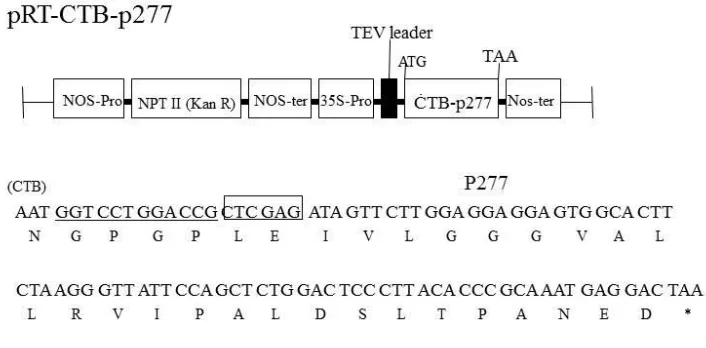
Figure 2.1 Schematic diagram of the plant expression vector pRT-CTB-p277 36
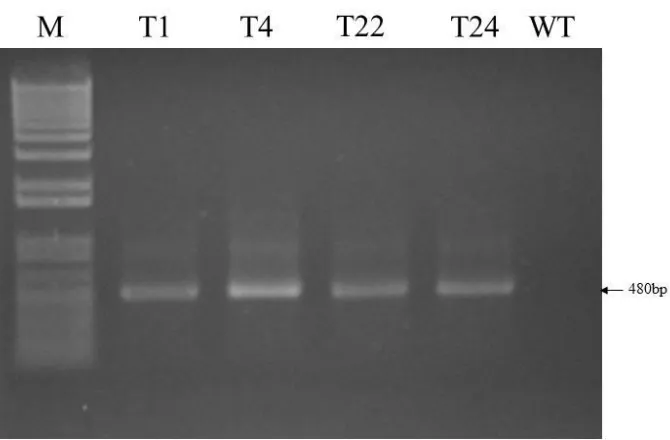
Figure 2.2 Detection of CTB-p277 integration into transgenic tobacco genomic DNA 37
by PCR
Figure 2.3 RT-PCR analysis of CTB-p277 transcripts in RNA from transgenic plants 38
Figure 2.4 Western blot analysis of CTB-p277fusion protein expression in transgenic 40
plants
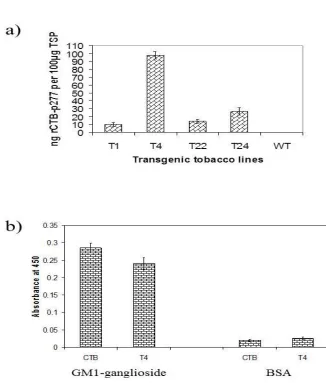
Figure 2.5 ELISA quantification of theCTB-p277 fusion protein and GM1 binding 42
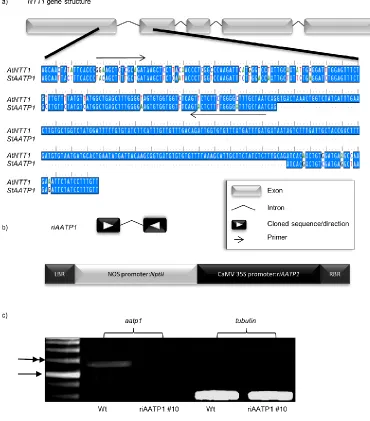
Figure 3.1: Construction of the riAATP1 knockdown lines 59
Figure 3.2: Biomass accumulation analysis 61
Figure 3.3: Morphological changes in riAATP1-10 63
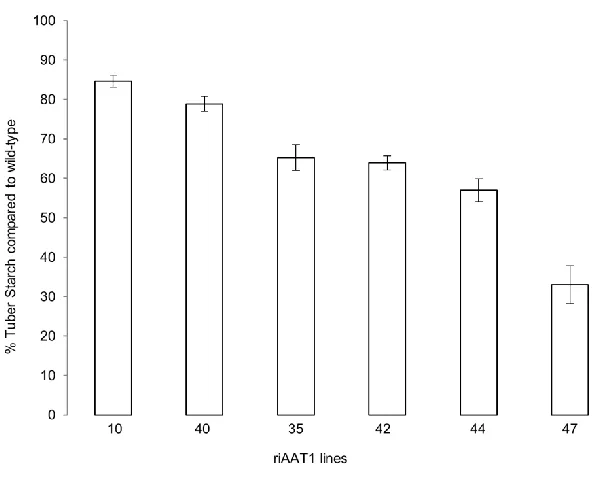
Figure 3.4: Starch analysis for riAATP1-10 64
Figure 3.5: Protein accumulation in tuber lines 66
Figure 3.6: Comparison of scFv production in wild-type versus riAATP1-10 68
Figure 4.1: Construction of plasmid pBI-rSBA 84
Figure 4.2: Western blot analysis of transient protein expression of rSBA in Nicotiana 86
benthamiana
Figure 4.3: Detection of tetrameric structure of rSBA 87
Figure 4.4: Accumulation of rSBA in potato tubers 89
Figure 4.5:Purification of rSBA 90
xiv
Figure 4.7: Determination of glycosylation of plant-derived rSBA 94
Figure 4.8:In vitro digestion of Nicotiana benthamiana-derived rSBA in SGF and SIF 96
Figure 5.1: Construction and expression of rSBA-GFP 112
Figure 5.2:In vivo detection of GFP signal 114
Figure 5.3: Coomassie Blue stained 12.5% (w/v) SDS-PAGE gel demonstrating purity 116
of rSBA-GFP following purification on N-acetyl-D-galactosamine agar column
xv
LIST OF APPENDICES
xvi
LIST OF ABBREVIATIONS
AATP1 ATP/ADP transporter
AGPase ADP-glucose pyrophosphorylase
BSA bovine serum albumin
CaMV cauliflower mosaic virus
CONA concanavalin A
CT cholera toxin
CTB cholera toxin β-subunit
CTB-p277 cholera toxin β-subunit fused with peptide 277 of heat shock protein 60
DAI days after inoculation
EAE experimental allergic encephalomyelitis
ELISA enzyme-linked immunosorbent assay
ELP elastin-like polypeptide
Fab fragment-antigen binding region
GAD65 glutamic acid decarboxylase 65
GAD67 glutamic acid decarboxylase 67
GFP green fluorescent protein
GI gastro-intestinal
GOI gene of interest
His Histidine
HIV human immunodeficiency virus
xvii HSP60 heat shock protein 60
IgG immunoglobulin
IL-4 interleukin 4
INS insulin
MBP myelin basic protein
MHC major histone complex
Nb Nicotiana benthamiana
NOD non-obese diabetic
Nos noplaline synthase
NTT1 nucleotide transporter 1
p277 peptide 277 fragment of heat shock protein 60
PKPI potato kunitz-type proteinase inhibitor
RBC red blood cells
riAATP1 RNAi inhibited ATP/ADP transporter
rSBA recombinant soybean agglutinin
rSBA-GFP recombinant soybean agglutinin fused with green fluorescent protein
SARS severe acute respiratory syndrome
SBA soybean agglutinin
scFv single-chain variable fragment
SEM standard error measurement
SGF simulated gastric fluid
SIF simulated intestinal fluid
xviii T1DM type I diabetes mellitus
TBS-T tris buffered saline with tween 20
TEV tobacco etch virus
TSP total soluble protein
UTL untranslated leader
UTR untranslated region
CHAPTER 1
1.1 Plants as green bioreactors
There is ever increasing demands for recombinant proteins for use in biomedical
research, industrial production and for academic investigation. Traditional recombinant
production systems, such as both prokaryotic and eukaryotic cell culture, have limitations due in
large part to scalability, drastically increasing the cost of production as demands rise. In addition,
there are a number of host platform-specific limitations, including pathogen contamination
(mammalian cell culture) and lack of post-translation modification (prokaryotic reactors). Plants
may offer the solution as green bioreactors, offering a variety of advantages such as nearly
unlimited scalability, from small scale trials in growth chambers to large open-field mass
production, and all at relatively inexpensive cost. Additionally, as eukaryotes, plants are capable
of a suite of post-translational modifications such as glycosylation and disulphide bridging, and
have enhanced biosafety over production in mammalian cell culture systems, as there are no
known cross-kingdom pathogens (Tremblay et al. 2010b). For biomedical therapeutics, plants
also offer the potential for oral delivery of minimally processed tissue, drastically reducing the
cost of treatments (Arakawa et al. 1998; Ma et al. 1997; Ploix et al. 1999). The range of products
produced in plants to date is extensive, with everything from monoclonal antibodies to treat
human diseases to cellulose digesting enzymes for biofuel production (McCormick et al. 1999;
Hood et al. 2007; Floss et al. 2008; Strasser et al. 2008; Zhou et al. 2008; Rosales-Mendoza et al.
2011).
1.2 Plant bioreactors
1.2.1 Seed and fruiting body systems
A wide variety of plant reproductive structures have been used to generate and store
(Ma et al. 2003; Ramirez et al. 2007; Ludwig et al. 2004; Rosales-Mendoza et al. 2011; Cunha et
al. 2010). Seeds are attractive bioreactors for a variety of reasons, including the potential for high
accumulation in protein storage bodies and simplified long-term storage (Stoger et al. 2000). For
therapeutic proteins, many seed and fruiting body expression platforms can be used directly for
oral delivery with minimal processing, such as immunization against the Norwalk virus through
oral delivery of tomato expressing the Norwalk capsid protein (Zhang et al. 2006).
Despite the above advantages, the use of plant reproductive tissue presents a major
problem, namely the increased risk of environmental contamination. The production of pollen
provides an opportunity for contamination of plants earmarked for human consumption, as well
as the potential for outcrossing to wild relatives. This risk can be partially overcome through the
use of male-sterile lines for the expression of recombinant proteins, preventing the spread of
pollen containing the recombinant protein or its coding sequence (Feil et al. 2003). In fruit-based
expression, the level of recombinant protein is typically low and non-uniform, creating
difficulties in accurately producing doses for ingestion, although it is possible to reach
uniformity through batch production and homogenization (Joensuu et al. 2008).
1.2.2 Potato
Potato (Solanum tuberosum) tubers have been used to accumulate a wide variety of
recombinant proteins, including monoclonal antibodies, viral coat proteins, cytokines, plant
lectins and insulin (Mason et al. 1996; Arakawa et al. 1998; De Wilde et al. 2002; Tremblay et
al. 2010a; Richter et al. 2000; Carrillo et al. 2001; Yu and Langridge 2003; Ma et al. 2005).
Potato offers a number of advantages as a bioreactor over other plants species. First and foremost
is biomass accumulation, with nearly 30 tonnes per hectare of tubers commonly harvested,
protein content is relatively low, the amount of biomass accumulation more than offsets this
deficiency, with only soybean producing more protein per hectare on average. Secondly,
recombinant proteins produced in tubers are stable. For example, following six months of cold
storage, tubers had lost less than 10% of a recombinant monoclonal antibody (De Wilde et al.
2002). One proposed reason for this is tubers produce a significant quantity of proteinase
inhibitors and are thought to stabilize native tuber proteins during extended dormancy (Weeda et
al. 2009). Potato transformation is relatively simple, achieved by incubating Agrobacterium with
either leaf or tuber discs (Bourque et al. 1987). In addition to these advantages, potato propagates
vegetatively, drastically reducing the risk of environmental outcrossing, although do to the
harvested biomass occurring below the surface, residual plants may overwinter in the field.
Potato tubers develop from the terminal ends of underground stems called stolons (See
Figure 1.1). The forming tuber begins to enlarge along the transverse axis of the stolon, with an
increase in the accumulation of protease inhibitors, as well as storage proteins, particularly
patatin (Weeda et al. 2009). Large-scale starch accumulation occurs during the bulking phase,
when sugars imported from the leaves into tuber parenchyma with starch-containing plastids
called amyloplasts. The imported sugars are linked through 1,4-glycosidic bonds to form
amylose, which are linear chains of starch, and can be subsequently branched through
1,6-glycosidic bonding, creating amylopectin.
As mentioned above, low protein concentration is a drawback to potato. While overall
protein yield of grains per hectare increases the post-production costs. As with all plant
bioreactors that are based in food staples, there is also a risk of contamination of the food chain.
1.2.3 Nicotiana species
Two species of Nicotiana, tabacum (tobacco) and benthamiana (a close relative of
tobacco), are routinely used for the production of recombinant proteins. Tobacco offers several
advantages as a green bioreactor. First and foremost, tobacco is not part of the food supply chain,
removing the risks for accidental contamination. Secondly, tobacco leaf-based bioreactors
eliminate the requirement for pollination, and existing agricultural infrastructure is designed with
leaf harvest in mind. In addition, it would offer current tobacco farmers an alternative crop
destination point, from cancer-causing to therapeutic-producing tobacco. The equipment used for
tobacco harvesting is specific to tobacco and so for farmers to switch to a different crop would
require massive changes in infrastructure. Tobacco also has a high yield, with upwards of 100
tonnes per hectare of leafy green material per year. Known as the “white mouse” of the plant
world, tobacco is also one of most heavily studied recombinant protein expression systems, with
a variety of expression options readily available, including transient and stable expression
(Tremblay et al. 2010b). Oral delivery is also a possibility, as low-nicotine low-alkaloid
varieties, such as 81V9, have proven safe in animal feeding trials (Menassa et al., 2007)
1.3 Medically valuable protein production in green bioreactors
1.3.1 Antibodies
Recombinant antibodies are useful for a variety of therapeutic interventions and make up
the bulk of protein therapeutics under development. Monoclonal antibody production requires
anti-mouse IgG1, was produced by expressing the heavy and light chains in two different plants and
then crossing the two independent lines together (Hiatt et al. 1989). Since that time, a wide range
of antibodies have been produced in plant bioreactors. The first plant-made antibody approved
for human use, CaroRxTm, is a secretory IgA antibody that prevents the colonization of
Streptococcus mutans and reduces the risk of tooth decay (Lehner et al. 1985; Ma et al. 1989; Ma
et al. 1998). New approaches to the treatment of cancer utilize a patient’s own antibodies to
prevent further spread and reoccurrence. In clinical trials, patient idiotype-specific single-chain
variable fragment (scFv) were isolated from the individual patients, sequenced and then ligated
into a plant expression vector and subsequently transiently expressed in N. benthamiana and
injected back into the patients (McCormick et al. 1999; McCormick et al. 2003; McCormick et
al. 2008). Accomplished in only a few months after the initial biopsy, this demonstrates the
utility of green bioreactors to respond to meet the demands for vaccines following the onset of
new epidemics and their utility in treating diseases that require a more individualistic, tailored
therapeutic.
1.3.2 Vaccines
A number of potential vaccines have been produced to date in transgenic plants,
including foot and mouth disease, severe acute respiratory syndrome (SARS), cholera and human
immunodeficiency virus (HIV) (Wu et al. 2003; Huang et al. 2005; Pogrebnyak et al. 2005; Jani
et al. 2004; Marusic et al. 2007; Zhang et al. 2002). Typically this involves the production of a
component of the infectious agent, be it a viral capsid protein fragment or bacterial cell surface
protein. The effectiveness of these recombinant vaccines combined with the attractiveness of
the recent expansion of Medicago Inc., a Quebec City-based company that produces flu vaccines
via transient expression in plants (D'Aoust et al. 2010).
1.3.3 Treatment of autoimmune disease
Autoimmune diseases are the result of the immune system’s failure to distinguish
self-proteins from foreign ones, resulting in an immune response against tissues/organs displaying
those proteins. Type 1 diabetes mellitus (T1DM) is an autoimmune disease that results in the
destruction of the insulin producing islet cells of the pancreas, resulting in the individual’s loss of
glycemic control (Ma et al. 1997). In T1DM, there are a number of potential proteins that
become immune targets, with the two most characterized being insulin (INS) and glutamic acid
decarboxylase 65 (GAD65) (Ma et al. 1997; Arakawa et al. 1998; Ma et al. 2004; Li et al. 2006a;
Ruhlman et al. 2007). A potential therapy for T1DM is through the induction of oral tolerance, a
natural process whereby the immune system is disarmed against ingested proteins, attenuating
immune responses against the thousands of harmless dietary proteins that pass through the gut
each day. Oral tolerance can be induced in non-obese diabetic (NOD) mice, a model for T1DM,
by feeding plant tissue expressing GAD65 and an immunomodulatory cytokine, interleukin 4
(IL-4) (Ma et al. 2004). Other targets of the autoimmune response have been evaluated with
similar success, including insulin (Arakawa et al. 1998). Research has also demonstrated that
small antigenic peptides, those amino acid sequences that are targeted by the immune response,
can also prove effective. The small size of these peptides, typically from 5 to 20 amino acids,
typically necessitates fusion with a larger protein. One such example is the production of the B
chain of insulin as a fusion with the non-toxic B subunit of cholera toxin (CTB), resulting in a
1.4 Plant transformation techniques
1.4.1 Particle Bombardment
Transformation via microparticle bombardment involves the coating of the desired
expression cassette to a microparticle, typically gold or tungsten, and subsequent discharge of a
high pressure burst of helium (Taylor and Fauquet 2002). The subsequent particle-cassette is
hurled towards the target tissue and penetrates plant tissue. In the process, this causes significant
damage to the surrounding tissue. Bombardment can perform a variety of plant transformations,
including transient and stable nuclear, chloroplastic and mitochondrial expression (Taylor and
Fauquet 2002). Biolistic delivery allows for the insertion of minimal expression cassettes, which
are cassettes that contain the gene of interest plus transcription machinery and possibly a
selection marker. A major advantage of this system is that a wide-range of plant species can be
transformed through relatively standardized protocols that are typically difficult transform via
other methods, resulting in transformation of plants such as palm trees, tobacco, tomato and rice
(Parveez et al. 1997; Lutz et al. 2001; Zhou et al. 2008; Lee et al. 2006).
1.4.1.1 Plastid transformation
Plastid transformation via particle bombardment has the greatest potential for
recombinant protein accumulation amongst all plant transformation techniques to date, with
reports of recombinant protein accumulation ranging from under 1% to over 50% of soluble
protein (Lentz et al. 2010; Li et al. 2006b; Ruhlman et al. 2007; Lenzi et al. 2008; Zhou et al.
2008; Soria-Guerra et al. 2009). There are several reasons for the high accumulation potential of
plastids, including multiple copies of DNA per plastid, with mature chloroplasts containing
between 50 to 100 copies of the plastid genome, and ~100 plastids per mature leaf cell (Maliga
DNA for the production of recombinant protein. In addition, the transformed gene is inserted into
the plastid genome via homologous recombination, allowing for the optimization of insertion
point to suit each expression cassette, something not routinely possible with plant nuclear
genomic transformation. Plastid-based expression also offers a level of environmental
containment, as plastids are maternally inherited and thus is unlikely out-cross through pollen
spread to relative species or untransformed sister crops (Svab and Maliga, 2007).
There are, however, limitations to the use of plastid transformation. Firstly, with nearly
10,000 copies of DNA per cell, selection time is dramatically increased in order to reach a
homoplastic state (point at which all copies of DNA contain the transgene). Second, plastids are
prokaryotic in origin and thus are unable to perform eukaryotic post-translational modifications
such as glycosylation, required for many glycoproteins to function properly and for increased
stability.
1.4.2 Agrobacterium
Recombinant protein expression in plants is also routinely achieved by infecting plants
with Agrobacterium tumefaciens, recently reclassified as Rhizobium radiobacter, a bacterium
that causes crown gall disease in a variety of plants species (Young et al. 2001). Agrobacterium
is able to insert a portion of its plasmid T-DNA into plants cells, which is then transported to the
nucleus and the resulting gene sequences are expressed. Depending on the protocol used, this can
result in the stable integration of the T-DNA into the plant nuclear genome or transient
expression of multiple copies of non-integrated T-DNA (Sparkes et al. 2006). Originally limited
to a relatively low number of species, particularly dicotyledonous plants, a wide-range of dicot
including tobacco, Arabidopsis, carrot, tomato, potato, cotton, rice, and corn (Rosales-Mendoza
et al. 2011; Zhang et al. 2006; Wesley et al. 2001; Hood et al. 2007).
1.4.2.1 Stable nuclear transformation
Nuclear transformation via Agrobacterium results in the stable and heritable integration
of the transgene into the host genome. There are a variety of advantages to stable nuclear
integration. In the case of an agronomically advantageous trait such as resistance to the
herbicides 2,4-D and BASTA, there is immense value to the resistance being heritable as
opposed to transiently inducing resistance with each generation (Wright et al. 2010; Viegas and
Notani 1993). Another advantage is the nearly unlimited scalability of stable integration with
extremely minimal input following the initial transformation and characterization of a line. This
means that an experiment can transfer from growth chamber to greenhouse or open fields simply
by amplifying the initial characterized lines, without the need to continually transform each
successive generation. There are, however, several major hurdles that have yet to be fully
overcome with stable transformation. First and foremost are the typically low levels of
recombinant protein expression, with accumulation typically less than 0.5% of soluble protein.
Secondly is the risk of environmental spread of the transgene, as nuclear material contained
within pollen could out-cross to either unmodified sister plants or to natural species in proximity
to the open fields. Several groups have generated either male-sterile lines or lines that are
capable of deleting the transgene in pollen, potentially limiting gene transfer as a major concern
(Evans et al. 2005; Feil et al. 2003).
1.4.2.2 Transient expression
The use of Agrobacterium to transiently express recombinant proteins has a variety of
Transient expression has a number of advantages over stable integration, including typically
higher protein accumulation levels (Sparkes et al. 2006). Further enhancement of accumulation
during transient expression can be achieved by co-expressing a suppressor of the plant RNA
silencing machinery through the expression of a viral p19 protein (Voinnet et al. 2003). The
inclusion of p19 expression typically results in an increase of 50-times or greater accumulation
of the protein of interest. Transient expression can also be accomplished in a significantly shorter
period of time compared to stable integration, with typical induction experiments lasting between
3 and 7 days, followed by harvest and isolation, as opposed to typically having to wait 3 to 6
months before sufficient recombinant protein can be harvested from mature transgenic plants.
For example, it was possible for researchers to isolate novel, patient-specific antibody sequences,
clone them, transiently express them and harvest sufficient protein for re-inoculation in under 6
weeks, something inconceivable via stable nuclear integration, which would most likely have
taken between 6 months to a year (McCormick et al. 1999; McCormick et al. 2008; McCormick
et al. 2003). A major drawback associated with transient expression is the high input
requirements, both in materials and personnel, compared to stable integration. This may create
limitations for long-term production of proteins needed in large quantities, but as demonstrated
for the production of patient-specific antibodies, there are still a variety of commercial and
research applications.
1.5 Hurdles in plant bioreactors
As discussed above, plants offer a variety of advantages as bioreactors. There remains a
variety of hurdles, some of which are unique to the type of expression system (transient versus
stable, for example). Others are common to all bioreactors, such as the cost associated with
section 1.3.3, smaller protein fragments, or epitopes, can prove more effective in the induction of
oral tolerance. However, it is extremely difficult to generate short peptides in plants.
1.5.1 Yield
The overall recombinant protein production capacity of a plant bioreactor is dependent on
1) the biomass yield in a given area, 2) the concentration of soluble protein produced by the
individual plant and 3) the relative amount of the recombinant protein produced compared to all
other proteins. Typically, bioreactor research tends to focus on the third point over the first two,
as the majority of species used as bioreactors have already been selected for centuries or even
millennia for maximum yield and quality. As a result, advances are typically expressed in
increase in percent of soluble protein. For example, in work by Patel and colleagues in 2007, the
authors demonstrated an increase of over 90-fold in Il-10 accumulation when Il-10 is fused with
elastin-like polypeptide (ELP) and stably expressed via nuclear transformation. This is an
example of fusion with a more stable protein partner that, in the case of ELP, is also able to
compartmentalize accumulation within specialized protein storage organelles called protein
bodies (Conley et al., 2009b). Organelle-specific localization is also another method for
increasing accumulation, such as the inclusion of the c-terminal tag K/HDEL that results in
endoplasmic reticulum retention (Tremblay et al. 2010b). The selection of the promoter for
expression, what untranslated regions are used, as well as codon usage can all influence the
accumulation of the protein of interest. The gains from these various techniques, however, have
yet to consistently increase production in stably transformed nuclear lines to be truly competitive
against other bioreactors. Chloroplast transformation can meet the demands for high-yield
expression required to be truly competitive, but are incapable of producing glycoproteins,
1.5.2 Purification
All bioreactors, regardless of host species or whether they are cell-culture or
whole-organism based, require post-harvest protein purification. In cell culture systems, secretion to the
media can reduce the complexity of purification, but as discussed in section 1.1, have limited
scalability and are more expensive than whole-plant production. For proteins intended for
medicinal use, or that are needed in ultrapure form, the downstream processing can account for
upwards of 80% of the production costs (Walsh 2002). As such, a variety of genetic fusions have
been used to decrease this cost. The inclusion of a repeat histidine tag (His), typically 6 amino
acids long, is perhaps the most commonly used purification tag for laboratory use as it can be
relatively inexpensive on small scales, requiring an immobilized gel such as agar or sephadex
with bound nickel ions to facilitate purification. Under optimized conditions, His purification can
reach nearly 95% purity in secretory bacterial systems, but in plants, rarely achieves high levels
of purity (Terpe 2003). An alternative approach to affinity-based purification is through the use
of ELP. ELP undergoes inverse phase transition with increasing temperature and/or salinity,
resulting in a reversible change in solubility that can be repeated several times in order to remove
contaminating proteins. For example, Conley and colleagues (2009a) demonstrated that
ELP-fusions could be readily purified using inverse phase transition cycling as well as enhancing
protein accumulation in plants. However, the purification was, at best, reported at 66% of soluble
protein. One proposed explanation is the high quantities of Rubisco, which is involved in
catalyzing the first step of carbon fixation in plants and is the most abundant protein in nature.
The high levels of Rubisco found within green leaf tissue can cause problems with purification
undergo phase transition under similar conditions and this may limit the utility of ELP for
protein purification.
1.5.3 Generation of short peptides
In autoimmune disease, the immune response is typically directed against a limited
portion of the targeted protein, short amino acid sequences called epitopes. For example, in
T1DM, the β chain of insulin (InsB), 30 amino acids long, is a well characterized target of the
immune response, while the α chain, a 20 amino acid fragment, is not a target (Weiner 1997).
There are reasons why it is preferable to use only protein fragments containing epitopes, as there
is a lower risk of negative side-affects than might be associated with full-length administration.
For example, full-length INS may lead to the induction of hypoglycaemia if delivered orally (Li
et al. 2006a). However, it is extremely difficult to produce short peptide sequences in plants, as
evidenced by the literature where nearly all reports of short peptide generation are as fusion
partners with larger, more complex proteins. For example, InsB has only been generated as a
fusion with CTB (Li et al. 2006a).
1.6 ATP/ADP transporter
In tubers, energy must be imported into the amyloplasts through the plastidic ATP/ADP
transporter (AATP1) (Tjaden et al. 1998). When AATP1 is overexpressed, tubers accumulate
greater quantities of starch, with one line producing 36% more starch compared to wild-type
(Tjaden et al. 1998). In contrast, when AATP1 is disrupted through the expression of full-length
antisense AATP1, starch is reduced by over 40%. This decrease in starch is associated with a
subsequent decrease in overall tuber biomass accumulation and morphology, with the most
extreme lines in this experiment having tuber total weight per plant at ~70% of wild-type and
increase in soluble sugars in the antisense lines (Geigenberger et al. 2001; Tjaden et al. 1998).
The changes in tuber biomass and morphology are consistent with other studies that have
knocked down or knocked out genes directly involved in starch biosynthesis, such as
ADP-glucose pyrophosphorylase (Muller-Rober et al. 1992).
1.7 Soybean Agglutinin
Soybean agglutinin (SBA) is a 32 kDa homolectin found in soybean seeds. Lectins are
proteins that bind to sugar moieties with varying affinity. SBA binds to N
-acetyl-D-galactosamine, a glycan that can be found on the extracellular portions of cell membrane
glycoproteins. The presence of these glycans on the cell surface of red blood cells allows for
SBA to induce agglutination (clumping) of the cells, hence the protein name agglutinin. SBA
accumulates to nearly 2% of the soluble protein in soybean seeds and is typically extracted from
defatted soybean flour (Percin et al. 2009; Lindstrom et al. 1990). The affinity of SBA for its
ligand allows for purification using affinity chromatography, with N
-acetyl-D-galactosamine-bound agarose or sepharose columns allowing for the efficient and simple isolation of SBA from
other soybean proteins, with typical recovery of high purity SBA ranging around 90% (Percin et
al. 2009).
The makeup of surface exposed glycoproteins varies from cell to cell, allowing for the
use of lectins, such as SBA, to be used to distinguish between cell types based on binding
pattern. For example, SBA has been shown to bind to cell lines derived from two independent
pancreatic cancers, but does not bind to healthy pancreas-derived cells (Nishimura et al. 1993).
SBA binding patterns can help distinguish between stomach cancers with higher survivorship
(SBA+) and those with higher mortality (SBA-) (Terashima et al. 1997). The ability of SBA to
bind strongly to healthy lymphocytes, but does to leukemic lymphocytes (Bakalova and Ohba
2003). This allows for the potential in vitro removal of leukemic cells via lectin chromatography
and the return of the healthy lymphocytes to the body.
Recombinant SBA has been produced in a variety of systems, including monkey COS-1
cells, E. coli and tobacco plants (Lindstrom et al. 1990; Adar et al. 1997). The goals of these
studies were to examine either the regulatory elements involved in SBA expression using
tobacco as the platform (Lindstrom et al., 1990) or the involvement of glycosylation in tetrameric
assembly by comparing non-glycosylated SBA (bacterial) versus glycosylated SBA (COS-1)
(Adar et al., 1997). The absence of glycosylation had no impact on SBA’s ability to induce
agglutination, suggesting that glycans are not required. Glycosylation, however, is important for
the stability of SBA (Sinha and Surolia 2005). COS-1 derived SBA appears to have similar
characteristics to native SBA, binding to sugars in a similar pattern and appearing to have similar
glycosylation, but it requires significantly more COS-1 SBA to induce agglutination of red blood
cells compared to native or bacterial-produced SBA, suggesting the COS-1-made SBA does not
retain native SBA binding affinity (Adar et al. 1997).
1.8 Cholera toxin β subunit
Cholera toxin is a secretory protein complex produced by the bacteria Vibrio cholerae
and is the causal agent in cholera. The β subunit of cholera toxin (CTB) is a non-toxic protein
that forms pentamers and is able to bind to GM1 gangliosides, important for both the natural
binding of cholera toxin as well as its potential use as a therapeutic adjuvant (Holmgren et al.
1993). Its ability to bind to GM1 gangliosides offers the potential for CTB to function as an oral
adjuvant, able to bind to epithelial linings of the intestine and be displayed to the peripheral
insulin, either full-length or the β-chain only, have proven effective in delaying the onset of
T1DM in the non-obese diabetic (NOD) mouse model of the disease through oral administration
(Bergerot et al. 1997; Arakawa et al. 1998; Ploix et al. 1999; Sadeghi et al. 2002; Ruhlman et al.
2007). There are, however, considerations in the use of CTB as an adjuvant where long-term
administration is concerned. In mice fed potato expressing CTB-Insulin during a long-term
study, there were detectable levels of mucosal anti-CTB antibodies, potentially neutralizing the
ingested CTB-insulin over the long-term (Arakawa et al. 1998). While this is of concern for
long-term administration, studies have shown that the use of CTB as an adjuvant can greatly
reduce both the amount of protein needed to induce tolerance, as well as the number of doses
required, potentially negating the need for long-term dosage (Sun et al. 2010).
1.9 p277
p277 is the name given for the 23 amino acids 437 to 460 of heat shock protein 60
(HSP60) that has been implicated in T1DM (Elias and Cohen 1994). Early work demonstrated
that p277 was capable of inducing diabetes in standard mice when administered with carrier
molecules (Elias et al. 1995). This study also demonstrated that following an immunological
challenge with p277 and subsequent transient hyperglycaemia, NOD mice were resistant to the
spontaneous development of T1DM, supporting p277 as a possible therapeutic in preventing
diabetes. Follow-up work by the same group demonstrated that administration of p277 to NOD
mice with either no or overt signs of hyperglycaemia resulted in a reduction in islet
inflammation, a marker for the onset of T1DM in NOD mice (Elias and Cohen 1995).
Subsequent phase II clinical trials of the modified form of the peptide (Diapep277 has the
cysteine residues replaced with valine) have been completed and found that relatively few doses
of the disease, in newly diagnosed patients (Babad et al. 2010). Phase III clinical trials are
currently underway. However, p277 is currently generated chemically, an expensive method for
peptide generation, potentially limiting its deployment following clinical trials.
1.10 Research goals and objectives
The rising demand for recombinant proteins for academic, industrial and medical uses
necessitates the implementation of more effective and efficient bioreactor production. While
green bioreactors are beginning to be recognized as an inexpensive alternative to traditional cell
culture-based systems, they are still limited by low yields for nuclear expressed glycoproteins. In
addition, there is an increased demand for more efficient means of production and purification of
recombinant proteins for both small and large scale production, as well as the development of
more effective recombinant proteins destined for therapeutic use.
The goal of the research presented in this thesis is to create tools to enhance the
effectiveness of plants as green bioreactors and their utility to the end user, reducing the high
costs typically associated with production, those of yield and purification, and increasing the
efficiency at each stage of the line. To achieve this goal, my research focused on three themes: 1)
to increase the yield of soluble recombinant proteins made in transgenic plants, 2) to develop a
simplified, rapid and high-purity recombinant protein recovery system and 3) to examine the
feasibility of generating small therapeutic peptides in green bioreactors for the treatment of
T1DM. To this end, the specific objectives of this project were:
1) To demonstrate the generation of a genetic fusion of CTB with p277 in stably
transformed tobacco and determine if the CTB-p277 fusion remains stable and retains CTB
2) To determine if a minor reduction in starch accumulation in potato tubers could
increase overall yield. To this end RNA induced gene silencing of the AATP1 gene, with the
emphasis during initial screening focusing on biomass yield. The concentration of soluble
proteins as well as the ability to accumulate a recombinant monoclonal antibody in the highest
biomass accumulating knockdown line will also be examined to assess the overall improvement
in recombinant protein production. Also assessed was the long-term viability of the tubers, as an
advantage of tuber-based production is the ability to store recombinant proteins for extended
periods of time.
3) Recombinant SBA was generated both transiently in Nicotiana benthamiana and
stably in potatoes as a first-step towards generating a novel affinity tag system. The recombinant
protein was compared with native SBA to determine if it retained its ligand specificity, ability to
induce agglutination, similar glycosylation pattern and resistance to gastric passage.
4) To validate genetic fusions with recombinant SBA as a novel affinity tag. GFP was
genetically fused to SBA and examined for both in vivo activity (fluorescence), as well as
activity post-purification following the induction of agglutination of red blood cells. The fusion
protein was compared to N. benthamiana-maderecombinant SBA for the purpose of determining
1.11 References
Adar R, Streicher H, Rozenblatt S, Sharon N (1997) Synthesis of soybean agglutinin in bacterial and mammalian cells. Eur J Biochem 249 (3):684-689.
Arakawa T, Yu J, Chong DKX, Hough J, Engen PC, Langridge WHR (1998) A plant-based cholera toxin B subunit - insulin fusion protein protects against the development of autoimmune diabetes. Nat Biotechnol 16 (10):934-938.
Babad J, Geliebter A, DiLorenzo TP (2010) T-cell autoantigens in the non-obese diabetic mouse model of autoimmune diabetes. Immunology 131 (4):459-465.
Bakalova R, Ohba H (2003) Interaction of soybean agglutinin with leukemic T-cells and its use for their in vitro separation from normal lymphocytes by lectin-affinity chromatography. Biomed Chromatogr 17 (4):239-249.
Bergerot I, Ploix C, Petersen J, Moulin V, Rask C, Fabien N, Lindblad M, Mayer A, Czerkinsky C, Holmgren J, Thivolet C (1997) A cholera toxoid-insulin conjugate as an oral vaccine against spontaneous autoimmune diabetes. Proc Natl Acad Sci U S A 94 (9):4610-4614. Bourque JE, Miller JC, Park WD (1987) Use of an invitro tuberization system to study tuber
protein gene-expression. In Vitro Cell & Dev Biol 23 (5):381-386.
Carrillo C, Wigdorovitz A, Trono K, Dus Santos MJ, Castanon S, Sadir AM, Ordas R, Escribano JM, Borca MV (2001) Induction of a virus-specific antibody response to foot and mouth disease virus using the structural protein VP1 expressed in transgenic potato plants. Viral Immunol 14 (1):49-57.
Conley AJ, Joensuu JJ, Jevnikar AM, Menassa R, Brandle JE (2009a) Optimization of Elastin-Like Polypeptide Fusions for Expression and Purification of Recombinant Proteins in Plants. Biotechnol Bioeng 103 (3):562-573.
Conley, A.J., Joensuu, J.J., Menassa, R. and Brandle, J.E. (2009b) Induction of protein body formation in plant leaves by elastin-like polypeptide fusions. BMC Biology 7:48
Cunha NB, Murad AM, Cipriano TM, Araujo AC, Aragao FJ, Leite A, Vianna GR, McPhee TR, Souza GH, Waters MJ, Rech EL (2010) Expression of functional recombinant human growth hormone in transgenic soybean seeds. Trans Res doi:10.1007/s11248-010-9460-z D'Aoust MA, Couture MM, Charland N, Trepanier S, Landry N, Ors F, Vezina LP (2010) The
production of hemagglutinin-based virus-like particles in plants: a rapid, efficient and safe response to pandemic influenza. Plant Biotechnol J 8 (5):607-619.
De Wilde C, Peeters K, Jacobs A, Peck I, Depicker A (2002) Expression of antibodies and Fab fragments in transgenic potato plants: a case study for bulk production in crop plants. Mol. Breed. 9 (4):271-282.
Elias D, Cohen IR (1994) Peptide therapy for diabetes in NOD mice. Lancet 343 (8899):704-706.
Elias D, Cohen IR (1995) Treatment of autoimmune diabetes and insulitis in NOD mice with heat shock protein 60 peptide p277. Diabetes 44 (9):1132-1138.
Elias D, Marcus H, Reshef T, Ablamunits V, Cohen IR (1995) Induction of diabetes in standard mice by immunization with the p277 peptide of a 60-kDa heat-shock protein. Eur J Immunol 25 (10):2851-2857.
Feil B, Weingartner U, Stamp P (2003) Controlling the release of pollen from genetically modified maize and increasing its grain yield by growing mixtures of male-sterile and male-fertile plants. Euphytica 130 (2):163-165.
Floss DM, Sack M, Stadlmann J, Rademacher T, Scheller J, Stoger E, Fischer R, Conrad U (2008) Biochemical and functional characterization of anti-HIV antibody-ELP fusion proteins from transgenic plants. Plant Biotechnol J 6 (4):379-391.
Geigenberger P, Stamme C, Tjaden J, Schulz A, Quick PW, Betsche T, Kersting HJ, Neuhaus HE (2001) Tuber physiology and properties of starch from tubers of transgenic potato plants with altered plastidic adenylate transporter activity. Plant Physiol 125 (4):1667-1678.
Grevich JJ, Daniell H (2005) Chloroplast genetic engineering: Recent advances and future perspectives. Crit Rev in Plant Sci 24 (2):83-107.
Hiatt A, Cafferkey R, Bowdish K (1989) Production of antibodies in transgenic plants. Nature 342 (6245):76-78.
Holmgren J, Lycke N, Czerkinsky C (1993) Cholera-toxin and cholera-B subunit as oral mucosal adjuvant and antigen vector systems. Vaccine 11 (12):1179-1184.
Hood EE, Love R, Lane J, Bray J, Clough R, Pappu K, Drees C, Hood KR, Yoon S, Ahmad A, Howard JA (2007) Subcellular targeting is a key condition for high-level accumulation of cellulase protein in transgenic maize seed. Plant Biotechnol J 5 (6):709-719.
Huang Y, Liang W, Wang Y, Zhou Z, Pan A, Yang X, Huang C, Chen J, Zhang D (2005) Immunogenicity of the epitope of the foot-and-mouth disease virus fused with a hepatitis B core protein as expressed in transgenic tobacco. Viral Immunol 18 (4):668-677.
Jani D, Singh NK, Bhattacharya S, Meena LS, Singh Y, Upadhyay SN, Sharma AK, Tyagi AK (2004) Studies on the immunogenic potential of plant-expressed cholera toxin B subunit. Plant Cell Reports 22 (7):471-477.
Joensuu JJ, Niklander-Teeri V, Brandle JE (2008) Transgenic plants for animal health: plant-made vaccine antigens for animal infectious disease control. Phytochem Rev 7 (3):553-577.
Lee SM, Kang KS, Chung H, Yoo SH, Xu XM, Lee SB, Cheong JJ, Daniell H, Kim M (2006) Plastid transformation in the monocotyledonous cereal crop, rice (Oryza sativa) and transmission of transgenes to their progeny. Mol Cells 21 (3):401-410.
Lehner T, Caldwell J, Smith R (1985) Local passive immunization by monoclonal antibodies against streptococcal antigen I/II in the prevention of dental caries. Infect Immun 50 (3):796-799.
Lentz EM, Segretin ME, Morgenfeld MM, Wirth SA, Santos MJD, Mozgovoj MV, Wigdorovitz A, Bravo-Almonacid FF (2010) High expression level of a foot and mouth disease virus epitope in tobacco transplastomic plants. Planta 231 (2):387-395.
Lenzi P, Scotti N, Alagna F, Tornesello ML, Pompa A, Vitale A, De Stradis A, Monti L, Grillo S, Buonaguro FM, Maliga P, Cardi T (2008) Translational fusion of chloroplast-expressed human papillomavirus type 16 L1 capsid protein enhances antigen accumulation in transplastomic tobacco. Tran. Res 17 (6):1091-1102.
Li Y, Sun M, Liu JX, Yang ZQ, Zhang ZF, Shen GF (2006b) High expression of foot-and-mouth disease virus structural protein VP1 in tobacco chloroplasts. Plant Cell Rep 25 (4):329-333.
Lindstrom JT, Vodkin LO, Harding RW, Goeken RM (1990) Expression of soybean lectin gene deletions in tobacco. Dev Genet 11 (2):160-167.
Ludwig DL, Witte L, Hicklin DJ, Prewett M, Bassi R, Burtrum D, Pereira DS, Jimenez X, Fox F, Saxena B, Zhou Q, Ma Y, Kang X, Patel D, Barry M, Kussie P, Zhu Z, Russell DA, Petersen WL, Jury TP, Gaitan-Gaitan F, Moran DL, Delannay X, Storrs BS, Tou J, Zupec ME, Gustafson KS, McIntyre J, Tarnowski SJ, Bohlen P (2004) Conservation of receptor antagonist anti-tumor activity by epidermal growth factor receptor antibody expressed in transgenic corn seed. Hum Anti 13 (3):81-90.
Lutz KA, Knapp JE, Maliga P (2001) Expression of bar in the plastid genome confers herbicide resistance. Plant Physiol 125 (4):1585-1590.
Ma JK, Hunjan M, Smith R, Lehner T (1989) Specificity of monoclonal antibodies in local passive immunization against Streptococcus mutans. Clin Exp Immunol 77 (3):331-337. Ma JKC, Hikmat BY, Wycoff K, Vine ND, Chargelegue D, Yu L, Hein MB, Lehner T (1998)
Characterization of a recombinant plant monoclonal secretory antibody and preventive immunotherapy in humans. Nat Med 4 (5):601-606.
Ma S, Huang Y, Davis A, Yin Z, Mi Q, Menassa R, Brandle JE, Jevnikar AM (2005) Production of biologically active human interleukin-4 in transgenic tobacco and potato. Plant Biotechnol J 3 (3):309-318.
Ma S, Huang Y, Yin Z, Menassa R, Brandle JE, Jevnikar AM (2004) Induction of oral tolerance to prevent diabetes with transgenic plants requires glutamic acid decarboxylase (GAD) and IL-4. Proc Natl Acad Sci U S A 101 (15):5680-5685.
Ma SW, Zhao DL, Yin ZQ, Mukherjee R, Singh B, Qin HY, Stiller CR, Jevnikar AM (1997) Transgenic plants expressing autoantigens fed to mice to induce oral immune tolerance. Nat Med 3 (7):793-796.
Ma Y, Lin SQ, Gao Y, Li M, Luo WX, Zhang J, Xia NS (2003) Expression of ORF2 partial gene of hepatitis E virus in tomatoes and immunoactivity of expression products. World J Gastroenterol 9 (10):2211-2215.
Maliga P (2004) Plastid transformation in higher plants. Annu Rev Plant Biol 55:289-313.
Marusic C, Nuttall J, Buriani G, Lico C, Lombardi R, Baschieri S, Benvenuto E, Frigerio L (2007) Expression, intracellular targeting and purification of HIV Nef variants in tobacco cells. BMC Biotech 7:12.
Mason HS, Ball JM, Shi JJ, Jiang X, Estes MK, Arntzen CJ (1996) Expression of Norwalk virus capsid protein in transgenic tobacco and potato and its oral immunogenicity in mice. Proc Natl Acad Sci U S A 93 (11):5335-5340.
McCormick AA, Kumagai MH, Hanley K, Turpen TH, Hakim I, Grill LK, Tuse D, Levy S, Levy R (1999) Rapid production of specific vaccines for lymphoma by expression of the tumor-derived single-chain Fv epitopes in tobacco plants. Proc Natl Acad Sci U S A 96 (2):703-708.
McCormick AA, Reinl SJ, Cameron TI, Vojdani F, Fronefield M, Levy R, Tuse D (2003) Individualized human scFv vaccines produced in plants: humoral anti-idiotype responses in vaccinated mice confirm relevance to the tumor Ig. J of Immun Meth 278 (1-2):95-104.
Menassa, R., Du, C., Yin, Z.Q., Ma, S., Poussier, P., Brandle, J. and Jevnikar, A.M. (2007) Therapeutic effectiveness of orally administered transgenic low-alkaloid tobacco expressing human interleukin-10 in a mouse model of colitis. Plant Biotech J 5 (1):50-59 Muller-Rober B, Sonnewald U, Willmitzer L (1992) Inhibition of the ADP-glucose
pyrophosphorylase in transgenic potatoes leads to sugar-storing tubers and influences tuber formation and expression of tuber storage protein genes. EMBO J 11 (4):1229-1238.
Nishimura N, Saito S, Kubota Y, Motoo NY, Taguchi K, Yamazaki K, Watanabe A, Sasaki H (1993) Newly established human pancreatic-carcinoma cell-lines and their lectin binding properties. Int J Pancreatol 13 (1):31-41.
Oparka KJ, Davies HV, Wright KM, Viola R, Prior DAM (1990) Effect of sink isolation on sugar uptake and starch synthesis by potato-tuber storage parenchyma. Planta 182 (1):113-117.
Parveez GKA, Chowdhury MKU, Saleh NM (1997) Physical parameters affecting transient GUS gene expression in oil palm (Elaeis guineensis Jacq) using the biolistic device. Ind Crop Prod 6 (1):41-50.
Patel J, Zhu H, Menassa R, Gyenis L, Richman A, Brandle J (2007) Elastin-like polypeptide fusions enhance the accumulation of recombinant proteins in tobacco leaves. Trans Res 16 (2):239-249.
Percin I, Yavuz H, Aksoz E, Denizli A (2009) N-Acetyl-D-galactosamine-Specific Lectin Isolation from Soyflour with Poly(HPMA-GMA) Beads. J of App Polymer Sci 111 (1):148-154.
Ploix C, Bergerot I, Durand A, Czerkinsky C, Holmgren J, Thivolet C (1999) Oral administration of cholera toxin B-insulin conjugates protects NOD mice from autoimmune diabetes by inducing CD4+ regulatory T-cells. Diabetes 48 (11):2150-2156. Pogrebnyak N, Golovkin M, Andrianov V, Spitsin S, Smirnov Y, Egolf R, Koprowski H (2005)
Severe acute respiratory syndrome (SARS) S protein production in plants: Development of recombinant vaccine. Proc Natl Acad Sci U S A 102 (25):9062-9067.
Ramirez YJ, Tasciotti E, Gutierrez-Ortega A, Donayre Torres AJ, Olivera Flores MT, Giacca M, Gomez Lim MA (2007) Fruit-specific expression of the human immunodeficiency virus type 1 tat gene in tomato plants and its immunogenic potential in mice. Clin Vaccine Immunol 14 (6):685-692.
Richter LJ, Thanavala Y, Arntzen CJ, Mason HS (2000) Production of hepatitis B surface antigen in transgenic plants for oral immunization. Nat Biotechnol 18 (11):1167-1171. Rosales-Mendoza S, Soria-Guerra RE, Moreno-Fierros L, Han Y, Alpuche-Solis AG, Korban SS
(2011) Transgenic carrot tap roots expressing an immunogenic F1-V fusion protein from Yersinia pestis are immunogenic in mice. J Plant Physiol 168 (2):174-180.
Sadeghi H, Bregenholt S, Wegmann D, Petersen JS, Holmgren J, Lebens M (2002) Genetic fusion of human insulin B-chain to the B-subunit of cholera toxin enhances in vitro
antigen presentation and induction of bystander suppression in vivo. Immunology 106 (2):237-245.
Sinha S, Surolia A (2005) Oligomerization endows enormous stability to soybean agglutinin: a comparison of the stability of monomer and tetramer of soybean agglutinin. Biophys J 88 (6):4243-4251.
Soria-Guerra RE, Alpuche-Solis AG, Rosales-Mendoza S, Moreno-Fierros L, Bendik EM, Martinez-Gonzalez L, Korban SS (2009) Expression of a multi-epitope DPT fusion protein in transplastomic tobacco plants retains both antigenicity and immunogenicity of all three components of the functional oligomer. Planta 229 (6):1293-1302.
Sparkes IA, Runions J, Kearns A, Hawes C (2006) Rapid, transient expression of fluorescent fusion proteins in tobacco plants and generation of stably transformed plants. Nat Protoc 1 (4):2019-2025.
Stoger E, Vaquero C, Torres E, Sack M, Nicholson L, Drossard J, Williams S, Keen D, Perrin Y, Christou P, Fischer R (2000) Cereal crops as viable production and storage systems for pharmaceutical scFv antibodies. Plant Mol Biol 42 (4):583-590.
Strasser R, Stadlmann J, Schahs M, Stiegler G, Quendler H, Mach L, Glossl J, Weterings K, Pabst M, Steinkellner H (2008) Generation of glyco-engineered Nicotiana benthamiana for the production of monoclonal antibodies with a homogeneous human-like N-glycan structure. Plant Biotechnol J 6 (4):392-402.
Sun JB, Czerkinsky C, Holmgren J (2010) Mucosally induced Immunological Tolerance, Regulatory T Cells and the Adjuvant Effect by Cholera Toxin B Subunit. Scand J Immunol 71 (1):1-11.
Svab, Z. and Maliga, P. (2007) Exceptional transmission of plastids and mitochondria from the transplastomic pollen parent and its impact on transgene containment. Proc Natl Acad Sci U S A 104(17):7003-7008
Taylor NJ, Fauquet CM (2002) Microparticle bombardment as a tool in plant science and agricultural biotechnology. DNA Cell Biol 21 (12):963-977.
Terashima S, Takano Y, Ohori T, Kanno T, Kimura T, Motoki R, Kawaguchi T (1997) Soybean agglutinin binding as a useful prognostic indicator in stomach cancer. Surgery Today- Jap J of Surgery 27 (4):293-297.
Terpe K (2003) Overview of tag protein fusions: from molecular and biochemical fundamentals to commercial systems. Appl Microbiol Biotechnol 60 (5):523-533.
Tjaden J, Mohlmann T, Kampfenkel K, Henrichs G, Neuhaus HE (1998) Altered plastidic ATP/ADP-transporter activity influences potato (Solanum tuberosum L.) tuber morphology, yield and composition of tuber starch. Plant J 16 (5):531-540.
Tremblay R, Feng M, Menassa R, Huner NP, Jevnikar AM, Ma S (2010a) High-yield expression of recombinant soybean agglutinin in plants using transient and stable systems. Trans Res DOI: 10.1007/s11248-010-9419-0.
Tremblay R, Wang D, Jevnikar A, Ma S (2010b) Tobacco, a highly efficient green bioreactor for production of therapeutic proteins. . Biotechnology Advances 28 (2):214-221.