
C O M M E N T A R Y
Open Access
A call for benchmarking transposable
element annotation methods
Douglas R. Hoen
1,2*, Glenn Hickey
1,3, Guillaume Bourque
4,5, Josep Casacuberta
6, Richard Cordaux
7,
Cédric Feschotte
8, Anna-Sophie Fiston-Lavier
9, Aurélie Hua-Van
10, Robert Hubley
11, Aurélie Kapusta
8,
Emmanuelle Lerat
12, Florian Maumus
13, David D. Pollock
14, Hadi Quesneville
13, Arian Smit
11, Travis J. Wheeler
15,
Thomas E. Bureau
2and Mathieu Blanchette
1,3*Abstract
DNA derived from transposable elements (TEs) constitutes large parts of the genomes of complex eukaryotes, with
major impacts not only on genomic research but also on how organisms evolve and function. Although a variety
of methods and tools have been developed to detect and annotate TEs, there are as yet no standard
benchmarks
—
that is, no standard way to measure or compare their accuracy. This lack of accuracy assessment calls
into question conclusions from a wide range of research that depends explicitly or implicitly on TE annotation. In
the absence of standard benchmarks, toolmakers are impeded in improving their tools, annotators cannot properly
assess which tools might best suit their needs, and downstream researchers cannot judge how accuracy limitations
might impact their studies. We therefore propose that the TE research community create and adopt standard TE
annotation benchmarks, and we call for other researchers to join the authors in making this long-overdue effort a
success.
Why does transposable element annotation
matter, and why is it difficult?
Transposable elements (TEs) are segments of DNA that
self-replicate in a genome. DNA segments that
origi-nated from TE duplications may or may not remain
transpositionally active but are herein referred to simply
as TEs. TEs form vast families of interspersed repeats
and constitute large parts of eukaryotic genomes, for
ex-ample, over half of the human genome [1
–
3] and over
four fifths of the maize genome [4]. The repetitive nature
of TEs confounds many types of studies, such as gene
pre-diction, variant calling (i.e., the identification of sequence
variants such as SNPs or indels), RNA-Seq analysis, and
genome alignment. Yet their mobility and repetitiveness
also endow TEs with the capacity to contribute to diverse
aspects of biology, from disease [5], to genome evolution
[6
–
8], organismal development [9], and gene regulation
[10]. In addition to dramatically affecting genome size,
structure (e.g., chromatin organization), variation (e.g.,
copy-number variation), and chromosome maintenance
(e.g., centromere and telomere maintenance) [11], TEs
also provide the raw material for evolutionary innovation,
such as the formation of new protein-coding genes [12,
13], non-coding RNAs [14
–
16], and transcription factor
binding sites [17, 18]. With the growing deluge of genomic
data, it is becoming increasingly critical that researchers
be able to accurately and automatically identify TEs in
genomic sequences.
Accurately detecting and annotating TEs are difficult
because of their great diversity, both within and among
genomes. There are many types of TE [19, 20], which
differ across multiple attributes, including transposition
mechanism, TE structure, sequence, length,
repetitive-ness, and chromosomal distribution. Moreover, while
re-cently inserted TEs have relatively low within-family
variability, over time TE instances (specific copies)
accu-mulate mutations and diverge, becoming ever more
dif-ficult to detect. Indeed, much of the DNA with as yet
unknown origins in some genomes (e.g., human) might
be highly decayed TE remnants [2, 8]. Because of this
great diversity TEs within and among genomes, the
* Correspondence:[email protected];[email protected]
1
School of Computer Science, McGill University, McConnell Engineering Bldg., Rm. 318, 3480 Rue University, Montréal, Québec H3A 0E9, Canada 3
McGill Centre for Bioinformatics, McGill University, Montréal, Québec, Canada
Full list of author information is available at the end of the article
primary obstacles to accurately annotating TEs vary
dra-matically among genomes, which have different TE
si-lencing systems and which have undergone different
patterns of TE activity and turnover. For instance, in
some genomes (e.g., human [1]) the majority of
TE-derived DNA is remnant of ancient bursts in the activity
of just a few TE families; thus, annotation is mainly
hampered by the high divergence of old and decayed TE
copies, as well as extensive fragmentation of individual
copies and the complex evolution of the TEs in the
gen-ome [6]. Other gengen-omes (e.g., maize [4]) contain a large
variety of recently active TEs; thus, defining and
classi-fying the diverse families poses a considerable
annota-tion challenge, as well as disentangling the complex and
heterogeneous structures formed by clusters of TEs,
such as internal deletions, nested insertions, and other
rearrangements [21]. Furthermore, although libraries of
known TE sequences are definitely useful, the TE
fam-ilies that are present in even closely related genomes
may differ greatly [22], limiting the utility of such
librar-ies in annotating newly sequenced genomes. Additional
challenges to accurate annotation arise from multi-copy
non-TE (host) gene families and segmental duplications,
which in both cases mimic TEs because of their
repeti-tiveness. Low complexity sequences and simple repeats
may also be major sources of false positives [23].
To-gether, these issues pose considerable challenges to
ac-curate, automated TE annotation.
Although the field of TE annotation may be broadly
defined to include various activities, such as the
identifi-cation and classifiidentifi-cation of TE families [19, 20], herein,
we mainly discuss the detection and annotation of TE
instances, particularly within assembled genomes, and
the computational tools used to do so. A number of
computational approaches and tools have been
devel-oped to identify TEs in assembled genomes. The two
main approaches used currently are homology-based
ap-proaches, which use similarity to known TEs, and de
novo approaches, which are typically based either on
re-petitiveness or on structural signatures (e.g., long
ter-minal repeats or terter-minal inverted repeats) (reviewed in
[24
–
26]). In addition, approaches are being developed to
detect TEs using comparative genomics (e.g., insertion
polymorphisms) [27] (Hickey et al.,
pers. comm.
) or
other properties such as the production of specific
popu-lations of small RNAs (e.g., siRNAs, piRNAs) [28].
How-ever, to annotate assembled genomes, most researchers
have implicitly adopted a de facto standard of tool use
that incorporates just a fraction of available tools
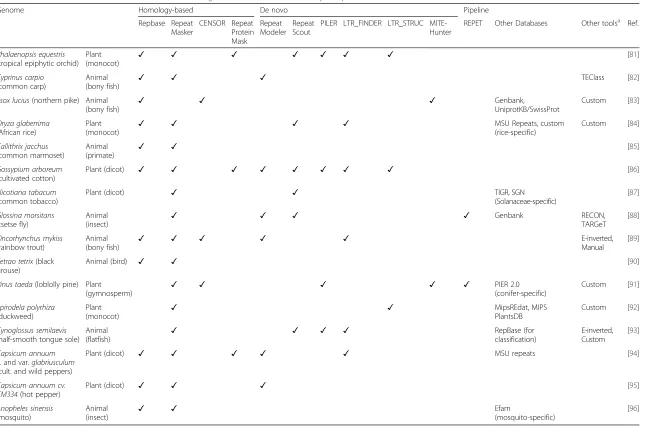
(Table 1), as follows: (i) Mask simple repeats (e.g., TRF
[29]); (ii) Generate a library of ostensible TE sequences
using repetitiveness-based tools (e.g., RepeatModeler,
RepeatScout [30
–
32]), often augmented with one or
more structure-based programs (e.g., LTR_FINDER [33],
LTR_STRUC [34], or MITE-Hunter [35]); (iii) Classify
consensus sequences into families (e.g., RepeatModeler
[30] or RepClass [36]); (iv) Combine with an existing
li-brary of TE consensus sequences (or models) (e.g.,
RepBase [37] or recently Dfam [3]); (v) Finally, align the
TE consensus sequences (or models) to the genome
(e.g., either RepeatMasker [38] or Censor [39] with
de-pendencies on sequence similarity tools such as
cross_-match [40], BLAST [41, 42], or nhmmer [43]). Different
annotators often use and combine the tools in different
ways, using different settings and ad hoc results filtering,
library merging, and manual steps. A few groups have
developed more complete pipelines that combine a
wider selection of tools in a consistent manner (e.g.,
REPET [44]). A growing number of tools also operate
directly on unassembled short genomic reads [45
–
50].
Finally, there are a small number of groups using largely
manual methods to refine the libraries generated by
these automated pipelines to create high quality TE
li-braries (Table 1) [3, 37, 51].
Why do we urgently need benchmarks?
TE predictions made by various methods are often quite
divergent, with different tools having different strengths
and weaknesses, competencies, and complementarities
[8, 24, 52, 53] (Fig. 1). Why then are so few tools
com-monly used? How optimal are the various combinations
of tools that are used? Most importantly, how accurate
are the TE annotations that are produced?
In related disciplines including genome assembly [54],
multiple sequence alignment [55
–
57], variant calling [58,
59], and cancer genomics [60], standard benchmarks
have been successfully employed to measure and
im-prove the accuracy of computational tools and
method-ologies. For example, in the area of protein structure
prediction, researchers have taken great efforts to tackle
the benchmarking problem for over 20 years [61].
However, for TE annotation, there is currently no
standard way to measure or compare the accuracy of
particular methods or algorithms. In general, there is a
tradeoff between increased rates of true vs. false
posi-tives, both between different tools and between different
settings for any given tool, a tradeoff that should ideally
be optimized for each study. For instance, a study
attempting to describe reasonable upper bounds of TE
contributions to genome size might benefit from
in-creased sensitivity (at the cost of specificity), while a
study attempting to identify high stringency TE-derived
regulatory regions might benefit from the converse.
Re-gardless of the approach chosen for a study
—
even if it is
a de facto standard tool with default settings
—
the
result-ant tradeoff between false and true positives ought to be
quantified and reported. However, the current state of
TE annotation does not facilitate such distinctions,
Repbase Repeat Masker
CENSOR Repeat Protein Mask
Repeat Modeler
Repeat Scout
PILER LTR_FINDER LTR_STRUC MITE-Hunter
REPET Other Databases Other toolsa Ref.
Phalaenopsis equestris (tropical epiphytic orchid)
Plant
(monocot) ✓ ✓ ✓ ✓ ✓ ✓ ✓
[81]
Cyprinus carpio (common carp)
Animal (bony fish)
✓ ✓ ✓ TEClass [82]
Esox lucius(northern pike) Animal
(bony fish) ✓ ✓ ✓
Genbank,
UniprotKB/SwissProt
Custom [83]
Oryza glaberrima (African rice)
Plant (monocot)
✓ ✓ ✓ ✓ MSU Repeats, custom
(rice-specific)
Custom [84]
Callithrix jacchus (common marmoset)
Animal
(primate) ✓ ✓
[85]
Gossypium arboreum (cultivated cotton)
Plant (dicot) ✓ ✓ ✓ ✓ ✓ ✓ ✓ ✓ [86]
Nicotiana tabacum (common tobacco)
Plant (dicot) ✓ ✓ TIGR, SGN
(Solanaceae-specific)
[87]
Glossina morsitans (tsetse fly)
Animal (insect)
✓ ✓ ✓ ✓ Genbank RECON,
TARGeT [88]
Oncorhynchus mykiss (rainbow trout)
Animal
(bony fish) ✓ ✓ ✓ ✓ ✓
E-inverted, Manual
[89]
Tetrao tetrix(black grouse)
Animal (bird) ✓ ✓ [90]
Pinus taeda(loblolly pine) Plant
(gymnosperm) ✓ ✓ ✓ ✓ ✓
PIER 2.0 (conifer-specific)
Custom [91]
Spirodela polyrhiza (duckweed)
Plant (monocot)
✓ ✓ MipsREdat, MIPS
PlantsDB
Custom [92]
Cynoglossus semilaevis (half-smooth tongue sole)
Animal
(flatfish) ✓ ✓ ✓ ✓
RepBase (for classification)
E-inverted, Custom
[93]
Capsicum annuum L. and var.glabriusculum (cult. and wild peppers)
Plant (dicot) ✓ ✓ ✓ ✓ ✓ MSU repeats [94]
Capsicum annuum cv. CM334(hot pepper)
Plant (dicot) ✓ ✓ ✓ [95]
Anopheles sinensis (mosquito)
Animal
(insect) ✓ ✓
Efam
(mosquito-specific)
[96]
a
Not all tools used in building TE libraries are listed (e.g., UCLUST, MUSCLE)
DNA
(2015) 6:13
Page
3
of
especially for non-experts. Instead, it is left up to
indi-vidual toolmakers, prospective tool users, or even
down-stream researchers to evaluate annotation accuracy. A
few toolmakers with sufficient resources do invest the
significant amount of effort required to assemble their
own (often unpublished) test data sets and evaluate the
accuracy of their tools. But for many toolmakers and
most users, it is in practice too onerous to properly
as-sess which methods, tools, and parameters may best suit
their needs. The absence of standard benchmarks is thus
Fig. 1Variation among TE annotation tools.aTE coverage in theArabidopsis thalianagenome resulting from three commonly used
repetitiveness-based de novo tools, compared to a reference set of TEs [8]. The total amount of TE coverage differs between the three, as does the fraction of the reference TEs that were found or missed and the amount of non-reference putative TEs.bFull-length LTR TEs in theDrosophila melanogasterX chromosome found by five different LTR-specific de novo tools, compared to a reference set of TEs [24]. Similar toabut even more pronounced, the number of TEs found by the tools and their agreement with the reference set vary widely.cA 100-kbp segment of the Arabidopsis lyratagenome (scaffold_1:14,957,501-15,057,500) displayed on a custom UCSC genome browser [76, 77], illustrating differences among TE annotations resulting from several approaches, as well as additional genomic data useful in identifying bona fide TEs. From top to bottom, the tracks represent: RepeatMasker annotations using libraries from Repbase [37], RepeatModeler [30], REPET [44], or de la Chaux et al. [78]; full-length LTR TE predictions by LTR_Finder [33] or LTRharvest [79]; tandem repeat predictions by TRF [29]; gene models predictions by FGenesH [80]; a set of TE-specific domains [13]; mapped mRNA and small RNA short reads [77]; inter-species conservation (alignment percent identity plots) to other Brassicaceae species [77]; and genome self-alignment depth (generated with LASTZ)
an impediment to innovation because it reduces
tool-makers
’
ability and motivation to develop new and more
accurate tools or to improve the accuracy of existing
tools. Perhaps most importantly, the absence of
bench-marks thwarts debate over TE annotation accuracy
be-cause there simply is little data to discuss. This lack of
debate has the insidious effect that many of the ultimate
end-users of TE annotation, researchers in the broader
genomics, and genetics community who are not TE
ex-perts are left largely unaware of the complexities and
pitfalls of TE annotation. These downstream researchers
thus often simply ignore the impact of TE annotation
quality on their results, leading to potentially avoidable
problems, such as failed experiments or invalid
conclu-sions. Thus, the lack of TE annotation benchmarks
hin-ders the progress of not only TE research but also
genomics and related fields in general.
At a recent conference at McGill University
’
s Bellairs
Research Institute (St. James Parish, Barbados), a group
of TE annotation and tools experts, including the
au-thors, met to discuss these issues. We identified, as a
cornerstone of future improvements to computational
TE identification systems, a pressing need to create and
to widely adopt benchmarks to measure the accuracy of
TE annotation methods and tools and to facilitate
mean-ingful comparisons between them. To clarify, we propose
to generate benchmarks for genomic TE annotations, not
intermediate steps such as library creation, although the
latter would also be interesting to benchmark eventually.
Benchmark creation will help alleviate all of the
aforemen-tioned issues. It will enable tool users to choose the best
available tool(s) for their studies and to produce more
ac-curate results, and it will democratize access, encouraging
tool creation by additional researchers, particularly those
with limited resources. Establishing benchmarks might
also encourage the development of experimental pipelines
to validate computational TE predictions. Perhaps most
importantly, the adoption of standard benchmarks will
in-crease transparency and accessibility, stimulating debate
and leading the broader genomics-related research
com-munity towards an improved understanding of TEs and
TE annotation. Thus, creating benchmarks may lead not
only to improved annotation accuracy but may help to
de-mystify a critical area of research that, relative to its
im-portance, is often neglected and misinterpreted. We
therefore believe that the TE research community should
resolve to agree upon, create, and adopt standard sets of
TE annotation benchmarks.
What might TE annotation benchmarks consist of?
One of the reasons the TE annotation community still
does not have accepted benchmarks may be that
creat-ing them is more challengcreat-ing than in other fields. There
are many possibilities for the form of such benchmarks
and how they could be created. Ideally, they would
con-sist of diverse, perfectly annotated, real genomic
se-quences; however, irrespective of the efforts made, a
perfect TE annotation is impossible to achieve because it
is irrevocably based on and limited by current TE
detec-tion methods. For instance, greatly decayed and rare TEs
are difficult to detect and thus are sources of false
nega-tives. Furthermore, highly heterogeneous TEs can be
dif-ficult to accurately assign to families, especially when
they are decayed. To illustrate the potential extent of the
first of these sources, it is likely that much of the
unan-notated part (about 40 %) of the human genome is
com-prised of ancient TE relics that are too diverged from
each other to be currently recognized as such [1, 2, 8,
62, 63]. At a smaller scale, low copy-number TEs are
missed by methods that rely on repetitiveness, including
most tools used for building repeat libraries, but could
be (originally) detected by structural signatures or by
ap-proaches using comparative genomics or other genomic
attributes. An example of problematic TEs with
ill-defined and highly heterogeneous structure is the
heli-tron superfamily. Heliheli-trons were initially discovered by
computational analysis, based on the repetitiveness of
some helitron families and the presence of genes and
structural features not found in other TEs [64].
Al-though some families in some genomes can be detected
through repetitiveness, in general, helitrons are
espe-cially difficult to detect because they do not have strong
structural signatures, are often quite large, lack
“
canon-ical
”
TE genes, and conversely often do contain
seg-ments of low copy-number, non-TE (transduplicated)
genome sequence [65
–
67]. Yet in many species,
heli-trons represent one of the most frequent types of TEs in
the genome [64, 68
–
70]. In general, such false negatives
in annotated real genomic data are a problem for
bench-marking, since tools that manage to detect true TEs
missing from the benchmark would be wrongly
penal-ized. Conversely, false positives present in the
bench-mark would penalize tools with improved specificity.
Ideally, the benchmarks would provide support for
prob-abilistic annotations in order to help account for such
uncertainties.
used to produce false-positive benchmarks in which no
true TE instances are expected to be found. These
in-clude reversing (but not complementing) real genomic
sequence [3, 72] (which is also useful for detecting false
extensions, i.e., predicted boundaries that extend beyond
actual TEs [73]), shuffling real sequence while preserving
mono- or di-nucleotide frequencies [2], and generating
sequence using higher-order models [74]. Higher-order
models may incorporate multiple key aspects of genome
composition, complexity, and repeats, such as the
diver-sity of TEs and their insertion patterns, the distribution
of simple repeats and GC-content (compositional
do-mains), varying rates of TE deletion, and other
evolu-tionary processes [75]. Finally, it is important in any of
these analyses to distinguish false positives (sequences
that may have been generated by chance from mutation
processes) from mis-annotation (sequences derived from
other repetitive sequence or other TEs than the one
be-ing considered).
Even greater challenges are to predict mis-annotation
or compound annotation of gene-like sequences that
may be derived from TEs, as well as low complexity
re-gions (e.g., CpG islands, pyrimidine stretches, and
AT-rich regions) [74]. Another serious challenge is to avoid
creating biases either for or against the methods used to
initially identify any TEs incorporated into the models;
for instance, if a certain tool originally identified a TE
se-quence, then that tool may have an advantage in
accur-ately (re-) identifying the TE in a simulated genome.
Furthermore, simulated genomes are not currently
use-ful in evaluating TE annotation methods that employ
additional types of data that are impractical to simulate,
such as comparative genomic data or realistic
popula-tions of small RNA sequences. Finally and most
funda-mentally, the unknown cannot be modeled, and much
about TE sequences, how they transpose, and how they
evolve remains unknown. We need to consider, for
ex-ample, how much our techniques are biased towards the
types of TEs present in taxa that we have studied most
intensively (e.g., mammals) and against TEs that have
evolved in under-represented genomes. Thus, in
design-ing and usdesign-ing standard benchmarks, we must remain
cognizant that while improving our ability to detect and
annotate TEs, they will also be ultimately limited by
current knowledge of TEs and genome evolution.
Although this article is intended to promote discussion
rather than providing ultimate solutions, we believe that
an ideal benchmark data set would be as follows:
Contributed, vetted, and periodically revised by the
TE annotation community;
Publicly available;
A mixture of different types of simulated sequences
and well-annotated real genomic regions;
Sufficiently large in size to allow accurate
assessment of tool performance;
Representative of the biological diversity of genomes
(e.g., size, TE density and family representation,
evolutionary rates, and GC-content);
Representative of the various states of assembly of
ongoing genome sequencing projects;
Accompanied by open-source support software that
provides both online methods and an application
programming interface (API) to compute a range of
detailed meaningful statistics on the agreement
between a user
’
s annotation and the benchmark
data set;
Eventually, provide support for probabilistic
annotations that represent uncertainties, both at the
level of the benchmark itself and user submitted
annotations.
Why and how should researchers contribute?
The success of this effort depends on buy-in from the
TE community to create and contribute benchmark data
sets, to use them in their own work, and to promote their
adoption. Because of the multiple challenges involved in
the creation of these benchmarks, it is unlikely that any
first version will be completely satisfactory; however, this
should not be used as an argument to dismiss this type of
effort but rather to contribute to its improvement. In the
coming months, we would like to initiate discussions with
the wider TE community on the ideal format of a first
set of TE benchmarks and to begin collecting data sets.
We invite the entire TE research community to join us
in this effort by providing feedback on the issues raised
in this article, by commenting on specific benchmark
data set proposals as they are made available, and by
contributing their own benchmark data set proposals.
To do so, please visit the project
’
s website at http://
cgl.cs.mcgill.ca/transposable-element-benchmarking, or
contact the authors.
Abbreviations
API:application programming interface; LTR: long terminal repeat; TE: transposable element or DNA originating from them.
Competing interests
The authors declare that they have no competing interests.
Authors’contributions
MB—with the help of TB, DH, and GH—conceived of the topic and organized the conference. All authors (DH, GH, GB, JC, RC, CF, AF, AH, RH, AK, EL, FM, DP, HQ, AS, TW, TB, and MB) participated in discussions leading to the ideas presented. DH wrote the manuscript. FM and EL provided data for the figure. All authors read, revised, and approved the final version of the manuscript.
Acknowledgements
This work was funded by a Bioinformatics and Computational Biology grant to MB and TB from Genome Canada, Genome Québec, and the Canadian Institutes for Health Research.
Author details
1
School of Computer Science, McGill University, McConnell Engineering Bldg., Rm. 318, 3480 Rue University, Montréal, Québec H3A 0E9, Canada. 2
Department of Biology, McGill University, Stewart Biology Bldg., 1205 Ave. du Docteur-Penfield, Montréal, Québec H3A 1B1, Canada.3McGill Centre for Bioinformatics, McGill University, Montréal, Québec, Canada.4Department of Human Genetics, McGill University, Montréal, Québec, Canada.5McGill University and Génome Québec Innovation Center, Montréal, Québec, Canada.6Centre for Research in Agricultural Genomics CSIC-IRTA-UAB-UB, 08193 Barcelona, Spain.7Université de Poitiers, UMR CNRS 7267 Ecologie et Biologie des Interactions, Equipe Ecologie Evolution Symbiose, 5 Rue Albert Turpin, 86073 Poitiers Cedex 9, France.8Department of Human Genetics, University of Utah School of Medicine, Salt Lake City, UT 84112, USA.9Institut des Sciences de l’Evolution de Montpellier (ISE-M), Equipe Evolution, Vecteurs, Adaptation et Symbiose, UMR5554 CNRS-Université Montpellier, Montpellier 34090, cedex 05, France.10Laboratoire Evolution, Génomes, Comportement Ecologie, CNRS—Université Paris-Sud (UMR 9191)—IRD (UMR 247)—Université Paris-Saclay, F-91198 Gif-sur-Yvette, France.11Institute for Systems Biology, 401 Terry Ave. N, Seattle, WA 98109, USA.12Laboratoire Biometrie et Biologie Evolutive, Universite Claude Bernard—Lyon 1, UMR-CNRS 5558—Bat. Mendel, 43 bd du 11 novembre 1918, 69622 Villeurbanne cedex, France.13INRA, UR1164 URGI—Research Unit in Genomics-Info, INRA de Versailles-Grignon, Route de Saint-Cyr, Versailles 78026, France.14University of Colorado School of Medicine, Aurora, CO 80045, USA.15Department of Computer Science, University of Montana, Missoula, MT 59812, USA.
Received: 25 June 2015 Accepted: 22 July 2015
References
1. Lander ES, Linton LM, Birren B, Nusbaum C, Zody MC, Baldwin J, et al. Initial sequencing and analysis of the human genome. Nature. 2001;409:860–921. 2. de Koning APJ, Gu W, Castoe TA, Batzer MA, Pollock DD. Repetitive
elements may comprise over two-thirds of the human genome. PLoS Genet. 2011;7, e1002384.
3. Wheeler TJ, Clements J, Eddy SR, Hubley R, Jones TA, Jurka J, et al. Dfam: a database of repetitive DNA based on profile hidden Markov models. Nucleic Acids Res. 2013;41(Database issue):D70–82.
4. Schnable PS, Ware D, Fulton RS, Stein JC, Wei F, Pasternak S, et al. The B73 maize genome: complexity, diversity, and dynamics. Science.
2009;326:1112–1115.
5. Solyom S, Kazazian HH. Mobile elements in the human genome: implications for disease. Genome Med. 2012;4:12.
6. Kazazian HH. Mobile elements: drivers of genome evolution. Science. 2004;303:1626–32.
7. Cordaux R, Batzer MA. The impact of retrotransposons on human genome evolution. Nat Rev Genet. 2009;10:691–703.
8. Maumus F, Quesneville H. Deep investigation of Arabidopsis thaliana junk DNA reveals a continuum between repetitive elements and genomic dark matter. PLoS One. 2014;9, e94101.
9. Gifford WD, Pfaff SL, Macfarlan TS. Transposable elements as genetic regulatory substrates in early development. Trends Cell Biol. 2013; doi:10.1016/j.tcb.2013.01.001
10. Lisch DR, Bennetzen JL. Transposable element origins of epigenetic gene regulation. Curr Opin Plant Biol. 2011;14:156–61.
11. Hoen DR, Bureau TE. in Plant transposable elements. Springer Berlin Heidelberg; 2012. 24, p. 219–251.
12. Volff J-N. Turning junk into gold: domestication of transposable elements and the creation of new genes in eukaryotes. Bioessays. 2006;28:913–22. 13. Hoen DR, Bureau TE. Discovery of novel genes derived from transposable
elements using integrative genomic analysis. Mol Biol Evol. 2015;32:1487–1506.
14. Li Y, Li C, Xia J, Jin Y. Domestication of transposable elements into MicroRNA genes in plants. PLoS One. 2011;6, e19212.
15. Kelley D, Rinn J. Transposable elements reveal a stem cell-specific class of long noncoding RNAs. Genome Biol. 2012;13:R107.
16. Kapusta A, Kronenberg Z, Lynch VJ, Zhuo X, Ramsay L, Bourque G, et al. Transposable elements Are major contributors to the origin, diversification, and regulation of vertebrate long noncoding RNAs. PLoS Genet. 2013;9:e1003470.
17. Jacques P-É, Jeyakani J, Bourque G. The majority of primate-specific regulatory sequences are derived from transposable elements. PLoS Genet. 2013;9, e1003504.
18. Sundaram V, Cheng Y, Ma Z, Li D, Xing X, Edge P, et al. Widespread contribution of transposable elements to the innovation of gene regulatory networks. Genome Res. 2014;24:1963–76.
19. Wicker T, Sabot F, Hua-Van A, Bennetzen JL, Capy P, Chalhoub B, et al. A unified classification system for eukaryotic transposable elements. Nat Rev Genet. 2007;8:973–82.
20. Kapitonov VV, Jurka J. A universal classification of eukaryotic transposable elements implemented in Repbase. Nat Rev Genet. 2008;9:411–2. author reply 414.
21. Quesneville H, Bergman CM, Andrieu O, Autard D, Nouaud D, Ashburner M, et al. Combined evidence annotation of transposable elements in genome sequences. PLoS Comput Biol. 2005;1:166–75.
22. Hu TT, Pattyn P, Bakker EG, Cao J, Cheng J-F, Clark RM, et al. The Arabidopsis lyrata genome sequence and the basis of rapid genome size change. Nat Genet. 2011;43:476–81.
23. Bergman CM, Quesneville H. Discovering and detecting transposable elements in genome sequences. Brief Bioinformatics. 2007;8:382–92. 24. Lerat E. Identifying repeats and transposable elements in sequenced
genomes: how to find your way through the dense forest of programs. Heredity. 2010;104:520–33.
25. Flutre T, Permal E, Quesneville H. in Plant transposable elements. Springer Berlin Heidelberg; 2012. 24, p. 17–39.
26. Saha S, Bridges S, Magbanua ZV, Peterson DG. Computational approaches and tools used in identification of dispersed repetitive DNA sequences. Tropical Plant Biol. 2008;1:85–96.
27. Caspi A, Pachter L. Identification of transposable elements using multiple alignments of related genomes. Genome Res. 2006;16:260–70.
28. El-Baidouri M, Kim KD, Abernathy B, Arikit S, Maumus F, Panaud O, et al.A new approach for annotation of transposable elements using small RNA mapping. Nucleic Acids Res. 2015;gkv257.
29. Benson G. Tandem repeats finder: a program to analyze DNA sequences. Nucleic Acids Res. 1999;27:573–80.
30. Smit A, Hubley R. RepeatModeler Open-1.0. Repeat Masker Website (2010) at <http://www.repeatmasker.org>.
31. Bao Z, Eddy SR. Automated de novo identification of repeat sequence families in sequenced genomes. Genome Res. 2002;12:1269–76. 32. Price AL, Jones NC, Pevzner PA. De novo identification of repeat families in
large genomes. Bioinformatics. 2005;21 Suppl 1:i351–8.
33. Xu Z, Wang H. LTR_FINDER: an efficient tool for the prediction of full-length LTR retrotransposons. Nucleic Acids Res. 2007;35:W265–8.
34. McCarthy EM, McDonald JF. LTR_STRUC: a novel search and identification program for LTR retrotransposons. Bioinformatics. 2003;19:362–7. 35. Han Y, Wessler SR. MITE-Hunter: a program for discovering miniature
inverted-repeat transposable elements from genomic sequences. Nucleic Acids Res. 2010;38:e199–9.
36. Feschotte C, Keswani U, Ranganathan N, Guibotsy ML, Levine D. Exploring repetitive DNA landscapes using REPCLASS, a tool that automates the classification of transposable elements in eukaryotic genomes. Genome Biol Evol. 2009;1:205–20.
37. Jurka J, Kapitonov VV, Pavlicek A, Klonowski P, Kohany O, Walichiewicz J. Repbase update, a database of eukaryotic repetitive elements. Cytogenet Genome Res. 2005;110:462–7.
38. Smit A, Hubley R, Green P. 1996–2010. RepeatMasker Open-3.0. at <http://www.repeatmasker.org>.
39. Kohany O, Gentles AJ, Hankus L, Jurka J. Annotation, submission and screening of repetitive elements in Repbase: RepbaseSubmitter and Censor. BMC Bioinformatics. 2006;7:474.
40. Green P. Cross_match. at <http://www.phrap.org/phredphrapconsed.html>. 41. Altschul SF, Gish W, Miller W, Myers EW, Lipman DJ. Basic local alignment
search tool. J Mol Biol. 1990;215:403–10.
42. Camacho C, Coulouris G, Avagyan V, Ma N, Papadopoulos J, Bealer K, et al. BLAST+: architecture and applications. BMC Bioinformatics. 2009;10(1):421. http://doi.org/10.1186/1471-2105-10-421.
43. Wheeler TJ, Eddy SR. nhmmer: DNA homology search with profile HMMs. Bioinformatics. 2013;29:2487–9.
45. Li R, Ye J, Li S, Wang J, Han Y, Ye C, et al. ReAS: recovery of ancestral sequences for transposable elements from the unassembled reads of a whole genome shotgun. PLoS Comput Biol. 2005;1:313–21.
46. DeBarry JD, Liu R, Bennetzen JL. Discovery and assembly of repeat family pseudomolecules from sparse genomic sequence data using the assisted automated assembler of repeat families (AAARF) algorithm. BMC Bioinformatics. 2008;9:235.
47. Keane TM, Wong K, Adams DJ. RetroSeq: transposable element discovery from next-generation sequencing data. Bioinformatics. 2013;29:389–90. 48. Zytnicki M, Akhunov E, Quesneville H. Tedna: a transposable element de
novo assembler. Bioinformatics. 2014;30:2656–8.
49. Koch P, Platzer M, Downie BR. RepARK—de novo creation of repeat libraries from whole-genome NGS reads. Nucleic Acids Res. 2014;42:gku210–e80.
50. Fiston-Lavier A-S, Barrón MG, Petrov DA, González J. T-lex2: genotyping, frequency estimation and re-annotation of transposable elements using single or pooled next-generation sequencing data. Nucleic Acids Res. 2015;43:e22–2.
51. Ouyang S, Buell C. The TIGR plant repeat databases: a collective resource for the identification of repetitive sequences in plants. Nucleic Acids Res. 2004;32:D360–3.
52. Saha S, Bridges S, Magbanua ZV, Peterson DG. Empirical comparison of ab initio repeat finding programs. Nucleic Acids Res. 2008;36:2284–94. 53. Ragupathy R, You FM, Cloutier S. Arguments for standardizing transposable
element annotation in plant genomes. Trends Plant Sci. 2013; doi:10.1016/ j.tplants.2013.03.005.
54. Bradnam KR, Fass JN, Alexandrov A, Baranay P, Bechner M, Birol I, et al. Assemblathon 2: evaluating de novo methods of genome assembly in three vertebrate species. Gigascience. 2013;2:10.
55. Balaji S, Sujatha S, Kumar SS, Srinivasan N. PALI—a database of Phylogeny and ALIgnment of homologous protein structures. Nucleic Acids Res. 2001;29:61–5.
56. Van Walle I, Lasters I, Wyns L. SABmark—a benchmark for sequence alignment that covers the entire known fold space. Bioinformatics. 2005;21:1267–8.
57. Thompson JD, Koehl P, Ripp R, Poch O. BAliBASE 3.0: latest developments of the multiple sequence alignment benchmark. Proteins. 2005;61:127–36. 58. Talwalkar A, Liptrap J, Newcomb J, Hartl C, Terhorst J, Curtis K, et al. SMaSH:
a benchmarking toolkit for human genome variant calling. Bioinformatics. 2014;30:2787–2795.
59. Kim SY, Speed TP. Comparing somatic mutation-callers: beyond Venn diagrams. BMC Bioinformatics. 2013;14:189.
60. Boutros PC, Margolin AA, Stuart JM, Califano A, Stolovitzky G. Toward better benchmarking: challenge-based methods assessment in cancer genomics. Genome Biol. 2014;15:462.
61. Moult J. A decade of CASP: progress, bottlenecks and prognosis in protein structure prediction. Curr Opin Struct Biol. 2005;15:285–9.
62. Doolittle WF, Sapienza C. Selfish genes, the phenotype paradigm and genome evolution. Nature. 1980;284:601–3.
63. Smit AF. The origin of interspersed repeats in the human genome. Curr Opin Genet Dev. 1996;6:743–8.
64. Kapitonov VV, Jurka J. Rolling-circle transposons in eukaryotes. Proc Natl Acad Sci U S A. 2001;98:8714–9.
65. Jiang N, Bao Z, Zhang X, Eddy SR, Wessler SR. Pack-MULE transposable elements mediate gene evolution in plants. Nature. 2004;431:569–73. 66. Juretic N, Hoen DR, Huynh ML, Harrison PM, Bureau TE. The evolutionary
fate of MULE-mediated duplications of host gene fragments in rice. Genome Res. 2005;15:1292–7.
67. Morgante M, Brunner S, Pea G, Fengler K, Zuccolo A, Rafalski A. Gene duplication and exon shuffling by helitron-like transposons generate intraspecies diversity in maize. Nat Genet. 2005;37:997–1002.
68. Pritham EJ, Feschotte C. Massive amplification of rolling-circle transposons in the lineage of the bat Myotis lucifugus. Proc Natl Acad Sci U S A. 2007;104:1895–900.
69. Yang L, Bennetzen JL. Distribution, diversity, evolution, and survival of Helitrons in the maize genome. Proc Natl Acad Sci U S A. 2009;106:19922–7. 70. Thomas J, Vadnagara K, Pritham. DINE-1, the highest copy number repeats
in Drosophila melanogaster are non-autonomous endonuclease-encoding rolling-circle transposable elements (helentrons). Mob DNA. 2014;5:18. 71. Edgar RC, Asimenos G, Batzoglou S, Sidow A. Evolver. at
<http://www.drive5.com/evolver>.
72. Schwartz S, Kent WJ, Smit A, Zhang Z, Baertsch R, Hardison RC, et al. Human-mouse alignments with BLASTZ. Genome Res. 2003;13(1):103–7. http://doi.org/10.1101/gr.809403.
73. Frith MC, Park Y, Sheetlin SL, Spouge JL. The whole alignment and nothing but the alignment: the problem of spurious alignment flanks. Nucleic Acids Res. 2008;36:5863–71.
74. Caballero J, Smit AFA, Hood L, Glusman G. Realistic artificial DNA sequences as negative controls for computational genomics. Nucleic Acids Res. 2014;42:e99–9.
75. Levin HL, Moran JV. Dynamic interactions between transposable elements and their hosts. Nat Rev Genet. 2011;12:615–27.
76. Kent WJ, Sugnet CW, Furey TS, Roskin KM, Pringle TH, Zahler AM, et al. The human genome browser at UCSC. Genome Res. 2002;12(6):996–1006. http://doi.org/10.1101/gr.229102
77. Haudry A, Platts AE, Vello E, Hoen DR, Leclercq M, Williamson RJ, et al. An atlas of over 90,000 conserved noncoding sequences provides insight into crucifer regulatory regions. Nat Genet. 2013;45:891–8.
78. de-la-Chaux N, Tsuchimatsu T, Shimizu KK, Wagner A. The predominantly selfing plant Arabidopsis thaliana experienced a recent reduction in transposable element abundance compared to its outcrossing relative Arabidopsis lyrata. Mob DNA. 2012;3:2.
79. Ellinghaus D, Kurtz S, Willhoeft U. LTRharvest, an efficient and flexible software for de novo detection of LTR retrotransposons. BMC Bioinformatics. 2008;9:18.
80. Salamov AA, Solovyev VV. Ab initio gene finding in Drosophila genomic DNA. Genome Res. 2000;10:516–22.
81. Cai J, Liu X, Vanneste K, Proost S, Tsai W-C, Liu K-W, et al. The genome sequence of the orchid Phalaenopsis equestris. Nat Genet. 2015;47(1):65–72. http://doi.org/10.1038/ng.3149.
82. Xu P, Zhang X, Wang X, Li J, Liu G, Kuang Y, et al. Genome sequence and genetic diversity of the common carp, Cyprinus carpio. Nat Genet. 2014;46:1212–9. http://doi.org/10.1038/ng.3098.
83. Rondeau EB, Minkley DR, Leong JS, Messmer AM, Jantzen JR, Schalburg von KR, et al. The genome and linkage map of the northern pike (Esox lucius): conserved synteny revealed between the salmonid sister group and the Neoteleostei. PLoS One. 2014;9(7), e102089. http://doi.org/10.1371/ journal.pone.01020.
84. Wang M, Yu Y, Haberer G, Marri PR, Fan C, Goicoechea JL, et al. The genome sequence of African rice (Oryza glaberrima) and evidence for independent domestication. Nat Genet. 2014;46(9):982–8. http://doi.org/ 10.1038/ng.3044.
85. Marmoset Genome Sequencing and Analysis Consortium. The common marmoset genome provides insight into primate biology and evolution. Nat Genet. 2014;46:850–7.
86. Li F, Fan G, Wang K, Sun F, Yuan Y, Song G, et al. Genome sequence of the cultivated cotton Gossypium arboreum. Nat Genet. 2014;46(6):567–72. http://doi.org/10.1038/ng.2987.
87. Sierro N, Battey JND, Ouadi S, Bakaher N, Bovet L, Willig A, et al. The tobacco genome sequence and its comparison with those of tomato and potato. Nat Commun. 2014;5:3833. http://doi.org/10.1038/ncomms4833. 88. International Glossina Genome Initiative. Genome sequence of the tsetse fly
(Glossina morsitans): vector of African trypanosomiasis. Science. 2014;344:380–386. 89. Berthelot C, Brunet F, Chalopin D, Juanchich A, Bernard M, Noel B, et al. The
rainbow trout genome provides novel insights into evolution after whole-genome duplication in vertebrates. Nat Commun. 2014;5:3657. http://doi.org/10.1038/ncomms4657.
90. Wang B, Ekblom R, Bunikis I, Siitari H, Höglund J. Whole genome sequencing of the black grouse (Tetrao tetrix): reference guided assembly suggests faster-Z and MHC evolution. BMC Genomics. 2014;15:180. 91. Wegrzyn JL, Liechty JD, Stevens KA, Wu L-S, Loopstra CA, Vasquez-Gross HA,
et al. Unique features of the loblolly pine (Pinus taeda L.) megagenome revealed through sequence annotation. Genetics. 2014;196(3):891–909. http://doi.org/10.1534/genetics.113.159996.
92. Wang W, Haberer G, Gundlach H, Gläßer C, Nussbaumer T, Luo MC, et al. The Spirodela polyrhiza genome reveals insights into its neotenous reduction fast growth and aquatic lifestyle. Nat Commun. 2014;5. http://doi.org/10.1038/ncomms4311.
93. Chen S, Zhang G, Shao C, Huang Q, Liu G, Zhang P, et al. Whole-genome sequence of a flatfish provides insights into ZW sex chromosome evolution and adaptation to a benthic lifestyle. Nat Genet. 2014;46(3):253–60. http://doi.org/10.1038/ng.2890.
94. Qin C, Yu C, Shen Y, Fang X, Chen L, Min J, et al. Whole-genome sequencing of cultivated and wild peppers provides insights into Capsicum domestication and specialization. Pnas. 2014;111(14):5135–40. http://doi.org/ 10.1073/pnas.1400975111.
95. Kim S, Park M, Yeom S-I, Kim Y-M, Lee JM, Lee H-A, et al. Genome sequence of the hot pepper provides insights into the evolution of pungency in Capsicum species. Nat Genet. 2014;46(3):270–8. http://doi.org/10.1038/ ng.2877.
96. Zhou D, Zhang D, Ding G, Shi L, Hou Q, Ye Y, et al. Genome sequence of Anopheles sinensis provides insight into genetics basis of mosquito competence for malaria parasites. BMC Genomics. 2014;15(1):42. http://doi.org/10.1186/1471-2164-15-42.
Submit your next manuscript to BioMed Central
and take full advantage of:
• Convenient online submission
• Thorough peer review
• No space constraints or color figure charges
• Immediate publication on acceptance
• Inclusion in PubMed, CAS, Scopus and Google Scholar
• Research which is freely available for redistribution
![Fig. 1more pronounced, the number of TEs found by the tools and their agreement with the reference set vary widely.Arabidopsis lyrata genome (scaffold_1:14,957,501-15,057,500) displayed on a custom UCSC genome browser [76, 77], illustrating differences amo](https://thumb-us.123doks.com/thumbv2/123dok_us/639492.2063985/4.595.58.538.88.543/pronounced-agreement-reference-arabidopsis-scaffold-displayed-illustrating-differences.webp)
