Report
Community Genet 2001;4:175–196
Integrating Genetic Services into Public Health –
Guidance for State and Territorial Programs
from the National Newborn Screening and
Genetics Resource Center (NNSGRC)
Edited by: Celia I. Kaye
aRenata Laxova
bJudith E. Livingston
a, fMichele A. Lloyd-Puryear
cMarie Mann
cEdward R.B. McCabe
d, eBradford L. Therrell
a, f1aDepartment of Pediatrics, University of Texas Health Science Center at San Antonio, San Antonio, Tex., bDepartment of Pediatrics and Medical Genetics, University of Wisconsin, Madison, Wisc.,
cMaternal and Child Health Bureau, Health Resources and Services Administration, Rockville, Md., dDepartment of Pediatrics, UCLA School of Medicine, Los Angeles, Calif., eCenter for the Society,
the Individual and Genetics, UCLA, Los Angeles, Calif., fNational Newborn Screening and
Genetics Resource Center, Austin, Tex., USA
1 On behalf of the Genetics Advisory Committee of the National Newborn
Screening and Genetics Resource Center (see Appendix B for a complete listing of committee members contributing to this paper).
Key Words
Public health
WGenetics
WGuidance
WPolicy
WAssessment
WAssurance
Introduction
During the past decade, there have been many
ad-vances in genetics, most resulting from mapping the
human genome through the Human Genome Project and
other research initiatives. Research in the next decade will
bring an understanding of genetic/biologic risk and
pro-tective factors, and a description of the influence of the
environment on genetic variation. Tests will continue to
be developed to identify both individuals with genetic
dis-orders and asymptomatic individuals with a genetic
pre-disposition to (a) particular disorder(s).
This expanded knowledge base in genetic medicine is
having, and will continue to have, an impact on public
health policy and service delivery, as well as on health
care and social services practice. To optimize the impact
of this scientific knowledge, advances in genetics will
need to be integrated into public health activities.
Al-though the ability to incorporate genetic medicine into
public health and health care practice depends ultimately
on the capacity to achieve equal access to health care and
social services, optimal health also depends on the ability
to utilize the latest scientific knowledge in health care
practice – in this case, genetic medicine or knowledge
about disease causation, illness management, and health
promotion.
Unraveling the interaction between genes,
environ-ment, and behavior will require partnerships between the
public health and health care communities. Genetic
med-icine may offer new tools for both individual and
commu-nity assessment that are useful for integrating primary
care and public health activities. For example, by
identi-fying asymptomatic persons at increased risk for
acquir-ing certain disease(s) (clinical assessment), health care
professionals and public health programs may be able to
target intervention resources (assurance) more effectively.
Such collaborations should also lead to evaluation of the
clinical utility and validity of genetic tests from
informa-tion within the health care system, thus contributing to
the overall efficiency and effectiveness of health services.
However, in addition to utilizing the public health core
functions of assessment, policy development and
assur-ance [1], public health and health care communities will
also need to address the economic, legal, political, social,
moral, and ethical issues surrounding the use of genetic
information and technology.
This guidance document was developed to address
requests from state public health professionals and health
care practitioners for guidance in planning successful
integration of genetic medicine into public health and
health care services. It was developed as a cooperative
effort among experts serving on an advisory committee to
the National Newborn Screening and Genetic Resource
Center. Committee members represent a significant
num-ber of organizations and groups with interests in the
suc-cessful implementation of state genetics plans (see
Appen-dix B). The guidance incorporates ideas previously
sug-gested in the Council of Regional Networks for Genetic
Services’ (CORN) document Guidelines for Clinical
Ge-netics Services for the Public’s Health [2]. It also reflects
consideration of numerous public health initiatives
in-cluding books such as Genetics and Public Health in the
21st Century [3], and other reports such as Translating
Advances in Human Genetics into Public Health Action
[4], and Integrating Genetics into State Chronic Disease
Programs [5]. Although targeted toward states and
territo-ries in the US, information in this guidance may have
applications locally and internationally. (Note: The term
state will be used generically throughout this document to
refer to both states and territories.)
Background
Historically, federal, state, and local maternal and
child health programs in the United States have provided
leadership essential to the development of genetics for the
public’s health [6, 7]. A 1998 survey by the Council of
State and Territorial Epidemiologists indicated that state
health department program managers are becoming
in-creasingly aware of new information in genetic medicine,
its potential for health promotion and disease prevention,
and the potential for its public health impact [8]. Based on
the results of this survey, the Council recommended
cer-tain measures to allow state departments of health to plan
for reasonable and effective use of new genetic
informa-tion, genetic tests, and health promotion and disease
pre-vention measures targeting genetic disorders. As a point
of reference for planning, these recommendations are
listed here:
E
Develop a comprehensive strategic plan for genetics.
E
Increase funding for new areas in genetics.
E
Develop methods to share existing and future
re-sources in genetics with all program areas.
E
Conduct early needs assessments; plan for policy and
program development as new genetic information
re-garding specific disease areas and prevention measures
becomes available.
E
Consider the need for state regulation of genetic testing
in private laboratories; determine appropriate policy
to prevent the undesired use of genetic tests results;
and analyze new genetic tests for applicability to public
health programs.
E
Improve the genetics knowledge base of health
depart-ments.
E
Develop methods to share information among state
health departments.
The American Public Health Association’s list of
es-sential public health services [9] should also be considered
in the planning process:
E
Monitor health status to identify (individual, family
and) community health problems.
E
Diagnose and investigate health problems and health
hazards in (among individuals, families and) the
com-munity.
E
Inform, educate, and empower people about health
issues.
E
Mobilize community partnerships to identify and
solve health problems.
E
Develop policies and plans that support individual
(family) and community health efforts.
E
Enforce laws and regulations that protect health and
ensure safety.
E
Link people to needed personal health services and
assure the provision of health care when otherwise
unavailable.
E
Assure a competent public health and personal health
care workforce.
E
Evaluate effectiveness, accessibility, and quality of
personal and population-based health services.
E
Research for new insights and innovative solutions to
While maternal and child health programs continue to
be recognized for their leadership role in developing
genetics in public health, it is imperative that all public
health programs be strengthened as genetics is integrated
into them. These efforts will require a commitment to
sharing old and new resources to address identified gaps,
and should encompass integration of population-based
screening, genetic risk assessment, health promotion and
disease prevention strategies within chronic disease,
can-cer, environmental health and other programs. To foster
the integration process, many states have either
devel-oped, or are in the process of developing, a state genetics
plan (copies or links to genetics plans are available
through the NNSGRC or its website: http://genes-r-us.
uthscsa.edu). The intent of a state genetics plan is to
aug-ment the translation of genetic medicine and technology
into public health and health care practice. When engaged
in the planning processes, each state must take into
account its own population factors, fiscal milieu, provider
characteristics, and legislative and regulatory
environ-ments. However, there are common themes that should
be addressed in all state plans. Additionally, to meet the
needs of the population, states may need to consider
coor-dinating genetics activities with neighboring states. States
should use planning resources to:
E
Establish programs to eliminate barriers to
informa-tion about genetics and genetic services.
E
Optimize health status and health outcomes through
effective use of genetic medicine.
E
Assure access to quality genetic health services and
information.
E
Improve public health, health care, and social services
systems within the state through the use of genetic
medicine.
Coordination of genetics activities across local and
state agencies and health department divisions, as well as
within programs, should ensure accountability and
visi-bility of genetics throughout local and state public health
systems.
The following broad outline addresses common
themes and provides a suggested process for developing a
state genetics plan. Steps that could be followed in the
planning process are provided in table 1. Since genetics
programs and departments of public health are unique to
each state, the process for the development of local and
state genetics plans will vary. The process in table 1 is
offered to provide policy makers with elements to
consid-er in tailoring inclusive plans, that is, a process which will
assure participation of key stakeholders [10].
Table 1. Suggested steps for developing a local/state/territorial genetics plan
1 Identify leadership within public health, social services, and genetics communities to take responsibility for the process and the product
2 Identify internal stakeholders whose participation is essential to the development of a plan that will achieve integration of genet-ics within existing programs (regulatory agencies, health care financing agencies, children with special health care needs, birth defects surveillance, newborn screening, chronic disease, cancer, immunizations, vital statistics, etc.)
3 Identify external stakeholders whose participation is essential for the successful implementation of the plan (insurance indus-try, biotech indusindus-try, consumers, clergy, legislators, genetic ser-vices and other health care practitioners, the academic medical community, ethics and legal communities, etc.)
4 Ensure involvement of families, consumers, and the public in the planning process
5 Form a broadly based Advisory Committee representative of the above stakeholders
6 Review available genetic assessment data as they pertain to the four levels of the MCHB pyramid and core public health func-tions
7 Assess the necessity of and support for additional needs assess-ment(s)
8 Complete and review the additional needs assessment(s) 9Set initial priorities for the community, state or territory, taking
into account the MCHB/Genetics pyramid and core public health functions
10 Review the initial priorities with stakeholder groups as repre-sented on the Advisory Committee
11 Draft the plan, taking into account the comments of stakeholder groups and incorporating mechanisms to evaluate the plan 12 Review the draft plan with the Advisory Committee and
final-ize the document
13 Submit the plan for public comment and address recommenda-tions, as appropriate
14 Implement the genetics plan
15 Develop a schedule to evaluate and revise the plan at defined intervals
Illustrating the Maternal and Child Health
Bureau Pyramid and Institute of Medicine
Public Health Model
The US Maternal and Child Health Bureau (MCHB),
Health Resources and Services Administration (HRSA),
Department of Health and Human Services (DHHS) has
developed a four-tier pyramid model to outline the
essen-tial components of a public health system [11]. In this
guidance, the pyramid model is used as a framework to
illustrate the relationships of essential components of a
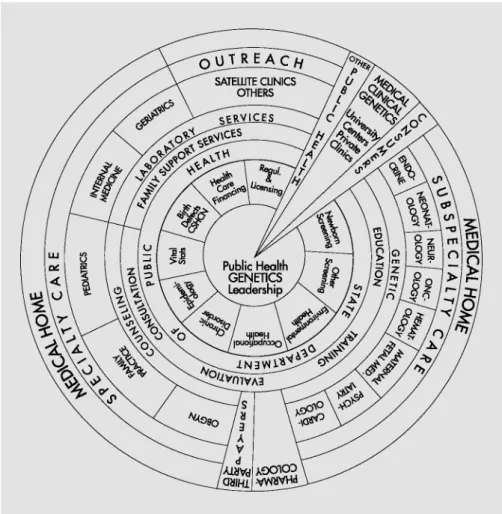
Fig. 1. MCH pyramid showing essential public health system components.
Fig. 2. IOM core public health functions integrate into all levels of the MCH pyra-mid.
state genetics plan: infrastructure building services,
popu-lation-based services, enabling services, and direct health
services (fig. 1).
The elements included in each tier of the pyramid
incorporate the Institute of Medicine’s (IOM) public
health core functions (assessment, policy development,
and assurance) [1]. Together, these three public health
core functions form a process that permeates the pyramid
and can be applied to each layer (fig. 2).
Defining the Relevant Public Health Core Functions
The public health core functions can be used in a
logi-cal thought process for developing public health programs
in general, and the relevant definitions and examples for
genetics programs are given below.
E
Assessment includes monitoring, analyzing, and
evalu-ating data regarding: (1) the health, well-being,
socio-cultural and educational status of individuals (e.g. case
studies) and populations; (2) community concerns;
(3) resources available and/or needs; (4) access,
ability, utilization, affordability, and satisfaction with
services; (5) genetic, environmental and social risk and
protective factors; and (6) systems of care and
informa-tion systems. Assessment also includes gathering
statis-tical data and conducting epidemiological and/or other
investigations (e.g. surveillance and monitoring) as
part of the regular, ongoing collection, analysis, and
sharing of information.
E
Policy Development includes the consideration of
al-ternatives for the best possible use of shared resources,
creation of short- and long-term plans with goals,
objectives, performance measures, indicators and/or
benchmarks aimed at health promotion and
protec-tion, and disease prevention. The policy development
process should include diverse individuals and
organi-zations for decision-making about the relative
impor-tance of health, social, educational, and other issues.
Policy development also includes creating appropriate
definitions and establishing necessary guidelines
(in-cluding codes, regulations, standards – in(in-cluding
stan-dards of care, laws, etc.).
E
Assurance includes informing populations about
rele-vant health and social services, cultural, educational,
and other issues, and ensuring that patients, families,
and communities have access to appropriate,
cost-effective, quality and timely services and information
that enhance family and community relationships.
As-surance includes patient, family, provider and public
education, licensing and certification, and the
imple-mentation and maintenance of guidelines, codes,
regu-lations, standards, and laws, including service
utiliza-tion review, treatment outcomes research, and
perfor-mance-based program evaluations, to achieve
contuous quality improvement. Assurance may also
in-clude the actual provision of services.
Developing the Genetics Pyramid
If all aspects of genetic medicine are incorporated into
the MCHB pyramid, then the model expands to include
the elements depicted in figure 3, with public health at the
center, flanked by corresponding activities of genetics and
health care providers. In considering genetic medicine
(broadly), it is obvious that the genetic components are
inseparably linked to each of the pyramid’s levels. It is
also important to note that any activity may occur at more
than one level of the pyramid. For example, when viewed
as a system, components of a newborn screening program
can be found at each level of the pyramid. Thus, using the
pyramid as a planning tool challenges planners to
consid-er all aspects of a program or system of care in the
plan-ning and development processes. Although public health
systems in different locales vary, the overall structural
plan should encompass the four levels of the MCHB
pyramid as described below. States must determine how
best to achieve this within their own structures.
Infrastructure Building Services comprise the
founda-tion of the MCHB/Genetics pyramid of health and social
services. Activities are directed at improving and
main-taining health status by providing support for
develop-ment and maintenance of comprehensive health and
social services systems. These activities include
develop-ment and maintenance of health services standards/
guidelines, training/education, data, and planning
sys-tems. Examples include needs assessment, evaluation,
planning, policy development, program coordination,
quality assurance, standards development, monitoring,
training, applied research, information systems, and
sys-tems of care. In the development of syssys-tems of care, there
should be assurance that all systems are family-centered,
community-based, and culturally competent. Public
health professionals, health care providers, genetic service
specialists, consumers and consumer groups should all be
actively involved in infrastructure building.
Population-based Services include preventive
inter-ventions and personal health services, developed and
available for the entire population of a state. Disease
pre-vention, health promotion, and statewide and
communi-ty-wide outreach are major components. Common
popu-lation-based services related to genetics include:
precon-ception screening and counseling (e.g. family history,
teratogens, folic acid); outreach/public education;
prena-tal screening and counseling (e.g. Rh incompatibility,
ma-ternal serum screening); newborn screening (e.g.
phenyl-ketonuria (PKU), sickle cell diseases, hereditary hearing
loss); childhood screening (e.g. physical examination,
medical and family history); and adulthood screening
(e.g. breast and bowel cancer screening, cholesterol
screening, hemochromatosis screening). Other
popula-tion-based services include lead screening,
immuniza-tion, sudden infant death syndrome counseling, oral
health, injury prevention, and nutrition. These services
generally are available to a mother, child, or other
indi-vidual receiving care in the private or public system, in a
rural clinic, health maintenance organization (HMO),
military base, hospital, or the Indian Health Service,
whether or not an individual is insured. Provision of
pop-ulation-based services in genetics is accomplished
through coordination between public health programs
and other health systems and the partnerships among
public health professionals, health care providers, and
genetic service specialists.
Enabling Services allow, provide access to, or permit
the derivation of benefits from the array of basic health
and other health care services. These may include, for
example, such services as transportation, translation/
interpretation, outreach, respite care, health education,
family support, health insurance, case management,
coor-dination of/with Medicaid, and the special supplemental
nutrition program for women, infants, and children
(WIC) of the US Department of Agriculture’s Food and
Nutrition Services. Enabling services are required
espe-cially for the low-income, disadvantaged, geographically
or culturally isolated, and those with special and
compli-cated health needs (i.e. traditionally underserved). For
many of these individuals, the enabling services are
essen-tial; without them, service access is not possible. Enabling
services most commonly provided by agencies for
chil-dren with special health care needs include
transporta-tion, care coordinatransporta-tion, translation/interpretatransporta-tion, home
visiting, and family outreach. Family support activities
include parent support groups, family training
work-shops, advocacy, nutrition, and social work.
Direct Health Services generally are delivered
individ-ually from a health professional or social services
profes-sional to a patient. The setting is usually an office, clinic,
emergency room, or hospital. Service providers may
in-clude geneticists, genetic counselors, primary care
physi-cians, registered dietitians, public health or visiting
nurses, nurses certified for obstetric and pediatric
prima-ry care, medical social workers, social workers with
exper-tise in foster care and adoptions, nutritionists, dentists,
sub-specialty physicians who serve children with special
health care needs, and other sub-specialty physicians,
audiologists, occupational therapists, physical therapists,
speech and language therapists, specialty registered
dieti-tians, and/or laboratory personnel.
Basic services include what most consider as ordinary
medical care: inpatient and outpatient medical services,
allied health services, laboratory testing, x-ray services,
dental care, and pharmaceutical products. State Title V
programs (Title V Grants to States for Maternal and Child
Welfare, Social Security Act of 1935, H.R. 7260) in the
US support services such as prenatal care, including
pre-natal genetics, by operating programs directly or by
fund-ing local providers. For children with special health care
needs, these services include specialty and subspecialty
care for those with genetic conditions, birth defects,
chronic illness, HIV/AIDS, and other conditions
requir-ing sophisticated technology; access to highly trained
spe-cialists; or an array of services not generally available in
most communities.
Applying the IOM Core Public Health Functions
to Selected Layers of the Genetics Pyramid
Involvement and leadership from within the state
pub-lic health and genetics communities are fundamental to
the successful integration of genetic services into public
health programs and health care and social services
sys-tems. Leadership requires not only the ability to create a
vision, but also the will and wisdom to achieve it. At all
levels, leaders are needed who have the knowledge,
com-mitment, and capacity to build and maintain the
infra-structure that supports the integration of genetic services
into all areas of the MCHB pyramid. Planning activities
must be as open as possible and involve all stakeholders.
By evaluating each layer of the MCHB/Genetics Pyramid
with respect to the public core functions, it is possible to
systematically develop sound public health policy in
ge-netics. For the sake of brevity, this section focuses on
infrastructure building as an example of applying this
pro-cess. This section also gives some limited examples of
population-based services as additional examples of this
process. A more detailed analysis can be applied to
popu-lation-based services and other levels of the structure and
the reader is referred to Appendix A for a more in-depth
discussion of this process.
Infrastructure Building Services
Infrastructure building services should be designed to
form the foundation upon which the other service levels
are built.
Assessment
Health of communities and populations at risk is
assessed and monitored to identify genetic health and
health care problems and priorities.
In the future, it is likely that knowledge and technology
will allow community health problems to be assessed and
monitored in the context of genetic risk and protective
factors. Information collected about genetics could be
spe-cific to genetic variants, health status, and demographics,
and related to interventions or environmental triggers.
The knowledge base created will require understanding:
(1) relationships between DNA-based risk and protective
factors and their interactions with each other; (2)
interac-tions between genetic and environmental factors; (3)
dis-ease pathogenesis; (4) strategies for reducing morbidity
and mortality, and (5) relationships existing between
phe-notype and gephe-notype. Creation of this knowledge base
may necessitate large-scale, population-based studies that
are beyond the scope of individual states. In such cases,
states should consider positioning themselves to obtain
and use this information.
Necessary requisites for the development of this
infor-mation will include partnerships between health care and
social service systems and public health programs, and the
development of integrated information (data) systems.
The tools that are developed from this knowledge base
and partnership will enable ongoing assessment activities
and a view of genetic information from a public health
perspective.
Information Systems Development
Information systems should be developed with the
fol-lowing aims: integration of public health and personal
health services data; linkage of clinically useful data to
improve access to high quality services; and
contin-uous quality improvement.
A number of information integration initiatives have
targeted the enhancement of state and local data
collec-tion, storage, and analysis with concurrent elimination of
duplicative efforts and information. However, their
col-lective success has been limited in part by the inadequacy
of an articulated long-range vision. This vision should be
shaped and shared by key public health partners, with
communication and coordination across federal, state,
and local agencies and national organizations. There is a
need for feasible plans of action that accelerate specific
data capacity-building initiatives in public health systems
with an understanding that data collection serves multiple
functions: (1) to assist with evaluating and understanding
direct health service needs; (2) to provide information for
epidemiological purposes; (3) to monitor quality
assur-ance, and (4) to form a basis for establishing scientifically
sound policy.
Genetic knowledge and technology should be used to
facilitate data and program integration with the goal (and
capability) of identifying and responding to areas of need.
The data collection system must capture relevant
infor-mation and have the appropriate security in place to
maintain individual privacy and confidentiality of all
information recorded. The data collection system should
encompass such elements as risk factor identification and
identification of individuals with specific genetic
condi-tions. Thus, there should be: (1) adequate
population-based data collection and validation mechanisms; (2)
pre-sentation of the data in a useful format, and (3)
appro-priate analysis of the data obtained. For example,
surveil-lance and service data should be analyzed together to
ensure that adequate and appropriate services (including
genetic) are being delivered to individuals. Data on safety
and efficacy of genetic interventions should also be
col-lected for quality assurance.
A data collection system capable of identifying
com-munity genetic health and health care problems and
sys-tems of care is far larger in scope than a categorical
regis-try and may require substantial time and effort to
con-struct. However, efforts could begin by integrating
exist-ing surveillance systems (e.g. newborn screenexist-ing
pro-grams, birth defects registries, vital records – birth and
death certificates, children with special health care needs
programs, immunization registries, cancer registries) with
genetic service information resulting in a statewide
sur-veillance system for genetics and genetic services. Public
agencies traditionally have underfunded and undervalued
such comprehensive data collection systems.
Applied Research
The genetic service system should be current and
grounded scientifically in both basic and applied
re-search.
While it is generally not the role of states to engage in
basic research, a state genetics plan should address the
identification of research priorities to benefit the public’s
health. Partnerships between the state health agency,
ge-netic service providers, universities, and national
organi-zations should be considered to identify appropriate areas
such as environmental triggers, prevention strategies, and
effective interventions. Human subject protection
guide-lines should be followed. Research in public health
genet-ics likely will require the commitment of new resources.
Policy Development
Public policies should be formulated to prevent
harm-ful uses of genetic information and to protect against
discrimination.
Health policy must offer reassurance that genetic
infor-mation and technology will be used only to improve
health outcomes and that protection will exist to preclude
genetic discrimination. Formulation of public policy
should be reflected through program planning for a
state-wide system of genetic services integrated into public
health and health care practice. Such a system should take
into account the current health service delivery system
(public and private) for genetic services and the
priori-tized needs of the population. Development of public
pol-icies needs to occur through an informed process with
input from a broad-based spectrum of individuals and
organizations with differing health concerns and
profes-sional backgrounds, including special interest and
con-sumer groups. Policy development should provide
guid-ance for the:
E
use of new genetic tests, technology, and treatments;
E
provision of care for individuals identified by genetic
screening, including guidance for diagnosis, treatment
and prevention programs;
E
prevention of unsanctioned uses of genetic
informa-tion, and
E
prevention of discrimination based on an individual’s
genetic constitution.
Legal Framework and Regulatory Infrastructure
Statutes and regulations should exist that protect the
public interest while supporting the development and
provision of comprehensive, quality genetic services.
An underlying policy debate concerns the argument
that genetic information is unique and deserving of
spe-cial consideration. Genetic information is considered
per-manent, identifiable, predictive, familial, and potentially
prejudicial. The state genetics plan should address legal
issues with the goal of protecting the public from
unethi-cal use of genetic information, research, or services. New
legislation may be necessary to address the following:
insurance discrimination, employment discrimination,
disclosure of information, informed consent
require-ments, privacy of personal genetic information, storage
and use of biological samples, penalties for violations,
reg-ulation of clinical professions providing genetic services
such as counseling, conduct of genetics research, and use
of laboratory samples for genetic testing. The state
genet-ics plan should address the employment of qualified
per-sonnel responsible for monitoring compliance and
enforc-ing statutes and regulations actively to ensure the public’s
safety. It should address the issue of leadership to secure
an adequate legal framework, including the authority to
regulate genetic services (laboratory and clinical). The
education of health care professionals, governmental
au-thorities (legislators and the judiciary), and the public on
the protections afforded by existing state and national
sta-tutes should be part of the state plan. In addition, the state
plan should include methods to educate the public, health
care professionals and governmental authorities,
includ-ing legislators and the judiciary, on the protections
af-forded by existing state and national statutes.
Assurance
Access to appropriate, beneficial, and cost-effective
care should be assured for all populations, including
health promotion and disease prevention services.
Access to health care lies at the heart of the ability to
incorporate genetics knowledge from mapping the human
genome into health care and public health practice. The
infrastructure must be in place and partnerships forged to
ensure that there are systems to increase knowledge and
awareness of genetic risk factors and their relationship to
preventing disease, to maintaining good health, and to
regaining health through interventions. Major
compo-nents of assuring access include reducing the cultural and
linguistic barriers to health services and providing
cultur-ally competent health education for the general public.
Quality of services should be monitored through relevant
and meaningful performance measures. States should
de-velop expertise and resources necessary for licensure,
cer-tification, or registration of genetic counselors, clinical
geneticists and other health care and public health
profes-sionals qualified to provide genetic counseling and
ser-vices. Systems should be developed to assess the quality of
genetic service centers such as those for prenatal
diagno-sis, hereditary cancer screening, treatment of rare
disor-ders, and specialized genetics laboratories.
System of Integrated Genetic Services
Genetic services should include integration of genetic
medicine into public health programs and health
sys-tems.
Since most diseases are influenced by genetic risk
fac-tors, advances in genetic medicine should be integrated
into health promotion and disease prevention activities in
both public health and primary health care. Genetic
ser-vices historically have included those serser-vices aimed at
prevention, health education, and integration with
prima-ry care and sub-specialty care. Many states have
orga-nized family-based services that include general genetics
clinics, as well as clinics for specific genetically based
con-ditions, such as metabolic disorders and
hemoglobinopa-thies or hemophilia. Other genetic services have included
population-based efforts within newborn screening
pro-grams and prenatal screening propro-grams. Many states have
organized specific laboratory services for cytogenetics,
newborn screening, molecular genetics, prenatal
screen-ing, and biochemical genetics. In addition, states have
patient and family education activities associated with
these efforts. Appendix A provides a detailed exposition
on such an integrated system.
Funding for Genetic Services
Genetic services should be available, accessible, and
affordable to all individuals who need or desire them.
Genetic services are currently funded by an array of
public and private mechanisms including Title V,
Medi-caid, Children with Special Health Care Needs (CSHCN),
state tax revenues (sometimes as a budget line item),
pub-lic and private health insurance, and self-pay. Several
states have mandated that private payers provide
cover-age for mandatory population-based screening (e.g.
new-born screening and hearing screening) as well as
corre-sponding clinical or related services (e.g. dietary formula
for newborns and food products for infants and children).
The incorporation of genetic medicine into public health
and health care systems is creating a new (and additional)
workload that requires new financial resources. A state
genetics plan should identify and coordinate funding
sources within the state for provision of individual genetic
services. The state genetics coordinator may work with
other departments or agencies within the state to
elimi-nate gaps in funding for genetic services. Additionally, it
should identify the amount of funding necessary to ensure
that qualified personnel and facilities are available,
acces-sible, and responsive to the public. Funds for data and
service integration, coordination, and monitoring should
be provided to enable states to develop programs and
ser-vices to reduce the mortality and morbidity resulting from
inherited conditions. State health systems also need to
develop the funding capacity for medical genetics and its
supporting workforce in new areas that have not had
funding (particularly chronic disease, environmental, and
occupational health programs) without impacting existing
programs [12].
Training and Education of Health Professionals
A well-prepared community of health care and public
health practitioners with genetics expertise should be
available in numbers sufficient to meet the needs of the
public. These practitioners should be capable of
com-municating the benefits, risks, limitations, and
impli-cations of genetic testing and accurately interpreting
and appropriately utilizing genetic information in
clin-ical and public health practice.
As the availability of genetic screening and testing
increases and testing becomes more commonplace, it is
likely that increased numbers of genetic studies will be
ordered and interpreted by primary care providers. These
health care providers will be increasingly called upon to
interpret the meaning of genetic information for
individu-al patients and to help those patients make informed
deci-sions about testing and treatment. To ensure that genetic
tests are administered and interpreted in an appropriate
manner, counseling and education will need to be
essen-tial components of care offered by health care providers.
Thus, providers must be trained to perform genetic
edu-cational and counseling functions appropriately and to
understand when it is best to refer patients to specialized
genetics practitioners.
Public health professionals with expertise in applying
epidemiological, social, and behavioral science to the
field of genetics can play an integral role in providing
quality genetics programs by conducting epidemiological
studies associating genetic data with health outcomes.
To this end, community programs and partners should
be identified who are interested in cooperating with and/
or conducting community assessments regarding
detec-tion, diagnosis, treatment, and prevention of genetic
dis-eases.
The scarcity of health care providers and public health
professionals with genetics expertise makes it essential
that strategies to increase their numbers and the funding
to support them, particularly among minorities, be
in-cluded in a state genetics plan. This could include
scholar-ships and support for medical geneticists and genetic
counselors who accept positions in state agencies or
state-funded genetic service projects. Genetics training must be
increasingly incorporated into curricula at medical
schools, nursing schools, schools of public health,
post-graduate training programs, and continuing medical and
nursing education. Other avenues for impacting the pool
of qualified personnel include state-funded institutions
such as universities, professional licensing agencies, and
higher education coordinating boards.
A needs assessment study to evaluate the current and
future service capacity of genetic service providers,
including genetic counselors, should be a component of
a state genetics plan. One strategy to increase numbers
of genetic service providers is to specify the number of
necessary genetic service providers in a genetics plan’s
quality of care requirements. The state genetics
coordi-nator should also work with necessary departments and
agencies to ensure that health plans that apply for
licenses to operate within the state have a minimum
number of genetic service providers. Genetics plans
should also address informing policymakers and the
public on issues related to training and educating health
professionals.
Evaluation of the Genetic Services System
High-quality, culturally competent genetic services
should be available and accessible to all who need or
desire them. Health outcomes should be improved by
the use of genetic testing and interventions.
Genetic services in the US are currently being provided
in a variety of settings (such as community, migrant care
and military clinics, academic health centers, public health
departments, public health and private laboratories, and
private medical practices). Some state programs currently
provide linkage between screening and services,
coordina-tion of primary and specialty care, and integracoordina-tion of
com-munity services for pediatric and adult individuals with
genetic conditions. There is a general impression that
these programs of early identification, with appropriate
follow-up services, improve the health status of pediatric
and adult individuals with genetic conditions. Generally,
provision of services takes place in the absence of
suffi-cient assessment and quality assurance information.
Con-cern by the genetics community is not necessarily that
screening or testing will be done but whether or not:
E
Genetic testing will be offered, performed, and
inter-preted appropriately with pretest and posttest
counsel-ing;
E
Access to genetic screening tests will be equitably
avail-able;
E
Analytical and clinical validity of tests will be properly
established;
E
Appropriate and timely interventions will be offered
once an individual or family is identified;
E
Privacy will be protected, and
E
Sufficient resources will be provided to support these
activities.
Quality of services, personnel providing them, cultural
competency of the services, and use of surveillance and
population-based epidemiological studies are important
components of evaluation. The state genetics plan should
assure that a system is in place to provide ongoing
evalua-tion of the genetic services system on a variety of levels.
Evaluation of policies and quality of genetic testing is
needed to ensure the appropriateness and quality of
popu-lation-based genetic testing. Planning, implementation,
and evaluation are needed to ensure that genetic tests and
services are incorporated into population-based
interven-tions. Evaluation of the outcomes associated with genetic
testing and interventions should also be a component of
the process. Ongoing monitoring of access to genetic
ser-vices and utilization of the range of serser-vices is also
neces-sary in order to develop a comprehensive evaluation of
genetic health services. Community involvement in
ongo-ing evaluation is critical. Refer to Appendix A for further
elaboration on genetic services.
Population-Based Services
Population-based services are designed to serve the
en-tire community and encompass both health promotion and
disease prevention activities. These services are provided
generally without regard for ability to pay, with the
under-standing that they benefit the population as a whole.
Public Education
The general public and key policy makers should be
well informed about genetics, its impact on health, and
the ethical, legal, and social issues that are important to
the provision of genetic services and the use of genetic
information.
The state genetics plan should address educational
mechanisms for the public as well as for key policy makers.
The general public and policy makers will need basic
infor-mation about genetics and its relationship to creating and
maintaining good health. An understanding of medical
genetics enhances cultural literacy, engenders
understand-ing of genetic diversity and holds the promise of improved
treatment and even prevention of some diseases. An
informed public is the best societal protection from
possi-ble abuses of genetic technology in the future. In addition,
effective planning of genetic health care policy must take
into account a community’s perceptions of genetic
infor-mation and technology and a community’s values.
Comprehensive Newborn Screening Systems
All newborns should be screened shortly after birth for
certain treatable and preventable heritable disorders.
Newborn screening for disorders leading to
catastroph-ic health consequences, including death and mental
retar-dation, has been a concern of public health departments
since the development of screening algorithms in the early
1960s [13]. Shortly after it was shown that newborn
popu-lation screening for inborn errors of metabolism could
reduce the frequency of, or prevent, mental retardation
and consequently reduce the economic burden to
individ-ual families and to society, state-based screening programs
spread rapidly across the country. These early studies and
the health promotion that followed were funded by federal
health dollars (from the Children’s Health Bureau, now
Maternal and Child Health Bureau), and were critical in
establishing public health newborn screening systems that
included education, screening, follow-up, diagnosis,
man-agement, and evaluation [13–15]. Over the ensuing years,
newborn screening programs have remained state-based
with tremendous variations in how they are administered.
Despite these variations (not because of them), state
pub-lic health newborn screening systems have been successful
in creating efficient, productive disease detection and
ser-vice delivery systems for thousands of newborns
identi-fied annually with heritable disorders.
Within newborn screening systems, there are certain
critical junctures between system components where
re-sponsibilities and coordinated activities must be seamless
and nonduplicative. Defined beginning and ending points
are critical in ensuring that all patients with
presumptive-ly identified disorders receive full advantages of the
screening system. Partnerships between public and
pri-vately funded system components (e.g. laboratories) are
possible, but care must be taken to achieve the ultimate
goal of fast and effective diagnosis and treatment. Thus,
for example, private testing laboratories may augment the
screening system effectively only if their information can
feed into and out of the public health infrastructure
seam-lessly and efficiently in order to maintain the full integrity
of the system and full service availability. Private systems
cannot replace mandated public systems unless they can
manage the entire population for whom the services are
mandated (e.g. without regard to ability to pay). Care
must be taken to avoid destructive competitions between
public and private system components through
communi-cation, educommuni-cation, evaluation, and carefully defined
re-sponsibilities. Ultimately, public health departments
must ensure that newborn screening systems function to
the benefit of the public’s health [15, 16].
Lessons learned from newborn screening
implementa-tion and expansion over the years must be utilized as new
systems are developed. Current dried blood spot
screen-ing programs evolved over a period of almost 40 years
from fragmented systems of public and private laboratory
services with disjointed follow-up, to their current
opera-tional levels quietly and efficiently integrating education,
screening, follow-up and ancillary services [15]. Today’s
improved systems resulted from valuable input from the
public and professional communities. Virtually all
new-borns now receive newborn screening and essentially all
who need follow-up testing, diagnosis, and treatment
obtain it. Now newborns are receiving expanded dried
blood spot screening for even rarer metabolic disorders in
many states as a result of new technologies such as tandem
mass spectrometry. Often screening is optional (at the
dis-cretion of the parent) and is uncoordinated (with the state
data and follow-up system) through private screening
lab-oratories. Additionally, almost all states have begun
uni-versal or targeted newborn hearing screening programs, in
which genetics often plays a critical role. This expanded
newborn screening should be embraced by state public
health systems in such a way that there is: (1) minimal
duplication of data tracking between programs that serve
the same population; (2) rapid follow-up coupled with
efficient and effective delivery of ancillary medical
ser-vices; (3) adequate privacy protection, and (4)
appro-priate outcome data for system evaluation and
improve-ment. Where nationally recognized standards of care
exist, public health systems must comply. Ultimately,
public health newborn screening systems must address
nationally issues of uniformity in: (1) service
availabil-ity (education, testing, follow-up and care), (2) public
health decision-making processes related to testing, and
(3) methods of financing.
Summary
While enabling and direct genetic health services currently exist to varying degrees within the health care system, public health genet-ics contributes a new dimension for the provision of all health care services. Through a public health genetics perspective, a system can be envisioned that allows determination of the unique biological and environmental factors that cause a given person to express a given condition at a given point in time in his or her developmental history. This approach will necessitate a strong relationship between public health and primary care providers. This approach will also necessi-tate building a sound public health infrastructure for genetics.
The primary focus of this document is to provide guidance for developing the necessary components of that state-based genetics infrastructure for the public’s health. We believe that the genetics infrastructure will serve as the foundation for integrated genetic ser-vices and supports population-based, enabling, and direct genetic health services. The MCHB/Genetics pyramid displays dynamic and necessary relationships within and between its levels. Using the pyramid as a planning tool results in a logical approach to systems building in public health genetics and other public health programs.
A discussion of enabling and direct genetic health services is pro-vided in Appendix A, ‘Recommended Genetic Services for Local/ State/Territorial Public Health Systems’. A more comprehensive pre-sentation is provided in the 1997 edition of Guidelines for Clinical
Genetics Services for the Public’s Health [2], available at the
NNSGRC website at http://genes-r-us.uthscsa.edu.
Acknowledgments
The assistance of Susan Panny, MD, Maryland Department of Health is acknowledged for her comments in preparation of the materials in Appendix A, and to Cassie Lauver, Maternal and Child Health Bureau, Health Resources and Services Administration and Maricela Aguilar, University of Texas Health Science Center at San Antonio for advice in preparing the final report.
Support for this project came from the Maternal and Child Health Bureau of the US Health Resources and Services Administra-tion (grant No. 5 U93 MC00148-03). The NaAdministra-tional Newborn Screen-ing and Genetics Resource Center is a cooperative agreement between the Maternal and Child Health Bureau and the Department of Pediatrics, University of Texas Health Science Center at San Antonio.
Appendix A: Recommended Genetic Services
for Local, State, or Territorial Health Systems
Preface
The purpose of this guidance document is to provide details for integrating genetic services into the framework of local, state, and territorial public health programs, and community/statewide sys-tems of care. These guidelines are intended to include public health professionals and health care providers, as well as other stakeholders, as primary players within such an integrated system. They build upon previous guidelines [2] developed to assist public health sys-tems in integrating genetics into public health planning.
The role of public health in the organization and provision of genetic services to specific populations has been well recognized since the early 1960s, when newborn screening for PKU and subse-quently other disorders was initiated. Never before, however, have we stood on the threshold of an era in which the potential need for genetic information or services is faced by practically every individu-al, family and population throughout the life cycle.
The recent completion of a draft map of the human genome [17, 18] and other advances in genetics and related technologies have resulted in the need to integrate all aspects of genetic medicine, together with its unique potential for health promotion, into public health. This document clarifies that need, provides definitions, and gives examples of the role of genetic services in health promotion and disease prevention throughout the life cycle. A logistical framework and mechanisms of integration of genetics into public health and health care are proposed that build on detailed descriptions of genetic services, staff, and operational requirements previously outlined [2].
Introduction and Information
The ultimate goal of genetic services is to reduce mortality and morbidity and to alleviate suffering associated with conditions hav-ing a genetic component in individuals, families, and populations at risk. This can be achieved through: (1) optimizing the health of the population by employing scientific knowledge about (genetic) disease causation, illness prevention, management and health promotion; (2) early diagnosis, intervention and management, and (3) minimiza-tion of disparities among individuals and populaminimiza-tions through as-surance of equal access to and availability of genetic health services and resources.
Until recently, genetic disorders were considered individually rare, though cumulatively fairly common. It was previously esti-mated that 20% of the population either had, or had within their families, a disorder with genetic implications. Today, as we discover more about genetic involvement, i.e. gene function and mutation (change), in the most common disorders of adulthood, such as
can-cers, diabetes, cardiovascular disease, neurological impairment, kid-ney diseases, and others, we realize that instead of 20% with genetic disorders, all families within all populations have at least one genetic disorder. This has resulted in the recognition of a need for genetic services and information for a large proportion of patients, families and populations. It has been reported [2] that each year:
E An estimated 3–5% of all newborns have a birth defect or disor-der, recognizable at birth and associated with genetic factors, which requires serious medical or surgical intervention.
E Birth defects comprise the most common cause of death in infants under the age of 12 months.
E Through newborn screening, about 3,000 newborns are identified at birth in the United States with a disorder that requires lifelong management or treatment.
E Children with genetically determined disorders occupy about one-third of pediatric beds in tertiary care centers.
E About 10% of the school-aged population has sensory, develop-mental, behavioral or emotional difficulties, many of which have genetic components.
E The most common causes of death in adults (not including inju-ries) are complications of cardiovascular, neoplastic or diabetic diseases. Each of these has a genetic component that is detectable, recognizable and possibly amenable to early intervention. Clinical disorders with a genetic component affect not only the patient but also their immediate and extended families, and a large proportion of the population. Although several of these disorders (e.g. birth defects, newborns identified through screening, cancers) are already registered, recorded, and monitored by public health sys-tems in some states, it is imperative that all states incorporate infor-mation and education about the genetic components of all of these disorders (including the adult onset disorders such as cardiovascular and diabetic diseases) into their programs. Genetic services must, therefore, become an inseparable link in the chain that connects all public health systems with patients, families, and health service pro-viders.
Genetic services cannot be provided without serious consider-ation of their financial, ethical, legal and social implicconsider-ations. Al-though it is beyond the scope of the present document to encompass these issues in detail, it must be emphasized that genetic services, perhaps somewhat more than other medical disciplines, may be sus-ceptible to abuse, such as breach of confidentiality, invasion of priva-cy, disregard for autonomy, and causation of unintended harm.
It must be remembered that the fear of potential discrimination against individuals, families, and/or populations with known or sus-pected genetic diseases or risk factors by employers, insurers, and others is prevalent among many professionals and consumers famil-iar with genetics. Even though a few states (Wisconsin was among the first, in 1991) have enacted legislation to prevent such discrimina-tion, it may be up to the federal government to provide assurance that such discrimination becomes illegal. The Health Insurance Por-tability and AccounPor-tability Act (HIPAA) of 1996 is a step in that direction [19]. Its purpose is to protect the privacy and security of health information. After much discussion and review, the HIPAA Privacy Rules became effective on April 14, 2001. An informative summary of these rules, as they affect genetics professionals and their patients, is available in the July/August 2001 issue of Genetics in
Medicine [20]. The three sentinel requirements of the Privacy Rules
are the: (1) control of the use and disclosure of protected health infor-mation (PHI); (2) safeguarding of patients’ rights; and (3) establish-ment, documentation and implementation of compliance policies
and procedures. All health care providers must be in compliance with these rules by April 14, 2003. It is strongly recommended that all health care providers and investigators who work with sensitive pro-tected health information become acquainted with HIPAA, as well as with the recommendations from the Secretary’s Advisory Committee on Genetic Testing [21].
Since this document describes genetic services, it is important to precede any recommendations for their appropriate utilization with certain definitions and clarifications.
Human genetics is the science of variation and heredity within the human species.
Medical genetics is the study of hereditary factors and variation in human disease. It is a subspecialty that is recognized by the Amer-ican Board of Medical Subspecialties.
Clinical genetics is a medical discipline whereby comprehensive services are provided to patients, families and populations at all ages who have or are suspected of having hereditary, inherited or congeni-tal disorders. Clinical genetics is conventionally divided into several disciplines, and clinical geneticists frequently have expertise in one or more of the following areas:
E dysmorphology (study and measurement of physical and anatom-ical features and associated disorders);
E biochemical/metabolic genetics (study of disorders associated with underlying biochemical or molecular abnormalities); E molecular genetics (study of gene function and mutations and
associated disorders);
E cytogenetics (study of chromosomes and their functional/struc-tural abnormalities and associated disorders), now rapidly be-coming closer to molecular cytogenetics;
E prenatal genetics (the diagnosis of preconceptional or embryonic/ fetal disorders, the recognition and management of which will result in the optimization of pregnancy outcome for fetus and family);
E pharmacogenetics (the study of genetic involvement in individual drug/medication reactions and responses);
E public health genetics (the use of genetic information and molecu-lar technology to promote, protect and thereby improve the pub-lic’s health and well-being), and
E teratology (study of the causes and biological processes leading to abnormal development and birth defects at the fundamental and clinical level, and appropriate measures for prevention). Predictive genetic information indicates whether an individual is or is not predisposed, at a higher or lower risk, to developing a spe-cific disease in the future.
Diagnostic genetic information is used to indicate whether or not a person has a particular disorder.
Genetic counseling is a communication process whereby the patient and the family receive applicable information about a disor-der or issue, its clinical course, management, treatment and progno-sis. Reassurance is also an inseparable component of the counseling process, as is information about all options available to family mem-bers. Genetic counseling should be provided in a supportive, com-passionate, and nondirective manner. Referral for genetic counseling (by genetic professionals) must be available to all providers who serve patients/families with genetic diseases. This includes providers within genetics units, clinics and centers as well as providers outside genetics units, such as primary care physicians, specialists in cancer clinics, surgeons who care for patients with birth defects, pediatric and adult cardiologists, neurologists, care providers in sensory defi-cits clinics, and others.
Health Promotion and Disease Prevention Throughout the Human Life Cycle
Clinical genetic services are components of all branches of health care and are applicable to patients, families, and populations at all stages of the life cycle. More and more disorders are recognized in which local, state, and territorial public health programs can assume an active health promotion and disease prevention role. Generally, three levels of health promotion and disease prevention are recog-nized: primary, secondary and tertiary prevention. Primary
pre-vention genetic services are services intended to prevent a birth
defect, genetic disorder, or disease before it occurs. Genetic counsel-ing is a form of primary prevention. As described above, genetic counseling provides couples with information about their pregnancy and reproductive risks and pregnancy options. Secondary prevention genetic services are services intended to prevent the unfavorable sequelae of an existing disorder or genotype. Newborn screening is a classic example of secondary prevention. Tertiary prevention genetic services are services aimed at ameliorating the unfavorable conse-quences of existing disorders through enabling services (MCHB/ Genetics pyramid), such as parent-to-parent support and empower-ment. Tertiary intervention includes educational and other compre-hensive services to children and adults with special needs, appro-priate management of genetic conditions, access to orthodontic and other auxiliary devices, dietary supplements, special occupational and physical therapy, and ongoing support group services. Since family-centered care is at the heart of all genetic services, referral of families to condition-specific support groups and facilitation of con-tact with similarly affected families is an intrinsic component. This component also includes collaboration with consumers and consum-er support and advocacy groups. They provide support, information, and much needed help aimed not only at families and populations with genetic disorders, but also at health and social services profes-sionals, educators, policy makers, and society in general.
In addition to the three traditional levels of health promotion and disease prevention outlined above, a ‘quaternary’ level of prevention involves ongoing basic research into genetic diseases by scientists worldwide. Prevention also extends to the prevention of discrimina-tion on the basis of genetic disease or testing by employers, insurers, and peers and involves close collaboration with legislators [20, 21].
Below are examples of health promotion and primary and sec-ondary disease prevention activities that can occur at all stages of the life cycle.
Preconceptional and Prenatal Period
Timely and effective preconception interventions, prenatal moni-toring, and management of maternal diseases associated with fetal risk result in improved pregnancy outcome. A carefully explored family, medical and obstetric history within the primary health care setting in couples contemplating pregnancy can also identify many risk factors prior to conception, and appropriate management can sometimes prevent an unfavorable pregnancy outcome. Intrauterine exposure to alcohol, smoking, cocaine, and other hazardous agents increases the risk for physical and developmental disabilities. Pre-vention of prenatal exposure to known teratogenic agents from con-ception through delivery can prevent the primary occurrence of dele-terious effects of alcohol, cocaine, smoking, and other hazardous agents. Well-coordinated public educational efforts by health care professionals and, on a larger scale, by public health programs aimed at women of childbearing age have the potential for saving thousands