Chemistry Theses Chemistry Department
12-2011
Method Development and Validation of the
Quantitation of 19 Antipsychotics Using
Deuterated Internal Standards
Anthony S. Epps
State University of New York College at Buffalo, [email protected]
Advisor
Kenneth F. Jonmaire, M.S., Coordinator, Forensic Chemistry First Reader
Robert Osiewicz, Ph.D., Erie County Chief Toxicologist Second Reader
Joonyeong Kim, Ph.D., Associate Professor of Chemistry Third Reader
Jinseok Heo, Ph.D., Assistant Professor of Chemistry Department Chair
M. Scott Goodman, Ph.D., Associate Professor of Chemistry
To learn more about the Chemistry Department and its educational programs, research, and resources, go tohttp://chemistry.buffalostate.edu/.
Follow this and additional works at:http://digitalcommons.buffalostate.edu/chemistry_theses
Part of theAnalytical Chemistry Commons,Other Analytical, Diagnostic and Therapeutic Techniques and Equipment Commons, and theOther Chemicals and Drugs Commons
Recommended Citation
Epps, Anthony S., "Method Development and Validation of the Quantitation of 19 Antipsychotics Using Deuterated Internal Standards" (2011).Chemistry Theses. 2.
Method Development and Validation of the Quantitation of 19 Antipsychotics using Deuterated Internal Standards
by
Anthony Shawn Epps
An Abstract of a Thesis in
Forensic Science
Submitted in Partial Fulfillment of the Requirements
for the Degree of
Master of Science
December 2011
State University of New York College at Buffalo Department of Chemistry
ABSTRACT OF THESIS
Method Development and Validation of the Quantitation of 19 Antipsychotics using Deuterated Internal Standards
Antipsychotic drugs or neuroleptics are used primarily for psychiatric disorders such as schizophrenia, psychosis, and bipolar disorder. In forensic science antipsychotics are drugs of considerable interest because of their potential abuse, involvement in suicides, and they are frequently associated with sudden death investigations. Well-characterized and fully validated analytical data is necessary to generate reproducible and reliable results. As a result, data can be correctly interpreted and objectively demonstrate in its applicability for the intended use. This research has developed and validated a method that is selective, sensitive and accurate using liquid chromatography–tandem mass spectrometry (LC–MS/MS) for the simultaneous determination of approximately 19 antipsychotics with deuterated internal standard in postmortem human blood. Compound optimization parameters for detecting a specific compound as well as a quantitative assay of the antipsychotic compounds were accomplished. Validation parameters such as determination of linearity, within and between day accuracy and precision, carryover evaluation, matrix effect and recovery, and peak purity and selectivity study were performed. These parameters yielded results for all of the compounds with only two (mesoridazine and thiothixene) requiring further study to improve their performance. The validated method has been successfully used to analyze postmortem human blood for application in forensic toxicology.
State University of New York College at Buffalo Department of Chemistry
Method Development and Validation of the Quantitation of 19 Antipsychotics using Deuterated Internal Standards
A Thesis in Forensic Science
by
Anthony Shawn Epps Submitted in Partial Fulfillment
of the Requirements for the Degree of Master of Science
December 2011
Approval by:
Kenneth F. Jonmaire M.S. Coordinator, Forensic Chemistry
Chairperson of the Committee, Chemistry/Thesis Adviser
M. Scott Goodman, Ph.D.
Chair and Associate Professor of Chemistry
Kevin Railey, Ph.D.
Associate Provost and Dean of the Graduate School
Acknowledgements
I would like to thank my committee chair, Professor Kenneth F. Jonmaire. His direction and guidance allowed me to maintain my course throughout my research no matter how tough things became in my life. He helped me to maintain focus and kept me on track. I could not have asked for a better advisor who I am also proud to call a friend.
It is with immense gratitude that I acknowledge the support of my graduate committee members; Dr. Joonyeong Kim and Dr. Jinseok Heo, for their outstanding lectures on related topics that helped me improve my knowledge in the area. Dr. Kim also provided me with invaluable support and instruction in helping me navigate through this process over the last two years.
It is difficult to overstate my gratitude to Dr. Robert Osiewicz who provided me with the opportunity to do my research at the Erie County Toxicology Lab. I admire his enthusiasm, inspiration, his great efforts to explain things clearly and simply, and he helped to make this experience fun for me. Throughout my research, he provided encouragement, sound advice, good teaching, good company, and lots of good ideas. I would have been lost without him.
I cannot find words to express my gratitude to toxicology supervisor William Kaufman for his guidance during my research at the Erie County Toxicology Lab. His perpetual energy and enthusiasm in research had motivated me. He taught me many things and has the attitude and the substance of a genius. In addition, he was always accessible and willing to help with my research with consent guidance and support from the initial to the final level enabling me to develop an understanding of the subject and
instrumentation. As a result, research life became smooth and rewarding for me and this success is as much his as it is mine.
Thanks also go to my friends and colleagues, and the department faculty and staff for making my time at Buffalo State College a great experience. I have also considered it an honor to have worked with Louis Russo, Chris Stokes, Susan Gibson, Lawrence Perkins, and Colleen Corcoran in the Erie County Toxicology lab. They helped me with various applications, provided wise advice, and assisted me in many different ways. I greatly value their friendship and I deeply appreciate all of their help.
I would like to thank my grandmother Catherine, my brother Marcus and my children Shawn, Anhel, Seth, Antonia, and Sara for supporting and encouraging me to pursue this degree.
I would like to especially thank my wife, Sarah. Without her love, patience, encouragement and constant support I would not have finished the degree.
Last but not least, I thank God for all that has happened and seeing me through it in accordance to His will. God is good and His will is perfect, may His name be exalted, honored, and glorified forever.
Table of Contents
List of Figures ... xi
List of Abbreviations ... xiv
CHAPTER ONE: Introduction ... 1
1.1 Antipsychotic ... 1
1.2 Antipsychotics in this Study ... 7
1.2.1 9-hydroxyrisperidone ... 11 1.2.2 Aripiprazole ... 11 1.2.3 Buspirone ... 12 1.2.4 Chlorpromazine ... 12 1.2.5 Clozapine ... 13 1.2.6 Fluphenazine ... 14 1.2.7 Haloperidol ... 14 1.2.8 Loxapine ... 15 1.2.9 Mesoridazine ... 15 1.2.10 Olanzapine ... 17 1.2.11 Perphenazine ... 17 1.2.12 Pipamperone ... 18 1.2.13 Promethazine ... 18 1.2.14 Quetiapine ... 19 1.2.15 Risperidone... 19 1.2.16 Thioridazine ... 20 1.2.17 Thiothixene ... 20 1.2.18 Trifluoperazine ... 21 1.2.19 Ziprasidone... 21
1.3 Solid Phase Extraction (SPE) ... 24
1.4 Liquid Chromatography Tandem Mass Spectrometry ... 28
1.4.2 Electrospray Ionization Tandem Mass Spectrometry ... 40
1.5 Method Development and Validation ... 53
CHAPTER TWO: Experimental Section ... 57
2.1 Materials and Methods ... 57
2.1.1 Chemicals and Reagents ... 57
2.1.2 Specimens ... 60
2.1.3 Instrumentation ... 60
2.2 MS Method Development (Compound Optimization) ... 61
2.3 HPLC-MS Method Development ... 71
2.4 Method Validation... 74
2.4.1 Determination of Linearity ... 77
2.4.2 Within and Between Day Accuracy and Precision ... 78
2.4.3 Carryover and Crosstalk Evaluation ... 79
2.4.4 Matrix Effect and Recovery... 80
2.4.5 Peak Purity and Selectivity ... 81
CHAPTER THREE: Results and Discussion ... 83
3.1 Method Development (Compound Optimization) ... 83
3.2 Method Validation... 86
3.2.1 Determination of Linearity ... 86
3.2.2 Within and Between Day Accuracy and Precision ... 95
3.2.3 Carryover Evaluation... 97
3.2.4 Matrix Effect and Recovery... 99
3.2.5 Peak Purity and Selectivity ... 101
3.4 Nitrogen vs. Air ... 105
CHAPTER FOUR: Summary and Conclusions ... 107
REFERENCES ... 109
APPENDIX A ... 116
Analyst® Software Calibration Model Data ... 116
Graph Pad® Prism Software Calibration Model Data ... 123
Mesoridazine Peak-Spitting study ... 128
APPENDIX C ... 134
Within and Between Day Accuracy and Precision Data ... 134
APPENDIX D ... 151
Carryover Evaluation Data ... 151
APPENDIX E ... 152
Matrix Effect and Recovery Data ... 152
APPENDIX F ... 154
List of Tables
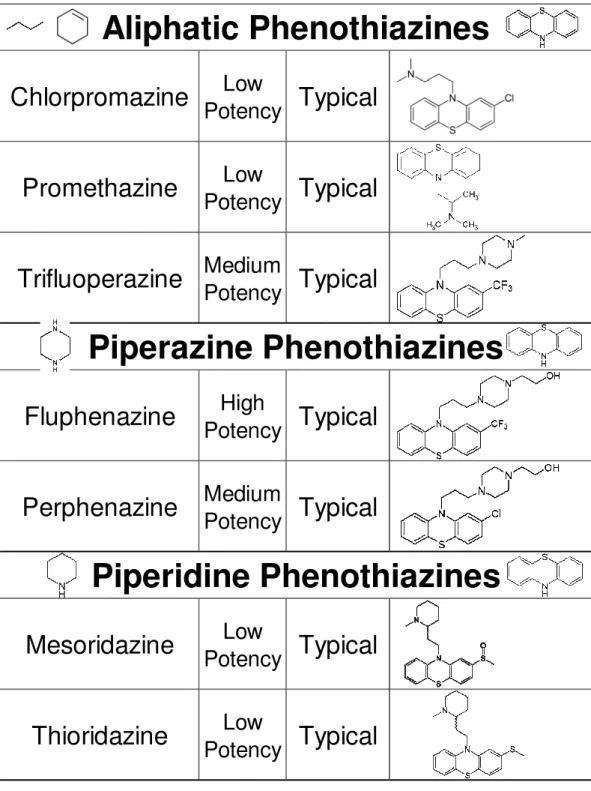
Table 1: Antipsychotics in this study, grouped by chemical class, type, potency for
typical, and structure. ... 8
Table 2: Medical and chemical information about antipsychotics in this study ( [17] and other sources) ... 16
Table 3: TIAFT reference blood level list of therapeutic and toxic substances. ... 23
Table 4: Analytes with corresponding internal standards ... 59
Table 5: Parameters setting to determine optimum values ... 67
Table 6: Transitional pairs for each compound with optimized parameters ... 69
Table 7: Transitional pairs for each compound with optimized parameters ... 70
Table 8: Parameters and setting of the Shimadzu HPLC ... 72
Table 9: Gradient settings and ESI inlet parameters ... 73
Table 10: Calculated values determine the amount of analyte and IS needed to achieve selected blood concentrations ... 76
Table 11: Retention times for all Analytes and Internal standards ... 84
Table 12: Graph Pad® Prism software out of quantitation data of 9-hydroxyrisperadone ... 89
Table 13: List of drugs and their predicted quantification model ... 90 Table 14: Within & between day study results for 9-hydroxyrisperidone... 96 Table 15: Mean values and ranges of recoveries and matrix effects. Values in red were greater than ±20% of the mean value ... 100 Table 16: Area counts of 1 A & B (Figure 27) showing the large range between IS & analytes within the same sample. ... 104 Table 17: Matrix study comparison of air vs. nitrogen for each analyte. . Values in red were greater than ±20% of the mean value ... 106
List of Figures
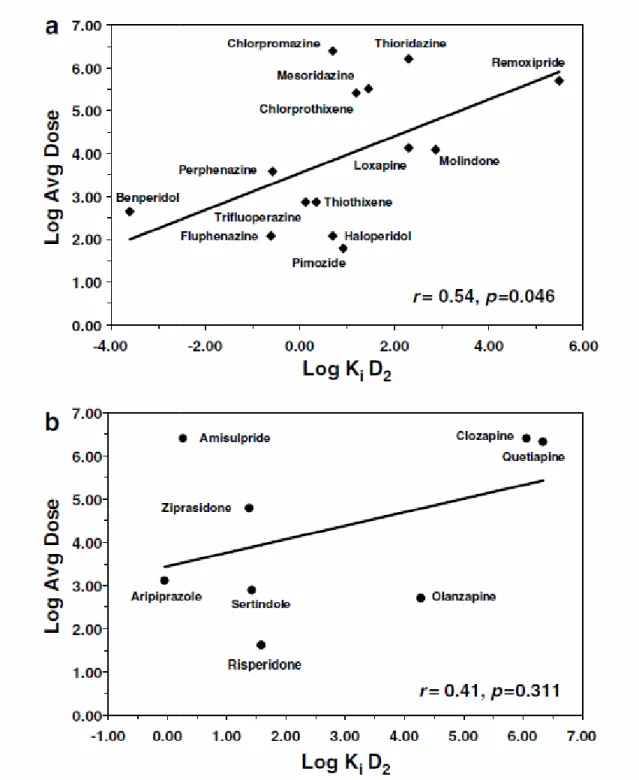
Figure 1: Clinically effective antipsychotic dose vs. binding affinity to cloned human DA D2 receptor for (a) typical and (b) atypical antipsychotic medications (NM Richtand et
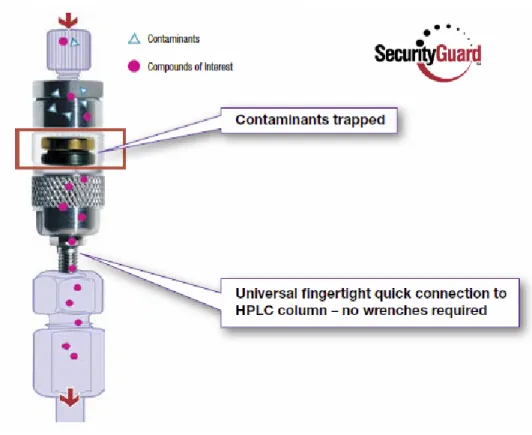
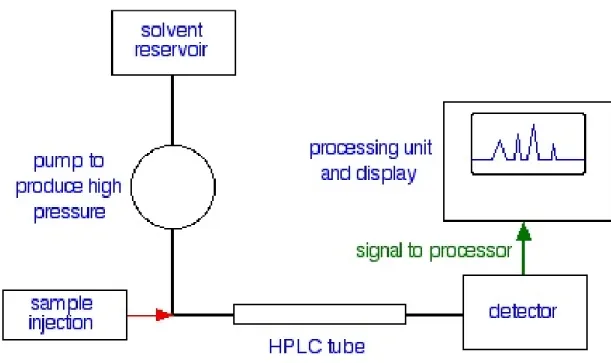
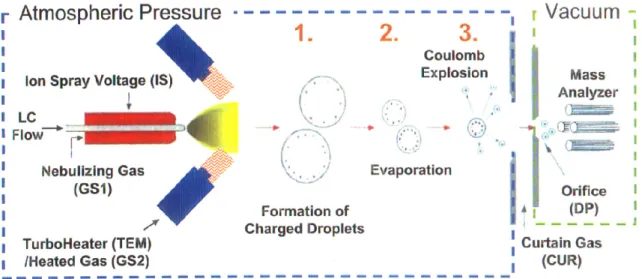
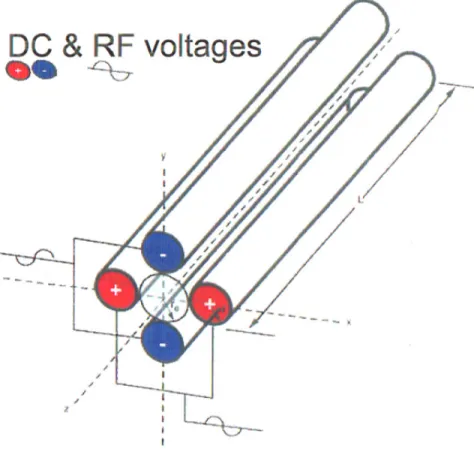
al). ... 4 Figure 2: Components of Solid Phase Extraction (SPE) ... 26 Figure 3: HPLC Column showing solid phase and surface chemistry (Phenomenex) ... 34 Figure 4: Carbon chains that are bonded to the siloxanes of the solid phase, (a) octal carbon chain (C8) (b) octadecyl carbon chain (C18) ... 35 Figure 5: End-capping: The bonding process of the carbon chain to the unreacted silanols of the solid phase ... 36 Figure 6: Solid phase with an unreacted silanol, C18, and C8 group attached... 37 Figure 7: HPLC prefilter that is attached to the front end of the column (Phenomenex) . 38 Figure 8: HPLC block diagram ... 40 Figure 9: Electrospray Ionization (ESI) Process (AB Sciex)... 43 Figure 10: Quadrupoles with DC and RF voltages of the mass spectrometer (AB Sciex) 44 Figure 11: Full scan mode to determine precursor ions within a selected range ... 46 Figure 12: Steps of the Product Ion Scan in the triple quadrupole mass spectrometer (AB Sciex) ... 47
Figure 13: Steps of the Precursor Ion Scan in the triple quadrupole mass spectrometer (AB Sciex) ... 48 Figure 14: Steps of the Neutral Loss Scan in the triple quadrupole mass spectrometer (AB Sciex) ... 50 Figure 15: Steps of the Multiple Reaction Monitoring (MRM) Scan in the triple
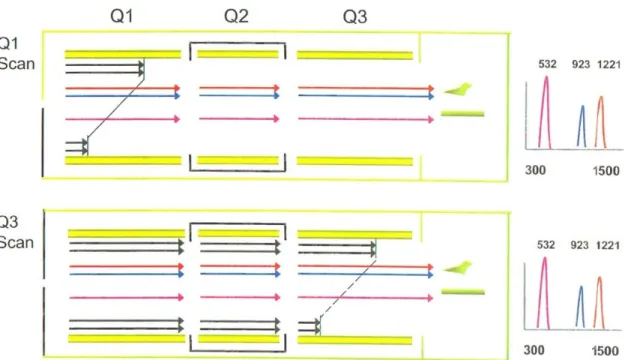
quadrupole mass spectrometer (AB Sciex) ... 51 Figure 16: Zones of the triple quadrupole mass spectrometer showing the area the various energies and potentials are active (AB Sciex) ... 53 Figure 17: Snap shot of the Q1 MS scan (precursor ion chromatogram) identifying the molecular weight +1 of the compounds in the sample (a) 300-400 m/z Da, (b) 390-470 m/z Da, Promethazine and Promethazine-D6 are not shown here with m/z of 285.3 and 291.3 respectively ... 63 Figure 18: Product ion chromatogram of hydroxyrisperidone (a) and
9-hydroxyrisperidone-D4 (b) with parent and product ions... 65 Figure 19: Product ion chromatogram of Pipamperone (a) and Pipamperone-D10 (b) with colored circles showing common ions among the compound and its deuterated
counterpart, adding to the difficulty of choosing product ions for each compound ... 66 Figure 20: Determination of product ion position (intensity) and retention time. (This scan was taken during optimization so retention times in the figure are not accurate) .... 74 Figure 21: The extracted ion current chromatograms (XIC) of all analytes and internal standards (a) and labeled (b) ... 85
Figure 22: Liner (a) and quadratic (b) models for 9-hydroxyrispiradone (six replicates for each of seven concentrations) ... 87 Figure 23: Mesoridazine curve with corresponding integrated peaks of a point showing spit peak behavior (a) and the effect of complete integration (b) ... 92 Figure 24: Pure mesoridazine (a) and pure thioridazine that has been in negative blood show a mesoridazine peak (b) ... 94 Figure 25: Carryover study, Sample 46 is the chromatogram of the analytes & IS injected (a) followed by a blank (b) ... 98 Figure 26: Peak Purity and Selectivity: Chromatogram of one of the ten different samples of negative blood... 102 Figure 27: Sample 1 & 2 show one chromatograms each just looking at the IS or analytes. Sample 2 is IS only and sample 1 is analytes only. ... 103
List of Abbreviations
∆ P – Pressure difference
µ – The symbol for micro A/S – Autosampler
AA – Atomic Absorption Spectroscopy
AC/DC – Alternating Current or Direct Current ACN – Acetonitrile
AMU – Atomic mass unit
AP MALDI – Atmospheric pressure matrix-assisted laser desorption/ionization APCI – Atmospheric pressure chemical ionization
API – Atmospheric pressure ionization As – Asymmetry
Atm – Atmospheres AU – Absorption Units BP – Base peak
CA – Collisional activation
CAD – Collisionally activated dissociation CE – Capillary Electrophoresis
CE – collision energy
CEP (CCEP) – collision cell entrance potential
CES – collision energy scan (collective scan of 20, 35, and 50 CEs) CI – Chemical ionization
CID – Collision-induced dissociation CN – Cyano
CRM – Consecutive reaction monitoring CXP – collision cell exit potential DC – Direct Current
DP – declustering potential DI – Deionized, as in water
DESI – Desorption electrospray ionization EA – Electron affinity
ECD – Electron-capture dissociation
EI – Electron ionization (or electron impact) EP – entrance potential
EPI – enhanced product ion scan (anything with enhanced = ion trap = Q3) ESI – Electrospray Ionisation
eV – Electronvolt FD – Field desorption
FTMS – Fourier transform mass spectrometer GC – Gas Chromatography
GC-MS – Gas Chromatography - Mass Spectrometry HAc – Acetic Acid
He - Helium
HPLC – High Performance Liquid Chromatography i.d. – Internal diameter
IC – Ion Chromatography
IEX – Ion Exchange Chromatography IPA – Isopropyl Alcohol
IPLC – Ion Pair Liquid Chromatography or RP-HPLC with an ion pair reagent in the eluent.
IS – Internal Standard IT – Ion trap
K – Potassium
K – Distribution Constant or Kelvin (Absolute temperature) k' – Relative Retention time
LC/MS/MS – Liquid Chromatography with Tandem Mass Spectrometry LC-MS – Liquid Chromatography with Mass Spectrometry
LIT – Linear ion trap LOD – Limit of Detection. LOQ – Limit of Quantitation. m/z – Mass to charge ratio
MCA – averaging mechanism for the scans MeOH – Methanol
MRM – multiple reaction monograph MS – Mass spectrometer
MS – Mass spectrometry
MS/MS – Mass spectrometry/mass spectrometry, i.e. tandem mass spectrometry MRM – Multiple reaction monitoring
MW – Molecular Weight Mz – Average molecular weight
N – Efficiency (from Number of theoretical plates). Na – Sodium
NH2 – Amino NH4 – Ammonium
NMR – Nuclear Magnetic Resonance o.d. – Outer diameter
Pa – Pascal (unit of pressure) pH – A measure of acidity Ph – Phenyl
ppm, ppb, ppt – parts per million, parts per billion, parts per trillion. psi – Pounds per square inch
PT – Peak Threshold PW – Peak Width QA – Quality Assurance QIT – Quadrupole ion trap
QMS – Quadrupole mass spectrometer Quad – Quadrupole
QUISTOR – Quadrupole ion storage trap R2 – Coefficient of determination
RF – Response factor RF – Radio Frequency
RP HPLC – Reversed Phase High Performance Liquid Chromatography RPLC – Reversed Phase Liquid Chromatography
Rs – Resolution
S/N ratio – Signal to Noise Ratio SAX – Strong Anion Exchanger SCX – Strong Cation Exchanger SEC – Size Exclusion Chromatography SEM – Scanning Electron Microscopy SI units – The International System of Units Sil – Silica
SIM – Single Ion Monitoring SIM – Selected ion monitoring SIR – Selected ion recording SID – Surface-induced dissociation SIR – Surface-induced reaction SI – Surface ionization
SOP – Standard Operating Procedure SPE – Solid Phase Extraction
SRM – Selected reaction monitoring THF – Tetrahydrofuran
TI – Thermal ionization
TIAFT – The International Association of Forensic Toxicologists TIC – Total Ion Count
TIC – Total ion chromatograph TIC – Total ion current
TICC – Total ion current chromatogram TLC – Thin Layer Chromatography TMT – Tandem mass tags
TMS –Trimethylsilyl TMS –Trimethylsilane TOF – Time of Flight
TOF-MS – Time-of-flight mass spectrometer tr – Retention time
UPLC – Ultra Performance Liquid Chromatography UV – Ultraviolet
UV-VIS – The Ultraviolet Visible spectrum
v/v or w/v – Volume for volume or weight to volume Vol % – Volume percent
WAX – Weak Anion Exchanger WCX – Weak Cation Exchanger
CHAPTER ONE: Introduction
1.1 Antipsychotic
Antipsychotic drugs or neuroleptics are used primarily for psychiatric disorders such as schizophrenia, psychosis,and bipolar disorder.They have also been used for non-psychotic disorders such as depression, behavioral disorders, mood stabilizers, hypnotic (sleep) medications and many other off-label uses [1]. Toxicity varies considerably with each drug however the general effects are similar including sedation, hypotension, tachycardia, dysrhythmias and seizures. Most antipsychotics are divided into two groups; the typical or first-generation antipsychotics, and the atypical or second-generation antipsychotics.
A first generation of antipsychotics are known as typical antipsychotics, and were discovered in the 1950s when chlorpromazine, which was developed as a surgical anesthetic, was used on psychiatric patients because of its sedative and powerful calming effect. Because of this tranquilizing effect, typical antipsychotics have also been referred to as the major tranquilizers [2]. Regular and high levels of sedation are common among this group of antipsychotics and when used heavily they can be incapacitating. It is believed that by blocking dopamine receptors from excess dopamine released in the brain, psychotic experiences can be controlled. Typical antipsychotics block the
dopamine D2 receptor, but are very unselective blocking "D2-like family" receptors in the
mesocortical pathway, tuberoinfundibular pathway and the nigrostriatal pathway. This lack of selectivity is believed to be responsible for many of the side-effects caused by these drugs. These unwanted side effects such as extrapyramidal motor control disabilities, include problems like acute dystonias, akathisia, parkinsonism, tardive dyskinesia, tachycardia, hypotension, seizures, hyperprolactinaemia, and many others that can become permanent [3] [4]. Typical antipsychotics are classified based on their potency which is a measure of the relative effectiveness of antipsychotics compared to chlorpromazine [5]. High-potency antipsychoticshave a high affinity for the D2 receptors
and are more likely to cause adverse effects (extrapyramidal effects) associated with these receptors. However, there are fewer adverse effects (sedation) caused by other receptors due to the increased selectivity for the D2 receptors. Low-potency
antipsychotics have low selectivity of the D2 receptors lowering symptoms such as
extrapyramidal effects but increasing those such as sedation [6]. Potency, however, does not equate to efficacy because despite differences in structure and D2 receptor affinity, all
typical antipsychotics have clinically similar efficacy at their standard dose. Because of the chronic nature of the treated disorders, antipsychotic medications are rarely discontinued once started, potentially causing permanent chemical dependence leading to a much worse psychosis [7]. They are usually only stopped if the side-effects become too severe or a patient has been symptom free for a long period of time. Discontinuation of typical antipsychotics requires critical managing, consistent treatment and a good understanding of the withdrawal symptoms (nausea, emesis, anorexia, diarrhea,
rhinorrhea, diaphoresis, myalgia, paresthesia, anxiety, agitation, restlessness, and insomnia), some of which may be permanent, such as Tardive dyskinesia.
Figure 1: Clinically effective antipsychotic dose affinity to cloned human DA D
atypical antipsychotic medications
Clinically effective antipsychotic dose vs. binding affinity to cloned human DA D2 receptor for (a) typical and (b) atypical antipsychotic medications (NM Richtand et al).
binding receptor for (a) typical and (b)
The first atypical antipsychotic, clozapine, was discovered in the 1950s and introduced clinically in the 1970s but many others have been developed more recently. Second generation (atypical) antipsychotics are potent serotonin antagonists, readily bind with D3 and D4 dopamine receptors (restricted to the neurons of the limbic system and cerebral cortex) and act considerably less on D2 receptors reducing the adverse effects.
Unlike typical antipsychotics, the affinity for D2 receptors does not correlate with their
clinically effective dose and important differences between typical and atypical antipsychotics are the side effects (Figure 1). Atypical antipsychotics have a greater efficacy than that of typical antipsychotics for the treatment of psychosis and are easier to discontinue being less likely to cause physical dependency and withdrawal symptoms. However, atypical antipsychotics are excreted faster than the typical antipsychotics so relapses into psychosis are greater. There are still a number of harmful and adverse effects that vary among these different antipsychotics such as lowered life expectancy, weight gain, decrease in brain volume, agranulocytosis, diabetes, sexual dysfunction, tardive psychosis, and tardive dysphrenia [8] [9].
In 2008, antipsychotics were among the leading class of prescribed drugs in the US and had a global value of about $22 billion [8]. Increasing off-label (non-FDA approved) uses for atypical antipsychotics are targeting an increasing array of psychiatric indications such as dementia in older people, attention-deficit/hyperactivity disorder, conduct disorder, and affective disorders in children and adolescents [11] and for the treatment of irritability in children and adolescents with autism [12]. Unfortunately, the side effects of using antipsychotics for off-label usages are unknown leading to the deaths
of patients taking the drugs. Use of these drugs continues to increase despite studies indicating that adverse side-effects are more severe in children than adults [13] [14] [15]. These drugs can increase the risk of sudden cardiac death, with mortality rates increasing with age and dosage [16] [17]. Although atypical antipsychotic drugs have a favorable adverse effect profile relative to traditional antipsychotics, there is still much needed study into the severity of their side-effects. Many of these drugs carry warnings stating elderly patients with dementia-related psychosis treated with antipsychotic drugs are at an increased risk of death. The risk of death is increased when these drugs are combined with alcohol, certain food items or other medications. Toxicity among antipsychotic drugs is extremely variable with patients surviving massive overdoses and others dying as a result of taking therapeutic doses. This variability may result from the fact that the metabolic pathways and multiple drug interactions of antipsychotics are not completely understood [18].
In forensic science, the antipsychotics are drugs of considerable interest because of their potential abuse and their involvement in suicides and intoxication. Many deaths caused by atypical antipsychotic toxicity are often related to cardiovascular complications, but pulmonary, neurological, endocrine and gastrointestinal complications have also caused fatalities. This can result in misdiagnosing the actual cause of death unless antipsychotic drugs are tested for and the role they play in certain deaths is understood. This requires that an assay to identify and quantitate these drugs from sub to supratherapeutic doses be developed and validated.
1.2 Antipsychotics in this Study
In an effort to validate a method to identify and quantitate antipsychotics in postmortem human blood, 19 antipsychotics were chosen. The choice of which drugs to use was based on prescribed antipsychotics in case files found at the scene in the last two years. Also considered were drugs commonly used in Western New York and already screened for by the Erie County Toxicology Lab. Table 1 contains these drugs and the various structures, categories and classes they belong to and Table 2 contains drug forms, dosage, therapeutic blood levels and other drug information. Lastly Table 3 contains the TIAFT reference blood level list of these drugs with their therapeutic and toxic amounts.
Table 1: Antipsychotics in this study, grouped by chemical class, type, potency for typical, and structure.
Chlorpromazine
Low
Potency
Typical
Promethazine
Low
Potency
Typical
Trifluoperazine
Medium
Potency
Typical
Fluphenazine
High
Potency
Typical
Perphenazine
Medium
Potency
Typical
Mesoridazine
Low
Potency
Typical
Thioridazine
Low
Potency
Typical
Piperazine Phenothiazines
Aliphatic Phenothiazines
Piperidine Phenothiazines
Haloperidol
High
Potency
Typical
Pipamperone
Potency
Low
Typical
Ziprasidone
Thiothixene
Medium
Potency
Typical
Butyrophenone
Thioxanthines
Indoles
Atypical
Clozapine
Loxapine
Medium
Potency
Typical
Olanzapine
Quetiapine
Risperidone
Paliperidone
(9-Hydroxyrisperidone)Aripiprazole
Buspirone
Atypical
Other
Benzodiazepines
Atypical
Generalized
Anxiety
Disorder
Atypical
Atypical
Atypical
Atypical
1.2.1 9-hydroxyrisperidone
Paliperidone (Brand names:INVEGA and INVEGA Sustenna), also known as 9-hydroxyrisperidone, is an atypical antipsychotic developed by Janssen Pharmaceutica. Racemic 9-hydroxyrisperidone is itself licensed for the management of schizophrenia (Paliperidone®). It was approved by the US Food and Drug Administration (FDA) for schizophrenia in 2006 (Invega), 2009 (Invega Sustenna). Invega is an extended release formulation for once-daily dosing and Invega Sustenna (paliperidone palmitate) is a long-acting injectable formulation for once-monthly dosing. 9-hydroxyrisperidone is an active metabolite of the atypical antipsychotic risperidone by hydroxylation and N-demethylation. There are only a few reported cases of paliperidone overdose, with the highest amount ingested being 405 mg (Invega package insert). Observed signs and symptoms included extrapyramidal symptoms and gait unsteadiness. Since 9-hydroxyrisperidone is an active metabolite, overdoses reported with risperidone will be similar.
1.2.2 Aripiprazole
Aripiprazole (Brand names: Abilify, Abitat, Aripiprex) is an atypical antipsychotic antidepressant used in the treatment of schizophrenia, bipolar disorder, and clinical depression. Aripiprazole is a dopamine D2-receptor antagonist that has been used since 1999. It was approved by the US Food and Drug Administration (FDA) for schizophrenia (2002), bipolar disorder (2004), depressive disorder (2007), and irritability
in children with autism (2009). Off-label uses consist of the treatment of behavioral problems in elderly people with dementia and the treatment of other behavior problems. Overdose symptoms may result in drowsiness, vomiting, confusion, seizure, or coma however no fatalities have been reported.
1.2.3 Buspirone
Buspirone (Brand name: Buspar) is a psychoactive drug and pharmaceutical medication used primarily as an anxiolytic, specifically for generalized anxiety disorder. It is the first drug of this type in a chemical group known as the azaspirodecanediones, which are chemically unrelated to other existing anxiolytic or antipsychotic agents. Buspirone was approved by the US Food and Drug Administration (FDA) for generalized anxiety disorder (1986). Buspirone is sometimes used off-label for augmentation of selective serotonin reuptake inhibitor (SSRI) therapy for depression. An overdose with Buspirone can cause an increase in symptoms such nausea, vomiting, drowsiness, and stomach pain however no fatal cases have been reported [17].
1.2.4 Chlorpromazine
Chlorpromazine (Thorazine, Largactil) is a typical antipsychotic synthesized in 1952, and the first drug developed with specific antipsychotic action. Chlorpromazine is the first and most useful of the phenothiazine derivatives due to its ability to dramatically improve the prognosis of patients in psychiatric hospitals. Off-label uses for
chlorpromazine have been in the treatment of severe migraines, and in cancer patients to improve nausea and intensify and prolong the analgesic action of opioids given. Therapeutic doses of chlorpromazine are capable of causing severe adverse effects that can be potentially fatal. Sudden death ("phenothiazine sudden death") has also occurred with many psychiatric patients receiving large daily doses of chlorpromazine or other phenothiazines [17].
1.2.5 Clozapine
Clozapine (Brand name: Clozaril, Azaleptin, Leponex, Fazaclo, Froidir; Denzapine, Zaponex, Klozapol, Clopine). This was the first of the atypical antipsychotics to be developed, and it was first introduced in Europe in 1971, however it was voluntarily withdrawn by the manufacturer in 1975 after it was shown to cause agranulocytosis (dangerous decrease of white blood cells) that led to fatalities. Since Clozapine is more effective than any other antipsychotic for treating schizophrenia, it is usually used as a last resort in patients that have not responded to other anti-psychotic treatments. In 1989, the U.S. Food and Drug Administration (FDA) approved clozapine's use for treatment-resistant schizophrenia with required blood testing and in 2002 for reducing the risk of suicidal behavior for patients with schizophrenia. Clozapine has a black box warning for agranulocytosis, seizures, myocarditis, and adverse cardiovascular and respiratory effects. Off-label uses have included treatment of intractable chronic insomnia, schizoid personality disorder, resistant bipolar disorder, resistant paranoid personality disorder,
and resistant delusional disorder. In addition to the therapeutic hazards acute overdose can cause hypotension, cardiac arrhythmias, respiratory depression, coma and death [17].
1.2.6 Fluphenazine
Fluphenazine (Brand name: Permitil, Prolixin) belongs to the piperazine class of phenothiazines and is a typical antipsychotic drug. It was approved by the U.S. Food and Drug Administration (FDA) in 1968 for the treatment of psychoses such as schizophrenia and acute manic phases of bipolar disorder. Fluphenazine can cause irreversible side effects such as tardive dyskinesia and potentially fatal neuroleptic malignant syndrome. Some patients have been placed on very high doses of fluphenazine without any adverse effects (300-1200 mg per day [20]) however other have died at lower doses.
1.2.7 Haloperidol
Haloperidol (Brand names: Haldol, Serenace) a butyrophenone derivative is a typical antipsychotic used in the treatment of schizophrenia. It has pharmacological effects similar to the phenothiazines. Haloperidol was discovered by Paul Janssen and was developed in 1958 by Janssen Pharmaceutica. It was approved by the U.S. Food and Drug Administration (FDA) in 1967. Off-label uses for haloperidol have mainly been for its sedating effects. High-doses of haloperidol have resulted in bradycardia, hypothermia, sinus arrhythmia, neuromuscular rigidity, tremors, coma, and death [17].
1.2.8 Loxapine
Loxapine (Brand names: Daxoline, Loxapac, Loxitane) is a typical antipsychotic medication, approved by the U.S. Food and Drug Administration (FDA) in 1976 for the treatment of schizophrenia. Loxapine is a dibenzazepine derivative that is structurally similar to clozapine and behaves as an atypical antipsychotic [21]. High-doses of loxapine have caused dizziness, confusion, weakness, extrapy-ramidal effects, stupor, tachycardia, profound hypotension, respiratory depression, seizures, coma, and death [17].
1.2.9 Mesoridazine
Mesoridazine (Brand name: Serentil) is a side-chain sulfoxide of thioridazine belonging to the class of drugs called phenothiazines, used in the treatment of schizophrenia. It is a metabolite of thioridazine and was first synthesized in 1963 and has been in clinical use since 1965. Although it’s pharmacological activity is similar to thioridazine, its effects have shown it to be more potent. Mesoridazine was withdrawn from the United States market in 2004 because it may cause life-threatening irregular heartbeats [20]. Blood concentrations of mesoridazine are similar in high-dose chronic therapy to those of fatal cases and deaths have been reported with ingestion of 2.5 to 10 g of the drug [17].
Table 2: Medical and chemical information about antipsychotics in this study ( [17] and other sources)
Drug Form Dose Daily Dose
Range
Plasma Concentration
Oral Tablets 3 - 12 mg
Intramuscular Injection 39 - 234 mg
Free Base Tablets 2 - 30 mg 120-452 µg/L
Syrup 1 mg/mL Intramuscular Injection 7.5 mg/mL
Buspirone Hydrochloride Salt Oral Tablets 5 - 10 mg 15 - 60 mg 0.21-3.07 µg/L Oral Tablets
Rectal Suppositories
Syrup 10 mg/5 mL Concentrate 30-100 mg/mL Intramuscular Injection 25 mg/mL
Clozapine Free Base Oral Tablets 25 and 100 mg 12.5-400 mg 0.06-0.65 mg/L Tablets 1-10 mg
Syrup 2.5 mg/5 mL Intramuscular Injection 2.5 mg/mL Decano/Enanthate Esters Intramuscular Injection
Tablets 0.5-20 mg Concentrate 2 mg/mL Parenteral Injection 5 mg/mL Intramuscular Injection 50 - 100 mg/mL Decanoate ester Intramuscular Injection
Succinate Salt Capsules 5-50 mg
Concentrate 25 mg/mL Intramuscular Injection 50 mg/mL Intramuscular Injection
Oral Tablets
Olanzapine Free Base Oral Tablets 2.5-10 mg 10-20 mg 9.3 - 26 µg/L Intramuscular Injection 5-10 mg
Oral Tablets 12-64 mg Enanthate Ester Intramuscular Injection
Tablets 12.5-50 mg Syrup 6.25 mg/5 mL Parenteral Injection 25 and 50 mg/mL
Rectal Suppositories 12.5-50 mg
Quetiapine Fumarate Salt Oral Tablets 25 - 200 mg 150-750 mg 0.14 - 0.402 mg/L
Risperidone Free Base Oral Tablets 1-4 mg 2-6 mg 4-27 µg/L
Tablets Concentrate
Thiothixene Hydrochloride Salt Intramuscular Injection 20-60 mg 0.002 - 0.1 mg/L Tablets 1-10 mg 2-40 mg 0.5-28 µg/L Concentrate 10 mg/mL Intramuscular Injection 2 mg/mL 6 mg Tablets Capsules Parenteral Injection 10 mg/mL Ziprasidone 100-800 mg Hydrochloride Salt Hydrochloride Salt Hydrochloride Salt Trifluoperazine
Thioridazine Hydrochloride Salt Oral Loxapine Hydrochloride Salt Hydrochloride Salt 10-300 mg Chlorpromazine Fluphenazine Oral Oral Oral Promethazine Oral Oral Oral Perphenazine
Mesoridazine Besylate Salt Haloperidol Lactate Salt
Free Base Hydrochloride Salt 45-139 µg/L 10-120 mg 0.05 - 3.9 mg/L 0.002 - 0.030 mg/L 50-400 mg 0.10 - 1.05 mg/L Oral 5 - 20 mg 100 mg every 14 days 2 - 30 mg 0.0003 - 0.03 mg/L 25-150 mg 3-99 µg/L 0.5-245 µg/L 0.26-22.6µg/L 25 - 2400 mg 0.010-0.3 mg/L 2.5-20 mg 12.5-100 mg every 1-3 weeks. 50-450 mg once monthly 20-250 mg 0.5 - 100 mg Type 9-Hyroxyrisperidone Aripiprazole Oral
1.2.10 Olanzapine
Olanzapine (Brand names: Zyprexa, Zalasta, Zolafren, Olzapin, Oferta, Zypadhera) is an atypical antipsychotic that is a serotonin and dopamine-receptor antagonist with anticholinergic properties. Olanzapine was approved by the U.S. Food and Drug Administration (FDA) in 1996 for the treatment of schizophrenia and bipolar disorder. Olanzapine is structurally similar to clozapine, and is classified as a benzodiazepine. Off-label uses of olanzapine have included generalized anxiety disorder, [23] panic disorder, [24] delusional parasitosis, [25] post-traumatic stress disorder, [26] anorexia nervosa, [27] Tourette syndrome [28] and stuttering [29]. Overdoses with 300 mg of olanzapine in an adult caused only drowsiness and slurred speech however death has been reported after an acute overdose of 600 mg, but others have survived after acute overdoses of 1000 mg or more [17].
1.2.11 Perphenazine
Perphenazine (Brand name: Trilafon) is a typical antipsychotic drug and a chlorpromazine analogue, classified as a piperazinyl phenothiazine. It was first synthesized in 1956 and approved by the U.S. Food and Drug Administration (FDA) that same year. High-dose therapy and overdoses of perphenazine can have numerous adverse reactions such as extrapyramidal effects, tardive dyskinesia, anticholinergic effects, drowsiness, postural hypotension, blood dyscrasias, obstructive jaundice and sudden death [17].
1.2.12 Pipamperone
Pipamperone (Brand name: Dipiperon) is an antipsychotic drug (a butyrophenone derivative) used in the treatment of schizophrenia [30]. Pipamperone is used for its sedative effects in chronic psychotic patients [31]. Pipamperone in supratherapeutic doses may lead to torsade de pointes, a life-threatening ventricular tachyarrhythmia [32].
1.2.13 Promethazine
Promethazine (Brand names: Phenergan, Remsed. Zipan, Promethegan, Romergan, Fargan, Farganesse, Prothiazine, Avomine, Atosil, Receptozine, Lergigan, and Sominex) is a typical antipsychotic. Promethazine is a phenothiazine derivative and a H1 receptor antagonist that since 1950 has been used as an antihistamine (allergic reactions & common cold), sedative and occasionally for insomnia. Promethazine is also used to prevent and treat motion sickness, nausea and vomiting or pain after surgery. It is available over the counter in many other countries and is not used as an antipsychotic having only a tenth of the antipsychotic strength of chlorpromazine. Adverse reactions to promethazine are similar to related antipsychotics however an overdose of promethazine can cause coma, convulsions, circulatory failure and respiratory depression which has caused death in a child younger than 2 (Promethazine package insert).
1.2.14 Quetiapine
Quetiapine (Brand names: Seroquel, Ketipinor), is an atypical antipsychotic and a dibenzothiazepine derivative developed in 1993 and FDA approved in 1997 for the treatment of schizophrenia, and mania-associated bipolar disorder. Quetiapine is structurally similar to clozapine, and is classified as a benzodiazepine but unlike clozapine it exhibits lesser affinity for dopaminergic, adrenergic and histamine receptors. Quetiapine has been used off-label to treat obsessive-compulsive disorder, post-traumatic stress disorder, autism, alcoholism [33], Borderline Personality Disorder [34], Tourette syndrome, [35] and for sleep disorders or anxiety disorders [36] [37]. Acute overdoses have resulted in sedation, hypotension and tachycardia (Seroquel package insert, 1997), but coma and death have occurred in adults [17].
1.2.15 Risperidone
Risperidone (Brand names: Risperdal) is an atypical antipsychotic approved by the United States Food and Drug Administration (FDA) in 1993 for the treatment of schizophrenia, schizoaffective disorder, the mixed/manic states associated with bipolar disorder (2003), and irritability in children and adolescents with autism (2006). In 2007, risperidone was approved for treatment of schizophrenia in youths ages 13–17 and for treatment of bipolar disorder in youths and children ages 10–17. Risperidone has many off-label uses such as for the treatment of various anxiety disorders, treatment-resistant depression, Tourette syndrome, disruptive behavior disorders in children, and eating
disorders [38]. Acute overdose may cause tachycardia, hypotension, akathisia, dystonia seizures and death.
1.2.16 Thioridazine
Thioridazine (Melleril, Mellaril, Novoridazine, Thioril) is a typical antipsychotic belonging to the phenothiazine drug group, synthesized in 1958 and made clinically available in 1959 for the treatment of schizophrenia, schizoaffective disorder, and short-term treatment of severe behavioral problems in children. Off-label thioridazine may be prescribed to treat acute mania, psychotic depression, and severe psychotic depression. Thioridazine, has been associated with Torsades de pointes type arrhythmias and sudden death, as a result it is reserved for use in patients who failed to respond to, or have intolerable adverse effects for more widely used antipsychotics. Patients receiving therapeutic doses have died from adverse effects (neuroleptic malignant, ventricular arrhythmias, agranulocytosis) and overdoses are common, with many of these episodes being fatal.
1.2.17 Thiothixene
Thiothixene (Navane) is a typical antipsychotic drug of the thioxanthene class that was synthesized in 1964 and made available the treatment of psychoses like schizophrenia in 1965. Thiothixene is not for use in psychotic conditions related to dementia because it may cause heart failure, sudden death, or pneumonia in older adults
with dementia-related conditions however off-label uses have included psychotic depression, agitation, and dementia. Overdose symptoms may include drowsiness, dizziness, extrapyramidal symptoms, tachycardia, hypotension, tardive dyskinesia, blood dyscrasias, and death [17].
1.2.18 Trifluoperazine
Trifluoperazine (Eskazinyl, Eskazine, Jatroneural, Modalina, Stelazine, Terfluzine, Trifluoperaz, Triftazin) is an atypical antipsychotic of the phenothiazine chemical class. Trifluoperazine was approved by the U.S. Food and Drug Administration for treatment of psychotic disorders, including schizophrenia, schizoaffective disorder, and drug-induced psychosis. It may also be used for short-term treatment of severe anxiety, agitation, violent or dangerous behavioral problems, and to treat severe nausea and vomiting. Off-label trifluoperazine may be prescribed with a mood stabilizer to treat acute mania, since the mood stabilizer has a slower onset of action. It has declined in use because of the high frequency of severe tardive dyskinesia. Overdoses with trifluoperazine can cause sedation, agitation, convulsions, fever, coma, hypotension cardiac arrest, and death.
1.2.19 Ziprasidone
Ziprasidone (marketed as Geodon, Zeldox by Pfizer) is an atypical antipsychotic that is a dopamine antagonist, chemically related to risperidone. It gained FDA approval in 2001
for the treatment of schizophrenia, mania and mixed states associated with bipolar disorder, and the intramuscular injection form was approved for acute agitation in schizophrenic patients. In 2009, the pharmaceutical company Pfizer pled guilty to illegally marketing ziprasidone (Geodon) as an effective treatment of conditions such as depression, bipolar maintenance, mood disorder, anxiety, dementia, and obsessive compulsive disorder. Pfizer sales representatives sent out unsolicited details to doctors explaining off-label uses and dosages not approved by the FDA because they were considered unsafe. (Pfizer paid $2.3 billion in the settlement) [37]. Adverse reactions to ziprasidone have included headache, sedation and postural hypotension; however, in older adults with dementia-related conditions, it may cause heart failure, sudden death, or pneumonia.
Table 3: TIAFT reference blood level list of therapeutic and toxic substances.
"TIAFT reference blood level list of therapeutic and toxic substances” September 2004
Therapeutic levels are the steady state concentrations that need to be reached for the drug to exert a significant clinical benefit without causing unacceptable side effects.
Toxic levels are serum concentrations above which unacceptable, concentration dependent, side- or toxic effects might appear.
Substance (Mol. weight) - Matrix - [Ref. Concentration Therapeutic mg/L (T=trough; P=peak)] - [Ref.
Concentration Toxic mg/L (T=trough; L=lethal)];
[(10)20-40(50)]: means: normally between 20-40 mg/L, but some authors or clinicians are using ranges between 10 and 50 mg/L. * case report Bold = changed after April 2005
• Buspirone (385.5) - Serum - [0.0009-0.005(0.01)] - [-]
• Chlorpromazine (318.9) - Serum - [0.03-0.5; child 0.04-0.1] - [0.5-2; L2]
• Clozapine (326.8) - Serum - [0.1-0.6(0.8)] - [( seizures >0.5); 0.8-1.3; L 3]
• Fluphenazine (437.5) - Serum - [(0.0002-)0.001-0.017] - [0.05-0.1]
• Haloperidol (375.9) - Serum - [0.005- 0.015 (0.04)] - [(side effect 0.01);0.05-0.1; L 0.5]
• Loxapine (327.8) - Serum - [0.01-0.03(-0.1)] - [1; L7.7] • Olanzapine (312.4) - Serum - [0.01-0.05(0.1)] - [0.2; L 1*] • Perphenazine (404.0) - Serum - [0.0004-0.03] - [0.05-0.1] • Pipamperone (375.5) - Serum - [0.1-0.4] - [0.5-0.6] • Promethazine (284.4) - Serum - [(0.05)0.1-0.4] - [1; L 2.4*] • Quetiapine (383.5) - Serum - [T (0.025)0.075-0.17; P 0.14-0.365] - [1.8*; L 7-] • Risperidon (410.5) - Serum - [(0.004)0.01-0.03 (0.09)] - [L 1.8*]
• 9-hydroxyrisperidon (426.5) - Serum - [sum 0.015-0.06] - [0.08]
• Thioridazine (370.6) - Serum - [0.2-1] - [2(5); L 3-10]
• mesoridazine (386.6) - Serum - [0.3(0.2-1.6)] - [-]
• Trifluoperazine (407.5) - Serum - [(0.001-)0.005-0.05] - [0.1-0.2]
1.3 Solid Phase Extraction (SPE)
When analyzing compounds in blood, urine or other mediums, it is important to recognize the effects of the matrix of that medium. These are called matrix effects and are the combined effects of all components in the sample other than the analyte which causes interference in the measurement of the quantity. When analyzing compounds with methods such as LC-MS(MS), especially employing electrospray ionization, ion enhancement or suppression can cause variability in results [40] [41] [42] [43]. Removing the various constituents of the matrix would reduce matrix effects, thus diminishing its impact on the measurements of the analysis and improving the results [44] [45]. This can be achieved by sample preparation with liquid–liquid extraction (LLE) or solid-phase extraction (SPE) both of which can help isolate specific compounds, remove interfering matrix components, and produce a sample that is concentrated enough for detection. When considering the analytes of this study LLE and SPE have shown similar results but SPE (Figure 6) has produced slightly better recoveries and was selected for use [46] [41] [47] [48]. SPE also offers the benefit of complete phase separations translating to cleaner extracts, a reduction in the use of organic solvents, less time and labor intensive, and easier to automate. Three basic types of SPE are normal phase, reversed phase, and ion exchange.
Normal phase uses a nonpolar liquid phase (mobile phase) and a polar modified solid phase (stationary phase) and relies on hydrophilic interactions (hydrogen bonding, polar-polar, pi-pi, dipole-dipole, and dipole-induced dipole interactions). This method
involves a polar analyte of interest and a mid- to nonpolar sample matrix. The analytes of interest are eluted by employing a polar solvent to disrupt the binding forces between the compound and the sorbent (stationary phase) [12].
Reversed phase uses a polar liquid phase (mobile phase) and a nonpolar modified solid phase (stationary phase) and relies on hydrophobic interactions (nonpolar-nonpolar and van der Waals forces). This method involves a mid- to nonpolar analyte of interest and a polar or slightly polar sample matrix. The analytes of interest are eluted by employing a nonpolar solvent to disrupt the binding forces between the compound and the sorbent [13].
Ion Exchange uses a charged group on the stationary phase’s surface and relies on electrostatic attraction to retain compounds that are charged when in a solution. The choice of bonded silica cartridges is dependent on the charge of the compounds (anionic or cationic). Ion exchange SPE procedures depend heavily on the pH of the sample and conditioning solutions, so for retention of the analyte, the pH of the sample must be one at which the analyte and the functional groups on the silica surface (sorbent) are charged oppositely. The analytes of interest can be eluted by disrupting the electrostatic bond with a solution having a pH that neutralizes either the compound or sorbent’s functional group. This can also be done with a solution containing an ionic species that displaces the analyte.
Figure 2:
The antipsychotics
would be the preferred method of SPE and more specifically cation e anion exchange) which
recovery of weak cations is
aliphatic sulfonic acid groups (pKa <1) are used. These groups are bonded to the surface and are charged over the whole pH range, isolating strong or weak cationic compounds
Components of Solid Phase Extraction (SPE)
antipsychotics used in the study are basic compounds, therefore Ion exchange would be the preferred method of SPE and more specifically cation exchange
retain positively charged cations, such as bases. When y of weak cations is required, cation exchange sorbents containing silica with aliphatic sulfonic acid groups (pKa <1) are used. These groups are bonded to the surface and are charged over the whole pH range, isolating strong or weak cationic compounds therefore Ion exchange xchange (oppose to retain positively charged cations, such as bases. When the ntaining silica with aliphatic sulfonic acid groups (pKa <1) are used. These groups are bonded to the surface and are charged over the whole pH range, isolating strong or weak cationic compounds
charged in solution of the correct pH range (matrix must be 2 pH units below its pKa). Weak cations can be isolated and eluted with a solution at 2 pH units above the cation’s pKa (neutralizing the analyte), or by adding a different cation that displaces the analyte. Recoveries of strongly cationic species require cation exchange sorbents containing silica with aliphatic carboxylic acids (pKa 4.8). These groups are bonded to the surface and are charged in solutions of at least 2 pH units above the pKa and will isolate charged cations. Analytes can be recovered for both strong and weak cations by neutralizing carboxylic acid functional groups (2 pH units below its pKa) or employing different cations that displaces the analyte [14].
Once the appropriate column, pretreatments, solvents, and pH are determined the solid phase extraction can be performed. Ion exchange SPE procedures may require that pretreatment of the sample is done to ensure proper pH and increase SPE recoveries. The SPE tube packing may require conditioning to charge the functional groups of the stationary phase. The sample is then transferred to the SPE tubes where the solution passes through the packing while the analyte, of interest is retained on the packing. Then the solution that was used in the sample or one that will not remove the retained analytes is added to the SPE tube to wash off unwanted and unretained materials. To elute the analyte the sorbent bed is rinsed with a solution that will remove the analytes of interest leaving any additional impurities behind.
1.4 Liquid Chromatography Tandem Mass Spectrometry
Liquid Chromatography Tandem Mass Spectrometry has a wide range of functions and uses; however this discussion will be primarily limited to their capabilities, uses and applications as performed in this study. High performance liquid chromatography coupled with tandem mass spectrometry is being more commonly used for the detection of antipsychotic drugs in many biological mediums [46] [50] [53] [54] [55] [56] [57] [58] [59]. In forensic toxicology, there is a need for the detection of low-dose antipsychotic drugs in postmortem blood which requires a high degree of sensitivity and selectivity. Other methods such as GC-MS and gas chromatography coupled with nitrogen phosphorous detection (GC-NPD), require thermal stability of the drugs and demonstrate inferior sensitivity and selectivity [60]. Liquid chromatography systems coupled with other detection methods such as UV detection (HPLC-UV) have also yielded inferior sensitivity and selectivity [61] [60]. LC–MS(MS) provides the superior sensitivity and selectivity required for the detection of low-dose antipsychotics in postmortem blood and is the best choice for this type of analysis [50] [62] [63] [55].
1.4.1 High Performance/Pressure Liquid Chromatography (HPLC)
In the early 1900s, Russian botanist, Mikhail S. Tswett separated compounds (leaf pigments), extracted from plants using a solvent, and a column packed with particles. He filled an open glass column with specific types of particles and poured his solvent extract of plant leaves into the column followed by pure solvent. As the sample passed down
through the column by gravity, different colored bands could be seen separating because some components were moving faster than others. The compounds that were more strongly attracted to the particles slowed down, while other compounds more strongly attracted to the solvent moved faster. To describe his colorful experiment Tswett coined the name chromatography or liquid/column chromatography. The acronym HPLC was coined by a chemical engineer and physical chemist named Csaba Horváth in 1970, for his work in liquid chromatography where a pump (rather than gravity) provides the higher pressure required to move the mobile phase and analyte through the densely packed column. With the advances in performance such as smaller particles and higher pressures, the acronym was changed to high performance liquid chromatography.
Liquid chromatography separation occurs based on the interactions of the sample with the mobile and stationary phases and many stationary/mobile phase combinations can be used to separating a mixture. There are four basic types of chromatography in which the mobile phase is a liquid: adsorption chromatography (liquid-solid); ion-exchange chromatography, size exclusion chromatography (gel), and partition chromatography.
Adsorption, or liquid-solid, chromatography was discussed at the beginning of this section because it was what Tswett discovered. It utilizes a mobile liquid or gaseous phase that is adsorbed onto the surface of a stationary solid phase of silica or alumina. Their adsorption characteristics are similar, however, alumina offers the advantages of higher sample capacity and its wider range of useful forms [27]. The choice of the mobile
phase composition is very important since it is the only variable able to be optimized and the equilibration between the mobile and stationary phase will determine the separation characteristics of different analytes. Absorption would not be useful when considering the number of analytes, the small amount, and possible pH restrictions. However, the sample collection and analysis alone make this method a nonviable option.
Ion-exchange chromatography (IC), separates analytes based on their respective charges by employing a charged stationary phase to separate charged compounds. In conventional methods, HPLC columns packed with anion-exchange or cation-exchange resins carry charged functional groups which interact with oppositely charged groups of the compound to be retained. This method would not be useful in this study because the analytes are not ionic species.
Size-exclusion chromatography SEC (gel permeation - organic solvent used, gel filtration - aqueous solution used) is primarily used with high-molecular-weight species, separating molecules according to their size (hydrodynamic volume). Packings for size-exclusion chromatography consist of silica or polymer particles containing uniform pores into which solute and solvent molecules can diffuse. Molecules that are larger than the average pore size of the packing are not retained (excluded) and elute first. Molecules with diameters smaller than the pores can enter the pores and depending on how small they are, can spend more time navigating through the maze of pores and are last to be eluted. This method is not appropriate for this study due to it requirement of a least a 10% difference in molecular weight for reasonable resolution in addition to the restriction on
the number of analytes because of the short time scale [27].
Partition chromatography is the most widely used of all of the four types of liquid chromatographic procedures and is the type used in this study. Within partition chromatography, there is liquid-liquid and bonded-phase chromatography where molecules equilibrate (partition) between a liquid stationary phase and the mobile phase. In liquid-liquid, the stationary phase is held on the surface of the packing by physical adsorption. However, this suffers from disadvantages such as loss of stationary phase by dissolution in the mobile phases, which further prohibits the use of liquid-phase packings for gradient elution due to solubility issues. Bonded-phase is primarily used where the stationary phase is chemically bonded to the support surfaces. There are two types of partition chromatography distinguished based upon the relative polarities of the mobile and stationary phases which are normal-phase and reversed-phase chromatography.
The term “normal” in Normal-phase HPLC came from the fact that in the 1970s most liquid chromatography was done in this way with non-bonded silica or alumina with its stronger affinity for polar compounds was useful in separating species based on polarity. Normal-phase HPLC (NP-HPLC), or adsorption chromatography uses a polar stationary phase and a non-polar, non-aqueous mobile phase to separate analytes that are soluble in non-polar solvents retaining more polar analytes by the polar stationary phase. The strength with which analytes are retained depends on their polarity, steric effects, the polar stationary phase, and the degree of polar solvents in the mobile phase. Therefore, in non-polar solvents, the least polar analytes are more soluble so they have a lower
retention time and are eluted first. By increasing the polarity of the mobile phase, the least polar analytes are less soluble and polar solvents tend to deactivate the polar stationary phase so they have a higher retention times, decreasing the elution time. The problems with normal-phase chromatography are retention times may be variable and gradient elution can be difficult because of water adsorption by the commonly used silica columns. The problems with alumina are it has a low theoretical plate number (N), variable retention times, and low sample recovery [27] [63].
Most high performance liquid chromatography is currently performed on columns with reversed-phase packings. Reversed phase HPLC (RP-HPLC or RPC) has a bonded non-polar stationary phase and an aqueous, relatively polar mobile phase. Alkyl chains are bonded covalently to the support surface to reverse the elution order so polar compounds are eluted first hence the term ‘reverse”. Mobile phases usually consist of a mixture of water or aqueous buffers and various concentrations of organic solvents miscible in water such as methanol, acetonitrile or tetrahydrofuran (THF). The addition of organic solvents to water or aqueous buffers can change retention times by making the mobile phase more hydrophobic, decreasing the affinity of the hydrophobic analytes to the hydrophobic stationary phase (de-sorption). Reversed-phase chromatography works primarily by hydrophobic forces which result from the polarity of water and the subsequent affinity of the hydrophobic surfaces of the analyte to the hydrophobic stationary phase. There are a few primary factors driving the separation and affecting the analyte retention characteristics. The primary factors driving the separation and affect the analyte retention characteristics are: the structural properties of the analyte such as its
hydrophobic surface area and polar groups; longer hydrophobic chains in packings which are more retentive towards hydrophobic analytes; and, the addition of mobile phase modifiers, pH and manipulating the concentrations of water and organic solvent (gradient elution). Buffers serve multiple purposes in the mobile phase by controlling pH, neutralizing any charges on exposed silica in the stationary phase and acting as ion pairing agents to neutralize charges on the analyte. The mobile phase (A) is generally prepared with strong acid. This low pH environment suppresses the ionization of the acidic groups in the analyte molecules and, therefore, changes their retention characteristics. Silanol groups on the surface of silica-based media, which will be discussed in the section on the columns, can arise from inadequate end-capping and column aging. This can cause a negative effect called mixed mode retention which can be eliminated by creating low pH environment causing suppression of the ionizable silanol groups. Acids such as acetic acid or formic acid are used to improve the chromatographic peak shape and to provide a source of protons, if mass spectrometry is used to analyze the column effluent. Ammonium formate can be used as a buffer and is commonly added in mass spectrometry to improve detection of certain analytes by the formation of ammonium adducts. Elution can be performed isocratic where the mobile phase composition remains constant throughout the separation process or by using a gradient, where the mobile phase composition is changed during the separation process. Gradient elution tends to be the method of choice because separation efficiency is greatly enhanced. Gradient elution proceeds from a condition of high polarity to low polarity so the concentration of organic solvent is lower in the initial mobile phase (A) than it is in the final mobile phase (B). Mobile phase (A) often water or an aqueous buffer and mobile
phase (B) an organic solvent, are varied continuously or in a series of steps to form the gradient slope which are combinations of a linear gradient and isocratic conditions. Gradient elution decreases the retention of the later-eluting components, improves tailing and produces narrower taller peaks for many analytes. In general, decreasing gradient slope increases resolution, however, peak volume and retention time increase with decreasing gradient slope so the gradient shape should be adjusted to optimize the separation of the desired components.
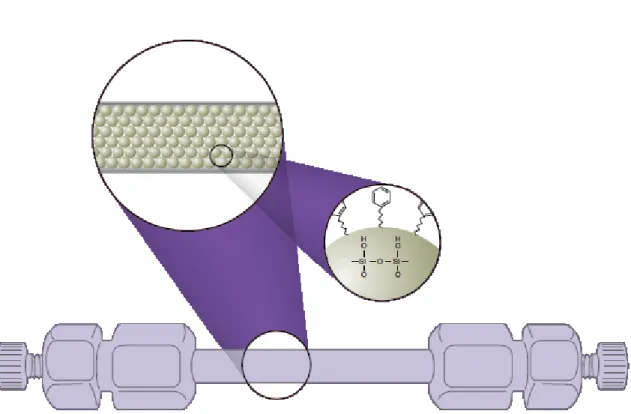
Figure 3: HPLC Column showing solid phase and surface chemistry (Phenomenex)
When determining a column for reversed-phase chromatography the important characteristics to evaluate are chemical composition of the packing, pore and particle size of the beads, the type and density of ligand bond to the surface of the bead, and the capping chemistry. The base packing media used is normally silica produced as porous beads which are chemically stable at low pH (dissolve at high pH) and in the organic solvents. The chemistry of the silica gel allows simple derivatization with ligands of various carbon chain lengths and it is these alkyl groups that are predominantly responsible for its analyte retention properties (Figure 3). Many columns are composed of siloxanes bonded to an octadecyl carbon chain (C18) although there are others carbon chains such as C8 and phenyl bonded silica (Figure 4).
(a)
(b)
Figure 4: Carbon chains that are bonded to the siloxanes of the solid phase, (a) octal carbon chain (C8) (b) octadecyl carbon chain (C18)
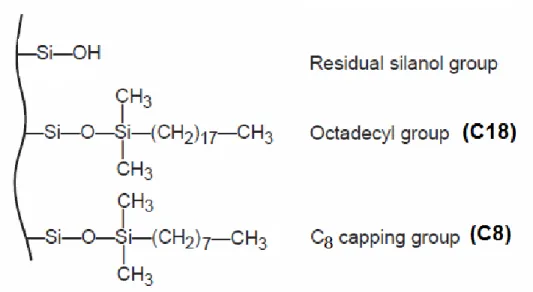
However, due to steric hindrance, not all silanol is treated and a secondary bonding step to cover unreacted silanols on the silica surface is needed. These untreated or unreacted silanols cause undesirable polarity to the surface called mixed mode retention. Mixed-mode retention causes skewed and broader peaks, and retention times increase by ion exchange interaction. End-capping is a process which unreacted silanols are treated with short-chain organosilanes (Figure 5) (Figure 6).
Figure 5: End-capping: The bonding process of the carbon chain to the unreacted silanols of the solid phase
The choice of the alkylsilane reagent to treat these sites will change the selectivity of the column allowing for variation among packaging with the same alkyl groups. So although it is not possible to predict which ligand will be best for a particular application there are varying degrees of selectivity that can be achieved through different C18 columns alone. When examining column size it can be said that for the same packing
material, shorter columns would provide faster run times, while longer columns provide better resolution.
Figure 6: Solid phase with an unreacted silanol, C18, and C8 group attached
There are many factors to consider such as the characteristics of the packing material, and the relationship between column length, diameter and volume. The resolution of high molecular weight biomolecules in reversed phase separations is less sensitive to column length than is the resolution of small organic molecules. However, the use of gradient elution reduces the significance of column length with regard to