Technology (IJRASET)
Water Management Process and Factors Affecting
It
Mohammed Naseeruddin1, Mohd Aamer Khan2, Faraz Ur Rehman Azhar2, Mohammed Shafi2, Mohd Abdul Omer Khan3
1
Asst. Professor, Department of Health & Science, Sreyas Institute of Engineering & Technology 2
Department of Mechanical Engineering, Sreyas Institute of Engineering & Technology, Hyderabad, INDIA 3
Department of Mechanical Engineering, Nizam Institute of Engineering & Technology, Hyderabad, INDIA
Abstract: A day will come where we won’t have availability of useful water. In that situation we need to have sufficient water in order to survive and for that we have few methods of making water reusable. Nowadays we are dealing with one of the most challenging problem insufficient of water facility to both rural and urban areas. Most of the method deals with re-usage of the waste water in the form of filtration. In existing system reuse the waste water from our daily usage areas in static ways. Our proposed system shares the methods in the way of non-static ways in progress. In the way of static usage of water facility treatment process mainly depends on organization status, people usage and machine independent. By the way of the proposed system rectify these problems in sequential order and optimizing the process.
Keywords: Types of water Operators, Methodologies and policies, Roles and Responsibilities, treatment of drinking water and waste water.
I. INTRODUCTION
Water is unique natural resource as a local service. It is essential to survive the human life municipal ownership, and the ensuring responsibilities, should provide a high degree of public accountability in relation to the local water system. Municipalities need to ensure that their water systems are adequately financed. Over the long term schedule, safety depends on stable and adequate financing to maintain the water system’s infrastructure and its operational capacity to supply high quality water consistently
A. Water Facilities Areas
1) Lakes and reservoirs – Generally lakes have better water quality than rivers. Descriptive contaminants will ‘settle out’ in lakes. However, lakes and reservoirs are subject to plant and algae growth, which can give lake water unpleasant taste or odor.
2) Surface water - Surface water is mainly taken from rivers, lakes or reservoirs which are replenished by rain and snow.
3) Groundwater - Groundwater is defined as water that occurs beneath the surface of the earth can be found in most parts of Ontario. It gathers in aquifers, the layers of sand gravel and rock through which water seeps from the surface. Sand and gravel aquifers are usually the most suitable for public water systems because water is more plentiful. Aquifers such as sandstone and lime.
4) Rivers - It may flow through farmland, industrial areas, sewage discharge zones and other districts which may cause harmful contamination and/or affect taste, odor, clarity and color. Depends upon the season the river water quality will vary throughout the year.
B. Types of Water System Operators
1) Operators: These are the persons who adjust processes, equipment or the flow, pressure or quality of water in the system. Operators must hold a valid operator’s certificate or work under the direct on-site supervision of a certified operator.
2) Operator-in-Training (OIT): To train the new operators who can operate a drinking water system. They cannot be designated as an ORO or OIC.
3) Operator-in-Charge (OIC)–It is designated by the owner or operating authority, OIC can directly move with other operators and set operational parameters in the system periodically and has the authority to make operational decisions.
Technology (IJRASET)
C. Operator ResponsibilitiesDrinking water system operators plays a vital role in providing safe drinking water to our society.
To check the critical situation of the operator in the drinking water system such as adjusting equipment, determine chemical dosages, maintaining the stocks, report to the higher authority.
Drinking Water Emergency: A drinking water emergency is a potential situation or service interruption that may result in the loss of the ability to maintain a safe supply of drinking water to consumers.
D. Role and Responsibilities Municipal Operators
It is important that members of municipal council and municipal officials with decision-making authority over the drinking water system understand the usage of customer usage purpose.
1) To meet the customer and discuss about the water requirements.
2) To get useful feedbacks from the customers.
3) To conduct the review periodically.
4) To p l a c e t h e st a f f and provide the training r e g u l a r l y without any disturbance.
E. Aims of the Municipal Operators:
1) To generate source-to-tap focus
2) To arrange legislative and regulatory framework
3) To maintain regulated health-based standards drinking water
4) To perform reliable testing
5) Periodically perform strong action on incidents
6) To maintain mandatory licensing, operator certification and training requirements
7) To improvement tool kit
8) To maintain proper relationship with Partners, dealers, suppliers
F. Policies in Municipal Water Supply
1) Quality Management System (QMS)
To develop QMS related to drinking water system. QMS is one of the backbones of the quality management system. The policy must include following commitments to:
a) Maintenance and continual improvement b) To provide safe drinking water to the customer c) Applicable legislation and regulation
Operational plan include basic information about the drinking water and process the risk management. In QMS share the roles, responsibility and authority. The procedure for the annual review adequacy and monitoring the reports during emergency situations includes owner’s commitment to the continual improvement through corrective action.
2) DWQMS (Drinking Water Quality Management System)
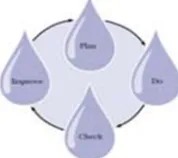
[image:3.612.245.334.611.690.2]DWQMS mainly based on a PLAN, DO, CHECK and IMPROVE methodology [4].The cyclic process of DWQMS are described in the figure 3. PLAN requirements of the standard typically specify policies and procedures that must be documented in the operational plans for the drinking water system.
Technology (IJRASET)
DO requirements specify that the policies and procedures that must be implemented. CHECK and IMPROVE requirements of the standard are reflected in the requirements to conduct internal audits and management reviews.
3) Licensing Policy
For a drinking water system to receive its license, the owner and operator must have in place.
a) A drinking water works permit
b) An accepted operational plan
c) An accredited operating authority
d) A financial plan and permit to take water.
II. HAZARDS AFFECTING WATER
Hazards occur due to human activities in the way of natural or technological events. Natural events include floods, ice storms, and drought and spring run-off. Technological events could include equipment failure or a power outage. Human activities that could lead to a drinking water risk include vandalism, terrorism, chemical spills and construction accidents. Four different types of hazards that may affect drinking water are physical, chemical, biological and radiological:
A. Physical Hazards
1) It includes sediments that can carry microbiological hazards and interfere with disinfection process, biofilms and pipe materials.
2) It provides result from contamination and/or poor procedures at different points in the delivery of water to the consumer.
B. Chemical Hazards
1) It include toxic spills, heavy metals, dissolved gases like radon, pesticides, nitrates, sodium and lead, chemical hazards can come from source water or occur in the treatment and distribution system.
2) The few chemicals mixing with water can produce adverse effect on it.
C. Biological Hazards
1) It includes bacterial, viral and parasitic organisms, such as Giardia and Cryptosporidium.
2) It may be considered the most significant drinking water health risk because effects are acute.
3) It can cause illness within hours.
D. Radiological Hazards
Technology (IJRASET)
III. FACTORS EFFECTING WATER
A. Human Wastes
Human wastes consist of body discharges, mostly feces and urine, which become part of the wastewater through toilet flushing. These wastes have obvious public health implications and are of importance since they may contain organisms which produce diseases in man. The safe and effective treatment of sanitary wastes constitutes a major objective in wastewater disposal.
B. Household Wastes
Household wastes are derived from home laundry operations, bathing, kitchen wastes, from washing and cooking foods and dishwashing. Most of these wastewaters will contain synthetic detergents. Kitchen wastes will consist of food residues as well as greases. Household wastes may also contribute significantly to the wastewater burden when home garbage grinding units are used.
C. Storm Flows
Storm flows from rains, storms, and street washings will contain grit, sand, leaves, and other debris from the drained surfaces. In some communities these flows are collected separately for disposal and do not become a part of the community wastewater. Storm flow volume varies with the intensity of rainfall, topography, pavements and roof areas. Combined wastewaters area mixture of domestic or sanitary wastewater and storm waters when both are collected in the same sewers.
D. Ground Water Infiltration
Sewers, the collecting devices for wastewaters, are buried in the ground and in some instances may be below ground water levels, particularly when such levels are high because of excessive seasonal rainfall. Because the joints between sections of the pipe forming the sewers are not all tight, ground water at times seeps or enters the sewers by infiltration. Since collecting sewers are usually not under pressure and flow is by gravity only, such infiltration is not only possible but at times amounts to appreciable volumes. The volume of ground water infiltration is sometimes difficult to determine accurately. It is influenced by soil composition, the type of sewer construction, ground water conditions, and rainfall and other weather conditions.
E. Industrial Wastewaters
Industrial wastewaters are the discharges of industrial plants and manufacturing processes. Industrial wastewaters can represent, collectively, an important part of community wastewaters and must be considered for successful wastewater treatment plant operation. In some locations industrial wastewater discharges are collected together with other community wastewaters and the mixed wastes are treated together. In other instances, the industry may provide some pre-treatment or partial treatment of its wastewaters prior to discharge to the municipal sewers. In still other situations, the volume and character of the industrial waste is such that separate collection and disposal is necessary.
Technology (IJRASET)
which the water has been put. Typical industries which produce significant volumes of wastewaters include paper and fibre plants, steel mills, refining and petrochemical operations, chemical and fertilizer plants, meat packers and poultry processors, vegetable and fruit packing operations and many more. Industrial discharges may consist of very strong organic wastewaters with a high oxygen demand, or contain undesirable chemicals which can damage sewers and other structures. They may contain compounds which resist biological degradation or toxic components which interfere with satisfactory operation of the wastewater treatment plant. A less obvious source which must be considered an industrial waste, is thermal discharge since it lowers dissolved oxygen values. Many industries use large quantities of cooling water, with the electric power industry being the largest user. However, the primary metal and chemical industry also use substantial quantities of cooling waters.
IV. DRINKING WATER TREATMENT PROCESSES
To describe the drinking water treatment process are shown in below figure 2.intake and screen:
Intake structures are used to draw water from lakes, reservoirs or rivers. Screens are used to remove large debris from raw water, such as logs or fish, or other unwanted matter. Screens can also be designed for coarse or fine matter.
A. Coagulation
Coagulation is a chemical process that causes smaller particles to bind together and form larger particles. Coagulation process is used to improve the removal of particles through sedimentation and filtration in the drinking-water treatment process.
B. Flocculation
Flocculation is the gathering together of fine particles in water by gentle mixing after the addition of coagulant chemicals to form larger particles that can then be removed by sedimentation and filtration.
C. Clarification
The purpose of clarification is to remove suspended solids prior to filtration. In Ontario, the most common method of clarification used is sedimentation or allowing suspended material to settle using gravity.
D. Filtration
The purpose of filtration is to remove particles from the water not removed during clarification by passing the water through a granular or membrane filter that retains all or most of the solids on or within itself.
E. Disinfection
Usually the addition of chlorine to raw or filtered water to remove or inactivate human pathogens such as bacteria and protozoa in water and viruses.
Figure.2 Water Treatment Process
F. Eaton’s Filtration
Eaton’s filtration process is one of the familiar techniques in water filtration. It helps municipalities provide safe and reliable pure drinking water for future generations. Separations done by the Eaton automatic self-cleaning strainer or tubutory backwashing system followed by one or more steps that include Eaton filter bag or cartridge filtration. The goal of Eaton ‘s filtration process is support municipalities in the way of further enhancements like economic growth, quality of life and provide vital resources.
G. Existing water Treatment Systems
Technology (IJRASET)
while providing additional benefits from the reuse of water. They are mostly used in natural and terrestrial systems. Depend upon this system it is further divided into three principal types:
• Mechanical treatment systems • Aquatic systems
• Terrestrial systems
H. Mechanical Treatment Systems
1) It mainly used in natural processes in a well-constructed environment.
2) Suitable lands are used to describe the implementation.
I. Aquatic System
1) It is represented by lagoons
[image:7.612.64.383.429.599.2]2) Lagoon-based treatment systems can be supported by additional pre- or post-treatments using constructed wetlands, aqua-cultural production systems, and/or sand filtration.
Figure 3: Methods of Existing system
J. Terrestrial systems
• It makes use of the nutrients contained in waste waters. It converts the biologically nutrients into less forms of biomass • Usage of chemical such as methane gas production, alcohol production or cattle feed supplements
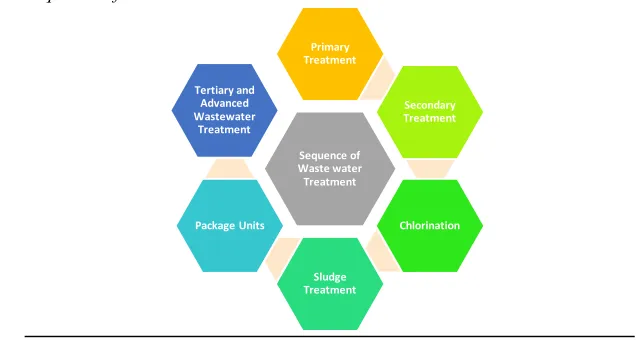
K. Sequence of Waste water Treatment
1) Primary Treatment: In this treatment, most of the settleable solids are separated or removed from the wastewater by the physical process of sedimentation. When certain chemicals are used with primary sedimentation tanks, some of the colloidal solids are also removed. Biological activity of the wastewater in primary treatment is of negligible importance.
The purpose of primary treatment is to reduce the velocity of the wastewater sufficiently to permit solids to settle and floatable material to surface. Therefore, primary devices may consist of settling tanks, clarifiers or sedimentation tanks. Because of variations in design, operation, and application, settling tanks can be divided into four general groups:
Septic tanks
Sequence of Waste water Treatment
Primary Treatment
Secondary Treatment
Chlorination
Sludge Treatment Package Units
Tertiary and Advanced Wastewater
Technology (IJRASET)
Two story tanks -- Imhoff and several proprietary or patented units
Plain sedimentation tank with mechanical sludge removal
Upward flow clarifiers with mechanical sludge removal
When chemicals are used, other auxiliary units are employed. These are:
Chemical feed units
Mixing devices
Flocculators
The results obtained by primary treatment, together with anaerobic sludge digestion as described later, are such that they can be compared with the zone of degradation in stream self-purification. The use of chlorine with primary treatment is discussed under the section on Preliminary Treatment.
2) Secondary Treatment: Secondary treatment depends primarily upon aerobic organisms which biochemically decompose the organic solids to inorganic or stable organic solids. It is comparable to the zone of recovery in the self-purification of a stream.
The devices used in secondary treatment may be divided into four groups:
Trickling filters with secondary settling tanks
Activated sludge and modifications with final settling tanks
Intermittent sand filters
Stabilization ponds
3) Chlorination: This is a method of treatment which has been employed for many purposes in all stages in wastewater treatment
and even prior to preliminary treatment. It involves the application of chlorine to the wastewater for the following purposes:
a) Disinfection or destruction of pathogenic organisms b) Prevention of wastewater decomposition --
c) Odour control and
d) protection of plant structures
Aid in plant operation
(a) Sedimentation, (b) trickling filters and (c) activated sludge bulking
4)Reduction or delay of biochemical oxygen demand (BOD): While chlorination has been commonly used over the years, especially
for disinfection, other methods to achieve disinfection as well as to achieve similar treatment ends are also used. Among the most common is the use of ozone. In view of the toxicity of chlorine and chlorinated compounds for fish as well as other living forms, ozonation may be more commonly used in the future. This process will be more fully discussed in the section on disinfection.
5)Sludge Treatment: The solids removed from wastewater in both primary and secondary treatment units, together with the water
removed with them, constitute wastewater sludge. It is generally necessary to subject sludge to some treatment to prepare or condition it for ultimate disposal. Such treatment has two objectives -- the removal of part or all of the water in the sludge to reduce its volume, and the decomposition of the putrescible organic solids to mineral solids or to relatively stable organic solids. This is accomplished by a combination of two or more of the following methods:
1. Thickening
2. Digestion with or without heat 3. Drying on sand bed -- open or covered 4. Conditioning with chemicals
Technology (IJRASET)
6. Vacuum filtration 7. Heat drying 8. Incineration 9. Wet oxidation 10. Centrifuging
6) Package Units: The term "package units" is used in the field to describe equipment which has been put on the market by a number of manufacturers that is intended to provide wastewater treatment by the use of prefabricated or modular units. Package units can also refer to a complete installation, including both mechanisms and prefabricated containers. This term is also applied to installations where only the mechanisms are purchased and the containers constructed by the purchaser in accordance with plans and specifications prepared by the manufacturer.
Though specific limitations have not been established, individual package units have, in general, been small installations serving a limited population.
Package units have been adapted to practically all the treatment devices, either singly or in various combinations that have been mentioned.
7) Tertiary and Advanced Wastewater Treatment: The terms "primary" and "secondary" treatment have been used to generally describe a degree of treatment; for example, settling and biological wastewater treatment. Since the early 1970's "tertiary" treatment has come into use to describe additional treatment following secondary treatment. Quite often this merely indicates the use of intermittent sand filters for increased removal of suspended solids from the wastewater. In other cases, tertiary treatment has been used to describe processes which remove plant nutrients, primarily nitrogen and phosphorous, from wastewater.
Improvement and upgrading of wastewater treatment units as well as the need to minimize environmental effects has led to the increased use of tertiary treatment.
A term that is also sometimes used to indicate treatment of a wastewater by methods other than primary or biological (secondary) treatment is advanced treatment. This degree of treatment is usually achieved by chemical (for example coagulation) methods as well as physical methods (flocculation, settling and activated carbon adsorption) to produce a high quality effluent water.
L) Existing Methodologies for wastewater Treatment
1) Bio-refineries wastewater treatment
Bio-refineries for the production of fuel ethanol produce large volumes of highly polluted effluents. Anaerobic digestion is usually applied as a first treatment step for such highly loaded wastewaters. At present, the anaerobic biological treatment of bio refinery effluents is widely applied as an effective step in removing 90% of the Chemical Oxygen Demand (COD) in the effluent stream. During this stage, 80–90% BOD removal takes place and biochemical energy recovered is 85–90% as biogas (Pant and Adholeya, 2007; Satyawali and Balakrishnan, 2008). To reduce the BOD to acceptable standards, the effluent from an anaerobic digestion step requires further aerobic treatment. However, biological treatment processes alone are not sufficient to meet tightening environmental regulations (Pant and Adholeya, 2007).A proper choice of tertiary treatment can further reduce colour and residual COD.
Yet another approach is to use algae. The advantage of wastewater treatment using algae is that one can reduce the organic and inorganic loads, increase dissolved oxygen levels, mitigate CO2 pollution and generate valuable biomass by sequential use of
heterotrophic and autotrophic algal species and the generated biomass can be an excellent source of ‘organic’ fertilizers. As documented in studies on eutrophication, algae are known to thrive under very high concentrations of inorganic nitrates and phosphates that are otherwise toxic to other organisms. This particular aspect of algae can help remediate highly polluted wastewaters.
2) Municipal wastewater treatment using constructed wetlands
Technology (IJRASET)
Dandigi, 2002). One of the major constraints to field-scale constructed wetland systems in developing countries like India is the requirement of a relatively large land area that is not readily available. Subsurface (Horizontal/ vertical) flow systems, generally associated with about a 100 times smaller size range and 3 times smaller HRTs (generally 2.9 days) than the surface flow systems (with about 9.3 days HRT, Kadlec, 2009), are therefore being considered to be the more suitable options for the developing countries. Shorter HRTs generally translate into smaller land requirement. Batch flow systems, with decreased detention time, have been reported to be associated with lower treatment area and higher pollutant removal efficiency (Kaur et al., 2012a, b). Thus, batch-fed vertical sub-surface flow wetlands seem to have an implication for better acceptability under Indian conditions.
V. METHODOLOGY TO COLLECT WASTE WATER
A) Drying beds
• Digested sludge is placed on drying beds of sand where the liquid may evaporate or drain into the soil • The dried sludge is a porous humus like cake which can be used as a fertilizer base
• A trickling filter is a fixed bed, biological filter that operates under aerobic conditions. • Pre-settled wastewater is ‘trickled’ or sprayed over the filter.
• As the water migrates through the pores of the filter, organics are degraded by the biomass covering the filter material.
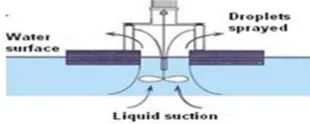
B) Sewage Oxidation ponds
Technology (IJRASET)
Figure 4: Sewage Oxidation Ponds
C) System of Sewage Water
• The purpose of a sewage collection system is to remove wastewater from points of origin to a treatment facility or place of disposal.
• The collection system consists of the sewers and plumbing necessary to convey sewage from the point(s) of origin to the treatment system or place of disposal.
• Sanitary sewage collection systems should be designed to remove domestic sewage only.
• Surface drainage is excluded to avoid constructing large sewers and treating large volumes of sewage diluted by rainwater during storms.
• Sewers which exclude surface drainage are called sanitary sewers,
• To collect surface drainage in combination with sanitary sewage are called combined sewers.
VI. CONCLUSION
In this paper it’s been discussed about the re-usage of drinking water and waste water from sewage areas and other sources. Existing system implements some procedures, techniques and principles like municipal government policies etc. In developing countries like India, the problems associated with wastewater reuse arise from its lack of treatment. The challenge thus is to find such low-cost, low-tech, user friendly methods, which on one hand avoid threatening our substantial wastewater dependent livelihoods and on the other hand protect degradation of our valuable natural resources. The use of constructed wetlands is now being recognized as an efficient technology for wastewater treatment.Proposed work introduces new process and methods for the purpose of the water treatment process and rectify the defects which can be useful in future generation.
REFERENCES
[1] Basu, A.K. (1975). “Cha racteristics of distillery wastewater”, Water Pollution Control Federation, Vol. 47, pp. 2184-2190.
[2] Mohammad, P., Azarmidokht, H., Fatollah, M. and Mahboubeh, B. (2006). “Application of response surface methodology for optimization of important parameters in decolorizing treated distillery wastewater using Aspergillus fumigatus UB2 60”, International Biodeterioration & Biodegradation, Vol. 57, pp. 195-199.
[3] Nataraj, S.K., Hosamani, K.M. and Aminabhavi, T.M. (2006). “Distillery wastewater treatment by the membrane-based nanofiltration and reverse osmosisprocesses”, Water Research, Vol. 40, pp. 2349-2356.
[4] Chang, M.C., Tzou, W.Y., Chuang, S.HandChang,W.K. (2003). “Application of non-woven fabric material in membrane bioreactor processes for industrial wastewater treatment”, 5th International Membrane Science and Technology Conference, Sydney, pp. 10-14.
[5] Gupta,R.,Satyawali,Y.,Batra,V.S.,Balakrishna, M. (2008). "Submerged membrane bioreactor using fly ash filters: Vol. 58, pp. 12811284.
[6] Kalyuzhnyi, S., Gladchenko, M., Starostina, E., Shcherbakov, S. (2005). “Combined biological and physico-chemical treatment of baker’s yeast wastewater”, Water Science Vol.52, pp. 175-181.
[7] Bhardwaj RM. 2005. Status of Wastewater Generation and Treatment in India, IWG-Env Joint Work Session on Water Statistics, Vienna, 20-22 June 2005. [8] Billore, S.K., Singh, N., Sharma, J.K.,Nelson, R.M., Dass, P. (1999). Horizontal subsurface flow gravel bed contructed wetland with Phragmites karka in Central India. Water Science and Technology. 40: 163-171.
[9] Billore, S.K., Singh, N., Ram, H.K., Sharma, J.K., Singh, V.P., Nelson, R.M., Dass, P. (2001). Treatment of molasses based distillery effluent in a contructed wetland in Central India. Water Science Technology. 44: 441-448.
[10] Billore, S.K., Ram, H., Singh, N., Thomas, R., Nelson, R.M., Pare, B. (2002). Treatment performance evaluation of surfactant removal from domestic wastewater in a tropical horizontal subsurface constructed wetland. In: Proceedings of the 8th International Conference on Wetland Systems for Water Pollution Control, University of Dar-es-Salaam, Tanzania and IWA, pp. 393399.
[11] CGWB.2011. Ground Water Year Book - India 2010-11. Central Ground Water Board, Ministry of Water Resources. Government of India.http://www.cgwb.gov.in/documents/Ground%20Water%20Year%20Book-2010-11.pdf