ORIGINAL RESEARCH ARTICLE
AN EDUCATIONAL INTERVENTION MODULE ON SWEET’S SYNDROME TO THE REGISTERED NURSES
*Dr. Ramesh Shanmugam and Gomathi Munusamy
Associate Professor, School of Nursing, College of Health Sciences, Mekelle University, Mekelle, Ethiopia
ARTICLE INFO ABSTRACT
Background: Sweet’s Syndrome that can lead to various inflammatory and neoplastic pathologies. The nurses providing care for clients with Sweet’s Syndrome present an educational challenge. The nurse must have adequate knowledge to prevent Sweet’s Syndrome and render proper care to the clients. Nurses should be efficient enough to prevent or minimize the complications or should prevent further worsening of symptoms. Within this context that this study was conducted with the aim of knowing the effectiveness of educational intervention module on Sweet’s Syndrome among the registered nurses. Objectives of the study
To assess the knowledge, attitude and practice on Sweet’s Syndrome among the registered nurses.
To evaluate effectiveness of educational intervention on Sweet’s Syndrome among the registered nurses.
To find out the relationship between knowledge, attitude and practice on Sweet’s Syndrome among the registered nurses before and after intervention.
To find out the influence of demographic variables on the knowledge, attitude and practice on Sweet’s Syndrome among the registered nurses.
Methods and materials: A Pre-experimental Research design was used and study was conducted from June 2010 to February 2011 at Rangaraya Medical College and Government General Hospital, Kakinada, East Godavari District, Andhra Pradesh. The sample of 300 nurses who met the inclusion criteria were selected by using random sampling technique with lottery method and data were analyzed both descriptively and analytically using Pearson correlation co-efficient, Chi-Square and paired t test. Demographic variables of registered nurses were collected and assessed their knowledge, attitude and practice on Sweet’s Syndrome by an interview schedule. Then structured teaching programme was conducted and educational intervention module was distributed to the nurses. After one week post test was conducted. The study subjects were randomly selected. But there was no control group. Thus the study was based on one group pre test-post test design.
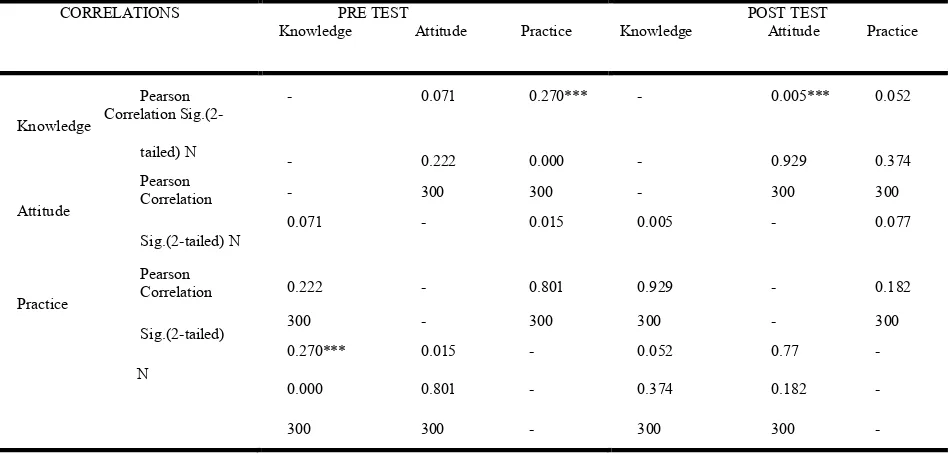
Result: Pearson Correlation co-efficient and Sig. (2-tailed) of the pre-test level of knowledge and attitude score was 0.071, 0.222 and pre test level of knowledge and practice scores were 0.270, 0.000. Statistically there was a significant correlation between the knowledge and attitude, knowledge and practice on Sweet’s Syndrome among the registered nurses. Post test level of knowledge and attitude scores were 0.005, 0.929 and post test level of attitude and practice scores were 0.077, 0.182. Statistically there was a significant correlation between knowledge and attitude, attitude and practice. The post-test level of knowledge and practice scores were 0.052, 0.374. Statistically there was a significant correlation between knowledge and practice on Sweet’s Syndrome among the registered nurses.
Conclusion: The overall findings of the study showed that the educational intervention module is very effective in improving the knowledge, attitude and practice on Sweet’s Syndrome among the registered nurses. Statistically there is a significant co-relation and association between the level of knowledge, attitude and practice on Sweet’s Syndrome among the registered nurses in before and after intervention.
Copyright © 2018,Dr. Ramesh Shanmugam and Gomathi Munusamy. This is an open access article distributed under the Creative Commons Attribution License, which permits unrestricted use, distribution, and reproduction in any medium, provided the original work is properly cited.
INTRODUCTION
There have been many changes in nursing over the past decade. Perhaps two of the most significant that has been the risk of accountability and health as key concepts in nursing.
Nurses have always been responsible for the care they deliver but that is not the same as being accountable (Berman, Synder, Kozier and Erb, 2011). These are various agencies that directly or indirectly control and effect everyday nursing practice. This will become increasingly apparent to progress
ISSN: 2230-9926
International Journal of Development Research
Vol. 08, Issue, 10, pp. 23830-23842, October, 2018
Article History:
Received 28th July, 2018
Received in revised form 07th August, 2018
Accepted 18th September, 2018
Published online 30th October, 2018
Key Words:
Sweet’s syndrome, Knowledge, Attitude, Practice, Andhra Pradesh, India.
*Corresponding author
Citation: Dr. Ramesh Shanmugam and Gomathi Munusamy. 2018. “An educational intervention module on sweet’s syndrome to the registered nurses”,
International Journal of Development Research, 8, (10), 23830-23842.
in nursing and become more aware of the context within which nurses can operate.
The higher education institution where nurses are
educated
The patient and his or her family
The community
Registered nurses and other health care professionals.
Employers and managers, who run the health care
system
The statutory bodies that regulate nursing (Taylor,
Lillis, Lemone and Lynn, 2011).
Nursing care has to be based upon the individual needs of each patient, planned with the involvement of the patient and then evaluated for its effectiveness. Sweet Syndrome is a skin disorder characterized by fever and painful skin lesions usually on back, arms, face or neck. The clinical nurse has a unique responsibility to observe and provide care to the client. Advances are being made each day in providing greater safety to the client keeping in view the findings seen in scientific literature. The present study is intended to assess the effectiveness of educational intervention module among registered nurses on Sweet’s Syndrome (Creamer, 2011).
Background of the Study: Sweet’s Syndrome also named as Acute Febrile Neutrophilic Dermatosis. Sweet’s Syndrome described in 1964 by Robert Douglas Sweet, now currently recognized as Sweet’s Syndrome ranges from classic Sweet disease, which occurs commonly in young women after a mild respiratory illness, to a more aggressive neutrophilic process, which may be associated with other inflammatory diseases or malignancy. It is characterized by the abrupt onset of tender, red-to-purple papules, and nodules that form together plaques and showing reaction. The Sweet’s Syndrome lesions commonly seen in face, neck, upper limbs and represents with fever and neutrophilia in peripheries (Schlossberg, 2008). Health problems involving the skin vary from minor to catastrophic. Nurses require a wide range of skills to provide not only the necessary physical care but also much needed psychological support. A preventive approach to the maintenance of skin integrity combined with specific education can be greater benefit to a person than a delayed, reactive one (Chintamani, 2011). Sweet’s Syndrome that can lead to various inflammatory and neoplastic pathologies. A report showed that a case of Sweet’s Syndrome revealing acute leukemia in a 13 year old girl, who had no history of illness. The diagnosis was made in spite of atypical skin lesions and was confirmed by the skin biopsy and the bone marrow examination. In spite of corticosteroid therapy and chemotherapy the patient died. Sweet’s Syndrome diagnosis requires an exhaustive etiologic survey. If there is no evidence of underlying disease, patients must be regularly monitored.
(Elleuch E et al. Arch Pediatric. 2011, Aug 2).
Need for the Study: Petrig C, Bassetti S et al. (2006) conducted a study in Switzerland at the University Hospital Basel, a 67-year-old patient with newly diagnosed acute myeloid leukemia developed acute respiratory failure with high-grade fever and bilateral pulmonary infiltrates and erythematous skin lesions appeared at the vascular catheter
puncture sites. Sweet’s Syndrome with pulmonary
involvement was suspected and a treatment with
corticosteroids was started. Sweet’s Syndrome was confirmed
by skin biopsy. After corticosteroid therapy respiratory symptoms rapidly improved, the patient became afebrile and the cutaneous lesions rapidly disappeared. Typical skin lesions are initially absent, early recognition of Sweet’s Syndrome with pulmonary involvement is important because of the possibility of severe respiratory impairment, which can be avoided through prompt administration of corticosteroids. Cohen P R (2007) reviewed the 79 patients with malignancy associated Sweet’s Syndrome was documented in the world literature. The most common underlying neoplasm was acute
myelogenous leukemia (AML), lymphomas, chronic
leukemia’s, myelomas, myelodysplastic syndromes, and a variety of solid tumors have also been observed. The onset of Sweet’s Syndrome with undiagnosed cancer is greater than 60% of malignancy associated with Sweet’s Syndrome patients. In contrast to patients with the idiopathic form of the disease, those with a malignancy often presented with more severe cutaneous lesions, cytopenias, and immature cells in the peripheral blood. All the signs and symptoms of Sweet’s Syndrome improved dramatically with corticosteroid therapy, regardless of the response of the associated neoplasm to tumor-directed therapy.
Anand P et al (2008) reviewed that Cancer related to one's occupation is believed to represent between 2–20% of all cases. Worldwide every year, approximately 200,000 people die from occupational cancer. It is estimated that 20,000 cancer deaths and 40,000 new cases of cancer each year in the U.S. are attributable to occupation. Millions of workers are in the high risk of developing cancers such as lung cancer and mesothelioma from inhaling asbestos fibers and tobacco smoke, or leukemia from exposure to benzene at their workplaces. Michel A (2009) stated that Sweet’s Syndrome is characterized clinically by sharply marginated, rapidly expanding, tender, erythematous, or violaceous plaques that typically occur on the face, neck, upper trunk and extremities. Four subtypes of Sweet’s Syndrome have been described: classic (71%), associated with an inflammatory disease (16%), associated with a malignancy (11%) and associated with pregnancy (2%). Information provided by WHO (World Health Organization, 2011) is cancer is a leading cause of death throughout the world. Deaths due to cancer which is continuously increasing and it can be estimated 12 million deaths which reports in the year 2030. World Cancer Day 2012 has been themed “Together it is Possible” because it is only by every person, organization, government, individually doing their part that the world will be able to reduce premature death from cancer and non-communicable diseases by 25% by 2025. Recurring theme over the years focus on preventing cancer and its complications and raising the quality of life for cancer patients (World Health Organization, 2012). Nursing is a vital aspect of health care system and nurse are vital members of health care. Nursing is facing new development in the 21st century. The nurses are challenged to make quick yet critical decisions in the rapidly expanding health care system relating to the provision of quality care to the clients. The quality care is attainable through nursing practice which becomes the corner stone for nursing education, service and research (Kay Kittrell Chitty, 2000). Education is the process by which nurses deliberately transmits its accumulated knowledge, skills and values from one generation to another. Attitude is an important concept that is often used to understand and predict client’s reaction to change and how behaviour can be influenced. Nursing personnel give their best by serving and meeting the diverse needs of the patients. Nurses need to
protect their client from Sweet’s Syndrome which is possible only when there is increase in knowledge and improvement in the practice. It is therefore important to have information as regards what probable impact they are likely to have upon service provision as well as client health safety.
Statement of the Problem: An educational intervention
module on Sweet’s Syndrome to the registered nurses.
Operational Definition
Educational Intervention: It refers to the systematically planned teaching strategy designed to provide information on Sweet’s Syndrome among registered nurses working in Rangaraya Medical College, Government General Hospital, Kakinada.
Registered Nurse: Professional nurse is a graduate of a recognized nursing school/ college who has met the requirement for a registered nurse in a state in which she/he is licensed to practice.
Sweet’s Syndrome: The disease Sweet’s Syndrome is also called as AFND which means Acute Febrile Neutrophilic Dermatosis (AFND) primarily affects the skin, it is characterized by tender, indurated dark red papules and plaques with prominent edema in the upper dermis and dense infiltrate of neutrophils on histopathology.
Hypotheses
H1 - The educational intervention will have an impact on knowledge on Sweet’s Syndrome among the registered nurses.
H2 - The educational intervention will have an impact on attitude and practice on Sweet’s Syndrome among the registered nurses.
H3 - There will be significant difference between before and after intervention of knowledge, attitude and practice on Sweet’s Syndrome among the registered nurses.
H4 - There is a correlation between knowledge, attitude and practice on Sweet’s Syndrome among the registered nurses.
H5 - There is an association between knowledge, attitude and practice with demographic variables on Sweet’s Syndrome among the registered nurses.
Variables
Independent variable: In this study independent variable is “Educational intervention module on Sweet’s Syndrome” developed by the researcher.
[image:3.595.100.507.398.763.2]Dependent variable: In this study dependent variable is Nursing Care Practice among the Registered Nurses on Sweet’s Syndrome.
Extraneous variable: There are demographical variables like age, sex, professional qualification, years of experience in nursing profession, religion, marital status, education of spouse, occupation of spouse, family income, type of family, number of children, type of residence, institution where nursing training had been taken, number of earning members, and sources of information gained about Sweet’s Syndrome.
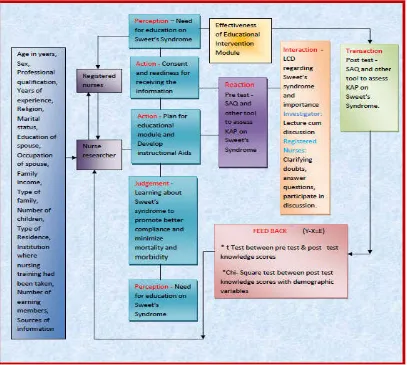
Conceptual Framework: Imogene King’s Goal attainment
theory based on the personal and inter personal system
including interaction, perception, judgement and
communication and transaction. The investigator adopted this theory as a basis for conceptual framework which is aimed to find out the effectiveness of educational module on Sweet’s Syndrome. This involves interaction between the nurse researcher and registered nurses.
Review of Literature
This chapter deals with selected studies, which are related to objectives of the proposed study. A literature review is a written summary of the state of existing knowledge on a research problem. (Polit and Hungler, 2003). This chapter can be studied under 3 sections.
Studies related to Knowledge
Studies related to Attitude
Studies related to Practice
Studies related to Knowledge: Kumpfel T et al. (2011) study report shows that a 55-yearold male patient with secondary progressive multiplesclerosis who developed an Sweet’s Syndrome with fever, neutrophilia and tender erythematous plaques and papules on his upper extremities after his fifth
mitoxantrone infusion. Infectious, haematological and
rheumatological diseases were ruled out, but skin biopsy showed neutrophilic infiltrations in the dermis. Administered oral corticosteroids for improvement of systemic and cutaneous symptoms. Skin biopsy helped to confirm Sweet’s Syndrome.
Lange M, Thom B and Kline (2008) revealed a descriptive quantitative study to assess nurses’ attitudes towards death and caring for dying patients in a comprehensive cancer center. The main objectives were to assess nurses feel about death and caring for dying patients and examine any relationship between their attitudes and demographic factors. 355 inpatient and outpatient oncology nurses were selected by using convenient sampling technique. Data collection instruments used was voluntary and anonymous completion of the Frommelt Attitude Towards Care of the Dying, the Death Attitude Profile - Revised and a demographic questionnaire. Research Variables were years of total nursing experience, years employed at the cancer center, previous experience with caring for dying patients, age, gender, and attitudes towards death and caring for dying patients. Findings were statistically significant relationship were noted among age, nursing experience, previous experience with caring for terminally ill patients, and scores on the Frommelt Attitude Towards Care Of the Dying and Death Attitude Profile - Revised. Nursing experience and age were the variables most likely to predict nurses’ attitudes towards death and caring for dying patients. They concluded that registered nurses with more work experience tended to have more positive attitudes toward death and caring for dying patients.
Goh C L, Alora M and Kohar Y (1996) reviewed 39 clients with Sweet’s Syndrome in Singapore at National Skin Centre. They diagnosed the cases based on the symptoms and through histological examination. They found that the ratio of incidence among sex female to male was 1.6:1 and sites involved commonly were arms and legs. Out of 39 cases 4 were associated with malignancy and relapses were occurred in 11 out of 39 patients. In this study, they reviewed diagnostic evaluation was ineffective and most of the client responded to oral prednisone therapy. Mizoguchi et al. (1978) stated that patient education should include information about the variable course of this condition, as well as advice on self-monitoring for signs and symptoms of other diseases and described about lifestyle and home remedies such as,
Avoid injury to skin. Wear protective garments if the
client thinks that might injure or damage their skin.
Apply sunscreen lotions. Use sunscreen with a sun
protection factor (SPF) of 15 while the client involved in outdoor activity.
Studies related to Attitude
An attitude is a hypothetical construct that represents an individual’s degree of like or dislike for something. Attitudes are generally positive or negative views of a person, place, thing, or event - this is often referred to as the attitude object. Gunilla Borglin, Markus Gustafsson and Hans Krona (2011) were carried out a quasi-experimental study to investigate cancer related pain management guidelines used for daily pain assessments followed by an educational intervention will improve knowledge and attitude among nurses. Total 16 weeks taken for data collection. The study concluded that educational
intervention has a positive impact on nursing care. Rice A M et
al. (2010) as the literature suggests, implementing an
educational program tailored to oncology nurses’ needs may be useful in helping to foster more positive attitudes toward Sweet’s Syndrome patients, therefore providing quality care.
Khaled Abdallah Khader et al. (2010) have described that
nurses working in cancer centers deal frequently with the phenomenon of death and dying during the daily care of patients. Their demographic and experiential characteristics and previous educational background can shape their attitudes toward care for Sweet’s Syndrome patients. The review showed that certain standardized education programs, like end of life nursing education consortium, can change nurses’ attitudes towards cancer patient. By using several educational methods, including role playing, case studies, reflection and open discussion, such programmes help nurses to bring positive attitude. Tamara Mc Lean (2008) written an article on Positive attitude no cure for cancer.The study was conducted over a period of 8 years with the sample size of 708 women who had been newly diagnosed with localised breast cancer. The main aim of the study to observe whether cancer relapsed due to negative attitude. A quarter died over the period. The other variables also assessed such as levels of depression, anxiety and other factors like fatalist outlook, avoidance, anger, and feelings of hopelessness. The findings showed that the women who had stressful preoccupation more likely to get relapse of cancer. A positive attitude is great and it clearly helps quality of life when the client undergoing for treatment but it makes an undetectable difference to disease. Burns N (2008) stated that oncology health care professionals hold negative attitudes towards cancer with Sweet’s Syndrome and changing these attitudes presents a significant challenge.
Educational programmes and supportive strategies may alleviate fears and promote a more positive image of cancer. The strategies must be based on an understanding of current attitudes towards this phenomenon. Nahed Saied Ayoub (2007) stated that to provide quality care at the end of life, nurses must not only possess knowledge and skills to provide effective end-of-life care, but must also develop the attitudes and interpersonal competence to provide compassionate care. Corner (2006) found that professional experience seemed to reinforce attitudes held or even increase nurses’ negative attitudes. This is increasingly worrying when one considers that staff holding negative attitudes may be likely to make different decisions regarding the treatment and care of patients with cancer with Sweet’s Syndrome than those with positive attitudes, placing low value on the patient and psychological care.
Burnett C B et al. (2006) conducted clinical trials on nurses’ attitudes towards cancer with Sweet’s Syndrome at a comprehensive cancer center. 417 nurses employed at the cancer center were surveyed; 250 (60%) subjects responded. Methods used 59-item questionnaire. Main research variables are nurses’ attitudes toward clinical trials and perceptions of patient understanding of and influences on participation in clinical trials. The findings are 96% of nurses reported that participation in clinical trials is important to improving standards of care; only 56% believed that patients should be encouraged to participate in trials if they had cancer. In multiple regression analyses, older age and being a research nurse were significant predictors of positive attitudes toward clinical trials. Work setting also was a significant predictor of nurses’ perceptions of patients’ understanding of treatment. The student concluded that the nurses generally reported that clinical trials are important to improve standards of care; however, attitudes concerning patient participation in clinical trials and perceptions of patient understanding differed by work setting. Nurses have high expectations regarding the benefits of investigational therapy. Murray and Mc Millan (2002) mentioned that there has been increasing interest in the attitudes of health care professionals and their effects on quality of care among patients with Sweet’s Syndrome associated cancer. A survey indicated that cancer remains feared disease in society. Education will have a positive impact on health professionals’ attitudes. Kearney N and Miller M (2002) a study conducted to evaluate oncology health care professionals’ attitudes towards cancer with Sweet’s Syndrome. Attitudes were measured using the Burns’ Cancer Belief Scales. The results shown in this study was regardless of gender, profession and clinical experience, all health care professionals displayed persistently negative attitudes towards cancer with Sweet’s Syndrome. No statistically significant difference was detected between gender, profession, clinical experience and specialist education, and no major differences were found between group means. They concluded that oncology health care professionals hold negative attitudes towards cancer with Sweet’s Syndrome and changing these attitudes presents a significant challenge. Educational programmes and supportive strategies may alleviate fears and promote a more positive image of cancer.
Studies related to Practice
Saeed Metal (2011) stated that Sweet’s Syndrome is characterized by a group of symptoms and findings such as fever, neutrophilia, and tender erythematous skin lesions that
typically show an upper dermal infiltrate of mature neutrophils. Whereas some cases are idiopathic, others have been associated with a variety of disorders. In this report, described the occurrence of Sweet’s Syndrome with chronic
lymphocytic thyroiditis (Hashimoto thyroiditis) and
preexisting psoriasis. This is the first case report of the association of chronic lymphocytic thyroiditis with Sweet’s Syndrome from the United States. An underlying common pathogenic mechanism postulate to be CD4 (+) T-cell dysfunction. Davis M D (2011) has mentioned that Neutrophilic dermatoses include a spectrum of disorders with similar histologic appearance and pathologic processes.
Clinically,however,theyhavedifferentphysical manifestations
and associations. This group includes two diseases for which dermatologists are commonly consulted in the hospital, namely pyoderma gangrenosum and Sweet’s Syndrome. Evaluation is challenging, and many therapeutic approaches have been described for both. The previously reported diagnostic criteria, physical descriptions, differential diagnosis, workup, and treatment options are reviewed. A practical approach to pyoderma gangrenosum and Sweet’s Syndrome for the provider was described.
Makis A et al. (2010) concluded that besides describing the connection of Sweet’s Syndrome to a rota virus infection, this case report is also a reminder that in a child presenting with a febrile papulo-nodular rash with neutrophilia Sweet’s Syndrome should be included in the differential. Cockerell C J
et al. (2010) stated that cutaneous manifestations of Sweet’s
Syndrome are acute eruption of painful, edematous papules, plaques, pustules, or vesicles associated with fever and other constitutional symptoms. The etiology was unknown and it is most commonly arises due to systemic illnesses, such as infections, IBD, medications, and malignancies. The report shows that a case of chronic, recurrent Sweet’s Syndrome lasting over 15 years in a patient with no identifiable
underlying illness. Gheorghe L et al. (2008) a study shows that
a case of drug induced Sweet’s Syndrome secondary to hepatitis C antiviral therapy. Interferon based therapy may be responsible for many cutaneous side effects. Pegylated interferon-alpha in combination with ribavirin currently represents the therapeutic standard for the hepatitis C virus
infection. Xiao T et al. (2007) described a 53-year-old Chinese
man diagnosed with Sweet’s Syndrome presented with fever, a painful exudative plaque around left eye and subsequent multiple tender plaques and nodules on bilateral face, neck and back. The client had a 12-year history of refractory anemia, a subtype of myelodysplastic syndrome. Repeated bacterial cultures of exudates from the lesion showed growth of methicillin-resistant Staphylococcus epidermidis.
The patient was responded well to combination therapy of amoxicillin/sulbactam and corticosteroids. They concluded that Sweet’s Syndrome associated with skin epidermis infection. Govindarajan G et al. (2005) described a case of Sweet’s Syndrome related to use furosemide in a 46 year old female who was admitted for treatment of Congestive Heart Failure (CHF). 3 days after administration of furosemide, the client had a fever and a skin eruption appeared on her wrist, forearms and legs. Biopsy of the skin lesion was consistent with Sweet’s Syndrome. After discontinuation of furosemide, the client’s who have development of Sweet’s Syndrome without an obvious cause should have their medication list
closely reviewed. Evans A V et al. (2002) described that
malignancies, around half of which have been acute myelogenous leukemia. They showed the report of 2 patients with Sweet’s Syndrome in whom the classical histological appearances were preceded by dermal lymphocytic infiltrates. The cases demonstrate the chronicity of lesions associated with hematological disease and the need for repeat biopsies to confirm the diagnosis. They also described that the list of second line drugs that may be used in Sweet’s Syndrome. Ginarte M, García Doval I and Toribio J (1997) did a retrospective analysis of the records of 16 patients diagnosed as Sweet’s Syndrome, with the aim of describing their clinical findings and associations, and comparing results with previous studies. The mean age was 51, and 82% were female. A previous infection was recorded in 5 cases (31%), 2 patients (12%) suffered from a malignant neoplasia (acute myeloid leukemia and prostatic neoplasia), another patient had a
co-incident of acute ulcerative colitis with pyoderma
gangrenosum, and a third one referred previous ingestion of diclofenac and intense sun exposure. Most patients had their lesions localized on the upper extremities (75%); fever was present in 8 cases (50%), arthralgia in 6 cases (37%), and erythema nodosum in 5 cases (31%). The most frequent laboratory finding was an elevated ESR (93% had values over 20 mm/h), and only 44% of patients had leukocyte counts over 10 x 10(9)/l. Urinanalysis was abnormal in one third of the patients, and chest roentgenograms, performed in 10 patients, were all normal. Most of the patients were treated with low doses of oral prednisone (30 mg/day) with good results. The disease recurred in 25% of the cases.
Research Methodology
Research methodology is the systematic way of doing a research to solve a problem. It comprises the statement of the problem, the objectives of the study, the hypotheses that have been formulated, the variables under study, the methods used for data collection and the statistical methods for analysis of the data and the logic behind it (Talbot, 1999).
Study period: The study was conducted from June 2010 to February 2011.
Research Approach: A pre-experimental research approach
was used in this study to evaluate the effectiveness of educational intervention module on Sweet’s Syndrome to the registered nurses.
Research Design: A experimental design (one group pre-test and post pre-test design) was adopted for the study. Observations are made before and after independent variables have been introduced to a group.
Pre-test Intervention Post-test O1 X O2
Key:
O1 - Pre-test assessment of existing knowledge, attitude and practice
X - Educational intervention module on Sweet’s Syndrome O2 - Post-test assessment of nurses’ knowledge, attitude and
practice on Sweet’s Syndrome
Setting of the Study: This study was conducted at Rangaraya Medical College and Government General Hospital, Kakinada,
East Godavari District, Andhra Pradesh. It is one of the old and premier Government General Hospital established in 1958. The Government General Hospital would serve as the teaching hospital with 1500 bedded which consist of super speciality departments such as General Medicine, General Surgery, Neuro-Surgery, Plastic Surgery, Pediatric, Pulmonology,
Rheumatology,Oncology,Urology,Gynaecology, Microbiology
and Pathology etc., Rangaraya Medical College and Government General Hospital with all faculties of Medicine and Nursing, where the doctors, nurses and other para- medical staffs attending continuing education programme and getting an unique opportunity for higher level learning to expand their horizons of knowledge and nursing skills.
Population: The population for the study was selected from both male and female nurses between the age group of 25-55 years working in Rangaraya Medical College and Government General Hospital, Kakinada, East Godavari District, Andhra Pradesh.
Sampling
Sample: 300 samples were selected by using probability sampling and who met the inclusion criteria.
Sample Size & Sampling Technique: A total number of 300 samples were selected by simple random sampling with lottery method.
Sample Criteria
Inclusion criteria
Registered Nurses, who are working in Rangaraya
Medical College and Government General Hospital, Kakinada.
Both male and female registered nurses are included.
Registered Nurses who know English.
Those who are willing to participate in the study.
Exclusion criteria
Nurses who are on long leave i.e. for more than 3
months.
Nurses who are not completed 6 months experience at
the time of sampling.
Data Collection Instruments and Techniques
The instrument consists of four parts
Part I - Questionnaire for demographic variables.
Part II - Questionnaire to assess the knowledge on Sweet’s Syndrome among the registered nurses.
Part III - A five point Likert Scale was used to assess the attitude on Sweet’s Syndrome among the registered nurses. Part IV - Check list to assess the practice on Sweet’s Syndrome among the registered nurses.
Validity of the instrument
To ensure content validity of the tool, the tool was submitted to experts along with the blueprint, objectives checklist and content validation certificate (Annexure III, IV & V). Three of the experts are nursing professionals and ten of them are
doctors. The experts were requested to give their opinion on the adequacy, relevancy and appropriateness of the tool.
Reliability: Test-retest methods were used in order to assess the reliability. For the reliability, the tool was administered to 30 registered nurses of Haritha Multi Specialty Hospital, Kakinada. The reliability inter – rater was used and coefficient correlation was calculated. The tools were found to be reliable r = 0.89 for post test attitude and r = 0.91 for post test practice respectively.
Ethical Consideration: A formal written permission was
obtained from the Superintendent, Rangaraya Medical College and Government General Hospital, Kakinada. The research protocol with copies of research instruments and informed consent was submitted to the organization’s ethical committee for approval and ethical clearance for the study was obtained. All the selected registered nurses have been given the informed written consent form and adequate explanation was given and the purpose of the study was explained. Confidentiality of the information was assured along with choice of dropping out of the study as and when they wished.
Analysis & Interpretation
Section I:
Demographic variables on Sweet’s Syndrome among
the registered nurses.
Calculating number and percentage of demographic
variables among the registered nurses.
Section II
Comparison between before and after Intervention
scores on knowledge, attitude and practice on Sweet’s Syndrome among the registered nurses.
Computing the mean and standard deviation to assess
the pre test and post test score on knowledge, attitude, and practice on Sweet’s Syndrome among the registered nurses.
Section III
Correlation between knowledge, attitude and practice
on Sweet’s Syndrome among the registered nurses in before and after intervention.
Analyzing the significant correlation between
knowledge, attitude, and practice on Sweet’s Syndrome among the registered nurses by using Pearson correlation co-efficient.
Section IV
Association between the level of knowledge and
demographic variables on Sweet’s Syndrome among the registered nurses.
Analyzing the significant association between the levels
of knowledge, with demographic variables on Sweet’s Syndrome among the registered nurses by using Chi-Square test.
Analyzing the significant difference between pre-test
and post-test scores on Sweet’s Syndrome among the registered nurses by using paired t test.
Analyzing the effectiveness of educational intervention
module by improving the knowledge on Sweet’s Syndrome among the registered nurses by using paired t test.
[image:7.595.312.552.193.555.2]Section I: Demographic Variables on Sweet’s Syndrome among the Registered Nurses.
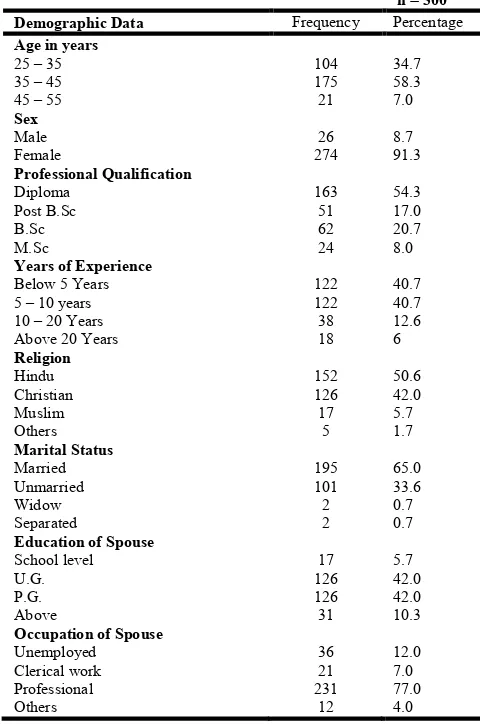
Table 4.1. Frequency and Percentage Distribution of Demographic Variables on Sweet’s Syndrome among the
registered nurses
n = 300 Demographic Data Frequency Percentage Age in years
25 – 35 104 34.7
35 – 45 175 58.3
45 – 55 21 7.0
Sex
Male 26 8.7
Female 274 91.3
Professional Qualification
Diploma 163 54.3
Post B.Sc 51 17.0
B.Sc 62 20.7
M.Sc 24 8.0
Years of Experience
Below 5 Years 122 40.7
5 – 10 years 122 40.7
10 – 20 Years 38 12.6
Above 20 Years 18 6
Religion
Hindu 152 50.6
Christian 126 42.0
Muslim 17 5.7
Others 5 1.7
Marital Status
Married 195 65.0
Unmarried 101 33.6
Widow 2 0.7
Separated 2 0.7
Education of Spouse
School level 17 5.7
U.G. 126 42.0
P.G. 126 42.0
Above 31 10.3
Occupation of Spouse
Unemployed 36 12.0
Clerical work 21 7.0
Professional 231 77.0
Others 12 4.0
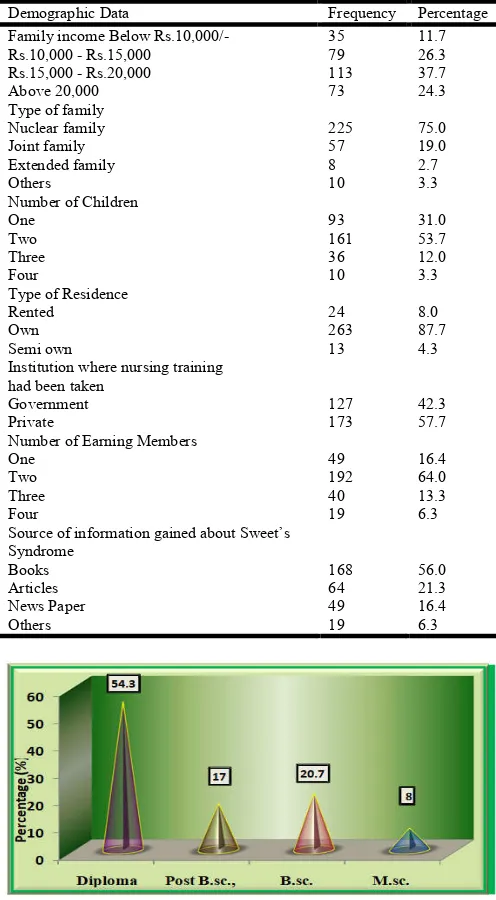
Table 4.1. Frequency and Percentage Distribution of Demographic Variables on Sweet’s Syndrome among the
registered nurses
n = 300
Demographic Data Frequency Percentage Family income Below Rs.10,000/- 35 11.7
Rs.10,000 - Rs.15,000 79 26.3
Rs.15,000 - Rs.20,000 113 37.7
Above 20,000 73 24.3
Type of family
Nuclear family 225 75.0
Joint family 57 19.0
Extended family 8 2.7
Others 10 3.3
Number of Children
One 93 31.0
Two 161 53.7
Three 36 12.0
Four 10 3.3
Type of Residence
Rented 24 8.0
Own 263 87.7
Semi own 13 4.3
Institution where nursing training had been taken
Government 127 42.3
Private 173 57.7
Number of Earning Members
One 49 16.4
Two 192 64.0
Three 40 13.3
Four 19 6.3
Source of information gained about Sweet’s Syndrome
Books 168 56.0
Articles 64 21.3
News Paper 49 16.4
[image:8.595.38.286.106.556.2]Others 19 6.3
Fig. 2. Distribution of Professional Qualification among the Registered Nurses on Sweet’s Syndrome
Section II: Comparison between Before and After
Intervention Scores on Knowledge, Attitude and Practice on Sweet’s Syndrome among the Registered Nurses.
Table 4.2. Pre and Post Level of Knowledge on Sweet’s Syndrome among the Registered Nurses
n = 300 Level of Knowledge Pre test Post test
No % No %
In adequate 243 81.0 - -
Moderately Adequate 55 18.3 19 6.3
Adequate 2 0.7 281 93.7
Data in the Table 4.2 shows that 243 (81.0%) nurses had inadequate knowledge on Sweet’s Syndrome, 55 (18.3%) nurses had moderately adequate knowledge on Sweet’s Syndrome and 2 (0.7%) nurses had adequate knowledge on
[image:8.595.307.559.135.246.2]Sweet’s Syndrome according to the pre-test. According to the post test (6.3%) 19 nurses had moderately adequate knowledge on Sweet’s Syndrome and 281 (93.7%) nurses had adequate knowledge on Sweet’s Syndrome. It seems that the intervention was very effective among the registered nurses on Sweet’s Syndrome.
[image:8.595.327.540.319.374.2]Fig. 3. Comparison between Pre and Post test Level of Knowledge on Sweet’s Syndrome among the Registered Nurses
Table 4.3. Pre and Post Test Level of Attitude on Sweet’s Syndrome among the Registered Nurses
Level of attitude Pre test Post test
No % No %
Unfavourable 261 87.0 - -
Favourable 26 8.7 46 15.3
Most favourable 13 4.3 254 84.7
Data in Table 4.3 shows that in pre test 261 (87.0%) nurses had unfavourable attitude, 26 (8.7%) nurses had favourable attitude and 13 (4.3%) nurses had most favourable attitude on Sweet’s Syndrome. According to the post test 46 (15.3%) nurses had favourable attitude on Sweet’s Syndrome and 254 (84.7%) nurses had most favourable attitude on Sweet’s Syndrome.
[image:8.595.312.556.477.605.2]Fig. 4 . Comparison between Pre and Post Test Level of Attitude on Sweet’s Syndrome among the Registered Nurses
Table 4.4. Pre and Post Test Level of Practice on Sweet’s Syndrome among the Registered Nurses
Level of Practice Pre test Post test
No % No %
Poor 236 78.7 - -
Fair 56 18.7 47 15.7
Good 8 2.7 253 84.3
Data in table 4.4 shows that 236 (78.7%) nurses had poor practice, 56 (18.7%) nurses had fair practice and 8 (2.7%) nurses had good practice on Sweet’s Syndrome according to the pre test. According to the post test 47 (15.7%) nurses had fair practice and 253 (84.3%) nurses had good practice on Sweet’s Syndrome.
[image:8.595.337.530.674.729.2] [image:8.595.64.261.678.734.2]Fig. 5. Comparison between Pre and Post Test Level of Practice on Sweet’s Syndrome among the Registered Nurses
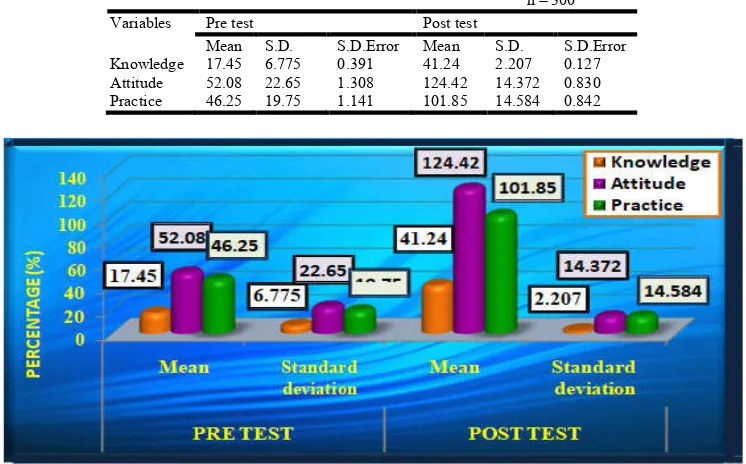
Table 4.5. Comparison between Pre Test and Post Test Mean and Standard Deviation Scores of Knowledge, Attitude and Practice on Sweet’s Syndrome among the Registered Nurses
n = 300 Variables Pre test Post test
Mean S.D. S.D.Error Mean S.D. S.D.Error Knowledge 17.45 6.775 0.391 41.24 2.207 0.127 Attitude 52.08 22.65 1.308 124.42 14.372 0.830 Practice 46.25 19.75 1.141 101.85 14.584 0.842
[image:9.595.115.488.292.524.2]Fig. 6. Comparison between Pre Test and Post Test Mean and Standard Deviation Scores of Knowledge, Attitude and Practice on Sweet’s Syndrome among the Registered Nurses
Table 4.6. Comparison between Pre Test and Post Test Paired t Test Scores of Knowledge, Attitude and Practice on Sweet’s Syndrome among the Registered Nurses
[image:9.595.102.503.595.767.2]Data in Table 4.5 shows that the mean pre test knowledge score is 17.45 with Standard Deviation 6.775 and Standard Error 0.391 and mean pre test attitude score is 52.08 with Standard Deviation 22.65 and Standard Error 1.308, mean pre test practice score is 46.25 with Standard Deviation 19.75 and Standard Error 1.141. According to the post test the mean is 41.24 with standard deviation 2.207 and Standard Error 0.127 in knowledge and the mean is 124.42 with standard deviation 14.372 and Standard Error 0.830 in attitude and the mean is 101.85 with standard deviation 14.584 and Standard Error 0.842 in practice. Table 4.6 shows that in Knowledge pre test – post test score mean 23.787 with Standard Deviation 7.088 Standard Error Mean 0.409 with t - value 58.125 and attitude pre test – post test score mean 72.340 with Standard Deviation 26.201, Standard Error Mean 1.513 with t - value 47.821 and Practice pre test – post test score mean 55.593 with Standard Deviation 24.669, Standard Error Mean 1.423 with t - value 39.033 on Sweet’s Syndrome among the registered nurses.
SECTION III: Correlation between Knowledge, Attitude and
[image:10.595.146.465.282.462.2]Practice on Sweet’s Syndrome among the Registered Nurses Before and After Intervention. Data in Table 4.7 shows Pearson Correlation co-efficient and Sig. (2-tailed) of the Pre test level of knowledge and attitude scores are 0.071 and 0.222. Statistically there was no significant correlation between knowledge and attitude. According to the post test level of knowledge and attitude scores are 0.005 and 0.929. Statistically there was a significant correlation between knowledge and attitude on Sweet’s Syndrome among the registered nurses. Pearson Correlation co-efficient and Sig. (2-tailed) of the pre test level of knowledge and practice scores were 0.270 and 0.000. Statistically there was a significant correlation between knowledge and practice on Sweet’s Syndrome among the registered nurses. According to the post test level of knowledge and practice scores were 0.052 and 0.374. Statistically there was no significant correlation between knowledge and practice on Sweet’s Syndrome among the registered nurses.
Fig. 7. Comparison between Pre Test and Post Test Paired t Test Score of Knowledge, Attitude and Practice on Sweet’s Syndrome among the Registered Nurses
Table. 4.7. Correlation between Knowledge, Attitude and Practice Scores on Sweet’s Syndrome among the Registered Nurses Before and After Intervention
n= 300
CORRELATIONS PRE TEST
Knowledge Attitude Practice
POST TEST
Knowledge Attitude Practice
Pearson
Knowledge Correlation
Sig.(2-tailed) N
Pearson
Attitude Correlation
Sig.(2-tailed) N
Pearson
Practice Correlation
Sig.(2-tailed)
N
- 0.071 0.270***
- 0.222 0.000
- 300 300
0.071 - 0.015
0.222 - 0.801
300 - 300
0.270*** 0.015 -
0.000 0.801 -
300 300 -
- 0.005*** 0.052
- 0.929 0.374
- 300 300
0.005 - 0.077
0.929 - 0.182
300 - 300
0.052 0.77 -
0.374 0.182 -
300 300 -
** Correlation is significant at the 0.01 level (2 –tailed)
[image:10.595.67.543.563.790.2]DISCUSSION
This study was undertaken by the investigator to determine the effectiveness of educational intervention module on Sweet’s Syndrome to the registered nurses. Attribute except number of children and other predictors in total did not significantly influence the pre-test. Hence the null hypothesis is accepted for demographic variable that is number of children and rejected for other variables. According to the post test there was significant association between demographic variables such as number of children (Chi – square 7.931, df – 3, P >0.05) and number of earning members(Chi –square 10.530, df – 3, P >0.05) with level of knowledge on Sweet’s Syndrome among the registered nurses. Hence an alternate hypothesis was accepted. Others predictors did not significantly influence the post test. Hence an alternate hypothesis rejected that is null hypothesis was accepted. According to the post test there was significant
association between demographic variables such as
occupation of spouse (Chi –square 9.340, df – 3, P >0.05) and
number of earning members (Chi –square 7.861, df – 3, P >0.05) with level of attitude on Sweet’s Syndrome among the registered nurses. Hence null hypotheses were rejected. Other predictors did not significantly influence the post test. Hence null hypotheses were accepted. According to the post test there was significant association between demographic variables such as number of children (Chi –square 8.993, df – 3, P >0.05) with level of practice on Sweet’s Syndrome among the registered nurses. Hence null hypotheses were accepted. Other predictors did not significantly influence the post test. Hence null hypotheses accepted.
Conclusion
The present study had revealed that educational
intervention module is an effective mode to create awareness.
The present study helped to improve attitude and
practice of nurses towards the management of Sweet’s Syndrome.
The overall findings of the study showed that the
educational intervention module is very effective in improving the knowledge, attitude and practice on Sweet’s Syndrome among the registered nurses.
Statistically there is a significant co-relation between knowledge, attitude and practice on Sweet’s Syndrome among the registered nurses in before and after intervention.
Statistically there is a significant association
between the level of knowledge with demographic variables on Sweet’s Syndrome among the registered nurses.
Statistically there is a significant association
between the level of attitude and practice with demographic variables on Sweet’s Syndrome among the registered nurses.
Implications
Nursing Practice: The nurses working in clinical setting should practice health education as an integrated part of nursing profession. The planned health teaching programmes are to be scheduled in the clinical set up in the fixed date with time for the clients as well as to the family members. Booklet,
Handout was given to the nurses in simple language with appropriate pictures and explanations to improve their knowledge, attitude and practice. The experience of caring for patients who have cancer and pain influences nurses to report more liberal attitudes toward pain management. Although nurse’s report increased knowledge of pain management in general, deficits continue to exist. Further research is needed to more fully understand the effect of educational and experience on practice. The study also implies the need for integral services, feedback, follow up and collaborative services of both hospital and community health team. Sweet’s syndrome can be prevented by nurse’s awareness, which implies the need for change that has to be introduced by the nursing professionals.
Nursing Education
The present trends in the health care delivery system emphasize more on prevention than curative aspects. The study also implies that health personnel have to be properly trained as how to teach the nurses regarding Sweet’s Syndrome to assess the lifestyle practices to identify the warning signs of clients with Sweet’s Syndrome to provide supportive educative care for the self care in preventing complication. Nurse educators when plan to instruct the students, should provide adequate opportunity for them to develop themselves for handling of clients with Sweet’s Syndrome and provide health education both in community and clinical settings. The study calls for strengthening for nurse’s education in the present study of the nursing
education. The study finding suggests that the content of
subjects should include the new views of clients with sweet’s syndrome and in prevention, complication and management.
Nursing Administration
The leaders in nursing are confronted to undertake the health needs of the most vulnerable by effective organization and management. The nurse administration should take active part in health policy making, developing protocol, procedures and standing orders related to clients education. The nurse administration should give attention on the proper selection, placement and effective utilization of the nurses in all areas within the available resources giving importance for their creativity, interest, ability in education of the clients. In nursing service the continuing nursing education programme for the nurses along with the adequate supervision would motivate nurses to carry out educative roles successfully.
Nursing Research
Nursing care now a day’s most complex and that it can be seen as the quintessential complex intervention. To be able to change and improve clinical practice thus requires multiple points of attack appropriate to meet complex challenges. Consequently, we expect the theory-based intervention used in our quasi- experimental study to improve care as well as quality of life for this group of patients and we also envisage that evidence-based guidelines targeting this patient group's pain will be implemented more widely.
Based on the study findings, less experienced nurses
and exposure to providing and coping effectively with cancer patients.
Adequate educational programmes to nursing students
could improve their attitude and increase control over their emotions while caring the patient with Sweet’s Syndrome.
The findings of the study help the professional
nurses and students to develop the inquiry by providing a base line. The general aspects of the study result can be made by further replication of the study.
This study may help the nurse researchers to
develop in depth into the development of teaching module and set information of clients with Sweet’s Syndrome towards promotion of healthy life and prevention of complications.
Limitations of the study
• This study was limited to Registered nurses, who
are all working in Rangaraya Medical College and
Government General Hospital, Kakinada, East
Godavari District, Andhra Pradesh.
• This study was limited to the age of 25 – 55 years.
Recommendations
Based on the research findings, the following
recommendations are:
An introduction of end of life care concept in
undergraduate curriculum may improve nurses' readiness and attitude toward care of dying patients.
Developing continuing education programmes that
teach the nurses about effective coping strategies, identifying barriers that interpret with care, care of the client with Sweet’s Syndrome and prevents anxiety.
Further study of nurses' attitudes towards care of
Sweet’s Syndrome patients in different health care delivery systems (private and ministry of health hospitals) is needed.
Timely education programme can give remarkable
outcomes in nurses' knowledge, skills and attitudes towards the caring cancer patients.
It is evident that addition of certain educational
courses to nursing curricula at nursing faculties and continuing training programmes at hospitals and cancer care units along with experiences, with terminal patients enhances nurses' positive attitudes of caring for Sweet’s Syndrome patients.
Comparative study of nursing practice on Sweet’s
Syndrome with other diseases and creates awareness to improve quality of life of people through educational programme.
Experimental study can be done to determine newer
practice to cure the client with Sweet’s Syndrome.
REFERENCES
Books
Burns, N. 1996. Instruments for Clinical Nursing. (1st ed.). Sanfrancisco: CA: Jones and Bartlett.
Chintamani, 2011. Lewis’s Medical and Surgical Nursing. (7th ed.). India: Elsevier. Cohen, P.R., & Kurzrock, R. (2003).
Sweet's Syndrome: a review of disease concepts.
International Journal of Dermatology, 42(10), 761-78.
Creamer, D., et al. 2011. Acute Adult Dermatology Diagnosis
and Management. London: Manson Publishers.
Parker, E.M. 2006. Nursing Theories & Nursing Practice. (2nd ed.). Philadelphia: F.A.Davis Company.
Polit, D.F. and Hungler, B.P. 2004. Nursing Research Principles and Methods. (3rd ed.). Philadelphia: J.B. Lippincott Company.
Schlossberg, D., et al. 2008. Clinical Infectious Disease. (3rd ed.). United Kingdom: Camdridge University Press. Sundar Rao, P.S. 2006. Introduction to Biostatistics &
Research Methods. (4th ed.). India: Prentice-Hall of India Private Limited.
Suryakantha, 2009. Community Medicine with Recent Advances. (1st ed.). India: Jaypee Brothers Medical Publishers (P) Ltd.
Talbot, L.A. 1999. Principles & Practice of Nursing Research. Chicago: C.V. Mosby Company.
Journal
Elleuch, E., Hammami, B., Smaoui, F., Maaloul, I., Turki, H., Elloumi, M. and Ben Jemaa, M. 2011. Sweet’s Syndrome
revealing leukemia. Archives of Dermatoogy.
Evans, A.V., Sabroe, R.A., Liddell, K., & Russell-Jones, R. 2002. Lymphocytic infiltrates as a presenting feature of Sweet’s Syndrome with myelodysplasia and response to
cyclophosphamide. British Journal Dermatology, 146(6),
1087-90.
Ginarte, M., García Doval, I. and Toribio, J. 1997. Sweet's Syndrome: a study of 16 cases. Medicina Clinica (Barcelona), 09(15), 588-91.
Goh, C.L., Alora. M. and Kohar, Y. 1996. Sweet's Syndrome in a skin clinic in Singapore: an epidemiology study.
ANNALS Academy of Medicine Singapore, 25(2), 222-7.
Govindarajan, G., Bashir, Q., Kuppuswamy, S. and Brooks, C. 2005. Sweet Syndrome associated with furosemide.
Southern Medical Journal, 98(5), 570-2.
Gunilla Borglin., Markus Gustafsson. and Hans Krona. 2011. A theory- based educational intervention targeting nurses' attitudes and knowledge concerning cancer-related pain
management. BMC Health Services Research, 11:233 doi:
10.1186/1472-6963-11-23.
Kümpfel, T., Gerdes, L.A., Flaig, M., Hohlfeld, R., W ollenberg, A. 2011. Drug-induced Sweet's Syndrome after mitoxantrone therapy in a patient with multiple
sclerosis. Multiple Sclerosis Journal, 17(4), 495-7.
Lange, M., Thom, B. and Kline, N.E. 2008. Assessing Nurses' Attitudes Toward Death and Caring for Dying Patients in a
Comprehensive Cancer Center. Oncology Nursing Forum,
35(6), 955-959.
Makis, A., Stavrou, S., Chaliasos, N., Zioga, A., Vlahos, A.P., Gaitanis, G., Siamopoulou, A. and Bassukas, I.D. 2010. Sweet's Syndrome in a child, associated with a rotavirus
infection. Journal of Medical Case Reports, 20, 4:281.
Mizoguchi, M., Matsuki, M. and Mochizuki, M. 2008. Human leukocyte antigen in Sweet’s Syndrome and its relationship
to Behcet's Syndrome. Journal of Archives Dermatology,
124, 1069-1073.
Saeed, M., Brown, G.E., Agarwal, A., Pellowski, D., Jacks, J., Liverett, H.K. and Vyas, K.S. 2011. Autoimmune clustering: Sweet Syndrome, Hashimoto thyroiditis, and
psoriasis. Journal of Clinical Rheumatology, 17(2), 76-8.
Xiao, T., He C.D., Gao, X.H. and Chen, H.D. 2007. Sweet's Syndrome associated with skin methicillin-resistant
Staphylococcus epidermidis infection. Journal of
Dermatology, 34(4), 258-61.
Online
http://www.brainyquote.com/quotes/quotes/w/winstonchu.
http://www.cancer.org/doctroot/MBC/content/MBC-4x-Attitudes & Cancer.
http://www.2.mdanderson.org/cancerwise/2009/07/attitudes-saves-lives.
http://www.micromedex.com.
http://www.ncbi.nim.nih.gov/pubmed/16101319. http://www.ncbi.nimnlm.gov/pubmed?21666947. http://www.newsrx.com/newsletters/cancer weekly.html. http://omim.org/entry/608068.
http://annonc.oxfordjournals.org/search?104164.html. http://sjp.sagepub.com/content/22/1/50.
http://onlinelibrary.wily.com/doi/10.1111/Lid.2010.49issue_1 1/issuetoc.
http://www.ncbi.nim.nih.gov/pubmed/187178.