University of East London
School of Psychology
Professional Doctorate in Counselling Psychology
Mark Hardiman
U1026969
2015
A Mixed Methods Evaluation of the Experiences of Adults
with Learning Disabilities and Anxiety Undertaking
i
‘Compassion is a sensitivity to the suffering of self and
others, with a deep commitment to try to relieve it’
The Dalai Lama
ii
Abstract
In the UK approximately 1.2 million people are estimated to have a mild to moderate learning disability (LD); however, they are historically underrepresented in research. Whilst there’s a small but growing evidence base for Compassion Focussed Therapy (CFT) in adult populations, there’s no published research regarding its use with people with LD.
A mixed methods case study project explored the experience of three participants with LD and anxiety undertaking a programme of CFT. Measures of self-compassion, anxiety and depression were administered pre-intervention, post-intervention and at three-month follow-up. Post-intervention interviews were analysed using interpretative
phenomenological analysis. Findings were then combined to develop mixed methods inferences.
Findings showed that participant anxiety reduced significantly. Participants experienced this reduction as a categorical change in the self. There was limited evidence for overall changes in their understanding and experience of self-compassion. In addition, they appeared to understand mindfulness as a tool to use when experiencing acute distress. Participants appeared to be developing a greater sense of common humanity.
iii
Contents
Chapter 1. Introduction
1.1 What is a Learning Disability (LD)? ... 2
1.1.1 The Medical Model ... 2
1.1.2 The Social Model of Disability ... 6
1.1.4 Epidemiology of Learning Disability ... 8
1.2 Defining Anxiety ... 9
1.2.1 What is Anxiety ... 9
1.2.2 Epidemiology of Anxiety ... 12
1.3 Anxiety in People with Learning Disabilities ... 13
1.3.1 Diagnostic Issues ... 13
1.3.2 Epidemiology ... 14
1.4 What is Self-Compassion? ... 16
1.5 Personal Reflections ... 17
Chapter 2. Literature Review 2.1 Search Strategy ... 19
2.2 What is Self-Compassion ... 20
2.2.1 The Construct and its Correlates ... 20
2.3 Paul Gilbert and Compassion Focussed Therapy ... 26
2.3.1 Paul Gilbert and the History of CFT ... 26
2.3.2 What is the theory? ... 27
2.3.2.1 The Threat System ... 31
2.3.2.2 The Soothing System ... 32
2.3.2.3 The Drive System ... 34
2.3.3 How does Compassion Focussed Therapy work? ... 34
2.4 CFT for Specific Mental Health Conditions ... 39
2.4.1 Anxiety ... 39
2.4.3 Depression ... 43
2.4.4 Other Mental Health Difficulties ... 44
iv Chapter 3. Methodology
3.1 Study Aim ... 53
3.2 Research Design ... 53
3.3 Epistemology ... 54
3.4 Research Ethics and Governance ... 58
3.5 Research Questions ... 59
3.5.1 Overall Aim ... 59
3.5.2 Qualitative Arm ... 59
3.6 Participants ... 59
3.6.1 Recruitment ... 62
3.6.2 Inclusion/ Exclusion Criteria... 63
3.7 Process from the Participant’s Perspective ... 64
3.8 Documentation ... 65
3.9 The Clinical Intervention ... 65
3.9.1 Using Novel Therapeutic Interventions with people with Learning Disabilities ... 65
3.9.2 Evaluating treatment protocol compliance ... 66
3.10 Qualitative Arm ... 66
3.10.1 The Interview Schedule ... 66
3.10.2 Interviews and Transcription ... 67
3.10.3 Interpretative Phenomenological Analysis (IPA) ... 67
3.10.3.1 IPA Epistemology ... 68
3.10.3.2 IPA Methodology ... 71
3.10.3.3 IPA in Learning Disabilities ... 72
3.11 Quantitative Arm ... 73
3.11.1 Measures... 73
3.11.1.1 The Mini Psychiatric Assessment Scale for Adults with Developmental Disabilities (Mini PAS-ADD) ... 74
3.11.1.2 Self-Compassion Scale (SCS) ... 74
3.11.1.3 Glasgow Anxiety Scale for People with Intellectual Disability (GAS-ID) ... 77
3.11.1.4 Glasgow Depression Scale for People with a Learning Disability (GDS-LD) ... 77
3.11.2 Data Analysis ... 77
v
3.11.2.2 Clinically Significant Change. ... 79
3.12 Data Synthesis ... 80
Chapter 4. Results 4.0 Research Questions ... 82
4.0.1 Overall Aim ... 82
4.0.2 Qualitative Arm ... 82
4.1 Recruitment ... 82
4.1.1 Pen Portrait - Participant 1 - MA ... 83
4.1.2 Pen Portrait - Participant 2 - AW ... 84
4.1.3 Pen Portrait - Participant 3 - GP ... 84
4.3 Qualitative Analysis ... 85
4.3.1 Superordinate Theme – I was different to others ... 87
4.3.1.1 Subordinate Theme – Not Imposing ... 87
4.3.1.2 Subordinate Theme – Becoming Normal ... 89
4.3.1.3 Summary ... 92
4.3.2 Superordinate Theme – Being Helped ... 92
4.3.2.1 Subordinate Theme – Corrina Helped ... 93
4.3.2.2 Subordinate Theme –Imagery Helped ... 95
4.3.2.3 Summary ... 99
4.3.3 Superordinate Theme – Experiencing Compassion ... 99
4.3.3.1 Subordinate Theme – Corrina’s Compassion ... 100
4.3.3.2 Subordinate Theme – Self-Compassion ... 101
4.3.3.3 Summary ... 103
4.3.4 Superordinate Theme – Understanding Change ... 103
4.4 Quantitative Analysis ... 107
4.4.1 Self-Compassion Scale Scores ... 107
4.4.2 Glasgow Anxiety Scale & Glasgow Depression Scale Scores ... 111
4.5 Data Synthesis ... 114
4.5.1 Inference One: Participant Anxiety Decreased... 121
4.5.2 Inference Two: The Faulty Self ... 121
4.5.3. Inference Three: Mixed Impact on Overall Self-Compassion ... 122
vi
4.5.5. Inference Five: Mindful Distraction Techniques ... 123
Chapter 5. Discussion 5.1 Summary Findings ... 124
5.2 Anxiety and the Faulty Self ... 124
5.3 Self-Compassion, Mindfulness and Common Humanity ... 126
5.4 Connections with the Wider Research Literature ... 129
5.5 Clinical Practice Implications ... 135
5.6 Research Methodology and Epistemology ... 138
5.6.1 Homogeneity... 138
5.6.2 Practical Mixed Methods Issues ... 139
5.6.3 Language, Data Interrogation and Hermeneutics in LD Research ... 140
5.7 Limitations of the Research ... 143
5.8 Recommendations for Future Research ... 144
5.9 Closing Reflections ... 146
Chapter 6. References Chapter 7. Appendices Appendix 1. NHS Ethics Favourable Opinion Letter ... 167
Appendix 2. Norfolk Community Health & Care NHS Trust Clinical Governance Letter 171 Appendix 3. University of East London, School of Psychology Ethics Sub-Committee Letter 175 Appendix 4. Researcher-Therapist Protocol ... 177
Appendix 5a. Participant Information Sheet ... 179
Appendix 5B. Consent Form ... 186
Appendix 5C Letter to Participant’s GP’s ... 189
Appendix 6. Interview Schedule ... 191
Appendix 7a. Adapted Self-Compassion Scale ... 193
Appendix 7b. Glasgow Depression and Anxiety Scales ... 195
Appendix 7c. Self-Compassion Scale Visual Analogue Chart ... 200
Appendix 7d. Glasgow Scales Visual Analogue Chart ... 202
Appendix 8. Therapy Assessment Scale 2013 ... 204
vii
viii
Table of Figures
2.1 Three Interacting Emotional Subsystems (adapted from Gilbert 2010c) 30 2.2 High Threat/ Low Soothing Interacting Subsystems 31
2.3 The Compassionate Circle 36
2.4 Threatened vs Compassionate Mind (adapted from Gilbert 2010a) 37
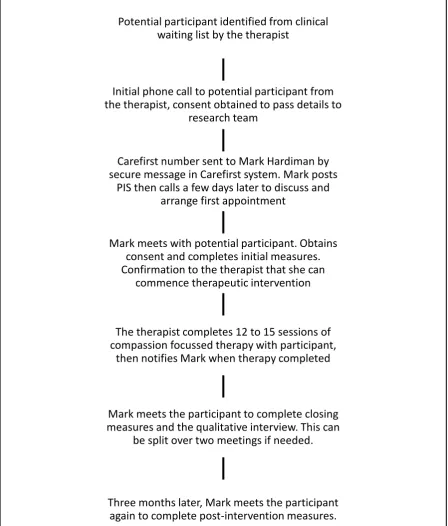
3.1 Participant Process Flowchart 64
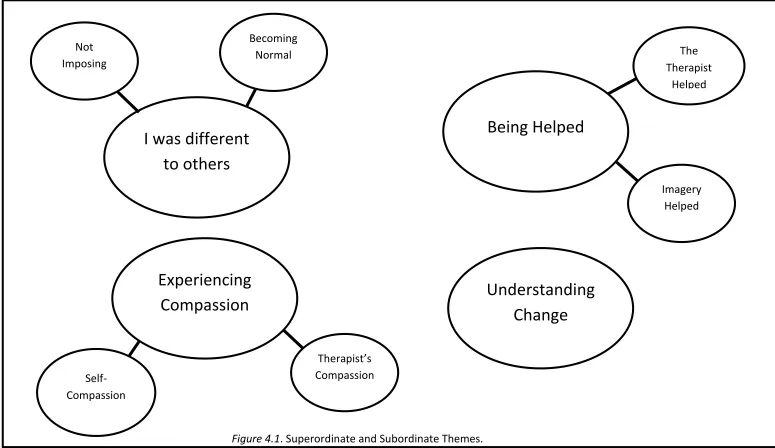
4.1 Superordinate and Subordinate Themes 86
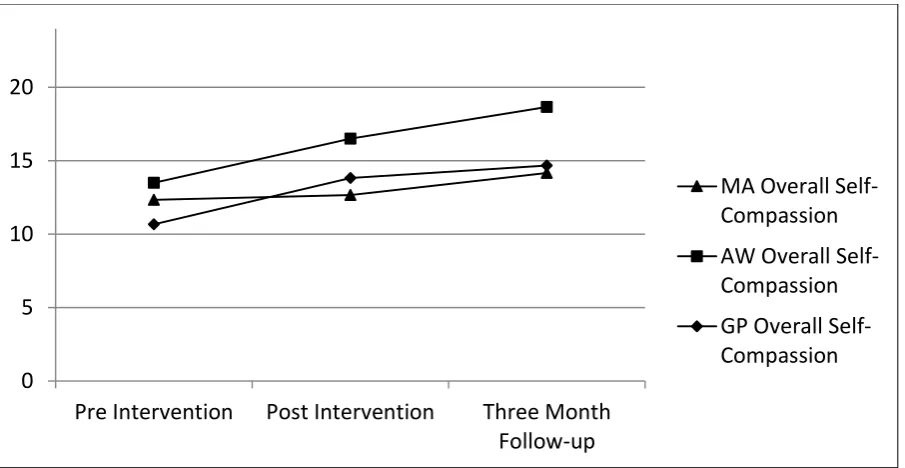
4.2 Overall Self-Compassion Scores 107
4.3 Overall Glasgow Anxiety Scale Scores 111
ix
Table of Tables
2.1 Emergent Themes from Ashworth et al. (2014) 46
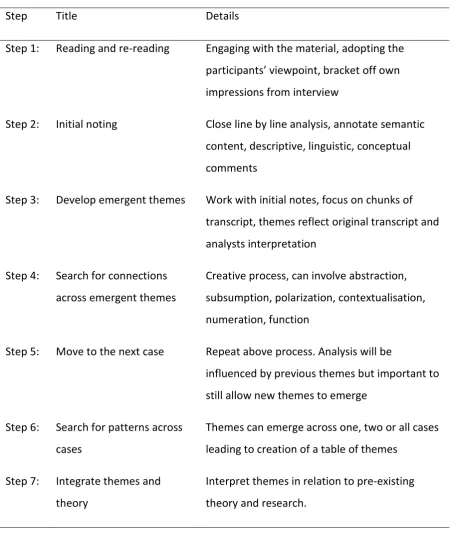
2.2 Table of Themes Emerging from Lawrence and Lee (2013) 48 3.1 Recommended IPA Analysis Steps. Adapted from Smith, Flowers 71
& Larkin, 2009 Chapter 5
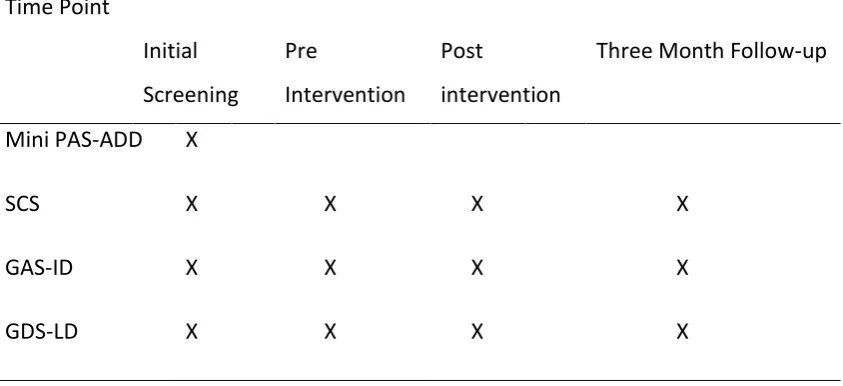
3.2 Timing of Measures 74
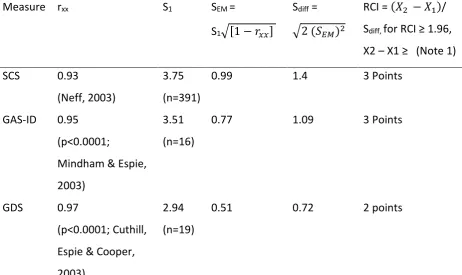
3.3 Reliable Change Index Calculations for Quantitative Measures 79 3.4 Definitions of clinically significant change (Matthey, 2004) 80
4.1 Self-Compassion Scale Domain and Summary Scores 108
4.2 Self-Compassion Scale Domain and Summary Changes 109
4.3 Glasgow Anxiety Scale and Glasgow Depression Scale Scores 112 4.4 Glasgow Anxiety Scale and Glasgow Depression Scale Score Changes 113 4.5 Descriptive Outcomes for all Participants, Pre intervention to Post intervention 113 4.6 Descriptive Outcomes for all Participants, Pre- Three Month Follow up 114
x
Degree Declaration
The work contained in this thesis is submitted in partial fulfilment of the requirements for the degree of Doctor of Counselling Psychology and represents an individual contribution by the author.
xi
Acknowledgements
This work would not have happened without the generosity and support of many people. First amongst those is my wife, Andrea, whose support has been unstinting throughout, thank you my love. I must also thank friends and colleagues at work, especially Penny Morgan who gave me such an incredible opportunity, Corrina Willmoth who provided the therapeutic input for this project and James Walsh for supervision. Many of my other friends and family have helped me in some way, I cannot thank them all. I hope that they know who they are and how much I appreciate their support.
1
Chapter 1. Introduction
This thesis will examine the experience of people with learning disabilities and anxiety who undertake a course of compassion focussed therapy. Solely for the purposes of defining the key terms that will be encountered throughout the thesis, I will be adopting a pluralistic epistemological position in this chapter. The research project itself will then adopt a
pragmatic epistemology (see section 3.3). Pluralism sits at the heart of modern Counselling Psychology practice (Athanasiadou, 2012). It was offered as an epistemological framework for counselling practice by Cooper & McLeod (2007), citing Rescher (1993) to define its key assumption as ‘the doctrine that any substantial question admits of a variety of plausible but mutually conflicting responses’. In other words, any problem can be understood and
explored from more than one perspective, and those perspectives need not be reconcilable. As an approach to applied counselling psychology practice, this would suggest that the most functional therapeutic approach to adopt with a particular client and particular problem at a particular time might be drawn from any one of a number of different therapeutic models. From a pluralistic perspective individual models of therapy can offer different and
incompatible views of a problem, but all still be valid and useful ways of understanding.
I will therefore be specifically adopting a pluralistic approach to understanding the key terms described throughout this chapter. For instance, learning disability can be understood from a medical model or social model of disability approach. Both offer valid and useful insights and it need not be necessary to attempt to integrate them into a single shared
2
1.1 What is a Learning Disability (LD)?
1.1.1 The Medical Model
The term ‘medical model’ was first defined by Laing (1971). It represents a shared epistemological and methodological approach to understanding based around seeing distress as a biological condition best suited to investigation and treatment in the same way as diseases of the body such as cancer, diabetes etc. It emphasises positivist understandings and diagnosis and is closely allied to quantitative research methodologies.
Within this perspective, learning disability (LD) is a term used to describe individuals with a significant impairment in intellectual functioning. The two major diagnostic systems both provide definitions of the condition. The Diagnostic and Statistical Manual, Version 4 (DSM-IV) (American Psychiatric Association, 1994) requires each of the following conditions to be met:
(a) Significantly sub-average intellectual functioning: an IQ of approximately 70 or below on an individually administered IQ test.
(b) Concurrent deficits or impairments in present adaptive functioning (i.e. the person’s effectiveness in meeting the standards expected for his or her age by his or her cultural group) in at least two of the following areas:
communication self-care
home living
social/interpersonal skills
use of community resources
self-direction
3 work
leisure
health and safety.
(c) The onset is before age 18 years.
(British Psychological Society, 2000)
The ICD-10 International Classification of Mental and Behavioural Disorders (World Health Organisation, 2010) defines it as:
… a condition of arrested or incomplete development of the mind, which is especially characterised by impairment of skills manifested during the developmental period, which contribute to the overall level of intelligence, i.e. cognitive, language, motor and social abilities.
… Adaptive behaviour is always impaired.
In the United Kingdom, the operational definition for access to services emerges from the paper ‘Valuing People Now’ (Great Britain, Department of Health, 2001):
Learning disability includes the presence of:
A significantly reduced ability to understand new or complex
information, to learn new skills (impaired intelligence), with;
A reduced ability to cope independently (impaired social
functioning);
which started before adulthood, with a lasting effect on
4
… this definition encompasses people with a broad range of disabilities. The presence of a low intelligence quotient, for example an IQ below 70, is not, of itself, a sufficient reason for deciding whether an individual should be provided with additional health and social care support. An assessment of social
functioning and communication skills should also be taken into account when determining need. Many people with learning disabilities also have physical and/or sensory impairments. The definition covers adults with autism who also have learning disabilities, but not those with a higher level autistic spectrum disorder who may be of average or even above average intelligence – such as some people with Asperger’s Syndrome…. ‘Learning disability’ does not include all those who have a ‘learning difficulty’ which is more broadly defined in education legislation.
5
age equivalent adults. The test has a standard deviation of 15 points, meaning that a score of 70 or below represents a level of performance two standard deviations below the mean. This is the standard cut-off for diagnosis of a learning disability, which if FSIQ is normally distributed would mean that approximately 2% of the adult population meet this definition.
Deficits in adaptive functioning can be assessed by formal measures such as the Adaptive Behaviour Assessment Schedule (ABAS) (Harrison & Oakland, 2008) or by interview. The ABAS groups adaptive behaviours into three clusters – Conceptual, Social and Practical skills. It is based on a sample representing the English-Speaking US population and has not been standardised with any other populations (ibid. p.59). This represents a significant limitation with this model of assessing adaptive behaviours. Age of onset can be established by review of clinical records and a clinical and educational history.
There are difficulties with this diagnostic approach relating to validity, reliability and utility. From a validity perspective, tests such as WAIS IV UK are based on the Cattell-Horn-Carroll model of intelligence and accept the existence of an overall factor for general intelligence, ‘g’ (O'Reilly & Carr, 2007). However, the confirmatory factor analysis for FSIQ compared the construct to four subscales of intelligence within the WAIS IV UK standardisation sample, standardised factor loadings range from 0.67 to 0.89, suggesting mixed degrees of
6
With regards to reliability, whilst WAIS-IV UK reports a point estimate of FSIQ, it more correctly provides a range of possible scores within which it is possible to be 95% confident that the true score may sit (Weschler, 2010). For an FSIQ of 70, the 95% confidence intervals are 67-75 which introduces significant doubt into marginal scores. These confidence
intervals have been challenged by Whitaker (2008) who recommends broader confidence intervals of 13 points around the key diagnostic cut-off of 70.
From a utilitarian perspective, the ecological validity of FSIQ as a tool for rationing learning disability service provision has been challenged (Sternberg, Grigorenko, & Bundy, 2001). Based on my own clinical experience and conversations with other psychologists working in the field, there are numerous examples of people with FSIQ over 70 who have been
accepted into service due to their clear need for specialist support, whilst many people with FSIQ’s below 70 can appear to function perfectly well with little or no support from specialist services. Nevertheless, at this time the primacy of FSIQ as a diagnostic tool remains
embodied in diagnostic criteria and service specifications. This reflects the predominantly medical based approach to understanding learning disability; it’s assumed to be a distinct and separate category which can be diagnostically identified and labelled.
1.1.2 The Social Model of Disability
Learning Disability can also be understood from a social model of disability. The Social Model of Disability sees disabilities as being largely constructed through the workings of society; a wheelchair user is disabled not by their need to use a chair, but by a built
7
product of many years of societal attitudes in which it was acceptable to only think of the needs of the most able members of society when designing spaces.
From this perspective, people with LD have historically been separated from mainstream society. Until the late 1980’s many people with LD were subjected to the same model of institutionalised care as were people with long term mental health difficulties (MENCAP, n.d.). The Department of Health ‘Valuing People Now’ strategy of the late 1980’s marked a shift towards deinstitutionalisation and normalisation of people with Learning Disabilities which has now largely been completed. The large state hospitals of the preceding hundred years are now mostly closed with care being provided instead in a variety of different
environments such as family homes, supported living and small group residential settings. In addition, many people with milder learning disabilities are able to live fully or partly
independent lives in their own homes.
Historical attitudes to people with Learning Disabilities have marked them out as different and subnormal. In agrarian societies, limited intellectual functioning may not be a significant disadvantage, but from the industrial revolution onwards it became more of a disadvantage. This eventually led to Victorian era understandings of the undeserving poor through to the out of sight, out of mind institutionalised approaches of the early 20th century. Terms which
8
term intellectual disability in future though throughout this document I shall use ‘learning disability’; presently the most accepted term in the UK.
Whilst the dominant model of understanding and defining learning disabilities remains a medical one, it can be seen that there are considerable difficulties with the diagnosis of learning disability. Further, understanding the history and exclusion experienced by people with learning disabilities leads one to view Learning Disability as largely socially constructed. As such, an epistemologically pluralist position, in which both perspectives offer value in understanding the issue, is the approach taken within this document. This seems consistent with the values of Counselling Psychology.
1.1.4 Epidemiology of Learning Disability
An epidemiological understanding of learning disability can only be offered from within a medical model approach as it requires an assumption that the condition can be defined and measured. If rates of learning disability adhered accurately to the classical normal
9
to be higher in areas of poor socio-economic development where high quality education and support networks may be less readily available.
1.2 Defining Anxiety
1.2.1 What is Anxiety
10
dilate to maximise light intake, our attentional systems become hyper attentive to threat stimuli and cognitive schemas associated with threat become activated.
The threat stimuli triggering this wave of activity may be externally situated in the outside world, or internally generated through cognitions and ruminations. Whilst this range of responses can be adaptive in the case of a short term threat, they can become maladaptive when the perceived threat becomes chronic. For instance, prolonged stress is associated with increased rates of heart disease and diabetes. Whilst anxiety can be described as a physiological and cognitive issue, these responses are only triggered once a threat has been perceived; anxiety can therefore be thought of as cognitively mediated. Anxiety which is short term and associated with specific and transient threats to the self is a normal human experience. However, anxiety which becomes enduring or disproportionate to the perceived threat on a regular basis can become an issue for which people might seek individual
therapy and is therefore relevant to Counselling Psychology.
Anxiety can also be understood from a pluralistic perspective. In the context of this research, a pluralistic position is being adopted between a medical model approach to anxiety and a phenomenological/ experiential one.
A medical model approach to anxiety considers it to be a diagnostically dichotomous condition. It focusses on the nomothetic aspects of the experience and can be reductionist in the sense that attempts are made to reduce anxiety to a core set of measurable
11
Disorders in which manifestation of anxiety is the major symptom and is not restricted to any particular environmental situation. Depressive and obsessional symptoms, and even some elements of phobic anxiety, may also be present, provided that they are clearly secondary or less severe.
From such a definition, anxiety is seen as measureable and dimensionable. The model assumes that human experience can be categorised and measured (Laing, 1971) and is connected with diagnostic checklists such as the Beck Anxiety Index (Prout & Schaefer, 1985) and Glasgow Anxiety Scales (Mindham & Espie, 2003) etc. Such measures help to create a dichotomous approach to diagnosis in that they will report a diagnostic cut-off score above which a diagnosis of anxiety can be given. If a respondent becomes less anxious, their score will fall. If it falls below the diagnostic cut-off then they will no longer be
diagnosed as suffering from anxiety. Such measures acquire their validity by showing that they correlate well with other similar measures and with theoretical constructs of anxiety. Medical model research is biased towards larger scale quantitative research, with gold standard research consisting of designs such as randomised control trials and meta-analytic studies such as Cochrane reviews (The Cochrane Collaboration, 2013).
From a phenomenological or experiential perspective, anxiety is viewed as an idiographic, unique experience for each affected individual. This approach is more closely associated with the clinical skill of formulation (Johnstone & Dallos, 2006). Idiographic research methods are more likely to include qualitative and case study methodologies.
12
1.2.2 Epidemiology of Anxiety
An epidemiological approach to anxiety attempts to understand the prevalence rates and distribution of the condition. This is therefore an approach which relies on being able to measure whether large numbers of individuals within a given population meet diagnostic criteria and as such adopts a medical model approach to diagnosis and measurement. Epidemiological studies can adopt a number of approaches to attempting to measure the incidence rate in a population such as attempting to carry out new measurements (Smiley, et al., 2007), or relying on pre-existing data (Michael, Zetsche, & Margraf, 2007). In either event, two key challenges for any study will be to understand what the diagnostic approach taken is actually measuring and to what extent does the sample obtained reflect the
incidence rate that might be present in the target population? Notwithstanding these issues, epidemiological studies can provide a useful framework for understanding how frequently a cluster of symptoms may occur in a given population.
13
disorders found in the USA compared to Western Europe. Studies have been conducted in non-western cultures. Tanios et al. (2009) report studies conducted in the Arab world with wide ranging results often much higher than the generally reported figures earlier, though these tended to be in specific ‘at risk’ populations.
Michael, Zetsche & Margraf (2007) report twelve month prevalence rates for anxiety disorders ranging from 2.7% in China to 18.1% in the USA. In the United Kingdom, the Adult Psychiatric Morbidity in England survey (The NHS Information Centre for health and social care, 2009) reviewed the occurrence of common mental health disorders in adults in England. It reports the results of a survey of adults living in private households across England. It reports a point prevalence rate (symptoms within the last seven days) for mixed anxiety and depression of 9.0% for all adults and 4.4% for Generalised Anxiety Disorder.
Finally, Michael, Zetsche & Margraf (2007) also report age of onset (80-90% of cases manifest before age 35) and comorbidity (odds ratios of 6.6 for pairwise comparisons between an affective disorder and an anxiety disorder in the USA).
1.3 Anxiety in People with Learning Disabilities
1.3.1 Diagnostic Issues
14
General population measures which are used without adaptation, i.e. Beck’s Anxiety and Depression Indices (Beck, Epstein, Brown, & Steer, 1988; Beck, Steer, Ball, & Ranieri, 1996)
General population measures that are subsequently adapted for use with people with learning disabilities, i.e. the Brief Symptom Inventory (Derogatis &
Melisaratos, 1983)
Measures developed specifically for the Learning Disability population such as Glasgow Anxiety and Depression Scales (Mindham & Espie, 2003), (Cuthill, Espie, & Cooper, 2003)
The third group of measures may be the ones most likely to take into account the cognitive abilities of the population and will also have been validated against samples of people with learning disabilities. However, there are comparatively few of these measures available and they have only tended to be developed in recent years, so have not been used in the
majority of surveys undertaken so far. Whilst these measures may also have been
standardised against equivalent general population measures within the LD standardisation samples, their use does limit the ability to directly compare rates obtained from general population samples with those obtained from LD population samples.
There are also issues with the use of self-report measures with this population. This will be discussed in more detail later, but for now it’s worth noting that the use of such measures with people with learning disabilities is open to challenge.
1.3.2 Epidemiology
15
sample of 1023 adults, 552 (54.0%) were identified as possibly having a mental health issue. For people with mild learning disabilities, the overall point prevalence rate for anxiety disorders (excluding specific phobias) was 6.0%. They also reported overall rates for multiple diagnoses, 9.2% had two diagnoses, 2.4% had three, and 0.2% had four diagnoses.
The authors also list a number of risk factors; severity of learning disability, having
experienced a higher number of life events in the last 12 months, being a smoker, living with paid carer support, severe physical disabilities, urinary incontinence and gender (females more likely to have mental health problems – odds ratio 1.333 (ibid.)). They also identified a number of factors which predict mental ill-health in the general population which do not appear to be predictive in the LD population; living in deprived areas, lack of daytime occupation, marital status and epilepsy. Dagnan (2008) argues that lifelong exposure to stigmatising and devaluing conditions makes people with learning disabilities more likely to perceive themselves negatively and to have low personal expectations. Such cognitive predispositions may predispose people to low mood and being less able to manage stressful situations, leading to higher rates of poor mental health.
16
1.4 What is Self-Compassion?
Self-compassion can be conceptualised from several different positions. A pluralistic approach accepts that each of these positions may offer a valuable perspective. Whilst compassion is a core facet of many belief systems, its presence in modern therapeutic approaches emerges from a predominantly Buddhist perspective. The Dalai Lama defines compassion as:
‘a sensitivity to the suffering of self and others, with a deep commitment to try to relieve it’ (Gilbert, 2010a, p. 3).
Compassion focussed inwards on the self (self-compassion) can therefore be understood as sensitivity to the suffering of the self, with a deep commitment to try to relieve it.
Key researchers in the field have developed their own definitions of self-compassion. Gilbert describes self-compassion as the soothing component of a triad of emotion regulation systems alongside drive and threat based systems (Gilbert, 2010b). This is discussed in more detail in chapter 2. Gilbert notes that his understanding of compassion emerges from his clinical work and a hypothesised evolutionary role of self-compassion in humans. Gilbert offers clinical tools to help explore an individual’s sense of self compassion in therapy, but his definition has not been converted into a measure.
Kristin Neff defines compassion as consisting of three dyadic pairs of subcomponents of overall self-compassion. These dyads are:
17
These dyads are incorporated in Neffs’ Self Compassion Scale (Neff, 2003) discussed in more detail later. Development of these dyads emerged from Neff’s attempts to construct a standardised measure of self-compassion. They are products of statistical analysis of large undergraduate student data rather than work with clinical populations or direct engagement with Buddhist teaching.
These three definitions have emerged from very different approaches to understanding self-compassion. A pluralistic understanding may see each of these approaches as offering a unique perspective on what self-compassion might be, without attempting to say that any one perspective can be more ‘right’ than any other.
1.5 Personal Reflections
No researcher can truly claim to be approaching their work without pre-existing biases, and I
certainly don’t claim to be doing that with this research. Having worked with people with
learning disabilities for several years, I am an advocate for them to have their voices heard
and to be recognised as equal members of society - something which happens all too rarely
at present. Counselling psychology in the UK is presently debating its position with regards to
social justice (Cutts, 2013; Hore, 2013; Ropani, 2013). At least as far as people with learning
disabilities are concerned, I know where I stand on that issue.
Fellow psychologists who do not have day to day contact with people with learning
disabilities have questioned the extent to which they might be able to contribute meaningful
qualitative data to a study such as this. Whilst I discuss the evidence for their ability to do so
later, at this moment I want to make the point that I strongly believe in the rights of people
18
might find it more difficult than others to express those views, however I fail to see any
reasonable argument for not giving them the same opportunities to express themselves that
most other members of society take for granted.
I also have pre-existing views regarding Compassion Focussed Therapy. As someone with a
long term interest in Buddhist philosophy and who uses aspects of mindfulness and CFT in my
own clinical practice, I am expecting to see positive outcomes for the participants taking part
in this study. However, my clinical training has taught me to look for the similarities across
different models of therapy, and to believe strongly in the value of humanistic and
psychodynamic understandings of what takes place during therapy. As a result, I am open to
the idea that participants may show improvements in their experience of anxiety for
numerous reasons, only some of which are directly related to the chosen interventional
methodology. Shedler (2010) argues that even when therapists state they are conducting
cognitive behavioural therapy, the most successful therapists are conforming closely to the
principles of psychodynamic therapy.
Awareness of these views is the first step to being able to bracket them off. However, it
would be naïve to assume that I am able to isolate myself from these views, or maybe even
that I should try to do so. Assuming so would deny the hermeneutic argument at the heart of
Interpretative Phenomenological Analysis as well as the psychodynamic concepts of
transference. In reality therefore, I am acknowledging these views in order to bracket them
off as best I can, but also to be aware that these values and beliefs will underpin my thinking
19
Chapter 2. Literature Review
2.1 Search Strategy
A literature search was conducted for papers related to self compassion, psychological functioning and compassion focussed therapy. Two key resources used in this search were the online literature lists maintained on the Compassionate Mind Foundation website (The Compassionate Mind Foundation, 2013) and Kristin Neff’s website (Neff K. , 2013). The majority of CFT papers were located through these lists.
In addition, online literature searches were conducted using the PsycINFO, Sciencedirect, EBSCO Academic Search Complete and EBSCO CINAHL databases as well as a Google Scholar Search. Google Scholar located most papers. The search terms used were:
(COMPASSION or CFT) and (ANXIETY or GAD)
20
2.2 What is Self-Compassion
2.2.1 The Construct and its Correlates
The two key psychologists currently researching self-compassion are Dr. Kristin Neff & Professor Paul Gilbert. Gilbert conceptualises how developing self-compassion might support a rebalancing of affect regulation systems in clinical work (discussed in detail in section 2.3). Dr. Neff explores self-compassion as a positive psychology construct, mostly through the development and use of the Self Compassion Scale (SCS), which is described in more detail in Chapter 4, Methodology. Neff conceptualises self-compassion from a
Theravadan Buddhist perspective as consisting of three dimensional constructs (Neff K. D., 2003, p. 224):
1) Extending kindness and understanding to oneself rather than harsh self-criticism and judgement.
2) Seeing one’s experiences as part of the larger human experience rather than as separating and isolating
3) Holding one’s painful thoughts and feelings in balanced awareness rather than over-identifying them.
21
such, questions must be asked about the ability to generalise to broader populations from these studies. Methodologies are based on the statistical analysis of results from established self-report measures and are correlational in nature so no cause-effect links can be inferred from the majority of the studies. It is possible to question the validity of self-report
measures of self-esteem. Self-compassion may not be a construct which can be reduced to simple measurement, and even if it is, there may be no guarantee that people will have sufficient insight into their level of self-compassion or that they will be evaluating their experience relative to the same reference group (Neff, Pisitsungkagarn, & Hsieh, 2008). Finally, with few exceptions, all studies are cross sectional in design and therefore unable to evaluate whether or how changes in self-compassion might impact on the correlated
constructs.
22
(n=89 female) and Chinese (n=72 female) undergraduate students. They found that levels of self-compassion were higher in Chinese students, whilst self-esteem was higher in US students.
Neff & Vonk’s paper reports two studies, the first (n=2187 recruited through newspaper adverts) and the second (n=165, university undergraduate students). They found that compassion has a stronger negative association with ego focussed reactivity than self-esteem and that it predicted additional variance in the negative direction for numerous sub components including worth instability & contingency, social comparison,
self-rumination, anger and need for cognitive closure. They also found it predicted additional significant variance after accounting for self-esteem in happiness, optimism and positive affect, as did Neff, Rude & Kirkpatrick (2007a).
Akin (2012) examined self-compassion and automatic thoughts in 299 Turkish
undergraduates. This was a cross-sectional study examining links between reported self-compassion (using the SCS) and automatic thoughts associated with depression (using the Automatic Thoughts Questionnaire (Hollon & Kendall, 1980 in ibid.). Their model fit the data extremely well (χ2= 0.05, p=.03832) and overall accounted for 39% of the variance in
automatic thoughts. It showed that automatic thoughts related to depression were negatively predicted by self-kindness, common humanity and mindfulness (β=-.16, β=-.13, β=-.20 respectively) and positively predicted by self-judgement and over-identification (β=-.30, β=-.27 respectively).
Akin argues that self-compassionate people may be thought of as being positively
23
explained 56% of the variance in psychological vulnerability (using the Self-Compassion Scale and Psychological Vulnerability Scale) amongst 281 Turkish university students. Akin’s
studies may however be limited by their correlational design and non-clinical undergraduate sample.
Findings regarding positive affect are also reported by Leary et al. (2007) in Barnard and Curry (2011) who report decreased self-compassion being associated with increased negative affect (see also Neff, et al., 2007b and Tate et al., 2007) and decreased positive affect. Self-compassion was also associated with degree of emotional exhaustion.
Neff, Kirkpatrick & Rude (2007a) examined the relationship between self-compassion and positive psychological health. In a study using 91 undergraduates in a lab based mock job interview, using self-report measures and textual analysis they found that self-compassion but not self-esteem negatively correlated with anxiety. In study two, using a Gestalt two chair exercise they demonstrate positive change in levels of self-compassion between two time points. In a separate paper the same authors explore links between self-compassion, positive functioning and the big five model of personality (Neff, Kirkpatrick, & Rude, 2007b). In a study of 177 undergraduate psychology students they found a significant positive correlation with self-reported measures including wisdom, personal initiative, curiosity and exploration, agreeableness, extraversion and conscientiousness. They also found a
24
Links with wellbeing were also explored by Hollis-Walker and Colosimo (2011) in a study of 123 Canadian non-meditating undergraduate and community participants. They describe self-compassion as a partial mediator of the mindfulness-happiness relationship.
Byer, Lykins and Peters (2012) found that across meditators and non-meditators,
mindfulness and self-compassion accounted for a significant variance in wellbeing. Similar results were found in a non-meditating undergraduate sample (n=203) wherein self-compassion accounted for a significant amount of variance in wellbeing.
Self-compassion has also been examined in connection with age using cross sectional designs (Werner, et al., 2012). Broadly, in healthy controls, self-compassion as reported by completion of the SCS, appears to increase with age, whereas in people with a diagnosis of social anxiety disorder, it decreases with age.
Most research has taken place within western cultures; however self-compassion has been examined cross culturally. In 2008, Neff examined self-compassion between US (n=181), Thai (n=223) and Taiwanese (n=164) university undergraduate students to explore assumed east-west cultural differences in levels of self-compassion. Whilst acknowledging the
25
Overall, Neff and others appear to have established an initial evidence base which suggests that self-compassion is separate from constructs such as self-esteem. It appears to be positively correlated with a range of psychological constructs and characteristics which may be associated with positive mental health. However, the work of Neff in particular as well as Akin and others can be criticised for its reliance on undergraduate student populations. The potential for findings from these samples to be generalised to the wider population, and in particular to mental health populations must be considered with care. Henrich, Heine and Norenzayan (2010) argue that US undergraduates represent an outlying population on many measures of psychological functioning and that generalising findings from these samples to the wider population may be particularly unsuitable. Most notable for this thesis is the observation that American subjects in general tend to disproportionately prize individualism and choice compared to many other cultures. Additionally, since the samples are drawn from university undergraduates, they may often be younger than the general population norm and better educated than most. When thinking of mental health issues in
undergraduate student populations, Stallman (2010) highlights that incidence rates of DSM-IV anxiety mood disorders may be significantly higher in these populations (19.2% of 6479 undergraduates from two large Australian universities) compared to the population norm (3% (Australian Bureau of Statistics, 2008 in Stallman 2010)).
Bearing these factors in mind, Neff’s work as well as Akin’s and that of several other authors mentioned in this thesis must be considered with care. In the absence of confirming
26
2.3 Paul Gilbert and Compassion Focussed Therapy
2.3.1 Paul Gilbert and the History of CFT
Paul Gilbert has developed Compassion Focussed Therapy over a period of twenty years as an intervention aimed at helping people who experience high levels of shame and self-criticism (Gilbert P. , 2010a). It developed from Gilbert’s observation that people would often understand the logic of CBT, but not feel any different as a result (Gilbert P. , 2010b). Gilbert came to describe this as the ‘heart-head lag’ (Lee, 2005) as a way of reflecting the well described dual process model of cognition-emotion. Gilbert’s observation was that such people often seemed to lack self-warmth and to feel a sense of disconnectedness from other people. From here, Gilbert focussed his therapeutic work on the client’s emotional experience and on developing feelings of self-warmth, partly through focussing on a compassionate and warming therapeutic encounter. This is in contrast to classic Cognitive Behavioural Therapy which might be criticised for being overly focussed on cognitions at the expense of emotions (Wills & Sanders, 2013).
27
both a theoretical and practical attempt to integrate these different positions into a methodology which is aimed at achieving positive outcomes for people in psychological distress. As such, Gilbert’s position can be seen as strongly pragmatic.
2.3.2 What is the theory?
One strand to the theoretical foundations of CFT lies in evolutionary models (Gilbert 2007; Gilbert, 2010a; Gilbert 2010d) and our ‘tricky brains’ (Gilbert & Choden, 2013). Gilbert uses a model of mood and cognition which he divides into ‘old brain’ (predominantly related to emotions, behaviours and relationship-seeking) and ‘new brain’ (predominantly related to imagination, planning, rumination and reasoning) (Gilbert, 2010d). This model is based on evolutionary understandings of the development of the human brain, in particular the way that it can be thought of as containing structures which are recognisable as being similar to those in other animal species with whom we may once have shared common ancestors (Smith & Stevens, 2002; Gilbert, 2006). Gilbert uses this model to address issues of
28
Perhaps the major aspect of the theoretical framework of CFT is Gilbert’s three factor model of emotional regulation. This is largely based on the neurobehavioural model of affiliative bonding offered by Depue and Morrone-Strupinsky (2005). Gilbert’s model (described in more detail in sections 2.3.2.1 to 2.3.2.3) represents a considerable simplification of the original Depue and Morrone-Strupinsky conceptualisation of neurological functions associated with affiliative bonding. It also goes further in linking this system to complex aspects of human behaviour such as attachment (Gilbert 2010a).
The Depue and Morrone-Strupinsky model takes a number of important steps in
understanding the complex mammalian social behaviour of affiliative bonding. Affiliative bonding is defined by Depue and Morrone-Strupinsky as enjoying and valuing close interpersonal bonds and being warm and affectionate (2005, p. 314). Their model steps away from neuroanatomical correlations with behaviour and instead offers an account based on the role of the neurotransmitters dopamine, µ-opiates and oxytocin, across
multiple brain regions in both the appetitive and consumptive phases of bonding behaviour. The model also attempts to offer an explanation of individual differences in these
behaviours. For example, by noting the possible role of µ-opiates in modulating individual differences in social closeness behaviours.
29
the only significant neurotransmitter mentioned is oxytocin and where neuroanatomic links are removed completely. Additionally, the model is expanded from one focussed on the tightly defined behaviour of affiliative bonding (as described above) to one more closely aligned to conceptualisations of attachment (Bowlby, 1973).
Gilbert also draws, in part, on the Depue and Morrone-Strupinsky model and its analysis of the function of doperminergic systems in the appetitive phase of behaviour to develop his conceptualisation of a drive system. Finally, with regards to the threat-response system he draws on separate research (Caspi and Moffitt, 2006) to offer a conceptualisation closely allied with neuroanatomical structures such as the amygdala and hypothalamus-pituitary-adrenal axis as well as the neurotransmitter serotonin.
These steps allow Gilbert to offer a three factor model of emotion regulation which may appear to be relatively simple to explain to clients. The model suggests that each emotion regulation subsystem is both neuro-chemically and neuro-anatomically separate from the others. However, Depue and Morrone-Strupinsky note that ‘models of personality traits based on one neurotransmitter or neuropeptide, such as µ-opiates, are clearly too simplistic,
and will require the addition of other modifying factors’ (2005, p. 349), suggesting that from a scientific perspective such models must be considered with caution.
30
processes. They therefore appear to represent a shift away from greater scientific validity towards greater clinical utility.
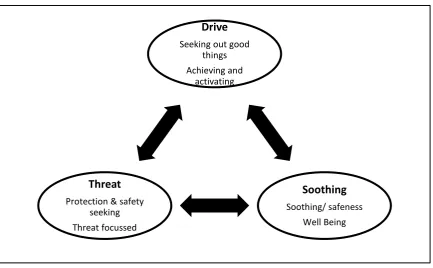
[image:42.595.86.520.223.491.2]However, moving on to consider the role of Gilbert’s simplified model within CFT, the focus of attention is less on the nature and conceptualisation of the three emotional subsystems (drive, soothing and threat) and more on their dynamic interaction (figure 2.1).
Figure2.1. Three Interacting Emotional Subsystems (adapted from Gilbert 2010c).
Gilbert argues that much of our emotional experience derives from the dynamic interplay of these three subsystems (Gilbert P. , 2010a). For instance, we might experience uncertainty and worry if facing a dilemma between our drive and threat response systems when considering a high risk decision.
Figure 2.1 illustrates these three components as being of equal importance. The extent to which each component may have weight in an individual’s life experience is partly a result of genetics and evolution, but also their life experiences. A child brought up in a high threat,
Drive
Seeking out good things Achieving and
activating
Soothing
Soothing/ safeness Well Being
Threat
31
low soothing environment may have a more developed threat response system and a less developed soothing system as a result of their experiences (figure 2.2). The three systems operate in dynamic interplay, with the extent to which they are active being determined by a person’s perceptions and cognitions; the threat system may be relatively more active in a perceived high risk environment than a low risk one.
Figure2.2. High Threat/ Low Soothing Interacting Subsystems.
2.3.2.1 The Threat System
The threat system is closely allied with our stress response as described in Chapter 1. The function of our threat response system is to alert us to potential threats and either protect us or prepare us to deal with the threat. It is associated with emotions such as fear, disgust, anxiety and anger (Gilbert P. , 2010c). It has been powerfully selected for throughout our evolution and is now a major part of our emotional world. The system operates on a ‘better safe than sorry’ system (ibid.); it’s more adaptive to over react to false alarms than to ignore a genuine threat to life. As a result our threat response systems can now be triggered by
Drive
32
genuine threats but also by potential or possible perceived threats. These real or perceived threats could be either threats to physical wellbeing or to social status and roles. They might be externally triggered or internally generated perceptions of threat (Gilbert P. , 2010a).
Classical cognitive behavioural therapy could be said to focus on down-regulating the threat regulation system by altering the client’s perception of risk. For example, progressively exposing a client to a feared object (i.e. a spider) and inviting them to recognise that their perception of the risk posed by the object exceeds the objectively evaluated risk. Doing so may allow them to re-evaluate their perceptions and reduce the scale of their threat response when exposed to the feared stimuli in future.
CBT can also consider safety behaviours, the patterns of behaviour we adopt in order to avoid an unwanted negative consequence. Safety behaviours also form a core part of a CFT understanding of threat response. From a CFT perspective, safety behaviours represent strategies which are adopted for threat avoidance or self-protection purposes. However, many safety behaviours have unintended negative consequences. For example, a socially anxious client might avoid social encounters in order to avoid the threat of embarrassment caused by their perceived lack of success in such situations. However, avoiding social situations might also reinforce their sense of isolation and perception of themselves as someone with poor social skills. It may also reduce the potential for corrective experiences of positive social contacts.
2.3.2.2 The Soothing System
Gilbert describes the soothing system as a system whose aim is the achievement of
33
things are and feeling safe; not striving or wanting; an inner peacefulness that is a quite
different positive feeling from the hyped-up, excitement or “striving and succeeding” feeling
of the drive-excitement systems. It is also different from just low threat, which can be
associated with boredom or a kind of emptiness’ (2010a, p. 48). The neurotransmitter Oxytocin and its associated neurological systems are closely associated with feelings of affiliation, trust and feeling soothed and calmed in interpersonal relationships. Along with the opiates, oxytocin is closely associated with this system (Carter, 1998; Depue & Morrone-Strupinksy, 2005, Uvans-Morberg, 1998, Wang, 2005 all in Gilbert, 2010b; Gumley, Braehler, & MacBeth, 2014).
In a substantial paper, Depue & Morron-Strupinsky (2005) link this system to the
development of attachment behaviour (Bowlby, 1973). The paper takes a detailed approach to examining the neurobiological evidence linked to ‘affiliative bonding’ and then linking this to attachment. Gilbert builds on this paper and describes the soothing system as emerging from ‘social, developmental, evolutionary and Buddhist psychology; and neuroscience’
(Gilbert P. , 2009). He links these perspectives together through the term ‘social mentalities’ and describes attachment as the social mentality of caregiving and care eliciting/receiving.
34
individualism and social relationships, but do so from differing cultural backgrounds (individualist western vs collectivist eastern).
Gilbert mainly writes from within a cognitive neuroscience/ evolutionary paradigm. It is in his integrative understanding of attachment and the soothing system and his development of social mentalities that his pragmatic approach to integration can be most clearly seen. How successfully he has done so, perhaps particularly with regards to the incorporation of Buddhist non-attachment remains to be seen.
2.3.2.3 The Drive System
The drive system is also described as the ‘incentive and resource-seeking, drive-excitement system’ (Gilbert P. , 2010a). It is intended to produce positive feelings which motivate us to seek out resources that may help us to achieve goals. It is closely associated with the neurotransmitter Dopamine. Impaired regulation of this system may be associated with both hypo- and hyper-manic states (ibid.).
If the drive system is thwarted then the threat system may become activated. Equally, the drive system may be over developed in some people as a compensatory strategy to address shortfalls in managing their threat system caused by an underdeveloped soothing system.
2.3.3 How does Compassion Focussed Therapy work?
Gilbert describes CFT as an integrative therapy (Gilbert P. , 2009), although it can be aligned with third wave cognitive behavioural therapies (Gilbert P. , 2010b). Many of the
35
systems (drive/ soothing/ threat). This may mean identifying and ‘toning up’ the soothing system, achieved through a focus on developing compassion and self-compassion.
Gilbert describes five key steps to a CFT intervention (2010a):
1. Accept feelings for what they are rather than avoiding them or allowing them to become intolerable, overwhelming or frightening
2. Use an evolutionary formulation of the reasons these feelings exist: they arise in part because of how our brains have evolved. That’s not our fault, but we can learn to take responsibility for regulating our feelings.
3. Learn to be compassionate and understanding to ourselves, depersonalise and de-shame (‘I’m not the only one’), and switch to a compassion focus if threatened. 4. Recognise unhelpful self-criticism and refocus on self-compassion when becoming
aware that self-criticism has been activated
5. Recognise unhelpful rumination and replace it with helpful compassion focussing and practice.
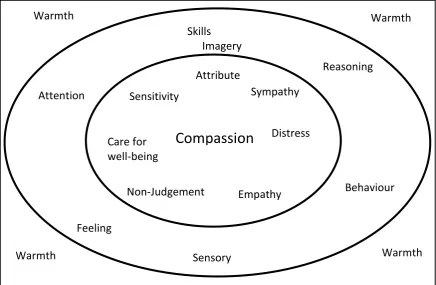
Step 1 involves practicing compassionately accepting feelings throughout therapy. It reflects one aspect of the range of skills and attributes Gilbert associates with compassion,
36
Figure 2.3. The Compassionate Circle.
Gilbert describes the circles as representing qualities which are already part of our compassionate selves, but which may require work to tone up. All such work should be conducted within an approach based on warmth, both by the therapist and also in time by the client. Gilbert (2010b) describes the inner circle as the ‘what’s’ of compassion and the outer circle as the ‘how to’s’ for the inner circle. Specific interventions are focussed on the development of the outer circle attributes to boost the inner circle ones.
Step 2 focusses on psycho education and shared development of a formulation which puts at its heart an evolutionary understanding of our minds. It also encompasses an explanation of Gilbert’s idea of social mentalities, which attempt to describe the range of neural
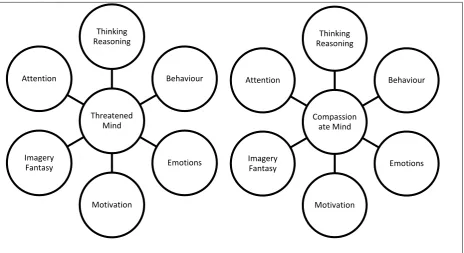
processes and biases that come together to optimise our thinking in any particular mood state. In CFT, social mentalities describe the multiple changes in aspects of cognitive processing which take place when either feeling threatened or compassionate (figure 2.4).
Compassion
ImageryReasoning
Non-Judgement Behaviour
Sensory Feeling
Attention Sympathy
37
[image:49.595.80.545.168.421.2]So in effect, social mentalities state that we conduct the same processing tasks in each mental state, but that the nature of the processing that takes place within those tasks changes substantially between social mentalities.
Figure 2.4. Social Mentalities - Threatened vs Compassionate Mind (adapted from Gilbert 2010a).
Imagery is a major component of CFT, most closely associated with step 3. In a study of 197 undergraduate students, Gilbert et al. (2006) developed a model of depression strongly linked to trait self-criticism. In this model, it is the relative availability of self-critical versus self-reassuring imagery which moderates self-criticism and therefore depression. Gilbert et al. argue that this model indicates that a key therapeutic focus should be on developing self-reassuring imagery since it appears that the availability of such images is more important than their quality in mediating symptoms. They also argue that therapy should be focussed on developing internal scripts based on warmth, compassion and forgiveness.
After an initial acclimatisation to mindfulness of breath, Gilbert (2010a) argues that compassionate meditations can be oriented in four main ways:
38
1. Developing the inner compassionate self by creating a sense of becoming a
compassionate person in the same way an actor imagines themselves becoming the character.
2. Compassion flowing out from you to others. 3. Compassion flowing into you from others.
4. Compassion directed towards yourself. For many people this can be the hardest element.
Jazaeri et al. (2013) showed in a study of 100 adults that the amount of formal meditation practiced during a 9-week programme was associated with increased compassion for others.
Items 4 and 5 rely on homework and guided discussion of issues arising between and during sessions. Homework sheets, much like CBT homework sheets, ask clients to reflect on incidents between sessions which have triggered self-critical thinking. However, in CFT, the focus is on identifying threat enhancing cognitive distortions and developing
self-compassionate alternative thoughts.
In summary, Gilbert (2010a) describes the mechanisms of change in CFT as:
1. Disengagement from (inner) stimulators of threat (rumination, worry etc.) and refocus on compassionate insights, thoughts, feelings and behaviours.
2. Developing compassionate detachment from the ‘inner storms’ of emotion. 3. Stimulating the soothing system by developing compassionate refocusing and
imagery.
39
Lo (2014) developed a customised eight week self-compassion based group intervention. Whilst reporting positive results, he notes three specific problems related to teaching self-compassion. Firstly, compassion practices can induce vulnerability and strong negative emotions, such as avoidance or fear reactions. Secondly, participants may express doubt and uncertainty about the purpose and intention of practicing compassion. People who have not experienced compassion may report ‘blankness’ during practice. Thirdly, compassion
practice may be associated with relational issues, potentially causing participants difficulty sharing their practice with partners and family.
To address these issues, Lo recommends firstly bringing to mind the purpose of practice. Secondly, developing a mindful persistence in exploring the balance point where the difficult experience of practice moves from being difficult but tolerable to intolerable. Thirdly, the use of reflective writing and homework records.
2.4 CFT for Specific Mental Health Conditions
Two review papers have now been published summarising key findings in regarding CFT (Beaumont & Hollins Martin, 2015), (Leaviss & Uttley, 2015). Both reviews identify the potential of CFT but note that the quality of studies published to date is relatively poor.
2.4.1 Anxiety
40
There is little difference between Gilbert’s approach to depression and Welford’s approach to anxiety. Most of the theory, formulation and interventions are similar across both approaches, perhaps reflecting their shared understanding of problems as a result of brains which have developed in environments we did not choose and for which they are not optimised, combined with an appreciation of attachment and the three system
understanding of emotion regulation. Anxiety is seen as a product of the threat system and its ‘better safe than sorry’ processing bias. CFT takes a less blaming approach to
understanding the development and function of strategies such as monitoring and self-blame, seeing them as understandable safety strategies rather than cognitive distortions.
Welford argues that CFT is well placed to deal with an increasingly complex emerging understanding of the interplay between cognition and emotion with regards to general cognitive neuroscience and particularly anxiety (ibid.). Welford’s argument is that CFT is well suited to cases of anxiety and in particular those where the client experiences high levels of shame or self-criticism, has insecure attachment or experiences ‘heart-head lag’ - they can understand the logic of interventions but do not feel any different as a result.
41
questionably effective for two. Whilst this is only a small scale study it does provide some pilot evidence for the use of CFT with people with mild social anxiety. This paper’s case study approach measuring anxiety, self-compassion and using reliable change index calculations to measure change are quite similar to aspects of this study.
Werner et al. (2012) examined self-compassion and social anxiety disorder (SAD) in 72 people with a principal diagnosis of SAD, as well as 40 healthy controls. Measures used covered self-compassion, social anxiety, fear of evaluation, depression and anxiety. They found lower levels of self-compassion in individuals with SAD. Specifically, individuals with a clinical diagnosis of SAD had lower overall levels of self-compassion, and reported lower scores on all six subscales of the Self-Compassion Scale. However, two scales which measure social anxiety in a variety of social situations did not produce any correlation between total level of self-compassion and level of social anxiety. It’s unclear whether this might reflect a dichotomy in social anxiety and self-compassion or a measurement issue.
Although limited by the cross sectional nature of the study, the authors argue that
interventions aimed at enhancing self-compassion might be of value for people with SAD. They argue that self-compassion might be low initially and then degrade over time within this population. They speculate that in people with SAD, self-compassion may have a buffering effect against negative cognitive biases and excessive self-criticism.
42
diagnosis of major depressive disorder, four specific phobia. Three participants also had a diagnosis of generalised anxiety disorder (GAD).
Interview questions drew on Neff’s conceptualisation of self-compassion. Three
superordinate themes were identified; Features, Utility and Difficulty of Self Compassion. Two subordinate themes were identified under each superordinate theme.
Participants reported drawing on their experiences of being compassionate towards others rather than themselves when responding and no participant spontaneously discussed self-compassion. The paper aimed to explore self-self and self-other compassion but when responding participants appeared to focus solely on self-other compassion, perhaps reflecting Gilbert’s argument that for many people, thinking compassionately about themselves does not come naturally.
Participants linked compassion with kindness and forgiveness, and noted that compassion requires action. Participants acknowledged the value of self-compassion, but felt their own negative attitudes to themselves would be too long-standing to change. This may both endorse the face validity of self-compassion development and highlight the potential difficulty of persuading clients to engage in such work. The authors note the apparent causative link in participant narratives, suggesting that psychological distress leads to low self-compassion. By comparison, Gilbert argues that low self-esteem may be a risk factor for psychological distress.
43
programme, six completed. All participants reported reduced anxiety and depression, in all cases no longer meeting diagnostic thresholds post-intervention.
2.4.3 Depression
Two studies have explored the relationship between self-compassion, self-help interventions and depression in western populations. Shapira and Mongrain (2010) conducted a randomised control trial in Canada with three arms – (1) Self-compassion (n=63), (2) Optimism (n=55), (3) Control (n=70), recruited online via Facebook
advertisements. Participants in both active conditions were less depressed at three months and happier up to 6 months compared to control. The authors argue that their study shows the value of easily accessible self-compassion and optimism-enhancing self-help exercises over short periods of time for individuals experiencing symptoms of depression.
In the second study, Kelly, Zuroff and Shapira (2009) examined two self-help interventions in distressed acne sufferers recruited through local online and newspaper advertisements, mostly undergraduates. The two arms were self-soothing (n=23) and attack-resisting (n=24), there was no control arm. After two weeks, participants in the self-soothing arm reported lower levels of shame and skin complaints, but not lowered depression. Participants in the attack resisting intervention also had lowered depression scores. The authors speculate whether the self-soothing condition improved participants’ abilities and whether the short, two week period of their intervention may have been insufficient to boost self-soothing behaviours.
44
methodologies, short-term nature of the interventions and relatively small numbers of participants mean their findings should be considered with care.
Whilst CFT is a predominantly western construct, research does take place elsewhere. Lo (2014) examined self-compassion within East Asian Confucian societies. In an RCT featuring 82 Chinese with mild to moderate depression and anxiety, Lo reports medium to strong effect size reductions in symptoms, outcomes were sustained at three month follow-up. In Iran, researchers conducted an RCT involving 19 depressed patients selected from a psychiatric clinic (Noorbala, Ahmad, & Noorbala, 2013). Compared to control, patients undertaking CFT reported significantly decreased depression and anxiety at follow-up. Whilst this is a small-n study, it is also one of the few RCT’s to evaluate CFT treatment outcome.
2.4.4 Other Mental Health Difficulties
It’s been argued that self-compassion based interventions could be of value in a range of difficulties. Theoretical and/or outcome studies have now been published covering areas including; non-suicidal self-injury (Van Vliet & Kalnins, 2011), survivors of intimate partner abuse (Tesh, Learman, & Pulliam, 2013), personality disorder (Lowens, 2010; Schanche, Stiles, McCullough, Svartberg, & Nielsen, 2011; Lucre & Corten, 2013), eating disorders (Gale, Gilbert, Read, & Goss, 2014; Goss & Allan, 2014; Kelly & Carter, 2014), problematic alcohol use (Brooks, Kay-Lambkhin, Bowman, & Childs, 2012) acquired brain injury
45
Most literature is theoretical, noting links between difficulties seen in people with these problems and the construct of self-compassion, before suggesting that clinical interventions based on self-compassion could be of value. The overall field is now too large to fully review. However, one paper has used IPA and three have reported mixed methods investigations of CFT:
Ashworth et al. (2014) report a mixed methods naturalistic service evaluation of an 18 week combination group and individual CFT programme for twelve patients with acquired brain injury (ABI). Quantitative data collection consisted of measures of mood and the Forms of Self-Criticism/ Self-Attacking and Self-Reassuring Scale (Gilbert, Clark, Hempel, Miles, & Irons, 2004). Measures were completed pre-post and at three month follow-up points. They report significant pre-post reductions in self-hatred and inadequate self as well as anxiety and depression. Gains appeared to be maintained at follow up.
46
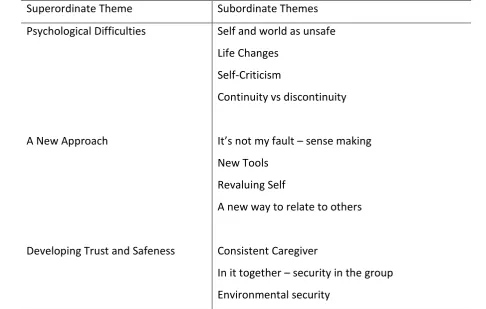
Table 2.1. Emergent Themes from Ashworth et al. (2014). Superordinate Theme Subordinate Themes Psychological Difficulties Self and world as unsafe
Life