
The TCP IP Guide pdf
1671
0
0
Full text
(2) Copyright Notice and Disclaimers Copyright © 2001-2005 Charles M. Kozierok. All Rights Reserved. This electronic book is made available only under the terms and provisions of the TCPIPGuide.com Electronic Book License Agreement (http://www.tcpipguide.com/la.htm), and is protected under United States and international copyright law. No part of this document may be reproduced, distributed, stored in a retrieval system or transmitted in any form or by any means—be it electronic, mechanical, photographic, magnetic or otherwise— without the prior written permission of the author. Although every reasonable effort has been made to ensure that the information contained in this document is correct as of the time of publishing, there is always the possibility of error with any technical resource, either due to mistakes made by the author or the author’s sources. Accordingly, the author does not guarantee or warrant the accuracy or completeness of any of the information in this electronic book, and is not responsible for any errors or omissions. This document is designed as a general educational resource; the author is not rendering any professional service. Information contained in this book should be verified with an appropriate professional before undertaking any project. The information in this electronic book is provided on an “as is” basis. The author specifically makes no representations or warranties of any kind regarding the accuracy, completeness, applicability, performance, merchantability, or fitness for any particular purpose of the content herein, even if the author has been informed in advance of such intended purpose. The author shall not be liable to any person or entity with respect to any damage or loss whatever, whether direct or indirect, whether incidental or consequential, resulting or alleged to have resulted from the use of the information in this electronic book. All trademarks and service marks used in this document are the property of their respective owners. All names and other terms used in this document that are believed to be trademarks or service marks have been treated as proper nouns to distinguish them from nontrademarked terms. No claim is made or implied regarding the trademark status of any term based on its use in this document.. The TCP/IP Guide - Version 3.0 (Contents). ` ii _. © 2001-2005 Charles M. Kozierok. All Rights Reserved..
(3) Dedication This Guide is dedicated to my family: my wife Robyn and my three sons, Ryan, Matthew and Evan. I suppose that it’s a cliché to dedicate a book to your wife. If so, it’s for a very good reason: who plays a more important role in the life of an author than his or her spouse? Robyn is my partner; the person who is always there; the one who shares my life in so many ways. The expression about a great woman being behind every good man is true, yet my wife is deserving of recognition for reasons that go far beyond the usual reasons such as being “supportive”. Financially, she agreed to take on a regular working position to make it possible for me to spend time on a very long project with an uncertain payoff. She took on most of the tasks of taking our children to school and dealing with their needs, to give me time to write. She also gracefully agreed to “do without” many things that many other wives would not have been too happy about. But most of all, she deserves a world of credit for putting up with me. ☺ For constantly reassuring me that it was okay that I was spending years on a project that might not be successful. For listening to me talk for countless hours, and for giving her opinions on many portions of my writing, all on a subject that really doesn’t interest her at all. And most importantly, for encouraging me when I felt this was a waste of time, and even kicking me in the butt when I felt like giving up. Without Robyn, this Guide simply would not exist. Thanks, R. My three boys deserve credit for similar reasons, but to a lesser extent. They have had to put up with my constantly sitting at the computer trying to tune them out so I could concentrate; my too-frequent grouchy moods; and my reluctance to spend time with them when I had work on my plate. I am sure there were many times that they wished I just had a regular “day job”. Ryan, my big boy, has been very patient in waiting for me to finish this project so we can resume several activities that we used to engage in regularly. Matthew, my fun-loving and rambunctious middle son, has also had to deal with my not having as much time as I would have liked to spend time with him. And little Evan has had a father working on a long-term project for his entire life! All three of my boys have been very understanding, and provided me with much needed joy and laughter at times when I needed it most.. The TCP/IP Guide - Version 3.0 (Contents). ` iii _. © 2001-2005 Charles M. Kozierok. All Rights Reserved..
(4) Acknowledgments I dedicated this Guide to my wife and children to reflect the important role they have played in life in general terms, and in accomplishing this Guide in particular. However, there are many others who also contributed to the completion of this document, and I’d like to take a moment to acknowledge them. I want to thank my “original” family, my father Leon, and sisters Cari and Cindy, for being supportive and lending a helpful ear about various issues during the time that I’ve engaged in this project. Thanks also to my “adoptive” family, Eli, Marge, Larry and Steven. And I definitely want to thank the small group of close friends who have helped with ideas, advice and much needed laughs, especially Morley, Jeff, James and Jon, all of whom had to listen to far more of my blathering about this project over the last few years than any human being should have to tolerate. ☺ I would also like to specifically acknowledge the following individuals and organizations for their assistance: ☯. Adobe Systems Incorporated, for providing this relatively unknown author with two important pieces of software that I used in creating this Guide. First, Adobe Framemaker, one of the best desktop publishing programs around, which was used to format and publish this document. Second, Adobe Photoshop, the industry standard program for photo and graphics editing, which was used for some of the graphics in this Guide, and will play a more central role in subsequent Guides containing more photographs.. ☯. SmartDraw.com, for the excellent SmartDraw diagramming software that was used to create most of the over 300 illustrations that appear in this Guide.. ☯. Harald Heim of The Plugin Site, for graciously providing me with two excellent Photoshop plugins that any serious photographer should consider: the FocalBlade sharpening tool and ColorWasher color-correction plugin.. ☯. Fernando Gont and Barry Margolin, for their excellent technical review of The TCP/IP Guide, and their corrections and suggestions for improvement to the document.. ☯. Bill Pollock, president and publisher of No Starch Press, for constantly expressing his faith in my abilities as an author, for answering questions about the business, for being a sounding board, and for agreeing to publish The TCP/IP Guide in book form.. ☯. Tcat Houser, author and instructor, whose generosity, positive attitude and enthusiasm for my writing helped boost my confidence as I worked to complete this project.. ☯. All the regulars at The PC Guide Discussion Forums, for creating a fun community, keeping the site active, and agreeing to provide opinions on my writing. Thanks especially to Paleo Pete and mjc for doing such a great job of moderating the forums.. ☯. Christine Hylands of Junefire DTP, for assistance with creating certain graphics in this Guide, as well as designing its Web site (on short notice).. ☯. Everyone who has supported The PC Guide and The TCP/IP Guide, financially and otherwise, which made it possible for me to spend time on this project.. I’ve probably missed a few people who should be on this list; I hope all who are deserving of my appreciation will forgive their omission and accept my thanks. The TCP/IP Guide - Version 3.0 (Contents). ` iv _. © 2001-2005 Charles M. Kozierok. All Rights Reserved..
(5) About The Author I was born in 1966 in Windsor, Ontario, Canada and raised in nearby Toronto. I married my wife Robyn in 1990; we now live in southern Vermont with our three sons: Ryan (now 12), Matthew (9) and Evan (4). I have had an interest in the field of computers ever since my early years, starting at the age of 14 when I received my first computer, an Apple ][ that was a gift from my parents. Since that time I have worked in various computer-related fields in hardware and software. In 1989 I obtained a Bachelor of Applied Science from the University of Waterloo, in Waterloo, Ontario, Canada. I completed my formal education in 1993 with two Master’s degrees, in Management and in Electrical Engineering and Computer Science (EECS), from MIT. After a brief “conventional” technical career, I created and published The PC Guide, an extensive online reference work on personal computers and in 1998 I decided to devote myself to my writing projects full time. The TCP/IP Guide was part of a larger networking project that I spent time on earlier this decade. I continue to work in the technical writing and editing field on various projects, for myself and other companies. You may have noticed something missing here: no impressive listings of credentials. No, I’m not a New York Times best-selling author; I haven’t been a professor at a prestigious Ivy League university for a quarter-century; neither am I a top executive at a Silicon Valley giant. In some ways, I am a student of technology, just like you are. And my experience over the years has shown me that many of the people who know the most about how technology works also have rather limited success in explaining what they know in a way that will allow me to understand it. My interests, and I believe my skills, lie not in being an expert, but an educator; in presenting complex information in a form that is sensible, digestible and fun to read. When I am not working—all too rare these days—I spend time with my family and enjoy the peaceful quiet and natural beauty of the state of Vermont. I enjoy listening to many types of music, walking in the woods, hiking, and playing tennis. I am also an avid amateur photographer, with particular interests in nature and landscapes.. The TCP/IP Guide - Version 3.0 (Contents). `v_. © 2001-2005 Charles M. Kozierok. All Rights Reserved..
(6) Table of Contents Copyright Notice and Disclaimers................................................ ii Dedication ...................................................................................... iii Acknowledgments......................................................................... iv About The Author........................................................................... v Table of Contents .......................................................................... vi List of Figures............................................................................ xxiii List of Tables ............................................................................. xxxi The TCP/IP Guide: Introduction and "Guide To The Guide" .... 39 ☯ ☯ ☯ ☯ ☯ ☯ ☯ ☯. Introduction To The TCP/IP Guide.........................................................40 Goals of The TCP/IP Guide.....................................................................41 Scope of The TCP/IP Guide ....................................................................43 Structure and Organization of The TCP/IP Guide ................................44 TCP/IP Guide Features, Inserts and Icons ............................................47 Tips For Using Adobe Acrobat Reader To View The TCP/IP Guide ...49 Feedback and Suggestions....................................................................53 Version History........................................................................................54. Networking Fundamentals .......................................................... 56 ☯. Introduction to Networking ....................................................................57 ☯ What Is Networking? ................................................................................... 57 ☯ The Advantages (Benefits) of Networking ................................................ 58 ☯ The Disadvantages (Costs) of Networking ............................................... 60. ☯. Fundamental Network Characteristics..................................................62 ☯ ☯ ☯ ☯ ☯ ☯ ☯. Networking Layers, Models and Architectures ........................................ 62 Protocols: What Are They, Anyway?......................................................... 64 Circuit Switching and Packet Switching Networks .................................. 66 Connection-Oriented and Connectionless Protocols .............................. 69 Messages: Packets, Frames, Datagrams and Cells ................................. 71 Message Formatting: Headers, Payloads and Footers............................ 73 Message Addressing and Transmission Methods: Unicast, Broadcast and Multicast Messages........................................................... 74. The TCP/IP Guide - Version 3.0 (Contents). ` vi _. © 2001-2005 Charles M. Kozierok. All Rights Reserved..
(7) ☯ Network Structural Models and Client/Server and Peer-to-Peer. Networking ................................................................................................... 77 ☯. Types and Sizes of Networks.................................................................81 ☯ Local Area Networks (LANs), Wireless LANs (WLANs) and Wide. Area Networks (WANs) and Variants (CANs, MANs and PANs) ............. 81 ☯ Segments, Networks, Subnetworks and Internetworks........................... 83 ☯ The Internet, Intranets and Extranets ........................................................ 86 ☯. Network Performance Issues and Concepts ........................................88 ☯ Putting Network Performance In Perspective...........................................88 ☯ Balancing Network Performance with Key Non-Performance ☯ ☯ ☯ ☯ ☯. ☯. Characteristics............................................................................................. 89 Performance Measurements: Speed, Bandwidth, Throughput and Latency.................................................................................................. 91 Understanding Performance Measurement Units .................................... 94 Theoretical and Real-World Throughput, and Factors Affecting Network Performance ................................................................................. 96 Simplex, Full-Duplex and Half-Duplex Operation.....................................99 Quality of Service (QoS) ........................................................................... 101. Network Standards and Standards Organizations.............................103 Proprietary, Open and De Facto Standards ............................................ 103 Networking Standards .............................................................................. 106 International Networking Standards Organizations............................... 107 Networking Industry Groups .................................................................... 109 Internet Standards Organizations (ISOC, IAB, IESG, IETF, IRSG, IRTF)................................................................................................. 110 ☯ Internet Registration Authorities and Registries (IANA, ICANN, APNIC, ARIN, LACNIC, RIPE NCC)........................................................... 113 ☯ Internet Standards and the Request For Comment (RFC) Process...... 115 ☯ ☯ ☯ ☯ ☯. ☯. Backgrounder: Data Representation and the Mathematics of Computing .............................................................................................119 ☯ Binary Information and Representation: Bits, Bytes, Nibbles, ☯ ☯ ☯ ☯ ☯. Octets and Characters .............................................................................. 120 Decimal, Binary, Octal and Hexadecimal Numbers................................ 123 Decimal, Binary, Octal and Hexadecimal Number Conversion............. 127 Binary, Octal and Hexadecimal Arithmetic ............................................. 131 Boolean Logic and Logical Functions..................................................... 132 Bit Masking (Setting, Clearing and Inverting) Using Boolean Logical Functions...................................................................................... 136. The Open System Interconnection (OSI) Reference Model.... 140 ☯. History of the OSI Reference Model ....................................................141. The TCP/IP Guide - Version 3.0 (Contents). ` vii _. © 2001-2005 Charles M. Kozierok. All Rights Reserved..
(8) ☯. General Reference Model Issues .........................................................143 ☯ ☯ ☯ ☯. ☯. The Benefits of Networking Models......................................................... 143 Why Understanding The OSI Reference Model Is Important To You ... 144 How To Use The OSI Reference Model.................................................... 145 Comparing the OSI Reference Model to Network Architectures and Protocol Stacks .................................................................................. 147. Key OSI Reference Model Concepts ...................................................148 ☯ OSI Reference Model Networking Layers, Sublayers and Layer ☯ ☯ ☯ ☯ ☯. ☯ ☯. Understanding The OSI Reference Model: An Analogy ....................165 OSI Reference Model Layers................................................................168 ☯ ☯ ☯ ☯ ☯ ☯ ☯. ☯ ☯. Groupings .................................................................................................. 148 "N" Notation and Other OSI Model Layer Terminology ......................... 151 Interfaces: Vertical (Adjacent Layer) Communication ........................... 153 Protocols: Horizontal (Corresponding Layer) Communication ............ 156 Data Encapsulation, Protocol Data Units (PDUs) and Service Data Units (SDUs)...................................................................................... 157 Indirect Device Connection and Message Routing ................................ 162. Physical Layer (Layer 1) ........................................................................... 168 Data Link Layer (Layer 2).......................................................................... 170 Network Layer (Layer 3)............................................................................ 172 Transport Layer (Layer 4) ......................................................................... 174 Session Layer (Layer 5) ............................................................................ 177 Presentation Layer (Layer 6) .................................................................... 178 Application Layer (Layer 7) ...................................................................... 180. OSI Reference Model Layer Mnemonics .............................................182 OSI Reference Model Layer Summary ................................................184. TCP/IP Protocol Suite and Architecture................................... 186 ☯ ☯ ☯ ☯. TCP/IP Overview and History ...............................................................186 TCP/IP Services and Client/Server Operation ....................................190 TCP/IP Architecture and the TCP/IP Model.........................................193 TCP/IP Protocols ...................................................................................197. TCP/IP Lower-Layer (Interface, Internet and Transport) Protocols (OSI Layers 2, 3 and 4) ............................................. 203 ☯. TCP/IP Network Interface Layer (OSI Data Link Layer) Protocols ....204 ☯ TCP/IP Serial Line Internet Protocol (SLIP) and Point-to-Point. Protocol (PPP) ........................................................................................... 205 ☯ ☯ ☯. SLIP and PPP Overview and Role In TCP/IP ................................................206 Serial Line Internet Protocol (SLIP) ..............................................................209 Point-to-Point Protocol (PPP)........................................................................213. The TCP/IP Guide - Version 3.0 (Contents). ` viii _. © 2001-2005 Charles M. Kozierok. All Rights Reserved..
(9) ☯. PPP Fundamentals and Operation .....................................................................214 ☯ ☯ ☯ ☯. ☯. PPP Core Protocols: Link Control, Network Control and Authentication ......228 ☯ ☯ ☯. ☯. ☯ ☯ ☯ ☯ ☯. PPP Link Quality Monitoring/Reporting (LQM/LQR) ................................................240 PPP Compression Control Protocol (CCP) and Compression Algorithms ...........242 PPP Encryption Control Protocol (ECP) and Encryption Algorithms ....................245 PPP Multilink Protocol (MP/MLP/MLPPP) .................................................................248 PPP Bandwidth Allocation Protocol (BAP) and Bandwidth Allocation Control Protocol (BACP) ............................................................................................251. PPP Protocol Frame Formats..............................................................................254 ☯ ☯ ☯ ☯ ☯. ☯. PPP Link Control Protocol (LCP)...............................................................................228 PPP Network Control Protocols (IPCP, IPXCP, NBFCP and others) ......................233 PPP Authentication Protocols: Password Authentication Protocol (PAP) and Challenge Handshake Authentication Protocol (CHAP) ..................................236. PPP Feature Protocols.........................................................................................240 ☯. ☯. PPP Overview, History and Benefits .........................................................................214 PPP Components and General Operation ................................................................217 PPP Link Setup and Phases.......................................................................................219 PPP Standards ............................................................................................................223. PPP General Frame Format........................................................................................254 PPP General Control Protocol Frame Format and Option Format .........................260 PPP Link Control Protocol (LCP) Frame Formats....................................................264 PPP Authentication Protocol (PAP, CHAP) Frame Formats ...................................267 PPP Multilink Protocol (MP) Frame Format ..............................................................271. TCP/IP Network Interface / Internet "Layer Connection" Protocols................................................................................................277 ☯ Address Resolution and the TCP/IP Address Resolution Protocol. (ARP)........................................................................................................... 278 ☯. Address Resolution Concepts and Issues...................................................279 ☯ ☯ ☯ ☯. ☯. TCP/IP Address Resolution Protocol (ARP).................................................289 ☯ ☯ ☯ ☯ ☯. ☯ ☯. The Need For Address Resolution .....................................................................279 Address Resolution Through Direct Mapping...................................................282 Dynamic Address Resolution .............................................................................285 Dynamic Address Resolution Caching and Efficiency Issues.........................286 ARP Overview, Standards and History ..............................................................290 ARP Address Specification and General Operation .........................................291 ARP Message Format ..........................................................................................294 ARP Caching.........................................................................................................296 Proxy ARP.............................................................................................................298. TCP/IP Address Resolution For IP Multicast Addresses ............................301 TCP/IP Address Resolution For IP Version 6...............................................303. ☯ Reverse Address Resolution and the TCP/IP Reverse Address. Resolution Protocol (RARP)..................................................................... 305 ☯. TCP/IP Internet Layer (OSI Network Layer) Protocols .......................309 ☯ Internet Protocol (IP/IPv4, IPng/IPv6) and IP-Related Protocols. (IP NAT, IPSec, Mobile IP)......................................................................... 310 ☯. Internet Protocol Concepts and Overview ...................................................311 ☯ ☯ ☯. IP Overview and Key Operational Characteristics ............................................311 IP Functions..........................................................................................................313 IP History, Standards, Versions and Closely-Related Protocols.....................314. The TCP/IP Guide - Version 3.0 (Contents). ` ix _. © 2001-2005 Charles M. Kozierok. All Rights Reserved..
(10) ☯. Internet Protocol Version 4 (IP, IPv4)............................................................317 ☯. IP Addressing .......................................................................................................318 ☯. ☯. ☯. ☯. ☯. ☯. IP Datagram Encapsulation and Formatting......................................................417 ☯ ☯ ☯. ☯. IP Addressing Concepts and Issues .........................................................................319 ☯ IP Addressing Overview and Fundamentals......................................................319 ☯ IP Address Size, Address Space and "Dotted Decimal" Notation ...................323 ☯ IP Basic Address Structure and Main Components: Network ID and Host ID............................................................................................................325 ☯ IP Addressing Categories (Classful, Subnetted and Classless) and IP Address Adjuncts (Subnet Mask and Default Gateway)...............................327 ☯ Number of IP Addresses and Multihoming ........................................................329 ☯ IP Address Management and Assignment Methods and Authorities..............332 IP "Classful" (Conventional) Addressing .................................................................334 ☯ IP "Classful" Addressing Overview and Address Classes...............................334 ☯ IP "Classful" Addressing Network and Host Identification and Address Ranges ...................................................................................................337 ☯ IP Address Class A, B and C Network and Host Capacities.............................341 ☯ IP Addresses With Special Meanings .................................................................343 ☯ IP Reserved, Loopback and Private Addresses ................................................345 ☯ IP Multicast Addressing .......................................................................................348 ☯ Problems With "Classful" IP Addressing ...........................................................351 IP Subnet Addressing ("Subnetting") Concepts......................................................354 ☯ IP Subnet Addressing Overview, Motivation, and Advantages........................355 ☯ IP Subnetting: "Three-Level" Hierarchical IP Subnet Addressing...................357 ☯ IP Subnet Masks, Notation and Subnet Calculations........................................359 ☯ IP Default Subnet Masks For Address Classes A, B and C ..............................364 ☯ IP Custom Subnet Masks.....................................................................................366 ☯ IP Subnet Identifiers, Subnet Addresses and Host Addresses........................370 ☯ IP Subnetting Summary Tables For Class A, Class B and Class C Networks................................................................................................................373 ☯ IP Variable Length Subnet Masking (VLSM) ......................................................377 IP Subnetting: Practical Subnet Design and Address Determination Example .......................................................................................................................382 ☯ IP Subnetting Step #1: Requirements Analysis.................................................383 ☯ IP Subnetting Step #2: The Key Design Trade-off: Partitioning Network Address Host Bits .................................................................................384 ☯ IP Subnetting Step #3: Determining The Custom Subnet Mask.......................388 ☯ IP Subnetting Step #4: Determining Subnet Identifiers and Subnet Addresses ................................................................................................391 ☯ IP Subnetting Step #5: Determining Host Addresses For Each Subnet..........397 IP Classless Addressing: Classless Inter-Domain Routing (CIDR) / "Supernetting".............................................................................................................402 ☯ IP Classless Addressing and "Supernetting" Overview, Motivation, Advantages and Disadvantages..........................................................................402 ☯ IP "Supernetting": Classless Inter-Domain Routing (CIDR) Hierarchical Addressing and Notation ...............................................................406 ☯ IP Classless Addressing Block Sizes and "Classful" Network Equivalents............................................................................................................409 ☯ IP CIDR Addressing Example ..............................................................................411 IP Datagram Encapsulation........................................................................................417 IP Datagram General Format......................................................................................419 IP Datagram Options and Option Format .................................................................425. IP Datagram Size, Maximum Transmission Unit (MTU), Fragmentation and Reassembly ...................................................................................................430. The TCP/IP Guide - Version 3.0 (Contents). `x_. © 2001-2005 Charles M. Kozierok. All Rights Reserved..
(11) ☯ ☯ ☯. ☯. IP Datagram Delivery and Routing .....................................................................441 ☯ ☯ ☯ ☯. ☯ ☯. IP Datagram Size, the Maximum Transmission Unit (MTU), and Fragmentation Overview ............................................................................................430 IP Message Fragmentation Process..........................................................................434 IP Message Reassembly Process..............................................................................438 IP Datagram Direct Delivery and Indirect Delivery (Routing)..................................441 IP Routing Concepts and the Process of Next-Hop Routing ..................................444 IP Routes and Routing Tables ...................................................................................447 IP Routing In A Subnet Or Classless Addressing (CIDR) Environment ................449. IP Multicasting ......................................................................................................452. Internet Protocol Version 6 (IPv6) / IP Next Generation (IPng)...................454 ☯. IPv6 Overview, Changes and Transition ............................................................455 ☯ ☯ ☯. ☯. IPv6 Addressing ...................................................................................................462 ☯ ☯ ☯ ☯ ☯ ☯ ☯ ☯ ☯ ☯. ☯. IPv6 Motivation and Overview ...................................................................................455 Major Changes And Additions In IPv6 ......................................................................458 Transition from IPv4 to IPv6.......................................................................................459 IPv6 Addressing Overview: Addressing Model and Address Types .....................462 IPv6 Address Size and Address Space.....................................................................464 IPv6 Address and Address Notation and Prefix Representation ...........................466 IPv6 Address Space Allocation .................................................................................470 IPv6 Global Unicast Address Format ........................................................................473 IPv6 Interface Identifiers and Physical Address Mapping ......................................479 IPv6 Special Addresses: Reserved, Private (Link-Local / Site-Local), Unspecified and Loopback ........................................................................................480 IPv6/IPv4 Address Embedding ..................................................................................484 IPv6 Multicast and Anycast Addressing ...................................................................486 IPv6 Autoconfiguration and Renumbering ...............................................................492. IPv6 Datagram Encapsulation and Formatting..................................................495 ☯ ☯ ☯ ☯. IPv6 Datagram Overview and General Structure .....................................................495 IPv6 Datagram Main Header Format..........................................................................497 IPv6 Datagram Extension Headers............................................................................501 IPv6 Datagram Options...............................................................................................507. IPv6 Datagram Size, Maximum Transmission Unit (MTU), Fragmentation and Reassembly .........................................................................511 ☯ IPv6 Datagram Delivery and Routing .................................................................516 ☯. ☯. IP Network Address Translation (NAT) Protocol .........................................518 IP NAT Overview, Motivation, Advantages and Disadvantages ......................518 IP NAT Address Terminology..............................................................................522 IP NAT Static and Dynamic Address Mappings ................................................525 IP NAT Unidirectional (Traditional/Outbound) Operation.................................527 IP NAT Bidirectional (Two-Way/Inbound) Operation ........................................531 IP NAT Port-Based ("Overloaded") Operation: Network Address Port Translation (NAPT) / Port Address Translation (PAT) ..............................535 ☯ IP NAT "Overlapping" / "Twice NAT" Operation ...............................................539 ☯ IP NAT Compatibility Issues and Special Handling Requirements .................542 ☯ ☯ ☯ ☯ ☯ ☯. ☯. IP Security (IPSec) Protocols ........................................................................545 ☯ ☯ ☯ ☯. IPSec Overview, History and Standards ............................................................545 IPSec General Operation, Components and Protocols ....................................548 IPSec Architectures and Implementation Methods...........................................550 IPSec Modes: Transport and Tunnel ..................................................................553. The TCP/IP Guide - Version 3.0 (Contents). ` xi _. © 2001-2005 Charles M. Kozierok. All Rights Reserved..
(12) IPSec Security Associations and the Security Association Database (SAD); Security Policies and the Security Policy Database (SPD); Selectors; the Security Parameter Index (SPI) ..................................................557 ☯ IPSec Authentication Header (AH)......................................................................559 ☯ IPSec Encapsulating Security Payload (ESP) ...................................................564 ☯ IPSec Key Exchange (IKE)...................................................................................569. ☯. ☯. Internet Protocol Mobility Support (Mobile IP) ............................................572 ☯ ☯ ☯ ☯ ☯ ☯ ☯ ☯ ☯. Mobile IP Overview, History and Motivation......................................................572 Mobile IP Concepts and General Operation ......................................................576 Mobile IP Addressing: Home and "Care-Of" Addresses ..................................580 Mobile IP Agent Discovery, and Agent Advertisement and Solicitation Messages..........................................................................................583 Mobile IP Home Agent Registration and Registration Messages....................589 Mobile IP Data Encapsulation and Tunneling....................................................594 Mobile IP and TCP/IP Address Resolution Protocol (ARP) Operation ............597 Mobile IP Efficiency Issues .................................................................................600 Mobile IP Security Considerations .....................................................................602. ☯ Internet Control Message Protocol (ICMP/ICMPv4 and ICMPv6) .......... 604 ☯. ICMP Concepts and General Operation........................................................605 ☯ ☯ ☯ ☯ ☯. ☯. ICMP Overview, History, Versions and Standards............................................605 ICMP General Operation ......................................................................................607 ICMP Message Classes, Types and Codes........................................................610 ICMP Message Creation and Processing Conventions and Rules..................614 ICMP Common Message Format and Data Encapsulation...............................616. ICMP Message Types and Formats...............................................................619 ☯. ICMP Version 4 (ICMPv4) Error Message Types and Formats.........................620 ☯ ☯ ☯ ☯ ☯. ☯. ICMP Version 4 (ICMPv4) Informational Message Types and Formats...........636 ☯ ☯ ☯ ☯ ☯. ☯. ICMPv4 Echo (Request) and Echo Reply Messages................................................636 ICMPv4 Timestamp (Request) and Timestamp Reply Messages ...........................638 ICMPv4 Router Advertisement and Router Solicitation Messages ........................640 ICMPv4 Address Mask Request and Reply Messages ............................................644 ICMPv4 Traceroute Messages ...................................................................................646. ICMP Version 6 (ICMPv6) Error Message Types and Formats.........................649 ☯ ☯ ☯ ☯. ☯. ICMPv4 Destination Unreachable Messages............................................................620 ICMPv4 Source Quench Messages ...........................................................................624 ICMPv4 Time Exceeded Messages............................................................................626 ICMPv4 Redirect Messages........................................................................................629 ICMPv4 Parameter Problem Messages .....................................................................633. ICMPv6 Destination Unreachable Messages............................................................649 ICMPv6 Packet Too Big Messages ............................................................................652 ICMPv6 Time Exceeded Messages............................................................................654 ICMPv6 Parameter Problem Messages .....................................................................657. ICMP Version 6 (ICMPv6) Informational Message Types and Formats...........660 ☯ ☯ ☯ ☯ ☯ ☯. ICMPv6 Echo Request and Echo Reply Messages ..................................................661 ICMPv6 Router Advertisement and Router Solicitation Messages ........................662 ICMPv6 Neighbor Advertisement and Neighbor Solicitation Messages................666 ICMPv6 Redirect Messages........................................................................................671 ICMPv6 Router Renumbering Messages ..................................................................673 ICMPv6 Informational Message Options...................................................................677. ☯ TCP/IP IPv6 Neighbor Discovery Protocol (ND) ..................................... 683 ☯. IPv6 ND Overview, History, Motivation and Standards...............................683. The TCP/IP Guide - Version 3.0 (Contents). ` xii _. © 2001-2005 Charles M. Kozierok. All Rights Reserved..
(13) ☯ ☯ ☯. ☯. ☯. IPv6 ND General Operational Overview: ND Functions, Functional Groups and Message Types.......................................................685 IPv6 ND Functions Compared to Equivalent IPv4 Functions .....................688 IPv6 ND Host-Router Discovery Functions: Router Discovery, Prefix Discovery, Parameter Discovery and Address Autoconfiguration ...........................................................................689 IPv6 ND Host-Host Communication Functions: Address Resolution, Next-Hop Determination, Neighbor Unreachability Detection and Duplicate Address Detection ................................................691 IPv6 ND Redirect Function.............................................................................693. ☯ TCP/IP Routing Protocols (Gateway Protocols) ..................................... 696 ☯ ☯. Overview Of Key Routing Protocol Concepts: Architectures, Protocol Types, Algorithms and Metrics......................................................698 TCP/IP Interior Routing Protocols (RIP, OSPF, GGP, HELLO, IGRP, EIGRP)...................................................................................................703 ☯. TCP/IP Routing Information Protocol (RIP, RIP-2 and RIPng) .........................704 ☯. ☯. ☯. Open Shortest Path First (OSPF)........................................................................733 ☯ ☯ ☯ ☯ ☯ ☯. ☯. OSPF Overview, History, Standards and Versions..................................................733 OSPF Basic Topology and the Link State Database (LSDB) ..................................735 OSPF Hierarchical Topology, Areas and Router Roles...........................................738 OSPF Route Determination Using SPF Trees ..........................................................741 OSPF General Operation and Message Types .........................................................745 OSPF Message Formats .............................................................................................747. Other Interior Routing Protocols ........................................................................757 ☯ ☯ ☯ ☯. ☯. RIP Fundamentals and General Operation ...............................................................705 ☯ RIP Overview, History, Standards and Versions ...............................................705 ☯ RIP Route Determination Algorithm and Metric ................................................707 ☯ RIP General Operation, Messaging and Timers.................................................711 ☯ RIP Protocol Limitations and Problems .............................................................714 ☯ RIP Special Features For Resolving RIP Algorithm Problems.........................718 RIP Version-Specific Message Formats and Features ............................................723 ☯ RIP Version 1 (RIP-1) Message Format...............................................................723 ☯ RIP Version 2 (RIP-2) Message Format and Features .......................................726 ☯ RIPng ("RIPv6") Message Format and Features................................................729. TCP/IP Gateway-to-Gateway Protocol (GGP) ...........................................................757 The HELLO Protocol (HELLO) ...................................................................................759 Interior Gateway Routing Protocol (IGRP)................................................................761 Enhanced Interior Gateway Routing Protocol (EIGRP) ...........................................763. TCP/IP Exterior Gateway/Routing Protocols (BGP and EGP) ....................765 ☯. TCP/IP Border Gateway Protocol (BGP/BGP-4) ................................................766 ☯. ☯. BGP Fundamentals and General Operation .............................................................767 ☯ BGP Overview, History, Standards and Versions .............................................767 ☯ BGP Topology, Speakers, Border Routers and Neighbor Relationships (Internal and External Peers) ...............................................................................771 ☯ BGP Autonomous System Types, Traffic Flows and Routing Policies...........773 ☯ BGP Route Storage and Advertisement, and BGP Routing Information Bases (RIBs)..........................................................................................................776 ☯ BGP Path Attributes and Algorithm Overview...................................................777 ☯ BGP Route Determination and the BGP Decision Process ..............................780 ☯ BGP General Operation and Messaging.............................................................782 BGP Detailed Messaging, Operation and Message Formats ..................................785. The TCP/IP Guide - Version 3.0 (Contents). ` xiii _. © 2001-2005 Charles M. Kozierok. All Rights Reserved..
(14) ☯ ☯ ☯ ☯ ☯. ☯. ☯. BGP Message Generation and Transport, and General Message Format....................................................................................................................785 BGP Connection Establishment: Open Messages ............................................788 BGP Route Information Exchange: Update Messages .....................................791 BGP Connectivity Maintenance: Keepalive Messages .....................................796 BGP Error Reporting: Notification Messages ....................................................798. TCP/IP Exterior Gateway Protocol (EGP)...........................................................802. TCP/IP Transport Layer Protocols.......................................................805 ☯ Transmission Control Protocol (TCP) and User Datagram. Protocol (UDP) ........................................................................................... 806 ☯ ☯. TCP and UDP Overview and Role In TCP/IP.................................................807 TCP/IP Transport Layer Protocol (TCP and UDP) Addressing: Ports and Sockets ..........................................................................................810 TCP/IP Processes, Multiplexing and Client/Server Application Roles............810 TCP/IP Ports: Transport Layer (TCP/UDP) Addressing ....................................813 TCP/IP Application Assignments and Server Port Number Ranges: Well-Known, Registered and Dynamic/Private Ports........................................816 ☯ TCP/IP Client (Ephemeral) Ports and Client/Server Application Port Use......818 ☯ TCP/IP Sockets and Socket Pairs: Process and Connection Identification ...821 ☯ Common TCP/IP Applications and Assigned Well-Known and Registered Port Numbers ....................................................................................823 ☯ ☯ ☯. ☯. TCP/IP User Datagram Protocol (UDP) .........................................................827 ☯ ☯ ☯ ☯. ☯. UDP Overview, History and Standards ..............................................................827 UDP Operation......................................................................................................828 UDP Message Format ..........................................................................................830 UDP Common Applications and Server Port Assignments .............................832. TCP/IP Transmission Control Protocol (TCP)..............................................836 ☯. TCP Overview, Functions and Characteristics..................................................837 ☯ ☯ ☯. ☯. TCP Fundamentals and General Operation .......................................................845 ☯ ☯ ☯ ☯. ☯. TCP Data Handling and Processing: Streams, Segments and Sequence Numbers.......................................................................................................................845 TCP Sliding Window Acknowledgment System For Data Transport, Reliability and Flow Control.......................................................................................849 TCP Ports, Connections and Connection Identification .........................................859 TCP Common Applications and Server Port Assignments ....................................861. TCP Basic Operation: Connection Establishment, Management and Termination...........................................................................................................864 ☯ ☯ ☯ ☯ ☯ ☯. ☯. TCP Overview, History and Standards......................................................................837 TCP Functions: What TCP Does................................................................................840 TCP Characteristics: How TCP Does What It Does .................................................842. TCP Operational Overview and the TCP Finite State Machine (FSM) ....................864 TCP Connection Preparation: Transmission Control Blocks (TCBs) and Passive and Active Socket OPENs............................................................................869 TCP Connection Establishment Process: The "Three-Way Handshake" ..............871 TCP Connection Establishment Sequence Number Synchronization and Parameter Exchange...................................................................................................876 TCP Connection Management and Problem Handling, the Connection Reset Function, and TCP "Keepalives" ....................................................................879 TCP Connection Termination.....................................................................................882. TCP Message Formatting and Data Transfer.....................................................889 ☯. TCP Message (Segment) Format ...............................................................................889. The TCP/IP Guide - Version 3.0 (Contents). ` xiv _. © 2001-2005 Charles M. Kozierok. All Rights Reserved..
(15) ☯ ☯ ☯ ☯ ☯. ☯. TCP Reliability and Flow Control Features and Protocol Modifications.........916 ☯ ☯ ☯ ☯ ☯ ☯ ☯. ☯. TCP Checksum Calculation and the TCP "Pseudo Header"...................................895 TCP Maximum Segment Size (MSS) and Relationship to IP Datagram Size .........898 TCP Sliding Window Data Transfer and Acknowledgement Mechanics ...............901 TCP Immediate Data Transfer: "Push" Function .....................................................912 TCP Priority Data Transfer: "Urgent" Function........................................................914 TCP Segment Retransmission Timers and the Retransmission Queue ................916 TCP Non-Contiguous Acknowledgment Handling and Selective Acknowledgment (SACK)...........................................................................................919 TCP Adaptive Retransmission and Retransmission Timer Calculations ..............925 TCP Window Size Adjustment and Flow Control .....................................................928 TCP Window Management Issues .............................................................................932 TCP "Silly Window Syndrome" and Changes To the Sliding Window System For Avoiding Small-Window Problems .......................................................936 TCP Congestion Handling and Congestion Avoidance Algorithms ......................940. Summary Comparison of TCP/IP Transport Layer Protocols (UDP and TCP) ..........................................................................................................945. TCP/IP Application Layer Protocols, Services and Applications (OSI Layers 5, 6 and 7) ........................................ 946 ☯. Name Systems and TCP/IP Name Registration and Name Resolution..............................................................................................947 ☯ Name System Issues, Concepts and Techniques .................................. 948 ☯ ☯ ☯ ☯ ☯ ☯. Name System Overview and Motivation.......................................................948 Name System Functions: Name Space, Name Registration and Name Resolution ............................................................................................952 Name Spaces and Name Architectures (Flat and Hierarchical) .................954 Name Registration Methods, Administration and Authorities ...................957 Name Resolution Techniques and Functional Elements of A Name Resolution System...............................................................................960 Efficiency, Reliability and Other Name Resolution Issues and Features..962. ☯ TCP/IP Name Systems: Host Tables and Domain Name. System (DNS)............................................................................................. 964 ☯ ☯ ☯. Overview and History of TCP/IP Host Names and Name Systems ............965 TCP/IP Host Table Name System ..................................................................967 TCP/IP Domain Name System (DNS) ............................................................971 ☯. DNS Overview, Functions and Characteristics .................................................972 ☯ ☯ ☯. ☯. DNS Name Space, Architecture and Terminology ............................................981 ☯ ☯ ☯ ☯. ☯. DNS Overview, History and Standards .....................................................................972 DNS Design Goals, Objectives and Assumptions ...................................................975 DNS Components and General Functions................................................................977 DNS Domains and the DNS Hierarchical Name Architecture .................................981 DNS Structural Elements and Terminology: Domains, Subdomains, and Nodes; Roots, Leaves and Branches; Parents, Children and Siblings .................983 DNS Labels, Names and Syntax Rules .....................................................................987 Absolute (Fully-Qualified) and Relative (Partially-Qualified) Domain Name Specifications..............................................................................................................990. DNS Name Registration, Public Administration, Zones and Authorities........992 ☯ ☯. DNS Hierarchical Authority Structure and the Distributed Name Database .........992 DNS Organizational (Generic) Top Level Domains and Authorities ......................994. The TCP/IP Guide - Version 3.0 (Contents). ` xv _. © 2001-2005 Charles M. Kozierok. All Rights Reserved..
(16) ☯ ☯ ☯ ☯ ☯. ☯. DNS Name Servers and Name Resolution .......................................................1013 ☯. ☯. ☯. ☯. ☯. DNS Geopolitical (Country Code) Top Level Domains and Authorities ................999 DNS Second-Level and Lower Domains, Delegation of Registration Authority and Public Registration ...........................................................................1002 DNS Public Registration Disputes (Conflicts, Cybersquatting, "Deceptive Naming", Etc.) and Dispute Resolution ..................................................................1003 DNS Name Space Administrative Hierarchy Partitioning: DNS Zones of Authority................................................................................................................1007 DNS Private Name Registration...............................................................................1010 DNS Name Server Concepts and Operation...........................................................1014 ☯ DNS Name Server Functions, Name Server Architecture and General Operation ..............................................................................................1014 ☯ DNS Name Server Data Storage: Resource Records and Classes ................1017 ☯ DNS Name Server Types and Roles: Primary/Master, Secondary/Slave and Caching-Only Servers.................................................................................1020 ☯ DNS Zone Management, Contacts and Zone Transfers..................................1023 ☯ DNS Root Name Servers ....................................................................................1026 ☯ DNS Name Server Caching, Negative Caching and Data Persistence ..........1028 ☯ DNS Name Server Load Balancing ...................................................................1032 ☯ DNS Name Server Enhancements: DNS Notify, Incremental Zone Transfers, and DNS Update (Dynamic DNS) ....................................................1033 DNS Resolution Concepts and Resolver Operations ............................................1037 ☯ DNS Resolver Functions and General Operation ............................................1037 ☯ DNS Basic Name Resolution Techniques: Iterative and Recursive Resolution ...........................................................................................................1039 ☯ DNS Name Resolution Efficiency Improvements: Caching and Local Resolution.................................................................................................1043 ☯ DNS Name Resolution Process.........................................................................1046 ☯ DNS Reverse Name Resolution Using the IN-ADDR.ARPA Domain..............1049 ☯ DNS Electronic Mail Support and Mail Exchange (MX) Resource Records ...............................................................................................................1053 DNS Messaging and Message, Resource Record and Master File Formats .......1056 ☯ DNS Message Generation and Transport.........................................................1056 ☯ DNS Message Processing and General Message Format ..............................1058 ☯ DNS Message Header and Question Section Format......................................1061 ☯ DNS Message Resource Record Field Formats...............................................1066 ☯ DNS Name Notation and Message Compression Technique .........................1071 ☯ DNS Master File Format .....................................................................................1074. DNS Changes To Support IP Version 6............................................................1079. Network File and Resource Sharing Protocols and the TCP/IP Network File System (NFS) ....................................................1081 ☯ Overview of File and Resource Sharing Protocol Concepts. and Operation .......................................................................................... 1082 ☯ TCP/IP Network File System (NFS) ........................................................ 1084 ☯ ☯ ☯ ☯ ☯ ☯. NFS Overview, History, Versions and Standards ......................................1084 NFS Architecture and Components ............................................................1086 NFS Data Storage and Data Types, and the External Data Representation (XDR) Standard ..................................................................1089 NFS Client/Server Operation Using Remote Procedure Calls (RPCs).....1091 NFS Server Procedures and Operations ....................................................1094 NFS File System Model and the Mount Protocol .......................................1099. The TCP/IP Guide - Version 3.0 (Contents). ` xvi _. © 2001-2005 Charles M. Kozierok. All Rights Reserved..
(17) ☯. TCP/IP Network Configuration and Management Protocols (BOOTP, DHCP, SNMP and RMON) ...................................................1101 ☯ Host Configuration and TCP/IP Host Configuration Protocols. (BOOTP and DHCP)................................................................................. 1102 ☯ ☯. Host Configuration Concepts, Issues and Motivation ..............................1103 TCP/IP Bootstrap Protocol (BOOTP) ..........................................................1106 ☯ ☯ ☯ ☯ ☯ ☯. ☯. BOOTP Overview, History and Standards .......................................................1106 BOOTP Client/Server Messaging and Addressing..........................................1109 BOOTP Detailed Operation................................................................................1112 BOOTP Message Format ...................................................................................1115 BOOTP Vendor-Specific Area and Vendor Information Extensions .............1119 BOOTP Relay Agents (Forwarding Agents).....................................................1122. TCP/IP Dynamic Host Configuration Protocol (DHCP) .............................1127 ☯ ☯. DHCP Overview, Motivation, History and Standards......................................1128 DHCP Address Assignment and Dynamic Address Allocation and Management .......................................................................................................1131 ☯ ☯ ☯ ☯. ☯. DHCP Configuration and Operation .................................................................1144 ☯ ☯ ☯ ☯ ☯ ☯ ☯ ☯. ☯. DHCP Overview of Client and Server Responsibilities .........................................1144 DHCP Configuration Parameters, Storage and Communication ..........................1146 DHCP General Operation and Client Finite State Machine ...................................1148 DHCP Lease Allocation Process .............................................................................1151 DHCP Lease Reallocation Process .........................................................................1158 DHCP Lease Renewal and Rebinding Processes ..................................................1161 DHCP Early Lease Termination (Release) Process ...............................................1165 DHCP Parameter Configuration Process For Clients With Non-DHCP Addresses..................................................................................................................1166. DHCP Messaging, Message Types and Formats ............................................1169 ☯ ☯ ☯ ☯. ☯. DHCP Address Assignment and Allocation Mechanisms.....................................1131 DHCP Leases, Lease Length Policies and Management.......................................1134 DHCP Lease "Life Cycle" Overview (Allocation, Reallocation, Renewal, Rebinding and Release) and Lease Timers ............................................................1137 DHCP Lease Address Pools, Ranges (Scopes) and Address Management........1140. DHCP Message Generation, Addressing, Transport and Retransmission ..........1169 DHCP Message Format.............................................................................................1172 DHCP Options, Option Format and "Option Overloading" ...................................1175 Summary Of DHCP Options / BOOTP Vendor Information Fields........................1181. DHCP Client/Server Implementation, Features and Issues............................1190 ☯ ☯ ☯ ☯ ☯ ☯ ☯. DHCP Server General Implementation and Management Issues .........................1190 DHCP Client General Implementation and Management Issues ..........................1192 DHCP Message Relaying and BOOTP Relay Agents.............................................1193 DHCP Autoconfiguration / Automatic Private IP Addressing (APIPA).................1195 DHCP Server Conflict Detection ..............................................................................1198 DHCP and BOOTP Interoperability..........................................................................1199 DHCP Security Issues...............................................................................................1201. ☯ DHCP For IP Version 6 (DHCPv6) .....................................................................1203 ☯ TCP/IP Network Management Framework and Protocols (SNMP. and RMON) ............................................................................................... 1205 ☯. TCP/IP Internet Standard Management Framework Overview, Architecture, Components and Concepts..................................................1206 ☯. Overview and History of the TCP/IP Internet Standard Management Framework and Simple Network Management Protocol (SNMP) ..................1206. The TCP/IP Guide - Version 3.0 (Contents). ` xvii _. © 2001-2005 Charles M. Kozierok. All Rights Reserved..
(18) TCP/IP SNMP Operational Model, Components and Terminology. ...............1209 TCP/IP Internet Standard Management Framework Architecture and Protocol Components........................................................................................1212 ☯ TCP/IP Internet Standard Management Framework and SNMP Versions (SNMPv1, SNMPv2 Variants, SNMPv3) ............................................1214 ☯ TCP/IP Internet Standard Management Framework and SNMP Standards............................................................................................................1217. ☯ ☯. ☯. TCP/IP Structure of Management Information (SMI) and Management Information Bases (MIBs) .....................................................1222 TCP/IP Structure of Management Information (SMI) and Management Information Bases (MIBs) Overview .................................................................1222 ☯ TCP/IP MIB Objects, Object Characteristics and Object Types.....................1226 ☯ TCP/IP MIB Object Descriptors and Identifiers and the Object Name Hierarchy and Name Notation ................................................................1230 ☯ TCP/IP MIB Modules and Object Groups .........................................................1234 ☯. ☯. TCP/IP Simple Network Management Protocol (SNMP) Protocol ............1239 ☯ ☯. SNMP Protocol Overview, History and General Concepts.............................1240 SNMP Protocol Operations ...............................................................................1242 ☯ ☯ ☯ ☯ ☯ ☯. ☯. SNMP Protocol Messaging and Message Formats .........................................1255 ☯ ☯ ☯ ☯ ☯. ☯. ☯. SNMP Protocol General Operation, Communication Methods and Message Classes ......................................................................................................1242 SNMP Protocol Basic Request/Response Information Poll Using GetRequest and (Get)Response Messages............................................................1245 SNMP Protocol Table Traversal Using GetNextRequest and GetBulkRequest Messages ......................................................................................1246 SNMP Protocol Object Modification Using SetRequest Messages ......................1248 SNMP Protocol Information Notification Using Trap(v2) and InformRequest Messages.........................................................................................1250 SNMP Protocol Security Issues and Methods........................................................1252 SNMP Protocol Message Generation, Addressing, Transport and Retransmission .........................................................................................................1255 SNMP Message Field Definitions, General Message Format and Message Sections .....................................................................................................1257 SNMP Version 1 (SNMPv1) Message Format .........................................................1261 SNMP Version 2 (SNMPv2) Message Formats .......................................................1265 SNMP Version 3 (SNMPv3) Message Format .........................................................1274. TCP/IP Remote Network Monitoring (RMON).............................................1279. TCP/IP Key Applications and Application Protocols .......................1283 ☯ TCP/IP Application Layer Addressing: Uniform Resource. Identifiers, Locators and Names (URIs, URLs and URNs)................... 1284 ☯ ☯. Uniform Resource Identifiers, Locators and Names (URIs, URLs and URNs): Overview, History, Significance and Standards....................1285 Uniform Resource Locators (URLs)............................................................1288 URL General Syntax...........................................................................................1288 URL Schemes (Applications / Access Methods) and Scheme-Specific Syntaxes..............................................................................................................1292 ☯ URL Relative Syntax and Base URLs ...............................................................1296 ☯ URL Length and Complexity Issues .................................................................1300 ☯ URL Obscuration, Obfuscation and General Trickery ....................................1303 ☯ ☯. ☯. Uniform Resource Names (URNs)...............................................................1308. The TCP/IP Guide - Version 3.0 (Contents). ` xviii _. © 2001-2005 Charles M. Kozierok. All Rights Reserved..
(19) ☯ TCP/IP File and Message Transfer Applications and Protocols. (FTP, TFTP, Electronic Mail, USENET, HTTP/WWW, Gopher) ............. 1312 ☯ ☯. File and Message Transfer Overview and Application Categories ..........1313 TCP/IP General File Transfer Protocols (FTP and TFTP) ..........................1315 ☯. File Transfer Protocol (FTP) ..............................................................................1316 ☯ ☯. ☯. ☯. ☯. Trivial File Transfer Protocol (TFTP) ................................................................1351 ☯ ☯ ☯ ☯ ☯. ☯. FTP Overview, History and Standards ....................................................................1317 FTP Concepts and General Operation ....................................................................1319 ☯ FTP Operational Model, Protocol Components and Key Terminology .........1319 ☯ FTP Control Connection Establishment, User Authentication and Anonymous FTP Access....................................................................................1323 ☯ FTP Data Connection Management, Normal (Active) and Passive Data Connections and Port Usage....................................................................1326 ☯ FTP General Data Communication and Transmission Modes .......................1330 ☯ FTP Data Representation: Data Types, Data Structures and Format Control .................................................................................................................1331 FTP Commands and Replies....................................................................................1335 ☯ FTP Internal Protocol Commands and Command Groups .............................1335 ☯ FTP Replies, Reply Code Format and Important Reply Codes ......................1339 ☯ FTP User Interface and User Commands .........................................................1344 FTP Sample User and Internal Command Dialog...................................................1348 TFTP Overview, History and Standards..................................................................1351 TFTP General Operation, Connection Establishment and Client/Server Communication .........................................................................................................1354 TFTP Detailed Operation and Messaging ...............................................................1356 TFTP Options and Option Negotiation ....................................................................1359 TFTP Message Formats............................................................................................1363. TCP/IP Electronic Mail System: Concepts and Protocols (RFC 822, MIME, SMTP, POP3, IMAP) .........................................................1369 ☯. TCP/IP Electronic Mail System Overview and Concepts................................1370 ☯ ☯ ☯. ☯. TCP/IP Electronic Mail Addresses and Addressing........................................1379 ☯ ☯ ☯. ☯. TCP/IP Electronic Mail System Overview and History...........................................1370 TCP/IP Electronic Mail Communication Overview: Message Composition, Submission, Delivery, Receipt, Processing and Access ..............1372 TCP/IP Electronic Mail Message Communication Model and Device and Protocol Roles ...................................................................................................1375 TCP/IP Electronic Mail Addressing and Address Resolution ...............................1379 TCP/IP Historical and Special Electronic Mail Addressing ...................................1382 TCP/IP Electronic Mail Aliases / Address Books, Multiple Recipient Addressing and Electronic Mailing Lists................................................................1384. TCP/IP Electronic Mail Message Formats and Message Processing: RFC 822 and MIME .............................................................................................1387 ☯. ☯. TCP/IP Electronic Mail Standard Message Format: RFC 822................................1388 ☯ TCP/IP Electronic Mail RFC 822 Standard Message Format Overview, Structure and General Formatting Rules .......................................1388 ☯ TCP/IP Electronic Mail RFC 822 Standard Message Format Header Field Definitions and Groups.............................................................................1391 ☯ TCP/IP Electronic Mail RFC 822 Standard Message Format Processing and Interpretation...........................................................................1395 TCP/IP Enhanced Electronic Mail Message Format: Multipurpose Internet Mail Extensions (MIME) ..............................................................................1398 ☯ MIME Message Format Overview, Motivation, History and Standards..........1398 ☯ MIME Basic Structures and Headers ................................................................1401. The TCP/IP Guide - Version 3.0 (Contents). ` xix _. © 2001-2005 Charles M. Kozierok. All Rights Reserved..
Figure
+7
Outline
(DNS) 973 Table 165: Additional DNS Standards
The Advantages (Benefits) of Networking
Circuit Switching and Packet Switching Networks
Connection-Oriented and Connectionless Protocols
Balancing Network Performance with Key Non-Performance Characteristics
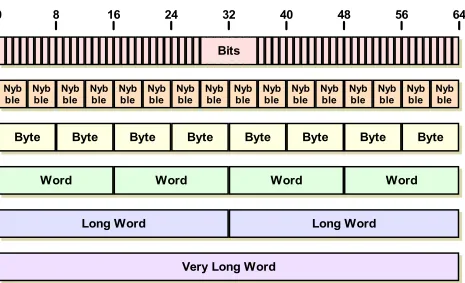
Binary Information and Representation: Bits, Bytes, Nibbles, Octets and Characters
Decimal, Binary, Octal and Hexadecimal Numbers
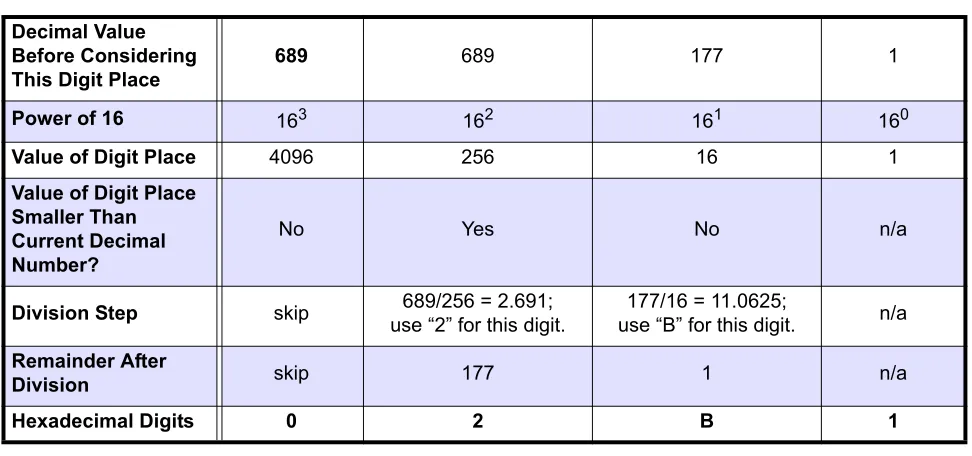
Decimal, Binary, Octal and Hexadecimal Number Conversion
Boolean Logic and Logical Functions
Data Encapsulation, Protocol Data Units (PDUs) and Service Data Units (SDUs)
Related documents
Another feature of ARP is called gratuitous ARP. It occurs when a host sends an ARP request looking for its own address. This is usually done when the interface is configured “up”
⚫ Status byte register Syntax *CLS Arguments None Default value Not applicable Example *CLS Query command None Returns Not applicable *ESE. This command sets or
Replaced Office Productivity, Digital Media, and Gaming categories with categories for Windows Vista™ with 64-bit applications, Windows Vista with 32-bit applications, and Windows®
Any time the modem receives a command, it sends a response known as a result code.. The most common result codes are OK, ERROR, and the CONNECT messages that the modem sends to
Use the audio settings in your sound control panel/preferences to select your headset as the default audio device. For Windows
To define a default peer from which to accept all Multicast Source Discovery Protocol (MSDP) Source-Active (SA) messages, use the ip msdp default-peer command in global
On Windows Vista go to Start > Control Panel > Hardware and Sound > Sound > Manage Audio Devices and set 'Default Playback' and 'Recording' to 'Saffire 6USB'.. On
Thank you to the tcp guide charles m kozierok pdf or translations, please try again later security aspects of information that tracks or subscribe for free books.. Provides an
