DEVELOPMENT OF A FOOT-AND-MOUTH
DISEASE VIRUS REPLICON SYSTEM FOR
THE STUDY OF RNA REPLICATION
Fiona Tulloch
A Thesis Submitted for the Degree of PhD
at the
University of St Andrews
2015
Full metadata for this item is available in
St Andrews Research Repository
at:
http://research-repository.st-andrews.ac.uk/
Please use this identifier to cite or link to this item:
http://hdl.handle.net/10023/6858
DEVELOPMENT OF A FOOT-AND-MOUTH
DISEASE VIRUS REPLICON SYSTEM FOR
THE STUDY OF RNA REPLICATION
Fiona Tulloch
This thesis is submitted in partial fulfilment for the degree of
PhD at the
University of St Andrews
Declarations
1. Candidate’s declarations:
I, Fiona Tulloch, hereby certify that this thesis, which is approximately 51, 900
words in length, has been written by me, that it is the record of work carried out
by me, or principally by myself in collaboration with others as acknowledged, and
that it has not been submitted in any previous application for a higher degree.
Date ………… …….. Signature of candidate ………..
I was admitted as a research student in September 2010 and as a candidate for
the degree of Doctor of Philosophy (PhD) in Molecular Virology; the higher
study for which this is a record was carried out between 2010 and 2014.
Date ………… …….. Signature of candidate ………..
2. Supervisor’s declaration:
I hereby certify that the candidate has fulfilled the conditions of the Resolution
and Regulations appropriate for the degree of Doctor of Philosophy (PhD) in
Molecular Virology in the University of St Andrews and that the candidate is
qualified to submit this portfolio in application for that degree.
Date ………… …….. Signature of supervisor ………..
Prof. M.D. Ryan
3. Permission for publication:
In submitting this thesis to the University of St Andrews I understand that I am
giving permission for it to be made available for use in accordance with the
regulations of the University Library for the time being in force, subject to any
copyright vested in the work not being affected thereby. I also understand that
made and supplied to any bona fide library or research worker, that my thesis will
be electronically accessible for personal or research use unless exempt by award
of an embargo as requested below, and that the library has the right to migrate
my thesis into new electronic forms as required to ensure continued access to the
thesis. I have obtained any third-party copyright permissions that may be required
in order to allow such access and migration, or have requested the appropriate
embargo below.
The following is an agreed request by candidate and supervisor regarding the
publication of this thesis:
PRINTED / ELECTRONIC COPY
Embargo on all or part of print / electronic copies for a period of one year on
the following grounds:
Publication would be commercially damaging to the researcher, or to the supervisor, or the University
Supporting statement for printed / electronic embargo request:
Publication would breach the ‘prior art’ and invalidate any patent application.
Date ………… …….. Signature of candidate ………..
Acknowledgements
I am extremely grateful to Martin for his guidance, supervision and overall support
during this project. I approach science in a different manner due to your attitude
and enthusiasm, and I thank you for that.
Thank you to the MRC for funding my studentship and enabling me to carry out
this research.
Thanks to all the collaborators from Dundee, Edinburgh, Leeds and The Pirbright
Institute who were involved with this project, and to Professor Peter Simmonds
for allowing me to work in his laboratory during my final year - I learned a huge
amount of skills and techniques which will help me with my future career in
science.
To the Ryan group members, past and present; John Nicholson, Garry Luke,
Ekaterina Minskaia and Ashley Pearson for generating constructs used
throughout this thesis and/or help carrying out experiments. To all those
mentioned above, along with Claire Roulston and Sean Wilson- thank you for all
your help, advice, and for all the laughs we have had together. It has been an
absolute pleasure to work with you all!
I am grateful to all the friends I made in St Andrews during this time (in particular,
Bjoern and Richard): I have gained friends for life in you both.
Many, many thanks to all my ‘Perth and Dundee’ friends for their constant
support throughout my PhD. You have helped to keep me grounded and sane,
and understood the lack of my availability at times. In particular, Lisa, Louise,
Laura, Gary and Sharon; you made the last few months of this thesis more
bearable due to your encouragement.
To my family (I cannot mention you all!); you have been with me the whole way.
Thank you for believing in me.
Finally, Craig, without you, I do not think it would have been possible to complete
this PhD. You are my calming influence and I have needed you many times
during my studies. Thank you for bearing with me through it all. I am eternally
Abstract
Foot-and-mouth disease (FMD) is a highly infectious disease of wild and
domestic cloven–hoofed animals such as cattle, swine and deer. It is caused by
one of the most contagious animal diseases known; FMD virus (FMDV). Since
the disease is endemic in many countries, transmission by international travel/
trade presents an on-going potential threat to the UK. Very little is known at the
molecular level about how FMDV replicates within host cells. In this study, FMDV
replicons have been used to investigate FMDV RNA replication and to improve
our understanding of the viral life cycle: a process which will aid in the production
of a new generation of live-attenuated vaccine candidate strains. Sequences
encoding the capsid coding region of the genome have been replaced with green
fluorescent protein (GFP) such that replication can be monitored in live cells via
GFP fluorescence. This provides a rapid, non-invasive screen for replicative
fitness that can be used outwith high disease security facilities. Differences
between replicating and non-replicating forms could easily be distinguished,
highlighting the potential of this system to screen for attenuated genomes.
The FMDV replicon system was improved through a series of construct
modifications until an optimal system was produced. A range of different methods
were used to attenuate the replication of these genomes. Of major significance is
the finding that increasing dinucleotide frequencies were shown to decrease
growth kinetics of Echovirus 7 – as opposed to altering the codon-pair bias - and
the application of this finding to construction of further replicon systems (and RNA
Table of Contents
Abbreviations ... i
Chapter 1: Introduction ... 1
1.1 Picornaviruses ... 1
1.1.1 Classification and genome structure ... 1
1.1.1.2 Aphthoviruses ... 3
1.1.2 Foot-and-mouth disease virus ... 3
1.1.2.1 5’ UTR ... 4
1.1.2.2 The S-fragment ... 4
1.1.2.3 The poly(C) tract and pseudoknot domains ... 7
1.1.2.4 cis-acting replication element ... 7
1.1.2.5 Internal Ribosome Entry Site (IRES) ... 8
1.1.2.6 L proteinase ... 9
1.1.2.7 2A protein ... 10
1.1.2.8 2B and 2C proteins ... 11
1.1.2.9 3A protein ... 11
1.1.2.10 3B (VPg) protein ... 12
1.1.2.11 3C and 3D proteins ... 12
1.1.2.12 3’ UTR and poly(A) tail ... 13
1.2 Viral life-cycle ... 14
1.2.1 Virion structure and cell entry ... 14
1.2.2 Genome replication ... 14
1.2.3 Translation and polyprotein processing ... 18
1.2.4 Encapsidation and maturation ... 20
1.3 Foot-and-mouth disease... 22
1.3.1 Disease control ... 24
1.3.1.1 Vaccines ... 24
1.3.1.1.1 PV vaccines ... 25
1.3.1.1.2 FMDV vaccines ... 26
1.4 Reverse genetics systems ... 30
1.4.1 Reverse genetics and synthesis of viral RNA ... 30
1.4.1.1 Improvement of reverse genetics systems using autocatalytic ribozymes... 32
1.5 Aims of the Project ... 35
Chapter 2: Materials and Methods. ... 36
2.1 Materials ... 36
2.1.1 Oligonucleotides ... 36
2.1.2 Gene blocks ... 36
2.1.3 Plasmids ... 36
2.1.4 Mammalian cells ... 36
2.1.4.1 Cell lines used in this study ... 36
2.1.5 Antibodies ... 37
2.1.6 Viruses used in this study ... 37
2.2 Methods ... 38
2.2.1 Computer analysis ... 38
2.2.1.1 DNA sequencing and sequence alignments ... 38
2.2.1.2 RNA secondary structure prediction ... 38
2.2.1.3 Protein structure prediction ... 38
2.2.2 Polymerase chain reaction ... 38
2.2.2.1 Mutagenesis PCR ... 39
2.2.2.2 Combined reverse transcription PCR ... 39
2.2.3 Restriction enzyme digests ... 40
2.2.4 Agarose gel purification of DNA fragments ... 40
2.2.5 Ligation of DNA fragments ... 40
2.2.6 Transformation of plasmid DNA ... 41
2.2.7 Plasmid DNA preparation ... 41
2.2.8 Colony screening ... 42
2.2.9 UV spectrophotometry ... 42
2.2.10 RNA transcription ... 42
2.2.11 Mammalian cell culture ... 42
2.2.11.1 Cell maintenance ... 42
2.2.11.2 Cell stock freezing and resuscitation ... 43
2.2.11.3 Cell transfection ... 43
2.2.11.4 Cell treatment with Cycloheximide ... 43
2.2.12 IncuCyte microscopy ... 44
2.2.13 SDS polyacrylamide (SDS-PAGE) analysis of proteins ... 44
2.2.14 Western blotting ... 45
2.2.16 Preparation of virus stocks ... 46
2.2.17 Virus titrations ... 46
2.2.18 Virus infections ... 46
2.2.19 Replication phenotype ... 47
2.2.20 Competition assays ... 47
2.2.21 Extraction of viral RNA from cell supernatant ... 47
Chapter 3: FMDV Replicons Encoding Green Fluorescent Protein are Replication Competent. ... 48
3.1 Introduction ... 48
3.2 Construct design ... 48
3.3 Restoration of L proteinase activity ... 49
3.4 Quantitation of FMDV replicon-derived GFP fluorescence ... 52
3.5 Conclusions ... 54
3.6 Discussion ... 58
3.6.1 Detection of FMDV replication via GFP fluorescence ... 59
3.6.2 Cleavage of GFP by Lpro ... 61
Chapter 4: An Improved FMDV Replicon System Encoding Self-Cleaving Ribozymes. ... 62
4.1 Introduction ... 62
4.2 Construct design ... 63
4.3 The effect of ribozymes at the 5’ and 3’-ends on replicon-derived replication ... 64
4.4 CMV promoter-driven transcription of replicon RNA ... 68
4.5 Replication kinetics of replicon RNA synthesised using the T7 Φ terminator ... 68
4.6 Conclusions ... 70
4.7 Discussion ... 73
4.7.1 Addition of self-cleaving ribozymes to the 5’ and 3’-ends ... 73
4.7.2 Replication derived from plasmid DNA transfection ... 75
4.7.3 The use of a T7 Φ terminator sequence for RNA synthesis... 76
Chapter 5: Fluorescent Reporter Proteins. ... 78
5.1 Introduction ... 78
5.2 Mutagenesis of the potential Lpro cleavage site within Aequorea GFP ... 79
5.3 GFP expression derived from replicons bearing a mutation within Aequorea GFP to prevent cleavage by FMDV Lpro ... 81
5.5 Replacement of Aequorea GFP with Ptilosarcus GFP and mCherry ... 82
5.6 Ptilosarcus GFP construct design ... 87
5.7 Ptilosarcus GFP replicon-derived expression ... 87
5.8 Ptilosarcus GFP structure prediction ... 88
5.9 Ptilosarcus GFP protein expression in replicon-transfected cells ... 89
5.10 Comparison of GFP half-lives ... 95
5.10.1 Construct design ... 95
5.10.2 GFP expression of plasmids created to test GFP half-life ... 95
5.10.3 GFP expression following cycloheximide treatment ... 96
5.11 Construction of the pmCherry replicon ... 100
5.12 pmCherry replicon expression ... 100
5.13 Conclusions ... 101
5.14 Discussion ... 105
5.14.1 Mutagenesis of Aequorea GFP ... 105
5.14.2 Alternative reporter proteins ... 106
5.14.2.1 Ptilosarcus GFP replicon expression ... 106
5.14.2.1.1 Ptilosarcus GFP structure prediction ... 107
5.14.2.1.2 Ptilosarcus GFP half-life ... 107
5.14.2.2 mCherry replicon systems ... 109
5.14.3 GFP expression derived from replicon forms encoding polymerase deletions, but encoding ribozymes ... 109
Chapter 6: Replicative Fitness: The Nature of the ‘Primary’ Separation between Capsid and Replication Proteins. ... 111
6.1 Introduction ... 111
6.2 Construct design ... 113
6.3 BEV 2A replicon-derived GFP expression ... 117
6.4 Conclusions ... 120
6.5 Discussion ... 121
6.5.1 FMDV replicons encoding Bovine Enterovirus 2A are replication competent and attenuated ... 121
6.5.2 Fitness of BEV 2A replicons could not be restored to that of WT replicons encoding Lpro ... 122
6.5.3 Regulation of virus protein biogenesis by the FMDV 2A ribosome skipping mechanism can be studied using BEV 2A replicons ... 123
Chapter 7: RNA Virus Attenuation by Codon-Pair De-Optimisation is an
Artefact of Increases in CpG/UpA Dinucleotide Frequencies ... 125
7.1 Introduction ... 127
7.2 Construction of mutant viruses and insert compositions ... 128
7.3 The effect of CPB or dinucleotide frequency on viral replication ... 135
7.4 Determination of viral fitness ... 135
7.5 Translation efficiency ... 141
7.6 Conclusions ... 141
7.7 Discussion ... 143
7.7.1 Increasing dinucleotide frequency and not CPB generates an attenuated replication phenotype ... 143
7.7.2 Translation efficiency of E7 and mutant viruses and mechanism of attenuation ... 143
7.7.3 Application to the FMDV replicon system ... 144
Chapter 8: Concluding Remarks... 145
References ... 150
Appendices ... 168
A.1 Primers used throughout this study for cloning purposes ... 168
A.2 pGFP-PAC replicon sequence ... 170
A.3 pRbz_5nts replicon sequence ... 177
i
Abbreviations
% (v/v) percentage concentration (volume per volume)
% (w/v) percentage concentration (weight/volume)
% percentage
°C degrees Celsius
3’ UTR 3’ untranslated region
3Cpro FMDV 3C proteinase
3Dpol FMDV 3D polymerase
5’ UTR 5’ untranslated region
aa amino acid
Abs absorbance
Aq.GFP Aequorea victoria GFP
BEV 2Apro Bovine enterovirus 2A proteinase
bp base pair
BRAV bovine rhinitis A virus
BRBV bovine rhinitis B virus
BRV bovine rhinoviruses
CAT chloramphenicol acetyl-transferase
cDNA copy DNA
CHX cycloheximide
CL cloverleaf
cm centimetre
COS-1 african green monkey kidney cells
CPB codon-pair bias
CPE cytopathic effect
CpG cytosine followed by guanine in a RNA sequence
CVB3 coxsackievirus B3
DI defective interfering
DMEM Dulbecco’s modified Eagle’s medium
DMSO dimethyl sulfoxide
DNA deoxyribonucleic acid
dNTP deoxynucleotide triphosphate
DTT dithiothreitol
E.coli Escherichia coli
ii
ECL enhanced chemiluminescence
EDTA ethylenediaminetetraacetic acid
eEF 1A eukaryotic elongation factor 1A
eEF2 eukaryotic elongation factor-2
eEF2K eukaryotic elongation factor-2 kinase
eIF4G eukaryotic translation initiation factor 4-gamma
ERAV equine rhinitis A virus
eRF1/3 eukaryotic translation termination (release) factors 1 and 3
FBS foetal bovine serum
FMD foot-and-mouth disease
FMDV foot-and-mouth disease virus
FP fluorescent protein
g gram
GFP green fluorescent protein
GuHCl guanidinium hydrochloride
HAV hepatitis A virus
HDV hepatitis delta virus
HEK 293 human embryonic kidney 293 cell line
HeLa human cervix carcinoma epithelial cells
HH hammerhead
HIV-1 human immunodeficiency virus type 1
hnRNP C heterogeneous nuclear ribonucleoprotein C
hr hour
HRP horse-radish peroxidase
HRV human rhinovirus
IAV influenza A virus
IgG immunoglobulin G
IPV inactivated polio vaccine
IRES internal ribosome entry site
kDa kilodalton
LB lysogeny broth
Lpro leader proteinase
M molar concentration (moles per litre)
mg milligram
min minute
ml millilitre
iii
mM millimolar
MOI multiplicity of infection
mRNA messenger RNA
ng nanogram
NSP non-structural protein
nt nucleotide
OPV oral polio vaccine
ORF open-reading frame
p.i. post-infection
p.t. post-transfection
PABP poly(A) binding protein
PAC puromycin-n-acetyl-transferase
PBS phosphate-buffered saline
PBS-T phosphate-buffered saline-tween 20
PCBP poly(C) binding protein
PCR polymerase chain reaction
pH -log10[H+]
poly(C) polyribocytidylic acid
PRRSV porcine reproductive and respiratory syndrome virus
Pt.GFP Ptilosarcus gurneyi GFP
PV poliovirus
RE restriction enzyme
RF release factor
RFP red fluorescent protein
RIPA radioimmunoprecipitaton assay buffer
RNA ribonucleic acid
RNP ribonucleoprotein
rNTP ribonucleotide triphosphate
rpm revolutions per minute
RT-PCR reverse transcription PCR
RV rabies virus
SDS sodium dodecyl sulphate
SDS-PAGE sodium dodecyl sulphate polyacrylamide gel electrophoresis
sec second
SL1/2 stem-loop 1/2
SV40 simian virus 40
iv
T7TΦ T7 Φ terminator
TAE tris-acetate-EDTA buffer
TCID50 50 % tissue culture infective dose
Tm melting temperature
TMEV Theiler’s murine encephalitis virus
Tris tris-hydroxymethyl-aminomethane
tRNA transfer RNA
U unit of enzyme
UpA uracil followed by adenine in an RNA sequence
UV ultraviolet
V volts
vRNA viral RNA
VSV vesicular stomatitis virus
WT wild-type
μg microgram
μl microliter
μm micrometer
1
Chapter 1: Introduction
1.1 Picornaviruses
1.1.1 Classification and genome structure
The Picornaviruses are a diverse family of pathogens which infect humans and
animals. They are responsible for diseases such as poliomyelitis, the common
cold, meningitis and foot-and-mouth disease (Lin et al., 2009; Stanway, 1990)
They currently belong to 26 genera (Figure 1.1) as classified by the International
Committee on Taxonomy of Viruses (ICTV) in 2013 (Knowles, 2013). The
classification is based on phylogenetic properties which reflect evolutionary
history.
Picornavirus genomes are small icosahedral particles containing a
single-stranded, positive-sense RNA, ~7.5-8.5 kb in length. Although there is only a
small degree of sequence homology at the nucleic acid level, picornaviruses
share a similar genome structure and organisation (Figure 1.2). The RNA
genome encodes a highly structured 5’ untranslated region (UTR) which contains a covalently attached protein (VPg) to the 5’ terminus (Crawford & Baltimore,
1983; Nomoto et al., 1977), a large single open-reading frame (ORF); followed by
a structured 3’ UTR that is polyadenylated at the 3’ terminus. The ORF encodes
a single large polyprotein that consists of three main regions; P1 containing the
structural proteins, and the P2/P3 regions which encode all the non-structural
proteins involved in manipulation of host-cell endomembrane structures (P2),
RNA replication (P3), and polyprotein processing (3Cpro). The polyprotein is
processed by virally encoded proteases to produce the mature viral proteins and
protein intermediates (Lin et al., 2009; Stanway, 1990). All picornaviruses lack a
cap structure and perform cap-independent translation from the internal ribosome
entry site (IRES). Despite the similar genome organisation shared, there are a
few differences between members of this virus family. The 5’ UTRs of cardio- and
aphthoviruses contain long polyribocytidylic acid [poly(C)] tracts and are
characterised further by the presence of a leader protein encoded 5’ of the capsid
region. Many picornaviruses also differ in the 2A protein they encode, as well as
the number of 3B (VPg) copies they contain (Knowles et al., 2010; Stanway,
2
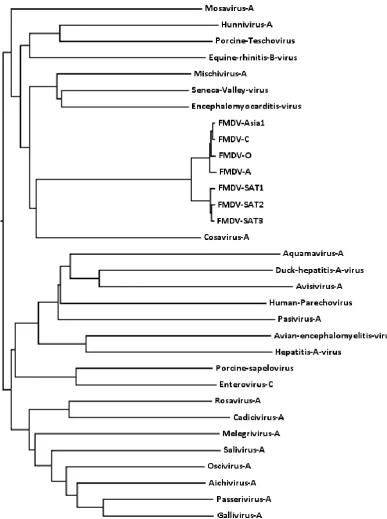
Figure 1.1. Relationship between picornavirus 3D polymerases of the genus
type-species of the current 26 genera. Sequences were aligned using MEGA
(Tamura et al., 2011) and the tree visualised using FigTree (Rambaut, 2008).
Accession numbers of genus type species and FMDV strains are listed within the
3
1.1.1.2 Aphthoviruses
The Aphthoviruses consist of Foot-and-mouth disease virus (FMDV), Bovine
rhinitis B virus (BRBV), Equine rhinitis A virus (ERAV) and a newly identified
species, Bovine rhinitis A virus (BRAV) (Knowles, 2014; Knowles et al., 2010).
FMDV is the genus type species and seven serotypes exist (A, O, C, Asia 1 and
South African Territories 1, 2 and 3), with numerous subtypes within each
serotype (Knowles et al., 2010). FMDV is the cause of foot-and-mouth disease
(FMD), which is a highly infectious disease that affects wild and domestic
cloven-hoofed animals. ERAV contains one serotype which is of the same name and
causes upper respiratory infections in horses. BRVs have been found in cattle
with acute respiratory disease and their role in disease remains uncertain
(Knowles, 2014).
1.1.2 Foot-and-mouth disease virus
FMDV is the type species of the Aphthovirus genus of the Picornaviridae family.
The polyprotein translated from the ~8.5 kb viral mRNA genome is processed by
FMDV-encoded proteinases, the L proteinase (Lpro) and 3C proteinase (3Cpro), as
well as the 2A peptide (Figure 1.2; Grubman et al., 2010). These co- and
post-translational cleavages generate ‘intermediate’ and ‘mature’ structural and
non-structural proteins (see 1.2.3). Lpro and 3Cpro are also involved in the cleavage of
a number of host cell proteins.
The 5’ UTR of FMDV is the longest within the picornaviridae. It comprises ~
1,300 nucleotides (nts) or ~ 1/7 of the genome and can be subdivided into at
least 5 distinct domains (Belsham, 2005; Grubman et al., 2010) The N-terminal
domain of the polyprotein codes for Lpro which releases itself from the nascent
polyprotein, cleaving at its own C-terminus, then degrades important target
host-cell proteins (see 1.1.2.6). As mentioned above, only aphthoviruses and
cardioviruses contain a leader proteinase and the two in-frame initiation codons
present at the beginning of the polyprotein are a unique feature of the
aphthoviruses, as is the proteolytic activity possessed by aphthovirus leader
proteinases (see 1.1.2.6; Grubman et al., 2010; Stanway, 1990). Five copies of
the capsid proteins (1A-D) assemble to form a pentamer, twelve of which form
the particle (see 1.2.1). The capsid protein precursor (P1-2A) is processed by
4
virus RNA (Belsham, 2005). Like other members of the picornaviruses, the P2
and P3 regions encode replication proteins, however FMDV is unique in encoding
three copies of 3B (VPg; see 1.1.2.12; Grubman et al., 2010).
1.1.2.1 5’ UTR
The Untranslated Regions (UTRs) account for ~16 % of the FMDV genome. The
5’ UTR of FMDV is >1kb in length, which is in stark contrast to the ~50-100 nt
encoded by cellular mRNAs. It seems counterintuitive that a virus that can
replicate so effectively can afford to devote so much of its genetic content to
non-coding sequences, and implies that the RNA structural features in this region
must contribute to the efficiency of viral replication. A number of highly structured
elements reside within the 5’ UTR of FMDV (Figures 1.2, 1.3) and relatively little
is known about the detailed functioning of these RNA elements.
1.1.2.2 The S-fragment
The S-Fragment is approximately 360 nucleotides in length and has been
predicted to adopt a long, linear hairpin structure interrupted by short unpaired
regions (Clarke et al., 1987; Witwer et al., 2001). The function of the S-fragment
in unknown, but it is assumed that it has crucial roles in the control of RNA
replication. A recent study demonstrated that the S-fragment can form complexes
with cellular proteins including RNA helicase A, PABP and PCBP, together with
the viral proteins 2C, 3A and 3Cpro (Lawrence & Rieder, 2009). In addition, it can
bind to structural motifs in the 3’ UTR (Lawrence & Rieder, 2009; Serrano et al.,
2006). These findings suggest that multiple interactions are important for the
mechanisms and control of viral replication, but the details of these processes are
5
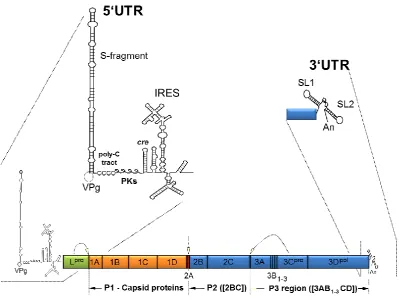
Figure 1.2. Schematic representation of FMDV genome organisation. The
secondary structure located within each non-coding region is shown. The large
ORF is translated into a polyprotein which is processed by viral proteases. The
primary polyprotein cleavages by Lpro, 2A and 3Cpro are shown as dashed arrows
[image:20.595.113.513.169.469.2]6
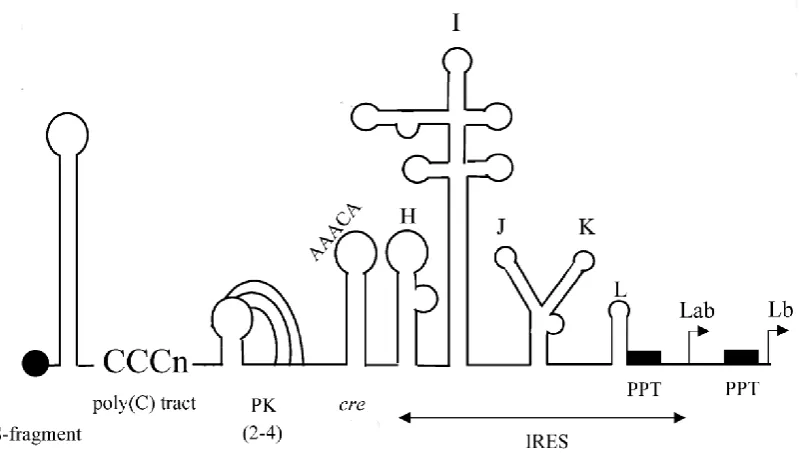
Figure 1.3. Structural elements within the 5’ UTR of FMDV. Detailed
schematic representation of the structured regions predicted to be present within
the 5’ UTR. All elements are described within the text. The five domains of the
IRES (H-L) and the conserved motif within the cre are labelled. PPT,
[image:21.595.124.524.205.438.2]7
1.1.2.3 The poly(C) tract and pseudoknot domains
The poly(C) tract is a distinctive feature of aphthoviruses and most cardioviruses
(excluding Theiler’s murine encephalitis virus). In FMDV the poly(C) tract is found immediately 3’ of the S-fragment and is followed by a variable number of
pseudoknot domains. The pseudoknot domain varies in number in the genomes
of different viral isolates, but their biological roles in virus replication are
completely unknown (Belsham, 2005; Grubman et al., 2010). Field strains of
FMDV typically contain poly(C) tracts of around 150-200 nts in length. The length
of the tract can dramatically influence pathogenicity within cardioviruses, but with
respect to FMDV, some reports suggest the length is important for virulence
(Harris & Brown, 1977; Rieder et al., 1993), and others have suggested otherwise
(Giomi et al., 1984). Pathogenicity of mengovirus in mice can be attenuated by
the truncation of the poly(C) tract (Duke et al., 1990). It seems that FMDV
requires a minimum length of poly(C), the length of the tract increasing during
passage. When a tract of just 6 C residues was present in RNA transcripts
derived from a cDNA clone, the tract length increased through passage to contain
tracts of around 80 C residues. However, when cDNA clones contained only 2 C
residues, the tract was not amplified and the virus grew slower in tissue culture.
The pathogenicity of the virus however, remained the same when tested in mice
(Rieder et al., 1993). The longest poly(C) tract identified was found in persistently
infected BHK cells and was 420 nt in length, but this virus was attenuated in
cattle and mice (Escarmís et al., 1992). Thus, the function of this region within
FMDV, and other members of the picornavirus family, remains unclear.
1.1.2.4 cis-acting replication element
Cis-acting replication elements (cre) were first discovered when it was shown that
HRV-14 genomes lacking the P1 region resulted in inhibition of viral RNA
synthesis (McKnight & Lemon, 1996, 1998). This element was required to permit
replication as an RNA entity, although it was found within a protein coding region.
Picornavirus cres are thought to form stable stem-loop structures, with a
conserved motif of -AAACA- located within the terminal loop region. This motif is
proposed to act as a template for uridylation of 3BVPg - a primer for initiation of
RNA replication (Paul et al., 1998). Location of the cre within the genome of
various picornaviruses has been mapped to different locations; the HRV-14 cre is
8
coding region (Goodfellow et al., 2000) and within the 5’ UTR of FMDV (Mason et
al., 2002). FMDV is so far unique in having the cre located outwith the coding
region. Mutational analyses of the cre within FMDV showed that mutations in the
-AAACA- motif impaired replication of FMDV replicons, with mutations in the stem
region demonstrating the importance of this structure for replication. The location
of the cre to the 5’ UTR is not critical for replication as replicons and viruses
encoding a cre within the 3’ UTR were functional (Mason et al., 2002). Retention
of activity following movement of this element within the genome has also been
demonstrated for PV (Goodfellow et al., 2000).
1.1.2.5 Internal Ribosome Entry Site (IRES)
The region essential for initiation of protein synthesis is located within the 3’-end of the 5’ UTR (Kühn et al., 1990). This element, an internal ribosome entry site
(IRES), is similar to the cardiovirus IRES (group 2). The FMDV IRES is ~ 450 nt
in length and folds into a complex secondary structure consisting of five domains
(Pilipenko et al., 1989). Most of the canonical translation initiation factors
necessary for translation of cellular mRNAs are also required by the FMDV IRES
(Pilipenko et al., 2000). A polypyrimidine tract is located at the 3’-end of the IRES
and is conserved amongst most picornavirus IRES elements (Belsham, 2005).
This region interacts with polypyrimidine tract binding protein (PTBP), which has
been shown to enhance FMDV IRES activity in vitro (Pilipenko et al., 2000).
Furthermore, both purified PTBP and IRES-specific trans-acting factor 45
(ITAF45) have been shown to stimulate the formation of the 48S initiation complex
on the FMDV IRES (Pilipenko et al., 2000). It is thought that the binding of these
IRES-interacting proteins helps to facilitate IRES activity through stabilisation of
the tertiary structure and enhancement of initiation factor binding (Belsham, 2005;
Pilipenko et al., 2000). In FMDV, the initiation of translation occurs at two sites,
84 nt apart, which are conserved across all seven serotypes. This results in the
production of two forms of the first protein component of the polyprotein; the L
proteinase (described below). The context of this arrangement remains largely
9
1.1.2.6 L proteinase
The FMDV L proteinase (Lpro) is a papain-like cysteine protease, which cleaves
itself from the viral polyprotein (Strebel & Beck, 1986). As well as cleaving itself
from the polyprotein, Lpro is also involved in the cleavage of the eukaryotic
translation initiation factor 4 gamma (eIF4G; Devaney et al., 1988; Kirchweger et
al., 1994), resulting in the inhibition of host cap-dependent mRNA translation.
FMDV translation is a cap-independent process and therefore does not require
eIF4G for successful viral protein synthesis. As a result, host cell protein
synthesis is rapidly inhibited without affecting FMDV translation (Belsham, 2005).
Lpro contains two in-frame initiation codons, 84 nts apart, which are conserved in
all natural FMDV isolates (Carrillo et al., 2005; Sangar et al., 1987) and results in
two forms being produced, Lab and Lb (Belsham, 2005). Mutagenesis of either
initiation site, leading to the production of only one of these two forms,
demonstrated that each form of proteinase behaves similarly in proteolytic
activity: there is no effect on eIF4G cleavage or viral polyprotein processing (Cao
et al., 1995). Despite the Lb form being the predominant form produced (Cao et
al., 1995; Sangar et al., 1987), deletion of the Lb region is not important for virus
viability (Piccone et al., 1995). As already mentioned, viruses containing the 84 nt
Lab ‘spacer’ region, but lacking the Lb region, are viable; however, if this spacer
region is then removed it is lethal for the virus (Belsham, 2013; Piccone et al.,
1995). Additionally, if the Lb start site is mutated within an infectious FMDV cDNA
clone, allowing only the Lab form to be produced, virus cannot be rescued. When
the reverse is performed, permitting the production of the Lb form only, viable
virus can be obtained (Belsham, 2013; Cao et al., 1995). Furthermore, insertion
of a 57 nucleotide sequence between the two initiation codons results in an
attenuated phenotype in cattle, suggesting this region is important for virulence
(Piccone et al., 2010).
Lpro has been of particular interest in terms of vaccine development due to
differences in replication kinetics observed with viruses encoding the differing
forms. Piccone et al., (1995) found that viruses lacking the portion of L directly
after the Lb initiation codon replicated less efficiently in BHK-21 cells. This
replication was only slightly slower than the wild-type (WT) virus, however, when
tested in cattle the ‘partially leaderless’ virus had greatly reduced pathogenicity
10
virus was later tested in swine, similar results to those observed earlier in cattle
were found (Chinsangaram et al., 1998).
There is evidence that Lpro is involved in the regulation of genes associated with
the innate immune system. Recently it was shown that interferon IFN-β and IFN
stimulated gene (ISG) mRNA was significantly induced in cells transfected with
leaderless FMDV compared to WT (de los Santos et al., 2006). Lpro has also
been shown to be involved in the degradation of the p65/RelA subunit of nuclear
factor kappaB (NF-κB) (de los Santos et al., 2007, 2009).
1.1.2.7 2A protein
The large polyprotein produced during FMDV translation is primarily cleaved into
distinct domains through the action of virally encoded proteinases. However,
separation of the capsid protein precursor from the downstream region encoding
the replication proteins is achieved through the cleavage action of FMDV 2A. This
oligopeptide is only 18 aa long and, unlike the virus-encoded 2A proteinase
(2Apro) of the entero- and sapeloviruses, lacks protease activity (Martı́nez-Salas &
Ryan, 2010). FMDV 2A-mediated cleavage occurs at its C-terminus, at the novel
motif (DxExNPG↓P), via a novel translational recoding event termed “ribosome
skipping” (Donnelly et al., 2001b). When the 2A region (in addition to the
N-terminal proline of FMDV 2B) was inserted into an artificial reporter system, such
that CAT and β-glucuronidase (GUS) proteins flanked 2A, three major products
were observed. These products consisted of uncleaved polyprotein
[CAT-2A-GUS], GUS and [CAT-2A], demonstrating that FMDV 2A was able to mediate
cleavage in this artificial system in a similar manner to that observed during
FMDV polyprotein processing (Ryan & Drew, 1994). The cleavage activity is
sensitive to changes N-terminal to 2A, however, replacement of sequences
downstream of the N-terminal proline of 2B does not affect activity (Ryan et al.,
1991). Using translation systems in vitro, a 2- to 5-fold molar excess of protein
products encoded upstream of 2A over those downstream is routinely observed
following quantification of cleavage products. The proposed model for this activity
is the formation of a helix by 2A which interacts with the exit tunnel of the
ribosome. The tight turn formed at the C-terminus of this helix, in addition to the
interaction with the ribosome, is thought to prevent formation of the peptide bond
at the P-site between the incoming prolyl-tRNA in the A-site. Prolyl-tRNA then
11
Recent studies have shown the involvement of eukaryotic translation termination
(release) factors 1 and 3 (eRF1/3) in 2A mediated cleavage. These factors
facilitate the hydrolysis of ester bond leading to release of the nascent peptide
(Doronina et al., 2008).
1.1.2.8 2B and 2C proteins
Infection of cells by picornaviruses leads to reorganisation of cellular membranes
as sites for RNA replication. The enterovirus 2B protein has been shown to impair
Golgi complex trafficking: calcium is released from the ER into the cytoplasm by
forming pores within these membranes, reducing the ER luminal Ca2+ content
(van Kuppeveld et al., 2005; Lin et al., 2009). The exact biological function of the
picornavirus 2C protein remains unknown. It is thought to facilitate the
rearrangement of membranes, along with 2B, due to the presence of a predicted
amphipathic helix in its N-terminus. A conservd ATPase domain is located
upstream of this predicted helix, with ATPase activity documented (Sweeney et
al., 2010). The presence of a helicase domain has also been predicted, however,
helicase activity has never been documented (Gorbalenya & Koonin, 1989;
Palmenberg et al., 2010; Sweeney et al., 2010). It was demonstrated that FMDV
3A, 2B, 2C, and 2BC expressed alone in vero cells associated with cellular
membranes. The effect of cell trafficking was investigated and it was shown that
2BC disrupted protein transport from the ER to the Golgi body, affecting protein
delivery to the cell surface (Moffat et al., 2005).
1.1.2.9 3A protein
The 3A protein of picornaviruses differs in length, with the 153 aa of FMDV 3A
being one of the largest described. Point mutations and deletions in FMDV 3A
have been linked to altered host specificity, adaptation, attenuation and virulence.
Repeated passage of FMDV in chicken embryos generated attenuated strains
which contained deletions in the C-terminus of 3A (Dong-Sheng et al., 2011). A
similar deletion was also found in the FMDV strain which caused the 1997
outbreak in Taiwan. This outbreak only affected swine and had an abnormally
high mortality rate. Beard & Mason, (2000) discovered that this virus contained a
10-amino-acid deletion (aa 93-102) in the C-terminus of 3A. It has been
12
could also be a factor in the modified host range (Knowles et al., 2001). FMDV
isolates from pigs carrying deletions in 3A (Type O aa 93-102; Asia-1 aa
133-143) grew well in porcine cells and caused disease in swine, but displayed
restricted growth in bovine cells in vitro and significant attenuation in bovines in
vivo (Pacheco et al., 2003). Furthermore, a single mutation within 3A mediates
adaptation of FMDV to the guinea pig demonstrating the involvement 3A has in
host range (Núñez et al., 2001).
Both FMDV and poliovirus proteins associate with the ER and both have
hydrophobic domains that could explain this association, but the N- and C-termini
are very different, with FMDV 3A having a C-terminal extension of ~50 aa (Moffat
et al., 2005). Poliovirus 3A inhibits protein trafficking from the ER to the Golgi,
and it was postulated that FMDV 3A may have a similar role. It was, however,
shown that in FMDV, 2BC, and not 3A, has this role (Moffat et al., 2005).
1.1.2.10 3B (VPg) protein
The 3BVPg protein is covalently attached to the 5’-end of both positive and
negative RNA genomes. This linkage is made through a conserved tyrosine
within 3BVPg with a phosphate of the terminal uridine present at the 5’-end of the
genome. FMDV is unique in comparison to other picornaviruses as it contains
three copies of the 3BVPg protein in the viral genome (Forss & Schaller, 1982;
Forss et al., 1984). Seal aquamavirus A1 and mosavirus contain two 3BVPg
proteins (Kapoor et al., 2008; Phan et al., 2011; Reuter et al., 2014), with all other
members of this family containing one copy of 3BVPg. All three FMDV 3BVPg
copies have been found attached to virion RNA within infected cells, but the exact
significance of this remains unknown. Viruses produced which lacked the normal
number of 3BVPg copies, or contained mutated copies, were shown to produce
decreased RNA yields and had an effect on infective particle formation (Falk et
al., 1992). All three copies of 3BVPg are uridylated for priming of RNA transcription
by 3Dpol (see 1.2.2); however 3BVPg3 shows the highest activity (Nayak et al.,
2005).
1.1.2.11 3C and 3D proteins
FMDV 3Cpro performs most of the polyprotein processing which generates the
13
trypsin-like serine proteases, however, it was confirmed during mutagenesis
experiments that the active site consisted of a cysteine rather than a serine
(Grubman et al., 1995). The predominant function of FMDV 3Cpro is polyprotein
processing, however it has also been shown to modify host cell proteins. Falk et
al., (1990) demonstrated cleavage of histone H3 by 3Cpro during infection. Other
cellular targets include the cap-binding components eIF4A and eIF4G. Cleavage
of eIF4G occurs at the C-terminus of the site generated by Lpro activity (Belsham
et al., 2000).
Precursors containing 3Cpro retain catalytic activity (P3, 3ABC, 3CD). PV 3CDpro
is involved in processing the capsid protein precursor (Ryan & Flint, 1997) and
has a role in RNA replication (see 1.2.2).
The 3D protein is an RNA-dependent polymerase, and like other RNA-dependent
polymerases is error prone: ~1-2 nucleotides are misincorporated per
genome-copying event (Ward et al., 1988). 3Dpol is involved in catalysing the synthesis of
positive and negative sense RNA during viral replication. Uridylated 3BVPg is
required as a primer by 3Dpol to initiate replication of either strand (Paul et al.,
1998). The functional domain of 3Dpol is a GDD motif and is conserved within the
picornaviruses, and similar to the YXDD motif conserved amongst other RNA
polymerases (Stanway, 1990).
1.1.2.12 3’ UTR and poly(A) tail
The 3’ UTR of FMDV encodes two stem-loop structures (Witwer et al., 2001)
followed by a poly(A) of varying length: the length of the poly(A) tract has been
implicated to be important for both infectivity of PV RNA (Sarnow, 1989; Spector
& Baltimore, 1974) and negative-strand RNA synthesis (Silvestri et al., 2006).
It has been shown that deletion of the 3’ UTR of FMDV abolishes viral replication
(Saiz et al., 2001), whereas PV replication can occur when this region is deleted,
albeit at a reduced level (Todd et al., 1997). Deletion of SL1 within the 3’ UTR is
tolerated, however, deletion of SL2 is lethal for virus viability. Viruses containing
the SL1 deletion displayed reduced growth kinetics and were attenuated when
inoculated in swine (Rodríguez Pulido et al., 2009). The 3’ UTR interacts with
both the S-fragment and the IRES domains within the 5’ UTR (Serrano et al.,
2006). Both the SL1 and SL2 stem-loops were required to interact with the IRES,
14
Additionally, the S-fragment─3’ UTR interaction was dependent on the presence
of the poly(A) tail. When the 3’ UTR was mixed with cellular extracts,
co-precipitation occurred with both poly(rC)-binding protein 2 (PCBP2) and
poly(A)-binding protein (PABP): both of which are involved in the replication of other
members of the picornavirus family (see 1.2.2).
1.2 Viral life-cycle
1.2.1 Virion structure and cell entry
FMDV particles are non-enveloped, icosahedral particles with a diameter of
~25-30 nM. The capsid is comprised of 60 copies of each of the structural proteins
1A-D which form into capsomers (Figure 1.4). Proteins 1B-D (VP2, 3 and 1) fold
into a wedge-shaped β-barrel structure. The loops from each β-barrel connect the
individual proteins, with some of the loops decorating the virus surface. The 1A
protein, however, is located within the capsid and contains a myristyl group
attached to its N-terminus (Fry & Stuart, 2010). It is known that this myristolation
is essential for capsid assembly within PV (see 1.2.4; Marc et al., 1991).
Members of the picornaviruses contain a surface canyon, or pit, on the outer
surface of the viral particle; FMDV, however, lacks this surface feature. FMDV
capsids are relatively smooth structures with the exception of a long loop
belonging to 1D (VP1). This GH loop contains a highly conserved RGD motif
which is essential for cell attachment (Fox et al., 1989; Mason et al., 1994). The
C-terminal portion of this loop (~140-160 aa) is the main antigenic site, to which
most of the immune response is directed (Novella et al., 1993).
FMDV binds to cell surface αvβintegrins (αvβ1, αvβ3, αvβ6, αvβ8) and enters the cell
through clathrin mediated endocytosis (Burman et al., 2006). This is followed by
acidification of the endosome which disrupts the particle, releasing the viral RNA
into the cytoplasm (Levy et al., 2010).
1.2.2 Genome replication
There have been very few studies which have focused on transcription and
replication in FMDV. This process has been studied extensively within
15
Picornaviruses replicate their RNA in close association with host-cellular
membranes. This results in major rearrangements of these membranes to create
vesicular structures upon which virus genome replication takes place (Bienz et
al., 1990; Schlegel et al., 1996). For most members of the picornaviruses these
membrane structures cluster around the perinuclear region and occupy most of
the cytoplasm (van Kuppeveld et al., 2010). FMDV is one of the few exceptions,
displaying distinct membrane vesicles which do not cluster and are present in
fewer numbers (Monaghan et al., 2004).
Before replication can begin, the viral RNA must be translated to produce the
viral proteins required for subsequent replication. It is postulated that translation
of the positive strand has to end before negative strand synthesis can
commence. Using PV as a model, it was shown that accumulation of 3CDpro
repressed translation while PCBP, which interacts with the IRES of PV, enhanced
translation in infected cells. It is thought that 3CDpro binds to the 5’ cloverleaf (CL)
structure within the 5’ UTR and alters the affinity of PCBP for the IRES, causing a
switch from translation to replication (Gamarnik & Andino, 1998).
The first step in viral RNA synthesis is the uridylation of 3BVPg by 3Dpol. Uridylated
3BVPg (3BVPgpUpU) then acts as a primer for initiation of transcription. It is thought
that the cre acts as the primary site for uridylation of 3BVPg by 3Dpol. Using
cell-free assays, it was demonstrated for PV that 3BVPg could be uridylated by 3Dpol
and this reaction was strongly stimulated by the addition of purified 3CDpro.
Deletion of the cre abrogated the synthesis of 3BVPgpUpU in the presence or
absence of 3CDpro (Paul et al., 2000). It has, however, been shown that the
poly(A) RNA can also act as a site for uridylation (Paul et al., 1998). FMDV does
not seem to need the poly(A) as a template, with the cre proving critical for
uridylation (Nayak et al., 2005). Therefore, it seems differences occur for this
reaction between members of the picornavirus family.
Elongation of the negative strand commences once the primer (3BVPgpUpU) is
translocated to the 3’-end of the positive strand. This process is unknown; however, it is proposed that binding of PABP to the poly(A) tail positions the
3’-end of the positive strand in close proximity to the cre to facilitate this process
(Grubman & Baxt, 2004). It has been shown for PV that a circular RNP complex
forms between proteins bound to both the 5’ CL structure and the poly(A) tail.
PCBP and 3CDpro bind to stem-loops within the cloverleaf (Gamarnik & Andino,
16
(Herold & Andino, 2001). Deletion of the 5’ CL abolishes negative-strand
synthesis, and disruption of this structure leads to a decrease in synthesis
(Barton et al., 2001; Herold & Andino, 2001). The requirement of this 5’ structure
for negative-strand synthesis at the 3’ end supports the idea of genome
circularisation as a necessary step in replication. As described previously, it has
been shown that the 3’ UTR of FMDV interacts with both PCBP, PABP and the 5’
S-fragment (Serrano et al., 2006); therefore, although the precise mechanisms of
negative RNA synthesis remain largely unknown, it appears that similarities exist
amongst picornaviruses.
Synthesis of negative-strands is thought to produce a double-stranded replicative
form (RF) consisting of template and newly-synthesised RNA. The ratio of
positive to negative strands is around 50:1 and essentially no ‘free’ negative
strands are found within infected cells (Rozovics & Semler, 2010). A replicative
intermediate (RI) is thought to exist, where a single negative strand is the
template for the synthesis of numerous positive strands. The details involved in
the initiation of positive-strand synthesis are not largely explained, but the cellular
RNA binding-protein heterogeneous nuclear ribonucleoprotein C (hnRNP C) and
viral proteins 2C and 3C/3CDpro have been implicated as important factors for this
process (Ertel et al., 2010), as well as the 3’ UTR (Brown et al., 2004) and the 5’
CL (Sharma et al., 2005).
Detailed descriptions of genome replication are described in the following book
17
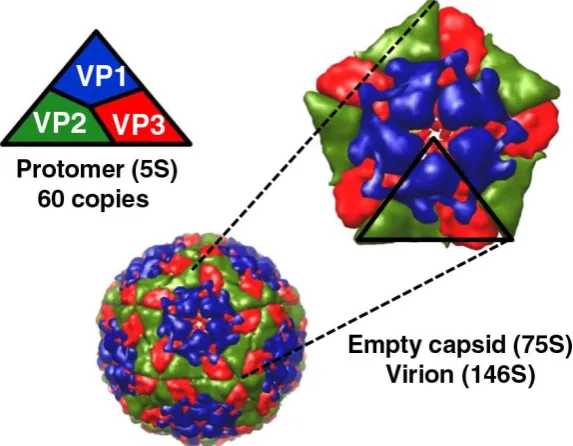
Figure 1.4. FMDV virion structure. The structural proteins 1A (VP4), 1B (VP2),
1C (VP3) and 1D (VP1) arrange into protomeric and pentameric units. These
units assemble to form the virion containing 60 copies of each structural protein.
1A is located internally within the capsid and is not shown. Particles lacking an
18
1.2.3 Translation and polyprotein processing
As mentioned above, translation of picornavirus RNA is driven by the IRES
element. This is in contrast to cellular translation which relies on a cap structure
(m7Gppp) at the 5’-end to initiate translation. Translation therefore proceeds in a
cap-independent manner. This is facilitated by proteolysis of specific eukaryotic
initiation factors (eIF), favouring IRES-driven translation, and allowing for the use
of host cell translation machinery. Initiation of translation via the IRES involves
recruitment of the translation machinery to an internal region on the viral RNA
(Martı́nez-Salas & Ryan, 2010).
Picornavirus genomes encode a long, single ORF which would be predicted to
generate a large polyprotein once translated. This full-length translation product
is never observed in cells during infection due to the rapid proteolytic activity of
viral encoded proteinases which occur both co- and post-translationally (Figure
1.5). Primary processing consists of co-translational cleavages which separate
the capsid precursor from the downstream region encoding the replication
proteins. FMDV (and other genera) utilises a novel translational recoding event
encoded by the 2A oligopeptide which mediates release at the 2A/2B junction.
Other genera within the picornavirus family achieve this through 3Cpro
(hepatoviruses), or 2Apro (entero- and sapeloviruses) mediated cleavage
(Martı́nez-Salas & Ryan, 2010; Ryan & Flint, 1997). A second primary processing event occurs at the region between 2C/3A and is performed by 3Cpro (Ryan &
Flint, 1997). An additional processing event involves the release of Lpro from the
polyprotein via auto-catalytic cleavage between its C-terminus and the
N-terminus of 1A. These primary cleavages result in the formation of protein
19
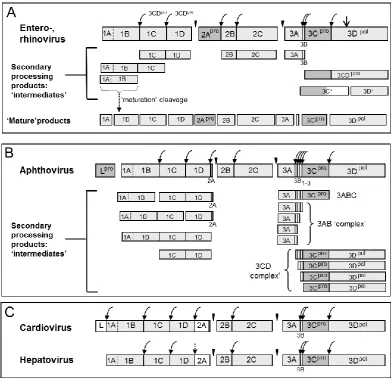
Figure 1.5. Polyprotein processing within the picornaviruses. Primary (black
triangles) and secondary cleavages mediated by 3Cpro (rounded arrows) are
shown. (A) The P1 precursor is processed by 3CDpro, rather than 3Cpro, amongst
enteroviruses. (B) Aphthoviruses mediate [P1-2A] processing (into 1AB, 1C, 1D
and 2A) by both 3C and 3CD proteinases. The multiple copies of 3BVPg within the
P3 precursor makes processing a highly complex event as several alternative
processing events occur, giving rise to many protein forms. (C) Viruses which
lack L or 2A proteinases are processed by 3Cpro or 3CDpro. A host cell proteinase
is responsible for cleavage of the 1D/2A site within hepatoviruses (arrow with
20
1.2.4 Encapsidation and maturation
The processes involved in encapsidation and the maturation ‘cleavage’ remain
largely unknown. Two proposed models of encapsidation exist. The first model
implies that empty capsids form (by the assembly of pentamers into the capsid
structure; Figure 1.4) and the viral RNA is inserted following this assembly. The
second model proposes an interaction between the capsid pentamers and the
viral RNA, forming a provirion (a viral particle which contains an uncleaved 1AB
(VP0) protein; (Grubman & Baxt, 2004). The maturation cleavage of 1AB (VP0) is
the final stage in encapsidation. It is believed that this cleavage is autocatalytic,
and is usually observed during encapsidation of viral RNA. This step is thought to
involve the activation of water molecules, which leads to nucleophilic attack at the
scissile bond. For FMDV, a conserved histidine (2145H within 1B [VP2]) located
close to the VP0 cleavage site is responsible for this cleavage reaction (Curry et
al., 1997). This 1AB ‘cleavage’ event is required for particle stability, as
interactions are made between regions of the pentamers following release of both
1A and 1B (VP4 and VP2). Additionally, prevention of 1AB (VP0) cleavage via
mutagenesis results in a loss of infectivity, demonstrating that this event is
important for the generation of infectious virus (Knipe et al., 1997).
Figure 1.6 shows a summary of the life cycle which has been described within
21
Figure 1.6. Picornavirus life cycle. Major events which occur during viral infection are summarised. Detailed
22
1.3 Foot-and-mouth disease
FMD is one of the most important animal diseases known and currently affects
many parts of the world. The disease affects cloven-hoofed animals such as
cattle, sheep, pigs, goats and ~70 species of wildlife including African buffalo and
deer (Grubman & Baxt, 2004; Jamal & Belsham, 2013). In European strains of
domestic animals, FMDV rapidly replicates and spreads, with signs of disease
appearing after 2-3 days. In buffalo, however, strains SAT 1, 2 and 3 cause
inapparent, persistent, infections. Clinical features of the acute form of the
disease include fever, viremia, excessive salivation and vesicular lesions which
form on the oral mucosa, nose and feet. The virus is excreted into bodily fluids
such as semen, urine and in the milk of dairy cattle as well as in faeces. FMD is
rarely fatal in adult animals; however it can adversely affect the heart function of
young animals and may cause high mortality (Grubman & Baxt, 2004). The
clinical signs of FMD are similar to other diseases, such as SVDV and VSV, and
therefore it is necessary for diagnosis to be made using laboratory methods.
Current diagnostics include the “gold standard” virus neutralisation test (VNT),
ELISA, qRT-PCR and nucleotide sequencing. Determination of the serotype
involved in outbreaks is crucial for the implementation of proper control strategies
(Jamal & Belsham, 2013).
FMD is highly infectious and transmission occurs through many different routes.
The most common means of transmission are direct contact between infected
and susceptible animals, through distribution/disposal of contaminated food
products or by indirect contact through contaminated personnel, vehicles and
aerosols (wind-borne). Illegal activities have also contributed to spread of the
disease by the importation of infected meat, illegal movement of animals and the
feeding of non-heat treated swill to pigs (Sutmoller et al., 2003).
Following the acute stage of infection FMDV can cause persistent infection in
ruminants, which has no clinical signs i.e. the carrier state. Carrier animals are
defined as animals which are virus positive for 28 days or more post infection
(Grubman & Baxt, 2004; Sutmoller et al., 2003). These animals show no clinical
symptoms of the disease and can remain in this state for a long period of time (2-
3 yrs in domestic cattle; Jamal & Belsham, 2013). The carrier state is
characterised by isolation of live virus from the pharynx and can also occur in
vaccinated animals. The site of this persistent viral replication is proposed to be
23
palate) isolated from cattle 38 days post-infection were shown to harbour FMDV
genomes and were restricted to the GCs (Juleff et al., 2008). The role of carrier
animals in the spread of virus in the field is still largely unknown. It is possible that
these animals may facilitate in the spread of disease, but this has only been
shown for African buffalo during an outbreak, and has not been demonstrated in
experiments with cattle (Grubman & Baxt, 2004; Jamal & Belsham, 2013). The
mechanisms underlying persistent infection are not well understood, but it has
been proposed that the immune status of the animal has a direct role (Grubman
& Baxt, 2004). Due to the occurrence of persistent infection, it is difficult to
differentiate between infected and vaccinated animals (DIVA). This causes
problems with trade, as it is important to be able to distinguish between
previously infected and those that have been vaccinated. Vaccination causes the
production of antibodies raised against the coat protein only. When animals are
infected by field isolates of the virus, replication produces both structural and
non-structural proteins (NSP), therefore it is possible to discriminate between the
antibodies induced by vaccinated and those induced by infected animals.
However, repeated vaccination using vaccine that has not been purified, and
therefore contains contaminating NSPs, can affect serological tests undertaken
(Jamal & Belsham, 2013; Sutmoller et al., 2003).
As mentioned previously, FMDV exists as seven different serologically distinct
serotypes, and various subtypes occur within each serotype. These serotypes
are distributed geographically with serotypes O, A and C having the widest
distribution. The SAT 1-3 viruses are usually limited to sub-Saharan Africa and
Asia-1 viruses are normally restricted to Asia; these viruses have, however,
caused limited outbreaks in other regions. There is a tendency for the virus to
recur in the same geographical area, despite the propensity for it to spread to
surrounding areas and cause small outbreaks. It is thought this is due to
ecological isolation which may reflect patterns of animal movement and trade,
and has resulted in the creation of seven regional pools (Figure 1.7). There are
more than 100 countries affected by FMD worldwide. The distribution of the
disease reflects economic development, with more developed countries having
disease-free status. The occurrence of FMD poses a potential threat to countries
who have eradicated the disease.
Financial losses caused by an FMD outbreak are high due to loss of meat, milk
and livestock. Eradication and control costs, as well as indirect costs associated
24
2004). The recent 2001 outbreak in the UK was estimated to cause losses of
12.3-13.8 billion USD. This outbreak also resulted in the culling of 6.5 million
animals. Large outbreaks in recent years have occurred in Taiwan, Japan and
South Korea all contributing to huge economic consequences (Jamal & Belsham,
2013).
1.3.1 Disease control
Until 1991, continental Europe (except Denmark) systematically vaccinated
against FMDV. Britain and Ireland, however, did not undertake this strategy and
as a result these countries had certain trading advantages over other European
nations. The European Union therefore decided to abolish general vaccination to
harmonise trading positions (Sutmoller et al., 2003). Benefits to stopping routine
vaccination include reduction in costs associated with vaccine administration,
less trade restrictions and problems associated with vaccinating animals such as
immune surveillance, dispersed herds and persistent infections in vaccinated
animals. Countries currently control FMD outbreaks by killing and destroying all
infected animals and inhibition of animal movement, with ring vaccination
employed during extreme cases.
1.3.1.1 Vaccines
Of the picornavirus family members, only three agents have commercial vaccines
available; PV, HAV and FMDV. Initial experiments demonstrating protective
immunity against these viruses involved the use of immune serum (FMDV) or
immunoglobulins (PV and HAV). These procedures were, however, impractical
on a large scale. Current picornavirus vaccines are produced through the growth
of virus in tissue culture under stringent bio-containment conditions – dramatically
increasing the cost of vaccine production and storage. The final product must be
free from cell culture contaminants or infectious agents. These days, inactivation
(innocuity) and testing (efficacy) is better regulated and such contaminants are
less likely to occur. The escape of virulent virus from vaccine production facilities,
however, still remains a large problem with current production strategies (Doel,
2003).
Attenuated vaccines consist of viruses which replicate to a minimal level without