
Viability in State-Action Space
Connecting Morphology, Control, and Learning
Dissertation
der Mathematisch-Naturwissenschaftlichen Fakultät
der Eberhard Karls Universität Tübingen
zur Erlangung des Grades eines
Doktors der Naturwissenschaften
(Dr. rer. nat.)
vorgelegt von
M.Sc. Steve Heim
aus Lugano / Schweiz
Tübingen
2019
Gedruckt mit Genehmigung der Mathematisch-Naturwissenschaftlichen Fakultät der Eberhard Karls Universität Tübingen.
Tag der mündlichen Qualifikation: 20.02.2020
Dekan: Prof. Dr. Wolfgang Rosenstiel
1. Berichterstatter: Dr. Alexander Badri-Spröwitz
Abstract
How can we enable robots to learn control model-free and directly on hardware?
Machine learning is taking its place as a standard tool in the roboticist’s arse-nal. However, there are several open questions on how to learn control for physical systems. This thesis provides two answers to this motivating question.
The first is a formal means to quantify the inherent robustness of a given sys-tem design, prior to designing the controller or learning agent. This emphasizes the need to consider both the hardware and software design of a robot, which are inseparably intertwined in the system dynamics.
The second is the formalization of a safety-measure, which can be learned model-free. Intuitively, this measure indicates how easily a robot can avoid failure, and enables robots to explore unknown environments while avoiding failures.
The main contributions of this dissertation are based on viability theory. Vi-ability theory provides a slightly unconventional view of dynamical systems: in-stead of focusing on a system’s convergence properties towards equilibria, the focus is shifted towards sets of failure states and the system’s ability to avoid these sets. This view is particularly well suited to studying learning control in robots, since stability in the sense of convergence can rarely be guaranteed during the learning process.
The notion of viability is formally extended to state-action space, with viable sets of state-action pairs. A measure defined over these sets allows a quantified evaluation of robustness valid for the family of all failure-avoiding control poli-cies, and also paves the way for enabling safe model-free learning.
The thesis also includes two minor contributions. The first minor contribution
is an empirical demonstration of shaping by exclusively modifying the system dynamics. This demonstration highlights the importance of robustness to failures for learning control: not only can failures cause damage, but they typically do not provide useful gradient information for the learning process.
The second minor contribution is a study on the choice of state initializations. Counter to intuition and common practice, this study shows it can be more reliable to occasionally initialize the system from a state that is known to be uncontrol-lable.
Zusammenfassung
Wie können wir Robotern ermöglichen, modellfrei und direkt auf der Hardware zu lernen?
Das maschinelle Lernen nimmt als Standardwerkzeug im Arsenal des Robotik-ers seinen Platz ein. Es gibt jedoch einige offene Fragen, wie man die Kontrolle über physikalische Systeme lernen kann. Diese Arbeit gibt zwei Antworten auf diese motivierende Frage.
Das erste ist ein formales Mittel, um die inhärente Robustheit eines gegebe-nen Systemdesigns zu quantifizieren, bevor der Controller oder das Lernverfahren entworfen wird. Dies unterstreicht die Notwendigkeit, sowohl das Hard- als auch das Software-Design eines Roboters zu berücksichtigen, da beide Aspekte in der Systemdynamik untrennbar miteinander verbunden sind.
Die zweite ist die Formalisierung einer Sicherheitsmaß, die modellfrei erlernt werden kann. Intuitiv zeigt diese Maß an, wie leicht ein Roboter Fehlschläge ver-meiden kann. Auf diese Weise können Roboter unbekannte Umgebungen erkun-den und gleichzeitig Ausfälle vermeierkun-den.
Die wichtigsten Beiträge dieser Dissertation basieren sich auf der Viabilität-stheorie. Viabilität bietet eine alternative Sichtweise auf dynamische Systeme: Anstatt sich auf die Konvergenzeigenschaften eines Systems in Richtung Gle-ichgewichte zu konzentrieren, wird der Fokus auf Menge von Fehlerzuständen und die Fähigkeit des Systems, diese zu vermeiden, verlagert. Diese Sichtweise eignet sich besonders gut für das Studium der Lernkontrolle an Robotern, da Sta-bilität im Sinne einer Konvergenz während des Lernprozesses selten gewährleistet werden kann.
Der Begriff der Viabilität wird formal auf den Zustand-Aktion-Raum erweit-ert, mit Viabilitätsmengen von Staat-Aktionspaaren. Eine über diese Mengen definierte Maß ermöglicht eine quantifizierte Bewertung der Robustheit, die für die Familie aller fehlervermeidenden Regler gilt, und ebnet den Weg für ein sicheres, modellfreies Lernen.
Die Arbeit beinhaltet auch zwei kleinere Beiträge. Der erste kleine Beitrag ist eine empirische Demonstration der Shaping durch ausschließliche Modifikation der Systemdynamik. Diese Demonstration verdeutlicht die Bedeutung der Robus-theit gegenüber Fehlern für die Lernkontrolle: Ausfälle können nicht nur Schäden verursachen, sondern liefern in der Regel auch keine nützlichen Gradienteninfor-mationen für den Lernprozess.
Der zweite kleine Beitrag ist eine Studie über die Wahl der Zustandsinitial-isierungen. Entgegen der Intuition und der üblichen Praxis zeigt diese Studie, dass es zuverlässiger sein kann, das System gelegentlich aus einem Zustand zu initialisieren, der bekanntermaßen unkontrollierbar ist.
Acknowledgements
The road to graduation is long and laborious, but never lonely. It is the countless thought-provoking conversations I have had over the years that have made this choice in life worthwhile. Whether contemplating the woes of academia over a drink in the wee hours after a conference, discussing the latest results and planning next steps in the lab, or bouncing ideas back and forth over a ping-pong table, these conversations are what have led me to where I am, in research and in life. To each of you who have provoked my beliefs, stoked my imagination, tickled my thinking-box, thank you. I hope we meet again.
Contents
Abstract iii Zusammenfassung v Acknowledgements vii 1 Introduction 1 1.1 Overall Motivation . . . 1 1.2 Objectives . . . 3 2 Preliminaries 5 2.1 Viability theory . . . 52.1.1 Why use viability for legged locomotion? . . . 7
2.2 Dynamic legged locomotion . . . 8
2.2.1 Reduced order models of legged locomotion . . . 9
2.2.2 Heuristic control for legged locomotion . . . 10
2.2.3 Optimal control for legged locomotion . . . 12
2.2.4 Hardware Design for legged locomotion . . . 14
2.3 Learning control . . . 15
2.3.1 Reinforcement learning is model-free optimal control . . . 16
2.3.2 The challenge of robot learning . . . 16
3 Published Work 21 3.1 Overview . . . 21
3.2 Papers and Contributions . . . 22
3.2.1 Shaping in practice . . . 22
3.2.2 Beyond basins of attraction . . . 24
3.2.3 A learnable safety measure . . . 25
3.2.4 Learning from outside the viability kernel . . . 27
4 Discussion 29 4.1 Designing robots that can avoid failure . . . 29
4.2 Designing robots that can fail . . . 30
4.3 Leveraging dynamics models . . . 31
«Vous me demandez de vous prédire les phénomènes qui vont se produire. Si, par malheur, je connaissais les lois de ces phénomènes, je ne pourrais
y arriver que par des calculs inextricables et je devrais renoncer à vous répondre; mais, comme j’ai la chance de les ignorer, je vais vous répondre tout de suite. Et, ce qu’il y a de plus extraordinaire, c’est que ma réponse sera juste.»
Science et Méthodes Henri Poincaré
“To tell the truth, we don’t do it because it is useful but because it is amusing.”
Muscular Movement in Man Archibald Vivian Hill
Chapter 1
Introduction
This cumulative thesis presents the four first-author papers I published during my Ph.D. studies in the Dynamic Locomotion Group of the Max Planck Institute for Intelligent Systems, Stuttgart [1]–[4]. The main contribution of these studies is an extension of viability theory into state-action space and a measure over viable sets in this space. The resulting mathematical objects open a path to new tools, including tools to rigorously quantify the robustness of a system prior to controller design [2] and model-free safe learning [3].
Each paper is attached in the appendix. The thesis is organized as follows: in Chapter 1 (this chapter), I introduce the overall motivation and objectives. Chapter 2 concisely covers background knowledge and related work. Chapter 3 summa-rizes each publication, my contributions, and suggests an order in which to read them. Finally, in Chapter 4, I discuss the relevance of the publications in relation to the overall theme and motivation and the open challenges they raise.
1.1
Overall Motivation
Dynamics are certainly one of the most fascinating domains to study, and motion is dynamics embodied. To observe motion, whether the graceful leap of a squirrel from one branch to another, or the gravity-defying feats of an aerobatics pilot, is a pleasure in and of itself. To understand motion, even more so.
If this were not motivation enough, motion and mobility are entrenched in every aspect of modern society. It is our ability to move people, goods, and infor-mation quickly, cheaply, and reliably that enables a global economy and society. The advent of mobile robots that can automate mobility promises to once again change the scales of what we consider far or ‘just around the corner’. Automation will allow mobility at a lower cost and in situations where it is unsafe or otherwise undesirable to employ humans. Even without an increase in speed, automation can reduce the time involving the user to virtually nil. Nonetheless, for this to become an every-day reality requires a level of robustness and reliability that we can so far only obtain in controlled laboratory settings, where models can be refined to high accuracy.
Robustness to uncertainties is critical for deploying robots in the real world for many reasons. Since sensing is always noisy, a controller needs to be robust to noisy state estimation. Controllers are typically designed based on a model of the robot and the world. Since all models are wrong [5], some amount of robustness is always necessary, even in the most benign settings. Even with a very well chosen model and excellent system identification, the accuracy of the model used will decay over time. The robot’s dynamics will change due to wear and tear, and the world the robot moves in will change. In realistic field deployments, it will become common for the robot to be used and even modified in unforeseen ways. Robustness will also help lower manufacturing costs since performance will be more tolerant of imprecise manufacturing. Finally, as will be discussed in more detail in this thesis, robustness plays a crucial role in enablinglearningcontrol.
Machine learning, especially reinforcement learning, is gaining a lot of trac-tion in the community of robotics. Learning control directly from data can circum-vent the inaccuracies of models, and can also allow the robot to continuously adapt to changes in the real world. A general learning algorithm could also reduce the engineering effort required to deploy a new robot, as the controller design could be automated. However, we still lack learning algorithms that generalize well, are data-efficient, and adequately consider practical issues such as safety.
1.2. OBJECTIVES 3
designed. Although there is some published evidence [6], [7] that appropriate system dynamics can significantly facilitate learning, as well as ample informal consensus1, there have been few formal studies that rigorously show show how morphology, control, and learning are connected. This formalization is the main motivation of this thesis.
1.2
Objectives
‘How can we enable robots to learn control model-free and directly on hardware?’
I believe robots of the future will be able to effectively leverage models, and therefore make extensive use of both simulation and optimal control. Neverthe-less, I have chosen a guiding question that explicitly excludes these two tools for a very deliberate reason: it moves the focus to aspects that I believe have not received sufficient attention.
First and foremost is the necessity for robustness. Indeed, the absence of a model can be loosely thought of as having a model over which we have abso-lutely no certainty. Learning directly on hardware also emphasizes the need for robustness, as failures become a significant problem. Failures can cause dam-age to the robot or world, often require time-consuming resets, and perhaps most importantly, they typically do not provide rich gradient information.
Second, as anyone who has worked on physical robots can confirm, the hard-ware design and implementation immediately take a central role. Robots that are appropriately designed and well manufactured are a lot easier to work with and greatly alleviate a control designer’s work2. When learning control, it is reason-able to expect a learning agent to reap the same benefits, even though we cannot
1At every conference I have attended that had a mixed audience, a biologist will point out to the engineers that animals often fall, and this is important for learning. The engineers then invariably agree that robots should be designed to allow for this, and that’s the end of the story.
2I recently spoke with a researcher at Google Brain, where they have 5 Ghost Robotics Minitaur quadruped robots, some of which were produced in different batches. Due to the differences in production, they behave slightly differently, and the researcher confirmed they have their favorites for testing learning algorithms.
fully describe what these benefits are.
More specifically, we will aim to formalize an understanding of how morphol-ogy and system design influence how easy it is to design or learn a control policy. Furthermore, we will aim for a more principled understanding of how a learning agent can learn despite failures, and perhaps more importantly, directly reason about failure.
Chapter 2
Preliminaries
This chapter introduces relevant fields to help readers from potentially different backgrounds to quickly gain enough knowledge to understand the context, rele-vance, and importance of the contributions of each paper, in particular as related to dynamic legged locomotion. Covered are the basics of viability theory, legged locomotion, and reinforcement learning.
2.1
Viability theory
The core of my work is based on viability theory, first pioneered by Jean-Pierre Aubin [8]. The development of viability theory is largely motivated by observa-tions of dynamical systems in nature and society, whose behavior somehow avoids chaos or pure randomness, yet never seem to settle at a resting state, an equilib-rium. Some examples are Darwinian evolution, economics, or politics of the state. There is no equilibrium state for these systems, or at least, none that we can iden-tify or foresee. The classical mathematical tools based on convergence to such an equilibrium state are therefore ill-suited to describe them, although they can be manipulated for the purpose: for example, by assuming a quickly time-varying equilibrium state, which the system chases but is never able to reach.
Viability theory provides a more appropriate and direct description. First, a set of failure states is defined, which the system must be able to avoid. We will
think of this failure set as a set of absorbing states. From this naturally emerges theviability kernel, the maximal set of states from which there exist control inputs that keep the system from entering the failure set for all time. In other words, if the system ever leaves the viability kernel, it can no longer return inside of it and is doomed to enter the failure set within finite time.
Compared to mathematical objects based on the notion of convergence, such as regions of attraction [9, (cf. 6.4)] or contractions [10], conditions for viability are weaker (they provide no convergence properties) but more general.
Two other related sets which depart from the notion of convergence are back-reachable sets[11] andcontrollable sets[12]. For backreachable sets, we start by defining a target set. The backreachable set is the set of states from which there exist control inputs that guide the system into the target set within finite time. Since being able to reach this target set directly implies being able to avoid the failure set, the back-reachable set is always a subset of the viability kernel. Con-trollable sets require that every point in the set is reachable from any other point of the set. In other words, the controllable set must be a backreachable set for all subsets of the controllable set itself. Controllability is a more general statement than backreachability in that it does not require the definition of a target state, but also a stronger statement: not all backreachable sets are controllable sets. By the same quality of backreachable sets, controllable sets are also subsets of the viability kernel.
Viability theory, therefore, allows us to make very general statements of a dy-namical system’s behavior, without making many assumptions. This generality comes at a price: computing viable sets is typically computationally expensive. For the types of dynamics we are interested in, we will resort to gridding and brute force. In this thesis, I will use the concepts of viability theory, but we will not concern ourselves with algorithms that scale to higher dimensions. For the interested reader, I recommend starting with [13] for a clear and practical ap-plication, [14] for an example of sample-driven approximations, and [11] for an overview of tools for the computation of the related backreachable sets, which can often be used in lieu of the viability kernel.
2.1. VIABILITY THEORY 7
2.1.1
Why use viability for legged locomotion?
The study of legged locomotion has come a long way by thinking of gaits as stable limit-cycles: periodic orbits through state space, towards which nearby orbits con-verge. This view allows us to explain various observations with a well developed mathematical language: nonlinear dynamics and bifurcations [9].
For example, the remarkable stability of running dynamics [15] can be under-stood by studying basins of attraction of a specific gait [16], [17]. The choice of and transition between different gaits depending on locomotion speed or morphol-ogy can be understood via bifurcation studies [18]–[20].
However, these tools hinge on the existence of a limit-cycle, and therefore are ill-suited for understanding unsteady or erratic motion, which are also commonly observed [21], [22]. Even when it is reasonable to assume the existence of a limit-cycle, for example when walking or running on a treadmill at a steady speed, it is often difficult to fit recorded time-series data to these assumptions [23], [24]. To gain further insight into locomotion, we need tools that can reason about stability in the sense of avoiding falls instead of in the sense of convergence [25].
Viability theory provides a natural description for this type of stability. Fur-thermore, viability makes no assumptions on the control policy or the task at hand. This makes it appropriate for analyzing morphology separately from the control policy, as in [2].
In the field of legged robotics and control, there have also been developments which move away from the perspective of strict convergence. Byl and Tedrake [26] relax the requirement of convergence with the probabilistic concept of metastabil-ity, and compute the mean first-passage time for several simple models of walking. This metric takes into account the probability of failure from any sources of un-certainty, and can effectively serve as a metric of task-level robustness. However, the structure of how the system dynamics relate to failures is not exposed. Fur-thermore, any change in the uncertainty, such as the distribution of disturbances, requires the mean first-passage time to be recomputed from scratch.
Capture points and capture regions [27] build on the ideas of backreachability to find effective yet simple foot placements that can come to a standstill. In this
context, a capture point represents a foot placement that takes the system to a
captured state: standing, static equilibrium. Ann-step capture regionis the set of foot placements that take the system to any state, from which the captured state can be reached withinn−1 steps. The core idea is that it is not necessary for a controller to always seek convergence, as long as the system stays within a region from which it can converge within a finite number of steps. Capture regions are particularly useful in legged locomotion since they are typically easier to compute than viability kernels, and usually as large or nearly so [12], [27]. The core results of this thesis, namely [2], [3], can be reformulated to use capture regions instead of viable sets, without much loss of precision. I find, nonetheless, the more exact language of viability theory to be useful in formalizing the mathematical objects developed in this thesis.
2.2
Dynamic legged locomotion
While most results in my publications are valid for arbitrary dynamical systems, the motivation is grounded in legged locomotion, in particular running. This field offers abundant natural inspiration, including ourselves. Legged systems also en-capsulate many interesting challenges in dynamics. The dynamics of legged sys-tems are non-smooth, due to impacts at foot touchdown. They are hybrid, as the governing equations of motion switch abruptly every time a foot touches down or lifts off. They are underactuated, due to the floating base. While passively stable legged systems exist, for most systems of interest to us, they are passively unstable and require feedback control. And of course, they are typically highly nonlinear.
A core recurring concept in this field is thenatural dynamics of the system: intuitively, how the system ‘wants’ to move. Controllers should be designed to exploit the natural dynamics, and robots should be designed to exhibit favorable natural dynamics. However, a rigorous definition of natural dynamics is elusive, especially for what constitutes more or less favorable natural dynamics. A core contribution of this thesis is to show that robustness to uncertainty is an important quality of ‘favorable’ natural dynamics, and provide a measure to quantify this.
2.2. DYNAMIC LEGGED LOCOMOTION 9
This section introduces various ways in which the concept of natural dynamics comes into play, using compliance in running motion as the driving example.
2.2.1
Reduced order models of legged locomotion
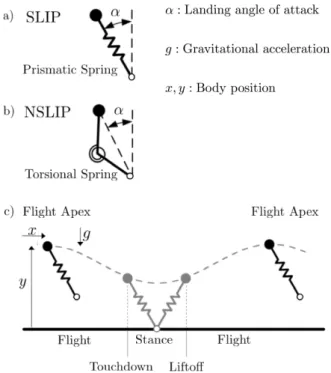
Reduced order models allow researchers to cope with the complexity of legged locomotion dynamics. In this thesis, I will focus on the spring-loaded inverted pendulum (SLIP) model for running. This model originated in the biomechan-ics community to describe center-of-mass movement of running in humans [28]. Comprising of a point-mass to represent the body and a massless spring to repre-sent the leg, the model has only a few parameters, making it relatively easy to fit to data. Several studies have then fit it to various animals of different sizes and with different numbers of legs [15], [29], [30]. A two-legged extension also accurately predicts ground-reaction forces of both running and walking in humans [31]. Da-ley and Biewener [15] used this model to explain the open-loop robustness to height perturbations observed in running birds. These studies of this parsimo-nious model convincingly show the presence of compliance in natural running motion.
It is no surprise that, in parallel to the development of this model in the biome-chanics community, Raibert developed his famous hopping robots using very sim-ilar models and intuition [32, cf. Figure 2.5]. Since then, compliance has been frequently reproduced in bio-mimetic robots [33]–[38].
These simple models have also been used to study various control concepts [17], [39], [40]. In one of the most insightful examples, Wu and Geyer [41] show an open-loop trajectory for the swing-leg that achieves deadbeat control: any ground-height perturbation can be completely rejected in a single step.
However, since this model is energy-conservative and neglects most degrees of freedom, it is often insufficient to describe many observations of interest. For example, extensions that include actuation have been used to draw conclusions on control priorities [25], [42]. In another example, Maus, Revzen, et al. [24] use a data-driven approach to suggest various extended state and control laws for the SLIP, based on experimental observations of humans.
Reduced order models are also often used for mathematical analysis, as their low dimensional state space and parsimonious parameter space allow for thorough investigation of the dynamics and parameters. In my own master thesis work [43], I derive the explicit equations of motion (EoM) of a running model with a tail. This is made possible by approximating the tail as a flywheel, and allows insight on scaling effects of different parameters of the tail, which could then be tested directly in hardware.
The low dimensionality also allows numerical analysis by brute force. The basins of attraction for many such models have been studied numerically [17], [44]–[46], and extended in some cases to bifurcation analysis [16], [20], [47]. By making use of the Poincaré section, the stability of a limit-cycle can be numeri-cally ascertained by Floquet analysis [48]. Reduced order models are also used by Byl and Tedrake [26] in their study of metastability, mentioned above. Since computing the mean first-passage time requires a very large number of simula-tions, it would be prohibitive for more sophisticated models.
2.2.2
Heuristic control for legged locomotion
Perhaps the most extreme examples of exploiting natural dynamics are the robots inspired by passive dynamic walkers [49]. These robots feature minimal sensing and actuation, and are typically limited to flat ground [50], [51]. They make up for their lack in maneuverability with extreme efficiency: the main purpose of the controller is not to stabilize the system, but to inject small amounts of energy to compensate for impact and friction losses. Tedrake, Zhang, et al.[6] saw in natural dynamics more than just the opportunity for efficient motion: they use a biped robot based on passive dynamic walkers, and show it can efficiently and reliably learn and adapt to changing ground surfaces. Formalizing this insight is one of the main motivations for this thesis.
Many of the earlier successful legged robots relied on exploiting natural dy-namics by using simple controllers in the form of clocks and oscillators [18], [34], [52], [53]: motor positions are servoed along predetermined, periodic trajectories to the timing/phase of a clock/oscillator. All of these robots incorporate
com-2.2. DYNAMIC LEGGED LOCOMOTION 11
pliance in the form of mechanical springs. Once tuned to the natural dynamics, the clock and oscillator controllers generate very stable and dynamic gaits. With some feedback, the oscillators also adapt to the natural dynamics, resulting in dif-ferent gaits depending on the morphology [18] or driving frequency [18], [54]. However, from my experience and discussions with more seniors researchers in this field, these approaches rely on a lot of intuition and trial-and-error to design. They are particularly challenging to tune for unstable systems such as bipeds with point-feet.
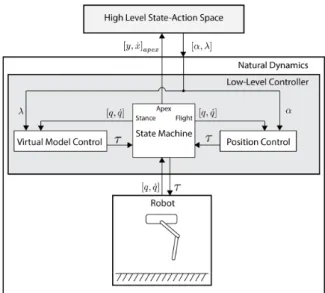
Another approach is to use a hierarchical control scheme, in which the low-level controller causes the system to behave like a reduced order model, such as the SLIP model discussed above. If this low-level controller is accurate enough, the plethora of control laws studied for the SLIP model can be directly used as high-level controllers. To this end, there have been many efforts to design such a low-level controller [55]–[57]. Unlike for other models such as the linear inverted pendulum model, however, it is not trivial to map between the high-level repre-sentation of a SLIP model and low-level reprerepre-sentation of an actual robot, and this approach has only seldomly been applied in practice [58]. Furthermore, these high-level controllers exploit the natural dynamics of the reduced order model, but not necessarily those of the system. It is entirely possible for the actual natu-ral dynamics of the system to be negated by the low-level controllers. For these reasons, I believe reduced order models such as the SLIP are excellentdescriptive
models but poorprescriptivemodels: they allow a deep understanding, but make for poor control targets.
Virtual model control [59], [60] provides a slightly more relaxed approach: the low-level controller commands torques to mimic a spring-damper between two arbitrary points, usually between the hip and the foot. This approach doesn’t force the system’s dynamics onto the submanifold of the SLIP model but does retain the complaint behavior. It is also easy to implement, requiring only knowledge of the kinematics. However, this approach does not capture the impedance of the system, and it can be difficult to stabilize the robot trunk in more aggressive motion.
2.2.3
Optimal control for legged locomotion
Optimal control offers a more explicit approach to embed the natural dynamics in the controller. The setting is to find a policyuk=π(xk)which minimizes the total cost-to-go functionJgiven a dynamical systemxk+1= f(xk,uk):
find uk=π(xk) such that J∗(x0) =min
u [ gN(xN) + N−1
∑
k=0 g(xk,uk) ] subject to xk+1= f(xk,uk) c(x,u)≤0whereJ∗is the optimal cost-to-go accumulated between any statex0and a termi-nal statexN, the final cost of being inxN is gN, andg(xk,uk)is the cost incurred for applying the control inputuk from state xk. This formulation explicitly takes the dynamics of the system into consideration, since the solution must be consis-tent with the dynamics f(xk,uk). One of the core insights in optimal control is theprinciple of optimality: the fact that any subtrajectory of an optimal trajectory is itself optimal for its starting and ending states. Therefore, the optimal control problem can be split into several small steps, and each of these solved individu-ally. This principle is leveraged in the Bellman equation (or its continuous-time equivalent, the Hamilton-Jacobi-Bellman equation):
J∗(xk) =min
u [g(xk,uk) +J ∗(f(x
k,uk))]. (2.1)
If the optimal cost-to-go function is known, finding an optimal controller is re-duced to a one-step lookahead optimization. To findJ∗, we can simply use the Bellman equation as an update rule iteratively, which leads to the dynamic pro-gramming algorithm. A typical iteration will start at the final statexN, apply these updates by backing out from the final state. OnceJ∗has converged, a control pol-icy that greedily follows eq. 2.1 will be optimal from any state. The main caveat with this approach is that it does not scale well with dimensionality.
Perhaps the most popular optimal control approach used in legged locomotion today is trajectory optimization: in this setting, we give up on global
optimal-2.2. DYNAMIC LEGGED LOCOMOTION 13
ity and instead seek trajectories that are only locally optimal. For the interested reader, I recommend [61]. Without going into detail, there are two main families of trajectory optimization: shooting methods and direct transcription methods.
Shooting methods iterate making a forward pass, using an initial guess to sim-ulate a trajectory, and then a backward pass to compute updates to the control inputs used. A popular and fast shooting method is differential dynamic program-ming [62], in which each backward pass updates the control trajectory with a Bellman update using a local, quadratic approximation of the cost-to-go function. This allows the updates to be backed out of the final state, in a conceptually similar way as the dynamic programming algorithm. Other shooting methods will typi-cally pass the entire trajectory to a general nonlinear programming (NLP) solver, which optimizes over the entire trajectory at once [61]. This approach tends to struggle with problems that require constraint satisfaction and complex controls1, such as legged locomotion. Nonetheless, it has been used successfully for offline design and analysis [48], [63].
Transcription methods break up the problem completely and allow an NLP solver to optimize not only over the control inputs at each time step, but also the states. Dynamic consistency is then enforced by transcribing the dynamics into constraints the solver must satisfy [61]. This formulation also allows constraints to be directly encoded in the optimization problem, which is not straight-forward for shooting methods.
A significant challenge for all these methods is the presence of contacts in legged locomotion. Making or breaking a contact induces a non-smooth jump in the cost, which solvers struggle with. While some formulations can directly reason about contacts [64]–[66], they tend to be slow. A common approach is to split the problem into parts that can be solved separately in a hierarchical control scheme. Typically, these will include generating a center of mass (and some-times momentum) trajectory [65], [67], a sequence of footstep positions and
tim-1I will not attempt a rigorous definition of what more or less ’complex’ controls are. Suffice it to say that legged locomotion typically requires controls which are more complex than orbital dynamics of satellites.
ings [67], [68], and a whole-body controller to execute the first two [67], [69]. Much of the current research aims at improving the robustness [70], [71], ef-ficiency [72], [73], or flexibility [74] of these individual problems. While the viability-based tools presented in this thesis do not scale well, they can be used on these lower-dimensional sub-problems.
2.2.4
Hardware Design for legged locomotion
Just as we strive for controllers that can exploit a system’s natural dynamics, we strive for hardware designs that feature beneficial natural dynamics. One such aspect, as discussed in Subsection 2.2.1, is compliance. We mentioned above several designs [18], [34], [52], [53] which use highly-geared motors and position control; the output of these ‘stiff’ actuators then drive mechanical springs, which provide the desired compliance. The springs are placed distally, and therefore minimize unsprung mass and protect the motors from harsh impacts. Additionally, simple controllers can achieve remarkable stability while running on inexpensive hardware with low update rates [75]. However, the complexity is traded off into the hardware design, and tuning hardware is usually much more time-consuming and expensive than tuning software. Furthermore, once built, it is usually difficult to change parameters without disassembling the robot. Since different behaviors often require very different natural dynamics, this approach can severely limit a robot’s versatility.
A second approach is to incorporate the compliance directly in the actua-tors. Indeed, Raibert’s first hoppers used pneumatic actuators, which act as air-springs in addition to injecting energy [32]. They require, however, a supply of pressurized air, which is cumbersome to carry on the robot. Series-elastic ac-tuators (SEA) [76] are a popular alternative, and several of the most successful robots of today are built with this type of actuation, such as ANYMAL [36] or ATRIAS [35]. In these robots, the output of highly-geared motors is coupled in series with a relatively stiff spring. By measuring the position of both ends of the spring, the force output at the end-effector can be directly calculated. This allows force/torque control at the joints, and compliance of the desired form can be
gen-2.3. LEARNING CONTROL 15
erated, within the limitations of the motor constraints and kinematics. The main drawbacks are added complexity for manufacturing and low-level control.
A third approach eschews any mechanical springs in favor of generating com-pliance purely through actuation and control. Low gear-ratios are required to minimize reflected inertia and achieve transparency while still maintaining high peak torque outputs [77]. Fortunately, the widespread success of quadcopters has dramatically reduced the cost of off-the-shelf outrunner motors that satisfy these requirements. Together with field-oriented control, sometimes called vector con-trol, these motors provide an inexpensive solution at smaller scales. Many small and medium-sized robots capable of highly dynamic motion and direct torque-control are emerging, such as the MIT mini-cheetah [78], the Minitaur [37] and MPI-IS’s own Solo [79]. Since mass scales roughly cubically2, these smaller-scale robots are mechanically sturdy [80] and can operate at torques that are safe to handle. These robots are excellent experimental platforms, especially for learn-ing control, since failures may be more common.
Regardless of the approach taken, design is still largely an art, and only a few specific aspects have been subject to rigorous study [81], [82]. One of the core contributions of this thesis is to formalize a quantification of robustness due to the system’s natural dynamics [2], which will allow a designer to compare different designs objectively.
2.3
Learning control
The recent success in machine learning, in particular with reinforcement learn-ing (RL), provides another alternative to model-based optimal control. My thesis work has been strongly influenced by ideas from reinforcement learning, espe-cially the notion of state-action space. For readers less familiar with this field, I will introduce the essential topics needed to understand and appreciate this thesis.
2Mass will scale cubically to length if we assume isometric scaling and constant, uniform density. While robot designs break these assumptions, this serves as a good rule of thumb.
2.3.1
Reinforcement learning is model-free optimal control
At its core, reinforcement learning (RL) relies on the same key insight as dynamic programming and optimal control: theprinciple of optimality. For the interested reader, I recommend comparing two formulations of value iteration: the one in-troduced in chapter 4.4 of the classical RL textbook by Sutton and Barto [83], and the one introduced in chapter 5.3 of the classical optimal control textbook by Bertsekas [84]. Aside from notation and a minor detail3, the equations are the same: they are updates based on the Bellman equation (eq. 2.1). The critical difference is the presence (or absence) of a model, which dictates how updates can be applied. In the model-based case, the transitions and their associated costs are known, and each iteration of the algorithm can apply an update at every state. In the model-free case, the cost of a specific transition can only be discovered through experience. A learning agent must therefore execute roll-outs, and can only update states visited during this roll-out.
Since the cost of a transition cannot be known by consulting a model, it is convenient to keep track of the value of state-action pairs, instead of just states. The value in state-action space is called theQ-function, and leads to one of the breakthroughs in RL: q-learning [83, cf. 6.5]. An important feature of this ap-proach is that it leads to the optimal action without needing to specify the policy. From any given state, any optimal policy must output an element from the level set of optimal actions. I will use this insight in [2] to quantify the robustness of a system without specifying a policy.
2.3.2
The challenge of robot learning
Kober, Bagnell, et al. [85] have written a comprehensive overview of RL for robotics. Although slightly dated, the primary challenges ([85, cf. 8.1]) have not changed considerably. Many core challenges stem from the difficulty of obtaining samples from real-world experiments.
3In [83], there is a discount factor that is introduced a few pages after the initial formulation in [84].
2.3. LEARNING CONTROL 17
Perhaps the most obvious difficulty is that, unlike in virtual systems, hard-ware experiments can only run at physical time, and are difficult to parallelize. Hardware experiments tend to require large amounts of space and funding; un-like for simulations, the cost per experiment does not decrease dramatically with scale. A more fundamental bottleneck is user time: a user typically needs to set up each run, reset it after failures, and maintain and repair the robots. For exam-ple, Levine, Pastor, et al. [86] used 14 robot arms, which executed roughly 1.7 million grasp attempts in the span of roughly six months. A policy in the form of a deep neural network trained on this data achieves a respectable failure rate of 10%. In comparison, Silver, Schrittwieser,et al.[87] trained a policy from scratch to play the board game go. During training, the learning agent generated 4.9 mil-lion game-plays, and reached a super-human level in roughly 40 hours. Both of these projects disposed of prodigious resources, far more than I believe should be required if learning control is to be useful. Yet the gap in achieved performance is staggering, and these two examples highlight the difficulty of gathering samples in robotics.
Models can help in two ways: by allowing learning in simulation, and by informing the designer of the appropriate structure to impose on the control policy.
Models allow simulations to be used to bootstrap the learning process. Col-lecting data in simulation is typically a lot cheaper than in hardware, and the policy can then be refined on the real robot. However, the transfer from simulation to the real-world is not always straight-forward. The models used in simulation are of-ten insufficiently accurate, especially for legged locomotion [88], [89], and the learned policies often over-fit to these models. In other words, they find policies that may be optimal (or at least work reasonably well) but are not robust. This is commonly known as thesim-to-realproblem.
A solution to this is dynamics randomization [89]–[91]: the parameters of the simulation are perturbed in each learning iteration, with the hope that the resulting control policy is not only robust to differences in the simulated model, but also in the real world. This approach shows promise. However, to the best of my knowledge, there is no principled approach to choose which parameters to perturb,
or by how much.
Another approach is to ensure your simulation is sufficiently accurate: Hwangbo, Lee,et al.[92] train a deep neural network to simulate the motor dynamics, which are typically difficult to model with first principles. A policy trained in simulation using this high-fidelity simulation, and transferred to the robot4.
Model-based control can also be used directly for controller design, effec-tively warm-starting the learning process. In some of the most straightforward approaches, tools from conventional control theory and learning are combined but kept distinct. For example, Kumar, Ha, et al. [93] start by approximating a hu-manoid robot with the linear inverted pendulum model, and design a balance and stepping LQR controller based on this model. Then, a deep neural network is trained, which outputs offsets to the joint torques and target angles to enlarge the region of attraction. In another example, Yeganegi, Khadiv,et al.[71] start with a standard hierarchical control setup: a trajectory optimization problem is formu-lated using a linear inverted pendulum model to generate CoM trajectories, and a whole-body controller tracks these trajectories. However, how robustly these trajectories can be tracked depends largely on the coefficients of the cost-function used in the high-level controller. A Bayesian optimization scheme is then used to search for cost coefficients which result in trajectories that are both robust and fast.
Conventional control theory can also inform the design of proper policy pa-rameterization. An appropriately chosen parameterization has a significant effect on the size of the search space as well as the resulting stability of the closed-loop system [94]. Indeed, directly learning a policy which outputs motor torques is often ineffective, especially for systems that are dynamically unstable [95]. In recent work, Viereck, Kozolinsky,et al.[96] train a policy in the form of a deep neural network which outputs trajectories of desired states and stabilizing feed-back gains. These trajectories are more robust and reliable than directly learning a state-to-torque mapping [96]. In another example, Marco, Hennig, et al. [97]
4Dynamics randomization is also used in this study, but the core novelty is the use of supervised learning to obtain an accurate simulation.
2.3. LEARNING CONTROL 19
incorporate the structure of a linear-quadratic regulator (LQR) into the kernel of a Gaussian process (GP). Extrapolation from previously observed samples is also more accurate.
A model-free approach to adding domain knowledge is to design an appro-priately informative proxy reward function, which is used in lieu of the original reward function. This is particularly effective when the original reward function issparse, meaning rewards are only experienced occasionally. In these cases, it is often difficult for the learning agent to properly attribute the correct value to the actions which were most meaningful. Though excessive massaging of a reward function can heavily bias the learning outcome, it also helps convergence tremen-dously byshapingthe reward landscape [98], [99]. In effect, the purpose of this proxy reward function is to allow the learning agent to sample accurate gradient information more reliably.
Curriculum learning[1], [100], [101] is an effective compromise: the proxy reward function is only used temporarily. Once the learning agent has converged to a reasonable policy, it can continue learning without the assistance of the more informative reward function. While there is empirical evidence that this approach can be very effective, it also requires a lot of intuition and experience to design effective and general curricula.
There is great interest recently in automating the design of curricula, for ex-ample by modeling student progress as a separate optimization problem [102], or allowing the student direct control over the task difficulty [103]. The work of Ku-mar, Ha, et al.[93], mentioned earlier, also incorporates an adaptive curriculum. Perturbations are applied close to the edge of the currently known region of at-traction of the humanoid robot. By collecting samples near the edge of stability, these samples are very likely to be both highly informative and remain safe. In an-other example, Ivanovic, Harrison,et al. [104] formally combine concepts from curriculum learning and backreachability to learn from a sparse reward signal ef-fectively. In this case, the learning agent begins training near the target goal, such that even a random walk is likely to sample the reward. In subsequent iterations, the agent is initialized from a successively larger set of initial states. Instead of
in-creasing this set arbitrarily, it is increased by computing an approximate backward reachable set over a short time horizon. In this manner, the curriculum directly takes the dynamics of the system into consideration.
In all of these approaches, one of the most critical feedback loops is the de-signer, typically a graduate student. This outer feedback loop is described in sub-stantial detail by Xie, Clary, et al. [105]: they describe many of the practical considerations required when learning on robots, and how these are accounted for in an iterative design of the learning problem. They successfully train a policy in simulation that they can deploy directly on the Cassie biped without any dynamics randomization.
Each of these approaches addresses the same fundamental issue: the need for robustness.
Chapter 3
Published Work
This cumulative thesis is based on the four first author, peer-reviewed publications I wrote during my studies. In this chapter, I provide some remarks on recom-mended reading orders for these papers, which are available in the appendix. For each paper, I then provide the abstract, commentary, some context of the publica-tion venue1and individual contributions to each paper.
3.1
Overview
The recommended complete reading order is:
1. Shaping in Practice: Training Wheels to Learn Fast Hopping Directly in Hardware, Steve Heim, Felix Ruppert, Alborz Sarvestani, and Alexander Spröwitz, ICRA 2018
2. Beyond Basins of Attraction: Quantifying Robustness of Natural Dynamics
Steve Heim and Alexander Spröwitz, T-RO 2019
3. A Learnable Safety Measure Steve Heim, Alexander von Rohr, Sebastian Trimpe, and Alexander Spröwitz, CoRL 2019
4. Learning from Outside the Viability Kernel: Why we should build Robots that can Fall with GraceSteve Heim and Alexander Spröwitz, SIMPAR 2019 1This includes my subjective opinion on the quality of publications published in this venue.
The first paper is an empirical study that captures much of the motivation. A 2-minute video synopsis of this paper available online athttps://youtu.be/ 6iH5E3LrYh8, and can be viewed in lieu of reading the paper for an intuitive grasp of the results. The second paper formalizes viable sets in state-action space, which is the core theoretical contribution of the thesis. The third paper builds on the second to formalize model-free safe learning. For the most concise introduc-tion to the core results, a reader may choose to start with this paper. The fourth paper is an offshoot of the second and points out a minor, counterintuitive result.
3.2
Papers and Contributions
For each paper, the contributions of co-authors are listed in table format, as well as a more detailed description of my contributions. Deciding on the contribution split is a subjective and imprecise exercise. I asked each student co-author to first consider independently how they thought contributions should be split. We then compared notes, discussed it together, and agreed to the description I have writ-ten here. This was presented to the principal investigator (PI) co-authors for their approval. To reflect the imprecise nature of these descriptions, I do not use a per-centage split but rather a descriptive word: central, major, substantial, or minor. As a rule of thumb, central indicates a contribution that is central to the paper, majorindicates a critical contribution, without which the paper would probably not have been submitted, substantial indicates an important contribution, with-out which the paper quality would be significantly diminished and possibly not accepted, and finallyminor indicates contributions that improved the paper, but did not significantly change the form or content.
3.2.1
Shaping in practice
Abstract:
Learning instead of designing robot controllers can greatly reduce engineering ef-fort required, while also emphasizing robustness. Despite considerable progress in simulation, applying learning directly in hardware is still challenging, in part
3.2. PAPERS AND CONTRIBUTIONS 23
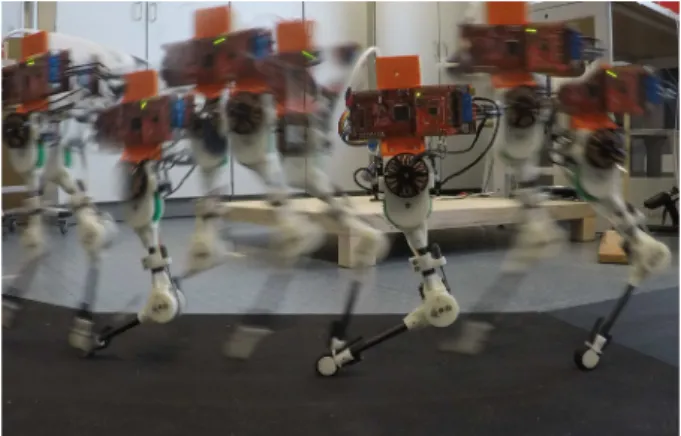
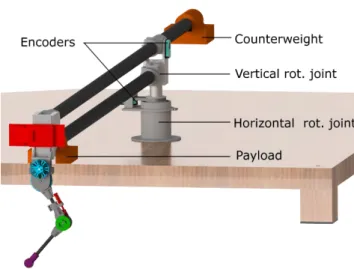
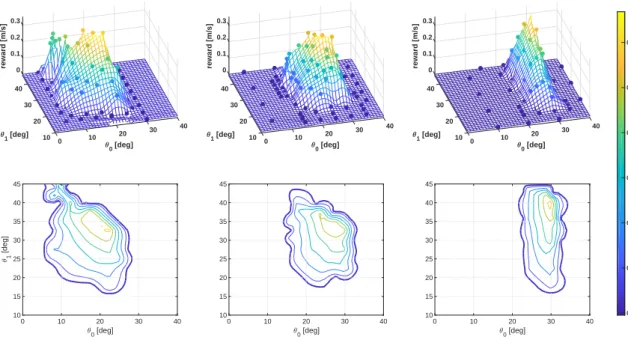
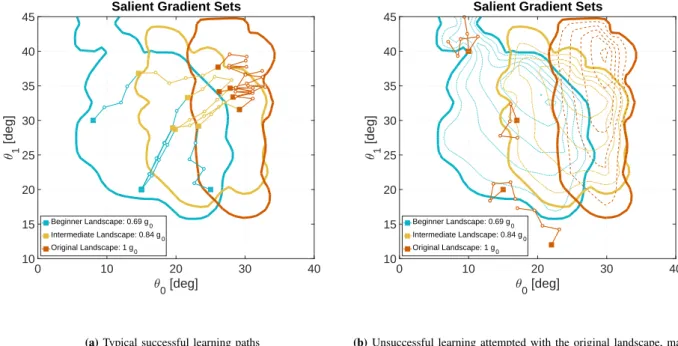
due to the necessity to explore potentially unstable parameters. We explore the concept of shaping the reward landscape withtraining wheels; temporary mod-ifications of the physical hardware that facilitate learning. We demonstrate the concept with a robot leg mounted on a boom learning to hop fast. This proof of concept embodies typical challenges such as instability and contact, while being simple enough to empirically map out and visualize the reward landscape. Based on our results we propose three criteria for designing effective training wheels for learning in robotics.
Commentary:
One of the most important take-aways from this empirical study is that failures are common and typically provide very little useful information to learn from. When considering safety in robot learning, the usual motivations are avoiding damage (to the robot or the world) and time-consuming resets and repairs. Here we see, however, that it is also important in order to learn more reliably.
Venue:
The IEEE International Conference for Robotics and Automation (ICRA) is the largest and one of the most important conferences in robotics, alongside the In-ternational Conference on Intelligent Robots and Systems (IROS). Publications in these venues often have a high impact, and they are considered a top publication venue for the field of robotics. However, the variance on the quality of publica-tions is also high, presumably due to the high variance in reviewing quality. Individual Contributions:
I helped form the initial idea of demonstrating shaping with a mechanical change (training wheels), helped decide how to implement it, wrote the code for the lo-comotion controller, the learning algorithm, and code to process, analyze, and visualize the data. I conducted a large portion of experiments and wrote the pa-per, except for an excerpt describing the hardware. I took part in regular team meetings, and helped plan and adjust milestones throughout the project.
Concept Implementation Analysis Submission Management
S.H. Central Central Central Central Major
F.R. Substantial Central Substantial Major Major
A.S. Substantial Central Substantial Substantial Major
A.S. (PI) Substantial Minor Minor Substantial Major
3.2.2
Beyond basins of attraction
Abstract:
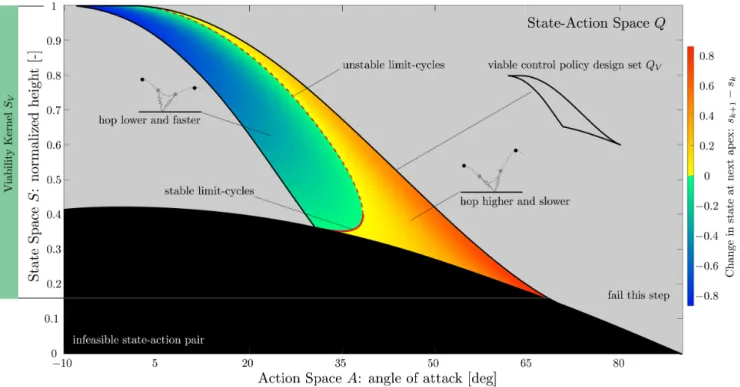
Properly designing a system to exhibit favorable natural dynamics can greatly simplify designing or learning the control policy. However, it is still unclear what constitutes favorable natural dynamics and how to quantify its effect. Most stud-ies of simple walking and running models have focused on the basins of attraction of passive limit-cycles and the notion of self-stability. We instead emphasize the importance of stepping beyond basins of attraction. We show an approach based on viability theory to quantify robust sets in state-action space. These sets are valid for the family of all robust control policies, which allows us to quantify the robustness inherent to the natural dynamics before designing the control policy or specifying a control objective. We illustrate our formulation using spring-mass models, simple low dimensional models of running systems. We then show an example application by optimizing robustness of a simulated planar monoped, us-ing a gradient-free optimization scheme. Both case studies result in a nonlinear effective stiffness providing more robustness.
Commentary:
To the best of my knowledge, this is the first rigorous formalization of how mor-phology or mechanical design influences robustness. The formalization of viable sets in state-action space allows quantified comparisons of different designs in terms of robustness, without making assumptions on the control policy design. Furthermore, focusing on robustness in terms of avoiding failure instead of con-vergence is a subtle yet important change in how we reason about locomotion. Although the fundamental mathematical objects are defined in this paper, there is
3.2. PAPERS AND CONTRIBUTIONS 25
a lot of room for future work in applying these objects in different contexts and for specific systems. Another open topic is computational tools to apply this in practice.
Venue:
Transactions on Robotics is the flagship journal of the IEEE Robotics and Au-tomation Society. It is widely considered one of the top journals in robotics, either on par or a close second to the International Journal on Robotics Research (IJRR). Individual Contributions:
I formed the concepts, developed them via numerical experimentation, and for-malized these concepts mathematically. I refined the direction based on feedback to preliminary numerical results at conferences such as ’Dynamic Walking’ and ’Adaptive Motion in Animals and Machines’. I devised the algorithms, wrote all code for simulation, numerical computation, and visualization. I wrote the pa-per, and responses to reviewers, and managed my time and goals on this project, including splitting off the side result to a separate publication (publication 4).
Concept Implementation Analysis Submission Management
S.H. Central Central Central Central Central
A.S. (PI) Minor Minor Minor Substantial Substantial
3.2.3
A learnable safety measure
Abstract:
Failures are challenging for learning to control physical systems since they risk damage, time-consuming resets, and often provide little gradient information. Adding safety constraints to exploration typically requires a lot of prior knowl-edge and domain expertise. We present a safety measure which implicitly cap-tures how the system dynamics relate to a set of failure states. Not only can this measure be used as a safety function, but also to directly compute the set of safe state-action pairs. Further, we show a model-free approach to learn this measure by active sampling using Gaussian processes. While safety can only be guaran-teed after learning the safety measure, we show that failures can already be greatly
reduced by using the estimated measure during learning. Commentary:
This paper builds on the mathematical objects introduced inBeyond Basins of At-traction[2] by placing a measure over the viable sets in state-action space. The primary motivation of the paper is to allow learning directly on the real system, by restricting exploration to probabilistically safe regions. A side effect is that samples are restricted to ‘interesting’ regions: as pointed out in several papers in this thesis, failures are not only costly due to potential damage, but they are also typically uninformative for the learning process. By concentrating samples in the informative, non-failing set, the learning agent wastes fewer samples. Beyond the robot learning setting, this approach can be used in other contexts where large portions of the search space are uninformative by simply replacing the notion of ‘failure set’ with an appropriate state-constraint.
Venue:
The Conference on Robot Learning (CoRL) is a young conference: this publica-tion appears in its third edipublica-tion. It is loosely modeled after the Robotics Science and Systems (RSS) conference, another small, single-track conference known for its high-quality and low acceptance rate; in the third edition of CoRL, 112 papers were selected out of 398 submissions. Papers from previous editions quite con-sistently have high citation counts after only 1-2 years. This high citation count can be partly attributed to the high standards of the conference, and partly to the current popularity (and therefore high publication rate) of machine learning. Individual Contributions:
I formed the concept and developed the theoretical groundwork in a deterministic setting, including the convergence proof. I wrote the code framework for comput-ing viable sets, as well as all simulations. I recognized the possibility of extendcomput-ing this to a probabilistic setting, and reached out to Alexander von Rohr to help on this aspect. I helped work out the details of modeling the measure as a Gaussian process, and how to use this probabilistic model to gather samples. I helped debug and test the learning algorithm and tune hyperparameters. I wrote the majority of the paper, proof-read the paper, and helped make visualizations. I managed the
3.2. PAPERS AND CONTRIBUTIONS 27
milestones and overall timeline for the project and helped plan milestones for the project.
Concept Implementation Analysis Submission Management
S.H. Central Central Central Central Central
A.v.R. Substantial Central Central Major Major
S.T. (PI) Minor Minor Minor Substantial Substantial
A.B.S. (PI) Minor Minor Minor Minor Substantial
3.2.4
Learning from outside the viability kernel
Abstract:
Despite impressive results using reinforcement learning to solve complex prob-lems from scratch, in robotics this has still been largely limited to model-based learning with very informative reward functions. One of the major challenges is that the reward landscape often has large patches with no gradient, making it difficult to sample gradients effectively. We show here that the robot state-initialization can have a more important effect on the reward landscape than is generally expected. In particular, we show the counterintuitive benefit of includ-ing initializations that are unviable, in other words initializing in states that are doomed to fail.
Commentary:
I find the core result of this work interesting since it is particularly counterin-tuitive, and it gives a simple, concrete example that highlights why it is a good practice to place a lot more variation in state initializations. This aspect is very often completely ignored when designing experimental set-ups.
Venue:
The IEEE international conference on Simulation, Modeling, and Programming for Autonomous Robots (SIMPAR) is a small (27 accepted papers that year), bi-annual conference typically organized in proximity of a large robotics conference: ICRA for this year. The theme for this edition was ’Leveraging Simulation in the Hardware and Software Design of Autonomous Robots’. The overall quality of
publications appeared to me to be decent, neither particularly high nor low. Individual Contributions:
I formed and developed the concept, wrote the code and carried out experiments and analysis. I chose the venue of publication, wrote the paper, and managed work packages and milestones for the project.
Concept Implementation Analysis Submission Management
S.H. Central Central Central Central Central
Chapter 4
Discussion
For a detailed discussion specific to the results of each paper, we refer to the papers themselves. Here we will discuss the common themes, the connections between them, and what the results of this thesis mean for future work.
4.1
Designing robots that can avoid failure
As demonstrated in [1], robustness to failures is critical to learning control, and appropriate system design can greatly influence the inherent system robustness. Our work in [2] formalizes what a design should strive for: robust natural dynam-ics.
I show an example of computational design in [2]. However, it is limited to optimizing the parameters of a low-level control for a relatively simple legged system. To truly make use of these concepts for computational design (both of robot hardware and low-level controls) will require further progress in scaling the tools to compute viable sets in state-action space.
The work in [3] begins to address this: although the main contribution of the paper is to enable safe learning directly on a robot, it can also be used in simulation to learn approximations of viable sets, and scales better than the brute-force com-putation used in [2]. Nonetheless, further tools to allow comcom-putational tractability are needed to make these concepts useful for higher-dimensional systems.
ploiting structure in well-understood dynamical systems, such as the rigid-body dynamics commonly seen in robots, is a promising path. How this structure relates to the set-valued dynamics view of viability is an open question.
In parallel to developing computational tools, I also see value in the intuition gleaned from reduced order models. Indeed, armed with the knowledge that ro-bustness to noisy action spaces will make controller design easier, a robot designer can already make more deliberate design decisions, guided by this intuition.
4.2
Designing robots that can fail
The work of this thesis also emphasizes the need for robots to be designed such that occasional failures are not critical. The most important reason for this is that guaranteeing safety requires perfect models, which, of course, do not exist [5]. The computational tractability of sufficiently accurate models is, as discussed above, still a major challenge. It is then only reasonable to begin with simpler, less accurate but more tractable models, before transferring directly to the real system. To use these less accurate results in practice, we can take two approaches. One approach is to compute under-approximated viable sets, which will retain guarantees of safe operation. However, these tools also difficult to scale to higher dimensions, and often result in over-conservative approximations [106].
A different approach, which is mentioned in [3], is to use data from actual operation of the robot to refine an initial simulation-driven approximation of the viable set. This approach is contingent on robots being allowed to fail occasion-ally. In practice, this means a robot should be sturdy enough to survive a few failures, but also that a failure does not cause unacceptable damage to the user or environment. It is also useful if it is possible to reset the robot quickly and easily. Just as in curriculum learning, it may be possible to gather at least a portion of these data samples in a controlled environment: a sandbox, so to speak, where failures are tolerable.
A second reason why robots should be designed to allow failures is illustrated in [4]. The core concept is that systems often have large sets of unviable states:
4.3. LEVERAGING DYNAMICS MODELS 31
states which have not failed yet, but are doomed to fail within finite time. In this time, the learning agent can still explore and collect informative samples that are useful for the learning process — if it can survive the failure. For this to be useful, two requirements should be fulfilled: first, information relevant to the learning process should be available in unviable states. This will depend largely on the reward function. Second, a well-designed system will not fail abruptly, but rather be able to continue exploration for as long as possible, delaying the inevitable failure. Fortunately, this requirement often goes hand in hand with improving robustness, as discussed above. For example, starting with soft gains on an impedance controller will allow a robot to stumble and fall more slowly than a controller that is aggressively tuned for performance.
4.3
Leveraging dynamics models
I have focused on model-free methods, for a very deliberate reason: I believe that model-based optimal control is a fantastically powerful tool, and it is too tempting to try to reformulate any problem as an optimization problem. Many of the results on robustness developed in this thesis, although not mathematically complicated, are not evident through the lens of optimality. Taking a completely (or nearly) model-free approach forces us to deal directly with robustness, as we have no assumed structure to exploit. It has strongly motivated the development of the new, mathematically simple objects presented in [2], and the clean simplicity for safe learning in [3]. Now that the fundamental mathematical objects have been established, the time is ripe for turning to model-based tools. Leveraging this structure will be an essential key to scaling up these concepts to use models in higher dimensions.
Several computational tools are being developed to compute invariant sets in state-space. For example, sums-of-squares polynomials can be cast as semi-definite programs (SOS programming), and have been used to compute robust funnels [107] and robust regions of attraction [108]. Although these tools are typ-ically used for analyzing convergence in the Lyapunov sense, it is reasonable to
expect the same tools to work well for viable sets, which are also invariant sets. Because these tools are computationally rather demanding, they have mostly been used for analysis. However, recent developments are pushing their utility for control, for example by combining SOS programming with reachability anal-ysis in a hierarchical framework [109], or combining it with trajectory optimiza-tion [70]. Similar combinaoptimiza-tions with a view of viability in state-acoptimiza-tion space have, in my opinion, a lot of potential and offer exciting opportunities.
Directly learning a model of the dynamics while also learning a model of the safety measure is, in my opinion, one of the most promising and straightforward next steps. In particular, each of these learning processes can benefit from the other in terms of sample efficiency: on the one hand, it is desirable to focus sam-pling in viable regions when gathering samples for learning dynamics. On the other hand, a model of the dynamics can be used to bootstrap learning the safety measure. Furthermore, predictions can help active sampling by ‘checking ahead’ to compare the safety of a state-action pair with the safety of the predicted next state. How to trade-off between uncertainty of the prediction compared to the model of the safety measure is something I hope to look into soon.
Bibliography
[1] S. Heim, F. Ruppert, A. A. Sarvestani, and A. Spröwitz, “Shaping in prac-tice: Training wheels to learn fast hopping directly in hardware,” in c⃝
2018 IEEE Reprinted, with permission, from International Conference on Robotics and Automation (ICRA), pp. 5076–5081. DOI: 10 . 1109 / ICRA.2018.8460984.
[2] S. Heim and A. Spröwitz, “Beyond basins of attraction: Quantifying ro-bustness of natural dynamics,” c⃝2019 IEEE Reprinted, with permission, from Transactions on Robotics, vol. 35, no. 4, pp. 939–952,ISSN: 1941-0468.DOI:10.1109/TRO.2019.2910739.
[3] S. Heim, A. von Rohr, S. Trimpe, and A. Badri-Spröwitz, “A learnable safety measure,” inProceedings of The 3rd Conference on Robot Learn-ing, ser. Proceedings of Machine Learning Research, PMLR, 2019. [4] S. Heim and A. Spröwitz, “Learning from outside the viability kernel:
Why we should build robots that can fall with grace,” in c⃝ 2018 IEEE Reprinted, with permission, from International Conference on Simulation, Modeling, and Programming for Autonomous Robots (SIMPAR), pp. 55– 61.DOI:10.1109/SIMPAR.2018.8376271.
[5] G. E. Box, “Science and statistics,” Journal of the American Statistical Association, vol. 71, no. 356, pp. 791–799, 1976.
[6] R. Tedrake, T. W. Zhang, and H. S. Seung, “Learning to walk in 20 min-utes,” in Proceedings of the Fourteenth Yale Workshop on Adaptive and Learning Systems, Yale University New Haven, vol. 95585, 2005, pp. 1939– 1412.
[7] J. Randløv, “Shaping in reinforcement learning by changing the physics of the problem.,” inICML, 2000.
[8] J.-P. Aubin, A. M. Bayen, and P. Saint-Pierre,Viability theory: new direc-tions. Springer Science & Business Media, 2011.
[9] S. H. Strogatz,Nonlinear dynamics and chaos: with applications to physics, biology, chemistry, and engineering. CRC Press, 2018.
[10] S. Bazzi, J. Ebert, N. Hogan, and D. Sternad, “Stability and predictability in human control of complex objects,”Chaos: An Interdisciplinary Jour-nal of Nonlinear Science, vol. 28, no. 10, p. 103 103, 2018.
[11] S. Bansal, M. Chen, S. Herbert, and C. J. Tomlin, “Hamilton-jacobi reach-ability: A brief overview and recent advances,” in2017 IEEE 56th Annual Conference on Decision and Control (CDC), Dec. 2017, pp. 2242–2253. DOI:10.1109/CDC.2017.8263977.
[12] P. Zaytsev, W. Wolfslag, and A. Ruina, “The boundaries of walking stabil-ity: Viability and controllability of simple models,”IEEE Transactions on Robotics, vol. 34, no


![Figure 10: Shown are the viability kernels in the high-level space for the initial monoped (left) and after optimizing virtual compliance (right), along with the action-space for the operating point [y, ˙ x] | = [1, 1] | , shown in the image insets](https://thumb-us.123doks.com/thumbv2/123dok_us/839801.2606751/75.892.84.821.134.476/figure-viability-kernels-initial-monoped-optimizing-compliance-operating.webp)
