Utilizing Collaborative Reading Groups and Coaching as Social Skills Interventions for Students with Emotional/Behavioral Disabilities
Erik Arthur Bentsen
A dissertation submitted to the faculty at the University of North Carolina at Chapel Hill in partial fulfillment of the requirements for the degree of Doctor of Philosophy in the School of
Education.
Chapel Hill 2013
Approved by:
Jill Hamm
Karen Erickson
Laurie Ray
Julie Justice
ABSTRACT
Erik Arthur Bentsen: Utilizing Collaborative Reading Groups and Coaching as Social Skills Interventions for Students with Emotional/Behavioral Disabilities
(Under the direction of Karen Erickson)
To address the need for interventions that address social and behavioral needs for
students at risk of Emotional/Behavioral Disabilities (E/BD) in a classroom context, this
investigation evaluated the impact of coaching independent of and in combination with a reading
comprehension instructional approach called Collaborative Reading Groups (CRGs). CRGs
provide an evidence-based reading comprehension intervention that supports potential
weaknesses in reading that are characteristic of students at risk of E/BD, requires the application
of numerous positive social skills, and offers abundant models of pro-social behaviors. In order
to address the challenges of previous social skills interventions and establish the functional
generalization of desirable academic social skills, this study employed an alternating treatment
single subject design over six phases. This design was used to address nine research questions
regarding the effectiveness of the interventions in three separate categories: extinguishing
disruptive behavior, promoting replacement behavior, and generalization. In order to determine
significant change in the social behaviors, analysis of intra- and inter-phase data was conducted.
In order to determine functional generalization of the social behaviors, analysis of data was
compared against a control classroom. For all four students, the rates of their specific target
behaviors immediately dropped once the coaching intervention started and these low rates of
behavior were sustained throughout the phases of the intervention. In terms of replacement
replacement behaviors when coaching was partnered with CRGs. The replacement behaviors
never generalized to the control classroom for any of the students but there was a pattern of
decreased usage of the target behaviors between the baseline and maintenance phases that was
comparable to the classroom where the interventions were being conducted. Implications for the
application to the reading skills for students at risk of E/BD as well as the quality of interactions
ACKNOWLEDGEMENTS
First and foremost, I would like to recognize and formally thank my advisor, Dr. Karen
Erickson. Your expertise in students with high incidence disabilities and the overlapping
information about their language abilities and social experiences opened my eyes to a new way
to consider their experiences as students and as children. It helped me to see different ways to
define their strengths, understand their needs, and prepare and support their future teachers.
Furthermore, you stood by me and supported my work when the evidence suggested that you
might be making a tremendous mistake. I cannot explain why you have consistently shown faith
in me but I am eternally grateful and humbled. I hope that I can provide this kind of support for
my students in the future…and that is a very lofty goal.
I would also like to recognize the attention, support, and advice of Dr. Jill Hamm.
Despite the fact that you claimed to not have a background in my areas of interest, you helped
me craft my questions, promote my ideas, and develop my skills. Your zen-like calm during
times of chaos was inspirational and your straightforward direction as an instructor or editor was
motivational. Without your endorsement before day one, I do not have the opportunity to be
here now. I am forever in your debt.
There were times, during this process, when I felt that it was in my best interest to give
up. There were times, during this process, when I felt that the decision to give up would be
openly welcomed. I have come to learn, through this process and beyond, that there are people
that will give tremendous amounts of support with little expectation of return… people that will
everybody else that will cross your paths, Dr. Laurie Ray, Dr. Julie Justice, Dr. Penny Hatch, and
my dear friend, Dr. George Jackson, thank you for being those people.
I was very fortunate to be hosted in a wonderful classroom, in a wonderful school, in a
wonderful school system. While I cannot identify each by name, the superintendent, principal,
multiple assistant principals, and especially the language arts and science teachers, worked to
make my work a true pleasure. To all the kids in the language arts and science classes: I can’t
believe that you wrote me thank you notes…I’m the one that owes you a gigantic thank you.
You reminded me, every day, why what I was doing was important to me.
I would also like to dedicate this to the memories to Karin Synnøve Thompson, Adam
Brewster Kopely, John Douglas Dixon, Annabelle Grace Jordan, and my father, Capt. Arthur
Gordon Bentsen. I intend on using the inspiration and motivation that you provided me (whether
or not you realized it) as a means of making one small corner of the world the kind of place you
would have wanted.
Finally, I would like to recognize my wife, Kelli. This was not the path that I planned on
walking and you, more than any other person, understand how important a plan is to me. Our
family and your business have grown and yet you have either stood behind me to keep me from
falling, beside me to keep up my pace, or in front of me to be my guide. You are my foundation
TABLE OF CONTENTS
LIST OF TABLES………...xiii
LIST OF FIGURES………...………...xiv
LIST OF ABBREVIATIONS………...………..…………...xv
CHAPTER 1: INTRODUCTION………1
Characteristics of E/BD………...2
Social Skills Interventions for E/BD………3
Academic Interventions for E/BD………...4
Coaching………..6
Collaborative Reading Groups……….7
Research Questions and Methods………9
CHAPTER 2: REVIEW OF THE LITERATURE………12
Characteristics of E/BD……….13
Problems with the Federal Definition………14
Characteristics of the E/BD Experience………16
Patterns of Failure and Extant Social Skills Interventions……….18
A Theoretical Model of Academic and Social Skills……….19
Response to Intervention………22
Current Study……….22
CRGs………..24
Student Responsibilities……….28
Teacher Responsibilities………28
Shared Responsibilities………..30
CRGs Address the Needs of Students with E/BD……….30
Coaching………34
Description of Coaching………35
Recent History of Coaching………...36
Summary………37
CHAPTER 3: METHODS……….40
Research Questions………40
Participants and Setting………..41
Recruitment and Selection……….41
Participant Description………...43
Procedures………..44
Identifying Target Behaviors……….44
Coaching Intervention………44
CRGs………..46
Design………50
Intervention Phases and Data Collection………...52
Baseline………..52
Coaching………52
CRGs………..52
Maintenance………...53
Generalization Observations………..53
Data Collection………..53
Variables………54
Dependent Measures………..54
Targeted Off-task Behaviors………..55
Charlie………55
Danny……….56
Karl and Vida……….57
Replacement Behaviors……….57
Charlie………58
Danny……….58
Karl………59
Vida………59
Data Analysis……….60
CHAPTER 4: RESULTS………...61
Extinguishing Disruptive Behavior………62
Charlie: Question One………63
Charlie: Question Two………...63
Charlie: Question Three……….64
Danny: Question One……….65
Danny: Question Two………65
Karl: Question One………67
Karl: Question Two………68
Karl: Question Three………..69
Vida: Question One………69
Vida: Question Two………...69
Vida: Question Three……….71
Comparison Across Students……….71
Promoting Replacement Behavior…….………73
Charlie: Question Four………...73
Charlie: Question Five………...74
Charlie: Question Six……….75
Danny: Question Four………76
Danny: Question Five………77
Danny: Question Six………..78
Karl: Question Four………...78
Karl: Question Five………79
Karl: Question Six………..80
Vida: Question Four………...80
Vida: Question Five………...81
Vida: Question Six……….82
Comparison Across Students……….83
Generalizing Behavior………...85
Charlie: Question Eight………..86
Charlie: Question Nine………..88
Danny: Question Seven………..……89
Danny: Question Eight………..…….89
Danny: Question Nine………91
Karl: Question Seven……….92
Karl: Question Eight………..93
Karl: Question Nine………...94
Vida: Question Seven………95
Vida: Question Eight………..95
Vida: Question Nine………..97
Comparison Across Students……….98
Summary………..102
CHAPTER 5: DISCUSSION………...103
Extinguishing Target Behaviors………..104
Promoting Replacement Behaviors………..105
Independent Replacement Behaviors………...107
Generalization of Target and Replacement Behaviors………108
Connection to Model………110
Limitations………...111
Implications for Practice and Future Research………114
Practice………114
Conclusions……….119
APPENDIX A: TEACHER CONSENT FORM……….120
APPENDIX B: PARENTAL PERMISSION AND STUDENT ASSENT FORMS…………...124
APPENDIX C: STUDENT BEHAVIOR INVENTORY………131
APPENDIX D: STUDENT GROUP ROLES……….133
APPENDIX E: PROFESSIONAL DEVELOPMENT LESSON PLANS………..134
LIST OF TABLES
Table 3.1 - Student Target and Replacement Behaviors...…..………...45
LIST OF FIGURES
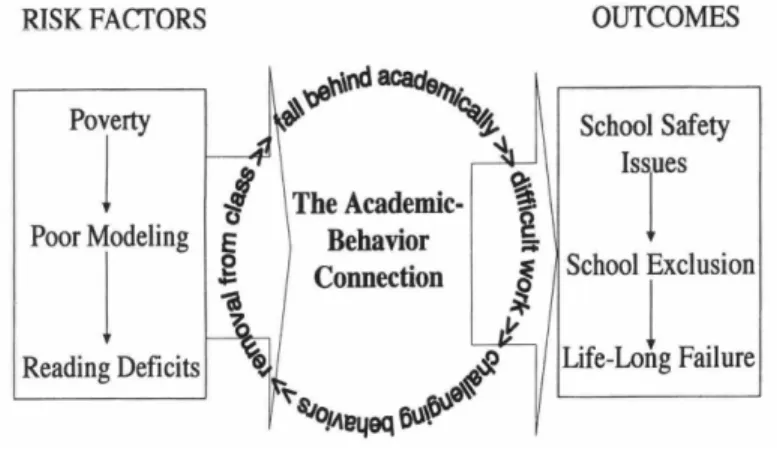
Figure 2.1 - The Academic-Behavior Connection Model………..………...20
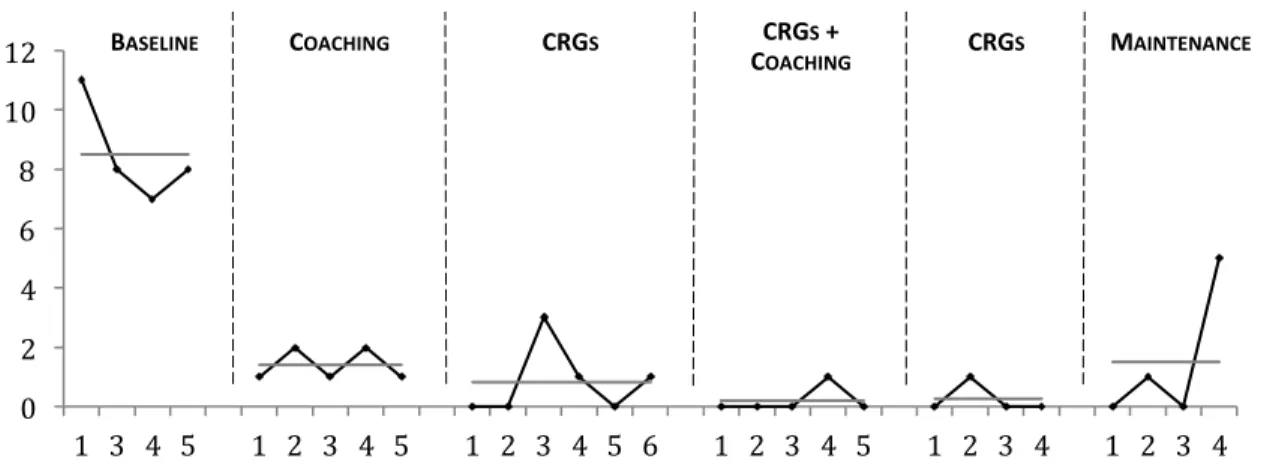
Figure 4.1 - Extinguishing Target Behavior Across Phases, Charlie….………...63
Figure 4.2 - Extinguishing Target Behavior Across Phases, Danny………...………...66
Figure 4.3 - Extinguishing Target Behavior Across Phases, Karl………..………...68
Figure 4.4 - Extinguishing Target Behavior Across Phases, Vida……….………...70
Figure 4.5 - Extinguishing Target Behavior Across Phases………...………...72
Figure 4.6 - Promoting Replacement Behavior Across Phases, Charlie……….………...74
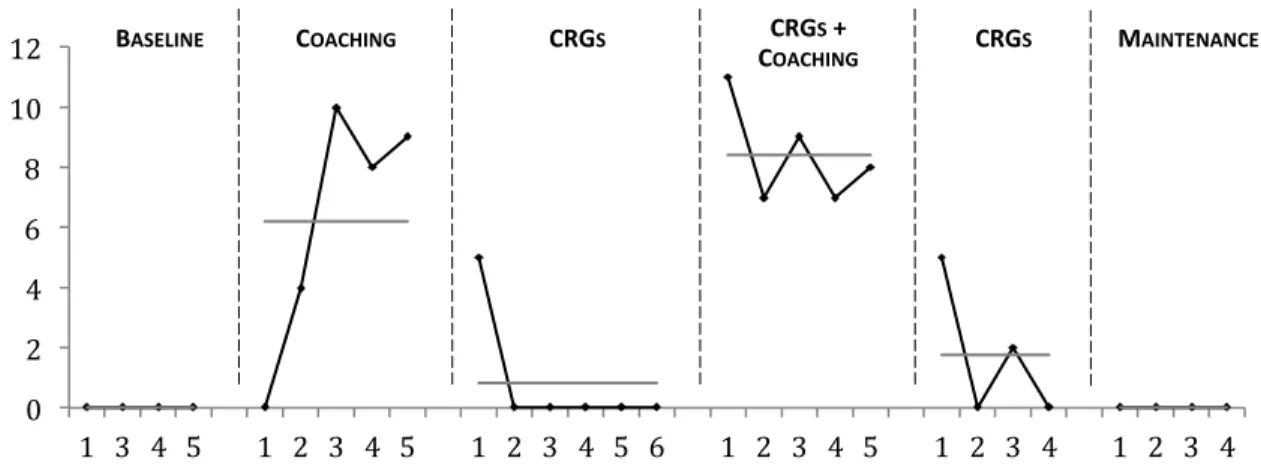
Figure 4.7 - Promoting Replacement Behavior Across Phases, Danny……..………...76
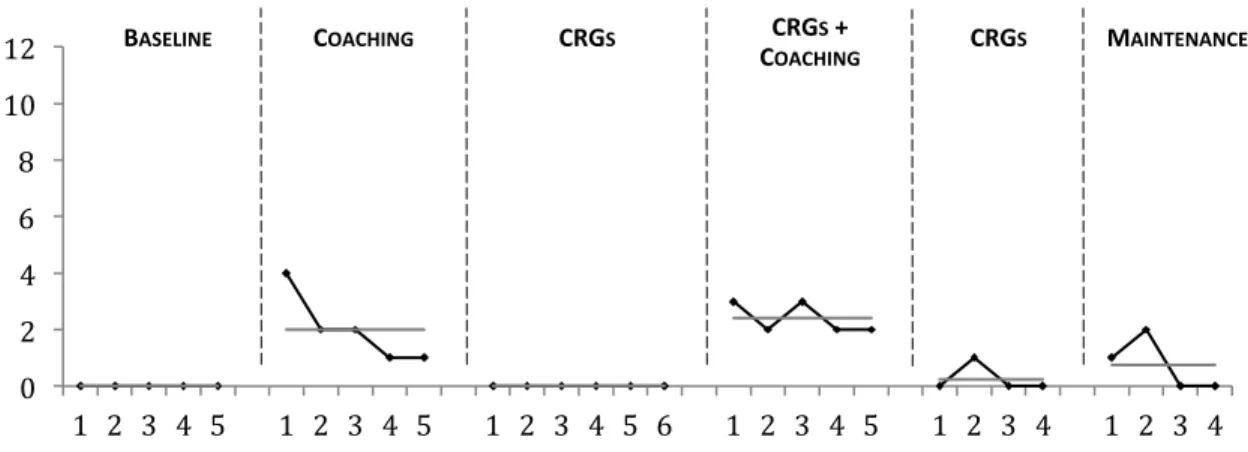
Figure 4.8 - Promoting Replacement Behavior Across Phases, Karl……….………...79
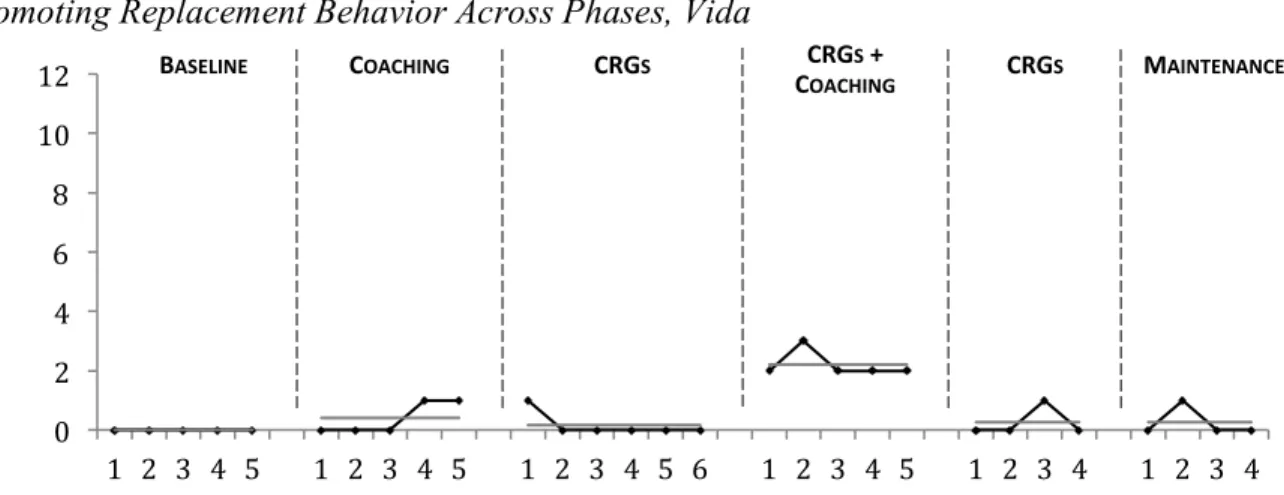
Figure 4.9 - Promoting Replacement Behavior Across Phases, Vida……….…...81
Figure 4.10 - Promoting Replacement Behavior Across Phases………...84
Figure 4.11 - Generalization of Behavior Across Phases, Charlie………….………...87
Figure 4.12 - Generalization of Behavior Across Phases, Danny…...………...91
Figure 4.13 - Generalization of Behavior Across Phases, Karl………..………...93
Figure 4.14 - Generalization of Behavior Across Phases, Vida……….…...96
Figure 4.15 - Generalized Extinction of Target Behavior Across Phases………...100
LIST OF ABBREVIATIONS
A-BC Academic-Behavior Connection
CRG Collaborative Reading Group
E/BD Emotional/Behavioral Disability
PND Percentage of Non-overlapping Data
CHAPTER 1
Introduction
Students identified or considered at-risk for Emotional/Behavioral Disabilities (E/BD)
face considerable difficulties throughout their school careers. They are neither identified nor
receive special educational services early in their scholastic careers (Hester, Baltodano, Gable,
Tonelson, & Hendrickson, 2003). They demonstrate a pattern of school failure, have an
exceptionally high dropout rate, and have poor post-academic outcomes (Chan, Kato, Davenport,
& Guven, 2003; Lane, Carter, Pierson, & Glaeser, 2006). While the challenges that students
identified or considered at-risk for E/BD experience in their classrooms are complex, the
treatment that they receive typically attends only to the disruptive behavior that they demonstrate
and rarely does so in the contexts in which the behaviors need to improve. Without new
approaches to intervention that address the social and behavioral needs of these students in the
academic contexts where the behaviors interfere with school success, their unsuccessful
scholastic careers will continue to have a negative impact across their life.
To address the need for interventions that address social and behavioral needs in context,
this investigation is designed to evaluate the impact of coaching independent of and in
combination with a reading comprehension instructional approach called Collaborative Reading
Groups (CRGs). The instructional approach employs structured, small-groups; therefore, it
provides an opportunity for students to apply social and behavioral skills that are critical to
active and appropriate participation in a classroom while developing the reading comprehension
Characteristics of Emotional/Behavioral Disabilities
For any intervention to meet the needs of students with or at-risk for E/BD, it is critical to
first understand the disabling conditions that these students experience. In federal legislation,
E/BD is operationally defined as “…a condition exhibiting:
(A) An inability to learn that cannot be explained by intellectual, sensory, or health
factors.
(B) An inability to build or maintain satisfactory interpersonal relationships with peers
and teachers.
(C) Inappropriate types of behavior or feelings under normal circumstances.
(D) A general pervasive mood of unhappiness or depression.
(E) A tendency to develop physical symptoms or fears associated with personal or school
problems
over a long period of time and to a marked degree that adversely affects a child's educational
performance” (Individuals with Disabilities Education Act [IDEA], 2004; §300.8).
While this describes the characteristics of E/BD, it does little to illuminate how these
problems manifest. Students identified or considered at-risk of E/BD are typically identified due
to externalizing behavior, such as poor social skills, which interrupt instruction and disrupt the
learning of the rest of the class. Unfortunately, interventions intended to address these
interruptions and disruptions rarely result in generalized or maintained changes in the behaviors
(Audet & Tankersley, 1999; Gresham, 2002; Lewis, Hudson, Richter, & Johnson, 2004; Maag,
need (Audet & Tankersley, 1999; Bos, Coleman, & Vaughn, 2002; Lane, 2004; Oakes, Mathur,
& Lane, 2010).
Social Skills Interventions for E/BD
Research and teacher preparation focused on students with E/BD centers almost entirely
on the students’ disruptive behaviors. This is understandable given that these “disruptive”
behaviors impact the learning of all students and have deleterious effects on other factors related
to academic achievement, such as teacher-student interactions (Chin, 2006; Edwards-Groves,
2001; Sutherland, Wehby, & Gunter, 2000). The critical need for evidence-based practices that
address behavioral problems and social skills deficits also explains the unitary focus. However,
social skill interventions often fail to result in sustained, meaningful change when they focus
broadly on disruptive behaviors and do not address both the classroom setting and the individual
student’s needs (Gresham, 2002). In fact, when critical skills are addressed in settings other then
the classrooms where the deficits manifest, they fail to bring about positive and anticipated
change (Audet & Tankersley, 1999; Fenty, Miller, & Lampi, 2008; Kavale & Forness, 1996;
Gresham, 2002; Lewis et al., 2004; Maag, 2006).
The effectiveness of targeted social skills interventions in the literature is partially limited
by the fact that they focus on behavior in isolation rather than in context (Gresham, 1998). The
effectiveness of the interventions is also influenced by the fact that necessary social skills
broaden and diversify as students progress through the grades. Students often go unidentified in
the primary grades when the demands are minimal, but there is an increase in identification in
upper elementary school as the demands intensify (Bos et al., 2002; Kauffman & Landrum,
services, students have already demonstrated a persistent pattern of behavioral problems and
school failure (Gresham, 2002; Kauffman & Landrum, 2006, 2013; Wehby, Lane, & Falk, 2005).
A delay in treatment is only one of the reasons that social skills interventions have an
overwhelming tendency to fail. Many interventions fail because they do not address the needs
specific to the individual student. Social skills deficits are generally classified as either
acquisition or performance deficits. Each type requires a different coordinated treatment
approach. Social skills acquisition deficits exist when a student has not developed the
appropriate social skills; effective interventions for acquisition deficits must teach the necessary
skills directly. On the other hand, performance deficits exist when a student has developed the
appropriate skills but does not correctly or consistently use them. Effective interventions for
performance deficits must center on using established skills (Gresham, 1998). Inattention to
deficit type or incompatibility between intervention and deficit type limits the ability of an
intervention to bring about desirable change (Gresham, 2002).
To ensure that social skills interventions are effective, it is critical that the intervention:
(a) meets the student’s needs, specifically and individually; (b) is conducted in a setting where
the student will be expected to demonstrate mastery of the skills; and (c) is appropriate to either
acquisition or performance skills deficits. This means that interventions intended to address the
social skills of students with E/BD must address those skills within the academic and classroom
contexts where they are required and be flexible enough to accommodate the myriad needs these
students present.
Academic Interventions for E/BD
There is scant research specifically addressing academic interventions for students with
these students and has only recently begun to address academic needs (Lane, 2004). This
de-emphasis on academics fails to address the comprehensive needs and academic responsibilities
of students with or at-risk for E/BD. While it is certainly axiomatic that teachers of these
students should be well trained in meeting their social and behavioral needs, this can’t happen to
the exclusion of academics. Unfortunately, pre-service training for teachers of students with or
at-risk for E/BD takes a hierarchical approach with behavioral and social skills interventions
given dramatic prevalence over academic interventions. Following this approach, a best-case
scenario is one in which behavioral and social skills improve, but students continue to fall further
behind their peers as academic problems worsen in the absence of direct intervention (Lane,
2004).
The research that addresses the academic needs of students with or at-risk of E/BD
suggests that the academic needs of these students are frequently determined through anecdotal
information rather than formalized assessment or data collected in a systematic manner
(Gresham, MacMillan, & Bocian, 1998). This occurs despite the fact that academic assessment
and data collection approaches are well understood (Lane, 2004). This is just one of several
limitations in the current research that has started to address reading, writing, and mathematics
for students with or at-risk of E/BD. For example, the research overwhelmingly attends to the
academic performance of the elementary school population and fails attend to the social validity
of the study or outcomes (Lane, 2004). In essence, the journey of understanding the academic
needs of these students is just beginning.
Beyond the obvious educational shortcomings that result from this limited research,
inattention to academics also creates roadblocks for research in social skills interventions. For
at-risk for E/BD, and directed toward functional generalization of any skills, they must be
conducted in the environments where the skills are required (Gresham, 2002). Without attention
to the academic needs of students with or at-risk for E/BD, social skills interventions are
somewhat doomed to fail because students’ strengths and needs cannot accurately be
individualized and generalization cannot be achieved (Gresham, 2002; Kavale, Mathur, &
Mostert, 2004).
Coaching
For an intervention to be effective, then, it is important that it addresses both the social
skills and academic needs of students with or at-risk of E/BD. Coaching is an approach that has
the potential to meet this demand. Coaching is a non-invasive but targeted intervention that
requires its participants to demonstrate acquired skills in a classroom context. Additionally, its
simplicity makes it easy to implement without disrupting instruction or interfering with the other
responsibilities of the teacher.
Coaching helps students acquire and apply basic classroom social skills. Gresham and
Nagle (1980) outlined the essential elements of coaching. These include: (1) describing and
presenting the need to a student, (2) modeling the desired behavior, (3) providing an opportunity
for the student to perform the skill in the classroom, and (4) providing feedback on how well the
skill was performed, including suggestions on when and how to perform the skills that were
coached. Campbell (2003) elaborated on the process of describing and presenting the skill in a
specific context. She suggested that coaching is more effective when delivered in the situation
where the behavior is required. This provides the student with critical details about what a
particular teacher or group of classmates expect to see and allows the student, with the guidance
affords the student an opportunity to demonstrate that they have acquired the targeted social skill
but may have not understood how to perform it. In this way, acquisition deficits can be directly
addressed and performance deficits can be ameliorated.
With few exceptions, most of what is understood about the processes and effectiveness of
coaching for the acquisition and performance of social skills is almost 30 years old. This is not
to say that the information is obsolete. Instead, the attention to coaching has either been
incorporated in to larger social skills curriculums (Cartledge & Milburn, 1986; Combs & Slaby,
1978; Gresham, 1981) or has been utilized to address colleague-based teacher support (e.g.,
Onchwari & Keengwe, 2008; Shidler, 2009; Veenman, Denessen, Gerrits, & Kenter, 2001) or
athletics. Regardless of their use, the elements of coaching are matched well with both
acquisition and performance social skills deficits. Coaching could be utilized in academic
contexts where students with or at-risk for E/BD need to experience change while supporting
functional generalization (Gresham, 2002).
Collaborative Reading Groups
Collaborative reading groups (CRGs) provide a targeted intervention that is directly
associated with the complex needs of students with or at-risk for E/BD. CRGs promote reading
comprehension through first applying students’ individual background knowledge and
experience and then using these to target critical comprehension skills as the students read for
meaning (Kostewicz & Kubina, 2008; Lewis et al., 2004). More importantly, CRGs provide a
context within which students are required to engage in positive social interactions as a part of
learning. By design, CRGs directly and effectively address critical reading comprehension skills
CRGs can address the academic and behavioral needs of students with and at-risk for E/BD by
providing reading comprehension instruction in a structured, peer-mediated context.
CRGs are peer-centered discussion groups of approximately five students. The prescribed
small-group setting, which includes specified roles for the students to fulfill when reading and
interacting, provides a context for social skills training through meaningful cooperation and
collaboration. Through positive peer modeling of cooperation and collaboration, students’
challenging behavior can be addressed. Additionally, CRGs include targeted, evidence-based
reading comprehension techniques, such as purposeful reading and conversation, which
strengthen students’ comprehension skills making work less difficult over time. In this way,
CRGs are uniquely aligned with the reciprocal academic and behavioral needs of students with
or at risk of E/BD (Audet & Tankersley, 1999; Baker, Clark, Maier, & Viger, 2008; Kauffman &
Landrum, 2013; Lane, 2004; Lee, Sugai, & Horner, 1999; Oakes et al., 2010; Scott, Nelson, &
Liaupsin, 2001; Wehby et al., 2005; Williams & McGee, 1996).
CRGs have the potential to promote pro-social behaviors because they provide a context
for teaching or supporting the use of pertinent social skills (Daniels, 2002a; Gresham, 2002) and
promote positive peer-to-peer interaction by specifically addressing the social and behavioral
norms of group participation (Audet & Tankersley, 1999). CRGs also break difficult work in to
less-challenging and manageable parts. Reading comprehension requires a complex series of
skills and that can be especially challenging for students with or at-risk of E/BD, and aversive
behaviors often occur when work is too difficult for a student (Scott et al., 2001). CRGs make
reading comprehension more manageable by clearly defining focused student roles and
emphasizing conversation over independent application of skills. Therefore, CRGs have the
down a complex task in to more manageable subtasks has been shown to be an effective
instructional tool for students with or at-risk for E/BD since it promotes active academic
engagement by introducing non-aversive stimuli (Lee et al., 1999). In these ways, CRGs negate
a common risk factor and directly address and potentially break the cycle of failure so often
observed in students with or at-risk for E/BD.
CRGs rely heavily upon evidence-based cooperative learning strategies that promote
behavioral progress (Johnson & Johnson, 1999). CRGs require that students have face-to-face
interactions, actively process their own and the group’s achievements, and work together to
promote positive interdependence and individual accountability. The process of establishing the
group roles and having each member of the group make a unique contribution to the
understanding of a text further underscores positive interdependence and individual
accountability. In addition, the process of establishing and evaluating goals via group
assessment provides students with the opportunity for group processing of achievement (Johnson
& Johnson, 1999). In classrooms that included both special education and general education
students, these practices promote more active inclusion by increasing positive peer interactions
(Sutherland et al., 2000).
Research Question and Methodology
In order to address the roadblocks and shortcomings of previous social skills
interventions and establish the functional generalization of desirable academic social skills, this
intervention addressed students’ specific social skills deficits in their natural learning
environments, in a manner that was sustainable by teachers. This study employed an alternating
treatment single subject design to address research questions in three different areas:
Question One. Is coaching associated with a decrease in the frequency of targeted
problem behaviors?
Question Two. Are CRGs associated with a decrease in the frequency of targeted
problem behaviors?
Question Three. Is coaching combined with CRGs associated with a decrease in
the frequency of targeted problem behaviors?
Promoting replacement behavior
Question Four. Is coaching associated with an increase in the frequency of desired
academic social skills?
Question Five. Are CRGs associated with an increase in the frequency of desired
academic social skills?
Question Six. Is coaching combined with CRGs associated with an increase in the
frequency of desired academic social skills?
Generalization
Question Seven. Do students generalize social skills to a non-target academic
setting when receiving coaching?
Question Eight. Do students generalize social skills to a non-target academic
setting when participating in CRGs?
Question Nine. Do students generalize social skills to a non-target academic
setting as associated with an increase in the frequency of coaching combined with
CRGs?
Coaching is a social skills intervention that is designed to meet the needs of students with
social skills performance deficits that are significant enough to constitute a pattern that impacts
their ability to learn or participate in a typical classroom (Gresham, 1981, 2002). CRGs provide
an evidence-based reading comprehension intervention that requires the application of numerous
positive social skills, offers abundant models of pro-social behaviors, and supports potential
weaknesses in reading. The combination of coaching and CRGs address the deficits in the
current research literature regarding students with or at-risk for E/BD. Therefore, each was
studied independently and in combination as a means of reducing negative target behaviors and
CHAPTER2
Review of the Literature
Students identified or considered at-risk for the label of Emotionally/Behaviorally
Disabled (E/BD) have very poor post-academic outcomes (Baker at al, 2008; Chan et al., 2003;
Lane, 2004; Lane et al., 2002; Lane et al., 2006; Rivera et al., 2006; Taylor, 2001). They are
more likely than their peers without disabilities to live in poverty, receive lower wages, have
higher unemployment, job- turnover, and incarceration rates (Forness & Kavale, 2001; Forness
& Knitzer, 1992; Gresham, 2005; Kauffman & Landrum, 2006; Mostert & Crockett, 2000; Osher
et al., 2007; Shepherd, 2010; Whelan, 1996; Wood, 2001). Special education standards and
services provide a means of describing and delineating the challenges these students experience,
but there is little evidence to suggest that much is being done to address the underlying problems;
attention is given to the diagnosis while the prognosis seemingly gets little attention (Lane, 2004;
Rivera, Al-Otaiba, & Koorland, 2006).
A negative prognosis is easily understood when considering the school performance of
students with E/BD. Students with E/BD do not make the academic progress that their peers
with and without disabilities make. As they progress from year to year, they develop more
comorbid academic deficits than their peers with other high incidence disabilities (Lane, 2004),
fail more classes (Lane, 2004; Lane, O’Shaughnessy, Lambros, & Beebe-Frankenberger, 2001),
are served in more restrictive educational settings (Kauffman & Landrum, 2013; Rivera et al.,
While it might seem obvious that poor school performance is a precursor to poor post-
schooling outcomes for any student, the connection only tells part of the story for students with
E/BD. This relationship is complicated by the social skills difficulties that also impact school
performance for students with E/BD. The interplay of social and academic problems that
students with E/BD experience is complex (Lane, 2004; Oakes, Mathur, & Lane, 2010) and
reciprocal (Wehby et al., 2005). Yet, efforts to ameliorate these complex problems have focused
exclusively on the social deficits rather than academic needs, despite what is understood about
the educational prognosis of students with E/BD (Lane, 2004; Rivera et al., 2006).
Characteristics of E/BD
To address the devastating needs of students with EB/D, Bower (1982) initially
developed a definition of E/BD for students in the California school systems in the late 1950s
and early 1960s. Bower set out to describe the global difficulties of a group of students who
demonstrated no cognitive or learning disabilities but demonstrated behavioral problems in the
classroom and school context. He developed an operational definition in which he described the
behavioral problems that these students experienced as indicative of underlying emotional
problems. Bower defined these students using the term Emotional Handicap as:
(a) an inability to learn that cannot be explained by intellectual, sensory, or health
factors; (b) an inability to build or maintain satisfactory interpersonal relationships with
peers and teachers; (c) inappropriate types of behavior or feelings under normal
circumstances; (d) a general pervasive mood of unhappiness or depression; and (e) a
tendency to develop physical symptoms or fears associated with personal or school
Bower’s definition was taken virtually verbatim in federal legislation in 1975 (PL 94-142, 1975)
and has remained essentially unchanged ever since.
Problems with the federal definition. While the federal definition provided a
foundation for E/BD to be understood by researchers and practitioners, it did not effectively
resolve all the issues that it was designed to address. Professionals have problems differentiating
E/BD from other extant disorders, which often results in issues of late identification (Kauffman
& Landrum, 2013; Shepherd, 2010) and academic interventions that do not match their assessed
and described needs (Kauffman & Landrum, 2013). Service for students with E/BD was and has
remained ineffective. Even with what is understood about the benefits of effective instruction,
service for students with E/BD still continues to emphasize behavioral remediation over
academic instruction almost unilaterally (Lane, 2004).
The most glaring problem with the definition of E/BD is that a poor understanding of
student needs has not been ameliorated. Redundancies and contradictions between its qualifiers
made E/BD as difficult to understand in the education community as before it was codified
(Forness & Knitzer, 1992; Kauffman & Landrum, 2013). The federal definition also includes
limiting criteria of severity, duration, and impact on school performance for each of the
qualifiers. For E/BD determination, all three limiting criteria need to be evident. These criteria
often impede identification of students in the early elementary school years when problems are
evident but not yet severe enough to initiate a special education referral. Forness and Kavale
(2001) and Kauffman (1999) indicate that before behaviors intensify, primary and secondary
prevention techniques should be implemented for students at risk for E/BD. Primary
intervention methods include those that are universally applied to all students (such as data-based
disorders from developing. Secondary prevention, on the other hand, is designed to address
emerging problems before they become a symptomatic pattern. Unfortunately, the typical
pattern is to allow problems to become pervasive, interconnected, and require tertiary prevention
measures, such as intensive and often exclusionary interventions before a child is identified as
E/BD and provided with special education services.
The incomplete nature of the federal definition also contributes to a misunderstanding of
the strengths and needs of students with E/BD. This is especially true for general education
teachers who are responsible for the earliest interventions and work directly with these students
in inclusive classrooms (Forness & Knitzer, 1992; Kauffman & Landrum, 2006, 2013). The
vagueness of the federal definition’s qualifiers allows for the behavioral and academic problems
in question to continue unabated (Forness & Kavale, 2001; Kauffman, 1999). As these problems
become more intense, the typical response is to provide educational and support services in a
more restrictive setting for the purported benefit of the students in need and their peers. This
setting not only isolates these students from their peers but also isolates them from the teachers
who have mastery of the curriculum (Gresham, 2005). Additionally, this removal decreases
social opportunities and promotes the educational problems characteristic of students with E/BD.
While the importance of academic instruction as prevention and intervention for the success of
any student is understood (Forness & Kavale, 2001; Kauffman & Landrum, 2013), the current
system leads to an imbalance between academic and therapeutic services that often has
disastrous, long-term results (Gresham, 2005; Kauffman & Landrum, 2006).
Delayed prevention and intervention is only one way that exclusion is evident as a
persistent, historical problem with the current definition of E/BD. When teachers are reluctant or
isolates the students (Forness & Kavale, 2001; Kauffman, 1999). Essentially, the results of a
definitional lack of clarity have contributed to a pattern of exclusion and limited success in
addressing student needs.
More problematic is the fact that students with or at risk for E/BD are typically not
identified early and therefore do not receive individualized services until they have demonstrated
a complex pattern of behavioral problems and school failure (Gresham, 2002; Kauffman &
Landrum, 2006, 2013). This is particularly frustrating given that the academic difficulties, social
skills deficits, and behavior problems that become impossible to disentangle are frequently
evident early in a student’s life (Bos, Coleman, & Vaughn, 2002; Gresham, 2002; Williams &
McGee, 1996). The longer these students remain unidentified, the more complex their problems
become as difficulties build upon one another and students become more resistant to intervention
(Bos et al., 2002; Lane et al., 2002; Oakes et al., 2010). By the time many of these students are
identified, predominantly between third and fifth grades (Kauffman & Landrum, 2013; Wehby et
al., 2005), their school experience already has been harrowing for them and their teachers.
Characteristics of the E/BD Experience
In order to address the multifaceted needs of students with E/BD in a comprehensive
manner, many aspects of their academic careers need to be addressed. Unfortunately many
teachers who are responsible for helping these students are not prepared to build their strengths
or meet their needs appropriately (Cook, Landrum, Tankersley, & Kauffman, 2003). While these
students would benefit from interventions that address both academic and social skills
commensurate with their strengths and needs, they frequently receive behavioral interventions in
The difficulty in addressing both academic and social skills is that, while a reciprocal
relationship between the two areas has been established, causal directionality has not. Social
skills interventions fail to bring about generalized or maintained change for a student in the
classroom (Audet & Tankersley, 1999; Gresham, 2002; Lewis et al., 2004; Maag, 2006), and
academic interventions are few in number (Cook et al., 2003; Lane et al., 2001; Osher et al,
2007). Therefore, increased access to instruction is not realized. It is little wonder that de facto
characteristics of students with E/BD include higher rates of school failure when compared with
students in other disability groups (Lane, 2004; Lane et al., 2001).
To reverse this trend of school failure, the academic needs of student with E/BD must be
addressed in concert with behavioral interventions (Kauffman & Landrum, 2013; Wehby et al.,
2005). Unfortunately, teachers are not prepared to provide the academic instruction and
balanced behavior intervention that students with E/BD require (Cullinan, 2007; Kauffman &
Landrum, 2006, 2013; Lane et al., 2002). As a common example, the work that these unprepared
teachers frequently assign their students with E/BD is either too easy or too challenging. Both of
these lead to aversive behaviors (Lane, 2004; Lewis et al., 2004), but most frequently the
aversive behaviors result in response to work that is too challenging. This is understandable,
considering how little attention is paid to the academic needs of these students. These ineffective
teaching practices serve to highlight not only the behavioral and academic needs of students with
E/BD but also the additional challenges that are encountered by well- intentioned researchers and
teachers, who focus on only one facet of their complex problems.
The primary example of this challenge is that most interventions for students with E/BD
are directed toward their disruptive behavior, not their academic performance (Lane et al., 2001;
initiatives promoted evidence-based academic interventions, there were very few academic
interventions directed toward students with E/BD (Kauffman & Landrum, 2013; Kostewicz &
Kubina, 2008). A common explanation that is given for the imbalance between academic and
behavioral interventions is that academic problems are simply the result of the interrupted
instruction that occurred as a consequence of disruptive behaviors. The reasoning follows that if
the disruptive behaviors were adequately addressed, then the academic problems would be
resolved as the product of access to instruction. After all, the description of E/BD rules out
intellectual factors when identifying academic problems (Kostewicz & Kubina, 2008; Lane et al.,
2001; Wills et al., 2010).
Pattern of Failure with Extant Social Skills Interventions
Providing social skills intervention in separate environments is one key reason why social
skills interventions neither generalize nor lead to improved academic outcomes. Furthermore,
providing social skills intervention in separate settings is problematic for students with
performance deficits because it does not allow them opportunities to utilize their abilities to
assess a social situation and apply skills appropriately. In the absence of functional application,
target behaviors are minimally or only temporarily modified and the long-term consequences
remain unchanged. Gresham (2002) describes this as a problem of discrimination, wherein the
student responds to the intervention in the intervention setting but does not generalize the skills
to the classroom. Combining social skills interventions in the context of academic instruction
provides a potential solution to this problem.
Social skills interventions also fail to sustain meaningful change when they are based on
broad behaviors that are widely understood as being beneficial for successful social interaction
problematic and counterintuitive, since effective intervention and, indeed, teaching is based on
assessment of individual needs and abilities (Gresham, 2002). Teaching social skills in the
context of an evidence-based academic intervention has the potential to focus and maximize the
effectiveness of the intervention and desired behaviors in such a way that students are more
successful in learning and applying the new behaviors within daily routines.
Finally, integrating academic and social skills interventions has the potential to address
the fact that social skills interventions are frequently introduced as additional components to
classrooms. This is problematic on a variety of levels. First, people outside of the typical
teacher-students classroom dynamic conduct interventions and the intervention, even when it
produces meaningful change, is cut short when the outside “interventionist” leaves. Essentially,
any positive effects of the intervention leave with the person who conducted the intervention
(Gresham, 2002). Furthermore, the introduction of the intervention and the person conducting
the intervention infringes on valuable instruction time, leaving the teacher less likely to sustain
the intervention or, at least, quickly abandon it when it competes for time with professional
responsibilities, regardless of how successful it might have been (Horner et al., 2005).
Incorporating social skills interventions into evidence-based academic interventions teachers
already use eliminates this set of potential problems.
A Theoretical Model of Academic and Social Skills
This relationship between academic and social skills needs for students with E/BD, is
illustrated and explained by the Academic-Behavior Connection (A-BC: Scott et al., 2001)
model (see Figure 2.1). This model provides a framework that captures the challenges that a
student with E/BD experiences in terms of both academic and social skills difficulties. It also
Figure 2.1. The Academic-Behavior Connection Model (Scott, Nelson, & Liaupsin, 2001)
Scott, Nelson, and Liaupsin (2001) developed this model in order to address patterns of
school violence and a pattern of school failure that resulted in significant post-schooling
difficulties. Their idea was to identify the elements that preceded and were causal for these
events. They assert that school violence had to be addressed at all levels and not just as a result
of the most extreme events. They determined that external responses were ineffective at curbing
school violence and the precursors to school violence. On the other hand, they found that
effective and direct instruction, providing students with the opportunity to participate
consistently in the teaching and learning process, was very effective in preventing this violence.
The problem was that the pattern of problematic behavior that could escalate to violence also
brought about aversive relationships with teachers. This then resulted in less instructional time,
due to disciplinary measures, and reduced expectations.
The model they developed to address school violence regarded academic difficulties and
disruptive and aversive behavior as interrelated, cyclical, and the result of well understood
antecedents. In the model, the cycle of interrelatedness between disruptive behavior and
as well as disabilities that may impede learning. Due to these deficits, the work that is assigned
in a class is too difficult to complete successfully. This difficulty has a causal link to challenging
behaviors that arise as a means of escaping a situation or context where the challenge is too
great. The student is then removed from class in response to disruptive behaviors. This removal
from class results in a student falling further behind academically and the cycle is perpetuated.
The model does not and would not indicate that any one of these cyclical elements
initiates the cycle. Instead, it indicates that there are correlational and causal risk factors that
could initiate the cycle. These factors should be addressed through integrated interventions in
order to interrupt the cycle. That ability to address the risk factors and the elements of the A-BC
cycle highlights the strength of combining interventions that address social skills in academic
contexts. It provides a strong rationale for developing an intervention designed to preempt
problematic behaviors by identifying risk factors closely associated with both academic failure
and social skills deficits. Additionally, the model identifies a clear pattern of student responses to
these risk factors that suggest pathways to interrupt or break the cycle. Considering that the
behavioral and academic needs of students with E/BD and at risk for E/BD are interrelated,
complex, and worsen with time, this model provides a means to address single, meaningful
aspects of their school experience without ignoring the complex interrelationship among multiple
aspects. When all aspects are addressed, an intervention has the potential to break this cycle and
promote school and post-schooling success.
Response to Intervention
The A-BC model also serves to highlight the perspective that interventions should be
considered and used to address the characteristics of students that are demonstrating the at-risk
with Response to Intervention (RtI), which was developed as a means of intervening and
providing services to students early in the cycle before the at-risk behaviors escalate into an
identifiable disability (Vaughn & Bos, 2013). Through RtI, a student that demonstrates the
at-risk behaviors would be provided with secondary levels of academic, behavioral, and/or social
intervention to meet the standards of the classroom and school (Vaughn & Bos, 2013).
Prior to the advent of RtI, students at-risk for E/BD had to demonstrate a pattern of
failure in school that was significant enough to warrant identification of an educational disability
prior to receiving services. Furthermore, the RtI model recognized that there was a tremendous
amount of diversity within any one disability category and that, in order to meet these varied
needs, evidence-based interventions needed to address the disabling characteristics that
individual students demonstrated before the deficit pattern became chronic (Vaughn & Bos,
2013). As a result of RtI, there is now a mechanism to deliver interventions that were
historically reserved for students who had identified disabilities and an established pattern of
behavioral problems.
Current Study.
Collaborative Reading Groups (CRGs) are an example evidence-based interventions that
could be implemented to address the academic and social needs of students at-risk for EB/D.
CRGs provide a means of addressing the multiple risk factors identified in the A-BC model and
offer a means of breaking the cycle of school failure at multiple points. In addition, CRGs
provide a means by which students with E/BD can practice the social skills they are learning in
an instructional context so that they can be functionally generalized and maintained.
According to Gresham (2002), in order for a social skill to be generalized and
must first match the deficit in terms of either performance or acquisition. Then it must address
the problematic behavior and the context in which the problematic behavior occurs. Next the
intervention must identify the elements of the context that make the problem behavior an
effective and viable option for the student. Once the contextual and functional factors have been
identified, intervention should modify them in order to decrease the likelihood of the problematic
behaviors and increase use of targeted, positive social behaviors. If an intervention can follow
these steps, then the likelihood is greater that the social skills being promoted will be
functionally generalized for that environment. CRGs address each of the elements identified by
Gresham (2002) and provide an instructional context in which functional generalization of social
skills can be achieved.
In addition to the context that CRGs can provide for addressing social skills deficits, it is
important to recognize that teachers or other professionals must not make assumptions about the
nature of their social skills deficits. For these students, there is a likely interaction of both
acquisition and performance deficits (Gresham, 1998), and, therefore, an intervention must take a
two-pronged approach in order to be effective. While the literature has almost relegated it to an
antique practice, coaching seems to compliment the CRGs approach and supplies a means by
which acquisition deficits can be directly addressed. Students are engaged by the coaching
process and get prepared to demonstrate specific, beneficial, and desirable social skills in the
group-based, academic context of the CRGs, supporting both acquisition and performance
deficits.
Collaborative Reading Groups. CRGs are peer-centered discussion groups of
approximately five students who read and examine literature in a structured group interaction.
described by Daniels (2002a). Literature circles were developed to address reading
comprehension using the model of book clubs and reading groups to promote a deeper
understanding of literature by examining and analyzing texts as a social group. The literature
circle model recognizes the effective habits of good readers as individual members of these
reading groups. It promotes these habits by directly teaching them to students in a small-group
context. Basically, good readers become so because of conversations about texts that they
choose, not because of independent activities and assignments (Daniels, 2002a).
While CRGs employ this conversation format to promote critical academic skills, they
differ from literature circles in several critical ways that make them particularly well suited for
use with students with E/BD. First, CRGs are intended to sustain a static structure that is used to
initially establish groups. As O’Brien (2007) and O’Brien and Dieker (2008) explain, this
emphasis on structure and more active involvement on the part of the teacher provides the
additional structure needed for students with special needs.
Teacher involvement in small group activities provides an opportunity for positive
modeling and promotes the positive interaction between teachers and students that students with
special needs often do not receive at the same rate as their general education peers (Jordan &
Stanovich, 2001) The procedures involved in CRGs makes them uniquely equipped to meet the
social skill needs of students with E/BD. CRGs employ a small-group approach combined with
members who share responsibility for task completion. The focus on behavioral norms of group
participation is especially useful (Audet & Tankersley, 1999). Even if these groups did not
address reading, they would effectively address the social skills needs of students with E/BD.
2001) by providing the models of appropriate and pro-social behavior that would act to preempt
challenging behaviors.
CRGs emphasize conversation over particular reading skills so all students can
participate and break down complex tasks in to smaller, more manageable roles. This suggests
they provide an effective academic context within which to address the social and behavioral
needs of students with E/BD. Breaking down a complex task in to more manageable subtasks
has been shown to be an effective instructional tool for students with E/BD since it promotes
active engagement by introducing non-aversive stimuli (Lee et al., 1999). In these ways, CRGs
negate a common risk factor, directly address, and potentially break the A-BC cycle of failure.
Finally, the participant roles in CRGs provide a context, which requires functional social
skills. In CRGs, students are assigned roles that remain in place in order to insure that each
student has the opportunity to participate actively in the collaborative and cooperative
interaction. The roles, in this sense, act as a structure that ensures that every student has a clearly
defined way to contribute to each group conversation (O’Brien, 2007; O’Brien & Dieker, 2008).
In addition, elements of cooperative learning in the discussion of a text, goal setting, and group
evaluation all provide means of promoting and enhancing academic social skills (Johnson &
Johnson, 1999; Sutherland et al., 2000).
CRGs are designed to be adjustable to student needs according to ability as well as the
curricular and social mandates of different grade levels. However, CRGs include some
foundational elements that are necessary in order to be effective. For all ability and grade levels,
it is crucial that CRGs meet on a regular, predictable schedule to establish students’
responsibilities to one another in each group. Teachers allow students to choose their own
groups focusing on different texts. Teachers act as facilitators in the group, not as a leader or
source of information but to promote open discussion and dialogue between students. Each
student actively participates in the group and uses notes and artwork to promote discussion of the
text or topic with peers. When a text is complete, the students draw conclusions about their
reading and demonstrate what they learned by sharing, as a group, with the rest of their class.
Finally, both teachers and students share the responsibilities of assessing the process and the
results. Above all, the teacher and the students have a shared stake in ensuring that the process is
enjoyable. CRGs should be engaging and promote a love of reading since interest is as
important as readiness when it comes to helping a student that struggles with reading (Daniels,
2002a, 2002b, 2002c; O’Brien, 2007; O’Brien & Dieker, 2008).
CRG Procedures. CRGs utilize evidence-based social skills interventions to address
challenging behavior through exposure to and interaction with models of appropriate, pro-social
behavior in a small-group setting (Baker et al., 2008; Gresham, 2002; Johnson & Johnson, 1999;
Lee et al., 1999). The social skills interventions in CRGs rely on and enhance collaboration and
cooperation. As Daniels (2002a) demonstrates, the structure of CRGs, “…represent authentic
features of collaboration (p. 35)”. In the completion of their roles and in participation with their
group, students are encouraged to exercise self-direction. In sharing their perspectives and
opinions with their group members, students demonstrate mutual interdependence and face-to-
face interaction. Both have been shown to teach and enhance pro-social behaviors (Audet &
Tankersley, 1999; Johnson & Johnson, 1999). In advancing their questions through CRGs,
either in the completion of a role or not, students engage in active inquiry. Active inquiry is
correlated with increased opportunities to respond and self-correct errors (Audet & Tankersley,
both instructional planning and social skills intervention for students with E/BD (Shepherd,
2010).
Daniels (2002a) provides some guideline for starting CRGs and training the students in
their individual responsibilities. To effectively introduce the process, teachers should schedule
approximately 20-30 minutes a day, for at least two weeks, to train student groups. CRGs are
designed to be a regular part of instruction and, since they differ from traditional instruction,
time should be dedicated to ensure that the students are knowledgeable in the new process and
empowered to be active participants. For these training sessions, the teacher should use short
stories and story passages as the means of teaching the process. During those first weeks of
training, the students learn more about the CRG process than the texts being covered (Blum,
Lipsett, & Yocom, 2002). Trainings should sequentially move from a period during which
CRGs are explained to the students to a series of examples where the CRG model is
demonstrated. This can be done through what Daniels (2002a) describes as the “fishbowl
method” where the entire class circles and observes as a group of trained students engage in a
CRG. Additionally, students have been responsive to watching video modeling of CRGs prior to
attempting their group work and evaluating their ability to follow the model (O’Brien & Dieker,
2008). Subsequent training lessons should focus on allowing CRGs to practice with short
stories, evaluate how well they are fulfilling their responsibilities, and make plans to refine their
skills in future meetings.
Student responsibilities. Considering that CRGs are peer-directed groups, the students’
responsibilities are arguably the most important. Each student’s first responsibility is to choose
texts to read based on what is most interesting to him or her. Students are then grouped based on
completion of his or her role for the group’s discussion. While the number of roles varies
considerably by both grade level and type of literature (fiction and nonfiction), Daniels (2002a)
recommend five foundational roles for students to fill: Connector, Question Asker, Passage
Picker, Artful Artist, and Word Wizard. The group’s “Connector” is responsible for connecting
the reading for the day with experiences, events, other things that they have read in the past, etc.
The “Question Asker” develops questions about meaning, misunderstandings that he or she may
have, or things that they would hypothetically ask the author. The “Passage Picker” chooses a
part of the reading that they read aloud and explain why they chose to share it. The “Artful
Artist” creates an illustration for the reading and then allows the others in the group to determine
what it is and why they chose it. Finally, the “Word Wizard” finds special words that stood out,
were unknown, or were not understood in the context. It is important to note that there is no
“lead” role in terms of who promotes conversation or who reports to the rest of the class once a
piece of literature has been completed (Daniels, 2002a). This would be contradictory to the idea
of CRGs where dialogue, interaction, and shared responsibility are the primary indicators of
success.
Teacher responsibilities. In the creation and training of the groups, the students and
teacher have independent and shared responsibilities. The teacher’s primary responsibility is to
provide the students with choices of text and empower them to choose based on their interests.
Teachers are responsible for organizing these small groups based on student interest as well as
the strengths and needs of the individual students. This process insures that group membership
changes with each new reading selection. This allows the teacher the ability to match students
over time. Finally, teachers act as a facilitator of open discussion about the texts in the groups
(Daniels, 2002a).
As a facilitator, the teacher is also responsible for modeling and promoting the social
skills of all students. In addition to organizing groups in order to provide positive peer models,
the teacher provides guidance and support as students take greater responsibility for their own
success. The teacher does not serve as the primary source of knowledge and information with
the groups but rather as a temporary member that floats from group to group (Daniels, 2002a).
While the teacher should not be perceived as a leader, the teacher should model effective
face-to-face interactions, provide groups with feedback about their progress and achievement, and ask
guided questions to promote reflective and goal-oriented individual and group assessment and
evaluation. These practices are very important when promoting the social skills necessary for
both participation in the group and success in school (Johnson & Johnson, 1999; Sutherland et
al., 2000).
Daniels (2002a) also describes the practice of teachers facilitating mini-lessons at the
beginning of group meetings for no longer than five minutes. These mini-lessons are typically
procedural with the teacher providing feedback, pointers, and insights into how the groups are
working. Occasionally, the lessons are literary with the teacher explicitly modeling discussions
about literature, typically by describing something that he or she read. The mini-lessons work
particularly well for CRGs in that they support the role of teacher-as-facilitator and not as a
source of knowledge (O’Brien, 2007; O’Brien & Diekers, 2008).
Shared responsibilities. Some responsibilities for the effectiveness of CRGs are shared.
Both the teacher and students are responsible for assessing the process through a dialogue during
the students provide group-based self-evaluation. Daniels (2002a) provided an example of goal
setting and evaluation incorporated into the process. The goal setting and evaluation provided
the students with a tool to describe how they were doing on a day-to-day basis and then evaluate
how they performed after completing a text. Much like the mini-lessons, these goals can be
either procedural or literary.
The process of group assessment as a shared responsibility is an example of evidence-
based social skills instruction. Teachers assess the group process via observation and provide the
students with feedback about how they are performing. The students contribute to this
assessment via self-monitoring and self-evaluation. The combination of feedback and self-
evaluation are social skills strategies shown to be effective in inclusion classrooms (Fenty et al.,
2008; Shepherd, 2010).
CRGs address the needs of students with E/BD. CRGs explicitly address the
interconnected but separate needs that make students with E/BD unique. CRGs’ small-group
structure and prescribed roles provide greater opportunity for students to respond and interact,
which is a precursor to academic success and a means of reducing disruptive behavior (Baker,
Clark, Maier, & Viger, 2008; Lee et al., 1999). As Johnson and Johnson (1999) suggest,
students who work in cooperative learning groups, such as CRGs, improve both in terms of
readiness and interest for the identified subject matter. Additionally, the process of modeling
supports the development and performance of pro-social behaviors by directly addressing a risk
factor from the A-BC model. Gresham (2002) describes the significance of modeling for both
academic and social skills as an effective means of promoting skill acquisition.
CRGs promote social skills by directly addressing critical elements of functional
occur, especially before a student is identified as having a disability but once their pattern of
challenging behaviors has become routine, the stimuli in the environment must be modified in
terms of antecedents and the students’ disruptive behaviors must be identified and replaced with
alternative pro-social behaviors (Gresham, 1998). CRGs provide this first by changing the
typical learning environment, where student with E/BD have not often experienced much
success, by introducing a small group setting. They also change the environment by shifting the
instructional focus from the teacher, with whom these students frequently have aversive
interactions, to their peers and themselves. The procedures necessary for CRG provide models
of the appropriate behavior and participation reinforced through self-assessment. This process
provides an advantage over interventions that have difficulty facilitating generalization due to the
disconnect between intervention and the targeted setting/stimuli of the classroom or through the
absence of pro-social models to counter the challenging behaviors.
It is important to understand that, in terms of social skills, students identified or at risk of
E/BD are unique not only because of the interplay of challenges that they experience but also
because of their age. Social skills assessments and subsequent interventions work only if they are
appropriate to the student’s acquisition- or performance-based social skills deficits (Gresham,
2002). The developmental pattern suggests that most students with social skills deficits in
middle school experience performance deficits (Gresham, 2002). Students at risk or identified as
E/BD, on the other hand, are unique in that they commonly demonstrate both acquisition and
performance deficits, simultaneously (Gresham, 1998).
CRGs can be effective in dealing with both categories of social skill deficits because they
promote social skills for students with acquisition deficits and enhance skills for students with