Journal of Caring Sciences, 2017, 6(1), 67-79 doi:10.15171/jcs.2017.008
http:// journals.tbzmed.ac.ir/ JCS
*Corresponding Author: Mahnaz Sanaeefar, (MSc), email: [email protected]. This study was approved and funded by the deputy of research of Tabriz University of Medical Sciences (Project number: 466).
© 2017 The Author(s). This work is published by Journal of Caring Sciences as an open access article distributed under the terms of the Creative Commons Attribution License (http://creativecommons.org/licenses/by-nc/4.0/). Non-commercial uses of the work are permitted, provided the original work is properly cited.
Effects of
Effect of Early Physical Activity Programs on Motor Performance and
Neuromuscular Development in Infants Born Preterm: A Randomized
Clinical Trial
Leila Valizadeh1, Mahnaz Sanaeefar1*, Mohammad Bager Hosseini2, Mohammad Asgari Jafarabadi3,
Aryan Shamili4
1Department of Pediatric Nursing, Nursing and Midwifery Faculty, Tabriz University of Medical Sciences, Tabriz, Iran 2Department of Pediatrics, Medicine Faculty, Tabriz University of Medical Sciences, Tabriz, Iran
3Department of Statistics and Epidemiology, Faculty of Health, Tabriz University of Medical Science, Tabriz, Iran 4Department of Occupational Therapy, Faculty of Rehabilitation, Iran University of Medical Sciences, Tehran, Iran
ARTICLE INFO ABSTRACT Article Type:
Original Article
Introduction: Although the survival rate of infants born preterm has increased, the prevalence of developmental problems and motor disorders among this population of infants remains the same. This study investigated the effect of physical activity programs in and out of water on motor performance and neuromuscular development of infants born preterm and had induced immobility by mechanical ventilation.
Methods: This study was carried out in Al-Zahra hospital, Tabriz. 76 premature infants were randomly assigned into four groups. One group received daily passive range of motion to all extremities based on the Moyer-Mileur protocol. Hydrotherapy group received exercises for shoulders and pelvic area in water every other day. A combination group received physical activity programs in and out of water on alternating days. Infants in a containment group were held in a fetal position. Duration of study was two weeks ‘from 32 through 33 weeks post menstrual age (PMA). Motor outcomes were measured by the Test of Infant Motor Performance. Neuromuscular developmental was assessed by New Ballard scale and leg recoil and Ankle dorsiflexion items from Dubowitz scale. Data were analyzed using SPSS version 13.
Results: TIMP and neuromuscular scores improved in all groups. Motor performance did not differ between groups at 34 weeks PMA. Postural tone of leg recoil was significantly higher in physical activity groups post intervention.
Conclusion: Physical activities and containment didn’t have different effects on motor performance in infants born preterm. Leg recoil of neuromuscular development items was affected by physical activity programs.
Article History: Received: 21 Jan. 2016 Accepted: 19 Dec. 2016 ePublished: 1 Mar. 2017
Keywords: Preterm Infant
Low birth weight Physical activity Motor performance Neuromuscular development
Please cite this paper as: Valizadeh L, Sanaeefar M, Hosseini MB, Jafarabadi MA, Shamili A. Early physical activity programs on motor performance and neuromuscular development in infants born preterm: a randomized clinical trial. J Caring Sci 2016; 6 (1): 69-81. doi:10.15171/jcs.2016.008.
Introduction
The improvements in prenatal and postpartum care coupled with advances made in medical technology have increased the survival rate of extremely preterm and low birth weight
infants .1,2 Despite the innovative interventions
and improved survival rates for immature
infants,3 the incidence of developmental and
motor disorders among these infants has
remained almost unchanged.4,5 Secondary
concerns are about increased rates of
developmental disability and the declining
quality of life in preterm infants.6 Motor
developmental disorders as well as hearing and sight disorders are associated with preterm birth and very low birth weight. It has been observed in one out of every three infants
born premature.4 Complex biological, medical,
and environmental elements contribute to developmental problems in infants born
preterm.7-12 Small for gestational age
born at extremely low birth weights are at a double risk and require special clinical
attention and care.13
There has been some research indicating that early motor intervention can facilitate motor development and minimize the harmful
effects of the NICU environment.7 The
interventions in this area might have a significant impact on differentiation of muscle fibers and consequently on the development of
postural tone in infants born preterm.14,15
As for the effectiveness of early
developmental interventions on preterm infants’ motor development at infant, pre-school, and school ages as well as in adulthood, some studies revealed no significant differences among the infants of 0-3 years of age with respect to the motor outcomes. Nor were there any differences in motor outcomes between infants in the intervention and control groups who weighed more or less than 2000 grams. This review demonstrated that the effect size of intervention on motor development is relatively small; however, there was a statistically significant difference at infancy. Programs that began in hospital were found to have a slightly greater impact on motor outcomes at infancy than did the ones that were initiated following hospital discharge. The programs that focused on infant development alone had a slightly greater impact on motor outcomes at infancy than those that simultaneously focused on the parent-infant relationship as well as infant development; however, the effect in neither
group was significant.16,17
A meta-analysis study found that the children born LBW or preterm who participated in early intervention programs exhibited significant improvements in their
mental or neuromusculoskeletal and
movement functional developments.18 There is
some evidence suggesting that physical activity can be useful in decreasing the risk of osteopenia in infants born preterm by
promoting bone mass and weight gain.19-21
Some benefits of hydro-kinesiotherapy for accelerating the growth and development of
biological systems are found in premature infants hospitalized in NICUs. Sweeney found hydrotherapy to be useful for promoting
weight gain and feeding tolerance.22 Vignochi
indicated that aquatic physical therapy was effective in reducing pain and improving sleep quality. These authors suggested that hydrotherapy can be used as a non-pharmacological method for relieving pain and improving deep sleep quality and duration and can contribute to the reduction of the harmful effects of the NICU in infants, without¬ depriving them of the tactile-kinesthetic stimulation necessary for their
neurodevelopment.23 In 1983, Sweeney
compared exercises in water with immersion only and found normal vital signs during both
procedures.22 Recently Tobinaga has shown
that preterm newborns have a significant reduction in both heart rate and respiratory rate (both within normal limits), and that their salivary cortisol levels were significantly reduced after hydrotherapy, suggesting
short-term relief from stress.24 Based on this
evidence, aquatic physical therapy might be introduced as a safe intervention for infants born preterm.
In view of the alarming prevalence of
preterm birth in Iran almost 9.2%25 it seems
necessary that adequate planning should be made to improve the quality of life of the preterm infants. We are endeavoring to enhance our knowledge and understanding of the physical therapy programs for different purposes in infants born preterm. Even though there is no shortage of such programs, further studies are required to help us identify the effectiveness of interventions. As such, this study was designed and implemented as a
step towards identifying appropriate
interventions for premature infants.
Studies on effectiveness of physical activity and hydrotherapy programs in promoting motor development in this population of
infants are limited.26 Knowledge of what
influences neurodevelopmental outcomes is
the key to developing better strategies.12
Journal of Caring Sciences, March 2017; 6 (1), 67-79
|
69 physical activity in and out of water versus acontrol group on motor performance and neuromuscular development of infants born preterm hospitalized in a NICU. This study hypothesized that physical activity in or out of water may have different effects on functional motor performance and neuromuscular development, i.e., postural tone, based on the type of intervention and the environment (e.g., diminished force of gravity in the water). This study aimed to compare the effects of different types of physical activities on motor performance and neuromuscular development
in infants born preterm. Researchers
hypothesized that physical activity in bed would have a larger effect on neuromuscular development and consequently improve
functional motor performance than
hydrotherapy would. Furthermore, we
expected that a combination of both programs would be the most effective in improving both functional performance and postural tone.
Materials and methods
This study was a Randomized Clinical Trial. The setting for the study was the Neonatal Intensive Care Unit (NICU) in Al-Zahra hospital affiliated to Tabriz University of Medical sciences, Tabriz, Iran. The Study was conducted from August 2014 to September 2015, following the acquisition of approval from the ethics committee of Tabriz University of Medical Sciences (code: 9360) and registration in the Iran Registry of Clinical Trials (IRTC) (code: N7201405208315).
The inclusion criteria were gestational age (GA) at birth between 25 and 30 weeks and corrected age of 32 weeks PMA at study time , minimum birth weight of 800 grams and weight appropriate for GA, Apgar score of
more than 7 at 5th minute after birth, the
weight range of 1000 to 2000 grams at entry point to the study, no congenital anomalies, being subjected to mechanical ventilation and sedative and muscle relaxants drugs for at least 3 days, receiving no aggressive treatment at the time of the study, no maternal substance abuse, no septicemia, no evidence of
metabolic problems or grade 2 and above intraventricular hemorrhage (IVH), and no neurological problems or chromosomal disorders. The infants who had late diagnosis
of congenital neurological anomalies,
chromosomal disorders, cardiopulmonary or neuro-musculoskeletal diseases and other
conditions that needed surgery or
phototherapy at the time of study and who had been transferred to another center were excluded from the study.
For study groups and interventions were as follow:
I- The physical activity was based on the
Moyer-Mileur protocol.19Both extension and
flexion were performed five times at the wrist, elbow, shoulder, ankle, knee, and hip joints. The sequence was performed slowly and in the cephalo-caudal direction with gentle pressure within the range of motion. To cause a minimum of stress for the patient, the movements began with one side (the right arm and leg) and then finished on the other side (the left arm and leg). A total of 14 sessions was provided within 14 days beginning at 32 weeks postmenstrual age (PMA).
II- The hydrotherapy program was implemented based on the methods used in
Sweeney22 and Vignochi’s23 studies. The infant
was placed in water at 99-101 °F (37.2-38.3°C) with the head, neck and pelvis supported. In the first few moments, we gave the baby an
opportunity to adapt to the water
environment. Then for 10 minutes rotational movements were applied to the pelvis while the head and the neck were held still and then the pelvis was held still to perform movements on the upper limbs. The program was performed every other day for over 14 days (7 hydrotherapy sessions overall) beginning at 32 weeks PMA.
III- Infants in combination group received the previously described hydrotherapy and physical activity programs on alternating days over 14 days. Overall, 7 sessions of hydrotherapy and 7 sessions of physical activity were provided.
too soft, not too hard) on the neonate at the top of the head and over the trunk and hip area to flex the hips for 10 minutes daily for 14 days. All treatments were performed 30 minutes before or an hour after being fed for 10 minutes daily. Infants put in the nest in side-lying position 10 minutes before and after interventions without any manipulation. The use of standardized tests is necessary for adequate assessment of the outcomes of early
intervention.27Among the specific tests used to
assess the motor development of babies, the Test of Infant Motor Performance (TIMP) was developed for early identification of delayed functional motor development and to assess the efficacy of physical and occupational
therapy in clinical practice. It considers the
influences of the infant’s neurological matur-ation, the environment, the force of gravity,
and posture on motor development.28-30
The TIMP consists of 42 test items in 2 distinct sections: 13 observed items and 29 elicited items, which test the infant's functional postural and motor control. Each item has its own scale; the number of points varies from 0 to 6. A total raw score is summed from item scores and then z scores were calculated. Results of raw scores are classified as “average” (within −0.5 to +1.0 standard deviations (SD) of age mean), “low average” (−0.5 to −1.0 SD below age mean), “below average” (−1.0 to −2.0 SD below age mean), and “far below average” (more than−2.0 SD
below age mean).31 The TIMP has been shown
to be valid as an outcome measure in three clinical trials involving intervention in the
NICU.32-34 Infants were assessed with the TIMP
at 32 and 34 weeks PMA by a pediatric occupational therapist blind to group assignment. The evaluator studied the TIMP user’s manual, watched the self-instructional program on the TIMP which has been shown to produce reliable scoring, and practiced application of the test with infants born full term and infants born preterm at a variety of postmenstrual ages (PMA) over a 2-month period.
Neuromuscular examination consisted of 6 limb tone patterns based on New Ballard
score35 which was adapted for infants born
extremely preterm and two items from the Dubowitz GA assessment included leg recoil
and ankle dorsiflexion.36 Each item was
measured by using a standardized form. The infants were examined undressed on an open bed or in their cot in a warm, quiet room. The neuromuscular assessment was completed by
a neonatologist blind to group assignment at
31/6 weeks PMA, a day before the interventions began, and at 35/1 weeks PMA, a day after the interventions ended.
Evaluation of TIMP scoring reliability was performed by an expert pediatric occupational therapist by making video recordings of the assessment of 20 infants, rescoring based on the videos and comparing the results of the observations, the reliability of the evaluator was acceptable to achieve an intra-rater
correlation coefficient (ICC=0.8). The
neuromuscular test was performed by neonatologists. Scoring of 10 infants was done simultaneously by two persons. The intra-rater correlation coefficient of the observations was acceptable (ICC = 0.8).
Based on the information from twenty infants born preterm, sample size was estimated according to the mean (standard deviation) of the neuromuscular development items and motor performance scores on a pilot study. G power software as well as assuming the confidence interval of 95%, the test’s power to be 0.8 and the effect size to be 0.4, the total sample size required was 76 infants and at least 19 infants for each group. The infants
were allocated to physical activity,
hydrotherapy, combination, and containment groups through random blocks of sizes 4 and 8. The statistical analysis and randomization were done by an associate professor of statistics who was blinded and independent from the study. The same effect size was
observed in another recent study.33 Motor
Journal of Caring Sciences, March 2017; 6 (1), 67-79
|
71Fig1: Flowchart of the study
infants at 32 weeks PMA were recruited for the study. Informed parental consent was obtained for each infant. The infants were randomly assigned into one of the four groups and
received their programs. Before the
interventions and assessments began, the physician and the nurse in charge were asked for permission to proceed. The infants’ heart rate and oxygen saturation level were monitored during the intervention, using a
portable oximeter. In order to ensure the security and safety of children, the interventions were done by a nurse who practiced the protocol of interventions under the supervision of a pediatric occupational therapist, with infants born preterm over a 2-month period and she was familiar with stress and stability behavioral cues according to the assessment of infants born preterm behavior
blood oxygen saturation was monitored through using a pulse oximetry sets, model Nova Metrix 512 made in USA. When physiological instability occurred once during the program (i.e., heart rate below 100 or over 180 bpm and drop of SaO2 to less than 88%
twice during the intervention)38 the
intervention was modified (particular exercise paused for 15 s and resumed if parameters recovered) based on the infant’s physiological and behavioral stress responses in order to prevent overloading of the sensory inputs. Moreover, when physiological instability lasted more than 12 s and occurred twice within 24 hours after intervention, the baby was deemed to be intolerant of intervention and he/she was excluded from the study. During the assessment, both the examiners and the statistical analysis were blind about the type of intervention received by the infants. Two infants were excluded because of physiological instability.
Normality were assessed using
Kolmogorov–Smirnov test. Mean and standard
deviation, frequency and percentage,
maximum- minimum were calculated for description of variables. The comparison of the groups in terms of qualitative variables was performed by chi-square test. Post-test group means for TIMP scores were analyzed, using One-way analysis of variance (ANOVA). The comparison of the groups in terms of delay percentage was performed through variance analysis. Analysis of covariance (ANCOVA) was used to adjust confounding variables. Pearson test was used to determine the correlation between motor function and duration of hospital stay, days submitted to mechanical ventilation, the duration of treatment with sedative drugs and the number of surfactant received. Sign test was performed to compare the results for the variable ‘neuromuscular development’ obtained before and after the intervention. Chi-square test was used for post-comparisons neuromuscular difference between groups. The data were analyzed using SPSS version 13.
Results
Overall, the results for 76 infants were available for analysis. 59.2% of the participants were female. Average birth weight was 1036 (SD=196) grams. The most common cause of hospitalization in the intensive care unit was
prematurity with respiratory distress
syndrome (100%). There were no statistically significant differences in the demographic and clinical characteristics between the groups (P>0.05). All the groups were similar, regarding gender, days with mechanical ventilation, and Apgar score at 5 minutes after birth. All of the infants were at 32 weeks PMA and the mean chronological age was 28.98 (SD=12.64) days at the beginning of the study. (Table 1 describes clinical and demographic variables.)
Journal of Caring Sciences, March 2017; 6 (1), 67-79
|
73Table 1. Comparison between study groups on baseline Characteristics (n=19)
Variable Physical activity
N (%)
Hydrotherapy N (%)
Combination N (%)
Containment N (%)
P
Gender¥
Male 11(57) 8 (43) 7 (36.8) 5 (26.3) 0.25
Female 8 (43) 11 (57) 12 (63.2) 14 (73.7)
Type of delivery¥
Vaginal 2 (10.5) 5 (26.3) 6 (31.6) 8 (42.1) 0.17
Cesarean section 17 (89.5) 14 (73.7) 13 (68.4) 11(57.9)
Pregnancy¥
Single 15 (78.9) 12 (63.2) 15 (78.9) 13 (68.4) 0.69
Multiple 4 (21.1) 7 (21.1) 4 (21.1) 6 (31.6)
Apgar score£
first minute 2 - 9 4 - 9 3 - 9 3 - 8 0.53
5th minute 6 - 10 7 - 10 5 - 10 6 -10 0.93
Birth weight£ (g) 1038 (235.8) 1089 (176.1) 1033 (196.5) 1093 (179.1) 0.68
GA at birth£ (wk) 25-30 25-30 25-30 26-30 0.64
Age at beginning study£(day) 8-55 10-53 12-64 9-56 0.52
Diagnosis¥
Prematurity 19(100) 19(100) 19(100) 19(100) 1
Respiratory distress syndrome 19(100) 19(100) 19(100) 19(100) 1
Premature rupture of membrane 11(57.9) 9(47.4) 14(73.7) 12(63.2) 0.44
Preeclampsia 7(36.8) 7(36.8) 8(42.1) 4(21.1) 0.66
Vaginal bleeding 1(5.3) 2(10.5) 2(10.5) 0(0.0) 0.74
Number of surfactant administrate£ 0-4 0-2 0-2 0-3 0.81
mechanical ventilation long stay€(day) 3-23 3-15 3-28 3-39 0.58
Length of sedative drug administration£ 0-12 0-5 0-7 0-10 0.87
¥ Chi-Square test was used. £The data are presented as mean (SD) and Maximum- Minimum using ANOVA one way test. €The data are presented as
Maximum- Minimum (Rang) using Kruskal-Wallis test.
Table 2. Test of infant motor performance scores by groups (n=19)
Variable Physical activity Hydrotherapy Combination£ Containment P€
Mean(SD) Mean(SD) Mean(SD) Mean(SD)
TIMP Score
32 weeks 40.42 (6.43) 37.73(4.78) 38.89 (4.61) 41.42 (5.99) 0.18
34 weeks 50. 21(6.67) 48. 05(5.60) 52.00 (5.14) 51.57 (3.87) 0.11
Z score¥ 0.08 (.44) -0.06(0.37) 0.19(0.34) 0.17 (0.25) 0.11
€ANOVA one way test was used. £Combination group received each other day physical activity and hydrotherapy interventions.¥ Z score calculated as their raw score
minus the mean for the 34 weeks group divided by the SD for the normative group.
Table 3. TIMP performance categories by group at 34 weeks PMA (n=19)
Variable Physical activity Hydrotherapy Combination Containment P €
N (%) N (%) N (%) N (%)
TIMP category (34weeks)
Average range£ 17 (89.5) 18 (94.7) 18 (94.7) 19 (100) 0.26
low average¥ 2 (10.5) 1 (5.3) 1 (5.3) 0 (0)
€ Chi-Square Test was used.£ Average Range =scores within -0.5 to+ 1 SD of the mean for the age group.¥ Low average=Range of scores
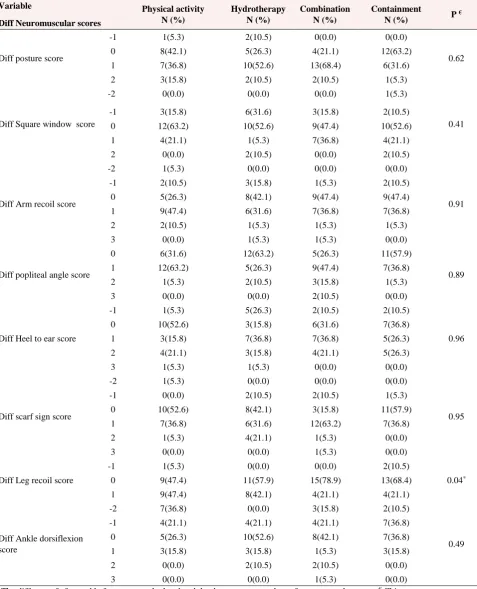
Table 4. Post comparison of 8 items neuromuscular difference scores between groups
Variable Physical activity
N (%)
Hydrotherapy N (%)
Combination N (%)
Containment
N (%) P
€
Diff Neuromuscular scores
Diff posture score
-1 1(5.3) 2(10.5) 0(0.0) 0(0.0)
0.62
0 8(42.1) 5(26.3) 4(21.1) 12(63.2)
1 7(36.8) 10(52.6) 13(68.4) 6(31.6)
2 3(15.8) 2(10.5) 2(10.5) 1(5.3)
Diff Square window score
-2 0(0.0) 0(0.0) 0(0.0) 1(5.3)
0.41
-1 3(15.8) 6(31.6) 3(15.8) 2(10.5)
0 12(63.2) 10(52.6) 9(47.4) 10(52.6)
1 4(21.1) 1(5.3) 7(36.8) 4(21.1)
2 0(0.0) 2(10.5) 0(0.0) 2(10.5)
Diff Arm recoil score
-2 1(5.3) 0(0.0) 0(0.0) 0(0.0)
0.91
-1 2(10.5) 3(15.8) 1(5.3) 2(10.5)
0 5(26.3) 8(42.1) 9(47.4) 9(47.4)
1 9(47.4) 6(31.6) 7(36.8) 7(36.8)
2 2(10.5) 1(5.3) 1(5.3) 1(5.3)
3 0(0.0) 1(5.3) 1(5.3) 0(0.0)
Diff popliteal angle score
0 6(31.6) 12(63.2) 5(26.3) 11(57.9)
0.89
1 12(63.2) 5(26.3) 9(47.4) 7(36.8)
2 1(5.3) 2(10.5) 3(15.8) 1(5.3)
3 0(0.0) 0(0.0) 2(10.5) 0(0.0)
Diff Heel to ear score
-1 1(5.3) 5(26.3) 2(10.5) 2(10.5)
0.96
0 10(52.6) 3(15.8) 6(31.6) 7(36.8)
1 3(15.8) 7(36.8) 7(36.8) 5(26.3)
2 4(21.1) 3(15.8) 4(21.1) 5(26.3)
3 1(5.3) 1(5.3) 0(0.0) 0(0.0)
Diff scarf sign score
-2 1(5.3) 0(0.0) 0(0.0) 0(0.0)
0.95
-1 0(0.0) 2(10.5) 2(10.5) 1(5.3)
0 10(52.6) 8(42.1) 3(15.8) 11(57.9)
1 7(36.8) 6(31.6) 12(63.2) 7(36.8)
2 1(5.3) 4(21.1) 1(5.3) 0(0.0)
3 0(0.0) 0(0.0) 1(5.3) 0(0.0)
Diff Leg recoil score
-1 1(5.3) 0(0.0) 0(0.0) 2(10.5)
0.04*
0 9(47.4) 11(57.9) 15(78.9) 13(68.4)
1 9(47.4) 8(42.1) 4(21.1) 4(21.1)
Diff Ankle dorsiflexion score
-2 7(36.8) 0(0.0) 3(15.8) 2(10.5)
0.49
-1 4(21.1) 4(21.1) 4(21.1) 7(36.8)
0 5(26.3) 10(52.6) 8(42.1) 7(36.8)
1 3(15.8) 3(15.8) 1(5.3) 3(15.8)
2 0(0.0) 2(10.5) 2(10.5) 0(0.0)
3 0(0.0) 0(0.0) 1(5.3) 0(0.0)
Journal of Caring Sciences, March 2017; 6 (1), 67-79
|
75Discussion
The present study compares the effect of various types of physical activity programs on functional motor performance and neuromuscular development of postural tone in infants born preterm. The findings of this study showed that different types of physical activity programs have the same containment effects on functional motor performance as the development of postural tone except leg recoil. The groups did not differ statistically from each other, indicating that change was most likely due to maturation. The results of the study also indicated that there was no relationship between motor function and duration of hospital stay, days with mechanical ventilation, the duration of treatment with sedative drugs, and having received surfactant. The infants in this study, although born prior to 32 weeks GA, were relatively low risk without major medical complications, and 97% performed within the normal range on the TIMP at the end of the study (34 weeks PMA). The results might differ in older infants or those with more medical complications.
Several studies have investigated the effect of active therapy programs on motor performance in infants born preterm at older ages with varying results. For example, Piper et al., found that performance at 12 months of age in an experimental group was not superior to the control group in any of the assessed areas of development. They indicated that infants born at earlier gestational ages (P<32 weeks), when compared with later ages (32-36 weeks), scored lower on tests of gross motor development. Short gestational age may relate to the quality of motor performance at a later age in infants born
preterm.39
Other studies indicated that experiences such as prolonged hospital stay, disorders related to medical complications or
limitations resulting from medical
technologies, septicemia and need for
mechanical ventilation that cause inactivity might be associated with infant’s motor
performance and postural stability.40-42 On
the other hand, Girolami and Campbell reported that a neuro-developmental treatment program was an effective method of improving motor performance of infants born preterm at high risk for developmental disabilities during their stay in the intensive
care unit.34Resnick et al., reported that
developmental intervention programs for high-risk infants born preterm resulted in a
significant improvement in physical
abilities, and the quality of infants’ interaction with their parents in the treatment group was better than that in the
control group.43
The studies by Girolami and Campbell and by Resnick et al., showed that active physical activity has a positive effect on functional performance of premature infants. These results were not similar to the results in the current study due to different interventions (active versus passive), duration of treatment and follow up timing (immediately after intervention versus longer follow up periods). Piper et al., and Saylor et al., indicated there was no difference between the outcome of assessments for those infants who received early interventions at the intensive care unit and infants who received the treatment at
older ages.39,44 These results were similar to
the current study.
We used the parameters derived from
New Ballard’s assessment 35, an accepted
76 | Journal of Caring Sciences
indicated that change in leg recoil was significantly better in the physical activity, hydrotherapy and combination groups. The literature search did not reveal any previous studies which investigated the short term effects of passive physical activities on neuromuscular development in preterm infants.
The duration of the intervention was short, and we believe that had we applied the movements for a longer period, a greater advancement in neuromuscular maturity could have been achieved in the trunk and limbs, which mature at a later age. Additional studies are needed to determine if, with optimal timing and duration, or an integrated different kind of passive and active intervention can yield a better neuromuscular outcome in infants born preterm.
Although this study did not show a positive effect for the physical activity on motor functional performance, we cannot yet ignore the effectiveness of this program in other ways. Some evidence demonstrated that physical activity programs might promote short-term weight gain and bone
mineralization in premature infants20,45 and
hydrotherapy had a positive effect on pain reduction, improvement of sleep quality, weight gain and feeding tolerance among
infants born preterm.22,23 The procedures
used in this study were tolerated well by the infants and thus passive exercise, either in or out of the water, appears to be a safe intervention.
The strength and exclusive aspect of the present study was its comparison of different types of passive exercise with development in a containment group. In order to minimize potential biases, the principles of clinical trial studies, including complete randomization of the participants and blinding the examiners and the data analyzers, was done.
The limitation of this study was the length of the intervention and the shortness of the follow-up time. Another limitation of the study was that the hydrotherapy group
received less intervention overall than did the other groups, so its effectiveness might have been compromised by being an insufficient dose. Thus, it is suggested that another study perform the interventions for a longer period, with similar dosages or other protocols with different design, and
assess motor performance and
neuromuscular development. When the infants reach 34 weeks PMA, active physical therapy might be added to investigate the combined effect on bone density, functional
movement performance, and
neuromuscular development of a longer period of passive and active intervention. Finally, the parents were not involved in this study and a new study could
investigate the benefits of having
interventions done by the family.
Conclusion
This study demonstrates that passive physical activities have as the same containment effects in infants born preterm on motor performance and most items of
postural tone except leg recoil.
Understanding the effect of passive versus active physical therapy by using reliable and valid tests such as the TIMP may be useful to clinicians to make decisions regarding what kind of physical activity or containment can help high risk preterm infants and what dosage is useful to compensate for the complications of preterm birth.
Acknowledgments
Journal of Caring Sciences, March 2017; 6 (1), 67-79
|
77Ethical issues
None to be declared.
Conflict of interest
The authors declare no conflict of interest in
this study.
References
1.
Saigal S, Doyle LW. An overview of
mortality and sequelae of preterm birth
from infancy to adulthood. Lancet 2008 ;
371 (9608) : 261-9. doi:
10.1016/S0140-6736(08)60136-1
2.
Blencowe H, Lee ACC, Cousens S, Bahalim
A, Narwal R, Zhong N, et al. Preterm
birth-associated
neurodevelopmental
impairment estimates at regional and
global levels for 2010. Pediatr Res 2013;
74 (S1) : 17-34. doi: 10.1038/pr.2013.204.
3.
Kinney MV, Lawn JE, Howson CP, Belizan
J. 15 million preterm births annually: what
has changed this year? Reproductive
Health 2012; 9 (1) : 28. doi:
10.1186/1742-4755-9-28
4.
Wilson-Costello D, Friedman H, Minich N,
Siner B, Taylor G, Schluchter M, et al.
Improved neurodevelopmental outcomes
for extremely low birth weight infants in
2000–2002. Pediatrics 2007 ; 119 (1) :
37-45.
5.
Robertson CM, Watt MJ, Dinu IA.
Outcomes for the extremely premature
infant: what is new? And where are we
going? Pediatr Neurol 2009 ; 40 (3):
189-96. doi: 10.1016/j.pediatrneurol. 2008.
09.017
6.
Arpino C, Compagnone E, Montanaro ML,
Cacciatore D, De Luca A, Cerulli A, et al.
Preterm birth and neurodevelopmental
outcome: a review. Childs Nerv Syst 2010
; 26 (9): 1139-49. doi:
10.1007/s00381-010-1125-y.
7.
Vanderveen JA, Bassler D, Robertson CM,
Kirpalani H. Early interventions involving
parents to improve neurodevelopmental
outcomes of premature infants: a
meta-analysis. J Perinatol 2009 ; 29 (5) :
343-51. doi: 10.1038/jp.2008.229.
8.
Grunau RE, Whitfield MF, Petrie-Thomas J,
Synnes AR, Cepeda IL, Keidar A, et al.
Neonatal pain, parenting stress and
interaction, in relation to cognitive and
motor development at 8 and 18months in
preterm infants. Pain 2009 ; 143 (1-2):
138-46. doi: 10.1016/j.pain.2009.02.014.
9.
Volpe JJ. Brain injury in premature infants:
a complex amalgam of destructive and
developmental
disturbances.
Lancet
Neurol 2009; 8 (1) : 110-24.
10.
de Kieviet JF, Piek J, Aarnoudse C,
Oosterlaan J. Motor development in very
preterm and very low-birth-weight children
from birth to adolescence: a meta-analysis.
JAMA 2011; 31 (1): 41-2. doi: 10.1001/
jama. 2009.1708
11.
Limperopoulos C, Bassan H, Gauvreau K,
Robertson RL, Sullivan NR, Benson CB,
et al. Does cerebellar injury in premature
infants contribute to the high prevalence of
long-term
cognitive,
learning,
and
behavioral
disability
in
survivors?
Pediatrics 2007 ; 120 (3) : 584-93.
12.
Allen MC. Neurodevelopmental outcomes
of preterm infants. Curr Opin Neurol
2008; 21 (1): 123-8. doi: 10.1097/WCO.
0b01 3e3282f88bb4.
13.
Feldman R, Eidelman AI. Neonatal state
organization, neuromaturation,
mother-infant
interaction,
and
cognitive
development in small-for-gestational-age
premature infants. Pediatrics 2006 ; 118
(3) : e869-e78. doi:
10.1542/peds.2005-2040.
14.
Downs JA, Edwards AD, McCormick DC,
Roth
SC,
Stewart
AL.
Effect
of
intervention on development of hip posture
in very preterm babies. Arch Dis Child
1991 ; 66 (7 Spec No): 797-801. doi:
10.1136/adc.66.7_Spec_No.797.
15.
Korner AF. Infant stimulation. Issues of
theory
and
research.
Clinics
in
perinatology 1990 ; 17 (1) : 173-84.
16.
Spittle A, Orton J, Anderson PJ, Boyd R,
78 | Journal of Caring Sciences
intervention programmes provided post
hospital discharge to prevent motor and
cognitive impairment in preterm infants.
Cochrane Database Syst Rev 2015 ; (11).
doi: 10.1002/14651858.CD005495.pub3
17.
Spittle A, Orton J, Anderson P, Boyd R,
Doyle
LW.
Early
developmental
intervention
programmes
post-hospital
discharge to prevent motor and cognitive
impairments in preterm infants. Cochrane
Database Syst Rev 2012 ; 12 : Cd005495.
doi: 10.1002/14651858.CD005495.
18.
Park HY, Maitra K, Achon J, Loyola E,
Rincón M. Effects of early intervention on
mental
or
neuromusculoskeletal
and
movement-related functions in children
born low birthweight or preterm: a
meta-analysis. Am J Occup Ther 2014 ; 68 (3) :
268-76. doi: 10.5014/ajot.2014.010371.
19.
Moyer-Mileur LJ, Ball SD, Brunstetter
VL, Chan GM. Maternal-administered
physical activity enhances bone mineral
acquisition in premature very low birth
weight infants. J Perinatol 2008 ; 28 (6) :
432-7. doi: 10.1038/jp.2008.17.
20.
Vignochi CM, Miura E, Canani LH.
Effects of motor physical therapy on bone
mineralization in premature infants: a
randomized controlled study. J Perinatol
2008 ; 28 (9): 624-31. doi: 10.1038/jp.
2008.60.
21.
Tosun Ö, Bayat M, Güneş T, Erdem E.
Daily physical activity in low-risk pre-term
infants: positive impact on bone strength
and mid-upper arm circumference. Ann
Hum Biol 2011; 38 (5) : 635-9. doi:
10.3109/03014460.2011.598187.
22.
Sweeney JK. Neonatal hydrotherapy: an
adjunct to developmental intervention in
an intensive care nursery setting. Phys
Occup Ther Pediatr 1983 ; 3 (1) : 39-52.
23.
Vignochi C, Teixeira PP, Nader SS.
Efeitos da fisioterapia aquática na dor e no
estado de sono e vigília de recém-nascidos
pré-termo estáveis internados em unidade
de terapia intensiva neonatal. Rev Bras
Fisioter 2010 ; 14 (3) : 214-20.
24.
de Oliveira Tobinaga WC, de Lima
Marinho C, Abelenda VLB, de Sá PM,
Lopes
AJ.
Short-Term
effects
of
hydrokinesiotherapy
in
hospitalized
preterm newborns. Rehabil Res Pract 2016
; 2016. doi: 10.1155/2016/9285056
25.
Vakilian K, Ranjbaran M, Khorsandi M,
Sharafkhani N, Khodadost M. Prevalence
of preterm labor in Iran: a systematic
review and meta-analysis. Int J Reprod
Biomed 2015 ; 13 (12): 743-8.
26.
Blauw-Hospers CH, Hadders-Algra M. A
systematic review of the effects of early
intervention on motor development. Dev
Med Child Neurol 2005 ; 47 (6) : 421-32.
doi: 10.1111/j.1469-8749.2005.tb01165.x.
27.
Spittle AJ, Doyle LW, Boyd RN. A
systematic review of the clinimetric
properties of neuromotor assessments for
preterm infants during the first year of life.
Dev Med Child Neurol 2008 ; 50 (4) :
254-66. doi: 10.1111/j.1469-8749.2008
.0202 5.x.
28.
Rose RU, Westcott SL. Responsiveness of
the test of infant motor performance
(TIMP) in infants born preterm. Pediatr
Phys Ther 2005 ; 17 (3) : 219-24.
29.
Campbell SK, Kolobe TH, Osten ET,
Lenke M, Girolami GL. Construct validity
of the test of infant motor performance.
Phys Ther 1995 ; 75 (7) : 585-96.
30.
Byrne E, Campbell SK. Physical therapy
observation and assessment in the neonatal
intensive care unit. Phys Occup Ther
Pediatr 2013; 33 (1) : 39-74. doi:10.3109/
01942 638 .2012.754827.
31.
Campbell SK. The test of infant motor
performance, test user's manual version 3.0
for the timp version 5. 1
sted. Chicago I:
Infant motor performance scales,LLC;
2012.
32.
Fucile
S,
Gisel
EG.
Sensorimotor
interventions improve growth and motor
function in preterm infants. Neonatal Netw
2010 ; 29 (6) : 359-66. doi:
10.1891/0730-0832.29.6.359.
Journal of Caring Sciences, March 2017; 6 (1), 67-79