International Journal of COPD
Updates on the COPD gene list
Yohan Bossé
1,21Centre de recherche Institut universitaire de cardiologie et de pneumologie de Québec, 2Department of Molecular Medicine, Laval
University, Quebec, Canada
Correspondence: Yohan Bossé Institut universitaire de cardiologie et de pneumologie de Québec, Laval University, Pavillon Marguerite-d’Youville, Y4190, 2725 chemin Sainte-Foy, Quebec G1V 4G5, Canada Tel +1 418 656 8711 ext 3725 Fax +1 418 656 4602
Email [email protected]
Abstract: A genetic contribution to develop chronic obstructive pulmonary disease (COPD) is well established. However, the specific genes responsible for enhanced risk or host differences in susceptibility to smoke exposure remain poorly understood. The goal of this review is to provide a comprehensive literature overview on the genetics of COPD, highlight the most promising findings during the last few years, and ultimately provide an updated COPD gene list. Candidate gene studies on COPD and related phenotypes indexed in PubMed before January 5, 2012 are tabulated. An exhaustive list of publications for any given gene was looked for. This well-documented COPD candidate-gene list is expected to serve many purposes for future replication studies and meta-analyses as well as for reanalyzing collected genomic data in the field. In addition, this review summarizes recent genetic loci identified by genome-wide association studies on COPD, lung function, and related complications. Assembling resources, integrative genomic approaches, and large sample sizes of well-phenotyped subjects is part of the path forward to elucidate the genetic basis of this debilitating disease.
Keywords: COPD, genetics, lung function, candidate genes, genome-wide association study
Introduction
Chronic obstructive pulmonary disease (COPD) is the third-leading cause of worldwide
mortality and is predicted to remain a major public health problem in the near future.
1,2It is characterized by airflow limitations that occur in approximately 10% of adults
aged
$
40 years.
3Cigarette smoking is the primary risk factor. However, only a
fraction of smokers (
∼
20%) develop the disease, and host differences in susceptibility
are thus persuasive. The author has previously reviewed the genetics of COPD and
COPD-related phenotypes.
4The current review aims to: (1) update this publication,
(2) provide a comprehensive literature overview on the genetics of COPD, (3) highlight
the most promising findings during the last few years, and ultimately (4) provide an
updated COPD gene list.
Chronic obstructive pulmonary disease
candidate-gene studies
A systematic review of the literature was conducted in order to provide a comprehensive
overview of genes associated with COPD and related phenotypes. PubMed was searched
using the string “genetics and COPD” on January 5, 2012. All titles and abstracts
were reviewed for inclusion. The goal was to obtain all publications testing genetic
variants in humans for association with COPD and related phenotypes (ie, spirometric
Dove
press
R E V I E w
open access to scientific and medical research
Open Access Full Text Article
Video abstract
Point your SmartPhone at the code above. If you have a QR code reader the video abstract will appear. Or use:
http://dvpr.es/PZtdqA
International Journal of Chronic Obstructive Pulmonary Disease downloaded from https://www.dovepress.com/ by 118.70.13.36 on 22-Aug-2020
For personal use only.
Number of times this article has been viewed
This article was published in the following Dove Press journal: International Journal of COPD
measurements, emphysema, chronic bronchitis,
lung-function decline, etc). Population-based, case-control, and
family studies were included. The author attempted to include
all reported articles without quality assessment or exclusion
criteria based on sample size or other criteria. The search
for relevant publications was complemented using the list
of references in relevant manuscripts and the COPD genetic
association compendium.
5Readers are welcome to contact
the author for any articles missed in the current review.
A large number of candidate gene–association studies
were conducted to identify the COPD-susceptibility genes.
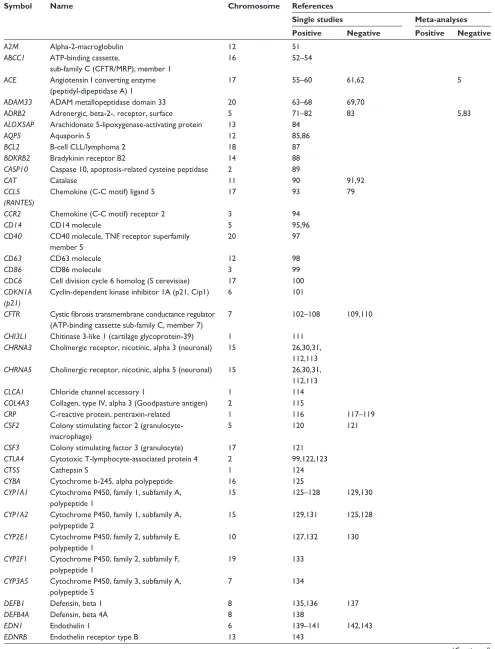
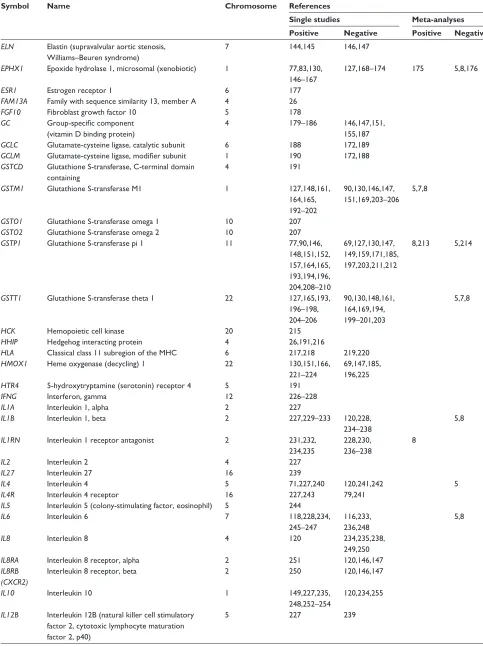
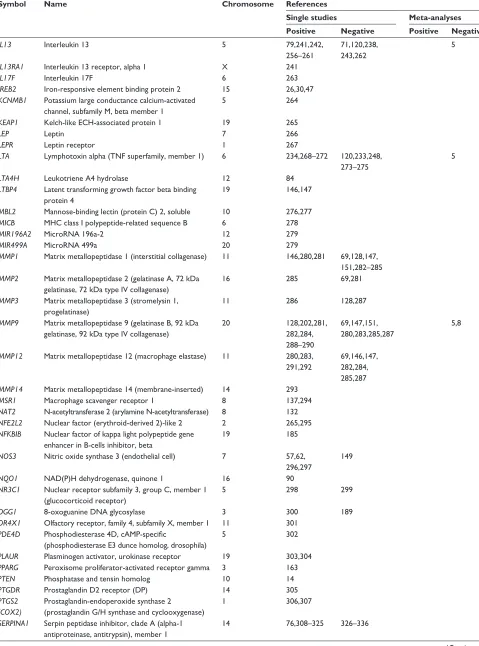
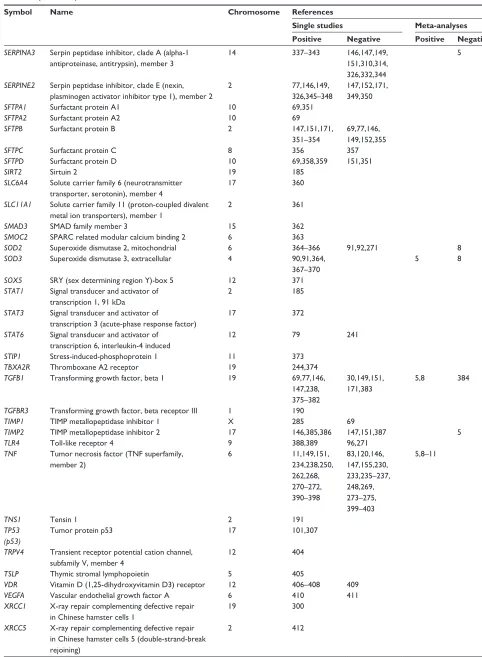
Table 1 provides a comprehensive overview of the genes
associated with COPD and related phenotypes using this
genetic approach. Supplementary Table 1 presents additional
genes tested but showing lack of association with COPD and
related phenotypes. Most genes in these tables were studied
because of their potential role in the pathobiology of COPD,
but some also represent follow-up genes originally identified
from genome-wide linkage and association studies. Genes
are presented in alphabetical order. Single studies and
meta-analyses testing each gene are indicated. An attempt was
made to classify each article as supportive or not of a given
gene based on the conclusions provided by the authors. Single
genetic markers, haplotypes, or combinations of variants
associated with COPD, COPD severity, COPD-related
phenotypes, or complications were considered as positives.
Table 1 aims to provide an exhaustive list of publications
for any given gene.
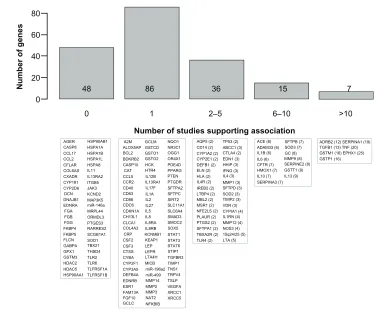
A total of 192 genes are summarized in Table 1 and
Supplementary Table 1. Figure 1 illustrates these genes based
on the number of publications supporting the association
with COPD phenotypes. Briefly, 86 genes are supported by
one study, 36 genes by two to five studies, 15 genes by six
to ten studies, and seven genes by more than ten studies. The
latter seven genes include
ADRB2
,
TGFB1
,
TNF
,
GSTM1
,
GSTP1
,
SERPINA1
, and
EPHX1
. Note that Figure 1 must be
interpreted with caution. Replication of genotype–phenotype
associations is the gold standard to identify genes conferring
susceptibility.
6However, the number of supportive studies
is not necessarily an indication that a gene is consistently
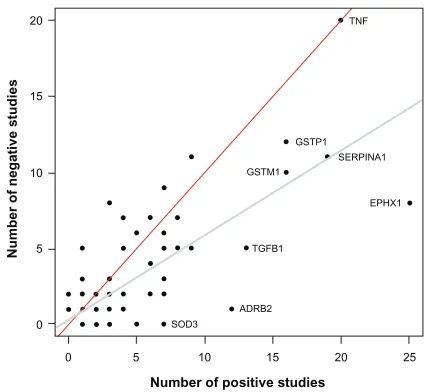
replicated. Figure 2 illustrates the relationship between the
number of studies supporting and not supporting the list of
COPD genes. It seems that genes replicated many times in
COPD are simply the most popular genes studied. For
exam-ple, the author found 20 studies supporting
TNF
as a
COPD-susceptibility gene. However, lack of association between
this gene and COPD phenotypes was found in 20 other studies
(Table 1). Considering publication bias, candidate genes
associated with COPD are not consistently replicated and
the overall results are rather inconclusive. In fact, excluding
SERPINA1
(encoding the alpha-1 antitrypsin protein), none
of the other genes are well-proven susceptibility genes for
COPD. Perhaps the most convincing candidate COPD genes
up to now are those less studied but consistently replicated,
such as
SOD3
. Many of the most studied COPD genes have
now been investigated in meta-analyses.
Meta-analyses
A number of meta-analyses have been conducted to identify
genes robustly associated with COPD and lung function. So
far, meta-analyses have been conducted for genes involved
in the following pathways: inflammation (
IL4
,
IL6
,
IL13
,
IL1B
,
IL1RN
,
LTA
,
TNF
, and
TGFB1
), protease/antiprotease
(
MMP9
,
TIMP2
, and
SERPINA3
), oxidative stress (
GSTM1
,
GSTP1
,
GSTT1
,
EPHX1
,
SOD2
, and
SOD3
), and others
(
ACE
and
ADRB2
). These studies and their main outcomes
are summarized by gene in Table 1. Among these genes,
GSTM1
was consistently associated with COPD in more
than one meta-analysis.
5,7,8This is also true for
TNF
, but
only in Asian populations.
5,8–11In contrast, other genes
have not been supported in meta-analyses conducted so
far, including
GSTT1
,
5,7,8IL1B
,
5,8IL6
,
5,8and
MMP9
.
5,8The
other genes considered in meta-analyses were either reported
in only one study or showed conflicting results across studies
(Table 1).
As genetic data accumulates, more genes and
polymor-phisms will be considered in meta-analyses. Combining
the findings of an increasing number of studies will allow
pooled analyses in more homogenous subgroups based on
ethnicity, smoking history, emphysema vs airway type of
COPD, and others. These subgroup analyses are likely to be
important in finding susceptibility genes for COPD. Ongoing
activities gathering genetic data in the field of COPD are
important. For example, a web application summarizing
candidate-gene studies was recently established.
5At the time
of publication, this database included 108 genetic-association
studies, including population-based and case-control studies
but excluding family-based studies. Seventy-two genes
were studied, focusing strictly on single-marker biallelic
polymorphisms. A total of 27 genetic variants were found to
be reported in three or more independent study populations
and summarized into a meta-analysis. Four genes were found
to carry a single genetic variant significantly associated with
COPD, being
GSTM1
,
TGFB1
,
TNF
, and
SOD3
. It should
be noted that this COPD genetic-association compendium
has not been updated since April 2010 and does not included
Dovepress Bossé
International Journal of Chronic Obstructive Pulmonary Disease downloaded from https://www.dovepress.com/ by 118.70.13.36 on 22-Aug-2020
Table 1 List of genes associated with chronic obstructive pulmonary disease
Symbol Name Chromosome References
Single studies Meta-analyses Positive Negative Positive Negative
A2M Alpha-2-macroglobulin 12 51
ABCC1 ATP-binding cassette,
sub-family C (CFTR/MRP), member 1
16 52–54
ACE Angiotensin I converting enzyme (peptidyl-dipeptidase A) 1
17 55–60 61,62 5
ADAM33 ADAM metallopeptidase domain 33 20 63–68 69,70
ADRB2 Adrenergic, beta-2-, receptor, surface 5 71–82 83 5,83
ALOX5AP Arachidonate 5-lipoxygenase-activating protein 13 84
AQP5 Aquaporin 5 12 85,86
BCL2 B-cell CLL/lymphoma 2 18 87
BDKRB2 Bradykinin receptor B2 14 88
CASP10 Caspase 10, apoptosis-related cysteine peptidase 2 89
CAT Catalase 11 90 91,92
CCL5 (RANTES)
Chemokine (C-C motif) ligand 5 17 93 79
CCR2 Chemokine (C-C motif) receptor 2 3 94
CD14 CD14 molecule 5 95,96
CD40 CD40 molecule, TNF receptor superfamily member 5
20 97
CD63 CD63 molecule 12 98
CD86 CD86 molecule 3 99
CDC6 Cell division cycle 6 homolog (S cerevisiae) 17 100
CDKN1A (p21)
Cyclin-dependent kinase inhibitor 1A (p21, Cip1) 6 101
CFTR Cystic fibrosis transmembrane conductance regulator
(ATP-binding cassette sub-family C, member 7)
7 102–108 109,110
CHI3L1 Chitinase 3-like 1 (cartilage glycoprotein-39) 1 111
CHRNA3 Cholinergic receptor, nicotinic, alpha 3 (neuronal) 15 26,30,31, 112,113
CHRNA5 Cholinergic receptor, nicotinic, alpha 5 (neuronal) 15 26,30,31, 112,113
CLCA1 Chloride channel accessory 1 1 114
COL4A3 Collagen, type IV, alpha 3 (Goodpasture antigen) 2 115
CRP C-reactive protein, pentraxin-related 1 116 117–119
CSF2 Colony stimulating factor 2 (granulocyte- macrophage)
5 120 121
CSF3 Colony stimulating factor 3 (granulocyte) 17 121
CTLA4 Cytotoxic T-lymphocyte-associated protein 4 2 99,122,123
CTSS Cathepsin S 1 124
CYBA Cytochrome b-245, alpha polypeptide 16 125
CYP1A1 Cytochrome P450, family 1, subfamily A, polypeptide 1
15 125–128 129,130
CYP1A2 Cytochrome P450, family 1, subfamily A, polypeptide 2
15 129,131 125,128
CYP2E1 Cytochrome P450, family 2, subfamily E, polypeptide 1
10 127,132 130
CYP2F1 Cytochrome P450, family 2, subfamily F, polypeptide 1
19 133
CYP3A5 Cytochrome P450, family 3, subfamily A, polypeptide 5
7 134
DEFB1 Defensin, beta 1 8 135,136 137
DEFB4A Defensin, beta 4A 8 138
EDN1 Endothelin 1 6 139–141 142,143
EDNRB Endothelin receptor type B 13 143
(Continued)
Dovepress COPD gene list
International Journal of Chronic Obstructive Pulmonary Disease downloaded from https://www.dovepress.com/ by 118.70.13.36 on 22-Aug-2020
Table 1 (Continued)
Symbol Name Chromosome References
Single studies Meta-analyses Positive Negative Positive Negative
ELN Elastin (supravalvular aortic stenosis, williams–Beuren syndrome)
7 144,145 146,147
EPHX1 Epoxide hydrolase 1, microsomal (xenobiotic) 1 77,83,130, 146–167
127,168–174 175 5,8,176
ESR1 Estrogen receptor 1 6 177
FAM13A Family with sequence similarity 13, member A 4 26
FGF10 Fibroblast growth factor 10 5 178
GC Group-specific component
(vitamin D binding protein)
4 179–186 146,147,151,
155,187
GCLC Glutamate-cysteine ligase, catalytic subunit 6 188 172,189
GCLM Glutamate-cysteine ligase, modifier subunit 1 190 172,188
GSTCD Glutathione S-transferase, C-terminal domain containing
4 191
GSTM1 Glutathione S-transferase M1 1 127,148,161, 164,165, 192–202
90,130,146,147, 151,169,203–206
5,7,8
GSTO1 Glutathione S-transferase omega 1 10 207
GSTO2 Glutathione S-transferase omega 2 10 207
GSTP1 Glutathione S-transferase pi 1 11 77,90,146, 148,151,152, 157,164,165, 193,194,196, 204,208–210
69,127,130,147, 149,159,171,185, 197,203,211,212
8,213 5,214
GSTT1 Glutathione S-transferase theta 1 22 127,165,193, 196–198, 204–206
90,130,148,161, 164,169,194, 199–201,203
5,7,8
HCK Hemopoietic cell kinase 20 215
HHIP Hedgehog interacting protein 4 26,191,216
HLA Classical class 11 subregion of the MHC 6 217,218 219,220
HMOX1 Heme oxygenase (decycling) 1 22 130,151,166, 221–224
69,147,185, 196,225
HTR4 5-hydroxytryptamine (serotonin) receptor 4 5 191
IFNG Interferon, gamma 12 226–228
IL1A Interleukin 1, alpha 2 227
IL1B Interleukin 1, beta 2 227,229–233 120,228,
234–238
5,8
IL1RN Interleukin 1 receptor antagonist 2 231,232, 234,235
228,230, 236–238
8
IL2 Interleukin 2 4 227
IL27 Interleukin 27 16 239
IL4 Interleukin 4 5 71,227,240 120,241,242 5
IL4R Interleukin 4 receptor 16 227,243 79,241
IL5 Interleukin 5 (colony-stimulating factor, eosinophil) 5 244
IL6 Interleukin 6 7 118,228,234,
245–247
116,233, 236,248
5,8
IL8 Interleukin 8 4 120 234,235,238,
249,250
IL8RA Interleukin 8 receptor, alpha 2 251 120,146,147
IL8RB (CXCR2)
Interleukin 8 receptor, beta 2 250 120,146,147
IL10 Interleukin 10 1 149,227,235,
248,252–254
120,234,255
IL12B Interleukin 12B (natural killer cell stimulatory factor 2, cytotoxic lymphocyte maturation factor 2, p40)
5 227 239
(Continued)
Dovepress Bossé
International Journal of Chronic Obstructive Pulmonary Disease downloaded from https://www.dovepress.com/ by 118.70.13.36 on 22-Aug-2020
Table 1 (Continued)
Symbol Name Chromosome References
Single studies Meta-analyses Positive Negative Positive Negative
IL13 Interleukin 13 5 79,241,242,
256–261
71,120,238, 243,262
5
IL13RA1 Interleukin 13 receptor, alpha 1 X 241
IL17F Interleukin 17F 6 263
IREB2 Iron-responsive element binding protein 2 15 26,30,47
KCNMB1 Potassium large conductance calcium-activated channel, subfamily M, beta member 1
5 264
KEAP1 Kelch-like ECH-associated protein 1 19 265
LEP Leptin 7 266
LEPR Leptin receptor 1 267
LTA Lymphotoxin alpha (TNF superfamily, member 1) 6 234,268–272 120,233,248, 273–275
5
LTA4H Leukotriene A4 hydrolase 12 84
LTBP4 Latent transforming growth factor beta binding protein 4
19 146,147
MBL2 Mannose-binding lectin (protein C) 2, soluble 10 276,277
MICB MHC class I polypeptide-related sequence B 6 278
MIR196A2 MicroRNA 196a-2 12 279
MIR499A MicroRNA 499a 20 279
MMP1 Matrix metallopeptidase 1 (interstitial collagenase) 11 146,280,281 69,128,147, 151,282–285
MMP2 Matrix metallopeptidase 2 (gelatinase A, 72 kDa gelatinase, 72 kDa type IV collagenase)
16 285 69,281
MMP3 Matrix metallopeptidase 3 (stromelysin 1, progelatinase)
11 286 128,287
MMP9 Matrix metallopeptidase 9 (gelatinase B, 92 kDa gelatinase, 92 kDa type IV collagenase)
20 128,202,281,
282,284, 288–290
69,147,151, 280,283,285,287
5,8
MMP12 Matrix metallopeptidase 12 (macrophage elastase) 11 280,283, 291,292
69,146,147, 282,284, 285,287
MMP14 Matrix metallopeptidase 14 (membrane-inserted) 14 293
MSR1 Macrophage scavenger receptor 1 8 137,294
NAT2 N-acetyltransferase 2 (arylamine N-acetyltransferase) 8 132
NFE2L2 Nuclear factor (erythroid-derived 2)-like 2 2 265,295
NFKBIB Nuclear factor of kappa light polypeptide gene enhancer in B-cells inhibitor, beta
19 185
NOS3 Nitric oxide synthase 3 (endothelial cell) 7 57,62,
296,297
149
NQO1 NAD(P)H dehydrogenase, quinone 1 16 90
NR3C1 Nuclear receptor subfamily 3, group C, member 1 (glucocorticoid receptor)
5 298 299
OGG1 8-oxoguanine DNA glycosylase 3 300 189
OR4X1 Olfactory receptor, family 4, subfamily X, member 1 11 301
PDE4D Phosphodiesterase 4D, cAMP-specific
(phosphodiesterase E3 dunce homolog, drosophila)
5 302
PLAUR Plasminogen activator, urokinase receptor 19 303,304
PPARG Peroxisome proliferator-activated receptor gamma 3 163
PTEN Phosphatase and tensin homolog 10 14
PTGDR Prostaglandin D2 receptor (DP) 14 305
PTGS2 (COX2)
Prostaglandin-endoperoxide synthase 2 (prostaglandin G/H synthase and cyclooxygenase)
1 306,307
SERPINA1 Serpin peptidase inhibitor, clade A (alpha-1 antiproteinase, antitrypsin), member 1
14 76,308–325 326–336
(Continued)
Dovepress COPD gene list
International Journal of Chronic Obstructive Pulmonary Disease downloaded from https://www.dovepress.com/ by 118.70.13.36 on 22-Aug-2020
Table 1 (Continued)
Symbol Name Chromosome References
Single studies Meta-analyses Positive Negative Positive Negative
SERPINA3 Serpin peptidase inhibitor, clade A (alpha-1 antiproteinase, antitrypsin), member 3
14 337–343 146,147,149,
151,310,314, 326,332,344
5
SERPINE2 Serpin peptidase inhibitor, clade E (nexin, plasminogen activator inhibitor type 1), member 2
2 77,146,149,
326,345–348
147,152,171, 349,350
SFTPA1 Surfactant protein A1 10 69,351
SFTPA2 Surfactant protein A2 10 69
SFTPB Surfactant protein B 2 147,151,171, 351–354
69,77,146, 149,152,355
SFTPC Surfactant protein C 8 356 357
SFTPD Surfactant protein D 10 69,358,359 151,351
SIRT2 Sirtuin 2 19 185
SLC6A4 Solute carrier family 6 (neurotransmitter transporter, serotonin), member 4
17 360
SLC11A1 Solute carrier family 11 (proton-coupled divalent metal ion transporters), member 1
2 361
SMAD3 SMAD family member 3 15 362
SMOC2 SPARC related modular calcium binding 2 6 363
SOD2 Superoxide dismutase 2, mitochondrial 6 364–366 91,92,271 8
SOD3 Superoxide dismutase 3, extracellular 4 90,91,364,
367–370
5 8
SOX5 SRY (sex determining region Y)-box 5 12 371
STAT1 Signal transducer and activator of transcription 1, 91 kDa
2 185
STAT3 Signal transducer and activator of
transcription 3 (acute-phase response factor)
17 372
STAT6 Signal transducer and activator of transcription 6, interleukin-4 induced
12 79 241
STIP1 Stress-induced-phosphoprotein 1 11 373
TBXA2R Thromboxane A2 receptor 19 244,374
TGFB1 Transforming growth factor, beta 1 19 69,77,146, 147,238, 375–382
30,149,151, 171,383
5,8 384
TGFBR3 Transforming growth factor, beta receptor III 1 190
TIMP1 TIMP metallopeptidase inhibitor 1 X 285 69
TIMP2 TIMP metallopeptidase inhibitor 2 17 146,385,386 147,151,387 5
TLR4 Toll-like receptor 4 9 388,389 96,271
TNF Tumor necrosis factor (TNF superfamily, member 2)
6 11,149,151,
234,238,250, 262,268, 270–272, 390–398
83,120,146, 147,155,230, 233,235–237, 248,269, 273–275, 399–403
5,8–11
TNS1 Tensin 1 2 191
TP53 (p53)
Tumor protein p53 17 101,307
TRPV4 Transient receptor potential cation channel, subfamily V, member 4
12 404
TSLP Thymic stromal lymphopoietin 5 405
VDR Vitamin D (1,25-dihydroxyvitamin D3) receptor 12 406–408 409
VEGFA Vascular endothelial growth factor A 6 410 411
XRCC1 X-ray repair complementing defective repair in Chinese hamster cells 1
19 300
XRCC5 X-ray repair complementing defective repair in Chinese hamster cells 5 (double-strand-break rejoining)
2 412
Dovepress Bossé
International Journal of Chronic Obstructive Pulmonary Disease downloaded from https://www.dovepress.com/ by 118.70.13.36 on 22-Aug-2020
80 60 40 20 AGER CASP8 CCL17 CCL2 CFLAR COL6AS CYP181 CXADR CYP2D6 DCN DNAJB1 EDNRA FGA FGB FGG FKBP4 FKBP5 FLCN GABPA GPX1 GSTM3 HDAC2 HDAC5 HSP90AA1 0
Number of genes
0
48 86 36 15 7
1 2–5
Number of studies supporting association
6–10 >10 HSP90AB1 HSPA1A HSPA1B HSPA1L HSPA8 IL11 IL13RA2 ITGB5 JAK3 KCND2 MAP3K5 miR-146a MRPL44 ORMDL3 PTGES3 RARRES2 SCGB1A1 SOD1 TBX21 THSD4 TLR2 TLR6 TLFRSF1A TLFRSF1B
ADRB2 (12) SERPINA1 (19) TGFB1 (13) TNF (20) GSTM1 (16) EPHX1 (25) GSTP1 (16) ACE (6) ADAM33 (6) IL1B (6) IL6 (6) CFTR (7) HMOX1 (7) IL10 (7) SERPINA3 (7) AQP5 (2) CD14 (2) TP53 (2) ABCC1 (3) CTLA4 (2) EDN1 (3) HHIP (3) IFNG (3) IL4 (3) MMP1 (3) SFTPD (3) SOD2 (3) TIMP2 (3) VDR (3) CYPIA1 (4) IL1RN (4) MMP12 (4) NOS3 (4) 15q24/25 (5) LTA (5) CYP1A2 (2) CYP2E1 (2) DEFB1 (2) ELN (2) HLA (2) IL4R (2) IREB2 (2) LTBP4 (2) MBL2 (2) MSR1 (2) NFE2LS (2) PLAUR (2) PTGS2 (2) SFTPA1 (2) TBXA2R (2) TLR4 (2) SFTPB (7) SOD3 (7) GC (8) MMP9 (8) SERPINE2 (8) GSTT1 (9) IL13 (9) A2M ALOX5AP BCL2 BDKRB2 CASP10 CAT CCL5 CCR2 CD40 CD63 CD86 CDC6 CDKN1A CH13L1 CLCA1 COL4A3 CRP CSF2 CSF3 CTSS CYBA CYP2F1 CYP3A5 DEFB4A EDNRB ESR1 FAM13A FGF10 GCLC GCLM GSTCD GSTO1 GSTO2 HCK HTR4 IL12B IL13RA1 IL17F IL1A IL2 IL27 IL5 IL8 IL8RA IL8RB KCNMB1 KEAP1 LEPR LTA4H MICB miR-196a2 miR-499 MMP14 MMP2 MMP3 NAT2 NFKBIB LEP NQO1 NR3C1 OGG1 OR4X1 PDE4D PPARG PTEN PTGDR SFTPA2 SFTPC SIRT2 SLC11A1 SLC6A4 SMAD3 SMOC2 SOX5 STAT1 STAT3 STAT6 STIP1 TGFBR3 TIMP1 TNS1 TRPV4 TSLP VEGFA XRCC1 XRCC5
Figure 1 Candidate genes associated with chronic obstructive pulmonary disease (COPD) or related phenotypes.
Notes: The upper part shows a histogram of the number of COPD susceptibility genes based on the number of publications supporting a significant genetic association. The lower part shows the corresponding genes in each bar. Official gene symbols are indicated. The number of publications that are supportive is indicated in parentheses. References are provided in Table 1 for genes supported by at least one publication and in Supplementary Table 1 for genes tested but not supported.
more recent genetic studies on COPD. Updating this type
of resource is important to draw reliable conclusions about
the contribution of genes. The number of studies for most
COPD-susceptibility genes is currently insufficient to reach
firm conclusions.
Multi-gene-association studies
A systematic replication study of genes associated
with lung function was recently conducted in the
SpiroMeta Consortium.
12A literature search identified
104 publications reporting a positive association with
lung-function traits in the general populations of diverse
origins or in cohorts of patients with respiratory diseases.
A total of 130 genes and 48 intergenic regions were studied
in 20,288 individuals. Among the 16,936 genotyped or
imputed single-nucleotide polymorphisms (SNPs) in
these loci, none was significantly associated with forced
expiratory volume in one second (FEV
1) or FEV
1/forced
vital capacity (FVC) ratio after correction for multiple
testing. The strongest genetic association signals with
FEV
1were observed in ever-smokers in the
SERPINA1
and
PDE4D
genes.
Smaller-scale studies testing multiple genes were
also conducted in China. First, 170 asthmatic cases and
347 controls were evaluated for 119 SNPs in 98 genes for
association with lung function.
13After correction for multiple
testing, none of the SNPs was significantly associated with
lung function (ie, FEV
1, FVC, or FEV
1/FVC). The strongest
association was observed between rs320995 (Phe309Phe)
in
CYSLTR1
and FEV
1/FVC (
P
=
0.0004). Second, 1,261
SNPs in 380 candidate genes for cancer or other human
diseases were tested for association with COPD in 53 cases
and 107 controls with in-home coal exposure.
14A total of
22 genes were associated with COPD risk, but only
PTEN
was
significant after correction for multiple testing. Considering
the small sample sizes, the results of these studies must be
replicated before reaching firm conclusions.
Genome-wide association studies
on COPD
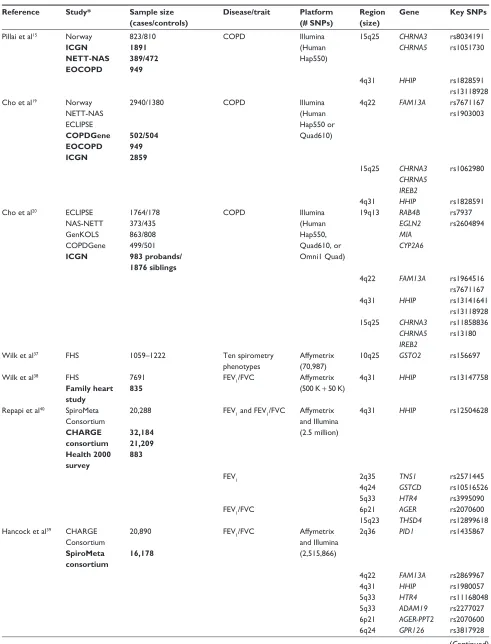
Table 2 summarizes COPD susceptibility loci identified by
genome-wide association (GWA) studies. The results of
the first GWA study on COPD were published in 2009.
15The GWA study was conducted in a case-control cohort of
Dovepress COPD gene list
International Journal of Chronic Obstructive Pulmonary Disease downloaded from https://www.dovepress.com/ by 118.70.13.36 on 22-Aug-2020
Norway (823 COPD cases and 810 controls), and the top
100 SNPs were followed up in the family-based International
COPD Genetics Network (ICGN). Two susceptibility loci
were identified. The most definitive evidence of association
was found with two SNPs at the
α
-nicotinic acetylcholine
receptor locus on chromosome 15q25, the same locus
implicated in the risk of lung cancer.
16–18Two SNPs at the
hedgehog interacting protein (HHIP) locus on chromosome
4q31 also showed strong associations.
The case-control cohort of Norway was then combined
with the COPD cases from the National Emphysema
Treatment Trial (NETT) and unaffected individuals from the
Normative Aging Study (NAS), as well as cases and controls
from the multicenter Evaluation of COPD Longitudinally to
Identify Predictive Surrogate Endpoints (ECLIPSE) Study.
19A total of 2940 cases and 1380 controls were considered. Loci
15q25-CHRNA3/CHRNA5/IREB2 and 4q31-HHIP were
replicated in this study. A third locus was also identified at
4q22.1 harboring the
FAM13A
gene. The latter was followed
up and validated in the COPDGene study and the ICGN.
A trend was also observed in the Boston Early-Onset COPD
Study (EOCOPD). The latest GWA study on COPD was
performed using 3499 cases and 1922 controls regrouping
the ECLIPSE, NETT-NAS, Norway, and COPDGene
stud-ies.
20The three GWA-nominated COPD-susceptibility loci
(ie, CHRNA3/CHRNA5/IREB2, HHIP, and FAM13A) were
confirmed in this extended GWA study. In addition, a new
COPD locus was identified on chromosome 19q13, which
harbored the
RAB4B
,
EGLN2
,
MIA
, and
CYP2A6
genes.
It was estimated that the four GWA-nominated COPD loci
accounted for
∼
5% of the total variance of the sibling relative
risk of COPD.
20Two of the four genome-wide associated loci found in
COPD – 15q25 and 19q13 – were previously associated
with cigarettes smoked per day and cotinine levels,
21–25suggesting that the risk alleles are acting through smoking
behavior. Further studies support this hypothesis on 15q25.
In fact, previous studies suggested that sequence variants
on chromosome 15q25 confer risk of smoking-related lung
diseases (ie, COPD and lung cancer) through its effect
on tobacco addiction.
17,26This is consistent with the lack
of association between the 15q25 locus and lung cancer
among never-smokers.
27–29In contrast, other evidence argues
against this hypothesis, showing weak or no evidence that
the 15q25 locus directly influences smoking behavior,
15,16no appreciable variation in the risk of lung cancer across
smoking categories,
18and significant effect of the 15q25
locus on smoking-related diseases after adjustment for
smoking exposure.
30,31Multiple distinct loci affecting both
smoking behavior
24,31and lung cancer
32were reported on
15q25. It is still unknown whether genes located at any
of these loci are causally involved in the pathogenesis of
COPD and lung cancer or the effect is mediated by
chang-ing smokchang-ing behavior. Risk alleles on chromosome 15q25
were shown to modulate the mRNA expression levels of the
CHRNA5
gene in the brain
33,34and lung
35tissues as well as
the expression of
CHRNA5
and
IREB2
genes in sputum.
36The regulation of genes in primary disease tissues, such as
lung and sputum, suggests a direct effect of 15q25 genes on
COPD susceptibility. More functional studies are needed
to find the causal alleles and genes on 15q25 as well as to
disentangle their impact on correlated traits associated with
this chromosomal region.
GWA studies on lung function
In 2007, Wilk et al
37reported the first GWA study on lung
function in approximately 1200 individuals. The study
was conducted as part of the Framingham Heart Study.
Association tests were performed on 70,987 autosomal SNPs
and for ten spirometry phenotypes. No SNP was associated
with lung-function phenotypes using stringent criteria for
genome-wide significance, but suggestive evidence of
association was provided for a nonsynonymous coding SNP
in exon 5 of the
GSTO2
gene. In 2009, a larger GWA study
from the Framingham Heart Study was performed in 7691
participants.
38Interestingly, the 4q31-HHIP COPD locus
20
15
10
0 5 10 15 20 25
TNF
GSTP1 SERPINA1
TGFB1
ADRB2 SOD3
GSTM1
EPHX1
Number of positive studies Number of negative studies 5
0
Figure 2 Scatter plot showing the number of studies supporting and not supporting candidate genes for chronic obstructive pulmonary disease.
Notes: A total of 192 genes are illustrated. Note that many genes overlap in the lower-left corner and the 192 dots cannot be visualized on this display. The gray and red lines are the regression and identity lines, respectively. Genes studied many times or more consistently replicated are illustrated.
Dovepress Bossé
International Journal of Chronic Obstructive Pulmonary Disease downloaded from https://www.dovepress.com/ by 118.70.13.36 on 22-Aug-2020
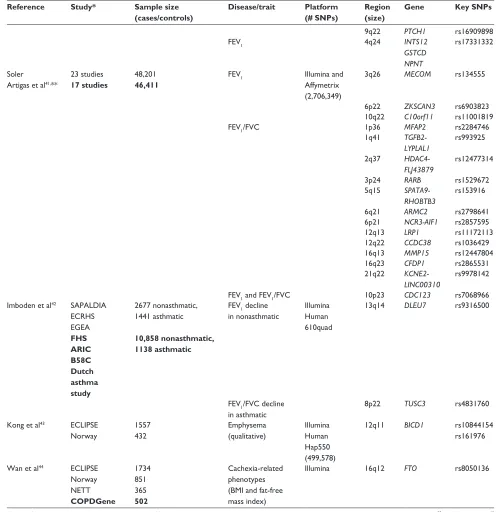
Table 2 Susceptibility loci for chronic obstructive pulmonary disease (COPD) and related phenotypes identified by genome-wide association
studies
Reference Study* Sample size (cases/controls)
Disease/trait Platform (# SNPs)
Region (size)
Gene Key SNPs
Pillai et al15 Norway ICGN NETT-NAS EOCOPD
823/810 1891 389/472 949
COPD Illumina
(Human Hap550)
15q25 CHRNA3
CHRNA5
rs8034191 rs1051730
4q31 HHIP rs1828591
rs13118928 Cho et al19 Norway
NETT-NAS ECLIPSE COPDGene EOCOPD ICGN
2940/1380
502/504 949 2859
COPD Illumina
(Human Hap550 or Quad610)
4q22 FAM13A rs7671167 rs1903003
15q25 CHRNA3
CHRNA5 IREB2
rs1062980
4q31 HHIP rs1828591
Cho et al20 ECLIPSE NAS-NETT GenKOLS COPDGene ICGN
1764/178 373/435 863/808 499/501 983 probands/ 1876 siblings
COPD Illumina
(Human Hap550, Quad610, or Omni1 Quad)
19q13 RAB4B
EGLN2 MIA CYP2A6
rs7937 rs2604894
4q22 FAM13A rs1964516 rs7671167
4q31 HHIP rs13141641
rs13118928
15q25 CHRNA3
CHRNA5 IREB2
rs11858836 rs13180
wilk et al37 FHS 1059–1222 Ten spirometry
phenotypes
Affymetrix (70,987)
10q25 GSTO2 rs156697
wilk et al38 FHS
Family heart study
7691 835
FEV1/FVC Affymetrix (500 K + 50 K)
4q31 HHIP rs13147758
Repapi et al40 SpiroMeta Consortium CHARGE consortium Health 2000 survey
20,288
32,184 21,209 883
FEV1 and FEV1/FVC Affymetrix and Illumina (2.5 million)
4q31 HHIP rs12504628
FEV1 2q35 TNS1 rs2571445
4q24 GSTCD rs10516526
5q33 HTR4 rs3995090
FEV1/FVC 6p21 AGER rs2070600
15q23 THSD4 rs12899618
Hancock et al39 CHARGE Consortium SpiroMeta consortium
20,890
16,178
FEV1/FVC Affymetrix and Illumina (2,515,866)
2q36 PID1 rs1435867
4q22 FAM13A rs2869967
4q31 HHIP rs1980057
5q33 HTR4 rs11168048
5q33 ADAM19 rs2277027 6p21 AGER-PPT2 rs2070600 6q24 GPR126 rs3817928
(Continued)
Dovepress COPD gene list
International Journal of Chronic Obstructive Pulmonary Disease downloaded from https://www.dovepress.com/ by 118.70.13.36 on 22-Aug-2020
Table 2 (Continued)
Reference Study* Sample size (cases/controls)
Disease/trait Platform (# SNPs)
Region (size)
Gene Key SNPs
9q22 PTCH1 rs16909898
FEV1 4q24 INTS12
GSTCD NPNT
rs17331332
Soler Artigas et al41,**
23 studies 17 studies
48,201 46,411
FEV1 Illumina and
Affymetrix (2,706,349)
3q26 MECOM rs134555
6p22 ZKSCAN3 rs6903823
10q22 C10orf11 rs11001819
FEV1/FVC 1p36 MFAP2 rs2284746 1q41 TGFB2-
LYPLAL1
rs993925
2q37 HDAC4- FLJ43879
rs12477314
3p24 RARB rs1529672
5q15 SPATA9- RHOBTB3
rs153916
6q21 ARMC2 rs2798641 6p21 NCR3-AIF1 rs2857595
12q13 LRP1 rs11172113
12q22 CCDC38 rs1036429
16q13 MMP15 rs12447804
16q23 CFDP1 rs2865531
21q22 KCNE2- LINC00310
rs9978142
FEV1 and FEV1/FVC 10p23 CDC123 rs7068966
Imboden et al42 SAPALDIA ECRHS EGEA FHS ARIC B58C Dutch asthma study
2677 nonasthmatic, 1441 asthmatic
10,858 nonasthmatic, 1138 asthmatic
FEV1 decline in nonasthmatic
Illumina Human 610quad
13q14 DLEU7 rs9316500
FEV1/FVC decline in asthmatic
8p22 TUSC3 rs4831760
Kong et al43 ECLIPSE Norway
1557 432
Emphysema (qualitative)
Illumina Human Hap550 (499,578)
12q11 BICD1 rs10844154
rs161976
wan et al44 ECLIPSE Norway NETT COPDGene
1734 851 365 502
Cachexia-related phenotypes (BMI and fat-free mass index)
Illumina 16q12 FTO rs8050136
Notes: *Bold entries indicates replication cohorts; **only the new loci are identified for this study, but ten loci previously reported by Hancock et al39 and Repapi et al40 were also detected.
Abbreviations: ARIC, Atherosclerosis Risk in Communities; B58C, British 1958 Birth Cohort; EOCOPD, Boston Early-Onset COPD Study; BMI, body mass index; COPDGene, COPDGene study; ECLIPSE, Evaluation of COPD Longitudinally to Identify Predictive Surrogate Endpoints; ECRHS, European Community Respiratory Health Survey; EGEA, Epidemiological study on the Genetics and Environment of Asthma; FEV1, forced expiratory volume in 1 second; FHS, Framingham Heart Study; FVC, forced vital capacity; GenKOLS, Bergen, Norway COPD Cohort; ICGN, International COPD Genetics Network study; NAS-NETT, Normative Aging Study and National Emphysema Treatment Trial; SAPALDIA, Swiss Cohort Study on Air Pollution and Lung and Heart Disease in Adults; SNPs, single-nucleotide polymorphisms.
was associated with percent predicted FEV
1/FVC ratio. This
locus was confirmed in a second set of participants from the
Family Heart Study (n
=
835).
In January 2010, two articles reported GWA studies for
lung function.
39,40First, Repapi et al
40performed a GWA
study on FEV
1and FEV
1/FVC ratio in the SpiroMeta
consortium (20,288 individuals of European ancestry). They
have also followed up the best associated SNPs in 32,184
additional individuals. Overall, they have identified five
novel genome-wide significant loci for pulmonary function,
Dovepress Bossé
International Journal of Chronic Obstructive Pulmonary Disease downloaded from https://www.dovepress.com/ by 118.70.13.36 on 22-Aug-2020
being 2q35 (
TNS1
), 4q24 (
GSTCD
), and 5q33 (
HTR4
) for
FEV
1, and 6p21 (
AGER
) and 15q23 (
THSD4
) for FEV
1/FVC.
Second, Hancock et al
39conducted a GWA study on the same
two clinically important pulmonary function measures in the
CHARGE consortium consisting of 20,890 participants of
European ancestry. They identified significant associations
with FEV
1/FVC ratio for SNPs located in seven previously
unrecognized loci: 6q24 (
GPR126
), 5q33 (
ADAM19
),
6p21 (
AGER
and
PPT2
), 4q22 (
FAM13A
), 9q22 (
PTCH1
),
2q36 (
PID1
), and 5q33 (
HTR4
). For FEV
1, one new locus
annotated by three genes (
INTS12
,
GSTCD
, and
NPNT
)
on 4q24 was identified. 4q24 (
GSTCD
), 5q33 (
HTR4
) and
6p21 (
AGER
) were common in both consortia, ie, SpiroMeta
and CHARGE. The previously reported 4q31 locus located
upstream of the
HHIP
gene associated with FEV
1and FEV
1/
FVC ratio was also confirmed in these consortia.
More recently, a larger GWA study of FEV
1and FEV
1/FVC
ratio was reported, comprising more than 48,000 individuals
of European ancestry and followed up for replication in more
than 46,000 individuals.
41Ten out of eleven loci previously
reported by the SpiroMeta and CHARGE consortia were
replicated in this extended GWA study. Only
PID1
on 2q36
was not replicated. More interestingly, 16 new loci were
identified, including twelve loci for FEV
1/FVC, three for
FEV
1, and one for both traits. Thus, 26 loci were associated
with lung function in this GWA study. Together, these loci
explain 3.2% of the additive polygenic variance for FEV
1/
FVC and 1.5% of the variance for FEV
1.
The first GWA study on lung-function decline was
recently reported.
42Briefly, genome-wide analyses
on FEV
1and FEV
1/FVC decline were conducted in
2677 nonasthmatics and 1441 asthmatics separately. The
top hits were then replicated in 10,858 nonasthmatic and
1138 asthmatic participants. Decline of FEV
1and FEV
1/FVC
ratio was evaluated during a follow-up examination period
of roughly 10 years in these participants. No SNP reached
genome-wide significance in the discovery set. However, one
locus on chromosome 13q14.3 containing the
DLEU7
gene
was strongly associated with FEV
1decline in nonasthmatics
from the discovery set and confirmed in the replication
set. A strong association signal was also reported on 8p22
harboring the
TUSC3
gene for FEV
1/FVC decrease in
asthmatics, but not validated in the replication set. Many loci
previously associated with cross-sectional lung function in
GWA studies described above were replicated with baseline
lung function in either asthmatic or nonasthmatic subjects.
However, few GWAS-nominated lung-function loci were
associated with lung-function decline, suggesting different
genetic mechanisms governing baseline lung function and
decline with age. In addition, this study showed the genetic
heterogeneity of lung-function decline between subjects
with and without asthma. Table 2 summarizes lung-function
susceptibility loci identified by GWA studies.
GWA studies on COPD-related
phenotypes
Other GWA studies were reported on COPD-related
phe-notypes. Emphysema is an important feature of COPD and
varies considerably between patients. A recent GWA study
was performed on emphysema measures by computed
tomography scan and defined by radiologist qualitative scores
and quantitative assessments of low-attenuation areas.
43The qualitative scores obtained in 1557 patients from the
ECLIPSE study and 432 subjects from the Norway cohort led
to the identification of an emphysema locus on chromosome
12p11.2. The most strongly associated SNP is located in
the
BICD1
gene, known to be involved in regulating telomere
length. The ECLIPSE, Norway, and NETT studies were also
used to perform a GWA study on COPD-related cachexia
phenotypes, including body mass index and fat-free mass
index.
44Cachexia occurs in approximately 10% of patients
with COPD and is associated with increased mortality. The
GWA study on body mass index and fat-free mass index in
patients with COPD identified a single susceptibility locus
that harbored the
FTO
gene, the most robust gene associated
with obesity. Whether FTO acts through obesity or directly
affects lung function remains to be elucidated.
GWA studies on COPD, lung function, and related
phenotypes provided strong and consistent evidence of
genetic susceptibility loci. These studies also highlight the
large number of participants required to identify reproducible
genetic loci. So far, GWA studies have identified only a small
fraction of the genetic variants contributing to COPD risk,
related complications, and lung-function variability. GWA
studies on larger sample sizes, especially for COPD, will be
required to identify the genetic factors underpinning COPD
and related phenotypes. Large international efforts are under
way to increase sample sizes and use more comprehensive
molecular phenotyping (eg, gene expression in the lung) to
elucidate the genetic component of COPD.
45,46It should be
emphasized that the causal genes and genetic variants of
all these newly discovered loci by GWA studies remain to
be identified. More integrative genomic approaches will be
required for these purposes. Different study designs testing
rare and copy-number variants as well as gene-smoking
interaction are also needed.
Dovepress COPD gene list
International Journal of Chronic Obstructive Pulmonary Disease downloaded from https://www.dovepress.com/ by 118.70.13.36 on 22-Aug-2020
Integrative genomic approaches
More studies are being conducted using integrative genomic
approaches in order to identify COPD susceptibility genes.
For example, the
IREB2
gene was identified by combining
gene expression in human lungs and genetic association
in COPD cohorts.
47In this study, lung specimens were
obtained from patients undergoing lung nodule resection,
and gene expression was compared between 15 COPD and
18 non-COPD patients using whole-genome gene-expression
arrays. A total of 889 SNPs found in the 62 genomic regions
containing genes differentially expressed between patients
with or without COPD were tested for association with
COPD and lung function. Seventy-one SNPs nominally
associated (
P
#
0.05) with COPD in the NETT-NAS
study were followed up for replication in the EOCOPD study.
A gene-based replication was then completed to confirm
genetic association between genetic variants in the
IREB2
gene and lung function. Overall, the
IREB2
gene was shown
to be upregulated in lung specimens of COPD patients and
to contain genetic variants associated with COPD. Gene
expression in a larger number of lung specimens will be
required to test whether COPD-associated SNPs in the
IREB2
gene influence the expression of its gene product.
Although Table 2 shows the major susceptibility loci
identified by GWA studies, many additional loci were
borderline significant in these studies. Many true positives
are likely to be missed by this approach owing to the stringent
threshold used to control for false-discovery rates. Different
weighting methods and SNP-prioritization strategies are
currently used to find true-positive signals from previous
GWA studies. For example, the
FGF7
gene was recently
identified as a COPD susceptibility locus by weighting GWA
analysis on regions of conserved homozygosity haplotype
in subjects affected with COPD compared to unaffected
subjects.
48As mentioned previously,
49further studies
reanalyzing genome-wide SNP datasets with weighting
methods based on function annotations (eg, coding variants or
regions) or prior knowledge (eg, candidate genes or
genome-wide linkage studies) will be required. Similarly, ongoing
lung expression quantitative trait loci (eQTLs) mapping
data
36,46are likely to leverage the impact of previous GWA
studies on COPD by providing a list of SNPs that regulate
gene expression in relevant tissues. SNPs associated with
gene expression will provide crucial functional information
to understand the molecular changes introduced by the
susceptibility DNA variants. The identification of SNPs
associated with both disease traits and quantitative transcript
levels of one or more genes in relevant tissues will highlight
the most likely causal gene within the susceptibility loci and
the functional SNPs that are prime candidates to be directly
involved in the pathogenesis of COPD.
Conclusion
Elucidating the genetic component of COPD and lung
function turned out to be a challenging task. Major resources
and collaborative efforts will be required to achieve our
goal. In this review, the author provides an updated list of
COPD genes and a summary of GWAS results conducted
during the last few years. It is hoped that the gene list can
be used by investigators to replicate or refute susceptibility
genes of COPD. As eluded above, this gene list can also be
used to reanalyze GWA data by prioritizing genes previously
associated with COPD or related phenotypes or enter into
more global gene network and causality analyses. Owing to the
challenge faced by the genetic community, large collections
of patients well characterized for COPD phenotypes are
ongoing to identify the genuine COPD genes. A lumping
and splitting strategy is an old idea in the field of genetics of
complex traits
50that will certainly be essential in the field of
COPD. Pooling resources (ie, lumping) is required to obtain
proper sample sizes, but is likely to increase heterogeneity.
These larger sample sizes, however, provide the opportunity
to subdivide (ie, splitting) the pooled data into more
homogeneous subgroups where the molecular defects are
more likely to be similar. Accordingly, not only the genetic
community but the entire spectrum of experts managing
and treating patients with COPD will be required to provide
samples, precise phenotypes, and expertise to search for the
underlying genetic mechanisms. In parallel, complementary
multidimensional genomic data in relevant tissues (eg, lung
eQTLs) will be crucial to uncover causal genes and genetic
variants that contribute to COPD and to discover new
molecular targets for prevention, diagnosis, and treatment.
Acknowledgment
Yohan Bossé is a research scholar from the Heart and Stroke
Foundation of Canada.
Disclosure
The author reports no conflict of interest in this work.
References
1. Murray CJ, Lopez AD. Alternative projections of mortality and disability by cause 1990–2020: Global Burden of Disease Study. Lancet. 1997; 349(9064):1498–1504.
Dovepress Bossé
International Journal of Chronic Obstructive Pulmonary Disease downloaded from https://www.dovepress.com/ by 118.70.13.36 on 22-Aug-2020
2. Rabe KF, Hurd S, Anzueto A, et al. Global strategy for the diagnosis, man-agement, and prevention of chronic obstructive pulmonary disease: GOLD executive summary. Am J Respir Crit Care Med. 2007;176(6):532–555. 3. Halbert RJ, Natoli JL, Gano A, Badamgarav E, Buist AS, Mannino
DM. Global burden of COPD: systematic review and meta-analysis.
Eur Respir J. 2006;28(3):523–532.
4. Bossé Y. Genetics of chronic obstructive pulmonary disease: a succinct review, future avenues and prospective clinical applications.
Pharmacogenomics. 2009;10(4):655–667.
5. Castaldi PJ, Cho MH, Cohn M, et al. The COPD genetic association compendium: a comprehensive online database of COPD genetic associations. Hum Mol Genet. 2010;19(3):526–534.
6. Chanock SJ, Manolio T, Boehnke M, et al. Replicating genotype-phenotype associations. Nature. 2007;447(7145):655–660.
7. Hu G, Yao W, Zhou Y, et al. Meta- and pooled analyses of the effect of glutathione S-transferase M1 and T1 deficiency on chronic obstructive pulmonary disease. Int J Tuberc Lung Dis. 2008;12(12): 1474–1481.
8. Smolonska J, Wijmenga C, Postma DS, Boezen HM. Meta-analyses on suspected chronic obstructive pulmonary disease genes: a summary of 20 years’ research. Am J Respir Crit Care Med. 2009;180(7):618–631. 9. Zhan P, Wang J, Wei SZ, et al. TNF-308 gene polymorphism is associated
with COPD risk among Asians: meta-analysis of data for 6,118 subjects.
Mol Biol Rep. 2011;38(1):219–227.
10. Zhang S, Wang C, Xi B, Li X. Association between the tumour necrosis factor-alpha-308G/A polymorphism and chronic obstructive pulmonary disease: an update. Respirology. 2011;16(1):107–115.
11. Gingo MR, Silveira LJ, Miller YE, et al. Tumour necrosis factor gene polymorphisms are associated with COPD. Eur Respir J. 2008;31(5): 1005–1012.
12. Obeidat M, Wain LV, Shrine N, et al. A comprehensive evaluation of potential lung function associated genes in the SpiroMeta general population sample. PLoS One. 2011;6(5):e19382.
13. Hong X, Zhou H, Tsai HJ, et al. Cysteinyl leukotriene receptor 1 gene variation and risk of asthma. Eur Respir J. 2009;33(1):42–48. 14. Hosgood HD 3rd, Menashe I, He X, Chanock S, Lan Q. PTEN identified
as important risk factor of chronic obstructive pulmonary disease. Respir Med. 2009;103(12):1866–1870.
15. Pillai SG, Ge D, Zhu G, et al. A genome-wide association study in chronic obstructive pulmonary disease (COPD): identification of two major susceptibility loci. PLoS Genet. 2009;5(3):e1000421. 16. Amos CI, Wu X, Broderick P, et al. Genome-wide association scan of
tag SNPs identifies a susceptibility locus for lung cancer at 15q25.1.
Nat Genet. 2008;40(5):616–622.
17. Thorgeirsson TE, Geller F, Sulem P, et al. A variant associated with nicotine dependence, lung cancer and peripheral arterial disease. Nature. 2008;452(7187):638–642.
18. Hung RJ, McKay JD, Gaborieau V, et al. A susceptibility locus for lung cancer maps to nicotinic acetylcholine receptor subunit genes on 15q25. Nature. 2008;452(7187):633–637.
19. Cho MH, Boutaoui N, Klanderman BJ, et al. Variants in FAM13A are associated with chronic obstructive pulmonary disease. Nat Genet. 2010;42(3):200–202.
20. Cho MH, Castaldi PJ, Wan ES, et al. A genome-wide association study of COPD identifies a susceptibility locus on chromosome 19q13. Hum Mol Genet. 2012;21(4):947–957.
21. Thorgeirsson TE, Gudbjartsson DF, Surakka I, et al. Sequence variants at CHRNB3-CHRNA6 and CYP2A6 affect smoking behavior. Nat Genet. 2010;42(5):448–453.
22. Timofeeva MN, McKay JD, Smith GD, et al. Genetic polymorphisms in 15q25 and 19q13 loci, cotinine levels, and risk of lung cancer in EPIC. Cancer Epidemiol Biomarkers Prev. 2011;20(10):2250–2261. 23. Keskitalo K, Broms U, Heliovaara M, et al. Association of serum
coti-nine level with a cluster of three nicotinic acetylcholine receptor genes (CHRNA3/CHRNA5/CHRNB4) on chromosome 15. Hum Mol Genet. 2009;18(20):4007–4012.
24. Liu JZ, Tozzi F, Waterworth DM, et al. Meta-analysis and imputation refines the association of 15q25 with smoking quantity. Nat Genet. 2010;42(5):436–440.
25. Genome-wide meta-analyses identify multiple loci associated with smoking behavior. Nat Genet. 2010;42(5):441–447.
26. Pillai SG, Kong X, Edwards LD, et al. Loci identified by genome-wide association studies influence different disease-related phenotypes in chronic obstructive pulmonary disease. Am J Respir Crit Care Med. 2010;182(12):1498–1505.
27. Wang Y, Broderick P, Matakidou A, Eisen T, Houlston RS. Role of 5p15.33 (TERT-CLPTM1L), 6p21.33 and 15q25.1 (CHRNA5-CHRNA3) variation and lung cancer risk in never-smokers.
Carcinogenesis. 2010;31(2):234–238.
28. Spitz MR, Amos CI, Dong Q, Lin J, Wu X. The CHRNA5-A3 region on chromosome 15q24-25.1 is a risk factor both for nicotine dependence and for lung cancer. J Natl Cancer Inst. 2008;100(21):1552–1556. 29. Landi MT, Chatterjee N, Yu K, et al. A genome-wide association study
of lung cancer identifies a region of chromosome 5p15 associated with risk for adenocarcinoma. Am J Hum Genet. 2009;85(5):679–691. 30. Chappell SL, Daly L, Lotya J, et al. The role of IREB2 and
transform-ing growth factor beta-1 genetic variants in COPD: a replication case-control study. BMC Med Genet. 2011;12:24.
31. Saccone NL, Culverhouse RC, Schwantes-An TH, et al. Multiple independent loci at chromosome 15q25.1 affect smoking quantity: a meta-analysis and comparison with lung cancer and COPD. PLoS Genet. Aug 2010;6(8):e1001053.
32. Broderick P, Wang Y, Vijayakrishnan J, et al. Deciphering the impact of common genetic variation on lung cancer risk: a genome-wide association study. Cancer Res. 2009;69(16):6633–6641.
33. Wang JC, Cruchaga C, Saccone NL, et al. Risk for nicotine depen-dence and lung cancer is conferred by mRNA expression levels and amino acid change in CHRNA5. Hum Mol Genet. 2009;18(16): 3125–3135.
34. Wang JC, Grucza R, Cruchaga C, et al. Genetic variation in the CHRNA5 gene affects mRNA levels and is associated with risk for alcohol dependence. Mol Psychiatry. 2009;14(5):501–510.
35. Falvella FS, Galvan A, Frullanti E, et al. Transcription deregulation at the 15q25 locus in association with lung adenocarcinoma risk. Clin Cancer Res. 2009;15(5):1837–1842.
36. Qiu W, Cho MH, Riley JH, et al. Genetics of sputum gene expression in chronic obstructive pulmonary disease. PLoS One. 2011;6(9): e24395.
37. Wilk JB, Walter RE, Laramie JM, Gottlieb DJ, O’Connor GT. Framingham Heart Study genome-wide association: results for pulmonary function measures. BMC Med Genet. 2007;8 Suppl 1:S8. 38. Wilk JB, Chen TH, Gottlieb DJ, et al. A genome-wide association study
of pulmonary function measures in the Framingham Heart Study. PLoS Genet. 2009;5(3):e1000429.
39. Hancock DB, Eijgelsheim M, Wilk JB, et al. Meta-analyses of genome-wide association studies identify multiple loci associated with pulmonary function. Nat Genet. 2010;42(1):45–52.
40. Repapi E, Sayers I, Wain LV, et al. Genome-wide association study identifies five loci associated with lung function. Nat Genet. 2010; 42(1):36–44.
41. Soler Artigas M, Loth DW, Wain LV, et al. Genome-wide association and large-scale follow up identifies 16 new loci influencing lung function. Nat Genet. 2011;43(11):1082–1090.
42. Imboden M, Bouzigon E, Curjuric I, et al. Genome-wide association study of lung function decline in adults with and without asthma.
J Allergy Clin Immunol. 2012;129(5):1218–1228.
43. Kong X, Cho MH, Anderson W, et al. Genome-wide association study identifies BICD1 as a susceptibility gene for emphysema. Am J Respir Crit Care Med. 2011;183(1):43–49.
44. Wan ES, Cho MH, Boutaoui N, et al. Genome-wide association analysis of body mass in chronic obstructive pulmonary disease. Am J Respir Cell Mol Biol. 2011;45(2):304–310.
Dovepress COPD gene list
International Journal of Chronic Obstructive Pulmonary Disease downloaded from https://www.dovepress.com/ by 118.70.13.36 on 22-Aug-2020