Complementary and alternative medicine use in Irritable
Bowel Syndrome: an examination of the influence of
illness and treatment representations
Lee John Usher
A thesis submitted in partial fulfilment of the requirements of the University of West London for the degree of Doctor of Philosophy
Abstract
Irritable Bowel Syndrome (IBS) is a chronic functional disorder of the
gastrointestinal system with prevalence in adults of 10-20%. IBS is
characterised by a number of troublesome symptoms including
abdominal bloating, pain and excess gas, and has substantial impact on
quality of life in addition to wider economic implications. Conventional
medical treatment can be problematic however, due to the lack of
established aetiology and the number of symptoms reported.
Concurrently, use of complementary and alternative medicine (CAM) to
relieve IBS symptoms is reported to be as high as 50%, although the
benefits and impact of such treatments are not fully substantiated by
primary research data. However, evidence has shown that people
affected may benefit from psychological intervention in terms of reduced
use of health care services and reported symptoms.
This thesis has examined psychological factors that influence use of
CAM and quality of life in individuals affected by IBS. These factors were
explored within the theoretical framework of an extended common-sense
model of illness representations (CSM), which incorporated treatment
beliefs. The main aim of the thesis was twofold: to examine the illness
perceptions and treatment beliefs that influenced CAM use and to
explore pathways from illness and treatment representation to quality of
life in CAM-users and those not using CAM (non-users).
A web-based cross-sectional study and minimum six month time-period
follow-up study were conducted. Participants were primarily recruited
from an IBS self-help network in the UK and other online message
boards. The cross-sectional study (n=653) considered illness
perceptions and treatment beliefs associated with CAM use and how
these factors differed in influencing coping strategies and quality of life in
exploration of the influence of illness perceptions and treatment beliefs at
study time one, on coping strategies and quality of life at study time two.
The findings demonstrated that components of illness perceptions
influenced CAM use, coping strategies and quality of life. Treatment
beliefs were more strongly implicated in influencing the use of CAM. At
the cross-sectional stage, stronger perceptions of illness consequences
and emotional representations were major influences on reduced
reported quality of life measures and poorer emotional outcomes in both
survey groups, where similar strength effects were observed. There
were many observed instances of partial mediation of maladaptive and
dysfunctional coping strategies such as self blame and behavioural
disengagement. In addition, follow up data demonstrated a reduction of
the influence of illness perceptions (time one) on quality of life (time two)
compared to the cross-sectional data. Moreover, evidence of mediation
effects was only detected in CAM-users in the follow-up study.
These results highlight the importance of psychological factors, in
particular illness perceptions, and to an extent, treatment beliefs in
influencing coping strategies, quality of life and emotional outcome in
those affected by IBS. Practical and theoretical implications of the
findings are considered and future applications discussed. This thesis
concludes with the proposal of a novel conceptual model to utilise a
multiconvergent approach to enhance the quality of life and emotional
Acknowledgements
I firstly owe huge thanks and great acknowledgement to both my
supervisors, Professor Kathryn Mitchell and Dr. Pauline Fox. They have
both offered untold encouragement, inspiration, guidance and support
over the past few years and were the people that gave me this
opportunity to embark on this intellectual journey. I have learned so
much along the way.
I am also incredibly grateful to all the people that took the time to
participate in this research. Some of the emails and comments from
individuals were incredibly touching and really brought the impact of this
illness into perspective. Also thanks go to the numerous people (the IBS
network and various message board administrators) who helped with or
allowed me permission to advertise my research.
I have to acknowledge the ‘informal’ chats with colleagues and fellow
PhD students on the ‘third floor’ that have led to intellectual inspiration,
entertainment and sometimes much needed off-topic discussion.
I also wish to thank Professor Nicky Robinson for several reads of the
systematic review and to Pam Kaur for being super efficient and for the
tiresome task of printing several chapter drafts.
Extra special thanks go to my partner, Sophie, who has been unwavering
in her support and has been an absolute rock for me whilst I have
embarked on this journey and for always managing to say the right things
at the right time.
Finally, my thanks go to my parents Gill and John, and my brother Adrian
for always asking ‘how things are going’ and for always being interested
in my work. And to the several friends, who have been both curious and
supportive regarding my Ph.D. And to anyone else I have forgotten to
Table of Contents
Abstract...2
Table of Contents...5
List of Tables...14
List of Figures...17
Overview of thesis...19
Chapter 1 ...23
Irritable Bowel Syndrome, illness perceptions and the use of complementary and alternative medicine: an introduction to the research ...23
PART 1: ...23
1.1 The importance of psychological factors in Irritable Bowel Syndrome ...23
1.1.1 Definition of IBS...23
1.1.2 Diagnosis and prevalence of IBS...24
1.1.3 Aetiology...29
1.1.3.1 The influence of personality, stress, mood and abuse on IBS symptoms...31
1.1.4 Treatment and management strategies...33
1.1.4.1 Impact of IBS...33
1.1.4.2 Management of IBS symptoms...35
1.1.5 Illness perceptions ...39
1.1.6 Explaining CAM use in IBS...43
PART 2: ...49
1.6 Factors associated with complementary and alternative medicine use in Irritable Bowel Syndrome: a systematic review...49
1.6.1 Method ...49
1.6.1.1 Search Strategy...49
1.6.1.2 Selection process...49
1.6.1.3 Data analysis...50
1.6.2 Results ...50
1.6.2.1 Methodological comparison...50
1.6.2.3 Reasons for CAM use...55
1.6.3 Discussion...58
1.6.3.1 Summary of main findings...58
1.6.3.2 Limitations of review...60
1.6.3.3. Implications for the thesis...61
1.6.3.4 Conclusions...62
1.7 Chapter summary and aim of thesis ...63
Chapter 2 ...66
Theoretical framework...66
2.1 Theory-based research in health psychology ...66
2.2 The common sense model of illness representation...67
2.2.1 Illness representations...68
2.2.1.1 Evidence for the role of illness representations in IBS and CAM use...72
2.2.1.2 Measurement of illness representations...73
2.2.1.3 Application of the CSM to IBS...75
2.2.1.4 Application of the CSM to CAM use...76
2.2.2. Influence of illness representations on coping strategies...77
2.2.2.1 Coping strategies and measurement of coping...77
2.2.2.2 Relationships between illness representations and coping ...79
2.2.3 Appraisal of coping procedures...82
2.2.3.1 Relationship of illness representations with illness outcomes...83
2.3 Extending the common-sense model ...87
2.4 Comparison of CSM with social cognition models ...90
2.5 Application of CSM research findings...93
2.6 Chapter summary and research objectives ...95
Chapter 3 ...97
Methodological framework...97
3.1 Design ...97
3.1.1 Philosophical framework...98
3.1.1.2 Advantages of harmonising deductive and inductive
approaches...99
3.1.2 Data collection...101
3.1.2.1 The internet: access, health information and e-interventions...101
3.1.2.2 Web-based surveys...102
3.1.2.3 Benefits of web-based surveys...103
3.1.2.3.1 Access to specialist samples and increased disclosure ...103
3.1.2.3.2 Economic and participant response benefits of online research...104
3.1.2.3.3 Practical benefits to the researcher...105
3.1.2.3 Participant recruitment in web-based surveys...106
3.1.2.4 Potential issues with web-based surveys...106
3.1.2.5 Summary of issues related to conducting web-based surveys...108
3.1.3 Identification of variables for measurement...109
3.1.4 Presentation of survey and response format...109
3.1.5 Study design...111
3.2 Sample size ...112
3.2.1 Determination of sample size...113
3.2.2 Obtained sample size...114
3.3 Measures/materials ...114
3.3.1 Background questions...114
3.3.2 Predictive/explanatory measures...114
3.3.2.1 Illness perceptions...115
3.3.2.2 Beliefs about conventional medication...117
3.3.2.3 Beliefs about CAM...118
3.3.2.4 Brief-COPE...120
3.3.3 Outcome measures...121
3.3.3.1 CAM use...121
3.3.3.2 Quality of life...122
3.3.4 Demographics...124
3.4 Procedure ...125
3.4.1 Pilot procedure...125
3.4.2 Advertisement of study...125
3.4.4 Survey completion...127
3.5 Ethical approval ...128
3.6 Statistical methods ...128
3.6.1 Missing data...128
3.6.3 Statistical tests...130
3.6.3.1 Differences between CAM-users and non-users...130
3.6.3.2 Predicting CAM use...130
3.6.3.3 Diagnostic tests for logistic regression model...131
3.6.3.4 Testing for Mediation...131
3.7 Overview and Summary ...134
Chapter 4 ...136
Applying the common-sense model of illness representations to the exploration of CAM use in IBS ...136
4.1 Introduction...136
4.2 Method...138
4.2.1 Design...138
4.2.2 Participants...138
4.2.3 Measures...139
4.2.4 Procedure...139
4.2.5 Statistical methods...140
4.2.5.1 Computing instrument scales...140
4.2.5.2 Data screening...140
4.2.5.3 Principal Components Analysis of IPQ-R causal items.141 4.2.5.4 Statistical tests...145
4.3 Results...147
4.3.1 Participant demographics...148
4.3.2 Extent of CAM use in IBS...150
4.3.4 Age, IPQ-R, BMQ and CAMBI scale associations with number of CAM treatments used...150
4.3.5. Group differences in age, IPQ-R, BMQ and CAMBI scales154 4.3.5.1 Age and IPQ-R sub-scales...155
4.3.5.2 BMQ and CAMBI sub-scales...156
4.3.6.1 Relative contribution of demographic and CSM variables
...161
4.3.6.2 Contribution of demographic variables...161
4.3.6.3 Contribution of illness and treatment representations....162
4.3.7 Accuracy of logistic regression model...163
4.4 Discussion ...165
4.4.1 Prevalence of CAM use in IBS...166
4.4.1.1 IPQ-R, BMQ and CAMBI scale correlations with number of CAM treatments used...166
4.4.1.2 Differences between CAM-users and non-users with IBS on scale variables...168
4.4.1.3 Predicting CAM use in IBS from the CSM and demographic items...170
4.4.2 Theoretical considerations...174
4.4.3 Limitations of the study...175
4.4.4 Conclusions ...179
Chapter 5 ...181
An examination of components of the Common-Sense Model of illness between CAM-users and non-CAM users with IBS ...181
5.1 Introduction...181
5.2 Method...184
5.2.1 Design...184
5.2.2 Participants...184
5.2.3 Measures...184
5.2.4 Procedure...185
5.2.5 Statistical methods...186
5.2.5.1 Computing scales...186
5.2.5.2 Data screening...186
5.2.5.3 Statistical tests...187
5.2.5.3.1 Process to determine mediation...188
5.3 Results...191
5.3.1 Differences between CAM-users and non-users: IBS-QOL scores...192
5.3.2 Differences between CAM-users and non-users: Brief-COPE scores...193
5.3.3.1 Non-users...201
5.3.3.2 CAM-users...203
5.3.4 Testing the theorised mediating role of coping...206
5.3.4.1 Step one: Predictor–outcome relationship...209
5.3.4.2 Step two: predictor–mediator relationship...210
5.3.4.2.1 Non-users...210
5.3.4.2.2 CAM-users...212
5.3.4.3 Step three: mediator–outcome relationship, controlling for predictor variable...213
5.3.4.3.1 Step three of mediation testing: IPQ-R symptom based scales (identity, timeline chronic and consequences) and IBS-QOL scores...214
5.3.4.3.2 Step three of mediation testing: for IPQ-R control and coherence based scales (personal control, treatment control and illness coherence) and IBS-QOL scores...221
5.3.4.3.3 Step three of mediation testing: for IPQ-R emotional representations and causal scales (and IBS-QOL scores)....225
5.3.4.3.4 Step three of mediation testing: for BMQ and CAMBI scales (and IBS-QOL scores)...230
5.3.4.3.5 Step three of mediation testing: for IPQ-R emotional representation scale and emotional outcome...232
5.4 Discussion ...235
5.4.1 CAM-user and non-user differences on IBS-QOL and Brief-COPE scales...235
5.4.2 Relationships between illness representations and treatment beliefs...236
5.4.3 Illness and treatment perceptions, coping and quality of life239 5.4.4 Limitations of the study...246
5.4.5 Conclusions and implications...249
Chapter 6 ...253
A prospective examination of pathways in the Common-Sense Model of illness representations between CAM-users and non-users with IBS ...253
6.1 Introduction...253
6.2 Method...255
6.2.1 Design...255
6.2.2 Participants...256
6.2.4 Procedure...257
6.2.5 Statistical analyses...258
6.2.5.1 Computing scales...259
6.2.5.2 Data screening...259
6.2.5.3 Statistical tests...261
6.3 Results...262
6.3.1 Participant demographics...262
6.3.2 Differences between responders and non-responders on CSM scale variables and age...266
6.3.3 Differences in CSM variable scores at time one and time two ...273
6.3.3.1 Illness and treatment perceptions...274
6.3.3.2 Brief-COPE scales...277
6.3.3.3 IBS-QOL scales...280
6.3.4 Mediation tests of illness and treatment perceptions at time one, and Brief-COPE and IBS-QOL scores at time two...286
6.3.4.1 Step one: Predictor (time one) and outcome (time two) relationship...286
6.3.4.2 Step two: predictor (time one) and mediator (time two) relationships...289
6.3.4.2.1 Non-users...289
6.3.4.2.2 CAM-users...290
6.3.4.3 Step three: mediator–outcome relationship, controlling for predictor variable...291
6.3.4.3.1 Step three of mediation testing: IPQ-R scales (time one) and IBS-QOL scores (time two)...293
6.3.4.3.2 Step three of mediation testing: for IPQ-R emotional representation (time one) and emotional outcome (time two)295 6.4 Discussion ...297
6.4.1. Differences between responders and non-responders on CSM variables...298
6.4.2 Differences in CSM variable scores over time...299
6.4.3 Illness perceptions, treatment beliefs, coping and outcome.302 6.4.4 Limitations of the study...305
6.4.5 Conclusions and implications...307
Chapter 7 ...310
7.1 Introduction...310
7.2 Discussion of research findings ...311
7.2.1 Use of complementary and alternative medicine in IBS...311
7.2.2 Illness perceptions and treatment beliefs...313
7.2.2.1 Influence of Illness perceptions and treatment beliefs on CAM use...313
7.2.2.2 Illness perceptions, treatment beliefs, coping and quality of life...315
7.3 Implications for theory and practice ...320
7.3.1 Practical implications...321
7.3.2 Theoretical implications...324
7.4 Limitations of thesis ...326
7.5 Future directions...331
7.6 Conclusion...340
References...342
Appendix I: advertisement posted on the IBS Network website....369
Appendix II: Study information ...370
Appendix IV: The illness perceptions questionnaire revised version ...372
Appendix V: The Brief-COPE ...376
Appendix VI: The IBS-QOL ...378
Appendix VII: Questions about healthcare ...379
Appendix VIII: The beliefs about medicines questionnaire (general version) ...380
Appendix IX: The complementary and alternative medicine beliefs inventory ...381
Appendix X: Questions about complementary and alternative medicine use ...382
Appendix XI: Demographic information and thank you message .384 Appendix XII: First email sent to participants regarding the follow-up study ...387
Appendix XIV: Second email reminder sent to participants
List of Tables
Table 1.1 Key IBS symptoms reported and pattern of diagnosis in adults ...27 Table 1.2 Comparison of Manning, Rome I and Rome II symptom-based criteria for IBS. ...28
Table 1.3 Summary of treatment guidelines for adults with IBS; adapted from the NICE guidelines ...38
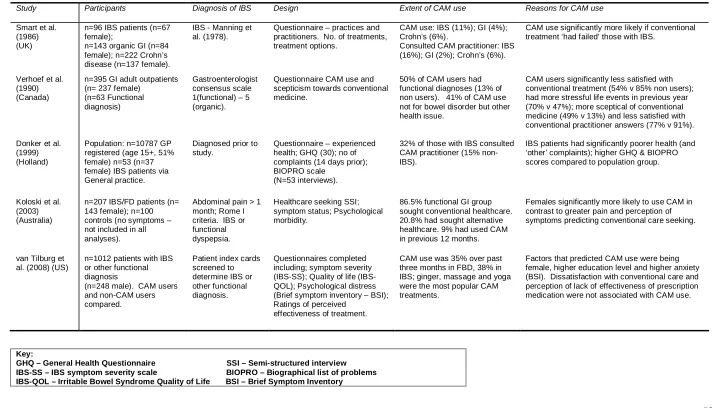
Table 1.4 Summary of studies included in the systematic review ...52
Table 4.1 Pattern coefficients resulting from Principal Components Analysis on IPQ-R causal items ...146
Table 4.2 Participant mean ages, split by gender and CAM use...148
Table 4.3 Key participant demographic data by category and extent of CAM use ...152 Table 4.4 Scales of the IPQ-R, BMQ and CAMBI scales and Pearson’s correlations with number of CAM treatments used...154
Table 4.5 Descriptive statistics and t-tests for differences on scale
variables between CAM-users and non-users with IBS ...157
Table 4.6 Summary of logistic regression analysis of IPQ-R, BMQ,
CAMBI scales and demographic factors in predicting CAM use in IBS 164 Table 5.1 Descriptive statistics illustrating differences between CAM-users and non-CAM-users on IBS-QOL scale and subscales...194
Table 5.2 Descriptive statistics and t-values for differences between CAM-users and non-users on brief-COPE scales ...200 Table 5.3 Relationships between IPQ-R, BMQ and CAMBI scales (non-users): Pearson’s r...207
Table 5.4 Relationships between IPQ-R, BMQ and CAMBI scales (CAM-users): Pearson’s r...208
Table 5.5 Relationships between IPQ-R, BMQ, CAMBI scales, IBS-QOL total score: Pearson’s r...211 Table 5.6 Relationships (Pearson’s r) between IPQ-R ‘emotional
representations’ scale and IBS-QOL ‘dysphoria’ subscale (emotional outcome) ...212
Table 5.7 Relationships between IPQ-R, BMQ and CAMBI scales and Coping strategies (non-users): Pearson’s r...216
Table 5.8 Relationships between IPQ-R, BMQ and CAMBI scales and Coping strategies (CAM-users): Pearson’s r...217 Table 5.9 Mediation tests for IPQ-R symptom based scales (identity, timeline chronic and consequences) for non-users ...219
Table 5.11 Mediation tests for IPQ-R control and coherence based scales (personal control, treatment control and illness coherence) for the non-users ...225
Table 5.12 Mediation tests for IPQ-R control and coherence based scales (personal control, treatment control and illness coherence) for CAM-users ...226
Table 5.13 Mediation tests for IPQ-R emotional representations and causal scales for non-users ...229
Table 5.14 Mediation tests for IPQ-R emotional representations and causal scales for CAM-users...230
Table 5.15 Mediation tests for BMQ overuse scale for CAM-users...231 Table 5.16 Mediation tests for BMQ overuse and CAMBI natural
treatments scales for non-users ...232
Table 5.17 Mediation tests for IPQ-R emotional representation scale and emotional outcome for CAM-users...234 Table 5.18 Mediation tests for IPQ-R emotional representation scale and emotional outcome for the non-users...234 Table 6.1 Key participant demographic (time one) data by frequency and frequency of CAM use in responders ...265
Table 6.2 Descriptive statistics and unrelated t-tests for responder /non-responder differences on illness and treatment perception scales (and age) between CAM-users and non-users with IBS...268
Table 6.3 Descriptive statistics and unrelated t-tests for responder /non-responder differences on brief-COPE scales between CAM-users and non-users with IBS ...270 Table 6.4 Descriptive statistics and unrelated t-tests for responder /non-responder differences on IBS-QOL scale and subscales between CAM-users and non-CAM-users with IBS ...272
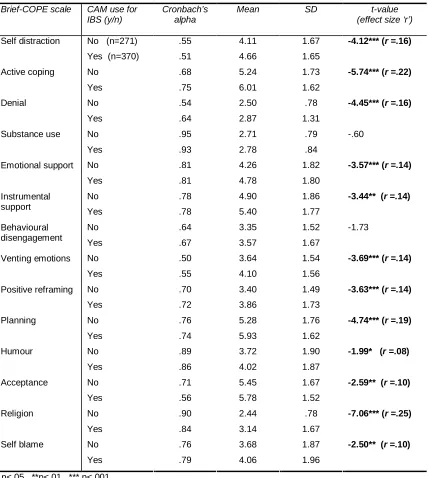
Table 6.5 Illness and treatment perception differences over the two study time-points in CAM-users and non-users ...274
Table 6.6 Brief-COPE scale differences over the two study time points in CAM-users and non-users ...277
Table 6.7 IBS-QOL scale and subscale differences over the two study time points in CAM-users and non-users ...281
Table 6.8 Pearson’s r correlations between IPQ-R, BMQ, CAMBI scales (time one) and IBS-QOL total score (time two) for CAM-users and non-users ...286 Table 6.9 Relationships (Pearson’s r) between IPQ-R ‘emotional
representations’ scale and IBS-QOL ‘dysphoria’ subscale (emotional outcome) ...287
Table 6.11 Pearson’s r correlations between IPQ-R (time one) and brief-COPE (time two) scales in CAM-users ...292
List of Figures
Figure 1.1 A biopsychosocial conceptualisation of IBS illustrating the relationship between early life, physiology, psychological factors,
symptom experience, illness related behaviour and outcome. ...33
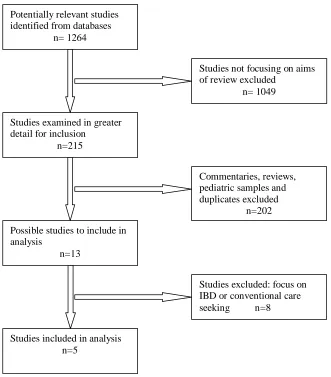
Figure 1.2 Flow chart showing the process of identifying relevant studies ...51 Figure 2.1 Flow diagram of an extended version of Leventhal et al’s. (1992; 1998) Common-Sense Model of Illness Representations ...71
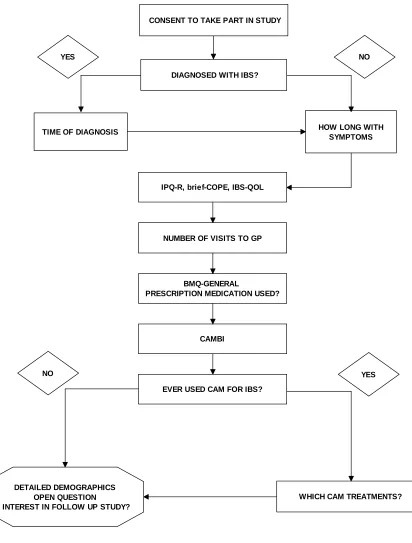
Figure 3.1 Flow chart of participant route through the study web pages ...129
Figure 3.2 Illustration of ‘simple’ Mediation ...133
Figure 4.1 Scree plot derived from Principal Components Analysis of causal items from IPQ-R ...144 Figure 4.2 Pie chart illustrating geographical location of participants (percentage of the whole sample) ...149
Figure 4.3 Bar graph illustrating reported use of most popular CAM treatments in CAM-users with IBS ...153
Figure 4.4 Bar graphs illustrating significant differences between CAM-users and non-CAM-users on IPQ-R scales ...158 Figure 4.5 Bar graphs illustrating significant differences between CAM-users and non-CAM-users on BMQ and CAMBI scales ...159
Figure 5.1 Bar graphs illustrating significant differences between CAM-users and non-CAM-users on IBS-QOL subscales (total score, dysphoria, interference with activity, body image, health worry and food avoidance)
...196
Figure 5.2 Bar graphs illustrating significant differences between CAM-users and non-CAM-users on IBS-QOL subscales (Social reaction, sexual and relationships subscales)...197
Figure 5.3 Bar graphs illustrating significant differences between CAM-users and non-CAM-users on brief-COPE scales (self-distraction, active coping, denial, emotional support, instrumental support and venting emotions) ...198
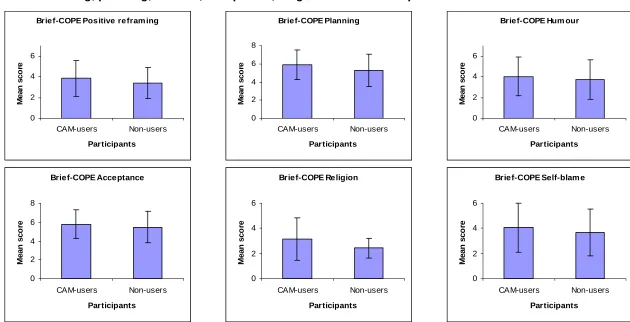
Figure 5.4 Bar graphs illustrating significant differences between CAM-users and non-CAM-users on brief-COPE scales (Positive reframing, planning, humour, acceptance, religion and self blame)...199
Figure 6.1 Pie chart illustrating geographical location of participants for follow-up study (percentage of the whole sample) ...263
Figure 6.3 Bar graphs to illustrate significant differences between responders and non-responders on brief-COPE scales and IBS-QOL subscales in CAM-users ...272
Figure 6.4 Bar graphs to illustrate significant differences between time one and time two responses on IPQ-R scales for CAM-users and non-users ...276
Figure 6.5 Bar graphs to illustrate significant differences between CAM-users’ and non-CAM-users’ ratings on brief-COPE scales at time one and time two ...279
Figure 6.6 Bar graphs to illustrate significant differences between CAM-users’ and non-CAM-users’ ratings on IBS-QOL scale and subscales at time one and time two...283
Figure 6.7 Bar graphs to illustrate significant differences between CAM-users’ and non-CAM-users’ ratings on IBS-QOL subscales at time one and time two...284 Figure 6.8 Bar graphs to illustrate significant differences between CAM-users’ and non-CAM-users’ ratings on IBS-QOL subscales at time one and time two...285
Overview of thesis
Irritable Bowel Syndrome (IBS) is a functional, chronic disorder affecting
the bowel and is characterised by a number of symptoms including bouts
of abdominal pain and bloating. Prevalence in the population is indicated
to be between 10-20% of the population (Jones & Lydeard, 1992; Wilson,
Roberts, Roalfe, Bridge, & Singh, 2004) with a well documented female
predominance in terms of health care seekers (Hungin, Chang, Locke,
Dennis, & Barghout, 2005) The impact of IBS on everyday life is
substantial (Amouretti et al., 2006; Lea & Whorwell, 2001). In wider
economic terms, it has been documented those affected with IBS are
frequent users of health care services (Talley, 2008) and contribute to a
significant proportion of lost working hours (Hungin et al., 2005).
Treatment can often be problematic and reported to be unsatisfactory for
many with IBS (Hayee & Forgacs, 2007). Such insufficient scope of
conventional treatment is seemingly mirrored by estimates that as many
as 50% of those with IBS will use CAM for their symptoms (Kong et al.,
2005). Concerns exist with CAM treatments for IBS as many lack
demonstrated efficacy (Wersch, Forshaw & Cartwright, 2009), there may
be potential for conventional and CAM treatment interactions (e.g.
Shane-McWhorter & Geil, 2002) in addition to significant financial impact
to the individual. Improved management of IBS is therefore a desirable
objective from many angles.
As IBS is a functional illness with no organic manifestation of disease,
aetiological focus has repeatedly fallen on the examination of
psychological factors. Evidence from both IBS and other chronic illness
populations has suggested that perceptions related to illness influence
quality of life and outcomes, more so than the illness itself (Drossman et
al., 1999; Hayee & Forgacs, 2007). Exploration of CAM use has also
illness experience in those that opt to use CAM (Hilsden, Scott, &
Verhoef, 1998). Individuals may also have concerns with their treatment
that leads them to try what they perceive as more natural treatments
(e.g. Bishop, Lewith, & Yardley, 2006).
Identification of psychological factors that are influential on health related
quality of life may enhance understanding of the role of psychology in
IBS and offer future opportunities for focus on improving management
(Rutter & Rutter, 2002; 2007). Furthermore, by exploring reasons for
CAM use and how CAM-users’ beliefs and perceptions differ from those
not using CAM. It may also be determined those using CAM perceive a
more intense illness experience that may influence CAM use and if use
of CAM affects quality of life judgements. This thesis reports research
which systematically addresses illness perceptions in those affected with
IBS and the relationship of such perceptions with CAM use and reported
quality of life. To date, no published research has amalgamated these
factors in the context of a systematic and theoretical framework.
The aim of the research presented in this thesis is to examine the illness
perceptions and treatment beliefs of individuals affected by Irritable
Bowel Syndrome (IBS), using the common-sense model (CSM) of illness
representations (Leventhal, Leventhal, & Contrada, 1998). Two specific
areas of investigation are presented. Firstly, an exploration of which
illness perceptions and treatment beliefs are associated with use of
complementary and alternative medicine (CAM) in IBS is presented.
Secondly, the influence of illness perceptions and treatment beliefs on
coping and quality of life is considered in both those using CAM and
those opting not to use CAM to relieve IBS symptoms. The research
presented has implications both for greater understanding of illness
perceptions and treatment beliefs in IBS. There is also potential for
findings to potentially assist in developing future self-management
strategies and patient centred medical consultations for those people
The following chapter introduces these two branches of research and is
split into two parts. The first part of the chapter (section 1.1) presents
research that has highlighted the importance of psychological factors in
IBS, with particular focus on illness perceptions and their influence on
health related quality of life and CAM use. In the second part of the
chapter (section 1.6), a systematic review is presented that considers
factors associated with CAM use in IBS. Further evidence also suggests
a role for treatment beliefs in influencing CAM use in that individuals may
be concerned by effects of conventional medication while also having
more positive beliefs about CAM.
Chapter two outlines the theoretical approach of the research, proposing
an extended version of the common-sense model of illness
representations (e.g. Leventhal, Diefenbach, & Leventhal, 1992) as the
most appropriate theoretical framework for the research. This model
allows for a structured and systematic approach to examining which
illness perceptions and treatment beliefs are influential in CAM use. The
model also allows examination of pathways from perceptions and beliefs
to outcome and if these can be explained through coping strategies, a
process referred to statistically as mediation. Also considered are the
benefits of a prospective study, to examine changes in CSM components
over time.
Chapter three outlines the methodology employed in the research. It
considers a suitable approach to incorporating a qualitative component
into a survey based design. The protocol for conducting both a
cross-sectional and a follow-up study are outlined. As the research was
conducted via the internet, issues relevant to web-based research are
also considered. This chapter also outlines the statistical methods that
were employed in chapters four, five and six.
Chapter four presents the first part of the research analysis from the
cross-sectional study. This chapter examines the role of illness
affected by IBS. Illness perceptions and treatment beliefs between
CAM-users and non-CAM-users (those not using CAM for IBS) are considered and
how these factors influence use of more than one type of CAM (in
CAM-users) and which factors predict CAM use.
Chapter five provides an examination of the pathways within the CSM
and this is examined for CAM-users and non-users. Relationships
between components of illness perceptions and treatment beliefs are
considered in addition to consideration of differences in quality of life
between the two groups. The CSM pathways are tested for evidence of
mediation in each group. Illness perceptions and treatment beliefs are
firstly correlated with outcome and then coping. Significant relationships
are then tested for a relationship between coping and outcome whilst
controlling for perceptions and beliefs.
Findings from the follow-up study are outlined in chapter six. Changes in
components of the CSM are examined across the two study time points.
Similar to the analysis conducted in chapter five, mediation was tested by
assessing the influence of perceptions and beliefs (at study time one) on
outcome (time two) and on coping (time two). Significant relationships
are then assessed for an influence of coping on outcome (time two)
when controlling for illness perceptions and beliefs at time one.
Chapter seven offers reflection and discussion of the research findings,
conclusions, implications and areas for future direction. This chapter
considers all the findings presented in the thesis and considers the
strengths, limitations and the practical and theoretical implications of the
research conducted. This chapter argues that the research presented in
the thesis makes a new and substantial contribution to the understanding
of CAM use in those affected by IBS and how the pathways in the CSM
may differ over time depending on whether or not individuals use CAM to
relieve the symptoms of IBS. Future directions for the research are also
Chapter 1
Irritable Bowel Syndrome, illness perceptions and the use of complementary and alternative medicine: an introduction to the
research
This chapter reviews the role of psychological factors and illness
perceptions in Irritable Bowel Syndrome (IBS) and thus outlines the
broad psychological context within which the research is set.
Specifically, the chapter addresses the relationship between IBS
symptoms and depression, anxiety and stress, and the role of illness
perceptions in quality of life and healthcare seeking including CAM use.
A systematic review of the use of CAM in IBS is presented and informs
the rationale for the research presented in this thesis.
PART 1:
1.1 The importance of psychological factors in Irritable Bowel Syndrome
This section introduces a definition, prevalence figures and process of
diagnosis for IBS. Aetiology of IBS is also briefly considered in addition
to highlighting the importance of psychological factors in IBS and in
influencing CAM use and quality of life.
1.1.1 Definition of IBS
IBS is a chronic functional disorder of the bowel characterised by a
varying number of recurrent symptoms. It is one of the most commonly
reported disorders of the group of Functional Gastrointestinal Disorders
(FGID) (Drossman et al., 1999). Functional illnesses are classified as
such when no aetiological factor or biological marker is present. The
National Institute for Health and Clinical Excellence guidelines (NICE)
“a chronic, relapsing and often life-long disorder. It is characterised by the presence of abdominal pain or discomfort, which may be associated with defecation and/or accompanied by a change in bowel habit. Symptoms may include disordered defecation (constipation or diarrhoea or both) and abdominal distension, usually referred to as bloating. Symptoms sometimes overlap with other gastrointestinal disorders such as non-ulcer dyspepsia or celiac disease. People with IBS present to primary care with a wide range of symptoms, some of which they may be reluctant to disclose without sensitive questioning.” (NICE, 2008, p.4).
The NICE definition recognises the possibility for co-morbidity with other
organic and functional conditions, a factor suggestive that IBS can be
influenced by somatic sensations from other conditions. The key
symptoms in IBS are abdominal pain or discomfort accompanied by
constipation, diarrhoea and abdominal bloating. The presence of
numerous symptoms, indicate the motivation behind the classification of
IBS as a syndrome.
1.1.2 Diagnosis and prevalence of IBS
Prevalence of IBS is estimated to range from 10% to 20% in western
populations (Jones & Lydeard, 1992; Thompson, Heaton, Smyth, &
Smyth, 2000; Wilson et al., 2004). Corresponding rates have been
reported in non-western populations from China (Drossman, 1999)
although reported rates from a Thai population were lower than those
from British and American participants (Danivat, Tankeyoon &
Sriratanaban, 1988). Moreover, more recent data from a large scale
web-based study in the US showed slightly lower prevalence of 7%
(Andrews et al., 2005). However, current prevalence estimates may
under estimate actual prevalence as many that fit IBS diagnostic criteria
have been found to not seek medical care (Jones & Lydeard, 1992;
Saito, Schoenfeld, & Locke, 2002; Thompson et al., 2000).
From both postal and web-based studies, IBS seems most prevalent in
those in middle adulthood, approximately ages 30 to 50 (Hungin et al.,
Those with IBS have also been shown to be more likely to have a lower
income, lower levels of education and feel as though they have lived with
symptoms over a number of years (Andrews et al., 2005). Prognosis
estimates indicate an average duration of 10 years or greater and many
report no improvement in symptoms over time (Hungin et al., 2005).
Evidence has suggested female predominance in healthcare seeking for
IBS (Andrews et al., 2005; Hungin et al., 2005; Thompson et al., 2000;
Wilson et al., 2004). However, as many with IBS do not seek healthcare
(Saito et al., 2002), the prospect that a proportion of non-seekers of
healthcare are male is possible. It is currently unclear whether the
gender disparity in IBS care seeking represents biological or
environmental distinctions related to gender or differences in reasons for
healthcare seeking (Corazziari, 2004).
Diagnosis of IBS in adults, until recently, involved elimination of possible
organic causes often resulting in both unnecessary investigations and
lengthy referrals to specialists (Foxx-Orenstein, 2006; NICE, 2008). It is
in this way that ‘functional’ illnesses are sometimes considered to be
diagnoses of exclusion. Increased understanding of IBS however, has
resulted in a shift towards validated symptom-based diagnostic criteria
(table 1.2) which has helped ‘legitimise’ IBS as a recognised medical
complaint (Drossman, 1999; Lea & Whorwell, 2003). This move has
seen an emphasis on firstly the Manning criteria (Manning, Thompson,
Heaton & Morris, 1978) and more recently successive versions of the
Rome criteria (e.g. Drossman, 1999; Drossman & Dumitrascu, 2006). As
well as IBS, the Rome criteria list over 30 FGID complaints including
functional heartburn and functional abdominal pain syndrome
(Drossman, 1999). Diagnosis of IBS relies on close examination of an
individual’s symptoms. The basis of the Rome II criteria for IBS is the
presence of continuous symptoms for a minimum of 12 weeks during the
preceding 12 months. Within such diagnostic criteria, the early
elimination of possible ‘red flag’ signals such as unexplained weight loss
conditions needing immediate medical attention (NICE, 2008). NICE
guidelines currently recommend that abdominal pain or discomfort,
bloating or a change in bowel habit (tables 1.1 & 1.2) that has been
present for the previous six months is indicative of IBS (NICE, 2008).
Symptom led criteria have been useful in determining IBS in research
studies and in influencing how IBS is diagnosed in general practice (table
1.2). The recent move to the Rome III criteria has seen a relaxation on
the idea that symptoms should be present during the previous 12
months. The Rome III criteria, proposes symptoms should be evident
during the previous six months (Drossman & Dumitrascu, 2006) and
consequently, prevalence has been shown to increase with this
relaxation of symptom duration (Sperber, Shvartzman, Friger, & Fich,
2007). The influence of the Rome III criteria on current NICE guidelines
is evident in terms of both the type and duration of problematic
symptoms (table 1.1) and suggests greater applicability of the Rome
criteria into clinical practice. Although clearly beneficial, symptom led
criteria have been criticised on the grounds that the lack of a ‘gold
standard’ of IBS classification and constant revision of criteria (as well as
the use of different criteria) results in problems with diagnosis and
therefore estimates of prevalence become less reliable (Boyce, Koloski,
& Talley, 2000; Corazziari, 2004).
The Rome criteria also recognise sub-types of IBS, which have been
used largely for research purposes. There may be a diagnosis of either
diarrhoea predominant IBS (IBS-D) if there are no constipation related
symptoms present or constipation predominant IBS (IBS-C) with no
indicators of diarrhoea. If no one type of IBS can be identified then the
person may be classed as ‘alternating’ (IBS-A) in that there is sufficient
variation in symptoms that no overwhelming sub-type is recognized. In
addition to the subtypes of IBS, there also exists a classification of
Table 1.1 Key IBS symptoms reported and pattern of diagnosis in adults (adapted from Agrawal & Whorwell, 2006; NICE, 2008)
Abdominal pain or discomfort present for at least 6 months that is:
relieved by defecation
Or:
associated with altered bowel habit or stool appearance
And at least two of the following symptoms:
Abdominal bloating, distension, hardness or tension
Altered stool evacuation (straining, urgency or feelings of incomplete evacuation – may form diagnosis of either diarrhoea or constipation predominant IBS, IBS-D and IBS-C respectively)
Symptoms are made worse by eating
Passage of mucus
The following symptoms may also be used to support diagnosis:
Low backache
Nausea
Lethargy
Leg pain
Urinary symptoms (increased frequency, urgency or urge incontinence)
Possible ‘red flag’ symptoms to refer for further investigation:
Unexplained or unintentional loss of weight
Rectal bleeding
A family history of ovarian or bowel cancer
Looser and more frequent stool over 6 weeks in people over 60
Anaemia
Abdominal or rectal masses (e.g. lumps or obstructions)
Inflammatory markers indicative of inflammatory bowel disease
Several studies have shown that diagnosing IBS for research purposes
using the Manning criteria results in higher prevalence than when
compared with Rome I or II (Corazziari, 2004; Hillilä & Färkkilä, 2004;
of the Rome I and II criteria suggests that rates of IBS decrease further
when using the Rome II criteria (Boyce, Talley, Burke, & Koloski, 2006;
Corazziari, 2004), however other studies have shown moderate
agreement between Rome I and II criteria (Yale et al., 2008). These
inconsistencies in diagnostic criteria may cast some doubt on the
reliability of prevalence statistics and also highlight the need for a gold
standard of diagnostic criteria for IBS (Hillilä & Färkkilä, 2004). The
move towards symptom led diagnosis has however removed the need for
time consuming, costly and invasive GI investigations.
Table 1.2Comparison of Manning, Rome I and Rome II symptom-based criteria for IBS (adapted from Corazziari, 2004).
Manning criteria Rome I criteria Rome II criteria Abdominal pain relieved by
bowel movement
Continuous/recurrent symptoms of:
Abdominal pain relieved by bowel movement or associated with change in frequency or consistency of stool.
Continuous/recurrent symptoms for at least 12 weeks in preceding 12 months: Abdominal pain or discomfort accompanied by two out of three features:
Pain associated with looser stools
In addition to two or more of the following (at least a quarter of the time):
Relief with defecation Associated with a change in onset frequency
Or, change in consistency of stool
Pain associated with more frequent bowel movements
Altered stool frequency Altered stool form (hard or loose)
Symptoms that cumulatively support IBS diagnosis: Over 3 bowel movements a day
Less than 3 bowel movements a week
Sensation of incomplete evacuation
Altered stool passage
(straining or urgency, feeling of incomplete evacuation)
Altered stool frequency (solid/lumpy or watery/loose)
Passage of mucus Passage of mucus Altered stool passage –
straining, urgency or feeling of incomplete evacuation
Distension of abdomen Bloating or feeling of
abdominal distension
Passage of mucus; bloating or feeling of abdominal distension
Individuals with IBS may present with other functional GI symptoms such
as functional dyspepsia (FD) and gastro-oesophageal reflux disease
as chronic fatigue syndrome/myalgic encephalomyelitis, joint pain and
pelvic complaints (Whitehead, Palsson, & Jones, 2002). The fact that
many with IBS also report non-GI symptoms has led to some speculation
that there may be a degree of hyper-vigilance in regard of being aware of
symptoms (Talley, 2008). There may also be ‘secondary’ complaints of
tiredness, lethargy and urinary problems (table 1.2). Recommendations
now include these factors (e.g. NICE, 2008) although there is no directive
to treat factors such as fatigue or urinary problems per se. The implicit
assumption appears to rest on these problems decreasing following
successful treatment of the most troublesome symptoms (Quigley, 2006).
1.1.3 Aetiology
As IBS is a functional gastrointestinal (GI) illness, with an as yet
unidentified aetiology, a number of hypotheses regarding the aetiology of
IBS have been proposed. Visceral hypersensitivity (Quigley, 2006),
altered gut motility (Jones et al., 2000; Quigley, 2006) and environmental
factors (Hayee & Forgacs, 2007) have all been suggested as aetiological
factors. Some cases develop as post-infectious IBS, although these are
thought to reflect a minority of individuals (Foxx-Orenstein, 2006).
Genetic influences on IBS have been suggested however parental
response to the illness has been shown to have a greater influence on
children of those parents with IBS than genetic influences (Levy et al.,
2001). Localised actions in the intestine, such as disrupted handling of
gas, have also been proposed as causal factors (Caldarella, Jordi Serra,
Fernando Azpiroz, & Malagelada, 2002; Serra, Azpiroz, & Malagelada,
2001). Full consideration of these factors however, is beyond the aims of
the research presented in this thesis.
In the absence of established aetiological factors, IBS has been
conceptualised as a biopsychosocial disorder where several factors may
influence the onset and maintenance of IBS symptoms (Drossman, et al.,
1999; Hayee & Forgacs, 2007). In this context, IBS is considered a
interaction between biological and psychosocial factors occurs resulting
in symptoms (Drossman, et al., 1999).
Current aetiological explanations for IBS have focused on the brain-gut
axis (Drossman et al., 1999; Hayee & Forgacs, 2007). In the
complicated array of neurotransmitters, nerves and muscles between
brain and gut, disruption of the pathways results in the manifestation of
IBS symptoms such as abdominal pain and excess gas in the bowel
(Guthrie & Thompson, 2002). The biopsychosocial framework allows for
consideration of the contribution of psychological and environmental
factors on symptoms and behaviour (Drossman, 1998; Engel, 1977). In
some cases, it is thought a genetic predisposition to IBS may be evident
that may be triggered by social, psychological or environmental stimuli
(Drossman, 1998). Early life events, attitudes to illness and possible
traumatic events may all influence the development of an individual in
psychosocial terms. In turn this may affect a disposition for stress,
emotional state, coping skills or learning illness behaviour from a family
member (Drossman et al., 1999). Moreover, there is evidence to
suggest the onset and maintenance of IBS symptoms may be related to
psychological factors such as stress, anxiety or depression (figure 1.1;
Drossman et al., 1999; Lea & Whorwell, 2003).
Current understanding of the interaction between brain and gut
implicates a bi-directional process of emotional or perceptive states
affecting GI sensation, motility and other IBS symptoms (Mulak & Bonaz,
2004; Posserud, Ersryd, & Simrén, 2006). Conversely, visceral
sensation may affect perception of (abdominal) pain and emotional
states resulting in escalation of symptoms (Drossman, 1999). IBS
symptoms are said to occur when communication between the GI muscle
structure, the central nervous system (CNS), the autonomic nervous
system (ANS) and neurons in the enteric nervous system (ENS) is
1.1.3.1 The influence of personality, stress, mood and abuse on IBS
symptoms
Some people diagnosed with FGIDs (including IBS) report a history of
sexual or physical abuse in their past (Drossman et al., 1999). This may
be categorised as unwanted touching or being exposed to unpleasant
images (Talley, Boyce, & Jones, 1997). One problem with many studies
reporting abuse is their reliance on retrospective self-report data which
may over or under-estimate this association (Koloski et al., 2001).
Certain psychological correlates appear to have particular significance in
relation to IBS. Drossman et al. (1999) found that between 42 and 61%
of patients seen in gastroenterology clinics for FGIDs fall into the
categories of anxiety disorders, mood disorders (including depression) or
somatoform disorders (including hypochondria and somatisation
disorders, where individuals express psychological distress through
bodily symptoms). However, population based studies by Talley,
Boyce, and Jones (1998) and Talley et al. (1997) conducted in Australia,
suggest no relationship between care seeking in IBS and anxiety, mood
or somatoform disorders.
Despite there being no personality ‘profile’ distinct to IBS (Drossman et
al., 1999) those with IBS have shown higher levels of both trait anxiety
and neuroticism (Drossman, Whitehead, & Camillieri, 1997). Neuroticism
in particular seems to give rise to an exaggerated response to
physiological sensation or symptoms (Koloski et al., 2001). Drossman et
al. (1988) found that IBS patients scored higher on personality traits such
as hypochondria, hysteria and depression than non-consulters whilst
symptom severity was controlled. The findings from this study suggest
that such personality factors may be independent of IBS itself and
attributable to the individual. The small number of studies in this area
suggests further research needs to be conducted before ruling out the
role of personality traits as an aetiological factor (Koloski et al., 2001).
The link between increased stress and IBS is long established
exacerbating symptoms and prompting healthcare seeking (Drossman et
al., 1999). Stress has also been strongly linked with severity of
symptoms. Over the course of 16 months in a sample of 117 outpatients
with IBS, chronic life stress predicted 97% of the variance in symptom
intensity (Bennett, Tennant, Piesse, Badcock, & Kellow, 1998).
Participants who showed improvement were not subject to chronic stress
in their everyday life. A further study by the same authors with 188
outpatients fulfilling various FGIDs found that chronic stress provoked
intestinal symptoms to a greater degree in the IBS sub-group of
participants (Bennett et al., 1998).
Stress has also been investigated using exclusively female samples.
Levy, Jarret, Cain, & Heltkemper (1997) found a positive correlation
between stress and IBS symptoms over one menstrual cycle. When
controlling for the menstrual cycle, stress was still linked to GI symptoms
but not attributed to increases in stress during certain phases during a
menstrual cycle (Levy et al., 1997). However, the sample in this study
was small (n=26) and only 38% of women reported a relationship
between stress and IBS symptoms. In larger samples, the relationship
between stress and IBS symptoms appears to be small over time. Over
the course of a year, 383 women were found to demonstrate a weak
correlation between stress and IBS symptoms (Whitehead, Crowell,
Robinson, Heller, & Schuster, 1992). It is clear however, that stress is a
contributory factor in the experience of IBS and may influence
differences in individuals’ responses to symptoms.
It is plausible in this context, that psychological factors can precipitate
and maintain symptoms of IBS. Initial mood or emotional disturbances
may affect GI symptoms as well as GI sensations affecting mood and
emotions. The variation in psychological influence on bowel function
may also explain the variation in quality of life reported in IBS, which may
result from such factors as poor coping strategies (Drossman et al.,
Figure 1.1 A biopsychosocial conceptualisation of IBS illustrating the relationship between early life, physiology, psychological factors, symptom experience, illness related behaviour and outcome (adapted from Mulak & Bonaz, 2004 and Drossman et al., 1999).
Psychological factors
- Stress - Coping
- Psychological disturbance - Illness related cognitions & emotions
Gut Physiology
- Motility - Sensation
- Serotonin
Early life
- Genetics - Environment
IBS
- Symptoms (experience)
- Behaviour
Outcome
- Quality of life - Number of consultations
- Treatment
CNS
ANS
ENS
Key:
CNS - Central Nervous System ANS - Autonomic Nervous System ENS - Enteric Nervous System
1.1.4 Treatment and management strategies
The impact of IBS on the individual and in wider economic terms is often
substantial. Conventional medical treatment has a number of options
that attempt to reduce this impact (summarised in table 1.3) albeit the
emphasis is on management of symptoms rather than cure.
1.1.4.1 Impact of IBS
The preceding sections have highlighted those with IBS have the
considerable impact of IBS. Effective treatment is therefore desirable
from both an individual and wider economic perspective. Those affected
with IBS tend to use healthcare services more often (Talley, 2008) and
may be referred for costly secondary consultations (Wilson et al., 2004).
In wider economic terms, IBS also contributes to a significant proportion
of lost working hours and productivity (Dean et al., 2005; Hungin et al.,
2005; Wilson et al., 2004). Moreover, several studies have
demonstrated that IBS has a detrimental effect on multiple facets of daily
life such as sleep, diet, sexual function, travelling and absence from work
(Amouretti et al., 2006; Chang, 2004; Dancey & Backhouse, 1993;
Dancey, Hutton-Young, Moye, & Devins, 2002; Faresjo, Grodzinsky,
Foldevi, Johansson, & Wallander 2006; Halder et al., 2004; Lea &
Whorwell, 2001; Luscombe, 2000; Spiegel et al., 2004).
Dancey and Backhouse (1993) examined the impact of IBS with data
gathered from 148 users of a self-help network in the UK. Open
questionnaire responses showed many participants reported feelings of
anxiety and depression, felt unable to talk to others about their IBS and
believed others could often be unsympathetic. Participants felt IBS
affected their working life. Personal and intimate relationships also
suffered as intimacy or even meeting someone could be problematic due
to pain. Over two thirds of participants stated that travel and leisure were
affected. Many participants in addition, felt stressed and had tried to
alter their lifestyle, work and diet in an effort to make their IBS more
manageable. GPs were perceived to show a lack of sympathy as well as
not explaining symptoms or stating there was nothing wrong. Similarly,
Amouretti et al. (2006) in examining 253 participants diagnosed with IBS
found having IBS had a significant impact on reported quality of life.
Longer symptom duration and perceived severity were predictive of more
impaired quality of life. In comparing people with IBS to healthy controls,
IBS negatively impacted on elements of daily living, leisure activities,
work, travel and social relationships and for some individuals was
perceived to have become more severe since the onset of their
life may differ in different sub-groups of participants. A US study
performed a comparison of 147 patients recruited from a GI clinic and 84
patients with IBS via the internet. Those recruited online reported
significantly poorer quality of life scores when compared to the GI clinic
group suggesting the online participants may represent a distinct group
of people affected by IBS (Jones, Bratten, & Keefer, 2007). Further
study however, is needed to substantiate these findings.
1.1.4.2 Management of IBS symptoms
It is recommended (NICE, 2008) that GPs adopt a patient centred
approach incorporating dietary advice, suggested fibre supplementation
and prescription of anti-spasmodic or anti-diarrhoeal medication as first
line treatments. If symptoms persist anti-depressants may be
recommended or, in some cases, psychological treatments may be
suggested if symptoms continue for over 12 months (NICE, 2008).
Some GPs may also recommend complementary and/or alternative
medicine (CAM) to relieve symptoms, although some CAM treatments
have been shown to offer no benefit to those affected with IBS (table
1.3).
One randomised controlled trial conducted on 116 patients with IBS
examined the effect of standard Chinese herbal medicine, personalised
Chinese herbal medicine and placebo, found a significant improvement
in symptoms rated by both patients and gastroenterologists. The
personalised treatment group still showed benefits up to 14 weeks later
(Bensoussan et al., 1998). Similarly, Yadav, Jain, Tripathi, and Gupta
(1989) found herbal preparations to be useful over 6 weeks of treatment
in 169 patients with IBS when compared with placebo, although standard
treatment was more effective. Both treatments were no better than
placebo at six month follow up.
As both conventional medical care and CAM treatments have debatable
application in IBS, psychological treatments may be of benefit. A number
Cognitive Behavioural Therapy (CBT), Biofeedback, relaxation training
and hypnosis (NICE, 2008). Despite some claims that psychological
treatments fare better than standard conventional care (Hayee &
Forgacs, 2007), evidence for psychological treatments appears to be
mixed. Snelling (2006) argues that trials are often with small samples or
lack necessary control in terms of blinding or control groups. One study
that compared CBT, relaxation and standard care found no difference
between the three treatments (Boyce, Talley, Balaam, Koloski, &
Truman, 2003). Although other studies have reported benefits, the
studies often fall short of requirements for controlled trials (Snelling,
2006).
Gonsalkorale, Miller, Afzal, and Whorwell (2003) suggest that hypnosis
may work well in reducing symptoms for up to five years as well as
reducing consultation rates and conventional medication use following
hypnosis. In reviewing studies that used hypnotherapy to control IBS
symptoms, hypnosis was found to be effective in over half of trials
included in the review (10 out of 18 studies) (Wilson, Maddison, Roberts,
Greenfield, & Singh, 2006). Although the results for hypnosis appear
promising, it is argued this should take place as part of a specialist care
programme and is not suitable for everyone affected by IBS (Hayee &
Forgacs, 2007; Whorwell, 2006). Promising results also come from CBT
studies. However as with hypnotherapy, this approach is also not suited
to every individual (Hayee & Forgacs, 2007). CBT attempts to adjust the
impact of cognitions and behaviour that may result in increased stress
and GI symptoms (Lackner et al., 2007). A meta-analysis of controlled
trials has shown success rates for psychological treatments to be
promising (Lackner, Mesmer, Morley, Dowzer, & Hamilton, 2004).
Despite this success, local availability of such treatments may be limited
for many (Lea & Whorwell, 2004). The success of psychological
treatments does however provide further support for a psychological
Other psychological techniques have also been incorporated into
self-management interventions for IBS. These approaches have focused on
attempting to control symptoms by facilitating a greater understanding of
IBS. Ringström, Störsrud, Lundqvist, Westman and Simrén (2009)
reported a promising pilot study based on an intervention educating
individuals about aspects of IBS, known as ‘IBS school.’ Although no
control group was used with this small sample (n=12), participants
reported satisfaction with the information provision and knowledge about
IBS increased. Quality of life also improved and GI symptoms were
reduced. Ringström et al. (2010) compared 71 IBS patients who
received the ‘IBS school’ intervention to 72 patients who received written
information about IBS. The structured education sessions had significant
benefits in reducing symptoms, illness related anxiety, and facets of
quality of life improved when compared with the information only group
(Ringström et al., 2010).
Similarly, Robinson et al. (2006) used a self help guidebook for IBS, with
a participant group of 420. The guidebook contained information to help
participants cope with their IBS including information about treatments,
diet and lifestyle. Participants received either the book alone, the book
with attendance at a one-off self-help group (which provided the
guidebook and a group session) or were assigned to a control group with
no intervention (i.e. usual care for IBS). The guidebook group over the
course of a year reported a 60% reduction in healthcare consultations for
their IBS and a reduction in symptoms compared to the control group.
The self-help group seemed to offer no additional benefit and symptom
scores (as oppose to perceived symptoms) did not change significantly in
any group. The fact that perception of IBS changed and the number of
healthcare consultations declined, suggest that the provision of self-help
information about IBS at the time of consultation was beneficial.
Similarly, Jarrett et al. (2009) assigned 188 participants with IBS to either
a ‘usual care’ group, a self management session (including information
about diet, education, relaxation and cognitive-behavioural strategies)
contact and self-help sessions over the telephone. Over the course of 12
months, the self-help groups reported fewer GI symptoms and improved
quality of life compared with the ‘usual care’ group.
Table 1.3 Summary of treatment guidelines for adults with IBS; adapted from the NICE guidelines (NICE, 2008).
Treatments for IBS Treatment details
Dietary and lifestyle advice
Self help information (exercise, time for relaxation and medication). Dietary advice on eating regularly with enough liquids and fibre and cutting down on unhealthy food and drink (and specific ingredients found in some foods). The use of pro-biotic cultures may be recommended for a period of 4 weeks.
Pharmacologic treatments
Antispasmodic medication, Loperamide (anti-diarrhoeal treatment) or laxatives are first line pharmacologic treatments. Anti-depressants are second line treatments if first line medication has limited success. Doses at all stages should be reviewed according to clinical effect and potential side effects.
Psychological
treatments
Treatments such as Cognitive Behavioural Therapy, Biofeedback or Hypnosis should be considered if pharmacologic treatment is unsuccessful after 12 months.
Complementary and alternative medicines
There is limited evidence for relief of symptoms from some herbal compounds although more research is needed. There is no current evidence that Acupuncture or Reflexology will give symptom relief (NICE, 2008).
The preceding studies offer interesting and valuable findings suggesting
symptoms may be reduced by enhancing feelings of control and
understanding of IBS. The benefits of a ‘positive’ diagnosis of IBS
(NICE, 2008) on presentation with symptoms has positive therapeutic
benefits (Hayee & Forgacs, 2007). In treating IBS, GP consultations are
important aspects of the treatment process where certain therapeutic
qualities of the consultation may be enhanced by addressing patient
concerns about their symptoms (Ilnyckyj, Graff, Blanchard, & Bernstein,