University of South Carolina
Scholar Commons
Theses and Dissertations
6-30-2016
Enslaved Labor In The Gang and Task Systems: A
Case Study In Comparative Bioarchaeology Of
Commingled Remains
William D. Stevens
University of South Carolina
Follow this and additional works at:https://scholarcommons.sc.edu/etd
Part of theArchaeological Anthropology Commons, and theArts and Humanities Commons
This Open Access Dissertation is brought to you by Scholar Commons. It has been accepted for inclusion in Theses and Dissertations by an authorized administrator of Scholar Commons. For more information, please [email protected].
Recommended Citation
E
NSLAVEDL
ABOR IN THEG
ANG ANDT
ASKS
YSTEMS:
A
C
ASES
TUDY INC
OMPARATIVEB
IOARCHAEOLOGY OFC
OMMINGLEDR
EMAINSby
William D. Stevens Bachelor of Arts University of Georgia, 1997
Master of Arts
University of South Carolina, 2000
Submitted in Partial Fulfillment of the Requirements For the Degree of Doctor of Philosophy in
Anthropology
College of Arts and Sciences University of South Carolina
2016 Accepted by:
Kenneth G. Kelly, Major Professor Carlina M. de la Cova, Major Professor Daniel C. Littlefield, Committee Member
Kristrina A. Shuler, Committee Member Terrance L. Weik, Committee Member Molly K. Zuckerman, Committee Member
ACKNOWLEDGEMENTS
This dissertation is dedicated to my mother, Deane D. Stevens, without whose encouragement I would not have pursued my youthful interest in archaeology and physical anthropology. I also dedicate this to the memory of those who mentored and inspired me within biological anthropology, Karen R. Burns and Ted A. Rathbun. To Kenneth G. Kelly: you have inspired and encouraged me as a friend and mentor throughout my entire graduate career. To Jonathan M. Leader: you have supported and provided me with opportunities and guidance for years. To Cécile H. Kelly: your encouragement, advice, support, and friendship have made this happen!
This study was made possible by the support of Daniel C. Littlefield and generous funding from the Institute for African American Studies at the University of South
Carolina. Without your guidance, collaboration, and inspiration, Molly Zuckerman, I would not have conceived of a way to approach commingled bones with pXRF. To Kristrina Shuler: this study was inspired by your insight and encouragement. I am deeply indebted to you for the inspiration to begin the comparative study of these two
I could not have completed this project without the support and encouragement of Coroner Gary Watts and the Richland County Coroner’s Office. To Coroner Kenneth
Johnson of Georgetown County, South Carolina: your respect for these enslaved
individuals and the recognition that they should be remembered are the only reason this study took place. To John Hathcock: your support and generosity made the
biomechanical study possible. I am deeply grateful for all that the Department of Radiology at Auburn University College of Veterinary Sciences provided. To Terrell Lynch: you transitioned from your routine casework to archaeological bones without question. To Stephanie Crette: your patience, kindness and technical support was indispensible. To Carlina de la Cova: you are among my best colleagues, editors and advisors. I look forward to future collaboration. To Terry Weik: beginning with coursework, you have encouraged and given me the tools develop this project. To the Department of Anthropology at USC: especially Cat Keegan and Claudia Carriere, man we’ve been through a lot. Thank you endlessly.
Lastly, to my family: Colleen, the next adventure is yours! Dad, thanks for listening, supporting, and always encouraging me! To John and Marcie: We did it! I mean “We”! To the modern-day residents of Hagley Plantation and to the descendant
ABSTRACT
This study designs and tests an approach intended to confront one of the major problems faced within biological anthropology, the commingling or mixing of human skeletal remains. The first goal of the study is to implement an approach to sorting mixed human remains in order that they can be made amenable to comparative study.
Bioarchaeologists depend on an array of measures, preserved in the human skeleton, to assess the lifestyles and identity of past human groups. As many of these measures are preserved within the morphology of different bones, it is imperative that the association and context of remains are known for purposes of study. Frequently, the effects of nature, human activity, recovery by untrained personnel, and long-term storage or
curation, cause commingling among samples of skeletal remains, meaning that they often remain unstudied. Many of these skeletal samples have the potential to provide valuable information about past human biology and culture within our recent evolution. This study implements a combined method approach using traditional morphological and osteological methods for sorting mixed assemblages of remains, combined with
elemental analysis of bones using portable X-ray Fluorescence (pXRF) in order to test its efficacy in sorting a sample of human remains that were mixed and damaged by modern construction. Elemental analysis with pXRF has shown potential in recent studies, but has not yet been employed within bioarchaeology for the purpose of facilitating
The remains under study, the skeletons of enslaved African Americans who labored in the tidal rice fields of lowcountry South Carolina during the mid-nineteenth century, offer new insight into our understanding of the lifestyles and health of the enslaved in South Carolina. Following the implementation of an approach to sort these damaged remains into discrete individuals, this study then includes them in a comparative biocultural study designed to contribute to the growing body of temporal and regional studies of diasporic experiences of African, European, and Native American populations within the historic and formative periods of North America and the Caribbean. This study uses a biomechanical approach based on CT-scan derived images of human bone cross sections, in order to test historical questions using the sorted sample of human remains from a South Carolina rice plantation (Hagley Plantation) in a comparative framework with remains from a Barbadian sugar plantation (Newton Plantation). These two historical contexts involved characteristically-different labor regimes and social and economic arrangements according to historical sources. The current study tests questions based on the historical narrative using skeletal measures of functional adaptation
PREFACE
TABLE OF CONTENTS
ACKNOWLEDGEMENTS ... iii
ABSTRACT ...v
PREFACE ... vii
LISTOFTABLES ... xi
LISTOFFIGURES ... xiii
CHAPTER1:INTRODUCTION ...1
PROJECT GOALS AND DESIGN ...2
THEORETICAL PERSPECTIVE AND INTELLECTUAL MERIT ...6
EXPECTATIONS AND QUESTIONS ...9
GANG VERSUS TASK LABOR ...10
HYPOTHESES ...11
STRUCTURE OF THE DISSERTATION ...13
CHAPTER2:HISTORICALANDBIOARCHAEOLOGICALCONTEXT ...15
BIOCULTURAL THEORY AND POLITICAL-ECONOMIC PERSPECTIVES ...18
HISTORICAL BACKGROUND OF THE SKELETALSAMPLES ...23
THE RICE INDUSTRY AND SLAVERY IN SOUTH CAROLINA ...31
THE SUGAR ECONOMY AND SLAVERY IN THE CARIBBEAN ...35
CHAPTER3:BIOHISTORYOFSLAVERY ...52
DEMOGRAPHYANDPOPULATIONPERFORMANCE ...52
DEMOGRAPHICPROFILESOFSUGARAND RICE PLANTATION SLAVERY ...55
DIET AND NUTRITION DURING PLANTATION SLAVERY ...57
DISEASE ENVIRONMENTS AND REGIONAL HEALTH ...68
HEALTH OF WOMEN AND CHILDREN DURING SLAVERY ...78
CHAPTER4:APPROACHESTOCOMMINGLINGOFSKELETALREMAINS ...87
ARCHAEOLOGICALCONTEXTOFHAGLEYPLANTATION(38GE81) ...89
REVIEWOFAPPROACHESTOCOMMINGLING ...93
ELEMENTAL STUDIES OF THE HUMAN SKELETON ...108
X-RAY FLUORESCENCE AND ELEMENTAL ANALYSIS OF SKELETAL REMAINS ...115
CHAPTER5:IMPLEMENTATIONOFAMULTIPLE-METHODAPPROACHTO COMMINGLING ...131
EXPECTATIONSANDHYPOTHESESFORCOMMINGLINGAT38GE81 ....131
MATERIALS AND METHODS FOR COMMINGLING...139
RESULTS ...146
DISCUSSION ...151
CONCLUSION ...159
CHAPTER6:BONEFUNCTIONALADAPTATIONANDLIFESTYLE RECONSTRUCTION...186
BASICBONEANATOMY ...187
MECHANICALLOADINGOFBONES ...190
ANTHROPOLOGICAL STUDIES OF BONE FUNCTIONAL
ADAPTATION ...202
CHAPTER7:COMPARATIVECROSS-SECTIONALGEOMETRYSTUDY ...215
MATERIALSANDMETHODS ...215
RESULTSOFSTRENGTHANDSHAPECOMPARISONS ...226
CONCLUSION ...229
CHAPTER8:DISCUSSIONOFRESULTSINABIOHISTORICAL FRAMEWORK...242
BIOCULTURALAPPROACH ...243
BIOCULTURALSIGNIFICANCEOFPXRFRESULTS ...244
DISCUSSION OF CSG HYPOTHESES...247
POLITICAL ECONOMY, HEALTH, AND LABOR ...261
CHAPTER9:CONCLUSIONS ...287
REFERENCES ...300
APPENDIXA:RULESANDMANAGEMENTFORTHEPLANTATION ...337
LIST OF TABLES
Table 2.1 Revised Age Estimates for Hagley Plantation Based on Auricular Surface of the Innominate (Osborne et al. 2004), Sex Estimations based on (Phenice 1969). ...46 Table 2.2 Mean Ages for Newton and Hagley Plantations in Comparison to Other
Enslaved and Historic Period Skeletal Series. ...47 Table 2.3 Mean Estimated Adult Stature for Newton and Hagley Plantations in
Comparison to Other Enslaved and Historic Period Skeletal Series. ...48 Table 5.1 Tabulation of Skeletal Elements from 38GE81 for Adams and Konigsberg (2004) MLNI Statistic. . ...162 Table 5.2 Elemental Failure Rates for Individual Segregation Based on 95% CI’s at 38GE81. ...169 Table 5.3 Phase V. Decision Table for Comparison of Paired Humeri
Versus Individuals. ...173 Table 5.4 Phase V. Assessment of Individuals with Outlying Raw Elemental Peaks
Versus Humeri with Outlying Elemental Peaks. ...174 Table 5.5 Phase V. Generated Candidates for Association of Humeri to Individuals Based on Elemental Outliers. ...175 Table 5.6 Results of Independent T-tests of Elemental Ratio Distribution Between
Table 7.5 Newton Plantation CT Sample, Commingled Portion ...236 Table 7.6 Descriptive Statistics and Results for Wilcoxon/Mann-Whitney U Test for Estimated BMI and Upper Limb CSG Measures ...239 Table 7.7 Descriptive Statistics and Results for Wilcoxon/Mann-Whitney U Test for Femur CSG Measures ...240 Table 7.8 Descriptive Statistics and Results for Wilcoxon/Mann-Whitney U Test for Tibia CSG Measures ...241 Table 8.1 Size-standardized Mean CSG Values for the Humerus (Males) with Hagley and Newton Plantations Compared to Data From Ledger et al. 2000 ...269 Table 8.2 Size-standardized Mean CSG Values for the Tibia (Males) with Hagley and Newton Plantations Compared to Data from Ledger et al. 2000 ...270 Table 8.3 Comparison of Shape Ratio Ix/Iy with Hagley and Newton Plantation’s
Enslaved Compared to Prehistoric Native American Hunter Gatherers and
LIST OF FIGURES
Figure 2.1 Mortality curves for Newton (Top) (Shuler 2005:275)
and Hagley (Bottom) Plantations ...49 Figure 2.2 Frequency Distribution of Osteoarthritis (OA) by Major Joints by Sex for Newton (Shuler 2005: 269-270) and Hagley Plantations ...50 Figure 2.3 Severe Osteoarthritis of Knee (Left Femur) with Eburnation at Hagley
Plantation ...51 Figure 4.1 Present Day Landscape of Hagley Estates Subdivision ...127 Figure 4.2 Bing (bing.com) Satellite Imagery Showing Remnant Rice Fields of Hagley (Red Circle) and Adjacent Former Rice Plantations Along the Waccamaw River ...128 Figure 4.3 USGS Waverly Mills Topographic Map Showing Location of Hagley
Landing- 38GE81...129 Figure 4.4 View North During Home Construction on Old Waccamaw Drive Looking Towards the Waccamaw River from the Former Location of St. Mary’s Chapel and Cemetery ...130 Figure 5.1 Skeletal Sample from 38GE81 ...161 Figure 5.2 Hypothetical Diagram of Construction Impact to St. Mary’s Chapel Cemetery Demonstrating Grave Disturbance and Possible Bisection ...163 Figure 5.3 Intrusion or Bisection of Graves at St. Mary’s Chapel Cemetery ...164
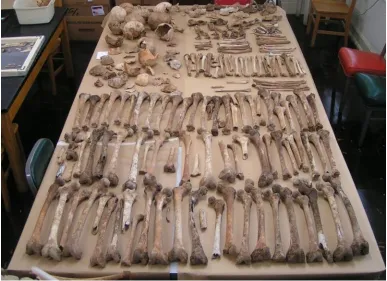
Figure 5.4 Scanning of 38GE81 Sample Using pXRF at Warren-Lasch Conservation Laboratory ...165 Figure 5.5 Test individuals (n=15) Based on Morphological Pair Matching
Figure 5.8 Clustering of Bivariate Plots of Ratios Sr/Pb Versus Sr/Ca for Female Test
Individuals at 38GE81 ...170
Figure 5.9 Clustering of Bivariate Plots of Ratios Sr/Pb Versus Sr/Ca for Male Test Individuals at 38GE81 ...171
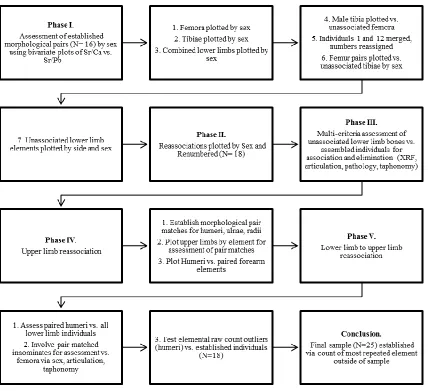
Figure 5.10 Phases of Sorting and Reaassociation at 38GE81 ...172
Figure 5.11 Spectral Comparison of Raw Elemental Peaks for As by Individual (Top) and by Humerus (Bottom), Used in Phase V. of Reassociation at 38GE81 ...176
Figure 5.12 Spectral Comparison of Raw Elemental Peaks for Cu by Individual (Top) and by Humerus (Bottom), Used in Phase V. of Reassociation at 38GE81 ...177
Figure 5.13 Final Assembled Sample, (n=18) Derived from Multi-Phase Reassociation at 38GE81 ...178
Figure 5.14 Spectral Comparisons of Powdered Samples to Cortical Surface Reading for Bones 189 and 197 ...179
Figure 5.15 Bivariate Plot of Sr/Pb Against Zn/Ca for Male Lower Limbs Demonstrating Individual 6 Paired Femora and Tibia as Outliers ...180
Figure 5.16 Clustering of Ca to P by Bone Type at 38GE81 ...181
Figure 5.17 Boxplot of Quartile Distribution of Ratio Fe/Ca by Stage of Preservation...183
Figure 5.18 Boxplot of Quartile Distribution of Ratio Ca/Pb by Stage of Preservation...184
Figure 5.19 Relative Spectral Peaks from Soil Sample from 38GE81 ...185
Figure 7.1 CT Slice Images from Hagley Plantation Skeletal Sample, Right Humerus (Top) Left Femur (Bottom) ...230
Figure 7.2 Estimated BMI (kg) for Hagley and Newton Plantation ...232
Figure 7.3 Histogram for Distribution of Tibia Shape Measure Ix/Iy at Hagley ...237
Figure 7.4 Histogram for Distribution of Tibia Shape Measure Ix/Iy at Newton ...238
Figure 8.2 Size-Standardized Cortical Area (CA) for the Humerus (Males) with Hagley and Newton Plantations Compared to Data From Ledger et al. 2000 ...271 Figure 8.3 Size-standardized Second Moment of Area Ix for the Humerus (Males) with
Hagley and Newton Plantations Compared to Data From Ledger et al. 2000 ...272 Figure 8.4 Size-standardized Second Moment of Area Iy for the Humerus (Males) with
Hagley and Newton Plantations Compared to Data From Ledger et al. 2000 ...273 Figure 8.5 Size-standardized Second Moment of Area Ix for the Tibia (Males) with
Hagley and Newton Plantations Compared to Data From Ledger et al. 2000 ...274 Figure 8.6 Size-standardized Second Polar Moment of Area J for the Tibia (Males) with Hagley and Newton Plantations Compared to Data from Ledger et al. 2000 ...275 Figure 8.7 Humeral 40 Percent Shaft CT Slice Data for Standardized CA versus J by Estimated Sex for Hagley and Newton Plantation Samples ...277 Figure 8.8 Femoral Midshaft CT Slice Data for Standardized CA versus J by Estimated Sex for Hagley and Newton Plantation Samples ...278 Figure 8.9 Femoral Subtrochanteric CT Slice Data for Standardized CA versus J by Estimated Sex for Hagley and Newton Plantation Samples ...279 Figure 8.10 CT Slice Image of Femoral Subtrochanteric Location for Hagley Plantation Male (Left) and Newton Plantation Male (Right)...282 Figure 8.11 Left Femur from Hagley Plantation Male Displaying Marked
Muscoloskeletal Stress Marker of Intertrochanteric Line ...283 Figure 8.12 CT Slice Image of Tibial Midshaft from a Male Right Tibia from Newton Plantation (Left) and from a Male Left Tibia from Hagley Plantation (Right) ...284 Figure 8.13 CT Slice Image from the Tibial Midshaft from Two Male Individuals from Newton Plantation (Right and Left Bones, Respectively) ...285 Figure 8.14 Probable Osteoporosis of a Humerus (Left) and a Femur Midshaft (Right) from Hagley Plantation………..………... ...286
Figure 9.3 Boxplot showing the Distribution of Humeral J for Hagley, African-Born Newton, and Newton Groups ...296 Figure 9.4 Boxplot showing the Distribution of Femoral Subtrochanteric Ix/Iy for
Hagley, African-Born Newton, and Newton Groups...297 Figure 9.5 Histogram of Imax/Imin for Newton Sample Showing African-Born
CHAPTER
1
INTRODUCTION
Slave labor and plantation systems formed the basis for the American South and the Caribbean economies from the seventeenth to nineteenth centuries, but despite more than a century of scholarly investigation, we still do not fully understand the relationships between labor and the health of enslaved populations. From the evidence, historians of slavery, economic historians, demographers, and anthropologists have created a picture of great variability in the impacts of slavery on populations and differential life
experiences by economy and geography (Higman 1984; Young 1993). Bioarchaeology is uniquely situated to investigate the social and biological effects of subjugation and social control in the past, especially through examination of evidence for violence and forced labor associated with slavery (Harrod and Martin 2015). While historians have examined and compared economies of slavery for decades (Fogel 1989; Fogel and Engerman 1974; Genovese 1967; Stampp 1972; Sutch 1975), the biological effects of enslaved labor have yet to be quantified and compared between economies by means of direct biological evidence.
evidence, is the degree to which the relative variables of mode of labor, type of crop produced or the culture, social organization, and environment of cultivation are to blame for these population impacts (Dusinberre 2000; Handler and Corruccini 1983; Higman 1984; Morgan 1982; Rathbun and Steckel 2002). The skeletal signatures of New World slavery, including evidence for malnutrition, tropical diseases, and reduced lifespan, are widely reported (Hodge 2010; Owsley et al. 1987; Rathbun and Scurry 1983; Rathbun 1987; Rathbun and Steckel 2002; Shuler 2005; 2011; Wilczak et al. 2004) but
biomechanical comparisons between samples have never been attempted. Thus studies of the biological consequences of labor stand to critically address and augment the archival and archaeological evidence for enslaved labor.
Project Goals and Design
The goal of this project is to examine and compare the life and labor stresses experienced by enslaved Africans and African Americans between two New World crop systems (rice and sugar) using a biomechanical method in conjunction with historical and archival evidence, considered from a biohistorical and biocultural perspective.
I also develop and test a model approach for the comparative bioarchaeological study of skeletal populations which consist of commingled human remains. The
populations under study, Hagley Plantation (38GE81), a South Carolina rice plantation, and Newton Plantation, a Barbadian sugar plantation, are, respectively, completely commingled and partly commingled. In order to resolve this, I adopt two methods commonly used within biological anthropology: systematic approaches designed for the reassociation of commingled human remains including elemental analysis by portable X-ray fluorescence (pXRF), and comparative biomechanical analysis based on computed tomography (CT) scan derived measures of the cross-sectional geometry of long bones. My goal is to apply and test a novel multiple method technique for resolving a
commingled sample of skeletal remains into discrete individuals, and thereafter, to use the derived sample within a comparative study to test hypotheses about the effects of enslaved labor within these two contexts of slavery.
social behavior, identity, and lifestyles (Osterholtz et al. 2014) and additionally, to improve and standardize the scientific methods involved in recovery and analysis of commingled remains in the forensic context (Adams and Byrd 2014). My study situates itself within the framework of current research and methods by testing a multiple method approach to the resolution of commingling among the Hagley Plantation population. This approach stands to demonstrate both the potentials and the limitations of
commingling methods and their success within archaeological contexts involving long-term burial of human remains.
In the next phase of this study, I undertake a comparative biomechanical study of the derived skeletal sample from Hagley Plantation with remains from Newton
Plantation, Barbados, an eighteenth and nineteenth century sugar plantation. The two populations are compared by upper and lower limb measures of strength which represent, in part, skeletal functional adaptation to labor and activity, using cross-sectional
between the contexts of rice plantation and sugar plantation slavery. The conclusion considers the results of both components of this project within a biocultural framework.
The two contexts under study present not only different production crops, but differing structures of labor and social control within plantation slavery. Gang labor systems characterize New World colonial sugar plantations while the “Task System” of
enslaved labor is unique to the southern rice plantation economy. The task system has been viewed as a more benign labor system which afforded more autonomy and self sufficiency to the enslaved and created a “proto-peasant” society (Carney 1993; Joyner
1984; Morgan 1982; Fogel 1989). The sugar system is considered to be one of the harshest labor regimes within New World slavery based on historical demography and archival evidence (Dunn 1973; Eltis and Engerman 1993; Fogel 1989; Higman 1976; 1984; Kiple 1984).
Few studies have compared the effects of enslaved labor on populations by economy. The current study presents the opportunity to test the historical record for accuracy in that the skeletal remains from Hagley Plantation are the remains of those enslaved by a planter whose historical legacy suggests he was among the kindest and humane of slaveholders (Collins 1864; Devereux 1973, Joyner 1984; Whitten 1977). Given that the rice economy and task system of labor supposedly afforded among the highest degrees of independence for the enslaved among economies of slavery, this may mean that Hagley’s slaves labored under less extreme conditions than those of other
Theoretical Perspective and Intellectual Merit
My study follows in the tradition of a biohistory approach in that I attempt to synthesize skeletal findings (in this case primarily biomechanical measures of bone strength) with the historical record for health and labor conditions within my study samples. Biohistorical approaches are the foundation of African Diaspora
bioarchaeological studies and have a lengthy and productive scholarly history which I review in Chapter 2 (Blakey 2001; Rankin-Hill 1997). The reason that these methods are fundamental to studies of health within the African Diaspora is that they consider
multiple lines of evidence, especially social factors, and provide a means to model the stresses faced by past populations in many dimensions: biological, cultural, political, and psychological. Health, disease, labor, and lifestyle must be examined with respect to changing social variables and historical contingencies. Biohistorical frameworks continue to provide the most effective means for linking political-economic process to health and biology worldwide, and are particularly relevant to African Diasporic studies since they consider the effects of subjugation, deprivation, forced migration, social control, poverty, and inequality on population biology.
differing regimes of slave labor and the true nature of the biological impact of slavery. In constructing a study of this nature, comparing the mechanical and chemical aspects of bone, it is important to avoid typological or deterministic lines of thought. Saying that the bones of enslaved Africans and African Americans reflect the stresses of their forced participation in an oppressive and dehumanizing labor system is accurate but far too simplistic. Slaves were not simply passive victims. Their biology reflects not only their role in the system of slavery, but their resistance to it, their individual experience within a diasporic experience of bondage and forced migration, and their shared experience of New World labor, health, and disease with European and Native American populations during the creation of the first truly global economy.
Admittedly, since rice and sugar plantation economies stand apart from other slave crop economies such as cotton due to the intensity of their seasonal round of agriculture (Dunn 1973; Morgan 1982; Stewart 1991; Whitten 1977), the question may be raised as to what justifies the comparison. Rathbun and Steckel (2002) argued that South Carolina slaves rank among the least healthy of North American slaves, while Higman (1991a) argued that Barbadian slaves ranked among the most “healthy” or at least uniquely self-sustaining groups of West Indian slaves. Skeletal evidence from Newton Plantation does not support good health (Shuler 2011), and my study has the potential to provide significant biological evidence for health within South Carolina slavery, as previous findings have been based on very limited data sets. I hope that this study of comparative labor strain considered by context may be effective in addressing the typicality of both of these plantations in terms of labor structure. I believe a
what sets these crop systems apart from other regions, and permit further investigation of the myriad factors involved in determining health and stability of enslaved African populations.
Biological anthropologists are becoming more involved in collaborative, cross-disciplinary studies and, as a result, they are becoming more successful at integrating archival research methods with studies of skeletal samples to broaden our understanding of recent human history (Herring and Swedlund 2003). Additionally, efforts are being made to improve the means of assessing health patterns both regionally and
diachronically through standardization and integration of data sets derived from skeletal remains (Steckel and Rose 2002). Within these frameworks, the new data derived from this study will contribute to a growing comparative framework built on archival studies, skeletal evidence, and archaeological and ethnographic data as well as to the growing body of knowledge about the diversity of the African Diasporic experience in the New World.
Finally, this study will employ a biocultural, political-economic perspective in order to address the comparative study of enslaved labor proposed here. Goodman and Leatherman (1998:4) have developed integrative political-economic and ecological perspectives for the study of human health and biology which emphasize the need to understand “local realities in global contexts”. Their framework emphasizes the need to
conditions” (Martin 1998:176). Recent research demonstrates that the global economic
relationships that originated from colonialism continue to affect human health, creating unique and often compromised “biologies” (Goodman and Leatherman 1998:5). Economic development continues to foster unequal social relations, oppressive labor regimes, and adverse health outcomes in the present day (Leatherman and Goodman 2005). My study offers the chance to conduct an analog to this type of study, linking regional, political and social factors to population health.
Expectations and Questions
This study will contribute to several lines of scholarly argument. A comparative biohistorical and biocultural approach will allow the study to consider the contributions of factors like political economy, ecology, seasonality, local historical context, infectious disease, and nutrition in the assessment of labor stress and comparative health. Diversity of occupation is documented within both of these contexts of slavery and it may prove difficult to disentangle the effects of specific stresses on the human skeleton. Likewise, it is recognized that many of the contexts in which biomechanical studies have been
employed are prehistoric, preagricultural, and preindustrial and are thus quite different from contexts of slavery in terms of labor differentials, subsistence, and specialization, having implications for activities and behavior. There are many variables involved in assessing lower limb and especially upper limb stresses but this study stands to contribute particularly to questions surrounding the differences in degree and intensity of labor endured by slaves within “gang” labor, characterized by sugar agriculture and “task”
Gang vs. Task Labor
History suggests that rice slaves engaged in intensive labor, but that the highly desirable skills possessed by West African slaves may have translated into greater autonomy. Rice was grown in a daily ‘task’ labor system, wherein laborers were ‘free’ after completion of the daily task. The study of Hagley’s enslaved African Americans
presents the chance to test the historic reputation of their owner Plowden C. J. Weston as a more humane planter. If his “Rules and Management for the Plantation” were followed to the letter, they suggest measures of paternalism, encouragement for expediency of task in order for slaves to tend to their own family and domestic affairs, concern for the adequacy and variety of rations and adherence to holiday schedules, as well as notes on the means of enforcement of regulations with prescribed punishments (Weston cited in Collins 1865) (Appendix A). The regulations put forth by Weston do not seem to
describe a system as harsh as those described for sugar production (Dunn 1973; Higman 1984; Tadman 2000). From the harshness conveyed by the preceding historical research, the conception is that slaves were often literally “worked to death” in the gang labor
system of sugar production. The primary question that this study can ask through the comparative biomechanical analysis is which context displays evidence for greater labor stress and what types of stress are suggested by the biomechanical evidence?
Hypothesis 1.
Based on historical narratives, demography, and slave import records, and the possibility of African birth within the group, Newton Plantation‘s enslaved may reveal a sample of individuals who were possibly selected for their body size and musculature within the context of planter preference for sugar laborers (Handler 1978). They may be larger than Hagley rice plantation’s enslaved in measures of body size, cortical area of bone, and
relative measures of bone strength. The archival and skeletal evidence for reduced height and possibly small body size of South Carolina bondsmen contributes to this hypothesis (Rathbun and Steckel 2002).
Hypothesis 2.
2A. Relative to body size, I expect, despite the notion of more benign work conditions for rice task agriculture, that both of these groups will exhibit relatively strong bones
compared to a base line and be similar in bone strength measures to each other. Both groups were faced with heavy disease burdens and possible nutritional inadequacy, however, which may have placed limiting factors on their expression of bone functional adaptation, placing them in similar biocultural contexts.
2B. Alternatively, the fact that Hagley Plantation’s enslaved appear to have lived longer
on average, may mean that they show greater expression of labor-related bone strength increase. Implicit to this hypothesis is the possibility that Newton’s individuals may be
more compromised by nutritional and health insults, corroborating the conception of being “worked to death”. Questions that will be addressed under Hypothesis 2 are as
1) Do the skeletal remains between the two samples reflect any population differences in upper or lower limb strength that suggest that one form of labor placed greater demand on the individuals than the other as suggested by historical perceptions of the labor regimes (gang system vs. task system)?
2) What do CSG data suggest about the role of health and nutrition in determining bone quantity and strength within these two economies? Does one context appear to be more compromised in health than the other?
3) Do the skeletal remains between the two samples reflect differences in lower limb CSG properties that suggest differences in degree of mobility or the effects of terrain or labor? How do these factors possibly relate to the geography of the environment of enslavement and the historical narrative surrounding the labor regime and negotiated and permitted freedom of travel and interaction
experienced by the enslaved?
Hypothesis 3.
Due to the fact that both of these groups were involved in heavy but diverse labor in terms of occupations within each economy, variations in relative strength and shape of the skeletal elements under study within and between these samples should be present and indicative to some degree of differential labor strains. The following questions will be addressed within Hypothesis 3:
2) Studies of slave skeletal remains in urban and industrial contexts such as Catoctin Furnace (Kelley and Angel 1983), and Cape Town, South Africa (Ledger et al. 2000) suggest evidence for a considerable degree of sexual dimorphism in limb strength, suggesting clear sexual divisions of labor. Do the skeletal remains within the Rice and Sugar Plantation economies reflect differences in CSG properties that reflect differential labor patterns and sexual division of labor?
Structure of the Dissertation
The present chapter has introduced the goals of the study and the methods that will be used. It has also introduced the context of the skeletal samples and the questions that will be addressed in order to compare the samples. Chapter 2 provides an overview of biohistorical investigation of slavery focusing on the two regions under study while briefly reviewing previous contributions of the bioarchaeology of slavery. Chapter 3 is a literature review of forensic and archaeological approaches to the sorting of commingled skeletal remains which informs Chapter 4, wherein the approach to commingling for the current study is devised and tested. Chapter 5 is a literature review of current
CHAPTER 2
HISTORICAL AND BIOARCHAEOLOGICAL CONTEXT
The bioarchaeology of slavery has emerged from the intersection of African Diasporic studies, publicly-engaged research agendas, and biocultural approaches to become a dynamic area of study as it serves to link population biology and cultural connections over wide temporal and geographical spans (Blakey 2001). Scholaship has matured amidst political controversy stemming from debates surrounding the legitimacy and purpose of research agendas and ethical concerns for descendant communities. As a result, the current state of the field is one based upon a broad and multidisciplinary theoretical base, able to engage a wide range of historical questions (Blakey 2001).
Biocultural and biohistorical approaches to past human health underlie and tie together studies of African American and Diasporic bioarchaeology. These perspectives are rooted in early efforts to understand the role of social constructs, such as inequality and racism, in determining aspects of population biology in the critique of race-based and typological “scientific” agendas. William Montague Cobb (1904-1990), the first African
demography and health in relation to social and cultural phenomena, i.e. the Great Migration and the Great Depression (de la Cova 2008). Since Cobb’s time, his work has profoundly influenced the goals and research agendas of the scholars who have studied the largest samples of enslaved and free African Americans. These studies include bioarchaeology of cemetery groups as well as the investigation of intriguing new
questions through the study of extant museum collections (Blakey et al. 2004; de la Cova 2008; Rankin-Hill 1997; Watkins 2003).
Ted Rathbun and Jerome Rose organized the highly influential symposium: Afro-American Biohistory: the Physical Evidence for the fifty fourth annual meeting of the American Association of Physical Anthropologists in 1985. The publications that stemmed from the symposium marked a point of departure for the continuing
investigation of the life stresses of African Americans in the nineteenth century (Angel et al. 1987; Kelley and Angel 1987; Martin et al. 1987; Owsley et al. 1987; Rathbun 1987; Rose and Rathbun 1987). Over recent decades, skeletal samples from many contexts have been studied, providing insight into differentials in life experience of the enslaved by region and economy of slavery. The field has benefitted from the abundance of historical documentary evidence pertaining to slavery, and with the recognition of the biased viewpoints inherent to records produced by the dominant class or those who enslaved others, achieved effective means of querying and testing historical viewpoints with direct biological evidence for health and disease (Kelley and Angel 1987; Lambert 2006; Hutchinson 1987; Rathbun and Steckel 2002).
different types of physical and environmental stress experienced by urban slaves in comparison to rural agricultural slaves (Owsley et al. 1987; Owsley et al. 1990). By far the largest sample of enslaved Africans, and a model for interdisciplinary biohistorical research, the New York African Burial Ground project, permitted the analysis of 419 enslaved individuals dating from the late seventeenth through the eighteenth century. These individuals were of African or Caribbean birth, as corroborated by documentary, isotopic, and DNA evidence (Blakey and Rankin-Hill 2004; Goodman et al. 2004; Jackson et al. 2004; Medford 2004).
Many of New York’s enslaved during the period would likely have spent time in
the Caribbean involved in sugar plantation labor (Barrett and Blakey 2011). Blakey, Rankin-Hill (2004) and their co-investigators used multiple lines of historical, biological, and archaeological evidence to provide deep insight into the life histories of enslaved men, women, and children in colonial New York, including signs of childhood stress, nutritional deficiency, and heavy manual labor evidenced through patterns of
degenerative change. Their demonstration of the biological impacts of forced migration and enslavement on the young and old over a century’s span as well as the material and historical insight they provide into the maintenance of African identity during
enslavement are particularly salient aspects of the project.
The bioarchaeological comparison of health and demography of free African Americans at Philadelphia’s First African Baptist Church Cemeteries provided a
reconstruction eras (Rankin-Hill 1997). Skeletal samples encompassing the emancipation period and reconstruction era also demonstrate health differentials presumed to be due to discrimination and lack of resource access (Braser and Nystrom 2010; de la Cova 2008, Moramarco 2010). Rankin-Hill’s (1997) study also provided insight into the role of social constructions and organizations and their role as stress buffers in biocultural consideration of population health outcomes. Recent work in the bioarchaeology of slavery emphasizes political-economic perspectives and the role of global connections and labor structures in population histories. Slavery contexts are viewed as the roots and underpinnings of the emergence of modern inequality and poverty (Cox et al. 2001).
Biocultural Theory and Political-Economic Perspectives
African Diaspora bioarchaeology has become firmly situated in biocultural and political-economic theoretical perspectives. This is primarily due to the unique ability that these frameworks offer to questioning and understanding of the role of modes of social control, inequality, and power relations and their impact upon populations and their health and lifestyles. The field is also inextricably tied to the development of modern capitalism, commoditization, production, and its present day social, cultural, and biological manifestations (Luke et al. 2001; Roseberry 1998).
relationship between culture and biology (Goodman et al. 1998; Goodman and Leatherman 1998; Goodman et al. 1995; Goodman et al. 1988). A deepening split between biological and cultural anthropology resulting from a clash between empirical and materialist viewpoints and interpretive approaches, with epicenters in arguments over “race” and biology, fueled vibrant debate but threatened the four-field, holistic nature of
anthropology (Calcagno 2003; Goodman and Leatherman 1998; Goodman et al. 1988). The increasing isolation of subfields served to perpetuate simplistic views of culture and biology as closed systems (Goodman and Leatherman 1998). Biocultural theory was thus seen by many as a means toward renewing holism and creating a unified approach to the study of human variation, adaptation, and evolution. The biocultural paradigm addresses the complexities and dynamism of human behavior past and present in a dialectical manner, emphasizing the relationships between human biology and larger social and cultural processes which serve to “mediate and produce each other” (Zuckerman and
Armelagos 2011).
Goodman and co-authors (Goodman et al. 1988) voiced initial critiques of the adaptationist perspective by describing them as unrealistic and reductionist, even implying that their tendency to view human adaptation in light of purely positive outcomes and adjustments was damaging and dangerous. The “small but healthy”
concept and debate permeated many disciplines and is exemplary of the type of intense arguments fostered by divergent viewpoints between functional adaptationist and
biocultural viewpoints (Cook and Powell 2006). Goodman and others proposed a means of studying human adaptation that borrowed elements from adaptation studies,
environment to a consideration of the linkages between culture and biology. Their main argument is that culture shapes biology and the reverse, both past and present. They proposed that a general stress model derived from the Selyean model of stress (a means of assessing and measuring physiological stress reactions in organisms brought on by environmental change via increased catecholamine and corticosteroid output) could be modified to create a framework for the examination of human adaptation within contemporary and past contexts. The idea that stressors are multi-component and synergistic (e.g. poverty) is central to the concept of modeling stress. Cultural systems within this framework are viewed as buffers to stress. The models are designed to delineate causation, impact, response, and consequence of the impact of stress on human biology and culture (Armelagos and Goodman 1991; Goodman et al. 1988).
Implementation of Biocultural Models
The central appeal and utility of the biocultural perspective is its ability to model stress within different domains using overlapping methods, each having their own interpretive strengths and weaknesses, thus linking levels of analysis and creating
individual to the population level and address broader questions of health and adaptation (Goodman et al. 1988).
Historic studies are advantaged over prehistoric foci since they permit the diachronic assessment of stressors via generational, familial, and class divisions. For historic populations, it is often possible to explore demographic records, manifests, health and disease records, and vital records as lucrative data sets. This is especially relevant for enslaved populations and institutional and almshouse settings. Patterns of the spread of disease are also often accessible through historical demography. The study of
mortality, morbidity, birth, and infant mortality rates especially provide a means of examining stress and adaptation and linking contexts from the local to the regional and above (Goodman et al. 1988)
Political-Economic Perspectives on Human Biology
Political-economic perspectives were adopted by biocultural theorists for many reasons but perhaps the most important is their ability to address complexity in past and present social behavior. Goodman’s (1998) view is that if ideology, power, and politics
affect health and human relations in the present, they must surely have done so in the past. The means of broadening the scope of study of human adaptation should thus involve analysis of pattern and testing of competing hypotheses and alternate
explanations to explain past behavior, viewed through the lens of power relations. The complex and changing nature of social aspects such as status and the often unclear relationship between status and health, are key points raised by Goodman in developing the approach. Goodman and others believed these perspectives would be best applied to large-scale regional and inter- and intra-population studies, emphasizing the historical contingencies of power relations (Goodman 1998; Saitta 1999; Steckel et al. 2002; Zuckerman and Armelagos 2011).
Saitta (1999) proposed a critical Marxist perspective as the best theoretical approach to biocultural studies of health by political economy. His main reasoning was that Marxist theory provides the best means of tracing and confronting complexity and ambiguity of social and biological relationships. In his assessment of complexities within the archaeological and skeletal record of North American prehistory, he demonstrated that health disparities do not always correlate with class or social disparities. By tracing flow of surplus labor and class relationships, Marxist theoretical views permit
health that Saitta called for is concurrent with the thinking that underlay the creation of the “Backbone of History” a health index designed to assess health in the western hemisphere based on collaboration between economic historians and physical anthropologists (Steckel and Rose 2002).
New avenues of inquiry within the biocultural framework include reconsideration and more critical examination of the complexities of social relationships among power relations, gender, ideology, labor structures, inequality, and violence and control. The political-economic perspective permits the exploration of these domains from the local level to that of larger historical and political process (Zuckerman and Armelagos 2011). In Armelagos’ view, questions that explore the linkages of human health and nutrition to
class and gender relationships, past and present from an evolutionary perspective are areas of inquiry that make bioarchaeology in general more relevant and accessible to contemporary society (Armelagos 2003). My study clearly addresses these goals by addressing the biological costs of enslavement within the formation of a global economy.
Historical Background of the Skeletal Samples
Historical Context for Hagley Plantation, SC
Hagley Plantation, located in Georgetown County, SC was typical of the large rice plantations that lined the Waccamaw River. This area of the Waccamaw Neck was used in tidal rice agriculture from the latter eighteenth century forward by the wealthy Allston and Weston families. Hagley Plantation is one of four adjoining plantations purchased by Francis Marion Weston and bequeathed to his son Plowden C.J. Weston in the early 1830s. Based on 1860 census data for all four plantations, Plowden Weston had 334 slaves (196 males and 138 females) and 2,171 acres (900 of which were cultivated in rice). In 1860, Weston produced 1,253,000 lbs of rice: roughly 1,400 lbs per acre or 3,751 pounds per slave (Joyner 1984;20).
Plowden Weston was among the wealthiest men in America during the period and he is conceived of historically as one of the most benevolent of the wealthy rice planters in terms of treatment of his slaves (Devereux 1973; Joyner 1984; Dusinberre 2000; Whitten 1977). Significantly, Plowden Weston’s estate is named by former slave Ben
Horry in WPA interviews, as among only four plantations where the enslaved were decently as opposed to cruelly treated (Rawick 1972). Weston was born in
state legislature in consideration of his feeble health and in order to curtail his participation in military campaigns in the Georgetown area (Devereux 1973).
Archival Research
My study will use primary sources pertaining directly to Hagley Plantation, Plowden Weston, his enslaved workers, and secondary sources which record evidence of rice plantation culture and labor for Hagley Plantation and the surrounding rice coast. The existence of plantation rules, slave inventories, food rationing records, and
meteorological documentation pertaining directly to Hagley Plantation as well as published demographies of Georgetown County rice slaves provide the unique opportunity to compare and test historical records and questions using the skeletal evidence. The primary sources used in my study are the Weston Family Papers (Weston 1764-1855), Plowden Weston’s “Rules and Management for the Plantation” (Weston, cited in Collins 1865), and the Allston Family Papers, containing PCJ Weston’s will
(Weston 1864), which lists his bondsmen and women by occupation. Additionally, a demographic study of Georgetown County rice slaves is also available (Ricards and Blackburn 1975).
Bioarchaeology of Slavery in South Carolina and Rice Plantation Contexts
antebellum and peribellum period. Thirty-six slave burials dated roughly from 1840 to 1870 were removed and studied during the project. Material culture in terms of grave goods was scarce, but coffin and shroud-only burial styles were represented. Mean adult age at death was 35 for males and 40 for females, comparable to other enslaved groups from the colonial and antebellum periods.
Rathbun suggested that the slightly higher ratio of female to male slaves represented at the site is consistent with historical records from coastal South Carolina that indicate higher populations of females, possibly due to impaired survival of males, cultural practices, occupational requirements, or a suggested comparative advantage of female workers in rice plantations. The presence of healed cribra orbitalia and diplotic expansion at Remley suggested childhood anemia (43% and roughly 31% resp.) and possible adult iron deficiency and sickle cell anemia. Rathbun cited modern Charleston, SC data from hemoglobin studies that indicates Charleston area blacks still possess an elevated rate of sickling (15.5% to national norm of 9.6%) comparable to that of West Africans. The presence of non-specific evidence for infection or inflammatory response in the form of periostitis was also high among the remains from Remley Plantation, congruent with historical sources indicating the high prevalence of treponemal diseases, and respiratory, parasitic, and gastrointestinal ailments among enslaved workers in the south. In terms of occupational and degenerative changes, Rathbun attributed differential distribution of arthritic changes between the sexes as indicators of occupational
differences and corresponding heavy lifting requirements.
demonstrated consistency of this historic sample in relative apportionment of tooth size with other sub-Saharan African groups and contrasted these populations with Caucasians, proposing that Remley’s slaves’ overall small tooth size may reflect either kin-based divergence from other historic samples, or perhaps demonstrate normal variation among African derived populations, suggesting differing geographic sources of enslaved Africans.
Crist (1990; 1995) performed a multi-element bone chemistry analysis of 26 individuals fromRemley Plantation. He tested historical questions surrounding the variability of the slave diet, such as central kitchen versus home cooking, rationing, and supplementation. His analysis revealed differences by age and sex in consumption patterns which suggested that young males may have eaten more meat, and older
individuals probably relied more upon a vegetable-based diet. Young females were more exposed to lead, presumably from use of lead-glazed vessels in domestic chores. He concluded that the findings served to bolster the more current archaeological and historical interpretations of the variation and complexity of the slave diet in the lowcountry. His later publication of the study (Crist 1995) was concurrent with criticisms and reevaluation of bone chemistry and trace element studies within
anthropology and he acknowledged that the findings may be subject to diagenesis or may in fact be useful in future reinterpretation of the data as bone chemistry techniques improve.
Rathbun and Steckel (2002) included the data from Remley Plantation within the framework of the “Health Index”, noting that they ranked among the least healthy in most
included in the analysis. Notably, the Remley group had the highest incidence of cribra orbitalia, extremely high rates of wrist and hand arthritis, and stand out as among the most heavily stressed of all populations during childhood based on evidence such as LEH defects and archival records for South Carolina slaves indicating compromised stature and growth disruption.
Rathbun and Scurry (1991) examined health and status among a group of white planters and enslaved African Americans from the colonial period at Belleview Plantation (38CH434). The study provided interesting comparative data on lead and comparative evidence for equally poor health regardless of status for the planter and enslaved. Belleview does not appear to have been involved in rice agriculture and was instead used for shipbuilding and mixed agriculture. Rathbun and Scurry emphasized the contribution of childhood diseases such as mumps, measles, chicken pox and whooping cough to mortality rates in plantation contexts in South Carolina.
Davis and colleagues (2010) conducted a study of the prevalence and distribution of degenerative joint disease (DJD) among skeletal remains from Hunter Army Air Field, Chatham County, Georgia (9CH875) during removal and relocation of the cemetery. The emancipation era African American cemetery was probably used from the 1870’s to 1930’s by freed African Americans without land who had come to Savannah, Georgia
advanced age. The knees, back, and elbows were most frequently affected. Graham (2014) conducted an oral pathology study in which she compared the 9CH875 remains to other Georgia free African American cemetery samples. She demonstrated differentials in oral health presumably related to varying post-slavery resource access and dietary challenges associated with emancipation.
Historical Background for Newton Plantation
Newton Plantation is a former sugar plantation located in southern Christ Church Parish, Barbados (Shuler 2005). It was typical of a large Barbadian sugar plantation of the seventeenth through nineteenth centuries, averaging roughly 420 acres in size, with a slave population of nearly 200 at its height (Handler and Lange 1978). Newton
Plantation was initially chosen for archaeological investigation in the early 1970’s during
productive as those on other plantations, presumably due to the effects of the tropical climate and modern agriculture limiting the recovery of material culture at the site.
Ethnographic and archaeological investigation, however, soon permitted the
determination of the location of an undocumented slave cemetery at Newton, which quickly yielded a wealth of material, cultural, and biological information and became the impetus for decades of research. During the first field seasons, researchers recovered the remains of 104 individuals buried between approximately 1660 and 1820 (Handler et al. 1989).
The initial studies of these skeletons by Robert Corruccini, Jerome Handler, and colleagues generated a wealth of cranial and dental data on Caribbean slave health (Corruccini et al. 1982; Handler and Corruccini 1983) but the postcranial material was reinterred without study. Since this time, the skeletal and archaeological remains from Newton Plantation have been studied extensively, providing a picture of the harsh lifestyles endured by enslaved sugar workers at Newton Plantation, as well as their origins, occupations, mortuary practices, and other important inferences. Specific studies have examined weaning stress, enamel hypoplasia, and other dental defects (Corruccini et al. 1985; Corruccini et al. 1987b), skeletal lead content (Corruccini et al. 1987a; Handler et al. 1986), demographic estimates of fertility (Corruccini et al. 1989), and determination of African birth from skeletal remains (Handler 1994; Handler 1995; Handler 1996; Handler 1997; Handler et al. 1982).
health and demography. The recovery of complete skeletons as well as portions of commingled remains has since permitted further examination of health at Newton. Recent work includes the bioarchaeological assessment of health, nutrition, labor stress, and demography for previously unreported segments of Newton Plantation’s burials (Shuler 2005a; Shuler 2005b; Shuler 2011; Shuler and Corruccini 2009), isotopic evidence for migration and African birth (Schroeder and Shuler 2006; Schroeder et al. 2009), and reevaluation of the initial lead studies and considerationof the impact of lead poisoning and alcohol consumption on this population (Schroeder et al. 2013).
The Rice Industry and Slavery in South Carolina
The rice plantation economy of South Carolina generated some of the greatest wealth in the world during the eighteenth and nineteenth centuries. The legacy of the now defunct rice industry is readily apparent throughout coastal South Carolina and Georgia, visable from land or air as the remnants of a landscape modified to an incredible extent by enslaved laborers for the production of rice. Equally important are the cultural and social legacy of the descendants of the enslaved African Americans of the coastal south and their identity within Gullah-Geechee heritage. The historical roots and global connections of South Carolina’s rice economy are the subject of a lineage of
wide-reaching scholarly investigation which continues to evolve in scope within the fields of history, historical archaeology, and the African Diaspora.
Barbados’ land to sugar cane agriculture meant that Barbadian planters had to seek the
establishment of colonial extensions in order to provide provisions for Barbados. The early coastal province engaged in ranching, deerskin trading, and pitch and tar production for naval stores (Carney 1996). Indigo and cotton were also successful crops throughout the colonial period. As the colony grew, it provided a number of supplies and naval stores to the West Indies, including staples of beef and pork, peas, and building materials such as lumber and shingles, receiving sugar, cocoa, coffee, and rum in return (Greene 1987; Eltis 1995). Flows of people and goods between South Carolina and the English Caribbean would be maintained for decades to come (Greene 1987).
By the late eighteenth century, rice production was fully established on the South Carolina coast. Evidence suggests it took some time and experimentation for rice to become successful in the colonies. Clifton (1981) illustrates the numerous environmental and technological challenges to rice becoming successful, reviewing the documentary evidence for rice sources and period records of experimental attempts with rice from the late seventeenth century. Throughout the period, South Carolina plantations supported themselves with slaves from local populations, from throughout the American South and the Caribbean, and—in the tens of thousands—from Africa and West Africa. Planters preferentially imported slaves from the rice growing regions of West Africa, the ‘Rice Coast’, because of their highly specialized knowledge and skills, which were critical to
the success of rice in South Carolina (Littlefield 1981; Otto 1989; Wood 1974).
establishment of rice agriculture in the New World. The techniques of rice production were “vested in the knowledge carried by… African peoples to the Americas”
(Carney1993:1). The micro-environmental contexts and constraints in the tidal and inland swamp regions of West Africa were almost identical to those that would be found in the rice producing areas of South Carolina, and thus, with the knowledge and tutorship of enslaved Africans, coupled with their own ingenuity, European planters were able to achieve one of the most lucrative economies in the world by using “duplicate”
technologies. The absence of any archival or documentary evidence that African slaves played a tutorial role in the development of the rice economy can be explained by racism and denial of intellectual capacity of enslaved Africans in addition to general lack of colonial period documentation according to Carney (Carney 1996a:7).
On lowcountry rice plantations, a unique arrangement known as “task” labor developed (Morgan 1982). Labor was organized by white overseers and black drivers who assigned and enforced daily tasks. Within task labor, work began at sunrise, and only after completion of daily tasks, could slaves engage in family work. Field tasks involved hoeing ¾ acres per day, or sowing ½ acre per day, and slaves were designated as “full-”, “three-quarter”, “half-hands”, or other, by age, gender, and fitness. Men dug
labor in the rice fields may have permitted the enslaved to duplicate the conditions many of them were familiar with in Africa or to “redefine the nature of…servitude so as to
improve their conditions of existence” (Carney 1993:4). The seasonal round of rice processing, however, on top of cultivation and other yearly demands, required intense and arduous labor (Dethloff 2000).
The task system generated great wealth for elite planters and thus persisted along the coast beyond the Civil War (Joyner 1984; Morgan 1982). Eighteenth century rice grain milling and processing is thought to have been primarily a gendered task performed by women which was done daily, prior to shifts in technology and increasing
mechanization in the nineteenth century which led to intensification of field labor for both sexes in a seasonal cycle (Carney 1996b). The 1730’s marked the shift from inland
swamp production to more productive and labor-intensive tidal floodplain rice production (Carney 1996b:113). South Carolina tidal rice plantations, such as those along the
Waccamaw River, exploited tidal estuaries where the interaction of brackish, fresh and saltwater bodies could be employed for irrigation purposes. Georgetown, South Carolina was a particularly good area for this as freshwater, pushed by tides, could be harnessed to flood the fields (Chaplin 1992; Morgan 1982).
Tidal rice cultivation in this area employed a complex system of banks, dams, canals and ditches with water flow controlled by wooden floodgates called trunks (Morgan 1982). Flooding was prevented by the construction of five foot high
maintenance, as did weeding the fields, and landscape manipulation was as demanding as the harvesting and processing of rice (Chaplain 1992). Ferguson (1992) provides an intriguing discussion of the cultural and technological melding of African and European ingenuity involved in forming the colony of South Carolina, especially the earth moving feats and quantification and organization of the human labor involved in tidal rice transformation.
The skill and intimate relationship with the landscape, hydraulic machinery, and the crop harbored by rice slaves is hard to appreciate from archival sources and probably involved push and pull dynamics between planters and the enslaved in the determination of labor schedules and lifestyle constructs (Stewart 1991). The hydrodynamics and architecture of the built landscape characterizing tidal rice agriculture were not only instruments of production and profit, but can also be seen as instruments of social control. Considering the seasonal patterns of rice production and the uncertainties of weather, epidemics of illness, and planter absenteeism (especially during unhealthful seasons), the rice planters maintained a delicate equilibrium requiring “firm managerial
authority”(Stewart 1991:54).
The Sugar Economy and Slavery in the Caribbean
the 1640’s. They began using indentured white servitude, but quickly developed an
effective enterprise manned by African slaves. Concerns about the dependability of white servants, the reputation for cruelty in the sugar economy, as well as the example of labor success employing African slave labor in Brazil, were determining factors in this change to enslaved labor (Dunn 1973:72-73). At the onset, the majority of the slaves imported to Barbados were from the Gold Coast and the Bight of Benin, brought by British and Dutch slave traders. During the 18th century, creole slaves became preferred over African slaves according to period accounts (Handler 1978:25). Barbadian planters also made efforts towards maintaining equal sex ratios (Beckles 1996).
The majority of the island was cleared and planted in cane, and enslaved Africans were brought in as the demand for sugar increased. Sidney Mintz’ (1985) details how
sugar began as a luxury commodity for the English nobility, but by 1750, had become a staple for even the English poor. Sugar cane continued to be the basis of Barbados’
economy well into the latter half of the twentieth century (Handler 1965). The sugar planters’ proclivity for secrecy regarding their attainment of wealth is one of the reasons
that limited documentary evidence of the sugar plantations remains (Dunn 1973:xv-xvi). Ethnohistory and archaeology, however, have been particularly informative about sugar production, especially on Barbados (Handler 1978).
wealth, imposing navigation acts and tariffs on trade (Dunn 1973:20). Health hazards, overcrowding, and concerns about agriculture and food supply on Barbados eventually led Barbadian planters to emigrate and play a crucial role in the founding of South Carolina and its slave economies (Dunn 1973:113-116; Greene 1987:197).
Labor roles were diverse in Barbados, and slaves worked as drivers and managers, boiler and crusher operators, domestics, and in specialized labor (Handler and Lange 1978). However, most of the work was carried out in the fields. Using 18th century archival data for 450 enslaved laborers from St. Christopher, Dunn (1973:198) identified 64% of slaves as field hands, 10% as factory workers, 14% as domestics, and 12% as specialized labor. Field labor was structured through gangs, with as many as three to four gangs on large plantations. Men, women, and adolescents worked most intensively on the Great Gang. Lesser gangs were filled with the less able-bodied, including children. In the fields, slaves hoed without the use of draught animals, digging small holes by hand into which they planted clippings from the previous year’s sugar crops. Dunn (1973)
Plantation size varied across Barbados, but the average number of slaves was one per two acres of land. Sixty plus slaves and one hundred acres or more characterized the larger plantations, with 200 acres being the optimal size for large scale production. Most plantations had their own sugar mill (Dunn 1973:92-96). Sugar cane was harvested by slaves using curved knives called ‘bills’. Stalks were bundled and carried to a mill for
grinding. Sugar mills typically were enclosed or covered machinery with three rollers for the extraction of cane juice. The mills were powered by wind, water, or cattle, depending on local conditions. Extracted cane juice was then transferred to a boiling house where it had to be boiled for evaporation into crystallized sugar. Boiling achieved granulation of the sugar and permitted separation of molasses during the process, which was then fermented and distilled to make rum. Muscovedo (golden brown) and white sugars were made for export. Sugar plantation labor also required specialized tasks and skilled labor to operate and maintain machinery as well as to build barrels and pots. Many planters required year-round heavy and degrading labor of the enslaved for reasons of social control, rather than purely for the timing of the crop (Dunn 1973:192-196).
The work day for the enslaved lasted 10 to 11 hours with a meal break. A six day work week was the norm (Dunn 1973:248). The constant labor schedule of sugar
production is described as a "factory in the field” (Fogel and Engerman 1974). Handler’s (1965) ethnographic study reveals much about the dynamics and diversity of task
even imposed death for major infractions. Slaves lived in rows of huts or similar arrangements and were allotted a monotonous starchy diet consisting of beans, yams, corn, and plantains. They were provided with rum rations for the weekends (Dunn 1973:248-249). Alcohol abuse was rampant, especially among the planters. Nearly everyone experienced the effects of lead poisoning due to lead-lined drinking vessels, lead-contaminated rum, and occupational exposure. Planter and enslaved alike suffered from the disease environment which fostered malaria, yellow fever, dysentery, dropsy, yaws, tuberculosis and venereal disease. Parasitism and geophagy were widespread due to parasites such as hookworm and guinea worm, likely brought to Barbados during the transatlantic passage (Dunn 1973:302-307).
Shepherd (2002) and other scholars (Bush 1990; Morrissey 1989) critiqued early historical viewpoints that viewed the Caribbean, during sugar slavery, in terms of a strict dichotomy between planter and enslaved. The reality was one of complex variation in social stratification, gender roles, occupation, and identity among planters and enslaved and freed classes alike. The picture of Caribbean slavery varied temporally and
geographically throughout the slavery period (Stinchcombe 1995:130-133), with those islands most deeply tied to sugar production being the most rigid slave societies.
Biomechanical Studies in Biological Anthropology
Measurement of the robusticity and strength of human long bone diaphyses provides valuable information about past human habitual behavior (Larsen 1997). The cross-sectional geometry of long bone diaphyses is particularly sensitive to the