J
OURNAL OFC
LINICALM
ICROBIOLOGY, June 2002, p. 1947–1957
Vol. 40, No. 6
0095-1137/02/$04.00
⫹
0 DOI: 10.1128/JCM.40.6.1947–1957.2002
Copyright © 2002, American Society for Microbiology. All Rights Reserved.
Development of a Sensitive and Specific Enzyme-Linked
Immunosorbent Assay for Detecting and Quantifying
CMY-2 and SHV

-Lactamases
Andrea M. Hujer,
1Malcolm G. P. Page,
2Marion S. Helfand,
3Bethany Yeiser,
1and Robert A. Bonomo
1*
Research Service, Louis Stokes Veterans Affairs Medical Center, Cleveland, Ohio 44106
1; Basilea Pharmaceutica Ltd.,
Basel, Switzerland
2; and Infectious Diseases Division, University Hospitals, Cleveland, Ohio 44106
3Received 6 September 2001/Returned for modification 31 October 2001/Accepted 1 March 2002
Polyclonal rabbit antibodies against SHV-1 and CMY-2

-lactamases were produced and characterized, and
enzyme-linked immunosorbent assays (ELISAs) were developed. Immunoblots revealed that the anti-SHV-1
antibody recognized SHV-1 but did not recognize TEM-1, K-1, OXA-1, or any AmpC

-lactamase tested. The
anti-CMY-2 antibody detected
Escherichia coli
CMY-2,
Enterobacter cloacae
P99,
Klebsiella pneumoniae
ACT-1,
and the AmpC

-lactamases of
Enterobacter aerogenes,
Morganella morganii, and
Citrobacter freundii. No
cross-reactivity of the anti-CMY-2 antibody was seen against laboratory strains of
E.
coli
possessing TEM-1,
SHV-1, K-1, or OXA-1

-lactamases. Operating conditions for performing ELISAs were optimized. Both
anti-CMY-2 and anti-SHV-1 antibodies detected picogram quantities of purified protein in ELISAs. The
reactivity of the anti-CMY-2 antibody was tested against a number of AmpC

-lactamases by assaying known
quantities of purified enzymes in ELISAs (AmpC

-lactamases of
M.
morganii,
C.
freundii,
E.
coli, and
E.
cloacae). As the homology to CMY-2

-lactamase decreased, the minimum level needed for detection increased
(e.g., 94% homology recognized at 1 ng/ml and 71% homology recognized at 10 ng/ml). The ELISAs were used
to assay unknown clinical isolates for AmpC and SHV

-lactamases, and the results were confirmed with PCR
amplification of
bla
AmpCand
bla
SHVgenes. Overall, we found that our ELISAs were at least 95% sensitive and
specific for detecting SHV and AmpC

-lactamases. The ELISA format can facilitate the identification of
AmpC and SHV

-lactamases and can be used to quantify relative amounts of

-lactamase enzymes in clinical
and laboratory isolates.
Common molecular techniques available for identifying

-lactamases in clinical samples include DNA hybridization
(Southern blotting), amplification by PCR with specific
prim-ers, and analytical isoelectric focusing (aIEF) (29). For most
applications, DNA hybridization with digoxigenin-labeled
probes that allow recognition of sequences with less homology
(conditions of low stringency) is adequate but can be
labor-intensive and time-consuming. aIEF is a very sensitive
tech-nique that can be performed rapidly (26). Unfortunately, aIEF
can be imprecise in determining the identities of

-lactamases
with pIs of greater than 7.6. PCR-based methods of detection
require the construction of specific primers that may not be
able to amplify closely related

-lactamase genes. Even when
multiple PCR primer sets and susceptibility tests are used to
identify

-lactamases, samples can remain uncharacterized
(32).
Immunological methods have long been applied to the
anal-ysis and classification of

-lactamases (4, 5, 7–9, 11, 13, 17, 18,
22–24, 31, 33, 34). Antibody-based methods offer an advantage
in that they are easily performed and highly sensitive.
Poly-clonal antibodies recognize multiple epitopes and can detect
closely related variants of

-lactamases. Hence, polyclonal
an-tibodies were used early on to classify

-lactamases and
un-derstand catalysis (33).
Most recently, antibodies against

-lactamases have been
developed to assess enzyme expression in a number of studies
investigating the effects of point mutations. Studies with
anti-ROB-1

-lactamase, anti-TEM-1

-lactamase, and anti-PSE-4

-lactamase antibodies have addressed in a qualitative manner
the effects of point mutations on steady-state

-lactamase
lev-els (10, 14, 25, 27, 30). To our knowledge, only two anti-

-lactamase antibodies have been used in both Western blot and
enzyme-linked immunosorbent assay (ELISA) formats to
mea-sure TEM-1 and PC1

-lactamases (15, 22).
Here, we describe the production, purification, and
charac-terization of polyclonal anti-SHV-1 and anti-CMY-2

-lacta-mase antibodies. We chose to develop these antibodies
be-cause SHV-1 is the second most common class A

-lactamase
found in
Escherichia coli
and
Klebsiella pneumoniae
, and
CMY-2

-lactamase is the most common plasmid-determined
AmpC

-lactamase (3, 21). Our goals were to use these
anti-bodies to detect the presence of SHV and AmpC

-lactamases
in clinical and laboratory strains and to develop a highly
sen-sitive ELISA for each. The ELISA format can facilitate the
simultaneous screening of multiple clinical isolates for the
presence of SHV and AmpC

-lactamases. Furthermore,
ELISAs can be used to measure (quantitate) relative

-lacta-mase production. In the research setting, the ELISA format
can be a very useful tool for studying the induction and relative
amounts of SHV and AmpC

-lactamases.
* Corresponding author. Mailing address: Infectious Disease, Louis
Stokes Veterans Affairs Medical Center, 10701 East Blvd., Cleveland,
OH 44106. Phone: (216) 791-3800, ext. 4788. Fax: (216) 231-3482.
E-mail: [email protected].
1947
on May 15, 2020 by guest
http://jcm.asm.org/
MATERIALS AND METHODS
Bacterial strains and plasmids.Escherichia coli20 andKlebsiella pneumoniae
15571 are clinical isolates recovered from patients at University Hospitals and the Louis Stokes Veterans Affairs Medical Center (LSVAMC), respectively, in Cleveland, Ohio (28). These bacteria were the parent strains used for the sub-sequent cloning and isolation of CMY-2 and SHV-1-lactamases.E.coliDH5␣ andE.coliDH10B were obtained from Gibco BRL Life Technologies (Grand Island, N.Y.).E.coliJ53-2 was previously described (28). TheE.colistrain containing the OXA-1-lactamase was a kind gift from George A. Jacoby (Lahey Clinic, Burlington, Mass.).Proteus vulgarisharboring K-1,Enterobacter cloacaewith P99, andK.pneumoniaecontaining ACT-1-lactamases were kind gifts from Patricia Bradford (Wyeth-Ayerst Laboratories, Pearl River, N.Y.). TheEnterobacter aerogenesstrain with an AmpC-lactamase was a kind gift from Reuben Ramphal (University of Florida, Gainesville).
A total of 101 clinical isolates were studied in validating our ELISAs. Fred Tenover (Centers for Disease Control and Prevention, Atlanta, Ga.) and Jan Patterson (University of Texas, Southwest, San Antonio) kindly provided the clinical isolates with uncharacterized-lactamases, in set 1 and set 2, respec-tively. The identities of isolates in set 1 were unknown. Set 2 consisted of 14K.
pneumoniaeisolates. Set 3 comprised 46K.pneumoniaeisolates kindly provided by David Paterson (University of Pittsburgh, Pittsburgh, Pa.). In addition, Donna O’Black (University of Cincinnati, Cincinnati, Ohio) provided 11E.coli, 1
Klebsiella oxytoca, and 3K.pneumoniaeisolates. TwoE.cloacae, oneK.oxytoca, oneE.coli, fourK.pneumoniae, twoHafnia alvei, oneMorganella morganii, and fourCitrobacter freundiiisolates were collected and kindly provided by Curtis J. Donskey (LSVAMC).
Plasmid pUC18, encoding the TEM-1-lactamase, was a kind gift from Louis B. Rice (LSVAMC). The SHV-1-lactamase was cloned in pBC SK(⫺) (Strat-agene, La Jolla, Calif.) as previously described (28).E.coliJ53-2-derived strains 194 and 194-61 possess plasmid p194 or a subclone of p194 in pBC SK(⫺); both encode the CMY-2-lactamase. All bacteria were grown in Luria-Bertani (LB) broth with either ampicillin or chloramphenicol selection.
-Lactamase protein expression and purification.The SHV-1 and CMY-2 -lactamases expressed inE.coliwere liberated by periplasmic fractionation and purified according to previously described methods (19, 20; M. S. Helfand, A. M. Hujer, and R. A. Bonomo, submitted for publication). In brief, a 5-ml overnight culture ofE.coliDH10B or DH5␣harboring the SHV-1 or CMY-2-lactamase gene cloned into a high-copy-number phagemid vector, pBC SK(⫺), was used to inoculate 1.5 liters of LB broth containing 100g of ampicillin or 20g of chloramphenicol (Sigma Chemical Co., St. Louis, Mo.)/ml. Cells were grown overnight, pelleted, and stored at⫺20°C until-lactamase purification. Cells were resuspended in 200 ml of 50 mM Tris HCl (pH 7.4) with freshly prepared lysozyme (Sigma) added to a final concentration of 10g/ml and incubated for 15 min at room temperature. EDTA was added to a 1 mM concentration with constant mixing. The crude lysate was filtered through a 0.22-m-pore-size Nalgene bottle-top filter (Fisher, Pittsburgh, Pa.) and concentrated by using a Diaflo 10-kDa ultrafiltration membrane (Amicon Inc., Beverly, Mass.). The -lactamase was purified from the crude lysate by preparative isoelectric focusing in an Ultrodex/Ampholine (pH gradient, 3.5 to 10) gel bed prepared according to the manufacturer’s specifications (Amersham Pharmacia Biotech, Piscataway, N.J.). The Ultradex gel was run overnight (4°C) at a constant power of 8 W on a Multiphor II isoelectric focusing apparatus (Amersham Pharmacia Biotech). -Lactamase activity in the gel was identified by using the chromogenic cepha-losporin nitrocefin (Becton Dickinson, Cockeysville, Md.). This visual identifi-cation was accomplished by applying a solution of 100M nitrocefin to the filter paper. A yellow-to-pink color change was observed in the -lactamase-contain-ing area of the gel.
Areas of the gel containing-lactamase activity were cut out, and-lactamase was eluted with 20 mM diethanolamine (pH 8.3). Ampholines were removed from the eluate by dialysis against 20 mM diethanolamine (pH 8.3). The sample was then concentrated and resolved with 5% stacking–12% separating sodium dodecyl sulfate (SDS)-polyacrylamide gel electrophoresis (PAGE). Purity was assessed by Coomassie brilliant blue R250 staining. The protein concentration was determined by a Bio-Rad (Hercules, Calif.) protein assay with bovine serum albumin (BSA) as a standard.
Purified AmpC-lactamases isolated fromC. freundii,E. cloacae,M. morganii,
Pseudomonas aeruginosa, andStaphylococcus aureusPC1 were obtained from Roche Laboratories, Basel, Switzerland. Homology of these enzymes to CMY-2 -lactamase was defined by DNA analysis comparisons (Table 1) carried out by using DNASIS for Windows (Hitachi Software Genetic Systems, South San Francisco, Calif.).
Custom antibody production.Custom antibodies were produced by Genosys Biotech, Inc., The Woodlands, Tex., with 1.5 mg of purified SHV-1 and 1.5 mg of purified CMY-2-lactamases. Each rabbit was immunized with 200g of CMY-2 or SHV-1-lactamase in complete Freund’s adjuvant. This step was followed by immunization with 100g of SHV-1 or CMY-2-lactamase in incompete Freund’s adjuvant every 2 weeks thereafter for 10 weeks. Bleeding was performed on days 49, 63, and 77 of the immunization-antibody produc-tion schedule. Approximately 25 ml of serum was obtained per bleed. A total of four rabbits were used for anti-SHV-1 and anti-CMY-2 antibody produc-tion.
Anti-CMY-2 and anti-SHV-1 antibody purification.Polyclonal immunoglob-ulin G antibodies were isolated from the rabbit serum by using Protein G column purification. Five milliliters of serum was added to 10 ml of phosphate-buffered saline (PBS) (pH 7.4), and the mixture was run over a 5-ml Hi-Trap protein G column (Sigma) with positive pressure at a flow rate of 0.5 ml/min. The bound anti-SHV-1 or anti-CMY-2 antibody was eluted from the column with 0.1 M glycine (pH 2.7) in 1-ml aliquots and neutralized with 100l of 1 M Tris HCl (pH 8.8). The antibody concentration was determined by measuring the optical den-sity (OD) at 260 nm (OD260) with a Fisher spectrophotometer. Approximately 15
mg of purified immunoglobulin G was obtained per 5 ml of serum for both anti-SHV-1 and anti-CMY-2 antibodies on one column pass. The antibody elu-ate was dialyzed against PBS (pH 7.4) and divided into 0.5-ml aliquots for final storage at⫺20°C.
Immunoblotting.Clinical and laboratory isolates possessing-lactamases were grown in LB broth to an OD600of 0.5. Fifty microliters of each culture was mixed
with SDS-PAGE sample buffer, resulting in final concentrations of 62.5 mM Tris base (pH 6.8), 2% glycerol, 2% SDS, 100 mM dithiothreitol, and 0.02% bromo-phenol blue. These samples were then boiled. A 7.5-l aliquot was subjected to electrophoresis and transferred to polyvinylidene difluoride membranes (Boehr-inger Mannheim, Indianapolis, Ind.). After overnight incubation in blocking buffer (5% BSA [Amresco, Solon, Ohio], 20 mM Tris HCl-buffered 150 mM saline [pH 7.5]),-lactamase present on the blots was detected by incubation with either 1g of anti-SHV-1 or anti-CMY-2 antibody/ml or a 1:100 dilution of anti-TEM antibody, kindly provided by T. Palzkill (Baylor College of Medicine, Houston, Tex.). Antibody incubation of the immunoblots was carried out for 3 h at room temperature. The membranes were washed four times for 10 min each time in Tris-buffered saline (pH 7.4) and subsequently incubated with a 1:2,000 dilution of horseradish peroxidase-conjugated protein G (Bio-Rad). All anti-body-protein G incubations were done in blocking buffer. After four more washes, the membranes were processed for film exposure by using an ECL kit in accordance with the manufacturer’s protocol (Amersham Pharmacia Biotech).
Antibody recognition determinations by immunoblotting.Purified SHV-1 and CMY-2-lactamases were diluted across a range of concentrations. The follow-ing amounts were used for SDS-PAGE loadfollow-ing: 100, 50, 10, 1, 0.1, and 0.01 ng. The protein samples were electrophoresed and transferred to polyvinylidene difluoride membranes as stated above. Two separate blots were probed with 1g of anti-SHV-1 or anti-CMY-2 antibody/ml. The level of antibody recognition for each was determined by immunoblotting with chemiluminescence exposure to film for 1 min.
[image:2.587.300.541.93.213.2]ELISAs for SHV and AmpC-lactamases.Ninety-six-well Immulon-4 enzyme immunoassay plates (Fisher) were coated overnight with 4g of anti-SHV-1 or anti-CMY-2 polyclonal antibody/ml diluted in carbonate buffer (pH 9.5). Plates were washed six times with PBS containing 0.05% Tween 20 (Bio-Rad) and
TABLE 1. Percent homology to CMY-2 and anti-CMY-2
antibody recognition
a-Lactamase % DNA homology Recognition by antibody
CMY-2
100
⫹
C. freundii
AmpC
94
⫹
P99
74
⫹
ACT-1
74
⫹
E. cloacae
AmpC
71
⫹
M. morganii
AmpC
54
⫹
PC 1
45
⫹
K-1
29
⫺
SHV-1
27
⫺
TEM-1
27
⫺
OXA-1
26
⫺
aHomology percentages were based on DNA sequence comparisons
per-formed by using DNASIS.⫹, recognition;⫺, no recognition.
on May 15, 2020 by guest
http://jcm.asm.org/
blocked with 5% BSA in PBS for 2 h at room temperature. Purified SHV-1 and AmpC-lactamases were serially diluted to fixed concentrations, or 100-l aliquots of overnight bacterial cultures were boiled for 10 min and serially diluted. These dilutions were applied to the enzyme immunoassay plates, incu-bated for 2 h, washed, and incuincu-bated for an additional hour with 2g of biotinylated anti-SHV-1 or anti-CMY-2 polyclonal antibody/ml.
Concentrations of coating and biotinylated detecting antibodies were varied initially to empirically determine the best concentrations for assessing the pres-ence of SHV or AmpC-lactamase. Between all steps following sample incu-bation, washes were done six times with 0.05% Tween 20–PBS. Plates were then incubated with a 1:3,000 dilution of streptavidin-horseradish peroxidase (Zymed Laboratories, South San Francisco, Calif.) for 30 min, followed by development witho-phenylenediamine and H2O2diluted in citric acid buffer (pH 5.5) (Sigma).
Development was terminated by the addition of H2SO4to a concentration of 0.5
M. OD492values were obtained with a Cerus ELISA plate reader and compared
to those for serially diluted, purified SHV-1 or CMY-2-lactamase used as an internal point of reference. Averaging the OD values of the standards, plotting OD against concentration in nanograms per milliliter, and generating a slope
determined the amount of CMY-2 or SHV-lactamase present in the samples. The slope of the line was then used to calculate the amount of-lactamase present.
PCR analysis for the presence of-lactamases.SHV-lactamase primers (5⬘ ATGCGTTATATTCGCCTGTG 3⬘and 5⬘TGCTTTGTTATTCGGGCCAA 3⬘ [Genosys Biotech]) were used to amplify theblaSHVgene (GenBank accession
number AF124984). AmpC-lactamase primers (5⬘ ATCAAAACTGGCAG CCG 3⬘and 5⬘GAGCCCGTTTTATGGACCCA 3⬘[Genosys Biotech]) were designed from homologous regions of the P99, CMY-2, and ACT-1blagenes (GenBank accession numbers X07274, X91840, and U58495, respectively); they were used to amplify AmpC-lactamase genes.
A 10-l aliquot of an overnight culture was diluted 1:10 with water and boiled for 10 min. PCR amplification was then performed with 10l of this dilution as the DNA template. PCR conditions included 35 cycles of amplification at a denaturation temperature of 94oC for 1 min, an annealing temperature of 60°C for 1 min, and an
extension temperature of 72oC for 1 min. This step was followed by a final extension
at 72oC for 10 min. PCR products were run on 1% agarose gels, stained with
[image:3.587.51.531.117.451.2]ethidium bromide, and photographed with UV illumination.X174 replicative-form
FIG. 1. Immunoblotting. (a) Immunoblot of various amounts of purified CMY-2

-lactamase probed with 1
g of anti-CMY-2 antibody/ml. (b)
Immunoblot of various amounts of purified SHV-1

-lactamase probed with 1
g of anti-SHV-1 antibody/ml. (c) Immunoblot of various

-lactamase-producing strains probed with 1
g of anti-CMY-2 antibody/ml. Strains, listed from left to right, included
E coli
DH10B carrying
plasmid pBC SK(
⫺
) with the SHV-1

-lactamase, strains producing K-1 and ACT-1

-lactamases, strain DH5
␣
/pUC18 producing the TEM-1

-lactamase, a cefepime-resistant
E.
aerogenes
strain producing a

-lactamase (EA), and a strain expressing the P99 Amp C

-lactamase; in
addition,
E.
coli
J53-2-derived strains 194-61 and 194 and
E.
coli
strain 20 (EC20) are clinical and laboratory strains producing CMY-2

-lactamase.
(d) Identical immunoblots of strains
E.
coli
DH10B/pUC18 producing TEM-1

-lactamase,
E.
coli
DH10B/pBC SK(
⫺
) producing SHV-1

-lactamase, and
E.
coli
J53-2-derived 194-61 producing CMY-2

-lactamase probed with anti-TEM antibody (1:100 dilution) or 1
g of anti-SHV
antibody/ml.
V
OL. 40, 2002
ELISAs FOR CMY-2 AND SHV

-LACTAMASES
1949
on May 15, 2020 by guest
http://jcm.asm.org/
DNAHaeIII fragments (Gibco BRL Life Technologies) were used to assess PCR product sizes.
Statistical analysis.Statistical analysis was performed on data gathered from the 101 clinical isolates. Sensitivity, specificity, and negative and positive predic-tive values were calculated for the SHV and AmpC ELISAs; a kappa statistic was assigned for each as well (2, 16).
RESULTS
[image:4.587.46.540.62.606.2]Antibody recognition and lower limit of detection.
Immuno-blots revealed that both anti-SHV-1 and anti-CMY-2
antibod-ies had a lower limit of antigen detection at 1 ng of purified
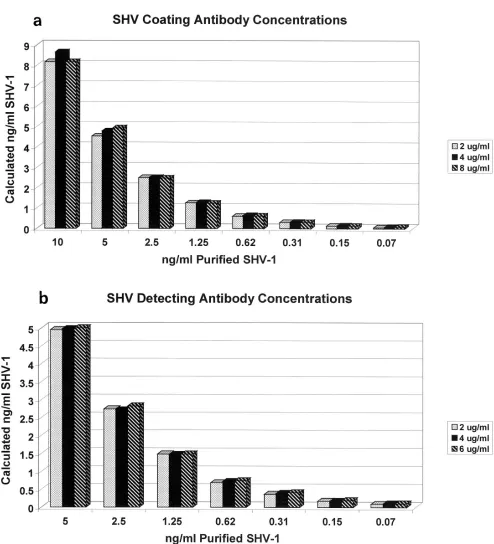
FIG. 2. Effects of varying coating and detecting antibody concentrations in the SHV ELISA. Purified SHV-1

-lactamase was diluted across
a range of concentrations and run in triplicate for each detecting antibody concentration (2, 4, and 6
g of biotinylated anti-SHV antibody/ml).
A separate standard curve was generated for each detecting antibody concentration and was used to calculate SHV amounts in nanograms per
milliliter. Values plotted are the means for triplicate samples. The sample range never exceeded 7% of the plotted value and was not included in
the graph. The effect of varying the coating antibody concentration was examined in a similar manner.
on May 15, 2020 by guest
http://jcm.asm.org/
SHV-1 or CMY-2, respectively (Fig. 1a and b). Antibody
rec-ognition of

-lactamases in bacterial lysates was examined for
both antibodies in a similar manner (Fig. 1c and d).
Anti-CMY-2 antibody was capable of detecting Anti-CMY-2 (present in
the bacterial lysates of
E
.
coli
strains designated 194-61, 194,
and 20), P99,
E
.
aerogenes
AmpC, and ACT-1

-lactamases
(Fig. 1c). SHV-1, TEM-1, K-1, and OXA-1 (not shown)

-lac-tamases were not recognized by anti-CMY-2 antibody.
Anti-SHV-1 antibody recognition was also determined by
immuno-blot analysis. Duplicate immuno-blots of strains producing TEM-1,
SHV-1, and CMY-2 were probed with either anti-TEM or
anti-SHV antibody. Anti-TEM antibody recognized both
TEM-1 and SHV-1

-lactamases. However, SHV-1
anti-body was capable of recognizing only SHV (Fig. 1d). No
cross-reactivity was observed for TEM-1 or any AmpC

-lactamase.
Development of the AmpC and SHV

-lactamase ELISAs.
In order to optimize signal strength and to keep nonspecific
background to a minimum, we determined the optimal
con-centrations of detecting and coating antibodies for the
ELISAs. The results of testing detecting antibody
concentra-tions of 2, 4, and 6
g/ml are summarized in Fig. 2b. Purified
SHV-1 diluted across a concentration range of picograms to
nanograms per milliliter was run in triplicate and detected with
2, 4, or 6
g of biotinylated anti-SHV-1 antibody/ml. The
coating antibody concentration was kept constant at 4
g/ml.
Separate standard curves were generated for each
concentra-tion and used to calculate SHV-1 standard quantities.
Al-though absolute OD values varied slightly, calculated purified
SHV-1 concentrations differed by less than 1% between
dif-ferent detecting antibody concentrations. Similar results were
obtained when biotinylated anti-CMY-2 detecting antibody
concentrations were varied (data not shown). With these
re-sults in mind, we chose to use 2
g/ml as the biotinylated
detecting antibody concentration for both the SHV and the
AmpC ELISAs. This concentration provided the ability to
de-tect picogram-per-milliliter levels of

-lactamase while keeping
nonspecific binding to a minimum.
[image:5.587.129.459.72.461.2]Shown in Fig. 2a are the results of varying the anti-SHV-1
coating antibody concentrations in the ELISA format. The
detecting antibody concentration was kept constant at 2
g/ml.
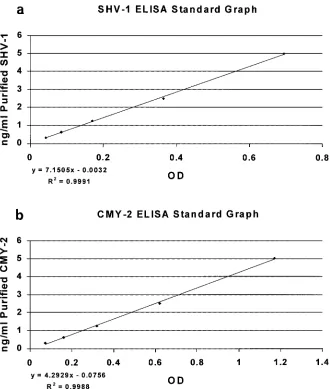
FIG. 3. ELISA standard curves. Purified SHV-1 and CMY-2

-lactamases at known concentrations were run in duplicate and used to generate
a standard curve for every ELISA that was performed.
V
OL. 40, 2002
ELISAs FOR CMY-2 AND SHV

-LACTAMASES
1951
on May 15, 2020 by guest
http://jcm.asm.org/
A similar approach was undertaken for the CMY-2
anti-body. A coating antibody concentration of 4
g/ml for both
antibodies allowed the greatest recognition and the least
non-specific binding. Operating conditions for the ELISAs were
determined to be 4
g of coating antibody/ml and 2
g of
biotinylated detecting antibody/ml.
Generation of ELISA standard curves.
Purified SHV-1 or
CMY-2

-lactamases, at known concentrations, were used to
generate a standard curve for every ELISA performed (Fig. 3).
The slope of the line generated was used to calculate the
amount of

-lactamase present in the samples.
Defining AmpC ELISA recognition.
Since cross-reactivity
was observed between anti-CMY-2 antibody and AmpC

-lac-tamases other than CMY-2, we wanted to further define which

-lactamases anti-CMY-2 antibody recognized and at what
level they could be detected. We measured the concentrations
of purified AmpC

-lactamases with the Bio-Rad protein assay
in order to load identical quantities to determine the lower
limits of recognition for other AmpC

-lactamases. Figure 4
demonstrates that the AmpC

-lactamases from
C
.
freundii
,
E
.
cloacae
, and
M
.
morganii
and
E
.
coli
CMY-2 were recognized
in the AmpC ELISA. DNA homology comparisons between
[image:6.587.89.505.73.269.2]the sequences of these

-lactamases and the CMY-2

-lacta-mase sequence are shown in Table 1. By loading known
con-centrations of the various purified AmpC enzymes, we showed
that as the homology to CMY-2 decreased, the minimum
con-centration of that enzyme that could be reliably detected
in-creased. The CMY-2

-lactamase (100% homology) could be
detected at less than 100 pg/ml, and the AmpC

-lactamase of
C
.
freundii
(94% homology) could be detected at 1 ng/ml. The
AmpC

-lactamase of
E
.
cloacae
(71% homology) could be
detected at 10 ng/ml. The AmpC

-lactamase of
M
.
morganii
(54% homology) could be detected only at a level of 500 ng/ml.
The AmpC

-lactamase of
P
.
aeruginosa
could not be detected
at 100 ng/ml (data not shown). DNA homology comparisons
were also done for SHV-1 (Table 2). From immunoblot
anal-ysis, we know that the anti-SHV-1 antibody recognized only
SHV.
FIG. 4. Minimum concentrations of various AmpC

-lactamases needed in order to be detected by the AmpC ELISA. By assaying known
concentrations of the various purified enzymes, we demonstrated that as DNA sequence homology to CMY-2 decreased, the minimum
concen-tration of the

-lactamase that could be reliably detected increased. Purified AmpC

-lactamases were CMY-2 from
E.
coli
(CMY-2),
C.
freundii
(C. f.),
E.
cloacae
(E. cloa),
M.
morganii
(M. mor), and
S.
aureus
PC1 (PC1).
TABLE 2. Percent homology to SHV-1 and anti-SHV-1
antibody recognition
a-Lactamase % DNA homology Recognition by antibody
SHV-1
100
⫹
TEM-1
63
⫺
K-1
41
⫺
P99
29
⫺
ACT-1
27
⫺
CMY-2
27
⫺
OXA-1
27
⫺
aHomology percentages were based on DNA sequence comparisons
[image:6.587.302.541.559.711.2]per-formed by using DNASIS.⫹, recognition;⫺, no recognition.
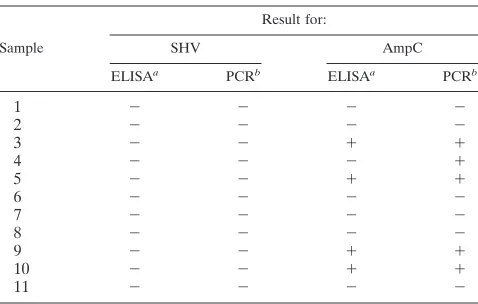
TABLE 3. Results for set 1 (unknowns)
Sample
Result for:
SHV AmpC
ELISAa PCRb ELISAa PCRb
1
⫺
⫺
⫺
⫺
2
⫺
⫺
⫺
⫺
3
⫺
⫺
⫹
⫹
4
⫺
⫺
⫺
⫹
5
⫺
⫺
⫹
⫹
6
⫺
⫺
⫺
⫺
7
⫺
⫺
⫺
⫺
8
⫺
⫺
⫺
⫺
9
⫺
⫺
⫹
⫹
10
⫺
⫺
⫹
⫹
11
⫺
⫺
⫺
⫺
aAll negative ELISA values had an OD of⬍0.05.⫹, positive;⫺, negative. bThere were 35 cycles of PCR amplification.⫹, positive;⫺, negative.
on May 15, 2020 by guest
http://jcm.asm.org/
[image:6.587.43.278.625.710.2]Testing clinical isolates with the SHV and AmpC ELISAs.
To validate our ELISAs, we tested three sets of isolates. Set 1
isolates (unknown clinical isolates; Table 3) were screened with
the SHV and AmpC ELISAs. Figure 5a graphically depicts
AmpC ELISA results along with the results for two positive
controls (P99

-lactamase and cefepime-resistant
E
.
aerogenes
AmpC

-lactamase). All unknown samples were diluted 1:5
with 0.1% BSA in PBS. The OD
492cutoff value taken as a
positive sample was 0.05 OD unit for both ELISAs. Unknown
samples 3, 5, 9, and 10 tested positive for the presence of an
AmpC

-lactamase in the ELISA. This finding was confirmed
by PCR analysis (Fig. 5b and Table 3), with the exception that
sample 4 was weakly positive for an AmpC

-lactamase in the
PCR but not in the ELISA. An SHV ELISA was also
per-formed on the unknown isolates in set 1; all samples were
negative in the ELISA for the SHV enzyme. This finding was
confirmed by PCR amplification specific for the
bla
SHVgene
(Fig. 5b).
Set 2 isolates were assayed in a manner similar to that for set
1 isolates. Thirteen of 14 isolates were positive in the PCR for
the SHV gene. The SHV ELISA correctly detected this

-lac-tamase in 12 of the 13 isolates (Table 4). All isolates in set 2
tested negative for the presence of an AmpC

-lactamase in
both PCR and ELISA analyses (Table 4).
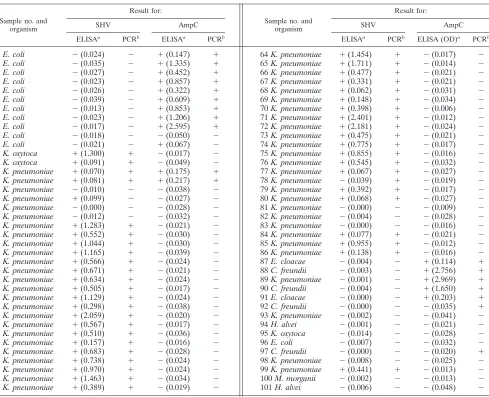
With set 3, we extended our analysis to include 75
addi-tional clinical isolates. PCR amplification for the SHV gene
revealed 44 positive isolates; 43 of these possessed a positive
signal in the SHV ELISA. SHV PCR demonstrated 32
neg-FIG. 5. ELISA validation. (a) Eleven clinical isolates (set 1) were blindly screened with the AmpC ELISA. Shown are AmpC ELISA results
and results for two positive controls (P99

-lactamase and cefepime-resistant
E.
aerogenes
[EA]). All unknown samples were diluted 1:5 with 0.1%
BSA in PBS. (b) PCR analysis of 11 clinical isolates (set 1) with SHV primers and AmpC primers. PCR amplicons were run on a 1% ethidium
bromide-stained agarose gel. Lanes: M, DNA sizing standard (
X174 replicative-form DNA
HaeIII fragments); A,
K.
pneumoniae
containing
ACT-1

-lactamase amplicons; P, P99

-lactamase amplicons; C, 194-61 CMY-2

-lactamase amplicons; B, blank; S, SHV

-lactamase amplicons.
V
OL. 40, 2002
ELISAs FOR CMY-2 AND SHV

-LACTAMASES
1953
on May 15, 2020 by guest
http://jcm.asm.org/
ative isolates; all were negative in the SHV ELISA, with the
exception of isolate 42 (Table 5). The ampC PCR produced
similar results, with 18 positive and 58 negative isolates. Of
the 18 isolates positive for the ampC gene, 16 produced a
positive signal in the ELISA; of the 58 PCR-negative
iso-lates, 56 were negative in the ELISA (Table 5).
Statistical results.
The performance characteristics of the
AmpC and SHV ELISAs are summarized in Table 6.
Measuring SHV

-lactamase expression.
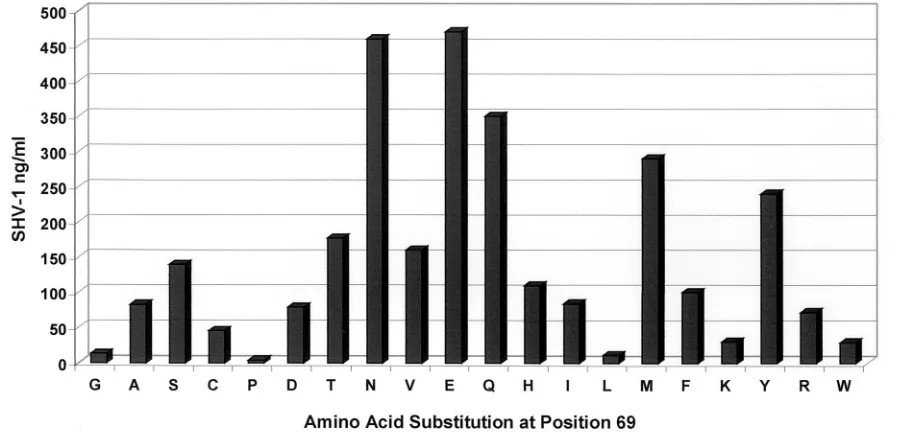
In order to show
that the SHV ELISA could be used to quantify differences in
the total amounts of SHV, we assayed a variety of SHV

-lac-tamase mutants in
E
.
coli
DH10B (12; Helfand et al.,
submit-ted; A. M. Hujer, K. M. Hujer, V. E. Anderson, and R. A.
Bonomo, submitted for publication). Our results indicated that
both immunoblotting (data not shown) and the ELISA format
(Fig. 6) can be used to assess relative levels of steady-state
SHV

-lactamase amounts. The mutants tested possessed an
amino acid substitution in the hydrophobic core of the

-lac-TABLE 4. Results for set 2 (K. pneumoniae)
Sample
Result for:
SHV AmpC
ELISA (OD)a PCRb ELISAa PCRb
12
⫹
(0.057)
⫹
⫺
⫺
13
⫹
(0.085)
⫹
⫺
⫺
14
⫹
(0.056)
⫹
⫺
⫺
15
⫺
(0.048)
⫹
⫺
⫺
16
⫹
(0.055)
⫹
⫺
⫺
17
⫹
(0.340)
⫹
⫺
⫺
18
⫹
(0.179)
⫹
⫺
⫺
19
⫹
(0.101)
⫹
⫺
⫺
20
⫹
(0.077)
⫹
⫺
⫺
21
⫹
(0.170)
⫹
⫺
⫺
22
⫺
(0.013)
⫺
⫺
⫺
23
⫹
(0.075)
⫹
⫺
⫺
24
⫹
(0.165)
⫹
⫺
⫺
25
⫹
(0.057)
⫹
⫺
⫺
aValues in parentheses are ODs. Symbols:⫹, positive;⫺, negative. bThere were 35 cycles of PCR amplification. Symbols:⫹, positive;⫺,
[image:8.587.44.284.83.261.2]nega-tive.
TABLE 5. Results for set 3 (various organisms)
Sample no. and organism
Result for:
Sample no. and organism
Result for:
SHV AmpC SHV AmpC
ELISAa PCRb ELISAa PCRb ELISAa PCRb ELISA (OD)a PCRb
26
E. coli
⫺
(0.024)
⫺
⫹
(0.147)
⫹
27
E. coli
⫺
(0.035)
⫺
⫹
(1.335)
⫹
28
E. coli
⫺
(0.027)
⫺
⫹
(0.452)
⫹
29
E. coli
⫺
(0.023)
⫺
⫹
(0.857)
⫹
30
E. coli
⫺
(0.026)
⫺
⫹
(0.322)
⫹
31
E. coli
⫺
(0.039)
⫺
⫹
(0.609)
⫹
32
E. coli
⫺
(0.013)
⫺
⫹
(0.853)
⫹
33
E. coli
⫺
(0.023)
⫺
⫹
(1.206)
⫹
34
E. coli
⫺
(0.017)
⫺
⫹
(2.595)
⫹
35
E. coli
⫺
(0.018)
⫺
⫺
(0.050)
⫺
36
E. coli
⫺
(0.021)
⫺
⫹
(0.067)
⫺
37
K. oxytoca
⫹
(1.300)
⫹
⫺
(0.017)
⫺
38
K. oxytoca
⫹
(0.091)
⫹
⫺
(0.049)
⫺
39
K. pneumoniae
⫹
(0.070)
⫹
⫹
(0.175)
⫹
40
K. pneumoniae
⫹
(0.081)
⫹
⫹
(0.217)
⫹
41
K. pneumoniae
⫺
(0.010)
⫺
⫺
(0.038)
⫺
42
K. pneumoniae
⫹
(0.099)
⫺
⫺
(0.027)
⫺
43
K. pneumoniae
⫺
(0.000)
⫺
⫺
(0.028)
⫺
44
K. pneumoniae
⫺
(0.012)
⫺
⫺
(0.032)
⫺
45
K. pneumoniae
⫹
(1.283)
⫹
⫺
(0.021)
⫺
46
K. pneumoniae
⫹
(0.552)
⫹
⫺
(0.030)
⫺
47
K. pneumoniae
⫹
(1.044)
⫹
⫺
(0.030)
⫺
48
K. pneumoniae
⫹
(1.165)
⫹
⫺
(0.039)
⫺
49
K. pneumoniae
⫹
(0.566)
⫹
⫺
(0.024)
⫺
50
K. pneumoniae
⫹
(0.671)
⫹
⫺
(0.021)
⫺
51
K. pneumoniae
⫹
(0.634)
⫹
⫺
(0.024)
⫺
52
K. pneumoniae
⫹
(0.505)
⫹
⫺
(0.017)
⫺
53
K. pneumoniae
⫹
(1.129)
⫹
⫺
(0.024)
⫺
54
K. pneumoniae
⫹
(0.298)
⫹
⫺
(0.038)
⫺
55
K. pneumoniae
⫹
(2.059)
⫹
⫺
(0.020)
⫺
56
K. pneumoniae
⫹
(0.567)
⫹
⫺
(0.017)
⫺
57
K. pneumoniae
⫹
(0.510)
⫹
⫺
(0.036)
⫺
58
K. pneumoniae
⫹
(0.157)
⫹
⫺
(0.016)
⫺
59
K. pneumoniae
⫹
(0.683)
⫹
⫺
(0.028)
⫺
60
K. pneumoniae
⫹
(0.738)
⫹
⫺
(0.024)
⫺
61
K. pneumoniae
⫹
(0.970)
⫹
⫺
(0.024)
⫺
62
K. pneumoniae
⫹
(1.463)
⫹
⫺
(0.034)
⫺
63
K. pneumoniae
⫹
(0.389)
⫹
⫺
(0.019)
⫺
aValues in parentheses are ODs. Symbols:⫹, positive;⫺, negative.
bThere were 35 cycles of PCR amplification. Symbols:⫹, positive;⫺, negative.
64
K. pneumoniae
⫹
(1.454)
⫹
⫺
(0.017)
⫺
65
K. pneumoniae
⫹
(1.711)
⫹
⫺
(0.014)
⫺
66
K. pneumoniae
⫹
(0.477)
⫹
⫺
(0.021)
⫺
67
K. pneumoniae
⫹
(0.331)
⫹
⫺
(0.021)
⫺
68
K. pneumoniae
⫹
(0.062)
⫹
⫺
(0.031)
⫺
69
K. pneumoniae
⫹
(0.148)
⫹
⫺
(0.034)
⫺
70
K. pneumoniae
⫹
(0.398)
⫹
⫺
(0.006)
⫺
71
K. pneumoniae
⫹
(2.401)
⫹
⫺
(0.012)
⫺
72
K. pneumoniae
⫹
(2.181)
⫹
⫺
(0.024)
⫺
73
K. pneumoniae
⫹
(0.475)
⫹
⫺
(0.021)
⫺
74
K. pneumoniae
⫹
(0.775)
⫹
⫺
(0.017)
⫺
75
K. pneumoniae
⫹
(0.855)
⫹
⫺
(0.016)
⫺
76
K. pneumoniae
⫹
(0.545)
⫹
⫺
(0.032)
⫺
77
K. pneumoniae
⫹
(0.067)
⫹
⫺
(0.027)
⫺
78
K. pneumoniae
⫺
(0.039)
⫹
⫺
(0.019)
⫺
79
K. pneumoniae
⫹
(0.392)
⫹
⫺
(0.017)
⫺
80
K. pneumoniae
⫹
(0.068)
⫹
⫺
(0.027)
⫺
81
K. pneumoniae
⫺
(0.000)
⫺
⫺
(0.009)
⫺
82
K. pneumoniae
⫺
(0.004)
⫺
⫺
(0.028)
⫺
83
K. pneumoniae
⫺
(0.000)
⫺
⫺
(0.016)
⫺
84
K. pneumoniae
⫹
(0.077)
⫹
⫺
(0.021)
⫺
85
K. pneumoniae
⫹
(0.955)
⫹
⫺
(0.012)
⫺
86
K. pneumoniae
⫹
(0.138)
⫹
⫺
(0.016)
⫺
87
E. cloacae
⫺
(0.004)
⫺
⫹
(0.114)
⫹
88
C. freundii
⫺
(0.003)
⫺
⫹
(2.756)
⫹
89
K. pneumoniae
⫺
(0.001)
⫺
⫹
(2.969)
⫹
90
C. freundii
⫺
(0.004)
⫺
⫹
(1.650)
⫹
91
E. cloacae
⫺
(0.000)
⫺
⫹
(0.203)
⫹
92
C. freundii
⫺
(0.000)
⫺
⫺
(0.035)
⫹
93
K. pneumoniae
⫺
(0.002)
⫺
⫺
(0.041)
⫺
94
H. alvei
⫺
(0.001)
⫺
⫺
(0.021)
⫺
95
K. oxytoca
⫺
(0.014)
⫺
⫺
(0.028)
⫺
96
E. coli
⫺
(0.007)
⫺
⫺
(0.032)
⫺
97
C. freundii
⫺
(0.000)
⫺
⫺
(0.020)
⫹
98
K. pneumoniae
⫺
(0.008)
⫺
⫺
(0.025)
⫺
99
K. pneumoniae
⫹
(0.441)
⫹
⫺
(0.013)
⫺
100
M. morganii
⫺
(0.002)
⫺
⫺
(0.013)
⫺
101
H. alvei
⫺
(0.006)
⫺
⫺
(0.048)
⫺
on May 15, 2020 by guest
http://jcm.asm.org/
[image:8.587.51.540.315.712.2]tamase. Hence, differences in detection did not indicate
differ-ences in antibody recognition because of external epitopes.
DISCUSSION
Anti-

-lactamase antibodies have been useful tools for
de-veloping an understanding of

-lactamases (5, 7). Most
re-cently, anti-TEM-1, anti-ROB-1, and anti-PSE-4

-lactamase
antibodies gave accurate qualitative assessments of the effects
of point mutations on

-lactamase expression (10, 14, 25, 27).
Our initial immunoblots with antibodies against SHV-1 and
CMY-2

-lactamases revealed the utility of each antibody and
allowed us to exploit the unique properties of each. The
SHV-1 antibody recognized only SHV, whereas the
anti-CMY-2 antibody was less selective, in that it could recognize
many AmpC

-lactamases besides CMY-2. The first finding
was unforeseen, given that the anti-TEM antibody
cross-re-acted with SHV

-lactamase and recognized OHIO-1

-lacta-mase (19, 20). By not detecting AmpC

-lactamases, the
anti-SHV-1 antibody can be extremely helpful for the identification of
strains producing

-lactamases with an alkaline pI (a pI of 8.2;
e.g., SHV-5), which are difficult to characterize by aIEF (6).
Several factors encouraged us to develop the ELISAs. Each
antibody could detect as little as 1 ng of purified

-lactamase
by immunoblotting, and very little background was observed
when whole bacterial lysates were assayed. Thus, other
bacte-rial proteins would not contribute substantially to nonspecific
background binding in the ELISA format. Also, the ELISA
format was particularly attractive due to its ability to screen
large numbers of samples rapidly and quantitatively. Both
ELISAs could recognize less than 100 pg of their respective
purified protein/ml, a recognition level 1 log unit higher than
that of immunoblotting. When 4
g of unlabeled antibody/ml
was used for coating and 2
g of biotinylated antibody/ml was
used for detection, the sensitivity of the assay was maximized
and nonspecific binding was kept to a minimum (Fig. 2).
We have also tested the ability of the polyclonal SHV-1
antibody to detect SHV-1 variants. It is capable of detecting
SHV-2, SHV-5, SHV-8, and the other SHV

-lactamases
en-gineered by site-directed mutagenesis (Fig. 6) (12; Helfand et
al., submitted; Hujer et al., submitted). The SHV ELISA
pro-vides us with a method for examining total levels of SHV

-lactamase. This method can also be exploited for the
puri-fication of SHV

-lactamases for other types of studies (4).
The anti-CMY-2 antibody recognized closely related AmpC
[image:9.587.69.518.76.292.2]
-lactamases. It recognized the CMY-2, P99, and ACT-1

-lac-tamases as well as the AmpC enzymes of
E
.
aerogenes
,
E
.
cloacae
,
C
.
freundii
, and
M
.
morganii
. Due to the broad
cross-reactivity, we referred to this antibody as an AmpC
anti-body. It did not recognize the TEM-1, SHV-1 (or its variants),
K-1, or OXA-1

-lactamases or the

-lactamases of
P
.
vulgaris
and
P
.
aeruginosa
(data not shown). We also demonstrated that
as homology to CMY-2 decreases, the minimum level required
for detection of the specific

-lactamase increases. Hence, we
have primarily used the AmpC ELISA for screening purposes,
although it can be used quantitatively for CMY-2. For
exam-ple, an OD of 0.158 may represent 620 pg of CMY-2/ml, but
for the AmpC enzyme of
E
.
cloacae
, which has 71% homology
to CMY-2, the same OD will represent a far higher
concen-tration of the enzyme. An alternative approach is to develop
standard curves for other purified AmpC

-lactamases; doing
FIG. 6. ELISA determination of SHV

-lactamase production. This graph illustrates the utility of the SHV ELISA for quantifying the effect
of a particular amino acid substitution on

-lactamase production. Each measurement represents the median of four different experiments. In this
case, the amino acid chosen for site saturation mutagenesis was at position 69 in SHV-1.
TABLE 6. Performance characteristics of SHV and AmpC ELISAs
ELISA Sensitivitya Specificitya Predictive value a
Kappa statistic Positive Negative
SHV
98
96
96
98
0.94
AmpC
95
96
87
99
0.88
aValues are percentages.
V
OL. 40, 2002
ELISAs FOR CMY-2 AND SHV

-LACTAMASES
1955
on May 15, 2020 by guest
http://jcm.asm.org/
[image:9.587.43.285.666.719.2]so might allow us to examine

-lactamase induction specific to
bacterial strains with known AmpC

-lactamases.
A direct application of the ELISAs is in the qualitative
screening of clinical isolates. Our analysis of 101 isolates is an
example of such an application. To verify the ELISA results,
PCR amplification was performed on all samples with primers
designed from homologous regions of several
bla
AmpCgenes
and SHV primers designed to amplify the
bla
SHVgene.
Overall, there was excellent agreement between the PCR
and ELISA results. Given these data, we calculated the
sensi-tivity of the SHV ELISA to be 98% and the specificity to be
96%. The kappa statistic, which determines how reliable data
interpretation is by measuring agreement and providing an
idea of how much the data are removed from random
distri-bution, was calculated to be 0.94 for the SHV ELISA. These
numbers argue for a very accurate assaying method. Also,
many samples can be processed simultaneously, far more than
can be processed by PCR and gel loading in the same time
frame.
The results for the AmpC ELISA were similar. We
calcu-lated the sensitivity of the AmpC ELISA to be 95% and the
specificity to be 96%. The kappa statistic was calculated to be
0.88.
The positive and negative predictive values for each ELISA
were very high, indicating that these ELISAs are a good way of
assaying for the presence of the respective

-lactamases. It is
also interesting that two isolates of
C
.
freundii
were PCR
pos-itive but AmpC ELISA negative. This species is known to have
an inducible AmpC

-lactamase. By growing these isolates in
the presence of cefoxitin, we may be able to induce the AmpC

-lactamase and detect its presence with an ELISA.
A novel way to use the SHV ELISA is in the quantification
of SHV

-lactamase. We examined the total levels of SHV

-lactamase as a result of point mutations in a number of
experiments (10, 12; Helfand et al., submitted; Hujer et al.,
submitted). Currently, this application has been used for the
analysis of site saturation mutagenesis of Ambler positions
Gly238, Asn104, Ser130, and Met69 (1, 12; Helfand et al.,
submitted; Hujer et al., submitted).
In conclusion, polyclonal antibodies were raised to detect
and quantify SHV and AmpC

-lactamases. Low-level
detec-tion (less than 100 pg) and selective recognidetec-tion of SHV by the
SHV ELISA allowed us to quantify differences in the amounts
of the SHV class A

-lactamase. The AmpC ELISA possessed
a similar detection threshold. The polyclonal AmpC antibody
was less selective in that it could recognize other AmpC

-lac-tamases. The AmpC ELISA will continue to be used primarily
as a qualitative screening tool for clinical isolates. It has not
escaped our attention that this technology can be modified to
detect pre- and postinduction AmpC

-lactamases in clinical
isolates. In the research setting, this ELISA can also be used to
quantitatively measure differences in

-lactamase expression
after induction of AmpC enzymes. Used appropriately,
immu-nology-based technology (ELISA and immunoblotting) can
permit the detection of

-lactamases in clinical strains and can
permit careful study of the effects of point mutations on

-lac-tamases and exploration of issues of induction and regulatory
mechanisms affecting

-lactamase production. The sensitivity
and specificity of both ELISAs are comparable to those of
many commercially available diagnostic tests and indicate that
the ELISAs represent a very rapid and accurate way of
screen-ing for the presence of AmpC and/or SHV

-lactamases in
clinical isolates.
ACKNOWLEDGMENTS
This work was supported by grants from the Veterans Affairs
Med-ical Center Merit Review Program and Merck Research Laboratories.
We thank P. N. Rather, R. M. Rerko, and C. R. Bethel for careful
review of the manuscript and valuable advice.
REFERENCES
1.Ambler, R. P., A. F. Coulson, J. M. Frere, J. M. Ghuysen, B. Joris, M. Forsman, R. C. Levesque, G. Tiraby, and S. G. Waley.1991. A standard numbering scheme for the class A-lactamases. Biochem. J.276:269–270. 2.Barker, L. R., and J. C. Roberts.1994. The diagnostic process, p. 8–10.In
L. R. Barker, J. R. Burton, and P. D. Zieve (ed.), Principles of ambulatory medicine, 4th ed. The Williams & Wilkins Co., Baltimore, Md.
3.Bauernfeind, A., Y. Chong, and K. Lee.1998. Plasmid-encoded AmpC -lac-tamases: how far have we gone 10 years after the discovery? Yonsei Med. J.
39:520–525.
4.Bibi, E.1989. Purification of TEM-1-lactamase by immunoaffinity chro-matography. Biochem. J.263:309–311.
5.Bibi, E., and R. Laskov.1990. Selection and application of antibodies mod-ifying the function of-lactamase. Biochim. Biophys. Acta1035:237–241. 6.Bush, K., G. A. Jacoby, and A. A. Medeiros.1995. A functional classification
scheme for-lactamases and its correlation with molecular structure. Anti-microb. Agents Chemother.39:1211–1233.
7.Chambers, S. J., G. M. Wyatt, and M. R. Morgan.2001. Investigation of the interaction between -lactams and a metallo--lactamase fromBacillus cereususing a monoclonal antibody. Anal. Biochem.288:149–155. 8.Crook, J., J. A. Tharpe, S. E. Johnson, D. B. Williams, A. R. Stinson, R. R.
Facklam, E. W. Ades, G. M. Carlone, and J. S. Sampson.1998. Immunore-activity of five monoclonal antibodies against the 37-kilodalton common cell wall protein (PsaA) ofStreptococcus pneumoniae. Clin. Diagn. Lab. Immu-nol.5:205–210.
9.Fuji-Kuriyama, Y., M. Yamamoto, and S. Sugawara.1977. Purification and properties of-lactamase fromProteus morganii. J. Bacteriol.131:726–734. 10.Giakkoupi, P., A. M. Hujer, V. Miriagou, E. Tzelepi, R. A. Bonomo, and L. S. Tzouvelekis.2001. Substitution of Thr for Ala-237 in TEM-17, TEM-12 and TEM-26: alterations in-lactam resistance conferred on Escherichia coli. FEMS Microbiol. Lett.201:37–40.
11.Hirai, K., K. Sato, N. Matsubara, R. Katsumata, M. Inoue, and S. Misu-hashi.1980. Immunological properties of-lactamase that hydrolyzes cefu-roxime and cefotaxime. Antimicrob. Agents Chemother.20:262–264. 12.Hujer, A. M., K. M. Hujer, and R. A. Bonomo.2001. Mutagenesis of amino
acid residues in the SHV-1-lactamase: the premier role of Gly238Ser in penicillin and cephalosporin resistance. Biochim. Biophys. Acta1547:37–50. 13.Ishii, Y., M. Ichikawa, K. Yamaguchi, K. Takano, and M. Inoue.1991. Localization of cephalosporinase inEnterobacter cloacaeby immunocyto-chemical examination. J. Antibiot.44:1088–1095.
14.Juteau, J. M., E. Billings, J. R. Knox, and R. C. Levesque.1992. Site-saturation mutagenesis and three-dimensional modelling of ROB-1 define a substrate binding role of Ser130 in class A-lactamases. Protein Eng.7:693– 701.
15.Kamata, S. I., A. Oshkawa, O. Ito, N. Kakiichi, K. Komine, T. Matsunaga, M. Hayashi, M. Sugiyama, H. Otsuka, S. Ura, and K. Uchida.1992. Pre-liminary experiment for detection of penicillinase by enyme-linked immu-nosorbent assay and Western blotting technique. J. Vet. Med. Sci.54:395– 397.
16.Landis, J. R., and G. G. Koch.1977. An application of hierarchical kappa-type statistics in the assessment of agreement among multiple observers. Biometrics33:363–374.
17.Le Goffic, F., J. Andrillon-Speigel, and R. Letarte.1974. Immunological study of anti--lactamase antibodies by acidimetric methods. Antimicrob. Agents Chemother.6:676–679.
18.Letarte, R., M. Devaud-Felix, J. C. Pechere, and D. Allard-Leprohon.1977. Enzymatic and immunological characterization of a new cephalosporinase fromEnterobacter aerogenes. Antimicrob. Agents Chemother.12:201–205. 19.Lin, S., M. Thomas, D. M. Shlaes, S. D. Rudin, J. R. Knox, V. Anderson, and
R. A. Bonomo.1998. Kinetic analysis of an inhibitor-resistant variant of the OHIO-1-lactamase, an SHV-family class A enzyme. Biochem. J.333:395– 400.
20.Lin, S., M. Thomas, S. Mark, V. Anderson, and R. A. Bonomo. 1999. OHIO-1 -lactamase mutants: the Arg244Ser mutant and resistance to -lactams and-lactamase inhibitors. Biochim. Biophys. Acta1432:125–136. 21.Medeiros, A. A.1997. Evolution and dissemination of-lactamases acceler-ated by generations of -lactam antibiotics. Clin. Infect. Dis. 24(Suppl. 1):S19-S45.
on May 15, 2020 by guest
http://jcm.asm.org/
22.Morin, C. J., P. C. Patel, R. C. Levesque, and R. Letarte.1987. Monoclonal antibodies to TEM-1 plasmid-mediated -lactamase. Antimicob. Agents Chemother.31:1761–1767.
23.Murakami, K., and T. Yoshida.1985. Monoclonal antibodies against species-specific cephalosporinase ofPseudomonas aeruginosa. Eur. J. Biochem.146:
693–697.
24.Murata, T., S. Minami, K. Yasuda, S. Iyobe, M. Inoue, and S. Mitsuhashi.
1981. Purification and properties of cephalosporinase fromPseudomonas aeruginosa. J. Antibiot.34:1164–1170.
25.Palzkill, T., Q. Q. Le, K. V. Venkatachalam, M. LaRocco, and H. Ocera.
1994. Evolution of antibiotic resistance: several different amino acid substi-tutions in an active site loop alter the substrate profile of-lactamase. Mol. Microbiol.12:217–229.
26.Paterson, D. L., L. B. Rice, and R. A. Bonomo.2001. A rapid method of extraction and analysis of extended spectrum -lactamases from clinical strains ofKlebsiella pneumoniae. Clin. Microbiol. Infect.7:709–711. 27.Petrosino, J. F., and T. Palzkill.1996. Systematic mutagenesis of the active
site omega loop of TEM-1-lactamase. J. Bacteriol.178:1821–1828. 28.Rice, L. B., L. L. Carias, A. M. Hujer, M. Bonafede, R. Hutton, C. Hoyen, and
R. A. Bonomo. 2000. High-level expression of chromosomally encoded SHV-1-lactamase and an outer membrane protein change confer resis-tance to ceftazidime and piperacillin-tazobactam in a clinical isolate of Kleb-siella pneumoniae. Antimicrob. Agents Chemother.44:362–367.
29.Rice, L. B., and R. A. Bonomo.1996. Genetic and biochemical mechanisms of bacterial resistance to antimicrobial agents, p. 453–501.InV. Lorian (ed.), Antibiotics in laboratory medicine, 4th ed. The Williams & Wilkins Co., Baltimore, Md.
30.Savoie, A., F. Sanschagrin, T. Palzkill, N. Voyer, and R. C. Levesque.
2000. Structure-function analysis of alpha-helix H4 using PSE-4 as a model enzyme representative of class A-lactamases. Protein Eng.13:
267–274.
31.Sawai, T., M. Kanno, and K. Tsukamoto.1982. Characterization of eight -lactamases of gram-negative bacteria. J. Bacteriol.152:567–571. 32.Steward, C., J. K. Rasheed, S. K. Hubert, J. W. Biddle, P. M. Raney, G. J.
Anderson, P. P. Williams, K. L. Brittain, A. Oliver, J. E. McGowan, Jr., and F. C. Tenover.2001. Characterization of clinical isolates ofKlebsiella pneu-moniae from 19 laboratories using the National Committee for Clinical Laboratory Standards extended-spectrum-lactamase detection methods. J. Clin. Microbiol.39:2864–2872.
33.Sykes, R. B., et al.1979. Detection, assay, and immunology of-lactamases, p.17–49.InJ. M. T. Hamilton-Miller and J. T. Smith (ed.),-Lactamases. Academic Press, Inc. (London), Ltd., London, England.
34.Tajima, M., Y. Takenouchi, S. Sugawara, M. Inoue, and S. Mitsuhashi.1980. Purification and properties of chromosomally mediated-lacatamase from
Citrobacter freundiiGN7391. J. Gen. Microbiol.121:449–456.