Lancaster University Doctorate in Clinical Psychology May 2017
Doctoral Thesis
Being the Parent of a Child With a Visible Difference: A Focus on Parenting a Child
With a Cleft Lip and/or Palate and Limb Difference
James Oliver
Doctorate in Clinical Psychology
Thesis Section Main Text Appendices (including tables, figures and references)
Total
Thesis Abstract 300 300
Literature Review 7998 8710 16708
Research Paper 7996 9598 17594
Critical Appraisal 3998 642 4640
Ethics 5148 8926 14074
This thesis is primarily concerned with the experience of parenting a child with a visible difference. The focus of the papers were chosen due to their under-representation in the literature and relevance to clinical psychology provision. The thesis commences with a review of the qualitative literature that explored the experience of being a parent of a child with a cleft lip and/or palate. Using Noblit and Hare’s (1988) meta-ethnographic approach, 18 papers were reviewed to produce five over-arching themes. The findings illuminated the central experiences associated with the parenting role. Clinical implications concern the enhancement of emotional support for parents within healthcare settings. A pertinent finding emerged relating to the role of parent identity in navigating treatment pathways and its potential influence on treatment decisions.
This thesis presents research submitted in May 2017 as a requirement of the Doctorate in Clinical Psychology at Lancaster University. The research reported is the authors own, except where due reference is made. The research has not been submitted for any other academic award.
Name: James Oliver
Firstly, I would like to thank all the participants who so generously gave their time and shared their experiences. I feel privileged to have had the opportunity to speak with you all. I would also like to thank both of my supervisors, Dr Craig Murray and Dr Clare Dixon, for their support and guidance throughout the whole thesis process. It has been a pleasure to work with you both.
To my cohort, thank you for the peer support and the opportunity to share this training journey with you all. It has been some journey.
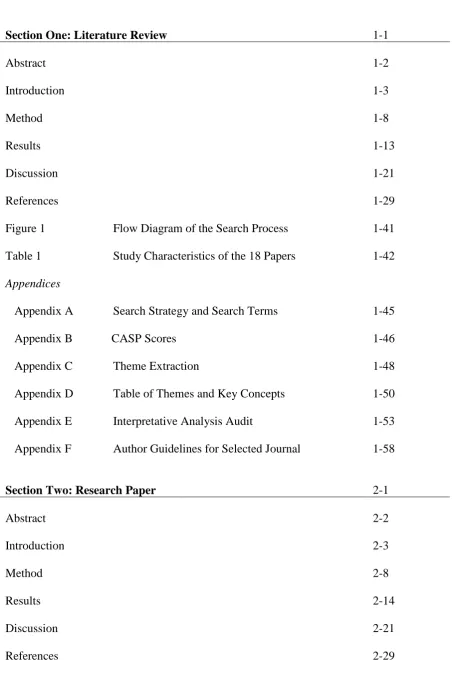
Section One: Literature Review 1-1
Abstract 1-2
Introduction 1-3
Method 1-8
Results 1-13
Discussion 1-21
[image:7.595.72.525.90.780.2]References 1-29
Figure 1 Flow Diagram of the Search Process 1-41
Table 1 Study Characteristics of the 18 Papers 1-42 Appendices
Appendix A Search Strategy and Search Terms 1-45
Appendix B CASP Scores 1-46
Appendix C Theme Extraction 1-48
Appendix D Table of Themes and Key Concepts 1-50 Appendix E Interpretative Analysis Audit 1-53 Appendix F Author Guidelines for Selected Journal 1-58
Section Two: Research Paper 2-1
Abstract 2-2
Introduction 2-3
Method 2-8
Results 2-14
Discussion 2-21
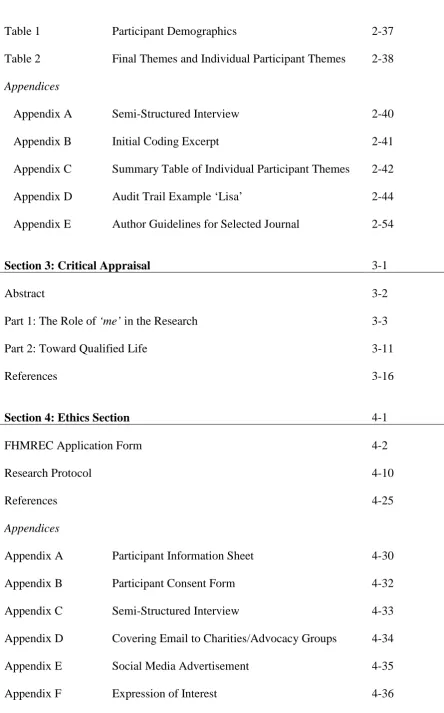
Table 2 Final Themes and Individual Participant Themes 2-38 Appendices
Appendix A Semi-Structured Interview 2-40
Appendix B Initial Coding Excerpt 2-41
Appendix C Summary Table of Individual Participant Themes 2-42
Appendix D Audit Trail Example ‘Lisa’ 2-44
Appendix E Author Guidelines for Selected Journal 2-54
Section 3: Critical Appraisal 3-1
Abstract 3-2
Part 1: The Role of ‘me’ in the Research 3-3
Part 2: Toward Qualified Life 3-11
References 3-16
Section 4: Ethics Section 4-1
FHMREC Application Form 4-2
Research Protocol 4-10
References 4-25
Appendices
Appendix A Participant Information Sheet 4-30
Appendix B Participant Consent Form 4-32
Appendix C Semi-Structured Interview 4-33
Appendix D Covering Email to Charities/Advocacy Groups 4-34
Appendix E Social Media Advertisement 4-35
[image:8.595.73.518.48.762.2]Appendix H Expression of Interest Form 4-38 Appendix K FHMREC Ethical Approval Letter
Appendix L FHMREC Amendment Correspondence
Section One: Literature Review
Being a Parent of a Child with a Cleft Lip and/or Palate: A Qualitative Meta-Synthesis
James Oliver Lancaster University Doctorate in Clinical Psychology
Prepared in accordance with the journal guidelines for Child: Care, Health and Development
All Correspondence should be sent to: James Oliver
Doctorate in Clinical Psychology Furness College
Lancaster University Lancaster
LA1 4YG
Tel: +44 (0)1524 592970
Abstract
Aim: To review and synthesise the available qualitative research, with the aim of developing a conceptual understanding of the experience of being a parent of a child with a cleft lip and/or palate. The review may inform healthcare support from a service user perspective and be of benefit to other parents who have a child with a cleft lip and/or palate.
Method: A systematic literature search was completed utilising five electronic databases. A total of 18 papers met the inclusion and exclusion criteria and were included in the review. Noblit and Hare’s (1988) meta-ethnographic approach was used to synthesise the key themes and concepts of the included papers.
Results: The analysis produced five overarching themes: (1) a new idea of parenthood: working through the emotional experience; (2) becoming immersed within a new and unexpected medical system; (3) treatment pathways and the developing parent identity; (4) anticipating and managing the reactions of others; (5) meeting parenting challenges through personal growth and support.
Conclusion: The results highlight central experiences associated with being a parent of a child with a cleft lip and/or palate. Clinical implications are offered concerning the development of parents’ self-compassion, and for healthcare professionals to provide effective conditions for emotional containment. A pertinent finding emerged relating to the role of parent identity in navigating treatment pathways and its potential influence on treatment decisions.Future research opportunities are discussed, for instance exploring the experiences of parents with adolescents.
Being a Parent of a Child with a Cleft Lip and/or Palate: A Qualitative Meta-Synthesis A cleft lip and/or palate is a relatively common congenital condition, and occurs in approximately one of every 500–700 births per year globally (World Health Organization, 2012). A definition of the word cleft means to ‘split’ or ‘divide’. During pregnancy, different parts of the face separate before joining together; for a child born with a cleft lip and/or palate, this does not occur. The cause remains largely unknown; however, it is thought to occur through a combination of environmental and genetic factors (Taib, Taib, Swift & van Eeden, 2015).
Antenatal scans, when available, can identify children who will be born with a cleft lip and palate, this usually occurs at the 20-week scan. Children born with solely a cleft palate are unlikely to be diagnosed before birth, with around 1% of cases diagnosed prenatally (Cleft Lip and Palate Association, 2017). The timing of a child’s diagnosis is important to consider, with some parents suggesting a prenatal diagnosis allows them to come to terms with the diagnosis before their child is born (Nusbaum et al., 2008). Supporting parents during this time is a key part of care pathway systems. For instance, in the UK, a referral must be made to a specialist regional cleft network within 24 hours of diagnosis (Taib, et al., 2015). Children born with a cleft lip and/or palate often then engage in a multidisciplinary treatment pathway, which can include involvement with otorhinolaryngology, orthodontics, speech and language therapy, psychology and surgical outcomes (Stock & Feragen, 2016).
Emotional Impact on the Child
first year of the child’s life to repair the visible features of the cleft, however facial scarring, functional difficulties and speech problems can remain (Stock & Feragen, 2016).
Reviews of the literature focussing on the psychosocial impact of having a cleft lip and/or palate have suggested the majority children do not experience significant difficulties with adjustment or functioning (Hunt, Burden, Hepper & Johnston, 2005; Stock & Feragen, 2016). However, research findings are not consistent, for instance, some studies have found that children are at greater risk of emotional functioning difficulties (e.g., Hunt, Burden, Hepper, Stevenson & Johnston, 2007), whereas other studies have not found this association (Feragen & Stock, 2014). Similarly, some studies suggest children with a cleft lip and/or palate are more likely to have difficulties associated with their social functioning (Slifer et al., 2004), whereas others fail to find this association (Collett, Cloonan, Speltz, Anderka & Werler, 2012). The over reliance on cross-sectional measures and /or retrospective parent, teacher, or healthcare professional reports could contribute to the issue of contradictory findings (Stock & Feragen, 2016). Stock et al. (2016) suggests adjustment to a cleft lip and/or palate is multi-faceted and can fluctuate across time and context, thus making concepts such as adjustment difficult to capture.
Emotional and Social Impact on Parents
There is an abundance of research that has explored parents’ responses to their child’s diagnosis, with feelings of shock, upset, denial and anger documented (Bradbury & Hewison, 1994; Martin, 2005; Rey-Bellet & Hohlfield, 2004). Often, the birth can lead to parents feeling a sense of guilt; this could be related to parents trying to explore their own role in the cause of their child’s cleft conditionand blaming themselves (Nelson, O’Leary & Weinman, 2009; Nusbaum et al., 2008).
Clarren, 1990). However, by pre-school years, parenting stress levels have often been found to be comparable to parents of children without a cleft lip and/or palate (Berger & Dalton, 2009). Parenting stress is important to consider, with high parental stress found to be a predictor of adjustment difficulties in young children with a cleft condition (Pope, Tillman & Snyder, 2005). This is also a consistent finding within the wider paediatric health literature, with parental adjustment found to be a predictor of child adjustment (Drotar, 1997; Goldberg et al., 1997).
Research has also focussed on the relationship formation between parent and child, informed by attachment theory (Bowlby, 1969). The focus on attachment is in the context of possible disruptions to the parent-child relationship, such as feeding difficulties, hospital admissions and surgeries. However, research suggests that by 2 years of age, children with a cleft lip and/or palate are likely to emerge with secure attachments (Maris, Endriga, Speltze, Jones & Deklyen, 2000; Murray et al., 2008). Research has also indicated that mothers of children with a cleft lip and/or palate can be more encouraging, when compared to mothers of children without a cleft condition (Gassling et al. 2014).
A frequent limitation of the evidence exploring parental distress is the reliance on questionnaire data at fixed timed points. Qualitative studies however, can offer an insight into adjustment over time, with research suggesting several positive aspects of caring for a child with a cleft condition, such as an increased appreciation of diversity, increased
acknowledgment of their child’s strengths and increased community involvement (Eiserman, 2001; Klein, Pope, Getahun, & Thompson, 2006). Nelson, Glenny, Kirk and Caress (2011) suggest thistype of research is important and can help challenge the often negative discourse around ‘difference’.
entangled with feelings of discomfort, anxiety and a fear of rejection. Here, qualitative studies have offered insight into a range of responses. Johansson and Ringsberg (2004) found parents worried about the reactions of others, including stares, a look of fear, and negative comments aimed at their child. In addition, parents have reported worrying about future social issues including social acceptance (Klein et al., 2006), and experience emotional distress when they hear of their child being teased or rejected (Klein, Pope & Abbott, 2014). Tiemens, Nicholas and Forrest (2013) suggest close relationships with families and friends can act as a shield against some of the social challenges children with a cleft lip and/or palate can encounter.
Parents’ Experiences of Services
Nelson and Kirk (2013) completed a qualitative study exploring parent experiences of services, which enabled a detailed insight into valued aspects of care. They found positive appraisals to be founded on attributions of cleft practitioners as competent and trustworthy, displaying highly developed communication skills and offering continuity of care. Areas of unmet need centred around individualised information regarding treatment, and the co-ordination of services across the course of their child’s treatment.
Rationale
To summarise, the research literature suggests that being the parent of a child with a cleft lip and/or palate can be both a rewarding and challenging role. Much of the research has used a quantitative design, which has enabled several important insights into the experiences of parents to be gained, including the experience of diagnosis and the psychosocial impact. Exploring the experiences of parents is of significant value, not least because of the research highlighting the association between parental adjustment and child adjustment (Pope et al., 2005).
date, there is no published qualitative meta-synthesis that has integrated the qualitative research findings.
Walsh and Downe (2005) suggests a qualitative meta-synthesis allows for the amalgamation of findings from qualitative research on a given topic area and seeks to understand and explain phenomenon.The utilisation of qualitative meta-syntheses are being increasingly used within healthcare research, and can facilitate shared knowledge and inform policy and practice (Dixon-Woods, Booth, & Sutton, 2007; Toye et al., 2014). Schreiber, Crooks and Stern (1997) described the approach as the “bringing together and breaking down of findings, examining them, discovering the essential features, and, in some way, combining phenomena into a transformed whole” (p.314).By reviewing the research that has prioritised the lived experiences of parents, it may help shed light into how parents experience their parenting role, the meanings ascribed to these experiences, and offer an insight into a range of emotional responses, beliefs and coping resources. A review of this nature seems
particularly poignant given the increasing involvement of service-users influencing the design and structure of their own healthcare experience (Crawford et al., 2002). The research aim is therefore to review and synthesise the qualitative research exploring the experience of being a parent of a child with a cleft lip and/or palate. The research question is “What is the
experience of parenting a child with a cleft lip and/or palate and how do parents make sense of the parenting role?”
Method
participant’s understandings of their own experiences (first-order constructs) as reported in the reviewed papers (Atkins et al. 2008).
Search Strategy & Selection Strategy
Studies included in the review were identified after completing a systematic search of the bibliographic databases MEDLINE (covering biomedical and health related literature; searchable years 1806-2016), PsychINFO (covering behavioural and social science literature; searchable years 1806-2016) , CINAHL (covering nursing and allied health disciplines; searchable years 1937-2016), Web of Science (covering art, humanity and social science literature; searchable years 1900-2016) and AMED (covering complimentary
medicine and allied professional literature; searchable years 1985-2016). The research question was broken down into four distinct concepts to help construct an effective and comprehensive search strategy. In addition, both a specialist university librarian and a local clinician working with children with a cleft lip and/or palate were consulted for feedback regarding the search terms and strategy. The strategy consisted of utilising the respective database subject headings with a range of free text search terms. Searches were limited to title and abstract. The boolean operator ‘OR’ was used to search for terms within each concept, with the boolean operator ‘AND’ used between concepts. Appendix A illustrates the search terms and strategy utilised for each bibliographic database.
excerpts, (6) the authors provided interpretations of parents’ experiences based on the qualitative data obtained, (7) the study included findings relating to the experience of parenting a child with a cleft lip and/or palate and how it is to be a parent of a child with a cleft lip and/or palate.
Conversely, studies were excluded if they (1) focused on parents’ evaluations of, or satisfaction with, services unless the themes produced related to how it is to be a parent of a child with a cleft lip and/or palate, or (2) they focussed on parenting experiences of other physical health conditions as well as a diagnosis of a cleft lip and/or palate.
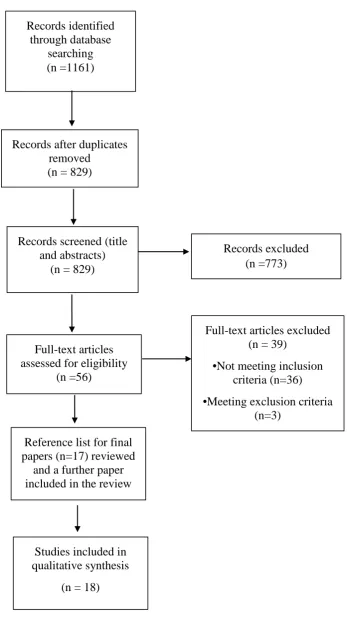
The search was completed on 21st November 2016 and produced a total of 1161 search results. The results were collated into a referencing software program, before being visually scanned by title and abstract to assess suitability for inclusion in the review. Where relevance was deemed ambiguous, the full text version of the paper was accessed. Finally, the reference lists of the included papers were visually scanned to check for additional papers; this yielded one additional paper. A total of eighteen papers were identified as being pertinent to the research question and included in the review. Figure 1 illustrates the systematic search process.
[INSERT FIGURE 1]
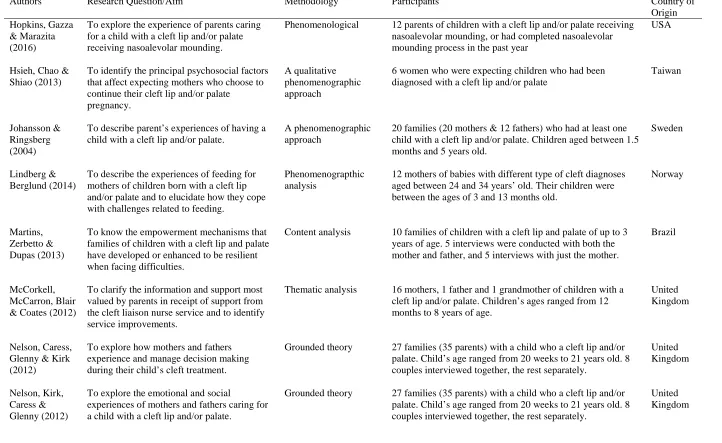
Characteristics of the Selected Studies
generate the research findings (Nelson, Caress, et al., 2012; Nelson, Kirk, et al., 2012); these papers were included as they met the inclusion criteria and reported different aspects of the analysed data in the identification of themes.
All the included papers used some form of an inductive thematic analysis.
Specifically, twelve papers used variations of a phenomenological thematic method, four used a grounded theory approach and two used an unspecified generic thematic analysis. Two papers used a mixed method design, with only the qualitative analysis extracted in the synthesis. All the studies can be claimed to fit within a critical realist framework; which acknowledges that the language used by participants to be an understanding of their ‘truth’ and reflect their thoughts, beliefs and experiences; thereby making it possible to understand their perspective (Maxwell, 2012).Table 1 highlights the key characteristics of the included studies. The varied nature of the samples within the included papers can be considered a strength of the review in that it presents a balance between a homogenous sample within a heterogeneous sample context. This allowed insight into the robustness of findings across sample contexts and how experiences varied within themes.
[INSERT TABLE 1]
Quality Appraisal of the Selected Studies
score of 3 represents a strong report and justification of the particular issue. CASP scores ranged from 13 to 24 (appendix B).
No papers were excluded on the basis of reviewed quality, with debates ongoing around what constitutes high quality qualitative research (Barbour, 2001; Ring, Jepson & Ritchie, 2011). The use of checklists have helped convince some sceptics of the rigour and robustness of qualitative research and appear to be endorsed by guidance by the Centre for Reviews and Dissemination (2009). However, often the key indicator of quality can be a description detailed enough for the reader to make an informed judgement (Popay, Rodgers & Williams, 1998). Furthermore, complex dilemmas regarding qualitative design cannot always be solved by formulaic checklists (Barbour, 2001). The present review is therefore adopting the approach of Sandelowski, Docherty and Emden’s (1997) argument that “studies should not be excluded for reasons of quality, because, as we noted previously, there are wide variations in conceptions of the good, and in quality criteria” (p.368). Within the present review its inclusion can help to guide the reader regarding the reported quality of the included research, and offer assurance that the themes presented within the review were not predicated on studies with lower CASP scores.
Analysing and Synthesizing the Selected Studies
then compared across studies and into discrete concepts to produce emerging third-order interpretations. Through continued iteration it was possible to identify similarities and differences between concepts and organise them into final third-order themes. For example, the theme ‘Meeting Parenting Challenges Through Personal Growth and Support’ came from frequently reported aspects of coping and resilience, as well as the value parents placed on support to meet the challenges of the role. It is these third-order themes that illustrate the interpretative nature of the review and looks to extend the meaning of the reviewed papers. Noblit and Hare (1988) define the synthesis as “making a whole into something more than the parts alone imply” (p.28). Appendices C to E illustrate this audit trail.
Results
The analysis led to the generation of five main overarching themes. They are discussed in detail below:
Theme 1. A New Idea of Parenthood: Working Through the Emotional Experience
Adjusting to a new idea of being a parent and the emotional experience this entails was detailed within thirteen of the included papers (Hsieh et al., 2013; Johansson &
A powerful emotional response came through the analysis, relating to letting go of the parenting assumptions they previously held and the idea of a ‘perfect’ child. One parent reported:
It’s very difficult to take in that the child you thought was “perfect” in inverted commas, turns out that they’re not perfect as defined by medical professionals. I understand why she’s described as abnormal, but to me she was perfect, she wasn’t abnormal. (Nelson, Kirk, et al., 2012, p.350)
In Nusbaum et al.’s (2008) paper, the authors report how one parent discussed the grieving process they went through when they realised their baby wasn’t going to be “perfect”: “I think the most important [thing] is like, you do your mourning…When someone dies, you mourn for a while. So doing that before really helps…” (p.342).
Related to this notion of adjusting to a new idea of parenthood were a number of powerful emotions concerning parent’s desire to provide for their child. Concerns relating to breastfeeding were a particularly strong theme: “It was overwhelming because all thoughts came at the same time…what will she look like…how can I feed her” (Lindberg & Berglund, 2014 p.68). One parent reported feelings of guilt in relation to being unable to provide a “perfect body for their child” (Stone et al., 2010, p.1359). Another parent reported a sense of determination when seeing her child for the first time: “I saw it just before they picked him up and laid him on his stomach. That’s when I saw it. I was really shocked but I thought, ‘Well, he’s chosen the right parents” (Johansson & Ringsberg, 2004, p.167).
From the synthesis, there was a sense of understanding to parents’ emotional
experience and something they needed time to experience and work through as they adjusted to a new idea of parenthood.
Theme 2. Becoming Immersed Within a New and Unexpected Medical System
The experience of entering a new and unexpected medical system and its interaction with parents’ emotional experience, particularly their perceived ability to cope and adjust to their new role, was detailed within seventeen of the included papers. (Hopkins et al., 2016; Hsieh et al., 2013; Johansson & Ringsberg, 2004; Lindberg & Berglund, 2014; Martins et al., 2013; McCorkell et al., 2012; Nelson, Caress, et al., 2012; Nelson, Kirk, et al., 2012;
Nusbaum et al., 2008; Shipe et al., 2016; Sischo et al., 2015; Sischo et al., 2016; Stock & Rumsey, 2015; Stone et al., 2010; Tierney et al., 2015; Vanz & Ribeiro, 2011; Williams et al., 2012).
Parents appeared to look for support or emotional containment from those in a position of professional power. One parent recalled the following experience: “My partner was crying her eyes out and we were left alone in this room. Then a staff nurse put a piece of paper in front of us and I will always remember it said ‘how to deal with a disabled child” (Stock & Rumsey, 2015, p.33). Here, emotional containment was lacking and in fact resulted in increased distress for parents. Tierney et al. (2015) reported parents seeking a late
diagnosis felt like their parental instincts were being ignored by healthcare professionals. Similarly, Johansson and Ringsberg (2004) suggested attempts by staff to contain parents’ emotions, while good intentioned, could have the opposite effect: “He will be fine later on” (p.168), giving the implicit message that their child was not fine now.
mentioned it to my husband, I think it’s a continuous thing…We go and there is always something new” (Martins et al., 2013, p. 496). Some parents compared future treatment outcomes to a “guessing game” (Nelson, Kirk, et al., 2012, p.352), highlighting the sense of uncertainty they experienced.
From the synthesis, perceived professional knowledge was an important factor in feeling supported, and feeling capable of meeting the challenges of their parenting role. Lindberg and Berglund (2014) reported on the impact of receiving contradictory information which could unsettle parent confidence in their ability to provide for their child. Similarly, Vanz and Ribeiro (2011) suggested vague information could leave parents feeling insecure. Perceived professional knowledge seemed to reduce parental feelings of disquiet, and reduce a burdening sense of responsibility to choose the correct treatment: “At the end of the day if he [orthodontist] thinks that’s the right thing, then who am I to judge it…if they think it’s the right way to go, then who are we to disagree?” (Nelson, Caress, et al., 2012, p.801).
A responsive, caring and knowledgeable healthcare team was valued by many parents and seemed to provide a sense of trust and emotional containment during what was for many parents a turbulent emotional period: “My midwife was fantastic. She was perfectly calm, [and] pointed out that he was strong and healthy. She made me realise I should be thankful for that” (Johansson & Ringsberg, 2004, p. 168); “The staff was amazing…they’re very therapeutic and loving” (Hopkins et al., 2016, p.2418).
Interestingly, from the synthesis there did seem to be a discrepancy between
“extended family” (Sischo et al., 2016, p.479); therefore, affirming the importance of parents feeling supported during this vulnerable time as they adjust to a new idea of being a parent, and enter a new and unexpected medical system.
Theme 3. Treatment Pathways and the Developing Parent Identity
This theme encapsulates how parents’ developing sense of identity seemed to shape their involvement in the treatment pathway and the decisions they made for their child; it was detailed within ten of the reviewed papers (Hopkins et al., 2016; Hsieh et al., 2013;
Johansson & Ringsberg, 2004; Lindberg & Berglund, 2014; Nelson, Caress, et al., 2012; Nelson, Kirk, et al., 2012; Shipe et al., 2016;Sischo et al., 2015; Sischo et al., 2016; Zeytinoğlu et al., 2016).
Some parents reported acting or taking decisions on behalf of their children in the context of doing the best for their child: “When it is your child you just want the best for them don’t you, when you’re a parent?” (Nelson, Caress, et al. 2012, p.798). Nelson, Caress, et al. (2012) reported a moral aspect of decisions around surgery, with parents feeling a need to ‘do the right thing’. This could contribute to a perceived obligation to accept all treatment options on offer, in a sense show they are virtuous and responsible parents and ultimately helping their child. Similarly, Hopkins et al. (2016) reported that parents using a procedure known as nasoalveolar moulding (NAM), a nonsurgical treatment option involving an
intensive regimen for parents, showed a strong sense of desire and determination to give their child the best care: “It was rough going up (to the clinic in another city) once a week and trying to balance work and everything, I will say that. But I think that you do what you have to do for your kids and you make it work” (p.2417).
be difficult for parents to reduce the tension between a surgery decision that may improve a child’s function or ‘normalise’ appearance, and their parental instincts to protect their child: “At the end of the day, we knew at the back of our minds we needed to do something…. what your heart tells you and your head tells you are two different things?” (Nelson, Kirk, et al., 2012, p.350). Some parents seemed to view surgeries as a necessity: “You know it’s not an option not to get this done”(Stock & Rumsey, 2015, p.36).
Interestingly, in Shipe et al.’s (2016) paper, which looked at parents of internationally adopted children with a cleft lip and/or palate, attachment was described as an aspect of decision making in relation to their child’s surgery decision. Some parents worried about the relationship and bond with their child, which seemed to be exacerbated by language
differences between parent and child: “We weren’t that attached yet, and how were we going to comfort this child we couldn’t communicate with?” (p.447). The explicit focus on
attachment as a consideration in surgery decisions seems to be particularly poignant to adopted parents.
Theme 4. Anticipating and Managing the Reactions of Others
However, a lack of support could be distressing for parents: “I got comments like ‘Well, it’s not from our side of the family’…I was almost having to absorb their grief, instead of them saying, ‘What can I do to help?” (Stock & Rumsey, 2015, p.35).
Reactions from the public were also an ongoing concern for many parents, with reported instances of negative reactions: “You’d walk past people and they used to look and say ‘oh can I have a look at your baby?’ What used to upset me was hearing them talking behind your back as you’re going away” (Nelson, Kirk, et al., 2012, p.352).
Anticipatory concerns relating to societal reactions were prominent parental
experiences, with concerns relating to their child’s future: “The day she comes home telling me she’s being teased will break my heart, but there is nothing we can do about it” (Stock & Rumsey, 2015, p.37). On closer inspection, many of these concerns seemed to relate to parents’ own views and assumptions relating to difference, more specifically, how society responds to visible difference. Parents seemed to worry about the impact of their child looking or sounding different: “He needs to be looking like the rest of them [at college] to be able to socialise with the rest of them” (Nelson, Caress, et al., 2012, p.800). Another parent added: “I’m keen that his cleft doesn’t define him or interfere with his childhood…” (Stock & Rumsey, 2015, p.37).
Theme 5. Meeting Parenting Challenges Through Personal Growth and Support
The final theme was detailed in ten of the reviewed papers and relates to the personal growth parents reported, and the support they relied on to cope (Hopkins et al., 2016;
Lindberg & Berglund, 2014; Martins et al., 2013; Nusbaum et al., 2008; Sischo et al., 2015; Sischo et al., 2016; Stock & Rumsey, 2015; Stone et al., 2010; Williams et al., 2012;
Parents seemed to have an increased appreciation of their own resourcefulness and ability to adapt: “Having babies before, it was a lot like having blinkers on…this opens your eyes to what else is out there. We’re learning all the time” (Stock & Rumsey, 2015, p.37). Another parent reflected: “About myself, I guess, I’ve learned that I’m capable of just doing whatever I have to do” (Sischo et al., 2015, p.11). Some parents reflected that they had learnt to live one day at a time and maintain a positive outlook: “The most important thing is just to keep a positive attitude” (Sischo et al., 2016, p. 479).
Support was commonly discussed as a way of managing the challenges parents were presented with. Working together with a partner, and sharing the emotional and practical load, was as an important source of support: “He has been very good in supporting” (Lindberg & Berglund, 2014, p.70). Support from other parents of children with a cleft lip and/or palate was also highly valued: “It was very important to know that it wasn’t just my reality what I was going through, that there were other people going through this and helping me…” (Martins et al., 2013, p.497). Seeking support from other parents could also interact with personal growth and help contain some of the anxieties parents often encounter: The role of peer support appears to be encapsulated by the following parent:
I have found that shared experiences are the most valuable and could help dispel a majority of the unknowns and anxiety. There are also so many things that could be shared to aid in caring for the special needs of these children. (Nusbaum et al., 2008, p.341)
parents…because we’ve been through it, we’re trying to reach out to help people” (Stock & Rumsey, 2015, p.37).
Discussion
The review has synthesised the experiences of being a parent of a child with a cleft lip and/or palate, and in doing so, illustrated key aspects of their parenting experience. The review suggests parents go through a period of adjustment as they come to terms with a new idea of being a parent. The application of the meta-synthesis methodology has enabled new insights to be achieved with key concepts and themes gathered across a wide body of literature. The literature varies according to sample, country and cultural context; but
importantly remains homogenous by including only parents of children with a cleft lip and/or palate.
The results of the review suggest being the parent of a child with a cleft lip and/or palate includes a period of adjustment to a new idea of parenthood. Many strong emotions were expressed, and there was a sense that parents must work through these emotions as they adapt to a new idea of parenthood. A novel aspect within the theme was the idea that some of these emotional responses seemed to be linked to doubts regarding their ability to provide for their child. Parent experiences relating to the loss of a ‘perfect’ child was also expressed, this idea has been discussed previously in the research literature (Fajardo, 1987).
professional’s communication when diagnosing their child with a cleft lip and/or palate. The review extends this finding and suggests emotional containment by healthcare professionals and perceived competence are important aspects of support satisfaction. There are good practice guidelines for healthcare professionals in discussing difficult health news with parents (e.g. SCOPE, 2003), but given parents frequently expressed dissatisfaction around this aspect of support, perhaps a greater emphasis on training around the psychological impact of a child’s diagnosis on parents should be promoted.
A novel finding within the review was the interaction between treatment decisions and the identity of being a parent, particularly in parents wanting to do all they can for their child. These treatment decisions are founded within a heightened emotional framework, and seemed to create a tension between a need to protect their child but also accept all available treatment options. This tension is important for healthcare professionals to be aware of, particularly within the context of collaborative decision making. In the UK for example, the NHS constitution for England (Department of Health, 2015) applies the concept on patient-centred care, with a central feature of this being a collaborative approach to decision making. The present theme suggests care needs to be taken with this assumption of collaborative decision making, as decisions relating to surgery may be driven by an unspoken, and possibly an unconscious need, to be the best parents and do all they can for their child.
A prominent aspect of parent experience within the present review was the
‘invisible’ in mainstream media. The role of charities such as Changing Faces in the UK, and its campaigns such as Face Equality (Changing Faces, 2017), are paramount in continuing to challenge discrimination and prejudice around issues related to visible difference.
The final theme suggests the experience of being a parent, and overcoming several stressors and challenges, can bring a sense of personal growth. Parents discussed the
importance of parent-to-parent support in providing succour in times of challenge. Trenchard et al. (2014) evaluated an antenatal group for parents expecting a baby with a cleft lip and/or palate using thematic analysis of open ended questionnaire data. They found themes relating to the benefits of meeting other parents, including their worries being normalised, and feeling a sense of connection and reassurance. Parents also found the group allowed them space to focus on the joys and excitement associated with the birth of their child. The importance of parent support may link to the development of resilience. Resilience can be described as the successful adaptation to significant adversity, using protective factors to respond to change (Beardslee, Versage & Gladstone, 1998). This description is important to consider, as parent growth was closely related to peer support and appeared to help parents overcome the challenges inherent within the role.
Clinical Implications
feeling of guilt regarding a possible genetic influence, or concerns such as breastfeeding difficulties. Supporting the development of self-compassion may also support parents to become more aware of any moral drivers to decisions around surgery, and feel less of a need to prove they are virtuous parents.
The review suggests a sense of feeling supported within healthcare systems and emotionally contained was an important aspect of parent experience. The relationship between parent and healthcare provider has received a lot of attention in the research literature, with positive parent-physician and child-physician relationships associated with satisfaction of care with paediatric settings (Swedlund, Schumacher, Young & Cox, 2012) and specialist cleft services (Nelson & Kirk, 2013). Thinking about the relationship more broadly, in the UK there is increasing attention given to the development of clinical services, specifically mental health services, using the principles of attachment theory (Bowlby, 1969). This involves thinking carefully about service user experience in a relationally informed lens. Advocates want clinical services to become more psychologically conversant and attachment informed (Bucci, Roberts, Danquah & Berry, 2015, Seager, 2014). For instance, in Bucci et al.’s (2015) review, this involved services thinking about attachment in all aspects of service design and delivery, starting from the referral pathway, and services ensuring that there will be at least one stable relationship with a professional. Papers within the review discussed the importance of staff sensitivity to client distress, and the significance of human contact and comfort (e.g. Goodwin, Holmes, Cochrane & Mason., 2003). Thinking about attachment needs through service design could also be considered within paediatric health settings, with parents in the present review valuing sensitive support, reassurance and the chance to talk through their emotions; particularly from specialist cleft teams.
appeal to a surgical heroism, whereby the risks or consequences of surgery could be downplayed by parents to protect the trust they placed in their healthcare team. Thinking about professional power here is important, and perhaps healthcare professionals have a duty of care to look at ways of reducing the inherent power imbalances within parent-provider relationships. This may offer a role for psychologists, in particular team formulation, to highlight the role of professional power more explicitly within parent-provider relationships. Team formulation refers to the process of facilitating a team of professionals to construct a shared understanding of a difficulty or dilemma; this could involve decisions or discussions around surgery options. Its use can be an effective means to shift multidisciplinary team cultures toward psychosocial perspectives (Division of Clinical Psychology, 2011). This suggestion would also fit with the guidance offered by the British Psychological Society’s (2007) New Ways of Working for Applied Psychologists in Health and Social Care: Working Psychologically in Teams, which recommends psychologists promote the unique contribution of their work within healthcare teams.
The review also highlighted the role of systemic influences on parents, particularly the role of social responses. Family systems theories can offer a helpful framework to explore systemic influences (Bowen, 1978; Minuchin, 1974). The theories look to view the family as one unit with problems and difficulties framed within a family system, rather than within the individual. In the context of the present review, it may help parents to explore
trans-generational issues, and their own relationship with bullying, teasing and ‘difference’. This may unconsciously influence how they anticipate and respond to negative social experiences and model responses to their child. Thinking carefully about these matters with a trained mental health professional may offer helpful clinical support in managing the reaction of others.
The review does have several limitations. Firstly, and consistent with parenting research more broadly, fathers’ experiences were under-represented (Phares, Lopez, Fields, Kamboukos, & Duhig, 2005). Two of the included papers were focussed on father’s
experiences (Stock & Rumsey, 2015; Zeytinoğlu et al., 2016) which is a positive step. Findings from these studies showed that many fathers take an active role in parenting their child and experience similar emotional responses as mothers. However, further efforts to address this discrepancy should be prioritised. Secondly, the reviewed papers were mainly focussed on parents’ experiences relating to young children. A broader range of ages may bring into focus different aspects of parent experience. A final limitation concerns a broader methodological issue: the influence of the author in the synthesis of the studies. A meta-ethnographic approach is interpretative in nature, therefore viewing this as a limitation may well be fallacious, with the aim to develop a third-order interpretative account. As Yardley (2008) comments, researchers within the qualitative research paradigm accept the inevitable influence they have on the research process, with reflexivity considered throughout. The generation of a throughout audit trail (appendices C to E) offers assurances to the reader regarding the credibility and validity of the analysis.
Future Research
experiences of parents who have been found to have a possible genetic influence with those who have not, and think about effective support for these parents.
Future research should also continue to make concerted efforts to engage fathers in paediatric research. Research into parenting experiences may currently be neglecting meaningful differences related to the experiences of fathers. Phares et al. (2005) offer a thoughtful discussion around overcoming some of the issues in the current
under-representation of father’s voices within paediatric research. They offer suggestions relating to research design, recruitment and the analysis of data. Purposeful efforts to engage with some of these considerations to include fathers’ voices may help to enhance the generalisability of findings within parenting research.
Finally, exploring the development of resilience and the conditions that enable parental adaptation would be beneficial. Baker, Owens, Stern and Willmot's (2009) cross-sectional study found parental coping style and perceived social support to be related to positive adjustment in parents of a child with a cleft lip and/or palate: research could explore this further using a complimentary qualitative approach.
Conclusion
The present review explored the experience of being a parent of a child with a cleft lip and/or palate. The review successfully synthesised studies from a variety of countries,
References
*indicates paper included in review
Atkins, S., Lewin, S., Smith, H., Engel, M., Fretheim, A., & Volmink, J. (2008). Conducting a meta-ethnography of qualitative literature: lessons learnt. BMC Medical Research Methodology, 821. doi:10.1186/1471-2288-8-21
Baker, S. R., Owens, J., Stern, M., & Willmot, D. (2009). Coping strategies and social support in the family impact of cleft lip and palate and parents' adjustment and psychological distress. The Cleft Palate-Craniofacial Journal, 46(3), 229-236. doi:10.1597/08-075.1
Barbour, R. S. (2001). Checklists for improving rigour in qualitative research: a case of the tail wagging the dog? BMJ (Clinical Research Ed.), 322(7294), 1115-1117.
doi:10.1136/bmj.322.7294.1115
Beardslee, W. R., Versage, E. M., & Gladstone, T. R. (1998). Children of affectively ill parents: a review of the past 10 years. Journal of The American Academy of Child and Adolescent Psychiatry, 37(11), 1134-1141. doi:10.1097/00004583-199811000-00012 Berger, Z., & Dalton, L. (2009). Coping with a cleft: psychosocial adjustment of adolescents
with a cleft lip and palate and their parents. Cleft Palate-Craniofacial Journal, 46(4), 435-443. doi:10.1597/08-093.1
Bowen, M. (1978). Family therapy in clinical practice. London: Jason Aronson.
Bowlby J. (1969). Attachment. Attachment and loss: Vol. 1. Loss. New York: Basic Books. Bradbury, E. T., & Hewison, J. (1994). Early parental adjustment to visible congenital
British Psychological Society (2007). New ways of working for applied psychologists in health and social care: Working psychologically in teams. Leicester: Author.
Bucci, S., Roberts, N. H., Danquah, A. N., & Berry, K. (2015). Using attachment theory to inform the design and delivery of mental health services: A systematic review of the literature. Psychology and Psychotherapy: Theory, Research and Practice, 88(1), 1-20. doi:10.1111/papt.12029
Byrnes, A., Berk, N., Cooper, M., & Marazita, M. (2003). Parental evaluation of informing interviews for cleft lip and/or palate. Pediatrics, 112(2), 308-313. Retrieved from http://pediatrics.aappublications.org/content/112/2/308
Centre for Reviews and Dissemination (2009). Systematic Reviews: CRD’s guidance for undertaking reviews in health care. York: University of York. Retrieved from https://www.york.ac.uk/media/crd/Systematic_Reviews.pdf
Changing Faces. (2017). Face equality. Retrieved 10 January 2017, from https://www.changingfaces.org.uk/resources/face-equality
Cleft Lip and Palate Association. (2017). Diagnois and birth. Retrieved from https://www.clapa.com/treatment/diagnosis-birth/#antenatal
Collett, B. R., Cloonan, Y. K., Speltz, M. L., Anderka, M., & Werler, M. M. (2012). Psychosocial functioning in children with and without orofacial clefts and their parents. The Cleft Palate Craniofacial Journal, 49, 397–405. doi:10.1597/10-007
Crawford, M. J., Rutter, D., Manley, C., Weaver, T., Bhui, K., Fulop, N., & Tyrer, P. (2002). Systematic review of involving patients in the planning and development of health care. BMJ (Clinical Research Ed.), 325(7375), 1263. Retrieved from
Department of Health. (2015). The NHS Constitution for England. Retrieved from
https://www.gov.uk/government/uploads/system/uploads/attachment_data/file/480482 /NHS_Constitution_WEB.pdf
Division of Clinical Psychology (2011). Good practice guidelines on the use of psychological formulation. Leicester: British Psychological Society.
Dixon-Woods, M., Booth, A., & Sutton, A. J. (2007). Synthesizing qualitative research: A review of published reports. Qualitative Research, 7(3), 375-422.
doi:10.1177/1468794107078517
Drotar, D. (1997). Relating parent & family functioning to the psychological adjustment of children with chronic health conditions: What have we learned? What do we need to know? Journal of Pediatric Psychology, 22(2), 149-165. doi:10.1093/jpepsy/22.2.149 Duggleby, W., Holtslander. L, Kylma, J., Duncan, V., Hammond, C., & Williams, A. (2010).
Metasynthesis of the hope experience of family caregivers of persons with chronic illness. Qualitative Health Research, 20(2), 148–158.
doi:10.1177/1049732309358329
Eiserman, W. (2001). Unique outcomes and positive contributions associated with facial difference: expanding research and practice. Cleft Palate-Craniofacial Journal, 38(3), 236-244. doi:10.1597/1545-1569(2001)038<0236:UOAPCA>2.0.CO;2
Erikson, E. (1968). Identity, youth and crisis. New York: Norton.
Feragen, K. B., & Stock, N. M. (2014). When there is more than a cleft: psychological adjustment when a cleft is associated with an additional condition. The Cleft Palate-Craniofacial Journal, 51(1), 5-14. doi:10.1597/12-328
Gassling, V., Christoph, C., Wahle, K., Koos, B., Wiltfang, J., Gerber, W.-D., & Siniatchkin, M. (2014). Children with a cleft lip and palate: An exploratory study of the role of the parent child interaction. Journal of Cranio-Maxillo-Facial Surgery, 42, 963–968. doi:10.1016/j.jcms.2014.01.016
Gilbert, P. (2009). Introducing Compassion Focused Therapy. Advances in Psychiatric Treatment, 15, 199-208. doi:10.1192/apt.bp.107.005264
Goldberg, S., Janus, M., Washington, J., Simmons, R. J., MacLusky, I., & Fowler, R. S. (1997). Prediction of preschool behavioral problems in healthy and pediatric samples. Journal Of Developmental And Behavioral Pediatrics, 18(5), 304-313.
doi:10.1097/00004703-199710000-00004
Goodwin, I., Holmes, G., Cochrane, R., & Mason, O. (2003). The ability of adult mental health services to meet clients' attachment needs: the development and
implementation of the Service Attachment Questionnaire. Psychology And Psychotherapy, 76(Pt 2), 145-161. doi:10.1348/147608303765951186
*Hopkins, E. E., Gazza, E., & Marazita, M. L. (2016). Parental experience caring for cleft lip and palate infants with nasoalveolar moulding. Journal of Advanced Nursing, 72(10), 2413-2422. doi:10.1111/jan.12994
Hunt, O., Burden, D., Hepper, P., & Johnston, C. (2005). The psychosocial effects of cleft lip and palate: a systematic review. European Journal of Orthodontics, 27(3), 274-285. doi:10.1093/ejo/cji004
Hunt, O., Burden, D., Hepper, P., Stevenson, M., & Johnston, C. (2007). Parent reports of the psychosocial functioning of children with cleft lip and/or palate. The Cleft Palate-Craniofacial Journal, 44, 304–311. doi:10.1597/05-205
*Johansson, B., & Ringsberg, K. (2004). Parents' experiences of having a child with cleft lip and palate. Journal of Advanced Nursing, 47(2), 165-173.
doi:10.1111/j.1365-2648.2004.03075x
Klein, T. P., Pope, A., & Abbott, R. (2014). Social Interactions of School-Aged Children with CFA: Mothers' Perspectives and Advice. The Cleft Palate-Craniofacial Journal, 51(3), 300-307. doi:10.1597/12-178
Klein, T., Pope, A., Getahun, E., & Thompson, J. (2006). Mothers' reflections on raising a child with a craniofacial anomaly. Cleft Palate-Craniofacial Journal, 43(5), 590-597. doi:10.1597/05-117
*Lindberg, N., & Berglund, A. (2014). Mothers' experiences of feeding babies born with cleft lip and palate. Scandinavian Journal of Caring Sciences, 28(1), 66-73.
doi:10.1111/scs.12048
Maris, C. L., Endriga, M. C., Speltz, M. L., Jones, K., & DeKlyen, M. (2000). Are infants with orofacial clefts at risk for insecure mother-child attachments? The Cleft Palate-Craniofacial Journal, 37(3), 257-265.
Martin, V. (2005). Prenatal cleft lip and palate parent programme - phase I. British Journal of Midwifery, 13(2), 90-95. doi:10.12968/bjom.2005.13.2.17467
*Martins, T. U., Zerbetto, S. R., & Dupas, G. (2013). Empowerment mechanisms used by the family of a child with a cleft lip and palate to a resilient path. Ciencia, Cuidado E Saude, 12(3), 494-501. doi:10.4025/cienccuidsaude.v12i3.19577
Mason, J. (2002). Qualitative research. London: Sage.
Maxwell, J. A. (2012). A realist approach for qualitative research. London: Sage.
*McCorkell, G., McCarron, C., Blair, S., & Coates, V. (2012). Parental experiences of cleft lip and palate services. Community Practitioner, 85(8), 24-27.
Minuchin, S. (1974). Families and family therapy. Cambridge, MA: Harvard University Press.
Moher, D., Liberati, A., Tetzlaff, J., & Altman, D. G. (2010). Preferred reporting items for systematic reviews and meta-analyses: the PRISMA statement. International Journal of Surgery, 8(5), 336-341. doi:10.1016/j.ijsu.2010.02.007
Murray, L., Hentges, F., Hill, J., Karpf, J., Mistry, B., Kreutz, M., … Cleft Lip and Palate Study Team (2008). The effect of cleft lip and palate and the timing of lip repair on mother-infant interactions and infant development. The Journal of Child Psychology and Psychiatry, 49, 115–123. doi:10.1111/j.1469-7610.2007.01833x
Nelson, J., O'Leary, C., & Weinman, J. (2009). Causal attributions in parents of babies with a cleft lip and/or palate and their association with psychological well-being. The Cleft Palate-Craniofacial Journal. 46(4), 425-434. doi:10.1597/07-194.1
*Nelson, P. A., Caress, A., Glenny, A., & Kirk, S. A. (2012). 'Doing the "right" thing': how parents experience and manage decision-making for children's 'normalising' surgeries. Social Science & Medicine, 74(5), 796-804. doi:10.1016/j.socscimed.2011.11.024 Nelson, P., Glenny, A., Kirk, S., & Caress, A. (2011). Parents' experiences of caring for a
child with a cleft lip and/or palate: a review of the literature. Child: Care, Health And Development, 38(1), 6-20. doi:10.1111/j.1365-2214.2011.01244.x
Nelson, P. A., & Kirk, S. A. (2013). Parents' Perspectives of Cleft Lip and/or Palate Services: A Qualitative Interview. The Cleft Palate-Craniofacial Journal, 50(3), 275-285. doi:10.1597/11-293
*Nelson, P. A., Kirk, S. A., Caress, A., & Glenny, A. (2012). Parents’ Emotional and Social Experiences of Caring for a Child Through Cleft Treatment. Qualitative Health Research, 22(3), 346-359. doi:10.1177/1049732311421178
Noblit, G. W. & Hare, R. D. (1988). Meta-Ethnography: Synthesizing qualitative studies. London: Sage.
*Nusbaum, R., Grubs, R., Losee, J., Weidman, C., Ford, M., & Marazita, M. (2008). A qualitative description of receiving a diagnosis of clefting in the prenatal or postnatal period. Journal of Genetic Counselling, 17(4), 336-350. doi:10.1007/s10897-008-9152-5
Popay, J., Rogers, A., & Williams, G. (1998). Rationale and standards for the systematic review of qualitative literature in health services research. Qualitative Health Research, 8(3), 341-351. doi:10.1177/104973239800800305
Pope, A., Tillman, K. & Snyder, H. T. (2005). Parenting stress in infancy and psychosocial adjustment in toddlerhood: a longitudinal study of children with craniofacial
anomalies. The Cleft Palate-Craniofacial Journal, 42, 556–559. doi:10.1597/04-066R.1
Public Health Resource Unit (2006). Critical Appraisal Skills Programme(CASP): Making sense of evidence. England: Public Health Resource Unit. Retrieved from
http://www.casp.uk.net/wpcontent/uploads/2011/11/CASP_Qualitative_Appraisal_Ch ecklist_14oct10.pdf
Rey-Bellet, C., & Hohlfeld, J. (2004). Prenatal diagnosis of facial clefts: evaluation of a specialised counselling. Swiss Medical Weekly, 134(43-44), 640-644. Retrieved from https://smw.ch/
Ring, N., Jepson, R., & Ritchie, K. (2011). Methods of synthesizing qualitative research studies for health technology assessment. International Journal of Technology Assessment In Health Care, 27(4), 384-390. doi:10.1017/S0266462311000389
Rumsey, N., & Harcourt, D. (2004). Body image and disfigurement: Issues and interventions. Body Image, 1(1), 83-97. doi:10.1016/S1740-1445(03)00005-6
Schreiber, R., Crooks, D., & Stern, P. (1997). Qualitative meta-analysis. In J. Morse (eds.), Completing a qualitative project: Details and dialogue (pp. 311–326). Thousand Oaks: Sage.
SCOPE, (2003). Right from the start template: Good practice in sharing the news. London: Department of Health.
Seager, M. (2014). Using attachment theory to inform psychologically minded care services, systems and environments. In A. N. Danquah & K. Berry (Eds.). Attachment theory in adult mental health: A guide to clinical practice (pp. 213-224). Oxon: Routledge Searle, A., Ryan, S., & Waylen, A. (2016). Health professional communication and the
diagnosis and care of infants born with cleft lip and palate in the U.K. Journal of Neonatal Nursing, 22(5), 236-243. doi:10.1016/j.jnn.2016.04.005
Sharif, M. O., Callery, P., & Tierney, S. (2013). The perspectives of children and young people living with cleft lip and palate: a review of qualitative literature. The Cleft Palate-Craniofacial Journal, 50(3), 297-304. doi:10.1597/12-054
*Shipe, M. E., Edwards, T. C., Evans, K. N., Schook, C. C., Leavitt, D., Peter, A., & ... Tse, R. (2016). Optimizing Surgical Treatment of Internationally Adopted Children with Cleft Lip and/or Palate: Understanding the Family Experience. The Cleft Palate-Craniofacial Journal, 53(4), 444-452. doi:10.1597/14-260
*Sischo, L., Clouston, S. P., Phillips, C., & Broder, H. L. (2016). Caregiver responses to early cleft palate care: A mixed method approach. Health Psychology, 35(5), 474-482. doi:10.1037/hea000026
Slifer, K. J., Amari, A., Diver, T., Hilley, L., Beck, M., Kane, A., & McDonnell, S. (2004). Social interaction patterns of children and adolescents with and without oral clefts during a videotaped analogue social encounter. The Cleft Palate-Craniofacial Journal 41(2), 175-184.doi:10.1597/02-084
Speltz, M. L., Armsden, G. C., & Clarren, S. S. (1990). Effects of craniofacial birth defects on maternal functioning postinfancy. Journal of Pediatric Psychology, 15(2), 177-196.doi:10.1093/jpepsy/15.2.177
Stock, N. M., & Feragen, K. B. (2016). Psychological adjustment to cleft lip and/or palate: A narrative review of the literature. Psychology & Health, 31(7), 777-813.
doi:10.1080/08870446.2016.1143944
Stock, N. M., Hammond, V., Owen, T., Kiff, J., Shanly, A., & Rumsey, N. (2016). Achieving Consensus in the Measurement of Psychological Adjustment to Cleft Lip and/or Palate. The Cleft Palate-Craniofacial Journal, 53(4), 421-426. doi:10.1597/15-071 *Stock, N. M., & Rumsey, N. (2015). Parenting a child with a cleft: the father's perspective.
The Cleft Palate-Craniofacial Journal, 52(1), 31-43. doi:10.1597/13-035
*Stone, M. B., Botto, L. D., Feldkamp, M. L., Smith, K. R., Roling, L., Yamashiro, D., & Alder, S. C. (2010). Improving quality of life of children with oral clefts: perspectives of parents. The Journal of Craniofacial Surgery, 21(5), 1358-1364.
Swedlund, M. P., Schumacher, J. B., Young, H. N., & Cox, E. D. (2012). Effect of
communication style and physician–family relationships on satisfaction with pediatric chronic disease care. Health Communication, 27(5), 498-505.
doi:10.1080/10410236.2011.616632
Taib, B. G., Taib, A. G., Swift, A. C., & van Eeden, S. (2015). Cleft lip and palate: diagnosis and management. British Journal of Hospital Medicine, 76(10), 584.
doi:10.12968/hmed.2015.76.10.584
Tiemens, K., Nicholas, D., & Forrest, C. R. (2013). Living with difference: Experiences of adolescent girls with cleft lip and palate. The Cleft Palate-Craniofacial Journal, 50, 27–34. doi:10.1597/10-278
*Tierney, S., Blackhurst, M., Scahill, R., & Callery, P. (2015). Loss and rebuilding: A qualitative study of late diagnosis of cleft palate. Journal for Specialists in Pediatric Nursing, 20(4), 280-289. doi:10.1111/jspn.12125
Toye, F., Seers, K., Allcock, N., Briggs, M., Carr, E., & Barker, K. (2014). Meta-ethnography 25 years on: challenges and insights for synthesising a large number of qualitative studies. BMC Medical Research Methodology, 1480. doi:10.1186/1471-2288-14-80 Trenchard, S., Taylor, C., Halpin, L., Williams, J., Phare D. & Douglas L. (2014. April).
Service-user evaluation of an antenatal group for parents expecting a baby with a cleft lip and/or palate. Poster presented at the meeting of the Craniofacial Annual Scientific Conference, Oxford.
Walsh, D., & Downe, S. (2005). Meta-synthesis method for qualitative research: A literature review. Journal Of Advanced Nursing, 50(2), 204-211.
doi:10.1111/j.1365-2648.2005.03380.x
Wardle, C., & Boyce, T. (2009). Media coverage and audience reception of disfigurement on television. London: The Healing Foundation and Cardiff University.
*Williams, L., Dures, E., Waylen, A., Ireland, T., Rumsey, N., & Sandy, J. (2012).
Approaching parents to take part in a cleft gene bank: a qualitative pilot study. The Cleft Palate-Craniofacial Journal, 49(4), 425-436. doi:10.1597/10-086
World Health Organization. (2012). Oral health (Fact Sheet No. 318). Retrieved from http://www.who.int/mediacentre/factsheets/fs318/
Yardley, L. (2008). Demonstrating validity in qualitative psychology. In J. A. Smith (Eds.), Qualitative psychology: A practical guide to research methods (pp. 235-251). London: Sage.
Young, J., O'Riordan, M., Goldstein, J., & Robin, N. (2001). What information do parents of newborns with cleft lip, palate, or both want to know? Cleft Palate-Craniofacial Journal, 38(1), 55-58. doi.org/10.1597/1545-1569(2001)038<0055:WIDPON>2.0 *Zeytinoğlu, S., Davey, M. P., Crerand, C., & Fisher, K. (2016). Fathers of children born
Figure 1: Flow diagram of the systematic search process following PRISM guidelines (Moher, Liberati, Telzlaff & Altman, 2010).
Records identified through database
searching (n =1161)
Records after duplicates removed
(n = 829)
Records screened (title and abstracts)
(n = 829)
Records excluded (n =773)
Full-text articles assessed for eligibility
(n =56)
Full-text articles excluded (n = 39)
•Not meeting inclusion criteria (n=36) •Meeting exclusion criteria
(n=3) Reference list for final
papers (n=17) reviewed and a further paper included in the review
Studies included in qualitative synthesis
Table 1: Summary information for the papers selected for synthesis
Authors Research Question/Aim Methodology Participants Country of
Origin Hopkins, Gazza
& Marazita (2016) Hsieh, Chao & Shiao (2013)
To explore the experience of parents caring for a child with a cleft lip and/or palate receiving nasoalevolar mounding.
To identify the principal psychosocial factors that affect expecting mothers who choose to continue their cleft lip and/or palate pregnancy.
Phenomenological
A qualitative phenomenographic approach
12 parents of children with a cleft lip and/or palate receiving nasoalevolar mounding, or had completed nasoalevolar mounding process in the past year
6 women who were expecting children who had been diagnosed with a cleft lip and/or palate
USA
Taiwan
Johansson & Ringsberg (2004)
To describe parent’s experiences of having a child with a cleft lip and/or palate.
A phenomenographic approach
20 families (20 mothers & 12 fathers) who had at least one child with a cleft lip and/or palate. Children aged between 1.5 months and 5 years old.
Sweden
Lindberg & Berglund (2014)
To describe the experiences of feeding for mothers of children born with a cleft lip and/or palate and to elucidate how they cope with challenges related to feeding.
Phenomenograpthic analysis
12 mothers of babies with different type of cleft diagnoses aged between 24 and 34 years’ old. Their children were between the ages of 3 and 13 months old.
Norway
Martins, Zerbetto & Dupas (2013)
To know the empowerment mechanisms that families of children with a cleft lip and palate have developed or enhanced to be resilient when facing difficulties.
Content analysis 10 families of children with a cleft lip and palate of up to 3 years of age. 5 interviews were conducted with both the mother and father, and 5 interviews with just the mother.
Brazil
McCorkell, McCarron, Blair & Coates (2012)
To clarify the information and support most valued by parents in receipt of support from the cleft liaison nurse service and to identify service improvements.
Thematic analysis 16 mothers, 1 father and 1 grandmother of children with a cleft lip and/or palate. Children’s ages ranged from 12 months to 8 years of age.
United Kingdom
Nelson, Caress, Glenny & Kirk (2012)
To explore how mothers and fathers experience and manage decision making during their child’s cleft treatment.
Grounded theory 27 families (35 parents) with a child who a cleft lip and/or palate. Child’s age ranged from 20 weeks to 21 years old. 8 couples interviewed together, the rest separately.
United Kingdom
Nelson, Kirk, Caress & Glenny (2012)
To explore the emotional and social
experiences of mothers and fathers caring for a child with a cleft lip and/or palate.
Grounded theory 27 families (35 parents) with a child who a cleft lip and/or palate. Child’s age ranged from 20 weeks to 21 years old. 8 couples interviewed together, the rest separately.
Nusbaum et al. (2008)
To investigate the experience of receiving a diagnosis of cleft lip and/or palate in the prenatal or postnatal period
Qualitative descriptive approach with an emphasis on thematic analysis
20 parents of children with a cleft lip and/or palate. 12 parents received a prenatal diagnosis (including 4 mother-father couples), and 8 parents who received their child’s diagnosis postnatal (including 3 mother-father couples)
USA
Shipe et al. (2016)
To understand the experience of families with children undergoing cleft surgery following adoption from a country outside the United States.
Mixed method design. A grounded theory approach used on the qualitative data.
20 parents of children with a cleft lip and/or palate who had been adopted outside the United States
USA
Sischo, Broder & Phillips (2015)
To present a conceptual framework of caregiver coping and adaptation to early cleft care using nasoalveolar moulding.
Modified grounded theory.
68 parents of children with cleft lip and/or palate. Parents interviewed at 3 timepoints. Child aged between 1 month and 13 months of age.
USA Sischo, Clouston, Phillips & Broder (2016) Stock & Rumsey (2015)
To understand caregiver’s responses to early cleft lip/palate care for their child.
To explore the impact of having a child born with a cleft lip and/or palate from the father’s perspective.
Mixed method design. Qualitative analysis using grounded theory
Thematic analysis
118 parents of children with a cleft lip and/or palate interviewed at 3 time points: the beginning of treatment; pre-surgery; post-surgery. Child between 1 and 13 months old.
15 fathers aged between 31 and 58 years old. Majority of fathers had one child born with a cleft lip and/or palate, one father had two. Children’s ages ranged from 4 to 24 years old.
USA
United Kingdom
Stone et al. (2010)
To explore how parents’ perceive the quality of life of their children with oral clefts and beliefs regarding factors affecting quality of life.
Unspecified thematic analysis
2 focus groups. One group consisted of 12 parents
representing 12 children with a cleft lip and/or palate. One group consisted of 8 parents representing 5 children with a cleft lip and/or palate.
USA
Tierney, Blackhurst, Scahill & Callery (2015)
To explore the experiences of parents whose children received a late diagnosis of cleft palate.
Framework analysis Parents of 17 children with a cleft lip and/or palate aged 4 year or younger. All children diagnosed with a cleft lip and/or palate more than 24 hours after being born. 3 nurses interviewed
United Kingdom
Vanz & Ribeiro (2011)
To report on what mothers of children with cleft lip and/or palate know about its etiology and identify their beliefs.
Content analysis 8 mothers, aged between 18 and 45, of children diagnosed with isolated cleft lip and/or palate. Children aged between 1 and 5 years old.