Pilot testing a micro OPPI to assess students’ user experience
and well-being
Nora Jenske
University of Twente
BMS Faculty- Department of Psychology
Supervisor Dr. Saskia Kelders
Abstract
Background: Students in their post-secondary education are at increased risk to develop mental issues. Micro interventions, brief online and app-based interventions, showed to be useful in delivering positive psychology interventions who have proven to be effective in increasing well-being. The user’s experience seems to influence its success.
Objective: The general aim of the study is to pilot test a micro OPPI delivered via
smartphone, to gather data on the feasibility and suitability of the application, and preliminary data on the user experience with the intervention, which will be used in a larger study.
Methods: The study design of the research is a mixed method design that consists of a two-week micro OPPI delivered via smartphone and is followed up by a semi-structured
interview. In total 10 participants were included.
Results: Analysis of the thematic approach shows that students experience an increase in their well-being, even though they do not perceive the intervention as effective. Besides technical issues the perceived usability of the intervention and the application was good. The usage of the app was moderate as not all participants engaged with the app on a daily basis.Analysis of the quantitative data shows that participants scored higher on well-being after the intervention (M = 62.28, SE = 3.33) than at the beginning (M = 57.71; SE = 3.05). The difference (M= 4.57, SD=4.64) within the total scores on the MHC-SF were not significant higher after the intervention, T= 25, p = .063. and represents a large effect size, r = 0.70.
Conclusion: The findings offer some support for using micro OPPI’s delivered via smartphone to increase students’ well-being. Using the smartphone for delivering a micro OPPI seems to increase students’ acceptance and usage of such an intervention., User’s experience with the intervention seems to be crucial for the perceived effectiveness, regular usage of the application and satisfaction with the micro OPPI in general.
Introduction
In times facing an increased onset of mental health issues among students and a
critical shortage of the availability of mental health services, micro interventions have become a promising alternative to overcome the difficulties and barriers faced by mental health
professionals. Micro interventions can be effectively delivered via smartphone, showing to be useful in the implementation of several psychological interventions to target mental health complaints of people. Positive psychology interventions showed to be effective in reducing mental health issues and to increase people’s mental wellbeing and to be (Howells, Ivtzan, & Eiroa-Orsoa, 2014; Seligman et al., 2005). They are more frequently put into the format of a micro intervention and yield to be successfully delivered via smartphone. Factors such as the user’s experience of these kinds of interventions are crucial to explore as they might influence usage and effectiveness of the intervention (Howell et al., 2016). Therefore, a micro online positive psychology intervention delivered via smartphone is pilot tested to assess students’ user experience with such an intervention and the means of delivery.
The increased distress of students
cause for about the half of disease burden of young adults and are associated with long lasting negative outcomes for the individual and the society (e.g., low academic achievement and suicidal thoughts). Even though there are many effective treatments offered and available, only a small percentage of young people seeks help (Harrer et al., 2018, Auerbach et al., 2018).
Why it is so difficult for students to seek help.
The low appeal to seeking help and treatment is attributed to several factors. First, there are issues of limited scalability and reach, larger costs and logistic difficulties of face-to-face therapy and the demand is already exceeding the supply (Elefant et al., 2017;
Meinlschmidt et al., 2016). Thus, students are either financially limited or have to wait quite long to get help, therefore they try to solve their issues on their own. Secondly, people have a negative attitude towards help seeking and fear of stigmatisation by their social environment or even by the therapist, causing the majority of young adults to be reluctant to seek help (Elefant et al., 2017; Johnson, Crenna-Jennings, 2018). Thirdly, inconvenience as well as lack of confidence in the professional and the effectiveness of the treatment influences help
Positive Psychology Interventions: “Treatment is not just fixing what is broken, it is nurturing what is best”.
Positive Psychology interventions (PPI) are a combination of brief, simple cognitive and behavioural strategies that aim to improve the mental well-being of people, while proving effective as a preventive to the onset and exacerbation of mental health complaints (e.g., depressive symptoms, anxiety). These interventions can take the form of engaging in gratitude or kindness exercises, practicing mindfulness, or to visualize the best possible self (Howells et al., 2014; Seligman et al., 2005; Parks & Schueller, 2014). Thus, they showed to be especially effective in decreasing or preventing the mental health complaints, students are suffering of the most.
Psychology therapies usually employ a deficit-based approach towards the treatment and reduction of mental health complaints. (Parks & Schueller, 2014). This causes people to be solemnly faced with their complaints and deficits as the treatment eventually decreases symptoms but does not increase wellbeing of people (Parks & Schueller, 2014). For instance, cognitive behavioural therapy (CBT) yields effectiveness in reducing depression, anxiety, and stress symptoms in students (Harrer et al., 2018). In contrast, PPIs’ such as mindfulness-based exercises have demonstrated favourable outcomes on stress reduction and increased well-being on medical students (Yang, Schamber, Meyer, & Gold, 2018). This is because PPIs’ focus on individuals’ well-being, satisfaction with life, positive emotions and resources from the environment, while looking at stress as a source of energy (Seligman, & Csikszentmihalyi, 2014). According to Seligman and & Csikszentmihalyi (2014, p.284), “Treatment is not just fixing what is broken, it is nurturing what is best”, which makes positive psychology a resource-oriented approach towards treating mental disorders with the overarching aim of increasing people’s mental well-being. Further, the focus on peoples’ pathological labelling, as also done in CBT, reinforces stigmatisation of people. This is especially when the
PPIs’ seem to overcome the issue of stigmatisation feared by many students by putting the focus on their overall mental well-being and resources that can be used to achieve it.
Therefore, PPIs’ are often more positively evaluated than other treatments, as people have the impression of learning new skills to increase their well-being rather than engaging in a mental health intervention for their diagnosis (Galante et al., 2017). Also, by focusing on increasing students’ well-being even before they report any complaints, PPIs’ are highly effective in preventing the onset of mental health complaints. Additionally, these interventions already show effectiveness for people with only mild symptoms (Magyar-Moe et al., 2015; Howells et al., 2014), making further treatment (e.g., through therapist in a face-to-face session)
redundant. Moreover, PPIs’ also benefit people with no mental health complaints, but who want to become happier or to experience higher levels of mental well-being (Parks & Schueller, 2014).
The concept of mental well-being.
acceptance” (Magyar-Moe et al., 2015). Psychological well-being refers to the positive functioning of a person through realizing one’s own. This dimension is encompasses by the areas of a positive evaluation of oneself and one’s life, a sense of growth and
self-actualization, the perception and belief of a meaningful life, experiencing quality
interpersonal relations, the capacity and management of one’s life and environment, as well as a sense of self-determination (Magyar-Moe et al., 2015).
Positive Psychology Interventions: online.
Internet-based interventions showed to be an effective way to reach students with mental health complaints (Auerbach et al., 2018). PPI’s can be implemented quite effectively into the format of an online and/ or app-based micro intervention, showing rapid mood improvements, reduction of stress symptoms and even a decrease of mental disorder symptoms (Meinlschmidt, 2016). Especially online-PPIs’(OPPI) not only proved to significantly decrease symptoms of depression or anxiety but also to increase people’s subjective well-being. Over the past decade several OPPIs’ have been invented and proven their effectiveness, for instance: forgiveness and kindness exercises, thinking about positive experiences, writing a gratitude letter, nurturing relationships, or to engage in mindful exercises (Magyar-Moe et al., 2015) The outcome and effectiveness of OPPI is highly dependent on the means of delivery. Recent studies showed that using the smartphone as platform of OPPI delivery is successful in enhancing well-being compared to other means of devices. This offers the opportunity to transfer current web-based interventions to a more accessible, user-friendly and cheap means of delivery (Howells et al., 2014; Parks &
Mobile health: Micro Interventions delivered via smartphone
Having a smartphone at hand has become a standard within our modern society, which also created new habits with- and expectations around the technology. Most people are
accustomed to have their smartphones with them and to get several notifications from various apps multiple times a day. This circumstance makes mobile apps predestined for micro interventions that deliver “brief, frequent check-ins, and very short skill coaching sessions to teach therapeutic skills” (Krafft et al., 2019, p.248). People will not need to change their habits, as the intervention perfectly fits into the already known medium. Within psychological practice, smartphone applications have already been used to deliver psychotherapeutic-and clinical interventions and as a supportive tool in treating addiction disorders (Howells et al., 2014). Studies showed that taking a mobile health approach to offer treatment in illness management to people with severe psychiatric disabilities is clinically helpful, feasible and highly accepted by the user (Ben-Zeev et al., 2014). Therefore, it can be presumed that using a mHealth approach for people outside the clinical setting with minor to moderate mental symptoms will also be effective.
Micro Interventions: Superiority over extended web-based interventions?
might not want to spend more than a few minutes on an intervention each day (Elefant et al., 2017).
Micro interventions are brief online and app-based interventions. They require only a few minutes to accomplish in a single or repeated administration and are delivered either via a web or smartphone app (Fuller-Tyszkiewicz et al., 2019; Elefant et al., 2017). They have become increasingly prominent as a potentially effective tool in addressing the treatment of specific symptoms, in addition to longer traditional treatment programs. Micro interventions may be better suited to overcome issues faced by more extended internet interventions (e.g., high drop-out, low treatment adherence) (Fuller-Tyszkiewicz et al., 2019). The brevity of micro interventions is closely linked to the habits of the user, who routinely interacts with “fast-paced, user-driven, interactive web content and whose web experience may be associated with speed, rather than delay” (Elefant et al., 2017, p.18). Also, the less time consuming the intervention, the more likely is the reduction of participants boredom and an increased future usage (Elefant et al., 2017). This might also have a beneficial effect on treatment adherence and the outcome of the intervention, especially for patients with mild to moderate symptom severity (Fuller-Tyszkiewicz et al., 2019). This is because resources of patients with milder symptoms can be targeted quicker and more easily, and effectively be used to reduce existing symptoms. Then, further and more intensive, costly, or time-consuming treatment alternatives are redundant (Haaga, 2000).
devices nor has sufficient information about their user experiences been collected (Fleischmann et al., 2018; Howell et al., 2016).
General aim of the study and possible implications of results
Positive psychology is a relatively new domain within the field of psychology. Therefore, less research on the applicability and effectiveness of OPPIs’ as micro
interventions delivered via smartphone has been conducted (Howells et al., 2014; Parks & Schueller, 2014). Thus, the general aim of the study is to pilot test a micro OPPI delivered via smartphone, to gather data on the feasibility and suitability of the application, and preliminary data on the user experience with the intervention, which will be used for the application in a larger study. Further information will be collected about factors (e.g., usability of the
application) that might play a crucial role in influencing the perceived and/or actual
effectiveness of such an intervention. Thus, the results of this study will show to be crucial for the modification and representability of the outcomes of the larger micro intervention study, that will take place subsequent to this research. Moreover, as profound research of the effectiveness of mobile micro interventions is slightly underrepresented in literature, the findings are supposed to enrich the scientific literature and the empirical knowledge within the field of mHealth applications. The results will contribute to decrease this gap within literature on smartphone based micro interventions within the field of positive psychology in delivering effective treatment to students minor or moderate mental health issues.
Research question and hypothesis
Method Design
The study design of the research is a mixed method design that consists of a two-week micro OPPI delivered via smartphone and is followed up by a semi-structured interview. In total 10 participants were included in the study and were assigned to both, the micro OPPI (with a pre and post measurement) and the interview. The study got approval from the BMS Ethics Committee (EC) (request number: 190406), by the mid of April 2019. The data for this research was gathered during the period of April until the end of May 2019.
Participants
In the period of April-May 2019, the method of convenience sampling was used to recruit participants for this study. The participants were either gathered via the researcher’s own networks by being approached directly or by signing in to the study through the SONA system of the University of Twente, which is a test subject pool where students get credits (SONA points) in return for participating in research studies. The participants were of mixed gender, nationality, study discipline and age (>18). To be included in the study, people had to be interested in increasing their personal mental well-being. Further, participants must have been at least 18 years old, a student at a Dutch or German university, with sufficient English proficiency and a smartphone (iOS or Android) on which the app could be installed.
(90%) conducted the semi-structured interview with the researcher. Response rate to the pre-test questionnaire was 90%, whereas response rate to the post-pre-test questionnaire was only 70%. The lower response rate to the post-questionnaire was attributed to participants not reading carefully the last instruction of the intervention, displaying the link to the follow-up questionnaire. The researcher had to contact the seven participants, who did not fill in the post-questionnaire, via email. Not all participants responded to the researchers’ request. Thus, there was total missing data of three participants for the questionnaire and only seven data sets were used to conduct the statistical analysis. The data of participants who had to get reminded of the questionnaire, was collected between two and three weeks after their completion of the intervention
Materials
For this study a micro OPPI delivered via smartphone has been developed aiming to collect quantitative empirical data on the effect of the intervention on people’s wellbeing. At the start and the end of the intervention a questionnaire was included, measuring people’s symptoms of anxiety and depression, their emotions, wellbeing and engagement with the app. From the questionnaires the MHC-SF was used to measure students’ well-being. The
programme Qualtrics has been used to collect data from the questionnaires. The micro OPPI as well as the questionnaires were set up by the main researcher for which this study is used to pilot test them. For this study only data from the MHC-SF was used and analysed as it
provides enough information to make judgements about the participants’ well-being. Further, using data from all the questionnaires would have exceeded the scope of this research.
The Micro OPPI.
participants. TIIM has been created by the BMS Department of the University of Twente. The app was user tested and implicitly based on usability principles and persuasive technology principles, mainly through the knowledge of the researcher Dr. Saskia Kelders. The app sends questions and notifications to the participants on a predefined moment by the researcher. Then participants have some time to complete the tasks. If participants have questions of any kind, they can contact the researcher via email.
The Mental Health Continuum Short Form (MHC-SF).
The Mental Health Continuum Short Form (MHC-SF) is a self-report questionnaire that assesses subjective well-being, by measuring the people’s emotional, psychological, and social well-being (Magyar-Moe et al., 2009). The MHC-SF consists of 14 items that are made up of three subscales of emotional being, social being and psychological well-being. Total scores on the MHC-SF range from 0-70. The MHC-SF shows very good internal consistency (≥.80) (Magyar-Moe et al., 2009) and good discriminant validity in various samples (Lamers, 2011). The MHC-SF also shoes a very good internal consistency for the subscales emotional (α = 0.83), psychological (α = 0.83) and social well-being (α= 0.74). The psychometric properties of the MHC-SF showes that it is a reliable and valid instrument to be used for measuring subjective well-being in students. The MHC-SF was used as a pre and post questionnaire and integrated in Qualtrics.
Measures
The Interview.
and the app as well as how they experienced participation in the intervention. Further, they were asked about changes in their well-being and the perceived utility of the intervention on their well-being. Other questions relate to the perceived usability (“What was your impression of the handling of the app?”), as well as the participants’ usage of the application (“How did you perceive the duration of the app?”). The researcher came up with the questions herself by modifying the questions as presented in Fleischmann et al., (2017), to ask students about their experience with the intervention in terms of utility, usability, and usage.
Procedure
Depending on the date of enrolment, participants started with the intervention one day after their enrolment on a custom time set by the researcher individually for each participant. The micro intervention took around 5-10 minutes per day, over a period of two weeks, to accomplish. Participants got their exercises each day at the same time (e.g., 9 am). On a few occasions within the intervention itself, participants were asked about their engagement with the intervention. Participants got (psycho)education and an exercise in the morning. They had the day to complete the exercise and were reminded of that in the evening. Afterwards, they got feedback by an app-internal avatar and the exercise for the following day was introduced. In the first week of the positive psychology intervention, participants were asked to focus more on positive emotions that they experience during the day (e.g., using the ‘three good things’ exercise) and the second week focused more on increasing positive emotions (e.g., doing kind things for others). After the last exercise, participants had to fill in the second questionnaire on well-being.
Shortly after finishing the last exercise of the two-week intervention, participants met with the researcher for conducting the semi-structured interview. The interview was audio recorded. Participants who enrolled via SONA for the study were compensated through credit points. Participants who were recruited through convenience sampling were not compensated
Schedule of the intervention.
On Day 4 and 9, participants had to engage in a savouring exercise such as writing about positive experiences or to do something with a positive focus. The aim is to encourage people to adopt an attentive and positive focus on positive events or features in their (social)
environment. On Day 6, 8, 10 ,12, and 14, participants engaged in “Acts of kindness” exercises, where they had to be kind to themselves and others. On Day 11, participants were taught interpersonal skills called “Active and constructive listening”, that have the aim of teaching people behavioural skills that will immediately cause positive outcomes and effects.
Data analysis
A thematic analysis was conducted to analyses participants responses to the semi-structured interviews. The audio recordings of the interviews are uploaded into a secure data storage system, where they were also transcribed. All data that might be identifiable to certain participants will be anonymised. The original audio recordings will be deleted at the end of June 2019. Further, inferential statistics were calculated for students' total scores on pre and post-questionnaire, the MHC-SF, that was given to the participants pre and post of the intervention.
Thematic analysis.
The interviews were transcribed and transferred to the analysis software ATLAS.ti. 8.0. As initial analysis one interview was chosen, and relevant sequences were highlighted. The responses were allocated to one of the theoretical concepts underlying the research question. For the broader analysis a deductive approach was applied. The theoretical concepts of perceived utility, usability, and adherence as described in Fleischmann et al., (2017) were used to measure user experience. These concepts derived from the Client Satisfaction
well-being as described in Magyar-Moe et al., (2015) was used. From the concepts codes were formulated in accordance with the underlying theory and applied to analyse the interview. Within the concepts, an inductive approach was taken to analyse and code the themes coming up during the intervention. The codes were integrated into a detailed coding scheme (see Appendix 3).
The category of utility had the codes of perceived utility, measuring the perceived helpfulness and efficiency of the intervention, and the code of perceived effectiveness, measuring students’ perceived effect on their well-being. Within this code, well-being was split into emotional -, social-, or psychological well-being, comparable to the subcategories of the MHC-SF and defined in Magyar-Moe et al., (2015). Thus, answers related to emotional well-being when participants reported positive feelings or an overall good well-being. Responses related to the social well-being of students were about their positive function within the social environment. Answers related to psychological well-being, when participants reported positive mindset or thoughts.
The category of usability had three codes. The code of handling was given when responses related to the user-friendliness of the application. Answers related to the overall design or specific app features (e.g., the feedback avatar) were coded as design & app features. Participants opinions about the exercises were coded as content.
The category of adherence as described in Fleischmann et al., (2017) was renamed as usage and contains the codes of engagement, when answers related to task completion and
regularity of the usage, and overall duration, referring to how participants perceived the length of the micro intervention. Data from the thematic analysis of each category was summarized and supplemented by quotes taken from the interviews. Further, subcodes
interviews. The results of the thematic analysis were related to findings within literature and interpreted.
Statistical analysis.
Results Results of the thematic approach
Utility
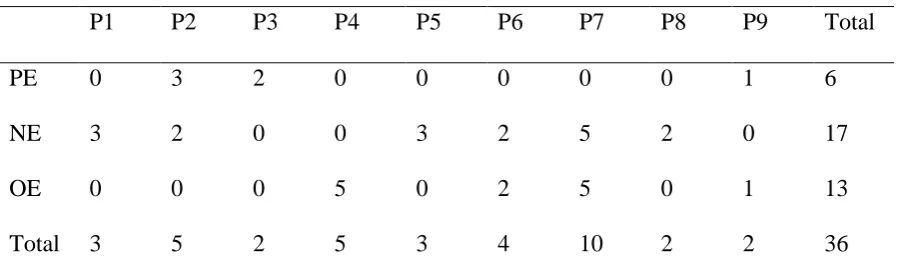
[image:20.595.77.529.399.539.2]Participants gave the most responses to the category of utility, excluding the amount of comments given to the code of perceived effectiveness on students’ well-being. In total 84 comments fall in the category of utility, with a minimal of six and a maximal response frequency of 14 times per participant. The majority of participants said they did not perceive little to no effect of the intervention on their well-being (see Table 1), even though they reported an increase in positive thoughts or emotions (see Table 2).
Table 2
Frequency of subcodes on perceived utility per participant
P1 P2 P3 P4 P5 P6 P7 P8 P9 Total
PE 0 3 2 0 0 0 0 0 1 6
NE 3 2 0 0 3 2 5 2 0 17
OE 0 0 0 5 0 2 5 0 1 13
Total 3 5 2 5 3 4 10 2 2 36
Note: P= Participant, Total= Total frequency of codes, PE= Positive effect, NE= No effect or effect not due to the intervention, EO= effective for others. Numbers represent the frequency of code mentioned by each participant
„the app helped me a lot (...) it has a positive effect" participant 3). One participant thought that the app actually helped her/him but was doubting whether other factors besides the intervention might have caused the effect (“I’m not sure if it was because of the app as I said, but it really helped me to become more positive”, participant 2) (see Table 1). Also, six participants thought that the intervention had no effect on them (see Table 1). Participants reported that they were not sure whether the perceived effect was due to the intervention or due to variables outside the intervention (e.g.," I'm not sure if it worked or if it was just confounding variables that changed my feelings, participant 8; "I don't think that my well-being really depends that much on these exercises" participant 5). Four participants thought that the intervention would be more useful to other people with real mental health complaints (e.g., "I think it can work for some people" participant 4). Also, some participants thought that other ways of getting therapy or help would be more effective than this intervention (e.g., "it would be better for someone like that (people with depression) to go to a real human being", participant 7). Further, two participants thought that the intervention could have a reverse effect, thus causing people to even become more depressed (e.g., "It is also important to not overthink the things in your daily life (...) you might get depressed by it", participant 6).
Perceived effectiveness.
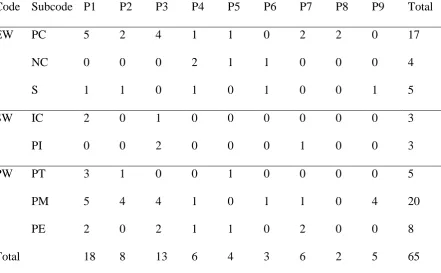
Table 2
Frequency of subcodes on the perceived effectiveness on emotional-, social-, psychological well-being per participant
Code Subcode P1 P2 P3 P4 P5 P6 P7 P8 P9 Total
EW PC 5 2 4 1 1 0 2 2 0 17
NC 0 0 0 2 1 1 0 0 0 4
S 1 1 0 1 0 1 0 0 1 5
SW IC 2 0 1 0 0 0 0 0 0 3
PI 0 0 2 0 0 0 1 0 0 3
PW PT 3 1 0 0 1 0 0 0 0 5
PM 5 4 4 1 0 1 1 0 4 20
PE 2 0 2 1 1 0 2 0 0 8
Total 18 8 13 6 4 3 6 2 5 65
Note: P= Participant, Total= Total frequency of codes, EW= Emotional Well-being, PC = positive change, NC= not change, S= stable mood; SW= Social Well-being, IC= improved connection to others, PI= positive influence on social environment; PW= Psychological Well-being, PT=positive thoughts, PM= positive mindset, PE= positive evaluation of oneself or one’s life Numbers represent the frequency of code mentioned by each participant
Emotional Well-being. were uniformly related by the participants to their emotional
well-being. As displayed in Table 2, each participant gave at least one response to emotional well-being in contrast to the other categories. For emotional well-being the subthemes of positive change, no change, and stable mood emerged during the analysis and were also
reported any change on his/her emotions or overall well-being. Also, several participants reported that their well-being was quite stable or had less to no peaks and downs during the two-week period: “I would say it was quite stable” (participant 6).
Social Well-being. Social well-being contained the subcodes of improved connection to others and experiencing a positive influence on one’s social environment. Participants 1,3,
and 7 mentioned a positive effect on their social environment (see Table 2). Participant 7 explained that "the feeling you did something nice to someone else gave you some happy emotions". One participant mentioned that he/she is normally friendly to everyone, so there was no change in the reaction of his/her social environment. Participant 3 explicitly elucidates that he/she "had the feeling that the connection to other people improved" and that she
experienced a positive influence on the social environment. Participant 1 mentioned that he/she thought it was nice to express gratitude to friends.
Psychological Well-being. For psychological well-being subthemes of having more
Usability
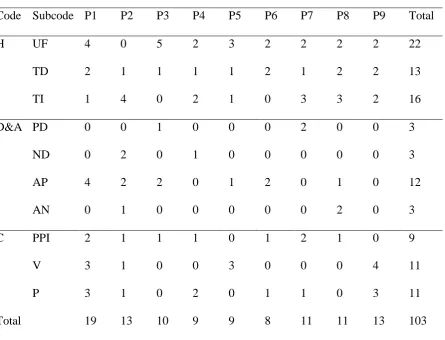
[image:24.595.81.527.284.624.2]For the category of usability, 46 answers were given with a minimum of one response and a maximum of nine comments given by the participants. The code of handling was given 51 times. The total codes for design and app features were 21 and 31 for the code of content. For subcodes within this category a total amount of 103 comments were coded.
Table 3
Frequency of subcodes of the category of usability per participant
Code Subcode P1 P2 P3 P4 P5 P6 P7 P8 P9 Total
H UF 4 0 5 2 3 2 2 2 2 22
TD 2 1 1 1 1 2 1 2 2 13
TI 1 4 0 2 1 0 3 3 2 16
D&A PD 0 0 1 0 0 0 2 0 0 3
ND 0 2 0 1 0 0 0 0 0 3
AP 4 2 2 0 1 2 0 1 0 12
AN 0 1 0 0 0 0 0 2 0 3
C PPI 2 1 1 1 0 1 2 1 0 9
V 3 1 0 0 3 0 0 0 4 11
P 3 1 0 2 0 1 1 0 3 11
Total 19 13 10 9 9 8 11 11 13 103
Note: P= Participant, Total= Total frequency of codes, H=Handling, UF = user-friendliness, TD= technical device, TI= technical issues; D&A= design and app features, PD= pleasing design. ND= not pleasing design, AP = app features positively, AN= app features
tasks, P= more personalization of the intervention. Numbers represent the frequency of code mentioned by each participant
Handling. These subthemes within the code of handling were labelled as
user-friendliness, technical device, and technical issues. The overall handling and user-friendliness of the app were perceived positively by the participants (see Table 3). Participants perceived the application as an efficient and good tool to deliver the intervention (see Table 3). All participants liked the app format, as "it is modern" (participant 5), "easy to use" (participant 6), and "handy because almost everyone has a smartphone" (participant 1). Further,
participants would not prefer such an intervention delivered via an other technical device as they either do not use their laptop or PC not that regularly as their smartphone or they would be far more demotivated to use the intervention as it cannot be accessed as immediately as via an app (e.g., "If I would have to do it on my laptop or something I also think it wouldn't be that good because then I must get up and put on my laptop and stuff" Participant 3; "I wouldn't go to a website every day and fill it out" participant 8). Nearly all participants mentioned that they had difficulties with the mood rating diagram within the app (see Table 3). On the one hand, the touch function did not work properly. On the other hand, it was not specific enough to rate one's mood properly. Another point of improvement is the description of the exercises as for some participants they were not explicit enough, causing them to be confused with filling in answers (e.g., „make it more clear what you want the people to do, because sometimes I had to read the tasks more often" participant 7). Further, many
participants reported that the app did not save their answers to the exercises, so they had to do them again.
There were mixed views on the overall design of the app or app features such as the feedback avatar. Two participants found the design not pleasing (e.g., "the app is not very aesthetically pleasing" participant 2) so they were less motivated to use it. Five participants had no opinion about it (see Table 3). Overall, participants liked the app features, but they also criticised that several things need to be improved. Especially the feedback avatar was criticised as it had "childish vibes" (participant 4) or "a bit of waste of time" (participant 8). Participants liked the notification function as it helped them to not forget about the exercises and to do them timely (e.g., “it was good that the app reminded my to do it" participant 5). Nevertheless, for three participants the notification function did not work properly so they forgot about the
intervention. Even though participants forgot to do an exercise, they could do it on another day. Participants liked this feature of the app.
Usage
Within the category of app usage, the least responses were given with a total number of 32 answers, ranging from one too six answers per participant Overall, usage of the
intervention differed in terms of how regular participants used the app. Further, there was no drop out of participants.
Engagement. Subthemes within the code of engagement were regular usage, and irregular usage. In total, six participants reported that they did not engage with the exercises regularly as they were either not motivated or forgot about the task. Participant 7 said that he/she: “…also forgot about it, or (I) didn’t want to do it because (I) he/she though “I don’t want to do it, what is the point of it””. Participant 8 answered that he/she only used the app for eleven days (“For me eleven days were enough and after that I’ve forgot to use the app, also because it stopped to remind me I think, because I didn’t do it daily”, Participant 8).
Participant 6 reported that he/she forgot about the app at least at one day but probably more (“sometimes I forgot it, forgot that I participated in it”, Participant 6). Participant 1,4 and 9 said, they did not use the app for two or three days. Only one person reported that he/she used the app regularly on a daily basis (“I tried to make use of them (the exercises) everyday”; “I did the exercises daily”, Participant 3). Two participants did not give a response about their app usage.
Overall duration. The subcodes within this theme were about of preferring a longer, same or shorter duration of the micro intervention All participants thought that the length of
happy when it ended" participant 7) but they could imagine that people who have severe complaints would need a longer duration of the intervention (e.g., „when people have more problems (...) it could be better to do it longer than two weeks" Participant 7; "for people who aren't stable it could be longer, maybe a month" participant 6). No participants thought that the intervention should be even shorter than two weeks.
Results of the Inferential statistics
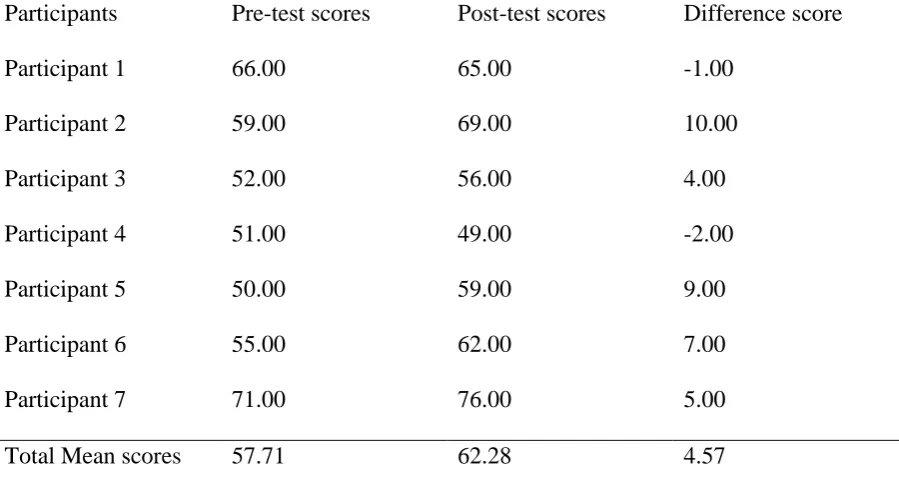
Table 4
Descriptive Statistics of pre and post-test total scores, Difference Scores by participant and Total Mean score for pre and post-test.
Participants Pre-test scores Post-test scores Difference score
Participant 1 66.00 65.00 -1.00
Participant 2 59.00 69.00 10.00
Participant 3 52.00 56.00 4.00
Participant 4 51.00 49.00 -2.00
Participant 5 50.00 59.00 9.00
Participant 6 55.00 62.00 7.00
Participant 7 71.00 76.00 5.00
Total Mean scores 57.71 62.28 4.57
Discussion
The aim of this study was to examine students’ experience of a micro OPPI in terms of the perceived usability, utility and usage of the application. Further, the overall effect of the micro OPPI on students’ well-being was assessed to determine which factors might play a crucial role in influencing the perceived and/or actual effectiveness of such an intervention
Perceived Utility and perceived effectiveness of the intervention.
All participants reported a positive change of their well-being in terms of experiencing positive emotions or having a stable mood. Few participants mentioned a positive change in their social environment. Nearly all participants reported an increase in psychological well-being. The quantitative data also seems to confirm these findings. For five participants scores on the MHC-SF were higher after the two-week intervention than before and the study yields a reasonable effect size. For two participants, the scores were slightly lower on the MHC-SF than at the start of the intervention. In accordance with literature, the results of both the qualitative and quantitative analysis indicate that there was an improvement in students’ well-being through the micro OPPI (see Elefant et al., 2017; Fuller-Tyszkiewicz et al., 2019). Especially the reported increase of emotional and psychological well-being shows that the micro OPPI had an immediate positive impact on people’s mood and overall experience of well-being. Although participants seem to experience a positive effect mainly on their
emotional level, the subjective well-being of students is increased after the intervention. Even if there is no significant effect of the study, which is probably due to the small sample (Field,
2013, p. 74), a small increase in people’s well-being can have major beneficial and preventive
effects to a person (Boiler & Abello, 2014).
group for such an intervention or were not sure about possible confounding variables that influenced their well-being instead. Further, some participants thought that other treatment options or ways of seeking help would be more effective. These statements are in line with barriers to help seeking of students, which is found in literature. Participants seemed to be sceptical about the effectiveness or at least lack confidence in the utility of the intervention. As participants emphasized that they are not the right people to address with this intervention, it can be hypothesized that they either have a negative association with psychological
interventions, assuming that only people with mental health complaints can benefit from it, or that they might be stigmatised as such a person by taking part in a psychology intervention (see Elefant et al., 2017; Gulliver et al., 2010). Further, their conceptions about psychology, mental health, and positive psychology interventions seem to be influenced by the deficit-based view on people which is also usually employed within psychology, medicine and our society (see Parks & Schueller, 2014). Thus, participants seem to unconsciously associate help seeking or participating in psychological interventions negatively, which might have created a confirmation bias when evaluating the effectiveness of the intervention. Thus, explaining the incongruence between measured and reported increase in well-being but no perceived utility of the intervention. This shows that a qualitative research study seems to be highly relevant in assessing user’s experience, as it goes beyond the data collected via the MHC-SF questionnaire. In accordance with literature, people’s knowledge about psychology and mental health complaints need to be improved (Gulliver et al., 2010) in order to reduce people’s concerns towards mental health complaints, help seeking and to diminish the fear of stigmatisation within society. Thus, if participants had another understanding of mental health and OPPIs’, it is assumed that they would also evaluate and perceive the effectiveness of the intervention differently.
and the content of the intervention. For instance, Participant 7 reported: “I didn’t want to do it because I though “I don’t want to do it, what is the point of it”. There were some tasks I liked, I saw the improvement, I saw what I could achieve from that…but most of the time I didn’t like it”. Also, other participants reported that they did not perceive some exercises as valuable to them or thought that exercise they experienced as very effective should have been given to them more frequently (e.g., “I would keep up with the “five good things for a day” because I did it before sometimes when I had a bad day and then I was thinking “the day wasn’t that bad”, but I think the rest of the tasks, I Wouldn’t do”, participant 7; “when there was this gratitude task, you really started to think about what you would say to the person…and I liked it. There should be more of those exercises”, participant 9). Therefore, explaining why
participants reported that they did not feel like the right target for the intervention or thinking that it had no effect on them. As described in Howells et al., (2016), the intention and
motivation of the user to engage in an intervention facilitates its beneficial outcome. Further, personalization of the app increases the fit between the user’s needs and the content to engage in and thus, influencing the user’s experience of the intervention and also the subjective gains in well-being. Therefore, it can be assumed that people whose preferences are aligned to the exercises engage with such longer and more consciously. Thus, they might even experience the intervention as useful and effective for them, as well as showing greater gains in well-being.
The perceived Usability.
All participants preferred the app format of delivering such an intervention as it is easy to use, modern, and easily accessible. Thus, this mean of deliverance is not only highly
accepted by students but is also directly linked to their daily habits when using their
principles have been applied to construct the micro OPPI, the design of the app was overall not pleasing to the participants, causing them to be less motivated to engage with the content. Additionally, technical issues and dissatisfaction with app features negatively influenced the perceived usability of the application. For example, data was not always saved causing
participants to do the same exercise several times. Further, the notification function within the app did not work properly for some students. There were also mixed views about the feedback avatar or the overall design of the app. Thus, besides making use of crucial design elements such as tailoring of the content, prompts and reminders, goal setting, storytelling, and self-monitoring (Oinas-Kukkonen & Harjumaa, 2009), the design and features of the application should be appealing to the specific target group, fitting the needs, preferences and
expectations of the user. It can be resumed that using the smartphone instead of another technical devise for delivering a micro OPPI seems to increase student’s acceptance, engagement and usage of such an intervention. Moreover, an app provides different
technological opportunities (e.g., reminder, touch function) and therefore, causes a different interaction of the user with the content. These differences in the technological devices (app vs web-based) influences students’ interaction with the intervention (see Kelders, Kok,
Ossebaard, & Van Gemert-Pijnen, 2012), as it is highly aligned to the user’s previous experiences with such an application. As this micro OPPI did not fit completely with the expectations of the user and their previous experience with apps, this might have influenced the perceived usability of the intervention and the app and also determined its correct usage.
students in other studies have also claimed for more individualization in interventions. This highlights the necessity to adapt such interventions to the specific needs of students
(Fleischmann et al., 2017). Based on the data by Bolier and Abello (2014), no clear conclusion can be drawn whether the content of the intervention is determining the effectiveness of an OPPI, as more exercises do not necessarily lead to an increase in well-being. Moreover, it is crucial to investigate whether adaptions suggested by students would only improve their satisfaction with the app or whether it would also lead to an actual improvement in terms of the effectiveness of the intervention and students adherence to it within the sample population (e.g., students, colleges). Thus, it might already be sufficient to change the schedule of the intervention or to increase the personalization of such a micro OPPI to keep participants motivated.
App usage.
Most participants did not use the app and the intervention as they were supposed to do. They reported that they either were not motivated, forgot about it or the app did not remind them at all. Further, dissatisfaction with the design or technical issues demotivated the participants, causing them to not use the intervention on a regular base. This shows that technical design elements play a role in influencing people’s usage and interaction with the intervention (Oinas-Kukkonen & Harjumaa, 2009). Therefore, the characteristics of an intervention and persuasive technology elements used for the application can explain the difference in user experience and usage of a micro OPPI (Kelders et al., 2012). Nevertheless, other factors might be equally important in influencing people’s motivation and usage of the intervention. Factors such as people’s own interest in increasing their own well-being or more individualization of the app could influence the daily usage of the app positively, even if technical issues emerge.
The overall duration of the intervention was positively perceived by the participants. Most of the participants could also imagine engaging in such an intervention longer than two-weeks if there were some changes to the content. Two participants would not have adhered to the intervention if it was longer. A study by Meinlschmidt et al., (2016) found similar results for a micro-intervention, where participants had mixed views on the duration of the
Strengths and Limitations
One strong points of this study is its’ mixed methods design. If only quantitative data would have been used to assess the effect of the intervention on student’s well-being the discrepancy between measured/perceived effectiveness and the perceived utility experienced by the students would have not been detected. Thus, crucial data about factors influencing or even mediating the perceived outcome of a micro OPPI would have been overseen. Further, using only usage data collected by the app would not have given information about why students used the app irregularly, whether technical issues affected usage, or which other factors played a role. Therefore, a qualitative or mixed methods study design is highly relevant in assessing user’s experience of a micro OPPI.
Another strength of this study is the nature of the sample. The students participating in this study had no mental health complaints but showed a measured and reported increase in their overall being, along the dimensions of emotional-, social-, and psychological well-being. Therefore, it can be assumed that a micro OPPI is effective for students even before they experience any mental health complaints and thus, might be indicative for the preventive function of a micro OPPI.
One limitation to this study is the recruitment procedure of participants, as it does not display real life usage of the application. Literature shows that using a self-selected sample for a PPI is possibly moderating people’s engagement with the intervention as well as actual and perceived effectiveness on their well-being (Howells et al., 2016). Further, higher effects for the interventions were found in study when participants were not recruited through a subject pool and when they were not given compensation (Harrer et al., 2018). Using Sona-System as a recruitment platform or a convenience sampling might have biased people’s motivation for participating in the study and consequently their perception of it.
prompts, treatment adherence is likely to be increased. Thus, as the notification function within the app did not work properly, participants forgot about the app and did not engage with the intervention daily. Therefore, this can be seen as one factor confounding the quantitative results of this study.
Another limitation to this study is the non-reliable data from the post-questionnaire. Five participants completed the post-questionnaire weeks later after finishing the intervention, making the results of the post-test scores as well as the inferential statistics of the significance of the difference between scores and the effect size not reliable. The participants either did not read the instructions or forgot about it. The researcher sent them the post-questionnaire via email after recognizing the missing data in Qualtrics. Therefore, the presented findings should be interpreted with caution and without making major claims about the effectiveness of the intervention as they do not measure participants well-being directly after completing the intervention. Moreover, the very small sample size might be a limitation to this study. For conducting quantitative analysis only data from 7 participants could be used, as the other did not respond to the researcher’s request to fill in the post and/or pre questionnaire. This small sample makes is difficult to compare results to other studies and to make profound claims about the effectiveness of the intervention on the participants’ well-being.
Implications for future research
Compared to literature, a critical aspect is that even if an immediate reduction in symptoms and improvement in mood were found directly after and completing the micro intervention, long-term effectiveness has not been proven so far (Elefant et al., 2017). Thus, it is suggested that a similar micro OPPI will be evaluated by several follow-up- tests (e.g., 4 weeks, 6 weeks and 10 weeks after the intervention) on students’ decrease in anxiety, stress, or depressive symptoms and on their well-being. As derived from the interview data on possible
improvement to the app and intervention, it is recommended to modify the setup of the app in terms of the design and also to increase the personalization of the app by adding different modules to choose from. This could increase the perceived usability and effectiveness of the intervention as people can choose the exercise that fits the best into their daily routine. Due to the brevity of a micro OPPI it is highly prone to being confounded by events or things
happening in the participants’ lives (e.g., holidays, getting a good grade) that might have overly influenced their positive or negative well-being, instead of the intervention. Thus, future research should use a different study design by including at least one control group.
Conclusion
and features of the application should be appealing to the specific target group, fitting the needs, preferences and expectations of the user. Also, personalization and more variation of such an intervention seems to be crucial for the perceived effectiveness, regular usage of the application and satisfaction with the micro OPPI in general. Overall, the micro intervention is feasible for use in a larger study. Thus, on the base of student’s overall positive experience with the application, as well as their perceived and measured effect of this intervention, it can be assumed that making a micro OPPI available to a wide range of people might have a positive impact on a student population’s experienced mental well-being.
Acknowledgements
References
Andersson, G., & Cuijpers, P. (2009). Internet-based and other computerized psychological treatments for adult depression: a meta-analysis. Cognitive behaviour therapy, 38(4), 196-205. Doi: 10.1080/16506070903318960
Auerbach, R. P., Mortier, P., Bruffaerts, R., Alonso, J., Benjet, C., Cuijpers, P., ... & Murray, E. (2018). WHO World Mental Health Surveys International College Student Project: prevalence and distribution of mental disorders. Journal of abnormal psychology, 127(7), 623-628. Doi:10.1037/abn0000362
Ben-Zeev, D., Brenner, C. J., Begale, M., Duffecy, J., Mohr, D. C., & Mueser, K. T. (2014). Feasibility, acceptability, and preliminary efficacy of a smartphone intervention for schizophrenia. Schizophrenia Bulletin, 40(6), 1244–1253. Doi:10.1093/
schbul/sbu033.
Bolier, L., & Abello, K. M. (2014). Online positive psychological interventions: State of the art and future directions. The Wiley Blackwell handbook of positive psychological interventions, 286-309.
Cohen, J. (1992). A power primer. Psychological Bulletin. 112(1), 155-159 Elefant, A. B., Contreras, O., Muñoz, R. F., Bunge, E. L., & Leykin, Y. (2017).
Microinterventions produce immediate but not lasting benefits in mood and distress. Internet Interventions, 10, 17-22. Doi: 10.1016/j.invent.2017.08.004
Field, A. (2013). Discovering statistics using IBM SPSS statistics. London: Sage Publications.
Fuller-Tyszkiewicz, M., Richardson, B., Lewis, V., Linardon, J., Mills, J., Juknaitis, K., ... & Ware, A. (2019). A randomized trial exploring mindfulness and gratitude exercises as eHealth-based micro-interventions for improving body satisfaction. Computers in Human Behavior. Doi: 10.1016/j.chb.2019.01.028
Galante, J., Dufour, G., Vainre, M., Wagner, A. P., Stochl, J., Benton, A., ... & Jones, P. B.
students (the Mindful Student Study): a pragmatic randomised controlled trial. The Lancet Public Health, 3(2), e72-e81. Doi: 10.1016/S2468-2667(17)30231-1
Ghasemi, A., & Zahediasl, S. (2012). Normality tests for statistical analysis: a guided for non-statisticians. International journal of endocrinology and metabolism, 10(2), 486. Doi: 10.5812/ijem.3505
Gulliver, A., Griffiths, K. M., & Christensen, H. (2010). Perceived barriers and facilitators to mental health help-seeking in young people: a systematic review. BMC psychiatry, 10(1), 113
Haaga, D. A. F. (2000). Introduction to the special section on stepped care models in
psychotherapy. Journal of Consulting and Clinical Psychology, 68(4), 547–548. Doi: 10.1037/0022-006X.68.4.547.
Harrer, M., Adam, S. H., Baumeister, H., Cuijpers, P., Karyotaki, E., Auerbach, R. P., ... & Ebert, D. D. (2018). Internet interventions for mental health in university students: A systematic review and meta‐analysis. International journal of methods in psychiatric research, e1759. Doi: 10.1002/mpr.1759
Howells, A., Ivtzan, I., & Eiroa-Orosa, F. J. (2016). Putting the ‘app’ in happiness: a randomised controlled trial of a smartphone-based mindfulness intervention to enhance wellbeing. Journal of Happiness Studies, 17(1), 163-185. Doi:
10.1007/s10902-014-9589-1
Johnson, J., Crenna-Jennings, W. (2018) Prevalence of mental health issues with the student-aged population. Educaion Policy Institute. Retrieved from:
https://epi.org.uk/publications-and-research/prevalence-of-mental-health-issues-within-the-student-aged-population/
interventions. Journal of medical Internet research, 14(6), e152. Doi:10.2196/jmir.2104
Krafft, J., Potts, S., Schoendorff, B., & Levin, M. E. (2019). A Randomized Controlled Trial of Multiple Versions of an Acceptance and Commitment Therapy Matrix App for Well-Being. Behavior modification, 43(2), 246-272. doi: 10.1177/0145445517748561 Lamers, S. M., Westerhof, G. J., Bohlmeijer, E. T., ten Klooster, P. M., & Keyes, C. L.
(2011). Evaluating the psychometric properties of the mental health continuum‐short form (MHC‐SF). Journal of clinical psychology, 67(1), 99-110. Doi:
10.1002/jclp.20741
Magyar-Moe, J. L., Owens, R. L., & Conoley, C. W. (2015). Positive psychological interventions in counseling: What every counseling psychologist should know. The Counseling Psychologist, 43(4), 508-557. Doi:10.1177/0011000015573776
Meinlschmidt, G., Lee, J.-H., Stalujanis, E., Belardi, A., Oh, M., Jung, E. K., et al. (2016). Smartphone-based psychotherapeutic micro-interventions to improve mood in a realworld setting. Frontiers in Psychology, 7, 1112. Doi: 10.3389/fpsyg.2016. 01112. Oinas-Kukkonen H., Harjumaa M. (2008) A Systematic Framework for Designing and
Evaluating Persuasive Systems. In: Oinas-Kukkonen H., Hasle P., Harjumaa M., Segerståhl K., Øhrstrøm P. (eds) Persuasive Technology. PERSUASIVE 2008. Lecture Notes in Computer Science, vol 5033. Springer, Berlin, Heidelberg.
Retrieved from https://doi-org.ezproxy2.utwente.nl/10.1007/978-3-540-68504-3_15 Parks, A. C., & Schueller, S. (Eds.). (2014). The Wiley Blackwell handbook of positive
psychological interventions. Chichester, West Sussex: Wiley Blackwell.
Seligman, M. E. P., Steen, T. A., Park, N., & Peterson, C. (2005). Positive psychology progress: Empirical validation of interventions. American Psychologist, 60(5), 410-421. doi:10.1037/0003-066X.60.5.410
Sona Systems. (2019). Overview. Retrieved from https://www.sona-systems.com/overview.aspx. Last accessed at 24.5.2019
Yang, E., Schamber, E., Meyer, R. M., & Gold, J. I. (2018). Happier healers: Randomized controlled trial of mobile mindfulness for stress management. The Journal of Alternative and Complementary Medicine, 24(5), 505-513.
Appendix 1
Interview Scheme
1. What is your overall impression of the intervention and the app? 2. How did you experience participation in the intervention?
3. Over this two-week period, did you perceive changes in your well-being? 3.1 Where there fluctuations in your well-being during the intervention? 3.2 How did you notice/why?
4. What do you think of the effectiveness of the intervention on your well-being (e.g., your emotions)?
5. What do you think about the application as a means of delivering such an intervention? 5.1 Is there a need for improvement?
6. What was your impression of the handling of the app? 6.1 Do you see a need for improvement?
Appendix 3
Coding Scheme: User experience
Category Code Subcode Explanation Example
Utility Perceived Utility
Positive effect Participants think the intervention has a (positive) effect on them
Participant 8: “I feel better at the moment compared to when I started the app.
No effect/ effect not due to the
intervention
Participants do not experience any effect/ do not perceive the intervention as utile/ think confounding variables have caused the change
Participant 8: "I'm not sure if it was because of the app as I said but it really helped
Positive effect for others
Participants think the intervention is not utile for them but for others
Participant 4: “I think it can work for some people” Perceived
effectiveness on emotional well-being
Positive change Participants experience a positive change on their emotions (e.g.,
being happier, having positive feelings)
No change Participants do not perceive any change in their emotional well-being/ they do not feel significantly different after the intervention than before
Participant 4: “hm…. I wouldn’t say like really changes”
Stable mood Participants do not report an increase nor a decrease in their
emotional well-being/ participants do not report any peaks or downs
Participant 1: “I don’t think there were many peaks or downs”
Perceived effectiveness on Social well-being
Improved connection to others
Participants experience a more positive
relationship to others/ experience valuable relationships to others
Positive influence on the social environment
Participants recognize that they have a positive influence on others/ Participants experience a positive reaction/change within their social
environment
Participant 7: “the feeling you did something nice to someone else gave you some happy emotions I think.”
Perceived effectiveness on Psychological well-being Positive thoughts
Participants think more positively/ have fewer negative thoughts
Participant 2: “I was thinking more positively”
Positive mindset
Participants experience a positive shift in mindset (e.g., being mindful, grateful, kind)/ Participants keep up with some of the PPI exercises
Participant 1: “I already
appreciated everything but for now it’s a little bit like more aware”
Positive evaluation of oneself
Participants experience their lives and
worthwhile/ see the positive aspects of
themselves and their lives
Usability Handling User-friendliness
Participants experience the usage of the
application positively and easy to handle
Participant 3:” I think it is a very nice app and it works well”
Technical device
Participants like the app format as a means of delivery/
Participants prefer the smartphone over laptop
Participant 8:”It’s very modern and motivating to use the app.”
Technical issues
Participants experience technical issues while using the app (e.g., data not saved, features do not work properly)
Participant 2:” my responses were not saved”
Design & app features
Pleasing design Participants like the overall app design (e.g., colours/ set up)/ only minor or no changes are needed
No pleasing design
Participants dislike the overall design of the app/ major
improvements needed
Participant 2:” the app is not very aesthetically pleasing”
App features positively perceived
Overall, the app features (feedback avatar/ mood diagram/ notifications) were positively perceived/ Participants perceived the app features as useful/ only minor or no changes needed
Participant 5: “it was good that the app reminded my to do it"
App features negatively perceived
Participants did not like one or more of the app features or
experienced too many (technical) issues with them/ major
improvements needed
Content PPI exercises Participants like/dislike the PPI tasks of the intervention
Participant 1:” positivity, kindness and gratefulness and I quite liked that stuff”
Variation Participants whish for more variation of the tasks/ more of some tasks/ other schedule of the exercises
Participant 1:” I think some things I could like do more often”
Personalization Participants whish for more individualization of the application (e.g., use app features
themselves) and the intervention (e.g., choose for a daily exercise themselves)
Participant 1:” I think maybe in the future it would be nice if you could maybe choose yourself what kind of exercise you are feeling up to.” Usage Engagement Regular Usage Participants used the
app daily and on a regular basis
Irregular usage Participants did not use the app regularly/ only a few days within the week or not at all
Participant 2:” Oh I forgot to do that to fill it in in”
Duration Longer Participants prefer a longer intervention (e.g., 1-4 weeks longer)
Participant 2: "I would have liked it to be one or two weeks more
Same Participants liked the length of the
intervention/
intervention should not be longer or shorter
Participant 1:” I mean, I liked the length. It was nice”
Shorter Participants perceived a two-week