_____________________________________________________________________________________________________ *Corresponding author: E-mail: [email protected];
(Past name: British Journal of Pharmaceutical Research, PastISSN: 2231-2919, NLM ID: 101631759)
Impact of Introducing Clinical Pharmacy Services in
A Respiratory Diseases Clinic: A Report from North
Cyprus
Abdikarim Mohamed Abdi
1*, Finn Rasmussen
2and Rumeysa Demirdamar
31
Department of Clinical Pharmacy, Faculty of Pharmacy, Near East University, Cyprus.
2Department of Respiratory Disease and Allergy, Near East University Hospital, Cyprus. 3Faculty of Pharmacy, European University of Lefke, Cyprus.
Authors’ contributions This work was carried out in collaboration among all authors. Author AMA was responsible for design
and implementation of study. Author FR finalized the study design and coordinated implementation. Author AMA collected data, carried statistical analysis and creation of the manuscript. Authors RD and FR supervised, reviewed and improved manuscript. All authors read and approved the final manuscript.
Article Information
DOI: 10.9734/JPRI/2019/v29i630253 Editor(s): (1) Dr. Mohamed Fathy, Professor, Department of Pharmaceutics, Faculty of Pharmacy, Assiut University, Assiut, Egypt. Reviewers: (1) Manickam Tamilselvi, University in Hyderabad, India. (2)Vinodkumar Mugada, Vignan Institute of Pharmaceutical Technology, India. Complete Peer review History:http://www.sdiarticle3.com/review-history/50871
Received 20 June 2019 Accepted 28 August 2019 Published 12 September 2019
ABSTRACT
Aims: The Implementation of Clinical Pharmacy Services (CPS) in hospitals is currently gaining attention in an effort to rationalize drug use in many developing countries. This study aims to introduce and evaluate ward-based CPS in a Respiratory Diseases clinic in North Cyprus and assess its efficacy and physician's perceptions toward the services.
Study Design: A prospective interventional study.
Place and Duration of Study: The study was carried out in the respiratory clinic from 01 December 2013, to 30 January 2014 at Near East University Hospital, in Nicosia, North Cyprus.
Methodology: Clinical Pharmacy Services (CPS) were introduced and documented over the study period of 60 days in a tertiary university hospital. DTPs and Interventions were documented and classified using DTP classification tool obtained from previous studies, and later evaluated by an independent clinical committee for their feasibility. Physician’s attitudes and perceptions were evaluated before for and after introducing CPS's using a questionnaire tool.
Results: 82.35% of the targeted physician's sample have responded to baseline survey, (n=17) majority (92%) did not have any previous interaction with clinical pharmacists, they generally well perceived and had high expectations to pharmaceutical care services in general. This further enhanced the post-implementation of CPS. 118 interventions were carried during the program, 86.6% accepted and regarded as clinically relevant. Interventions mostly related to cardiovascular agents. Add/ change/stop medications were the most common type of interventions (21%). Most common resultant outcome was to avoid adverse effects or toxicities. The intervention was significantly related to the number of drugs used (r=0,487; p=0,006), the rate of acceptance significantly was higher to services compared to DRP interventions (p<0.005).
Conclusion: The introduction of CPS's lead to clinically relevant and highly accepted optimization of medicine use in different wards and clinics including respiratory diseases clinic in the case of this study, it was relatively well perceived by physicians, but also could be more valued if more optimized and practiced by talented proactive clinical pharmacists within a multidisciplinary team.
Keywords: Pharmacy practice; clinical pharmacy; hospital pharmacy; pharmaceutical care physicians; pharmacist; relationship; perceptions.
1. INTRODUCTION
Clinical pharmacists are a primary source of
scientifically valid information and advice
regarding the safe, appropriate, and cost-effective use of medications [1]. They are healthcare providers competent in optimizing therapy and promoting health, wellness, and disease prevention [1]. Many studies in developed countries have shown the positive impact of clinical pharmacists on therapy
outcome and care provided at tertiary
hospitals [2].
The current practice of clinical pharmacists is quite different than the traditional practice
of dispensing or marketing (medical
representatives) that influenced the physician's pharmacist relations for the decades. It’s thus necessary to evaluate how physicians will percept and interact with the new practice which is thought to be the dominant pharmacy practice in the few coming years globally. In Turkey and North Cyprus, the Implementation of Clinical Pharmacy Services (CPS) in hospitals is currently gaining attention in an effort to
rationalize drug use as the pharmacist
specialization program was approved for this purpose in 2014 [3]. Leading pharmacy faculties as well have started adopting clinical pharmacy-based disciplines at both postgraduate and undergraduate degree levels to assure the competence of future graduate [4-6]. Yet the competence and clinical knowledge of the
pharmacists don’t solely determine the
successful implementation and delivery of CPS [7]. It’s crucial in the implementation state to adopt a stepwise manner and raise awareness of
healthcare providers towards CPS and their impact through different interventions [7]. In this study, we document the first successful introduction of Clinical pharmacy services in North Cyprus and its impact on HCP attitudes which facilitated the wider adoption of this practice in a different setting in North Cyprus [8-12] following this attempt.
No previous studies were also conducted in Cyprus describing the physician pharmacist relationship. There is a general impression that physicians do not regard pharmacists highly and do not expect them to provide any clinical services [13]. This may be clear by the fact that none of the hospitals in Cyprus had a clinical pharmacist before this study or even enough numbers of hospital pharmacists while in some settings technicians practice the dispensary duties of a pharmacist [14].
The aim of this study was to introduce and evaluate ward-based clinical pharmacy services in a respiratory diseases clinic of Near East University Hospital in TRNC and assess its efficacy and physicians perceptions toward the service.
2. MATERIALS AND METHODS
2.1 Subjects and Setting
clinics and departments. The study is carried in the respiratory and allergic disease clinic one of the most leading clinics in the hospital. All inpatients covered by the respiratory clinic physicians were included whether, at the intensive care or normal ward patients, three physicians' two consultants and a senior resident were in charge of the clinic patients.
2.2 Study Design
The study is a prospective interventional study where pharmaceutical care services are provided by a clinical pharmacist for inpatients and documented over a period of two months. A questionnaire composed of 4 parts investigating physicians' expectations, previous experiences, and perceptions of clinical pharmacists was also delivered to all internal medicine physicians' including respiratory diseases clinic physicians on baseline. The Clinical services that were introduced by the pharmacist and documented as positive interventions and later on presented in the study included:
Participation in rounds with physicians and giving
suggestions regarding therapy and acute
management.
Covering each inpatient case for the RD department physicians ensuring proper dosing, managing drug-drug interactions, insuring proper drugs indication and use, proper administration, prescription writing, and avoiding and detecting adverse effects caused by drugs.
Counselling patients of correct use of
medications with either verbal or written materials.
Providing in-services (short lectures,
presentations, etc.) for physicians or health team
regarding specific topics of therapy or
medications use.
Providing Drug information services (DI service) were the RD clinic physicians could ask about any information related to drugs and therapy and are provided by the clinical pharmacist in printed form from reliable mentioned resources.
Preparing printed posters and brochures on drug use on request, by the clinic physicians.
After the end of the 60 days period, a survey is also carrier to only respiratory clinic physicians to evaluate their experience and perception of the clinical pharmacy services conducted at their
clinic (and also to two pediatric physicians who were clinical pharmacy services were also introduced to their clinic before the study) and were compared to the previous results obtained from baseline conducted questionnaire.
2.3 Data Collection
Any services or interventions regarding the
optimization of rational drug use were
documented and registered in a worksheet along with the involved patient information and current clinical status.
Specially designed forms were filled for each patient, collecting information of patient age; complaint, medical history, family history,
medications use history, current medical
problems, labs have taken during their hospital stay and medications are given during their hospital stay and on discharge.
Regarding the questionnaire, this was a self-administered questionnaire and was delivered by hand to a sample of 17 physicians. It was composed of four parts, the first collected general demographic information about the physicians their area of practice and experience level, also there educational background and country from which their degrees were obtained from, frequency of interaction and if they had any previous experience with clinical pharmacist or any contact with pharmacists in general and type or reason for such a contact were all asked.
The second part of the questionnaire addressed the physicians’ degree of comfort with clinical pharmacists providing clinical services, such as patient education, involvement in designing therapeutic plans for their patients or suggesting
the use of nonprescription medications,
monitoring outcomes of drug therapy and others.
The third component emphasized physicians’ expectations of pharmacists’ professional role, while the fourth part addressed physicians experience with the introduced clinical pharmacy services and was only delivered after the end of the study for physicians in the respiratory clinic.
2.4 Data Analysis and Validation
Statistical analysis was done by in independent statistician also relevance and significance of each intervention and service were evaluated by
an independent committee involving 3
pharmacology professors (2 MD and one pharmacy background). Data were analyzed using the Statistical Package for Social Sciences (SPSS, version 15) software. Data were described using frequency distribution. Chi-square tests were used for some comparisons.
2.5 Ethical Considerations
Confidentiality was assured during the study and also the patient's privacy, a Letter of ethical clearance was obtained from the Institutional Review Board (IRB) of Near East University Hospital. Only Initials were used during the study and other information of address and occupation ere not recorded during the pharmaceutical care. Also, health and economic outcomes were insured for patients since DTP's were identified and resolved during the study and the pharmaceutical care given.
3. RESULTS AND DISCUSSION
3.1 Results
14 physicians responded to the baseline survey from the 17 who received it (82.35%). The median age was middle-aged between 36 and 46 years old, more than half were men (57%). Table 1 shows the demographic information of respondents.
Physicians (92.9%) did not have previous interaction or rarely had with pharmacists except one physician (7.1%), also majority (86.7%) never worked with a clinical pharmacist before, while main reasons for interaction if ever occurred were for drug interaction queries (28.6%) side effects queries (21.4%) or others as shown in Table 2.
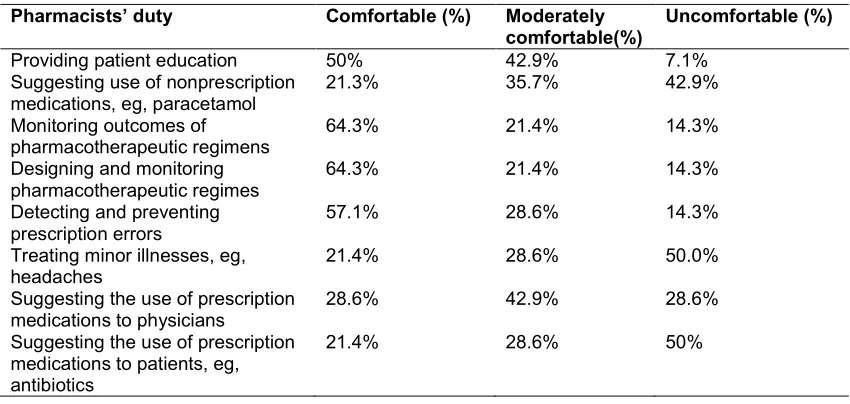
When asked to assess their comfort with specific duties of pharmaceutical care, physicians claimed to be most comfortable with activities
such as monitoring outcomes of
pharmacotherapeutic regimens (64.3%
comfortable, 21.8% moderately comfortable). While physicians seemed uncomfortable with activities such as treating minor illnesses like
headaches (50% uncomfortable, 28.6%
moderately comfortable), as shown in Table 3.
Table 1. Personal information of respondents (n=14)
% The variable
Age
28.6% Less than 35 yrs.
42.9% 36-46 yrs.
28.6% More than 47 yrs.
36-46 Median age group
Gender
57.1% Male
42.9% Female
Nationality
35.7% Cypriot
50% Turkish mainlander
14.3% Others
The country where the medical qualification was obtained
7.1% Cyprus
78.6% Turkey
7.1% Western Europe
7.1% Eastern Europe ‘‘included Russia’’
Current position
0 Trainee
7.1% Junior
14.3% Senior
14.3% Fellows
64.3% Consultant
The current area of practice
85.7% Internal Medicine
14.3% Paediatrics
Table 2. Frequency and reasons for interactions between physicians and
pharmacists (n =14)
Frequency of interactions %
Never/rarely 92.9%
Once a week 7.1%
Once a day/more
Have you ever worked with a clinical pharmacist
Never 86.7%
Yes, I did work before 14.3%
Reasons for interaction
Drug-availability queries 14.3%
Side-effects queries 21.4%
Drug-alternative queries 14.3%
Drug-dosage queries 0
Drug-interaction queries 28.6%
Table 3. Physicians’ degree of comfort with pharmacists providing different pharmaceutical care services (n=14)
Pharmacists’ duty Comfortable (%) Moderately comfortable(%)
Uncomfortable (%)
Providing patient education 50% 42.9% 7.1%
Suggesting use of nonprescription medications, eg, paracetamol
21.3% 35.7% 42.9%
Monitoring outcomes of pharmacotherapeutic regimens
64.3% 21.4% 14.3%
Designing and monitoring pharmacotherapeutic regimes
64.3% 21.4% 14.3%
Detecting and preventing prescription errors
57.1% 28.6% 14.3%
Treating minor illnesses, eg, headaches
21.4% 28.6% 50.0%
Suggesting the use of prescription medications to physicians
28.6% 42.9% 28.6%
Suggesting the use of prescription medications to patients, eg, antibiotics
21.4% 28.6% 50%
In assessing physician expectations of
pharmacist responsibilities, patient medication
education and drug knowledge were
unanimously agreed and recognized by
physicians to be expected abilities from pharmacists (100% and 93%, respectively). While physicians disagreed in views between them toward pharmacists assisting in designing drug-therapy treatment plans for patients (35.7% agree 21.4 neutral 42.9% disagree) and assisting patients in selecting appropriate nonprescription medications (42.9% agree, 21.4% neutral, 35.7% disagree)(Table 4).
After this assessment, clinical pharmacy
services were introduced to the respiratory and
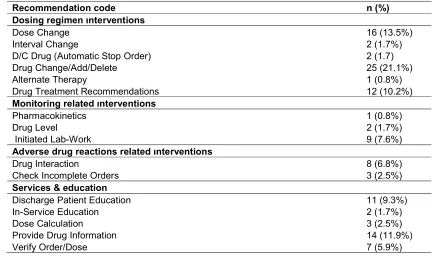
allergic disease clinic, 39 inpatients were covered during the study which was conducted over 60 days, 118 interventions and services were done by the clinical pharmacist mean average interventions per patient was around 2.85. Of the proposed interventions 86.4% were accepted by the physicians. 15.7% of the accepted interventions were services not directly related to the specific patient like drug information DI queries, printed counselling material and in-service education for healthcare team members. Table 5 shows patients demographic information and HCP response to pharmacist interventions, while Table 6 shows the types of interventions and services carried during the study.
Table 4. Physicians’ expectation of pharmacists’ professional
Physician expectation Agree (%) Neutral (%) Disagree (%) I expect pharmacists to educate my patients about the
safe and appropriate use of their medication.
100% 0 0
I expect pharmacists to be knowledgeable drug-therapy experts.
92.9% 7.1% 0
I expect pharmacists to know the specific indication of each drug I prescribe, even when drugs have more than 1 approved or recognized the indication
57.1% 21.4% 21.4%
I expect pharmacists to be involved in resolving any drug-related problems they discover involving patients
57.1% 35.7% 7.1%
I expect pharmacists to assist my patients in selecting appropriate nonprescription medications
42.9% 21.4% 35.7%
I expect pharmacists to assist me in designing drug-therapy treatment plans for my patients
35.7% 21.4% 42.9%
I expect pharmacists to be available to me for consultation when I see patients (eg, during rounds)
Table 5. Patient's general information
Patient information Age
Mean 65.3 yrs
Median 69 yrs
Range 20 – 90 yrs
Gender
Male 20 (51.2%)
Female 19 (48.8%)
Drugs used during the hospital stay
Total # of drugs 439
Range 3 – 20
Median 11
Mean number of drugs used for each patient 11
Interventions
Number of total interventions 118
Range 0-14
Median 2
Mean interventions per patient 2.85%
Accepted 85%
Rejected 16%
Table 6. Types of interventions and services have done
Recommendation code n (%)
Dosing regimen ınterventions
Dose Change 16 (13.5%)
Interval Change 2 (1.7%)
D/C Drug (Automatic Stop Order) 2 (1.7)
Drug Change/Add/Delete 25 (21.1%)
Alternate Therapy 1 (0.8%)
Drug Treatment Recommendations 12 (10.2%)
Monitoring related ınterventions
Pharmacokinetics 1 (0.8%)
Drug Level 2 (1.7%)
Initiated Lab-Work 9 (7.6%)
Adverse drug reactions related ınterventions
Drug Interaction 8 (6.8%)
Check Incomplete Orders 3 (2.5%)
Services & education
Discharge Patient Education 11 (9.3%)
In-Service Education 2 (1.7%)
Dose Calculation 3 (2.5%)
Provide Drug Information 14 (11.9%)
Verify Order/Dose 7 (5.9%)
Highest number of recommendations was related
to drugs categorized therapeutically as
cardiovascular agents 28(23.7%) antimicrobial agents were the second 23 (19.5%) while
interventions and services related to
bronchodilators and inhalers were the third 22(18.6%) (due counselling services mainly
18(88.8%)) followed by anticoagulation anti-thrombotic agents 12 (10.2%) respectively (Table7).
An independent clinical committee assessed
the clinical significance and effect of
outcomes. Outcomes of the interventions were categorized mostly as those to avoid adverse effects or toxicity 37(31.4%), or improve therapeutic effects 29 (24.6%) as shown in Fig. 1.
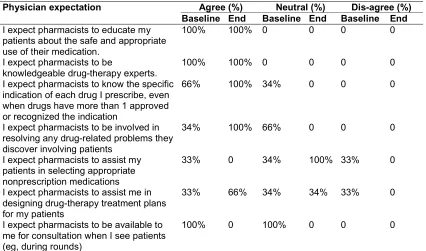
After the 60-day program respiratory physician were asked to reflect their experience and attitudes post-intervention.To their experience, pharmacist routinely counselled their patients regarding the safe and appropriate use of their medications (60%), routinely informed them if more cost-effective alternatives existed (60%),
pharmacists appear willing to take personal responsibility for resolving any drug-related problems they discover (60%). Also, they reported that pharmacists routinely inform them if
they discovered clinical problems with
prescriptions (100%), frequently asked
physicians to clarify for them the drug-therapy objectives they have in mind for their patients (100%) and frequently let them know if patients have experienced some problem with their medication. Tables 8 and 9 shows physicians
attitudes and expectations of clinical
pharmacist’s pre-post intervention.
Table 7. Therapeutic classification of drugs related to interventions
Therapeutic class n (%)
Drugs commonly used in RD
Bronchodilators and inhalers 22 (18.6%)
Antibiotics 23 (19.5%)
Drugs used commonly for non-respiratory diseases
Anticoagulants /antithrombotic 12(10.2%)
Cardiovascular agents 28 (23.7%)
Anti-inflammatory drugs 1 (0.85%)
Diuretics 4 (3.4%)
Electrolyte replacement drugs 4 (3.4%)
Essential minerals 1 (0.85%)
Drugs for hyperlipidemia 2 (1.7%)
Thyroid replacement 1 (0.85%)
BPH treatment agents 2 (1.7%)
Cough suppressants 1 (0.85%)
Analgesics 2 (1.7%)
Vitamins 2 (1.7%)
Gastro-intestinal medications 1 (0.85%)
Dietary supplements 1 (0.85%)
Psycho-therapeutic agents 2 (1.7%)
Sedative hypnotic agents 4 (3.4%)
Others 5 (4.2%)
Table 8. RD clinic physician's expectations before and after study (n=3)
Physician expectation Agree (%) Neutral (%) Dis-agree (%) Baseline End Baseline End Baseline End
I expect pharmacists to educate my patients about the safe and appropriate use of their medication.
100% 100% 0 0 0 0
I expect pharmacists to be
knowledgeable drug-therapy experts.
100% 100% 0 0 0 0
I expect pharmacists to know the specific indication of each drug I prescribe, even when drugs have more than 1 approved or recognized the indication
66% 100% 34% 0 0 0
I expect pharmacists to be involved in resolving any drug-related problems they discover involving patients
34% 100% 66% 0 0 0
I expect pharmacists to assist my patients in selecting appropriate nonprescription medications
33% 0 34% 100% 33% 0
I expect pharmacists to assist me in designing drug-therapy treatment plans for my patients
33% 66% 34% 34% 33% 0
I expect pharmacists to be available to me for consultation when I see patients (eg, during rounds)
100% 0 100% 0 0 0
Table 9. Degree of comfort before and after the introduction of CPS (n=3)
Pharmacists’ duty CA Mod.CA Un.CA Baseline End Baseline End Baseline End
Providing patient education 66% 100% 34% 0 0 0
Suggesting use of nonprescription medications, eg, paracetamol
33% 66% 34% 34% 33% 0
Monitoring outcomes of pharmacotherapeutic regimens
66% 100% 34% 0 0 0
Designing and monitoring pharmacotherapeutic Regimes
34% 0 0 100% 66% 0
Detecting and preventing prescription errors
66% 100% 34% 0 0 0
Treating minor illnesses, eg, headaches
0 0 0 0 100% 100%
Suggesting use of prescription medications to physicians
33% 100% 34% 0 33% 0
Suggesting use of prescription medications to patients, eg, antibiotics
0 0 0 0 100% 100%
3.2 Discussion
In this study, physicians reported no previous or rare interaction and experience with a clinical pharmacist, and thus some misperceptions towards some core clinical pharmacist’s duties. Yet high expectations were reported and encouraging perception from physicians towards clinical pharmacy and pharmaceutical care duties. Different CP services and interventions
were carried resulting in improved therapy outcomes and high acceptance rate from
physicians. Physician’s attitudes relatively
improved though enough sample size was not available to confirm this hypothesis.
solving them when occur, and assisting in rounds and designing treatment plans. While most RD clinicians (80-100%) reported their comfort with such roles post-study.
Studies done in developed countries showed that lack of exposure to pharmacists activities is the main reason attributed to lead to discomfort making physicians reluctant to approve and accept more clinical duties for pharmacists with more exposure [16,17].
For example in China, where many pharmacists practice clinical pharmacy in clinics and hospitals, a study done to evaluate attitudes toward clinical pharmacy services in urban general hospitals in China reported that more than 83.3% of physicians surveyed (n=646) have frequent interactions with clinical pharmacists, and had more than 80% comfort with pharmacists participation in rounds, designing therapeutic plans, assisting in treatment of complex cases, and in prescribing generally [18]. While around 84% of comfort was reported to activities of monitoring therapeutic plans and preventing prescription errors and scanning and preventing adverse drug reactions [18]. In the Netherlands a study investigating physicians and
pharmacists opinions toward pharmacists’
professional duties, researchers found that over 80% of the sampled healthcare professionals agreed that pharmacists should have an input in the patient’s pharmacotherapeutic plan and also should participate in the pharmacotherapy audit meetings [19].
Regarding prescribing activities, though much less resistance is observed in developed countries (only 45.9% uncomfortable to clinical pharmacists having some prescribing authority for treating minor diseases, and 40% feeling comfortable to pharmacist managing outpatient clinic for anticoagulant therapy, treating chronic diseases, and having the right to continue or revise the prescription under authorization from physicians [19] but though it's universally well-known and common that it's unlikely that physicians agree with prescribing authorities given to pharmacists [20,21], as it is also seen in this study too (47% uncomfortable, 31% moderately comfortable) and other studies in Kuwait, Jordan and Qatar [15,21-23].
However, it's positive that many had high expectations, where most physicians (92%) recognize pharmacist to be knowledgeable drug-therapy experts and all (100%) accept the role
and importance of clinical pharmacists in patient education, while near to 60% accepted roles of resolving drug-related problems and monitoring pharmacotherapeutic plans. This is a good sign comparing to other countries and to the novelty of this practice in Cyprus. Similar numbers were observed in studies done in Qatar and Kuwait regarding physicians view and expectations of pharmacist role [15,22]. In Qatar physicians widely supported patient education activities (96.6%) while 77% acceptance rate was observed in Kuwait [15,22].
In the interventional part of this study, clinical pharmacy services were introduced to the respiratory and allergic disease clinic in NEU hospital, clinical pharmacy services promote rational use of medications and have positive well-documented effects on most pathologies [7, 11,12,24,25]. An intervention by a pharmacist which is regarded as a near-miss incident can be defined as any action done by the pharmacist that directly results in a change in a patient’s management or therapy [26]. Implementing CPS's resulted in 118 different interventions were done on average of 2.85% per patient. The number of clinical pharmacist’s interventions accepted by the physicians and types of
drug-related problems that require clinical
pharmacist’s interventions was the main
outcomes.
A relatively high degree of acceptance of the
interventions as reported 86% which is
comparable to studies done on implementing clinical pharmacy services in different wards and clinics in the united states resulting in 95% acceptance [27] while studies conducted in Europe report acceptance rates of clinical pharmacy services between 69 and 89 %, which is considered high [28-30] while studies also reported 88% in Turkey [31], 100% and 93% were later reported respectively from oncology and cardiology departments of the same hospital [9,10].
Such a high rate indicates that the interventions have been timely and relevant for the physicians, it also supports that a trust relationship existed and that the collaborative work relationship between the physicians and the pharmacist is what lead to this high rate [32].
patient was 11. This is comparable to a study held in Denmark where patients age ranged between 26–97 years old and drugs used ranged between 4–22 drugs per day [29], previous studies report 85% of those 65 old and over to have at least one chronic disease, while 30% of them have 3 or more chronic diseases [32], interventions generally was noted to increase significantly with increasing number of medications per patient, while clinical pharmacists are regarded as a key approach for optimization of prescribing in this age group (Fig. 2) [33].
The most frequent types of interventions were "drug started/stopped/changed" 21.1% what reflect the common typical focus areas of rational drug therapy in the elderly and in polypharmacy patients [34,35]. Following in frequency was "dose adjustment" 13.5% which also goes with people when getting older start to loose hepatic and renal function what always necessities dose adjustment.
Of interest, cardiovascular agents were the most reported therapeutic category which interventions were mostly related to (around a quarter of all interventions) (Fig. 3), a finding also obtained from a Danish study (also nearly a quarter). Cardiovascular DRP is common in respiratory patients as the higher one-year mortality rate in MI patients with asthma and COPD was reported
Fig. 2. Correlation between the number of drugs and the number of recomme
0 5 10 15 20 25
0 2 4
Number of drugs compared to number of
patient was 11. This is comparable to a study held in Denmark where patients age ranged years old and drugs used 22 drugs per day [29], previous studies report 85% of those 65 years old and over to have at least one chronic disease, while 30% of them have 3 or more chronic diseases [32], interventions generally ted to increase significantly with increasing number of medications per patient, while clinical pharmacists are regarded as a key approach for optimization of prescribing in this
The most frequent types of interventions were started/stopped/changed" 21.1% what reflect the common typical focus areas of rational drug therapy in the elderly and in polypharmacy patients [34,35]. Following in frequency was "dose adjustment" 13.5% which also goes with t to loose hepatic and renal function what always necessities dose
Of interest, cardiovascular agents were the most reported therapeutic category which interventions were mostly related to (around a quarter of all nding also obtained from a Danish study (also nearly a quarter). Cardiovascular DRP is common in respiratory
year mortality rate in MI patients with asthma and COPD was reported
due to under treatment with mostly beta [36].
Second class of medications which interventions were mostly related to was antibiotics (19.5%) and inhaled bronchodilators (18.6%), this are drugs most commonly used in such a clinic (asthma, COPD, and pneumonia) and justifies the great number of interventions related to them, added to that counselling activities were
attributed to 88% of recommendations
concerning inhalers while recommendation of dose changes was the second most leading type of total recommendations done in heart of that is those related to antibiotics mainly due to renal or hepatic impairment which is common for the sample age group, showing that regardless of the predicted heavy use of antibiotics in a respiratory clinic, majority of interventions were related to drug doses not to drug regimen used which may indicate physicians restriction to
national and international guidelines for
antibiotics use for different cases which were
revised by the clinical pharmacist for
every and each case encountered during the study period, and thus indicates rational drug use concerning antibiotics which is critical and important in terms of attenuating emergence of resistance to antibiotics and also in terms of cost-effectiveness were I.V antibiotics are costly and thus require rational use restricted to need.
Correlation between the number of drugs and the number of recommendations in individual patients
6 8 10 12 14
Number of drugs compared to number of
interventions
due to under treatment with mostly beta-blockers
Second class of medications which interventions were mostly related to was antibiotics (19.5%) and inhaled bronchodilators (18.6%), this are drugs most commonly used in such a clinic (asthma, COPD, and pneumonia) and justifies erventions related to them, added to that counselling activities were
attributed to 88% of recommendations
concerning inhalers while recommendation of dose changes was the second most leading type of total recommendations done in heart of
those related to antibiotics mainly due to renal or hepatic impairment which is common for the sample age group, showing that regardless of the predicted heavy use of antibiotics in a respiratory clinic, majority of interventions
drug doses not to drug regimen used which may indicate physicians restriction to
national and international guidelines for
antibiotics use for different cases which were
revised by the clinical pharmacist for
every and each case encountered during the study period, and thus indicates rational drug use concerning antibiotics which is critical and important in terms of attenuating emergence of resistance to antibiotics and also in terms of
ere I.V antibiotics are costly and thus require rational use restricted to
ndations in
Fig. 3. A pie chart showing therapeutic classific
showing cardiovascular agents to be must related agents to interventions followed by Antibiotics and bronchodilato
Comparing acceptance rate of drugs commonly used in respiratory clinics i.e. antibiotics, and bronchodilators to others e.g. cardiovascular agent, anticoagulation therapy, etc. showed significant difference in the way they were accepted, 66.7% of accepted interventions were related to drugs not commonly used or initiated by respiratory diseases clinics, which suggest that the efficacy of clinical pharmacists may be due to being drug experts in many classes of medications, and thus may reduce incidence of DTP related to comorbidities other than the acute complains which are constantly under the focus of the healthcare providers .
Also comparing acceptance rates to types of recommendations, the significant difference in the way interventional recommendations were accepted was noticed compared to services provided by the pharmacist (p= 0.004). All suggested services were accepted indicating to the importance of pharmacists being initiative and the appreciation of physicians to such collaborative relationship, pharmacists actually shouldn't wait for others to seek their services but rather should act as leaders and offer their services to others who will appreciate and respect it. Services included DI queries, printed patient education material, and CME's activities on inhalation techniques and advances in
Therapeutic classes
A pie chart showing therapeutic classifications of drugs related to each interventions showing cardiovascular agents to be must related agents to interventions followed by
Antibiotics and bronchodilators respectively
rate of drugs commonly used in respiratory clinics i.e. antibiotics, and bronchodilators to others e.g. cardiovascular agent, anticoagulation therapy, etc. showed significant difference in the way they were accepted, 66.7% of accepted interventions were related to drugs not commonly used or initiated by respiratory diseases clinics, which suggest that the efficacy of clinical pharmacists may be due to being drug experts in many classes of medications, and thus may reduce incidence of idities other than the acute complains which are constantly under the focus
Also comparing acceptance rates to types of recommendations, the significant difference in the way interventional recommendations were oticed compared to services provided by the pharmacist (p= 0.004). All suggested services were accepted indicating to the importance of pharmacists being initiative and the appreciation of physicians to such collaborative relationship, pharmacists actually shouldn't wait for others to seek their services but rather should act as leaders and offer their services to others who will appreciate and respect it. Services included DI queries, printed patient education material, and CME's activities echniques and advances in
hypertension treatment guidelines for nurses and healthcare providers.
According to similar studies done to evaluate clinical pharmacist interventions, outcomes and impact of the study were demonstrated by the number of interventions, their acceptance rate, and clinical importance. In assessing such outcomes many ways are used in different studies categorized generally into outcome measures that are explicit (criterion
implicit (judgment-based) [37].
In this study we used implicit approaches, where a clinician uses information from the patient and published work to make judgments about outcomes, though sensitive, and preferred mostly, but also they are time
depends on the user's background knowledge and attitudes, and can also have low reliability, while other methods are costly to require follow up at different centres and need much cooperation and support, thus there is no ideal measure, but the strengths and weaknesses of both approaches should be considere
Thus for the assessment of the interventions, a multidisciplinary independent clinical committee (two physicians & one clinical pharmacist) was
responsible to review and assess the
Therapeutic classes
Bronchodilators and inhalers
Antibiotics
Anticoagulants /antithrombotic
Cardiovascular agents
Anti-inflammatory drugs
Diuretics
Electrolyte replacement drugs
Essential minerals
Drugs for hyperlipidemia
Thyroid replacement
BPH treatment agents
interventions showing cardiovascular agents to be must related agents to interventions followed by
hypertension treatment guidelines for nurses and
According to similar studies done to evaluate clinical pharmacist interventions, outcomes and impact of the study were demonstrated by the ions, their acceptance rate, and clinical importance. In assessing such outcomes many ways are used in different studies categorized generally into outcome measures that are explicit (criterion-based) or
ed implicit approaches, where a clinician uses information from the patient and published work to make judgments about outcomes, though sensitive, and preferred mostly, but also they are time-consuming, depends on the user's background knowledge udes, and can also have low reliability, while other methods are costly to require follow up at different centres and need much cooperation and support, thus there is no ideal measure, but the strengths and weaknesses of both approaches should be considered [33].
Thus for the assessment of the interventions, a multidisciplinary independent clinical committee (two physicians & one clinical pharmacist) was
responsible to review and assess the
Bronchodilators and inhalers
Anticoagulants /antithrombotic
Cardiovascular agents
inflammatory drugs
Electrolyte replacement drugs
Drugs for hyperlipidemia
Thyroid replacement
significance of interventions, a method or an
approach utilized by other investigators
evaluating clinical pharmacists’ interventions [36, 38].
A detailed interventions outcomes criterion was obtained from the literature review and adopted for this purpose [39]. Six main outcomes were assigned, either to increase cost, decrease cost, increase the quality of care prevent adverse effect or toxicity improve therapeutic effect, avoid an allergic reaction, provide information, or provide a service.
Interventions done by the pharmacist were assigned mainly (31%) to prevent adverse
events or drug toxicity, secondly were
interventions that improve therapeutic effects (24.6%) followed by those that increase the quality of care(19.5), and provided information (18.4).
The committee had assigned outcomes and validated all interventions, though reported some defects regarding the need to use of scientific named of drugs in documentation and individual cases to need for further information, some missing daily blood pressures and diagnostic information of some cases e.g. chest X-ray for a patient diagnosed with pneumonia, but defects were regarded as minor errors and did not affect results.
This was the first study to evaluate physician’s perception and expectations in TRNC and Turkey, also it was the first study to implement clinical pharmacy services in Cyprus. Yet few limitations are worth mentioning. First, the low sample size was of great negative effect on the study and resulted in many interesting but un-generalizable findings regarding perceptions expectations and experiences of physicians. Also, the long term impact was not evaluated in this study.
Regarding the interventional part of the study, the limited number of pharmacist introduced the CPS's (only one) and linguistic barriers resulted in less maximization of interventions as patient education and medication history review. Also, more widely used tools for classification of DRP could be more useful for evaluating DRPs.
Finally it is also of mention that NEU hospital is regarded as the leading hospital in Cyprus and its healthcare providers are regarded as much
talented and competent, this can lead to bias if results are generalized for all hospitals in Cyprus, and better picture could be drawn if the study was multicenter study with a representative sample size and also control group.
4. CONCLUSION
The introduction of CPS's has led to clinically relevant and highly accepted optimization of medicine use in different wards and clinics including respiratory diseases clinic in the case of this study. Relatively high expectations and encouraging perception were reported from physicians towards clinical pharmacy and
pharmaceutical care duties, though most
physicians never experienced such activities in their settings. Perceptions were even more improved after the 60 days introduction of CPS in the respiratory clinic with a high rate of acceptance of pharmacist interventions and services.
Further studies involving control group and higher sample size should be carried to more
sharply investigate physician’s perceptions
before and after introducing pharmaceutical care while more implementation of pharmaceutical care and clinical pharmacy practice is important in other wards for longer periods so to compare such results to these study findings. Future studies may also cover the impact on cost and degree of cost-effectiveness of introducing
clinical pharmacy services in developing
countries.
5. AVAILABILITY OF DATA AND
MATERIALS
The data sets supporting the conclusions of this article are available in excel file and can be provided if requested.
CONSENT
It is not applicable.
ETHICAL APPROVAL
Ethical approval for this study was obtained from the institutional review board (IRB) of Near East
University Hospital. The research was
ACKNOWLEDGEMENTS
The authors thank all participants who
volunteered to fill the questionnaire. We acknowledge Dr Ali Uzan and Dr OzgurTusan for their aid in data collection and statistical analysis. No external funding sources supported for the study.
COMPETING INTERESTS
Authors have declared that no competing interests exist.
REFERENCES
1. American College of Clinical
Pharmacy. The definition of clinical pharmacy. Pharmacotherapy. 2008;28(6): 816–7.
2. Dawoud DM, Smyth M, Ashe J, Strong T,
Wonderling D, Hill J, Varia M, Dyer P, Bion J. Effectiveness and cost effectiveness of pharmacist input at the ward level: a systematic review and meta-analysis. Research in Social and Administrative Pharmacy; 2018.
3. Resmi Gazete (14.11.2014/29175), 6566
sayılı eczacılarve eczaneler hakkında kanunile bazı kanunve kanun hükmünde kararnamelerde Değişiklik Yapılmasına Dair Kanun; 2014;3-7.
4. Uzun MB, Gulpinar GA, Ozcelikay G. The
situation of curriculums of faculty of
pharmacies in Turkey. Marmara
Pharmaceutical Journal. 2017;21(1):183-189.
5. Abdi AM, Meštrović A, Gelisen I, Gultekin
O, Yavuz DO, Saygı Ş, Al-Baghdadi H, Demirdamar R, Basgut B. Introducing a
performance-based objective clinical
examination into the pharmacy curriculum for students of Northern Cyprus. Tropical Journal of Pharmaceutical Research. 2017;16(3):681-8.
6. Yükseköğretim Kurulu. Eczacılık Programı
Bulunan Tüm Üniversiteler. [Accessed on: Sep 30, 2018]
Available:https://yokatlas.yok.gov.tr/lisans-bolum.php?b=10050 .
7. Onozato T, dos Santos Cruz CF, da Costa
Farre AG, Silvestre CC, Silva RD, dos Santos Júnior GA, de Lyra Jr DP. Factors influencing the implementation of clinical
pharmacy services for hospitalized
patients: A mixed-methods systematic
review. Research in Social and
Administrative Pharmacy; 2019.
8. Gökçekuş L, Mestrovic A, Basgut B.
Pharmacist intervention in drug-related problems for patients with cardiovascular
diseases in selected community
pharmacies in Northern Cyprus. Tropical Journal of Pharmaceutical Research. 2016;15(10):2275-81.
9. Al-Baghdadi H, Al-Baghdadi ÇK, Abdi A,
Gültekin O, Meštrović A, Demirdamar R, Özcem B, Başgut B. Introducing clinical
pharmacy services to cardiovascular
clinics at a university hospital in Northern Cyprus. International journal of clinical pharmacy. 2017;39(6):1185-93.
10. Boşnak AS, Birand N, Diker Ö, Abdi A,
Başgut B. The role of the pharmacist in the
multidisciplinary approach to the
prevention and resolution of drug-related problems in cancer chemotherapy. Journal of Oncology Pharmacy Practice; 2018. DOI: 1078155218786048.
11. Birand N, Boşnak AS, Diker Ö, Abdikarim
A, Başgut B. The role of the pharmacist in
improving medication beliefs and
adherence in cancer patients. Journal of Oncology Pharmacy Practice; 2019. DOI: 1078155219831377.
12. Arsoy G, Varış A, Saloumi L, Abdi A,
Başgut B. Insights on allergic rhinitis management from a Northern Cyprus perspective and evaluation of the ımpact of pharmacist-led educational ıntervention on patients’ outcomes. Medicina. 2018;54(5): 83.
13. Gültekin O, Abdi AM, Al-Baghdadi H,
Akansoy M, Rasmussen F, Başgut B.
Counseling of inhalation medicine
perceived by patients and their healthcare providers: İnsights from North Cyprus. International Journal of Clinical Pharmacy. 2019;1-0.
14. Abdi AM, Zarouri AT, Saloumi L, Basgut B.
North Cyprus pharmacist’s cognition and practice of pharmaceutical care. Journal of Pharmaceutical Research International. 2018;1-9.
15. Matowe L, Abahussain EA, Al-Saffar N,
Bihzad SM, Al-Foraih A, Al-Kandery AA. Physicians' perceptions and expectations of pharmacists' professional duties ın Government Hospitals In Kuwait. Med Princ Pract. 2006;15(3):185-9.
16. Spencer John A, Edwards Clive. Pharmacy
practitioners' views. Bmj. 1992;304(6843): 1670-1672.
17. Rıtchey Ferris J, Raney Marilyn R. Effect
of exposure on physicians' attitudes toward clinical pharmacists. American Journal of
Hospital Pharmacy.
1981;38(10):1459-1463.
18. LI Xin, et al. Physicians’ perceptions and
attitudes toward clinical pharmacy services
in urban general hospitals in
China. International Journal of Clinical Pharmacy. 2014;36(2):443-450.
19. Thomas P. Professional relationships
between general practitioners and
pharmacists in health centres. The British Journal of General Practice. 1991;41(343): 84.
20. Muıjrers Paul EM, et al. Changing
relationships: Attitudes and opinions of general practitioners and pharmacists regarding the role of the community pharmacist. Pharmacy World and Science. 2003;25(5):235-241.
21. Wılbur Kerry, Benıles Amina, Hammuda
Arwa. Physician perceptions of pharmacist roles in a primary care setting in Qatar. Globalization and Health. 2012;8(1): 12.
22. Zaıdan Manal, et al. Physicians’
perceptions, expectations and experience with pharmacists at Hamad Medical
Corporation in Qatar. Journal of
Multidisciplinary Healthcare. 2011;4:85.
23. Tahaıneh Linda M, et al. Perceptions,
experiences and expectations of
physicians in hospital settings in Jordan
regarding the role of the
pharmacist. Research in Social and
Administrative Pharmacy. 2009;5(1):63-70.
24. AL Raıısı, Fatma, et al. Clinical pharmacy
practice in the care of Chronic Kidney
Disease patients: A systematic
review. International Journal of Clinical Pharmacy. 2019;1-37.
25. Korcegez EylemIlktac, Sancar Mesut,
Demırkan Kutay. Effect of a pharmacist-led
program on improving outcomes in
patients with type 2 diabetes mellitus from
Northern Cyprus: A randomized
controlled trial. Journal of Managed Care & Specialty Pharmacy. 2017;23(5):573-582.
26. Stemer G, Lemmens-Gruber R. Clinical
pharmacy services and solid organ
transplantation: A literature review.
Pharmacy World & Science. 2010;32(1): 7-18.
27. Nıelsen, Trine Rune Høgh, et al. Clinical
pharmacist service in the acute
ward. International Journal of Clinical Pharmacy. 2013;35(6):1137-1151.
28. Christensen AB, Holmbjer L, Midlöv P,
Höglund P, Larsson L, Bondesson Å, Eriksson T. The process of identifying, solving and preventing drug related problems in the LIMM-study. International
journal of clinical pharmacy. 2011;
33(6):1010-8.
29. Gillespie U, Alassaad A, Henrohn D,
Garmo H, Hammarlund-Udenaes M, Toss H, Kettis-Lindblad Å, Melhus H, Mörlin C. A comprehensive pharmacist intervention to reduce morbidity in patients 80 years or older: a randomized controlled trial. Archives of İnternal Medicine. 2009; 169(9):894-900.
30. Fertleman M, Barnett N, Patel T. Improving
medication management for patients: the effect of a pharmacist on post-admission ward rounds. BMJ Quality & Safety. 2005; 14(3):207-11.
31. Demirkan K. Implementation of clinical
pharmacy in intesive care unit. Inpharmacy World & Scıence. Van Godewıjckstraat 30,
3311 GZ Dordrecht, Netherlands:
Sprınger. 2008;30(5):700-701.
32. Spinewine A, Schmader KE, Barber N,
Hughes C, Lapane KL, Swine C, Hanlon JT. Appropriate prescribing in elderly people: How well can it be measured and
optimised?. The Lancet. 2007;370
(9582):173-84.
33. Barry PJ, Gallagher P, Ryan C, O'mahony
D. Start (screening tool to alert doctors to the right treatment) — An evidence-based screening tool to detect prescribing omissions in elderly patients. Age and Ageing. 2007;36(6):632-8.
34. Gallagher P, Ryan C, Byrne S, Kennedy J,
O'Mahony D. STOPP (Screening tool of older person's prescriptions) and Start (Screening tool to alert doctors to right
treatment). Consensus validation.
International Journal of Clinical
Pharmacology and Therapeutics. 2008;46 (2):72-83.
35. Spinewine A, Dhillon S, Mallet L, Tulkens
PM, Wilmotte L, Swine C. Implementation of ward-based clinical pharmacy services in Belgium — Description of the impact on
a geriatric unit. Annals of
Pharmacotherapy. 2006;40(4):720-8.
36. Dooley MJ, Allen KM, Doecke CJ,
DL. A prospective multicentre study of pharmacist initiated changes to drug therapy and patient management in acute care government funded hospitals. British Journal of Clinical Pharmacology. 2004;57 (4):513-21.
37. Gillespie U, Alassaad A, Henrohn D,
Garmo H, Hammarlund-Udenaes M, Toss H, Kettis-Lindblad Å, Melhus H, Mörlin C. A comprehensive pharmacist intervention to reduce morbidity in patients 80 years or older: a randomized controlled trial.
Archives of İnternal Medicine. 2009;169 (9):894-900.
38. Bosma L, Jansman FG, Franken AM,
Harting JW, Van den Bemt PM. Evaluation of pharmacist clinical interventions in a Dutch hospital setting. Pharmacy World & Science. 2008;30 (1):31-8.
39. Stein JH, Hutton JJ, Kohler PO, O’Rourke
RA, Reynolds HY, Samuels MA, Sande MA, Trier JS, Zvaifler NJ. Internal Medicine. Mosby-Year Book. Inc. 1994; 1194:699-727.
© 2019 Abdi et al.; This is an Open Access article distributed under the terms of the Creative Commons Attribution License
(http://creativecommons.org/licenses/by/4.0), which permits unrestricted use, distribution, and reproduction in any medium,
provided the original work is properly cited.
Peer-review history: