International Journal of Pharmaceutical Research & Allied Sciences, 2019, 8(3):37-46
Research Article
CODEN(USA) : IJPRPM
ISSN : 2277-3657
A Comparative Study between Effect of Physical Activity and ADAM, Vs Iron
Salts on Some Physical Traces of Underground Water
Nadir A.S.1, Mohie El Deen Mustafa M.2*, Ahmed Taher2, Soha Osama Hassanin3
1Food Science and Technology Department, NRC, Cairo, Egypt. 2Faculty of Physical Education Sports, New Valley University, Egypt.
3Biochemistry Department, Faculty of pharmacy, Modern University for Technology and Information, Egypt.
*Corresponding Author: Email:dr.mohie @ yahoo.com
ABSTRACT
Iron deficiency is estimated to be the most common cause of anemia worldwide. The purpose of this study was to investigate the effect of dietary supplement ADAM (olive oil, vinegar and sodium chloride) and traditional iron salts, together with physical activity on anemic female students. Our study consists of forty anemic female students divided into four equal groups, ten students in each group; 1st group ingested ADAM with exercise, 2nd group ingested ADAM without exercise, 3rd group supplemented with traditional iron salts with exercise, 4th group supplemented with traditional iron salts without exercise. Blood samples were drawn (5ml) for analysis of hemoglobin by spectrophotometer, iron, total iron binding capacity and ferritin by Radioimmunoassay, O2 using gas analyzer. The variables exerted VO2max using Harvard step test, heart rate by pulse meter, fitness index by equation; the variables were detected (pre-post) training program. Results: The results indicated a positive result for ADAM with physical activity compared with ADAM alone, also iron with physical activity variables overcome the variables of iron salts alone while, ADAM with physical activity variables exceed iron salts with physical activity. Conclusion: using physical activity with ADAM, induces a positive result in curing female anemic students from traces of underground water.
Key words: ADAM, olive oil, iron salts, female anemic students, physical activity
INTRODUCTION
Anemia refers to a condition in which the number of red blood cells or their oxygen‐carrying capacity is insufficient to meet physiological needs. Anemia adversely impacts health and social economic development; children and women are particularly vulnerable. In children, anemia may detrimentally affect cognitive development and physical growth from infancy to adolescence and is associated with increased morbidity. Anemia continues to be an important public health concerned globally [1]. It affects millions of people, especially in developing countries [2]. The world wide anemia prevalence in 2010 was 32.9% in children and adults; it is considerably more prevalent in developing than in developed countries [1].
The most common cause of anemia around the world was iron deficiency, and about 1.2 billion people have suffered from it by 2013. Based on World Health Organization (WHO), iron deficiency is the most prevalent nutritional issue in the world that influences about 25% of the world population, especially women in the childbearing age [3]. Other causes of anemia include parasitic infections, other nutritional deficiencies, such as folate, vitamin B12, and vitamin A deficiency, chronic inflammation, and inherited disorders. Hemoglobin levels can also vary greatly according to age, sex, altitude, smoking, and pregnancy status [4].
storage iron. Essential iron is the one which is involved in normal metabolism of the cells, while storage iron is present in two major compounds ferritin and hemosiderin [5, 6].
American Academy of Nutrition and Dietetics [7] added that there is exogenous source of iron, from animals like fish, meat, liver and vegetable sources like cereals, nuts and dates. Endogenous form iron is utilized from ferritin of RE system and also intestinal mucosal cells. Alsoiron obtained from red cells is also reutilized [8, 9] Olives are important nutritive elements and used in traditional cuisine due to its oil, and in medicine due to its curative effects, olive trees are cultivated in mediterranean basin and in other continents. Olive oil is produced in Spain, Greece, Turkey, Tunisia, Portugal, Morocco, Algeria and Egypt among other countries. According to the latest reports, olive oil production is about 2,539,000 tons globically in the year 2016/2017 with the highest amount of oil produced in Spain, 1,286,600 tons [10, 11].
Nassima et al. [11] added that olive leaves perceived an interest, for folk medicine, as it contains anti-carcinogenic, anti-inflammatory and antimicrobial properties.
Olive oil is recognized as a healthy food and is reported in research to bring good health and wellness, due to its content of unsaturated fatty acids (>85%), which is known to reduce risk factors that may affect the heart. brain and liver functions. The benefits comprise also anti-infectious diseases, anti-cancers and tumors, and also it might decelerate the aging process, control diabetes mellitus, regulate blood pressure and lipid, lower clotting, help in digestion process and absorption of nutritional materials, and posses antioxidant effects [12].
In accordance to the wide benefits, ADAM (olive oil, vinegar and sodium chloride) posses very important benefits for the digestive organs and blood pressure. Also, it has antioxidants, decreases lipids and inflammation, and helps to decrease DNA damage due to its action on oxidants which decreases the process of inducing cancer [13, 14].
Also, what is known as black vinegar (BV) also named as Kurosu which is produced from unpolished rice with rice germ as it contains higher amounts of amino acids and other organic ones [15].
Vinegar is a fluid with a strong taste; it can be produced from grape, oranges, beet, water-melon, sugarcane, apple, strawberry and honey. It is composed of water, solids, volatile, organic substance and other constituents that give the vinegar taste, and smell which unables us to notice the flavor of the nutrients. It gives the food more acceptable taste and helps to digest the food [12, 16]. Also, it has medical effects as it is antidote for poisoning alkali therapy; it is also used as treatment for alopecia, head lice, skin wounds, and headaches; It also stops bleeding, cleans the mouth, and treats exhaustion [14, 17, 18].
Physical activity has both a central and continuous effect on health and fitness for young and old people and must be a life style beginning from childhood and adolescence to adulthood. Physical activity is a complex behavior which includes different domains such as sport participation, aerobic and anaerobic activities. Also there are different techniques which include physical activity measures specially pulse rate registration and oxygen with VO2MAX assessment together with biochemical measurements [19, 20].
The purpose of the study was to investigate the effect of dietary supplement ADAM (olive oil, vinegar and sodium chloride) and traditional iron salts, together with physical activity efficiency on anemic female students. The research hypnotized that ADAM and traditional iron salts, as well as physical activity can efficiently help curing anemic female students. It is known that ADAM contained iron element, and analysis of drinking water turned out to contain the element triangular.
SUBJECTS AND METHODS
Subjects:
Forty anemic female students were divided into fourequal groups, ten students in each group, 1st group ingested ADAM with exercise, 2nd group ingested ADAM without exercise, 3rd group supplemented with traditional iron salts with exercise, and 4th group supplemented with traditional iron salts without exercise. Thestudents of this study are from faculties of Assiut University branch of the new valley. A written informed consent was taken from all subjects participated in our study.
Research method: our study used (pre/post) measurements of four groups, due to suitability of the nature of the study.
Pilot study
• Three female students were the participants of the pilot study.
i. investigate the equipment and tools.
ii. know the problem that might be faced during the study.
iii. determine the best way to perform measurements and record data.
The main study:
Pre-measurement was done on 1/2/2017. The proposed training program:
The application program was applied for 12 weeks. Training units 3 units/week.
Total number of units: 36 units. Training unit time 30-45 minutes.
Intensity of loads begins below the average in the first two units, progresses to the average for the rest of units. Rest interval for 1-2 minutes.
The training load increased gradually by 5% of the maximum.
Inclusion criteria:
Female with age from 18-24 years old. Sever anemic patients.
Iron deficiency anemia.
Exclusion criteria:
No evidence of anemia on Hgb determination. Females out of our study range must be excluded. Individuals who take iron supplementation.
If there were any other medical complications for example chronic diseases. Patients who take medication that might affect their performance.
Smokers.
Recent blood transfusion.
Methods Olive oil
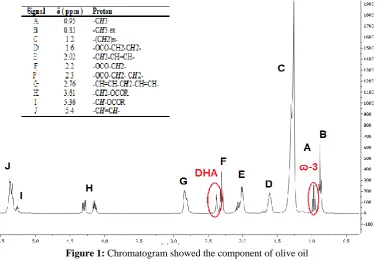
Olive oil was obtained from the New Valley Governorate, Egypt. Its component and active constituents was studied by gas-chromatograms, also physiochemical properties were studied.
Vinegar was obtained from the New Valley Governorate, Egypt. Also its components were studied. Administration doses were:
ADAM: The students took 10 ml olive oil, 5 ml vinegar, and 1gm sodium chloride once daily before breakfast. Traditional iron salts: The student took one capsule of 5 mg iron before breakfast.
Sample Collection
5 ml venous blood was withdrawn before and after the experiment from all participants for determination of the physiological variables. Blood samples were withdrawn by a specialist; laboratory measurements were conducted in special lab. All procedures were conducted in accordance with ethical guidelines and with approval from the ethical committee of Faculty of Physical Education Sports, University of New Valley.
Biochemical Analysis
The following parameters were estimated:
Hemoglobin determination using spectrophotometer at 540 nm wave length according the method of Choudhri et al. [21].
Iron determination using method using Radioimmunoassay (RIA) according to method of Goldie and Thomas [22].
Total iron binding capacity (TIBC) determination using method of Radioimmunoassay (RIA) according to method of Goldie and Thomas [22].
Ferritin determination using Radioimmunoassay (RIA) according to method of Goldie and Thomas [22]. O2 determination using spectroscopic gas analyzer according to method of Lim et al. [23].
Data collection tools:
Height by using rest meter. Weight by using medical scale.
Fitness index by equation = (10*test duration/S.)/ (2*sum of heart rate) in recovery period.
Chromatographic conditions
The gas-chromatograms of the fatty acid methyl esters mixtures were recorded on an Agilent Technologies model 7890A instrument coupled with an Agilent Technologies model 5975 C VL MSD mass detectors with Triple Axis Detector and Agilent auto-sampler. The separation into components was made on a capillary column especially designed for the fatty acids methyl esters (FAME) analysis (Supelco SPTM 2560, with the following characteristics: 100 m length, 0.25 mm inner diameter, 0.2 μm film thickness). The ready for injection solutions were prepared in CH2Cl2 of HPLC purity grade. Fatty acids identification was made by comparing for each peak the retention time with those of a standard mixture of 37 fatty acid methyl esters (SupelcoTM 37 Component FAME Mix). In the standard mixture the exact concentration of each component is known. Both standard mixture and each of the fatty acid methyl esters of the analyzed fish oils were chromatographically separated under the same conditions, using the same temperature program (oven initial temperature 140ºC to final temperature 240 ºC, heating rate 4 ºC/min.), injection volume 1µL, split rate 100:1, carrier gas He according to the Supelco specifications. The calibration of the signals was made by taking into account the concentration of each component of the standard mixture, correlated with the detector’s response [24].
Figure 1: Chromatogram showed the component of olive oil
Table 1: Shows the physiochemical properties of olive oil
Boiling point 700 °C (1,292 °F)
Smoke point 190 °C (374 °F)
Solidity at 20 °C (68 °F) Liquid
Specific gravity at 20 °C (68 °F) 0.911 g/cm3
Viscosity at 20 °C (68 °F) 84 cP
Refractive index 1.4677
Iodine value 75
Acid value 0.8 mg KOH/g oil
Saponification value 184 mg/g
Peroxide value 20 milliequivalents/kg
Total unsaturated fatty acids > 85%
Total saturated fatty acids < 15%
Table 2: shows the amount of fatty acids in olive oil
Fatty acid Percentage
Oleic acid 74%
Linoleic acid 8.1%
Palmitic acid 12.9%
Stearic acid 1.3%
α-Linolenic acid 0.4%
Table 3: Shows the composition of vinegar per 100 grams
Contains Percentage
Acetic acid 5 g
Carbohydrates 1g
Energy 21 Kcal
Sugar 0.4g
Calcium 7 mg
Iron 0.2 mg
Magnesium 5 mg
Phosphorus 8 mg
Potassium 73 mg
Sodium 5 mg
Statistical Analysis:
The statistical analysis was carried out using SAS, PC statistical software for sensory evaluation of date products. The results were expressed as mean ± SE. Data were analyzed by one-way analysis of variance (ANOVA). The differences between means were tested for significance using least significant difference test (LSD) at (P & lt; 0.05) (SPSS, 1986).
RESULTS AND DISCUSSION
Table (1) shows the natural and chemical properties of olive oil. The boiling point and smoking were 700 and 190 ° C, respectively. While the Solidity was at 20 °C on a liquid image
The specific gravityand viscosity were estimated at 0.911 and 84cp respectively, While the refractive index of oil was 1.4677 which was estimated by the refract meter.
From table (1) the sapon, iodine, and peroxide and acidity numbers were opened 184, 75, 20 and 0.8 respectively.
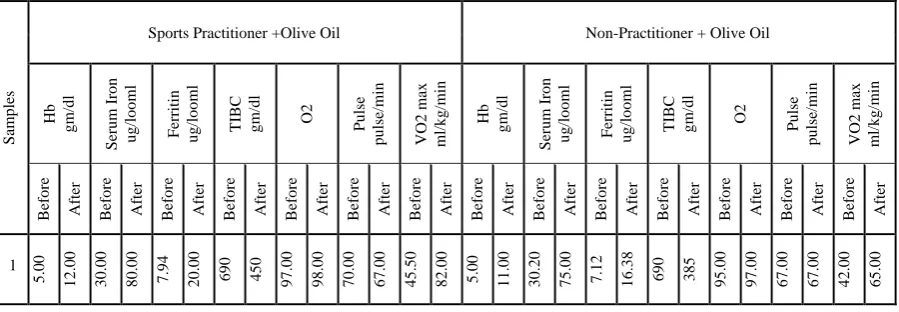
Table 4: Shows the measurement of the hemoglobin, oxygen, pulse and oxygen consumed for the third and fourth groups before taking olive oil and at the end of the period of taking olive oil for the sports practitioner
and non-sports practitioner
Sam
p
les
Sports Practitioner +Olive Oil Non-Practitioner + Olive Oil
Hb
g
m
/d
l
Serum
Ir
o
n
u
g
/lo
o
m
l
Ferr
itin
u
g
/lo
o
m
l
TI
BC
g
m
/d
l
O2 Pulse
p
u
lse/min
VO2
m
ax
m
l/k
g
/m
in
Hb
g
m
/d
l
Serum
Ir
o
n
u
g
/lo
o
m
l
Ferr
itin
u
g
/lo
o
m
l
TI
BC
g
m
/d
l
O2 Pulse
p
u
lse/min
VO2
m
ax
m
l/k
g
/m
in
Befo
re
After Befo
re
After Befo
re
After Befo
re
After Befo
re
After Befo
re
After Befo
re
After Befo
re
After Befo
re
After Befo
re
After Befo
re
After Befo
re
After Befo
re
After Befo
re
After
1
5
.00
1
2
.00
3
0
.00
8
0
.00
7
.94
2
0
.00
2 5 .00 1 2 .00 3 0 .00 9 7 .00 7 .94 3 7 .00
605 450 97.00 98.00 70.00 67.00 .0005 82.00 5.00 11.00 30.20 .0086 7.12 23.89 605 350 95.00 .0079 67.00 67.00 42.00 65.00
3 5 .50 1 3 .00 3 7 .70 9 9 .00 9 .00 4 0 .24
600 420 98.00 98.00 87.00 74.00 .0025 86.00 5.45 12.00 36.30 .0090 9.54 25.70 600 310 97.00 .0089 79.00 75.00 58.00 69.20
4 5 .65 1 3 .85 4 0 .00 1 0 0 .00 9 .56 4 3 .00
575 405 98.00 99.00 89.00 74.00 .0055 87.00 5.75 12.15 40.18 .0099 9.65 29.60 575 250 98.00 .0089 85.00 80.00 62.10 72.00
5 5 .20 1 2 .70 3 5 .00 9 0 .00 8 .50 3 5 .00
650 435 97.00 98.00 75.00 71.00 .5074 85.00 5.12 11.90 33.00 .0080 8.15 20.40 650 370 97.00 .0079 78.00 75.00 50.00 68.00
6 5 .20 1 2 .80 3 5 .66 9 5 .00 8 .55 3 6 .00
620 430 97.00 98.00 80.00 72.00 .0084 86.00 5.14 11.90 33.00 .0086 8.17 22.10 620 365 97.00 .0079 78.00 74.00 52.00 68.10
7 5 .10 1 2 .50 3 0 .14 8 9 .00 8 .16 3 0 .00
670 445 97.00 98.00 71.00 69.00 .0074 85.00 5.10 11.85 32.15 .0078 8.00 18.00 670 380 96.00 .0079 78.00 75.00 44.00 67.00
9 5 .08 1 2 .00 3 0 .54 8 9 .00 8 .10 2 2 .00
688 450 97.00 97.00 71.00 68.00 .5064 84.00 5.10 11.38 31.15 .0077 7.81 17.90 688 380 96.00 .0079 73.00 70.00 43.00 66.00
9 5 .60 1 3 .65 3 9 .90 1 0 0 .00 9 .15 4 2 .20
637 415 98.00 99.00 87.00 74.00 .0045 87.00 5.65 12.10 38.81 .0096 9.55 29.00 637 349 97.00 .0089 79.00 75.00 60.20 70.00
10 5 .38 1 2 .80 3 7 .00 9 9 .00 9 .00 4 0 .00
600 425 98.00 98.00 81.00 73.00 .0015 86.00 5.22 12.00 34.00 .0088 9.24 24.00 600 300 97.00 .0089 79.00 75.00 57.00 69.00
Av
erage 5.27
1 2 .73 3 4 .59 9 3 .80 8 .59 3 4 .54
634 433 97.40 98.10 78.10 70.90 .6594 85.00 5.25 11.73 33.90 .5085 8.44 22.70 634 344 96.50 .4079 76.30 73.30 51.03 67.93
Table (4) shows the first two groups given olive oil with vinegar and salt and did not exercise while the second group took the same group with exercise.
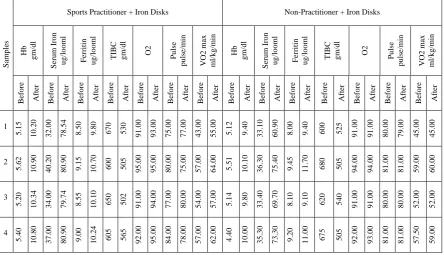
Table 5: shows the measurement of the hemoglobin, oxygen, pulse and oxygen consumed for the third and fourth groups before taking the iron and at the end of the period of taking the iron for the sports practitioner and
non-sports practitioner
Sam
p
les
Sports Practitioner + Iron Disks Non-Practitioner + Iron Disks
Hb g m /d l Serum Ir o n u g /lo o m l Ferr itin u g /lo o m l TI BC g m /d l
O2 Pulse
p u lse/min VO2 m ax m l/k g /m in Hb g m /d l Serum Ir o n u g /lo o m l Ferr itin u g /lo o m l TI BC g m /d l
O2 Pulse
p u lse/min VO2 m ax m l/k g /m in Befo re After Befo re After Befo re After Befo re After Befo re After Befo re After Befo re After Befo re After Befo re After Befo re After Befo re After Befo re After Befo re After Befo re After 1 5 .15 1 0 .20 3 2 .00 7 8 .54 8
.50 9.80 670 530
9 1 .00 9 3 .00 7 5 .00 7 7 .00 4 3 .00 5 5 .00 5
.12 9.40
3 3 .10 6 0 .90 8
.00 9.40 600 525
9 1 .00 9 1 .00 8 0 .00 7 9 .00 4 5 .00 4 5 .00 2 5 .62 1 0 .90 4 0 .20 8 0 .90 9 .15 1 0 .70
600 505 95.00 95.00 80.00 75.00 .0075 64.00 5.51 10.10 36.30 .4075 9.45 11.70 680 505 94.00 .0049 81.00 81.00 59.00 60.00
3 5 .20 1 0 .34 3 4 .00 7 9 .74 8 .55 1 0 .10
650 502 91.00 94.00 77.00 80.00 .0045 57.00 5.14 9.80 33.40 .7069 8.10 9.10 620 540 91.00 .0019 80.00 80.00 52.00 52.00
4 5 .40 1 0 .80 3 7 .00 8 0 .90 9 .00 1 0 .24
5 5 .65 1 1 .00 4 2 .67 8 1 .00 9 .56 1 1 .00
600 540 95.00 96.00 87.00 77.00 .0085 66.00 5.80 10.34 38.90 .0076 9.65 12.00 695 510 94.00 .0049 82.00 82.00 60.00 61.00
6 5 .12 1 0 .10 3 0 .43 7 5 .73 8 .16 9
.55 688 522
9 0 .00 9 1 .00 8 6 .00 7 7 .00 4 2 .80 5 4 .50 5 .10 9 .45 3 2 .85 5 7 .90 7 .90 9
.00 600 530
9 0 .00 9 0 .00 7 6 .00 7 6 .00 4 3 .00 4 3 .20 7 5 .75 1 1 .10 4 3 .00 8 2 .46 1 0 .77 1 1 .10
575 580 95.00 96.00 75.00 80.00 .0006 66.50 5.90 10.40 40.90 .8377 10.10 12.60 705 610 95.00 .0059 82.00 82.00 60.00 62.10
8 5 .10 1 0 .00 3 0 .10 6 6 .98 8
.10 9.15 690 595
8 5 .00 9 1 .00 8 7 .00 7 5 .00 4 2 .00 5 3 .00 5
.00 9.22
3 0 .15 5 5 .10 7
.64 8.90 595 515
8 5 .00 8 5 .00 7 5 .00 7 5 .00 4 3 .00 4 3 .00 9 5 .38 1 0 .40 3 6 .90 8 0 .10 9 .00 1 0 .20
620 500 92.00 95.00 85.00 76.00 .0065 60.00 5.20 10.00 34.00 .0072 9.00 10.89 650 560 92.00 .0029 81.00 81.00 57.00 57.00
10 5 .00 1 0 .00 3 0 .10 6 5 .00 7
.94 8.65 710 600
8 3 .00 9 0 .00 8 5 .00 7 5 .00 4 2 .20 5 2 .00 5
.00 9.00
2 9 .20 5 0 .00 7
.20 8.38 580 500
8 3 .00 8 3 .00 7 2 .00 7 2 .00 4 2 .00 4 2 .00 Av
erage 5.34
1 0 .48 3 5 .64 7 7 .14 8 .87 1 0 .05
641 544 90.90 93.60 82.10 77.00 .2015 59.00 5.22 9.77 34.41 .8166 8.62 10.30 640 530 90.70 .8009 79.00 78.90 51.85 52.43
Table (5) shows the first two groups given iron tablets and did not exercise while the second group took iron tablets and practiced sports
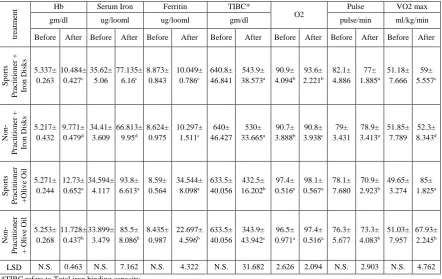
Table 6: Measurement of hemoglobin, oxygen, pulse and oxygen consumed for four groups after the statistical analysis of the results
treat
m
en
t Hb Serum Iron Ferritin TIBC*
O2
Pulse VO2 max
gm/dl ug/looml ug/looml gm/dl pulse/min ml/kg/min
Before After Before After Before After Before After Before After Before After Before After
Sp o rts Practition er + Ir o n Disk s 5.337± 0.263 10.484± 0.427c 35.62± 5.06 77.135± 6.16c 8.873± 0.843 10.049± 0.786c 640.8± 46.841 543.9± 38.573a 90.9± 4.094b 93.6± 2.221b 82.1± 4.886 77± 1.885a 51.18± 7.666 59± 5.557c No n -Practition er + Ir o n Disk s 5.217± 0.432 9.771± 0.479d 34.41± 3.609 66.813± 9.95d 8.624± 0.975 10.297± 1.511c 640± 46.427 530± 33.665a 90.7± 3.888b 90.8± 3.938c 79± 3.431 78.9± 3.413a 51.85± 7.789 52.3± 8.343d Sp o rts Practition er +Oliv
e Oil 5.271± 0.244 12.73± 0.652a 34.594± 4.117 93.8± 6.613a 8.59± 0.564 34.544± 8.098a 633.5± 40.056 432.5± 16.202b 97.4± 0.516a 98.1± 0.567a 78.1± 7.680 70.9± 2.923b 49.65± 3.274 85± 1.825a No n -Practition er
+ Olive Oil
5.253± 0.268 11.728± 0.437b 33.899± 3.479 85.5± 8.086b 8.435± 0.987 22.697± 4.596b 633.5± 40.056 343.9± 43.942c 96.5± 0.971a 97.4± 0.516a 76.3± 5.677 73.3± 4.083b 51.03± 7.957 67.93± 2.245b
LSD N.S. 0.463 N.S. 7.162 N.S. 4.322 N.S. 31.682 2.626 2.094 N.S. 2.903 N.S. 4.762
*TIBC refers to Total iron binding capacity
case of taking iron or oil tablets. In addition, the third and fourth quaternary oxygen, which took the oil whether practiced or exercised, gave the best results followed by iron, exercised. The same results were obtained for the four totals in case of VO2.
DISCUSSION
Table (4-6) revealed that there are no significant statistical differences in HB, serum iron, ferritin, TIBC, O2, pulse rate and VO2MAX, which indicated that the female students participated in the study were in complete homogeneity of the measured variables, after the different treatment occurring to the four groups of the study, namely: sports practicing plus iron disks, nonpracticing plus iron disks, sports practicing plus ADAM supplement and nonpracticing plus ADAM. There was a significant statistical change after different types of supplementation of iron disk and ADAM, with sport practicing or non-practicing, indicating that both types of supplements positively affect the variables of the study.
The more prominent changes occurred in the study due to ADAM with sport practicing in different variables of the study except that of TIBC values, which was highest in case of iron disks ingestion plus sports practicing, and the lower values reported for olive oil and ADAM supplementation with or without sport practicing. The benefit marker due to ADAM with sports practicing may be due to both of the composition of olive oil specially of fatty acids (oleic, linoleic, palmitic) and that of vinegar which is rich in enerfy and minerals such as calcuim, phosphorus, potassium and iron, that all together help in sustaining health and wellness of the participants. The results were in accordance with that of [13, 16, 17, 21].
The importance of natural supplements was also reported by Mougios et al [25] in inducing agreat benefit for producing higher concentration of hemoglobin, serum iron and ferritin concentration, especially when natural products such as ADAM were added and supported by sport partitioning which in turn help to improve health conditions specially iron anemia. Also it must be remembered that fat is necessary for normal metabolism; For example, olive oil is good source of fat as reported by Cook and reddy [26].
Guyton et al. [27] added other factors affecting iron absorption or lost in the stool, as women lose iron twice more than men due to additional iron lost during menstruation. Also, various dietary factors affect the availability of iron for absorption, for example, the phytic acid found in cereals reacts with iron to form insoluble compounds in intestine, also ascorbic acid is of importance because it aids reduction of iron to the Fe+2 form. The importance of this function is indicated by the fact that iron deficiency anemia is a troublesome and relatively frequent complication of partial gastrectomy.
In plasma, Fe2+ is converted to Fe3+ and found by the iron transport protein transferrin. Normally, transferrin is about 35% saturated with iron and normal iron level is about 130 mg/dl in men and 110 mg/dl in women. Some of iron is stored in ferritin, the remainder is transported by ferroprotein. [28]. Barrett et al. [29] stated that the regulations of iron absorption are through: diet intake of iron also regulated by the storage of iron in the body and lastly by Rbcs formation in bone marrow and released by erythropoietin hormone. TIBC as indicated in Table (6) was noticed to decrease after iron, olive oil, and vinegar supplementation, and is an important parameter and laboratory test for assessing iron metabolism of patients. Adamson [30] reported that the concentration of transferrin in plasma is approximately 300 mg/dl. This amount of transferrin can bind 300 mg of iron per deciliter, so that this represents the TIBC of plasma. However, the protein is only one third saturated with iron. In case of iron deficiency anemia, the protein is even less saturated with iron, whereas in condition of storage of excess iron in the body as in case of hemochromatosis the saturation with iron is much greater than one third [31]. O2 concentration and VO2MAX (Table 2-4) revealed increased concentration after sports partitioning and olive oil, vinegar and iron supplementation. The higher values were marked in case of sports activity with olive oil and vinegar supplementation which denotes the importance of physical activity plus supplementation in inducing this improvement in O2 concentration and VO2max which indicated a higher physical fitness and improvement of performance as the result of the physical activity program preformed in this study.
West [32] reported that in the resting state, blood flow in comparatively sluggish manner compared to the active state of exercise. The increased blood flow through the lungs causes all the pulmonary capillaries to be perfuse at their maximal rates, thus providing a far greater surface area through which oxygen can diffuse into the pulmonary blood, and that induced a higher diffusing capacities of O2 which is marked due to continuous and regular training procedures as in case of the study results.
iron or olive oil with vinegar supplementation. The best improvement noticed was related to the action of sport activity and olive oil plus vinegar supplementation. The effect of rationing and systemic physical activity together with olive oil and vinegar supplementation resulting in decreased pulse rate together with an increased VO2max, as the adaptation process, led to an improvement in tissue organs and increase effort abilities as reported in the study and by other researchers [33, 34].
CONCLUSION
It might be concluded that physical activity in relation with ADAM or traditional iron salts supplement induces curing effect from underground water effect on female anemic students.
Recommendation
It is recommended to practice sports in a regular manner in addition to supplements ADAM or traditional iron salts for curing anemia in the right doses prescribed.
REFERENCES
1. Iannotti LL, Tielsch JM, Black MM, Black RE. (2006)Iron supplementation in early childhood: health benefits and risks Am J Clin Nutr. 2006 Dec; 84(6): 1261–1276.
2. Aldi, Y., Dillasamola, D., Rifa, N. (2019). Effect of Ethanol from Extract of Tapak Liman Leaves (Elephantopus scaber Linn.) on Hematopoiesis of Anemia Mice. International Journal of Pharmaceutical Research & Allied Sciences, 8(2):157-167.
3. Aboud, S.A.E.H., El Sayed, H.A.E., Ibrahim, H.A.F. (2019). Knowledge, Attitude and Practice Regarding Prevention of Iron Deficiency Anemia among Pregnant Women in Tabuk Region. International Journal of Pharmaceutical Research & Allied Sciences,8(2):87-97.
4. Kumar R. (2015) Iron deficiency anemia (IDA), their prevalence, and awareness among Girls of reproductive age of Distt Mandi Himachal Pradesh, India. International Letters of Natural Sciences;2 :24-32.
5. Zimmermann, M.B.; Adou, P.; Zeder, C.; Torresani, T. and Hurrell, R.F. (2000). Persistence of goiter despite oral iodine supplementation in goitrous children with iron deficiency anemia in the Côte d’Ivoire. Am J Clin Nutr., 71:88 –93.
6. Zimmermann, M.B.; Zeder, C.; Chaouki, N.; Saad, A.; Torresani, T. and Hurrell, R.F. (2003). Dual fortification of salt with iodine and microencapsulated iron: a randomized, double blind, controlled trial in Moroccan schoolchildren. Am J Clin Nutr.,77:425–32.
7. American Academy of Nutrition and Dietetics (2018). Pediatric Nutrition Care Manualhttps://www.nutritioncaremanual.org/NCM; accessed Oct 17, 2018
8. Hurrell, R.F. (2002). Fortification: overcoming technical and practical barriers. J Nutr., 132:806S–12S. 9. Dary, O. and Mora, J.O. (2002). Food fortification to reduce vitamin A deficiency: International
Vitamin A Consultative Group Recommendations. J Nutr., 132:2927–2933. 10. Qudaamah, A. (1982). Dictionary of food and herbal medicine. Beirut.
11. Nassima, T.A.; lhaouiab, A. T. a; MarÃaGómez, -C. A .and ández-Guti, Ã. A. (2015). Phenolic compounds in olive leaves: Analytical determination, biotic and abiotic influence, and health benefits. Food Research International, 77 (2): 92-108.
12. Fushimi, T.; Tayama, K.; Fukaya, M.; Kitakoshi, K.; Nakai, N.; Tsukamoto, Y. and Sato, Y. (2001). Acetic acid feeding enhances glycogen repletion in liver and skeletalmuscle of rats. Journal of Nutrition, 131, 1973–1977.
13. Prior, R. L. and Cao, G. (2000). Flavonoids: Diet and health relationships. Nutrition in Clinical Care, 3, 279–288 olesterol. Lipids, 41, 133–139
14. Yang, D. J.; Chang, Y. Y.; Hsu, C. L.; Lin, C. W.; Wang, Y. and Chen, Y. C. (2010). Protective effect of litchi (Litchi chinensisSonn.)-flower-water-extract on cardiovascular health in a high-fat/cholesterol-dietary hamsters. Food Chemistry, 119, 1456–1561.
16. Lin, Y. L., Chang, Y. Y., Yang, D. J., Tzang, B. S., & Chen, Y. C. (2013). Beneficial effects of noni (Morindacitrifolia L.) juice on livers of high-fat dietary hamsters. Food Chemistry, 140, 31–38.
17. Osada, K.; Suzuki, T.; Kawakami, Y.; Senda, M.; Kasai, A.; Sami, M.; Ohta, Y.; Kanda, T. and Ikeda, M. (2006). Dosedependenthypocholesterolemic actions of dietary apple phenol in rats fed cholesterol. Lipids, 41, 133–139.
18. Qui, J.; Ren, C.; Fan, J. and Li, Z. (2010). Antioxidant activities of aged oat vinegar in vitro and in mouse serum and liver. Journal of the Science and Food Agriculture, 90, 1951–1958.
19. Lefeure, J.; Delvaux, K. and Beunen, G. (2000). Physical activity and fitness fron adolescence to adulthood. Am. J. oh human biology, 12, 487.
20. Biddle, S.; Gorely, T. and Stensel, D. (2004). Health enhancing physical activity and sedentary behavior in children and adolescents. J. of Sports Sciences, 22,679.
21. Choudhri TF, Hoh BL, Solomon RA, Connolly ES Jr, Pinsky DJ. Use of a spectrophotometric hemoglobin assay to objectively quantify intracerebral hemorrhage in mice. Stroke. 1997 Nov;28(11):2296-302.
22. Goldie D.J, and Thomas M.J. (1978). Measurement of serum ferritin by radioimmunoassay. Annals of Clinical Biochemistry. 15, 102-108.
23. Lim J.S., Park, M., Lee, J., and Lee J. (2017). Validation of spectroscopic gas analyzer accuracy using gravimetric standard gas mixtures: impact of background gas composition on CO2 quantitation by cavity ring-down spectroscopy. Atmos. Meas. Tech., 10, 4613–4621, 2017.
24. Bratu, A. Mihalache, M. Hanganu, A. Chira, N.A. Todaşcă, M.C. Roşca S. (2013). Quantitative Determination Of Fatty Acids From Fish Oils Using Gc-Ms Method And 1h-Nmr Spectroscopy. U.P.B. Sci. Bull., Series B, Vol. 75, Iss. 2,
25. Mougios V, Kazaki M, Christoulas K, Ziogas G, Petridou A. Does the intensity of an exercise programme modulate body composition changes? Int J Sports Med. 2006 Mar; 27(3):178-81.
26. Cook, J. D., and Reddy, M. B. (2001). “Ascorbic Acid Has a Pronounced Enhancing Effect onthe Absorption of Dietary Nonheme Iron When Assessed by Feeding Single Meals toFasting Subjects.” American Journal of Clinical Nutrition 73: 93-98.
27. Guyton, A.; jones, C. and Coleman, T. (1973). Circular physiology. WB Saunder, Philadelphia. 28. West, J. (2000). Invites review: pulmonary capillary stress faiture. J. appl. Physiol., 89, 2483.
29. Barrett, K.; Barman, S. and Boitona, S. (2010). Review of medical physiology. McGraw Hill Lange, USA.
30. Adamson, J. (2008). Iron deficiency and other hypo proliferative anemias. Harrison’s principles of internal medicine, McGraw Hill, USA.
31. Chua, A.; Graham, R. and Trinder, D. (2007). The regulation of cellular iron metabolism. Crit. Rev. Clin. Sci., 44, 413.
32. West, J. (1994). Respiratory physiology. Williams, Wilkins, Baltimore.
33. Sudip, S.; Dey, S. and Debnath, P. (2006). Influence of specific training on lung function. Int. counc. of Ph. Act and fitness, Poland.