ScholarlyCommons
Publicly Accessible Penn Dissertations
1-1-2011
Return to Work after Aneurysmal Subarachnoid
Hemorrhage: The Mediating Role of Illness
Perception
Catherine C. Harris
University of Pennsylvania, [email protected]
Follow this and additional works at:http://repository.upenn.edu/edissertations Part of theNeuroscience and Neurobiology Commons, and theNursing Commons
This paper is posted at ScholarlyCommons.http://repository.upenn.edu/edissertations/519
For more information, please [email protected]. Recommended Citation
Harris, Catherine C., "Return to Work after Aneurysmal Subarachnoid Hemorrhage: The Mediating Role of Illness Perception" (2011).Publicly Accessible Penn Dissertations. 519.
Mediating Role of Illness Perception
Abstract
Aneurysmal subarachnoid hemorrhage (aSAH) is a type of stroke that affects women and men with a mean age of 50 years. Return to work (RTW) has been cited as a strategic goal of patients after injury, however, success rates are low in multiple studies. Illness perception is known to impede recovery after illness in older adults, yet its role after injury in the aSAH population has not been evaluated. The purpose of this study was to investigate the role of illness perception in RTW after aSAH. This study used mixed methods with a cross sectional design to assess work status at 1-2 years post injury. Participants were recruited at one hospital setting via mailed invitations. Participants were screened over the telephone for eligibility using the Telephone Interview for Cognitive Status test. Consent was obtained for chart review and to participate in the study. One hundred and thirty four participants were asked to complete two questionnaires: the Brief Illness Perception Questionnaire (BIPQ) and the Functional Status Questionnaire. Data analysis was accomplished using bivariate analysis, t-tests, chi square analysis, correlation and binary logistic regression depending on the outcome of RTW as a dichotomous or continuous variable. Kaplan-Meier analysis was used to estimate cumulative RTW. There was a moderate negative correlation between illness perception and RTW. Illness perception was found to significantly predict RTW. The model correctly predicted RTW 62.7% of the time and accounted for 12.4% of the variance in RTW. Further post hoc analysis found that 2 subcategories of the BIPQ (consequences and concern) and marital status improved the prediction model. This study addressed a gap in the literature regarding work status after aSAH and has provided direction for further investigation. Addressing issues surrounding patients' perception of illness, in particular the consequences associated with aSAH and concerns surrounding it, may serve as an important conduit to removing barriers to RTW. Recognition of these barriers to RTW in assessing a person's illness perception may be the key to the development of interventions in the recovery process.
Degree Type
Dissertation
Degree Name
Doctor of Philosophy (PhD)
Graduate Group
Nursing
First Advisor
Therese S. Richmond
Keywords
cerebral aneurysm, illness perception, return to work, subarachnoid hemorrhage
Subject Categories
Neuroscience and Neurobiology | Nursing
RETURN TO WORK AFTER ANEURYSMAL SUBARACHNOID HEMORRHAGE:
THE MEDIATING ROLE OF ILLNESS PERCEPTION
Catherine C. Harris
A DISSERTATION
in
Nursing
Presented to the Faculties of the University of Pennsylvania
in
Partial Fulfillment of the Requirements for the
Degree of Doctor of Philosophy
2011
Supervisor of Dissertation
Therese S. Richmond, Associate Professor, School of Nursing
Graduate Group Chairperson
Marilyn S. Sommers, Professor, School of Nursing
Dissertation Committee
Deborah W. Bruner, Professor, School of Nursing, Emory University
Maureen George, Assistant Professor, School of Nursing
Return to Work after Aneurysmal Subarachnoid Hemorrhage:
The Mediating Role of Illness Perception
COPYRIGHT 2011
Dedication
JF
Parce que ceci trouvait sa source
Acknowledgements
I want to thank my parents who never grew bored asking me about my unending
struggle to complete the damn thing and were there with me every step of the way; to my
brother and sister who knew better than to ask me about my dissertation, but I knew they
were there for me; to Elizabeth and Emily for all the fun distractions, they were very
much needed; to my best friend Ciro, who has always believed in me and pushed me to
be better than I thought I could be. You have been my pillar of strength and an unending
source of friendship. You have also been a role model to me and cultivated my
knowledge and expertise in neuro. I want to thank Jack for being my mentor whether
you wanted to be or not. I aspire to be as wholly accomplished as you are. More
importantly though thanks for making me laugh and for providing endless respite and
distraction from my boring life as a lonely researcher. You have changed my life and the
way I will always remember it!
I especially want to thank Drs. Terri Weaver and Deb Bruner for staying on my
committee even after leaving the University. Your feedback and encouragement were
invaluable to me and made me believe that I could really do this. A special thanks to Dr.
George for saving my committee at the last minute. It was a great pleasure to work with
you. Thanks to Drs. Tulman and Matura for your critiques and insight.
Thank you for everything Terry! Your feedback and constructive criticisms were
vital to this project coming to fruition. You had the patience to let me find my own way
and entertain my own distractions but you never let me get lost.
A special thank you to the Neuroscience Nursing Foundation for seeing value in
ABSTRACT
RETURN TO WORK AFTER ANEURYSMAL SUBARACHNOID HEMORRHAGE:
THE MEDIATING ROLE OF ILLNESS PERCEPTION
Catherine C. Harris
Dissertation Supervisor Therese S. Richmond
Aneurysmal subarachnoid hemorrhage (aSAH) is a type of stroke that affects
women and men with a mean age of 50 years. Return to work (RTW) has been cited as a
strategic goal of patients after injury, however, success rates are low in multiple studies.
Illness perception is known to impede recovery after illness in older adults, yet its role
after injury in the aSAH population has not been evaluated. The purpose of this study
was to investigate the role of illness perception in RTW after aSAH. This study used
mixed methods with a cross sectional design to assess work status at 1-2 years post
injury. Participants were recruited at one hospital setting via mailed invitations.
Participants were screened over the telephone for eligibility using the Telephone
Interview for Cognitive Status test. Consent was obtained for chart review and to
participate in the study. One hundred and thirty four participants were asked to complete
two questionnaires: the Brief Illness Perception Questionnaire (BIPQ) and the Functional
Status Questionnaire. Data analysis was accomplished using bivariate analysis, t-tests,
chi square analysis, correlation and binary logistic regression depending on the outcome
of RTW as a dichotomous or continuous variable. Kaplan-Meier analysis was used to
estimate cumulative RTW. There was a moderate negative correlation between illness
model correctly predicted RTW 62.7% of the time and accounted for 12.4% of the
variance in RTW. Further post hoc analysis found that 2 subcategories of the BIPQ
(consequences and concern) and marital status improved the prediction model. This
study addressed a gap in the literature regarding work status after aSAH and has provided
direction for further investigation. Addressing issues surrounding patients’ perception of
illness, in particular the consequences associated with aSAH and concerns surrounding it,
may serve as an important conduit to removing barriers to RTW. Recognition of these
barriers to RTW in assessing a person’s illness perception may be the key to the
Table of Contents
Dedication………...iii
Acknowledgements……….iv
Abstract………v
Table of Contents………...vii
List of Tables………...x
List of Figures………...xiii
List of Appendices………....xiv
Chapter I: Introduction and Purpose of the Study………...1
Aneurysmal Subarachnoid Hemorrhage and Return to Work…....….……..……..1
Illness Perception………....………..…………...4
Summary………...6
Definition of Terms………..8
Chapter II: Literature Review………10
Introduction……….………...10
Conceptual Framework………...………..11
Model……….………14
Return to Work……….15
Aneurysmal Subarachnoid Hemorrhage……….………..20
Severity of Injury………..22
Severity of Injury and Return to Work………..24
Illness Perception………..………25
Illness Perception and Return to Work………..31
Illness Perception and Severity of Injury………….………..33
Factors Influencing the Model………..34
Injury Variables………...………..34
Depressive Symptoms...……….37
Time Factor………..………..39
Comorbidities………..………...39
Social Support……….………...40
Education and Occupation………..…………...41
Other Variables……….43
Functioning……….…………...43
Cognition………...43
Chapter III: Methods……….46
Research Design……….…………..46
Setting and Sample………..…………..46
Instruments………..…………..48
Dependent Variable………...50
Independent Variable……….52
Mediating Variable………54
Covariates………..55
Procedure………..61
Data Management………..………...63
Design Considerations………..66
Human Subjects………66
Chapter IV: Results……….………..70
Study Population………..70
Demographic Characteristics………72
Clinical Characteristics………..……...76
Evaluation Measures………..……...80
Relationships of Dependent and Independent Variables………..……86
Research Questions………102
Research Question 1………103
Research Question 2………104
Research Question 3………105
Research Question 4………105
Post Hoc Analysis………..109
Analysis of Qualitative Data………..125
Summary of Major Findings………..129
Chapter V: Discussion……….131
Discussion………...131
Strengths and Limitations………...144
Recommendations for Future Research………..145
Summary……….148
Appendices………...150
List of Tables
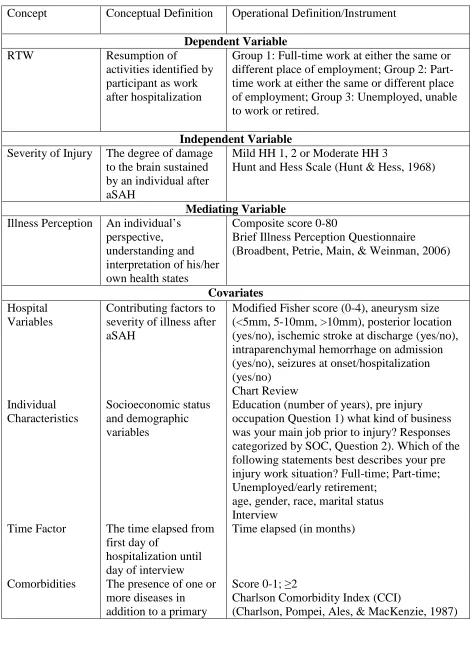
Table 1 Concepts and Instruments……….49
Table 2 Capacity of RTW………..52
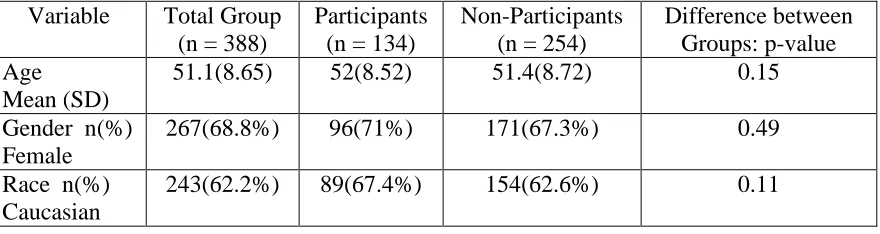
Table 3 Comparison of Participants and Non Participants on the Basis of Age, Gender, Race and Marital Status..……….72
Table 4 Frequencies and Percentages of Demographics………73
Table 5 Frequencies of Occupations and Assigned Categories……….74
Table 6 Means and Standard Deviations for Age, Education and Months Elapsed Since Injury..………..76
Table 7 Frequencies and Percentage of Participants Clinical Characteristics upon Admission or Discharge: Total and by Gender………..77
Table 8 Frequencies and Percentages of Participants with Clinical Characteristics related to the Aneurysm: Total and by Gender………..78
Table 9 Frequencies and Percentage of the Location of the Aneurysm: Total and by Gender………79
Table 10 Return to Work: Total and by Gender………80
Table 11 Capacity of RTW: Total and by Gender……….81
Table 12 Occupational Categories of Participants: Total and by Gender………..81
Table 13 Severity of Injury: Total and by Gender……….82
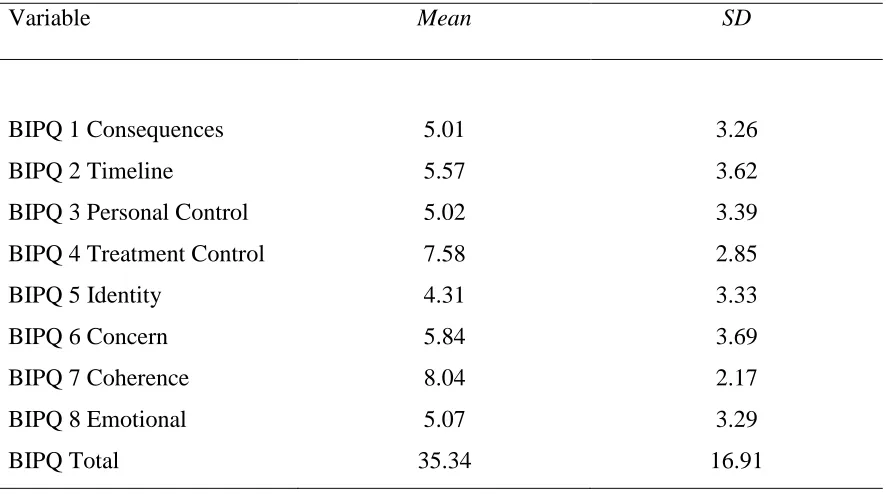
Table 14 Means and Standard Deviations for Illness Perception Subcategories from the Brief Illness Perception Questionnaire (BIPQ): Total………84
Table 15 Participants with Depressive Symptoms Compared to Those without Depressive Symptoms: Total and by Gender……….………....85
Table 16 Participants with Depressive Symptoms Compared to Those without Depressive Symptoms: Total and by Severity of Injury……….…...85
Table 18 High Quality Social Support Compared to Low Quality: Total and
by Severity of Injury………..86
Table 19 Comparison of Nominal Demographic and Clinical Variables
on RTW……….87
Table 20 Comparison of Means between RTW and non RTW Participants
on Demographic, Clinical and Predictor Variables………...90
Table 21 Comparison of Means of Months to RTW on Demographic and
Clinical Variables………..92
Table 22 Comparison of Means of Months to RTW between Categories of
Demographic and Clinical Variables……….93
Table 23 Pearson’s Correlation among Continuous Demographic, Covariate
and Predictor Variables………..94
Table 24 Dichotomized Variables……….95
Table 25 Illness Perception and RTW: Kaplan Meier Analysis Comparing
High and Low Values Stratified by Demographic and Clinical Variables………97
Table 26 Severity of Injury and RTW: Kaplan Meier Analysis Comparing
Mild and Moderate Injury Stratified by Demographic and Clinical Variables………….99
Table 27 Chi Square Analysis on Severity of Injury (Mild vs. Moderate) and
RTW (yes vs. no)……….104
Table 28 Logistic Regression Correct Predicting RTW………..106
Table 29 Logistic Regression with Severity of Illness Predicting RTW,
after Controlling for Illness Perception………107
Table 30 Logistic Regression Correct Predicting RTW using Illness
Perception and Marital Status………..110
Table 31 Logistic Regression with Marital Status and Illness Perception
Predicting RTW………...111
Table 32 Comparison of Means and Standard Deviations on Marital Status
and the BIPQ………111
Table 33 Pearson’s Correlation Coefficient among the Brief Illness Perception
Table 34 Comparison of Means and Standard Deviations on Subcategories
of the BIPQ and by Gender………..115
Table 35 Comparison of Means between Participants with Depressive Symptoms and without Depressive Symptoms according to FSQ on Subcategories of BIPQ……...….117
Table 36 Comparison of Means between High Level of Social Support (SS)
and Low Level of Social Support Participants on Subcategories of BIPQ………..119
Table 37 Comparison of Means between RTW and non RTW (NRTW)
Participants on Subcategories of the BIPQ………..121
Table 38 Logistic Regression Correct Predicting RTW using BIPQ 1, 6………...123
Table 39 Logistic Regression with BIPQ 1, 6 and Marital Status Predicting
List of Figures
Figure 1 Participants and Non Participants………..………..71
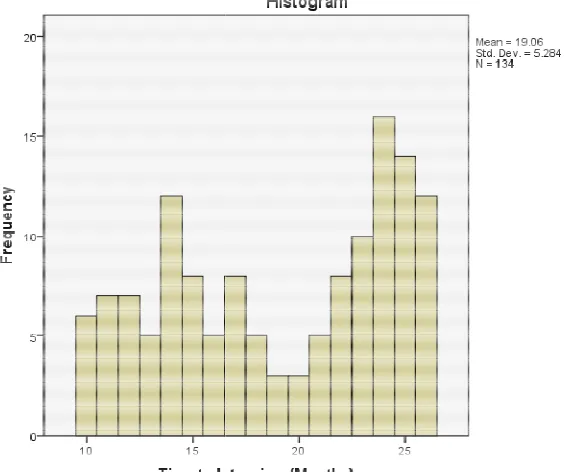
Figure 2 Mean and Standard Deviation of Time in a Histogram………...75
Figure 3 Cumulative Failure to RTW Comparing High Illness Perception
Scores to Low Illness Perception Scores………...98
Figure 4 Cumulative Failure to RTW Comparing Moderate Severity of
Injury to Mild Severity of Injury……….101
Figure 5 Cumulative Failure to RTW after Moderate Severity of Injury
in Different Categories of Employment.………..101
Figure 6 ROC Curve for RTW and Illness Perception using BIPQ………108
Figure 7 ROC Curve for Failure to RTW and Illness Perception
using BIPQ………...109
Figure 8 ROC Curve for Failure to RTW and BIPQ 1, 6 and
List of Appendices
Appendix A Hunt and Hess Scale………...….150
Appendix B Brief Illness Perception Questionnaire………151
Appendix C Modified United States Standard Occupation and Classification Scheme………..153
Appendix D Functional Status Questionnaire………..154
Appendix E Modified Charleston Comorbidity Index……….156
Appendix F Modified Rankin Scale………157
Appendix G Telephone Interview for Cognitive Status………..158
Appendix H Qualitative Questions………..160
Appendix I World Federation of Neurological Surgeons Scale………..161
Appendix J Invitation to Participate in the Study………163
Appendix K Announcement for Study………164
Appendix L Consent Form………..165
CHAPTER I
INTRODUCTION AND PURPOSE OF THE STUDY
Aneurysmal Subarachnoid Hemorrhage and Return to Work
Aneurysmal subarachnoid hemorrhage (aSAH) is a type of stroke caused by the
sudden rupture of a cerebral aneurysm affecting women and men of all ages with a mean
age of 50 years (Manno, 2004). Over 30,000 new cases of aSAH are treated each year in
the United States (Manno, 2004; Suarez, Tarr, & Selman, 2006). Although mortality
rates associated with aSAH are reported as high as 30% prior to reaching medical care
(Cesarini, Hardemark, & Persson, 1999), case fatalities in the hospital have declined over
the last two decades presumably due to better surgical techniques and medical
management (Hop, Rinkel, Algra, & van Gijn, 1997; Ingall, Whisnant, Wiebers, &
O'Fallon, 1989). Patients who survive the initial injury of aSAH are reported to have
physical impairments in less than 10% of cases within one year (Stegen & Freckmann,
1991) and are anticipated to make a complete recovery.
Despite technological advances in the treatment of aSAH and expectations of
recovery, little progress has been made in enhancing the quality of survival, as patients
report a litany of psychological complaints in the aftermath of injury. These complaints
are conjectured to impede recovery and exert negative effects on outcomes including
return to work. Return to work (RTW) occurs in less than half of this patient population
although they are physically capable of doing so (Carter, Buckley, Ferraro, Rordorf, &
1991; Wermer, Kool, Albrecht, Rinkel, & Aneurysm Screening after Treatment for
Ruptured Aneurysms Study Group, 2007). The physical, psychological, social, financial
and economic consequences associated with loss of productivity after aSAH are
staggering and reported to cost billions of dollars each year (Rosamond et al., 2008).
With an increasing prevalence of survivors of working age after aSAH, the ability to
RTW has gained significant importance as an area for further research.
In many studies, less than 50% of patients actually RTW after aSAH (Fertl et al.,
1999; Hop, Rinkel, Algra, & van Gijn, 2001; Kirkness et al., 2002; Powell, Kitchen,
Heslin, & Greenwood, 2004). Additionally, RTW occurs on average nine months after
injury (Fertl et al., 1999; Hop et al., 2001; Kirkness et al., 2002; Powell et al., 2004) and
many patients are unable to RTW even years after injury (Carter et al., 2000; Nishino et
al., 1999; Ogden, Utley, & Mee, 1997; Wermer et al., 2007). Failure to RTW after
recovery from illness is associated with negative health outcomes such as increased
cardiac disease, depression and higher rates of mortality (Gallo et al., 2006) and social
consequences such as isolation and poor coping ability (Brown, Gilmour, & Macdonald,
2006; Leidner, 2006; Wermer et al., 2007).
Reasons that patients fail to RTW are largely unknown. In the traumatic brain
injury literature, severity of injury (Black-Schaffer & Osberg, 1990; Hofgren, Bjorkdahl,
Esbjornsson, & Sunnerhagen, 2007; Howard, Till, Toole, Matthews, & Truscott, 1985;
Wozniak et al., 1999), motor deficits (Howard et al., 1985; Hseih & Lee, 1997; Neau et
Hachisuka, 2004; Smolkin & Cohen, 1974; Vestling, Tufvesson, & Iwarsson, 2003) such
as attention processing, verbal/visual memory and executive functioning impede RTW.
While these variables have also been found to be pertinent to the aSAH population they
fail to predict RTW in the majority of patients. Severity of injury using the Hunt and
Hess (HH) scale (Appendix A) continues to be the most widely reported measure in the
literature. The HH scale was originally designed and validated to predict mortality;
however the scale is used frequently to stratify patients into categories of mild, moderate
and severe injury. This stratification allows clinicians and researchers to provide rapid
and pertinent information about risks, the course of the disease process and expectations
of a timeline of recovery to patients and families. Some psychological complaints of
patients span all grades of severity, such as depression and anxiety (Morris, Wilson, &
Dunn, 2004), however, progressive decreases in cognitive function, quality of life (Hop et
al., 2001; Kim, Haney, & Van Ginhoven, 2005; Wermer et al., 2007) and RTW (Carter et
al., 2000; Nishino et al., 1999) are found as severity of the injury increases.
Failure to RTW has been conjectured to be caused by residual psychological
symptoms such as fatigue, personality and behavioral changes (Deruty, Pelissou-Guyotat,
Mottolese, & Amat, 1994; Lindberg, Angquist, Fodstad, Fugl-Meyer, & Fugl-Meyer,
1992; Maurice-Williams, Willison, & Hatfield, 1991; Ogden, Levin, & Mee, 1990) and
poor coping skills (Ljunggren, Sonesson, Saveland, & Brandt, 1985; Tomberg et al.,
2001). Other factors such as education, occupation, social support, and co-morbidities
(Shipley & Newman, 1993) also affect RTW (Fries & Bellamy, 1991). However, there
RTW. Every person is affected differently after aSAH, which makes RTW difficult to
predict. Each case of aSAH is uniquely situated in personal, social and environmental
circumstances that influence various outcomes.
Illness Perception
Illness perception has emerged in the literature as predictor of recovery and is
thought to mediate the relationship between illness or a disease state and outcomes (Jang,
Bergman, Schonfeld, & Molinari, 2007; Pinquart, 2001). Illness perception is defined as
an individual’s identification of the attributes of illness and reflects the perspective,
understanding and interpretation of his or her own health states. A person’s perception of
his or her illness can be critically important to recovery and can influence outcomes
(Connelly, Smith, Philbrick, & Kaiser, 1991; Evangelista, Kagawa-Singer, & Dracup,
2001; Idler & Benyamini, 1997). As a result, there has been a large increase of studies on
the topic. Illness perception is a strong predictor of RTW in patients after a myocardial
infarction (Byrne, 1982) and explains more variance in disability than disease related
variables in rheumatoid arthritis (Flor & Turk, 1988). A positive illness perception is
strongly associated with increases in RTW in patients with low back pain (Schulz &
Williamson, 1993; van der Giezen, Bouter, & Nijhuis, 2000; Vendrig, 1999), while in
studies of musculoskeletal disorders, a negative illness perception predicts a decrease in
RTW (Atroshi et al., 2002; Reiso et al., 2003; Tate, Yassi, & Cooper, 1999; van der
Illness perception is a theoretical construct used to describe an individual’s
cognitive and emotional representation of their illnesses based on the Self-Regulation
Model by Leventhal and colleagues (1984). Illness perception incorporates a person’s
perception of the impact of illness and of disease severity and is reflected in a person’s
coping strategies and behaviors. Illness perception is an important element to investigate
because it represents how a person understands his/her situation in an individual context.
A person’s perception of the illness experience may define or enhance a response to the
disease regardless of other associated sequelae. A measure of illness perception can
provide clinicians a subjective assessment of the impact of the disease on the individual
and an understanding of that person’s interpretation of what has occurred to him or her.
The patient’s views of illness provides for a better understanding of responses to illness
and potential treatments than an anticipated clinical course or clinician opinion.
Illness perception based on the self-regulatory model includes the person labeling
the disease and identifying its associated symptoms; generating ideas about how the
disease occurred; developing a notion of the short and long term effects of the disease
including social, economic and emotional consequences; determining the duration of the
disease, whether it is a chronic disease, acute or will have cyclical effects; and evaluating
the amount of control he or she has or providers of medical care can offer to influence the
course of illness (Leventhal, Nerenz, & Steele, 1984). Differences in the dimensions of
an illness perception have been found to predict various outcomes such as RTW and
quality of life (Miglioretti, Mazzini, Oggioni, Testa, & Monaco, 2008). Illness perception
disease states. However, the mediating potential of illness perception in aSAH outcomes,
in particular RTW, remains completely unexplored.
Summary
Nurses and other healthcare professionals can play an important role in assisting
patients after aSAH to RTW through screening and interventions. However, programs
can only be developed and implemented when there is a solid understanding of the issues,
specifically how some people manage to successfully RTW versus others who are unable
to RTW. With little available research in aSAH patients and current medical treatments
being limited, it is important to explore variables that mediate the relationship between
aSAH and RTW. Investigating illness perception in patients after aSAH may help to
explain variability in RTW. Understanding illness perception may be a powerful way to
capture the patient’s perspective of the burden of aSAH sequelae without having to
speculate which variables are the most important for RTW. However, illness perception
has not been investigated in the aSAH literature, nor has it been evaluated in relation to
RTW despite the potential influence on patient outcomes. This is a major gap in the
literature that is being redressed. It is important to first understand the relationship
between illness perception and RTW before any intervention strategies can be designed,
tested, and implemented. By understanding how some people successfully manage to
RTW will help in the development of interventions to assist others who are struggling to
This study addresses a critical public health issue regarding loss productivity in
the workplace after illness. Without the knowledge of the issues and resources to assist
patients to transition from major illness back into society, otherwise productive members
of the workforce are unable to RTW. There may be many barriers to RTW that can be
resolved if healthcare providers and legislators are aware of the problems. This study
describes one of these barriers using illness perception to explain variance in RTW. This
study also provides information regarding work outcomes in this patient population
which has not been sufficiently evaluated.
Purpose of the Study
The purpose of this current study was to evaluate RTW outcomes in patients 1-2
years after aSAH. In addition this study investigated the relationship between the
variables severity of illness and illness perception and RTW after aSAH and sought to
answer the following questions: Is there an association between severity of injury and
illness perception 1-2 years after aSAH? Is there an association between severity of
injury and RTW 1-2 years after aSAH? Is there an association between illness perception
and RTW 1-2 years after aSAH? What is the effect of illness perception on the
relationship between severity of injury and RTW 1-2 years after aSAH? The hypothesis
was that illness perception would mediate the association between the severity of injury
and RTW and should capture a significant amount of variance in the model. A secondary
aim of this current study was to gain an understanding of how aSAH affects the patient’s
hospitalization to resumption of everyday life activities that could affect various
outcomes, including RTW.
Definition of Terms
Aneurysmal subarachnoid hemorrhage: A hemorrhagic stroke caused by the rupture of a
cerebral aneurysm.
Return to work: The resumption of productive activities identified by the individual as
work measured by the Functional Status Questionnaire and two questions designed to
assess change in employment and change in hours of work from pre-injury levels. The
post-injury responses were compared to pre-injury responses and categorized into three
outcomes: resumption of the same pre-injury activity, a change in activity or
unemployment.
Illness perception: The conditional interpretation of one’s own health status in a given
individual context using 5 themes: identity, timeline, cause, consequences, control/cure
(Leventhal et al., 1984) measured by the Brief Illness Perception Questionnaire
(Appendix B).
Severity of injury: The score given to each individual on admission to the hospital to
Covariates: Education, pre injury occupation, social support, time, comorbidities,
hospital variables including the aneurysm size and location of aneurysm and
psychological variables including anxiety and depression. Education and pre injury
occupation were obtained via patient telephone interview. Interview questions asked the
participant to report highest achieved level of education. The pre-injury occupation
question classified each person’s activity into 3 categories by work sector as modified
from the U.S. Standard Occupational Classification form (Appendix C). The
psychological and social support variables were measured using the mental health
component and the social scale component of the Functional Status Questionnaire
(Appendix D). Time was measured from the first day of hospitalization until the day of
the interview. Comorbidities were measured through chart review using the modified
Charlson Comorbidity Index (Appendix E). Hospital variables were reported through a
chart review.
Other variables: Physical and cognitive functioning is being able to live independently
and was measured by the modified Rankin scale (mRS) (Appendix F) and the Telephone
Interview for Cognitive Status (TICS) (Appendix G).
Qualitative questions: Three semi-structured interview questions used to garner more
information from participants on their perception of how their illness has affected their
CHAPTER II
LITERATURE REVIEW
Introduction
Return to work after aSAH is a major health concern because of the physical,
psychosocial and financial consequences associated with loss of productivity. A body of
evidence suggests that failure to RTW after illness potentiates symptoms and is
associated with impaired immune function, coronary heart disease and higher risks of
mortality by increasing the rates of myocardial infarction and ischemic stroke (Gallo et
al., 2006). Severity of injury after aSAH is known to affect RTW, however there is
significant variability among studies. Illness perception influences RTW after myocardial
infarction (Petrie, Weinman, Sharpe, & Buckley, 1996) and in musculoskeletal disorders
(Bergman, Jacobsson, Herrstrom, & Petersson, 2004; Reiso et al., 2003; Tate et al., 1999;
van der Giezen et al., 2000; Vendrig, 1999) and is considered a major determinant of
RTW. Individuals who harbor a negative illness perception are at increased risk for
failure to RTW (Atroshi et al., 2002; Reiso et al., 2003; Tate et al., 1999; van der Giezen
et al., 2000; Vendrig, 1999) and subsequently the consequences associated with failure to
RTW. Conversely, individuals who have a positive perception of their illness have
higher rates of RTW (Schulz & Williamson, 1993; van der Giezen et al., 2000; Vendrig,
1999). The question that remains unanswered, however, is: can an illness perception
determine RTW in spite of severity of injury? The hypothesis of the study stated that an
illness perception would mediate the relationship between severity of injury and RTW
Therefore the purpose of this current study was to examine the relationships among the
variables severity of injury, illness perception and RTW.
Not all patients who fail to RTW have a negative illness perception. Many
patients after aSAH will re-evaluate their priorities in life and use the time during and
after recovery to pursue other opportunities besides work. Some patients will display
signs of an optimal recovery that parallel the benefits of work such as participation in
society, independence in daily living and a sense of belonging (Leidner, 2006). In
addition, not all patients with a negative illness perception will fail to RTW. The purpose
of this current study was to gain an understanding for reasons why individuals fail to
RTW after aSAH. The primary hypothesis of this current study was that although
severity of injury from aSAH would be associated with RTW, there is another variable
that is mediating this association. Illness perception, which has been found to be a
predictor of RTW in other disease states, could explain the wide variability seen in the
relationship between aSAH and RTW.
Conceptual Framework
This study was guided by the theoretical work of Leventhal’s (1984)
regulatory model, which illuminates the concept of illness perception. The
self-regulatory model is based on the early work of Leventhal and colleagues in the 1960s and
1970s on the ability of fear messages in an acute situation to lead to health promoting
actions. Through semi-structured interviews and experiments Leventhal found that both
actions beyond fear. He designed studies to further understand what type of adaptation
and coping efforts were needed in the face of chronic illness to develop the
self-regulatory model. The self-self-regulatory model has become prominent in research and is
also well known as the common sense model. The model is based on the premise that
individuals have a natural desire to understand their illness. Understanding allows the
individual to cope with the situation and adjust to the new role of patient or to try to
regain a state of normal health.
When confronted by a health threat, a person will interpret the events that affect
them and construct responses to the threat. This interpretation of events is referred to as
the cognitive representation of illness, which also includes a person’s emotional reaction
to the illness threat. Individuals make a simultaneous cognitive and emotional
representation of their illness. The basis of the cognitive representation comes from three
main sources. First and foremost, personal knowledge of the disease and lay information
that has been previously assimilated into the individual’s past memory play a large role in
cognitive representations of illness. Other sources of information about the health threat
come from friends, family, authoritative resources and healthcare providers. Finally, the
person’s own ongoing experience of having the disease is a major component of a
cognitive representation. The information used to create the cognitive representations is
not necessarily scientific or medically validated, but rather is formulated from personal
experience, social influence and interaction with healthcare providers. The person’s
Leventhal et al. (1984) stressed that it is important to look at the everyday beliefs
of the individual and their procedures for coping rather than attributing responses to a
particular personality type. According to Leventhal personality traits provide little
concrete evidence of predetermined coping strategies. Once an action plan for coping is
established, the individual will appraise the effectiveness of coping responses. The three
stages: the process of creating cognitive representations of illness, coping strategies and
appraisal of coping responses are dynamic and recurring in nature in the acute phase of
the illness and then become progressively assimilated into the person’s everyday life.
The illness perception of an individual is generally described on a continuum as degrees
of being either positive or negative.
The cognitive representations, which enable the individual to understand and
interpret the disease state and to guide coping, are comprised of 5 components: illness
identity, timeline, cause, consequences and cure/control. Illness identity refers to the
person’s conception of what the problem is, labeling the problem and associating signs
and symptoms with the illness or disease state. Cause refers to the individual’s
knowledge about how he or she got the illness or disease state. Consequences are the
perceived effects of the illness or disease state on one’s physical, emotional, social and
economical states. Timeline refers to the individual’s perception of how long the illness
or disease state will last. Finally, control refers to the perception that the individual or
healthcare community can influence the course of the illness or disease state. In an
extensive review of the literature on the structure of illness, Scharloo and Kaptein (1997)
in representing the perceptions of health and illness. Furthermore, the self regulatory
model has been used in a diverse range of chronic diseases including chronic fatigue
syndrome (Moss-Morris, Petrie, & Weinman, 1996), Addison’s disease (Heijmans,
1999), psoriasis (Fortune, Richards, Main, & Griffiths, 2000), multiple sclerosis
(Vaughan, Morrison, & Miller, 2003), rheumatoid arthritis (Scharloo et al., 1999) and
ischemic stroke (Hillen, Davies, Rudd, Kieselbach, & Wolfe, 2003).
Model
The model for the purpose of this study was represented by the following
diagram:
Illness Perception
Severity of injury RTW
The relationship between severity of injury and illness perception was the first
relationship to be tested. The assumption was that individuals after aSAH with a higher
severity of injury score would have higher rates of a negative illness perception than
patients with a lower severity of injury score. The second relationship to be tested was
that individuals with a higher severity of injury score would have a lower rate of RTW
than patients with a lower severity of injury score. The third relationship to be tested was
that individuals after aSAH with a negative illness perception would have a significantly
decreased rate of RTW than individuals with a positive illness perception. According to
the severity of injury would also influence an illness perception, which will have a
stronger influence on RTW.
Return to Work
Return to work, the resumption of productive activities, is a desirable and a lofty
goal to attain and commonly seen as proof of recovery after ischemic stroke (Alaszewski,
Alaszewski, Potter, & Penhale, 2007). A major assumption behind RTW is that working
individuals who are forced to stop due to a disease or condition would want to RTW.
Therefore, the majority of individuals who fail to RTW must encounter a barrier or
multiple barriers that prevent resumption of work activities.
Failure to RTW is conjectured to be related to residual psychological symptoms
such as fatigue, emotional lability, personality and behavioral changes (Deruty et al.,
1994; Lindberg et al., 1992; Maurice-Williams et al., 1991; Ogden et al., 1990) poor
coping (Ljunggren et al., 1985; Tomberg et al., 2001), and from the effects of
psychological trauma (McKenna, Willison, Phil, Lowe, & Neil-Dwyer, 1989).
Significant factors negatively associated with RTW in ischemic stroke and traumatic
brain injury patients are severity of injury on admission (Black-Schaffer & Osberg, 1990;
Hofgren et al., 2007; Howard et al., 1985; Wozniak et al., 1999); cognition
(Black-Schaffer & Osberg, 1990; Hofgren et al., 2007; Hseih & Lee, 1997; Neau et al., 1998;
Saeki, Ogata, Okubo, Takahashi, & Hoshuyama, 1993); motor deficits (Glozier, Hackett,
Parag, Anderson, & Auckland Regional Community Stroke (ARCOS) Study Group,
Hoshuyama, 1995; Saeki & Hachisuka, 2004; Wozniak et al., 1999)
activities of daily living (Black
Low, Ashburn, George, & McLellan, 2002; Neau et al., 1998)
the hospital (Black-Schaffer & Osberg, 1990; Glozier et al., 2008)
dysfunction (Saeki et al., 1993; Saeki et al., 1995; Wozniak et al., 1999)
(Black-Schaffer & Osberg, 1990; Hseih & Lee, 1997)
1997; Varona, Bermejo, Guerra, & Molina, 2004)
reported), having a
white-capacity (OR 2.64, CI not reported) were found to be
RTW after ischemic stroke
predict RTW after ischemic stroke
accounted for 42% variance in the model: length of stay (
0.189), discharge Barthel Index (
traumatic brain injury, age under 40 years (r=0.2140, p=0.003), severity of injury (r=
0.2540, p=0.002) and total score on the Disability Rating Score (r=0.3438, p=0.000)
correlated with employment status 2 years later
Even though RTW is a problem after any type of injury to the brain including
ischemic stroke, research indicates that inability to RTW is an unexpected complication
after aSAH, because obvious neurological deficits are absent in
(Bederson et al., 2009). Hence, RTW has not been widely studied as an outcome of
aSAH. However, several studies have highlighted RTW to be a significant problem with
reports of less than 50% of aSAH patients returning to any type of employment Hoshuyama, 1995; Saeki & Hachisuka, 2004; Wozniak et al., 1999); impairments in
(Black-Schaffer & Osberg, 1990; Howard et al., 1985; Kersten,
Low, Ashburn, George, & McLellan, 2002; Neau et al., 1998); increased length
Schaffer & Osberg, 1990; Glozier et al., 2008); higher cortical
ki et al., 1993; Saeki et al., 1995; Wozniak et al., 1999); alcohol use
Schaffer & Osberg, 1990; Hseih & Lee, 1997); and comorbidities
1997; Varona, Bermejo, Guerra, & Molina, 2004). Being able to walk (OR 3.98, CI not
-collar job (OR 2.99, CI not reported) and preserved cognitive
capacity (OR 2.64, CI not reported) were found to be the most important determinants of
RTW after ischemic stroke (Vestling et al., 2003). A multivariate model designed to
predict RTW after ischemic stroke (Black-Schaffer & Osberg, 1990) found 4 variables
accounted for 42% variance in the model: length of stay ( = -0.462), aphasia (
0.189), discharge Barthel Index ( =0.281) and number of drinks per day (B=
ury, age under 40 years (r=0.2140, p=0.003), severity of injury (r=
0.2540, p=0.002) and total score on the Disability Rating Score (r=0.3438, p=0.000)
correlated with employment status 2 years later (Ponsford, Olver, Curran, & Ng, 1995)
Even though RTW is a problem after any type of injury to the brain including
ischemic stroke, research indicates that inability to RTW is an unexpected complication
after aSAH, because obvious neurological deficits are absent in the majority of patients
. Hence, RTW has not been widely studied as an outcome of
aSAH. However, several studies have highlighted RTW to be a significant problem with
50% of aSAH patients returning to any type of employment ; impairments in
Schaffer & Osberg, 1990; Howard et al., 1985; Kersten,
; increased length of stay in
; higher cortical
; alcohol use
; and comorbidities (Hseih & Lee,
. Being able to walk (OR 3.98, CI not
collar job (OR 2.99, CI not reported) and preserved cognitive
the most important determinants of
. A multivariate model designed to
found 4 variables
0.462), aphasia (
=-=0.281) and number of drinks per day (B=-0.012). In
ury, age under 40 years (r=0.2140, p=0.003), severity of injury
(r=-0.2540, p=0.002) and total score on the Disability Rating Score (r=0.3438, p=0.000)
Curran, & Ng, 1995).
Even though RTW is a problem after any type of injury to the brain including
ischemic stroke, research indicates that inability to RTW is an unexpected complication
the majority of patients
. Hence, RTW has not been widely studied as an outcome of
aSAH. However, several studies have highlighted RTW to be a significant problem with
al., 2000; Hackett & Anderson, 2000; Nishino et al., 1999; Stegen & Freckmann, 1991;
Wermer et al., 2007).
Very few studies of aSAH have included RTW as a primary outcome of interest.
The sparse literature that does exist provides an inconsistent picture with RTW rates
between 18%-100%. McKenna, Willison, Lowe and Neil-Dwyer (1989) reported all 100
of their patients recovered completely by 3 months and subsequently returned to their
place of previous employment. However, the study done by McKenna et al (1989)
appears to be anomalous in the literature, as it is the only study to report successful RTW
in all the patients. The authors divided patients into groups of aSAH with neurological
deficits (who were not evaluated) and those without neurological deficits. There were
only 13 patients in the group without neurological deficits. This group was compared to
a control group of patients who sustained a myocardial infarction. The author then states
once that the “noise” of other life circumstances is extracted from the data; he could find
no evidence of permanent changes in any of the aSAH patient’s cognitive or emotional
life. Unfortunately the author does not elaborate on how the “noise” was removed from
his model, making it difficult to analyze his approach. In addition, the study uses
semi-structured interviews to interpret the contribution of aSAH to the quality of life and RTW
status of patients. On the other extreme, Kirkness et al (2002) reported disparate findings
with 82% of patients unable to RTW. However, this study evaluated patients at 3 months
after aSAH, which may not be enough time for recovery after injury regardless of the
severity. Wermer et al. (2007) interviewed 610 patients of all degrees of severity at a
(95% CI, 7.9-10.9). Interestingly after one year, the rate of RTW does not change
significantly even 5-10 years later, suggesting that if patients do not RTW by one year,
they are at high risk not to do so at all (Powell et al., 2004; Wermer et al., 2007).
In general, however, there seems to be a consensus of RTW in some capacity
around 50-70%. This range can be explained by variations in methodological
approaches. Overall, most of the studies were not designed to examine RTW, so only
simple percentages at time of follow up are provided. Many authors do not make explicit
their method for defining and reporting RTW. Some studies include patients who were
not employed prior to aSAH (Hackett & Anderson, 2000; Hop et al., 2001; Tomberg et
al., 2001) and in other studies student and homemaking duties are not considered work
(Glozier et al., 2008; Hseih & Lee, 1997; Saeki & Hachisuka, 2004). These studies that
did not report student status or homemaking reported the lowest rates of RTW between
53-58%. Several studies included all degrees of severity after aSAH together and
provided a single percentage of RTW (Hackett & Anderson, 2000; Hop et al., 2001;
Tomberg et al., 2001). This method of combining all the patients together inevitably
provides a lower rate of RTW, because very severe grades of patients tend to either live
in institutions or require considerable assistance from their families. Patients with severe
injury (HH 4, 5) tend to have very low rates of RTW (<10%) due to severe cognitive
deficits and functional disability (Dombovy, Drew-Cates, & Serdans, 1998; Yap & Chua,
2002). Patients with mild injury (HH 1, 2) have the highest rates of RTW around 75%
(Carter et al., 2000; Nishino et al., 1999), while patient with moderate injury (HH 3)
Nishino et al (1999) provided one of the only studies in aSAH literature designed
to measure RTW as a primary outcome. The study was based in Japan and included the
patient’s injury occupation into the model. By categorizing patients by their
pre-injury work sectors, the authors were able to analyze the impact of occupation on
post-injury RTW status. Patients were placed into 4 groups post-post-injury including: resumption
of same job; resumption of work at same company but with fewer hours and/or different
job; resumption of work at a different place of employment; unemployed. This study
showed that women were less likely to RTW (OR 0.36, 95% CI 0.16-0.78) and that RTW
was higher for professionals and engineers (80%) and lowest for professional drivers
(20%) independent of medical and functional variables (p<0.001). Also there was a
marked decline from the overall percentage of patients who RTW from those who
resumed work at the same job or even at the same company. The authors concluded that
social factors must play a significant role in RTW.
This current study defined RTW as the resumption of productive activities that
were subjectively considered by the individual as work. The operational definition of
work in this study included paid labor, supported employment, household activities and
school at 1-2 years after the onset of aSAH. Only patients working prior to aSAH in one
of the above categories were included in the study. Patients were categorized into three
groups post injury to reflect resumption of the same pre-injury activity, a change in
activity or unemployment. The 1-2 year follow up allowed for ample recovery time after
aSAH. Including a broad definition of RTW allowed for the acknowledgement of
other competing opportunities that fulfill their new conception of themselves such as
returning to school. A person’s new conception of work should not be confused with or
interpreted as a failure to RTW. Therefore, the resumption of an activity meaningful to
the patient served the same purpose as resumption of work. This also serves the purpose
of not intentionally over or under emphasizing the need for public resources for this
patient population such as vocational rehabilitation services, counseling, financial
assistance and medical assistive devices.
Aneurysmal Subarachnoid Hemorrhage
Subarachnoid hemorrhage refers to bleeding in the brain in the subarachnoid
space (Suarez et al., 2006). The cause of bleeding can be either traumatic or
nontraumatic. Nontraumatic subarachnoid hemorrhage is classified as a stroke. The
leading cause of nontraumatic subarachnoid hemorrhage is the rupture of an aneurysm,
called aneurysmal subarachnoid hemorrhage, accounting for over 80% of nontraumatic
cases (Manno, 2004).
Bleeding after aSAH occurs outside the brain tissue and is diffusely distributed by
cerebrospinal fluid. Intraparenchymal hemorrhages occur in less 40% of patients (Hutter
et al., 1999) and are associated with increased severity of injury. Brain damage
associated with aSAH is most likely related to the initial impact and amount of bleeding
in the subarachnoid space, in the brain tissue or in the ventricles at the moment of rupture
or the secondary effects of vasospasm, impairments of cerebrospinal fluid circulation, or
Varying patterns of brain damage after aSAH make it difficult to localize injury to
a specific aneurysm. Studies conducted over the last few decades to find patterns of
alterations in neurobehavior after aSAH concluded that the complex pathophysiology of
aSAH is not well suited for localization studies (Hutter, 2000; Hutter et al., 1999;
Romner et al., 1989; Vilkki, Holst, Ohman, Servo, & Heiskanen, 1989; Vilkki, Holst,
Ohman, Servo, & Heiskanen, 1990). Despite the multitude of attempts up to the 1980s to
describe deficits localized to an aneurysm in a specific location, no study has provided
sufficient evidence of the importance of aneurysm location in the absence of an
intraparenchymal hemorrhage. Early studies of aneurysm location and localization of
brain damage (David, Pertuiset, & Guyot, 1968; Nystrom & Schmidbauer, 1973; Walton,
1953) were based on the most part on cases studies or unsystematic collections of case
reports (Hutter, 2000). These studies led to the misconception of a psychosis associated
with anterior communicating artery aneurysms. While psychosis does occur in 3% of
aSAH cases (Hutter, 2000), it is not associated exclusively or predominately with anterior
communicating artery aneurysms. Alterations in behavior, personality or psychological
functioning occur irrespective of aneurysm location.
The severity of injury after aSAH is directly related to the amount of bleeding that
occurs and its mass effect on the brain, which produce clinical symptoms (Hunt & Hess,
1968). Severity of injury is a known predictor of mortality (Rosen & Macdonald, 2004)
and is frequently used as a predictor of functional and cognitive morbidity and outcomes
such as quality of life (Kim et al., 2005) and RTW (Carter et al., 2000; Cedzich & Roth,
from the rupture of an aneurysm and used severity of injury to categorize the patients into
two groups, mild or moderate injury using a clinical scale described below.
Severity of Injury
Severity of injury from a ruptured aneurysm is based on clinical assessments
using either the Hunt and Hess (HH) scale or the World Federation of Neurological
Surgeons scale (Appendix I). Both the HH (Hunt & Hess, 1968) and World Federation
of Neurological Surgeons (Drake, 1988) scales use a person’s level of consciousness and
the presence of neurological symptoms as an indicator of severity. The HH scale
originally was validated with death as the only endpoint (Rosen & Macdonald, 2004).
However, neurosurgeons use the HH scale upon admission to quickly decide treatment
options and to provide a prognosis to family members. The widespread use of the HH
scale by clinicians to prognosticate future morbidities led researchers to investigate its
ability to predict outcomes aside from death.
The utility of the HH scale is its ability to recognize the critical importance of
level of consciousness upon presentation (Rosen & Macdonald, 2005). Level of
consciousness implicitly takes into account the presence of other clinical variables such
as the presence of hydrocephalus, intraparenchymal clots and intraventricular
hemorrhages which are known to affect morbidity and mortality (Claassen et al., 2002;
Claassen et al., 2004; Hijdra, van Gijn, Nagelkerke, Vermeulen, & van Crevel, 1988;
Kim et al., 2005; Kramer et al., 2008; Rosengart, Schultheiss, Tolentino, & Macdonald,
2005), and discrimination between mild grades (HH 1, 2) is poor (k=0.25) (Rosen &
Macdonald, 2005). However it continues to be used a predictor of various types of
outcomes because it is simple and accessible to use. Kim (2005) used the HH scale to
evaluate functional and cognitive outcomes and quality of life at 3 and 12 months using
the Barthel Index, the Glasgow Outcome Score, the National Institutes of Health Stroke
Scale, the modified Rankin scale (mRS), the Mini Mental Status Exam and the SF-36.
This study reported two main pertinent findings. First, by 3 months almost 90% of all the
patients in the study attained the best score on the Glasgow Outcome Score, the mRS, the
Barthel Index and the National Institutes of Health Stroke Scale, which supports the
earlier statement that after aSAH patients have few physical neurological deficits and all
of these instruments are have limited capability of providing new information. Secondly,
the study found significant variability in the Mini Mental Status Examination and quality
of life, which was measured by the SF-36 when the patients were divided into severity of
injury based on the HH scale. The authors found progressive decreases in the average
scores on the SF-36 (p=0.003) and the Mini Mental Status Examination (p<0.001) for
those patients with moderate to severe injury (HH 3, 4) as compared to those with mild
injury (HH1, 2). It appears that residual cognitive deficits may be more directly
influenced by severity of injury as measured by the HH scale.
In the United States the HH scale is used most frequently and it will be the only
one used in this study. The vast majority of patients (>90%) who come into the hospital is
classified as HH 1-3. These patients have a low mortality rate of 1.7% and are expected
Choi, 1997). Due to the poor discrimination of the HH scale between HH 1 and HH 2,
patients in this study were divided into dichotomous groups. Group 1 included patients
classified as mild injury, HH 1, 2 and Group 2 included patients classified as moderate
injury HH 3. Patients classified as HH 3 had a decreased level of consciousness upon
admission, which necessitated the placement of an external ventricular device for
drainage of obstructed cerebrospinal fluid. The difference between HH 1 and 2 was the
presence of a cranial nerve palsy, but did not include a change in mental status or
additional procedures.
Severity of Injury and Return to Work
Although several studies found correlations between severity of injury and RTW
at one year after aSAH, others have not. Nishino (1999) found rates for RTW were
significantly higher in patients with mild injury correlating to a HH 1, 2 (p=0.015).
Carter (2000) also found significantly higher rates of RTW in patients with a HH grade 1,
2 (OR 1.7, 95% CI 0.3-8) compared to HH grade 3 (OR 10.3, 95% CI 3.1-34.7). The
overall rate of RTW was 67% for the group. In contrast, Cedzich and Roth (2004) found
no correlation between HH and RTW at one year after aSAH. Cedzich and Roth (2004)
divided the data into 5 separate HH categories. However with only 87 participants the
number of participants in each grade may have lacked enough power to produce
significant results. Furthermore, the studies conducted by Nishino (1999) and Carter
(2000) had more participants, 193 and 246 respectively and the grades were
dichotomized into mild (HH 1, 2) and severe (HH 3,4). The conflicting results of these
Illness Perception
Illness perception is patients’ perspectives, understanding and interpretation of
their own health states. Illness perception reflects patient identification of the attributes
of wellness versus problems of being sick and they are an important determinant of a
person’s ability to function in social roles, occupational and physical activities and
interpersonal interactions (Connelly et al., 1991). The utility in using illness perception is
multifold because it can be simple to measure and it provides a comprehensive subjective
assessment of the patient’s condition or how it is self-perceived.
Perceptions are associated with physical (r=0.34) and psychological (r=0.34)
recovery from medical events (Pinquart, 2001; Rajeswari, Muniyandi, Balasubramanian,
& Narayanan, 2005; Scharloo et al., 2000) and can predict mortality (OR 1.5-3.0) in
elderly patients (Idler & Benyamini, 1997; Jang et al., 2007; Mossey & Shapiro, 1982).
Evidence of perception as a useful predictor comes from studies in musculoskeletal
disorders (Bergman et al., 2004; Reiso et al., 2003; Tate et al., 1999; van der Giezen et
al., 2000; Vendrig, 1999). Bergman et al (2004) found that perception could predict the
development of chronic pain and they were sensitive to changes in pain status over time.
The baseline perception in this study was able to predict chronic pain 3 years later (OR
1.26, 95% CI 1.16-1.38, p<0.05). These findings suggest that resources could be used to
target groups with a negative perception. Following ischemic stroke, patients with a
negative perception of health at baseline were more likely to be disabled at 1 year (OR
6.29, 95% CI 2.26-17.52) controlling for physical and mental functioning (Hillen et al.,
1.72, 95% CI 1.25-2.38). Likewise, in a study of patients after myocardial infarction,
strong associations between baseline psychosocial measures and a patient’s perception
were important determinants of recovery (Gerber, Benyamini, Goldbourt, Drory, & Israel
Study Group on First Acute Myocardial Infarction, 2009; Petrie et al., 1996). Adjusted
odds ratios showed that a poor perception at baseline predicted the following
psychosocial variables years later (mean 12 years): sense of coherence 0.82 (95% CI
0.72-.0.93), social support 0.73 (95% CI 0.64-.0.84), anxiety 1.38 (95% CI 1.21-1.57)
and depression 1.26 (95% CI 1.10-1.45).
A negative perception has been found in several studies to be associated with
increases in measures of depression, stress and worry (Connelly et al., 1991; Degner et
al., 1997; Evangelista et al., 2001). In a study of older residents in assisted living
facilities, a negative perception was identified as a significant risk to depressive
symptoms explaining 8% variance and it mediated the association between chronic
conditions and depressive symptoms (Sobel z value z=3.86, p<0.001) (Jang et al., 2007).
Negative perception may also contribute to a sense of fear or dread that is attributed to
the illness or a disease state and can be debilitating to the point of “psychological
invalidism” (Lipowski, 1970). Furthermore, a negative perception can lead to social
isolation as the person withdraws from society (Kaplan, 1987).
Illness Perception and the Model
In the self-regulatory model, illness perception is presented as a unidirectional
dynamic. A dynamic model would suggest that coping and appraisal of coping strategies
is infinitely ongoing. Indeed following a diagnosis of any health condition, the model
states that the individual first deals with the perceived reality of the illness and the
emotional reaction to it (cognitive representation). Then the individual will employ
coping responses, which in turn determine health behaviors and presumably outcomes.
Ideally, if outcomes do not meet patient expectations during the appraisal of coping stage,
a new plan for coping would be instituted. Most of the studies using the self-regulatory
model have been cross-sectional in design with little discussion surrounding why baseline
beliefs should predict longitudinal outcomes in a dynamic theoretical construct.
However, there are two very pertinent responses to these concerns. First the baseline
perception has been found to be the driving aspect of the model and secondly, coping
responses may vary slightly, however they tend to be stable over time.
Baseline Perception
The self-regulatory model begins with the perception of symptoms by the patient.
The patient initially attempts to discern and understand unfamiliar signs and symptoms.
In the case of aSAH there is little to no prodromal period of uncertainty. The onset of
aSAH is sudden and there is little time to react or understand the process of the disease.
In a typical scenario a previously healthy individual becomes a stroke patient in an
instant. The disease process of aSAH is inherently complex and difficult to explain in lay
terms. In addition, patients and families receive large amounts of information upfront,
which can be confusing or even incomprehensible. During the course of hospitalization
representations based on both internal and external stimuli that they receive. The impact
of the disease will be largely mediated by these baseline cognitive representations. The
self-regulatory model suggests that the cognitive representations would in turn influence
the emotional response, coping behaviors, subsequent appraisals of coping and ultimately
health outcomes. In a study of patients with atrial fibrillation, illness perception at
baseline was found to be inversely related to physical health over 12 months and an
independent predictor of physical health after adjusting for age, gender and type of atrial
fibrillation (p=0.01) (Lane, Langman, Lip, & Nouwen, 2009). Baseline illness identity
scores were associated with worse mental health outcomes 12 and 24 months after
primary care visits in patients with medically unexplained symptoms (Frostholm et al.,
2007). The variance of the mental and physical regression models was explained
partially by illness perception subcategories (r2=0.28-0.52). Depression scores were
predicted 6-8 months after treatment for head and neck cancer by baseline illness beliefs,
coping strategies and satisfaction with information (r2=0.67, p<0.001) (Llewellyn,
McGurk, & Weinman, 2007) and baseline beliefs regarding the anticipated timeline of
the illness accounted for 28% variance in depression over time. Satisfaction with
information in this study was significantly associated with stronger perception of control
(r=0.29, p=0.012), coherence (r=0.30, p=0.008) and illness identity (r=-0.32, p=0.006).
These results suggest that satisfaction with information helps modify cognitive
representations in a positive manner. This phenomenon is seen in two successful
intervention studies in which patients’ beliefs about their illness were the focus (Candy,
Chalder, Cleare, Wessely, & Hotopf, 2004; Petrie, Cameron, Ellis, Buick, & Weinman,
myocardial infarction and found that illness perception at the time of injury predicted
RTW better than age or completion of the rehabilitative program. Some of the same
researchers then implemented an in-hospital intervention based on this information
designed to change the baseline illness perception (Petrie et al., 2002). This randomized
controlled trial assigned patients to either standard care which involved cardiac
rehabilitation nurse visits in the hospital and standard educational material or three
40-minute intervention sessions conducted by a psychologist in addition to standard care.
The baseline illness perception was obtained and the intervention was tailored according
to patient responses exploring one of the 5 themes of illness perception: identity, cause,
consequences, timeline, and control. Patients were followed up after 12 weeks and asked
to complete a follow up assessment form. There was no difference in baseline means of
the illness perception subscales between the control and intervention groups (Petrie et al.,
2002). At discharge the mean value of illness perception percentile scores of
consequences (p<0.05), timeline (p<0.05), control (p<0.01) and levels of distress
(p<0.01) were significantly different between the two groups. The significant changes in
timeline and perception of control were maintained by the experimental group by three
months. The experimental group also returned to work sooner (p<0.05) than the control
group. In this study the estimated risk of RTW for the control group was 0.45 the risk for
the interventional group.
Coping Strategies
Coping and appraisal of coping is an important aspect of the self-regulatory