Maternal child health frontiers: expanding prenatal care with a lifecourse approach
By
Hans Peter Roethling, MD
A Master’s Paper submitted to the faculty of the University of North Carolina at Chapel Hill in partial fulfillment of the requirements for
the degree of Masters of Public Health in the Public Health Leadership Program
Fall 2018
Approved by:
________________________________________
Date
________________________________________
Abstract
One of the most prominent health issues capturing public attention currently is the high rate of maternal mortality in America. This tragedy is not an anomaly, as it reflects maternal child health (MCH) in our country. A closer examination of this issue exposes even worse realities with significant health disparities based on socioeconomic status, race and ethnicity, geography, and inclusion in a vulnerable population standing as hallmarks of health in America. For some time, the field of maternal and child health has emphasized the value of prenatal care and focused on ensuring access to optimize outcomes, but this has not proven to have the desired impact. This may be the result of our approach to prenatal care, as it operates primarily within the framework of our national medical model. With our medical system largely
unmoored from the tenets of public health our current situation of national health problems may be no surprise.
The above realities underlie efforts to understand the factors associated with poor and declining measures of maternal child health in our country. Evidence is emerging about the nature of health disparities and the impact of the social determinants of health. Research is uncovering plausible pathways between nonclinical factors of health and their associated outcomes. Based on the principles of public health, the population health model has offered a foundation to address our national health problems. The life course perspective has emerged as a promising approach to understand the dynamics of health with an appreciation for fetal
A number of maternal child health programs show the potential to expand the scope of prenatal care to address factors traditionally overlooked within the medical model of care. These programs demonstrate how new perspectives and approaches to maternal child health can address the social determinants of health and involve the community in health care. Future success depends on developing systems that are multidisciplinary and connect with the
population they serve. An evolution of prenatal care that accounts for the life course
perspective will need to consider how roles will change in the current medical system and how new roles may emerge. This will benefit from applying Continuous Quality Improvement (CQI) to guide the change in maternal child health’s human infrastructure. This paper aims to
evaluate how new paradigms of maternal child health can drive progress for the United States from its current state of affairs to a system that improves the health of the population in general and reduces the existing inequities in particular. That progress will need to consider how existing and new roles will connect our medical model to population health.
ACKNOWLEDGMENTS
In completion of this Masters of Public Health research paper I would like to thank a number of people. Lori Evarts has kept me moving forward in all my work with her patience, understanding and guidance and kept this paper in line with professional standards. David Steffen provided important references and perspectives that informed my work now and for the future. Several community members have been vital to this research and its purpose. Davin Madden brings both professionalism and dedication to his service at the Wayne County Health Department and Dr Dave Tayloe’s leadership shows the impact that physicians can make for population health. The efforts of the leaders at NCJustice in addressing poverty in Wayne County has been inspirational and instructive, as the members of the health group have
brought new perspectives and appreciation for those who work to improve the lives of others. I am ever grateful for the providers and staff at Wayne Women’s Clinic for upholding the best
TABLE OF CONTENTS
Page
Abstract ……….. 2
List of Tables, Figures, Appendix ..……….. 6
List of Abbreviations ………. 7
Background ………. 8
Evolving Approaches to Maternal Child Health ………. 19
The Lifecourse Approach to Health……… 32
Elements of a New Era in Maternal Child Health………. 46
LIST OF TABLES, FIGURES, APPENDIX
Page
Table 1. Life expectancy disparities by income and race/ethnicity……… Table 2. Obstetric racial/ethnic disparities………..……. Table 3. Healthcare eras……….. Table 4. The 12-point plan for Black-White birth disparities……….
Figure 1. US maternal mortality rates………..……….
Figure 2. The health impact pyramid……….. Figure 3. Racial/ethnic disparities for severe maternal morbidity………. Figure 4. Severe maternal morbidity by comorbidity and race/ethnicity………. Figure 5. Biological pathways for psychosocial determinants of health……… Figure 6. Lifecourse health development……… Figure 7. The evolution of health development……….. Figure 8. Lifecourse trajectories……….
Figure 9. Lifecourse areas of action………. Figure 10. Patient navigator model………. Figure 11. Precision medicine………..
LIST OF ABBREVIATIONS
ACOG American College of Obstetrics and Gynecology AHRQ Agency for Healthcare Research and Quality BEST Building Economic Security Today
CCHS Contra Costas Health Services CQI Continuous Quality Improvement HRSN Health Related Social Needs
IHI Institute for Health Care Improvement LCHD Lifecourse Heath Development
LCI Life Course Initiative LCP Life Course Perspective MCH Maternal Child Health
OECD Organization for Economic Cooperation and Development SES Socioeconomic status
SDOH Social Determinants of Health U.S. United States
Background
One of the most prominent health issues capturing public attention currently is the high rate of maternal mortality in America. This tragedy is not an anomaly, as it reflects maternal child health (MCH) in our country. The rate of maternal mortality is often used to measure a nation’s health status and judge its standing on the global stage. The gravity of this situation
calls attention to where we are with maternal child health in America, evaluate how we got here, and consider the path to a much different future. The United States (U.S.) ranks 46th in
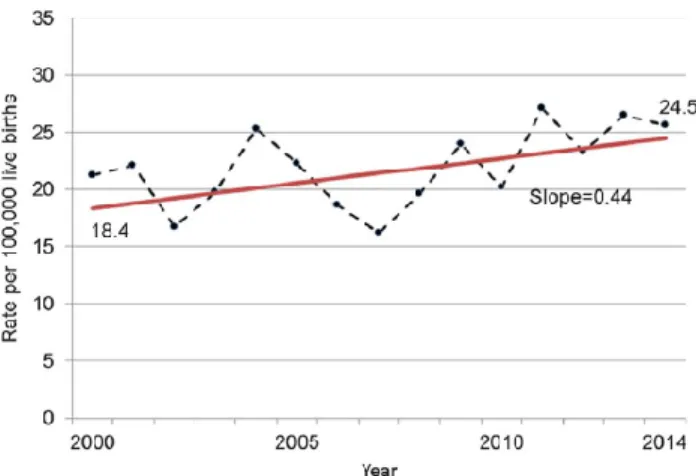
the world when it comes to the rate of women dying from pregnancy and childbirth complications, the worst in the industrialized world, behind Kazakhstan, Libya, and Qatar (Agrawal, 2015). The seriousness of the situation is reinforced by the fact that the maternal mortality rate is moving in the wrong direction (Figure 1). A study of vital statistics data for all U.S. states showed the estimated mortality rate for forty-eight states and Washington D.C. increased by 26.6% from 18.8 in 2000 to 23.8 in 2014 (MacDorman, 2016). Our worsening mortality rate is in contrast to the rest of the world. Subsequent to a United Nations
Millennium Development Goal that aimed for a 75% reduction in maternal mortality by 2015, 157 of 183 countries studied showed a decrease from 2000 to 2013. In contrast, the United States is moving in the opposite direction, now ranking 30th of 31 Organization for Economic
Figure 1. US maternal mortality rates (MacDorman, 2016, p. 451)
Rates of maternal mortality and morbidity show the broad stroke of poor outcomes for pregnancy in our country. Further evaluation of the situation highlights particular aspects of our failed health care system, notably the degree of health disparities for different groups in our society. These demonstrate how various factors, usually beyond the control of an individual or their population, dictate their health. These disparities present a very uneven picture of health for America, and raise significant issues ranging from their economic impact to the cause of social justice.
Health status based on socioeconomic status (SES) is a fundamental element in the health of our nation. Despite the US having one of the highest levels of Gross Domestic Product (US$) per capita among OECD nations ($57,797) (OECD, 2018) the level of economic
disadvantage in our country is sobering. James Price’s review (2018) on poverty and health disparities reports that “roughly half of American jobs pay $37,000 or less each year, and about one quarter pay $23,000 or less (Bricker et al., 2017; Kneebone and Holmes, 2016; Semega et al., 2017)”. In 2016 40.6 million Americans (12.7%) lived in poverty and in 2010-2014 14 million lived in “extremely poor” neighborhoods where 40% or more of the population lived below
federal poverty levels. With consideration of the course of health through life, it is even more striking in Price’s review to note that the highest rate of poverty lies with those under 18 years
of age (18%, 13.3 million). This compares to those at 18-64 years (11.6%, 22.8 million) and 65 and older (9.3%, 4.6 million). The health impact of this economic deprivation is noted with “the difference in life expectancy between the top 1% and the bottom 1% of the income distribution of the United States is 15 years for men and 10 years for women”. (Price, 2018, p. 171)
five times as likely to report being in fair or poor heath as adults with incomes at least four times the federal poverty level.
Health disparities based upon race and ethnicity appear entrenched in our country’s maternal child health. The degree of significance is such that black women are 3 to 4 times more likely to die from pregnancy-related causes and have more than a 2-fold greater risk of severe maternal morbidity than are white women (Howell et al., 2016). The level of disparities is moving in an unfavorable direction with non-Hispanic blacks experiencing the most notable increases in maternal mortality between the years of 2007 – 2014 (Moaddad, 2016). In an evaluation of racial and ethnic disparities for severe maternal morbidity, rates of 22 of the 25 specific severe morbidity indicators were significantly higher in Hispanic black than in non-Hispanic white women, including higher rates of postpartum hemorrhage, puerperal infection, and venous thromboembolism (Creanga, 2014). In addition to disparities for multiple adverse obstetric outcomes there are disparities in the types of obstetric care, such as episiotomy and labor induction, that are independent of patient characteristics and delivery hospital (Grobman, 2015). Data indicate that if racial and ethnic minority women experienced severe maternal morbidity at the same rate as non-Hispanic white women there would be a 28% reduction in cases of severe maternal morbidity among racial and ethnic minority women with non-Hispanic black women seeing the greatest reduction of 41% (an estimated 5,212 fewer cases per year) (Admon, 2018).
industrialized countries (Kumar et al., 2017). Racial disparities for health carry through in this age group with Black and Latina adolescents experiencing more than twice the rate of
adolescent pregnancy compared to White adolescents (Kumar et al., 2017). These pregnancies are more prone to preterm birth, low birth weight, and neonatal mortality (Kumar et al., 2017).
Geographic heterogeneity stands as another remarkable dimension of American health disparities with uneven comparisons of health at both regional and community levels. Health in rural America as a whole is problematic with residents facing limited access and a lack of resources. As reported by American College of Obstetrics and Gynecology (ACOG) currently more than half of all rural counties lack hospital obstetric services, increasing from 45% to 54% between 2004 and 2014. With hospital and obstetric unit closures 179 rural counties (9% of all rural counties) lost access to in-county hospital obstetric services. Disparities are present in outcomes such as the infant mortality rate, noted “in 128 nonmetropolitan counties (6.2%) with rates more than twice the national rate “(ACOG, 2014, p. 2). In addition to broad regional disparities, specific communities experience disparities in maternal child health. Washington, D.C., our nation’s capital, offers evidence of this with the highest rate of maternal mortality in
the country (Agrawal, 2015).
preceding the onset of pregnancy and the initiation of prenatal care may determine outcomes to a significant degree, particularly as more women are entering pregnancy with chronic health conditions. The rate of pregnant women with obesity, hypertension, and diabetes is greater than the past, with cardiovascular disease acting as the leading national cause of maternal death (Agrawal, 2015). Our current processes of prenatal care are proving to be deficient with the majority of maternal deaths taking place after birth, with an estimated 60% occurring in the days and weeks following childbirth (Agrawal, 2015).
The status of health in America serves as an example of the maxim that “every system is perfectly designed to obtain the results it produces” (Institute for Health Care Improvement
[IHI], 2015). The fundamental elements related to our health care system provide a context for our current situation and provide a reference point for change. In the United States, our
approach to health largely follows the medical model. Pamela Russo, writing in Jonas and Kovner’s Health Care Delivery in the United States (2015) provides an understanding of how this
acts as the foundation of our health care system.
The medical model hones in on individuals, focusing on the factors that are most immediately linked to the pathophysiology underlying a person’s disease. It is a reductionist model in the sense that it searches for the mechanisms at the cellular level that explain how specific factors produce illness or act as markers of incipient disease. In turn, the therapeutic goal is to find the “silver bullet” that will stop or reverse those mechanisms and thus cure the current medical problem.
The medical model frames risk factors as if they were independent in statistical ways, and typically analyzes risk factors as if they were independent in statistical modeling. The medical model does consider how different biological systems within the individual interact – for example, the endocrine system and the cardiovascular system – but the lens remains focused on the body.
has led to a more long-term perspective. Historically the health care system has placed less value on and provided less reimbursement for efforts to promote health or to prevent illness and injury (Russo, 2015, p. 82).
Beyond the approach taken by the medical model lie complicated dynamics that intersect or diverge along the interests of numerous and varied stakeholders. The mission of providers is confused at times and may be complicated with the conflicting profit motives and corporate responsibilities of competing interests. A schism between government and private entities creates another tension in approaching health for our population. The organization of our health care services and delivery is notably fragmented and care often occurs in silos. Woven between these many actors lie large and complicated bureaucracies that inhibit efficiency, adaptability, and change. Considering the amalgam that is American health care, we may not be surprised that we are facing stagnant and in places worsening health outcomes. A recent AHRQ study reflects the spectrum of issues woven into our health care. The social, structural, and geographic elements that complicate the landscape of American maternal child health are represented by the fact that severe maternal morbidity occurred more often in hospitals that served minorities (53.4%), where coverage was paid by Medicaid (51.4%), and in the south (44.4%). (Lancet, 2018)
A disconnect between our health system and its outcomes prompts the need to redirect our focus and investments toward a more effective approach and model. The preceding
have not translated into health improvements across many populations. The search for a better path forward takes us back to learn from our experiences from the past. The field of public health, with active organization for over one hundred years, has proven its value and shown its impact for the health and well-being of society and across populations. This is supported with “recent studies finding that, of the nearly 30 year improvement in life expectancy at birth in the
United States since 1900, public health’s prevention efforts are responsible for 25 years…based on evidence that only 5.2 years of the 30 year improvement are the result of medical care” (Turnock, 2012, p. 23), as the gains came primarily from social policies, community actions, and personal decisions. For women’s health, maternal mortality decreased by 99 percent, which
Michael Lu declares as “one of the greatest public health achievements of the 20th century”
(Korbatov, 2015).
The positive impact of public health derives from its underlying purpose, values, and reasoned approach. Its important role in addressing our American health problems is based on certain fundamental principles and values which guide the efforts undertaken and enhance the likelihood of producing broad successful outcomes. Understanding this begins with the
definition of public health. Among numerous and various iterations, one of the most highly referenced is the Institute of Medicine’s representation of public health’s mission as “fulfilling society’s interest in assuring conditions in which people can be healthy” (IOM, 1988, p.7).
Turnock indicates that this “directs our attention to the many conditions that influence health and wellness, underscoring the broad scope of public health and legitimizing its interest in social, economic, political, and medical care factors that affect health and illness”… with the
status of others provides benefits to all” (Turnock, 2012, p. 9). Turnock also offers Winslow’s definition from nearly a century ago that captures an essence of public health:
The science and art of preventing disease, prolonging life, and promoting health and efficiency through organized community effort for the sanitation of the
environment, the control of communicable infections, the education of the individual in personal hygiene, the organization of medical and nursing services for the early
diagnosis and prevention of disease, and for the development of the social machinery to insure everyone a standard of living adequate for the maintenance of health, so
organizing these benefits as to enable every citizen to realize his birthright of health and longevity. (Winslow, 1920)
The public health approach to challenges serves as a fundamental factor that underlies the success of its efforts. This approach involves the “three core functions of public health: assessment, policy development, and assurance” (Turnock, 2012, p. 10). Although this is considered akin to the medical profession’s approach to disease, the medical approach occurs
with its focus on an individual, while the public health approach addresses challenges at population levels. For the public health approach “assessment is the analogue of
diagnosis,….assurance is analogous to treatment and implies that the necessary remedies or
interventions are put into place,….policy development is an intermediate role of collectively deciding which remedies or interventions are most appropriate for the problems
identified.”(Turnock, 2012, p. 10) This population-level approach, grounded in understood
principles and values, offers a break from the fragmented market-driven approach of the medical model that has failed to meet the overall health challenges of our country.
care primarily addresses only the former. With public health’s capacity and interest to address both dimensions of health it can demonstrate its expertise and take a preeminent role in transforming American health. It can address our current national health problems through its nature as a system and the unique features it possesses. Public health stands as “a broad social enterprise, more akin to a movement, that seeks to extend the benefits of current knowledge in ways that will have the maximum impact on the health status of a population” (Turnock, 2012, p. 11). This system accepts that its issues have political dynamics and attempts to meet upstream causes and policies. It accepts the social aspect of problems and seeks to apply justice to demands and outcomes with an agenda that moves beyond the personal level to a “multi-level, multidimensional view of health, often termed as the ecological model of health”
(Turnock, 2012, p. 17). Public health appreciates the role and responsibility that government has for the health of a population as it “can modify public policies that influence health through
social and environmental conditions…….and provide directly the programs and services that are
designed to meet the health needs of the population” (Turnock, 2012, p. 19). Akin to the medical system, public health is grounded in science. However, in addition to the research and evidence of the physical and biologic sciences it draws from the “soft sciences”. Although the medical system subscribes to the notion of prevention, public health holds this as a more fundamental value. It seeks to address it at deeper and broader levels with primary prevention rather than the frequent tertiary prevention of the medical model. A final feature that
empowers public health is its unique culture. Turnock describes it as multidisciplinary and nonhierarchical with vertical and horizontal reach in which its “common link is a set of intended
are bound to common ends, and all employ somewhat different perspectives from their diverse education, training, and work experiences. “Whatever it takes to get the job done” is the theme
suggesting that the basic task is one of problem solving around health issues. This aspect of public health is the foundation for strategies and methods that rely heavily on collaborations and partnerships”(Turnock, 2012, p. 22).
The evolution of public health has positioned it to address our health issues with its appreciation for disparities, focus on prevention, consideration of partnerships, and attention toward community and collective action. However, public health’s potential currently sits on the backburner of the United States healthcare system as the majority of resources are applied to the medical care system. Investment in public health is sorely lacking despite its positive impact. In a summary of the literature that examined the impact of investments in social services or integrated models of health care and social services, 82% of articles reported some positive effects on either health outcomes, health care costs, or both (Taylor, 2016). Despite evidence for its positive return on investment, public health activities suffer from the “wrong
pocket problem” (Erickson, 2014) in which the economic benefit of the intervention does not
mortality rates among adults with an inadequate education were the same as those among individuals at higher education levels” (Woolf, 2007, p.682). Such a calculation would indicate that efforts to correct the social conditions causing education-associated excess mortality should be proportionately greater than society’s investment in medical advancements. Despite the evidence of benefit, resources dedicated to public health continue to pale in comparison to those for medical care.
Evolving Approaches to Maternal Child Health
The overall poor health of the U.S. population and disparate outcomes has necessitated an examination of the overarching nature of health in the United States and the forces that influence it. In response to the shortcomings and problems with our current health care system, approaches are evolving to address these issues. While technology has produced amazing advances and opened new possibilities it has not served to address illness and population health. The focus on biology as the basis of health has overlooked more powerful forces that determine the length and quality of life. Attention now has expanded past the individual and their personal behaviors to consider the importance of community and society. This has developed a broader approach of looking at the conditions that underlie health through communities, regions, and the nation.
individuals, including the distribution of such outcomes within the group.” (Kindig, 2003) This view involves a broader more systemic understanding and approach to health beyond the episodic and individual management of our current health care system. Based on its underlying principles to prevent disease and promote health, public health positions health care delivery as only a small part of the health equation. The population health paradigm requires a close partnership between clinical medicine and public health (Jamieson, 2018). Dr. Thomas Frieden describes the arrangement of population health as a “health impact pyramid” with the social determinants of health serving as the base for interventions to improve health across a broad part of the population (Figure 2).
Successive levels of the pyramid involve interventions through the environmental context for health and then long-lasting protective interventions (vaccines). At the top of the pyramid are the more individual impacts of clinical interventions, counseling and education. The framework of population health also considers the policies and interventions that link health outcomes and patterns of health determinants. (Jamieson & Haddad, 2018 p. 1145)
The social determinants of health mentioned above reside as the foundation for population health, serving as elemental factors for the health of individuals and groups. The Healthy People 2020 report defines these social determinants of health as “the conditions in which we are born, learn, live, work, play, worship, and age” (Healthy People 2020). These signify the fact that health is determined to a significant degree by the where a person is born and the conditions in which they live. Evaluating these factors helps to understand how health is shaped by historical, social, political, and environmental forces (ACOG, 2018). Their
significance is noted as social and structural factors account for more than one-third of total deaths in the United States in a year (Galea, 2011). The magnitude of these forces is quite remarkable in sheer numbers. As reported by Daniel, adult deaths in 2000 attributable to social factors were approximately 245,000 deaths due to low education, 176,000 to racial
segregation, 162,000 to low social support, 133,000 to individual-level poverty and 119,000 to income inequality. In comparison the number of deaths attributable to lung cancer was 155,521, approximate to that of low social support (Daniel, 2018). The potential impact of directing more focus on the social determinants of health compared to our current investments in healthcare provides another clear indication of their importance. According to Woolf,
disparities in education-associated mortality rates would have saved 1,369,335 lives during the same period, a ratio of 8:1 (Woolf, 2007). Another analysis indicates that place of birth is more strongly associated with life expectancy than race or genetics with a 15-year life span difference occurring between the most advantaged and disadvantaged citizens (Daniel, 2018). On an economic scale population level inequalities in health care result in $309 billion in losses to the economy annually and disproportionately affect disadvantaged populations (Daniel, 2018).
The social determinants of health produce distinct and powerful effects in the form of health disparities for particular populations in the United States. In many cases the most influential effect appears to be differences in health based upon socioeconomic status. People of low socioeconomic status have higher mortality rates and poorer health status than does the general population. As reported on this aspect of health in 2010, Paula A. Braveman et al. aimed to describe economic disparities across multiple health indicators and socioeconomic groups that involved 5 child (infant mortality, health status, activity limitation, healthy eating, sedentary adolescents) and 6 adult (life expectancy, health status, activity limitation, heart disease, diabetes, obesity) health indicators. (Braveman, 2010) The results showed that even though the lowest income and least educated were consistently the least healthy, even groups with intermediate levels were less healthy than the wealthiest and most educated. This
fundamental, powerful, and pervasive links between income and education and access to a range of opportunities and resources that shape health through a myriad, often complex, pathways and physiological mechanisms.” (Braveman et al., 2010, p. 193) Blumenshine et al.
conducted a systematic review on relevant articles published from 1999 to 2007 related to adverse birth outcomes associated with socioeconomic disadvantage. (Blumenshine, 2010) Of the 106 studies, 93 reported a significant association between a socioeconomic measure and an adverse birth outcome. From the results they concluded that “socioeconomic differences in birth outcomes remain pervasive, with substantial variation by racial or ethnic subgroup, and are associated with disadvantage measured at multiple levels (individual/family, neighborhood) and time points (childhood, adulthood), and with adverse health behaviors that are themselves socially patterned.” (Blumenshine, 2010, p. 263)
Improving maternal child outcomes and health equity requires an understanding of the causes for racial and ethnic health disparities. This effort has produced a number of hypotheses with varying degrees of evidence. Although there is no doubt that a significant degree of racial and cultural disparities overlap with the socioeconomic issues of disadvantage, research shows that racial and ethnic disparities exist independent of socioeconomic status (SES). In his
assessment of this relationship, Lu reports that “most studies that have controlled for
revealed that Blacks have worse outcome than do Whites at each level of income or education: (Braveman et al., 2010, p. S192) (Table 1).
Table 1. Life expectancy disparities by income and race/ethnicity (Woolf, 2011)
Figure 4. Severe maternal morbidity by comorbidity and race/ethnicity (Admon, 2018, p. 7)
Understanding health disparities requires going beyond the more proximate causes of preexisting and concurrent medical conditions. To this end, the American Congress of
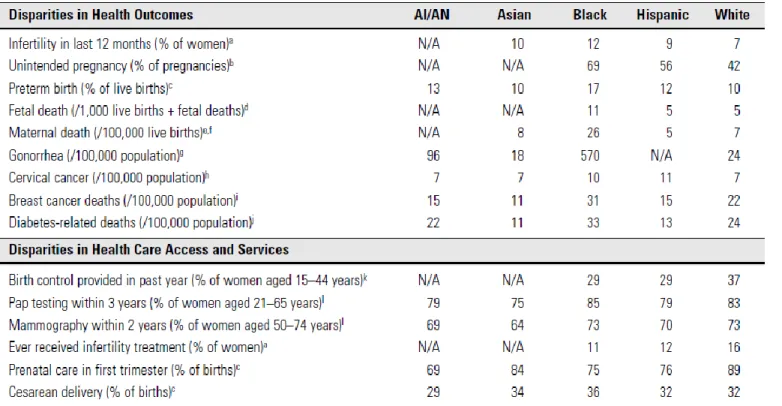
Obstetrics and Gynecology (ACOG) produced a Committee Opinion addressing racial and ethnic disparities in obstetrics and gynecology (ACOG, 2015). For this evaluation they weighed factors at the patient, provider, and health care system levels and sought to make a distinction
health status. At the practitioner level there is evidence of factors such as provider stereotyping and implicit bias. As well cultural and language differences may affect interpretation of medical information from both the patient and provider perspective, and possibly an effect of culturally derived mistrust of the health care system. At the system level access to care is impacted by market-driven forces that affect the uninsured and underinsured, and geography affects the availability of facilities. The Committee Opinion, referencing Metzl & Hansen, states that “each of these factors must be contextualized in terms of broader structural inequalities that
Table 2. Obstetric racial/ethnic disparities. (ACOG, 2015, p. e131)
2017, p. 309). With a similar perspective, a multidisciplinary workgroup of the National Partnership for Maternal Safety produced a concept article for the bundle on reduction of peripartum disparities (Howell, 2018). The aim of this effort is “to provide health care providers and health systems with insight into racial and ethnic disparities in outcomes, the etiologies that are modifiable within a health care system, and resources that can be used to address these etiologies and achieve the desired end of safe and equitable health care for all childbearing women” (Howell, 2018, p. 366).
Our effort to address poor health is aided by gaining insight into the pathways that lead from causes to outcomes. There is a strengthening grasp of the importance of social
determinants “as knowledge of the pathways and biological mechanisms connecting social factors with health has increased exponentially during the past 25 years” (Braveman, 2014, p. 22). Braveman accounts how health results from direct and rapid acting responses to
exposures, factors that are more indirect and act over short time frames, and those that
changes in telomere length in which shortening is considered a marker of cellular aging (Braveman, 2014). The concept that the output of the genetic code is malleable gains even more importance when it is apparent that this can produce multigenerational impacts.
After birth, the concept of allostatic load may help explain the impact of life stressors with an appreciation for the “wear and tear” that factors such as poverty and racism have on health. Braveman presents allostatic load as “a multicomponent construct that reflects
physiologic changes across different biological regulatory systems in response to chronic social and environmental stress” (Braveman, 2014, p. 24). This is noted with examples of
pro-inflammatory responses to stress and the negative contribution of lower income and educational achievement to blood pressure and cholesterol. Evidence also shows that
“physiological regulatory systems thought to be affected by social and environmental stressors
have included the hypothalamic-pituitary-adrenal axis; sympathetic (autonomic) nervous system; and immune / inflammatory, cardiovascular, and metabolic systems… which overlap peripherally and in the brain (Braveman, 2014, p. 24)” (Figure 5). Of importance is that “despite considerable evidence indicating important effects of social factors on health, however, not every individual exposed to socioeconomic or other adversity develops disease (Braveman, 2014, p. 25)”, as the impact of adversity may be mitigated by protective social factors, such as social support, self-esteem, and self-efficacy. If we hope to make significant inroads against our poor health outcomes and existing disparities, this emerging evidence about the biologic effects of social determinants provide the justification and support to develop relevant effective
Figure 5. Biological pathways for psychosocial determinants of health (Bloch, 2012, p. 826)
The Lifecourse Approach to Health
With an improving sense of the factors underlying the poor state of our nation’s health, we are developing the ability to address them. It is most effective to have frameworks that allow us to view and approach complex issues in the most effective manner. One such approach that offers great promise to understand, communicate, and coordinate efforts is the lifecourse approach.
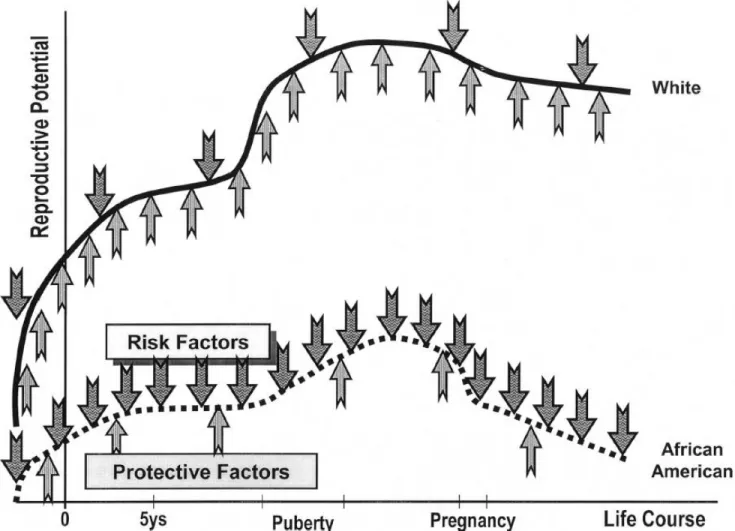
Figure 6. Lifecourse health development (Lu & Halfon, 2003, p. 18)
Subsequent to its presentation, the life-course model evolved with further research and application. In 2013 Halfon et al. provided a well-developed update and context for the
lifecourse approach. The more evolved iterations, referred to lifecourse health development (LCHD), “synthesized research from biological, behavioral and social science disciplines, defined health development as a dynamic process that begins before conception and continues
optimization of individual and population heath trajectories” (Halfon, et al., 2014, p. 344). LCHD is offered as the opening to a third era of modern healthcare (Table 3). Looking back, the first era operated through the first half of the twentieth century on biomedical models that addressed acute illnesses. Through the latter half of the twentieth century biopsychosocial models developed to manage chronic illnesses. Now LCHD is leading the way into a health development model that addresses health over the lifespan and beyond with an
intergenerational scope (Figure 7).
Figure 7. The evolution of health development (Halfon, et al., 2014, p. 346)
The early LCHD framework “largely coalesced around the following principles:
• Health is a developmental capacity of individuals;
• Health development can be represented by health development trajectories;
capacities; Risk factors and protective influences can have a bigger impact on health development during sensitive and critical developmental periods when biological and behavioral regulatory systems are being initialized, programmed and implemented. Heightened levels of developmental plasticity during these sensitive periods provide for greater mutability and change;
• Risk, protective, and health promoting influences can work through different complementary and often interacting mechanisms including:
• biological and behavioral imbedding during sensitive and critical developmental time periods that can lead to latent effects not clinically observable for years or decades;
• cumulative influences over prolonged time frames;
• pathways of socially-constructed and culturally-linked factors that provide a type of “social scaffolding” that tends to channel health development toward increasingly predictable outcomes (Halfon, et al., 2014, p. 350).
Based on these principles the current LCHD model “incorporates this view of health as a dynamic, emergent capacity that develops continuously over the lifespan in a complex, non-linear process” (Halfon, et al., 2014 p. 351). This model’s basic tenets are:
1. Health is an emergent set of developmental capacities; 2. Health develops continuously over the lifespan;
3. Health development is a complex, non-linear process occurring in multiple dimensions, and at multiple levels and phases;
4. Health development is sensitive to the timing and social structuring of environmental exposures and experience;
5. Health development is an adaptive process that has been engendered by evolution with strategies to promote resilience and plasticity in the face of changing and often constraining environmental contexts;
6. Health development is sensitive to the timing and synchronization of
molecular, physiological, behavioral, social, and cultural function (Halfon, et al., 2014).
Figure 8. Lifecourse trajectories (Halfon, et al., 2014, p. 352)
The nature and degree of poor health outcomes and their disparities have produced a call for effective action. A clear presentation of this occurs with the Marmot Review in which Michael Marmot, who chaired the World Health Organization’s Commission on Social
Determinants of Health, was charged by the English Secretary of State Health “to propose the
can be eliminated completely making it shallower is possible. Of note is the proposal for “proportionate universalism” in applying efforts to reduce the gradient where “greater
intensity of action is likely to be needed for those with greater social and economic
disadvantage, but focusing solely on the most disadvantaged will not reduce the gradient, and will tackle only a small part of the problem.” (Marmot, 2010, p. 10). Regarding the health status of the population, “we are all in need – all of us beneath the very best-off.…and all must be
included in actions to create a fairer society”. (Marmot, 2010, p. 10)
Based on evidence the Marmot Report makes six policy objectives that have “twin aims: improving health and well-being for all and to reduce health inequalities” (Marmot, 2010, p. 14). The objectives are to give every child the best start in life; enable all children, young people and adults to maximize their capabilities and have control over their lives; create fair
employment and good work for all; ensure healthy standard of living for all; create and develop healthy and sustainable places and communities; and strengthen the role and impact of ill health prevention (Figure 9). In addressing health problems and inequities Marmot takes a life course perspective where “disadvantage starts before birth and accumulates through
life…Action to reduce health inequities must start before birth and be followed through the life
Figure 9. Lifecourse areas of action (Marmot, 2010, p. 20)
The Marmot Report provides a valuable directive toward addressing the health of our population and the embedded inequalities in outcomes with a primary principle that distills down to four words: every child – best start. With a life course approach this start must occur before birth and then be followed throughout life. For this to happen, maternal child health addressed by the medical model will need to evolve. Currently prenatal care is primarily
current outcomes and disparities our maternal child health model will need to use a public health approach at population levels with interventions that address the social determinants of health. The life course framework offers this new foundation for maternal child health with a “look beyond the prenatal period to a broader range of factors that may improve birth
outcomes” (Pies, et al., 2012, p. 650). Health practitioners are applying this model in new and
evolving ways to address the overall and particular problematic outcomes in maternal child health. Several efforts offer examples of how the lifecourse approach can be integrated into our health system and lead the way in this paradigm shift.
An early effort in adopting the life course approach was reported by the Family
Maternal and Child Health Services of Contra Costa County (CCHS), a local health department in the San Francisco Bay area (Pies, Parthasarathy, Posner, 2012). Despite having a high
registration rate into prenatal care for all ethnicities, birth outcomes remained poor. With direction from Lu and Halfon’s Life Course Perspective (LCP) CCHS launched a 15 year Life
Course Initiative (LCI) with the purpose to “reduce inequities in birth, infant, and maternal
access to prenatal care to one where social determinants of health, health equity, and the importance of critical periods of development and accumulation of risk across the lifecourse would be addressed as part of the goals and objectives of organizations serving women, children, and families” (Pies, et al., 2012, p. 651). They set out mapping the course of the LCI guided by Lu’s “A 12-point plan to close the Black-White gap in birth outcomes: a lifecourse approach” (Table 3).
Not only did they make the effort to bring about a paradigm shift through all their maternal child programs, they envisioned bringing about broad change in the field of maternal child health by seeking to “shift the MCH paradigm from one that traditionally focused on
improving access to prenatal care to one where social determinants of health, health equity, and the importance of critical periods of development and accumulation of risk across the life course would be addressed as part of the goals and objectives of organizations serving women, children, and families” (Pies, 2011). Their efforts involved creation of Life Course Perspective (LCP) educational materials, conducting LCP training sessions, and assessing the effectiveness of educational sessions with their staff. In addition, they established a Life Course Planning Team to oversee the LCI program and evaluation activities. Of special note is the pilot project they developed which focused on asset development to improve the financial security and stability of low income families. Building Economic Security Today (BEST) aimed to address the
“strongest social determinant of inequities in health, i.e. wealth, by integrating basic financial
education into health services”(Pies, 2011, p. 653).
The Northeast Florida Healthy Start Coalition provides another example of expanding the boundaries of prenatal care beyond the traditional clinical borders (Brady & Johnson, 2013). This community based maternal and child health coalition presented their efforts “to integrate
community organizations to deliver services aimed at improving birth outcomes and preventing developmental delays. One of its initiatives, the Magnolia Project, was launched in 1999 under the federal Healthy Start program with pre- and interconceptional interventions to address health disparities. Expansion of this initiative was based upon a 2008 community-wide study of infant mortality that produced a key finding of the impact of social determinants on poor outcomes, particularly in the black community. As a result they identified the work of the Costa Contra Health Services and its use of the 12-point plan to address disparities. With their service delivery plan the Healthy Start Coalition saw “the opportunity to introduce the life course model and high-light the cumulative impact of health and social inequity beginning at birth” (Brady & Johnson, 2013, p. 382). Their plans subsequently included a section on childhood and adolescence, and attempted to describe key socio-economic factors with the usual health status measures. They also identified critical community partners beyond the usual referral sources. With their services they made adaptations in content and delivery to “encourage interdependence and build social capital – two key concepts of the life course theory” (Brady & Johnson, 2013, p. 383). The Healthy Start Coalition and Magnolia Project expanded their
community outreach efforts with a social marketing campaign to address evidence about a lack of awareness about infant mortality in general and health disparities in particular. They utilized a lay health worker program that provided community residents with perinatal health
information, and encouraged them to “act as resources for people within their social circles and
put attention to work with families at influential times in their lives with the impetus to
“empower these families to address community issues that impact their lives as parents” (Brady
& Johnson, 2013, p. 384). With this mission they used a grass roots leadership curriculum to develop the Make a Difference! Leadership Academy that has a 12 week program and includes a group community project as a culminating activity.
As previously noted, relative to medical expenditures American health care currently offers limited economic support for public health initiatives. This fundamental will need to change if application of the life course to health management is to evolve and disseminate. An example of future possibilities for this shift is offered by the Lifecourse Initiative for Healthy Families (Frey et al., 2013). This regional multi-million dollar funding initiative was created and supported by the Wisconsin Partnership Program of the University of Wisconsin School of Medicine and Public Health to apply the life course perspective in designing strategic funding initiatives. Over a 2-year period, the program funded four collaboratives to adopt a life course perspective and develop strategic plans for improving African American birth outcomes. They aimed to show “how a university-based funding organization used the life course perspective,
and specifically the Twelve-point plan, to support a community planning process leading to strategies and interventions to address birth outcome disparities” (Frey et al., 2013, p. 414).
The Wisconsin Partnership Program awarded a combined $1.2 million for two-year planning grants to four Wisconsin communities. In each of these four a convening or
“coordinating” organization with expertise and planning and deep knowledge of the community
leaders and community residents across the life span. In a subsequent implementation and evaluation period the Partnership Program committed approximately $9 million in grants for community interventions and strategies reflective of local community action plans.
Collaboratives formed during the planning period were funded for continuation to serve as an agent for community change, a source of information on infant mortality and for coordination of service delivery. In this role they would work in four key areas: 1) strategic leadership, 2) buy-into the community action plan, 3) address community and environmental level change, and 4) leverage resources. From the whole effort Frey et al. concluded that “the life course perspective can be adapted to a comprehensive funding initiative that engages a wide range of partners leading to broader approaches to health inequity and disparities” (Frey et al., 2013, p. 421).
Elements of a New Era in Maternal Child Health
A shift from the medical model of health to a population health model will require careful thought, planning, and implementation with consideration for the effect on all current and future stakeholders. With the aspiration of improving maternal child outcomes and reducing disparities, our clinical prenatal care will need to evolve and be designed to benefit from the principles and practices of public health. One such effort involves advocacy for internatal care that involves “a package of healthcare and ancillary services provided to a
woman and her family from the birth of one child to the birth of her next child” (Lu, 2006). This
mothers before their next pregnancy with core components of risk assessment, health promotion, clinical and psychological interventions. Another example of public health enhancing prenatal care is the Pregnancy Medical Home program established by the North Carolina Divisions of Medical Assistance and Public Health in 2011. With physician incentive to administer a pregnancy risk screen for Medicaid patients at their initial prenatal visit, it assigns a pregnancy care manager to those considered at higher risk for an adverse pregnancy
outcome. Although the program was intended to address preterm births and cesarean sections, it may have helped narrow the black-white gap in maternal mortality (Almendrala, 2018). A public health approach is suited to assist our health care system in making such inroads for improving maternal child health.
With aspirations for a better maternal child health system, change will need to
bleeding have reversed the national trend of increasing maternal mortality, reporting a 55 percent decline between 2006 and 2013, from 16.9 deaths per 100,000 live births to 7.3 deaths per 100,00 live births (CMQCC). Regardless of it attributes, the goal of addressing population health is asking too much from a national medical system that is not organized or designed to deliver the desired results. Future improvements will be most effectively built upon the assets of our current system with an understanding of how its deficiencies can be addressed by a public health approach.
Meeting challenges wrought by adapting maternal child health to the life course perspective will require the principles and practices of Continuous Quality Improvement (CQI). As defined in McLaughlin and Kaluzny’s Continuous Quality Improvement in Health Care, CQI is “a structured organizational process of improvements to provide quality health care that meets
or exceeds expectations” (Sollecito & Johnson, 2013b, p. 4). Although adoption of CQI by the health care field has been late in coming, it is now fairly ingrained in numerous areas of the profession. An integral application of CQI to health care is the triple aim to improve health care outcomes, efficiency, and patient satisfaction (Berwick, 2008). CQI’s guidance with
organizational leadership, dynamics, and learning will be beneficial in transforming American health toward a population model. Particular manifestations in health care are programs such as Lean and Six Sigma. With the utmost importance of considering and fostering the human element with future change, CQI can prioritize attentiveness to the needs and functions of people in every role of health care.
communicate the case for change and successfully implement it. As explained in McLaughlin and Kaluzny’s Continuous Quality Improvement in Health Care, (Sollecito & Johnson, 2013 a, p.
65) “organizational leadership is critical to the development of a culture that fosters innovation (Greenhalgh et al., 2005)”. “Leaders within organizations are critical firstly in creating a cultural context that fosters innovation and secondly, establishing organizational strategy, structure, and systems that facilitate innovation (Greenhalgh et al., 2005)” (Sollecito & Johnson, 2013 a, p. 69). For progress in improving U.S. health outcomes national leadership is necessary. The Centers for Medicare and Medicaid Services (CMS) provides an existing example of this at the federal level with their Accountable Health Communities Model, which “addresses a critical gap
between clinical care and community services on the current health care delivery system by testing whether systematically identifying and addressing the health-related social needs of Medicare and Medicaid beneficiaries through screening, referral, and community navigation services will impact health care costs and reduce health care utilization” (CMS, 2018).
Leadership for particular populations is instrumental, as shown by the CEO of Geisinger Health System, David T. Feinberg, MD. Upon unveiling Springboard Health, a population health initiative, in 2017 he stated, “When it comes to the social determinants of health, we know
there are many more causes impacting the health of a population than access to quality medical care. We want to transform healthcare at its core by focusing on preventive care, behavioral health and economic growth” (Becker’s Hospital Review, 2017). For the life course
this. The community integrator is a “trusted organization that can understand and represent
the needs of the community; engage all the relevant service providers within a community (including health care services, public health, and social services); and leverage data-driven, multisector, community-level quality improvement toward shared goals for a defined population” (Billioux, Conway, et al., 2017, p. 1856). Current and future efforts will provide examples of organizational leadership that will instruct progress in transforming maternal child health at all levels of care.
Considering the disruption of paradigm and system change, people currently working in the medical system will need the utmost support and attention. As their roles and expectations are determined, care will need to be taken not to put further pressure on a medical system that is already under strain. In dealing with current circumstances, physicians and other members of the health care workforce report widespread burnout and dissatisfaction prompting the recent addition of another aim to the triple aim. The fourth aim of the quadruple aim has “the goal of improving the work life of health care providers, including clinicians and staff.” (Bodenheimer,
medical system as it evolves with a public health approach. With the expanded care of population health, medical providers and staff will need to be trained and open to work in a team setting with multiple disciplines.
CQI will be valuable in developing the human infrastructure that best integrates population health into maternal child health. It can guide those in community roles that
address the social determinants of health to assimilate successfully into our health care system. Currently each community and population has an untold number of people in various sectors whose work in their areas of interest, similar to the medical care system, is done in silos that lack coordination and integration with other resources or a more effective system. System and organizational structure and dynamics will be important in bringing their efforts into an
interventions that engage maternity partners. Ultimately the most important role to evolve with community engagement lies at the individual level with efforts to promote the health literacy, advocacy, and self-efficacy of patients themselves.
Bringing population health into our health care system will require roles that establish bridges between both the clinical and public health aspects of health. Elevating particular existing roles and weighing the nature of new ones will be important to meet this need. There are positions in our current system whose enhancement will better support the quadruple aim. Social workers and case managers are examples of those who have training and appreciation for the social determinants of health and can play a vital role in supporting a lifecourse
approach to maternal child health. The role of navigators may be important when the breadth and complexity of our health care system increase with incorporation of the non-clinical aspects of health into care. Kathryn McKenney and colleagues present patient navigation as “a patient-centered intervention that uses trained personnel to facilitate complete and timely access to health services” (McKenney et al., 2018, p. 280). Their review of this process presents evidence
Expanding the scope of clinical care to address the social determinants of health will require processes and tools that connect medical care to community health. This will be important with the need for effective screening of patients in the medical system for their health related social needs (HRSN). The Centers for Medicare and Medicaid Services has proposed a 10 item screening tool for this purpose through its Accountable Health
Communities Model (Appendix A), (Billioux, Verlander, et al, 2017). The model plans for clinical delivery sites – hospitals, clinics, doctors’ offices, and other clinical settings – to serve as the place of screening for all Medicare and Medicaid beneficiaries for unmet needs across five core HRSN domains: housing instability, food insecurity, transportation difficulties, utility assistance needs, and interpersonal safety concerns. Their proposed screening has three guiding
principles: 1) consistently identify the broadest set of HRSNs that could be addressed by
community service providers; 2) to be simple and streamlined; and 3) to be evidence-based and informed by practical experience. For such a screening tool to make an impact, it requires medical staff and providers that can effectively administer it and act upon identified needs. A tool currently operating in a number of areas that can bridge clinical care to social needs is the United Way’s “211” service. This is “a free, confidential referral and information helpline and
website that connects people from all communities and of all ages to the essential health and human services they need, 24 hours a day, seven days a week” (United Way, 2018). A potential
technological assist to clinical providers in a third era of health care could be the application of precision medicine for population health. Precision medicine “has emerged as a computational approach to functionally interpret omics and big data, and facilitate their application to
range of personalized data including genomic, epigenetic, environmental, lifestyle and medical history. The aspiration is that the accumulation of these data into an individualized virtual representation of the patient, combined with predictive modelling based on known interactions will inform rational therapy design for each patient” (Figure 11) (Dufy, 2015). A mechanism
Figure 11. Precision medicine (Duffy, 2015, p. 495)
Conclusion
The shift to population health with the application of a public health approach offers new possibilities to improve health outcomes in our nation as a whole and to address health disparities. With prenatal care’s pivotal position in the life course this aspect of medical care is a
Such fundamental change to the medical model will start with understanding its limitations and the forces of health that it is not currently designed to address. Innovative examples of
References
Admon LK, Winkelman TNA, Zivin K, Terplan M, Mhyre J, Dalton V. (2018). Racial and ethnic disparities in the incidence of severe maternal morbidity in the United States, 2012-2015. Obstetrics and Gynecology. 00: 1-9.
Agrawal, Priya. (2015). Sobering statistics about giving birth in the United States. Retrieved from https://www.mhtf.org/2015/11/30/sobering-statistics-about-giving-birth-in-the-united-states/
Almendrala Ana. (2018). Inspired by a modest North Carolina program, new bills aim to lower maternal mortality rates in the U.S. Huffington Post.com. Retrieved from
https://www.huffingtonpost.com/entry/maternal-mortality-rate-social-causes_us_5b87276ae4b0511db3d47c1c
American College of Obstetrics and Gynecology. (2014). Health disparities in rural women. ACOG Committee Opinion No. 586. Obstetrics and Gynecology. 123: 384-8.
American College of Obstetrics and Gynecology. (2015). Racial and Ethnic Disparities in Obstetrics and Gynecology. Committee Opinion No. 649. Obstetrics and Gynecology. 126: e130 – 134.
American College of Obstetrics and Gynecology. (2018). Importance of social determinants of health and cultural awareness in the delivery of reproductive health care. ACOG Committee Opinion No. 729. Obstetrics and Gynecology. 131: e43-48.
Becker’s Hospital Review. (2017). Geisinger to launch radical population health initiative. Becker’s Hospital Review.com. Retrieved from
https://www.beckershospitalreview.com/population-health/geisinger-to-launch-radical-population-health-initiative.html.
Berwick D, Nolan T, Whittington J. (2008). The triple aim: care, health, and cost. Health Affairs. 27(3): 759-69.
Billioux, Alexander; Conway, Patrick; Alley, Dawn. (2017). Addressing population health: Integrators in the accountable health communities model. Journal of the American Medical Association. 318, No. 19: 1865-1866.
Billioux, Alexander; Verlander, Katherine; Anthony, Susan; Alley, Dawn. (2017). Standardized screening for health-related social needs in clinical setting: The accountable health communities screening tool.
Bloch, Joan Rosen; Ryan, Jayne Green; and Kensey, Michelle O’Connor. (2012). Maternal psychosocial determinants of fetal and infant health and the National Children’s Study. Journal of Obstetrical, Gynecologic, and Neonatal Nurses. 41: 823 – 833.
Blumenshine, Philip, Egerter, Susan, Barclay, Colleen J, Cubbin, Catherine, Braveman, Paula A, (2010) Socioeconomic Disparities in Adverse Birth Outcomes: A Systematic Review. American Journal of Preventive Medicine. 39 (3):263 – 272.
Brady, Carol and Johnson, Faye. (2013) Integrating the life course into MCH service delivery: from theory to practice. Maternal Child Health Journal. 18: 380 – 388.
Braveman, Paula A, Cubbin, Catherine, Egerter, Susan, Williams, David R, and Pamuk, Elsie. (2010). Socioeconomic disparities in health in the United States: what the patterns tell us. American Journal of Public Health. 100 (No. S1): S186 – 196.
Braveman P, and Gottleib L. (2014) The social determinants of health: It’s time to consider the causes of the causes. Public Health Reports. 129(2): 19-31.
California Maternal Quality Care Collaborative. CA-PAMR (Maternal Mortality Review).
Retrieved from https://www.cmqcc.org/research/ca-pamr-maternal-mortality-review Callaghan WM, Creanga AA, Kuklina EV. (2012). Severe maternal morbidity among delivery and
postpartum hospitalizations in the United States, Obstetrics and Gynecology. 120: 1029-36.
Centers for Medicare and Medicaid Services (CMS). (2018). Accountable Health Communities Model. Retrieved from: https://innovation.cms.gov/initiatives/ahcm/
Creanga AA, Bateman BT, Kuklina EV, Callaghan WM. (2014) Racial and ethnic disparities in severe maternal morbidity: a multi-state analysis, 2008-2010. American Journal of Obtstetrics and Gynecology. 210(5): 435.e1-8.
Daniel, Hilary, et al. (2018). Addressing social determinants to improve patient care and promote health equity: An American College of Physicians Position Paper. Annals of Internal Medicine. 168: 577 – 578.
DONA International. (2018). What is a doula? DONA.org. Retrieved from: https://www.dona.org/what-is-a-doula/
Duffy D. (2015) Problems, challenges and promises: perspectives on precision medicine. Briefings in Bioinformatics. 17(3). 494-504.
Frey, Catherine A., Farrell, Philip M., et al. (2013). Wisconsin’s life course initiative for healthy families: Application of the maternal and child health life course perspective through a regional funding initiative. Maternal Child Health Journal. 18: 413-422.
Gadson, Alexis; Akpovi, Eloho; and Mehta, Pooja. (2017). Exploring the social determinants of racial / ethnic disparities in prenatal care utilization and maternal outcome. Seminars in Perinatology. 41: 308 – 317.
Galea S, Tracy M, Hoggat KJ, Dimaggio C, Karpati A. (2011). Estimated deaths attributable to social factors in the United States. American Journal of Public Health. 101: 1456-65. Greenhalgh, T.E., Robert, G., Macfarlane, F., et al. (2005). Diffusion of Innovations in Health Services Organizations: A Systematic Review of the Literature. Oxford, UK: Blackwell Publishing.
Grobman, William A. (2015). Racial and Ethnic Disparities in maternal morbidity and obstetric care. Obstetrics and Gynecology. 125: 1460 – 1467.
Halfon N, Larson K, Lu M, Tullis E, Russ S. (2014). Lifecourse health development: past, present, and future. Maternal Child Health Journal. 18. 344-365.
Healthy People 2020. (2015). Social determinants of health. Available at: https:// www.healthy people.gov/2020/topics-objectives/topic/social-determinats-of-health.
Howell, Elizabeth A., Brown, Haywood; et al. (2018) Reduction of peripartum racial and Ethnic Disparities. Journal of Midwifery and Women’s Health. 63: No. 3, 366-376.
Howell EA, Egorova NN, Balbierz A, Zeitlin J, Herbert PL. (2016). Site delivery contribution to black-white severe maternal morbidity disparity. American Journal of Obstetrics and Gynecology. 215:143-152.
Institute for Health Care Improvement (IHI). (2015). Like magic? (Every system is perfectly designed…) Retrieved from http://www.ihi.org/communities/blogs/origin-of-every-system-is-perfectly-designed-quote.
Institute of Medicine, National Academy of Sciences. (1988). The Future of Public Health. Washington, DC: National Academy Press.
Jamieson, Denise and Haddad, Lisa B. (2018). What obstetrician-gynecologists should know about population health. Obstetrics and Gynecology. 131, no. 6: 1145 – 1152. Keith, Katie. (2018). New budget bill eliminates IPAB, cuts prevention fund, and delays DSH
payment cuts. Health Affairs Blog. Retrieved from:
Kindig D and Stoddard G. (2003). What is population health? American Journal of Public Health. 93: 380-3.
Korbatov, Anna Bella. (2015). What explains the United States’ dismal maternal mortality rates? Maternal Health Task Force.
Kumar, Natasha; Raker, Christina; Ware, Crystal; and Phipps, Maureen. (2017). Characterizing social determinants of health for adolescent mothers during the prenatal and
postpartum periods. Women’s Health Issues. 27-5: 565 – 572. Lancet. (2018). Mismanaged expectations – maternal morbidity in the USA.
DOI:https://doi.org/10.1010/S0140-6736(18)32120-2
Lu, Michael C. (2014) Improving maternal and child health access across the life course: where do we go from here? Maternal and Child Health Journal. 18: 339-343.
Lu, Michael and Halfon, Neal. (2003). Racial and ethnic disparities in birth outcomes: a life-course approach. Maternal and Child Health Journal. 7 (1): 13 – 30.
Lu M, Kotelchuck M, Culhane J, Hobel C, Klerman L, Thorp J. (2006). Preconception care
between pregnancies: the content of internatal care. Maternal Child Health Journal. 10: S107-122.
Lu MC, Kotelchuck M, Hogan V, Jones L, Wright K, Halfon N. (2010). Closing the black-white gap in birth outcomes: A life-course approach. Ethnicity and Disease. 20(1 Suppl 2)62-76 MacDorman, et al. (2016). Recent increases in the U.S. maternal mortality rate. Disentangling
trends from measurement issues. Obstetrics and Gynecology. 0: 1-9.
Marmot, Michael. (2010) The Marmot Review. Fair Society, Healthy Lives. Retrieved from http://www.instituteofhealthequity.org/resources-reports/fair-society-healthy-lives-the-marmot-review.
Massey Z, Rising S, Ickovics. (2006). CenteringPregnancy group prenatal care: promoting
relationship-centered care. Journal of Obstetric, Gynecologic, and Neonatal Nursing. 35: 286-294.
McKenney, Kathryn; Martinez, Noelle; and Yee, Lynn. (2018). Patient navigation across the spectrum of women’s health care in the United States. American Journal of Obstetrics and Gynecology. March 2018: 280 -286.